Noticias:News:

EZLN

image/svg+xml image/svg+xml
radio
Los Tercios Compa

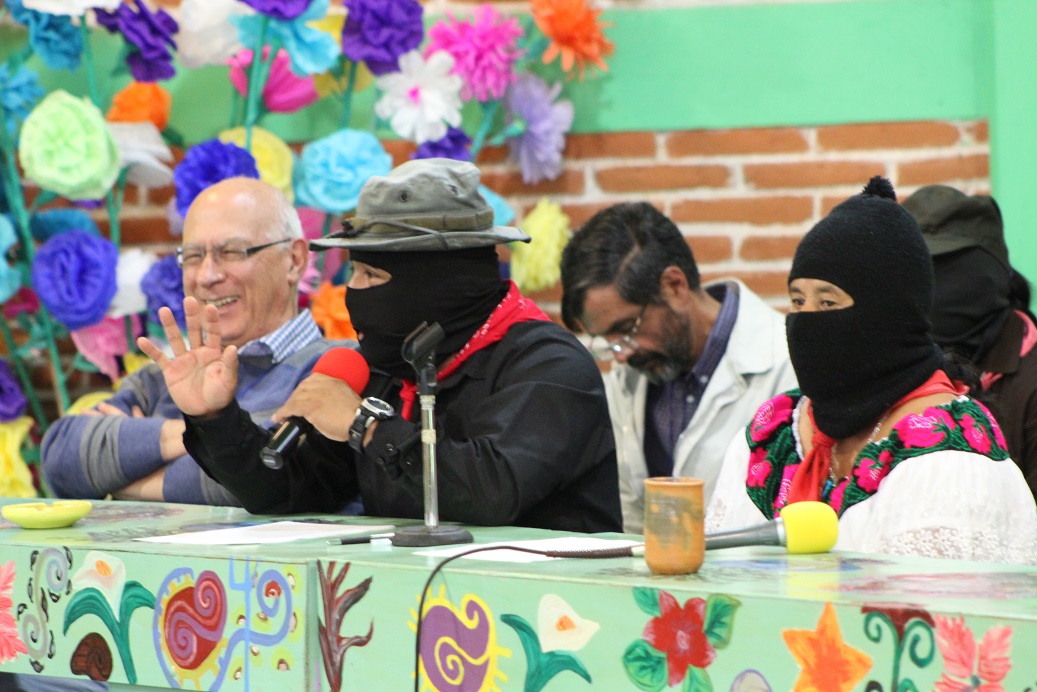
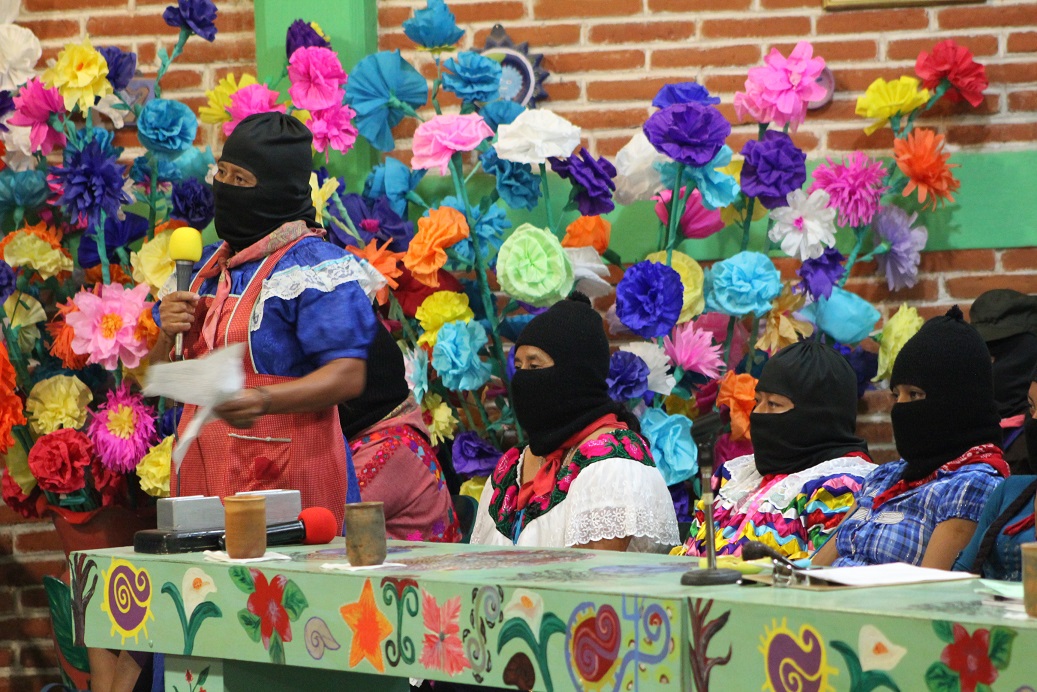
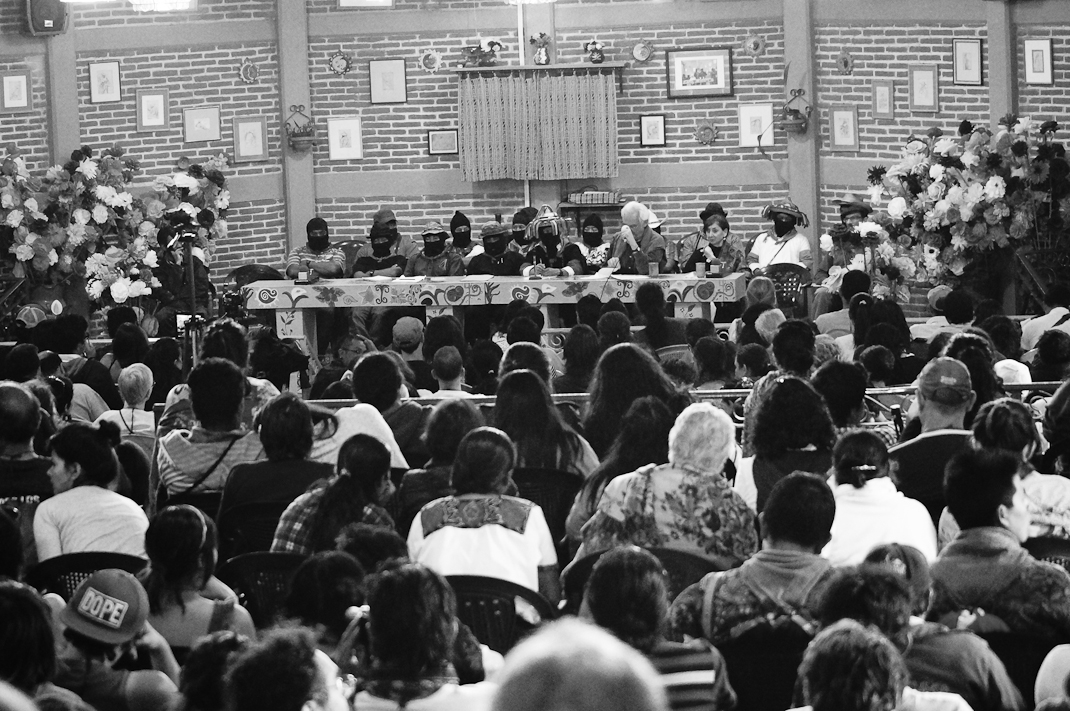
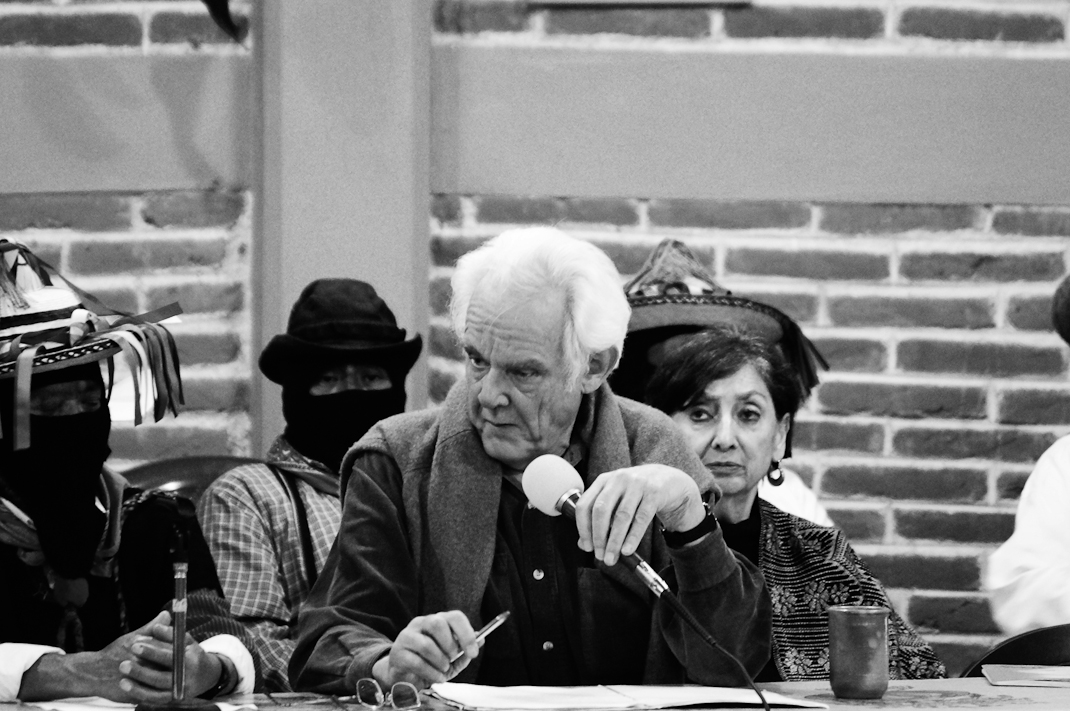
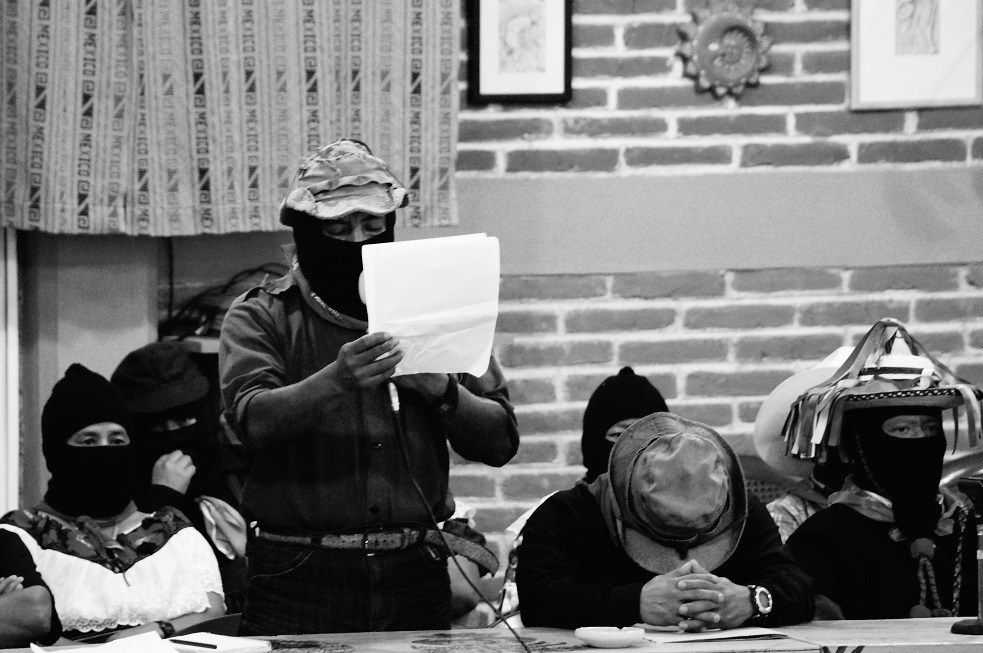
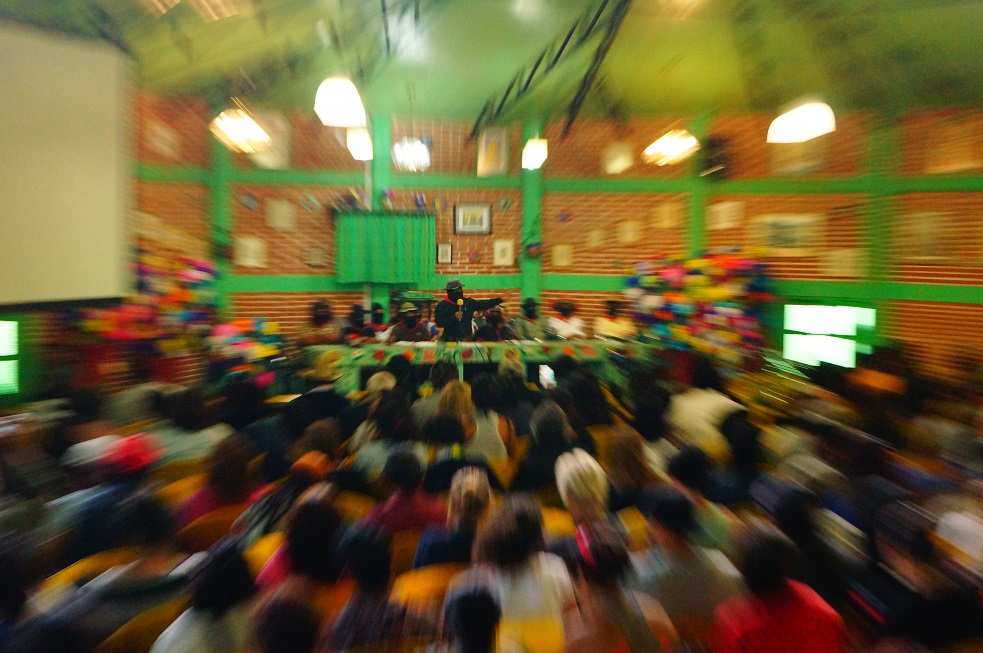
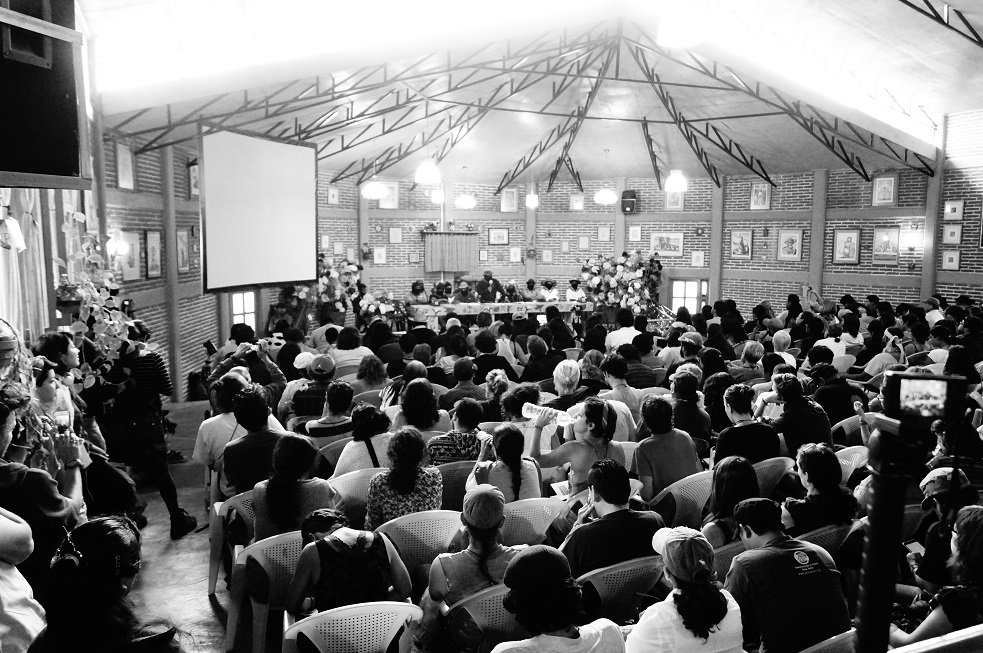
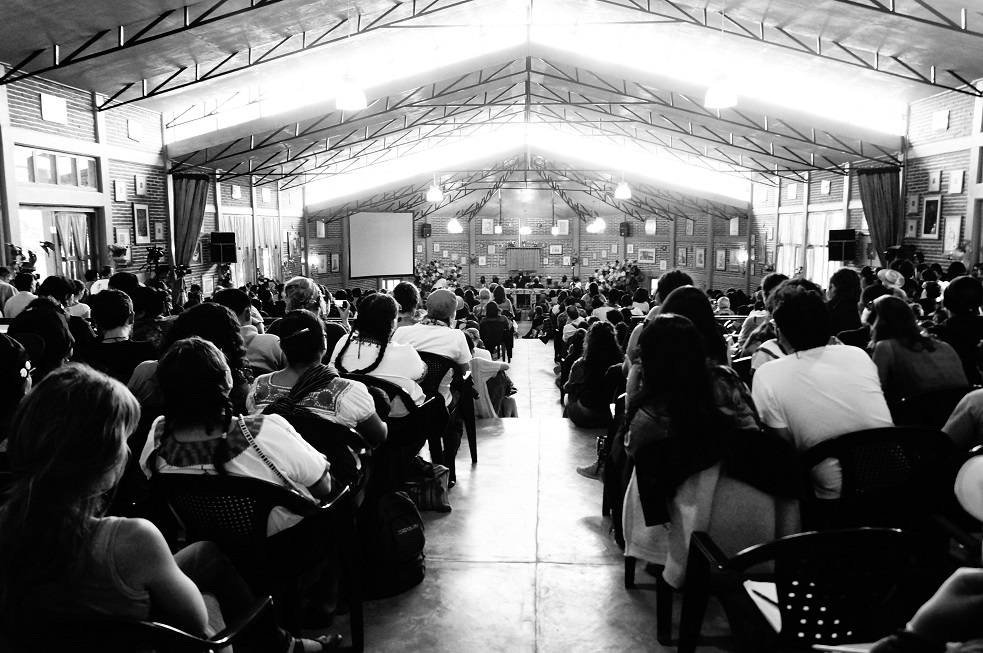
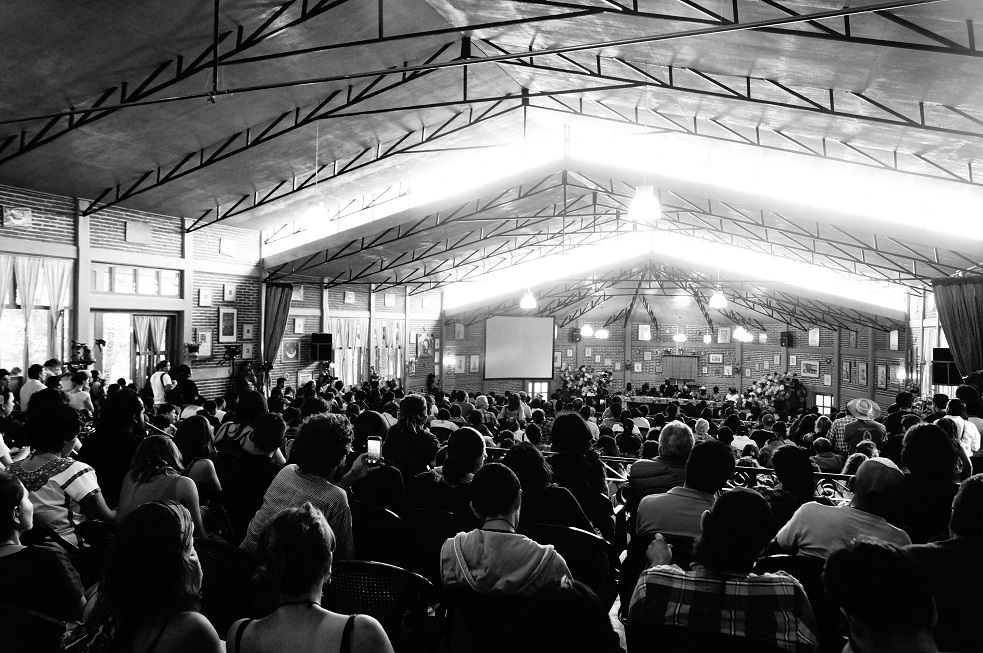
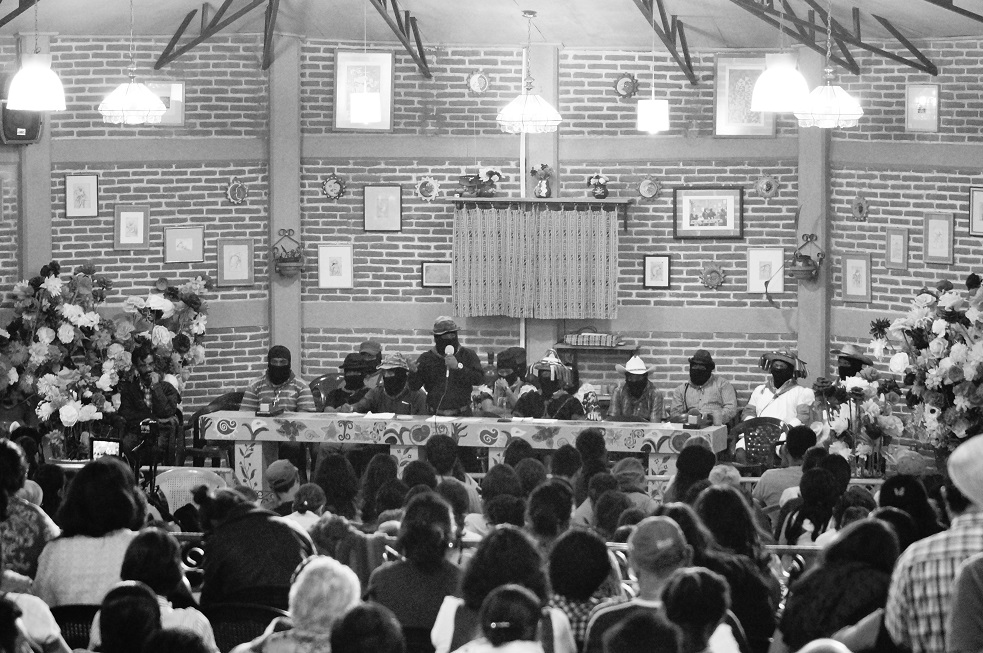
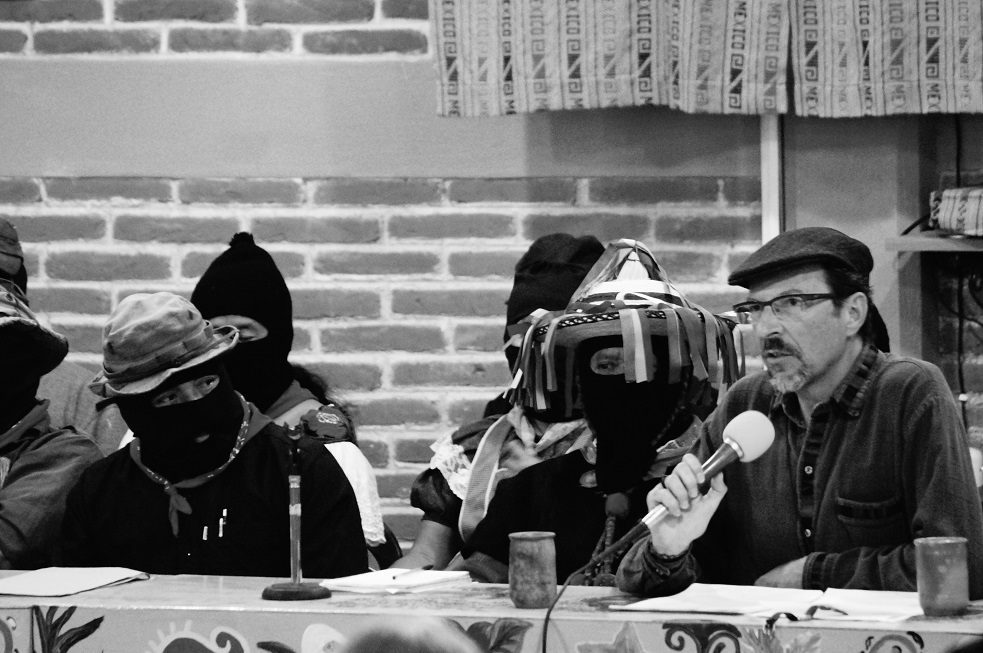
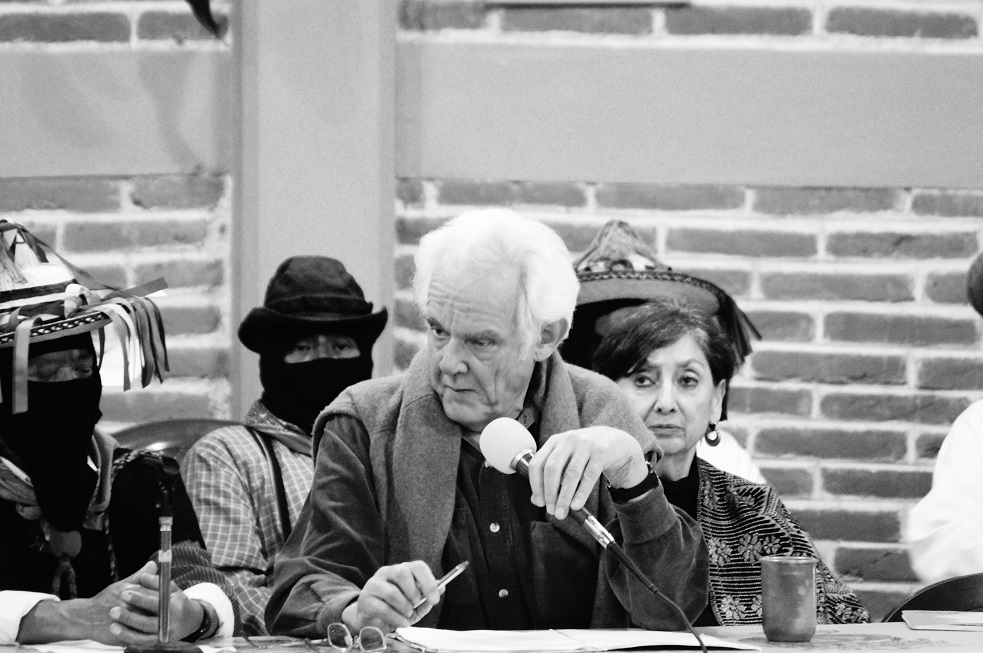
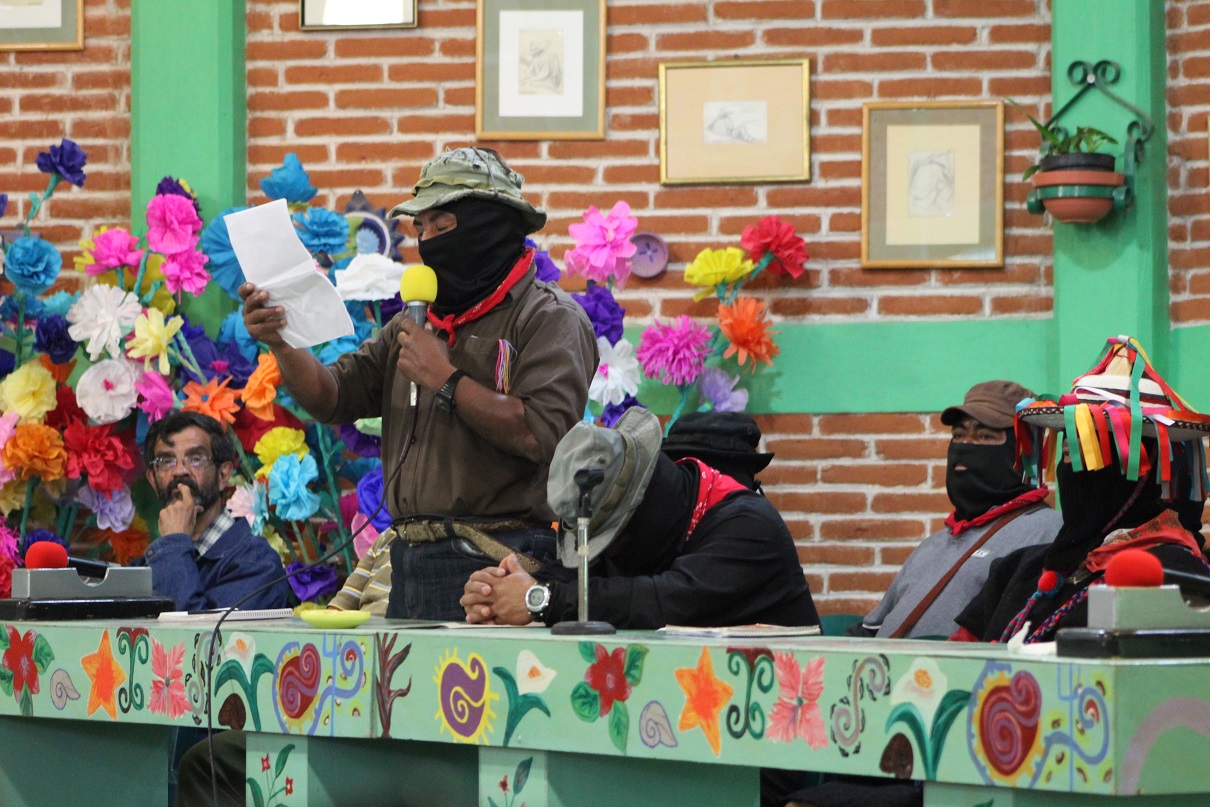
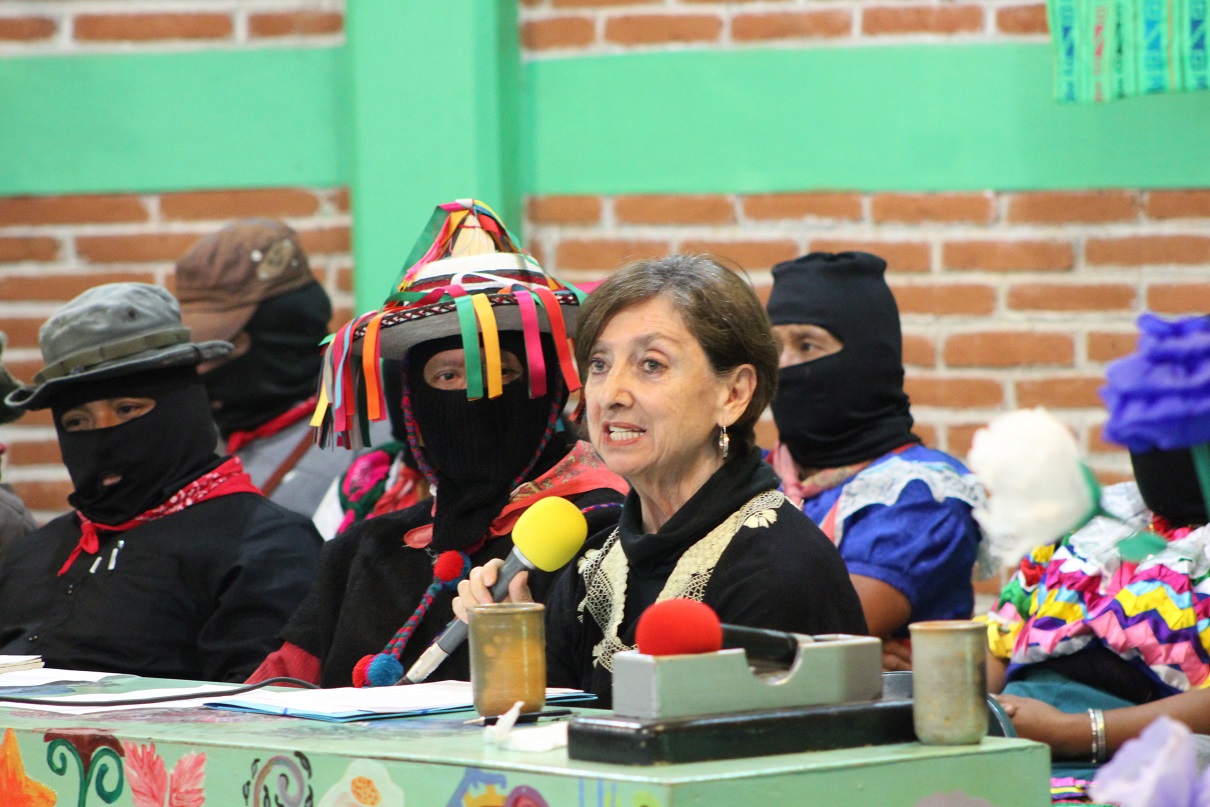
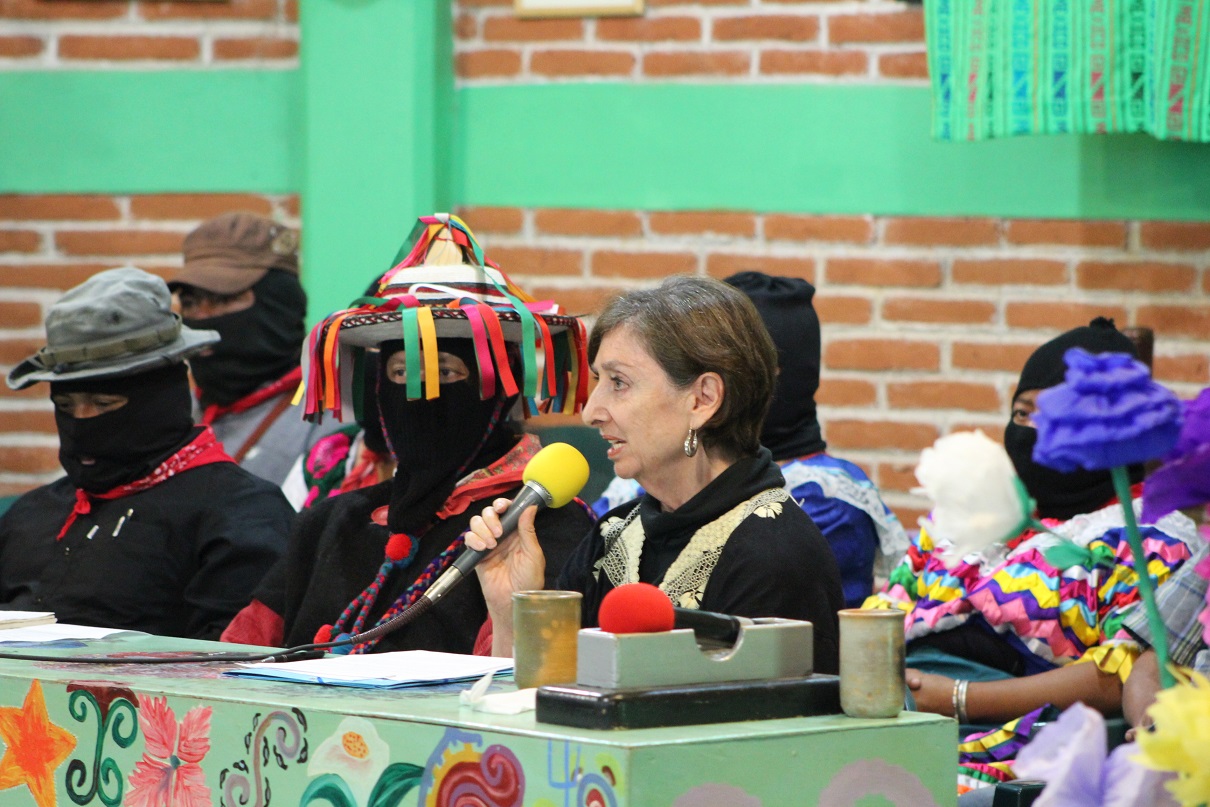
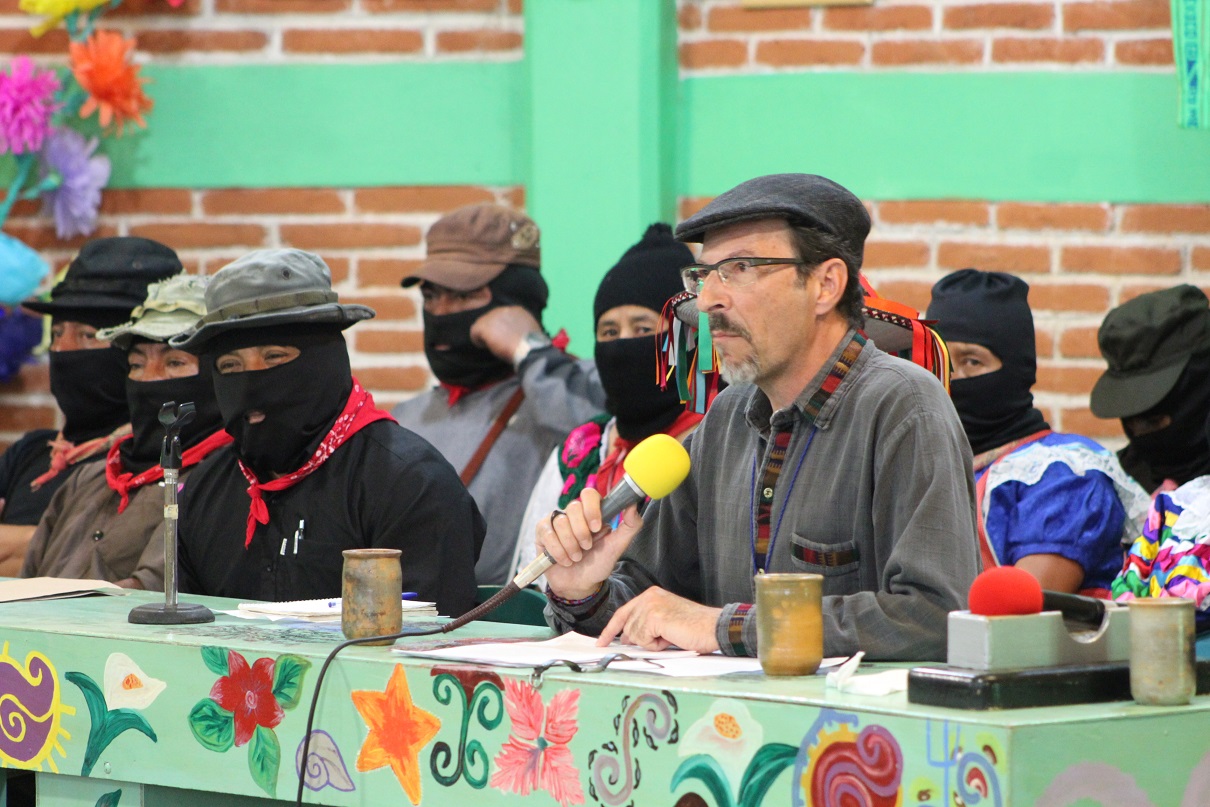
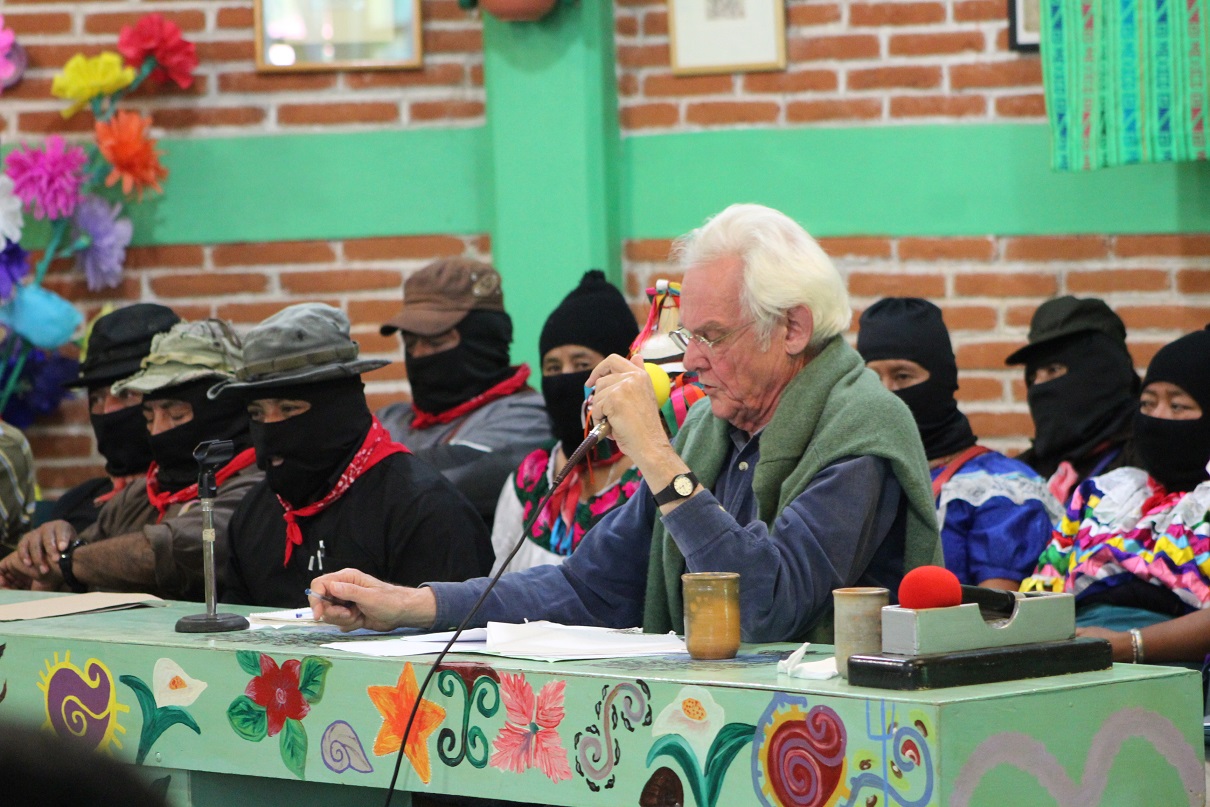
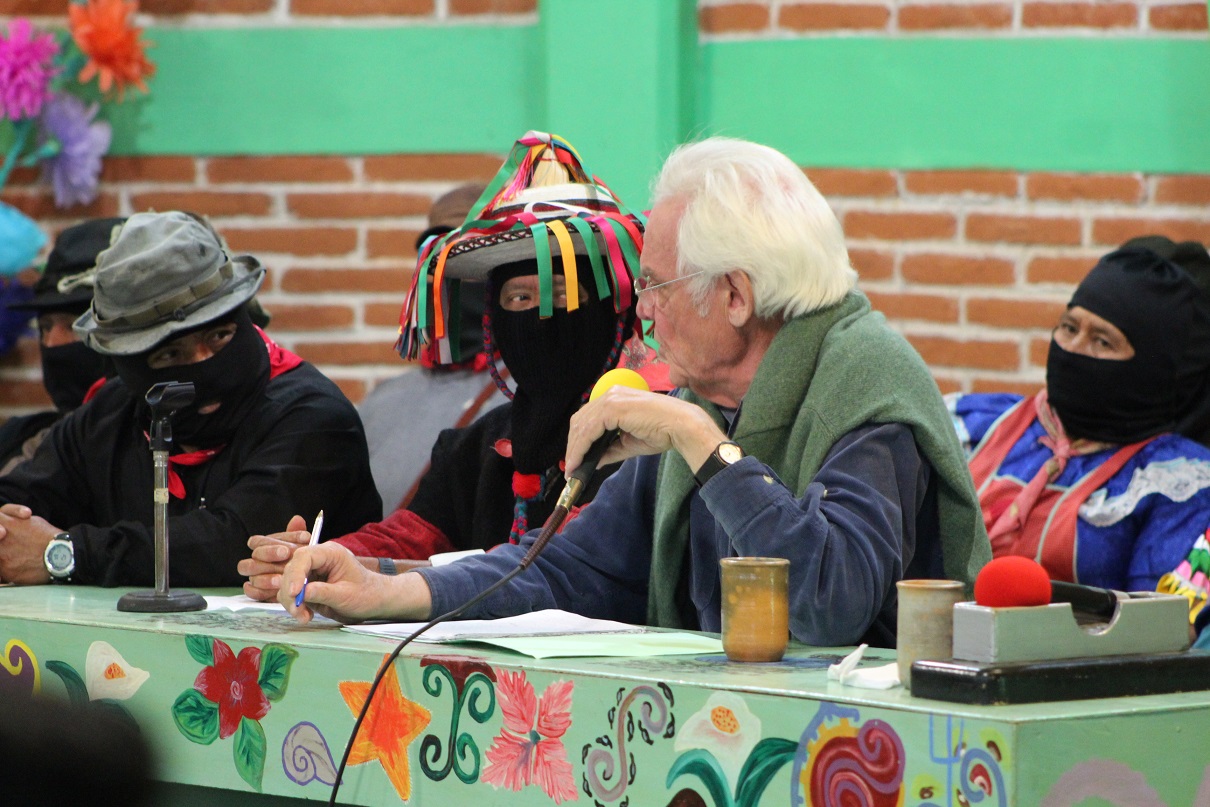
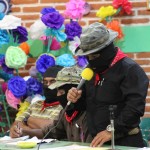
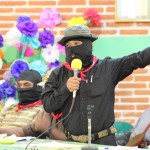
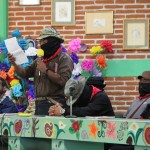
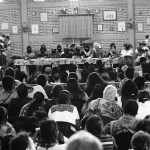
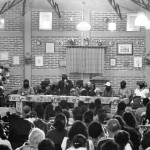
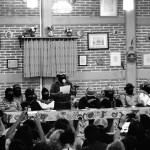
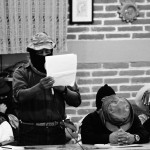
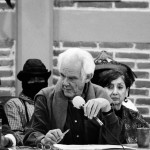
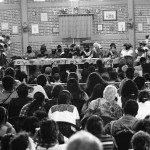
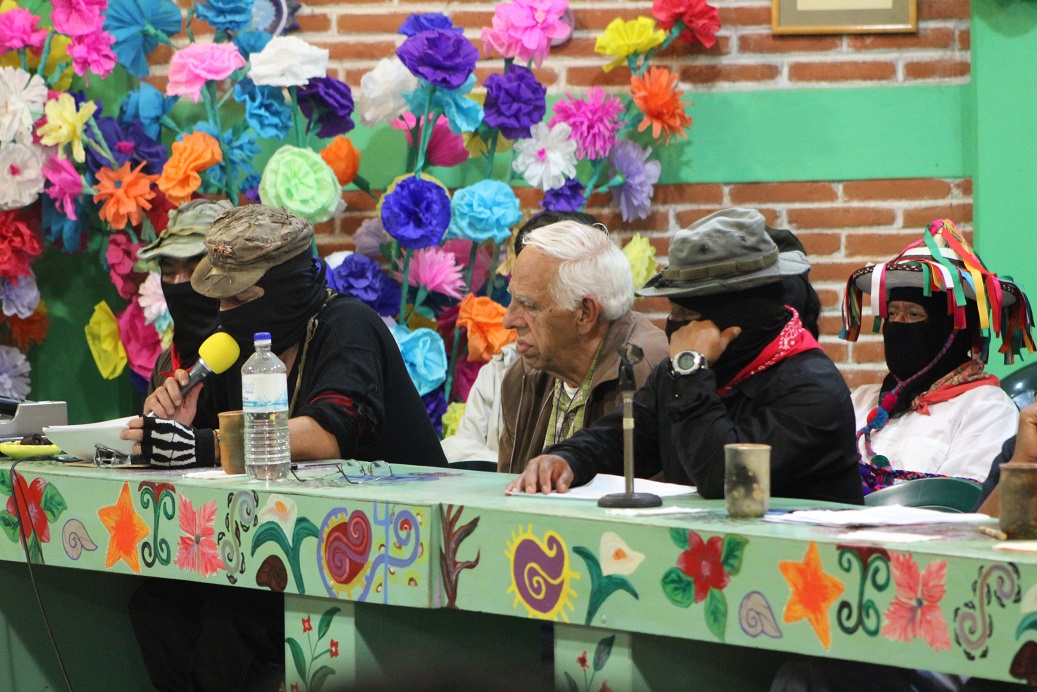
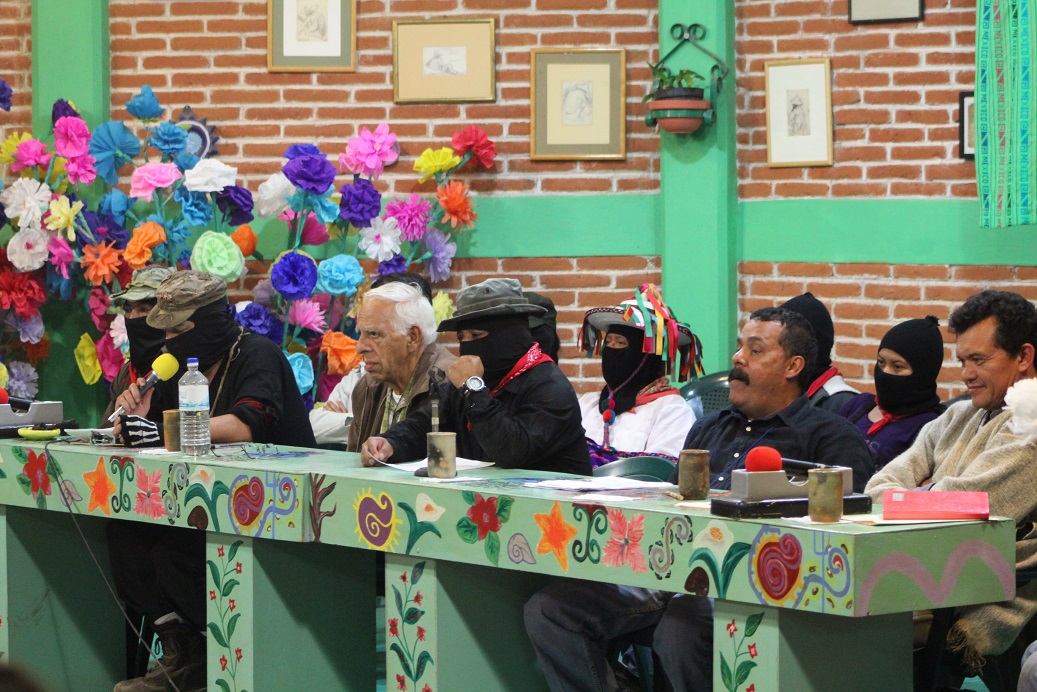
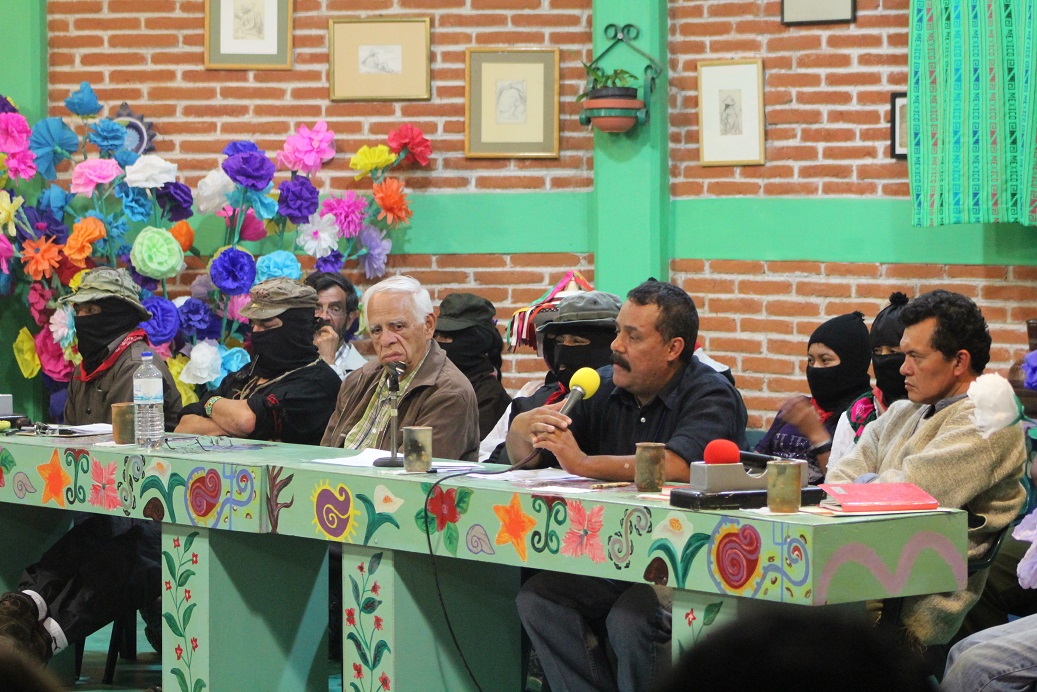
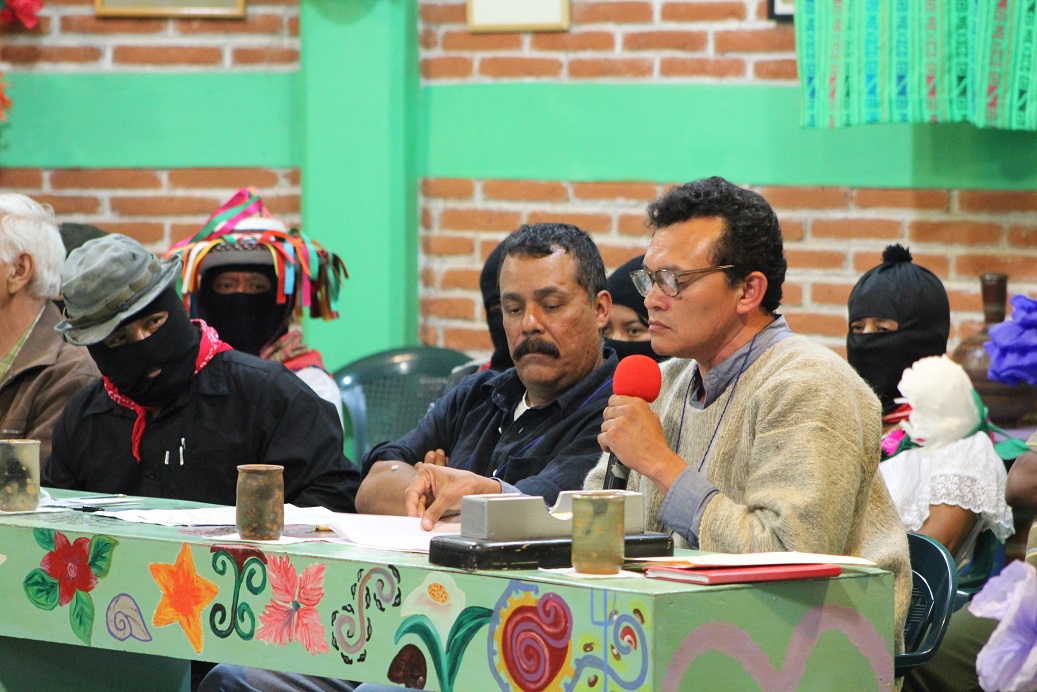
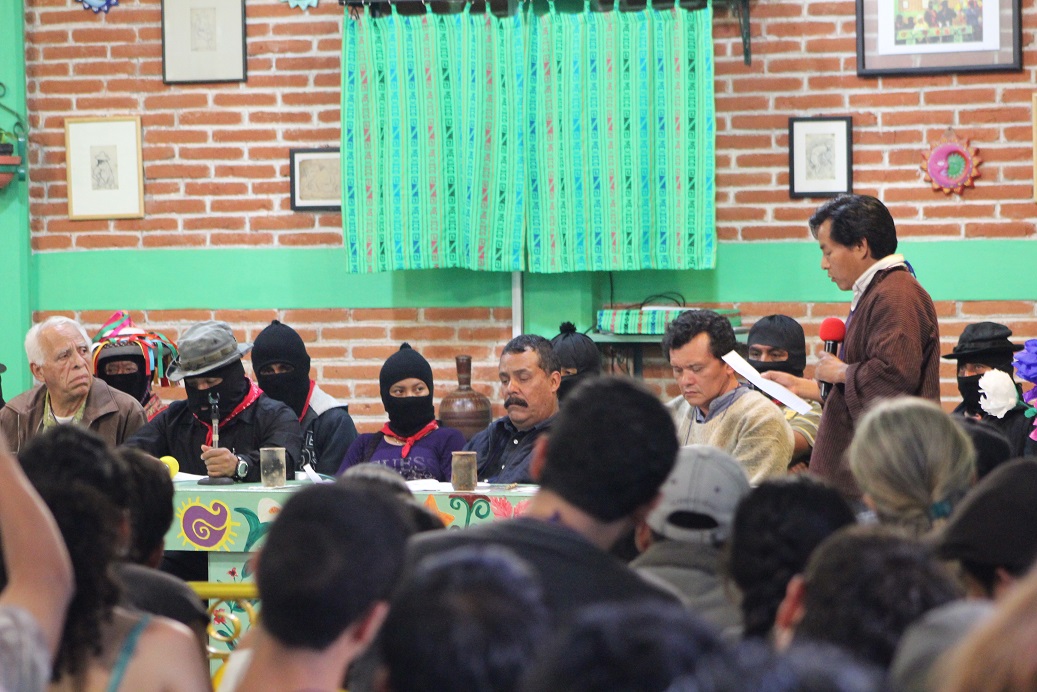
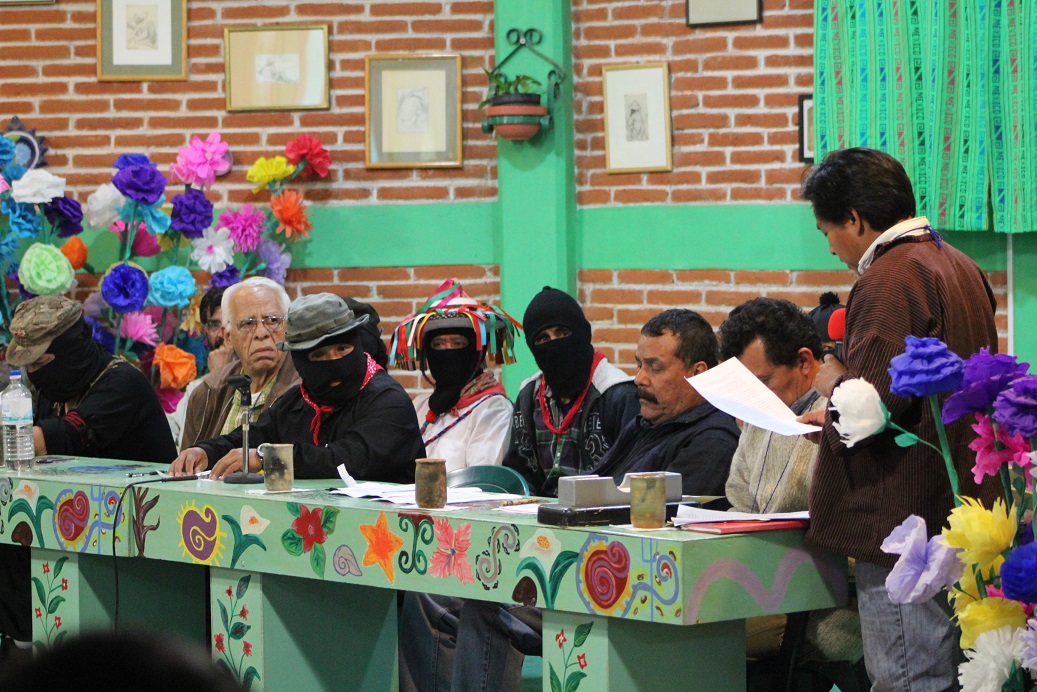
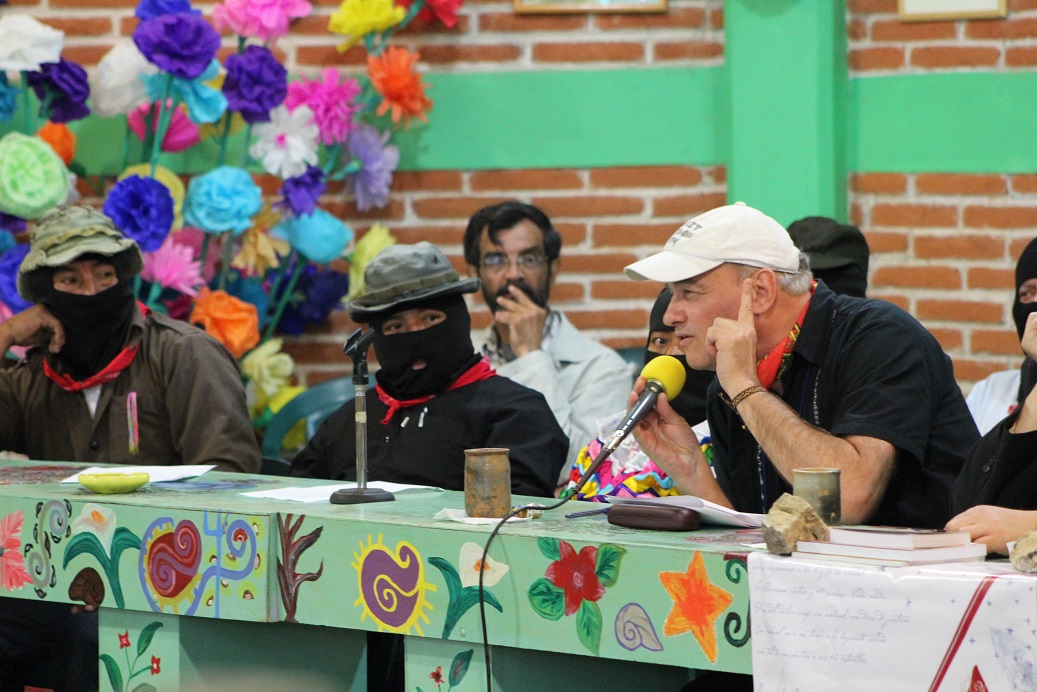
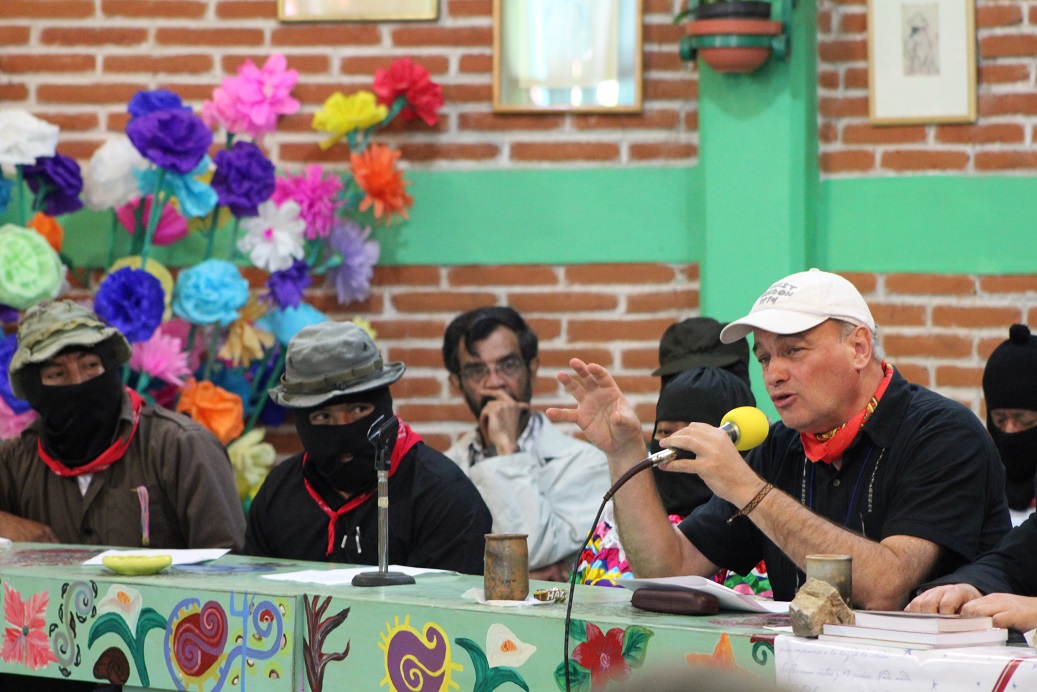
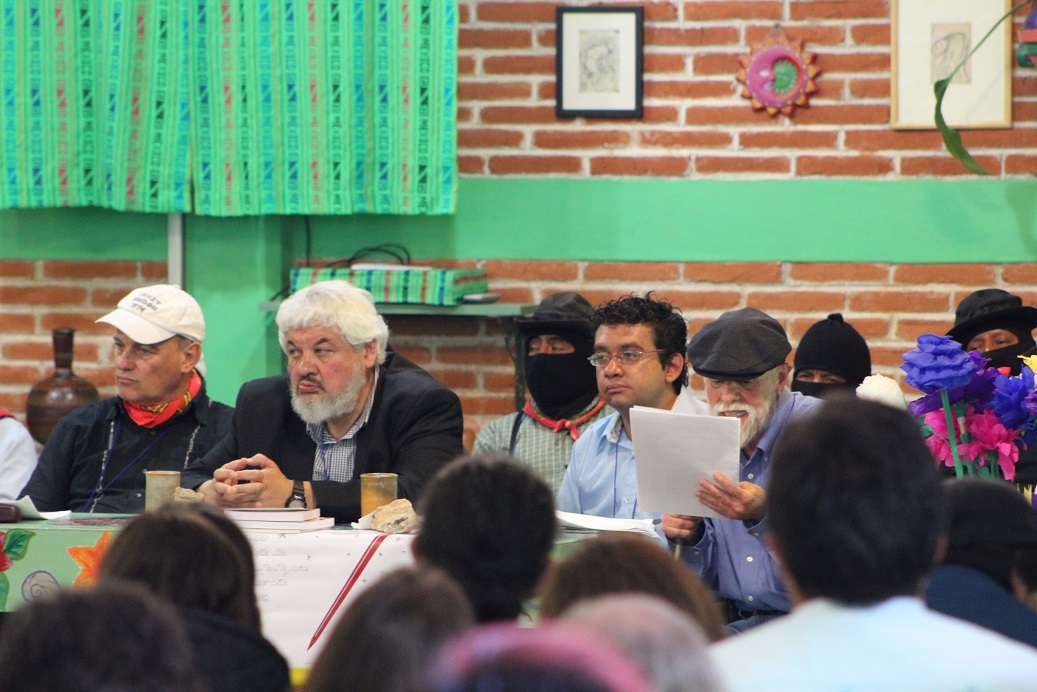
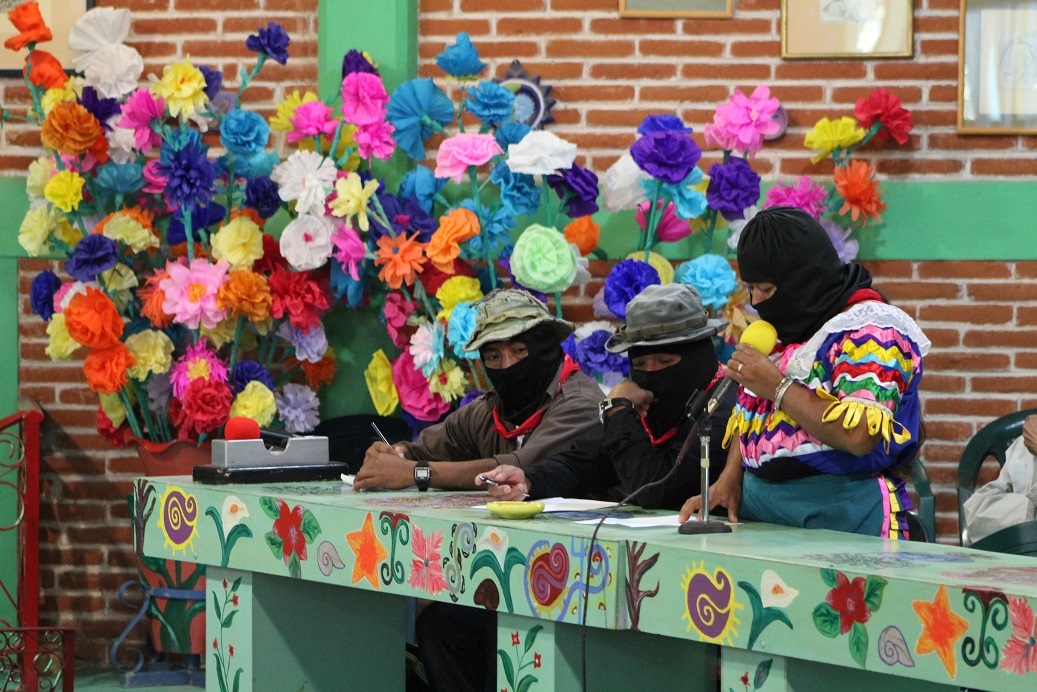
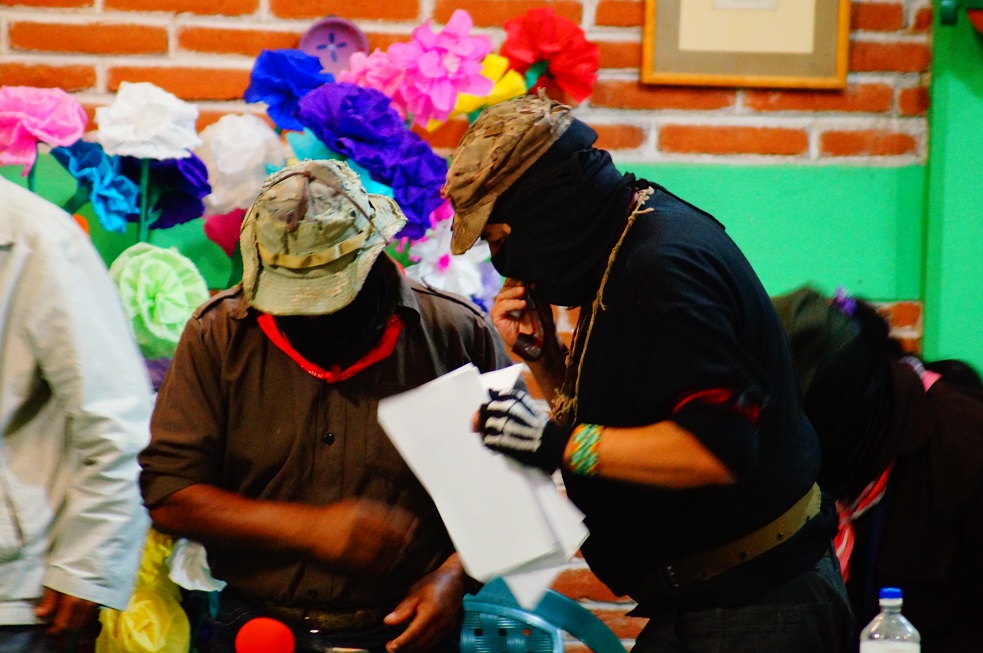
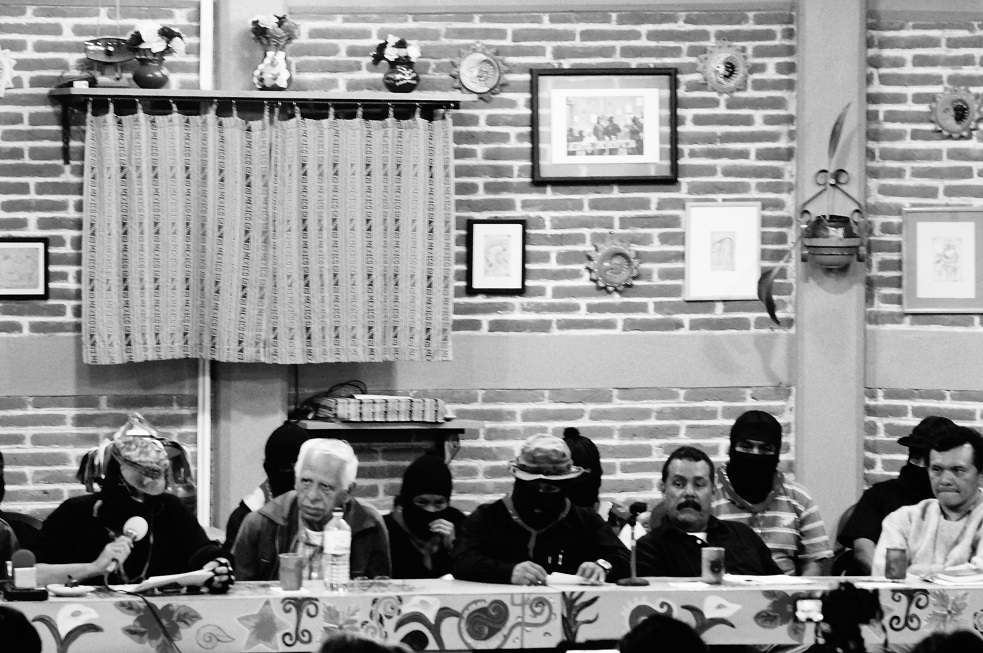
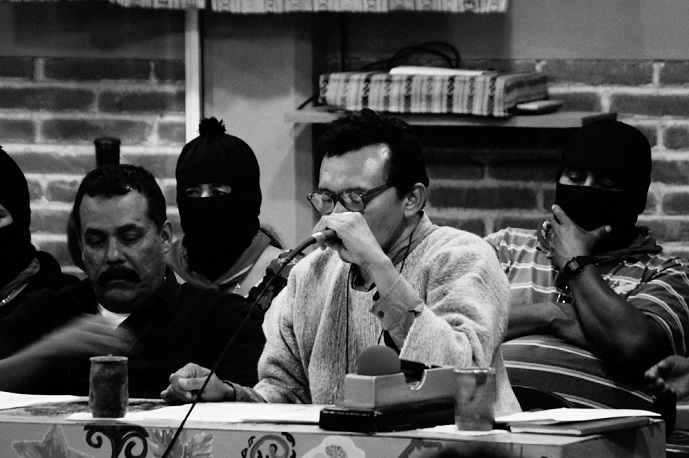
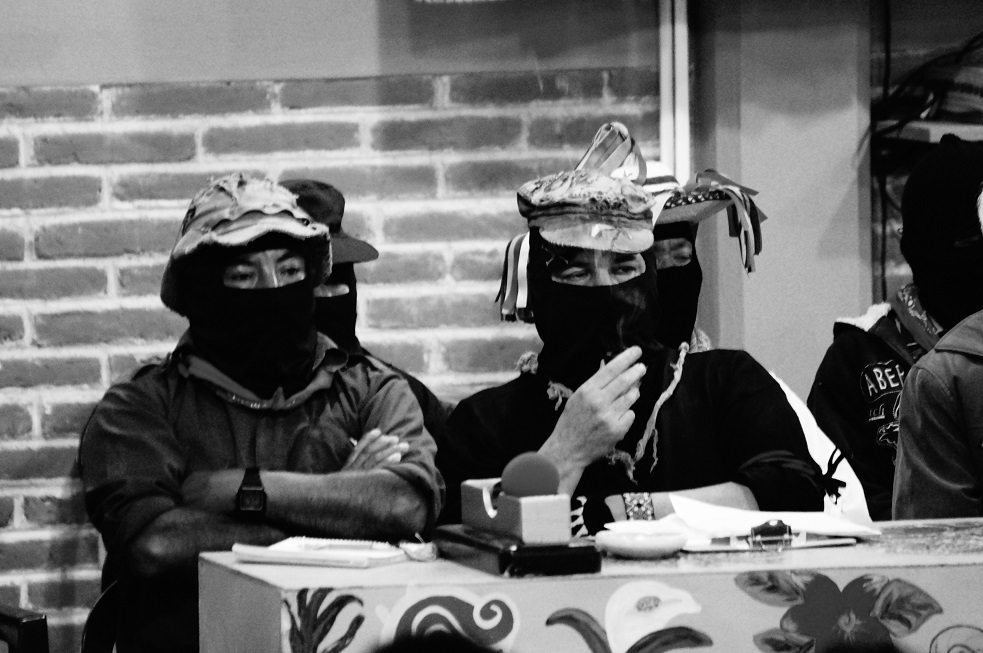
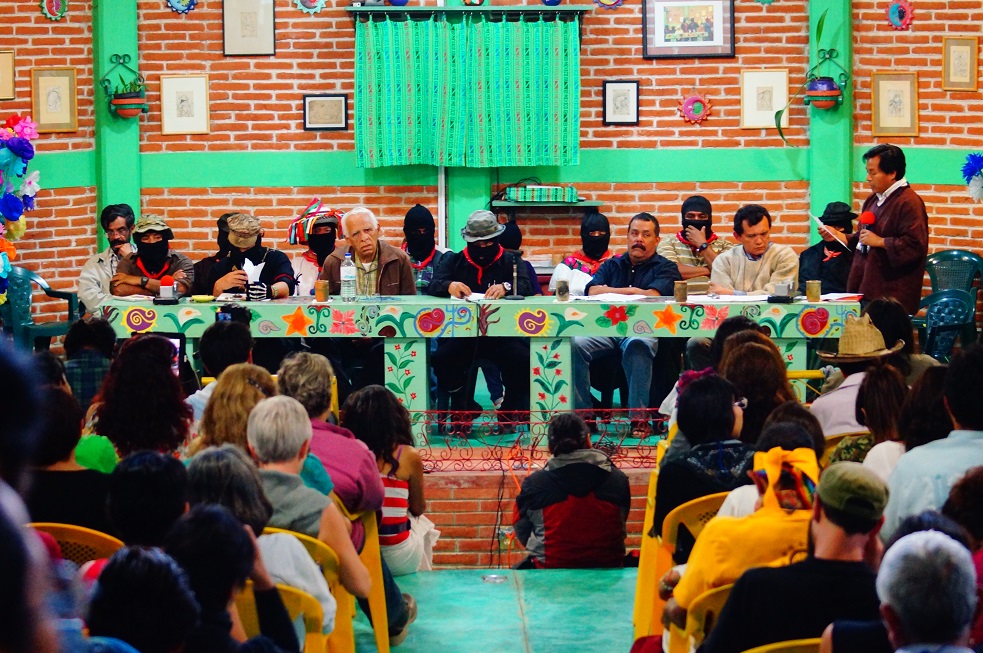
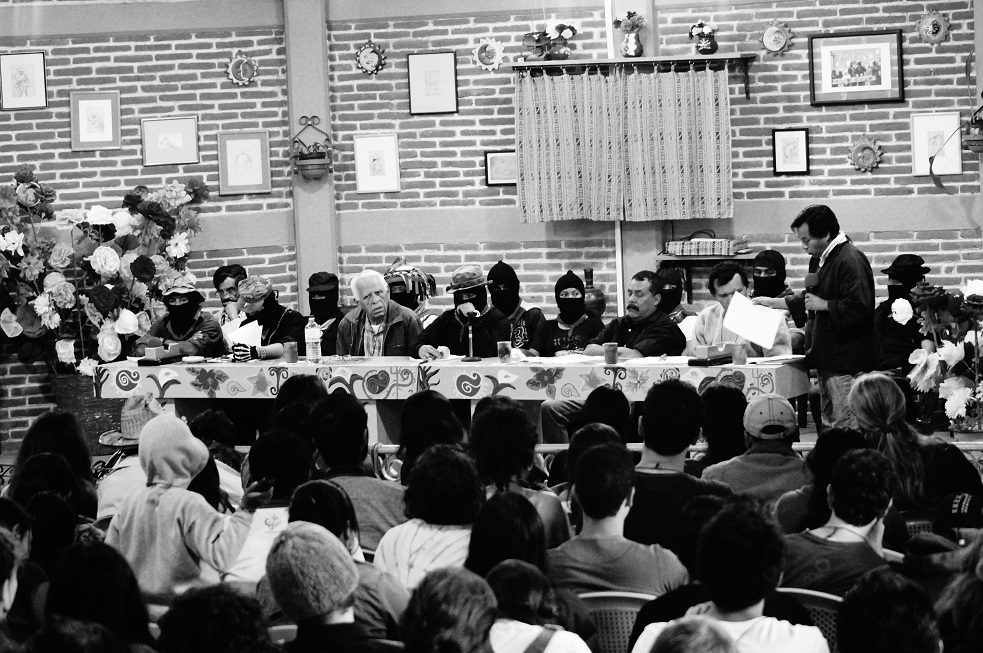
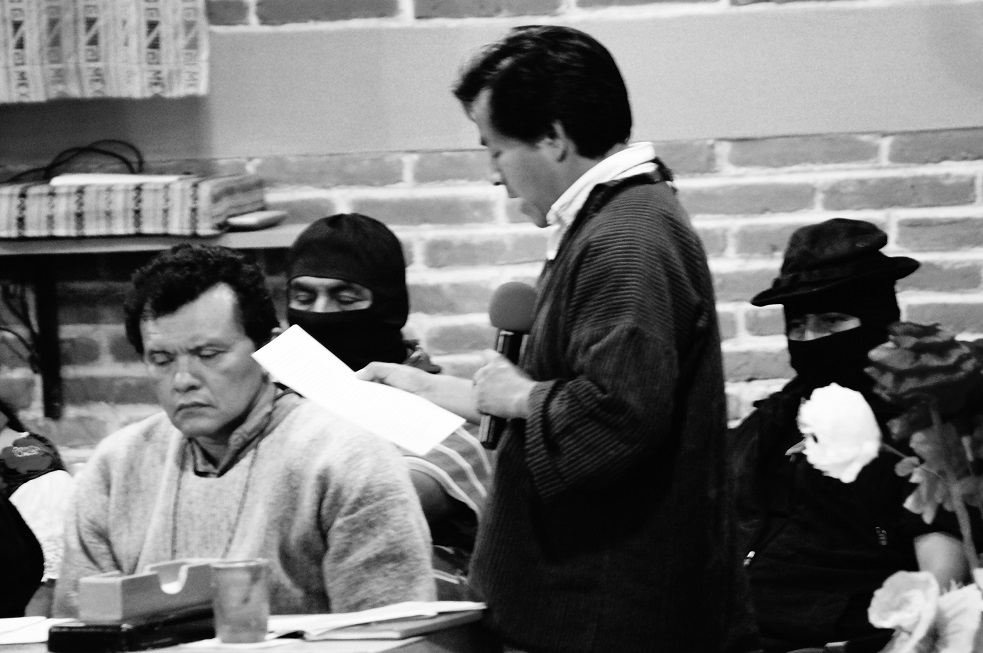
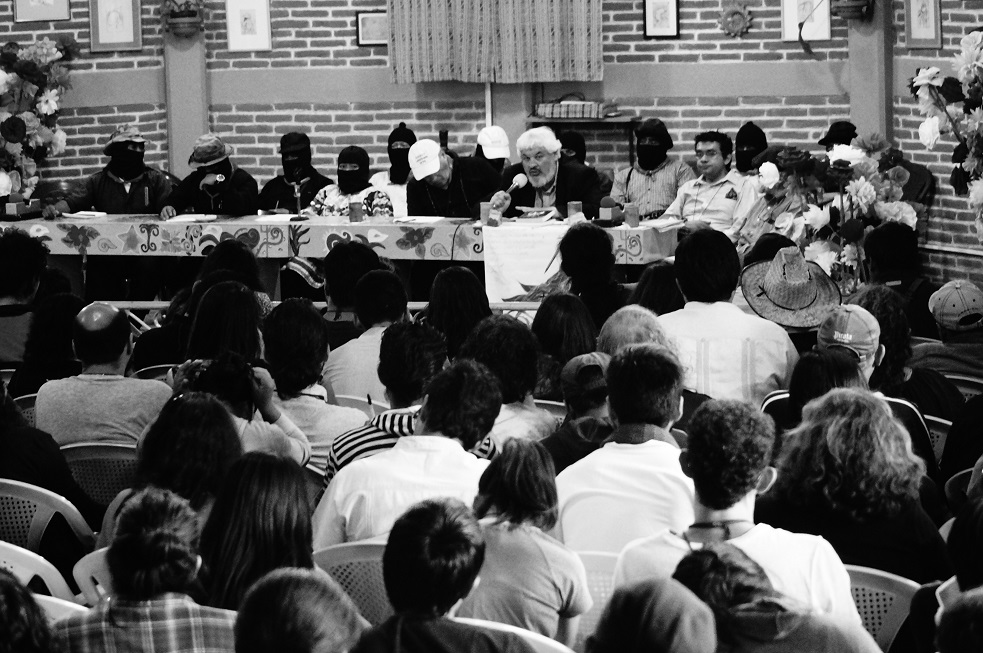
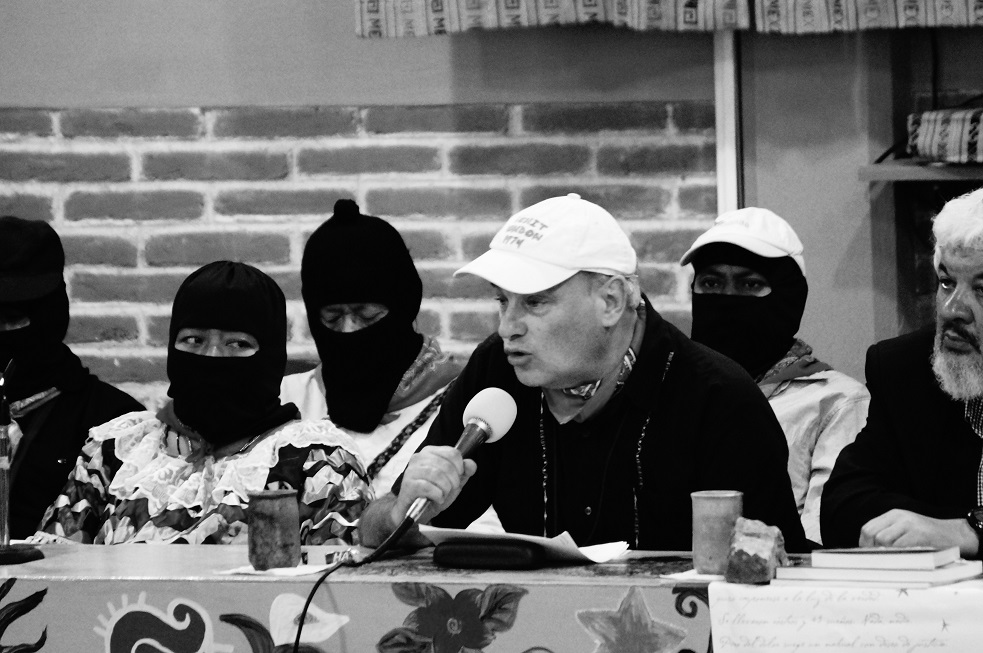
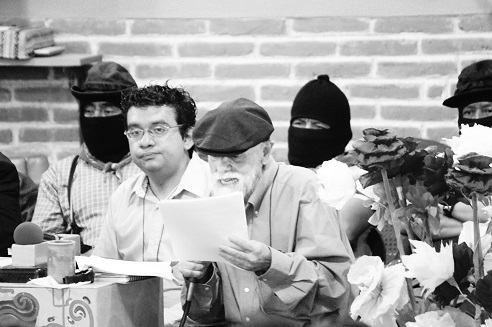
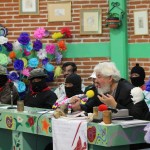
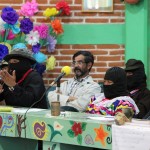
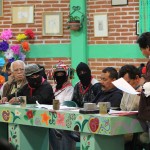
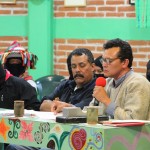
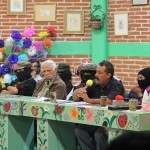
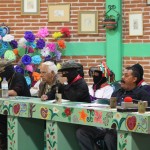
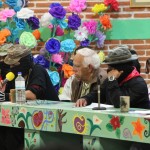
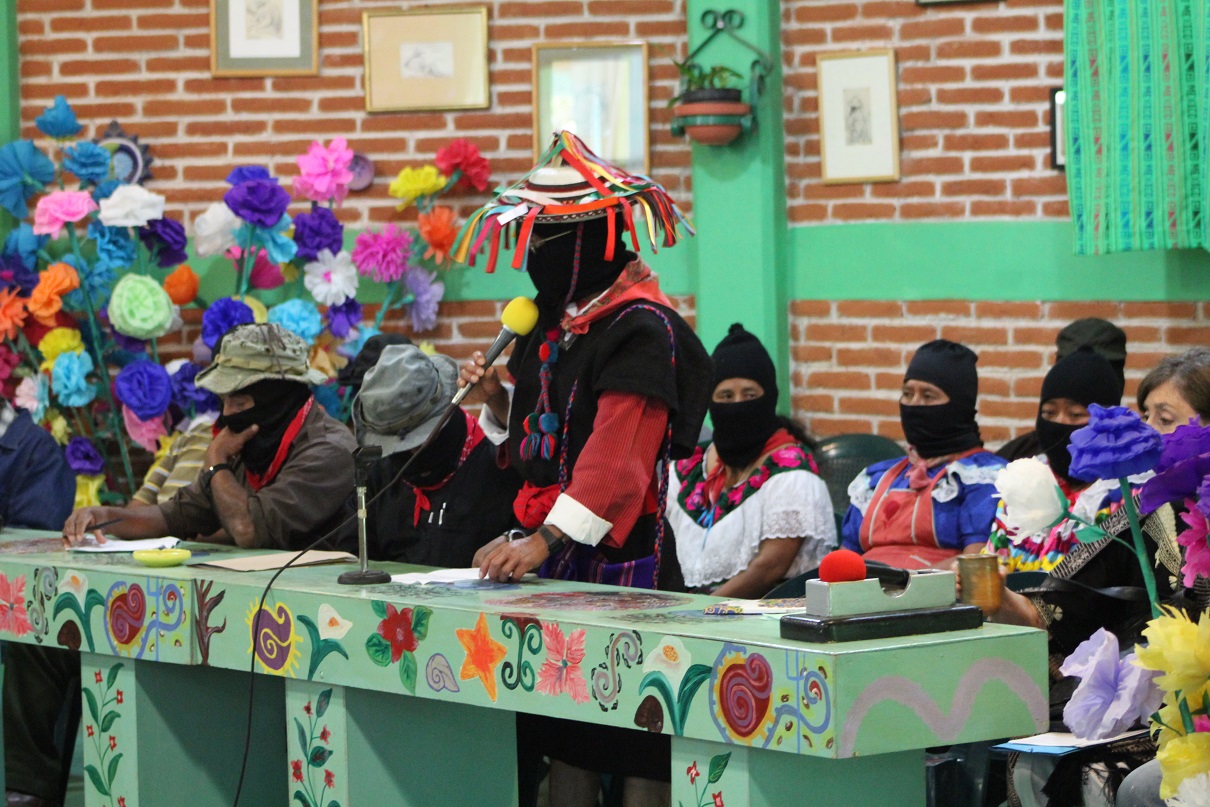
Homenaje al compañero DAVID RUIZ GARCÍA en el marco de la Compartición entre Pueblos Originarios y los Pueblos ZapatistasHomage to the compañero DAVID RUIZ GARCÍA during the Exchange between Indigenous Peoples and Zapatista Peoples

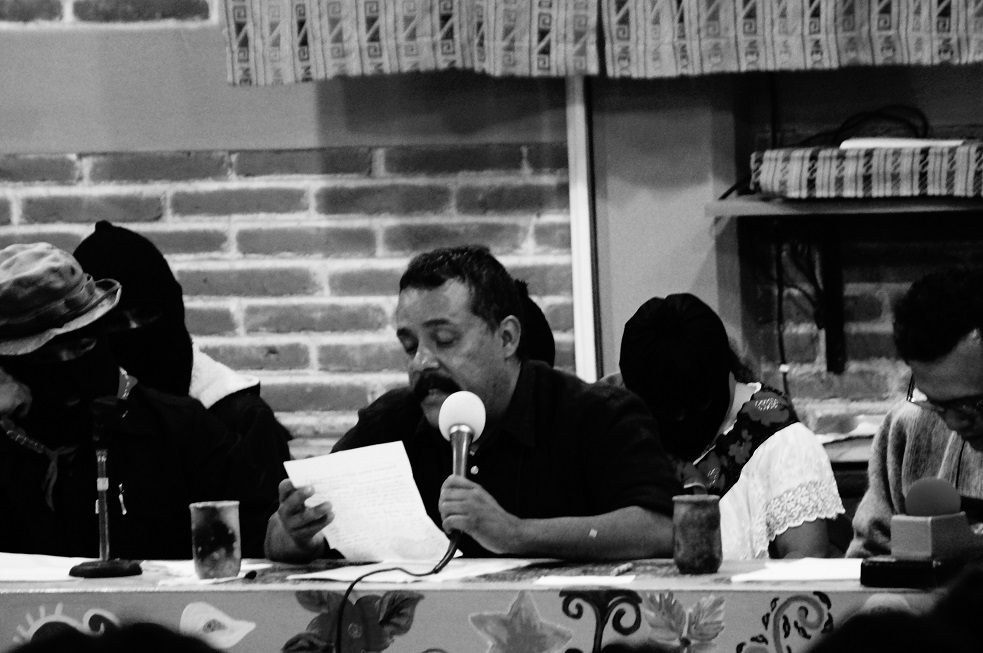
Palabra del compañero de Congreso Nacional Indígena, Armando García Salazar, del pueblo hñahñu´ de San Francisco Xochicuautla, en el homenaje al finado compañero DAVID RUIZ GARCÍA
en el marco de la Compartición entre Pueblos Originarios y los Pueblos Zapatistas,
el día 4 de agosto del 2014.

Y

DOS PEQUEÑÍSIMAS CRÓNICAS SOBRE DICHO HOMENAJE

I.- Palabras de compañero Armando García Salazar, a nombre de la familia y compañeros del finado compañero David Ruiz García.

Buenos días a todos, a todas.
Buenos días hermanos, hermanas, abuelos, niños y niñas y todos los compas que representamos este movimiento.

Hace dos meses un sobrino, un hijo, vino a estas tierras en apoyo a nuestro hermano Galeano, desafortunadamente en su regreso sufre un accidente.

Él, en su afán de lucha por defender la justicia y el derecho de los indígenas, estaba en este movimiento desde hace ocho años. Tenía muchas ganas de llegar a conocer todos los hermanos zapatistas, y por qué no decirlo, a estrechar la mano del Subcomandante Marcos. Fue su mayor ilusión. Lo cumplió. Vino hasta La Realidad.

Desafortunadamente el destino es así. Hoy sin embargo, nosotros, sus hermanos, sus familiares, estamos nuevamente aquí. No damos un paso atrás porque David así lo quiso.

Words of the National Indigenous Congress compañero Armando García Salazar, of the hñahñu´ people of San Francisco Xochicuautla, in homage to the deceased compañero DAVID RUIZ GARCÍA during the Exchange between Indigenous Peoples and Zapatista Peoples, August 4, 2014.

AND

TWO SHORT CHRONICLES OF THE HOMAGE.

I. Words of compañero Armando García Salazar on behalf of the family and compañeros of the deceased compañero David Ruiz García.

Good morning everyone.

Good morning brothers, sisters, grandparents, children, and all of the compas who represent this movement.

Two months ago a nephew, a son, came to these lands in support of our brother Galeano. Unfortunately he suffered an accident upon his return.

Out of eagerness to defend justice and indigenous rights, he had been part of this movement for eight years. He very much wanted to come meet the Zapatista brothers, and to be frank, shake the hand of Subcomandante Marcos. It was his greatest desire. And he fulfilled it. He came to La Realidad.

Unfortunately, destiny is like this. Today, despite this, we, his brothers and his relatives, are here again. We will not retreat; David would have wanted us to go forward.

(Continuar leyendo…)

radio
San Sebastián Bachajón

San Sebastián Bachajón saluda encentro entre el CNI y EZLNSan Sebastián Bachajón greets encounter between CNI and EZLN

EN EJIDO SAN SEBASTIAN BACHAJON ADERENTES A LA SEXTA DECLARACION DE LA SELVA LACANDONA. CHIAPAS. MEXICO. A 3 DE AGOSTO DE 2014

Al Comité Clandestino Revolucionario Indígena-Comandancia General del Ejército Zapatista de Liberación Nacional
A las Juntas de Buen Gobierno
Al Congreso Nacional Indígena
A l@s compañer@s adherentes a la sexta declaracion de la selva lacandona
A los medios de comunicación masivos e alternativos
A la Red contra la Represión y por la Solidaridad
Al Movimiento de Justicia por el Barrio de Nueva York
A los defensores de derechos humanos nacional e internacional
Al pueblo de México y el mundo

Compañeras y compañeros de la Comandancia General del Ejército Zapatista de Liberación Nacional y de las bases de apoyo del EZLN agradecemos la invitación a la compartición en el Caracol I La Realidad, lugar donde diera su vida por la madre tierra el compañero maestro Galeano, asesinado por grupos partidistas el 2 de mayo de 2014, así como nuestros compañeros caídos Juan Vázquez Guzmán el 24 de abril de 2013 y Juan Carlos Gómez Silvano el 21 de marzo de 2014.

Vemos con rabia como el mal gobierno sin verguenza esta cambiando la constitución mexicana y las leyes para despojarnos de nuestros territorios y explotar los recursos naturales a su gusto, su estrategia es desplazarnos de cualquier manera, es una política de genocidio para ganar mucho dinero para unas cuantas manos.

Enrique Peña Nieto y Manuel Velasco Coello, los diputados y senadores son títeres solo sirven a sus amos el dinero y trasnacionales, por eso meten a la carcel a nuestros compañeros y compañeras que les estorban para hacer sus negocios o los asesinan para sembrar miedo en nuestros pueblos.

Los de arriba siempre dicen que las resistencias somos una minoría y que no queremos el progreso y desarrollo para las comunidades, son unos cinicos mentirosos que engañan a la gente con sus migajas y falsas promesas aprovechándose de la necesidad y falta de información en que viven nuestras comunidades. Lo que ellos los de arriba llaman progreso y desarrollo nosotros lo llamamos despojo y muerte, pobreza, marginación, discriminación, porque a ellos los políticos y empresarios corruptos y asesinos compran y venden territorios con todo y las personas que vivimos en esos lugares sin consultar ni preguntar la opinión de nuestros pueblos. Cuando los pueblos y comunidades nos enteramos de que nuestras tierras fueron rentadas o compradas por una empresa para explotar durante más de 40 o 50 años, llega el gobierno con sus policías para según ellos garantizar el orden y el estado de derecho, otra mentira más de los de arriba que nosotros llamamos explotación, abuso de poder y traición al pueblo.

La clase política mexicana traidora seguramente se siente tranquila de la gran traición y despojo que hace a los pueblos de México porque tiene mucho dinero, propiedades y trabajo asegurado en las empresas a las que se esta vendiendo o también para irse a esconder a otro país y protegerse en sus grandes casas con policías para no dar la cara al pueblo, pero también es verdad que como son unos cinicos mentirosos sigan siendo diputados, senadores, gobernadores y presidente de la república para seguir robando al pueblo.

Lo único que los mantiene a estos políticos corruptos en su poder es la policía, el ejército, la represión, porque no tienen respaldo del pueblo. Es como en San Sebastián Bachajón los últimos Comisariados ejidales los impone el gobierno para hacerlos a su antojo y el mismo gobierno les da el poder para mandar asesinar a nuestros compañeros luchadores sociales y vender las tierras de nuestro pueblo, pero estos comisariados no tienen mayoría, solo tienen a su amo el gobierno.

Por eso nuestra organización del pueblo de San Sebastián Bachajón va seguir luchando por defender el territorio que nos heredaron los abuelos y abuelas, queremos caminar con los pueblos que aman su tierra y la defienden para hacer más grande nuestra lucha y decirle al mal gobierno que el que manda es el pueblo organizado y tiene que obedecer, respetar a los pueblos, ya basta de tanta discriminación y violencia contra nuestros pueblos.

Desde la zona norte del estado de Chiapas saludamos a los compañeros y compañeras del Ejército Zapatista de Liberación Nacional y todos los pueblos en resistencia que estarán presentes en la compartición en La Realidad del Congreso Nacional Indígena, para escucharnos y construir el camino de la justicia y libertad.

Nunca más un México sin nosotros.
Atentamente

¡Tierra y libertad! ¡Zapata Vive!
¡Hasta la victoria siempre!
Presos políticos ¡Libertad!
¡Juan Vázquez Guzmán Vive, la Lucha de Bachajón sigue!
¡Juan Carlos Gómez Silvano Vive, la Lucha de Bachajón sigue!
¡No al despojo de los territorios indígenas!

radio
Comandante Tacho - CCRI-CG EZLN

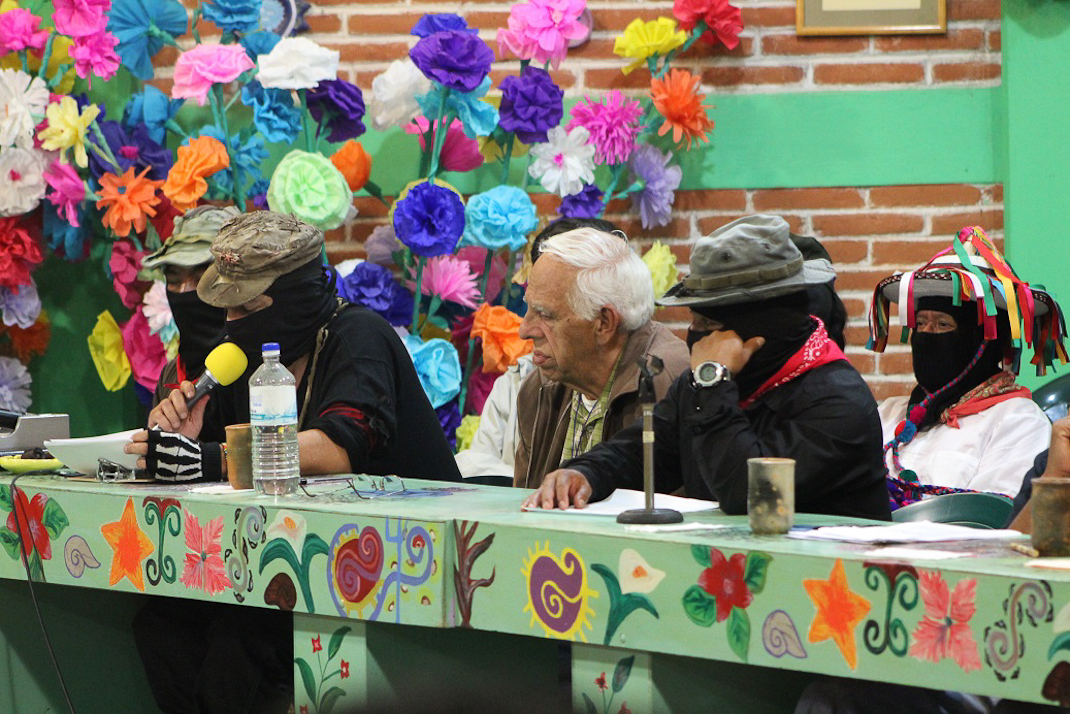
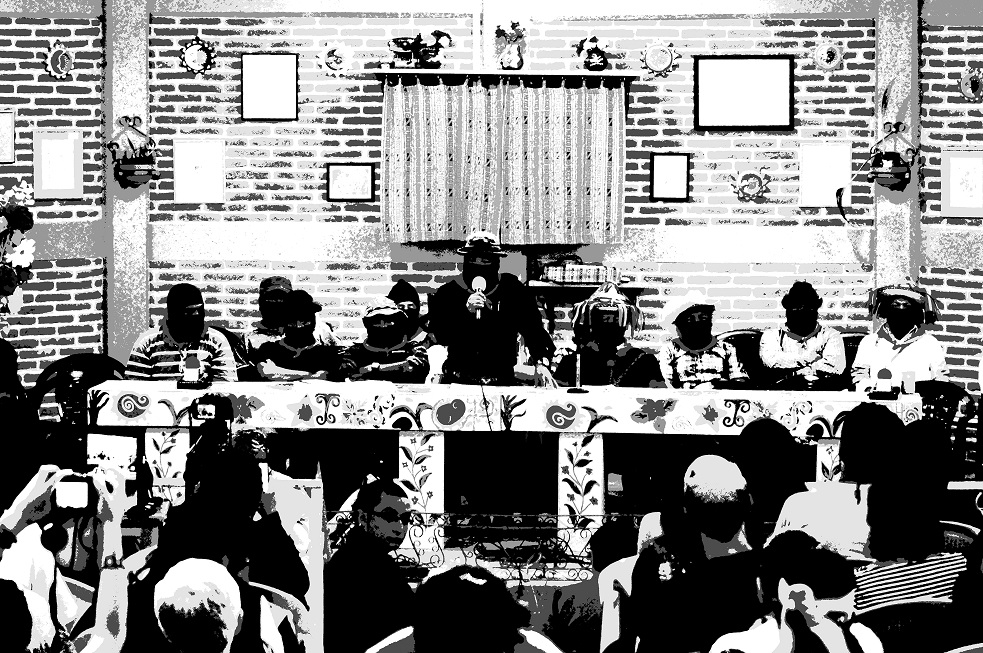
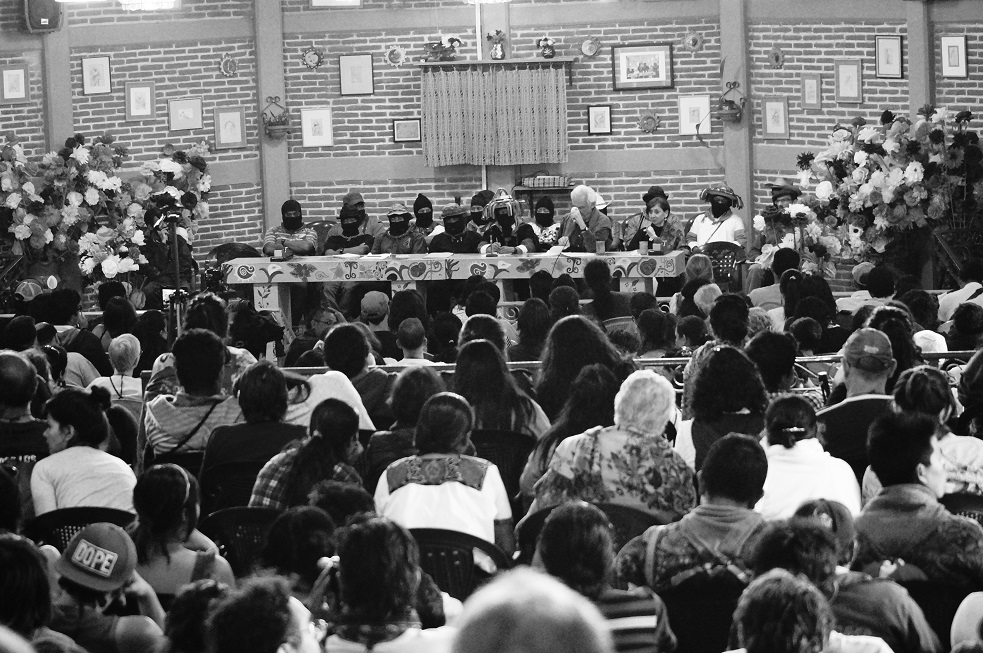
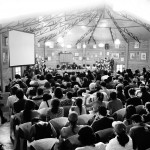
INAUGURACIÓN DE LA PRIMERA COMPARTICIÓN DE PUEBLOS ORIGINARIOS DE MÉXICO CON PUEBLOS ZAPATISTASInauguration of the First Exchange of Indigenous Peoples of Mexico with Zapatista Peoples

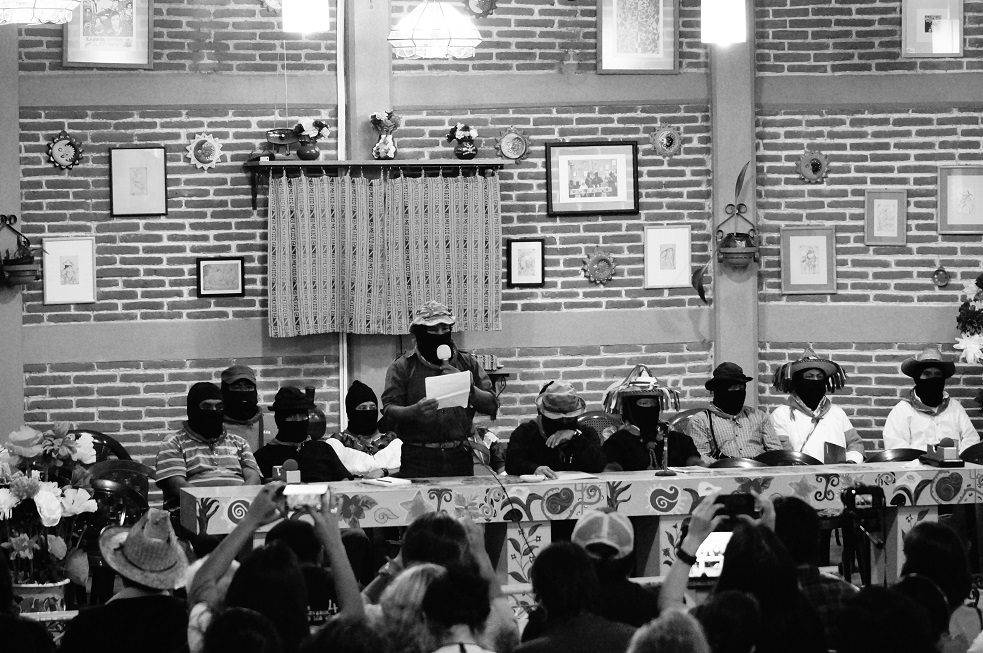
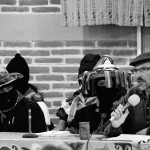
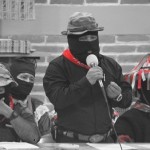
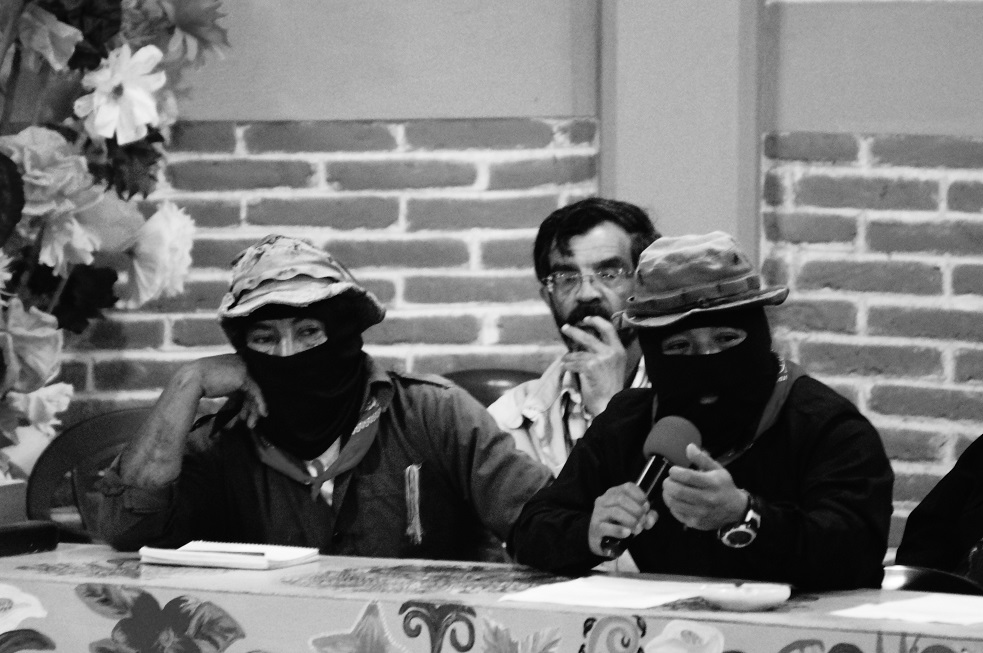
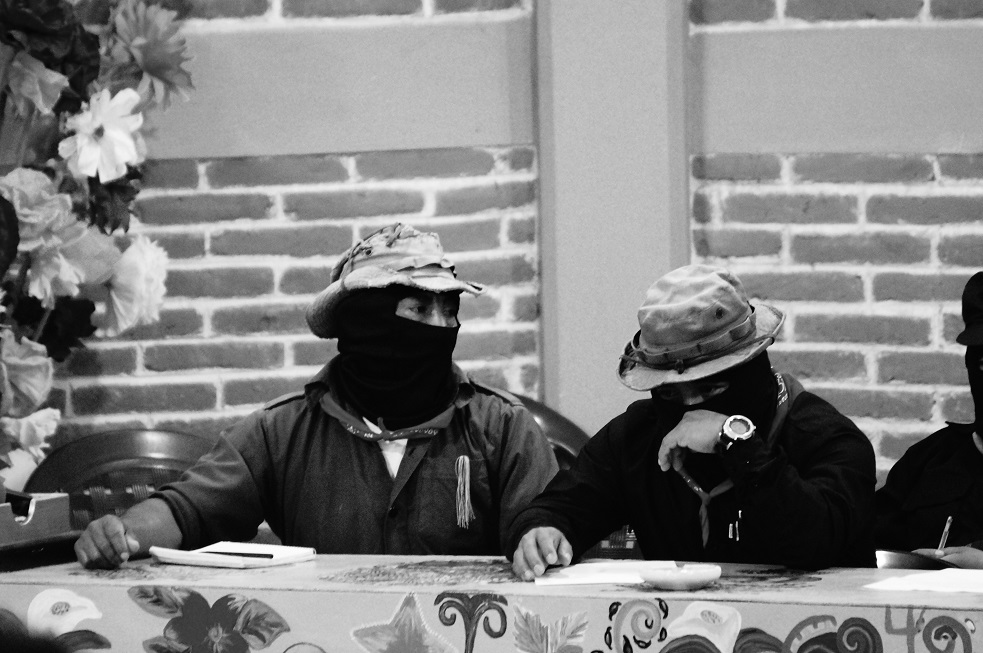
PALABRAS DEL COMANDANTE TACHO, A NOMBRE DEL COMITÉ CLANDESTINO REVOLUCIONARIO INDÍGENA-COMANDANCIA GENERAL DEL EZLN, EN LA INAUGURACIÓN DE LA PRIMERA COMPARTICIÓN DE PUEBLOS ORIGINARIOS DE MÉXICO CON PUEBLOS ZAPATISTAS.

3 DE AGOSTO DEL 2014.

COMPAÑERAS Y COMPAÑEROS DEL CONGRESO NACIONAL INDÍGENA:

COMPAÑEROS Y COMPAÑERAS DE PUEBLOS ORIGINARIOS QUE NOS VISITAN:

Los saludamos esperando que todas y todos llegaron con bien a estas tierras zapatistas.

En este largo viaje que han hecho desde lejanas tierras, para encontrarnos aquí en este otro rincón de estas tierras rebeldes Zapatistas del sureste mexicano.

The words of Comandante Tacho, on behalf of the Indigenous Revolutionary Clandestine Committee – General Command of the EZLN, at the Inauguration of the First Exchange of Indigenous Peoples of Mexico with Zapatista Peoples.

August 3, 2014.

COMPAÑERAS AND COMPAÑEROS OF THE NATIONAL INDIGENOUS CONGRESS:

COMPAÑEROS AND COMPAÑERAS OF THE INDIGENOUS PEOPLES WHO ARE VISITING US:

We greet you hoping that everyone has arrived safely to these Zapatista lands.

You have made a long journey from distant lands to meet us here in this corner of rebellious Zapatista lands of the Mexican Southeast.

(Continuar leyendo…)

radio
Frayba

Zapatistas desplazados ante riesgo de ataqueZapatistas Displaced Facing Risk of Attack

San Cristóbal de Las Casas, Chiapas
04 de agosto de 2014

Boletín de prensa No. 22

Desplazamiento de Bases Zapatistas ante riesgo de ataque

  • 32 personas de la Comunidad Autónoma Egipto, pertenecientes al Caracol de La Garrucha, se desplazan forzadamente

  • Habitantes del Ejido Pojcol invaden tierras recuperadas de Bases de Apoyo del Ejército Zapatista de Liberación Nacional (BAEZLN)

El Centro de Derechos Humanos Fray Bartolomé de Las Casas (Frayba) documentó el desplazamiento forzado de 32 personas de la Comunidad Egipto, del Municipio Autónomo Rebelde Zapatista (MAREZ) San Manuel, perteneciente a la Junta de Buen Gobierno (JBG) “El Camino del Futuro”, del Caracol III, de La Garrucha, Zona Selva Tseltal, en Chiapas, (Municipio oficial de Ocosingo).

Peace Camp in San Manuel
(Photo: Chiapas Support Committee)

San Cristóbal de Las Casas, Chiapas, August
 4, 2014

Press Bulletin No. 22

Displacement of Zapatista Bases before the risk of attack

Thirty two people from the Egipto (Egypt) autonomous community, belonging to the Caracol of La Garrucha, were forcibly displaced.

Residents of the Ejido Pojcol invade recuperated lands of the Bases of Support of the Zapatista National Liberation Army (BAEZLN, their initials in Spanish)

The Fray Bartolomé de Las Casas Human Rights Center (Frayba) documented the forced displacement of 32 people from Egipto Community, of the Rebel Autonomous Municipality Zapatista (MAREZ) of San Manuel, belonging to the Good Government Junta “Path of the Future,” Caracol III, La Garrucha, Tseltal Jungle Zone, in Chiapas, (official municipality of Ocosingo).

(Continuar leyendo…)

radio
Subcomandante Insurgente Moisés

Llegaron bienA Safe Arrival

EJÉRCITO ZAPATISTA DE LIBERACIÓN NACIONAL

MÉXICO.

Agosto 3 del 2014.

Para la Sexta en México y el Mundo:
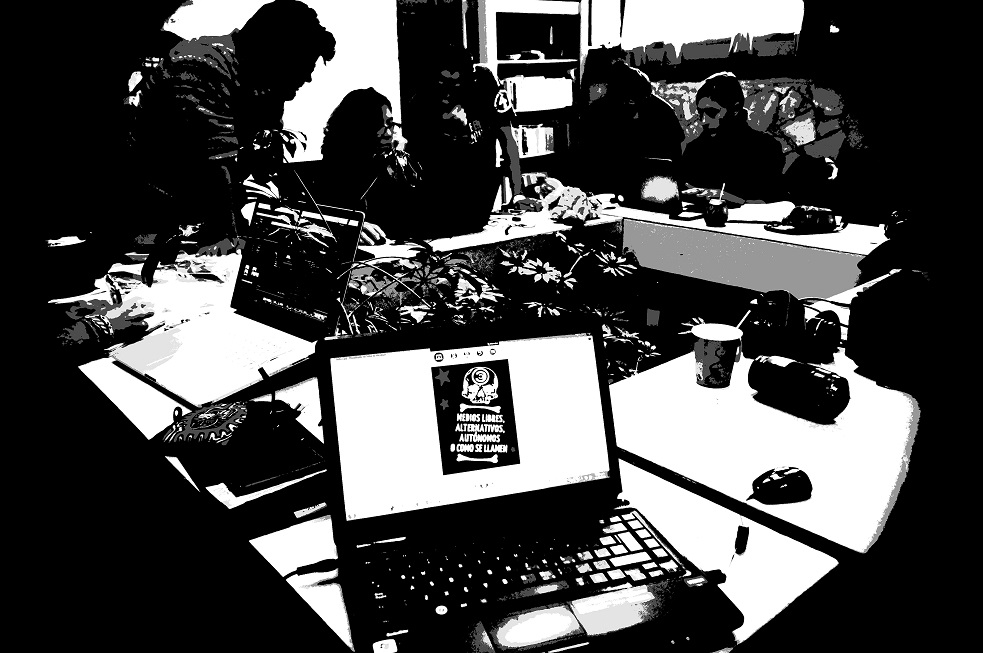
Para los medios libres, autónomos, alternativos o como se llamen:

Compas:

Reciban nuestros saludos zapatistas.

PRIMERO.- Les escribo para informarles que ya llegaron, y llegaron bien, los participantes del Congreso Nacional Indígena en esta Primera Compartición de los Pueblos Zapatistas y los Pueblos Originarios de México “Compañero David Ruiz García”. Y también ya llegaron las compañeras y compañeros bases de apoyo que van a estar compartiendo su historia de lucha.

Zapatista Army for National Liberation
Mexico

August 3, 2014

To the Sixth in Mexico and in the world:
To the free, autonomous, alternative, or however-you-call-it media:

Compas:

Zapatista greetings.

FIRST. I am writing to let you know that the participants of the National Indigenous Congress have arrived safely to this First Exchange of the Zapatista Peoples and the Indigenous Peoples of Mexico “Compañero David Ruiz García.” The compañeras and compañeros bases of support who will be sharing their history of struggle have also arrived.

Here I want to share some information with you:

1. From the National Indigenous Congress as well as other indigenous social groups, peoples, tribes, and nations of Mexico, 312 participants have arrived from the following groups:

NAHUA
PURÉPECHA
MAYA PENINSULAR
MAZAHUA
ZOQUE
WIXARIKA
MIGRANTE
TEPEHUANO
COCA
HÑAHÑU
PAME
TRIQUI
MIXTECO
BINNI ZAA
CHINANTECO
IKOOT
AFROMEXICANO
POPOLUCA
TZOTZIL
CHOL
TOJOLABAL
TZELTAL
TOTONACO
KUMIAI
AMUZGO
MESTIZO
HUARIJÍO
MIXE
ÑHATO
CHONTAL

2. On behalf of the Zapatista communities, we have the participation of:

-50 presenters (male and female)
-50 scribes (male and female)
-1200 listeners from the Zapatista communities

In total: 1300 Zapatista bases of support.

All have arrived safely. I am letting you know so that you can inform others where you live and that way the families of those who have come from far away do not worry.

SECOND. As proposed by the compañeras and compañeros of the National Indigenous Congress, the closing event of this first exchange, on Saturday August 9, 2014, will be open to the press in general.

THIRD. The compañeras and compañeros of the National and International Sixth are special invitees to the closing event.

FOURTH. The compañeras and compañeros of the free, autonomous, alternative, or however-you-call-it media are special invitees to the closing event.

FIFTH. The compañeras and compañeros of the National and International Sixth are welcome to arrive as of Friday August 8, 2014, and their departure is at their own convenience.

We ask the free, autonomous, alternative, or however-you-call-it media to see about staying one extra day after the closing event so that we can hold that cursed press conference that we’ve been promising you, and which we couldn’t hold last time because we saw that you needed to leave quickly because the paid media were stealing the material you produced at the Homage for our deceased compañero Galeano. Indeed that is how capitalism works, stealing what others produce. So let’s see if you can organize things so that you can report on the closing event and then later we will do the press conference.

And SupGaleano tells me to inform the free, autonomous, alternative, or however-you-call-it media to come prepared because we are going to interview you. He says we are going to include a section in our magazine REBELDÍA ZAPATISTA called “The ducks shoot at the rifles,” where we will print the interviews we do with you. SupGaleano says that you will understand why the section has that title.

Finally, the last thing for today, I am sending you some photos that SupGaleano took of the set-up that has been prepared here. We’ll see if they send because the internet here is really slow, it’s like a snail with a limp. He says the title of the photos is “The Zapatista Alternative to the International Monetary Fund and the Usurious Banks: The Zapatista Mobile Bank.”[i] If the photos don’t go through, you can see the Zapatista Mobile Bank when you come.

You will also be able to see how the reconstruction is coming along for the clinic and the school that were destroyed by the CIOAC-Histórica paramilitaries.

It would be good for you to take photos, video, or whatever of the construction so that the good people who supported this just cause can see in the free, autonomous, alternative, or however-you-call-it media that we are honoring our word, not like the bad governments who keep everything for themselves while they say they are making social improvements. Pure thievery is what they do.

Well that’s all for now, compañeras and compañeros of the National and International Sixth. Tomorrow, Monday, after the inauguration, the work of the exchange will begin. We will send you the inaugural speech that compañero Comandante Tacho will give in the name of all of the Zapatistas.

That’s all.

From the mountains of the Mexican Southeast.

Subcomandante Insurgente Moisés.
Mexico, August 2, 2014. In the twentieth year of the war against oblivion.

[i] The photo shows a large covered area with many rows of small, carved wooden stools referred to in Spanish as “bancos,” which also happens to be the Spanish word for bank. (Continuar leyendo…)

radio
Subcomandante Insurtente Moisés

Para que sepanJust so You Know

EJÉRCITO ZAPATISTA DE LIBERACIÓN NACIONAL.
MÉXICO.

Julio del 2014.

A l@s compañer@s de la Sexta en México y el Mundo:
A todos y todas los que nos apoyaron en la reconstrucción de la escuela y la clínica de las y los compañeros de La Realidad:

Compañer@s:

Reciban nuestros saludos como zapatistas que somos.
Queremos informarles para que sepan:

1.- De los $ 958,646.26 pesos mexicanos que han recibido de apoyo para la reconstrucción del pueblo de La Realidad, las y los compañeros zapatistas de La Realidad han decidido de apoyar al Congreso Nacional Indígena al saber que les falta completar lo presupuestado para sus traslados a la compartición en el Caracol de la Realidad.

ZAPATISTA ARMY FOR NATIONAL LIBERATION
MEXICO.

July 2014.

To the compañer@s of the Sixth in Mexico and in the world:
To all those who supported us in the reconstruction of the school and the clinic that belong to the compañeros of La Realidad:

Compañer@s:

Greetings from the Zapatistas.
We want to inform you of the following:

1. Upon hearing that the National Indigenous Congress still lacks adequate funds to travel to the exchange in the Caracol of La Realidad, the Zapatista compañeros and compañeras from the community of La Realidad have decided to use part of the $958,646.26 Mexican pesos that they received for reconstruction in La Realidad to support this travel.
(Continuar leyendo…)

radio
Contralínea

Chiapas: militarización y saqueo amenazan a indígenasChiapas: militarization and looting threaten Indigenous

Publicado en: Contralínea

Con la “guerra” contra el narcotráfico, Chiapas se militarizó de nueva cuenta. Las tensiones entre el EZLN, las bases de apoyo, la sociedad civil en general y el gobierno han aumentado a la par de la criminalización de la protesta pacífica. En entrevista, Víctor Hugo López –director del Centro de Derechos Humanos Frayba– señala que con la militarización también ha aumentado el despojo de los recursos naturales, minerales y energéticos de la entidad.

Caminos rurales y comunidades indígenas de Chiapas fueron ocupados, poco a poco pero de manera contundente, por elementos del Ejército Mexicano y la Armada de México durante el gobierno del panista Felipe Calderón Hinojosa. Hoy, todavía con el pretexto de combatir al narcotráfico, los militares tienen bajo su control zonas que se habían liberado en la gestión de Vicente Fox Quesada como una muestra de la “voluntad gubernamental” para pacificar la región.

Así, el máximo logro de la “guerra” calderonista en esa entidad del Sureste mexicano no fue exterminar el crimen organizado, sino reposicionar a los militares al punto de que la actual situación es equiparable a la que se vivió hace 2 décadas, cuando se levantó en armas el Ejército Zapatista de Liberación Nacional (EZLN).

En entrevista con Contralínea, el director del Centro de Derechos Humanos Fray Bartolomé de las Casas (Frayba), Víctor Hugo López, explica que, aunque en Chiapas no se han visto “escenas espectaculares de violencia” y de enfrentamientos en las calles, la estrategia de la “guerra” contra el narcotráfico sí tuvo repercusiones serias en las comunidades. En principio, porque logró un reposicionamiento del Ejército Mexicano y de la Armada en distintos territorios indígenas y en todos los puntos fronterizos de la entidad, caracterizada por su miseria y marginación.

El joven defensor de derechos humanos recuerda que una de las condiciones que la adminis­­tración foxista relativamente atendió para mantener el diálogo con el EZLN fue la desmilitarización: se eliminaron algunas de las zonas militares más importantes, dice. Sin embargo, “esta situación se perdió con la estrategia de Calderón: mientras que elementos del Ejército patrullan y montan retenes a lo largo del territorio, los de la Armada custodian los puntos fronterizos, incluido el de Guatemala”.

En la actualidad, expone, integrantes del Ejército Mexicano están presentes en distintas comunidades y caminos rurales en los que antes no se les había visto. “Están haciendo nuevamente rondines; están incluso haciendo operativos de desarme. De pronto, dicen ellos, [operativos] discretos, pero están tocando justo la frontera o la línea de fuego aquí en Chiapas. Esto es grave, porque me parece que ellos no están midiendo la posibilidad de registrar nuevamente un enfrentamiento [armado]”.

Víctor Hugo López observa que la estrategia antidrogas tuvo otras graves repercusiones en Chiapas. Una de éstas se refiere a la política de seguridad estatal, expone, porque ahora las policías civiles están al mando de militares.

También, refiere, aumentó la criminalización hacia la sociedad en su conjunto. Ejemplifica con los operativos de las unidades mixtas (militares acompañados por policías municipales y estatales). Éstos, indica, son quienes han estado cometiendo el mayor número de detenciones arbitrarias de jóvenes (hombres y mujeres) en las calles por su simple apariencia; también cometen abusos y torturas.

En ese mismo sentido, se endurecieron las leyes y se legalizaron las formas de violencia y mecanismos de violación a los derechos humanos: “por ejemplo, aunque se eliminó el arraigo en Chiapas y esto se publicitó como un logro del gobierno estatal anterior, aumentaron las casas [de seguridad] de la Procuraduría, en donde se desaparece a las personas, se les tortura, se les detiene de manera ilegal”.

Y a pesar de que tanto los operativos policiaco-militares como las modificaciones legales se han justificado como una estrategia contra el narcotráfico, el defensor de derechos humanos observa que no se reguló la venta y el consumo de alcohol y de todo tipo de drogas.

“Contradictoriamente con el discurso del combate al narcotráfico y a la delincuencia organizada, hemos visto que, de manera exponencial, en distintas comunidades se ha autorizado y se está incluso promoviendo, porque en algunos casos los dueños son los alcaldes, la proliferación de cantinas donde se da un consumo indiscriminado de drogas, y obviamente hasta trata de personas.”

Víctor Hugo López advierte que se están creando las condiciones para mantener el estado de inseguridad. Ejemplo de ello es la alianza entre los gobiernos de México, Estados Unidos y Guatemala: “el argumento es que los grupos de delincuencia organizada y el narcotráfico no operen entre Chiapas y Guatemala; pero estas políticas han endurecido las medidas no contra la delincuencia, sino contra la población”. Particularmente, señala, de las personas migrantes.

“Para nosotros, el blindaje de la frontera, el reforzamiento de la seguridad y el combate a la delincuencia organizada han significado mayor control social y mayor índice de represión contra la población en su conjunto. Y esto ha impactado de manera al parecer invisible, pero presente. Está muy presente aquí en los casos que recibimos día a día de detenciones arbitrarias.

“En el Frayba estamos recibiendo al día de hoy un promedio de entre 900 y 1 mil casos en general; pero hace 3 años recibíamos de 400 a 500 casos. Ahora, de esos 900 o 1 mil casos, unos 400, es decir, el 40 por ciento, tienen que ver con temas de criminalización, acceso a la justicia, detención arbitraria, privación arbitraria de la vida, tortura y judicialización. En nuestro análisis, vemos que son efectos de la estrategia de la guerra contra el narcotráfico y la delincuencia organizada: podríamos decir que un 40 por ciento de esos casos son derivados de la estrategia.”

Megaproyectos, la otra amenaza

A pesar de las evidencias reunidas por el Frayba respecto del aumento de las violaciones a los derechos humanos, los gobiernos federal y estatal aseguran que en Chiapas se respetan esos derechos. Estos discursos no sólo buscarían ocultar la situación que enfrentan las comunidades, sino también promover las inversiones extranjeras en la región.

Víctor Hugo López explica que “el Estado mexicano ha hecho un trabajo de cabildeo impresionante a nivel internacional de ser garante, promotor y de respetar los derechos humanos en México, y concretamente en Chiapas, en las poblaciones indígenas; para ello ha ratificado, firmado y propuesto todo tipo de leyes, reglamentos, convenciones, protocolos que le puedan generar el amparo de este discurso. México es promotor de la Declaración Universal de los Derechos de los Pueblos Indígenas y nuevamente comenzaron a decir que los Acuerdos de San Andrés había que legislarlos y aprobarlos; en Chiapas tenemos leyes locales como la Indígena, una ley de protección a las mujeres, etcétera. Entonces han creado todo el andamiaje jurídico-legal para poder sostener frente a gobiernos del mundo y agencias en el extranjero que ellos están garantizando condiciones de respeto, promoción y protección a los derechos humanos y que, por lo tanto, los niveles de vida, la seguridad social, la tranquilidad y la paz están garantizadas en nuestro estado”.

Agrega que recientemente 12 parlamentarios europeos han visitado Chiapas con el interés de conocer la situación de los derechos humanos, pero, sobre todo, para cerciorarse de las condiciones de seguridad que brinda la zona para la inversión.

“Lo que ellos están diciendo es que el gobierno mexicano está impulsando o reimpulsando proyectos de inversión, ecoturísticos, para las empresas de extracción mineral, de recursos petroleros, diciendo que en Chiapas está todo el andamiaje de respeto y promoción a los derechos humanos que garantizan seguridad en su inversión.”

El director del Centro de Derechos Humanos Fray Bartolomé de las Casas dice que en la entidad se va identificando un mapa de conflictividad social provocada por los megaproyectos de inversión privada. Uno de esos conflictos, detalla, es el de la zona de Agua Azul. En el área de cascadas, los campesinos se oponen a la propuesta gubernamental de crear un centro ecoturístico.

“Nosotros vemos que se está reimpulsando la afrenta a las comunidades que defienden sus territorios porque vienen de manera decidida a impulsar los proyectos que han comprometido. Y lo hemos podido corroborar en ese sentido, porque hay un binomio seguridad-inversión-derechos humanos que se está vendiendo en el extranjero. Ellos [los representantes extranjeros] están viniendo a ver si lo que está vendiendo el gobierno de México en el extranjero es real. Entonces nos espera sin duda en este momento y de aquí en adelante nuevamente procesos de tensión en los que las comunidades estarán oponiéndose a esos proyectos que vienen de manera decidida a imponerse.”

En este contexto, Víctor Hugo López advierte que en la lucha territorial hay otro actor: la Cruzada Nacional Contra el Hambre. Ésta, asegura, ha operado como mecanismo de contrainsurgencia: “lo único que busca la Cruzada es dividir a las comunidades, generar mayor dependencia y aumentar las condiciones de pobreza extrema en la entidad”.

Frayba: 25 años de defensoría

El pasado 18 de marzo, el Centro de Derechos Humanos Fray Bartolomé de las Casas cumplió 25 años. Fundado por el ya fallecido Samuel Ruiz García –entonces obispo de la Diócesis de San Cristóbal de las Casas, Chiapas–, en la actualidad se le considera una de las organizaciones mexicanas más importantes de defensa de las garantías individuales y colectivas.

Respecto de estas 2 décadas y media de trabajo, su actual director, Víctor Hugo López, reflexiona: “Llevamos 25 años de existencia del Centro de Derechos Humanos, pero más de 500 años siendo influidos por los pueblos indígenas que han estado de manera insistente generando propuesta y alternativas ante la crisis de Estado y del sistema”.

En el Centro Frayba, indica, se valora mucho que existan cinco regiones autónomas, cinco Juntas de Buen Gobierno, que mantienen el menor índice de violaciones a los derechos humanos. “Son poblaciones que han logrado hacer frente a todo este sistema de violencia estructural y sus consecuencias. En este contexto es que llegamos a estos 25 años: reconocemos que el Frayba por sí mismo no hubiera logrado tal proyección si no fuera gracias a la influencia de estos actores políticos y del sujeto que es el pueblo indígena”.

Añade que quienes han conocido el proyecto y han colaborado en él son afortunados también por estar en territorio chiapaneco. “Es una tierra en donde se presentan contrastes significantes y muy visibles: la riqueza innegable de los recursos energéticos, naturales, pero también la riqueza cultural y de propuesta política que hemos estado viendo nacer de esta tierra, y que tiene su origen no sólo a partir de 1994, sino que se reconoce su historia de hace más de 500 años, con un actor fundamental que son los pueblos indígenas.

“Nos sentimos afortunados de que nuestra cuna sea fundamentalmente indígena. Justo las poblaciones indígenas en México forman parte de la población en donde la violencia y la violación a los derechos humanos llegan a alcanzar niveles impresionantes. Es decir, si muchos mexicanos nos enfrentamos al tema de la corrupción, discriminación, injusticia, para los pueblos indígenas este tipo de violencia se magnifica, por su condición de ser pobres, indígenas y campesinos.”

Víctor Hugo López refiere que la violencia en Chiapas tiene muchos frentes: aunque la más visible es la imagen del territorio ocupado militarmente, hay un territorio ocupado y copado por proyectos de “desarrollo” que están dividiendo a las comunidades y que están afrontando directamente a territorios enteros para dividirlos y confrontarlos.

Sin embargo, dice, esas condiciones y esas tensiones naturales del propio sistema van generando propuestas y alternativas. Por ello, aunque desde hace 15 años en la entidad se vive lo que él califica como una guerra contra la población, se han ido creando alternativas, muchas de éstas, autonómicas, de propuesta de otra justicia, de reconstrucción del tejido comunitario que, sin duda alguna, pueden ser guías o elementos de experiencia que podrían significar algo en el México actual.

En Chiapas, ejemplifica, han ocurrido situaciones violentas que posteriormente han reproducido su estrategia o sus efectos a nivel nacional, como la masacre de Acteal, en 1997, que impactó a nivel mundial: 45 personas más cuatro que no nacían aún fueron masacradas en una comunidad. Hoy, en el país ha habido un símil de estas masacres, que han ocurrido en distintos contextos y en distintos territorios, como Michoacán, Tamaulipas y todos los estados que están enfrentando la estrategia contra la delincuencia organizada.

En riesgo, 20 por ciento de la biodiversidad de México

Chiapas posee el 20 por ciento de toda la biodiversidad de México y ocupa el segundo lugar nacional en esa materia, indican datos del gobierno estatal, encabezado por Manuel Velasco Coello, del Partido Verde Ecologista de México.

De acuerdo con la información oficial, algunos de los recursos naturales más importantes son: 10 cuencas hidrográficas y dos de los ríos más caudalosos del país: Grijalva y Usumacinta; 266 kilómetros de litoral, dos cañones (el del Río La Venta y el del Sumidero); posee siete de los nueve ecosistemas más representativos en el país y 46 áreas naturales protegidas (entre éstas, la Biósfera de Montes Azules, El Triunfo, La Encrucijada, La Sepultura, El Ocote y las Lagunas de Montebello).

Actualmente, la administración local planea explotar dichos recursos a través de los proyectos “ecoturísticos”. Al anunciar que Chiapas será la sede de la Feria de Turismo de Aventura 2014, el 12 de mayo pasado se dio a conocer que la administración estatal “prepara un plan integral de desarrollo turístico de la región Norte y Selva, teniendo como eje de partida la Ciudad de Palenque y su zona arqueológica. Este plan proveerá de inversiones en infraestructura, señalética, capacitación y promoción, lo que permitirá consolidar rutas turísticas de la Selva y otras regiones del estado”.

Cuatro días después, los gobiernos federal y estatal señalaron como “necesidad prioritaria” efectuar un ordenamiento territorial de la Selva Lacandona, Reserva de la Biósfera Montes Azules y áreas naturales protegidas:

“El gobierno de la República y de Chiapas expresan su convencimiento de que es prioritario el ordenamiento territorial para otorgar las condiciones necesarias para el desarrollo pleno de la comunidad lacandona y los ejidos adyacentes para mejorar la calidad de vida de sus habitantes con apego al marco jurídico, privilegiando la consolidación de las áreas naturales protegidas y el desarrollo sustentable de estas zonas. Asimismo, de conformidad con lo que establece la Ley General del Equilibrio Ecológico y la Protección al Ambiente, en su artículo 46, que a la letra dice ’en las áreas naturales protegidas no podrá autorizarse la fundación de nuevos centros de población’, no podrán regularizarse los asentamientos irregulares existentes dentro de la Reserva de la Biósfera Montes Azules, ni en los que en un futuro puedan asentarse en ésta, así como en ninguna otra área natural protegida. Por lo tanto no podrá llevarse a cabo ningún tipo de proceso de indemnización, pues no hay, ni habrá, ningún programa ni recursos destinados a este fin.”

TEXTOS RELACIONADOS:

Contralínea 389  / 15 de Junio al 21 de Junio

Below is an interview with Victor Hugo López, Director of the Frayba Human Rights Center in Chiapas. It gives a good overview of the current situation the Indigenous Peoples are facing.

By: Nancy Flores

chiapas____

With the “war” against drug trafficking, Chiapas was once again militarized. Tensions among the EZLN, the bases of support, civil society in general and the government have increased together with the criminalization of peaceful protest. In an interview, Victor Hugo López –director of the Frayba Human Rights Center– points out that the militarization has also increased dispossession of the state’s natural, mineral and energy resources.

During the PAN government of Felipe Calderón Hinojosa, members of the Mexican Army and Navy occupied rural roads and indigenous communities of Chiapas little-by-little but overwhelmingly. Today, still with a pretext of drug trafficking, military personnel have zones under their control that had been liberated during the presidency of Vicente Fox Quesada as an example of the “governmental will” to pacify the region.

Thus, the maximum achievement of the “Calderón War” in that state of Southeast Mexico was not exterminating organized crime, but repositioning military personnel to the point that the current situation is comparable to that which it lived in two decades ago, when the Zapatista National Liberation Army (EZLN) rose up.

In an interview with Contralinea, the director of the Fray Bartolomé de las Casas Human Rights Center (Frayba), Victor Hugo López, explains that, although “spectacular scenes of violence” and confrontations in the streets have not been seen in Chiapas, the strategy of the “war” against drug trafficking did have serious repercussions in the communities. In principle, because it achieved a repositioning of the Mexican Army and Navy in different indigenous territories and at all the border points of the state, characterized by its misery and marginalization.

The young human rights defender remembers that one of the conditions that the Fox administration attended to in order to maintain dialogue with the EZLN was demilitarization: some of the most important military zones were eliminated, he says. Nevertheless, “this situation was lost with the Calderón strategy: while members of the Army patrol and put up checkpoints throughout the territory, members of the Navy take custody of the border points, including that of Guatemala.”

Currently, he exposes, members of the Mexican Army are present in different rural communities and roads in which they had not previously been seen. “They are making rounds again; they are even making operations of disarming. Sudden, they say, discreet [operations], but they are just touching the border or the line of fire here in Chiapas. This is serious, because it seems to me that they are not measuring the possibility of once again registering an [armed] confrontation.”

Victor Hugo López observes that the anti-drug strategy had other grave repercussions in Chiapas. One of these refers to the state security policy, because now the state police are at the command of the soldiers.

He also refers to the criminalization towards society as a whole. He gives as an example the operations of mixed units (military personnel accompanied by state and municipal police). These, he indicates, are the ones that have been committing the greatest number of arbitrary detentions of young people (men and women) in the streets simply for their appearance; they also commit abuses and torture.

In that same sense, the laws were hardened and forms of violence and mechanisms for human rights violations were legalized: “for example, although arraigo was eliminated in Chiapas and it was publicized as an achievement of the previous government, the Attorney General’s [security] houses, where people are disappeared, tortured and illegally detained, have increased.”

And despite the fact that the police-military operations as much as the legal modifications have been justified as a strategy against drug trafficking, the human rights defender observes that the sale and consumption of all kinds of drugs and alcohol are not regulated.

“In contradiction of the discourse of combatting drug trafficking g and organized crime, we have seen the exponential proliferation of cantinas where indiscriminate consumption of drugs and even human trafficking has been authorized and is even being promoted in different communities, because in some cases the owners are the mayors.”

Victor Hugo López warns that the conditions to maintain a state of insecurity are being created. An example of that is the alliance between the governments of Mexico, the United States and Guatemala: “the argument is that the organized crime and drug trafficking groups do not operate between Chiapas and Guatemala; but these policies have hardened the measures not against crime, but against the population.” Particularly, he points out, against the migrants.

To us, the protection of the border, the reinforcement of security and the combat against organized crime have meant greater social control and a greater index of repression against the population as a whole. And that has impacted in a way to appear invisible, but present. It is very present here in the cases that we receive every day of arbitrary detentions.

“In the Frayba we are receiving today an average of between 900 to 1000 cases in general; but 3 years ago we received from 400 to 500 cases. Now, of those 900 to 1,000 cases, some 400, in other words 40 percent, have to do with themes of criminalization, access to justice, arbitrary detention, arbitrary deprivation of life, torture and legalization. In our analysis, we see that they are effects of the strategy of the war against drug trafficking and organized crime: we could say that 40 percent of those cases are derived from that strategy.”

Megaprojects, the other threat

Despite the evidence Frayba gathered with respect to the increase in human rights violations, the federal and state governments assure that those rights are respected in Chiapas. Those discourses not only seek to conceal the situation the communities confront, but also to promote foreign investment in the region.

Victor Hugo López explains that: “the Mexican State has done an impressive lobbying job at the international level of being a guarantor, promoter and of respecting human rights in Mexico, and concretely in Chiapas, in the indigenous populations; for that it has ratified, signed and proposed all kinds of laws, regulations, conventions and protocols that can generate protection of that discourse. Mexico is a promoter of the Universal Declaration of the Rights of Indigenous Peoples and once again began saying that it had to legislate and approve the San Andrés Accords. In Chiapas we have local laws like the indigenous law, a law for the protection of woman, etcetera. Then they have created all the legal-judicial scaffolding to be able to maintain in front of world governments and foreign agencies that they are guarantying conditions of respect, promotion and protection of human rights and that, therefore, the levels of life, social security, tranquility and peace are guarantied in our state.”

He adds that recently 12 members of the European parliament have visited Chiapas wanting to know the human rights situation, but, above all, to ascertain the security conditions the zone offers for investment.

“What they are saying is that the Mexican government is impelling or re-impelling projects for investment, ecotourist projects, for the companies that extract minerals and petroleum resources, saying that in Chiapas it is all the scaffolding of respect and promotion of human rights that guarantee security in their in vestment.”

The director of the Fray Bartolomé de las Casas Human Rights Center says that a map is being identified of social conflict in the state provoked by the megaprojects   of private investment. One of those conflicts, he details, is that of the Agua Azul zone,. In the area of the cascades, the campesinos are opposed to the governmental proposals for creating an ecotourist center.

“We see that the insult to the communities that defend their territories is being impelled again because they come in a decided manner to impel the projects that they have promised. And we have been able to corroborate it in this sense, because there is a security-investment-human rights conjoint that it is selling outside the country. They [foreign representatives] are coming to see if what they are selling is true. Then without a doubt it awaits us at this time and from her on once again processes of tension in which the communities will oppose those projects that come in a decided way to impose themselves.”

Within this context, Victor Hugo López warns that there is another actor in the territorial struggle: the National Crusade Against Hunger. This, he assures, has operated as a counterinsurgency mechanism: “the only thing that the Crusade seeks is to divide the communities, generate greater dependency and increase the conditions of extreme poverty in the state.”

Frayba: 125 years of Advocacy

On March 18, the Fray Bartolome de las Casas Human Rights Center turned 25 years old. Founded by the late Samuel Ruiz García – then Bishop of the Diocese of San Cristóbal de las Casas, Chiapas-, today is considered one of the most important Mexican organizations for the defence of the individual and collective rights.

With respect to these 2 and a half decades of work, its current director, Víctor Hugo López, reflects: “It has been 25 years of existence of the Center for human rights, but more than 500 years being influenced by indigenous peoples who have been insistent in generating proposals and alternatives to the crisis of the state and the system”.

The Frayba Center much appreciates that there are five autonomous regions, five good government juntas, which have the lowest rate of human rights violations. “They are people who have managed to cope with this system of structural violence and its consequences. “In this context is that we reach these 25 years: we recognize that the Frayba would not have had this success if it wasn’t thanks to the influence of these political actors and the subject that is the indigenous people”.

He adds that people who have known of the project and have collaborated on it are also fortunate in being in Chiapas territory. “Is a land where meaningful and highly visible contrasts arise: the undeniable wealth of energy, natural resources, but also the cultural wealth of policy proposal that we have been seeing born from the region, and that stems not only from 1994, but also from recognizing more than 500 years of history, with a major player which are the indigenous peoples.”

“We feel fortunate that our origin is essentially indigenous. The indigenous populations in Mexico are part of the population where violence and the violation of human rights come to impressive levels. In other words, if many mexicans are faced with the issues of corruption, discrimination and injustice, for indigenous peoples this type of violence is magnified, by their condition of being poor, indigenous people and peasants.

Víctor Hugo López mentions that violence in Chiapas has many fronts: Although the most visible is the image of the territory occupied by the military, there is territory occupied and cordoned off for “development” projects that are dividing communities.

However, he says, those conditions and those natural strains of the system are generating proposals and alternatives. Therefore, although for 15 years the state has been living what he calls a war against the population, there have been alternatives constructed mand of these autonomous, proposals of alternative justice models, reconstruction of the social fabric which, no doubt, can be guides in addressing the issues facing the current state of Mexico.

In Chiapas, there have been violent situations that subsequently reproduced their strategy or their effects at national level, such as the massacre of Acteal in 1997, which had a global impact: 45 people and four that were not born yet were massacred in a community. Today, the country has seen similar massacres that have occurred in different contexts and in various territories, including Michoacán, Tamaulipas and all states who are facing the strategy against organized crime.

At risk, 20 percent of the biodiversity of Mexico

Chiapas owns 20 percent of the biodiversity of Mexico and is the second nationally in biodiversity, this is accoriding to data from the state government, headed by Manuel Velasco Coello, the Green ecologist party of Mexico.

According to the official information, some of the most important natural resources are: 10 river basins and two of the largest rivers of the country: Grijalva and Usumacinta; 266 kilometers of coastline, two canyons; It has seven of the nine most representative ecosystems in the country and 46 protected areas (among these, Montes Azules biosphere, El Triunfo, La Encrucijada, La Sepultura, El Ocote and Lagunas de Montebello).

Currently, the local administration plans to exploit these resources through the “ecotourism” projects. Announcing that Chiapas will host the 2014 adventure tourism fair, this past May 12th is became known that the state administration is to “prepare a comprehensive plan of development of tourism in the region north and the jungle, having an axis starting at the city of Palenque and its archaeological zone. This plan will provide investment in infrastructure, signage, training and promotion, which will allow to consolidate tourist routes in the forest and other regions of the state.”

Four days later, the federal and state governments designated as “priority need” to carry out a formal territorial designation of the Selva Lacandona, Montes Azules biosphere reserve and protected natural areas:

“The government of the republic and of Chiapas expressed his conviction that territory is top priority to provide the necessary conditions for the full development of the Lacandona community and the adjacent towns to improve the quality of life of their inhabitants in accordance with the legal framework, favouring the consolidation of the protected natural areas and the sustainable development of these areas. Also, in accordance with the provisions of the general law of ecological balance and the protection of the environment, in its article 46, the letter says ‘in protected natural areas the foundation of new centers for populations will not be permitted’, you won’t be able to regularize the existing unauthorized settlements within the Montes Azules biosphere reserve, or any other protected area. Therefore no plan for compensation can be carried out since no resources will be allocated for those purposes.

————————————————————

Originally Published in Spanish by Contralinea

Translation: Chiapas Support Committee

June 17, 2014

En español:

http://contralinea.info/archivo-revista/index.php/2014/06/17/chiapas-militarizacion-saqueo-amenazan-indigenas/

radio
Raúl Zibechi

La muerte del SupMarcos. Un golpe a la soberbia revolucionaria

Por Raúl Zibechi

La iluminadora despedida del Subcomandante Marcos.

El comunicado de despedida del subcomandante insurgente Marcos, leído la madrugada del 25 de mayo en el caracol La Realidad ante miles de bases de apoyo y de solidarios de todo el mundo, anunciando su muerte y reencarnación (desentierro en palabras del EZLN), es uno de los textos más sólidos y potentes emitidos en veinte años desde su aparición pública el 1 de enero de 1994.

El asesinato del maestro Galeano, en La Realidad el 2 de mayo, por miembros de la Central Independiente de Obreros Agrícolas y Campe­sinos Histórica (CIOAC-H), una organización devenida en grupo paramilitar por obra y gracia de las políticas sociales contrainsurgentes que compran personas y colectivos enteros, precipitó un proceso de cambios que se venía procesando desde tiempo atrás. La masiva marcha en silencio de 40.000 bases de apoyo zapatistas el 21 de diciembre de 2012 en las principales ciudades de Chiapas, y la posterior escuelita ‘La Libertad según l@s zapatistas’, fueron algunos de los ejes de esos cambios que pudimos apreciar.

La tercera parte del comunicado del 25 de mayo, titulada El relevo, da cuenta muy brevemente de los cuatro cambios internos que se han venido procesando en estas dos décadas. El primero que se menciona es el generacional, el más visible puesto que la mitad de los zapatistas tienen menos de 20 años y “eran pequeños o no habían nacido al inicio del alzamiento”.

El segundo es de clase: “Del origen clase mediero ilustrado, al indígena campesino”. Y el tercero es de raza: “De la dirección mestiza a la dirección netamente indígena”. Estos dos relevos se manifiestan desde tiempo atrás con la constante y creciente aparición de los comandantes y comandantas en las diversas comparecencias públicas del EZLN. Pero la aparición del subcomandante insurgente Moisés, con el mismo rango militar que tenía Marcos, marcó sin duda un punto de inflexión que ahora se completa al quedar Moisés como el vocero del movimiento.

El comunicado de despedida de Marcos destaca que el más importante de los relevos fue el del pensamiento: “Del vanguardismo revolucionario al mandar obedeciendo; de la toma del Poder de Arriba a la creación del poder de abajo; de la política profesional a la política cotidiana; de los líderes, a los pueblos”.

Por último, destaca la cuestión de género, ya que las mujeres pasaron de la marginación a la participación directa, y el conjunto del movimiento pasó “de la burla a lo otro, a la celebración de la diferencia”.

Como puede apreciarse, el antivanguardismo va de la mano del conjunto de cambios que pueden resumirse en que las bases del movimiento mandan y la comandancia obedece. Ya no quedan dudas de quienes son los sujetos. De algún modo, estos relevos cobran visibilidad desde afuera en el papel preponderante que juega ya Moisés, cuya figura ya venía destacándose en sus comunicados vinculados a la escuelita, pero que ahora adquiere toda su relevancia.

De este modo –en una coyuntura compleja en la cual el gobierno nacional mexicano y el del Estado de Chiapas lanzan una fuerte ofensiva contra los caracoles y el conjunto del zapatismo, en el marco de la recuperación de poder del Estado ante las autodefensas de Michoacán y la Policía Comunitaria de Guerrero– el EZLN completa un giro plebeyo, de larga duración, de enorme profundidad estratégica, que muestra lo que son capaces de hacer los de abajo.

Desaparece la figura mediática de Marcos, simpática para las clases medias y los medios masivos, la personalidad destacada capaz de dialogar con intelectuales de todo el mundo y de hacerlo de igual a igual, siendo suplantado por indígenas y campesinos, gente común y rebelde. Es un desafío político y ético de enorme envergadura, que coloca contra la pared a los analistas, a las viejas izquierdas y al conjunto de las academias. De ahora en más, no habrá interlocutores ilustrados sino indígenas y campesinos.

“En lo personal –escribe Marcos– no entiendo por qué gente pensante que afirma que la historia la hacen los pueblos se espanta tanto ante la existencia de un gobierno del pueblo donde no aparecen los ‘especialistas’ en ser gobierno”. La respuesta la da él mismo: “Porque también hay racismo en la izquierda, sobre todo en la que se pretende revolucionaria”.

Muy fuerte. Muy acertado y muy necesario. El zapatismo no dialoga con los políticos del sistema, ni con los de derecha ni con los de izquierda. Se dirige a quienes queremos cambiar el mundo, a los que aspiramos a construir un mundo nuevo y, por lo tanto, decidimos no transitar el camino de las instituciones sino trabajar abajo, con los y las de abajo. Y encuentra que una de las mayores dificultades que en esos espacios es la soberbia, el individualismo al que define como perfectamente compatible con el vanguardismo.

Con este paso, el zapatismo coloca el listón muy alto, tan alto como nunca lo había colocado ninguna fuerza política. Finalmente, el individualismo y el vanguardismo son dos expresiones centrales de la cultura occidental; modos de hacer emparentados con el colonialismo y el patriarcado, de los que tanto nos cuesta desprendernos en la vida cotidiana y en la política.

By: Raúl Zibechi

The illuminating farewell of Subcomandante Marcos

Artwork by Emma Gascó in DiagonalArtwork by Emma Gascó in Diagonal

The farewell communiqué of Subcomandante Insurgente Marcos, read in the early morning of 25 May in the Caracol of La Realidad, in front of thousands of bases of support and people in solidarity from around the world, in which he announced his death and reincarnation (unburying, in the words of EZLN,) is one of the strongest and most powerful texts he has released in the twenty years since his public appearance on January 1, 1994.

The murder of the teacher Galeano in La Realidad on May 2, by members of the Independent Central of Agricultural Workers and Campesinos – Historic (CIOAC-H), an organization that became a paramilitary group thanks to the counterinsurgent social policies that buy people and whole groups, precipitated a process of change that had been underway for some time. The massive silent march of 40,000 Zapatista supporters on December 21, 2012 in the major cities of Chiapas, and the subsequent Escuelita of ‘Freedom according to the Zapatistas’ were some of the axes of these changes that we could appreciate.

The third part of the communiqué of May 25, titled The Change of Guard, recounts very briefly the four internal changes that have been in process during these two decades. The first one mentioned is generational, the most visible change, since half of the Zapatistas are less than 20 years old and “were young or were not born at the beginning of the uprising.”

The second is that of class “from the enlightened middle class to the indigenous campesino.” And the third is that of race: “from mestizo to a purely indigenous leadership.” These two changes have been manifested for some time with the constant and increasing emergence of comandantes and comandantas at various public appearances of the EZLN. But the appearance of Subcomandante Insurgente Moisés, with the same military rank as Marcos, undoubtedly marked a turning point that is now complete, leaving Moisés as the spokesperson of the movement.

Marcos’ farewell communiqué emphasized that the most important of the changes was in thinking: “from revolutionary vanguardism to ‘ruling by obeying;’ from the taking of Power from Above to the creation of power from below; from professional politics to everyday politics; from the leaders, to the peoples.”

Finally, there was the issue of gender, as women moved from marginalization to direct participation, and the whole movement passed “from mocking the other to the celebration of difference.”

As can be seen, the anti-vanguardism goes hand in hand with the set of changes that can be summarized in the fact that the bases of the movement command and the commanders obey. There isno longer any doubt over who are the subjects. Somehow, these changes reduced the visibility from outside of the preponderant role already played by Moisés, whose figure was already standing out in his communiqués linked to the escuelita, but who now takes on his full relevance.

The EZLN completes a long lasting turn towards the common people, of huge strategic depth.

Thus, at a complex juncture in which the national Mexican government and the government of Chiapas launched a major offensive against the Caracoles and Zapatismo as a whole, –as part of the recovery of state power from the autodefensas (self-defense forces) in Michoacán and the Community Police in Guerrero– the EZLN completes a shift to the common people, which is long lasting, and of huge strategic depth, showing what those from below are capable of doing.

The media figure of Marcos disappears, appealing to the middle class and the mass media, the prominent personality capable of dialogue with intellectuals from around the world and of doing so on equal terms, being supplanted by the indigenous and campesinos, common and rebellious people. It is a political and ethical challenge of enormous magnitude, which places the analysts, the old left and the whole of the academic world against the wall. From now on, there will be no illustrious speakers but rather indigenous and campesinos.

“Personally –writes Marcos– I don’t understand why thinking people, who assert that history is made by the people, get so frightened in the face of an existing government of the people where ‘specialists’ are nowhere to be seen.” The answer he gives: “Because there is also racism on the left, above all among that left which claims to be revolutionary.”

Very strong! Very wise and very necessary! Zapatismo does not dialogue with the system’s politicians, or with those on the right or the left. It speaks to those of us who want to change the world, to those of us who aspire to build a new world and, therefore, decide not to walk the path of the institutions but to work below, with those from below. And we find that one of the major difficulties in these spaces is arrogance (pride), individualism, which it defines as perfectly compatible with vanguardism. With this step, the Zapatistas set the bar very high, higher than any political force has ever set it. Finally, individualism and vanguardism are two central expressions of Western culture; ways of doing things related to Colonialism and patriarchy, both of which we need to let go of in everyday life and in politics.

Originally Published in Spanish by Diagonal (Madrid) on June 14, 2014

English Translation: UK Zapatista Solidarity Network

Editing: Chiapas Support Committee

radio
Revista Anfibia

Marcos, el subcomandante innecesario

[:es].

Sí, existe un lugar que se llama La Realidad.

La realidad es un caracol. Y los caracoles, como todo mundo sabe, son espirales. Como la vida, como la muerte, como la realidad.

En el caracol de La Realidad, la madrugada del 25 de mayo de 2014, el Subcomandante Insurgente Marcos, vocero y jefe militar del Ejército Zapatista de Liberación Nacional durante 20 años, reveló su propia irrealidad y anunció que, a partir de ese momento, dejaba de existir.

(Continuar leyendo…)

radio
Subcomandante Insurgente Moisés

Una reunión en La Realidad zapatista hace unos pocos díasA meeting in La Realidad a few days ago

EJÉRCITO ZAPATISTA DE LIBERACIÓN NACIONAL.
MÉXICO.

Junio del 2014.

Para: La Sexta en México y el Mundo.

Compañeras y compañeros de la Sexta de México y del mundo.
Hermanas y hermanos de México y del mundo.

Les platico de una reunión que hubo en La Realidad zapatista hace unos pocos días:

Dicen las compañeras y compañeros zapatistas de La Realidad que los 3 niveles de gobiernos capitalistas que destruyeron su escuela autónoma y su clínica autónoma y su manguera de donde llega su agua los compañeros y compañeras, quisieran que ahí acaba la lucha zapatista.

Que ellas y ellos no se olvidan que destruyeron el primer Aguascalientes, y las zapatistas y los zapatistas construyeron cinco más.

Y que no se olvidan cuando destruyeron las casas humildes de las autoridades autónomas de los MAREZ, Municipios Autónomos Rebeldes Zapatistas, en año 1998, de Tierra y Libertad, por el “croquetas” de Roberto Albores, que destruyó la casa autónoma del MAREZ de Ricardo Flores Magón, del caracol de Garrucha, cuando era gobernador del pobre Chiapas, pobre por su culpa de ellos los malos gobiernos.

Pero que los MAREZ siguen su camino y más fortalecidos ahora.

Que no se olvidan que dijimos las, los zapatistas: con ley o sin ley vamos a llevar a cabo la autonomía, lo que son los derechos y cultura indígena.

ZAPATISTA ARMY FOR NATIONAL LIBERATION
MEXICO.

June 2014.

For: The Sixth in Mexico and the world

Compañeras and compañeros of the Sixth in Mexico and the world:
Brothers and sisters of Mexico and the world:

I want to tell you about a meeting that we had in La Realidad a few days ago.

The Zapatista compañeras and compañeros of La Realidad say that the three levels of capitalist governments who destroyed their autonomous school, autonomous clinic, and the hose that brings water to the compañeras and compañeros wanted to destroy the Zapatista struggle then and there.

It should not be forgotten that when the first Aguascalientes was destroyed, the Zapatistas built five more.

(Continuar leyendo…)