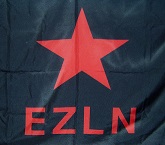
[:es]EZLN: EL FESTIVAL CompARTE Y LA SOLIDARIDAD.[:en]The CompARTE Festival and Solidarity[:]
[:es]
EL FESTIVAL CompARTE Y LA SOLIDARIDAD.
Julio del 2016.
Compañeroas de la Sexta:
Artistas de los 5 continentes:
Magisterio en Resistencia:
Como ya saben, hemos decidido suspender nuestra participación en el festival CompArte. Claro que, para quien sabe leer con atención, no dijimos que se suspende el festival. Simplemente lo que hicimos es señalar que nosotras, nosotros, zapatistas, no vamos a poder compartir. Y por eso, si alguien pensaba en eso y lo mismo le lleva a no participar, pues decíamos que nos disculpen porque lo sabemos que hizo su gasto. A las Artes nadie debe de darles órdenes. Si hay un sinónimo de libertad, tal vez el último reducto de humanidad en situaciones límite, son las artes. Nosotros, nosotras, zapatistas, no podemos, ni debemos, ni se nos ha cruzado siquiera por la mente, que les digamos a l@s trabajador@s del arte y la cultura cuándo deben crear o cuando no. O, peor aún, imponerles un tema y reeditar, ahora con la coartada de los pueblos originarios en rebeldía, “revoluciones culturales”, “realismos” y demás arbitrariedades que lo único que esconden es un comisario y policía que determina cuál es “buen arte” y cuál no.
No hermanas, hermanos y hermanoas artistas. Para nosotras, nosotros, zapatistas, las artes son una esperanza de humanidad, no una célula militante. Pensamos sí, que es en los momentos más difíciles, cuando es más la desilusión y la impotencia, que las Artes son las únicas capaces de celebrar la humanidad.
Para nosotras, nosotros, zapatistas, ustedes, junto con l@s científic@s, son tan importantes que no imaginamos mañana alguno sin su quehacer.
Pero eso ya será tema de alguna carta posterior.
Lo que ahora queremos es cumplir un debe con ustedes. Porque desde el 15 de junio del 2016, fecha final para registro, teníamos preparado un informe para comunicarles cómo estaba lo del Festival de CompArte. Desgraciadamente, la situación nacional se fue tensando (debido a la irresponsabilidad del niño con la caja de cerillos que despacha en la SEP) y lo fuimos posponiendo hasta que se llegó a la decisión que ya les hemos trasmitido.
Como quiera, es bueno que sepan cómo iba el CompArte. Aquí en forma sintética:
Se registraron 1127 artistas nacionales y 318 de otros países.
Los artistas nacionales son originarios de:
| Aguascalientes Baja California Baja California Sur Campeche Chiapas Chihuahua Colima Coahuila Ciudad de México (Ex DF) Durango Estado de México Guanajuato Guerrero Hidalgo Jalisco Michoacán |
Morelos Nayarit Nuevo León Oaxaca Puebla Querétaro Quintana Roo San Luis Potosí Sinaloa Sonora Tabasco Tamaulipas Tlaxcala Veracruz Yucatán Zacatecas |
L@s Artistas de otros países son originarios de:
| EUROPA Alemania Bélgica Dinamarca Escocia Eslovenia Estado español Finlandia Francia Grecia Holanda Inglaterra Irlanda Italia Noruega Portugal Rusia SuizaAMÉRICA Argentina Brasil Canadá Chile Colombia Costa Rica Cuba |
Ecuador El Salvador Estados Unidos Guatemala Honduras Nicaragua Perú Puerto Rico Trinidad y Tobago Uruguay VenezuelaASIA China Irán Japón Rusia TaiwanÁFRICA Marruecos República de Togo OCEANÍA |
El artista participante de mayor edad es un cantautor que anda rondando los 80 años, aunque aparenta muchos menos (de nada, Oscar), cuyas canciones rescatando la cultura popular y sus parodias musicales (que sólo son superadas por la realidad) todavía suenan en las montañas zapatistas y, tal vez, también en los lugares donde el magisterio resiste.
L@s artistas participantes de menor edad son: un niño de 6 años, que baila son jarocho con el Colectivo Altepee; el Coro de niños del Huitepec, cuyas edades van de los 3 a los 11 años; una niña, de diez años, que toca el cajón de tapeo con la Banda Mixanteña de Santa Cecilia: y una niña, de diez años, que toca el piano.
ACTIVIDADES ARTÍSTICAS A COMPARTIR:
ARTES ESCÉNICAS:
| BAILE FLAMENCO BAILE DE TANGO CIRCO CLOWN CUENTACUENTOS DANZA DANZA AÉREA DANZA CONTEMPORÁNEA DANZA FOLCLÓRICA LECTURA DE POESÍA |
LIMA-LAMA MAGIA MALABARES MARIONETAS PAYASOS PERFORMANCE TEATRO TEATRO DE SOMBRAS TEATRO SENSORIAL TÍTERES |
ARTES PLÁSTICAS (O VISUALES):
| ALEBRIJES ARQUITECTURA BORDADO CARICATURA POLÍTICA CARTONERÍA COLLAGE COMICS CUENTO GRÁFICO DIBUJO DISEÑO GRÁFICO ENCUADERNACIÓN ESCULTURA FOTOGRAFÍA FOTOGRAFÍA EN 3D |
GRABADO GRAFITTI ILUSTRACIÓN INSTALACIÓN EFÍMERA INTERVENCIÓN DEL ESPACIO LAUDERÍA MÁSCARAS PINTURA PINTURA CORPORAL PINTURA DE MACETAS PINTURA MURAL SERIGRAFÍA STENCIL TATUAJES |
AUDIOVISUALES:
| AUDIOCUENTOS CINE DOCUMENTAL FOTOGRAFIA DIGITAL |
VIDEO VIDEO DOCUMENTAL VIDEO CLIP VIDEO ESCULTURA |
MÚSICA:
| BANDAS DE VIENTO BEAT-BOX BLUES BOLERO BOSSANOVA CANCIÓN DE PROTESTA CHILENAS CUMBIA DUB ETNOROCK FUSIÓN GITANA HIP-HOP JAZZ MÚSICA AFRICANA MÚSICA DE CONCIERTO ARPA PIANO VIOLÍN TUBA |
FLAUTA GUITARRA LAÚD MÚSICA DE GAITA MÚSICA DE HANG DRUM MÚSICA DE HOMPAK MÚSICA DE ORGANILLO MÚSICA TRADICIONAL PUNK ÓPERA RAP REGGAE ROCKABILLI ROCK ALTERNATIVO SKA SON CUBANO SON JAROCHO SWING TROVA |
OTRAS ACTIVIDADES
TALLERES (DE CASI DE TODO LO QUE SE VA A PRESENTAR)
¿Hay que hacer el CompArte? Pues esa pregunta les toca responderla a ustedes. Y responder también el cómo, cuándo, y los etcéteras de costumbre. Pensamos que, si son capaces de maravillar al mundo con su quehacer, bien podrían organizarse para celebrar la humanidad frente a la máquina.
Nosotros, nosotras, zapatistas, hemos suspendido (no cancelado) nuestra participación. Pensamos, creemos, tenemos la esperanza que ya habrá días más limpios en que podamos hacerlo. No sabemos, tal vez, cuando la fiesta del cumpleañero, el Congreso Nacional Indígena. Pero no queremos comprometernos porque qué tal que…
El CompArte Zapatista.
Pero, aprovechando que estamos en el tema, les informamos también cómo iba a estar nuestra compartición artística. Bueno, no mejor les contamos esto: el Comandante Tacho nos dijo, palabras más, palabras menos, “Hay un compa que hizo su canción, o sea que la hizo completa, o sea la letra y la música. Y en su pueblo se hizo un grupo musical. Cuando estaba la selección en el caracol de La Realidad o sea donde veíamos todo lo de los pueblos y se iba seleccionando quienes van a Oventik, lo escuché su canción que es el tema de la resistencia. Qué va a ser, sup, ese compa apenas era pichito cuando nos alzamos en 1994 y explica la resistencia mejor que yo con su canción. Hasta no sé si le aplaudo o saco el cuaderno para tomar apunte. Ora sí que rozan mero al ras”. El Comandante Zebedeo nos cuenta también: “un compa se me acercó y me dijo que pues está cabrón la situación, que él creía que tal vez no se va a hacer porque lo atacan mucho a los maestros. Pero que él está contento porque, dijo, “yo no sabía que podía cantar, ahora ya sé que sí puedo cantar y hasta hacer mis propias canciones donde platico cómo es nuestro modo de ser zapatistas. Aunque no haya el festival, estoy contento. Además, tal vez ahora no, pero de repente otra vuelta sí”.
Y si ustedes, artistas, compas de la Sexta, tratan de imaginarse cómo serían las participaciones artísticas zapatistas, pues aquí les ponemos un video. Tal vez otro día le ponemos más, o fotos, porque le batallamos para esto del internet. El bailable es creado por un colectivo de la Zona de Los Altos, en el Caracol de Oventik. No sabemos si se dice bailable o coreografía, pero se llama resistencia y la música es un mix de la rola de Mc Lokoter, “Esta tierra que me vio nacer”, y una rola de ska del grupo español que se llama SKA-P, “El Vals del Obrero”. El significado del bailable lo explica la maestra de la ceremoña. El video fue producido por “Los Tercios Compas” en una de las presentaciones para selección de Oventik, hace ya más de dos meses (o sea que no suspendimos por no estar preparados). Va pues. ¡aaaaaaaal brincolínnnnnnnn!
Bueno, ya que recuperamos el aliento, les decimos, en el detalle posible, el apoyo material que, como señal de solidaridad, respeto y admiración, vamos a entregar al magisterio en resistencia en diversos puntos de Chiapas, México.
Pero primero…
Iban a participar artistas de tojolabal, zoque, mame, chol, tzetal, tzotzil y mestizo de los 5 caracoles, así como escuchas y oyentes de las bases de apoyo zapatistas.
Del Caracol de Roberto Barrios (zona norte de Chiapas): 254 artistas y 80 escuchas-videntes.
Del Caracol de La Realidad (zona Selva Fronteriza): 221 artistas y 179 escuchas-videntes.
Del Caracol de La Garrucha (zona Selva Tzeltal): 311 artistas y 99 escuchas-videntes.
Del Caracol de Morelia (zona Tzotz Choj): 276 artistas y 88 escuchas-videntes.
Del Caracol de Oventik (zona Los Altos de Chiapas): 757 artistas y 1120 escuchas-videntes.
En total: 1819 artistas y 1566 escuchas-videntes. Total por todo: 3385 hombres, mujeres, niños y ancianos bases de apoyo zapatistas.
La Alimentación como arte de la resistencia.
Los recursos para los artistas zapatistas variaban según cada caracol, porque en algunos lados unas cosas se consiguen más caras o más baratas. Pero el gasto promedio en alimentación era de $12.08 pesos por artista zapatista al día. Todo lo que se había juntado para nuestra participación, contando los 5 caracoles, ascendía a la cantidad de $ 290, 000.00 (doscientos noventa mil pesos monedad nacional). Claro, antes de la próxima devaluación… err, sí, perdón, nada de spoilers.
¿De dónde salió la paga? ¿Del registro en el INE? ¿Del programa PROSPERA? ¿Del crimen organizado o desorganizado – o sea el mal gobierno-? ¿De alguna ONG? ¿De una potencia extranjera interesada en fomentar las Artes para desestabilizar la “tranquilidad” en México? No, compas, la paga salió del trabajo de colectivos de producción en los pueblos, regiones y zonas, así como de los MAREZ y Juntas de Buen Gobierno. O sea que es paga limpia, obtenida como la que obtiene la inmensa mayoría del pueblo de México y del mundo: del trabajo.
¿Es mucho o es poco?
Bueno, con eso el consumo promedio DIARIO de alimentación de un artista zapatista, por ejemplo, de Roberto Barrios, en los 7 días que iba a durar nuestra compartición es de:
171 gramos de frijol
50 gramos de arroz.
21 mililitros de aceite.
0.02 de bolsa de sopa
20 gramos de azúcar.
8 gramos de sal
1.17 tostada.
Bueno ¿y ahora qué se va a hacer con eso?, ¿qué es lo que le van a donar al magisterio en resistencia?
La Solidaridad Zapatista.
Los compas se organizaron por caracol para entregar el apoyo según lo siguiente:
El caracol de La Realidad va a entregar al magisterio en resistencia lo siguiente:
570 kilos de frijol.
420 kilos de arroz.
350 kilos de azúcar.
15 litros de aceite.
21 kilos de jabón.
21 kilos de sal.
28 kilos de café.
1571 kilos de maíz no transgénico.
840 kilos de tostadas.
400 kilos de pinole.
5 tinas para cocinar.
5 cucharones.
5 ánforas.
4 cajitas de medicina.
Una comisión del caracol de La Realidad entregará esto al magisterio en resistencia en Comitán, Chiapas, el día 9 de julio del 2016, a las… bueno, lo que tarden en llegar.
El caracol de Roberto Barrios va a entregar:
400 kilos de frijol.
250 kilos de arroz.
125 kilos de sopa.
24 kilos de sal.
24 litros aceite.
15 kilos de café.
10 kilos de jabón.
3 kilos de chile.
10 kilos de cebolla.
30 kilos de tomate.
50 kilos de azúcar.
320 kilos de pinole.
620 kilos tostadas.
1000 kilos de chayote, camote, yuca y plátano.
Una comisión del caracol de Roberto Barrios entregará esto al magisterio en resistencia en Playas de Catazajá, Chiapas, el día 8 de julio del 2016. Ya fue una comisión y ya se pusieron de acuerdo con los maestros ahí para la entrega.
El caracol de La Garrucha va a entregar:
300 kilos de frijol.
150 kilos de arroz.
150 kilos de azúcar.
20 kilos de café.
15 kilos de sal.
1 caja de jabón.
60 mil tostadas.
Una comisión del caracol de La Garrucha entregará esto al magisterio en resistencia en San Cristóbal de Las Casas, Chiapas, el día 9 de julio del 2016.
El caracol de Morelia va a entregar:
1, 044 kilos de maíz no transgénico.
500 kilos de frijol.
300 kilos de arroz.
250 kilos de azúcar.
25 kilos de sal.
1 caja de jabón.
25 kilos de café.
1 caja de aceite.
El caracol de Oventik va a entregar.
114, 584 tostadas (unos 300 kilos)
1, 475 kilos de frijol.
672 kilos de azúcar.
456 bolsitas de sopa (unos 97 kilos)
206.5 kilos de arroz.
68 kilos de café.
5 kilos de pinole.
48.5 kilos de sal.
12.5 litro de aceite.
21 kilos de tomate.
10 kilos de cebolla.
165 kilos de verdura.
20 kilos de té.
Una comisión de los caracoles de Morelia y Oventik entregará esto al magisterio en resistencia en Tuxtla Gutiérrez, Chiapas, el día 10 de julio del 2016. La tostada no la vamos a entregar toda de un jalón porque es mucha y se le va honguear. Mejor un tanto y ya luego otro tanto.
En total, los 5 caracoles entregarán unas 10 toneladas de alimentos con valor aproximado de 290 mil pesos mexicanos.
-*-
Pues así está, compas de la Sexta y artistas y magisterio en resistencia.
Ahora bien, si nos preguntan a nosotros, nosotras, zapatistas, qué pensamos de si será que vienen o no vienen, pues claro les decimos: vengan. Chiapas es hermoso. Y ahora es más bonito con la resistencia magisterial floreciendo en los caminos, calles, carreteras y comunidades.
¿Se preguntan si, ya estando acá, se pueden dar una vuelta a los caracoles? Pues claro que se puede. Pero eso sí, a la entrada les van a preguntar “¿ya fueron a ver a los maestros en resistencia?”
Desde las montañas del Sureste Mexicano.
Subcomandante Insurgente Moisés. Subcomandante Insurgente Galeano.
México, julio del 2016.
Fuente: Enlace Zapatista[:en]
The CompARTE Festival and Solidarity
July 2016
Compañeroas of the Sixth:
Artists from the five continents:
Teachers in Resistance:
As you know, we have decided to suspend our participation in the CompArte Festival. Of course, for those who know how to read carefully, we didn’t say that the festival itself was suspended. We merely indicated that we as Zapatistas would not be able to contribute. So if someone thought the former and decides not to participate, well then we apologize because we know you already took on expenses. No one should give orders to the Arts. If there is a synonym for freedom, perhaps the last bastion of humanity in the worst situations, it is the arts. We Zapatistas neither can nor should—nor has it even crossed our minds—to tell the workers of art and culture when they should create or not. Or worse, impose a topic on them and, using the originary peoples in rebellion as justification, drag out concepts of “cultural revolutions,” “realisms,” and other arbitrary notions that merely hide what is some kind of cop determining what is “good art” or not.
No, artist sisters and brothers [hermanas, hermanos, hermanoas]; for us Zapatistas, the arts are the hope of humanity, not a militant cell. We think that indeed, in the most difficult moments, when disillusionment and impotence are at a peak, the Arts are the only thing capable of celebrating humanity.
For us Zapatistas, you, along with scientists [l@s científic@s], are so important that we cannot imagine a future without your work.
But that is a subject for a later letter.
The task here is to honor a commitment to you all. As of June 15, 2016, the last day for registration, we had a report prepared to let you know how the CompArte Festival was coming. Unfortunately, the national situation got progressively tenser (thanks to the irresponsibility of that child with a box of matches who works out of the SEP [Department of Public Education]), and we kept postponing it until coming to the decision that we have already told you about.
In any case, it’s good for you to know how the CompArte was coming along. So, to summarize:
There are 1,127 national artists and 318 artists from other countries registered.
The national artists come from:
| AguascalientesBaja California
Baja California Sur Campeche Chiapas Chihuahua Colima Coahuila Mexico City (Previously DF) Durango Estado de México Guanajuato Guerrero Hidalgo Jalisco Michoacán |
MorelosNayarit
Nuevo León Oaxaca Puebla Querétaro Quintana Roo San Luis Potosí Sinaloa Sonora Tabasco Tamaulipas Tlaxcala Veracruz Yucatán Zacatecas |
And the artists from other countries come from:
| EUROPEGermany
Belgium Denmark Scotland Slovenia Spanish State Finland France Greece Netherlands England Ireland Italy Norway Portugal Russia Switzerland AMERICA Argentina Brazil Canada Chile Colombia Costa Rica Cuba |
EcuadorEl Salvador
United States Guatemala Honduras Nicaragua Peru Puerto Rico Trinidad and Tobago Uruguay Venezuela ASIA China Iran Japan Russia Taiwan AFRICA Morocco Republic of Togo OCEANIA Australia New Zealand |
The oldest participating artist is a singer-songwriter who is around 80 years old, although he looks much younger (you’re welcome, Oscar). His songs, which revive popular culture and its musical parodies (surpassed only by reality), are still heard in the Zapatista mountains, and perhaps in some of the places where the teachers resist.
The youngest participating artists are: a 6-year-old boy who dances Son Jarocho with the Altepee collective; the Children’s Choir of Huitepec whose ages range from 3 to 11-years-old; a little girl, 10-years-old, who plays the cajón de tapeo with the Banda Mixanteña of Santa Cecilia: and a little girl, 10-years-old, who plays the piano.
ARTISTIC ACTIVITIES TO BE SHARED:
PERFORMANCE ARTS:
| FLAMENCOTANGO
CIRCUS CLOWN STORYTELLING DANCE AERIAL DANCE CONTEMPORARY DANCE FOLKLORIC DANCE POETRY READING |
LIMA-LAMA
MAGIC JUGGLING PUPPETS CLOWNING PERFORMANCE THEATER SHADOW THEATER SENSORY THEATER PUPPETS
|
VISUAL ARTS:
| ALEBRIJES[i]ARCHITECTURE
EMBROIDERY POLITICAL CARTOONS MEXICAN PAPIER-MÂCHÉ COLLAGE COMICS GRAPHIC COMICS DRAWING GRAPHIC DESIGN BOOKBINDING SCULPTURE PHOTOGRAPHY 3-D PHOTOGRAPHY RECORDING |
GRAFFITIILLUSTRATION
EPHEMERAL INSTALLATION SPACE INTERVENTION/ PUBLIC ART LAUDERÍA[ii] MASKS PAINTING BODY PAINTING POT PAINTING MURAL PAINTING SILK-SCREENING STENCIL TATTOOING |
| AUDIO-VISUALAUDIO STORIES
FILM DOCUMENTARY DIGITAL PHOTOGRAPHY |
VIDEODOCUMENTARY VIDEO
VIDEO CLIP VIDEO SCULPTURE |
MUSIC:
| WIND BANDSBEAT-BOX
BLUES BOLERO BOSSANOVA PROTEST MUSIC CHILENAS CUMBIA DUB ETHNOROCK FUSION GITANA HIP-HOP JAZZ AFRICAN MUSIC CONCERT MUSIC HARP PIANO VIOLIN TUBA FLUTE |
GUITARLUTE
BAGPIPE MUSIC HANG DRUM MUSIC HOMPAK MUSIC ORGAN GRINDER MUSIC TRADITIONAL MUSIC PUNK OPERA RAP REGGAE ROCKABILLI ALTERNATIVE ROCK SKA SON CUBANO SON JAROCHO SWING TROVA |
OTHER ACTIVITIES:
WORKSHOPS (ON ALMOST EVERYTHING THAT WILL BE PERFORMED)
Should CompArte happen? That question is for all of you. And the answer should include how, where, and the customary etcetera’s. We think that if you are capable of aweing the world with your work, you can surely organize yourselves to celebrate humanity in the face of the machine.
We Zapatistas have suspended (not cancelled) our participation. We think, we believe, and we hope that there will be cleaner days in which to offer it. We don’t know when, maybe for the birthday party of the National Indigenous Congress, but we don’t want to commit ourselves because what if…
The Zapatista CompArte
But since we’re on the topic, we want to let you know what our artistic contribution was going to be like. Well, better yet, we’ll tell you what Comandante Tacho told us, in so many words: “There is a compa who created his song, he finished the whole thing, that is, the lyrics and the music. And in his community they started a band. In the selection process in the caracol of La Realidad, where we were evaluating contributions from all of the communities to select which ones would go to Oventik, I heard his song, which is about resistance. Just imagine, sup, this compa was just a little thing when we rose up in 1994 and his song explained the resistance better than I could. I didn’t know whether to applaud or take notes. Now we’re really getting somewhere.”
Comandante Zebedeo also told us: “one compa came up to me and said that the situation was pretty bad, that he thought maybe they wouldn’t be able to have the festival because of all the attacks against the teachers. But he was happy because, as he said, “I didn’t know I could sing; now I know I can sing and I can even create my own songs where I talk about how we Zapatistas do things. Even if there isn’t a festival, I’m happy. What’s more, even if it doesn’t happen this time, perhaps we can do it another time.
And if you, artists, compas of the Sixth, are trying to imagine what the Zapatista artistic contributions would be like, well we’re including a video here. Maybe another day we’ll put up more, or maybe photos, because we really struggle with this internet thing. This dance in the video was created by a collective from the Altos zone, in the caracol of Oventik. We don’t know if it’s called dance or choreography, but it is called resistance and the music is a mix of the track by Mc Lokoter “Esta tierra que me vio nacer” [This land birthed me], and a ska track, “El Vals del Obrero” [The Worker’s Waltz] from the Spanish group SKA-P. The MC at the beginning explains the meaning of the dance. The video was produced by “Los Tercios Compas” in one of the selection rounds for who would go to Oventik, a little over two months ago (meaning, we didn’t suspend our participation because we weren’t prepared). Here it is. Aaaaaaaaah jump!
But first…
Tojolabal, Zoque, Mame, Chol, Tzeltal, Tzotzil, and Mestizo artists from the 5 caracoles were going to participate as listeners on behalf of the Zapatista bases of support.
From the Caracol of Roberto Barrios (Northern zone of Chiapas) 254 artists and 80 listener-observers.
From the Caracol of La Realidad (Selva Fronteriza zone): 221 artists and 179 listener-observers.
From the Caracol of Garrucha (Selva Tzeltal zone): 311 artists and 99 listener-observers.
From the Caracol of Morelia (Tzotz Choj zone): 276 artists and 88 listener-observers.
From the Caracol of Oventik (Highlands zone of Chiapas): 757 artists and 1,120 listener-observers.
Total: 1,819 artists and 1,566 listener-observers. Grand total: 3,385 men, women, children, and elders, Zapatista bases of support.
Food as an art of resistance.
The resources set aside for the Zapatista artists varied according to each caracol, because the cost of things can be pricier or cheaper in different places. But the average food expense was $12.08 pesos per Zapatista artist per day. Everything we had put together for our participation, including all five caracoles, amounted to $290,000.00 (two hundred ninety thousand Mexican pesos). Of course, that’s before the next currency devaluation…err, yes, apologies, no more spoilers.
Where did the money come from? From the INE [National Electoral Institute in Mexico]? From the PROSPERA [government aid] program? From organized or disorganized crime—that is, the bad government? From some NGO? From a foreign power interested in promoting the Arts in order to destabilize Mexico’s “tranquility?” No compas, the money came from the work of the production collectives across the communities, regions, and zones, as well as from the MAREZ [Zapatista Autonomous Municipalities in Rebellion] and the Good Government Councils. That is, it’s clean money, earned the way the immense majority of people of Mexico and the world earn: from work.
Is it a lot or a little?
Well, the average DAILY food consumption of a Zapatista artist, for example, in Roberto Barrios, during the 7 days that our participation would have lasted is:
171 grams of beans
50 grams of rice
21 milliliters of cooking oil
0.02 of a bag of pasta
20 grams of sugar
8 grams of salt
1.17 tostadas
Now, what are they going to do with all that? What are they going to donate to the teachers in resistance?
Zapatista Solidarity
The compas organized themselves by caracol in order to deliver the support accordingly:
The caracol of La Realidad will deliver the following to the teachers in resistance:
570 kilos of beans
420 kilos of rice
350 kilos of sugar
15 liters of cooking oil
21 kilos of soap
21 kilos of salt
28 kilos of coffee
1,571 kilos of non-GMO corn
840 kilos of tostadas
400 kilos of pinole
5 vats for cooking
5 ladles
4 medicine boxes
A commission from the caracol of La Realidad will deliver all of this to the teachers in resistance in Comitán, Chiapas, July 9, 2016, at…well, as soon as they get there.
The Caracol of Roberto Barrios will deliver:
400 kilos of beans
250 kilos of rice
125 kilos of pasta
24 kilos of salt
24 liters of cooking oil
15 kilos of coffee
10 kilos of soap
3 kilos of chili pepper
10 kilos of onion
30 kilos of tomato
50 kilos of sugar
320 kilos of pinole
620 kilos of tostadas
1,000 kilos of chayote, yams, yucca, and plantains.
A commission from the caracol of Roberto Barrios will deliver all of this to the teachers in resistance in Playas de Catazajá, Chiapas, July 8, 2016. A commission has already gone there to arrange things with the teachers there for the delivery.
The caracol of Garrucha will deliver:
300 kilos of beans
150 kilos of rice
150 kilos of sugar
20 kilos of coffee
15 kilos of salt
1 box of soap
60,000 tostadas
A commission from the caracol of La Garrucha will deliver all of this to the teachers in resistance in San Cristóbal de las Casas, Chiapas, July 9, 2016.
The caracol of Morelia will deliver:
1,044 kilos of non-GMO corn
500 kilos of beans
300 kilos of rice
250 kilos of sugar
25 kilos of salt
1 box of soap
25 kilos of coffee
1 box of cooking oil
The caracol of Oventik will deliver:
114,584 tostadas (some 300 kilos)
1,475 kilos of beans
672 kilos of sugar
456 bags of pasta (some 97 kilos)
206.5 kilos of rice
68 kilos of coffee
5 kilos of pinole
48.5 kilos salt
12.5 liters of cooking oil
21 kilos of tomato
10 kilos of onion
165 kilos of vegetables
20 kilos of tea
A commission from the caracoles of Morelia and Oventik will deliver all of this to the teachers in resistance in Tuxtla Gutiérrez, Chiapas, July 10, 2016. We won’t deliver all of the tostadas at once because there are a lot and they would get moldy. Better a little to start with and then more later.
_*_
So that’s how things are, compas of the Sixth and artists and teachers in resistance.
Now, if you ask us what we think about you coming or not, we say clearly: come. Chiapas is beautiful. And now even more so with the teachers’ resistance flourishing in the streets, roads, highways, and communities.
Are you wondering if, once you’re here, you can take a trip to the caracoles? Yes of course you can. But one thing you can count on, at the entrance of the caracoles they will ask you, “did you already go see the teachers in resistance?”
From the mountains of the Mexican Southeast,
Subcomandante Insurgente Moisés. Subcomandante Insurgente Galeano
July 2016
[i] Folk art sculptures of fantastical animals, a craft native to Oaxaca.
[ii] Artisanal craft of the construction, repair, and maintenance of stringed instruments.[:]

