Pensamiento Crítico
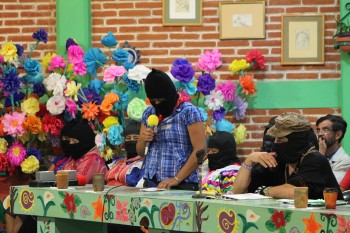
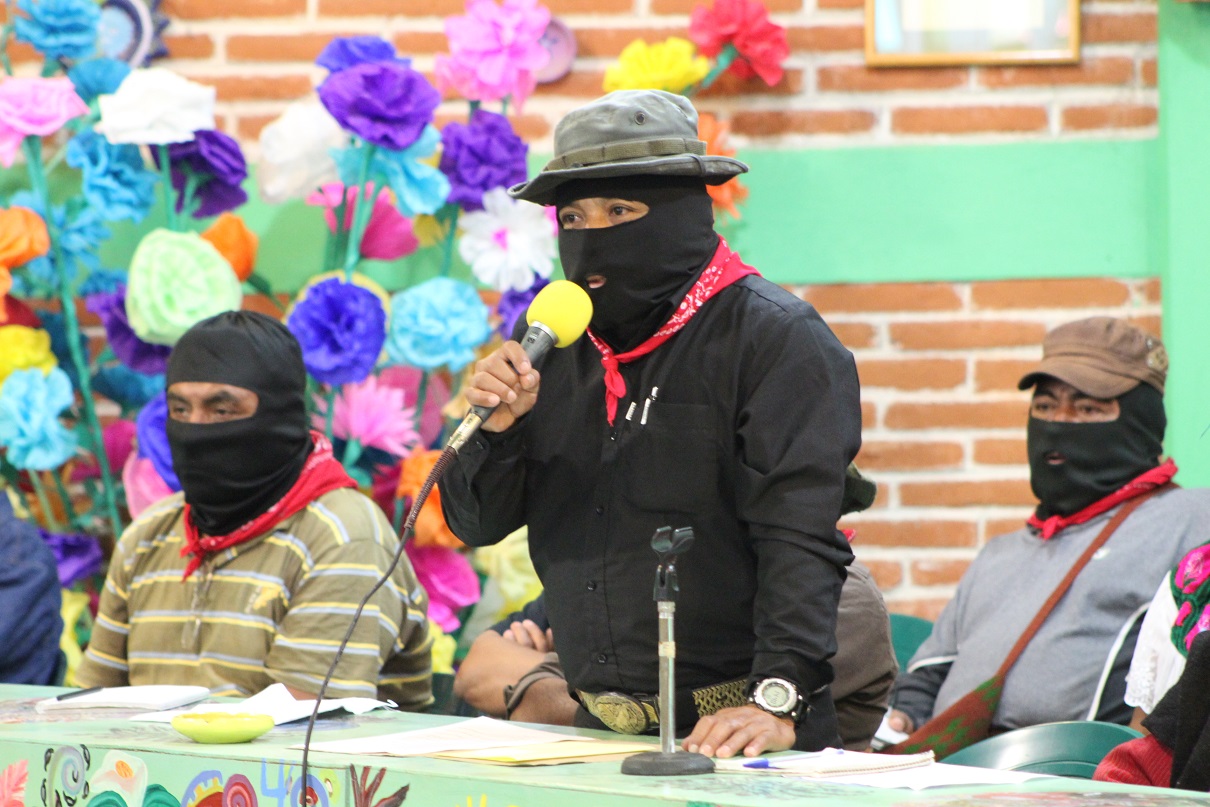
Compañera base de apoyo Lizbeth – 6 de mayo de 2015Compañera base of support Lizbeth – 6 May 2015

Escucha aquí: [podcast]https://radiozapatista.org/Audios/pensamiento/6mayo_companera-lisbet.mp3[/podcast]
Buenas noches, compañeros y compañeras, hermanos y hermanas.
Nosotros vamos a explicar un poco cómo hemos venido viviendo y haciendo los trabajos en la autonomía después del levantamiento armado de 1994.
Nosotras como jóvenas y jóvenes zapatistas de ahora, ya no conocimos cómo es un capataz, cómo es un terrateniente o patrón, mucho menos conocemos cómo es El Amate, ni sabemos cómo llegar con los presidentes de los municipios oficiales para que nos resuelvan nuestros problemas. Porque gracias a la organización del EZLN ya tenemos nuestras autoridades en cada pueblo, ya tenemos nuestras autoridades municipales y nuestra junta de buen gobierno para que resuelvan cualquier tipo de problema que pasa en cada compañera y en cada compañero, zapatistas y no zapatistas, en cada pueblo.

Listen here: [podcast]https://radiozapatista.org/Audios/pensamiento/6mayo_companera-lisbet.mp3[/podcast]
Words of Compañera Lizbeth, Zapatista base of support77
Good evening compañeros and compañeras, brothers and sisters.
We are going to explain a little bit of how we have been living and doing our autonomous work after the 1994 armed uprising.
We as Zapatista youth today, we are no longer familiar with the overseer, with the landowner, with the hacienda boss, much less with El Amate [a prison in Chiapas]; we do not know what it is to go to the official municipal presidents so that they can resolve our problems. Thanks to the EZLN organization, we now have our own authorities in each community, we have our municipal authorities, and our Juntas de Buen Gobierno [Good Government Councils], and they resolve whatever type of problem that might arise for a compañera or compañero, for both Zapatistas and non-Zapatistas.
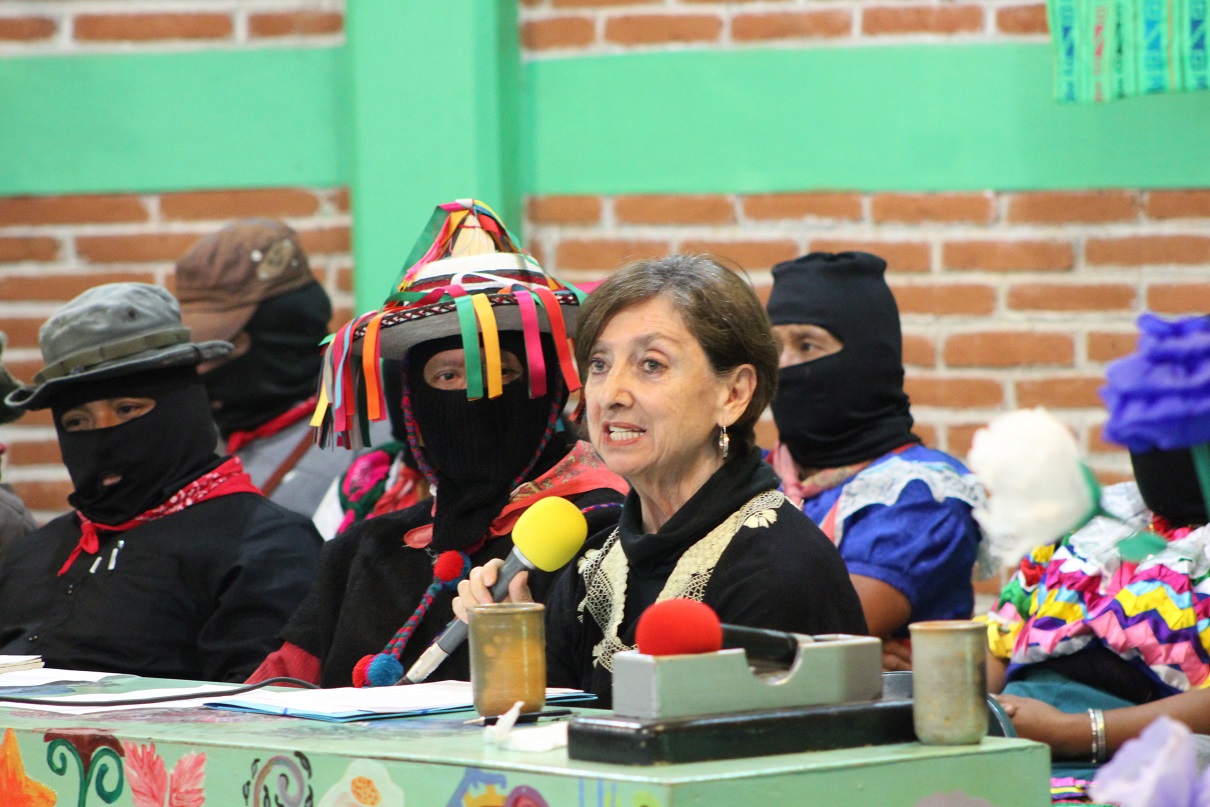
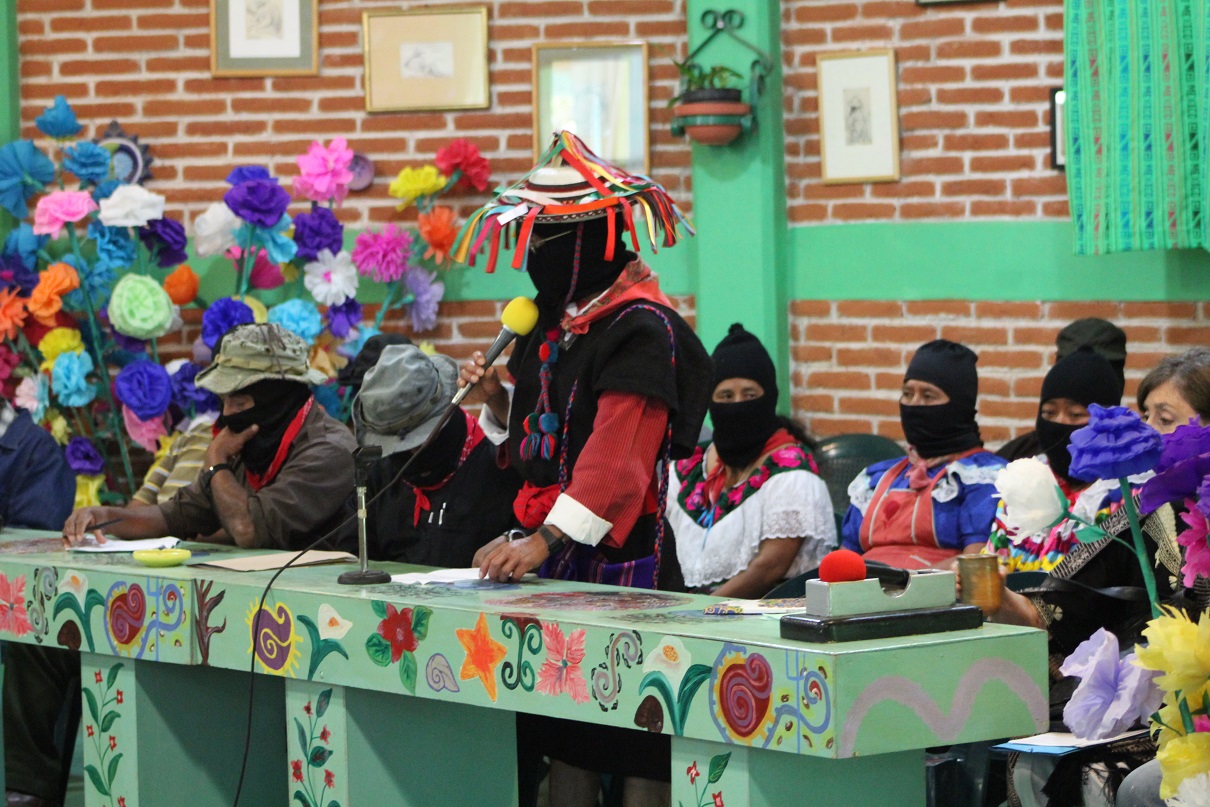
Comandanta Dalia – 6 de mayo de 2015Comandanta Dalia – 6 May 2015

Escucha aquí: [podcast]https://radiozapatista.org/Audios/pensamiento/6mayo_comandanta-dalia.mp3[/podcast]
Buenas noches, compañeros y compañeras, hermanos y hermanas.
Les voy a explicar un poco lo que dijo la compañera Comandanta Rosalinda.
Así como explicó, ahora me toca explicar para ser una candidata, que desde 1994 supimos que tenemos el derecho como mujer, donde nos despertamos, así fuimos entendiendo poco a poco los trabajos de las compañeras.
En los pueblos, en las regiones, empezamos con la práctica de cómo organizarnos para una lucha por el bien del pueblo sin que tengamos estudio.
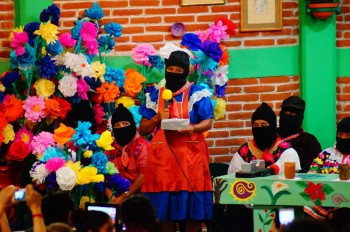
Listen here: [podcast]https://radiozapatista.org/Audios/pensamiento/6mayo_comandanta-dalia.mp3[/podcast]
Good evening compañeros and compañeras, brothers and sisters.
I’m going to explain a little bit of what compañera Comandanta Rosalinda said.
Just as she explained, it is now my turn to talk about how we become authorities. From 1994 on, we knew that we had rights as women. That was when we woke up. This is how little by little we grew to understand the work of the compañeras.
In the communities, in the regions, we began the practice of organizing ourselves to fight for the good of the community, without having to have an education to do so.
In 1994, we realized that as women, as mothers and fathers, we had the courage to send our husbands, our sons, our daughters to fight, and we knew well that to confront the enemy is not easy and one can come back alive or dead. But we never dwelled on those things. We were clear that the women had the responsibility to raise whomever of our sons and daughters were left. This is when we understood that we thought the same way as the compañeros.