
FRAGMENTOS DE LA REALIDAD I.FRAGMENTS OF LA REALIDAD I.
Escucha en audio: [podcast]https://radiozapatista.org/Audios/comEZLNreali.mp3[/podcast]
FRAGMENTOS DE LA REALIDAD I.
Mayo del 2014.
Madrugada… Deben ser como las 2 o las 3, vaya usted a saber. Suena el silencio aquí en la realidad. ¿Dije “suena el silencio”? Pues sí, porque el silencio acá tiene su sonido propio, así como un aserrar de grillos, y luego otros al frente, más fuerte y en contra, otros siempre constantes, abajo. No hay luz cerca. Y ahora es la lluvia sumando su propio silencio. De por sí ya es su tiempo de lluvia acá, pero no alcanza todavía para herir la tierra. Apenas si la rasguña, como golpeando quedito. Un arañazo aquí, algún charquito como no queriendo allá. Como avisando. Pero el sol, la calor, rápido lo repellan la tierra. No es su tiempo del lodo. No todavía. Tiempo de sombra sí. Bueno, de por sí siempre es su tiempo de sombra. Donde quiera anda, no importa la hora. Hasta cuando más fiero está el sol, por ahí anda la sombra, pegándose nomás a las paredes, árboles, piedras, gente. Como si la luz más fuerza le diera. Ah, pero en la noche… en la madrugada, ése es su mero tiempo de sombra. Así como en el día te alivia, en la madrugada te despierta como diciéndote “tú dónde, tú qué”. Y uno balbuceando las respuestas de la duerme-vela. Hasta que ya claro puedes responder, responderte: “en la realidad”.
FRAGMENTS OF LA REALIDAD I.
May 2014.
The wee hours of the morning…it must be like 2 or 3 o’clock, who knows. It sounds like silence here in reality [La Realidad]. Did I say “it sounds like silence?” Well it does, because the silence here has its own sound, like the chirping of crickets; some sounds up front, stronger and dissonant; and others always constant, below. There is no light nearby. And now the rain is adding its own silence. The rainy season has arrived here already, but it is not yet heavy enough to wound the earth. Just enough to scratch it a little, a constant pitter-patter. A little scratch here, barely a puddle over there. As if to give a warning. But the sun, the heat,[i] hardens the earth quickly. It is not time for mud; not yet. It is the time of shadow. True, it’s always the time of shadow. It goes anywhere and everywhere, without regard for time. Even where the sun is the most ferocious, the shadow can still be found, clinging to walls, trees, rocks, people. As if the light gave it even more strength. Ah, but night…in the earliest hours of the morning, this is truly the time of [the] shadow. Just as during the day it brings you relief, in the tiny hours of the morning it awakens you as if to say, “and what about you? Where are you?” And you stammer in your slumber, until you can answer clearly—answer to yourself—“in reality.”
-*-
(…)
– Pues la mera verdad no sabría decirte. Se supone que en la ciudad su costumbre, como quien dice que su modo, es que, cuando hay un difunto en la familia, pues los demás de la familia y amistades la visitan a la familia para hacerle saber que la apoyan en su dolor. Le dicen “dar el pésame”, creo. Sí, eso mero, como decirles que no están solos.
(…)
– Bueno, lo que yo he alcanzado a leer es que la mayoría de las alumnas y alumnos de la escuelita dijeron que se sentían como en familia, que los habían tratado como familia. Bueno, algunos dijeron que mejor que en su familia. O sea que como quien dice hay de familias a familias, por ejemplo en…
(…)
– Puede ser. Sí, puede que alguna, alguno, sienta como quien dice la necesidad de venir a darle el pésame a la familia del finado Galeano o a los compas de aquí, o a los dos.
(…)
– No está tan fácil, porque acá está muy retirado para ellos. ¿Qué será, digamos que unas 7 horas desde San Cristóbal? Ahí está, les queda lejos. Y pues la muerte violenta no avisa, no tiene su calendario apartado ni su geografía marcada, sino que ahí nomás entra y se sienta, manque no la hayamos invitado. Sí, como que entra tirando la puerta.
No es como la muerte de edad o de enfermedad, que como que poco a poquito mete una pata, luego la mano, y luego ahí se está en un rincón, esperando, hasta que se acomoda y dice “aquí yo mando”. Ahí como que uno se prepara, se va haciendo a la idea pues. Pero la muerte violenta no. Ésa es como que te golpea, te tumba, te aturde, te da de patadas, te garrotea, te machetea, te balea, te mata, viene y te da un tiro en la cabeza y todavía se burla de ti. Así hace.
Entonces, si tú haces como quien dice un plan de compartición, o una reunión, o como los cursos de la escuelita zapatista, pues dices tal día en tal lugar, y avisas con tiempo, y cada quien en su lugar hace también su plan, de su trabajo, de su estudio, de su familia, y se hace su viaje. Y tú también, pues con tiempo preparas dónde vas a recibir, qué le vas a ofrecer.
Pero como la muerte violenta no avisa, pues ya no hay tiempo para preparar nada, ni el que llega ni el que recibe. Y luego, ¿de qué van a hablar? Si aunque se miran unos con otros, está el silencio con su sonido haciéndote que te calles, como si la muerte no sólo se hubiera llevado al difunto y también se te hubieran muerto las palabras.
Entonces pues está difícil que vengan, pero no porque no quieran, o no lo quieran al Galeano, o a los compas de La Realidad, no, sino porque no tienen modo.
Además, ¿dónde los vas a meter si este caracol está muy pequeño y rodeado otra vez de esos paramilitares? ¿Y qué les vas a dar de comer? ¿Y el baño si quieren ir a 25 o a 50 o bañarse porque la calor o porque la lluvia?
(…)
– Ah sí, viera que esas visitas lo traen su propia comida y su nailon para la lluvia, pues ya cambia un poco, pero no mucho, porque como ya lo explicó la promotora de salud, hay que cuidar como quien dice la higiene, o sea que como quien dice que no se haga el cochinero. Porque luego hay gente que es muy sucia, que ni siquiera le atina, sobre todo los pinches hombres. Porque nosotras como mujeres que somos…
¿Eh? Sí, por las enfermedades. Sí, como el cólera. ¿Eh? No, ésa es la cólera, el coraje, la rabia.
(…)
– ¿Cómo? No, las buenas visitas avisan antes, no se aparecen así de pronto. Cuando una visita llega sin avisar le dicen, o decían, “gorrón”, o “gorrona”, según, que no sé por qué les decían así, o dicen, pero quiere decir que llegó y no es que lo invitaron sino que, como quien dice, se auto invitó. Sí, la muerte es como un “gorrón”, o “gorrona”, según, como una visita que llega sin avisar, que no pide permiso. Sí, ya sé que no es lo mismo, pero se me ocurrió.
(…)
– Sí, creo que si les dices que tal día se puede, pues uno que otro, otra, llega, pero no todos llegan, unos cuantos sí. De por sí. Pero manque no lleguen todos, de por sí llegan aunque de otra forma. Como “escuchas”, pero al revés-
Porque a la muerte también se le puede derrotar con otro calendario y otra geografía. ¿Qué por qué digo que “también”? Ah, yo sé lo que digo. No me hagas caso ahorita. Tal vez otro día te explico… o lo miras.
(…)
– ¿Cómo cuántos? Ni idea. Pero creo que pueden ser varios, o varias, según, porque ahí veo que están levantando otra champa, y están barriendo, limpiando. Sí, como si esperaran visitas.
(…)
– ¿Cuándo mero? Pues pregúntalo con el Emiliano o el Max o con SubMoi que ahí lo vi hablando con una jóvena de aquí. Aunque luego iba con los comités.
(…)
– ¿Yo? Pues esperando. Ya que lleguen a un acuerdo los comités de zona, seguro me dicen que escriba y pues escribo
(…)
¡Mira!… ¡Ahí!… donde está esa lucecita. ¿Lo viste ese animalito qué raro es? Sí, parece como un perro… o más bien un gato. Sí, como un gato-perro. Está raro, ¿no?
(…)
– Sí, de por sí es rara la realidad.
-*-
Fragmento de la Hoja 4 del Reporte de Investigación sobre el asesinato del compañero Galeano. Interrogación con la compañera S., zapatista, base de apoyo de La Realidad, edad 16 entrada en 17 años. Fecha del 11 de mayo del 2014.
(OJO: el siguiente texto contiene palabras altisonantes que pueden herir la susceptibilidad de la realeza europea y aspirantes al trono. -Aquí entre nos, nada que no se escuche en cualquier rincón del mundo de abajo-. Va).
“Hoy es 11 de mayo de 2014.
(…)
Para eso aquí está presente una compañera que nos va a platicar de lo que dijeron, de lo que dijo más bien, porque es una persona, el otro no habló. Eso es lo que nos va a platicar la compañera. Platícanos, compañera.
Compañera S: Pues miren, compa Subcomandante Insurgente Moisés, le voy a platicar lo que me dijo ese asesino.
SCIM: ¿Cuándo fue que te dijo eso?
Compañera S: El día sábado.
SCIM: ¿El diez de mayo?
Compañera S: El diez de mayo.
SCIM: ¿Cómo a qué horas?
Compañera S: Por ahí a las 9.
SCIM: ¿Las 9 de la mañana?
Compañera S: Sí. Como a las 9 me dijo:
–Te haces mucho –me dijo, pero yo no le quise contestar.
Luego me dijo “párate”, y me paré.
–Escúchalo lo que te voy a decir –yo me paré.
SCIM: ¿Y cómo se llama ese hombre?
Compañeras Selena: Se llama R.
SCIM: R. Sí, síguele.
Compañera S: Me dijo “escucha lo que te voy a decir”, y yo lo escuché.
Me dijo:
–Disfrútalo tu Caracol. Ándalo en todas partes porque ése lo vamos a tomar muy pronto y ese Caracol va a ser muy pronto para nosotros. Hasta de gusto ahí voy a ir a parar mi casa cuando ya sea para nosotros, porque muy pronto lo vamos a tomar.
Yo le contesté:
–Pues si así, si se sienten hombre, como ustedes lo dicen que sí tienen esos verga y esos huevos, que vivo o muerto lo van a tomar el Caracol, ¿por qué no lo toman si de verdad que sí lo tienen los huevos?
Y él me dijo:
–Sí lo tengo los huevos y la verga, ¿lo quieres ver? –me dijo.
Ya yo lo contesté:
–Si lo quieres mostrar, muéstralo a tu madre –le dije yo.
Ya cuando él me dijo:
–¿Estás muy enojada porque lo matamos tu marido?
Y le dije yo:
–Ese compañero no es nuestro marido. Ese compañero es un compañero de nosotros que lucha por nuestros pueblos, no lucha para recibir migajas del gobierno.
Y cuando se empezó a reír ahí con su compañero, cuando me dijo…
SCIM: ¿Cómo se llama su compañero?
Compañera S: M.
Cuando me dijo:
–El que lo vamos a tener en nuestras manos es el Raúl, el Jorge y el René. Ésos los vamos a tener en nuestras manos y los vamos a matar como lo matamos la peluda (Nota: “La peluda” es el nombre despectivo con que los paramilitares de la CIOAC-H se refieren al compañero Galeano).
Ya yo le dije pues si lo quieren hacer que lo hagan, y que lo intenten, pero que entren en el Caracol. Que no entren cuando no haya gente, como lo hicieron en la escuela, que entraron, pudieron porque no hay gente. Yo le dije: si de verdad son hombres tomen el Caracol, y ahí se reían y me decían:
–Agradecé que no lo matamos tu papá.
SCIM:¿Así te dijo?
Compañera S: Sí.
–Que no matamos tu papá pero para la próxima.
Y yo le respondí:
– ¿Y por qué no lo mataron?
–Pues porque no lo vimos dónde estaba.
–Pues si lo van a hacer, háganlo. En el Caracol está ahí. Ahí está.
Fue cuando me dijo:
–¿Lo sabes quién lo mató la peluda?
Yo le respondí:
–¿Cómo lo voy a saber si no estaba yo cuando lo asesinaron nuestro compañero?
–Yo fui el que lo mató. Yo le di un balazo en la cabeza y se fue a la verga. Así lo vamos a hacer. Los vamos a tener en nuestras manos. Los que ya te dije así lo vamos a hacer. Pero ese lleva a todos su tiempo. ¿Sabes qué? Ya nos tienen hasta la madre –me dijo–, porque ya no es justo lo que hacen. Por eso nos tienen hasta la madre.
Pero yo le respondí:
–Nosotros somos que nos tienen hasta la madre lo que están haciendo. Y más cuando lo escuchamos que nuestro compañero, nosotras como compañeras lo vamos a ir a recoger el cuerpo. Ahí nos subieron un tanto más hasta la madre –y es donde se reía.
–Cómo no, si son todos sus maridos –así me dijo.
SCIM: Y eso de que se burlaba, que decía que ellos hacen, que lo hacen lo que dicen, ¿no? Porque mencionó algo así de Junta de Buen Gobierno, ¿no? ¿O no dijo eso de que…
(inaudible)
SCIM: Ajá.
Compañera S: Sólo dice:
–Nosotros si es que vamos a matar, lo vamos a quebrar de una vez. Ustedes son la Junta de Buen Gobierno, son buenos gobiernos, aunque les hagamos lo que les hagamos no nos van a hacer nada. ¿Por qué? Porque son buenos gobiernos.
Yo le dije:
–Sí, claro que somos buenos gobiernos, pero para tanto ya no lo somos –yo le dije así.
–¿Pero qué me van a hacer ustedes? Ni aunque lo sepan quién es mero el que mató no nos van a hacer nada, porque ustedes son la Junta de Buen Gobierno que protegen a todos. Yo no temo –dice–. No temo pues, por eso te digo que yo lo maté.
Yo le respondí:
–Ojalá que así sea. Cuando el día que te toque ojalá que así te plantes de verga como te estás plantando conmigo.
–De por sí lo voy a hacer. ¿Pero cuándo? Ese día no va a llegar –dice–, porque ustedes son la Junta de Buen Gobierno, son buenos gobiernos y no nos van a hacer nada.
SCIM: ¿Algo más te acuerdas de todo lo que te dijo? Algo así de que se reía y se carcajeaba.
Compañera S: Sí se reía y su compañía se gritaba, no respondió.
SCIM: ¿El M no habló, sólo se reía?
Compañera S: No habló nada, sólo se reía. Ahí estaba el M, le picó la espalda para que ya no siga diciendo nada.
SCIM: Ah. ¿Le picó la espalda?
Compañera S: Sí, le picó la espalda y se empezaron a gritar. Me dijo:
–Mejor vete ya a donde te vas a ir a tu mandado –me dijo. No le respondí nada.
SCIM: Bueno, si te acuerdas al rato de lo que te haya dicho entonces le podemos seguir haciendo el trabajo. Esto para que así se va juntando la información, porque en este caso él mismo dijo.
Compañera S: Sí.
SCIM: Y él mismo salió a tapar. Y dices que entonces todavía te pregunta eso de que si sabías quién mató, quién asesinó al compañero Galeano. Y donde dice que es él que fue, ¿no?
Compañera S: Sí.
SCIM: Y dijo que le dio el tiro en la cabeza.
Compañera S: El tiro en la cabeza y de ahí se fue a la verga.
SCIM: Está bien, compañera. ¿Cuál es tu nombre en la lucha?
Compañera S: Yo me llamo S.
SCIM: ¿S?
Compañera S: Sí.
SCIM: Está bien, compañera. Eso es lo que queremos, esto, porque para que se vea que es directamente, porque tú eres de aquí, de La Realidad. ¿Cuál era tu trabajo que te fuiste en la compartición en Oventik?
Compañera S: Escucha.
(Nota: “escucha” es un cargo o trabajo o comisión que se les da a algunas compañeras y compañeros y consiste en que esa compa “escucha” lo que se dice en una compartición y luego lo cuenta en su pueblo, región y zona, para que así la “compartición” no queda sólo en quienes asisten, sino que llega a tod@s l@s zapatistas. Es como el equivalente a “relator” o “relatora”. Los compas seleccionan como “escuchas” a jóvenes que tienen buena memoria, entienden bien el español y se saben explicar en su lengua. La compartición con el Congreso Nacional Indígena (CNI) tenía asignadas como “escuchas”, a decenas de jóvenas y jóvenes de las distintas zonas, pues el interés era que lo que dijeran nuestros compas de los pueblos originarios del CNI fuera conocido por todas las bases de apoyo zapatistas).
SCIM: Ah, sí, sí, sí. La que se iba a hacer después con el Congreso Nacional Indígena. Está bien. Pues sólo eso, compañera S. Gracias.
(inaudible)
SCIM: Ah, bueno. Y cuando hablaste a ese R., ¿está bolo o está en juicio?
Compañera S: No. Yo llegué así cerca pero no sentí el olor del trago. Y cuando yo llegué allá en su casa de L, él iba pasando ya por su casa. Me veía y se volteaba y se reía, y yo le veía con una cara de enojada.
SCIM: O sea, ¿podemos decir que sí en juicio lo dijo lo que dijo? Porque no está borracho pues.
Compañera S: No, no está borracho.
SCIM: Bien. Sólo eso, compañera. Gracias.
-*-
Otra madrugada. Llega el Subcomandante Insurgente Moisés y me dice:
– Ya quedó ya. El acuerdo es que la llegada es el día viernes 23 de mayo, el homenaje al compa Galeano el día sábado 24 de mayo, y el domingo 25 de mayo cada quien se regresa a su casa. Las bases de apoyo pues.
¿Para los de afuera también? – le pregunto.
– Sí, pero a los de afuera les pones lo mismo que fue acuerdo para las bases de apoyo, o sea que tienen que traer su comida y su dónde duermen.
– ¿Y lo hago comunicado o carta o cómo?
– Ahí lo veas tú, pero que quede claro, de modo que no sean una carga para estos compas. Vienen pues a apoyar, a dar su sentimiento con la familia del finado y los compas de aquí, no a que los atiendan. O sea que no es fiesta.
Ah, y también les avisas que el día 24 de mayo, en todos los caracoles, las bases de apoyo también lo van a hacer un homenaje al compa Galeano. Y que estaría bueno si ese día también hacen ellos algo en sus lugares, según su modo de cada quien y sus tiempos.
Y otra cosa. Si vas a poner lo de la interrogación de la compañera, no pongas el nombre de esos cabrones, sólo la letra. Porque no sabemos si es culpable de asesinato o sólo de andar de machito y hocicón que le quiere meter miedo a una muchachita.
Y ponle también que invitamos especialmente a las compañeras y compañeros de lo medios libres o alternativos o autónomos o como se diga, o sea los que no son de paga, que son de la Sexta, o sea que son nuestros compañeros y compañeras y que tienen su comisión de “escucha” en sus tierras. Y que tal vez… así ponle o sea que “tal vez” vamos a dar una conferencia de prensa la Comandancia General del EZLN con los medios libres o como se diga, que están en la Sexta. Digo “tal vez” porque luego no da tiempo por el trabajo y no hay que quedar mal. Y que los medios de paga no están invitados, ni los vamos a recibir.
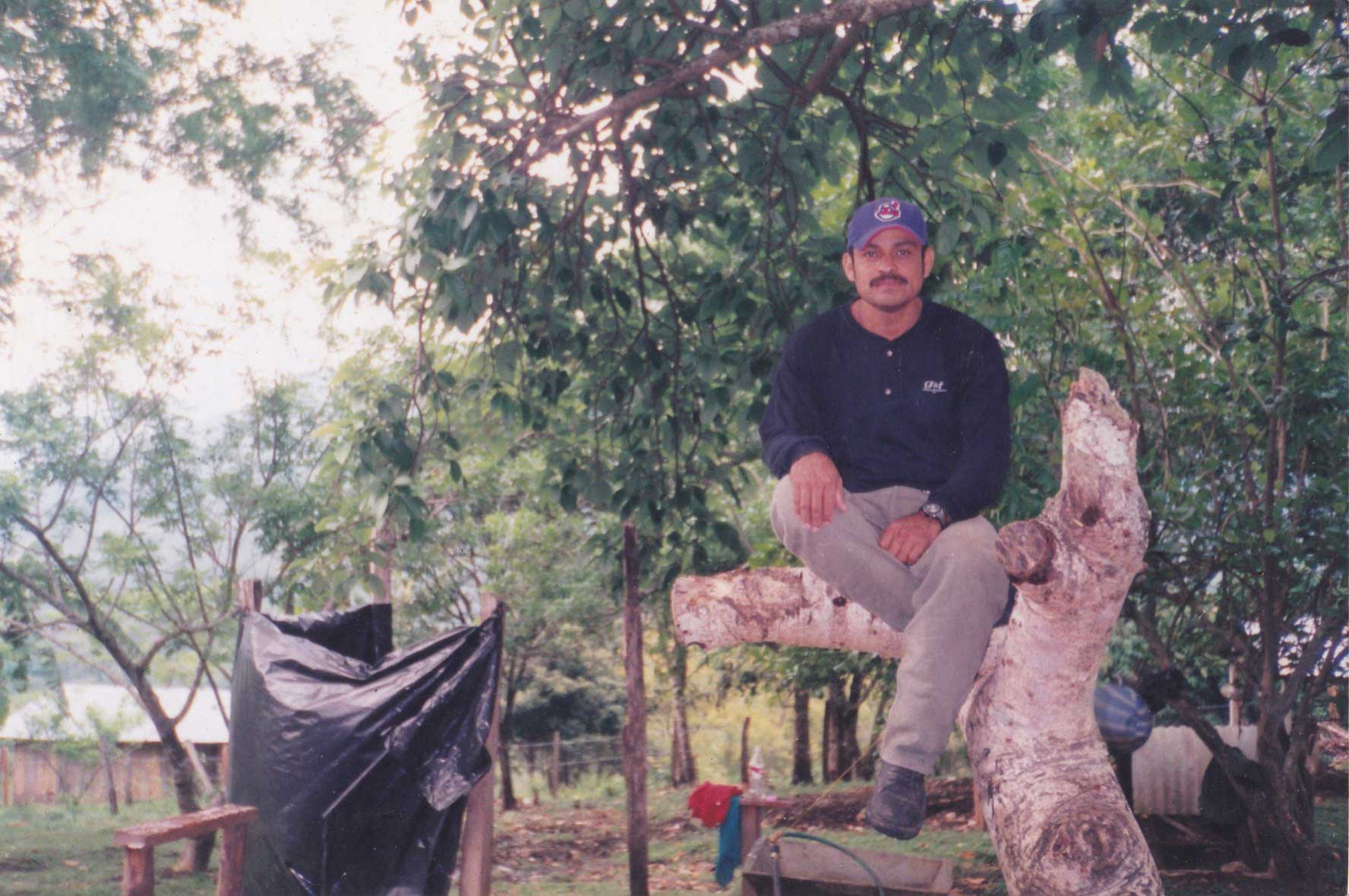
– ¿Y les mando la foto del finado?
– Sí, pero la de cuando está vivo, no la del cadáver. Porque nosotros recordamos a los compañeros por lo que luchan en vida.
– Sale. ¿Qué más?
Sólo que aquí estamos, pero creo ya lo saben, que estamos en la realidad.
-*-
Vale. Salud y escucha.
Desde las montañas del Sureste Mexicano.
Subcomandante Insurgente Marcos.
México, mayo del 2014. En el año veinte del inicio de la guerra contra el olvido.
-*-
(…)
“Well, I wouldn’t know, to tell you the truth. Supposedly in the city there is a custom, a way of doing things we could say, that when there is a death in the family, the other family members and friends visit the family to let them know they support them in their pain. They call it “offering condolences” I think. Yes, that’s it, to tell them that they are not alone.
(…)
“Ok, from what I have read, the majority of the students of the little school said that they felt at home, that they had been treated like family. Well, some said they had been treated even better than in their families. That is, as they say, there are families and then there are families, for example in…
(…)
“Could be. Yes, it could be that some feel the need to come and give condolences to the family of the deceased Galeano, or to the compas here, or both.
(…)
“It isn’t that easy, because here is very far away for them. What would it be, maybe some 7 hours from San Cristóbal? So you see, it’s far. And a violent death doesn’t give us any advance warning, it doesn’t have its calendar or its geography marked, it just comes in and sits down, uninvited. Yes, it enters by tearing down the door.
It isn’t like death from old age or illness, that slowly slips in with a foot, then a hand, and soon it is sitting there in a corner, waiting, until it gets comfortable and says, “here, I rule.” And so one can prepare oneself, get used to the idea. But not with violent death. Violent death comes like a blow, it knocks you down, stuns you, kicks you, clubs you, slashes you, shoots you, kills you, puts a bullet in your head and then mocks you. That’s how it works.
So if you make a plan, as they say, for a “sharing” or an exchange, or a meeting, or for courses at the Zapatista Little School, then you can say that it will be on this day in this place, and you let people know in advance, and each person, in their place, also makes their plan regarding work or school or family, and they arrange their trip. And you too use this time to prepare for where you will house them and what you will offer them.
But because violence gives no warning, there is no time to prepare anything, not who will come nor who will receive them. And then, what is there to say? Even if you are all there together, looking at each other, the sound of the silence quiets you, as if death had not only taken the deceased, but your words also.
So it is difficult for you to come, but not because you don’t want to, or not because you don’t love Galeano or the compas in La Realidad, but because it is hard to find a way to get here.
What’s more, where would we have these people stay, this caracol being very small and surrounded once again by paramilitaries? And what would we give them to eat? And what about the bathrooms, if 25 or 50 of them need to go, or if they want to bathe because of the heat[ii] or the rain?
(…)
Ah, yes, and if the visitors brought their own food and their own tent for the rain, well that would change things a little, but not much, because as the health promoter already explained, we have to care for, as they say, hygiene, and make sure they don’t turn this into, as they say, a pigsty. Because there are people you know who are really dirty, who always miss the toilet, above all the fucking guys. Because as women we are…
Huh? Yes, its important for preventing illness. Yes, like cholera. Huh? No, the other cholera, fury, rage.
(…)
What? No, good visitors tell us ahead of time that they are coming; they don’t just show up. When a visitor comes without warning, they call them, or used to call them, “gorrón,” or “gorrona,” as the case may be. I don’t know why they called them that, or still call them that, but they are referring to the people who show up without being invited, the ones who, as they say, invited themselves. Yes, death is like a “gorrón” or “gorrona,” as the case may be, like a visitor who shows up without warning, who didn’t ask if they could come. Yes, I know that it isn’t exactly the same thing, but that’s what came to mind
(…)
Yes, I think that if you give them a particular day, then some will come, not all of them, but some. Because even though they don’t all come, they are there in another way. Like “listeners,” but in reverse.
Because death can also be defeated with another calendar and another geography. Why do I say “also”? Oh, I know what I am saying. Pay me no mind right now. Maybe another day I will explain to you…or you will see.
(…)
How many? I have no idea, but it could be many, depending, because over there I see that they are putting up another shelter, and sweeping and cleaning. Yes, as if they are expecting visitors.
(…)
When exactly? Well, ask Emiliano or Max, or SubMoi who I saw over there speaking with a young woman who is from here. He was on his way to talk to the comités [CCRI].
(…)
Me? Well, I’m waiting. When the comités from the zone come to an agreement, I’m sure they’ll tell me write something and that’s what I’ll do.
(…)
Look! …There!… that little light over there. Did you see what a strange animal that is? Yes it looks like a dog…or rather a cat. Yes like a cat-dog. Strange, no?
(…)
Yes, it’s true, reality is strange.
-*-
Fragment from Page 4 of the Investigative Report of the assassination of compañero Galeano. Questioning of compañera S., Zapatista, base of support from La Realidad, age 16 going on 17 years old. May 11, 2014.
(Warning: the following text contains language that may offend the sensibilities of the European royalty and those that aspire to the throne. Between us, it’s nothing that isn’t heard in any corner of the world below. Here goes).
“Today is May 11, 2014.
(…)
We have a compañera present here who is going to tell us what was said to her, rather, what one person in particular said; the other didn’t actually say anything. This is what the compañera is going to tell us about.
Go ahead, compañera.
Compañera S: Well you see, compa Subcomandante Insurgente Moisés, I am going to tell you what this murderer said to me.
SCIM: When was it that he said this to you?
Compañera S: It was Saturday.
SCIM: May 10?
Compañera S: May 10.
SCIM: At what time?
Compañera S: At about 9.
SCIM: 9 in the morning?
Compañera S: Yes, at about 9 he said to me: “You’re really full of yourself,” but I didn’t want to answer him.
Then he said “stop,” and I stopped.
“Listen to what I’m going to say to you,” he said; I stopped.
SCIM: And what is this man’s name?
Compañera S: His name is R.
SCIM: R. Ok, continue.
Compañera S: He said to me, “listen to what I am going to tell you,” and I listened.
He said: “Enjoy your Caracol. Enjoy it now because we’re going to take it; that Caracol is going to be ours very soon. With glee I’m going to build my house there when it’s ours. Very soon we’re going to take it.
I answered him: “Well if that’s the case, if you feel like such a man, if you’ve got such a big cock and balls, that dead or alive you’re going to take the Caracol, then go ahead and take it if you have the balls.”
And he said to me:
“I do have the balls and the cock, you want to see?”
And I answered:
“If you want to show it, show it to your mother.” That’s what I said.
Then he said:
“Are you so angry because we killed your husband?”
And I said:
“That compañero isn’t our husband. That compañero is our compañero in struggle, in the struggle for our communities, not for measly handouts from the government.”
And he started to laugh with his friend who was with him, and he said…
SCIM: What was his friend’s name?
Compañera S: M.
He told me: “The ones we are going to get our hands on are Raúl, Jorge, and René. Once we get our hands on them we’re going to kill them like we killed la peluda (Note: “La peluda” is the derogatory name with which the CIOAC-H paramilitaries refer to compañero Galeano).
I told him that if they were going to do it to go ahead and do it, to try it, but to come into the Caracol. Not when there aren’t any people there, like they did in the school—they went in there because there wasn’t anybody there. I told him: “if you’re really men, take the Caracol.” And they laughed and said:
“You should be happy we didn’t kill your father.”
SCIM: That’s what he said to you?
Compañera S: Yes.
“We didn’t kill your father, but we will next time.”
And I responded: “Why didn’t you kill him?
“Well, we didn’t see him.”
“Well, if you’re going to do it, do it. He’s in the Caracol, that’s where he is.
That was when he said: “You know who killed la peluda?”
And I responded: “How am I going to know if I wasn’t there when they killed our compañero?”
He said: “It was me who killed him. I shot him in the head and sent him to hell. And that’s what we’re going to do when we get our hands on the others—the ones I already mentioned to you, that’s what we’re going to do to them. But each will have his moment. You know what? We’re fed up with you all.” This is what he said to me. “Because what you’re doing isn’t fair. We’re fed up with it.”
But I responded: “We’re the ones who are fed up with what you all are doing. Even more so when we found out what you did to our compañero. We compañeras went to pick up the body; that’s when we got really fucking fed up.”
And that’s when they laughed.
“Of course, because they are all your husbands,” he said to me.
SCIM: And when they were making fun, what was it that he was saying about what they do, that they do what they say, no? Didn’t he say something about the Good Government Council? Or didn’t he say something about…”
(inaudible).
SCIM: Okay.
Compañera S: He said: “We are going to kill them, break them once and for all. You all are the Good Government Council, you are good governments, whatever we do to you, you’re not going to do anything in response. Why? Because you are good governments.
I said to him: “Yes, of course we are good governments, but not that good.”
“But what are you all going to do to me? Even if you know exactly who killed him, you’re not going to do anything to us because you’re the Good Government Council that protects everyone. I’m not scared,” he said. “I’m not scared, that’s why I’m telling you that I killed him.”
And I answered: “I wish that were the case. When your day comes I hope you posture like the tough guy you’re posturing with me right now.”
“That is what I’m going to do. But when? That day isn’t going to come,” he said. “Because you all are the Good Government Council, you are good governments and you’re not going to do anything to us.”
SCIM: Anything else you remember about what he said to you? You had said something about him laughing and cackling.
Compañera S: Yes, he laughed and his friend was yelling, but didn’t say anything.
SCIM: M didn’t speak, he just laughed?
Compañera S: He didn’t say anything, he just laughed. M was there, he poked the other guy’s back so that he wouldn’t say anything else.
SCIM: Ah. He poked him?
Compañera S: Yes, he poked his back and they started yelling. He said:
“You should go on your way, go do your errand.” I didn’t respond to him.
SCIM: Okay, if later on you remember anything else he said to you, we can do some more work here. This is to keep gathering information, because in this case that guy himself said what happened.
Compañera S: Yes.
SCIM: And he himself had tried to cover it up. So you say that he had asked you if you knew who killed compañero Galeano. And then he says he did it, right?
Compañera S: Yes.
SCIM: “And he says he shot him in the head.”
Compañera S: “That he shot him in the head and that finished him off.”
SCIM: Okay compañera. What is your name in the struggle?
Compañera S: My name is S.
SCIM: S?
Compañera S: yes.
SCIM: Okay compañera. That’s what we wanted, so that it is clear that the testimony is direct, because you are from here, from La Realidad. What was your work when you went to the “sharing” or exchange in Oventik?
Compañera S: Listener
(Note: “Listener” is a job or a commission or a responsibility given to some compañeras and compañeros that consists of “listening” to what is said in one of the “sharings” or exchanges and then recounting it to their community, region, and zone. This is so that what happens in the exchange isn’t limited to those attending, but is heard by all of the Zapatistas. It would be like the equivalent of “narrator.” The compas select young people to be the “listeners” who have a good memory, understand Spanish well, and can explain in their own languages what was said. The exchange with National Indigenous Congress (CNI) already had dozens of young people from the various zones assigned as “listeners.” The idea was that whatever the compas from the indigenous peoples of the CNI said would be heard by all of the Zapatista bases of support.)
SCIM: Ah, yes, yes, yes. The exchange that was going to take place with the National Indigenous Congress. Very good. That will be all, compañera S. Thank you.
(inaudible)
SCIM: Oh wait. When you talked to this guy R, was he drunk or sober?
Compañera S: No. I got pretty close but I didn’t smell alcohol. And when I got to L’s house, the same guy passed by on his way home. He looked at me and turned around and laughed. I looked at him with anger in my face.
SCIM: So we could say that he was sober when he said what he said to you? He wasn’t drunk then.
Compañera S: No, he wasn’t drunk.
SCIM: Okay, that’s all compañera. Thank you.
-*-
Another night, in the wee hours of the morning. Subcomandante Insurgente Moisés comes and tells me:
“The decision is made. The agreement is that the arrival will be Friday May 23, the homage for compa Galeano will be Saturday May 24, and Sunday May 25 everybody goes home. The bases of support that is.”
“And for those from outside our communities?” I ask.
“Same, but for those from outside, tell them the same applies as for the bases of support: everybody brings their own food and place to sleep.”
“So I should make it a communiqué or a letter or what?”
“Whatever you think, but make it clear so that they aren’t a burden on the compas. They are coming to lend their support, to offer their condolences to the family of the deceased and the compas here, not to be attended to. Meaning, it’s not a party.”
Oh, and also tell them that the bases of support will be holding an homage to compa Galeano in all of the caracoles on May 24. And that it would be good for them to do something that day in the places where they live also, according to their own schedules and styles.
And another thing. Tell them we are especially inviting the compañeras and compañeros from the independent media or alternative media or autonomous media or whatever, the media that isn’t paid off, that is part of the Sixth, the ones that are our compañeras and compañeros and have the responsibility of “listener” commission in their lands. Tell them that maybe—say it like that, “maybe”—the General Command of the EZLN will do a press conference with the independent media or whatever you call them, the ones who are part of the Sixth. I say “maybe” because it could be that it won’t happen because of work we have to do and we don’t want to end up on bad terms. Also, the paid media aren’t invited; we won’t receive them.
“Shall I send them a photo of the deceased?”
“Yes, but the one of him alive, not of the cadaver. Because we remember our compañeros for how they lived the struggle.”
“Okay. What else?
“Just that we are here—which I think they already know—here in la realidad [reality].”
-*-
Vale. To health and listening.
From the mountains of the Mexican Southeast.
Subcomandante Insurgente Marcos.
Mexico, May 2014. In the twentieth year of the war against oblivion.
[i] Calor, or heat, is a masculine noun in Spanish. Here the author uses “la calor,” in the feminine.
[ii] See footnote 1.

