A los colectiv@s, organizaciones, redes, pueblos originarios, comunidades indígenas, otroas, hombres y mujeres de buen corazón, que de por sí, late abajo y a la izquierda. A la Sexta Nacional e Internacional. A quienes suscribieron la Declaración por la Vida. A quienes luchan, resisten y se organizan contra el Sistema Capitalista y Patriarcal A Quiene trabajan en Colectivo y construyen “El Común”.
Herman@ tod@s.
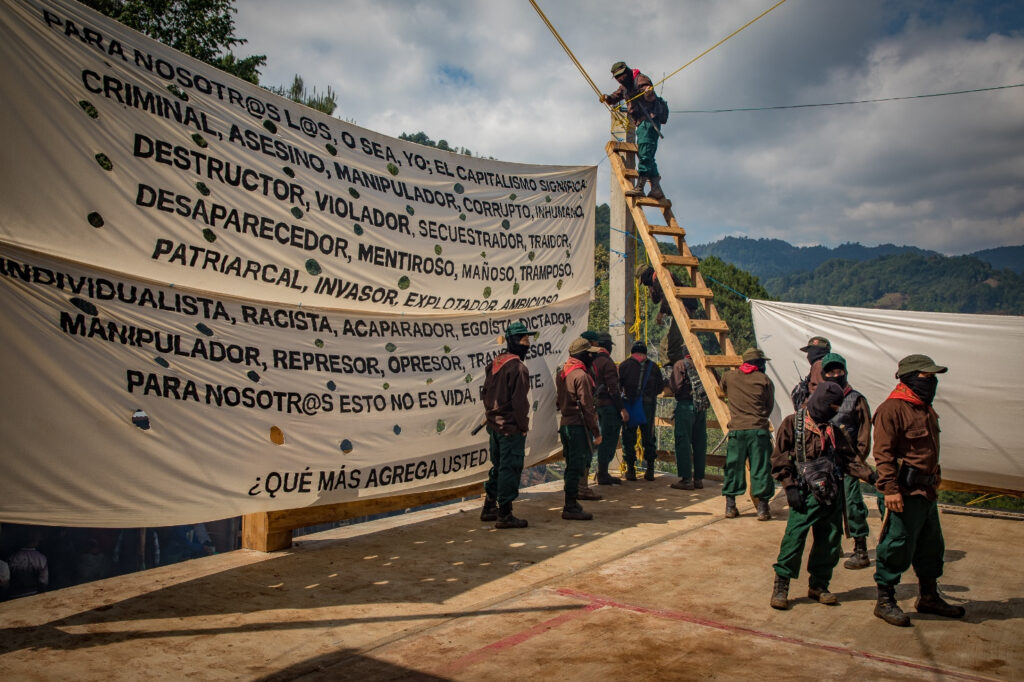
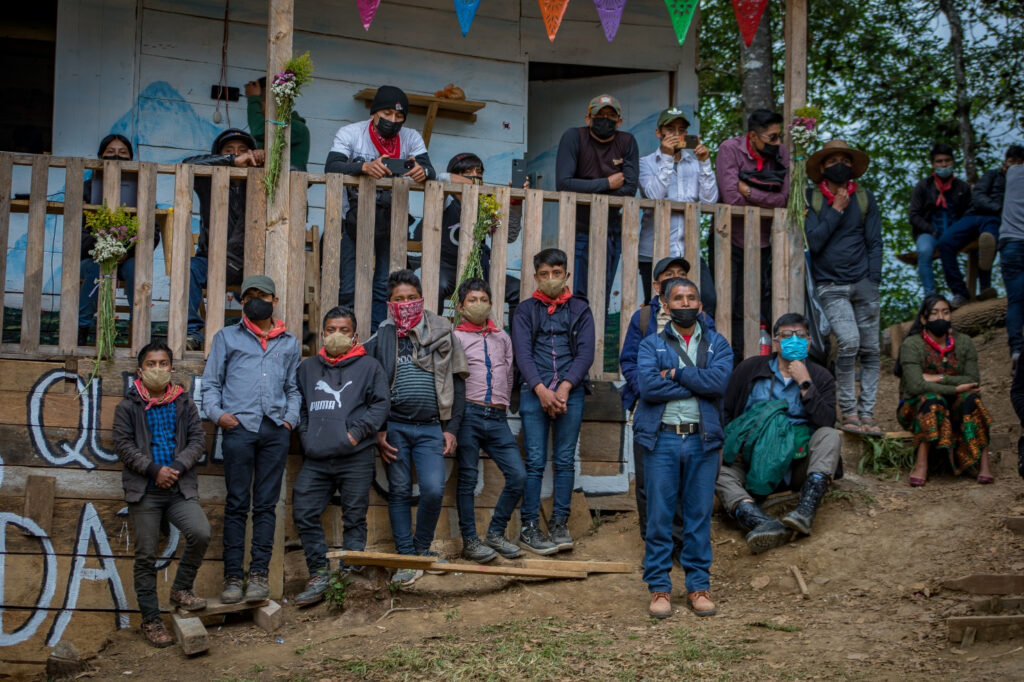
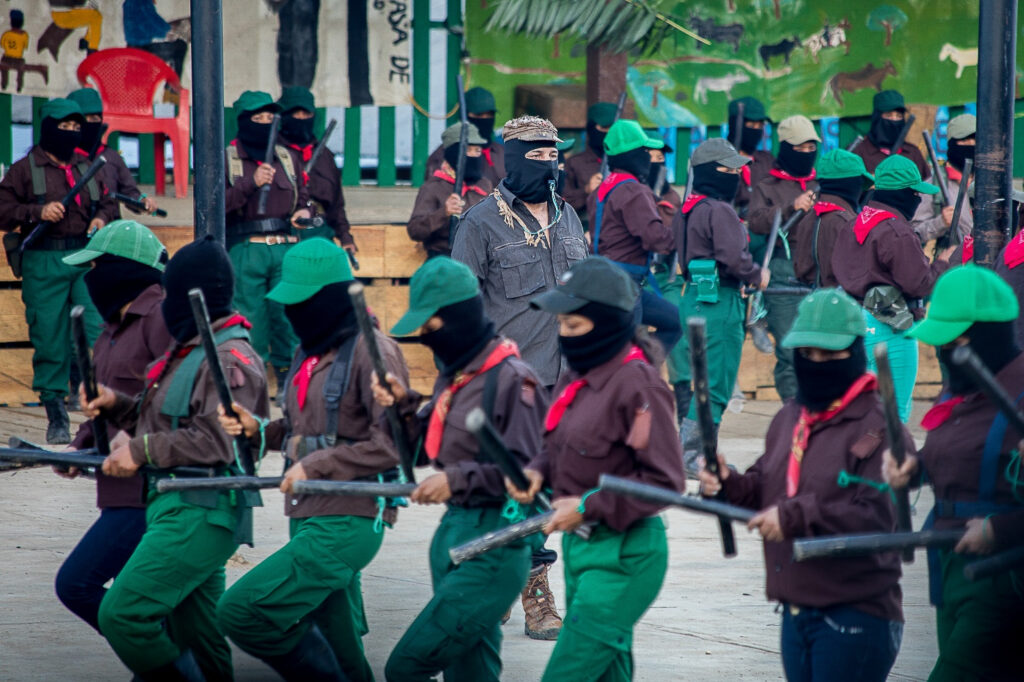
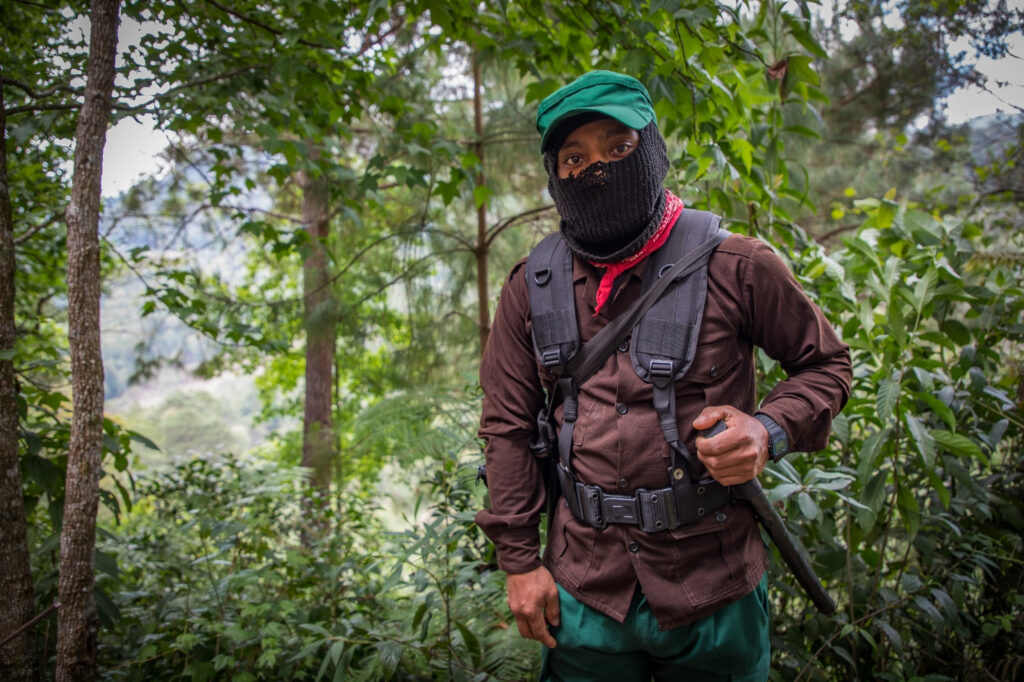
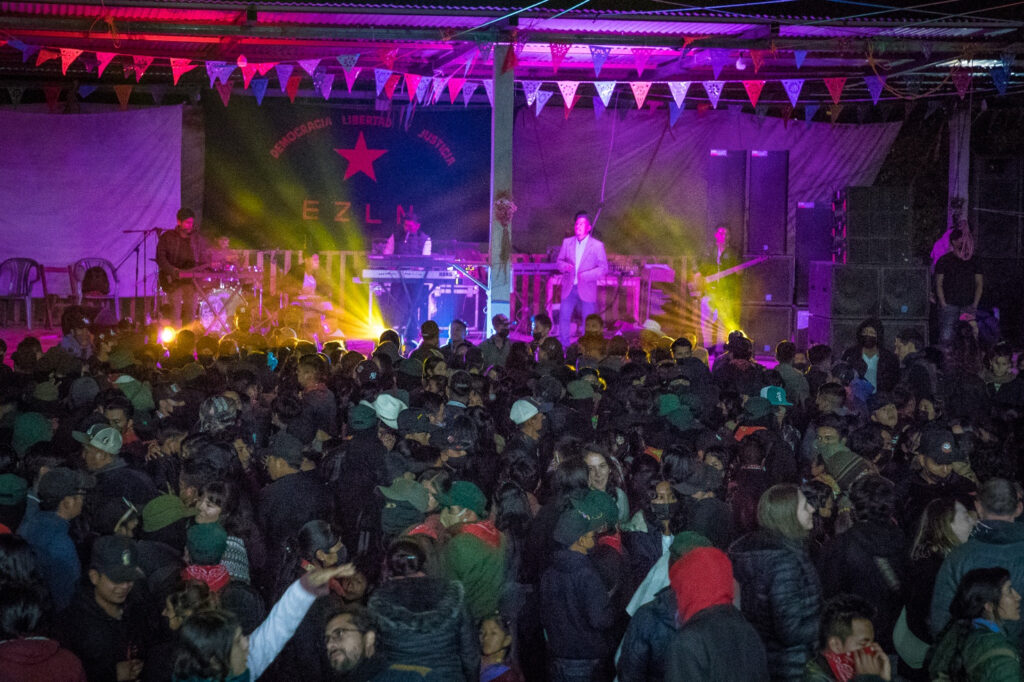
Desde la Casa de los Pueblos y Comunidades Indígenas “Samir Flores Soberanes”, Convocamos a la Segunda #ReunióndeOrganizaciónyCoordinación para recibir a nuestr@s herman@s del EJÉRCITO ZAPATISTA DE LIBERACIÓN NACIONAL, #EZLN.
La reunión tiene como objetivo organizarnos y coordinarnos en las actividades previas a la llegada de la delegación zapatista, durante su estancia en la Gira por la Vida y después de concluir la Gira por la Vida.
Asumiendo que en la primera reunión resolvimos que la recepción zapatista es y será#ColectivoyEnComún y porque nuestra lucha es por la vida…
Cita: Sábado 29 de Agosto a las 16:00 Hrs.
Los esperamos en la Casa de los Pueblos y Comunidades Indígenas “Samir Flores Soberanes”Av. México-Coyoacán 343, Col. Xoco. Benito Juárez
Atentamente.
¡¡Zapata Vive, la Lucha Sigue!! ¡¡Viva el Ejército Zapatista de Liberación Nacional, EZLN!! ¡¡Viva El Común y el trabajo Colectivo!!
AL EJERCITO ZAPATISTA DE LIBERACIÓN NACIONAL EZLN AL CONGRESO NACIONAL INDÍGENA CNI A LAS REDES DE RESISTENCIA Y REBELDÍA A LA SEXTA NACIONAL E INTERNACIONAL A L@S FIRMANTES DE UNA DECLARACIÓN POR LA VIDA EN LOS CINCO CONTINENTES A LA EUROPA INSUMISA, DIGNA Y REBELDE A LOS ORGANISMOS Y COLECTIVOS DEFENSORES DE DERECHOS HUMANOS A LOS PUEBLOS ORIGINARIOS DE MEXICO Y DEL MUNDO A LOS MEDIOS LIBRES E INDEPENDIENTES A LA ACADEMIA CRITICA A LAS ORGANIZACIONES SOCIALES, COLECTIVOS Y SOCIEDAD CIVIL
En la conmemoración de nuestra séptima aniversario de nuestras resistencia y luchas de lo ocurrido el día 4 de agosto del 2019 en donde fuimos sujetos de agresiones, hostigamiento e intimidaciones en nuestra comunidad de Agua clara, Municipio de Salto de Agua, Chiapas. por ser un pueblo originario, defensores de los derechos humanos, guardianes de la vida. Hoy decimos no al olvido, si a la resistencia y lucha aca seguimos y seguiremos,
Como Congreso Nacional Indígena en Chiapas denunciamos públicamente la represión a nuestros pueblos y comunidades. La hidra capitalista con la complicidad de los tres niveles de los malos gobiernos municipal, estatal y federal continúa con el despojo de nuestros territorios.
Los hechos del día 12 de febrero de 2026 realizada por Guardia Estatal, la Policía Municipal de Chilón, funcionarios del Instituto Nacional de los Pueblos Indígenas y del Tribunal Unitario Agrario contra nuestros compañeros del CNI en la comunidad de Jotolá municipio de Chilón ha provocado que 8 familias fueran desplazadas dos de nuestros integrantes detenidos: Francisco Moreno y María de Jesús Sánchez, sus casas fueron destruidas y sus pertenencias robadas.
Nuestros compañeros y compañeras continúan desplazadas, 8 personas tienen órdenes de aprehensión padeciendo situaciones económicas, con enfermedades, sin trabajo, sin vivienda. Francisco Moreno continúa preso en la cárcel de Yajalón, y María de Jesús tiene la medida de firma ante el mal gobierno todos los viernes.
Como CNI denunciamos los hechos que están cometiendo los malos gobiernos contra nuestros hermanos tseltales del CNI que se organizan en el Mercado Público Tradicional Dr. Belisario Domínguez “Samir Flores Soberanes” Zona 10 Patria Nueva, en el municipio de Ocosingo.
Con la complicidad de los malos gobiernos 39 copropietarios, tseltales han venido sufriendo despojo de sus lugares de trabajo, destrucción de locales, construcción de bardas para impedir el acceso a los lugares de trabajo, humillaciones, amenazas, violencia hacia nuestras compañeras, secuestro de compañeros y compañeras incluyendo a niños y niñas, fabricación de delitos ante la fiscalía general de Justicia del estado de Chiapas, hechos que hemos denunciado públicamente.
Le decimos a nuestros demás compañeros y compañeras de luchas que nuestros hermanos del Mercado Público Tradicional Dr. Belisario Domínguez “Samir Flores Soberanes” continúan con la defensa del Territorio y su Autonomía no están en venta al gran capital, así como tampoco se negocian, nuestra existencia y la Resistencia de nuestros Pueblos. Exigimos se detenga este despojo legalizado y cualquier otro tipo de acto contrainsurgente contra nuestros 39 compañeros y compañeras.
Los pueblos originarios, comunidades campesinas, autoridades comunitarias, organizaciones sociales, colectivos y procesos de resistencia que defendemos el territorio convocamos al Encuentro de Resistencias por la Defensa del Territorio, el Agua, la Vida y contra la Minería, que se realizará los días 22 y 23 de agosto de 2026 en el Centro de Formación para la Autonomía Teocentli, en Santa María Coapan, Tehuacán, Puebla.
Vivimos un momento de profunda amenaza para nuestros pueblos. La guerra que hoy enfrentan los pueblos originarios ya no se expresa únicamente mediante la ocupación militar o la violencia armada; también avanza a través del despojo legalizado, la imposición de megaproyectos, la expansión de la minería, los corredores industriales o polos de desarrollo, la privatización del agua, la criminalización de quienes defienden sus territorios y la ruptura del tejido comunitario. Bajo el amparo de tratados comerciales como el T-MEC, los territorios son concebidos como espacios para la extracción de bienes naturales y no como lugares donde habitan pueblos con historia, cultura, memoria y derechos colectivos.
Esta ofensiva busca fragmentar la organización comunitaria, debilitar las asambleas, dividir a los pueblos, mercantilizar la tierra y convertir el agua, los minerales, los bosques y la biodiversidad en mercancías. La violencia contra los defensores del territorio, las desapariciones, el desplazamiento forzado, la presencia del crimen organizado y la creciente militarización forman parte de una misma estrategia que pretende garantizar el control de los territorios para los intereses económicos del capital mundial y trasnacional.
Frente a ello, este encuentro nace de la palabra colectiva construida durante años de resistencia. Es resultado de los foros, asambleas y procesos de articulación impulsados desde Oaxaca, Puebla y otras regiones del país para enfrentar el avance del extractivismo y fortalecer la defensa de la vida. Da continuidad al camino iniciado con el Primer Foro en Defensa del Territorio en 2018, seguido por los encuentros en Santiago Chazumba, Zapotitlán Salinas, Reyes Metzontla, Chila de las Flores, San José Chichihualtepec y las diversas asambleas regionales que han permitido construir una agenda común entre los pueblos.
Nos sumamos a la lucha por la verdad y contra la impunidad de la Masacre de Acteal
A 28 años, siete meses y 18 días de perpetrada la Masacre de Acteal seguimos exigiendo justicia por la ejecución extrajudicial de 45 indígenas tsotsiles —19 mujeres, 14 niñas, cuatro niños, ocho hombres— además cuatro bebés aún no nacidos, integrantes de la Organización de la Sociedad Civil Las Abejas de Acteal (Las Abejas de Acteal), el 22 de diciembre de 1997, en la comunidad de Acteal por un grupo paramilitar entrenado y protegido por el Estado mexicano.
Hoy se cumplen 17 años de la liberación de 20 personas señaladas como autores directos de la Masacre de Acteal, tras la resolución de la Suprema Corte de Justicia de la Nación. Este hecho evidencia la falta de acceso efectivo a procedimientos judiciales y administrativos que garanticen el resarcimiento integral de los daños. Frente a ello, México continúa lejos de consolidar una democracia plena y de garantizar el respeto efectivo de los derechos humanos, mientras las personas sobrevivientes siguen enfrentando obstáculos para acceder a la justicia, la verdad en una situación de absoluta impunidad.
La falta de un entorno seguro y propicio para que Las Abejas de Acteal ejerzan plenamente sus derechos a la autonomía, la libre determinación y la lucha contra la impunidad se ve agravada por la violencia que persiste en la región y, específicamente, por las agresiones y amenazas contra sus integrantes. En este contexto, el Estado mexicano continúa incumpliendo su responsabilidad de respetar, proteger y garantizar los derechos humanos y las libertades fundamentales de todas las personas, sin distinción ni discriminación, lo que sigue siendo una aspiración pendiente para la sociedad.
Hoy se cierra la campaña “Me oy Chapanel, oy jun O´ntonal” (Si Hay Justicia, Hay Paz) iniciada por Las Abejas de Acteal, como uno de los espacios de lucha para el no olvido. Por ello, saludamos y nos sumamos a las nuevas generaciones que exigen justicia y verdad frente al negacionismo de este crimen de lesa humanidad. Ellas y ellos, a través de las artes, mantienen viva la esperanza de que la Comisión Interamericana de Derechos Humanos emita el Informe de Fondo del Caso 12.790, Manuel Sántiz Culebra y Otros (Masacre de Acteal). La memoria, la verdad y la justicia siguen siendo caminos indispensables para construir la paz.
En este cierre de campaña, denunciamos una nueva vulneración a los derechos humanos que afecta directamente a Las Abejas de Acteal: la privación arbitraria de libertad, durante más de 24 horas, de José Alfredo Jiménez Pérez, defensor comunitario y documentalista, y Eusebio López Guzmán en la comunidad Centro Nuevo Yibeljoj, mientras realizaban la reconexión del servicio de energía eléctrica para un hermano enfermo. Esta privación de la libertad ocurrió sin fundamento, sin garantías y sin respeto a su labor humanitaria, a pesar de que la acción había sido comunicada previamente a las autoridades municipales y estatales, cuya omisión permitió que la agresión escalara y que personas de la comunidad los retuvieran arbitrariamente y les impusieran una sanción desproporcionada. Este hecho se suma a un patrón persistente de agresiones contra una organización que, desde hace décadas, sostiene una lucha pacífica por verdad, justicia y paz. Asimismo, confirma que la impunidad continúa siendo una amenaza estructural para quienes defienden los derechos humanos, la vida, la justicia y la dignidad de los pueblos.
Al Estado mexicano le hacemos notar que las graves violaciones a los derechos humanos cometidas en el país no son un asunto de buenas intenciones, sino de cumplimiento efectivo de sus obligaciones nacionales, regionales e internacionales. Para nosotras y nosotros, esto significa poner fin a la impunidad en el caso de la Masacre de Acteal.
Reiteramos finalmente, la necesidad de abrir los espacios para que los mecanismos internacionales contribuyan al esclarecimiento de la verdad, la justicia y la reparación integral. Porque si hay justicia, hay paz. Hacemos un llamado a la solidaridad nacional e internacional para seguir alzando la voz y acompañando las luchas de los pueblos de Chiapas en la defensa de la vida, la memoria y la dignidad.
Al Congreso Nacional Indígena-Concejo Indígena de Gobierno
A las y los Defensores de los Derechos Humanos
A los Medios Libres y Alternativos
A los Medios de Comunicación Nacional e Internacional
A la Sociedad Civil Nacional e Internacional
Hermanas y hermanos:
Hoy 12 de agosto, día en que la mal llamada “Suprema Corte de Justicia de la Nación”, liberó masivamente a los paramilitares en el año de 2009, concluirá nuestra campaña, Me oy Chapanel, oy jun O´ntonal” (Si Hay Justicia, Hay Paz). Y en el lapso de los tres meses desde el 14 de mayo y hasta este 12 de agosto de 2026, seguimos en espera de que la Comisión Interamericana de Derechos Humanos (CIDH) emita el Informe de Fondo del Caso 12.790 Manuel Sántiz Culebra y Otros (Masacre de Acteal) y le recordamos que la impunidad y las estrategias de desgaste del Estado mexicano en los sobrevivientes, aunado a las represiones, agresiones, desapariciones forzadas, divisiones en las comunidades, así como el despojo de las tierras y territorios de los pueblos originarios, han aumentado y agravado.
No nos cansamos, no nos echamos para atrás, sino que hoy volvemos a RECORDAR y SOLICITARLE a la CIDH para que emita ya el Informe de Fondo del caso 12.790 Manuel Santiz Culebra y otra Masacre de Acteal. Dicho Caso la interpusimos junto con el Centro de Derechos Humanos Fray Bartolomé de Las Casas (Frayba) desde el año 2005, en el cuál expusimos y entregamos suficientes pruebas de los hechos ocurridos más crueles en el campamento Civil Por la Paz “Los Naranjos”, evidenciando que la Masacre de Acteal, es el mismo Estado mexicano la planeó, financió y que es consecuencia de la estrategia de guerra de contrainsurgencia diseñado durante el gobierno de Ernesto Zedillo Ponce de León.
El Estado mexicano a través de sus agentes encargados de generar conflictos en las comunidades para desgastar nuestra lucha por la justicia, la resistencia y la construcción de nuestra autonomía. Así como recientemente el 7 de agosto del presente, fueron privados de manera arbitraria e ilegal dos miembros de Las Abejas en la comunidad Nuevo Yibeljoj: Eusebio López Guzmán y José A. Jiménez Pérez, acusados y multados sin ningún fundamento jurídico. Ante esta larga oscuridad de impunidad, de injusticias, de violencias y de asesinatos; nuestra esperanza crece y nos va abriendo caminos de luz para seguir adelante en la construcción de la justicia de la Masacre de Acteal.
Está claro que los 3 niveles de gobierno en vez de tener voluntad política para aplicar la justicia verdadera, sólo profundiza las injusticias y genera caos y crisis de derechos humanos a nivel nacional. Uno de los ejemplos indignantes es la insensibilidad y desatención de parte del gobierno federal hacia las madres buscadoras de México.
Ante la coyuntura política actual, traemos a la memoria para recordar más claramente que este 12 de agosto se cumplen 17 años la liberación masiva de los paramilitares autores materiales de la Masacre de Acteal, por decisión de la Suprema Corte de Ricos y Criminales o la mal llamada “Suprema Corte de Justicia de la Nación” (SCJN). Esa fecha en que la dizque “Casa Máxima de Justicia”, liberó a los asesinos de nuestros padres, madres, hermanas y hermanos; hermanitas y hermanitos. Este hecho de corrupción judicial nunca la olvidaremos, porque en vez de escuchar nuestra palabra y testimonios de lo que pasó realmente el día 22 de diciembre de 1997, optó por abrirle la puerta a la impunidad, sellar con la ignominia un Crimen de Lesa Humanidad, optó por escuchar y liberar a los autores materiales la mayoría confesos y sentenciados de entre 30 y 35 años de condena. Es por eso que este día 12 de agosto es importante y ha quedado ya escrito en libros y plasmado en imágenes, en cantos y poesías y es el motivo que en esta fecha decidimos cerrar nuestra campaña: Me oy Chapanel, oy jun O´ntonal” (Si Hay Justicia, Hay Paz).
Aunque hasta la fecha la CIDH no haya emitido el Informe de Fondo, no vamos a quedar callados, no vamos a conformarnos con nada, porque es nuestro derecho seguir solicitándolo y así lo haremos. Mucha gente en varias partes del mundo, sus ojos y su corazón están puestos en Acteal, en exigencia de la justicia y también están en la espera del anhelado Informe de Fondo.
Le preguntamos a la CIDH ¿hasta cuándo vamos a esperar la emisión del Informe de Fondo? Porque mientras se sigan tardando, más se enraíza la impunidad, se agrava el desgaste en los sobrevivientes de la Masacre de Acteal, varias personas peticionarias del Caso 12.790 Manuel Sántiz Culebra y Otros (Masacre de Acteal) se han muerto y se fueron con la esperanza de encontrar la justicia.
A pesar de la larga oscuridad e impunidad de la Masacre de Acteal, nuestros retoños, nuestras esperanzas y horizonte de alegría y de luz, son las nietas y nietos de las víctimas y familiares de los sobrevivientes de la Masacre de Acteal, que ya van creciendo, que ya van tomando conciencia y abriendo caminos para denunciar y exigir la justicia verdadera que tanto deseamos y que no siga siendo una utopía, sino que se haga realidad muy pronto.
Por ahora es toda nuestra palabra, pero antes de cerrar queremos agradecer a todas las mujeres y hombres quienes estuvieron atentas, difundieron y compartieron en sus espacios y para que nuestra campaña: Me oy Chapanel, oy jun O´ntonal” (Si Hay Justicia, Hay Paz), tuviera eco y conocimiento. Así mismo a las y los periodistas, comunicadores, fotógrafos, a todas las personas de buen corazón, que han caminado junto a nosotras y nosotros en este arduo caminar por la Verdad y la Justicia, gracias por su colaboración y difusión de nuestra campaña. Y decirles que aunque la campaña se cierra este día, no quiere decir que aquí se acaba nuestra solititud a la CIDH en la emisión del Informe de Fondo, iremos haciéndolo mes con més, hasta que se logre el Lekil Chapanel, el cual Las Abejas de Acteal va por su parte construyendo desde abajo en lo que hemos nombrado La Otra Justicia.
Desde Acteal, Casa de la Memoria y la Esperanza, la construcción de la justicia verdadera y de la paz, sigue adelante.
¡Vivan los Mártires de Acteal!
¡Viva la Paz!
¡Viva la lucha activa No-violenta!
Atentamente.
La Voz de la Organización Sociedad Civil Las Abejas de Acteal.
Por la Mesa Directiva:
___________________________ _____________________
Francisco López Sántiz Juan Pérez López
Presidente Secretario
_____________________
Carlos Flores Gómez
Tesorero
Por los representantes de l@s sobrevivientes de Acteal:
Más allá de la cárcel:Necropolítica, castigo y aprendizajes de la experiencia zapatista
Entrevista a Francisco de Parres Gómez por Rita Grande*
La cárcel representa una de las expresiones más acabadas de la necropolítica contemporánea porque administra poblaciones consideradas desechables, mientras que experiencias como la zapatista permiten pensar la justicia desde la reparación del daño, la responsabilidad colectiva y la reconstrucción del tejido social. El desafío consiste en construir comunidades capaces de producir seguridad, cuidado y justicia reduciendo su dependencia de la lógica del castigo.
La presente entrevista con el antropólogo Francisco De Parres Gómez forma parte del proceso de investigación y documentación de la exposición inmersiva El origen de un sistema: Una mirada a las cárceles de México, un proyecto artístico y cultural que propone comprender la prisión como la expresión visible de una trama histórica más amplia de poder, control, violencia y exclusión social.
Desde esa perspectiva, la conversación explora los vínculos entre el sistema penitenciario, la necropolítica y las estructuras económicas, políticas y coloniales que sostienen las formas contemporáneas de castigo. El diálogo incorpora también experiencias comunitarias de justicia y autonomía que permiten interrogar la aparente inevitabilidad de la cárcel y abrir preguntas sobre otras maneras de asumir la responsabilidad, reparar el daño y reconstruir el tejido social.
1.- ¿Cómo consideras que se articulan y complementan entre sí la necropolítica, la cárcel y las estructuras de poder?
Cuando hablamos de necropolítica, cárcel y poder estamos frente a distintas expresiones de una misma arquitectura. Achille Mbembe entiende la necropolítica como la capacidad de decidir qué vidas reciben protección y cuáles quedan expuestas a la muerte. Esa exposición también puede adoptar formas sociales, políticas y simbólicas. La prisión es uno de los espacios donde esta gestión diferencial de la vida se vuelve particularmente visible.
En su momento Foucault permitió comprender la cárcel como institución disciplinaria: vigilar, clasificar, corregir y producir sujetos obedientes. En el presente esa racionalidad convive con otra más cruda, orientada a administrar poblaciones empobrecidas, racializadas, migrantes, indígenas o habitantes de las periferias. La cárcel forma parte de una arquitectura mayor que incluye policías, sistemas judiciales corruptos, fronteras militarizadas, centros de detención con prácticas opacas y tecnologías de vigilancia.
La prisión administra, además, consecuencias de desigualdades que permanecen intactas y se han perpetuado de manera histórica. Racismo estructural, precarización, exclusión educativa, despojo y abandono institucional terminan convertidos en problemas de seguridad. El encierro recibe aquello que previamente fue producido como marginalidad.
Por eso la discusión rebasa la pregunta sobre si las cárceles funcionan bien o mal. Es decisivo preguntarnos qué tipo de sociedad necesita encarcelar masivamente para sostener su orden y qué vidas considera sacrificables, las vidas desechables, como dicen las comunidades zapatistas. Desde una posición que no se enfoca en la lógica del castigo, la responsabilidad frente al daño debe permanecer en el centro, pero separada de la idea de que producir sufrimiento equivale a impartir justicia. La reparación, la protección de las víctimas y la reconstrucción de las relaciones dañadas abren un horizonte distinto.
2.- ¿Cómo se evidencia la transición de la biopolítica (hacer vivir) a la necropolítica (dejar morir) dentro del sistema penitenciario actual?
La transición se observa en el desplazamiento desde una institución que afirmaba disciplinar y rehabilitar hacia otra que administra el deterioro. La prisión conserva como todo aparato de control, horarios, vigilancia, clasificación y disciplinamiento del cuerpo, pero en numerosos contextos opera mediante una administración del abandono que se traduce en condiciones de hacinamiento, atención médica insuficiente y en algunos casos nula, mala alimentación, además de prácticas recurrentes de tortura, violencia sexual, adicciones, abandono psicológico, corrupción o control interno por grupos criminales.
México, ese deterioro se superpone a desigualdades anteriores al encierro. Las personas llegan al sistema con trayectorias atravesadas por empobrecimiento, racismo, defensas jurídicas precarias, criminalización de juventudes populares o con etnicidades específicas, falta de traducción a sus propios idiomas o ausencia de interpretación intercultural de las leyes que distan mucho de sus códigos culturales primigenios. La prisión profundiza esas condiciones y prolonga la pena mediante el estigma, los antecedentes y las dificultades para reconstruir vínculos y trabajo.
Ahí aparece la muerte social: la persona permanece viva, pero se restringen derechos, relaciones, reconocimiento y capacidad de proyectar una vida posterior al encierro. La pena se extiende mucho más allá de los muros.
Las megacárceles de Nayib Bukele en El Salvador condensan de manera extrema una tendencia que convierte el encierro masivo en política pública y espectáculo de seguridad. Esa lógica obliga a cuestionar la asociación automática entre más cárcel y más justicia. Una sociedad que administra conflictos mediante deterioro permanente termina confundiendo seguridad con control y por desgracia, esta promoción del control y el castigo de las manos de las ideologías de ultraderecha está permeando en gran parte de este continente.
3.- ¿De qué manera el Estado utiliza la prisión para gestionar a las poblaciones que considera “excedentes” económicos o sociales?
Hablar de poblaciones “excedentes” requiere una precisión: ninguna persona sobra. La categoría describe la manera en que el capitalismo contemporáneo expulsa a sectores enteros de condiciones dignas de trabajo, educación, vivienda, salud o acceso al territorio y después convierte esa exclusión en un problema de seguridad, ejemplo reciente de ello son las migraciones masivas desde Marruecos a Ceuta, episodio que ha reabierto la tensión diplomática y el debate en la Unión Europea sobre el control de fronteras, la seguridad en el espacio Schengen y la instrumentalización de los flujos migratorios, en sintonía con la criminalización de poblaciones específicas. La prisión, centros de detención o supuestos “campamentos de emergencia” como en Gaza, adquieren entonces una función política: administrar aquello que el modelo económico deja fuera.
Angela Davis y Ruth Wilson Gilmore han mostrado que las cárceles gestionan consecuencias de desigualdades que permanecen estructuralmente intactas. En vez de transformar las condiciones que producen precariedad y violencia, los Estados expanden policías, sistemas penitenciarios, vigilancia y militarización. La selección tampoco es aleatoria: jóvenes de sectores populares, personas racializadas, indígenas y poblaciones negras aparecen sobrerrepresentadas porque han sido históricamente objeto de criminalización. En Estados Unidos aproximadamente el 35% de las personas privadas de la libertad son de comunidades negras, esta desproporción significa que los afros enfrentan tasas de encarcelamiento significativamente mayores en comparación con otros grupos demográfico
En otras geografías como México y Colombia, Las mal llamadas “guerras contra el narcotráfico” permiten verlo con especial claridad. Miles de jóvenes ocupan los eslabones más vulnerables de economías ilegales y terminan encarcelados, mientras los circuitos financieros capaces de lavar grandes cantidades de dinero cuentan con recursos de protección incomparablemente mayores. El castigo se concentra allí donde existe menor capacidad jurídica, económica y política de defensa.
La cárcel funciona así como una tecnología de gobierno de la desigualdad. El reto de fondo consiste en impedir que sectores completos de la sociedad sean producidos como desechables y en responder al daño combinando responsabilidad, reparación y transformación de las condiciones que lo hicieron posible.
4.- ¿En qué medida la pérdida de derechos civiles en prisión despoja al interno de su condición de persona, convirtiéndolo en lo que Agamben llama homo sacer?
La categoría de homo sacer resulta útil siempre que se emplee con cuidado. Agamben recupera una figura del derecho romano para pensar a quien permanece dentro del orden jurídico y, al mismo tiempo, queda colocado en una zona donde sus protecciones se debilitan de manera extraordinaria. La prisión permite observar esa paradoja, aunque siempre dentro de la lógica de la “ciudadanía” construida en el marco de los Estados-nación.
La persona privada de la libertad continúa siendo formalmente sujeto de derechos, pero el Estado regula movimientos, tiempos, vínculos afectivos, alimentación, comunicación y acceso a la salud. A esa reducción material se suma otra moral: el encarcelado puede quedar reducido públicamente a las categorías de “reo”, “interno” o “delincuente”, como si el acto cometido agotara toda su humanidad.
La cuestión se vuelve especialmente grave cuando el sufrimiento dentro de prisión deja de producir indignación social. Muertes por falta de atención médica, tortura o violencia pueden ser recibidas con indiferencia e incluso con aprobación. Ahí la idea de excepción adquiere fuerza: determinadas vidas parecen quedar disponibles para un grado de violencia que resultaría inadmisible sobre otros sectores. El paradigma extremo de esta condición, son los prisioneros de los campos de concentración durante la época del nazismo, y que ahora vemos replicados por parte de las aberraciones sionistas en contra del pueblo Palestino.
Yo matizaría, sin embargo, cualquier lectura que convierta a la persona encarcelada en pura vida pasiva. Dentro de prisión persisten vínculos, organización y resistencia. El sistema puede intentar reducir sujetos complejos a cuerpos administrables, pero esa reducción nunca es completa. Incluso frente a actos graves, la responsabilidad no debería traducirse en pérdida de la condición humana.
5.- ¿Por qué el castigo penal y la lógica de la exclusión afectan desproporcionadamente a los cuerpos racializados y empobrecidos?
El sistema penal opera dentro de sociedades atravesadas por desigualdad económica, racismo y herencias coloniales. Por eso sus efectos tampoco son neutrales. Los territorios reciben distintos niveles de vigilancia, los cuerpos son leídos de manera diferente y las posibilidades de defenderse frente a un proceso judicial dependen en gran medida de los recursos disponibles.
En México y América Latina la pobreza genera una vulnerabilidad específica frente al Estado penal. Quien dispone de recursos puede acceder a defensas especializadas, redes de apoyo y mejores posibilidades de negociación jurídica. Una persona indígena, empobrecida o proveniente de territorios históricamente marginados puede enfrentar el proceso con defensas saturadas, barreras lingüísticas, desconocimiento de sus derechos o interpretaciones jurídicas ajenas a su contexto.
La dimensión racial aparece en prácticas cotidianas que van desde el perfilamiento racial en el momento de las detenciones arbitrarias, criminalización de determinadas vestimentas y en ocasiones sectores etarios que apuntan hacia las juventudes, territorios, pertenencias comunitarias o formas de protesta. El prejuicio social puede transformarse así en procedimiento policial y posteriormente en expediente judicial. Aquí me parece muy útil la crítica de María Ibarra Eliessetch a la blanquitud: la racialización no puede estudiarse mirando únicamente a quienes son convertidos en “otros”; exige hacer visible también la posición de poder que produce esas clasificaciones y que suele presentarse a sí misma como neutral.
Comprender estas condiciones no elimina la responsabilidad individual ni minimiza el daño sufrido por las víctimas. Permite formular una justicia más completa: reparar el daño y, al mismo tiempo, desmontar las estructuras que convierten una y otra vez a ciertos cuerpos en materia prima privilegiada del sistema penal.
6.- ¿De qué forma la criminalización de la migración ha convertido a los centros de detención en limbos jurídicos de deshumanización?
La criminalización de la migración muestra con especial claridad cómo la necropolítica rebasa los muros de la prisión. Personas que, en muchos casos, no han cometido delitos son tratadas como amenazas por cruzar una frontera o carecer de determinada documentación. La movilidad humana queda subordinada a una lógica policial y militar.
Los centros de detención migratoria restringen movimiento, aíslan a las personas de sus redes y producen una enorme vulnerabilidad jurídica, todo ello irónicamente revestido de “ayuda humanitaria”. Aunque administrativamente reciban otros nombres, comparten funciones centrales con la prisión. La lectura de Agamben sobre los espacios de excepción ayuda a comprender estas zonas donde alguien permanece bajo control estatal y, al mismo tiempo, encuentra debilitadas las garantías que deberían protegerlo. Recordemos hace un par de años el incendio ocurrido en un centro de estancia para migrantes en Ciudad Juárez, Chihuahua, donde hubo por lo menos 40 víctimas letales y decenas más de heridos.
La frontera también distribuye la movilidad de manera colonial. Un empresario europeo, un turista estadounidense o un inversionista extranjero atraviesan regímenes de circulación muy distintos a los de una persona indígena centroamericana, una mujer afrodescendiente o un trabajador que huye de la violencia. El sistema internacional jerarquiza quién puede circular y quién debe ser contenido.
México ocupa una posición especialmente contradictoria: un país marcado históricamente por la migración hacia Estados Unidos participa hoy en dispositivos regionales de contención y militarización de la frontera sur. Cuando Donald Trump se refería a fortalecer el muro en la frontera norte no hablaba de una infraestructura física, sino de una movible operada localmente y que es el papel que ahora ejerce la Guardia Nacional. La cuestión de fondo es evidente sin embargo para el diagnóstico que hacen muchos movimientos sociales y que se centra en la proliferación de las guerras, despojos, crisis climáticas, reunificación familiar o búsqueda de condiciones dignas se transforman en motivos de sospecha. Vivimos en un orden donde las fronteras se flexibilizan para mercancías y capitales mientras se endurecen para numerosos seres humanos.
7.- Sabemos que has tenido una relación cercana y una historia vinculada con las comunidades zapatista. ¿Podrías hablarnos un poco sobre cómo funciona su sistema de justicia y las formas de sanción o castigo dentro de la comunidad? ¿Qué diferencias encuentras entre ese modelo comunitario y el sistema penal tradicional del Estado?
Aquí haría primero una precisión ético-política y metodológica. Mi trayectoria de militancia, investigación, diálogo y acompañamiento me da algunas herramientas para formular una lectura situada sobre prácticas que he conocido, pero no me corresponde hablar en nombre de las comunidades zapatistas ni presentar su experiencia como un sistema homogéneo. Existen diferencias entre territorios, momentos históricos y casos concretos. Esa cautela es indispensable.
Desde esa posición, una diferencia central con el sistema penal estatal radica en el punto de partida. La pregunta suele orientarse menos hacia la cantidad de castigo que merece una persona y más hacia la manera de restablecer relaciones comunitarias afectadas. En las experiencias que he podido conocer aparecen mecanismos de mediación, reparación del daño, trabajo comunitario, deliberación colectiva y responsabilidad frente a autoridades y asambleas.
La justicia se encuentra integrada a la vida cotidiana, lo mismo que la salud, la educación, las artes y las ciencias. El conflicto conserva una dimensión comunitaria y no se transforma exclusivamente en un expediente administrado por especialistas externos. Quien causó el daño, quien lo sufrió y las instancias colectivas participan, de distintas maneras en su procesamiento. En ese punto encuentro un diálogo fecundo con el trabajo de Ibarra Eliessetch y Carrasco sobre comunalidad mixe: sin equiparar experiencias, muestran que la autonomía se sostiene cotidianamente mediante entramados locales de organización, normatividad y convivencia, y no solamente mediante una declaración jurídica de autodeterminación.
Eso tampoco convierte a las comunidades en espacios armónicos ni elimina sanciones. Existen desacuerdos, límites, errores y decisiones severas. Precisamente por ello me parece importante evitar la romantización. Lo significativo es que la sanción se inserta en un proyecto político más amplio de autonomía y de Mandar Obedeciendo, donde la responsabilidad individual se piensa junto con las condiciones familiares, económicas, culturales y comunitarias que rodean el conflicto.
La principal enseñanza que destaco de la clave comunitaria es que la cárcel deja de aparecer como horizonte inevitable. La justicia puede organizarse alrededor de la reparación, la responsabilidad y la continuidad de la vida colectiva. Esa experiencia ofrece preguntas de enorme relevancia para otras sociedades, sin convertirse por ello en una receta exportable. Esto coincide además con una insistencia reciente del zapatismo al explicar El Común: “no hay recetas o manuales”. Cada geografía necesita construir, probar, corregir y valorar en su propia práctica organizada aquello que puede servirle. Ahí radica precisamente la potencia de la experiencia zapatista: en abrir preguntas y posibilidades, no en ofrecer un modelo para copiar.
8.- ¿De qué manera la ausencia de un aparato policial y penitenciario formal en las comunidades zapatistas redefine la noción de seguridad y previene la reincidencia delictiva?
Yo hablaría, con mayor precisión, de la ausencia de un aparato policial y penitenciario profesionalizado equivalente al estatal. Eso modifica profundamente la idea de seguridad. En vez de concentrarla en una institución armada especializada, la vincula con organización comunitaria, participación colectiva y condiciones materiales que permiten sostener la vida, incluyendo la construcción de la libre autodeterminación y el derecho a la legítima autodefensa.
Justicia, educación, salud, trabajo colectivo y toma de decisiones forman parte de un entramado. Esa articulación importa porque muchos conflictos se agravan allí donde existen ruptura de vínculos y deterioro del tejido social comunitario. La respuesta en comunidad busca socializar las reflexiones implicadas en el proceso de responsabilización.
Sería imprudente afirmar, sin datos comparables, que este modelo “elimina la reincidencia”. Lo que sí permite observar es una lógica distinta frente a la repetición del daño. La cárcel suele devolver a la persona con mayor estigma, menos redes y dificultades para reconstruir su vida; la reparación comunitaria intenta conservar o rehacer vínculos y convertir la responsabilidad en una práctica concreta.
La pregunta política que surge es fuerte: ¿qué ocurriría si una parte de los recursos destinados al castigo se invirtiera en producir comunidad? La seguridad puede entenderse como capacidad colectiva de prevenir daños, proteger a quienes los sufren, exigir responsabilidades y evitar que los conflictos escalen. En ese desplazamiento, deja de ser exclusivamente una cuestión policial y se vuelve una cuestión social, política, pero fundamentalmente ética en torno al cuidado y reproducción de la vida.
9.- ¿Cómo ha impactado el actual asedio de grupos del crimen organizado en Chiapas a este modelo de justicia restaurativa, y qué tensiones genera el principio de no violencia frente a agresiones armadas externas?
Aquí matizaría la formulación de la pregunta. El zapatismo no puede reducirse a una doctrina abstracta de “no violencia”: su historia incluye un levantamiento armado y una estructura político-militar, mientras la construcción civil de la autonomía ha desarrollado formas de gobierno y justicia que no descansan en un aparato policial y penitenciario semejante al estatal. Esa distinción es importante.
El crecimiento de actores del crimen organizado en Chiapas introduce un desafío de otra escala. Los mecanismos comunitarios de justicia están pensados, principalmente, para conflictos donde todavía existe algún horizonte de convivencia y reconocimiento. Un actor armado que busca controlar territorio, rutas, economías o poblaciones opera desde una lógica diferente. Allí la mediación y la reparación encuentran límites evidentes.
Comunicados zapatistas y múltiples denuncias públicas han advertido sobre un escenario en el que convergen crimen organizado, militarización, grupos armados, disputas territoriales y procesos de despojo. Denuncias constantes hace el Centro de Derechos Humanos Fray Bartolomé de las Casas y las organizaciones de la sociedad civil que acompañan al movimiento. Mi lectura es que el problema rebasa la categoría convencional de “seguridad pública”, debido a que expresa formas de acumulación, control territorial y violencia articuladas con economías legales e ilegales. En diálogo con Claudio Lomnitz, prefiero hablar aquí menos de un “Estado fallido” que de una reconfiguración de la soberanía: un Estado que conserva enormes capacidades de poder, pero cuya capacidad para regular la policía, la justicia y amplias zonas de las economías informales e ilícitas aparece profundamente erosionada.
La tensión consiste entonces en sostener la defensa de la vida y del territorio sin convertir la militarización permanente en principio organizador de la sociedad. La autonomía, las economías colectivas, la educación emancipatoria propia y las redes comunitarias funcionan también como capacidades de protección. Pero sería ingenuo presentar la justicia restaurativa como respuesta suficiente frente a organizaciones armadas que buscan subordinación o desplazamiento.
Precisamente ahí aparece uno de los límites más fértiles para la reflexión antipunitivista: rechazar el Estado penal no significa negar la necesidad de defensa, protección y límites frente a violencias organizadas. El punto crítico consiste en construirlos sin reproducir automáticamente la misma maquinaria de muerte que se pretende cuestionar.
10.- Desde tu experiencia en el terreno, ¿cuáles son los principales desafíos culturales o generacionales que enfrentan los jóvenes zapatistas al aplicar sanciones basadas en el trabajo comunitario en lugar del castigo físico o el encierro?
Las comunidades zapatistas no están congeladas en el tiempo ni son ese pasado folclórico de los museos que tanto le gusta al Estado. Las nuevas generaciones crecen bajo condiciones distintas a las de quienes construyeron las primeras etapas de la autonomía y mantienen contacto con migración, redes digitales, mercados de consumo y discursos individualistas que circulan globalmente.
Esa transformación plantea una disputa cultural. La justicia comunitaria exige corresponsabilidad, trabajo colectivo y reconocimiento de que los actos individuales tienen consecuencias para otros. A su alrededor circulan valores vinculados con competencia, éxito individual, acumulación y, en determinadas regiones, imaginarios de narcocultura donde armas, dinero rápido y masculinidades violentas adquieren prestigio, el llamado Cartel Chamula por ejemplo, considerado el primer cártel de composición predominantemente indígena de pueblos tzotziles, es integrado en muchos casos por personas desplazadas de sus comunidades por conflictos religiosos o políticos, que en su momento tuvieron contacto con remanente de los Zetas y conexiones con el Cartel de Sinaloa, y que ahora tiene su propia productora audiovisual donde producen películas caseras y videoclips musicales centrados en promover el sistema de antivalores del crimen organizado. Lomnitz ayuda también a comprender que el crimen organizado no disputa únicamente mercados: produce autoridad, jerarquías y repertorios morales y simbólicos con los que busca legitimarse socialmente. Por eso la narcocultura constituye también una disputa por la producción de sentido.
En contextos donde se construye la autonomía y al mismo tiempo se convive con lógicas de guerra, as sanciones basadas en trabajo comunitario requieren una pedagogía política sostenida. Su sentido depende de comprender la responsabilidad como restitución de relaciones y no como simple equivalencia entre falta y sufrimiento. Esa comprensión debe recrearse generacionalmente; no puede darse por asegurada.
También existen movilidades y contactos con espacios urbanos que introducen nuevas preguntas sobre autoridad, derechos individuales y pertenencia colectiva. La capacidad zapatista de modificar sus propias formas organizativas, como muestra la reestructuración reciente hacia los Gobiernos Autónomos Locales y la desaparición de las Juntas de Buen Gobierno, permite pensar la autonomía como proceso vivo, sujeto a revisión y aprendizaje.
Múltiples retos existen para reproducir una cultura del común en un mundo que empuja hacia la individualización. Ahí se juega buena parte del futuro de cualquier justicia comunitaria: en la capacidad de producir sentido, pertenencia y responsabilidad entre generaciones diferentes que aseguren la continuidad del proyecto porque en ello se juegan la vida estos pueblos.
11.- Siendo la justicia zapatista un proceso basado en la asamblea y el consenso, ¿cómo se resuelven los casos donde el infractor no reconoce el daño causado o se niega rotundamente a participar en la reparación comunitaria?
También aquí evitaría hablar de una regla única para todas las comunidades. Asamblea y consenso no equivalen a unanimidad permanente ni a ausencia de autoridad. Existen deliberación, mediación y acompañamiento, pero también mecanismos colectivos para decidir cuando una persona persiste en una conducta dañina o rechaza los acuerdos. Ello no es restrictivo a las comunidades zapatistas ya que se puede encontrar en muchas otras formas de organización de pueblos originarios.
En las experiencias que conozco, la primera orientación suele buscar reflexión, reconocimiento del daño y alguna forma de reparación. Cuando eso fracasa, pueden aparecer sanciones más severas: restricciones de participación, separación de cargos o responsabilidades y, dependiendo de la gravedad y del contexto, separación de la organización. Hay casos en los que la decisión llega a la expulsión de la comunidad o del territorio y existen también separaciones de la organización sin posibilidad de reincorporación. Presentaría estos elementos como decisiones situadas, no como un código uniforme aplicable mecánicamente. Esto nos lo cuentan las mismas comunidades en sus cuadernos de trabajo de la Escuelita “La libertad según l@s zapatistas”.
Esto permite despejar un equívoco frecuente: justicia comunitaria y reparación no significan impunidad. Una comunidad necesita límites para proteger a quienes han sido afectados y sostener sus acuerdos colectivos. La reintegración tampoco puede convertirse en obligación de perdonar ni colocar sobre la víctima el costo de recomponer la convivencia.
La diferencia con el sistema penitenciario aparece en la finalidad y en el procedimiento. Incluso las sanciones más severas se discuten en relación con la protección de la vida colectiva y con la ruptura concreta de compromisos comunitarios, en lugar de organizar todo el sistema alrededor del encierro.
La experiencia resulta valiosa precisamente porque muestra sus propias tensiones. Reparar, reintegrar, separar o expulsar son decisiones difíciles. Una justicia alternativa adquiere seriedad cuando reconoce esos límites y asume que cuidar la comunidad también implica protegerla frente a conductas que pueden destruirla.
12.- Desde una perspectiva abolicionista, ¿qué alternativas concretas y viables existen para desmontar progresivamente el engranaje de poder, violencia y castigo que sostiene al sistema penitenciario? Y, particularmente en un Estado como México, ¿cuál consideras que podría ser una alternativa realista que pudiera comenzar a gestionarse desde ahora?
Uso el término abolicionismo como un horizonte crítico y, sobre todo, como un proceso. Pensar seriamente en desmontar el sistema penitenciario no significa imaginar que mañana pueden cerrarse todas las cárceles. Si permanecen intactas las estructuras que producen desigualdad, racismo, patriarcado, despojo y violencia, el castigo simplemente encontrará otros dispositivos. La pregunta más productiva es qué instituciones podemos construir progresivamente para que nuestras sociedades dependan cada vez menos del encierro.
Eso supone trabajar en varios niveles. El primero consiste en reducir la entrada al sistema penitenciario mediante mecanismos de justicia restaurativa, acuerdos de reparación, medidas no privativas de libertad y formas de seguimiento comunitario en aquellos casos donde jurídica y éticamente sean procedentes. El segundo implica fortalecer políticas capaces de intervenir antes de que los conflictos lleguen al sistema penal: salud mental, atención a las adicciones, vivienda, educación, trabajo, cultura y redes comunitarias de cuidado. El tercero exige construir procesos sólidos de acompañamiento para las víctimas, porque una perspectiva antipunitivista pierde cualquier legitimidad si la crítica al castigo termina desplazando las necesidades de quienes han sufrido el daño.
En México existe además una posibilidad bastante concreta porque algunos de estos mecanismos ya forman parte del marco jurídico. El problema es que continúan ocupando un lugar periférico frente a una cultura institucional donde la cárcel conserva un enorme peso simbólico y político. Una alternativa realista podría consistir en construir una red de Centros Territoriales de Justicia Restaurativa y Reparación, comenzando mediante programas piloto en determinadas entidades y municipios, vinculados al sistema de justicia pero con participación efectiva de organizaciones comunitarias, especialistas, universidades y organismos de derechos humanos.
Estos centros podrían recibir, en los casos legalmente procedentes y bajo condiciones claras de voluntariedad y protección de las víctimas, conflictos que actualmente terminan recorriendo la ruta penal ordinaria. Allí podrían construirse planes individualizados de reparación que combinaran restitución económica cuando corresponda, trabajo comunitario, procesos educativos, atención a adicciones o salud mental, compromisos laborales, mediación y seguimiento prolongado. La reparación tendría que evaluarse por su capacidad para responder a las necesidades de las personas afectadas, responsabilizar a quien produjo el daño y generar garantías concretas de no repetición.
Lo importante es que tampoco se trataría simplemente de sustituir una burocracia penitenciaria por una burocracia restaurativa. Estos mecanismos necesitarían recursos, facilitadores profesionalizados, participación social, transparencia y evaluación independiente. Tendríamos que saber si realmente disminuyen la repetición del daño, si las víctimas se sienten reparadas y protegidas, si las personas responsables cumplen los acuerdos y si se están reconstruyendo vínculos sociales. De lo contrario, la justicia restaurativa puede convertirse fácilmente en otra consigna institucional vacía.
Una transición de este tipo tendría también una dimensión presupuestaria. En lugar de continuar ampliando la infraestructura del castigo, una parte creciente de los recursos tendría que desplazarse hacia estas instituciones territoriales y hacia políticas de cuidado y prevención. Ahí comenzaría realmente el desmontaje progresivo del engranaje penitenciario: cada conflicto que pueda resolverse responsablemente fuera de la cárcel reduce la centralidad social del encierro y permite construir capacidades institucionales distintas.
Por supuesto, existen violencias graves y situaciones donde una persona representa un riesgo concreto para otras. Una perspectiva antipunitivista responsable tiene que reconocer ese problema. Puede haber circunstancias que requieran separación y mecanismos intensivos de protección. La diferencia está en impedir que el aislamiento y la producción de sufrimiento se conviertan automáticamente en la respuesta para todos los conflictos, y en someter cualquier restricción severa a criterios de necesidad, revisión y respeto irrestricto a la dignidad humana.
Aquí encuentro nuevamente un punto de diálogo con la experiencia zapatista, sin convertirla en receta para el Estado mexicano. Su relevancia está en mostrarnos que justicia, educación, salud, trabajo colectivo y organización política pueden formar parte de un mismo proceso de reproducción de la vida. La enseñanza que recuperaría consiste en construir instituciones desde cada territorio y evaluar colectivamente aquello que funciona.
Entonces, si me preguntaran qué puede comenzar a hacerse en México desde ahora, diría algo muy concreto: dejar de pensar la prisión como respuesta predeterminada y convertir los mecanismos restaurativos y comunitarios existentes en una verdadera política pública territorial, dotada de presupuesto, personal, seguimiento, evaluación y participación social. El horizonte puede ser antipunitivista, pero el camino se construye mediante instituciones concretas. Se empieza reduciendo el espacio que ocupa la cárcel cada vez que existe una forma más responsable, reparadora y segura de enfrentar el daño.
¿Algo que agregar?
El primer aprendizaje es que la cárcel forma parte de una estructura social más amplia. Necropolítica, capitalismo, colonialidad, racismo, migración y violencia aparecen aquí como dimensiones conectadas. Una propuesta antipunitivista a la altura de esta complejidad tiene que preguntarse qué vidas han sido convertidas en sacrificables y cómo reconstruir una sensibilidad colectiva frente al sufrimiento ajeno.
La experiencia zapatista desplaza la discusión hacia el sostenimiento de la vida colectiva. Esa experiencia tiene una enorme potencia política e intelectual, pero exige una relación ética con ella. Su enseñanza más fértil, desde mi lectura, consiste precisamente en evitar la copia y asumir la tarea de organizarnos desde nuestras propias geografías. Ese principio resulta fundamental cuando pensamos sociedades urbanizadas, diversas y fragmentadas. La comunidad no tiene que significar homogeneidad ni proximidad tradicional. Puede entenderse como la capacidad de construir obligaciones recíprocas entre personas diferentes: redes barriales, espacios de mediación, instituciones de cuidado, cooperativas, mecanismos de reparación y formas democráticas de alta intensidad.
La seguridad también necesita separarse de su monopolio armado. Proteger implica prevenir daños, cuidar a las víctimas, limitar a quien pone en riesgo a otros y producir condiciones materiales que disminuyan la violencia. Esa tarea es más exigente que una reforma penal porque obliga a transformar relaciones económicas, imaginarios culturales y formas de convivencia.
Frente a guerras, desplazamientos, encarcelamiento masivo y múltiples políticas de muerte, el horizonte consiste en ampliar las posibilidades de vivir juntos con dignidad. Ahí encuentro la relevancia de las experiencias zapatistas y de muchas otras resistencias: como interlocuciones que nos obligan a pensar y construir desde nuestros propios territorios, sin suplantar sus voces y sin renunciar a la responsabilidad de crear una casa común antes de que sea demasiado tarde.
Sobre El origen de un sistema: Una mirada a las cárceles de México
El origen de un sistema: Una mirada a las cárceles de México es una exposición inmersiva que articula arte, investigación, museografía y tecnologías audiovisuales para interrogar las estructuras históricas que han configurado los sistemas de justicia, castigo y control social. Su tesis central plantea que la prisión constituye una de las manifestaciones más visibles de una matriz de poder que la antecede y la rebasa.
A partir de esta premisa, la exposición recorre distintas dimensiones de la violencia, el castigo, el control, la memoria, la exclusión, la dignidad humana, la libertad y nuestra propia relación cotidiana con el poder. El proyecto busca desnaturalizar discursos e imaginarios profundamente arraigados acerca de la autoridad y la obediencia, en suma a la jerarquía y la división entre quienes ejercen el dominio y quienes quedan sometidos a él. Al mismo tiempo, invita a reconocer la manera en que estas relaciones atraviesan prácticas sociales que reproducimos también en la vida cotidiana.
El título El origen de un sistema remite, por ello, a una genealogía más profunda que la historia de las instituciones penitenciarias. La exposición sitúa las formas contemporáneas de violencia y exclusión dentro de procesos históricos vinculados con múltiples lógicas de dominación entendidas como configuraciones diversas de concentración, jerarquización y reproducción del poder. El título, no solamente hace referencia al surgimiento del sistema penitenciario, sino a la raíz de una matriz histórica marcada por la búsqueda del poder, el control y el castigo. Este proyecto busca visibilizar que el delito no se encuentra únicamente dentro de las cárceles, sino que se reproduce y manifiesta todos los días fuera de ellas. De este modo, la exposición revela a las cárceles como una representación concentrada y un espejo institucionalizado de la sociedad imperante.
Concebido para una audiencia amplia, y particularmente para personas que habitualmente permanecen fuera de los debates políticos, sociológicos o filosóficos especializados, el proyecto busca convertir la experiencia artística e inmersiva en una vía de acceso a preguntas fundamentales: cómo hemos aprendido a comprender la justicia, de qué manera se legitima el castigo, qué relaciones mantenemos con el poder y qué condiciones hacen posible imaginar otras formas de convivencia.
Dentro de este proceso de investigación, la entrevista con Francisco De Parres Gómez aporta una lectura sobre la relación entre sistema penitenciario, necropolítica, capitalismo, colonialidad y formas contemporáneas de dominación, a la vez que abre el diálogo hacia experiencias comunitarias de justicia, reparación y autonomía. Su participación contribuye a comprender cómo las lógicas de vigilancia y castigo se reproducen más allá de los muros penitenciarios y permite situar la pregunta por la cárcel dentro de una discusión más amplia sobre las formas de poder que organizan nuestras sociedades.
Texto de presentación y análisis: Rita Grande, creadora y directora de El origen de un sistema: Una mirada a las cárceles de México. *
1.- Previo al análisis del documento, nuestro Colectivo distingue con claridad que hay distintas formas de entender la autonomía de los pueblos originarios: una que hace depender su ejercicio al reconocimiento del Estado y la otra es la que se pone en práctica con independencia y sin reconocimiento del Estado mexicano. Para este universo de pueblos, comunidades y movimientos, la iniciativa de ley es más o menos irrelevante en muchos aspectos, aunque es un hecho que va a impactar seriamente a todos los pueblos originarios.
2.- Es grave que la iniciativa pretenda reglamentar, limitar, dar características y contenidos a la libertad. Resulta muy paradójico ponerle límites, si justamente la autonomía es el ejercicio de la libertad de los pueblos originarios en el marco del Estado mexicano. Resulta contradictorio que para ejercer la libertad se señalen condicionamientos, mecanismos y fórmulas obligatorias. Incluso la ley establece cuáles deben ser las autoridades de las comunidades y las regiones.
3.- El propósito del documento en supuesta consulta es acotar, disminuir, intervenir el ejercicio de la autonomía indígena. Es una ley parecida a la vieja Ley de Reforma Agraria, un mecanismo y forma de mediación con los que el Estado intervenía en los núcleos agrarios, comunidades y ejidos. Los dos primeros libros de la propuesta son avasallantes. Establecen características, mecanismos y vías para que los pueblos puedan constituirse como sujetos de derecho público, para que las comunidades como partes integrantes de los pueblos sean reconocidas como entidades de derecho público, partes integrantes del Estado, y también cómo deben ejercer la autonomía. En realidad, es un conjunto de obstáculos para que los pueblos, puedan ejercitar la libertad que el artículo 2º. constitucional reconoce.
4.- Aquellas comunidades que no estén interesadas en ser reconocidas por el Estado ni en recibir el presupuesto correspondiente, no van a permitir que se les consulte sobre su territorio, porque el solo hecho de la consulta es una imposición. A las comunidades indígenas no se les debe de consultar sobres sus derechos, en todo caso pedir permiso y poder decir no. El ejercicio a la consulta es el acotamiento del derecho a la autonomía, a la libertad y al territorio, que van juntos, no separados.
5.- Una parte fundamental de esta iniciativa es la cuestión del territorio y las tierras. Esta es una ausencia que se origina en la omisión del territorio en la Reforma del artículo 2º del 30 de septiembre de 2024. En 2001 se aprobó una reforma del 2º. constitucional que a propósito obvió el tema de la tierra y del territorio, lo dejó en los términos inaceptables en que se redactó. No refiere a territorios, sino a “lugares”, “derecho preferente a los recursos”, pero reservando al Estado las áreas estratégicas, y con ambigüedades que ponen en la indefensión los derechos de los pueblos originarios.
6.- Estas ambigüedades están relacionadas con el artículo 27, con la fracción 7 y con el conjunto de leyes que se han originado desde 1992 a la fecha en estas materias, la ley de aguas, la ley forestal, la ley minera, la de bioseguridad, la de patrimonio cultural. Son un conjunto de leyes que incluye, en primerísimo lugar, al T-MEC y tiende a dejar totalmente desprotegida la cuestión territorial y de tierras de los pueblos originarios. Como la 4T no tiene la menor intención de romper con la continuidad neoliberal no tocan el territorio ni por asomo, tampoco en la reforma al artículo 2 constitucional del 2024. Tendrían que haber modificado no solo el artículo 2 sino también al 27 constitucional.
7.- Las comunidades indígenas viven una relación dual y contradictoria respecto al Estado mexicano. Tienen una relación jurídica como núcleos agrarios, resultado de la revolución de 1910 y 1917, y a partir de las sucesivas reformas en materia indígena en 1992, tienen una relación con el Estado mexicano muy compleja, propia de un país tan profundamente racista y colonialista como es México. Esta relación doble, tiene que ver con la condición colonial de los pueblos. Esto tenía que haberse saldado el 30 septiembre 2024. El gobierno de la Cuarta Transformación no va a tratar la cuestión agraria y territorial porque es la base de todo el conjunto de dispositivos jurídicos, programas y proyectos neoliberales que impulsa el actual régimen.
8.- Así, los pueblos y las comunidades indígenas conservan esta condición colonial en una relación contradictoria con el Estado mexicano: doble reconocimiento como núcleos agrarios y como comunidades indígenas. En términos operativos, hasta en la Secretaría de Hacienda no saben si se ostentan como núcleos agrarios, o como comunidades indígenas. Como comunidades indígenas tienen que manifestar su participación en el catálogo del INPI. Además, la propiedad comunal tradicional indígena no tiene asidero ni en la Constitución ni en ley alguna.
9.- Junto a estas omisiones y estas limitantes. lo que se observa es el regreso a una ley profundamente intervencionista de los pueblos indígenas, parecida a lo que fue la Ley Federal de la Reforma Agraria, pero con estructuras significativas del neoliberalismo. De aquí la omisión del territorio, la imposición para que el Estado mexicano decida sobre aspectos cruciales de los territorios indígenas, ello a partir de los artículos 2 y 27. Este neoliberalismo es muy contundente en el capítulo del patrimonio cultural de los pueblos, sus creaciones y sus saberes, que son trastocados en mercancías para el mercado.
10.- El capítulo de la consulta, a la par de ser intervencionista, le da al INPI el derecho a determinar en qué modalidades se tiene que dar y no deja claro lo que sucedería si el pueblo decide no dar su consentimiento, o si el proyecto puede implantarse sin su consentimiento, lo que volvería irrelevante la consulta indígena. Lo que hace la consulta históricamente es violar los derechos sustantivos de los pueblos. En suma, es una propuesta profundamente restrictiva respecto a la autonomía, intervencionista, colonial e indigenista y, a la vez, neoliberal en las partes que interesan al capital, esto es, que los territorios queden a disposición de las grandes empresas y de los proyectos estratégicos del Estado mexicano.
11.- La Propuesta de iniciativa de Ley consta de 453 artículos más 11 transitorios. Aparte del volumen de esta propuesta de ley, los temas son múltiples y variadísimos. Por técnica jurídica debieron hacerse varias leyes reglamentarias. Se mezclan temas: territorio, tierras, la cuestión electoral, economía, abasto, vivienda, medicina tradicional, toda una ensalada de temas y, por eso, la ley es además de confusa, en términos jurídicos, inviable. Es inviable tener una ley reglamentaria para 30 temas.
12.- La consulta es una simulación y, en realidad, da a los pueblos el derecho a opinar, pero no el derecho a decidir. Van, hacen la consulta, pero al final, los gobiernos con sus proyectos que tienen en marcha y las sociedades mercantiles, ya los tienen aprobados, ya tienen permisos y cuando van a consulta, realmente es solamente un procedimiento burocrático para darle legitimidad a proyectos que se van a ejecutar, como el de la planta de amoníaco de Topolobampo, en la que supuestamente hicieron la consulta. Estas consultas pretenden legitimar y dar una pseudo legalidad a esas acciones que previamente están decididas, y no por los pueblos que son afectados. Respecto a la consulta hay artículos que señalan que solamente se llevará a cabo cuando hay un impacto significativo en el entorno de los pueblos, pero no se define qué es un impacto significativo, ni quien va a definir que sea o no significativo y, por lo tanto, que proceda o no la consulta. Un elemento de la consulta es la buena fe y la confianza. Los pueblos han sido engañados históricamente, ¿cómo van a confiar en un acto de gobierno que sistemáticamente los ha despojado? Es un trámite burocrático que están llevando a cabo, que en realidad es imposible leer, debatir y explicar en cada comunidad los 400 artículos, opinar cómo va a afectar o a beneficiar.
13.- Los proyectos y megaproyectos del Estado y de las sociedades mercantiles van en la misma lógica y actúan juntos. Cuando una Sociedad Mercantil elige en qué lugar se quiere instalar y le dan los permisos, el proyecto ya tiene los recursos económicos para ejecutarlo. Fijan un monto que sea “justo”, ¿según quién? para resarcir la afectación que pudiera causar el proyecto. No hay manera de negarse. Pueden opinar, pueden decir que no, pero lo único a lo que tienen derecho es a una indemnización. Y las consecuencias en el entorno las va a tener la comunidad o pueblo. Alguna vez se ha cancelado alguna obra, pero hemos visto que el tren maya se llevó a cabo contra viento y marea, el interoceánico, las concesiones de las mineras, nunca se consulta a los pueblos en los términos del Convenio 169 a pesar de que los despojan de cientos de hectáreas, incluso de cultivo.
14.- En 1992, con el artículo 27 se modificaron muchas leyes que tienen que ver con el marco jurídico del campo, la ley de aguas y la forestal y de inversión extranjera. Antes estaba prohibida la inversión extranjera a la orilla de la playa. Se modificó esa ley de inversión extranjera. Hacen ineficaz esta ley para la consulta y se contrapone con otras leyes que van al corazón de las comunidades y pueblos que son las tierras y los territorios. Las tierras de posesión histórica son las que han tenido las comunidades o pueblos, algunas comunal tienen que llevar a tribunal para que se les reconozca la propiedad de esas tierras, y ese procedimiento se lleva en los tribunales agrarios.
15.- Si no se revierte la reforma del artículo 27 es inútil que se pongan derechos sobre territorios y tierra cuando en el artículo 27 están eliminados. La noción de territorio indígena no existe en el artículo 27, solo propiedad de la nación, ejidal, comunal, privada.
16.- Ahora la persona titular del ejecutivo federal puede emitir decretos donde titule esas tierras comunales, eso no tiene sustento jurídico, esa facultad de titular es de los tribunales agrarios. No se dice si van a anular o si el INPI va a hacer el trámite de estos expedientes. El Estado está en una laguna legal que no precisa quien hace el trámite. Hoy en día esa facultad está prevista para los tribunales agrarios. La facultad del presidente de dotar tierras no existe en la legislación actual.
17.- INPI tiene un poder enorme para registrar, reconocer, validar, un control total de todos los trámites que quieran hacer los pueblos y las comunidades. Si no estás registrado como pueblo indígena no es posible hacer trámites. Sobre los sitios sagrados, el INPI es el que va a determinar si tienen o no el nivel para estar en el catálogo de lugares sagrados. Entre más se normativiza, más se limitan los derechos. Es una camisa de fuerza.
18.- En el plano internacional, los tratados internacionales que van paralelos a la Constitución, conforme a la Reforma al Artículo Primero de 2011. En esta dirección el Convenio 169 de la OIT deja clara la autodeterminación, el derecho al territorio así como las condiciones de la consulta. No es el Estado quien tiene que validar cuáles son comunidades indígenas ni cómo hacer la consulta. La idea fuerte de la reforma del 30 septiembre de 2024 es el reconocer a los pueblos como entidades de derecho público. Y ahora con esta propuesta de ley, lo que ocurre es que el Estado tomará el mando de la vida de los pueblos indígenas. Se consideran de derecho público, pero tienen que registrarse y tienen que ser incluidos en ese “catálogo”. Es un golpe a los derechos que ya están reconocidos. Distingue pueblos indígenas y comunidades, pueblos regionales, pero es el INPI el que tiene que hacer estatutos regionales y el que valorará lo uno o lo otro. Es una desarticulación de fondo de todo lo que se ha avanzado en la lucha de los pueblos indígenas para que sus derechos colectivos sean reconocidos. Se trata de una cadena de situaciones en la que tiene lugar una validación intervencionista que niega los derechos de los pueblos.
19.- El documento es una aberración de 453 artículos, con un capítulo de patrimonio cultural, que es folklorizante y mercantilista, Lo que hicieron, si se observa la reforma del 2º constitucional del 2024, es un catálogo temático, extrajeron temas derivados de otras legislaciones, pero tuvieron el cuidado, como lo han tenido desde 1992, que el 27 constitucional “no se toca”, como no se toca el tema del territorio. Cada una de las simulaciones trae su historia.
20.- La ley agraria obviamente no reglamentó las tierras que ocupan los pueblos indígenas. Es la razón de Estado y lo que está en juego con estas maniobras, justificando la gestión de clientelas y temáticas, independientemente de que se contradigan con otras legislaciones. Parte de los asesores técnicos están inventando que no hay contradicción entre el artículo 2 y el artículo 27, por lo tanto, entre este documento y el 27 constitucional porque afirman que se tiene que hacer una interpretación sistemática y ampliada de la Constitución. Dicen que de manera indirecta está reconocido el territorio a partir de las tierras comunales tradicionales. Reconceptualizan el territorio de manera discursiva.
21.- Los pueblos y las comunidades tendrían que tener un abogado de cabecera para registrarse en todo lo que se tienen que registrar en las distintas variantes y situaciones. No hay un eje de derechos autoaplicativo, sino que requieren el aval del Estado, del INPI para esos reconocimientos. Es una aberración jurídica y política absoluta la que se expresa. Además, en los transitorios se dice que los presupuestos se darán en la medida en que existan las partidas para este efecto.
22.- Esta propuesta de ley afecta a la propiedad de las tierras de las mujeres. En la reforma del artículo 27, cuando se comienza a privatizar la tierra, eran las mujeres las que sufrían porque el titular de la tierra era un hombre. Ahora que se mencionan tanto los derechos de las mujeres indígenas, es necesario plantear que la ley no solo es racista y colonialista sino también neoliberal y patriarcal. Se hacen referencias a la sustentabilidad y la naturaleza, pero no se reconocen derechos.
23.- Es un documento viciado de origen. Esta reforma tiene su antecedente histórico en el diálogo de San Andrés entre el EZLN y el Gobierno Federal, y en la traición del Estado mexicano a esos Acuerdos de San Andrés. En este diálogo, se comentaba que la autonomía eran los funerales del indigenismo, pero este documento muestra que el indigenismo sigue tan vigente como antaño, sea a través el INPI, o por medio de la Suprema Corte. Es un hecho, hay amnesia histórica y un regreso al indigenismo de Estado.
La iniciativa de Ley General para los derechos de los pueblos indígenas y afromexicanos, tal y como se presenta, lo que hace de hecho es desconocer precisamente el derecho de los pueblos a ser sujetos de derecho público.
AL CONCEJO INDÍGENA Y POPULAR DE GUERRERO-EMILIANO ZAPATA
A LOS PUEBLOS ORIGINARIOS INDÍGENAS Y CAMPESINOS DEL MUNDO, EN GUERRERO Y TODO MÉXICO
“Cuando los nazis vinieron a buscar a los comunistas, guardé silencio, porque yo no era comunista,
Cuando encarcelaron a los socialdemócratas, guardé silencio, porque yo no era socialdemócrata
Cuando vinieron a buscar a los sindicalistas, no protesté, porque yo no era sindicalista,
Cuando vinieron a buscar a los judíos, no pronuncié palabra, porque yo no era judío,
Cuando finalmente vinieron a buscarme a mi, no había nadie más que pudiera protestar.”
Martin Niemöller
Cuando se puso en marcha el TLCAN las instituciones y políticas de regulación agrícola que existían en nuestro país para favorecer la producción de alimentos, fueron desmanteladas. Fue una condición norteamericana para la operatividad del tratado. Así, los productores mexicanos de granos para el mercado interno, fueron sacrificados en el altar del libre comercio.
Los campesinos y agricultores mexicanos tuvieron que luchar en distintos gobiernos priistas y panistas porque se construyeran nuevos mecanismos, programas y sistemas, que les permitieran subsistir ante las nuevas condiciones creadas por el libre mercado.
Gracias a esto, la producción de granos básicos no quedó totalmente en manos de las trasnacionales y de las importaciones.
Sin embargo, durante el gobierno de Andrés Manuel López Obrador a estas instituciones, con el cierre de la Financiera Rural (FND), hija de Banrural y nieta Del Banco de Crédito Ejidal, se les dio el tiro de gracia. Sus recursos se destinaron a subsidios individuales y a programas como el de precios de garantía, que no han funcionado.
Sin mecanismos e instituciones de financiamiento, comercialización, ni seguros los productores agrícolas quedaron a merced de una competencia desigual con la agricultura norteamericana, fuertemente subsidiada y apoyada, y, de una banca comercial, que año con año exhibe la expoliación realizada celebrando sus grandes ganancias.
Se sacrificó a unos para beneficiar y agradar a otros, sobre todo a los imperialistas norteamericanos.
Desde fines de los años 80’s del siglo pasado, en que se cambió el discurso de la doctrina de seguridad nacional norteamericana y se le empezó a llamar “Guerra de baja intensidad”, se cambió el enemigo principal. Con el derrumbe del llamado campo socialista, “el comunismo” dejó de ser el “enemigo Principal”. Pasaron a serlo grupos y países islámicos nacionalistas, algunos grupos insurgentes y los narcotraficantes.
Los narcotraficantes, aliados en los esfuerzos y guerras contrainsurgentes norteamericanas, pasaron a ser declarados “enemigos”. Los antes cercanos colaboradores de la CIA en sus planes contrainsurgentes en Colombia, Centroamérica, México, Afganistán, Pakistán, EU (en el combate al movimiento por los derechos civiles de afroamericanos y otras minorías), y otros países, ahora son el pretexto para nuevas agresiones neocoloniales. Claro, según la conveniencia, algunos pueden ser indultados como el expresidente de Honduras Juan Orlando Hernández.
Los narcotraficantes norteamericanos, no se persiguen, ni se mencionan. Parece que quieren vender el cuento que con Al capone se acabaron las mafias en Estados Unidos.
Pero con ese “petate de muerto” los imperialistas norteamericanos, asesinan (en el Océano Pacifico y en el Mar Caribe), montan operaciones (Venezuela), presionan acusando a gobiernos y políticos, de narcotraficantes, de algunos no lo dudamos. Y para quitarle fuerza a sus amenazas, se recurre a mandarles grupos de narcotraficantes, a veces como respuesta a una petición de extradición, en otras sin petición. Tributo que en varios casos ha resultado contraproducente, pues luego son liberados y pasan a ser utilizados contra el gobierno que los extraditó.
Pero el psicópata pelirrojo, no tiene llenadera, no lo satisfacen esos tributos y sigue presionando, quiere más y más.
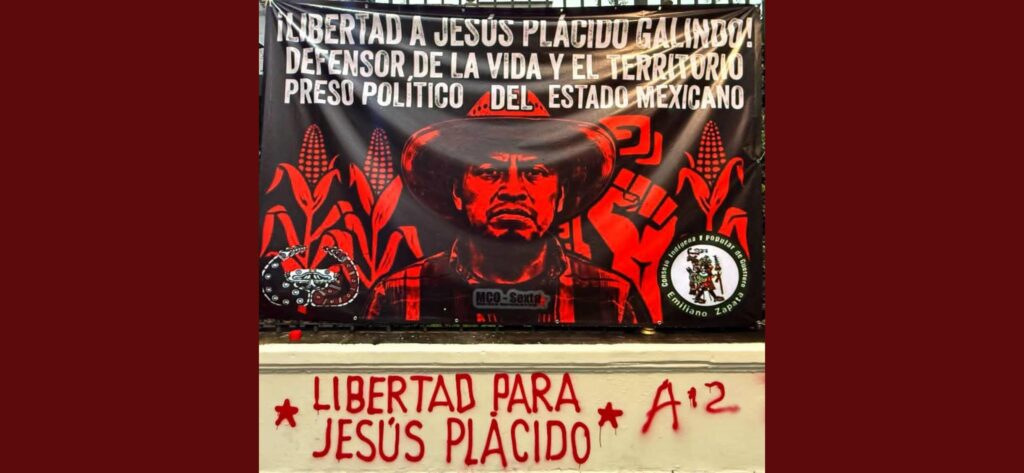
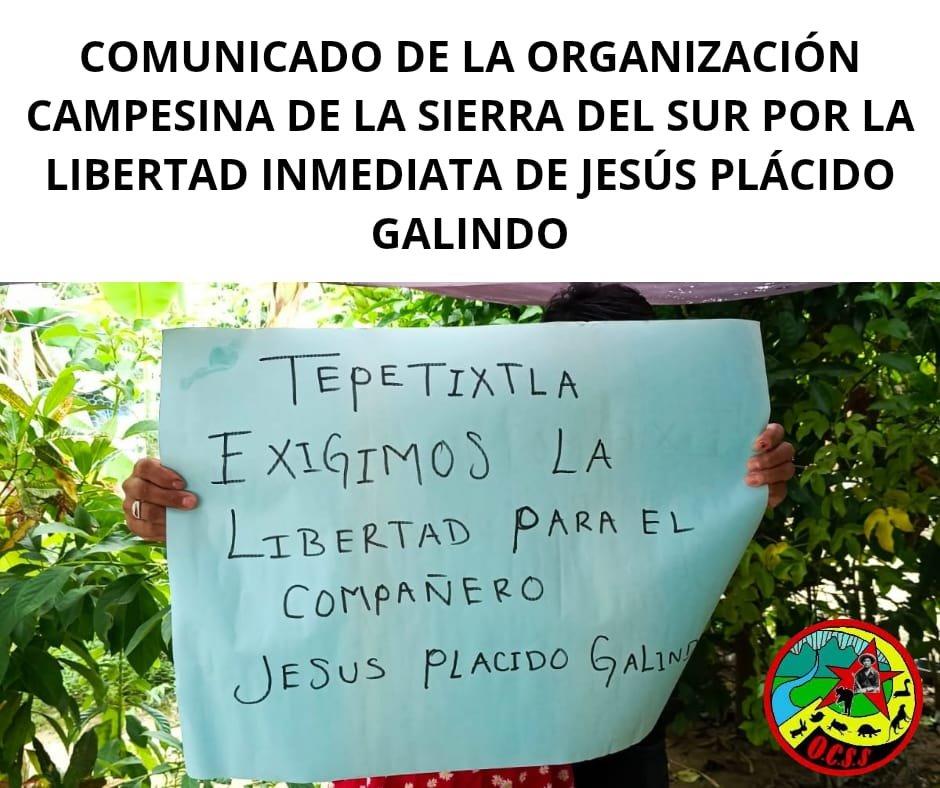
Ahora en que, por medio de su secretario de estado, Marco Rubio, decretan una cruzada contra “el terrorismo político”, que es en contra de todos los que están en desacuerdo con ellos. Un abanico en donde caben, antiimperialistas, socialistas, comunistas, anarquistas, defensores de la naturaleza, defensores de los derechos de los pueblos originarios, defensores de derechos humanos, luchadores de izquierda, progresistas, feministas, buscadores de desaparecidos y los gobiernos de Cuba, China, Vietnam, Corea del norte, Rusia, e Irán y se presiona a otros como los de México, Brasil y Colombia. Y en la coyuntura de otra reunión del Tmec ¿Por qué se detiene a Jesús Placido Galindo, un luchador social plenamente identificado con la lucha de los pueblos originarios de la montaña? ¿Es un mensaje para agradar a los imperialistas norteamericanos?
¿Se estará preparando alguna ofrenda para bajarle intensidad a la presión norteamericana?
Es muy claro el interés de los EU en materiales como el Zinc, el cobre, el grafito natural y el hierro para sus procesos industriales, dentro de sus planes internos y de dominación mundial. Además del oro y la Plata y de esto hay en la región de la Montaña. Grupos como los ardillos han diversificado sus actividades, ya no están solo en la siembra y trasiego de amapola, sino también están en la extorsión, actividades comerciales ligadas al transporte y los alimentos, la minería ilegal, la seguridad y la imposición de los intereses de las empresas mineras.
Durante más de 10 años han agredido a comunidades originarias de la Montaña, buscando su desplazamiento, su sumisión o su desorganización, para garantizar su control.
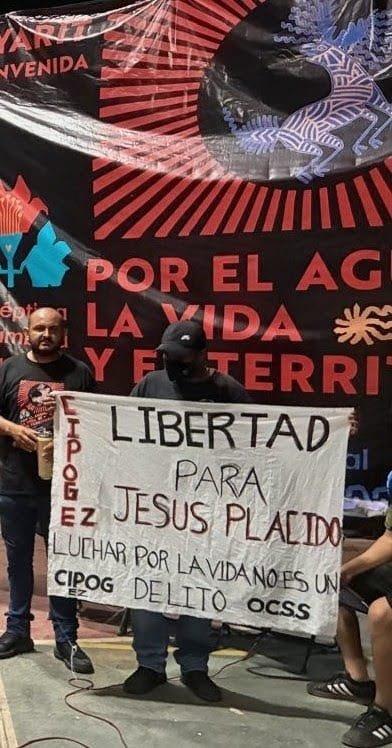
Ha sido muy clara y señalada la relación de los ardillos, el grupo narcotraficante de los Beltrán Leyva, y el exsuegro de la gobernadora Joaquín Alonso Piedra, amigo de Félix Salgado. Y en vez de investigar o combatir a este grupo se detiene a un dirigente del CIPOG-EZ, que ha resistido las agresiones de este grupo delincuencial. ¿A quién se está protegiendo?
Las comunidades de Xicotlán, Acahuehuetlán, Tula y Alcozacán siguen sin poder regresar a sus casas.
El 2 de julio, pasado la CNDH emitió una recomendación sobre el caso de Ayotzinapa, donde claramente se defiende al ejército. ¿Se está reeditando una nueva guerra sucia?
La delincuencia ha sido parte del capitalismo y también de la contrainsurgencia. No es nada nuevo. Lo seguimos viendo en distintos lugares, en distintas formas. Sus relaciones no son secretas, las presumen, es parte de su “poder”.
Acusar a los que luchan por un mundo mejor, de ser parte de la delincuencia y de otros “grupos” no es nuevo, también ha existido a través de la historia, desde el poder se han usado calificativos como “robavacas”, “asaltantes”, “secuestradores”, “narcotraficantes”, “terroristas”, “ayotzinapos”, “los Atilas del sur” y otros. Tiene el objetivo de descalificar las causas y razones de las organizaciones autogestivas y de justificar las agresiones que se les hacen.
POR ESO SEGUIMOS EXIGIENDO JUSTICIA PARA EL COMPAÑERO JESÚS PLÁCIDO GALINDO PRESO POLÍTICO, JUSTICIA PARA LOS PUEBLOS DEL CIPOG-EZ Y PARA TODOS LOS PUEBLOS DESPLAZADOS POR LA DELINCUENCIA ORGANIZADA Y NARCOGOBIERNOS EN GUERRERO, HACEMOS RESPONSABLES A LOS TRES NIVELES DE GOBIERNO DE LO QUE LE PUEDA PASAR AL COMPAÑERO JESÚS PLÁCIDO, A COMPAÑEROS DEL CIPOG-EZ, PERO SOBRETO DE LO QUE LE PUEDA PASAR A SU FAMILIA. QUE ESTA EN PIE DE LUCHA POR LA LIBERTAD DEL COMPAÑERO JESÚS PLÁCIDO GALINDO
-Frente a la guerra contra la humanidad, florece la palabra de los pueblos-
Recordando que:
PRIMERO.- El 12 de octubre de 1996 nació el Congreso Nacional Indígena (CNI), como un espacio que reúne las voces de los pueblos indígenas de este país, con la presencia de nuestra hermana mayor, la comandanta Ramona, del Ejército Zapatista de Liberación Nacional. Nuestro mensaje al mundo de Nunca más un México sin nosotros, fue un espejo de cientos y miles de años: hacia el pasado que guarda nuestras raíces, hacia el presente que construimos luchando y hacia el futuro que apuesta a la vida y la libertad.
SEGUNDO.- Nuestra primera exigencia de justicia y reconocimiento de nuestros derechos como pueblos se convirtió, ante la traición del Estado Mexicano, en el ejercicio de la autonomía y libre determinación sin pedir permiso, sin pedir perdón.
TERCERO.- La guerra de exterminio de más de 500 años, que desde la noche hemos visto y advertido al mundo, ha mostrado su rostro actual: el del capitalismo neoliberal, que a cada momento evidencia su guerra contra la humanidad, contra la Madre Tierra y contra la vida. En nuestras regiones, esta guerra es impulsada por caciques, políticos, gobernantes y empresarios que actúan contra nuestros pueblos y venden al mejor postor lo que para nosotros es sagrado: la tierra, el agua, los árboles, las vidas, el mañana. A ellos se han sumado mercenarios, sicarios, paramilitares, narcoparamilitares, ejércitos y coaliciones de ejércitos, todos con un solo rostro: el de la muerte y la destrucción, el del lucro y la corrupción.
Asimismo, reconociéndonos como los pueblos que somos y considerando que:
PRIMERO.- La guerra total contra los pueblos se expande por muchos rincones del mundo. En muchas lenguas se nombran el despojo, la codicia, el asesinato, la represión, la criminalización, el exterminio y el genocidio. En todos los casos los poderosos se han valido de los gobiernos para administrar el miedo y para perseguir la conciencia.
El CNI cumplirá 30 años resistiendo la más cruenta guerra de conquista desatada nunca antes en contra de nuestros pueblos y en contra de los pueblos del mundo, siendo su más terrible expresión el doloroso genocidio del pueblo palestino perpetrado por el gobierno de los Estados Unidos de América y su socio, el ilegítimo Estado sionista de Israel.
SEGUNDO.- Los pueblos originarios que somos el CNI vivimos tiempos violentos, como no se veía desde otras grandes guerras en la historia de este país llamado México, que hoy es gobernado por un régimen que se autonombra Cuarta Transformación y que, de la mano de los cárteles de la delincuencia organizada, siembra el terror en las comunidades. El CNI llega a su 30 aniversario padeciendo un gobierno que disfraza su participación en la guerra repartiendo millones de pesos mediante múltiples programas sociales y empleando un discurso de rechazo al neoliberalismo pero sin renunciar a éste.
TERCERO.- Esta guerra capitalista y patriarcal de incesante conquista se expresa, como toda guerra, en bajas: hasta la primera mitad de este 2026 tenemos, en México, más de 135 mil desaparecidos según datos del Registro Nacional de Personas Desaparecidas, habiéndose duplicado la tasa de aumento de desapariciones en los últimos años. Y con todo que este año, según cifras oficiales, han disminuido los homicidios dolosos, el promedio sigue siendo escandalosamente alto: de 45.4 víctimas diarias.
CUARTO.- La militarización del territorio nacional, la entrega de sectores claves de nuestra economía a la SEDENA y a la SEMAR, la impunidad que se ha otorgado a los militares ante su intervención en crímenes tan brutales como la desaparición de los 43 estudiantes de Ayotzinapa, o el predominio cada vez mayor del crimen organizado en las actividades económicas del país, en sus estructuras de gobierno y procesos electorales a todos los niveles, así como la masiva circulación de drogas en las comunidades y ciudades, ilustran contundentemente que México es un país convulsionado por la guerra.
QUINTO.- El despojo de las tierras y los territorios de nuestros pueblos tiene un lugar central en esta guerra de conquista capitalista. Se expresa en el reordenamiento profundo del territorio nacional, de sus poblaciones, de los flujos migratorios, de las fronteras y las regiones, impulsado a partir de determinados megaproyectos que obedecen a los intereses de los Estados Unidos de América y de las grandes corporaciones multinacionales. Entre los que están el Tren Maya, el Corredor Interoceánico del Istmo de Tehuantepec y el Proyecto Integral Morelos; o por medio de múltiples programas regionales de ordenamiento territorial y proyectos de infraestructura, inmobiliarios, extractivistas o de conducción de hidrocarburos.
Resulta escandalosa la creciente privatización y el acaparamiento del agua, así como el uso de afluentes para verter desechos industriales en todo México a favor de las grandes corporaciones transnacionales. Este proceso se ha profundizado mediante la consolidación del régimen de concesiones surgido de la contrarreforma constitucional de 1992 y de la subsecuente Ley de Aguas Nacionales. La entrega del agua a intereses privados ha pasado de 600 concesiones a más de 500 mil en la actualidad.
La actual propuesta de iniciativa de ley general de derechos de los pueblos indígenas y afromexicanos, reglamentaria del artículo segundo constitucional, busca profundizar el despojo y la condición colonial de nuestros pueblos mediante el reconocimiento simulado de nuestros derechos, a la par que, la vida interna y la autonomía de nuestras comunidades es violentamente intervenida por el Estado, se reducen los derechos que tenemos establecidos en los convenios internacionales y nuestros territorios, cultura y saberes ancestrales quedan a merced de las políticas neoliberales, los intereses empresariales y el mercado. Se trata de una agresiva propuesta legal neoindigenista y colonial bendecida por quienes históricamente se han opuesto al reconocimiento de nuestros derechos: las empresas multinacionales, las cámaras empresariales y las cúpulas militares.
SEXTO.- A partir de su fundación, el CNI acompañó diversas iniciativas impulsadas por el EZLN que tuvieron como objetivo exigir la incorporación de los Acuerdos de San Andrés a la Constitución Federal a fin de reconocer algunos derechos básicos de nuestros pueblos, mismas que culminaron con la Marcha del Color de la Tierra entre marzo y abril de 2001 y el Tercer Congreso Nacional Indígena en la comunidad purépecha de Nurío.
Finalmente, los Acuerdos de San Andrés fueron traicionados por los partidos políticos con la reforma indígena del 28 de abril de ese mismo año, así como por los poderes del Estado mexicano que no dudaron en convalidarla, subordinados todos ellos a los intereses de las cúpulas militares y las corporaciones empresariales, siempre opuestos al menor reconocimiento de los derechos indígenas, sobre todo los relativos a las tierras y territorios de nuestros pueblos. Fue así que el CNI pasó de exigir el reconocimiento de derechos al ejercicio de estos por la vía de los hechos.
En el año 2006, en la comunidad hñahñu de San Pedro Atlapulco, durante el cuarto congreso, el CNI suscribió la Sexta Declaración de la Selva Lacandona del EZLN, atendiendo al llamado descrito en ella, de formar una fuerza política anticapitalista y de izquierda.
En el año 2016 el CNI acordó la creación de un Concejo Indígena de Gobierno (CIG) que nombró como su vocera a una mujer indígena, María de Jesús Patricio, y la propuso como su candidata a la presidencia de la república. Los fines anticapitalistas y antipatriarcales que se perseguían con dicha propuesta no tenían nada que ver con un propósito electoral, sino aprovechar dicho espacio para volver a colocar en la agenda política nacional, tal como ocurrió en 1994, la problemática y las exigencias de los pueblos originarios de cara a la tormenta desatada por la guerra capitalista y patriarcal.
SÉPTIMO.- Esta historia de resistencia de más de 500 años, estos primeros 30 años del CNI, enseñan que, en cada una de nuestras regiones los pueblos seguimos, con nuestros modos, tiempos y formas, defendiendo la vida colectiva, a costa incluso de la propia.
OCTAVO.- A lo largo de estos años, tan importante como la presencia y resistencia de nuestros pueblos ha sido el acompañamiento y solidaridad de miles de personas en México y el mundo, que han otorgado a nuestro espacio y a nuestras propuestas su apoyo desinteresado y honesto. Su compromiso ha contrastado con los intentos de cooptación, división y aniquilamiento impulsado por parte de los malos gobiernos siempre al servicio de los intereses capitalistas.
Este acompañamiento solidario, tejido más allá de las fronteras en todo el mundo, ha animado la lucha del CNI y le ha reafirmado su convicción de que la lucha por la libertad y la vida no es asunto de colores, géneros, razas o fronteras, sino una cuestión de humanidad.
Del mismo modo en que hemos recibido generosidad de tantas partes, hemos procurado también brindar solidaridad, y de manera particular, hemos guardado en nuestros corazones, en nuestra memoria y nuestra lucha el dolor de miles que, víctimas principales de la guerra capitalista, han perdido a sus seres queridos en Palestina, en México y en cualquier rincón del mundo. Cada día aprendemos de la dignidad y valentía que nos enseñan los colectivos de madres, padres y familias buscadoras, como aprendemos de la incansable lucha de las madres y padres de los 43 normalistas de Ayotzinapa.
NOVENO.- La lucha del CNI ha confirmado en estos 30 años que tenemos voz, historia, vocación y destino propios. Hemos luchado por mantenernos independientes del Estado y los distintos gobiernos. No dependemos de líderes o voceros. Los pueblos originarios, naciones, tribus, barrios y organizaciones del CNI somos lo que somos. Nuestro paso es colectivo, no individual y no depende de agendas partidistas o religiosas.
DÉCIMO.- Por todo lo dicho, afirmamos que es el momento de encontrarnos para hablarnos y escucharnos como pueblos que somos, para decirnos nuestros errores y nuestros aciertos, fortalecer nuestros espacios internos, nuestras redes y nuestras alianzas. Es el momento para ratificar nuestros principios y nuestros compromisos con la vida, así como para poner en manos de las nuevas generaciones lo que hemos construido por décadas; afirmamos que es el momento de ser congreso y mostrar al mundo nuestra palabra hecha acción colectiva y organizada ante esta gran tragedia capitalista, por lo que, a 30 años de aquel primer Congreso Nacional Indígena, se emite la presente:
CONVOCATORIA
DIRIGIDA A LOS PUEBLOS, TRIBUS, NACIONES, COMUNIDADES, BARRIOS, Y ORGANIZACIONES QUE CAMINAN EN EL CNI PARA PARTICIPAR EN LA
ASAMBLEA NACIONAL DEL CONGRESO NACIONAL INDÍGENA CON MOTIVO DE SU 30º ANIVERSARIO
A realizarse los días 10, 11 y 12 de octubre del año 2026 en la Casa de los Pueblos y Comunidades Indígenas “Samir Flores Soberanes”, ubicada en Avenida México-Coyoacán, número 343, pueblo de Xoco, alcaldía Benito Juárez, Ciudad de México, bajo el siguiente orden:
10 de octubre
Llegada y registro de delegadas y delegados de los pueblos integrantes del CNI y de concejales del CIG.
Plenaria de Inauguración.
Mesas de trabajo
11 de octubre
Mesas de trabajo.
Sesión plenaria de trabajo
12 de octubre
Sesión plenaria de trabajo.
Plenaria final de la Asamblea.
Clausura y celebración.
Con posterioridad a la presente convocatoria se publicará el programa de la Asamblea, solicitando a las delegaciones de los pueblos, tribus, naciones, comunidades, barrios, y organizaciones que participan en el CNI confirmar de inmediato su asistencia a través del correo electrónico:
cnicomunicacion@gmail.com
Las sesiones de trabajo de los días 10 y 11 de octubre serán exclusivas para delegad@s del CNI y concejal@s del CIG, pudiendo participar como observadores quienes sean expresamente invitad@s por la Comisión de Coordinación y Seguimiento del CIG/CNI, así como l@s integrantes del Colectivo “Llegó la Hora de los Pueblos”, l@s miembr@s de las distintas Redes de Apoyo al CIG, los colectivos e individuos de la Sexta Nacional e Internacional y l@s firmantes de Una Declaración por la Vida en los cinco continentes que registren previamente su asistencia en el correo electrónico:
cnicomunicacion@gmail.com
Las sesiones plenarias de inauguración y final serán públicas.
ATENTAMENTE
Agosto de 2026
POR LA RECONSTITUCIÓN INTEGRAL DE NUESTROS PUEBLOS
LISTA DE LOS DESAPARECIDOS Y ASESINADOS DE LAS COMUNIDADES QUE INTEGRAN LA COORDINADORA REGIONAL DE AUTORIDADES COMUNITARIAS CRAC-PC-PF POR PARTE DEL GRUPO DELECTIVO DE LOS ARDILLOS
ALCOZACAN
DESAPARECIDOS
EL 25 FEBRERO DE 2014 EN CHILAPA
GUILLERMO LIMPIA TORRES
LAURO LIMPIA TEPETITLAN
15 DE SEPTIEMBRE DEL 2014 EN CHILAPA
ALFREDO CUAPANGO VERALES DE 16 AÑOS
EL 25 DE DICIEMBRE DEL 2014 EN CHILAPA
MAURO MIGUELENO JOAQUIN
23 DE ABRIL DEL 2026 EN CHILAPA
FLORENCIO RITA NAVA
CAHUEMUST
ASESINADOS
25 DE NOVIEMBRE DEL 2014 EN LA CARRETERA CHILPANCINGO -CHILAPA
LUCIO MENDOZA PASADO
29 JUNIO DEL 2017 EN CHILAPA
DOMINGO MARCOS TEPETITLAN
23 DE JULIO DEL 2018 EN CHILAPA
JOSE HILARIO TEPETITLAN
12 DE JULIO DEL 2019 EN CHILAPA
FELIPE DE JESUS TOLENTINO
14 DE SEPTIEMBRE DEL 2019 EN TLACHIMALTEPEC
SILVIANO MORALES JOAQUIN
17 DE ENERO DEL 2020 EN TLALYELPA LOS 10 MUSICOS
CRECENCIANO MIGUELEÑO
JUAN JOAQUIN AHUEJOTE
JOSE JULIO FISCALEÑO HILARIO REGINO FISCALEÑO HILARIO
MARCOS FISCALEÑO BALTAZAR ANTONIO MENDOZA TOLENTINO
ISRAEL TEPETITLAN MENDOZA
ISRAEL MENDOZA PASADO
CANDIDO FISCALEÑO HILARIO
FLORENCIO LINAREZ JIMENEZ
19 DE DICIEMBRE DEL 2020 EN LAMANZINTLA
MIGUEL MIGUELENO CHAUTLA
BENITO MIGUELENO CUAPANGO
AGUSTINA CHINO DIAZ
AMELIA MORALES CUAPANGO
24 DE JULIO 2022 EN CHILAPA
NICOLAS PEREZ ZOYATECO
5 DE NOVIEMBRE DEL 2022 SERCA DE CHILAPA
ADAN LINAREZ SILVERIO
MOISES PIPISTECO
27 DE SEPTIEMBRE DEL 2023 EN 2 VISTAS DE SAN JERONIMO
JOSE JUAN HERNANDEZ FISCALEÑO
ALBERTA SANTOS MELCHOR
24 DE ABRIL DEL 2024 EN ATZACUALOYA
GUILLERMO MORALES COYOTECO
19 DE JUO DEL 2024 EN CORRAL DE PIEDRAS
MARIA DE JESUS PASADO MARGARITO
01 DE AGOSTO DEL 2024 ATZACUALOYA
ALBERTO ZOYATECO PEREZ
08 DE DICIEMBRE 2024 EN HUEYCANTENANGO
MARCELINO CHINO MENDOZA
ALCOZAC
02 DE MAYO 2026 EN LA CARRETERA TEOMATLATLAN
DANIEL TOLENTINO PEREZ
VICTORINO LIMPIA CUAPANGO
MUHIC
12 DE MAYO DEL 2026 CERCA DE MELCALTEPEC 1
ABRAHAM JIMENEZ CHAUTLA
EUSEBIO MIGUELEÑO ZOYATECO
MARTIN FLORES MIGUELEÑO
LOS PINOS
ASESINADOS
EL 9 DE JULIO DEL 2019 EN EL CRUCERO DE JAGUEY LO LEVANTARON Y A LOS 5 DIAS EN CORRAL
DE PIEDRAS FUE ENCONTRADO YA SIN VIDA
DAVID DOMINGO ALONZO
AYAHUALTEMPA
ASESINADOS
2 DE JUNIO DEL AÑO 2019 EN HUEYCANTENANGO
EUGENIO MAXIMO HILARIO
EL 9 DE JULIO DEL 2019 EN EL CRUCERO DE JAGUEY LO LEVANTARON Y A LOS 5 DIAS EN CORRAL
DE PIEDRAS FUE ENCONTRADO YA SIN VDA
MARCELINO PEDRO ROJAS REYES
4 DE OCTUBRE DEL 2019 LA CARRETERA DE HUEYCANTENGO
GABINO ROSENDO VILLALVA
01 DE NOVIEMBRE DEL 2019 PUNTO CONOCIDO COCHISTLANTLATEMPAN EN BUENA VISTA DEL
RIO HACIA ARRIBA EN EL CERRO FUE ASESINADO EN MANOS DE LOS ARDILLOS
SAMUEL ROJAS DORANTES
16 DE ENERO DEL 2022 EN HUEYCANTENGO
DELFINA RAMIREZ MORALES
25 DE JULIO DEL AÑO 2022 EN HUEYCANTENANGO
MAXIMO CLAUDIO HILARIO RAMIREZ
9 DE FEBRERO DEL 2023 EN HUEYCANTENGO
PABLO MORALES BOLAÑOS
XOCHITEMPA
DESAPARECIDOS
30 DE MAYO DEL 2019 EN CUATZINGO
RICARDA XOCHITEMPA CHAUTLA
MARTIN SALGADO DE JESUS
11 DE DICIEMBRE DEL 2021 EN DOS VISTAS
FELIPE TLALXINTLE TEPEXCO
ASESINADOS
29 DE ABRIL DEL 2023 EN LAMACINTA
JUAN SALVADOR REYES
12 DE AGOSTO DEL 2023 EN CHILAPA
ESTEBAN XOCHITEMPA TEPEXCO
JUAN XOCHITEMPA MACARIO ACAHUEHUE
13 DE SEPTIEMBRE 2023 EN CHILAPA
BONIFACIO XOCHITEMPA TLALXINTLE
11 DE FEBRERO DEL 2024 EN TLATEMPA FUERON ASESINADOS
MATEO FRANCISCO REYES DE 12 AÑOS DE EDAD
PORFIRIO MORALES XOCHITEMPA DE 11 AÑOS DE EDAD
11 DE MARZO DEL 2024 EN ATZACUALOYA
ISAAC DIEGO SALAZAR
30 DE OCTUBRE DEL 2024 EN CHILAPA
ALFONZO XOCHITEMPA CHAUTLA
ZACAPEXCO
DESAPERECIDO
25 DE ENERO DEL AÑO 2022 EN ATIXTAC
SAMUEL HERNANDEZ SANCHEZ
20 DE ABRIL DE 2023 EN CHILAPA
SANTOS JOSE CRISTINO ANDRACA
ASESINADOS
9 DE JULIO DEL 2019 EN LOS AJOS ENTRADA DE CHILAPA
JUANA HERNANDEZ AMBROCIO
ALBERTA MATIAS RENDON
31 DE OCTUBRE DEL 19 EN HUEYCANTENGO
SANTOS VASQUES ANDRACA
17 DE AGOSTO DEL 2023 EN CRUZERO DE ZOQUIAPAN
MARCELINO HERNANDEZ TECORRAL
ANGEL VILLALVA SALVADOR
NICOLAS RODRIGUEZ DIAZ
5 DE NOVIEMBRE DEL 2024 EN LA CARRETERA TIXTLA-CHILPANCINGO
BENITO JIMENEZ VILLALVA
RINCON DE CHAUTLA
ASESINADOS
7 DE MARZO DEL 2021 EN LA CARRETERA CHILAPA-TLAPA
JORDAN LUNA VIRGENIO
30 DE MAYO DEL 2021 EN ACAPULCO
BERENICE VIRGENIO GERMAN
4 DE ABRIL DEL 2023 EN CHILAPA
LUCIA VIRGENIO GERMAN
ACAHUEHUETLAN
ASESINADOS
7 DE MAYO DEL 2020 EN ATZACUALOYA
LORENZA CHANTZIN POXAWAZINGO
10 DE MAYO DEL 2026 LO MATARON DENTRO DE LA COMUNIDAD
MARCELO CALVARIO HILARIO
NUEVO AMANECER
ASESINADOS
24 DE NOVIEMBRE DEL 2015 EN ATZACUALOYA
ISAAC XOCHITEMPA CHAUTLA
ANGELA CASARUBIA CORTES
ANA ORGIN CASARUBIAS
VICTORIA DIAZ BERNABE
9 DE ENERO DEL 2020 EN CHILAPA EN SU CASA
ANTONIA ORGIN CASARRUBIAS
28 DE NOVIEMBRE DEL 2022 EN EL MONTE DONDE CUIDABAN
PABLO CORTES ORGIN
PEDRO CORTES ORGIN
12 DE ENERO DEL 2023 CERCA DE SAN GERONIMO PALANTLA