News:

Pueblos Indígenas

image/svg+xml image/svg+xml
radio
RvsR

(Español) Namakasia: Campaña Nacional e Internacional en apoyo a la Tribu Yaqui

Sorry, this entry is only available in Español. For the sake of viewer convenience, the content is shown below in the alternative language. You may click the link to switch the active language.

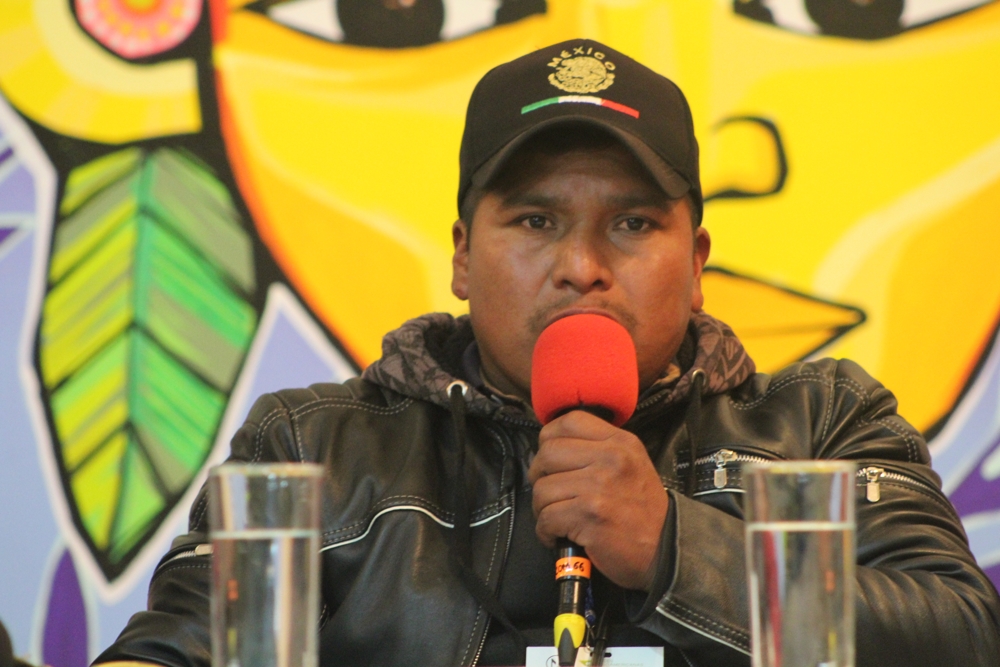
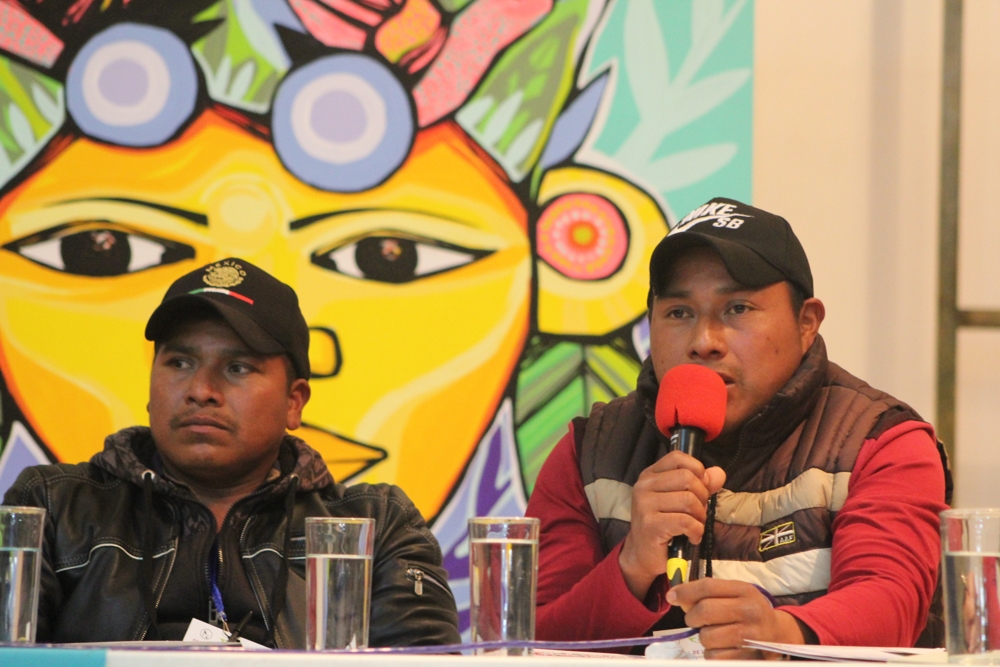
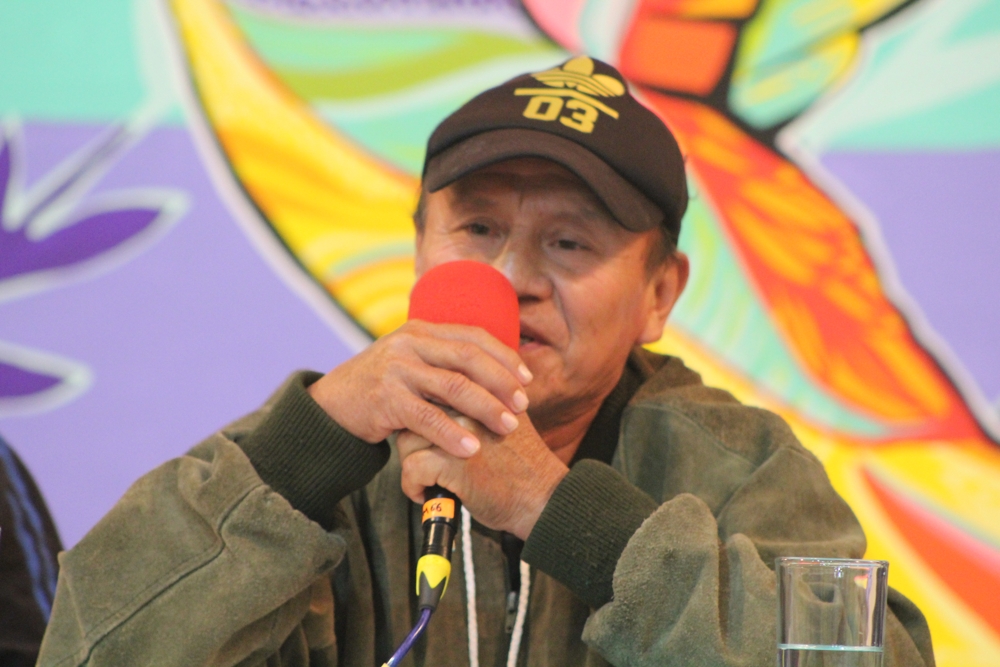
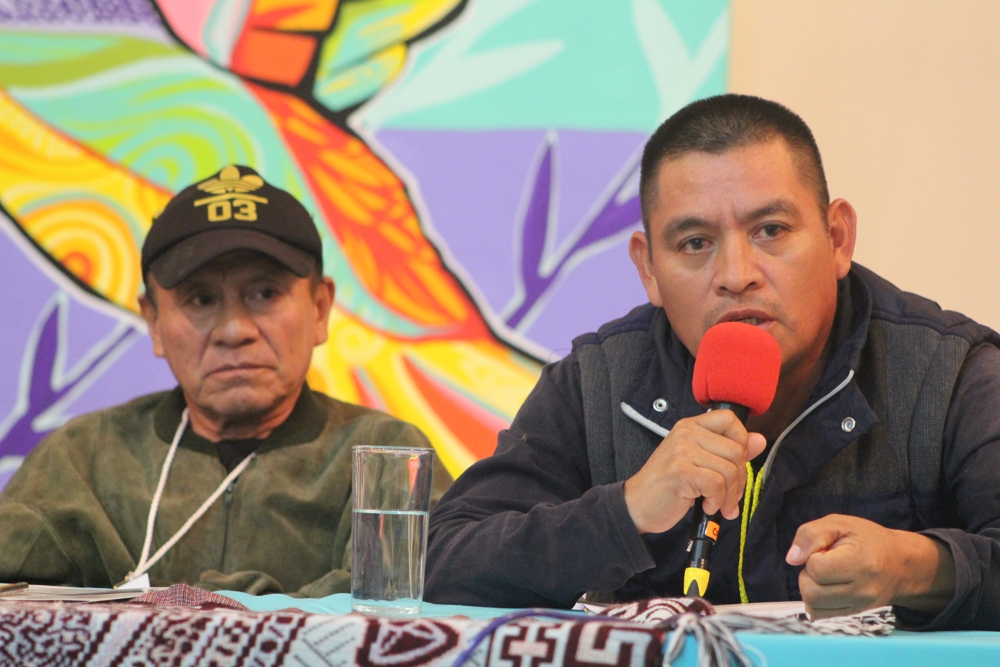
A principios  del año 2010 con la entrada al gobierno sonorense de Guillermo Padrés Elías se anuncia ante los medios de comunicación la realización del proyecto integral sonora SI, dicho  contempla la construcción de varias obras entre las que se encuentra el acueducto independencia obra mediante la cual se  extraerían 75 millones de metros cúbicos de agua anuales del rio Yaqui los cuales son enviados a la ciudad de Hermosillo despojando con esta accion  a la tribu yaqui  de un bien escencial y que por derecho les corresponde: el agua del Rio Yaqui.

La tribu Yaqui ha ganado un amparo ante la Suprema Corte de Justicia de la Nación con lo cual el gbierno de Sonora debe detener la extraccion del agua de la presa el Novillo, pero no ha parado y mantiene activas dos de 5 bombas que conforman el acueducto afectando ya gravemente a la Tribu dejandolos sin agua para consumo humano causando una situacion de peligro para la vida de la tribu por que los deja sin medios para sobrevivir en el desierto de sonora ademas de perder sus cosechas por falta de agua para riego.

Los efectos tambien se dan de manera ecologica: al eliminarce el agua del rio Yaqui agua del mar entra en la cuenca del rio provocando el ensalitramiento de tierras fertiles de cultivo y la salinizacion de las aguas potables contaminandolas.

Ante esta situacion convocamos a la Campaña nacional e internacional: Namakasia por la vida de la Nacion Yaqui con los objetivos de apoyar en la lucha por detener el robo del agua pertenenciente a la tribu Yaqui, fortalecer los proyectos  autonomos de la nacion Yaqui, difundir la palabra y noticias provenientes de la autoridad tradicional de la Nacion Yaqui. Siempre caminando autnoma y autogestiva.

Actividades propuestas

Agosto

9 de Agosto

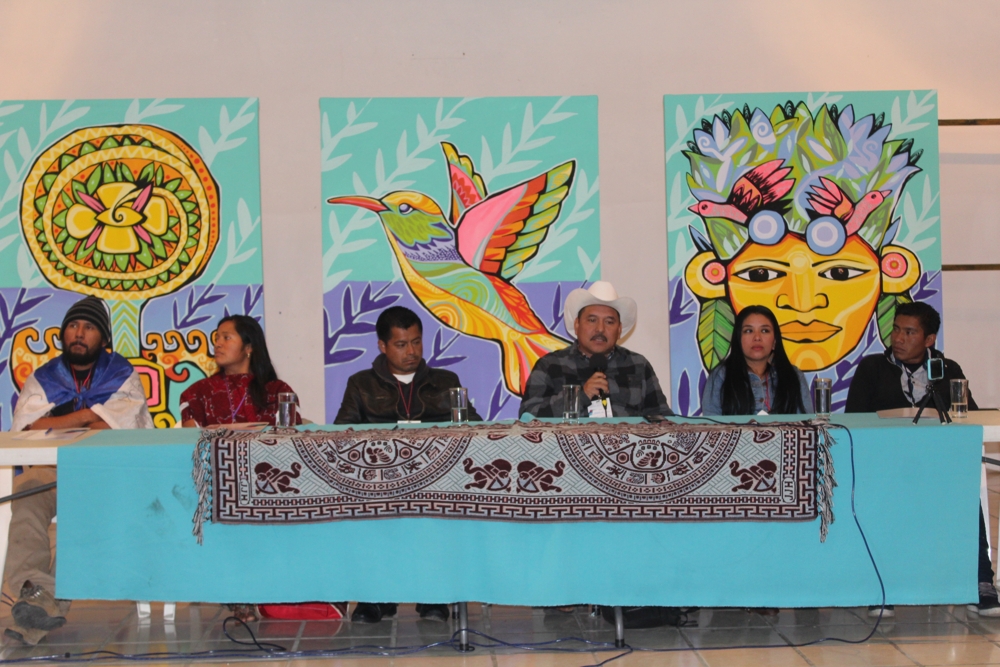
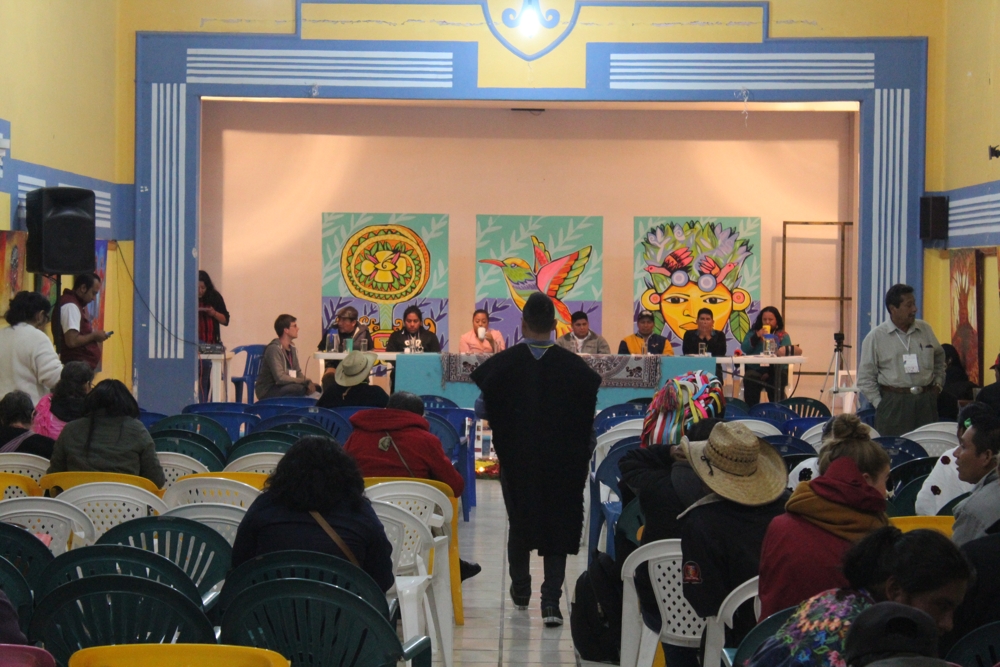
Foro La lucha por la defensa del agua: La Tribu Yaqui

comunidad Triqui Lopez 23 Colonia Centro

de 12 a 16 horas

Jornada todos somos Yaqui

recoleccion de firmas en apoyo a la tribu Yaqui

(dentro del Foro La lucha poe la defensa del agua: La Tribu Yaqui)

26 de Agosto

BRIGADA A VICAM  ITOM JIAK BATWE
NUESTRO RIO  YAQUI

Las actividades que realizaremos en Vicam son:

* Foro de la Vida (presentaciones artísticas y talleres para niñxs y grandes)
* Labores coordinadas con la comunidad
* Taller de radio

Septiembre

10 Septiembre

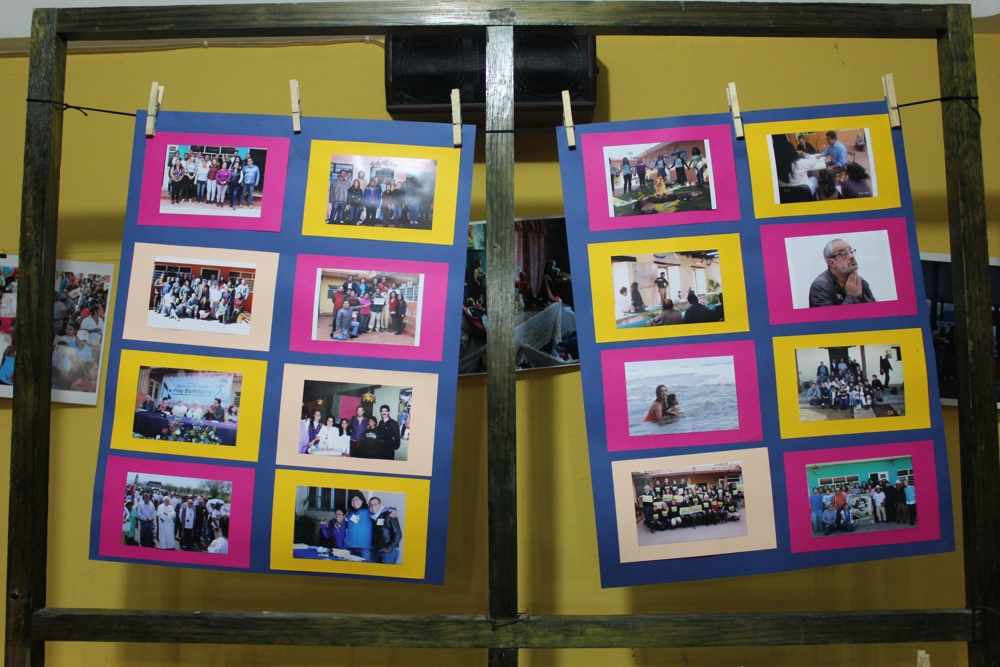
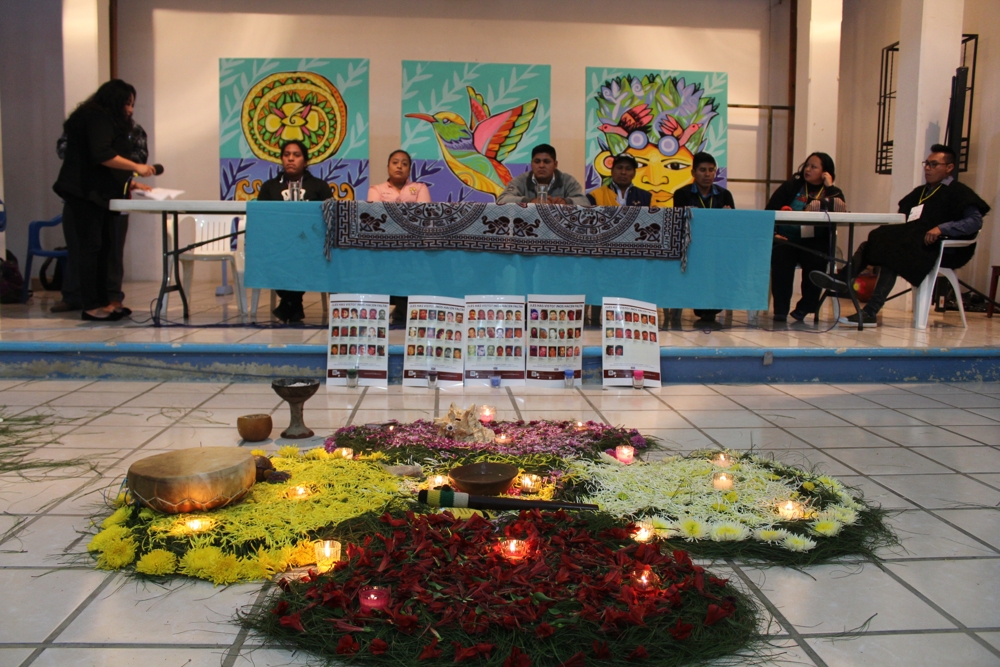
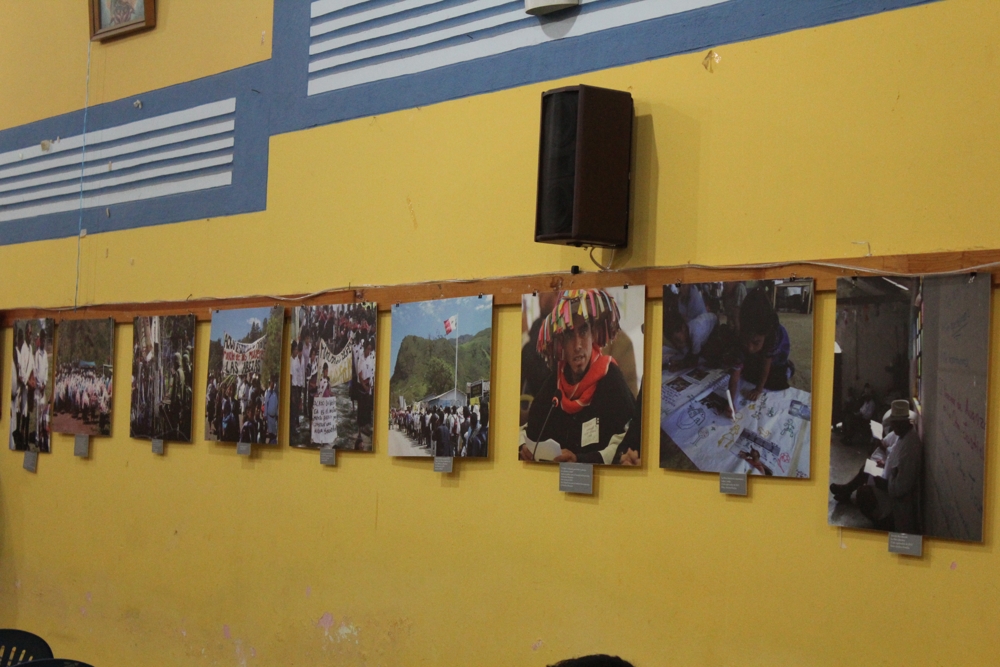
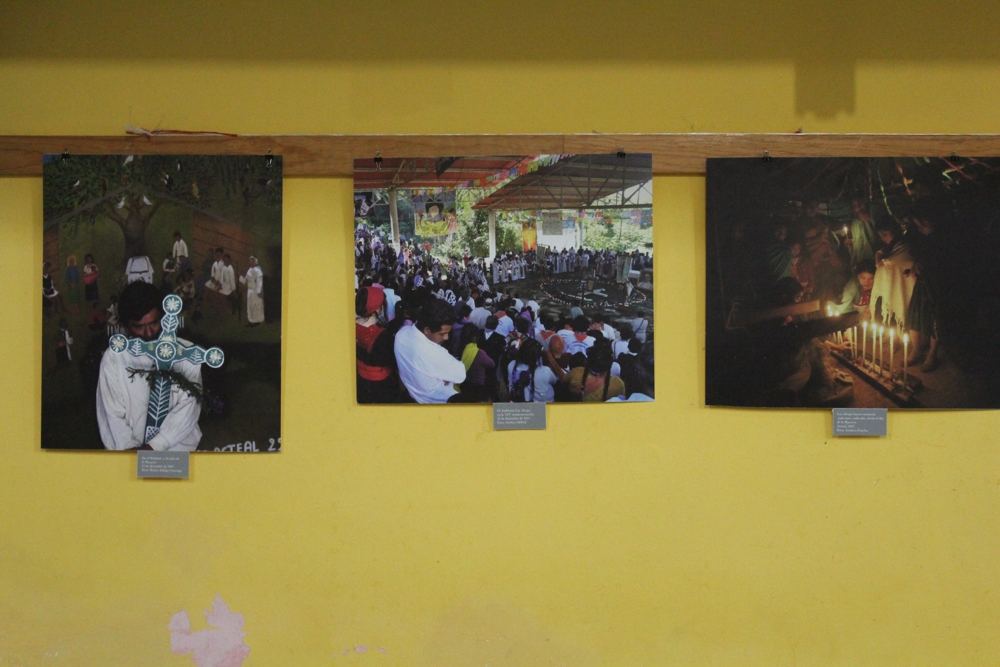
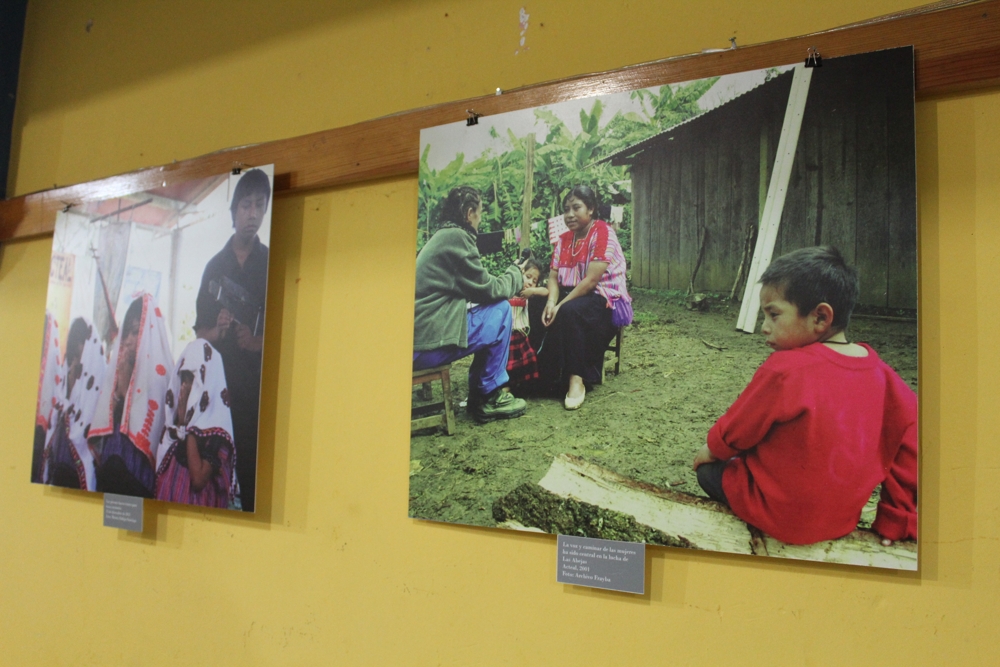
Exposicion Fotografica intinerante

Rostros Indigenas Ayer y Hoy

Lugar: la karakola

UnioS

radio
RvsR

(Español) Pronunciamiento de solidaridad de la RvsR con la Tribu Yaqui

Sorry, this entry is only available in Español. For the sake of viewer convenience, the content is shown below in the alternative language. You may click the link to switch the active language.

A principios  del año 2010, con la entrada al gobierno de Guillermo Padrés Elías se anunció ante los medios de comunicación la realización del proyecto integral sonora SI. Dicho proyecto plantea  el equilibrio y la “buena distribución” del agua en la entidad para solucionar la escases del líquido, con lo que se contempla la construcción de varias obras entre las que se encuentra el Acueducto Independencia del cual se  extraerán 75 millones de metros cúbicos de agua anuales del Rio Yaqui para suministrar a la ciudad de Hermosillo.

La construcción del Acueducto Independencia nunca tomó en cuenta a la Tribu Yaqui, lo que violenta la autonomía y libre autodeterminación de los pueblos: el derecho a la consulta, el libre desarrollo espiritual y social, ya que el Rio Yaqui forma parte importante dentro de la cosmovisión de la tribu. Estos derechos están reconocidos en el convenio 169 de la OIT  y fueron firmados y ratificados por el gobierno Mexicano y el artículo 2o de la Constitución.

La violación de los derechos de la Tribu Yaqui no son un simple descuido de las autoridades, pues el beneficio del Acueducto Independencia no es a la población, sino para los terratenientes y la zona industrial donde se instalará una planta de la cervecera Heineken, y se encuentra Big Cola y Ford,  por mencionar algunas

La afectación también será ambiental,  ya que la reducción del caudal afectara a la flora y la fauna de la región y provocará la entrada del agua del mar, ensalitrando tierras fértiles de cultivo  y reduciendo los terrenos de siembra de la tribu.  Tales afectaciones no fueron tomadas en cuenta en el estudio de impacto ambiental hecho por SEMARNAT. En consecuencia, la Tribu Yaqui comenzó un juicio de amparo ganado en mayo de 2012 y ratificado el 8 de mayo de 2013 por la Suprema Corte de Justicia, dejando sin efecto el estudio de impacto ambiental, sin embargo, hasta el día de hoy no se ha detenido la extracción de agua mediante el Acueducto Independencia.

Por las acciones cometidas por el gobierno del estado, en contubernio con el gobierno federal , la tribu decidió realizar acciones concretas como la construcción de un campamento a la orilla de la carretera internacional numero 15, para exigir el cese de la extracción del agua del Río Yaqui,  a lo que el gobierno respondió con una campaña de desprestigio a través de los medios y no visibilizando las manifestaciones de la tribu como son los bloqueos intermitentes en la carretera.

La campaña de desprestigio ha consistido en atacar a los compañeros visibles de la Tribu Yaqui, Mario Luna y Tomás Rojo, criminalizándolos bajo acusaciones de privación ilegal de la libertad y afectación a las vías de comunicación.

Por los hechos relatados exigimos:

¡Alto a la extracción del agua del Río Yaqui!

¡Respeto y reconocimiento a los derechos e la Tribu Yaqui!

¡Alto a la criminalización de los manifestantes y del bloqueo de la carretera en Vícam dentro del  Territorio Yaqui!

Contra el despojo y la represión:

¡la solidaridad!

Red Contra la Represion y por la Solidaridad

(RvsR)

radio
Radio Zapatista

Indigenous Ch’oles from Tila Celebrate 79 Years of Resistence

radio
Organizaciones indígenas y EZLN

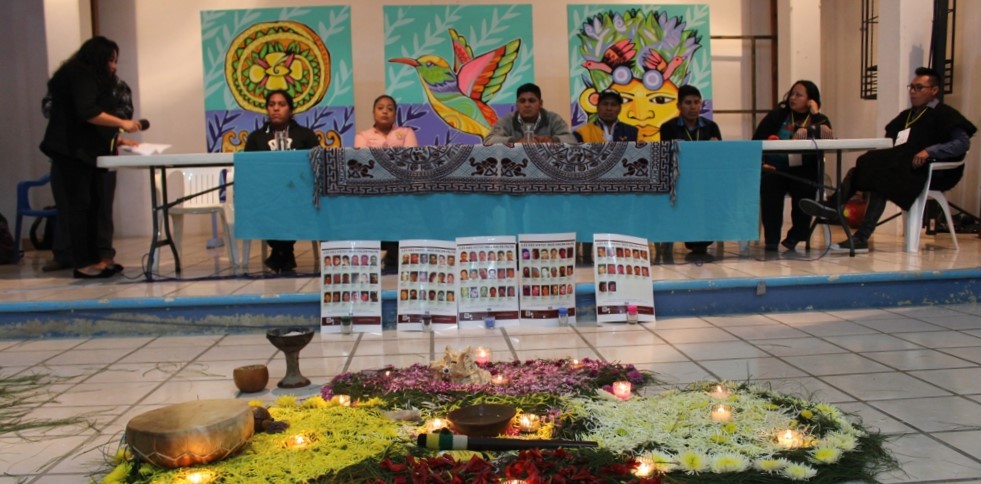
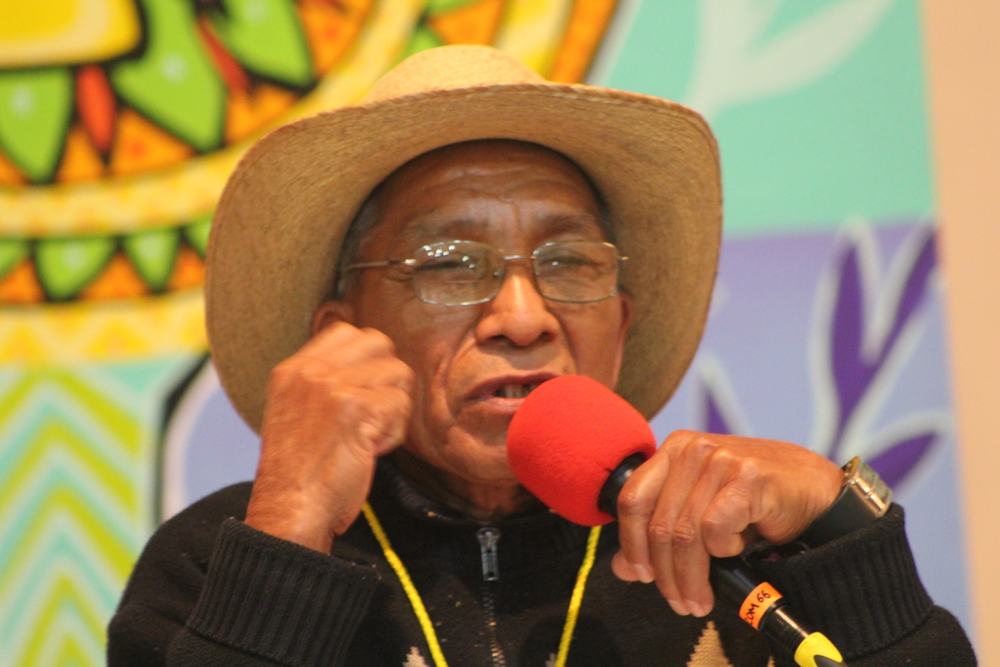
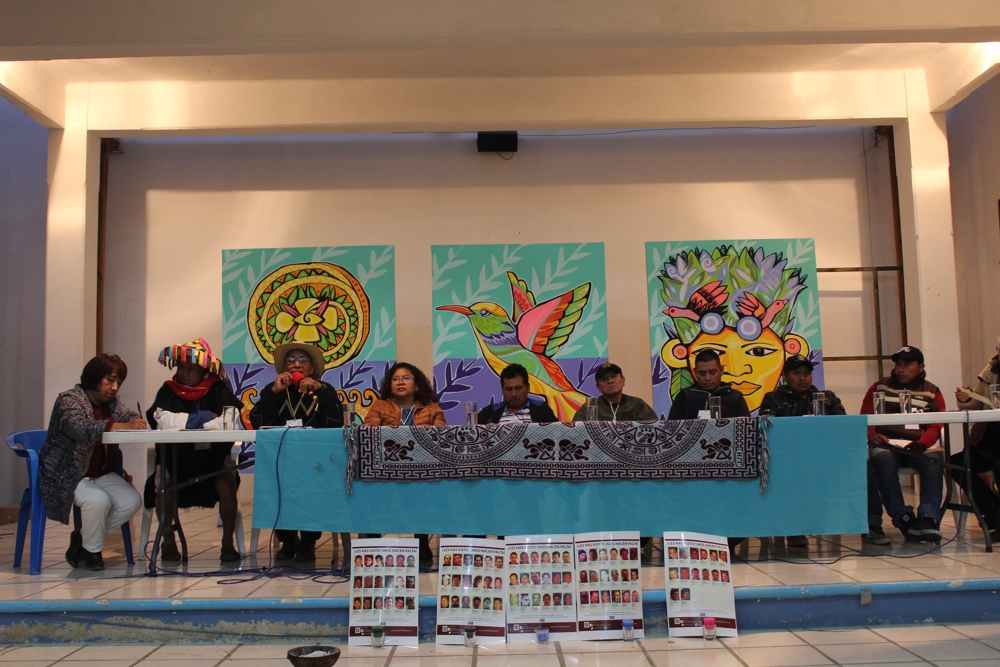
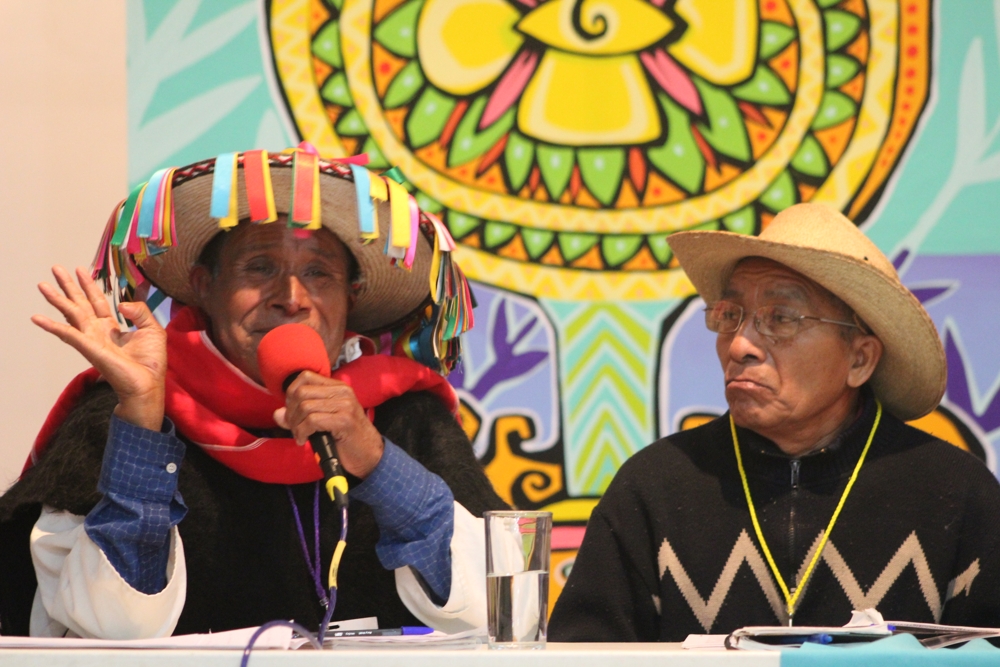
Indigenous Organizations and the EZLN Create Seminar “Tata Juan Chávez Alonso”

TRAVELING SEMINAR “TATA JUAN CHÁVEZ ALONSO”

June 2013.

We are the Indians that we are, we are peoples, we are Indians.
We want to continue to be the Indians that we are; we want to continue to be
the peoples that we are; we want to continue speaking the language we speak;
We want to continue thinking the words that we think;
we want to continue dreaming the dreams that we dream;
we want to continue loving those we love;
we want to be now what we already are;
we want our place now; we want our history now, we want the truth now.

Juan Chávez Alonso. Words presented at the National Congress,
March, 2001. Mexico.

Brothers and Sisters:

Compañeras and compañeros:

This is the word of a group of indigenous organizations, native peoples, and the EZLN. With this word we want to bring among us the memory of a compañero.

After one year without him, with his memory as company, we want to take another step in this long struggle for our place in the world.

His name is Juan Chávez Alonso.

We were and are the path for his step.

With him, the purépecha people became travelers amongst the people who gave birth to and who sustain these lands.

Tata was, and is, one of the bridges that we built with others in order to see ourselves and recognize ourselves as what we are and where we are.

His heart was and is the perch from which the indigenous peoples of Mexico look, even though we are not seen, from which we speak but are not heard, and from where we resist, which is how we walk through life.

His path and his word always sought to give voice and echo to the pains and grievances of that Mexico below (the “basement” of Mexico).

The National Indigenous Congress is one of the great houses that his hands helped to build.

The struggle for the recognition of indigenous rights and culture has, in him, in his memory, a reason and an engine to persevere.

Rather than fleeting condolences and a quick forgetting of his absence, we, a group of indigenous organizations and peoples, have looked for the way to extend his walk with us, to raise his voice with ours, to expand the heart that, with him, we are.

We, as the collective color of the earth, have agreed in our hearts and minds to build a space in which the word of the indigenous peoples of Mexico and this continent that we call “America” can be heard without intermediaries. This space will carry the name and history of this brother and compañero.

We have decided to name this space the “Seminar Tata Juan Chávez Alonso,” in order to emphasize how much our native peoples have to teach others during these calendars of pain that now shake all the geographies of the world. In this space we will be able to listen to the lessons of dignity and resistance of the native peoples of America.

As a continuation of the efforts that took shape during the “First Encounter of Indigenous Peoples of America” celebrated in October of 2007 in Vicam, Sonora, on the territory of the Yaqui tribe, the seminar “Tata Juan Chávez Alonso” will hold its sessions at different locations of indigenous America throughout the continent, in accordance with the geographies and calendars agreed upon by those who convoke this seminar and those who join along the way.

This seminar is meant to build a forum in which the indigenous peoples of the continent can be heard by those who have an attentive and respectful ear for their word, their history, and their resistance.

Indigenous organizations and representatives and delegates of native peoples, communities, and neighborhoods will have the floor.

In order to inaugurate this forum, we will hold the:

FIRST SESSION OF THE

TRAVELING SEMINAR “TATA JUAN CHÁVEZ ALONSO”

Here different native peoples, organizations, and communities will speak in their own voice about their histories, pains, hopes, and above all, their resistance.

This first session will have the following characteristics:

1. The first session of the Seminar “Tata Juan Chávez Alonso” will be held Saturday and Sunday August 17-18, 2013, at CIDECI in San Cristóbal de Las Casas, Chiapas, México.

2. The organizations that have convoked this seminar now constitute the “Organizing Commission,” which will invite the participation of other indigenous peoples and agree upon all things related to the method of this first session.

3. The “Organizing Commission” will extend a special invitation to organizations, groups, and individuals who have consistently accompanied the struggle of the indigenous peoples.

4. Those who have convoked the forum and those indigenous peoples and organizations of Mexico and the American continent invited by the “Organizing Commission” will participate in this first session with their word.

5. The various sessions of this seminar will be open to the general public.

6. More information regarding the calendar and schedule of participation will be made public by the Organizing Commission at the appropriate time.

Within the framework of the Seminar “Tata Juan Chávez Alonso,” and with Don Juan’s gaze as our horizon, the participating indigenous organization and peoples will also meet on their own to propose (extending an even wider invitation) the relaunching of the National Indigenous Congress of Mexico, and simultaneously make a call to the indigenous peoples of the continent to resume our encounters.

For recognition and respect for indigenous rights and culture.

CONVOKED BY:

Nación Kumiai.
Autoridades Tradicionales de la Tribu Yaqui.
Tribu Mayo de Huirachaca, Sonora.
Consejo Regional Wixárika en Defensa de Wirikuta.
Comunidad Coca de Mezcala.
Radio Ñomndaa de Xochistlahuaca, (Pueblo Amuzgo), Guerrero.
Comunidad Zoque en Jalisco.
Organización de Comunidades Indígenas y Campesinas de Tuxpan (Pueblo Nahua), Jalisco.
Comunidad Nahua en Resistencia de La Yerbabuena, en Colima.
Colectivo Jornalero de Tikul (Pueblo Maya Peninsular), Yucatán
Comunidades Purépechas de Nurío, Arantepacua, Comachuén, Urapicho, Paracho, Uruapan, Caltzontzin, Ocumicho.
Comuneros Nahuas de Ostula.
Comunidad Nahua Indígena de Chimalaco, en San Luis Potosí.
La Otra indígena Xilitla (pueblo Nahua).
Comunidad Mazahua de San Antonio Pueblo Nuevo, Edomex.
Comunidad Ñahñu de San Pedro Atlapulco, Edomex.
Centro de Producción Radiofónica y Documentación Comunal de San Pedro Atlapulco (Pueblo Ñahñu), Edomex.
Comunidad Nahua de San Nicolás Coatepec, Edomex.
Ejido Nahua de San Nicolás Totolapan, DF.
Comuneros Nahuas de San Pedro Atocpan, DF.
Mujeres y Niños Nahuas de Santa Cruz Acalpixca, DF.
Mazahuas en el DF.
Centro de Derechos Humanos Rafael Ayala y Ayala (Pueblos Nahua y Popoluca), de Tehuacán, Puebla.
Asamblea Popular Juchiteca (Pueblo Zapoteco), Oaxaca.
Fuerza Indígena Chinanteca “KiaNan”.
Consejo Indígena Popular de Oaxaca-Ricardo Flores Magón, (Pueblos Zapoteco, Nahua, Mixteco, Cuicateco), Oaxaca.
Comité de Bienes Comunales de Unión Hidalgo, (Pueblo Zapoteco) Oaxaca.
Unión Campesina Indígena Autónoma de Río Grande (Pueblo Chatino y Afromestizo), Oaxaca.
La Voz de los Zapotecos Xichés en Prisión, Oaxaca.
Temazcal Tlacuache Tortuga de la comunidad de Zaachilá, (Pueblo Zapoteco), Oaxaca.
Colonia Ecológica la Minzita, (Pueblo Purépecha), Morelia, Michoacán.
Colectivo Cortamortaja de Jalapa del Marqués (Pueblo Zapoteco), Oaxaca.
Radio Comunitaria Totopo de Juchitán (Pueblo Zapoteco), Oaxaca
CIDECI-UNITIERRA, Chiapas.
CCRI-CG del Ejército Zapatista de Liberación Nacional (Pueblos Tzeltal, Tzotzil, Chol, Tojolabal, Zoque, Mame y Mestizo), Chiapas.

Mexico, June 2, 2013.

::::::::::::::::::::::::::::::::::::::::::::::::::::::::::::::::::::::::::

See and listen to the videos that accompany this text:

In memory of Don Juan Chávez Alonso. Produced by the Cooperativa de Condimentos para la Acción Cinematográfica.

El Comandante Guillermo, introduces Don Juan Chávez Alonso at the Festival of Dignified Rage (Digna Rabia), in CIDECI, San Cristóbal de Las Casas, Chiapas, México.

Baile tradicional “Los Viejitos,” performed by students of the Casa del Estudiante Lenin, Michoacán, México.

********************************
Traducción del Kilombo Intergaláctico.
*********************************

radio
Asamblea de Pueblos Indígenas del Istmo

(Español) Amenazas e intimidación contra integrantes de las comunidad organizada en Juchitan que resiste al proyecto eólico en el Istmo

radio
Proyecto Ambulante

Threats against UN visitors in the Istmo of Tehuantepec

radio
Radio Zapatista

The struggle against the Wind Farm Project and Radio Totopo: Feeding Resistance

radio
Alberto Patishtán

More actions demanding Patishtan´s freedom and demo in El Bosque

Sorry, this entry is only available in Español. For the sake of viewer convenience, the content is shown below in the alternative language. You may click the link to switch the active language.

A la Opinión Pública
A los medios de comunicación estatal, nacional e internacional
A medios alternativos
A los adherentes a la sexta
A las organizaciones independicntes
A los defensores de derechos humanos ONG’S

Preso político de la voz del amate adherente a la sexta recluido en el penal No. 5, San Cristóbal de Las Casas, Chiapas.
Hoy viernes 12 de abril terminó nuestro ayuno de la segunda jornada que tuvo y tendrá un fin de exigir la justicia verdadera como también el día sábado y domingo 13 y 14 del presente nuevamente estaremos protestando nuestras libertades con una marcha silencio dentro del penal.

Por lo tanto sigo exigiendo a las autoridades del 1er tribunal Colegiado del Vigésimo Circuito de Chiapas a que tomen en cuenta mi Reconocimiento de Inocencia y que resuelvan mi caso y sea otorgado mi Libertad Inmediata e Incondicional.
Así también exijo al Gobierno Estatal Manuel Velazco Coello a que otorgue la libertad de todos mis compañeros solidarios, la voz del amate que me acompañen de acción de exigir libertad conjunta, porque de igual manera son acusados falsamente que a través de las torturas y mutilaciones se autoculpara de los delitos, prefabricadas de las mismas autoridades.

Por último invito a la sociedad civil a las organizaciones independientes Estatales, Nacionales, e Internacionales a seguir exigiendo nuestras libertades ante el gobierno porque no es justo que no tienen secuestrados por parte del mal sistema.
¡vivir o morir por la verdad y la justicia!

FRATERNALMENTE
Preso Político de la Voz del Amate
Alberto Pathistan Gómez

Penal No. 5 San Cristobal de Las Casas Chiapas; a 12 de abril del año 2013.

radio
Albasud/ Radio Itinerante

Tourism in Chiapas: A stretegy to break resistency, a conversation with Hermann Bellinghausen

Karolina Caicedo Flórez | Itinerant Radio / Alba South

Tourism in Chiapas has become part of the strategy of big business and the government to break the resistance of the Zapatista communities in rebellion, and facilitate their dispossession from their territories.

Hermann Bellinghausen was born in 1953 in Mexico City. He studied medicine, but currently works as a journalist and writer. He is a correspondent in Chiapas for the newspaper La Jornada, where he writes about the Zapatista struggle and the aggressions suffered by these communities, and about political prisoners and megaprojects in the State. He is also director of the monthly supplement Ojarasca, which covers literature, art and indigenous struggles. He has directed films like ‘Corazón del tiempo’, about the Zapatista struggle. One of his most outstanding pieces of journalism was his reporting on the Acteal massacre. From his deep knowledge of the Chiapas reality, we spoke about the increasing development of tourism in the State and its various implications.

Karolina Caicedo Flórez: What have been the most common strategies of the Mexican government for developing tourist projects in Chiapas?

Hermann Bellinghausen: The first problem for the state, when they want to develop tourist projects, or any type of abusive use of space, is the dispossession of the lands. All the major resorts of Mexico started with dispossession. This is how Huatulco was made. And here it is the same. Chiapas has become popular as a tourist attraction because it has the most striking natural areas in Mexico; it is a place where water is plentiful, full of incredible rivers, landscapes, waterfalls, and great natural wealth. It is on these places where government pressure focuses to develop tourist projects. Furthermore, in the case of  Chiapas, the tourism hook is guaranteed because there is an attractive indigenous culture, there are handicrafts, countryside …. But in Chiapas [tourism] is the spearhead for something else, the real goal in Chiapas is not tourism, but the alienation of territory.
The problem is that these projects have met with the obstacle of the autonomous communities, in total resistance, or simply with organized communities. These have prevented the construction of the road to Palenque, an ambitious highway project which runs through all the traditional territory of the Tzeltal people.

Today the government of Chiapas has a deliberate policy of fostering tourism because it is a source of foreign currency earnings, but I think that this has a limit, there is a finite size for tourism. But if the result is that people lose control of their land, and this meansmaking way for mining, for hydroelectric schemes, for highways, now that is nothing to do with tourism.

Tourist projects are sold as being financially attractive for the inhabitants of these places, and they are told that they will have a job, they will receive income, but what we know is that they become employees or servants of tourism. They go from being the masters of their land to being bartenders, waiters, or slaves; once the owners of the area but now just employees in a place that once was theirs.

Figure 1 Palenque, photo by Javier Hidalgo

Of course the government carries out projects which apparently benefit people, cooperatives are created such as Agua Azul for example, or Las Guacamayas in the Lacandón Jungle, where it has been possible to have the luxury of making an indigenous group the beneficiaries. They do not even need an outside company, if the interest is greater than that, it can allow for a privileged group to become the beneficiaries of the business directly.

The most obvious case is that of Agua Azul. They have a cooperative, an ecotourist ejido, which is a very rare phenomenon, I don’t know of another. In Agua Azul the population has benefited greatly, they are wealthy, and doing well. But they are counterinsurgents, because they are surrounded by the conflict taking place in Chiapas, and they are the allies of the government against the other communities. We see it in the case of San Sebastián Bachajón, Bolom Ajaw, and other communities around the waterfalls, who are all Zapatistas. There are others which are not spoken of: San Miguel Agua Azul, and Nuevo Progreso, who are Zapatistas and who are also on the river. There the fight has been to strip the Zapatista communities of their land, and, in order to do this, to make use of the groups that are benefiting from tourism projects, who are receiving government programmes and are having visits from tourists, charging them, and receiving foreign currency.

What are the models of tourism development which have driven the Chiapas government?

They have established spa resorts in different parts of the jungle, such as Las Nubes, but they are subsidized; even Las Guacamayas, which seems to be the most successful, relies on the support of the government. Las Guacamayas is a very attractive hotel in a wonderful  spot across from the Montes Azules, next to the River Lacantún. It is like a hotel with walkways, all made of wood, like those used for adventure tourism in other parts of the continent, but subsidized by the government. Whenever television personalities visit, they take them to these places. And of course Agua Azul, because it is on the road between Palenque and San Cristobal, which is already a tourist route, and so has guarded against any claim of the indigenous peoples to exploit Agua Azul.

Now, in the Agua Azul area, a large river basin, what they want to do is to build hydroelectric schemes and dams. The Agua Azul river is just one, but there is also the Turijá river, the Bascal river, all these rivers are in the basin of the Grijalva river. And there is also the Usumacinta river basin, which is in the jungle. They have also spoken of building hydro schemes there, but these have not yet happened, which is why I think the most threatened sites are the ones near Agua Azul and Palenque, because there they have progressed with the highway and construction projects.

Coca Cola is very keen to have the water, as they were under previous governments, especially the government of Fox which was the government of Coca Cola, of which he was the director. They have great interest in the river basin. There is a lot of water in Huixtán and Coca Cola has concessions on it. Another case is Huitepec, the hill of water; Coca Cola is at the foot of Huitepec. So it happens that water is the tourist attraction, but that is only the hook for the real plans.

Chiapas is not Cancun, Chiapas is not Huatulco. Here, tourism is collateral to the real projects: mining, bio-prospecting, dams and energy. Tourism is, I repeat, the spearhead used to get hold of what really interests them, which is the natural resources, and tourism is the way to displace communities or deceive them. You offer them a tourism project, build them little cabins, create a mirage of prosperity, and what happens is they lose control of their lands.

Figure 2 Agua Azul waterfall, Karolina Caicedo Florez

Could you mention some of the impacts of tourism in Chiapas?

The impact of tourism in any traditional location is that it brings very different people, especially Europeans and Americans, to traditional areas as if they were anywhere in the world. There are then effects on the culture, and on the traditions of consumption, which have a direct impact on the indigenous population of Chiapas, which predominates in the ​​Highlands and Jungle area. A third of the state is indigenous, and it is most attractive to tourists because of its natural resources and because of the items sold by the indigenous.

San Cristóbal de las Casas is a city that has the problem that people come because there are Indians; people in San Cristóbal hate the Indians, but the tourists come to see the Indians, not the coletos. What do they sell? Crafts from Chamula or San Andrés, pictures of Indians, and visitors go to Chamula market to have the experience of an Indian village. If there were no Indians nobody would come to San Cristóbal, well, it would be a colonial town, but what gives it life is that it is truly indigenous, like Ecuador or Peru.

But I’m not sure if the cultural impact of tourism in Chiapas is so very negative, because there is a different social process here from that in other parts of the country. The Zapatista movement has been in contact with foreigners, who in another context would be tourists. Yes, Italians, French, Argentines, Basques come, but it is more about commitment, more militant, so people are more used to dealing with foreigners. San Cristóbal was also always a place for gringo anthropologists, for ethnic tourism, for taking good photos, so here they are accustomed to foreigners, and are less likely to be corrupted by them.

The tourism that comes here is not one of great economic power; in fact it is the misfortune of the coletos, who wanted rich gringos to come, that those who come are mainly backpackers, who are not grand tourism. A few years ago, when they started having inns and hostels in San Cristóbal, the hoteliers were furious because they said it was unfair competition, because they pay less tax, charge less, and because of the way tourism is here, they stopped going to the hotels which were not needed.

San Cristóbal also has much Mexican tourism, especially in the holiday seasons, because on the one hand Chiapas became fashionable, with the Zapatistas, and the soap operas, and secondly, because it is quieter than the rest of country. Nowadays it is risking your life to go to Acapulco, while in contrast you can come to San Cristóbal with your family, and it is attractive. And why is this happening in Chiapas? There are several explanations, but one is fundamental: there is the resistance of the indigenous Zapatistas, who control an area of territory, and that territory is safe: no migrants are passing through, drugs are not circulating, there is none of that illegality which has invaded the country, and there are no armed groups. There are paramilitaries, but what they want is to overthrow the Zapatistas; there is none of what is happening in the rest of the country.

Now the governments, especially all the recent and the current ones, have invented ecotourism, which is a means to justify entering the jungle and the reserves, with the idea that they will protect them. But they have endangered places like Lake Miramar, on the edge of the Montes Azules reserve, the only one of the large lakes in the jungle which is accessible, the others are inside. In principle it is a reserve, with no roads, no nothing, but Miramar can be reached by land or by air. Then they want to set up a tourist project that could do real damage, with roads, hotels, restaurants…..

Figure 3 Laguna Miramar, Karolina Caicedo Florez

What is attractive is that it is a truly virgin place, and people do not know virgin places, so they pay to go, and that is business. They come from Norway or London to see virgin territory, which is the appeal. But this makes those places no longer virgin. So, the great threat of tourism in Chiapas on the one hand is the appropriation of territory, and on the other hand is what follows after tourism.

For example, in Chiapas there are over fifty mining concessions, but they are halted. Much of the state already has concessions in the hands of mining companies who want everything, not just gold and silver, but also coltan (columbite–tantalite) and other minerals. But it so happened that they killed a leader, Mariano Abarca, and that caused a shock. And the government, wanting to look good, established a moratorium (delayed the mining projects). But when the concessions were given, they were given for a period, and I think that the miners were in no hurry for some reason, they could wait. But now I think that an offensive is underway for those concessions (from Canada, Korea, the US, including Mexico). They are going to apply pressure, and they will meet with resistance because Chiapas is a state where there is a lot of resistance: against the electricity tariffs, against Plan Puebla Panama ….. as well as the autonomous Zapatista resistance.

So returning to the idea of ​​tourism, in many places this it is the way to break the resistance. If they develop tourism projects people will lower their guard, and they will be able to advance. If what they want is to build a dam they will have to displace people, or at least take away their power over their territory. I believe that this is the great danger of tourism, especially ecotourism, because to develop subsequent projects, first they have to get rid of the population, who are not only the rightful owners, but are also the guardians of the land.

Could you give some concrete examples so we can understand why the development of tourism in Chiapas is also a counterinsurgency strategy?

Counterinsurgency aims to defeat the Zapatistas, but also to undermine their prestige. Some years ago the people realized that the Zapatistas have achieved things, so that what they want is to avoid contagion, to prevent people from discovering that they can have a good education system, or that they can have a good clinic, without government money. For example, the Zapatista healthcare system is the cheapest in Mexico, it is effective because it has the idea of ​​prevention, which is the logical idea of ​​medicine, what happens is that institutional and commercial medicine is dominated by pharmaceutical companies, which have to sell their merchandise. So prevention is no use to them: it is very cheap but does not sell their drugs. The Zapatista communities have developed clinics, and the result is that the women are boiling the water, are being monitored when they are pregnant, are vaccinating the children….. what is called preventive medicine. So what counterinsurgency seeks is to prevent people from getting infected, discovering that they can do things differently, to prevent this, to make things costly. So, if they are not very committed to the struggle, they  easily fall victim to anything else.

So I think the goal is to prevent people gaining control over their lives, and their government, and tourism is very attractive because it seems harmless, it puts them apparently in a party situation and what tourism is going to do is to encourage people to leave the countryside, that’s the other goal, to stop being campesinos and to become waiters, because capitalism wants there to be no more campesinos, so it all goes together; you cannot isolate things.

What are the tourist projects that threaten the Zapatista communities? Where does the money come from? What kind of projects are they?

Agua Azul has been a spa for fifty years. The project has been becoming increasingly successful and the community of Agua Azul is very prosperous; now they are no longer campesinos, because they are living from tourism: they are waiters, cooks, entertainers, drivers, tourism agents, which is not bad in itself, all work is worthwhile. But it has irradiated everything surrounding it, which also has tourist value, because it is not the only place which has waterfalls, but the other places are in the hands of campesinos who are not interested in handing them over to tourism, and most of them are Zapatistas or are in resistance.

Agua Clara is a different case, it is a more advanced spa. Agua Clara was a spa before, it was abandoned by the owner and the government established some tourism projects there, with their usual disdain. They did not attach much importance to the projects and put them in the hands of the PRI, the ruling party, and left them to it. Then the Zapatistas, who were also in that place, decided to recuperate the resort because it had been abandoned, and now it is the first Zapatista spa. Not that the Zapatistas have invested in tourism, what they are doing is taking care of the place, they are conducting true ecological tourism, without capitalist investment. The Zapatistas who are there are a bulwark against the privatization of the place.

Figure 4Tourists in San Cristobal de las Casas

What is the position of the Zapatistas as regards these tourist projects? Do they have the same position on all types of tourism or do they have different positions depending on the method of tourism?

They have not talked about it explicitly, but one can see the examples we have been speaking about. Agua Clara is an area of land which is no use for anything else, it is a very wide river bend, with flat areas, so they decided that it would be suitable for tourists. So you can say that there is a minimum of work for tourism, but that the result is the protection of the place; this is how ecotourism sells itself, but in this Zapatista case it is true. But neither do the Zapatistas have a theory or policy for tourism. That is, within a few kilometres there is a place where they oppose tourism and another place where they practice it.

Elsewhere, at the Misol Há waterfall, different groups converge, among them Zapatistas, and there has been an unusual agreement: the Zapatistas and non-Zapatistas have agreed to have a toll booth. But these are very specific cases. Tourism is not a Zapatista issue, either for or against, unless it threatens territories, when they are against it, as for example, in Montes Azules.

The Zapatistas resistance is not against tourism, neither for this nor against that, their resistance is in defence of territory. And the concept of tourism is not a Zapatista one, because it implies a capitalist mentality. Some might say, well, that those who go to the caracoles are tourists, especially Oventik, many arrive like tourists in Oventik, they take a taxi in San Cristobal, go to Oventik and say, I want to know about the Zapatistas, in the same way as they say I want to know about the pyramids, but it is the only place where this happens. There it is possible to talk about a degree of Zapatista tourism, and it is OK, because tourists can have a real experience, if they want to see an autonomous school, a good government junta, there it is, and here they are invited to buy crafts and leave currency. But that is not to say that it is a tourist attraction, but rather that there are people who want to know about it and if it means a minimal outlay of currency it is not wrong, if they want to buy crafts, amber …

So, considering these statements you’ve made, do you think that the now often-used category, “zapaturismo”, is contradictory?

Well, that is a joke, and it isn’t new. A few years ago they created the “Zapatour”, which consisted of people coming for revolutionary sightseeing. But that was not invented in Mexico either, there has always been revolutionary tourism, people coming to have revolutionary experiences. But in the case of the Zapatistas it is less now, because the communities have closed a lot. This experience had an especial value, because while there was movement of foreigners the army could not attack. The presence of gringos, even if they were idiots, was a shield, so it was not encouraging tourism, but visitors were welcome because while there were groups of foreigners present, it was difficult for the army to attack.

Now it does not seem possible, but ten years ago there was an emergency every day in the Zapatista communities, so much happened. So to have a family or a group of French people there, they were a shield. In fact many foreign people came as a shield, and maybe they were sunbathing in the jungle, but they were giving protection, so it made sense, and the Zapatistas never thought of it as tourism.

Do you think that modest ecological tourism projects promoted by the communities themselves, as in the case of Lake Miramar, can be an alternative to the mega resorts that are being implemented in Chiapas?

I am not sure that what is happening at Miramar is that innocent, it relies on outsiders. I find it hard to know what can be done in Chiapas, because there is an insurgency, but I can speak of other communities, in other parts of Latin America, such as Ecuador, where communities which have already achieved sovereignty over their territory, and are maintaining their way of life and their ways of farming and forestry, can have tourist projects under their own control. Even the little planes that take tourists from the city to the tourist attraction, are theirs. And there are even luxury tourist resorts, I do not like them, but they are in the hands of communities. I have not seen this in Mexico, but as there are projects which are aimed at making them submit, not freeing them, I distrust the arrival of tourist projects.

Jan de Vos, the historian of the Lacandón Jungle, in one of his last essays speaks very favourably of tourism, which he believed to be a way to stop the destruction of the rainforest. But I believe that he was wrong, and this is where I differ with him, in his optimism about the role of the state, because he believes that the state can be the agent to enable this to happen, and I think that there is always dispossession behind their actions. There is a current of opinion in favour of beneficial tourism but I, in the context of Chiapas, do not see  much future in it, not beyond what there currently is, I do not believe that communities need to develop tourism projects, if people want to go to see the river they can go and see it, but it is not necessary to build a hotel, and the hotel’s economic profit is not comparable with the cost of maintenance, and as they have to leave their rural work, it means it is not a business for them, it is a business for others.

The government is willing to subsidize such projects in order to weaken the community, and of course, it promotes an image, but not a business. Las Guacamayas is not a business, it’s a nice project, successful, but only because it is subsidized and cheap, nor is it that expensive to subsidize a hotel in the jungle and pay the indigenous, but what it achieves is that people stop being what they were.

To finish, do you think that the dynamics and impact of tourism in Chiapas have been given sufficient importance, or do you think it has been something marginal?

Not enough, because there is much conformity in what outsiders see of Chiapas. Other than from the areas of resistance, there is no critical view from here, whether environmental, or political. Criticism has not been sufficient and it has not been clear. The Zapatistas did not rise up in arms against tourism, but against the system, against the state, against capitalism, and if tourism is a collateral symptom of capitalism, it is one which could have other non-capitalist options. But the problem is not tourism, the problem is land ownership, sovereignty and self-determination.

If tourism is operated within the self-determination of peoples, after they have already obtained their sovereignty, well and good, but it is not the path to self-sufficiency or anything else, which is the government fallacy that says “set up your tourist project and things will be better for you”; no, first let them free themselves, and then they can have have tourist projects or whatever they want, but once they are free and deciding for themselves what is done with the land where they live. On the contrary, tourism prevents this from happening, because it changes the vocation of the space and the people; the river now will no longer be for fishing but for white people to swim in, and the work of the people who live in the territory will not be to sow corn but to serve beer; when this happens the counterinsurgency advances. I say again, here there is counterinsurgency because there is insurgency.

radio
Radio Zapatista

Report from Tila about the suspension of the discussion in the Supreme Court

Sorry, this entry is only available in Español. For the sake of viewer convenience, the content is shown below in the alternative language. You may click the link to switch the active language.

En este audio escucharemos la palabra de los ch´oles de Tila ante la suspensión de la discusión en la Suprema Corte de Justicia y de la intención de promover la indemnización de sus 130 hectáreas. También desmiente al periódico Cuarto Poder y narra la situación que se vive actualmente en el ejido.

[podcast]http://www.radiozapatista.org/Audios/TilaSuspensionSCJN.mp3[/podcast]