Atenas / Aguas griegas – Los participantes de la Flotilla Global Sumud (GSF) acaban de sobrevivir a 40 horas de crueldad premeditada a bordo de un buque de la armada de las fuerzas de ocupación israelíes (IOF) en aguas griegas, en un episodio que organizaciones defensoras de derechos humanos califican como piratería y violación del Derecho Internacional.
Según el relato de los afectados, durante su cautiverio se les negó comida y agua suficientes, y fueron obligados a dormir en suelos que los militares inundaron deliberadamente y en repetidas ocasiones.
La situación escaló cuando los soldados intentaron secuestrar a dos participantes: Saif Abukeshek (España, de origen palestino) y Thiago Ávila (Brasil), quien se ha distinguido por sus repetidos intentos de romper el ilegal bloqueo israelí a Gaza, calificado como genocida por numerosas instancias internacionales. Ante la resistencia pacífica de la tripulación, la respuesta de la IOF fue de extrema violencia.
Los participantes fueron golpeados, pateados y arrastrados por la cubierta con las manos atadas a la espalda. Como resultado, sufrieron fracturas de nariz, costillas rotas y palizas sangrientas. En medio del caos, incluso hubo disparos.
Mientras el resto de los 180 tripulantes secuestrados fueron desembarcados en Creta, Saif y Thiago permanecen detenidos y son transportados violentamente hacia una prisión israelí, lo que constituye una doble violación del Derecho Internacional: primero por el secuestro ilegal en alta mar, y segundo por su traslado forzoso a territorio ocupado.
La pesadilla aún no ha terminado. La policía griega mantiene a los demás integrantes del equipo, maltrechos, atrapados en autobuses, impidiéndoles la libertad de marcharse. En señal de protesta, 60 de ellos han iniciado una huelga de hambre.
Organizaciones denuncian que el gobierno griego está cooperando plenamente con la conducta criminal de Israel, abandonando sus obligaciones de búsqueda y rescate y haciendo la vista gorda ante la victimización de los activistas, que defienden el Derecho Internacional y el dictamen de la Corte Internacional de Justicia que declaró ilegal el bloqueo naval israelí a Gaza y la ocupación de los territorios palestinos.
Exigencias inmediatas:
· Liberación inmediata de Saif Abukeshek y Thiago Ávila.
· Cese de la conducta criminal de Israel en aguas internacionales.
· Terminación del bloqueo ilegal israelí a Gaza.
· Que el gobierno griego y la Unión Europea cesen de prestar apoyo logístico y moral al genocidio en Gaza y a las campañas de limpieza étnica en Jerusalén Este y Cisjordania.
La comunidad internacional es llamada a rendir cuentas y a actuar ahora. Los participantes permanecen firmes, mientras el mundo observa.
Comunidades indígenas y afromexicanas de Michoacán a 30 de abril de 2026.
K´eri Kunkorhekua Iretecheri, el Consejo Supremo Indígena de Michoacán #CSIM, consejo autónomo e independiente de gobiernos, partidos políticos e instituciones religiosas, constituido por autoridades tradicionales de 80 comunidades de los Pueblos P’urhépecha, Otomí o Hñahñú, Matlazinca o Pirinda, Mazahuas, Nahuas y Afromexicanos, manifestamos colectivamente lo siguiente:
Contrario al discurso oficial, pese a los múltiples actos y celebraciones que realizan el día de hoy todos los niveles de gobierno y con independencia del partido político que ocupa la administración pública, la niñez indígena continúa viviendo entre la pobreza, la exclusión y la discriminación, no tenemos nada que celebrar, ni mucho menos nada que aplaudir.
En México, de acuerdo con su cultura, se autoidentifican 3.8 millones de personas de 3 a 11 años, como indígenas (Fuente: Cuestionario Ampliado del Censo de Población y Vivienda 2020 / INEGI), de las cuales, 1 millón es hablante de algún idioma indígena y 280 mil no hablan castellano o español.
En nuestro país, el 84.8% de la población indígena de 3 a 17 años, vive en situación de pobreza; el 47.9% de la niñez indígena vive en situación de pobreza extrema; el 36.1% de las niñas y niños indígenas viven en situación de carencia por acceso a la alimentación nutritiva y de calidad; el 21.8% de la población indígena menores de edad, viven en situación de rezago educativo; el 55.5% de la infancia indígena vive en situación de carencia por acceso a servicio de salud y el 40.5% de la población infantil indígena vive en situación de carencia por calidad y espacios de vivienda (Pobreza Multidimensional 2016-2024/ INEGI).
El promedio de la escolaridad para hablantes de una lengua indígena es de 6.3 años; el 46,4 % de la niñez indígena no concluye la educación básica, y apenas el 9,4% de los jóvenes indígenas pueden iniciar el nivel medio superior y superior (Estudio Diagnóstico del Derecho a la Educación 2024 / CONEVAL); por otro lado, el 60,5 % de la población indígena comienza su vida laboral a partir de los 12 años (El Mundo Indígena 2025 / IWGIA).
En este contexto, el presupuesto para fortalecer las políticas públicas dirigidas a la niñez indígena, en lugar de incrementar, decrecen, como lo ejemplifica la reducción del monto asignado al “Programa de Apoyo a la Educación Indígena” del ramo Entidades no sectorizadas, que sufrió un recorte de 22% en el Anexo Transversal de Recursos para la Atención de Niñas, Niños y Adolescentes del Presupuesto de Egresos de la Federación entre 2025 y 2026 (Situación de los derechos de la infancia y adolescencia indígena en México /REDIM).
Los pueblos y comunidades originarias tenemos la responsabilidad de luchar por nuestra niñez, misma que representa nuestra raíz ancestral, la semilla cultural, la esperanza colectiva y el fuego de nuestros pueblos “Sueñen en grande niñas y niños indígenas que nuestro presente es de lucha, para que ustedes levanten las banderas de las futuras victorias»
A la Oficina del Alto Comisionado de las Naciones Unidas para los Derechos Humanos en México
A los mecanismos internacionales de derechos humanos
A los pueblos de México y del mundo
A la opinión pública nacional e internacional
Han pasado 16 años desde el asesinato de Bety Cariño y Jyri Jaakkola, ocurrido el 27 de abril de 2010 en el camino hacia San Juan Copala, Oaxaca.
Dieciséis años no han sido suficientes para alcanzar justicia.
Pero sí han sido suficientes para evidenciar algo más profundo:
el fracaso estructural de las instituciones de justicia en México y la responsabilidad directa del Estado en la reproducción de la impunidad.
El caso de Bety y Jyri no es únicamente un expediente sin resolver.
Es un símbolo de la impunidad institucionalizada, donde la omisión, la negligencia y la complicidad han operado como política de Estado.
A lo largo de estos años, las instituciones encargadas de procurar y administrar justicia no solo han fallado, sino que han contribuido a sostener un sistema donde la violencia contra quienes defienden la vida y el territorio no tiene consecuencias.
Hoy, este caso debe ser entendido no como un hecho del pasado, sino como una advertencia vigente.
LA IMPUNIDAD SE REPRODUCE
Los asesinatos y desapariciones de personas defensoras continúan ocurriendo.
El caso de Sergio Rivera Hernández, defensor del río Coyolapa desaparecido en la Sierra Negra de Puebla, es un ejemplo doloroso de cómo la impunidad se mantiene viva. Su desaparición forzada sigue sin resolverse, evidenciando la incapacidad y falta de voluntad del Estado para garantizar verdad y justicia.
En el contexto actual del gobierno de Salomón Jara Cruz, se han registrado nuevos hechos de violencia contra defensores del territorio, que reflejan la continuidad de un patrón:
– Agresiones y asesinatos que permanecen sin esclarecimiento.
– Desapariciones forzadas sin verdad ni justicia.
– Falta de garantías reales de protección para comunidades en resistencia.
– Un entorno donde la defensa del territorio sigue siendo una actividad de alto riesgo.
Estos hechos no son aislados.
Son la expresión de un continuo histórico de violencia e impunidad, donde el Estado no solo es incapaz de proteger, sino que termina siendo parte del problema.
EXTRACTIVISMO E IMPUNIDAD
La violencia contra las comunidades y sus defensores está profundamente vinculada a la imposición de proyectos extractivos.
En el territorio mixteco, las concesiones mineras continúan siendo una amenaza directa contra la vida, el agua y la autonomía de los pueblos. Estas concesiones han sido otorgadas sin el consentimiento de las comunidades, generando conflictos, despojo y violencia.
La impunidad en casos como el de Bety Cariño, Jyri Jaakkola y Sergio Rivera Hernández no puede entenderse sin este contexto de intereses económicos y políticos que priorizan el extractivismo sobre la vida.
UN LLAMADO INTERNACIONAL FRENTE A LA IMPUNIDAD
Frente a este escenario, el caso de Bety Cariño y Jyri Jaakkola debe ser asumido como un caso paradigmático de impunidad en México.
Por ello, demandamos a la Oficina del Alto Comisionado de las Naciones Unidas para los Derechos Humanos en México:
– Que se pronuncie públicamente sobre este caso como ejemplo de la crisis estructural de derechos humanos en el país.
– Que visibilice la responsabilidad del Estado mexicano en la perpetuación de este ciclo de impunidad.
– Que dé seguimiento a la situación de personas defensoras desaparecidas y asesinadas en México.
Asimismo, exigimos la cancelación de las concesiones mineras en territorios de la Mixteca, por representar una amenaza estructural a los derechos de los pueblos indígenas.
MEMORIA QUE DENUNCIA, MEMORIA QUE RESISTE
Nombrar a Bety, Jyri y Sergio no es un acto simbólico.
Es una denuncia viva.
Es recordar que en México se puede asesinar o desaparecer a quienes luchan por la vida y que, después, no pasa nada.
Pero también es afirmar que los pueblos no olvidan.
Que la memoria es una forma de resistencia.
Y que frente a la impunidad, la dignidad sigue organizándose.
¡BETY, JYRI Y SERGIO VIVEN EN LA LUCHA DE LOS PUEBLOS!
“A ellos les gritamos: ¡Deténganse! ¡Es tiempo de Paz!” León XIV
A los hermanos y hermanas del pueblo organizado de Nicolás Ruíz A los hermanos y hermanas de la comunidad parroquial de San Bartolomé de los Llanos
Como diócesis de San Cristóbal de las Casas, saludamos a su corazón que sufre el dolor ante la situación de violencia que han vivido en los últimos días; especialmente a las familias que lamentablemente han perdido un ser querido.
Reconocemos y valoramos su caminar de lucha y resistencia por mantener a su pueblo organizado desde la asamblea de bienes comunales. Como nos ha enseñado el Papa Francisco, “sigan siendo artesanos de paz dispuestos a generar procesos de sanación y de reencuentro con ingenio y audacia” (Carta Enc. Fratelli Tutti, Nº. 225).
Estos hechos violentos ocurridos contra la comunidad de Nicolás Ruíz y Venustiano Carranza, evidencian que desde el gobierno no se cuenta con una verdadera estrategia para combatir al crimen organizado y a los grupos delictivos; a pesar del discurso oficial de que en Chiapas no se iba a tolerar a los grupos del crimen, como Agentes de Animación y Coordinación Pastoral, constatamos que los grupos de la delincuencia siguen operando y controlando los territorios de nuestro estado en completa impunidad, generando amenaza, persecución, desapariciones y muerte.
Como diócesis de San Cristóbal de las Casas, requerimos: Que se garantice la seguridad e integridad de los pueblos de Nicolás Ruíz y Venustiano Carranza. Que de parte del gobierno estatal se implemente una verdadera estrategia de paz que garantice la seguridad, justicia e integridad de cada una de las personas de nuestro estado de Chiapas.
Como diócesis nos sumamos a las demandas del pueblo organizado de Nicolás Ruiz:
· Investigación pronta y dirigente de los hechos ocurridos · La reparación de todo el daño que se ha causado · La aparición con vida del hermano Ángel Jiménez López · El Derecho a vivir en Paz desde el convenio 169 de la OIT · Que se garantice la seguridad de los pueblos que construyen la Paz
“Basta ya de la guerra” León XIV
DIÓCESIS DE SAN CRISTÓBAL DE LAS CASAS
Pbro. Víctor Manuel Pérez Hernández Vicario General
· Rodrigo Aguilar Martínez Obispo de San Cristóbal de Las Casas
Hna. Carolina Lara Rodríguez Vicaria de pastoral
Pbro. Bernabé Antonio Altamirano Díaz Coordinador de la Pastoral Social
A los medios de comunicación nacional e internacional Al Ejercito Zapatista de Liberación Nacional A las organizaciones que luchan por los derechos humanos A la sociedad civil A los pueblos organizados que luchan por la paz y la justicia del estado de Chiapas Centro de Derechos Humanos Fray Bartolome de Las Casas
Compañeros y Compañeras,
Nosotros no confrontamos a las camionetas o vehículos blindados, simplemente se les pidió que se identificaran, ellos se negaron y con actos de violencia enfrentaron a los encargados de la vigilancia. Nosotros solamente nos defendimos de los disparos que iban haciendo con armas de alto calibre a su paso por nuestro pueblo.
La situación de Venustiano Carranza es lamentable y nos duele, pero ellos tienen su propia historia de lucha, aunque esperamos que ellos tengan solución a sus problemas.
Nuestro pueblo de Nicolás Ruiz, Chiapas es un pueblo organizado con usos y costumbres no pertenecemos a ninguna organización delictiva o carteles que operan en nuestro Estado de Chiapas, México y nunca perteneceremos. Estamos en acuerdo con otras comunidades como NUEVO LEÓN, ZHINTUL, LLANITOS, MATAMOROS, PONCIANO Y GUADALUPE VICTORIA.
Exigimos la recuperación de nuestro compañero Ángel Jiménez López que fue levantado cuando pasaron las camionetas fuertemente armadas por nuestro territorio de Nicolás Ruiz.
Nicolás Ruiz, Chiapas, México. 25 de abril de 2026
Boletín de prensa Ataque armado a nuestro pueblo organizado, contra la violencia sistemática y generalizada en Chiapas.
A los medios de comunicación nacional e internacional Al Ejercito Zapatista de Liberación Nacional A las organizaciones que luchan por los derechos humanos
Hermanas y hermanos,
Somos un pueblo tseltal, que lo único que defendemos es la paz en nuestro territorio.
Lamentablemente el día 24 de abril de 2026, nuestro pueblo volvió a ser blanco de ataque de grupos del crimen organizado o paramilitares, que el gobierno y todos los niveles de gobierno saben muy bien quienes son. Ayer aproximadamente las 15:00 horas, cinco camionetas con gente armada entraron a nuestro pueblo: tres entraron del lado de los terrenos de San Juan y dos del lado de los predios de Santa Lucia, estos últimos pasaron por el pueblo disparando y asesinando a José Alfredo Jiménez Paredes y Luis Angel Gómez Ramírez; resultando heridos Romeo López Pérez y Raquel López Díaz. Hasta momento nuestro compañero Ángel Jiménez López se encuentra desaparecido y no sabemos a donde se lo llevaron, aunque el día de hoy, recibimos el reporte de que una persona se encontraba tirada al lado de la carretera en la colonia 20 de noviembre pero no era nuestro compañero desaparecido y nuestra incertidumbre ha crecido.
Los médicos tienen miedo de poner en las actas de defunción de nuestros compañeros caídos la verdad de cómo los encontramos y cuál fue la causa de la muerte, y quieren poner que la causa de la muerte es “natural”, ningún natural, fueron víctimas de la violencia generalizada y sistemática que hemos vivido en Chiapas y en todo México.
Por la tarde de ayer, el delegado de gobierno Juan Luis Zarasua, acudió a nuestro pueblo para ofrecernos retenes policíacos, nosotros no estamos solicitando eso, somos nosotros mismo que hemos restablecido la paz y no el mal gobierno, porque somos un pueblo organizado desde nuestra Asamblea de Bienes Comunales y exigimos respeto a nuestro territorio.
Recordamos que el año pasado, nos organizamos como Alianza por la Seguridad y el Bien de nuestros Territorios, conformada varias comunidades aledañas para las guardias comunitarias, haciendo rondínes para evitar que entre la delincuencia en nuestros territorios. Tomamos estos acuerdo porque vimos que las autoridades estatales y federales han omitido su responsabilidad en la seguridad o son parte de la violencia generalizada. Así como pueblos organizados seguiremos trabajando por la construcción de paz.
Nosotros no tenemos ningún otro problema, algunos medios de comunicación dicen que estamos en disputa de tierras, eso fue antes, ahora hemos logrado nuestra lucha y seguimos organizados, por lo que pedimos que no confundan nuestra lucha.
Nos declaramos en alerta máxima y con más ganas de defender nuestro territorio, el pueblo de Nicolás Ruiz es un pueblo con valor y con espíritu.
Aunque sabemos que no va a pasar, pero es responsabilidad del Estado mexicano y su gobierno, una investigación, pronta y diligente de este crimen e identifique a los responsables materiales e intelectuales los castigue y desde ahora, repare todo el daño que ha causado.
Exigimos al Estado mexicano y a su fuerza pública la aparición inmediata y con vida de nuestro compañero Ángel Jiménez López quien hasta este momento se encuentra desaparecido y le hacemos responsable de lo que le suceda.
Exigimos nuestro derecho de vivir en paz y el respeto a nuestra autonomía de acuerdo al Convenio 169 de la OIT sobre pueblos indígenas que somos.
Hacemos un llamado a la solidaridad nacional e internacional para estar atentos y exigir al Estado mexicano detener la violencia contra la lucha de los pueblos organizados y en paz.
Porque es el Estado, exigimos justicia. Porque es el Estado, no nos callaremos. Porque es el Estado, vivos de los llevaron y vimos los queremos.
Atentamente,
Pueblo Organizado de Nicolás Ruiz, Chiapas. Alianza por la Seguridad y el Bien de nuestros Territorios
A las organizaciones sociales y de derechos humanos
A los pueblos de México y del mundo
Al Congreso Nacional Indígena
Hermanas y hermanos:
Han pasado 16 años desde que arrebataron la vida de Bety Cariño y Jyri Jaakkola, y el tiempo no ha sido suficiente para cerrar la herida ni para alcanzar la justicia. Sus nombres siguen latiendo en la memoria de los pueblos que no se resignan a la muerte impuesta por la guerra. No son un eco perdido en la nada: son presencia viva que camina en cada lucha por la dignidad y contra el olvido.
Bety, mujer de raíz profunda y palabra firme, sembradora de organización y esperanza; Jyri, compañero solidario que cruzó fronteras para abrazar la causa de los pueblos. Ambos fueron asesinados en un contexto de violencia que no ha cesado, en un país donde defender la vida, el territorio y los derechos sigue siendo una condena.
Hoy, su memoria también nos recuerda la lucha que defendían.
La tierra de Bety, en la Mixteca, continúa bajo amenaza por proyectos extractivos, particularmente la minería, que avanza sobre territorios indígenas sin el consentimiento de los pueblos. Bajo discursos de “desarrollo” o “transición energética”, se siguen imponiendo concesiones que vulneran la libre determinación y rompen el tejido comunitario.
Lo ocurrido hace 16 años no es un hecho aislado: el extractivismo sigue generando violencia, despojo e impunidad.
Hoy, sus ausencias se entrelazan con otras:
con las voces de las madres buscadoras que recorren caminos de tierra y silencio, con las familias que escarban la tierra buscando lo que el Estado se ha negado a encontrar, porque el amor es más grande que el dolor, más grande que la muerte y la desesperanza, y con los nombres de quienes han sido asesinados por defender el agua, la tierra y la vida frente al despojo.
México se ha convertido en un territorio donde la memoria es resistencia.
Donde la justicia se aplaza, se diluye o se niega para sostener el ciclo permanente de la impunidad.
Donde las víctimas son obligadas a hacer la búsqueda que le corresponde al Estado.
A 16 años, seguimos preguntando:
¿Dónde está la justicia para Bety y Jyri?
¿Dónde están las garantías para quienes hoy defienden la vida?
¿Hasta cuándo la impunidad será la norma?
No es solo un crimen del pasado: es una herida abierta que dialoga con el presente.
Es la misma violencia que hoy golpea a las madres que buscan a sus hijas e hijos,
la misma que amenaza y asesina a quienes defienden sus territorios, la misma que intenta sembrar miedo donde florece la organización y se levanta la palabra.
Pero también es la memoria la que nos sostiene.
Porque recordar es un acto de dignidad.
Porque nombrar es resistir.
Porque la justicia no prescribe en el corazón de los pueblos.
Hoy levantamos la voz para exigir:
* Verdad y justicia para Bety Cariño y Jyri Jaakkola.
* Alto a la violencia contra personas defensoras del territorio y los derechos humanos.
* Cancelación de concesiones mineras en nuestros territorios.
* Reconocimiento y protección real para las madres buscadoras.
* Fin a la impunidad que cobija a los responsables materiales e intelectuales.
* Alto a la guerra contra los pueblos zapatistas y los pueblos del mundo.
A 16 años, no hay silencio posible.
La memoria camina.
La dignidad persiste.
La lucha continúa.
Porque mientras haya injusticia,
sus nombres seguirán siendo semilla.
¡Bety y Jyri viven en la memoria de quienes resistimos, en los pueblos que no claudican!
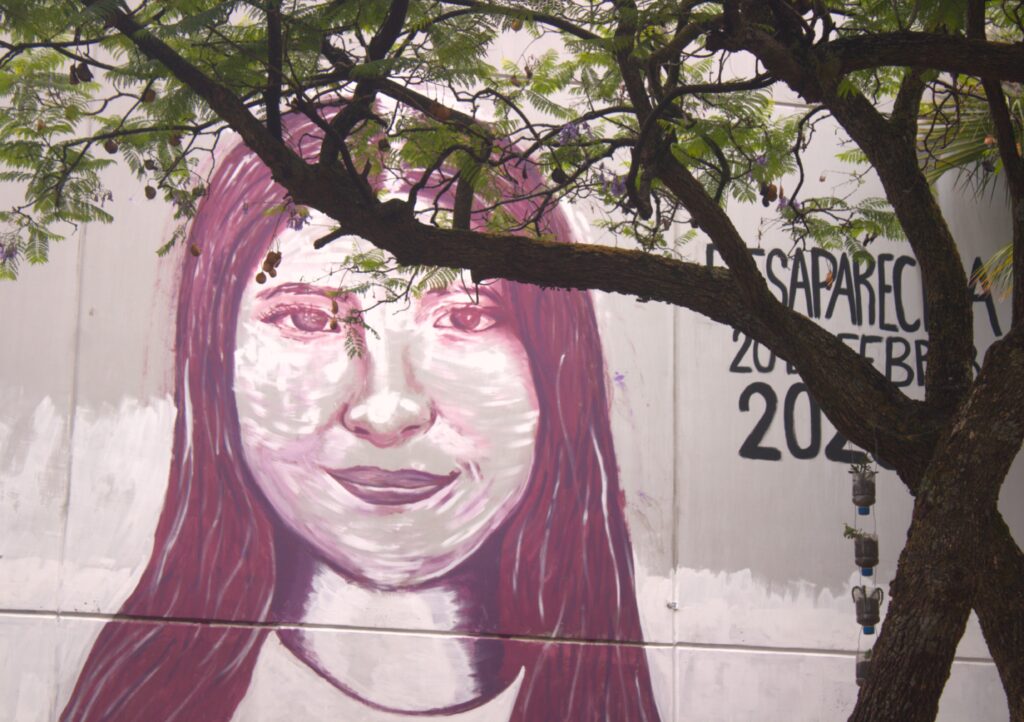
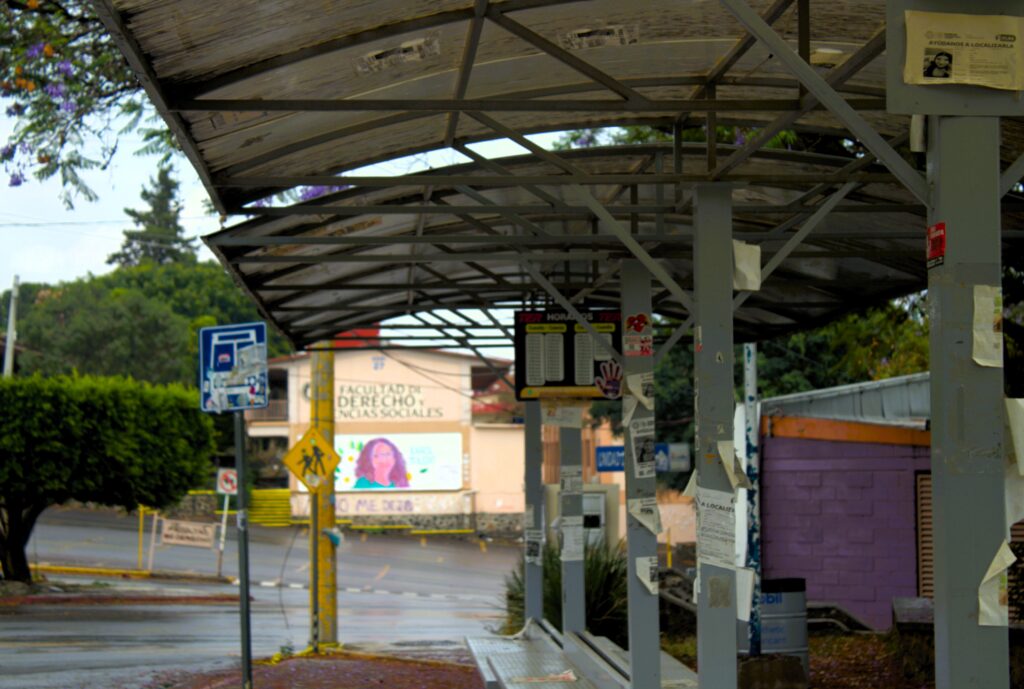
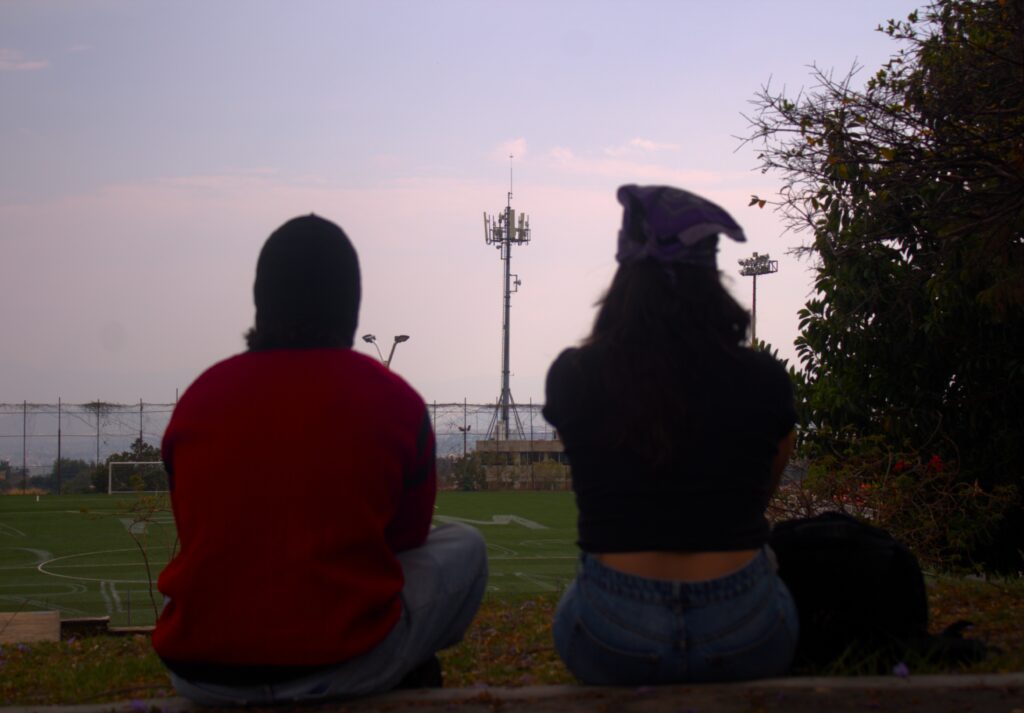
En esta tarde lluviosa al norte de Cuernavaca, la Resistencia Estudiantil de la UAEM está a días de cumplir ocho semanas de tener tomado el campus central de su universidad. La lluvia arrecia tanto que es en el estacionamiento dónde entrena el equipo de box dónde dos de sus integrantes nos comparten las raíces de su esfuerzo y de su esperanza colectiva. Lentos, nos damos cuenta muy tarde de que se nos olvidó decirles que sentimos que están volviendo Rexistencia colectiva la sobrevivencia cotidiana, pero igual ellxs ya lo saben y lo están logrando hacer andar desde hace un rato. “La Resistencia somos todxs”, nos dijeron en algún momento en el que la grabadora estaba apagada.
23/Abril/26. Fragmento sonoro de la charla con integrantes de la Resistencia Estudiantil de la Universidad Autónoma del Estado de Morelos:
24/abril/26. Participación de integrantes de la Resistencia Estudiantil durante las mesas de trabajo con las autoridades de la UAEM:
>>Estamos dirigidxs hacia un mismo rumbo
En algunas entrevistas que han dado les hemos escuchado mucho que todo ha sido quizá difícil pero también muy orgánico. En ese sentido, ¿cómo han logrado mantener en pie el campus de Chamilpa durante 8 semanas? Ya han narrado que todo surgió de manera muy espontánea y por mucha rabia y por mucha energía ante el feminicidio de Kimberly y de Karol, pero una vez que tomaron el campus, ¿de ahí para acá cómo ha sido ponerse de acuerdo entre ustedes para tener acuerdos de convivencia y de cuidado del campus?
Desde un inicio, la gente que conformó este movimiento pues era mucha gente que tenía la energía y la motivación para organizarnos de esta manera. Aún así, es un tiempo prolongado ya el que se ha estado manteniendo el plantón y pues hemos tenido que ir trabajando en nuestra organización interna, porque pues mantener un campus muy grande, muy extenso, es también un poco complicado. Pero se ha trabajado arduamente entre los alumnos que estamos manteniendo el plantón para llevar esta organización. Llevamos organización sobre las personas que acceden, los estudiantes que entran por ambas puertas. Llevamos organización de almacenamiento de víveres también. Se reciben y se resguardan, se hacen inventarios y se suministran de la manera óptima. También se tienen protocolos de convivencia aquí adentro. Al tener a mucha gente aglomerada en un lugar, pues es necesario establecer estos acuerdos, de una sana convivencia entre nosotros para que no pueda llegar a haber altercados, diferencias entre las personas que pues siempre llegan a surgir, ¿no? Sin embargo estos acuerdos nos han mantenido en pie y han logrado que el mantenimiento del plantón haya durado tanto.
¿Ha sido difícil escucharse entre ustedes y lograr llegar a consensos? ¿Cómo fue ese proceso de escucharse y de las posibles diferencias irlas aterrizando y decir “esto sí”, “esto no”? Y en ese sentido, ¿qué ha sido lo más importante para ustedes como estudiantes en resistencia para mantener en pie en el campus eso que nos narra el compañero?
No ha sido tan sencillo, pero creo que el diálogo es como siempre el camino para llegar a estos acuerdos. Y creo que lo que más nos importa a la mayoría de los que estamos aquí es el cuidado colectivo. El cuidado individual de nosotros mismos, de nuestros compañeros y también del espacio que estamos habitando. Entonces, pues creo que desde el principio se empezaron a hacer acuerdos dependiendo del espacio en el que se habitaba. Sí, como formas de organización que se tienen que adaptar a cada espacio, ¿no? Porque cada espacio es distinto. Y bueno, obviamente siempre hay diferencias porque somos muchas personas. Somos muy diversos. Entonces, pues sí, se fue desbordando esta necesidad de ir haciendo acuerdos de convivencia.
Sobre todo lo empezó como un grupo de personas y lo que se hizo fue plantear estos acuerdos e ir votando, ir adaptándolos, y con la participación de la mayor cantidad de personas posibles y siempre con el objetivo de cuidarnos como colectivo, como movimiento, y cuidar nuestro espacio también.
Ya casi con ocho semanas, ¿se sienten satisfechos, contentos, cansados? ¿Se pueden seguir cuidando con el mecanismo que han tenido hasta ahora? ¿Qué imaginan en lo inmediato?
Durante todo este proceso ha habido como mucha transformación en las personas, ¿no? Y también lo que se está armando ahorita es una comunidad muy bonita. Porque justo somos estudiantes autoorganizados y con la motivación de llevar bien a cabo este movimiento. Entonces eso ha permitido que establezcamos lazos entre nosotros muy muy fuertes como comunidad estudiantil y eso es gran parte de lo que también nos mantiene en pie hoy en día. Saber que aquí podemos encontrar compañeros en los que podemos confiar, en los que nos podemos apoyar y que todos sabemos que estamos dirigidos hacia un mismo rumbo.
Acaban de tocar una palabra central. Quizás confiar en nosotros, nosotras y nosotres es bien difícil. No siempre se logra la confianza entre quienes participan (en algún movimiento de resistencia). En ese sentido, ¿cuál será la clave o qué hay allí en ustedes? Porque muchos fuera estamos muy sorprendidos. A lo mejor nosotros no habíamos identificado que es confianza y le llamamos desde fuera organización. Ustedes están anunciando “confianza entre nosotros, lazos fuertes”. ¿Qué ha pasado que les ha permitido contar con ambas?
Pues creo que una parte de eso es la falta de confianza hacia las autoridades. Y pues así tenemos que confiar en nosotros mismos, ¿no? Y al final creo que empezar a conocer personas de otras unidades académicas, personas con las que nunca habías hablado, nunca te habías imaginado que ibas a convivir con esas personas, sí te lleva a generar esta empatía, esta confianza y saber pues que todos estamos pasando por cosas muy similares y la inseguridad es algo que nos toca a todas y a todos.
Y ver que todos estamos exigiendo las mismas cosas y que sí, nos toca a todos como comunidad. Y hay una ruptura muy grande entre las consecuencias que vivimos como estudiantes, a las consecuencias que pueden vivir las autoridades y que no hay una respuesta, pues nos lleva inevitablemente, creo, a juntarnos.
Y bueno, también es a raíz de la convivencia, de todo lo que hemos vivido juntos en estas casi 8 semanas. También creo que el diálogo ha sido clave también para mantenernos firmes y aguantando hasta ahora. Pues creo que es una mezcla de esas cosas, ¿no? Creo que la desconfianza sí puede romper las cosas. Y ha sido medio difícil, pero sí hemos generado esta confianza y se han creado lazos muy fuertes y muy bonitos con muchas personas porque pues estamos buscando lo mismo y creo que es algo legítimo, entonces de ahí viene también.
Una respuesta ambigua y sin un plan de casi todas las cosas que hemos pedido
Creo que a muchos fuera, a muchas nos llamó la atención su pliego petitorio. Decíamos al principio “Oye, están tardando en sacar su pliego petitorio”, y luego vimos que este no era tan común a otros pliegos. Hemos intentando buscar y creo que casi los pliegos petitorios eran “punto uno, que se vaya tal persona”. Punto dos tal. Frases y exigencias y ya. Tenías a lo mejor 10 frases o 10 exigencias, poquito más, poquito menos, y ya. El pliego de ustedes tiene 60 cuartillas prácticamente, un poquito más, poquito menos. No sé si por eso se estaban tardando tanto, porque a lo mejor no era la exigencia clásica de que se vaya una persona. Ante realidades tan complejas a la mejor (se necesitan) soluciones igual de complejas. Yo siento que su pliego no era clásico en ese sentido. Su pliego también decía cuáles creían que eran sus respuestas a las posibles respuestas. Y además tendía, creo yo, aunque eso a lo mejor no se ha logrado, ya pasaremos a ese punto, a dialogar con la otra instancia sobre cómo llegar a esos o acuerdos o posibles acuerdos. Creo que eso es algo digno de explorar. Y, también como nota que a lo mejor aporta en ese sentido, nos llamó mucho la atención cuando una compañera en alguna de las mesas en San José le dijo a la procuradora que debería tener más respeto por ustedes, pues un día antes solo habían dormido tres horas preparando la sesión. Entonces, también me da la sensación de que en estas 8 semanas, además de todo lo que ya nos contaron en las anteriores respuestas, también ha habido mucho estudio, mucho diálogo, mucho prepararse. ¿Es así?
Desde el inicio del movimiento el espíritu siempre fue procurar la horizontalidad. Entonces para nosotros exigir cosas a la autoridad tenemos que tener el consenso de toda la base estudiantil. Porque solamente la base estudiantil es quién sabe las necesidades que tiene.
Y soluciones, cualquier solución que pueda proponer la autoridad sin antes escucharnos pues va a ser superficial y no va a atacar a los verdaderos problemas que enfrentamos los estudiantes.
Entonces, pues sí, se llevó un proceso algo extenso de asambleas internas entre cada facultad para escuchar a la mayor cantidad de voces posibles y de ahí las facultades se reunieron con todo lo que se había recopilado de sus estudiantes y con ello se empezó a armar el pliego general buscando cumplir todo todas las necesidades que tenemos los alumnos. En tema de seguridad aquí dentro de la universidad y sí, es verdad que también en el movimiento pues hay alumnos muy capaces. Hay alumnos que están poniéndolo todo y estudiando y mejorándonos a nosotros mismos para poderle entregarle algo a las autoridades que pueda ser cumplido de la manera debida. No queríamos dar respuestas ambiguas ni darle lugar a la autoridad de realizar algún tipo de simulación o algo que solamente busque cerrarnos la boca.
Entonces fue la parte de este proceso extenso de horizontalidad para recabar la información de toda la base estudiantil y aparte este proceso de realizar un documento que esté bien fundamentado, que recopile todas las necesidades de toda la base estudiantil y que no le dé cabida a la autoridad para no cumplirlo, para no cumplir lo que les estamos pidiendo; que realmente lo que les estamos pidiendo es sentirnos seguros, que nuestra vida no esté comprometida al venir a estudiar.
Y bueno, sí es algo decepcionante que tengamos que tener tanto nivel para exigirle a las autoridades lo que desde un inicio ya deberían de habernos dado.
*
Es importante reconocer que muchas veces no hay respuestas reales, ¿no? Justamente hay simulaciones y lo hemos visto en muchas otras luchas sociales, que si bien pues si tiene pliegos petitorios muy puntuales, muchas veces se logran pocas cosas, porque yo creo que uno de los problemas más grandes es que las autoridades no quieren chambear.
Esa es la impresión que me da y entonces pues lo que se hizo fue proponer cosas también. O sea no solo exigir, sino hacer como una sistematización de las peticiones que más se repetían, tratando de desarrollar como los puntos centrales de todas las peticiones de las diferentes facultades y unidades académicas hablando de cuestiones un poco más generales de seguridad, porque pues cada unidad académica tiene sus necesidades específicas.
Y fue algo que incluimos también dentro del pliego petitorio, que se atienda a cada unidad académica en específico, pero creo que esperábamos poder tener una respuesta satisfactoria y pronta si nosotros también hacíamos propuestas.
Creo que se hizo un análisis un poco de algunas cosas que en los que hay vacíos, cosas que no funcionan, protocolos que no funcionan en cuestiones de seguridad, de la unidad de género y pues lo que se hace es proponer también. Es decir “ya te hice esta chamba nada más cúmplelo”. Porque creo que es una manera, bueno, esperábamos que fuera una manera un poquito más sencilla de que lo hicieran, ¿no? De que trabajaran. Pero bueno, no sé si se ha visto hasta ahora eso, creo que no.
*
También me gustaría añadir que nuestras peticiones no solo se basan en condiciones materiales de seguridad. También estamos pidiendo reestructuración en los protocolos de denuncias y que no haya impunidad hacia los agresores que siguen estando presentes en las aulas, en las áreas administrativas, y que continúan impunes. Lo que buscamos también es buscar este sistema para que estas personas ya no tengan cabida dentro de la institución.
De hecho esas 60 y tantas cuartillas de propuestas, como nos acabas de narrar, están sintetizadas en nueve puntos. Y en ese sentido yo quisiera preguntarles… Dices “yo creo que no quieren chambear”. ¿Cómo ha sido eso? Yo entiendo que ahora ustedes no están hablando a nombre de toda la Resistencia porque todo lo llevan a consensos y asambleas, pero bueno, en la mirada de ustedes, ¿será que no las autoridades no quieren? ¿no pueden? ¿qué está pasando ahí? Porque las autoridades también sacaron de manera rápida su respuesta a su pliego, y según ellas ya estaba satisfecho su pliego con sus respuestas. Entonces, ¿qué está pasando allí? Pasan las semanas, pasan con los diálogos, ¿qué es qué es lo que les hace sentir que está faltando del otro lado? Y sobre todo cuando afuera hay una lluvia de narrativas en donde se les acusa mucho a ustedes de ser intransigentes. Ustedes que tienen esa claridad de todo el pliego, ¿por qué dicen que no hay avances reales en lo que han presentado las autoridades? ¿Qué está pasando ahí? ¿Por qué a veces algunas voceras dicen <<Es que no nos están leyendo, no nos están entendiendo, no nos están escuchando, no se están poniendo en nuestro lugar>> ¿Qué está pasando ahí? ¿Cuál sería una buena señal de que sí les están escuchando, de que sí están entendiéndoles del otro lado lo mínimo en cuanto a seguridad? ¿Es que son ustedes intransigentes o qué está sucediendo ahí en ese diálogo entre ambas instancias?
A pesar de que se ha podido entablar el diálogo con las autoridades, las respuestas que nos han dado hasta el momento han demostrado ser ambiguas, que no tienen protocolos verificables ni calendarizables, ¿no? Y justo a eso nos referimos cuando decimos que no queremos simulaciones. Queremos que nos digan “te voy a cumplir esto y te lo voy a cumplir de tal manera y en tal tiempo.” No es de nuestro conocimiento el por qué las autoridades no nos han dado ese tipo de respuestas que nosotros queremos. Pero es un hecho que no lo han hecho y por eso se siguen llevando a cabo los diálogos, y bueno también nos hemos visto obstaculizados muchas veces, ¿no? Hubo una ocasión donde tuvimos una mesa de diálogo que se vio interrumpida porque llegaron los directivos de la Facultad de Nutrición a hostigarlos durante un momento vulnerable porque estudiantes de ese plantel estaban atendiendo en ese momento a la mesa de diálogo. Entonces esto, además de que ya se había firmado un acuerdo institucional de garantía de no represalias, nos impidió continuar con el diálogo. Porque el acuerdo ya estaba firmado, pero las represalias seguían sucediendo y estábamos dejando vulnerables a los compañeros que estaban en esas instalaciones. Entonces, cosas como esa nos han llegado a retrasar también ya que en ocasionan esas cosas también se tienen que hablar en las mesas de negociaciones.
Entonces, yo no creo que sea intransigencia nuestra, porque nosotros ya dejamos bien en claro lo que estamos pidiendo, y a pesar de las respuestas ambiguas que nos entregan las autoridades, nosotros continuamos con el diálogo y les decimos <<es que esto no es así, nosotros estamos pidiendo esto>> Pero pues bueno, seguimos con la motivación y con el espíritu de que se nos cumplan todas nuestras exigencias.
En ese sentido, de los nueve puntos del pliego, ¿habría algunos en los que ustedes sienten que ya se les cumplió? ¿Eso permitiría seguir avanzando o tienen que resolverse los nueve puntos juntos? Si quizás ha sido muy difícil afuera seguir el ritmo de los diálogos, como ahora que están hablando en sesiones permanentes de 8 horas, ¿cómo sintetizarían su recorrido? ¿Creen que están cerca, que están avanzado? Y sobre todo, qué sería lo mínimo para decir “creemos que vamos a estar seguros en el campus”. Porque afuera a veces pareciera que es un callejón sin salida y entre ese callejón sin salida avanza más, a lo mejor los dos polos se distancian más, y por fuera a lo mejor la población deja más indefensa a un polo, ¿no? Justo escuchamos en algunas entrevistas que también han dado compañeros de ustedes que de repente sienten que hacia fuera no se les comprende tanto.
Creo que ha sido un proceso medio complicado justamente ver cuáles son las condiciones mínimas que necesitamos, porque creo que la mayoría de las cosas que estamos pidiendo son cosas mínimas, ¿no? Y que la mayoría de universidades tienen… O sea es que ya está como dado por hecho que si llegas a un lugar te tienes que registrar al menos, ¿no? O sea, como que haya un control de entradas y salidas, que haya un registro, que haya personal de seguridad suficiente, y sabemos que no es algo que se pueda trabajar desde el seminario porque esas son cuestiones materiales, físicas, pero lo que hemos pedido es al menos un cronograma, un diagrama, un plan, algo donde nos digan cómo van a implementar eso que les estamos pidiendo. Y no nos han dicho.
Y la comisión de seguimiento, porque pues sí queremos que se cumpla todo y no mañana, ¿no? Porque sabemos que hay cosas que son a corto plazo, a mediano plazo, a largo plazo, y no todo se puede lograr en una semana, pero sí nos gustaría que nos garantizaran que se van a ir cumpliendo, que va a haber un plan y plazos de cumplimiento, que fue una de las cosas que les pedimos para asegurarnos de que sí vamos a tener en algún momento condiciones dignas de seguridad adentro del campus.
En la opinión pública está la sensación de que Resistencia no quiere regresar a los campus hasta que todos los acuerdos se resuelvan en el seminario. Yo ahora te acabo de escuchar que tienen esa claridad de que eso no es así, de que también están con la visión de que hay cosas que se van a resolver ya dentro de él, incluso uno de los puntos es el diálogo directo con cada facultad para resolver los asuntos. Pero esto a lo mejor no se ve afuera. Lo que me estás diciendo es que al momento ni siquiera en lo mínimo, en lo mínimo para ustedes, han tenido una respuesta satisfactoria ¿Es así?
Sí. No hay un plan. Hay una respuesta ambigua sin un plan de casi todas las cosas que hemos pedido.
¿Será que es posible que ocurra eso? Porque nos da la sensación en las mesas de que ustedes hablan desde el corazón, desde su experiencia, desde su cuerpo, y rectoría habla desde leyes, desde procesos, desde reglamentos. Las instituciones muchas veces están hechas para perdurar y ustedes quieren es transformar de raíz. Esto va a ser difícil. En algún punto no sé si alguno de los dos espacios va a tener que ceder o se hace una mezcla ahí novedosa. ¿Han platicado entre ustedes cómo se podrá resolver eso? De raíz ambos movimientos tienen pues otra energía, otro camino. ¿Se podrán juntar? ¿Tienen esperanza en eso?
Pues lo que se está llevando a cabo con las autoridades es una negociación, ¿no? Y en la negociación pues siempre tienen que terminar como ganando ambas partes. De lo que estamos pidiendo no han cumplido ni con lo mínimo. Pero nosotros tampoco podemos como ceder en cosas si tampoco se nos está dando cumplimiento a lo mínimo que ahorita estamos pidiendo. Yo creo que sí está este potencial de poder llegar a acuerdos. Las autoridades por lo menos ya están en la disposición de sentarse enfrente de nosotros y escucharnos, ¿no?
Eso nos hace creer a todos de que sí se va a llegar a resoluciones, solo que va a ser un proceso pues tardado, difícil. Pero, como te comento, este movimiento es realizado por estudiantes que tienen esta motivación, tienen esta llama dentro de ellos para que las cosas no se queden igual.
Nosotros buscamos una transformación, y no podemos dejar que se nos quede a medias, ¿no? Llevamos ocho semanas aquí. Mucha gente ha puesto mucho de ellos, ¿no? Tanto su energía, su mente, sus recursos para seguir manteniendo el movimiento y eso también nos mantiene firmes para llegar a acuerdos con las autoridades, que todavía tenemos la esperanza de que sí nos cumplan.
Si estamos haciendo esto es porque queremos estudiar en condiciones dignas
Retomando la discusión de que se han devuelto la confianza en ustedes mismos y han demostrado que es posible volver a estar juntos y dar la cara y luchar, creemos que la mayoría de ustedes, esa sensación nos da, pues son compañeros, compañeras, compañeres, que la mayoría quizás no pasan de los 24, 25 o incluso 20 años, ¿no? Más, menos. En ese sentido literalmente nacieron, aprendieron a hablar, empezaron a caminar justo cuando estalló la guerra en México en el 2006. Por ello creemos que ha sido sorprendente y asombroso, y creo que también por eso nos asombran tanto en un sentido positivo, porque en muchos lugares ya está como esta sensación de que ante un contexto tan pesado de inseguridad, feminicidios y de violencias de todo tipo desbordadas, ya la gente no podía tener intentos de estar juntas para transformar cosas. Y de repente ahí está la Resistencia Estudiantil. Nos parece que están introduciendo cosas que hacen muy fuerte esa posibilidad de resistir juntos, juntas, en contextos muy fuertes y violentos. En ese sentido, ¿cómo se autoconciben ustedes? ¿Lo ven así o son como más humildes, más tranquilos? ¿Han vislumbrado ese alcance que pudiera tener su lucha o están como por ahora más concentradas, más concentradas en el pliego, en lo inmediato? Esta semana algunos activistas y luchadores de viejo antaño en Morelos ya decían que ustedes son la nueva oleada del movimiento estudiantil. ¿Está esa sensación en ustedes? ¿Han evaluado la fuerza de esta resistencia o van paso a paso? ¿Se ven como una generación nueva que está introduciendo cosas novedosas acerca de cómo resistir o la cotidianidad? ¿O en qué están concentrados, concentradas?
Yo creo que es algo que ha oscilado mucho en este tiempo, al menos personalmente pienso que de repente sí me he sorprendido y me han sorprendido mis compañeros, porque sí pienso que en el contexto en el que vivimos, no solo en México, sino en el global, es necesario y es inevitable llegar a a este punto. Creo que se ha desarrollado una desconexión muy grande entre las personas. En general, creo que es mucho más difícil hacer comunidad, es mucho más difícil identificarse con un grupo. Y entonces pues llegamos a este punto por presiones externas que creo que pues no sé, al sentir esta sensación de identificarnos, de unidad, de comunidad, creo que eso también nos da fuerza, o sea, como no haberlo vislumbrado antes. Es la percepción que yo tenía al menos como del mundo, de nuestras generaciones, de nuestros contextos, que pues que era muy complicado crear comunidad, crear, llevar o sostener procesos de resistencia, y creo que ver que al menos crear comunidad sí se puede es algo que también nos ha motivado para seguir adelante.
Por otro lado, creo que también muchas veces pasa que pega un poco la desesperanza, ¿no? A veces es difícil verlo como desde afuera. O no sabemos qué imagen estamos proyectando realmente al resto de la población. Al menos a mí me ha pasado que muchas veces pienso “Sí, vamos a hacer un cambio, y es algo histórico”, y a veces digo “cuántos procesos ha habido así que no llegan a nada”. Y también pienso que es muy difícil que, al menos que de Morelos salga como este tipo de noticias y este tipo de luchas, o sea, esto es otro contexto, por ejemplo, que en Ciudad de México, que creo que sí pueden tener un poquito de más alcance mediático al menos.
Y bueno, la sociedad es muy distinta también, pero sí, yo he oscilado mucho entre esas dos como extremos un poquito…como de repente de mucha esperanza y luego de desesperanza y de frustración y de pensar que… digo, también tenemos que enfocarnos en lo que está pasando, porque creo que hay crisis muy seguido, ¿no? Si no diario cada tercer día, que hay que resolver y entonces pues tu energía está como puesta en eso.
Y es difícil y creo que ha sido uno de los errores que hemos cometido, como no voltear a ver al resto del mundo y no encerrarnos en nosotros mismos, como en nuestra lucha, sino conectar con otras luchas y con otros procesos de resistencia.
*
Sí, yo quisiera agregar que sí, como comentan, desde el primer momento esto fue muy orgánico, ¿no? Y nunca vislumbramos el alcance que podría llegar a tener. Sin embargo las personas que están con nosotros, que nos apoyan, nos traen víveres o nos mandan mensajes de apoyo, lo que sea, nos expresan que les damos esperanza también a ellos, y nosotros les agradecemos por su apoyo y la respuesta que obtenemos es “Gracias a ustedes por lo que están haciendo”.
Entonces, pues sí, lo que inspiró a este movimiento es un problema ya global, ¿no? Este movimiento en específico nació por ya meterse con universitarios. Entonces, es un movimiento universitario. Sin embargo, pues como comenta aquí mi compañera, el problema de inseguridad es un problema de todos, de todo el mundo.
Y si la cosa sigue poniéndose cada vez peor, pues la gente va a tener que exigir esa seguridad tarde o temprano, ¿no?
También nos da la sensación de que le tienen mucho cariño a la universidad. Incluso propusieron en alguna mesa que esto fuera un ecosistema controlado. ¿Qué es para ustedes la universidad? Nos queda claro que se defienden a ustedes mismos, mismas, a las compañeras sobre todo, pero también percibo que le tienen cariño a la universidad. Percibimos que allí hay algo que también ha jugado en que resistan tanto. Ya han hablado en algunos de sus videos que lo que quieren es habitar su universidad. ¿Pero qué significa eso? ¿Qué significa para ustedes que la estén defendiendo porque la quieren habitar con seguridad?
Para nosotros como universitarios es una parte fundamental de nuestras vidas. Y nosotros estamos decidiendo venir aquí a estudiar, a prepararnos, a conseguir nuestros sueños, a superarnos, a ser mejores personas para tener una mejor sociedad. Entonces, no podemos estar permitiendo que se nos vulnere este espacio.
No, no podemos permitir no sentirnos seguros aquí dentro, ¿no? Entonces, bueno, esa es una parte que sí representa algo muy sagrado para nosotros: la universidad. Y también lo que estamos defendiendo pues es el derecho a la vida, ¿no?
Eso también es una gran motivación para nosotros porque, bueno, por lo menos para mí como hombre, pues yo tengo amigas, tengo una pareja, tengo mamá, tengo tías, ¿no? Y bueno, los hombres también están en riesgo, ¿no? De toda esta violencia. Y yo creo que dentro de cada uno de los que están en este movimiento está la preocupación por estas personas a las que queremos proteger.
A los próximos estudiantes, ¿no? Aspirantes que quieran entrar a esta universidad, también cuidarlos a ellos y conseguir un espacio más seguro para nosotros los universitarios; y claro, claro que le tenemos mucho aprecio y mucho cariño a la universidad. Al estarla habitando aquí también se ha dado un fenómeno sobre sentirla también más propia.
Nosotros al estarnos encargando del mantenimiento, de instalaciones, de procesos aquí dentro, mantener todo este plantón, pues inevitablemente ha provocado que aumente nuestro sentido de pertenencia aquí.
Y si en este momento nosotros estamos resguardando las instalaciones es para que en un futuro, cuando se nos cumplan las exigencias, las instalaciones puedan seguir seguras, ¿no? Que este sea un espacio de crecimiento personal, de conocer a personas hermosas, ¿no? Compañeros que comparten tus ideales, que comparten sueños, a lo mejor que pueda seguir siendo seguro para todos.
*
Sí, siento que pasamos cuánto tiempo aquí adentro como estudiantes. Al final sí es pues como una segunda casa. Algunos pasan más tiempo aquí que en su propia casa. Es como todas las actividades que podemos hacer aquí, todas las personas a las que pues vas conociendo en tu proceso de vida universitaria.
Los maestros también. creo que la mayoría estamos aquí porque nos encanta aprender, porque nos gusta nuestra carrera, porque queremos crecer como personas, porque… al menos en mi caso creo que amo a mis compañeros. Creo que tenemos una relación muy bonita. Hay muchos maestros también que pues nos han dejado cosas súper valiosas, no solo como en cuestiones de contenido académico sino para la vida.
Pasamos un montón de tiempo aquí, nos piden horas de formación integral, tenemos que pasar más tiempo aquí, tenemos que ir a prácticas, tenemos que hacer servicio social, como todo el tiempo que le dedicamos a eso, pues es nuestra vida estos cuatro o cinco años o más si estás en un posgrado. Y son los espacios que habitamos porque sí es como una segunda casa.
Y yo pienso que en este contexto de violencia estructural que se vive, pues qué mejor espacio para generar otro tipo de relaciones que una universidad, ¿no?
Creo que eso no debería ni de cuestionarse, creo que las autoridades que tienen una mentalidad muy institucional pues no lo pueden ver, pero qué mejor espacio para generar otro tipo de relaciones, otro tipo de estructuras. O sea, creo que es el lugar, ¿no? O sea, la escuela, también las prepas, ¿no? de la UNAM, los técnicos. Creo que pues nos estamos formando como personas, ¿no?
Entonces sí es super necesario generar esta otra perspectiva como de convivencia, como pues no sé, como de paz, ¿no? De perspectiva de género, de no violencia. Creo que eso empieza aquí adentro.
Y que justamente si las personas que están en la universidad se dedican a generar conocimiento y a reproducir este conocimiento, debería de ser un espacio en el que quepa todo esto.
Les agradecemos mucho esta charla, y cerramos preguntándoles si hay algo importante que deseen agregar
A mí me gustaría comunicarle a las personas que nos están escuchando que también ayuden a difundir la información sobre de lo que trata el movimiento. Para combatir también esta ola de desinformación que nos está golpeando.
Y que realmente somos alumnos molestos exigiendo sus derechos, ¿no? Es todo lo que somos y pues nada, también agradecer a toda esa gente que nos ha traído víveres, que nos ha mandado su apoyo de cualquier manera, de la manera que se ha podido. Agradecerles.
*
Yo sí quisiera agregar también que uno de los conflictos que estamos viviendo en estos últimos días, en la semana anterior, pues es esta falsa como confrontación que hay entre estudiantes por querer hacer esta ponderación del derecho a la educación y el derecho a la protesta, cuando el derecho a la vida es lo primordial, ¿no? Queremos ejercer nuestro derecho a la educación y por eso estamos aquí, no es que no queramos estudiar, no es que seamos flojos, porque también estar aquí implica un esfuerzo muy grande y muchísimo tiempo y un montón de energía física y mental. Y pues también es un proceso de aprendizaje para todos, yo creo. No solo se aprende adentro de las aulas. Y bueno, si estamos haciendo esto es porque queremos estudiar en condiciones dignas. Queremos estudiar, por eso somos universitarios, por eso estamos aquí.
El jueves 16 de abril a las 12 hrs se llevará a cabo la audiencia inicial de Antonia Hernández López, Jerónimo Moreno Hernández y Victorio Moreno Hernández, en el tribunal de enjuiciamiento de Yajalón por el supuesto delito de despojo agravado. Son diez personas integrantes del (CNI) Chiapas, acusadas por el delito referido.
Ante esta situación, interpelamos a las autoridades para garantizar, respetar y proteger la libertad, la vida, la integridad y seguridad personal e invitamos a la sociedad civil a enviar cartas a la Fiscal General de Justicia del Estado de Chiapas, Fiscal de Justicia Indígena y al Tribunal Superior de Justicia para solicitar su intervención con relación a la audiencia inicial de Antonia, Jerónimo y Victorio.
Firma y envía las cartas desde tu correo electrónico aquí:
Desde la Asamblea Nacional por el Agua y la Vida (Anavi) nos declaramos en ALERTA ante la agresión ejercida contra nuestra compañera Hortensia Telésforo (de la Asamblea de Atlapulco y Tlamachtilollan) que en estos momentos se encuentra en urgencias.
Llamamos a todos los colectivos y organizaciones a estar pendientes para responder al llamado que nos hagan los compañeros de la Asamblea de Atlapulco y Tlamachtiloyan.