Frayba
Frayba: Se reactivan acciones de contrainsurgencia contra los pueblos zapatistas
San Cristóbal de Las Casas, Chiapas, México
10 de octubre de 2026
Boletín No. 16
Se reactivan acciones de contrainsurgencia contra los pueblos zapatistas
- Hostigamiento, detenciones arbitrarias y ataques a la educación autónoma
El Centro de Derechos Humanos Fray Bartolomé de Las Casas (Frayba) documentó las agresiones de contrainsurgencia en contra de las Bases de Apoyo del Ejército Zapatista de Liberación Nacional (BAEZLN) del ejido La Culebra, perteneciente al Caracol 9, Nueva Jerusalén, municipio oficial de Ocosingo, Chiapas.
Del 3 al 6 de octubre de 2026, hemos registrado actos de hostigamiento, detenciones arbitrarias, amenazas y acoso en contra de BAEZLN, con la finalidad de quebrar la autonomía zapatista e imponer el control político y territorial en la región.
Las BAEZLN denuncian que, el programa federal “La Escuela es Nuestra”, está siendo utilizado como mecanismo de presión que obliga a aumentar la matrícula en la escuela oficial para recibir mayores recursos económicos, lo que incentiva a autoridades comunitarias a amedrentar a las familias zapatistas que sostienen su educación autónoma.
El 3 de octubre, aproximadamente a las 15:13 horas, fue detenido y privado de su libertad Sebastián Pérez Gutiérrez, BAEZLN del ejido La Culebra. Su detención responde a la inconformidad de madres y padres zapatistas de inscribir a sus hijas e hijos en la escuela oficial, ejerciendo su derecho a la educación autónoma. Sebastián permaneció 24 horas en la cárcel comunitaria y, al rechazar el pago de una multa impuesta de manera arbitraria, fue nuevamente privado de su libertad.
El 4 de octubre, alrededor de las 17:09 horas, fue detenido Daniel López Aguilar, también BAEZLN, bajo la misma acusación y acción represiva para castigar la decisión de las familias zapatistas de impulsar su propio sistema educativo.
El mismo día, 4 de octubre, compañeras BAEZLN fueron llamadas de manera individual por el comisariado ejidal, quien las acusó de “que habían cometido un error” y de “decir mentiras” ante sus autoridades autónomas, y que por ello debía aceptar una multa de $500,00 pesos. Frente a la resistencia, las compañeras fueron sometidas a humillaciones, coaccionadas y amenazadas de ser llevadas a la asamblea ejidal si no cedían. Ante este clima de hostigamiento, ellas aceptaron bajo presión, solicitar un plazo de 20 días para cubrir la multa, en un contexto que evidencia la violencia patriarcal y en contra de su autonomía.
El 6 de octubre, durante una asamblea comunitaria, fueron detenidos Marcos López Mendoza, Mariano Pérez López y Antonio Pérez López. Más tarde, a las 9:21 horas, se reportó la detención de Miguel Ángel Cruz Díaz.
Al momento de la publicación de este boletín, las seis personas, integrantes de las BAEZLN han sido liberadas, aunque el ejido mantiene multas injustas que ascienden a $48,450 pesos, dirigidas tanto a las personas detenidas como a otras familias zapatistas, las cuales responden a un patrón de castigo, que vienen desde las estructuras del poder de los partidos políticos y de los programas sociales de desarrollo gubernamental, en su afán de control, cooptación y manipulación hacia las comunidades.Finalmente, las familias han reafirmado su derecho a la educación de sus hijas e hijos según sus propias formas de organización y autonomía.
Estos hechos ocurren en el marco de los preparativos de la “Gira por la Vida: Capítulo México”, en la que integrantes del EZLN viajarán a la Ciudad de México para reunirse con Grupos, Colectivas, Colectivos, Organizaciones y Movimientos de Familias buscadoras. La reactivación de agresiones contra las comunidades zapatistas se inscribe en un contexto más amplio de acciones contrainsurgentes, toleradas o permitidas por autoridades municipales, estatales y federales, que buscan debilitar la organización autónoma y la defensa territorial.
(Continuar leyendo…)
Organizaciones denuncian destrucción de bosques y selvas en Chiapas y amenazas contra comunidades indígenas
Organizaciones denuncian destrucción de bosques y selvas en Chiapas y amenazas contra comunidades indígenas.
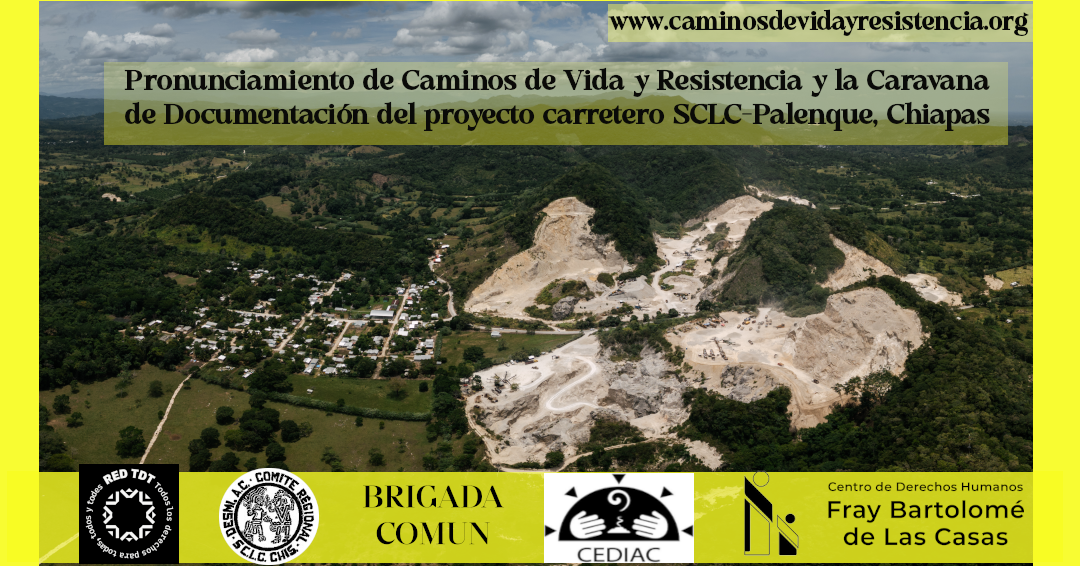
● Reviven megaproyecto de autopista privada Palenque – San Cristóbal: la destrucción de bosques, selva y manantiales es alarmante.
● Organizaciones denuncian la criminalización y el hostigamiento a defensores indígenas.
● Comunidades denuncian procesos de consulta amañados y sin la presencia de las mujeres, atropellando los derechos de los pueblos y comunidades indígenas.
Las organizaciones y colectivos ambientales, climáticos y de Derechos Humanos que suscriben esta carta exigimos un alto inmediato al hostigamiento y los intentos de criminalización de las personas defensoras del territorio que rechazan la autopista de alta velocidad Palenque-San Cristóbal de las Casas, denominada “Ruta de las Culturas Mayas”, en el estado de Chiapas. Este megaproyecto, diseñado en sexenios pasados, ha sido rechazado por cientos de comunidades indígenas desde su concepción original en 2014, ya que representa un atropello de grandes dimensiones a los derechos y cosmovisión de los pueblos mayas que habitan este territorio desde hace más de 2,500 años. Hacemos un llamado a las autoridades federales, a la titular de la SEMARNAT, Alicia Bárcena Ibarra, de la PROFEPA, Mariana Boy Tamborrell, y a la Presidente de la República, Claudia Sheinbaum Pardo, para que detengan el avance de este devastador proyecto.
En días pasados, distintas comunidades choles, tseltales y tsotsiles, organizaciones de derechos humanos y Gobierno Comunitario de la zona de Chilón, Chiapas, han reportado un incremento en los intentos de criminalización y en la vigilancia dirigida a personas que se oponen a la Supercarretera, incluyendo el sobrevuelo de drones sobre sus tierras. Ante las medidas de hostigamiento y represión con las que se busca imponer un megaproyecto que implica el despojo y la destrucción de miles de hectáreas de selva, bosque, manantiales, cerros y parcelas de cultivo de los que dependen miles de personas, exigimos a los distintos niveles de gobierno que cesen la persecución de quienes defienden la vida.
Una autopista privada de alta velocidad no puede imponerse ante la voluntad y los derechos humanos de quienes basan su subsistencia en la siembra y el cuidado de la tierra. La obra ya ha destruido manantiales de los que dependen comunidades de manera directa. y la presión para continuar con la construcción ha llegado incluso a la invasión de parcelas familiares por parte de trabajadores de las empresas encargadas de la misma. Cabe resaltar que las mujeres fueron dejadas fuera de los procesos de consulta y socialización. Mujeres de distintas comunidades tseltales, choles y tzotziles denuncian que se realizaron asambleas con personas ajenas a las comunidades y sin la presencia de ellas.
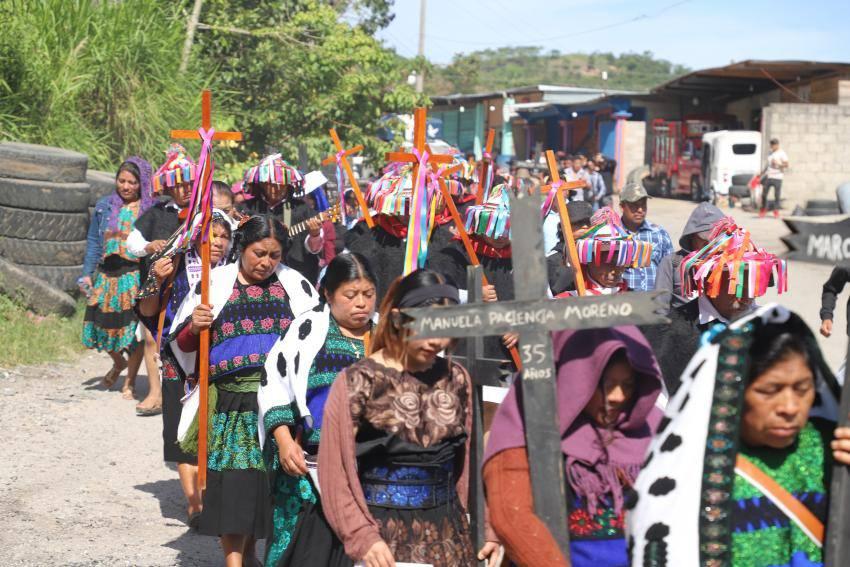
Tras la reciente movilización del 9 de agosto, cuando más de 4 mil personas de 600 comunidades indígenas se movilizaron con una peregrinación para mostrar su rechazo a la supercarretera, no ha habido autoridades que les escuchen y respeten su voluntad. La
discriminación y abuso del que son blanco nuestras compañeras y compañeros chiapanecos son ejemplo del profundo racismo que acompaña a los megaproyectos en losterritorios indígenas. Este megaproyecto significa un incremento en la vulnerabilidad de las
comunidades cercanas al trazo de la autopista, la cual carece de los estudios y permisos necesarios para iniciar la construcción, y que tampoco se ha presentado con veracidad a las personas que serían impactadas. La supercarretera implica una supuesta modernización que, en realidad, destruye las formas de vida de un estado cuyo bienestar depende del equilibrio de los ecosistemas sobre los que se impondría.