Autonomia y Resistencia
[:es]83 aniversario del ejido Tila: el orgullo de ser indígenas choles[:]
[:es]
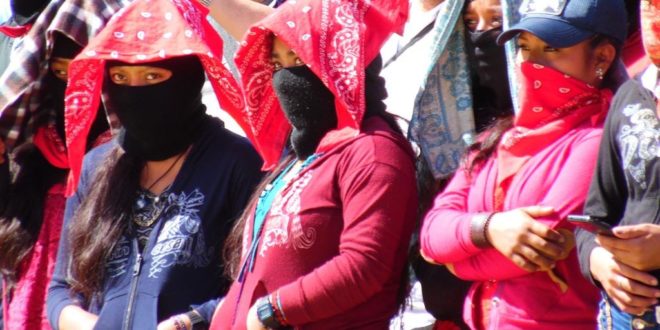
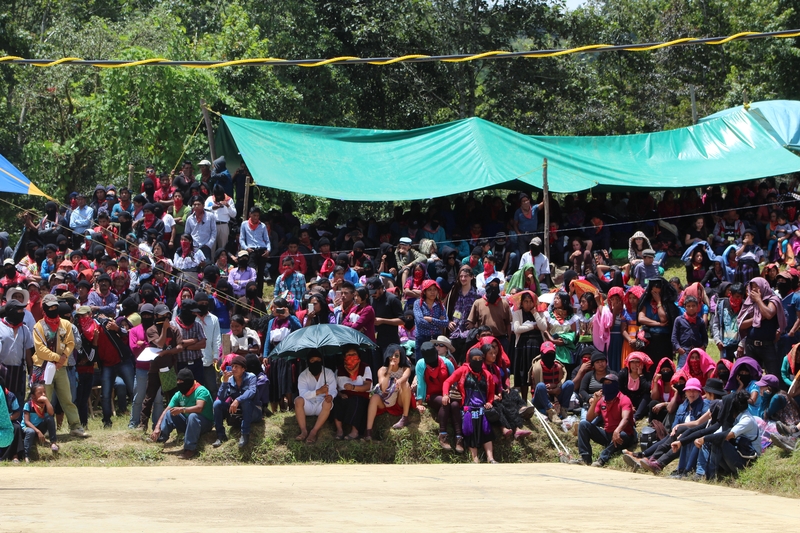
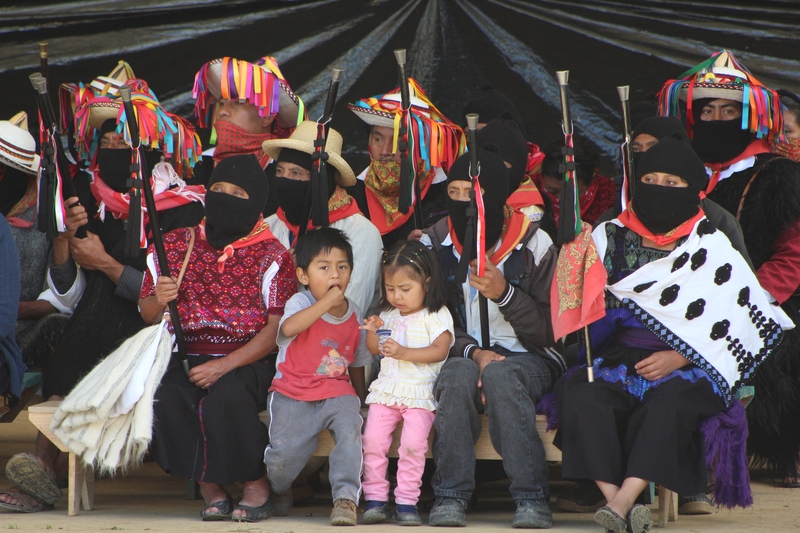
Tila Chiapas, 30 de julio. “Es importante leer la historia, pero también la lucha por la autonomía es una historia que se está escribiendo”, afirmaron las y los indígenas Choles, al celebrar con una kilométrica marcha y mitin, el 83 aniversario de la fundación de su Ejido. A sus abuelos les tocó realizar varias travesías a pie, a la capital del estado para que sus derechos fueran reconocidos, hoy en día las nuevas generaciones luchan por que su autogobierno y libre autodeterminación sean respetados.
A un año y siete meses de que los también integrantes del Congreso Nacional Indígena (CNI), decidieran retirar a la presidencia municipal de sus tierras para que fuera la asamblea ejidal la que gobernara al pueblo, con la masiva conmemoración de su aniversario, se comprueba el ambiente de paz y organización que se vive en el ejido, desmintiendo los rumores de “caos en la población”, que han propagado los grupos afines al gobierno y partidos políticos que exigen el regreso de la alcaldía.
Durante un concurrido mitin en la plaza central de Tila, el ejido Chol, recordó que en 1934 logró su pleno derecho comunal, con la obtención de la “Carpeta Básica”, donde se reconocía como legítimos propietarios de las 5405 hectáreas, a 836 “Capacitados”. Los también adherentes a la Sexta, precisaron que los hijos y nietos ahora pueden gozar de esas tierras, pero que “la tierra no se vende, no es negociable”, en referencia a la pretensión de los grupos oficialistas de cambiar el uso del suelo y poder así comercializar la tierra, que con mucha dificultades lograron sus abuelos.
Durante la conmemoración, los ejidatarios en resistencia dejaron claro que es de suma importancia conocer el contenido de documentos como la “Carpeta Básica”, el “Acta de Posesión” y el “Plano Definitivo”, porque es necesario “saber dónde estamos parados; qué tipo de terrenos tenemos ”. “La tierra es el tesoro más grande que nos han dejado, nos acobija, nos viste”, aseguraron. En la celebración también se recordó las luchas de personajes de la Independencia de México, como a Miguel Hidalgo, Juan Aldama, José Mariano Jiménez e Ignacio Allende.
“Hoy en día nos amenazan con la reforma energética privatizadora; con el Tratado de Libre Comercio; con privatizar la educación, la salud; con la contaminación del medio ambiente; con el despojo a los pueblos originarios”, argumentaron los indígenas choles, quienes desde la plaza cívica de Tila, convocaron a ser consientes y a “unir fuerzas, porque se está a tiempo de defender nuestros derechos”. “Les hacemos un llamado para la vida, no para la muerte. Nunca más un México, sin nosotros”, exclamaron de manera contundente las y los indígenas chiapanecos.
De parte de organizaciones y colectivos de Francia, País Vasco, Italia, Cataluña, Estado Español y el Reino Unido, también llegaron saludos y felicitaciones por el 83 aniversario del Ejido Tila.[:]

[:es]CompArte por la Humanidad 2017 – Día 7 (audios y fotos)[:]
[:es]
CompArte por la Humanidad 2017
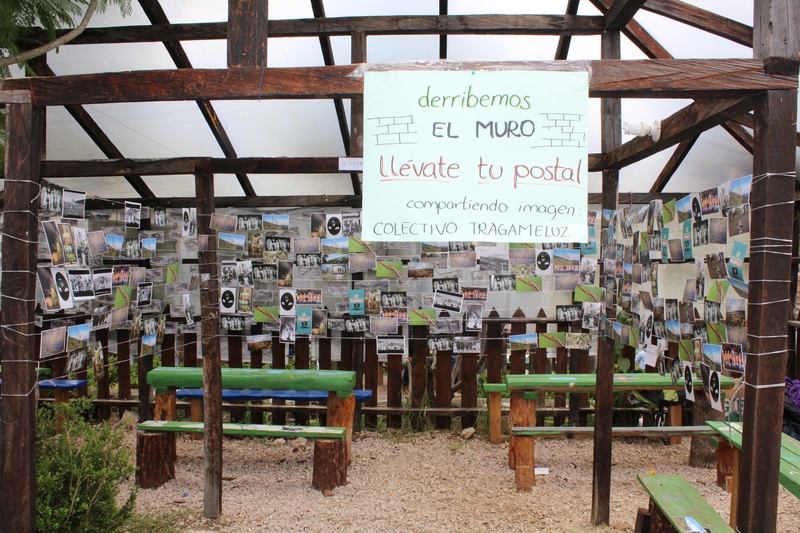
“Contra el capital y sus muros, todas las artes”
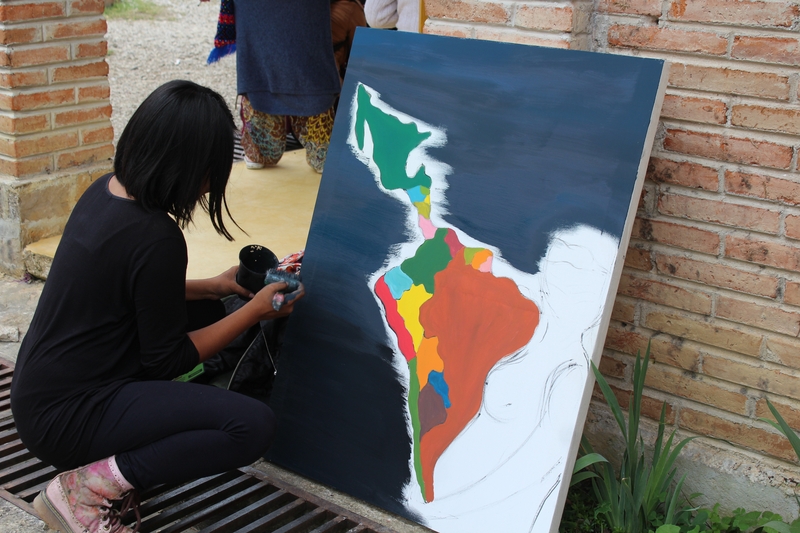
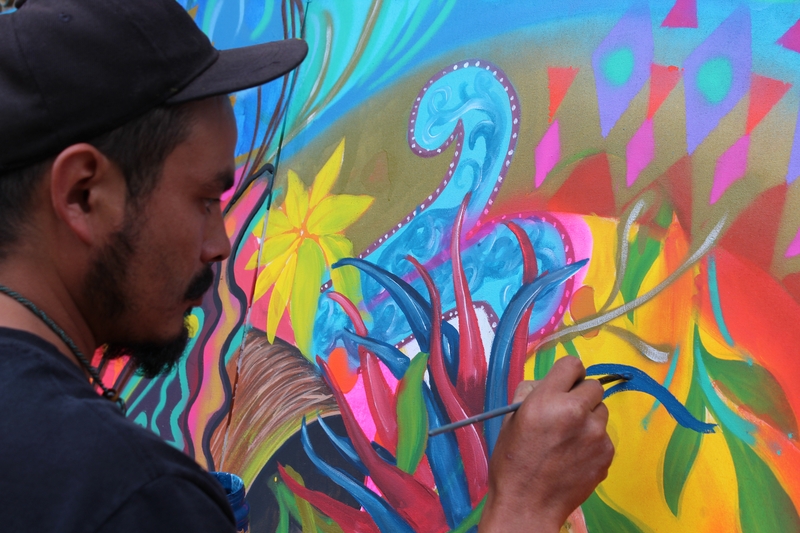
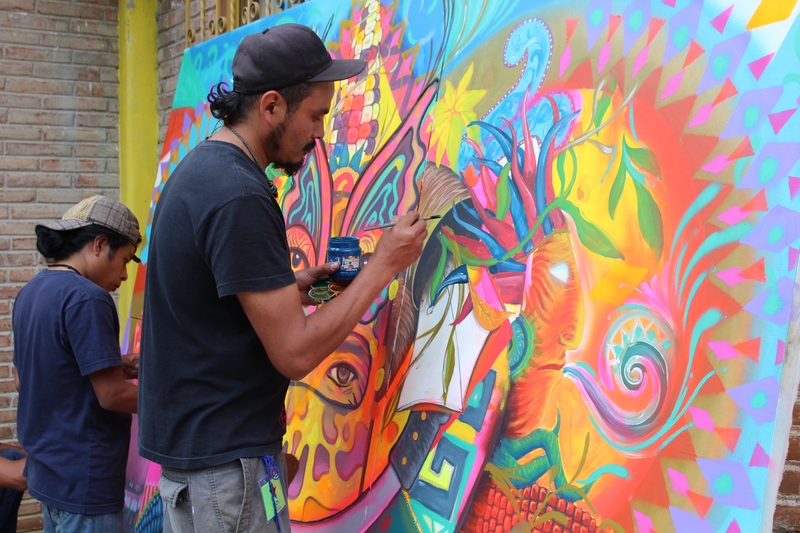
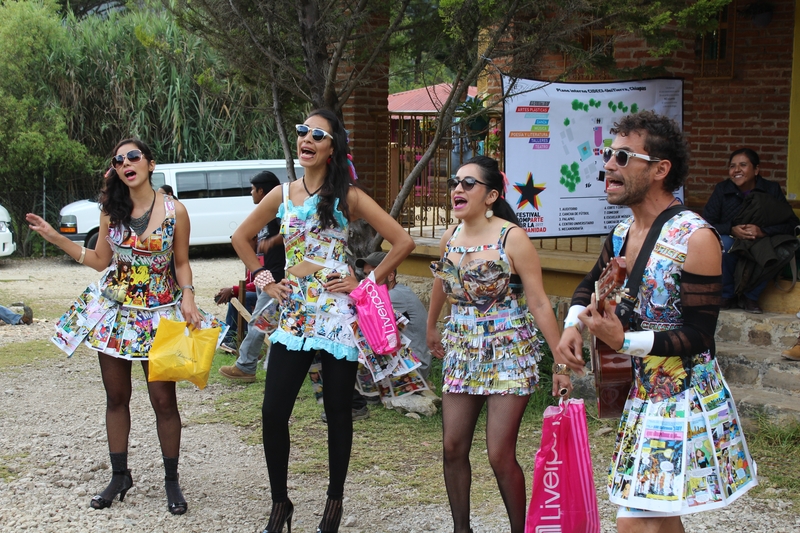
Día 7 – Sábado 29 de julio de 2017
Caracol de Oventik
Artistas zapatistas
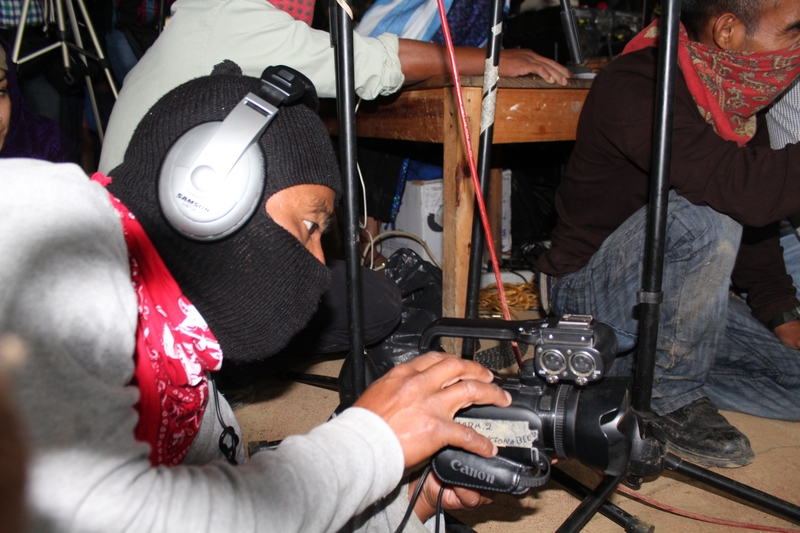
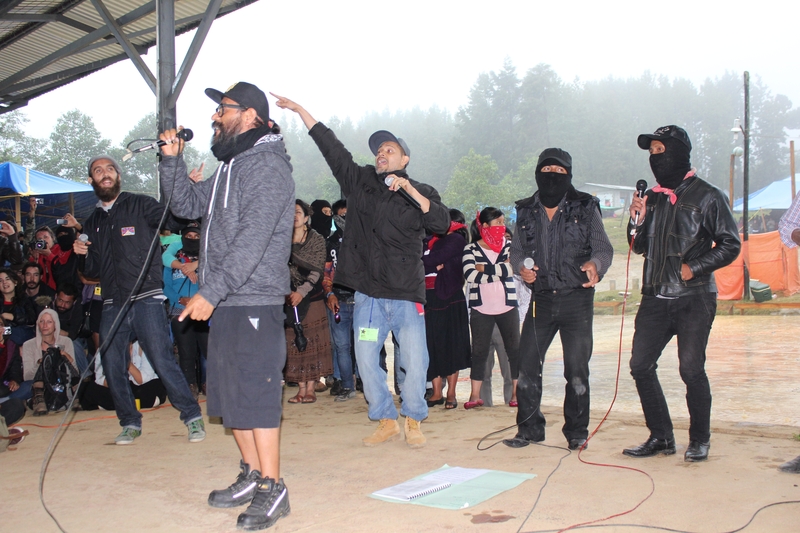
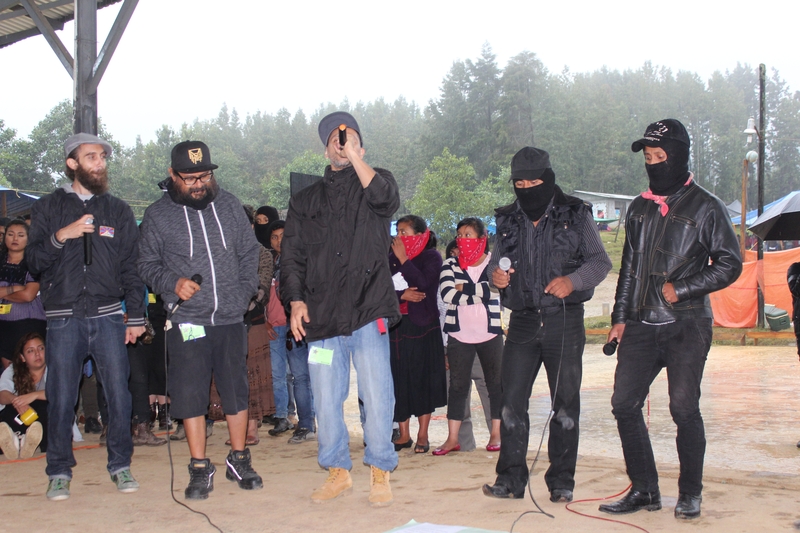
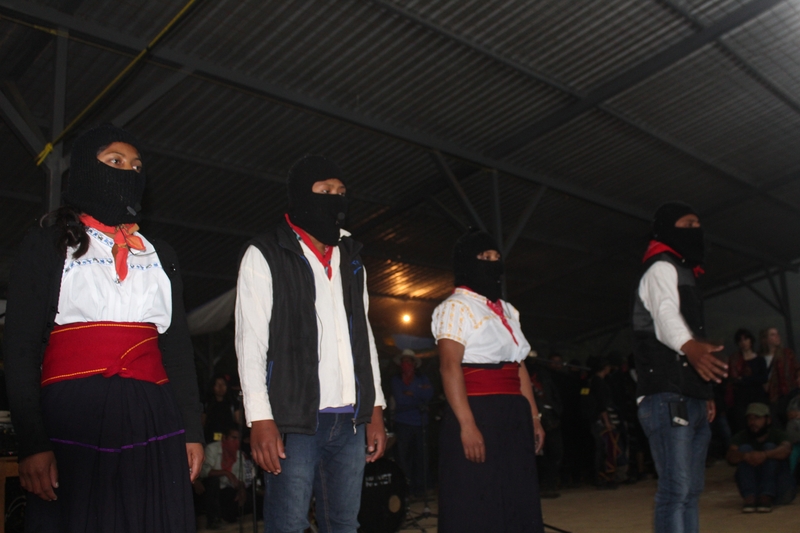
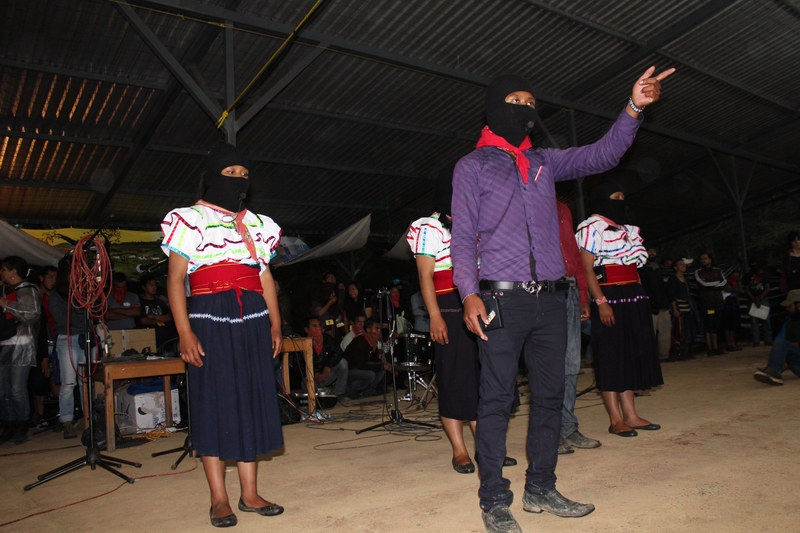
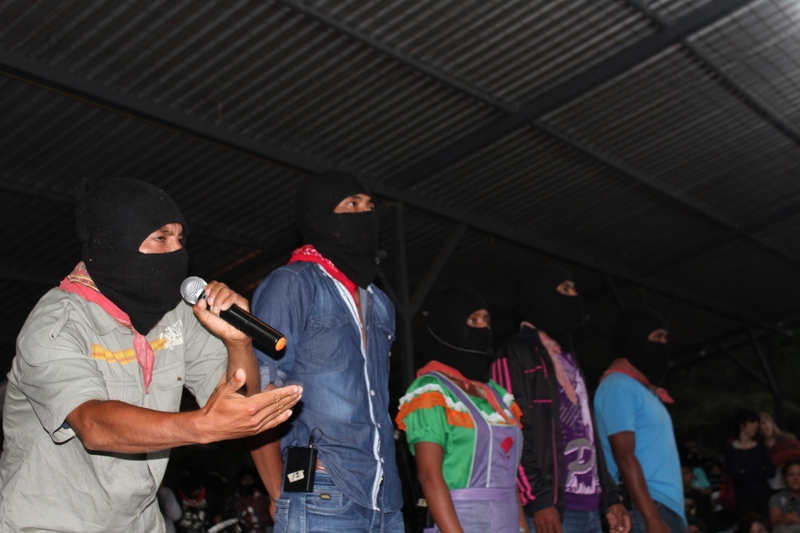
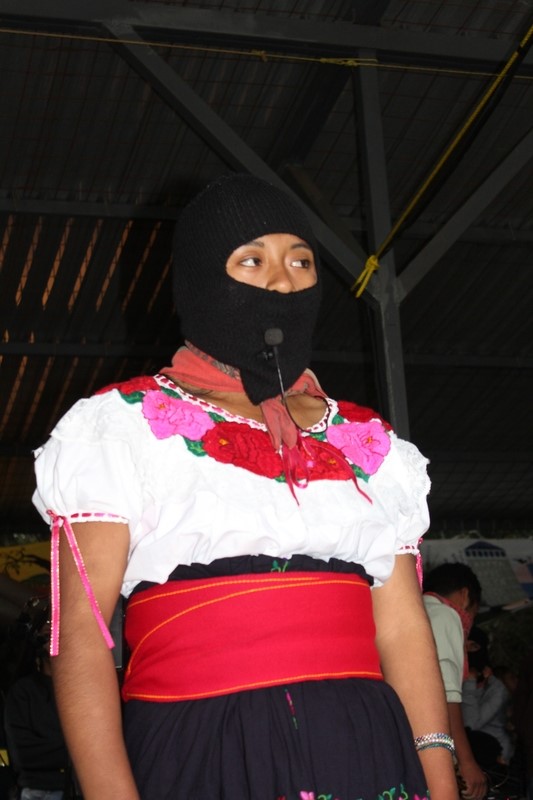
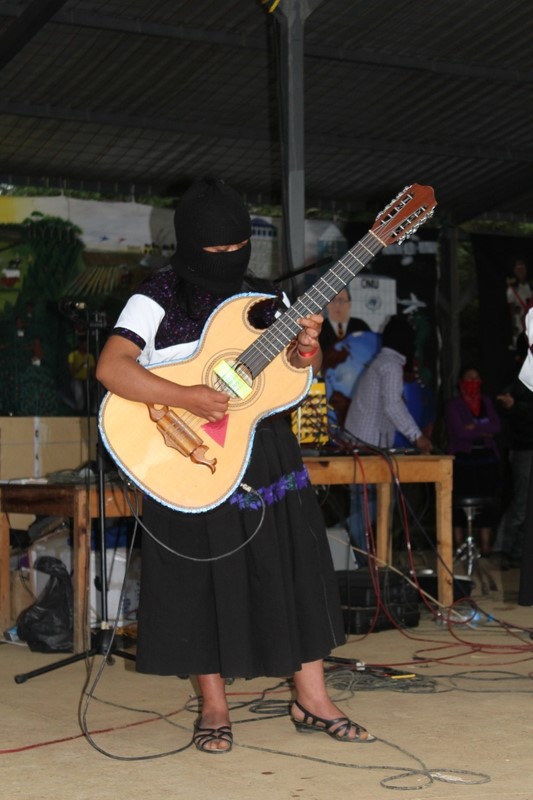
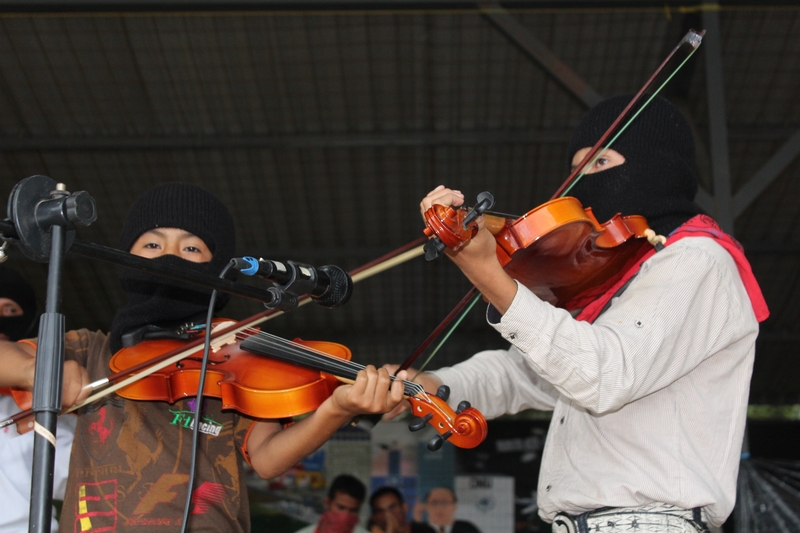
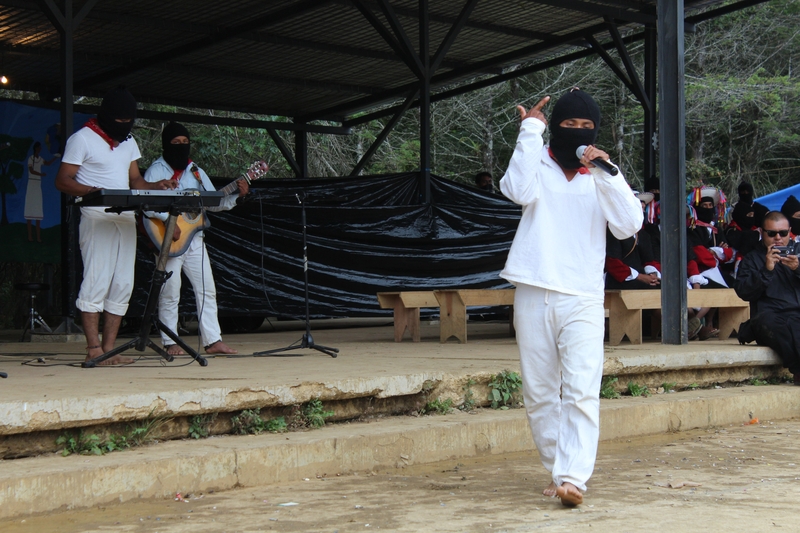
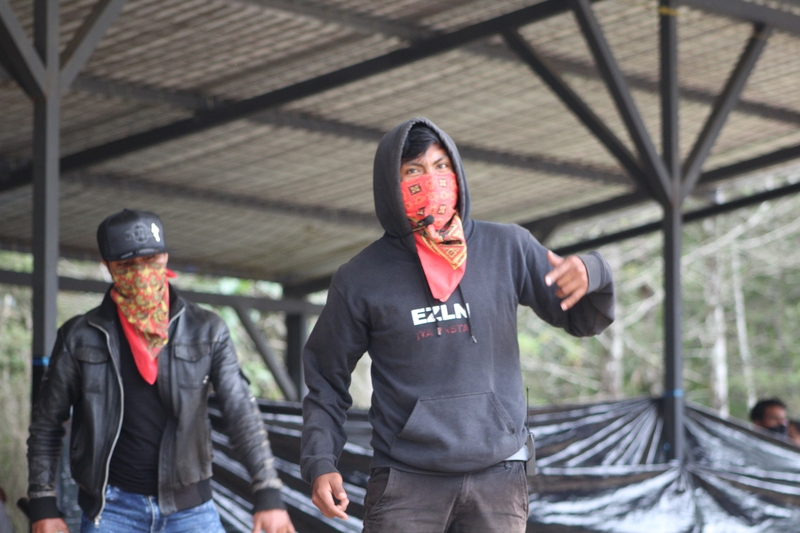
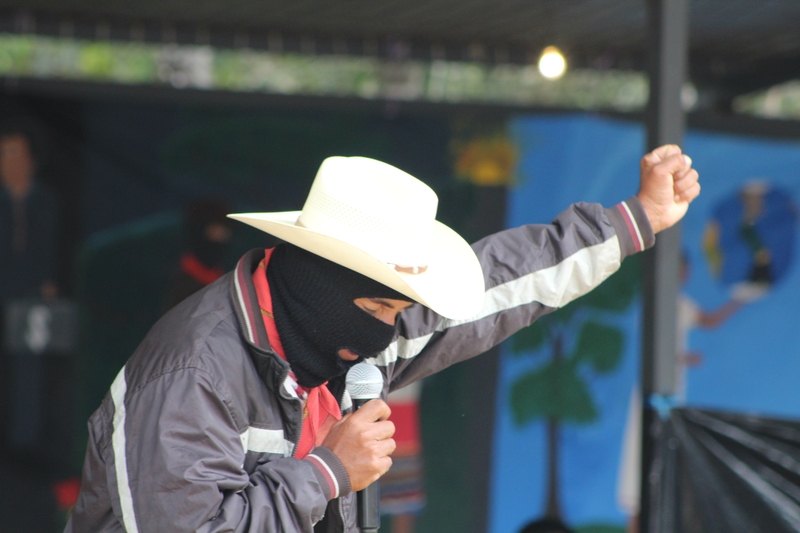
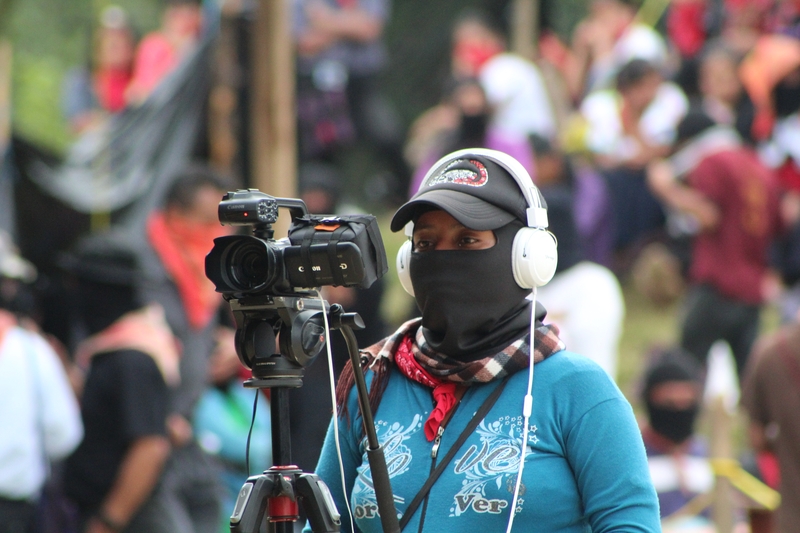
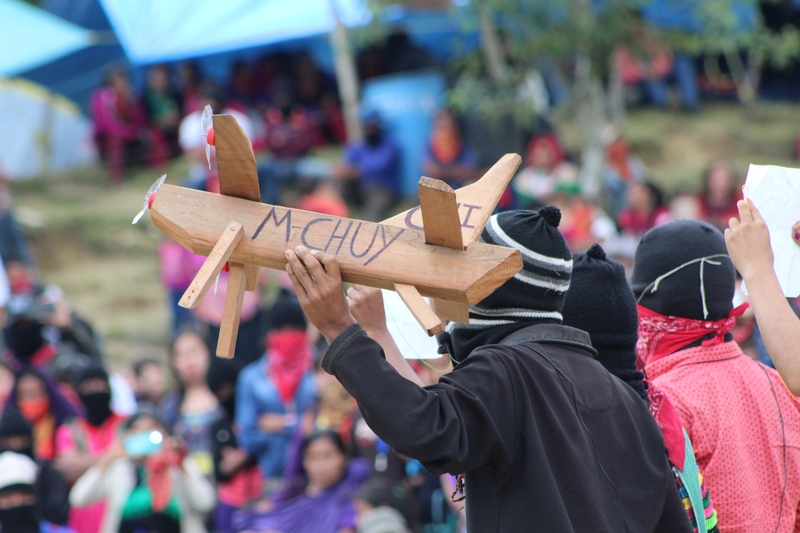
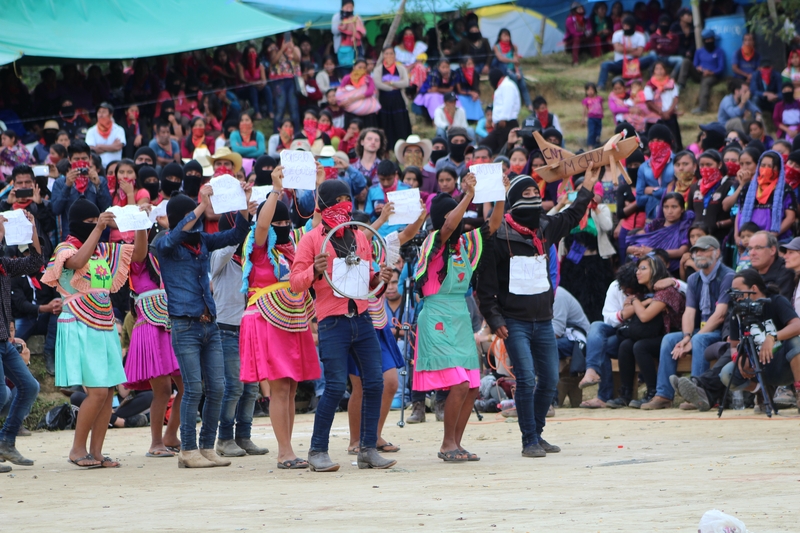
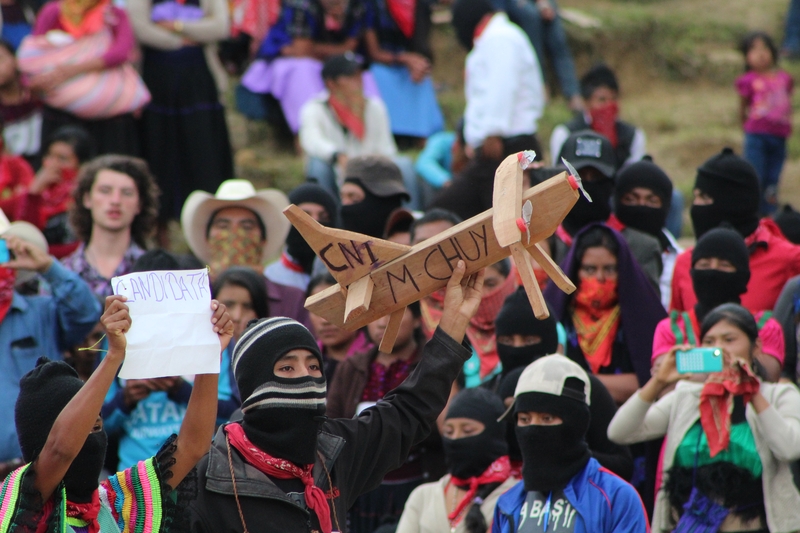
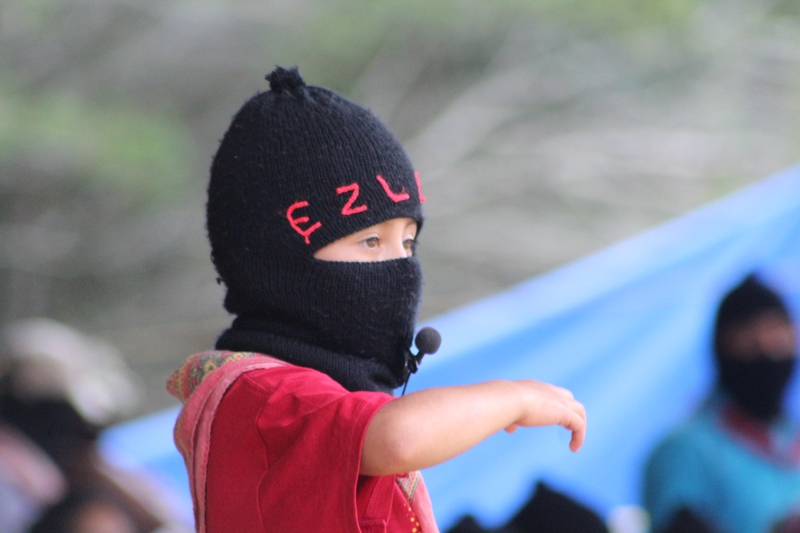
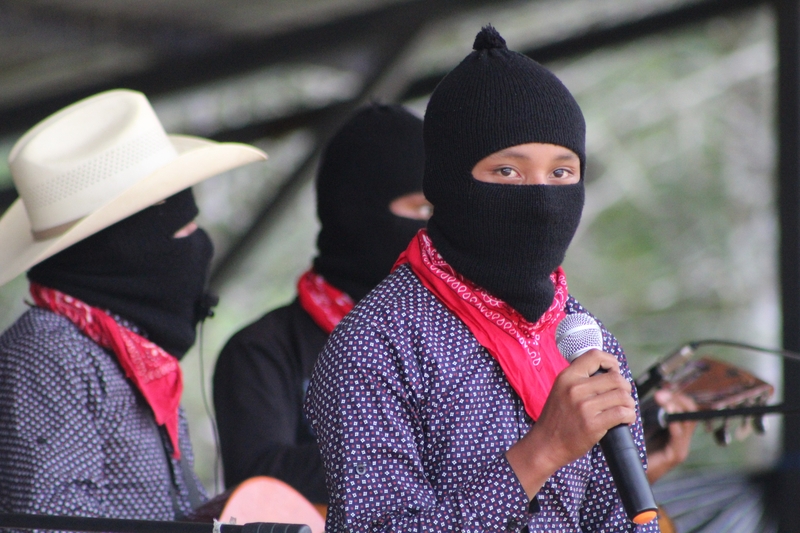
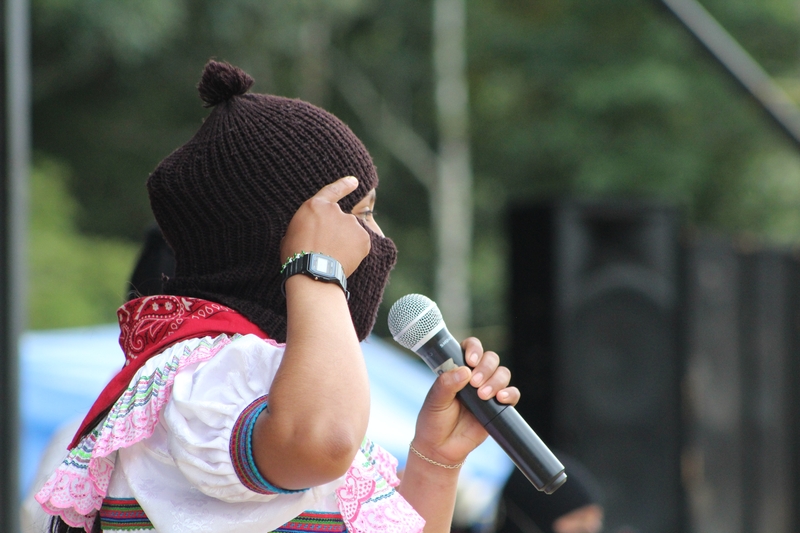
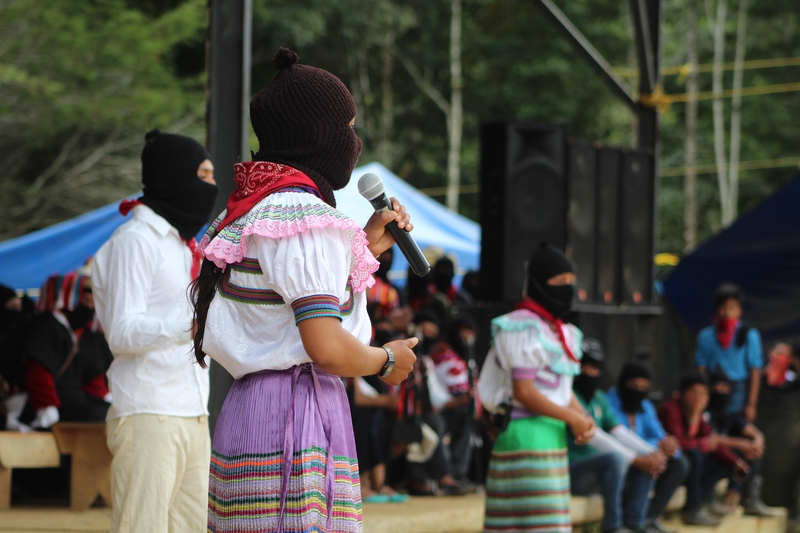
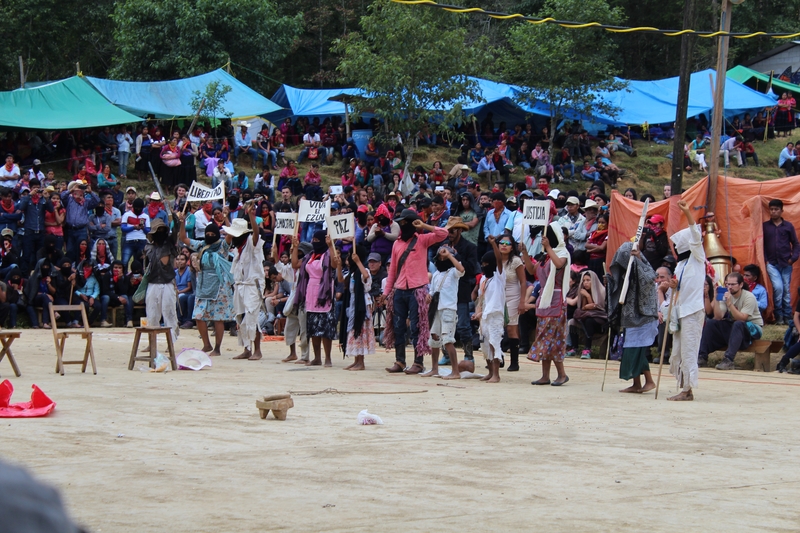
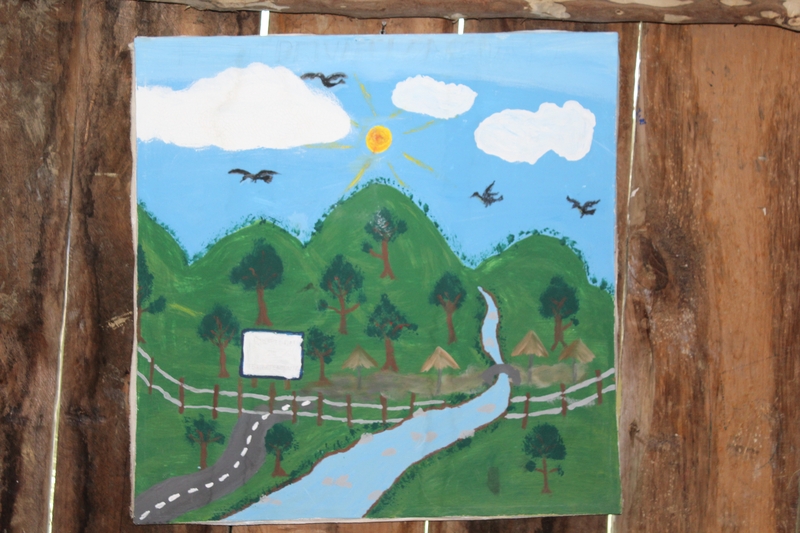
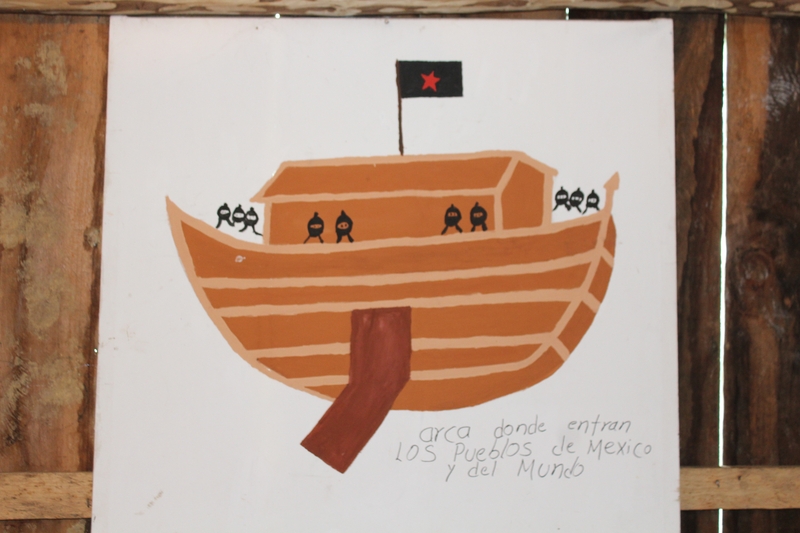
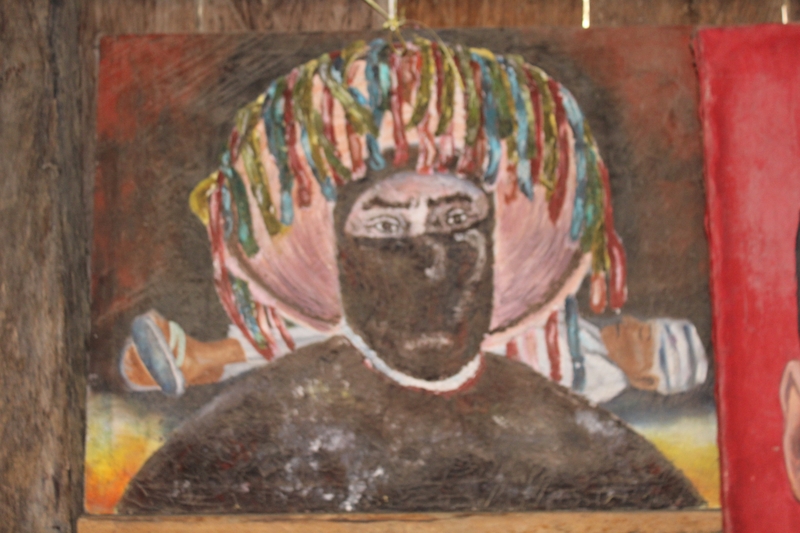
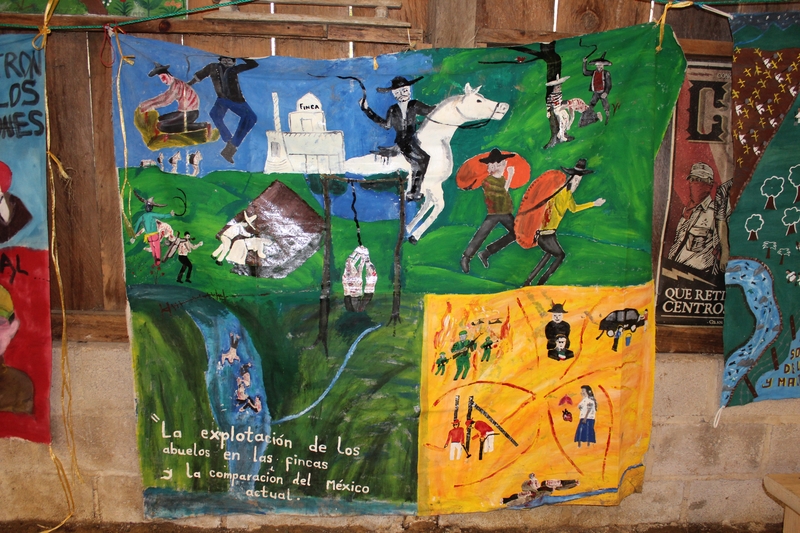
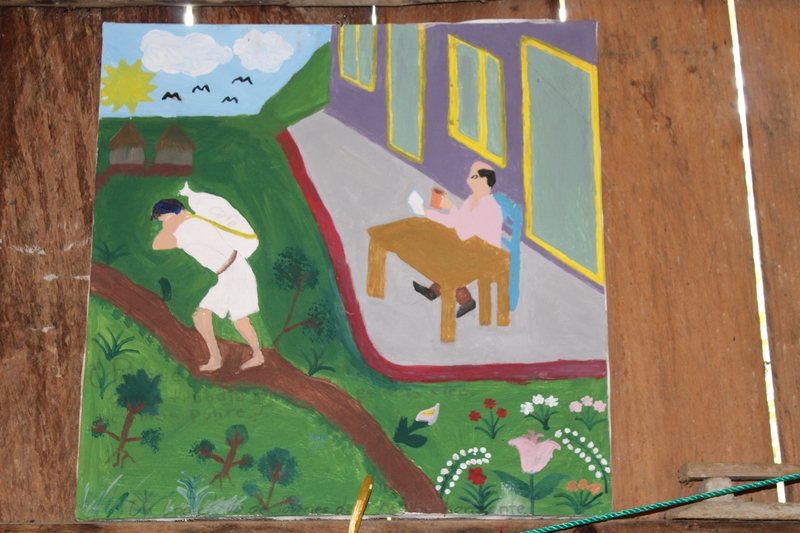
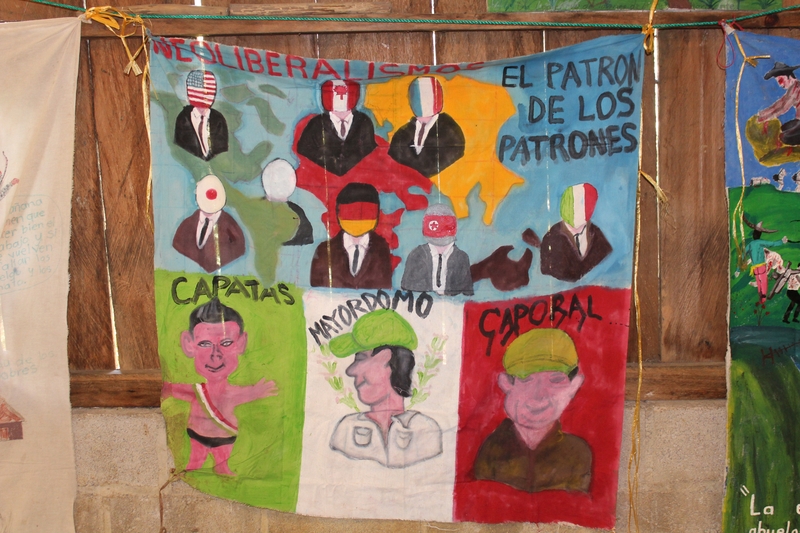
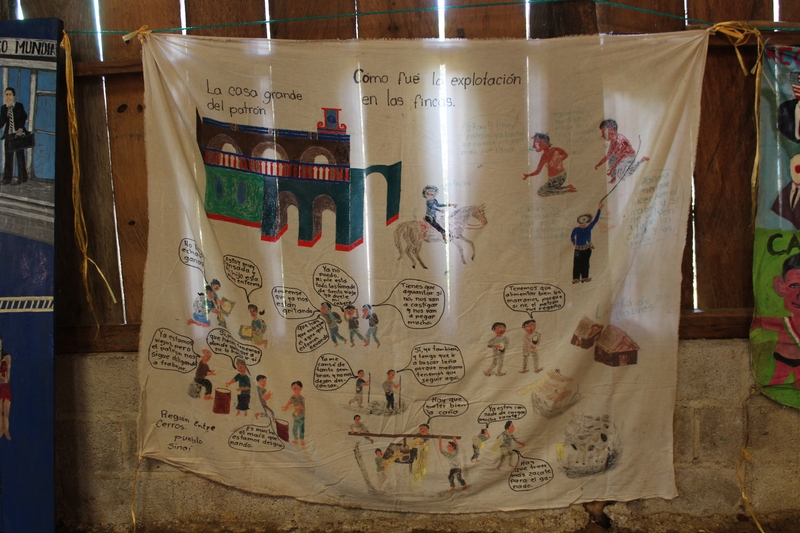
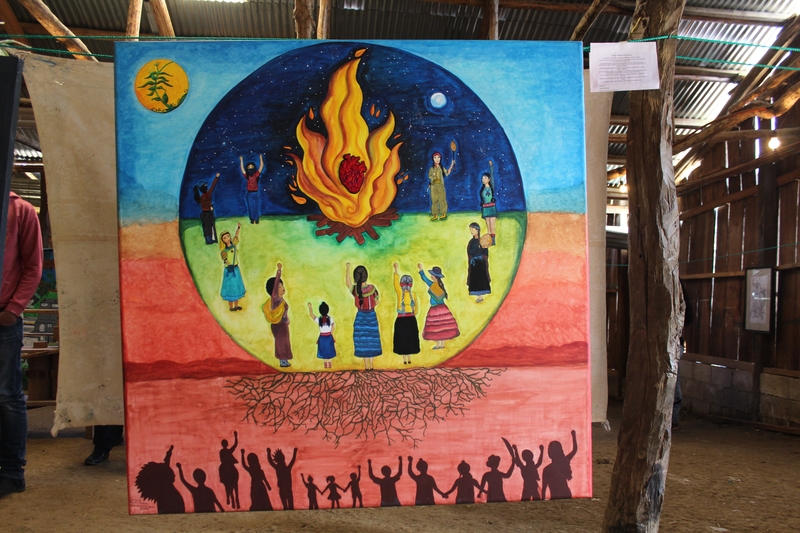
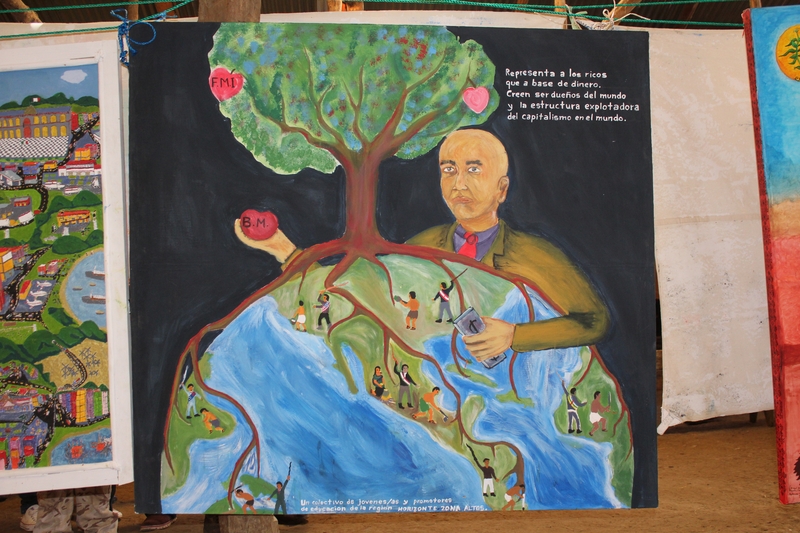
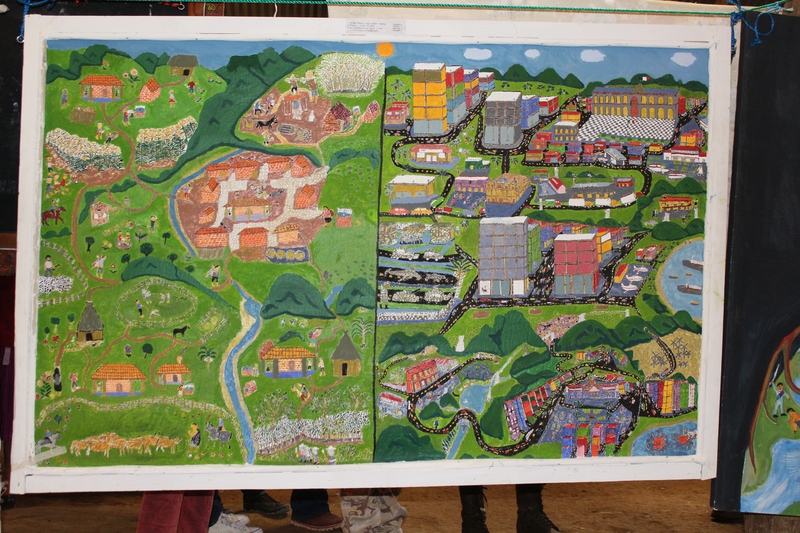
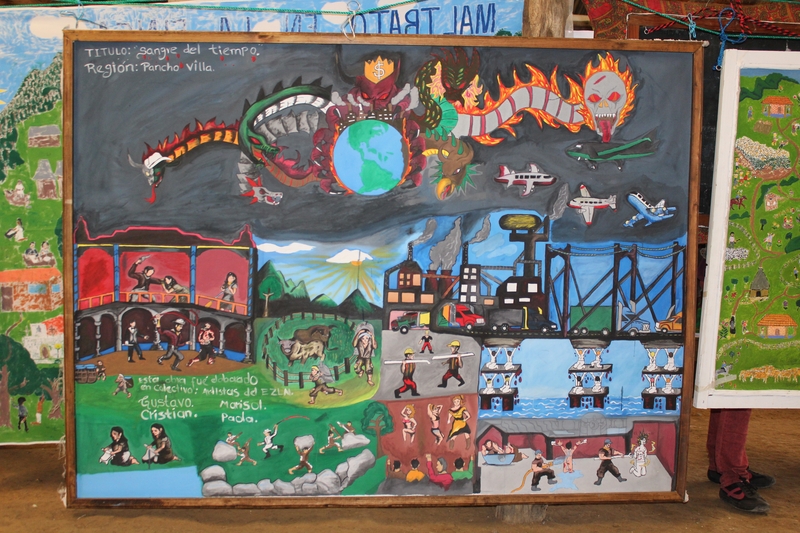
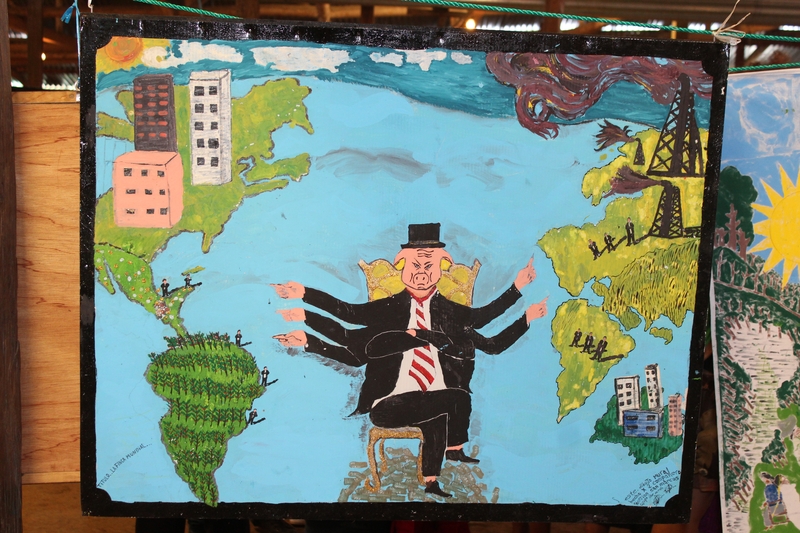
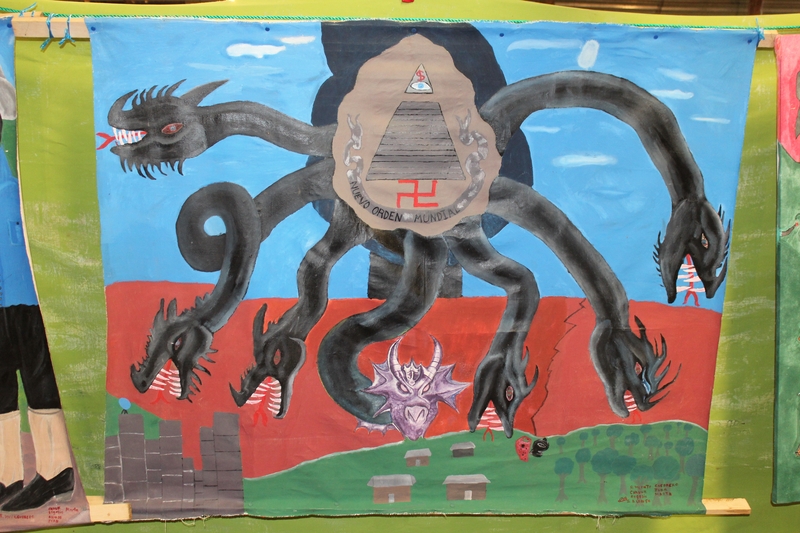
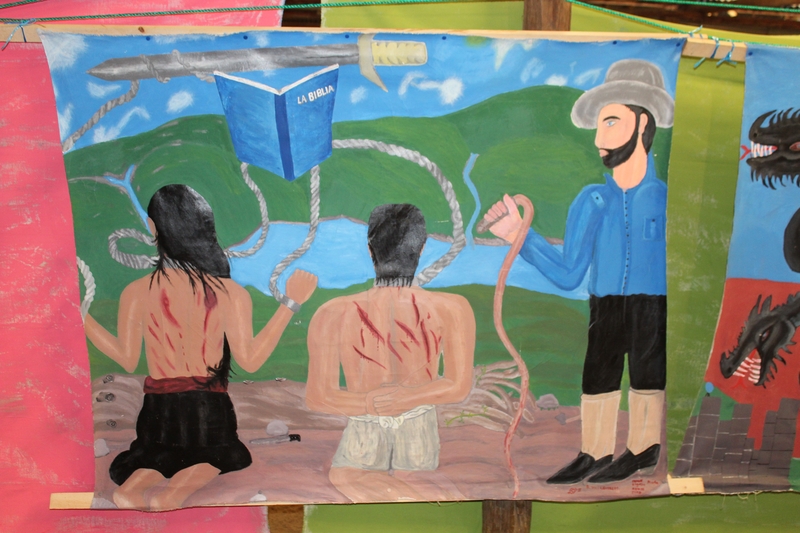
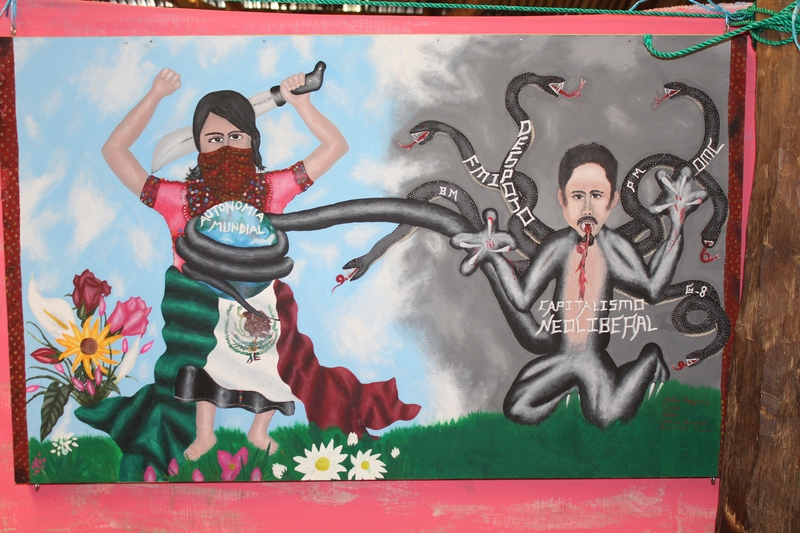
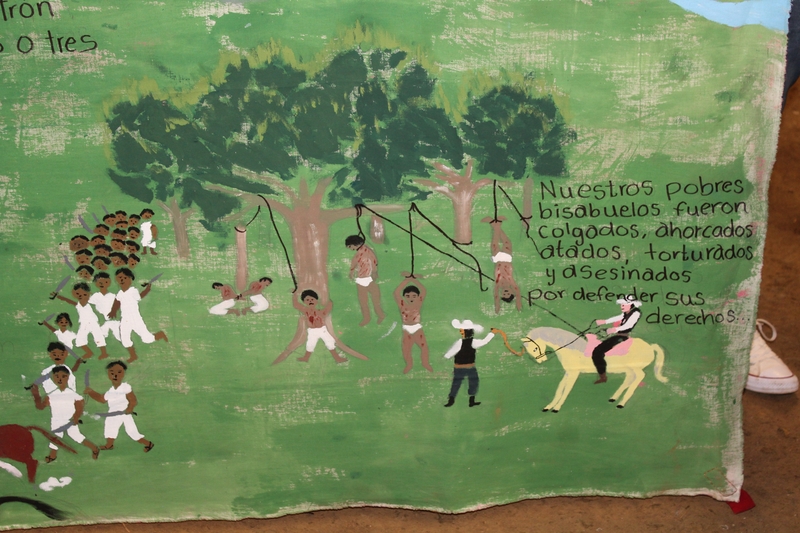
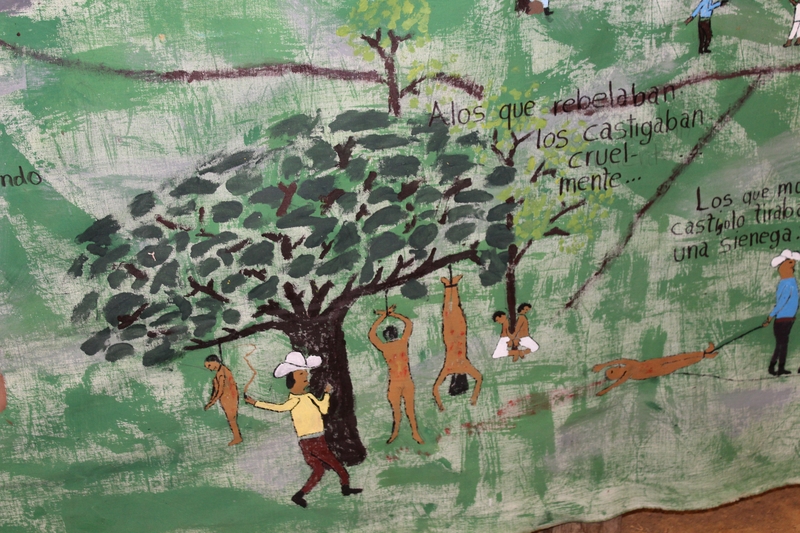
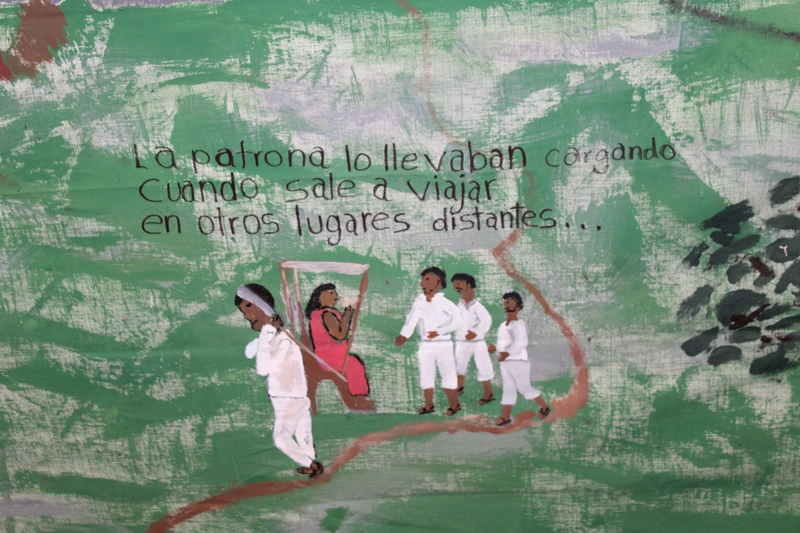
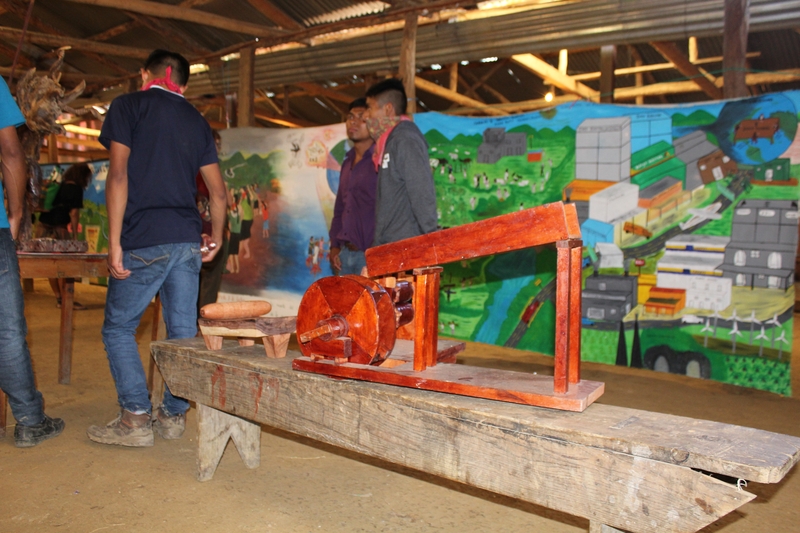
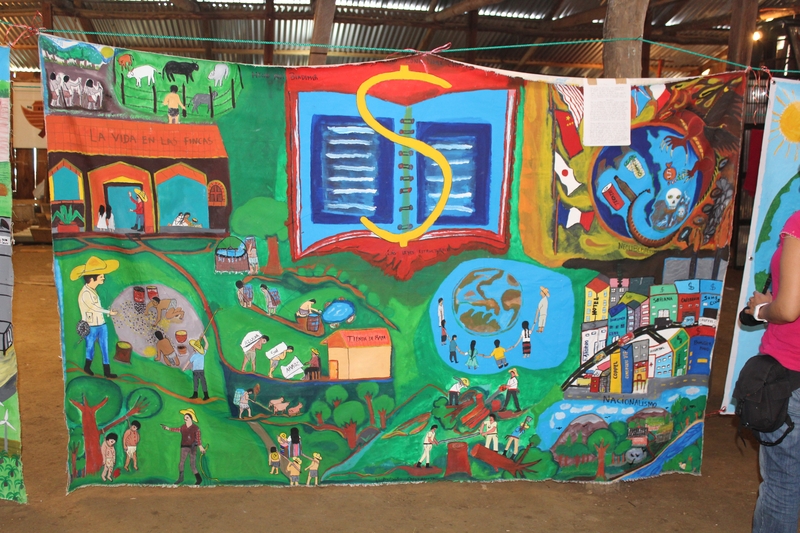
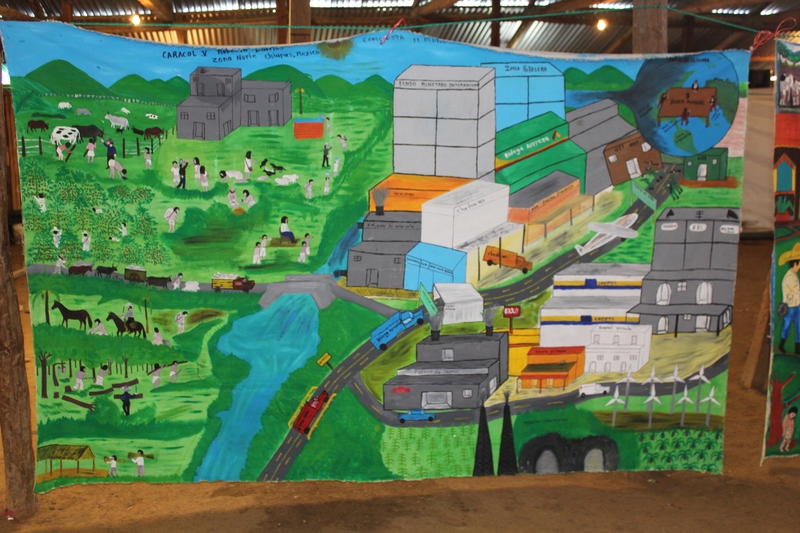
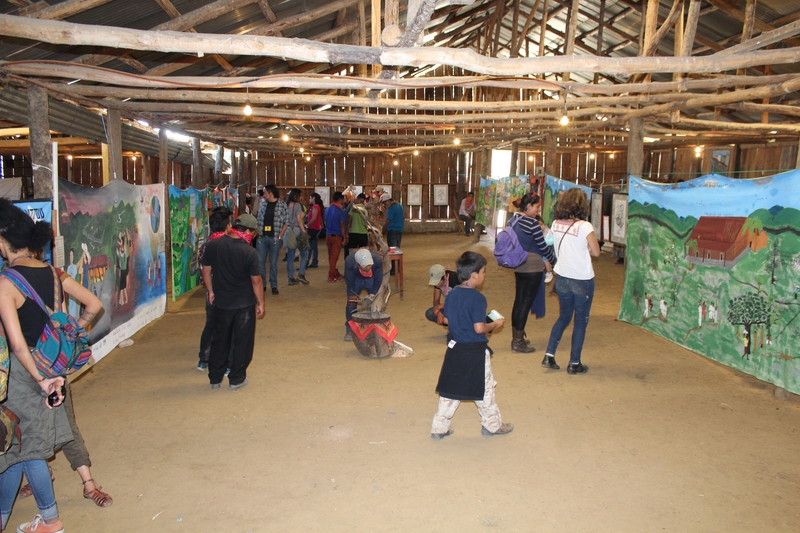
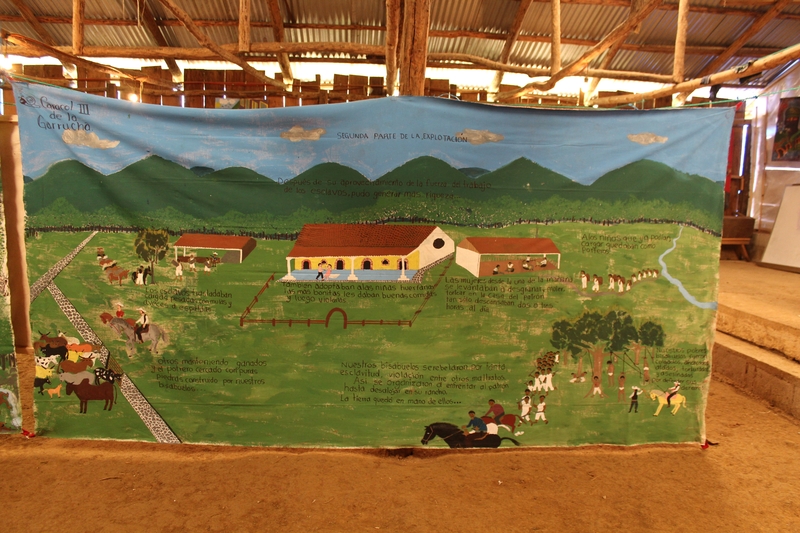
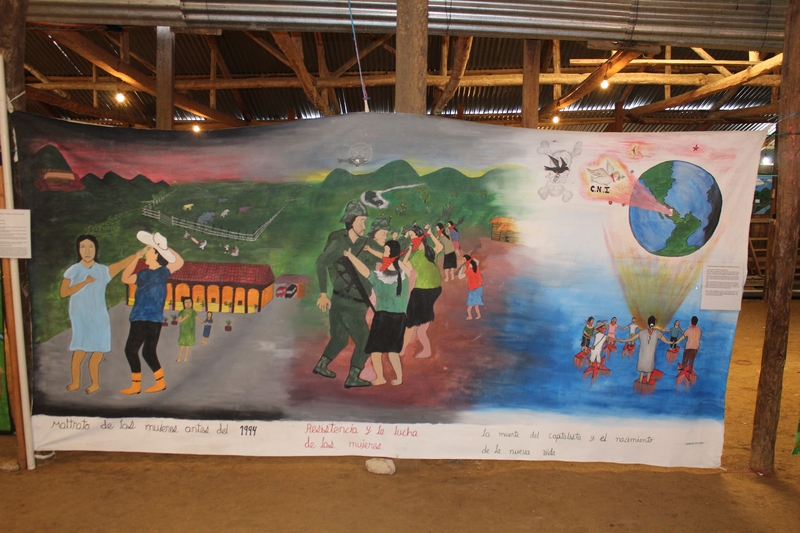
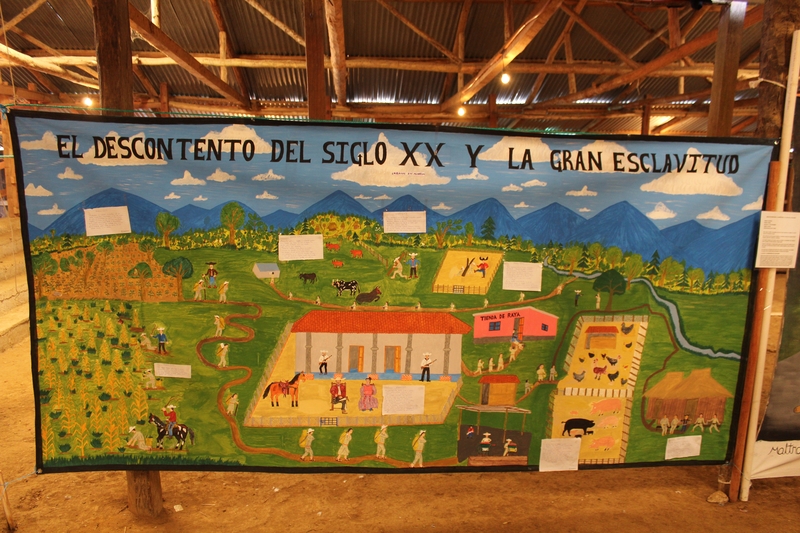
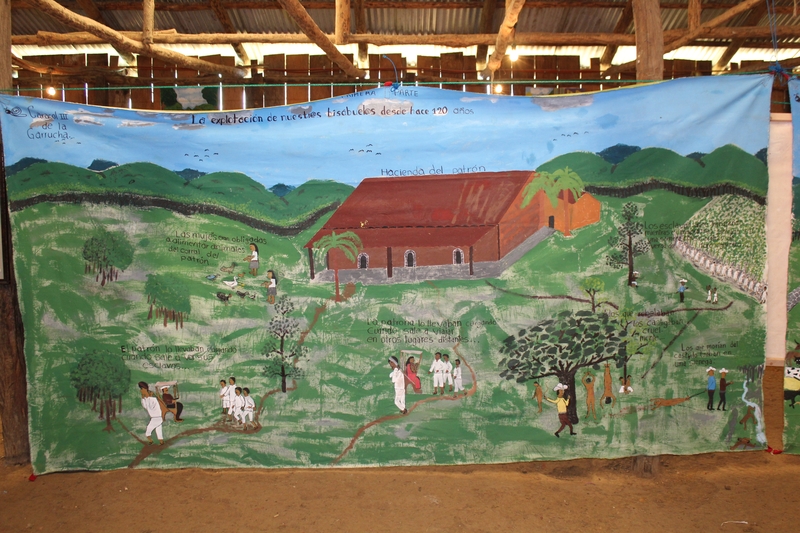
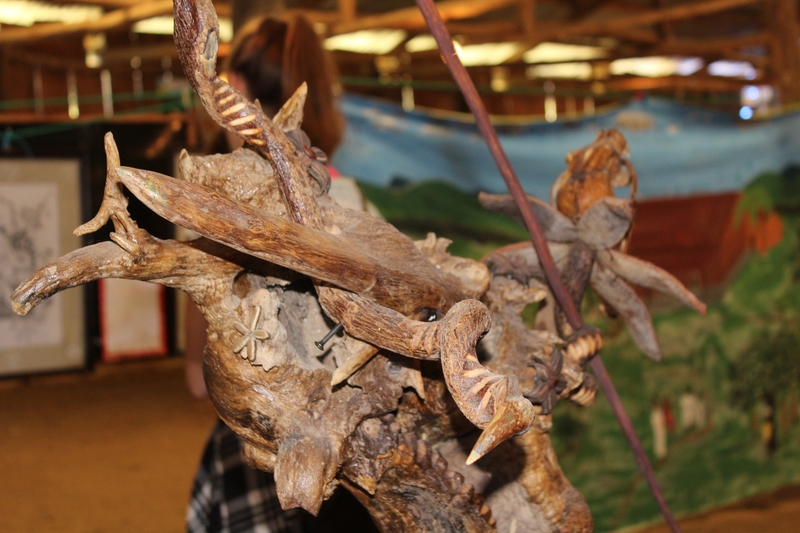
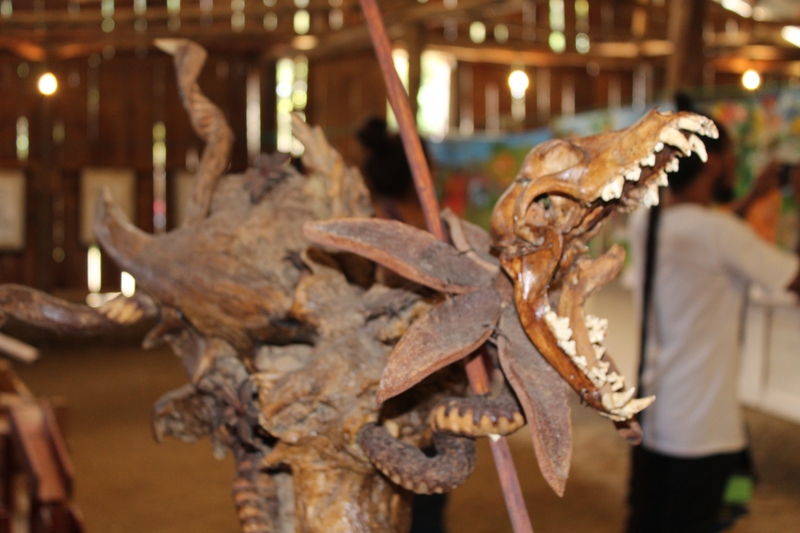
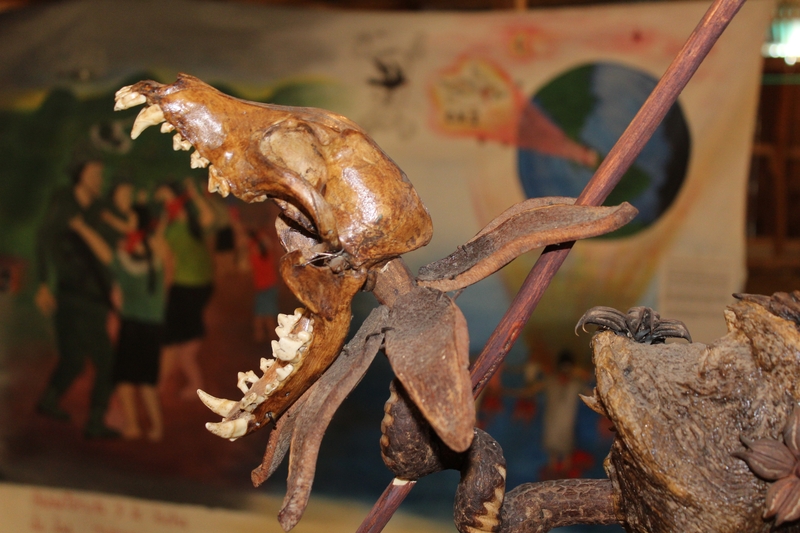

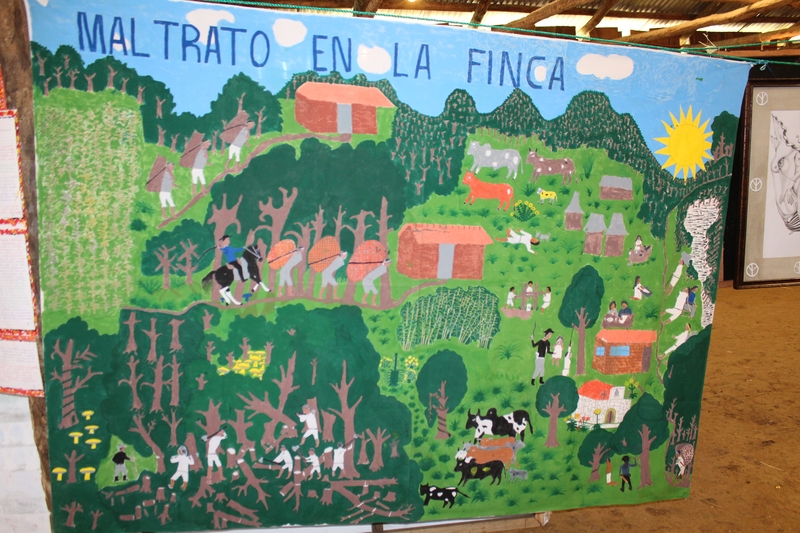
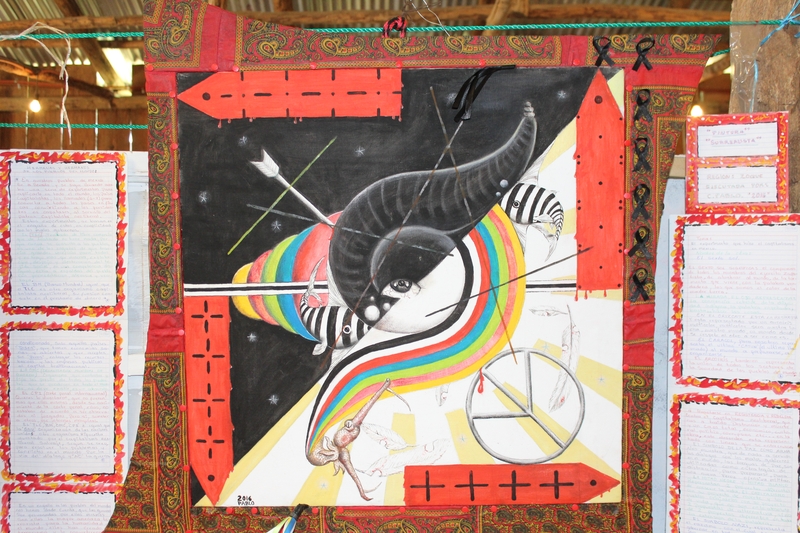
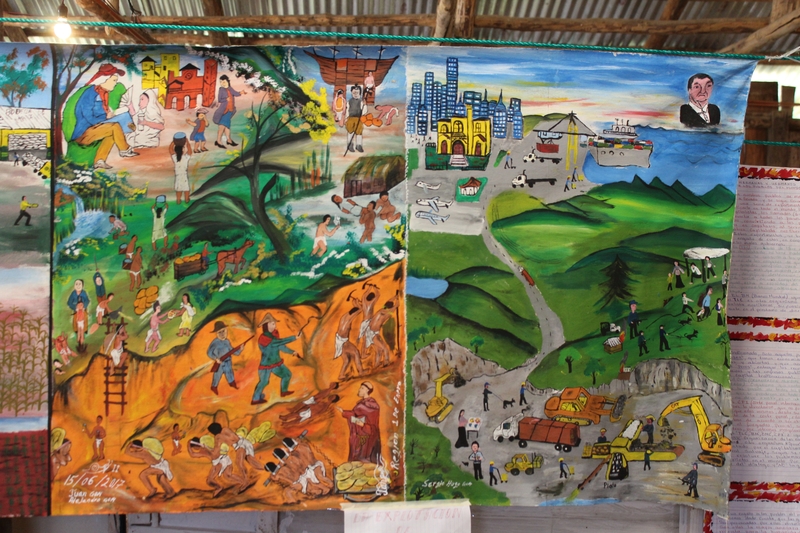
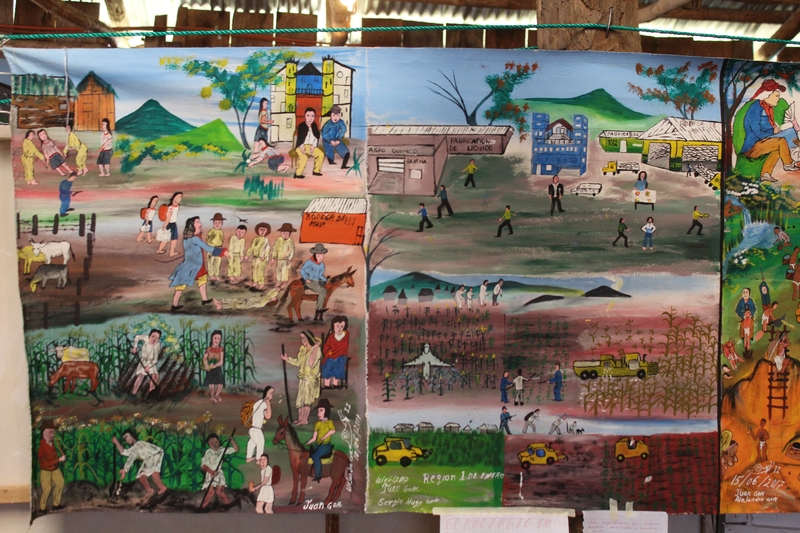
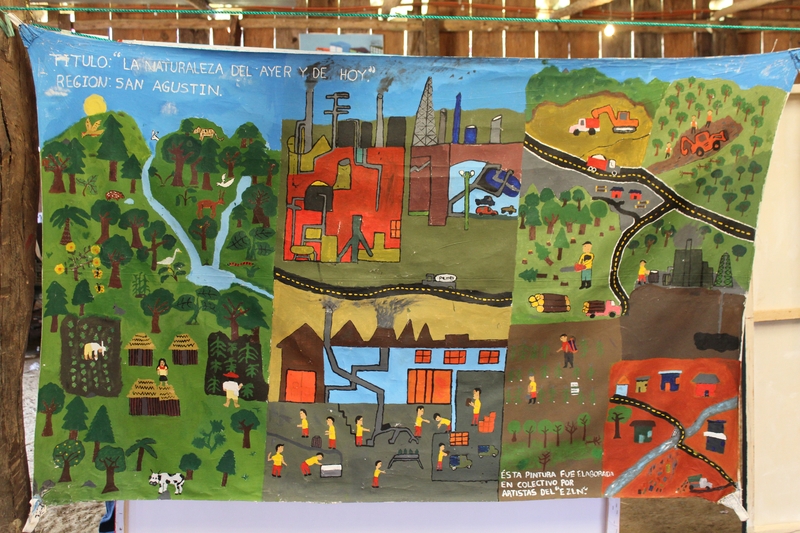


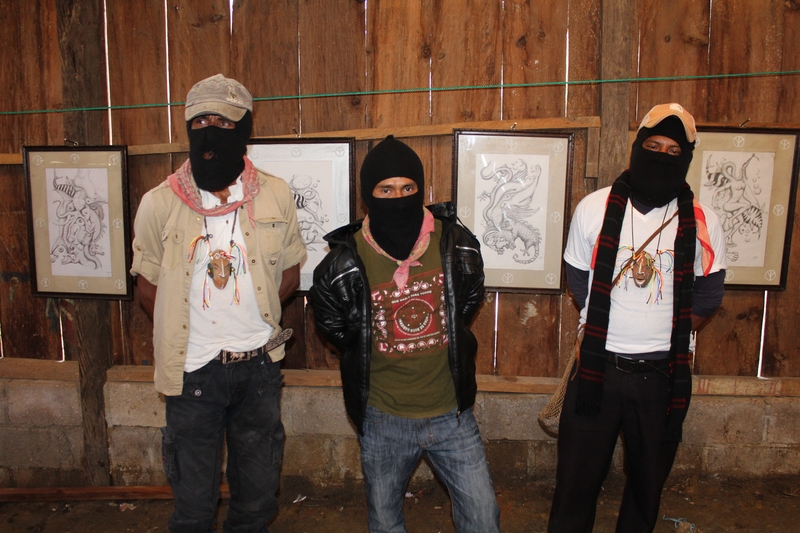
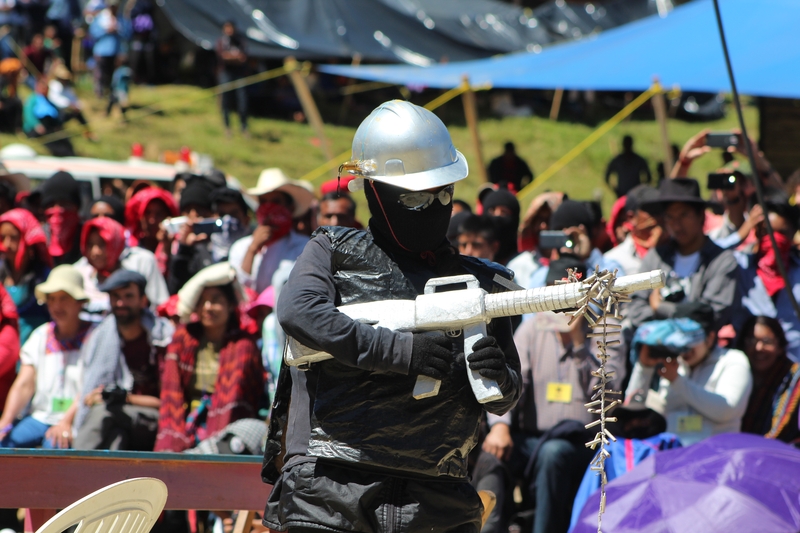
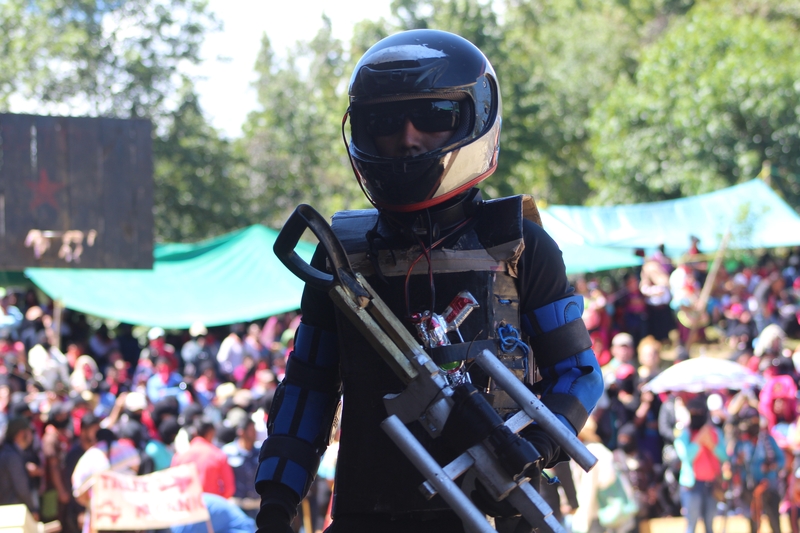
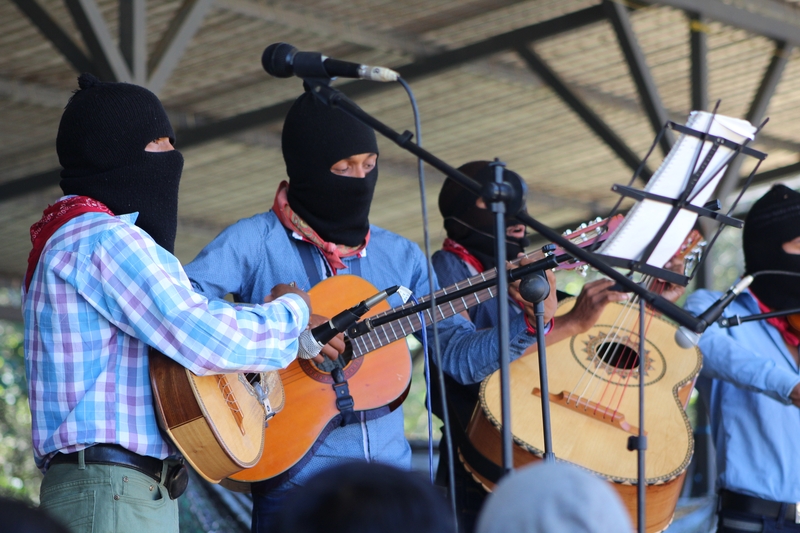
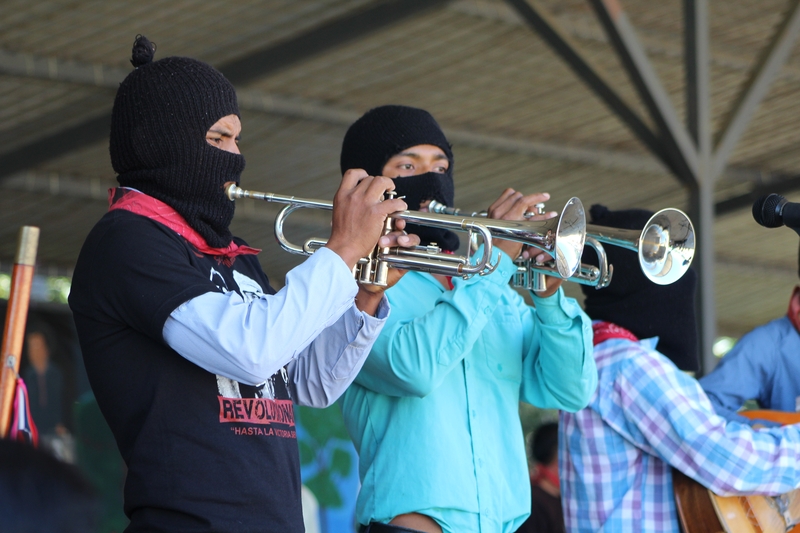
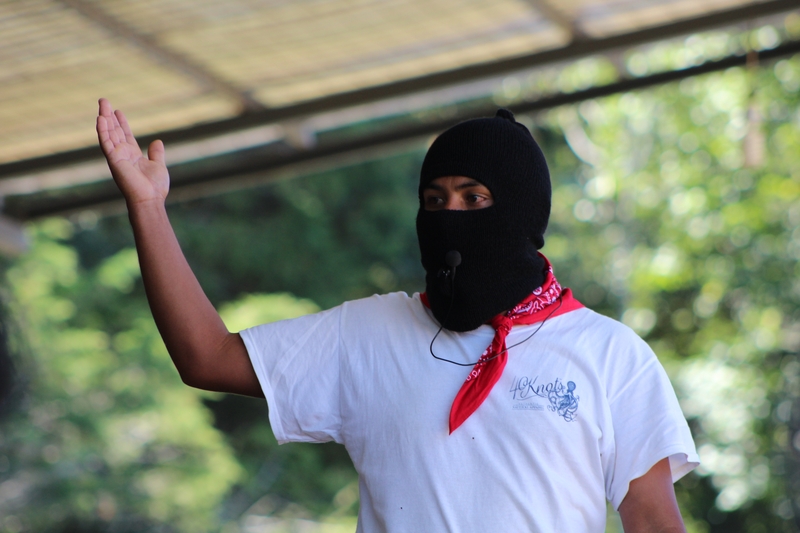
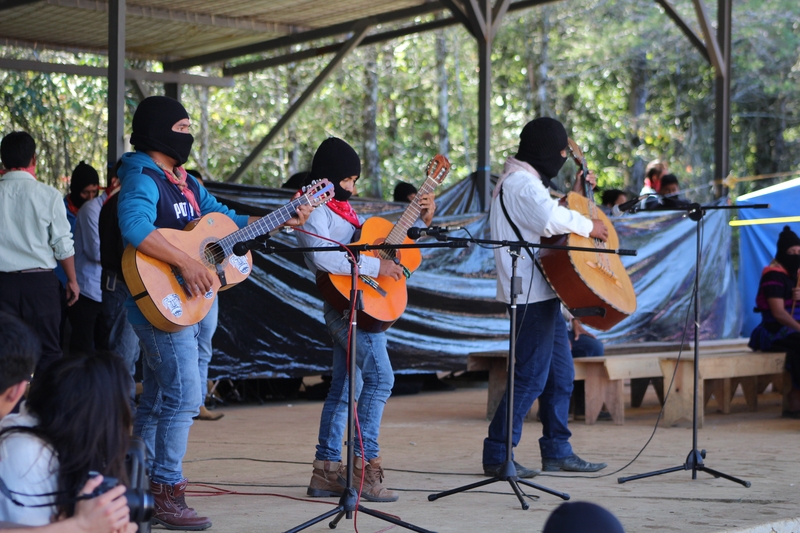
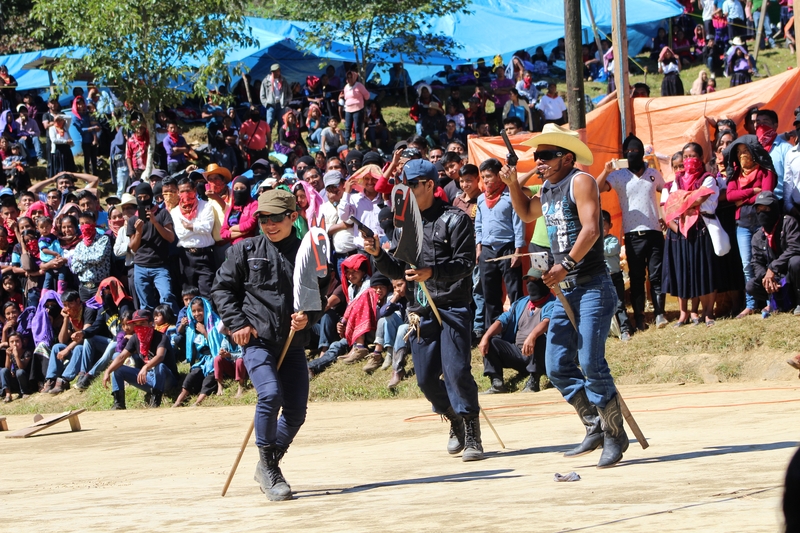
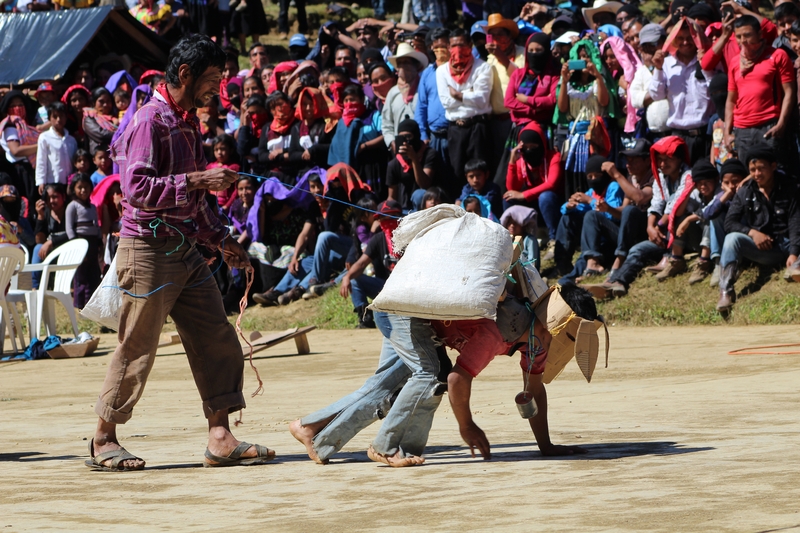
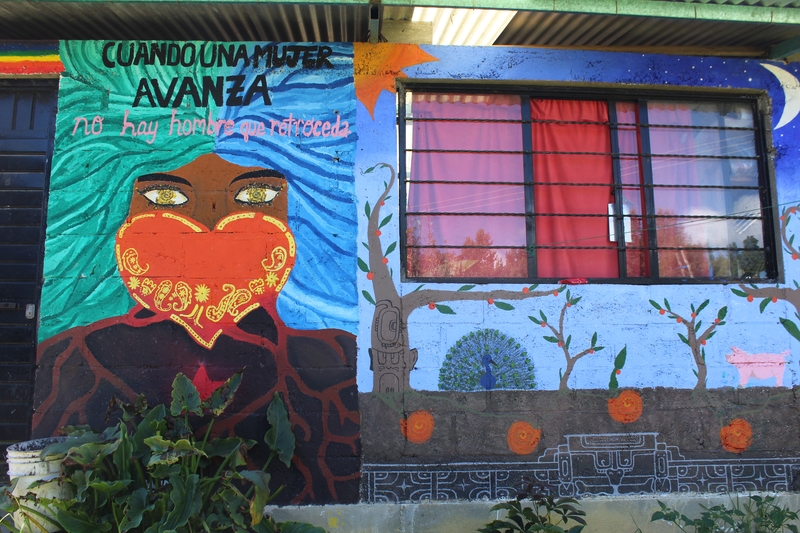
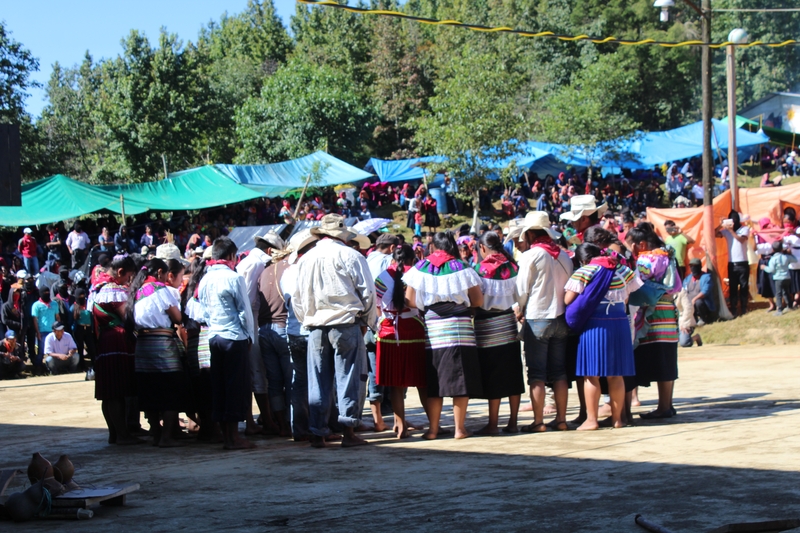
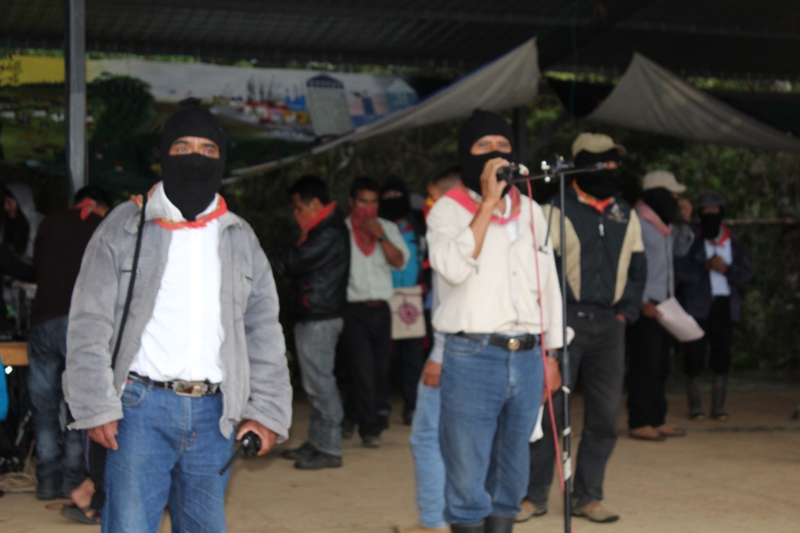
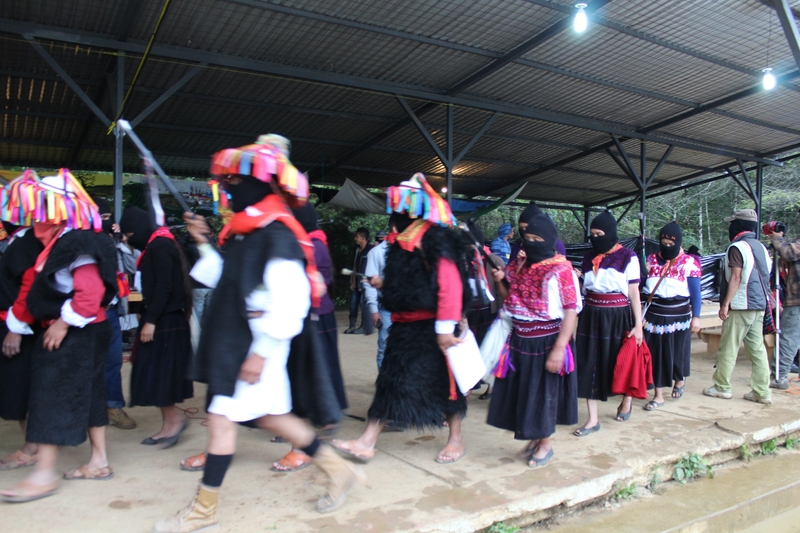
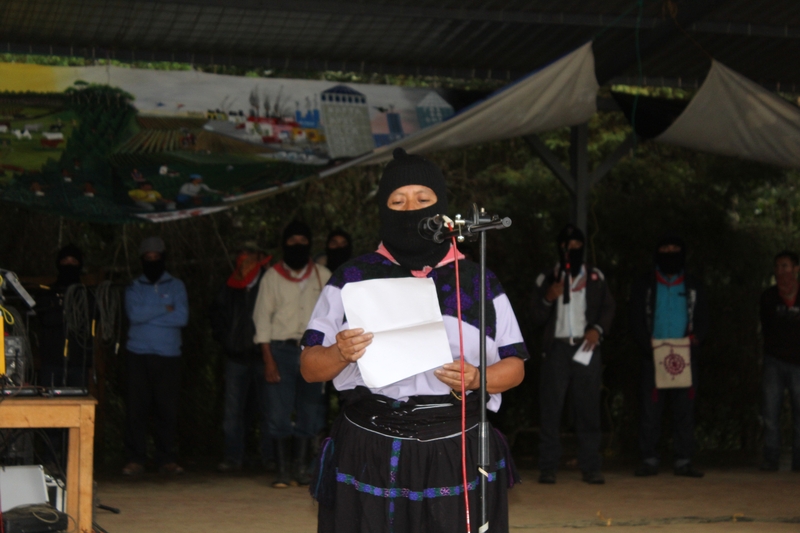
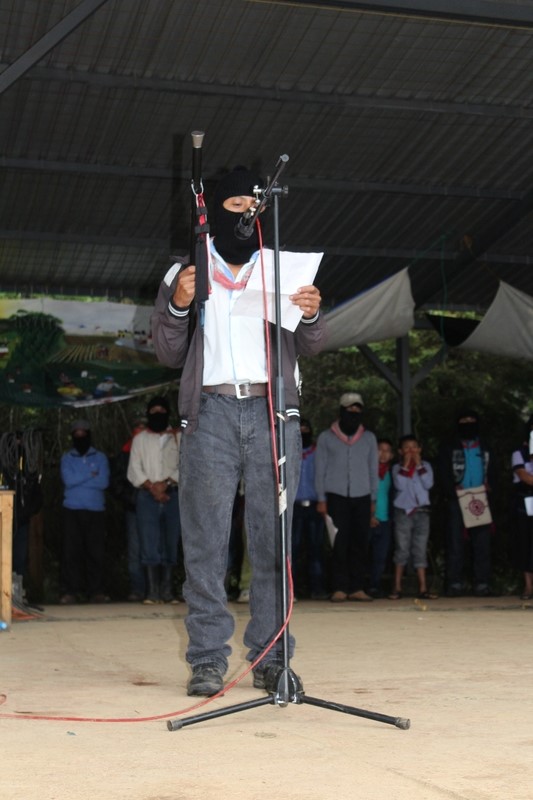
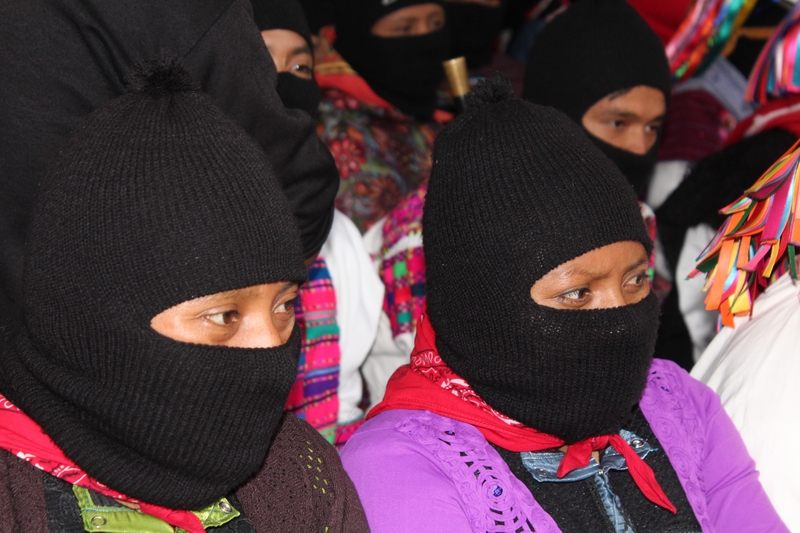
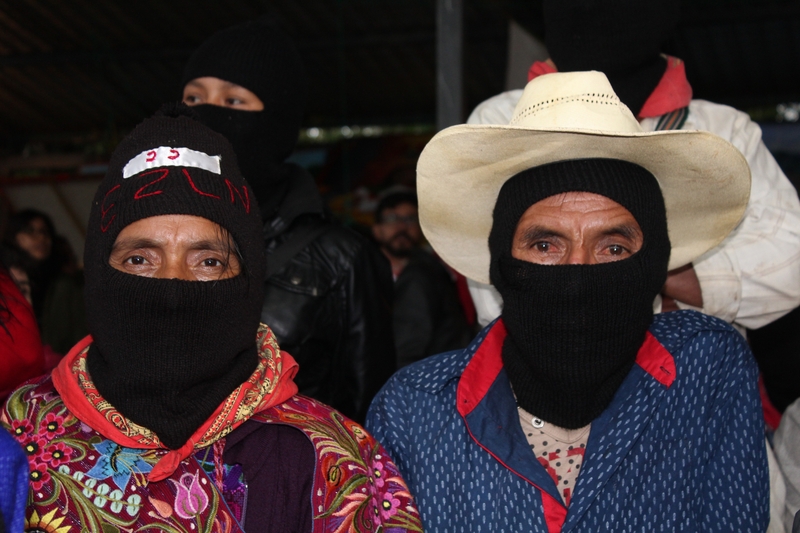
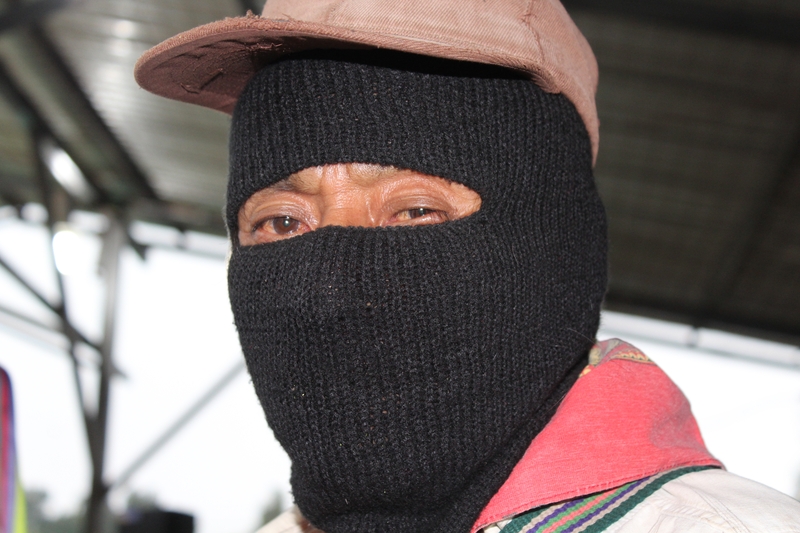
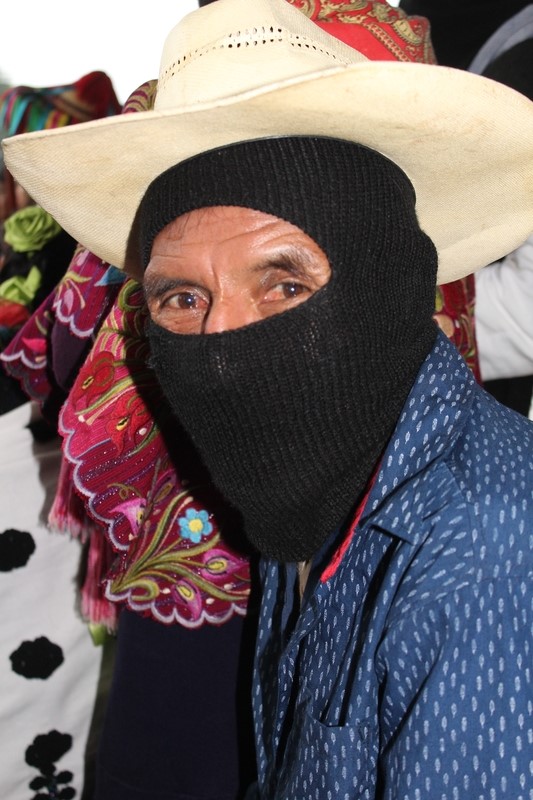
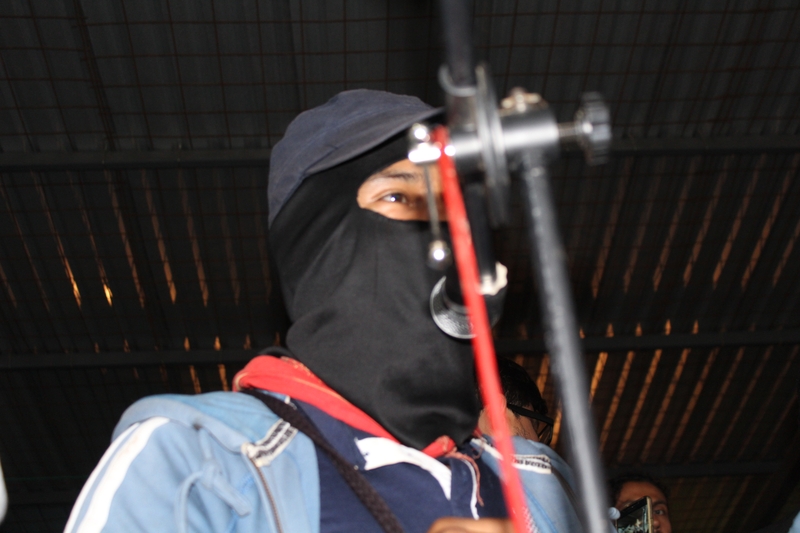
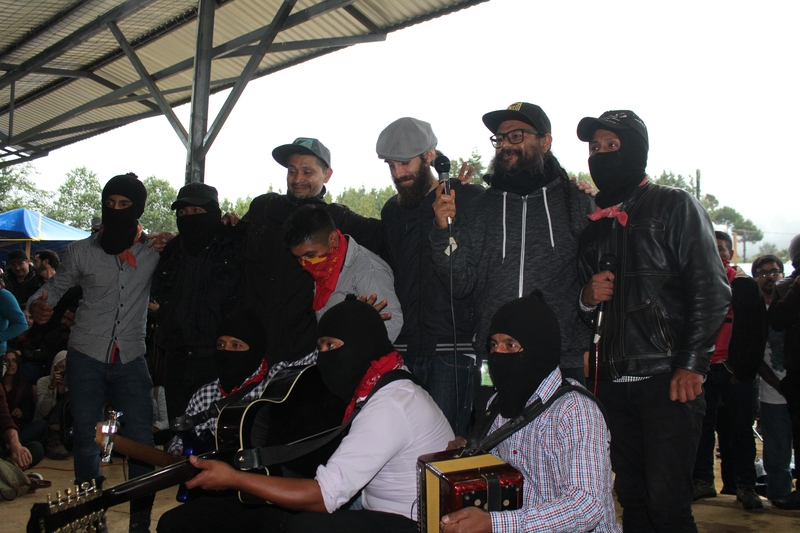
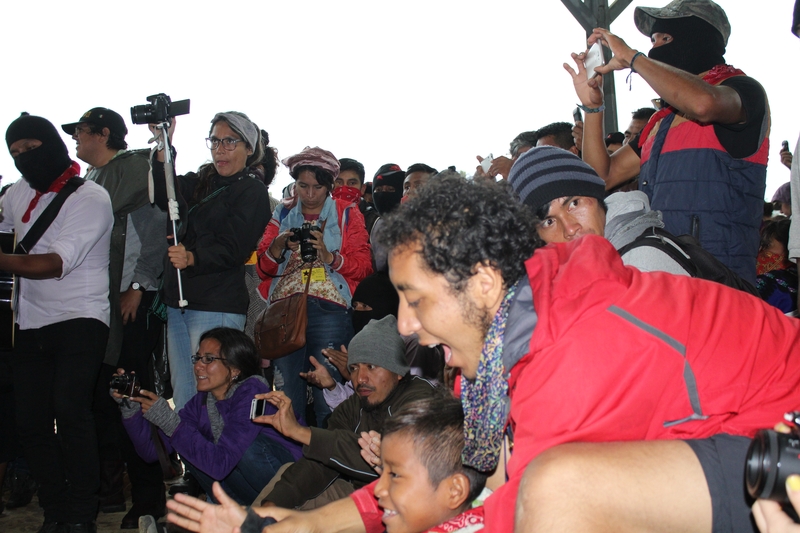
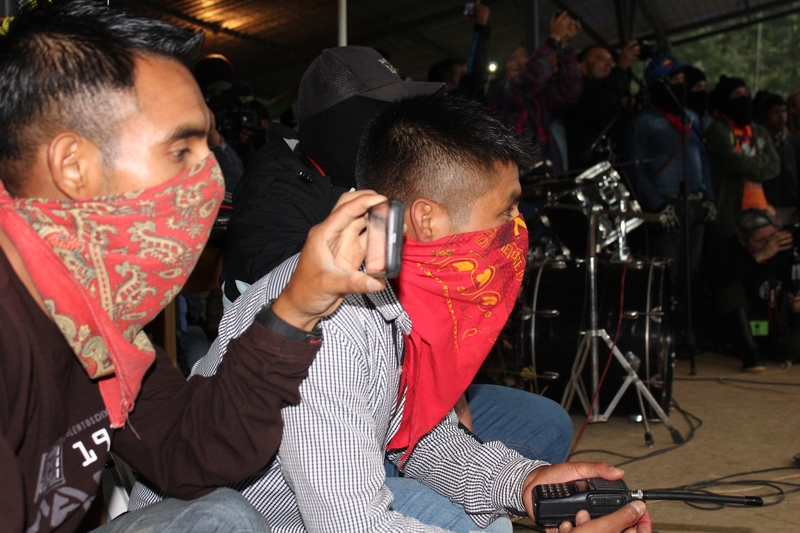
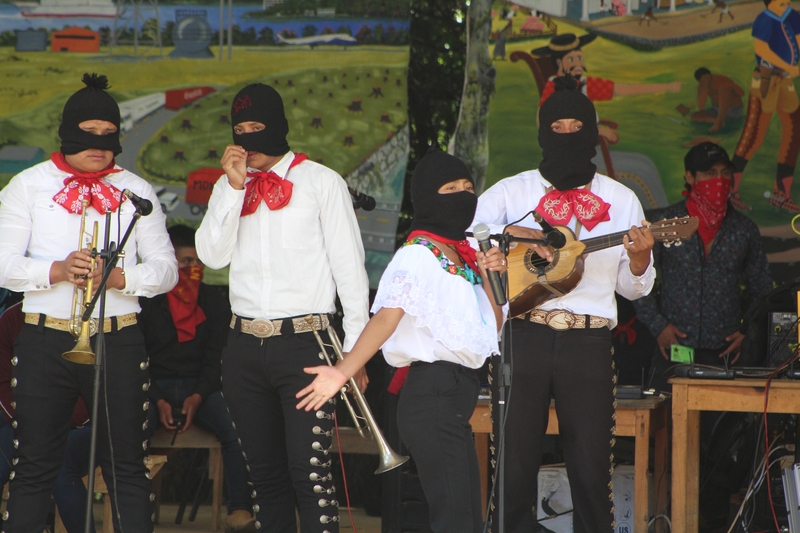
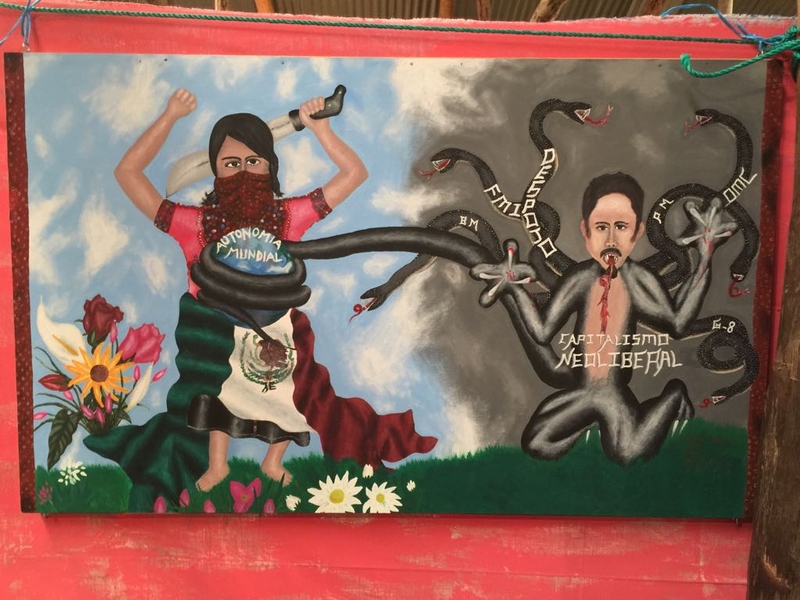
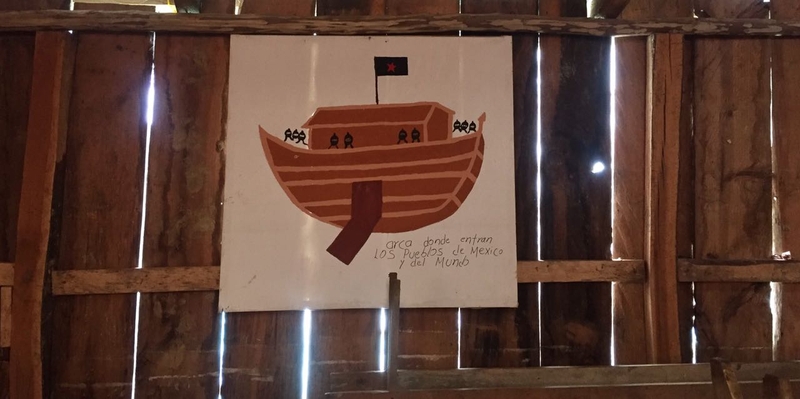
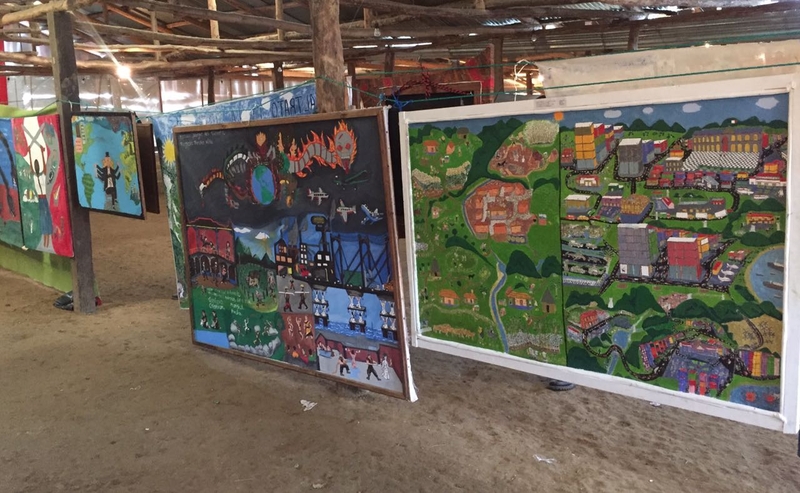
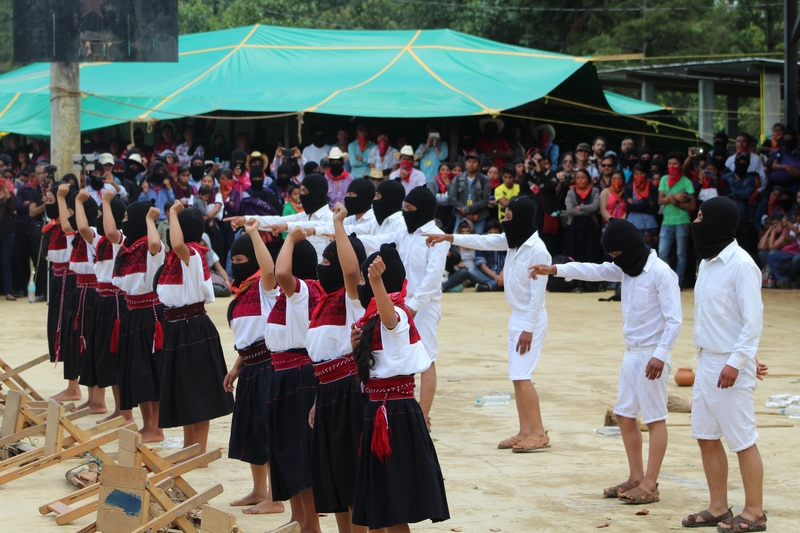
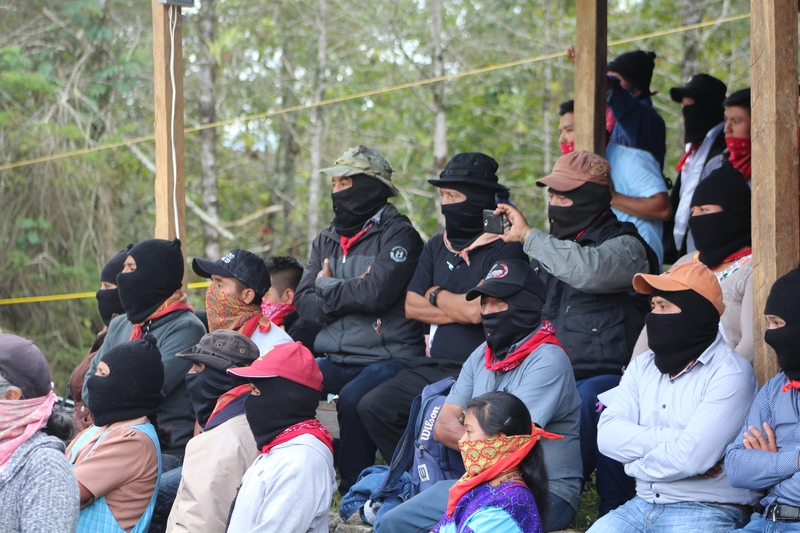
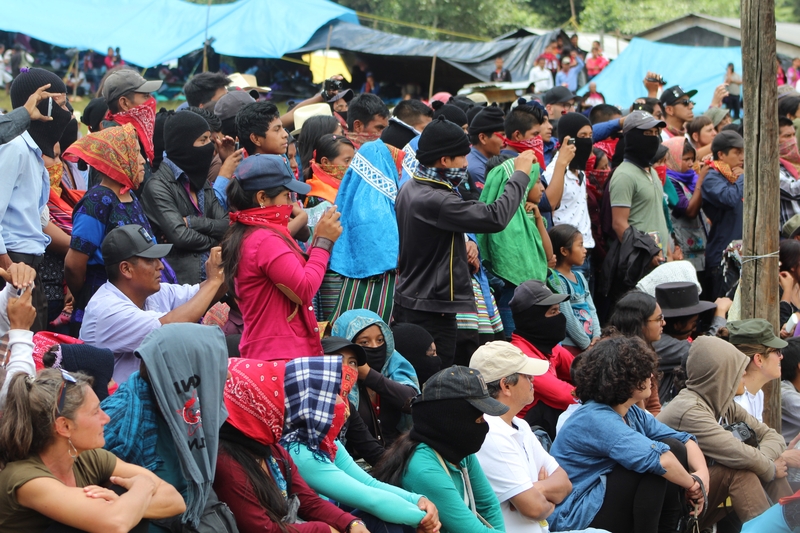
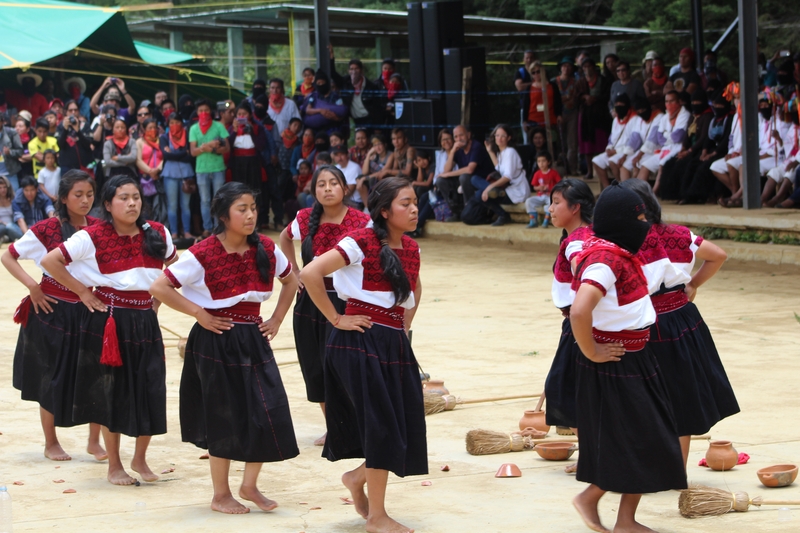
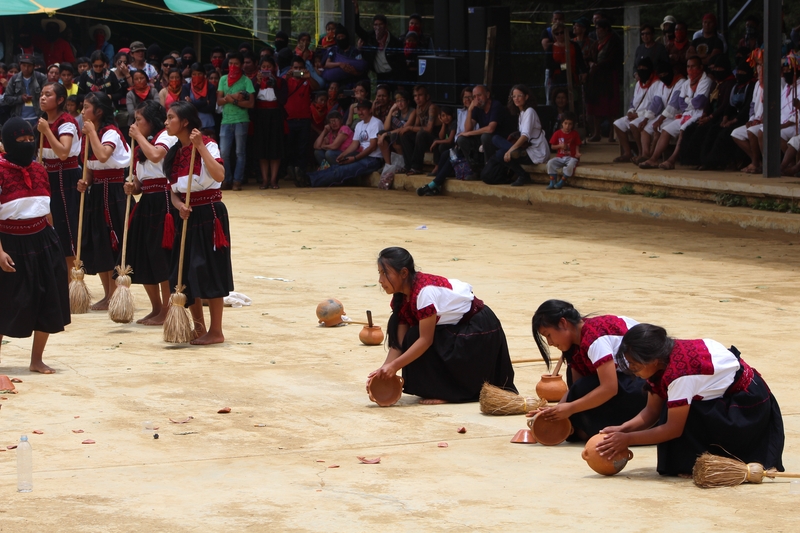
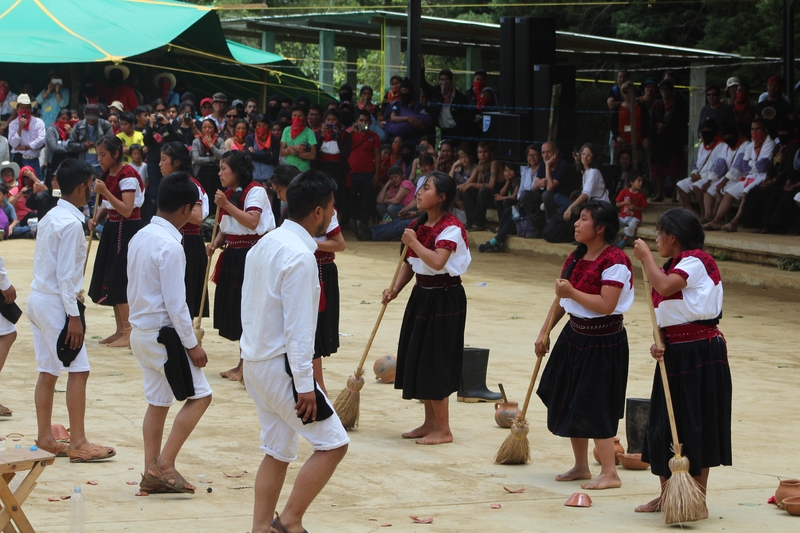
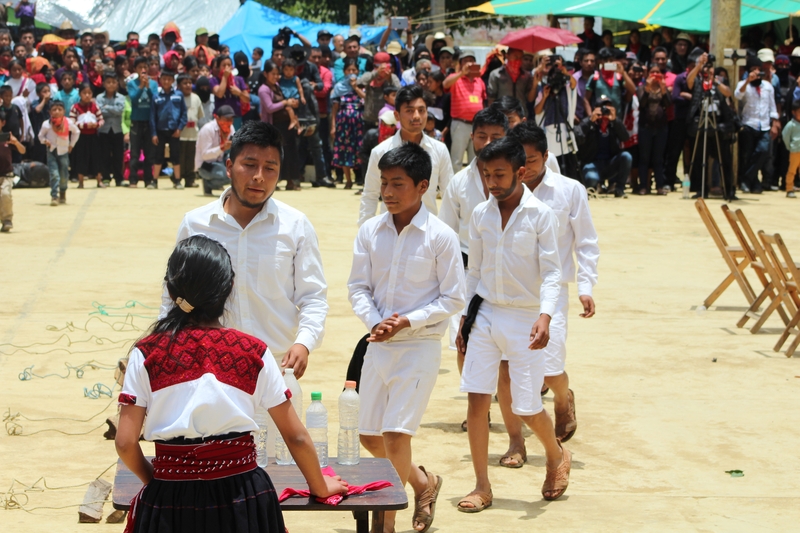
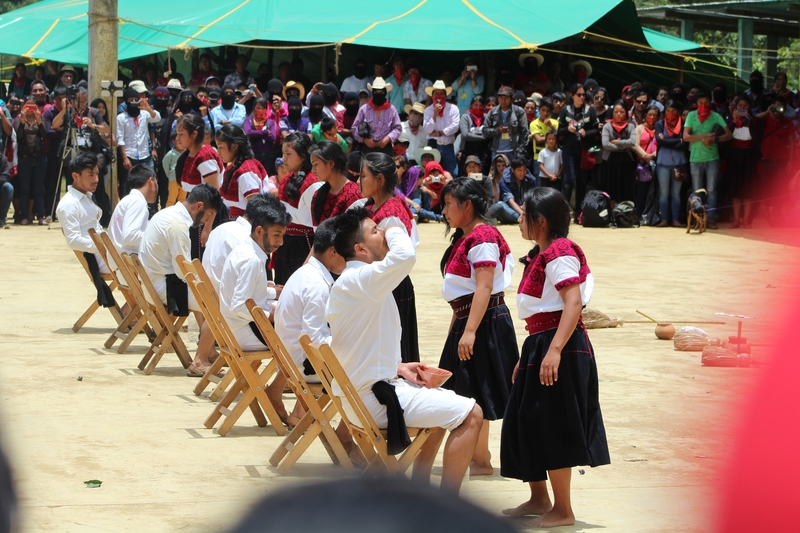
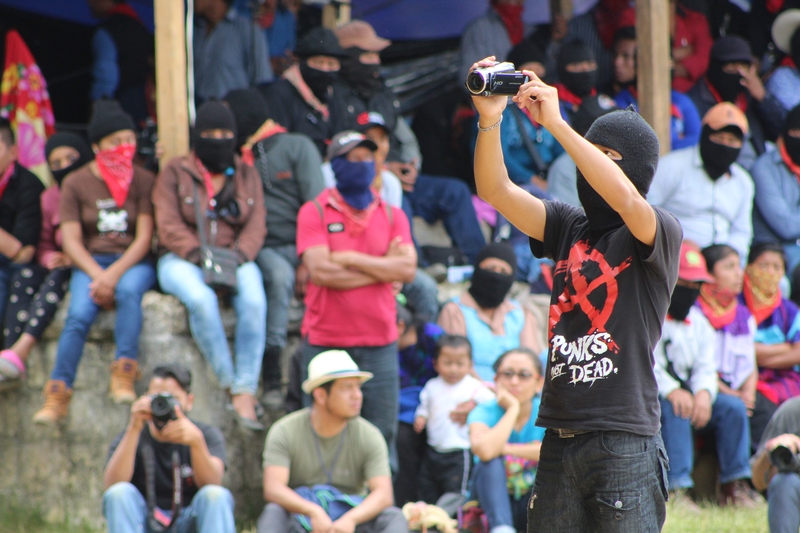
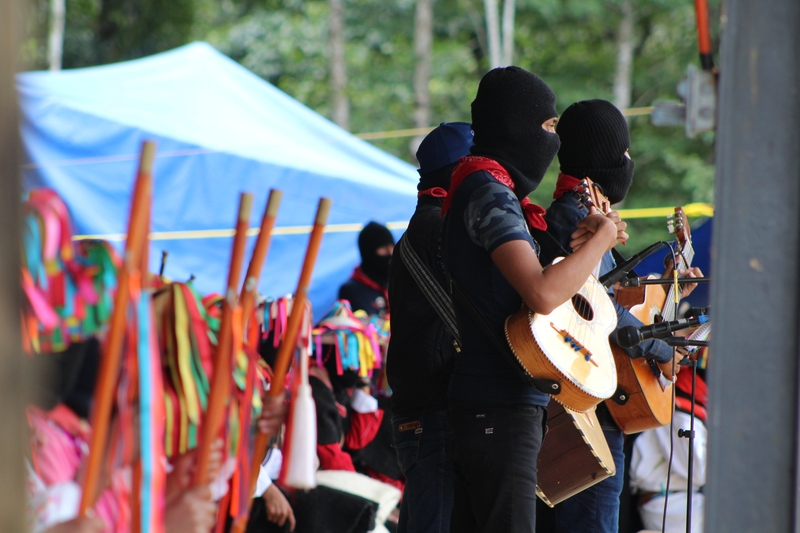
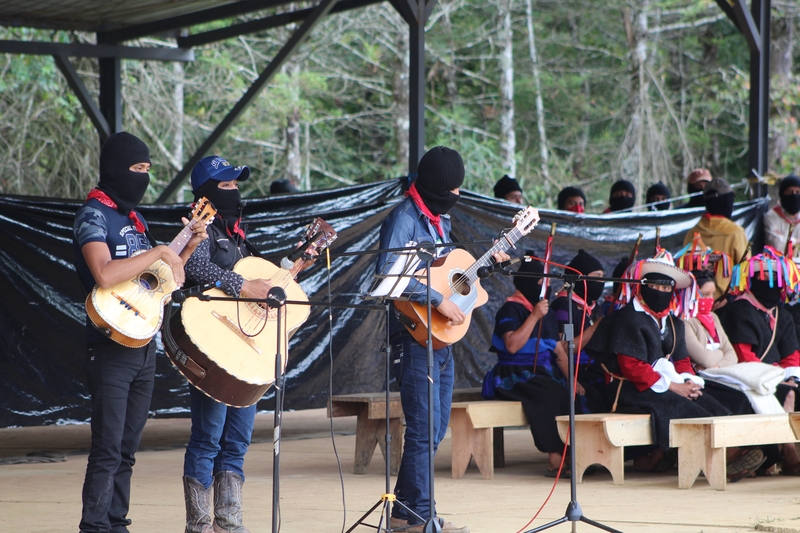
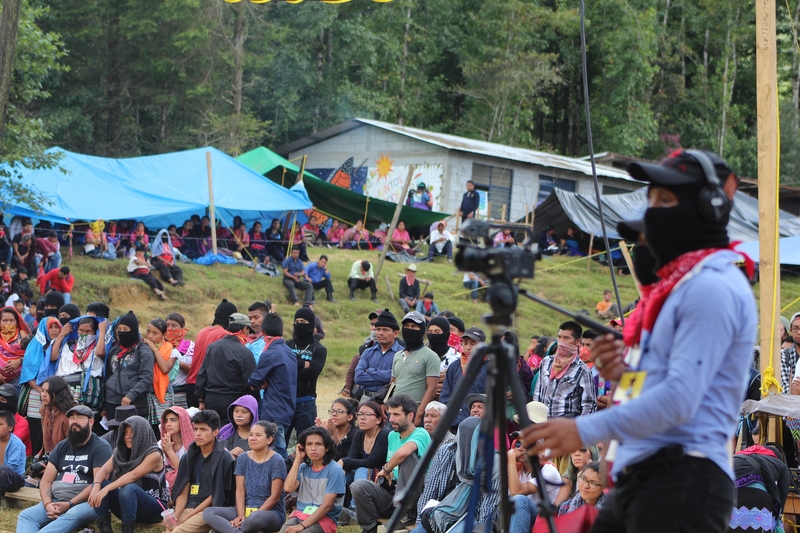
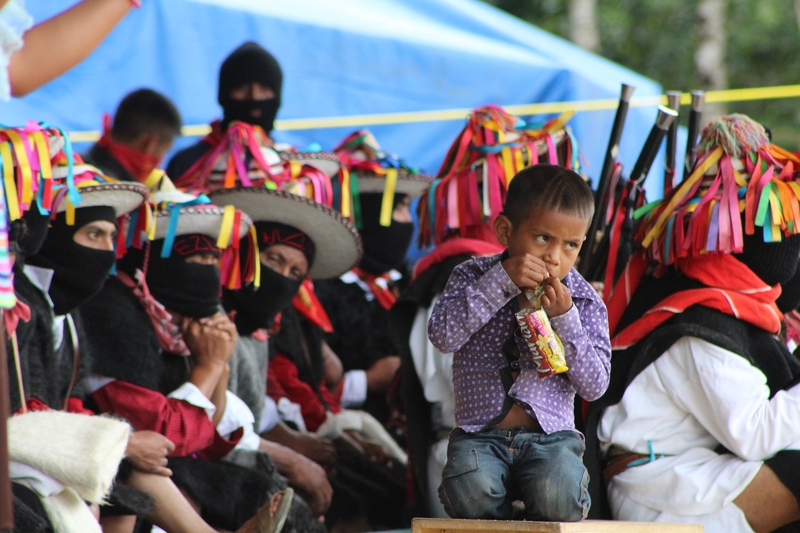
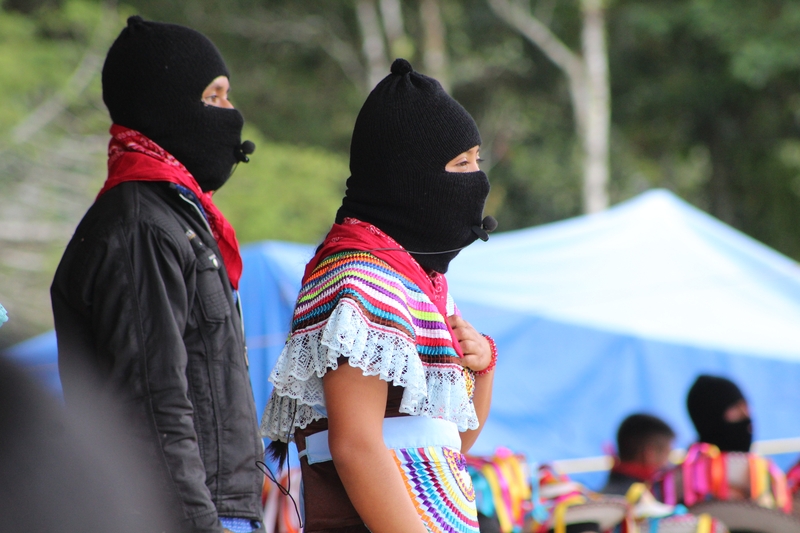
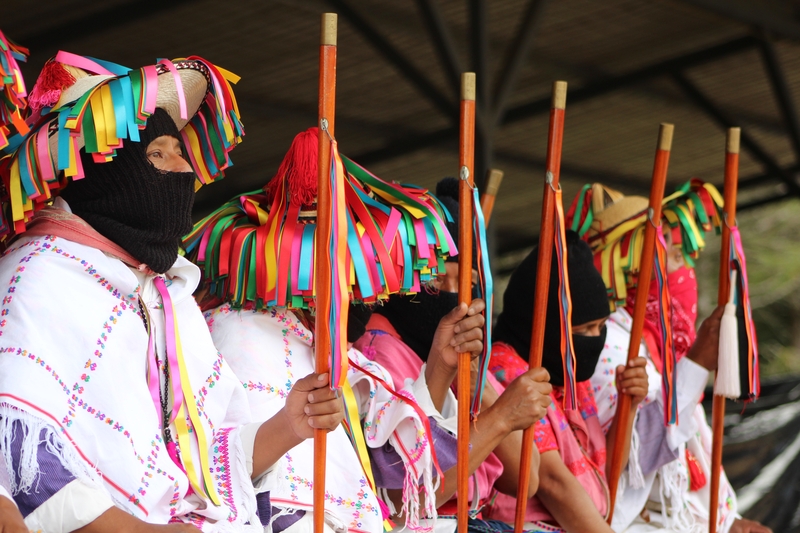
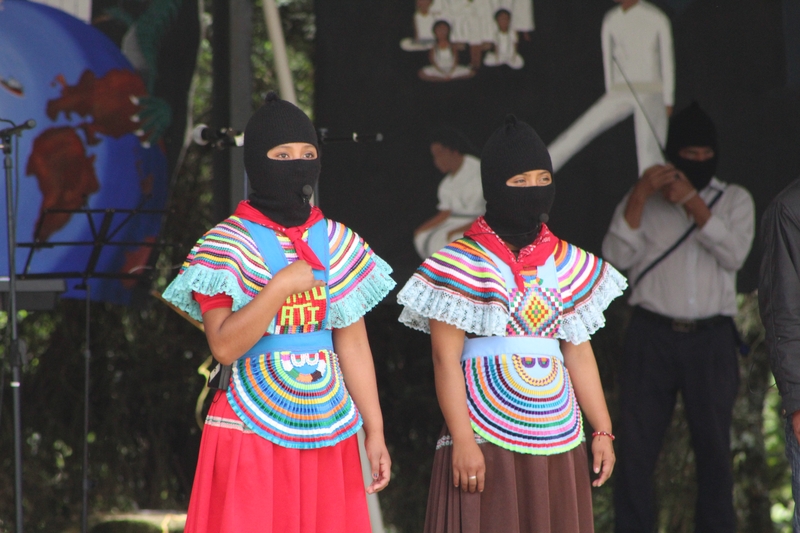
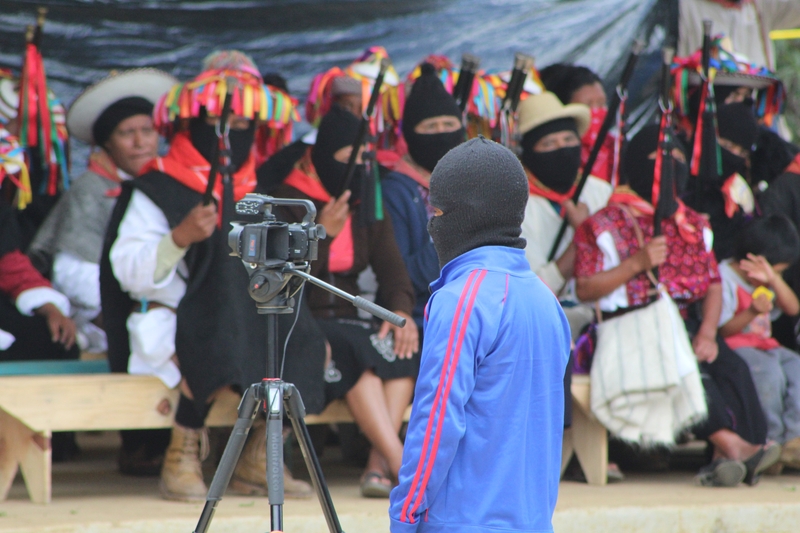
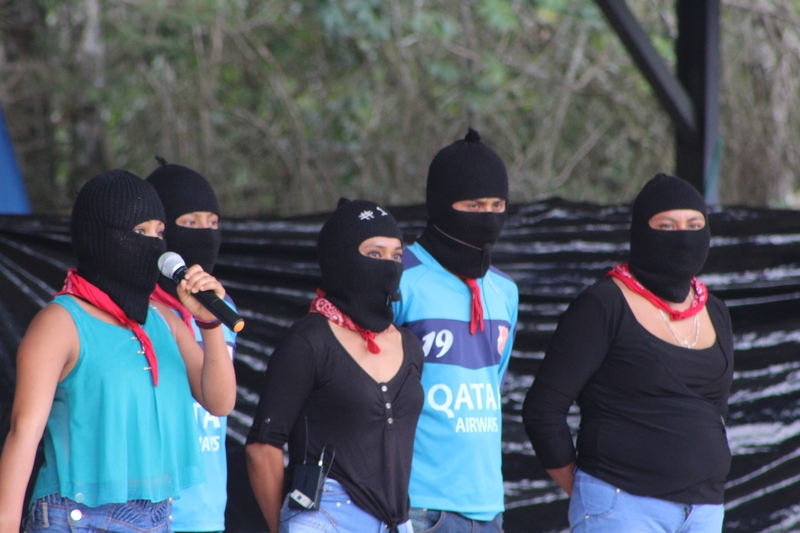
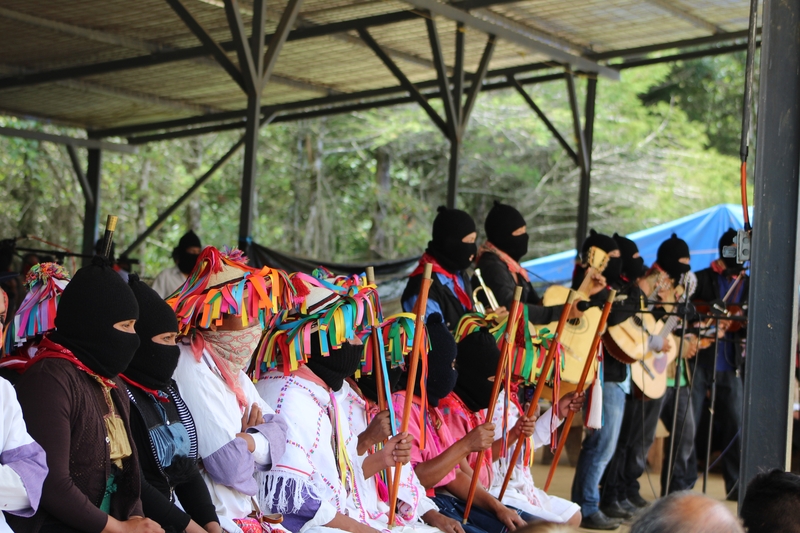
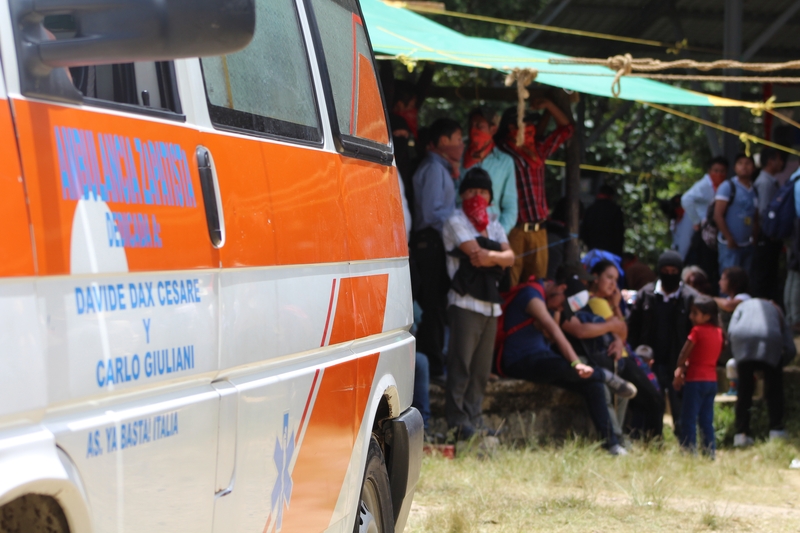
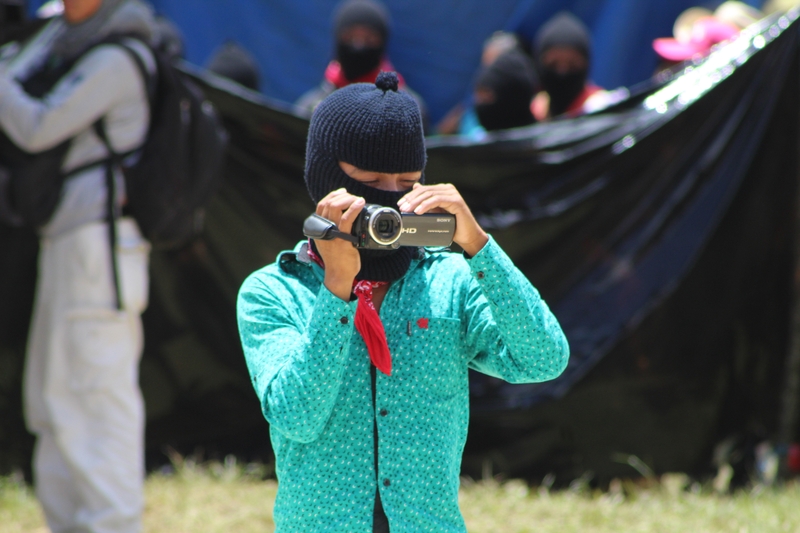
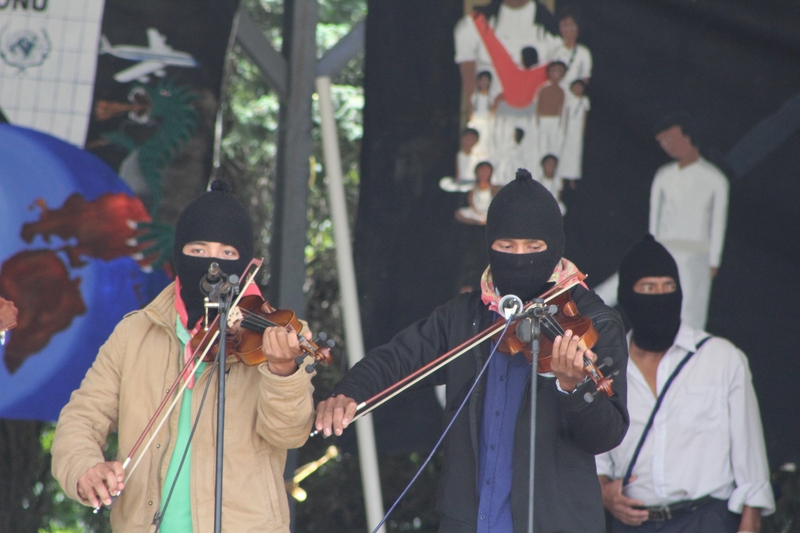
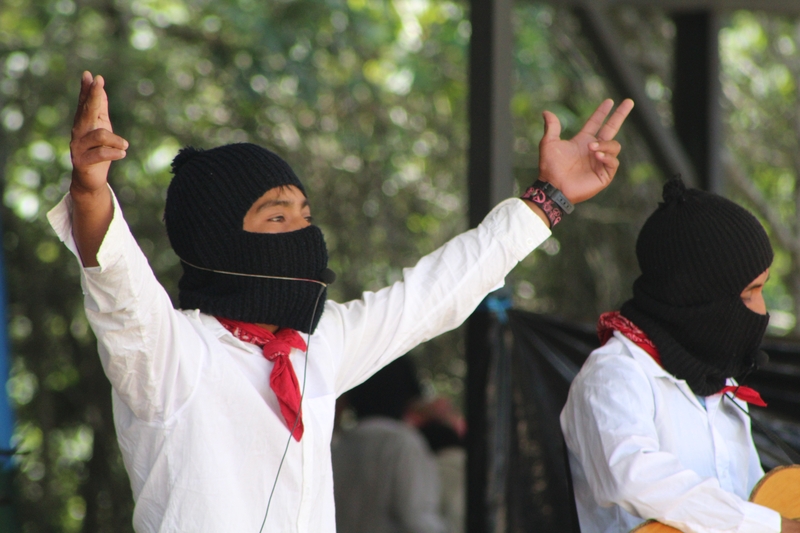
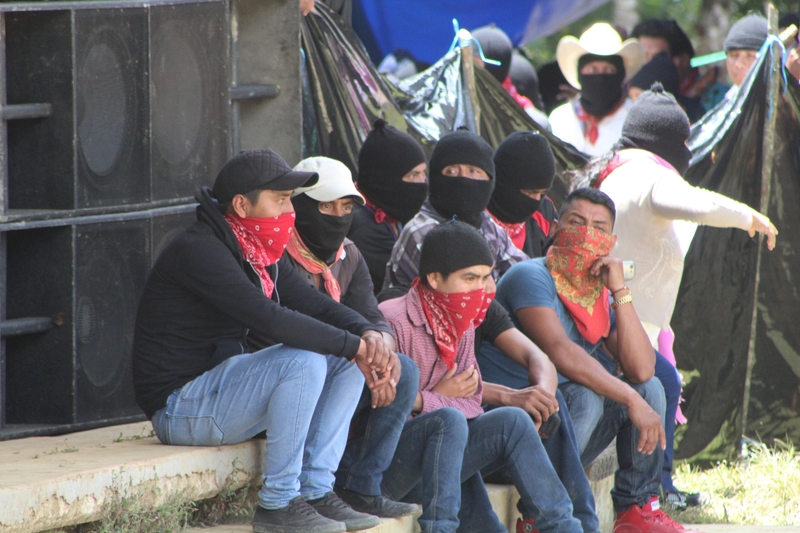
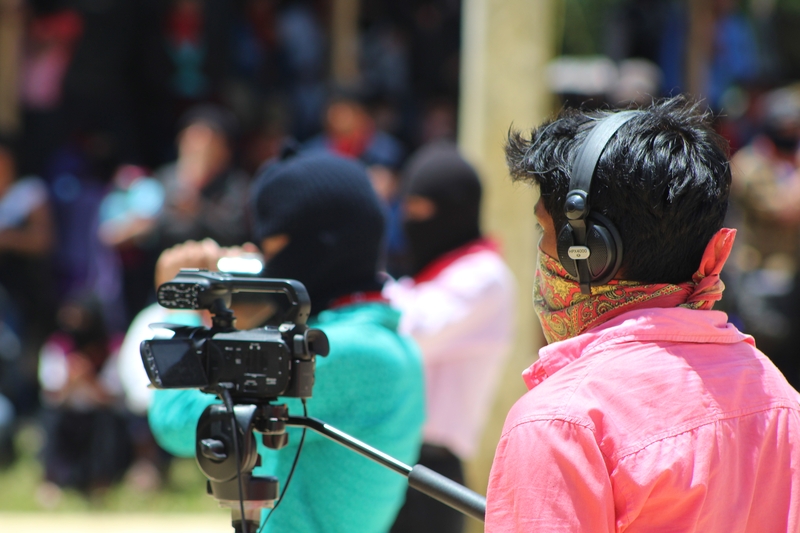
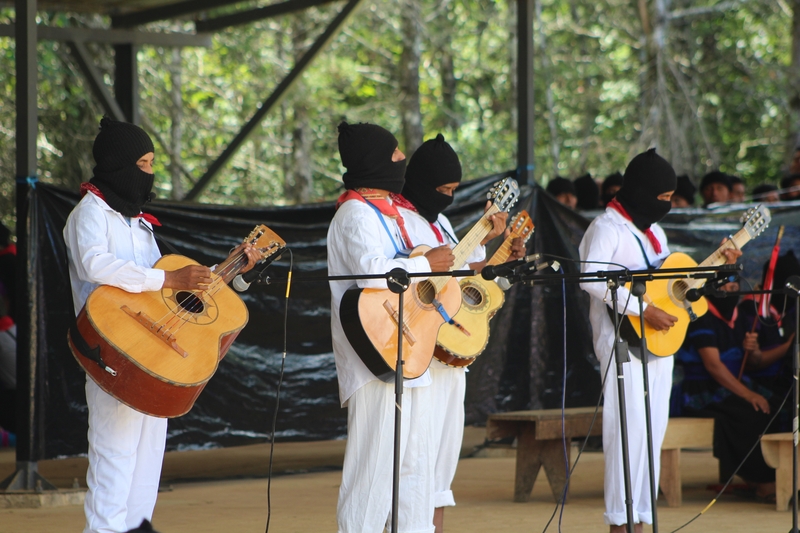
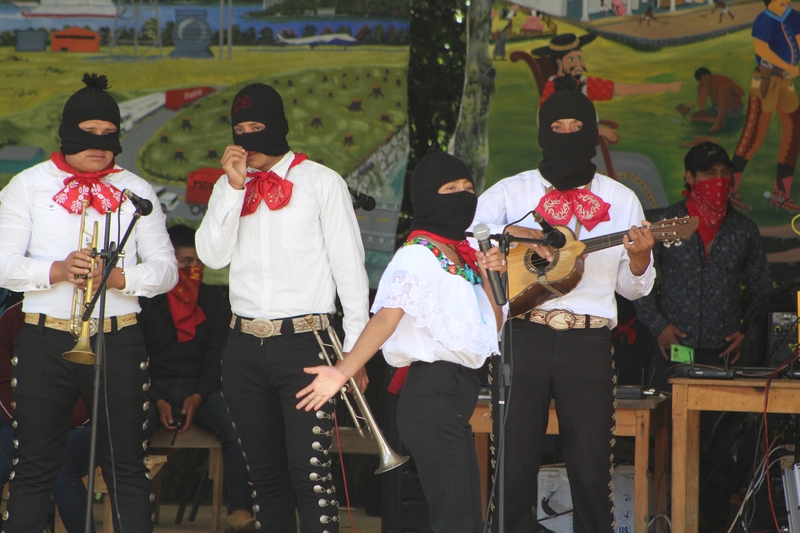
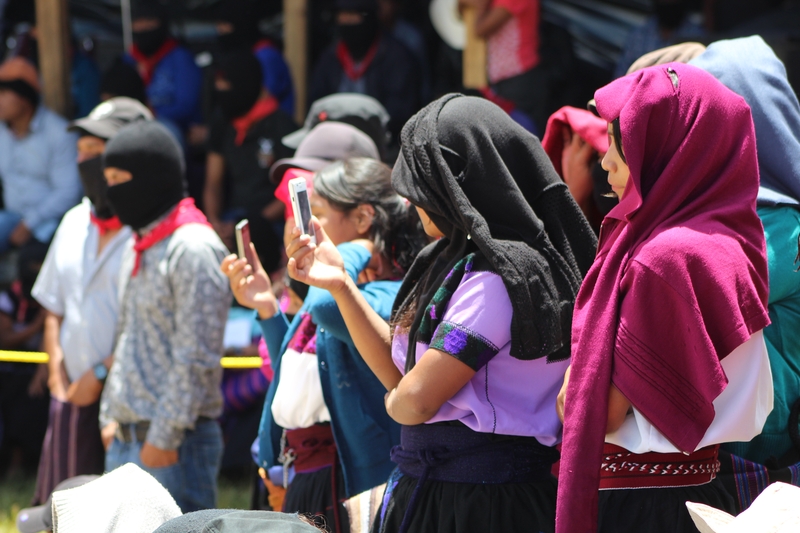
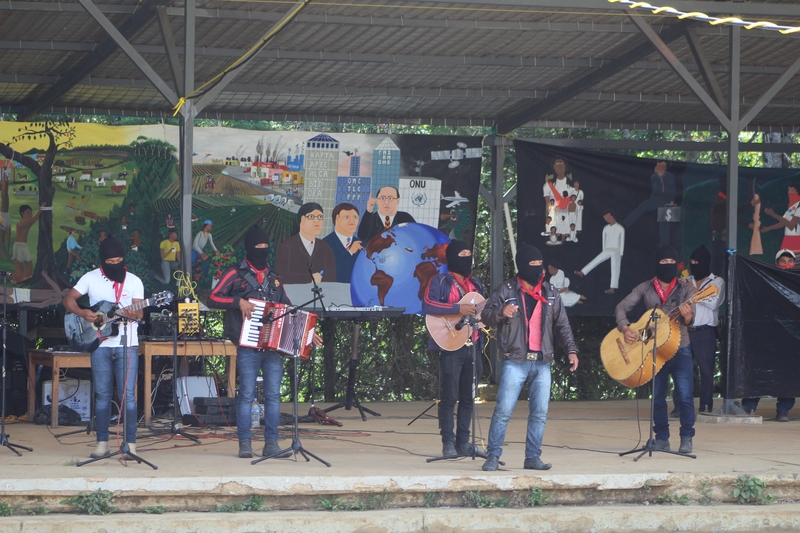
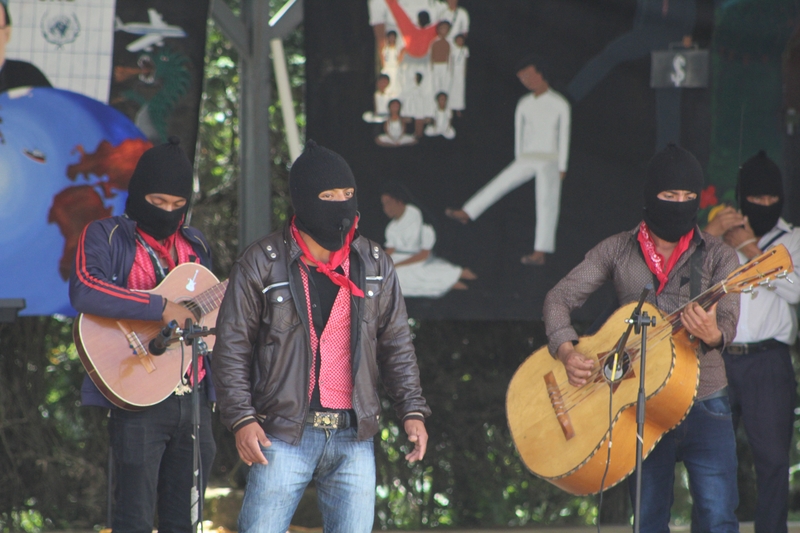
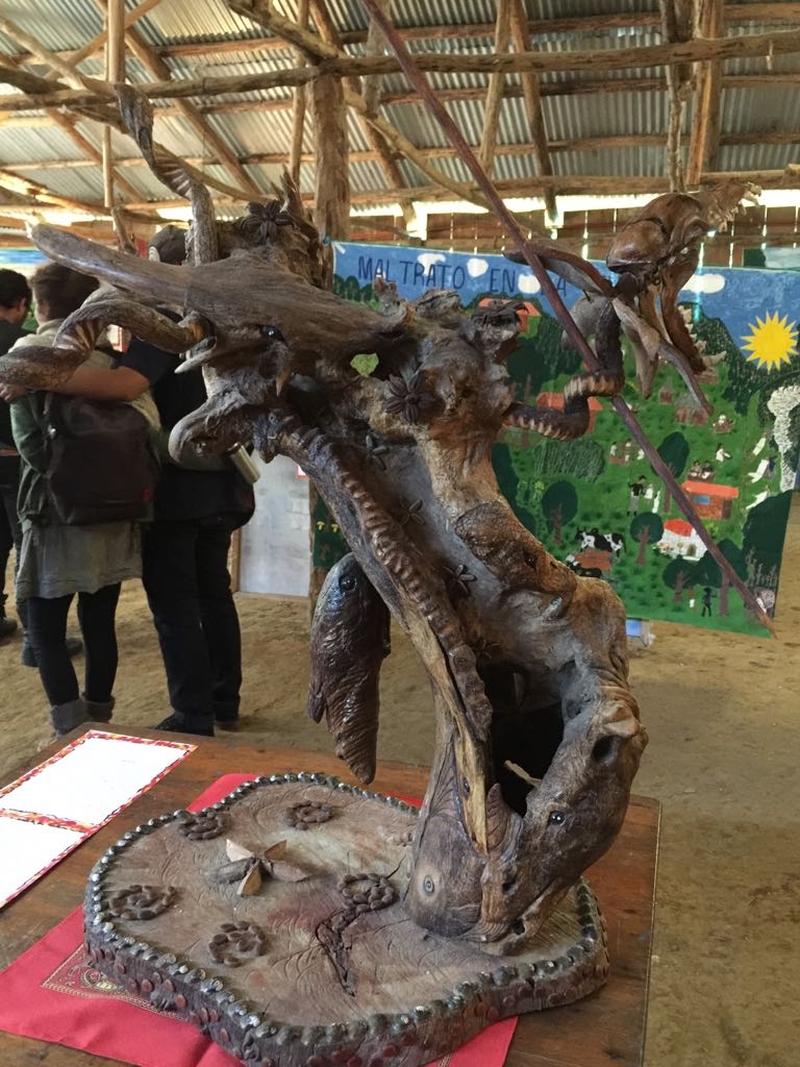
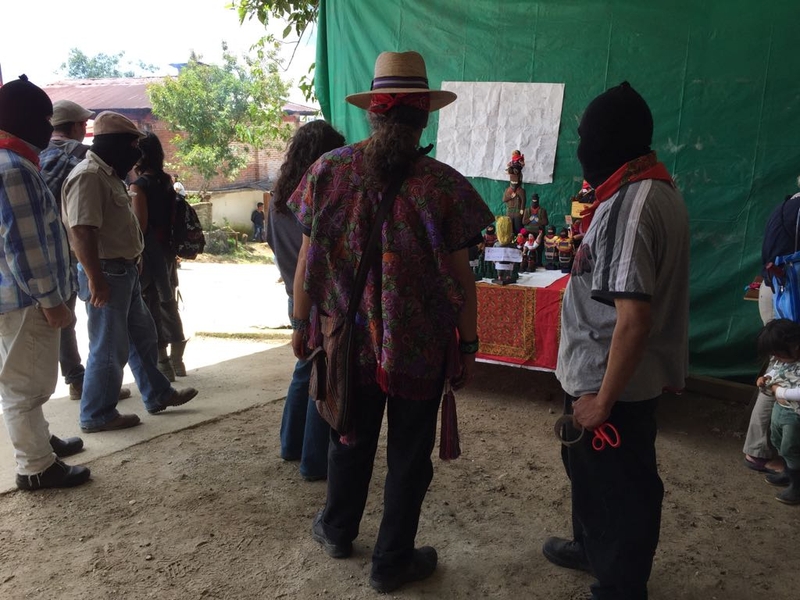
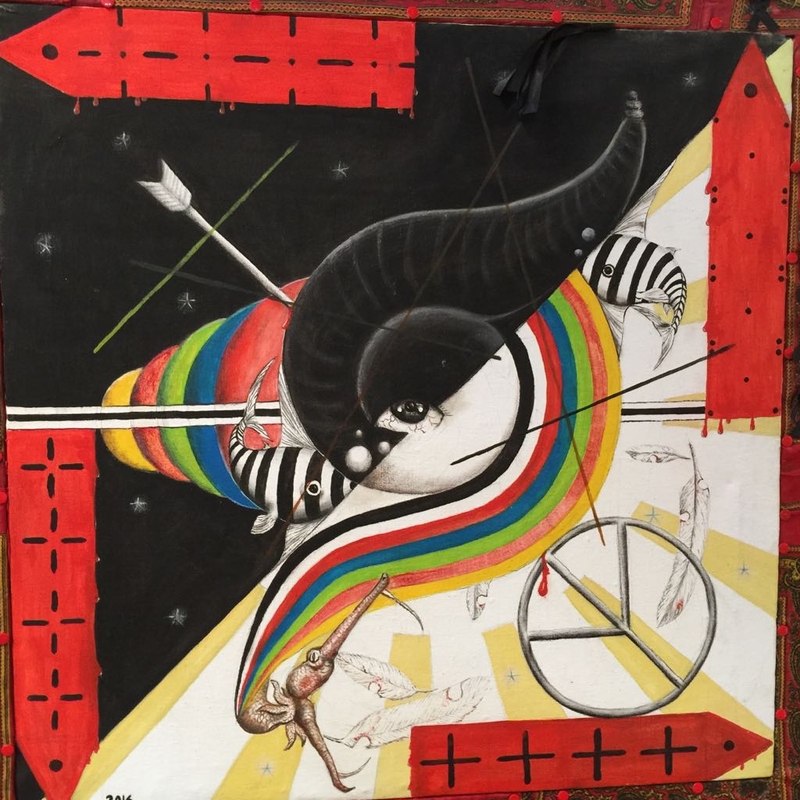
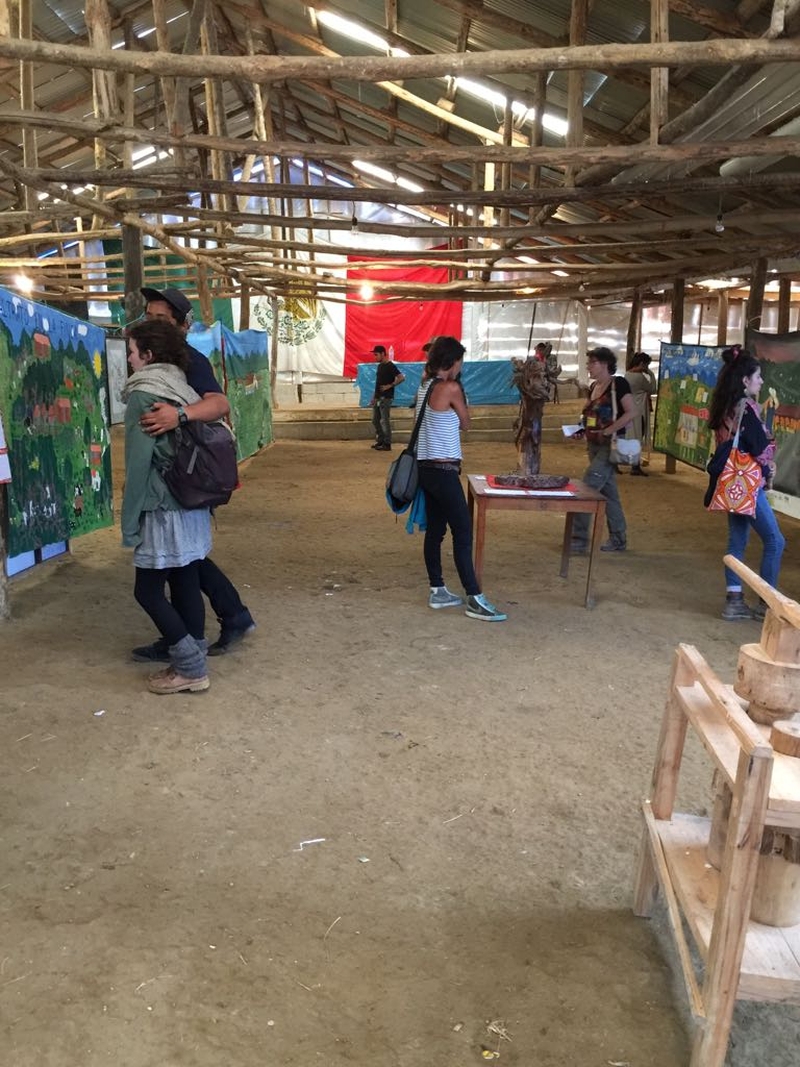
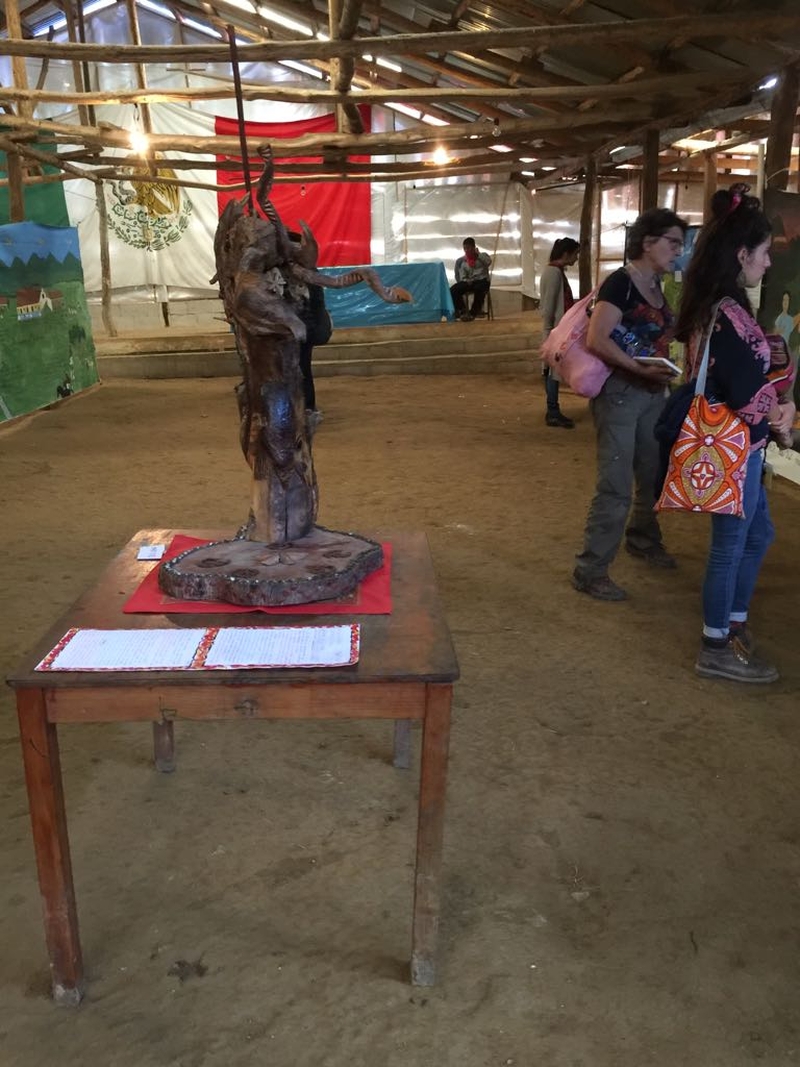
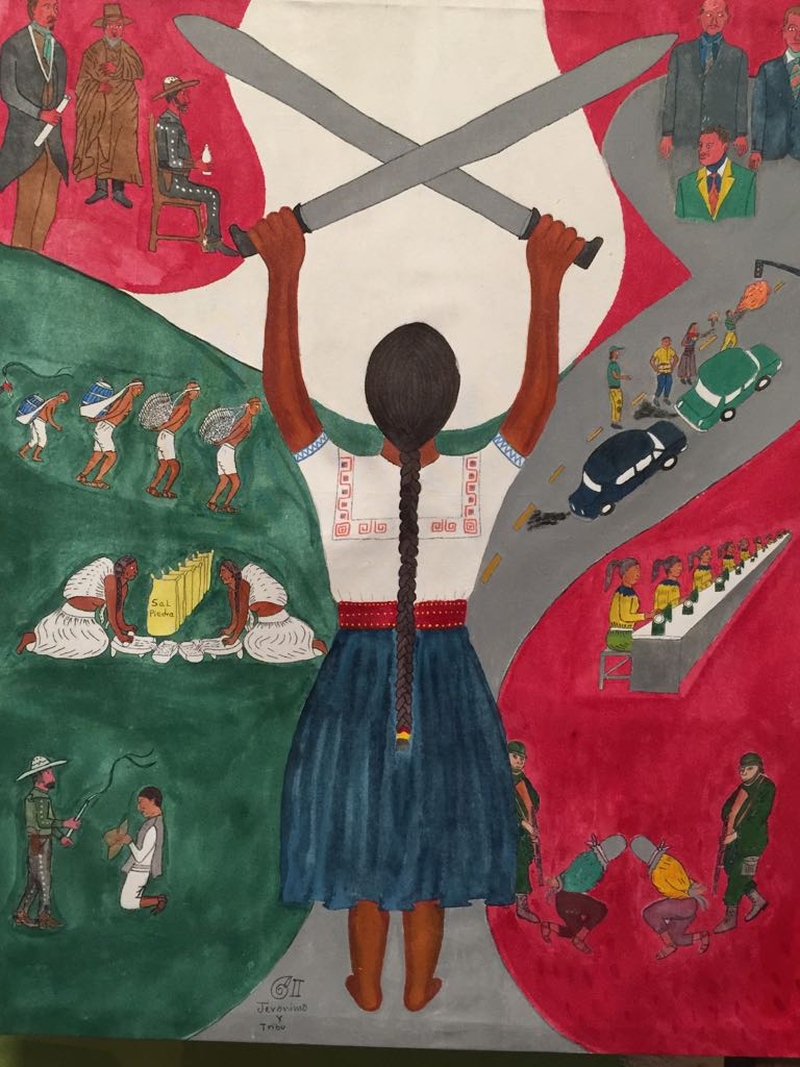
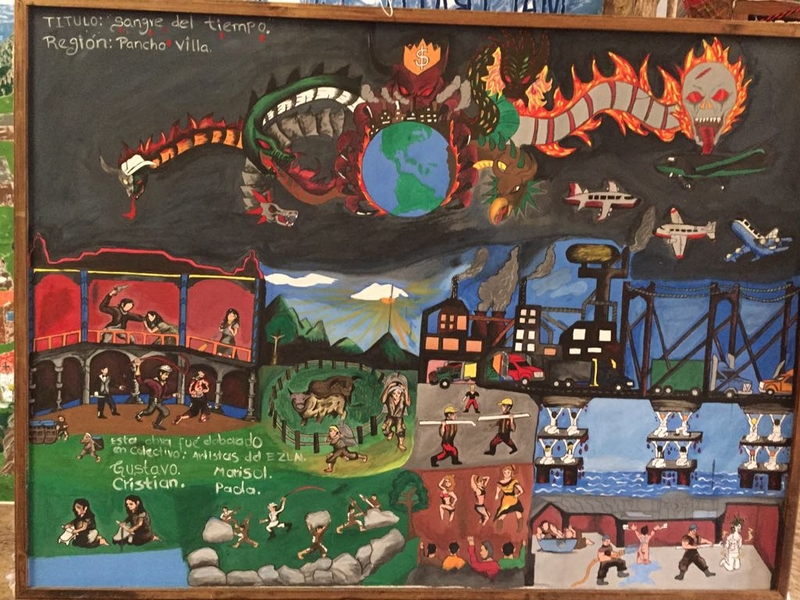
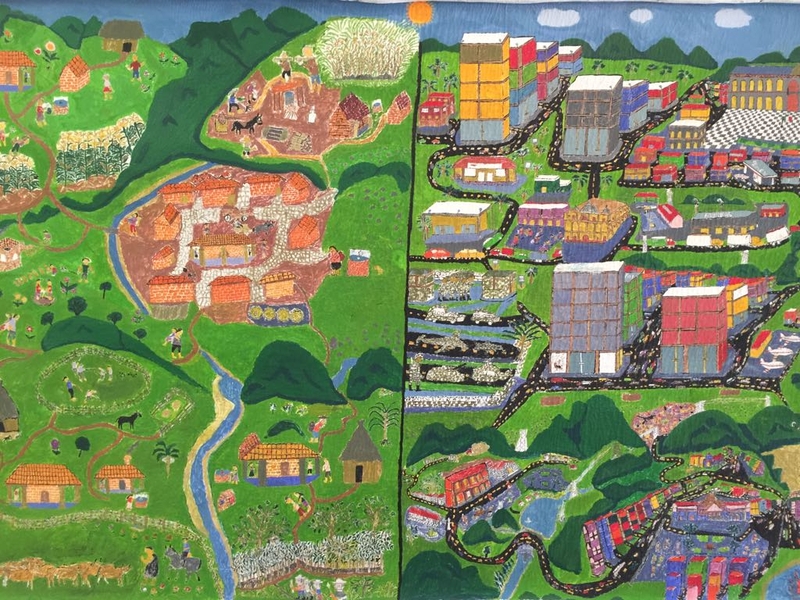
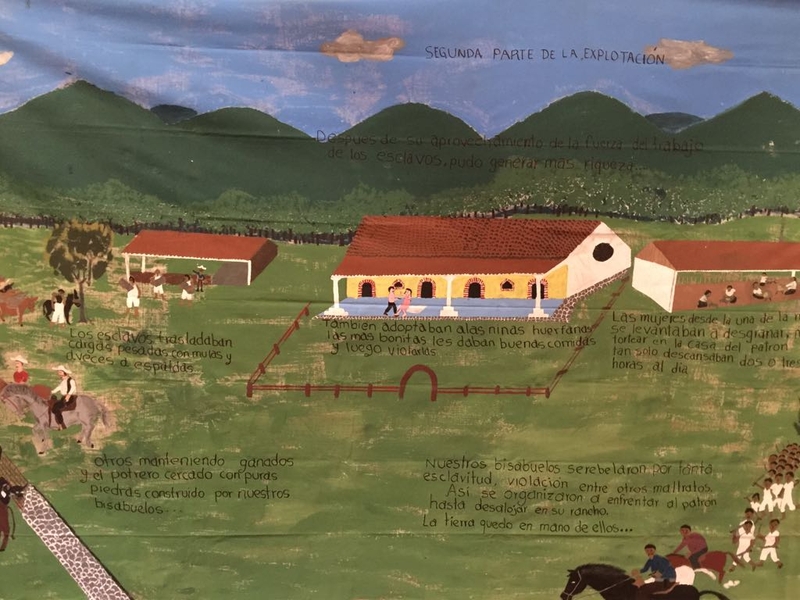
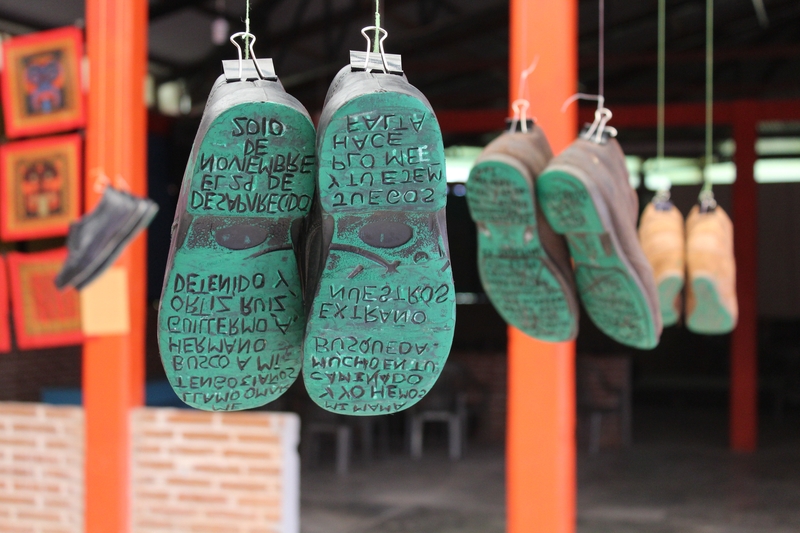
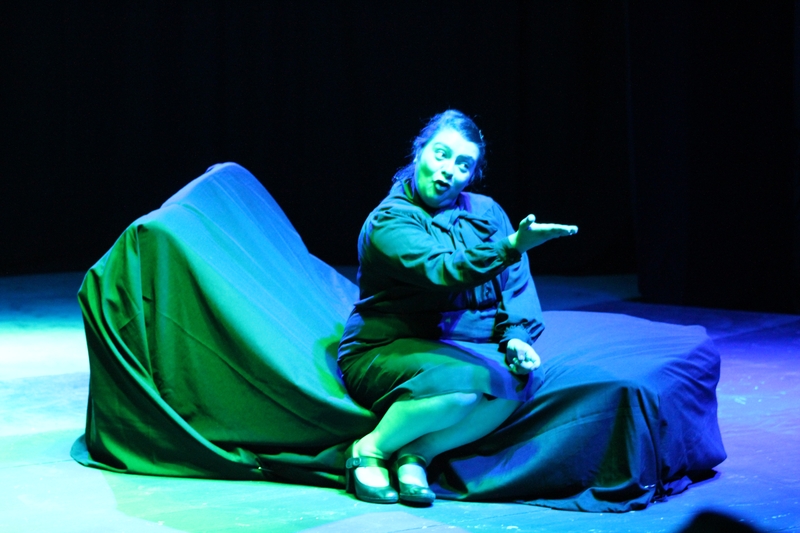
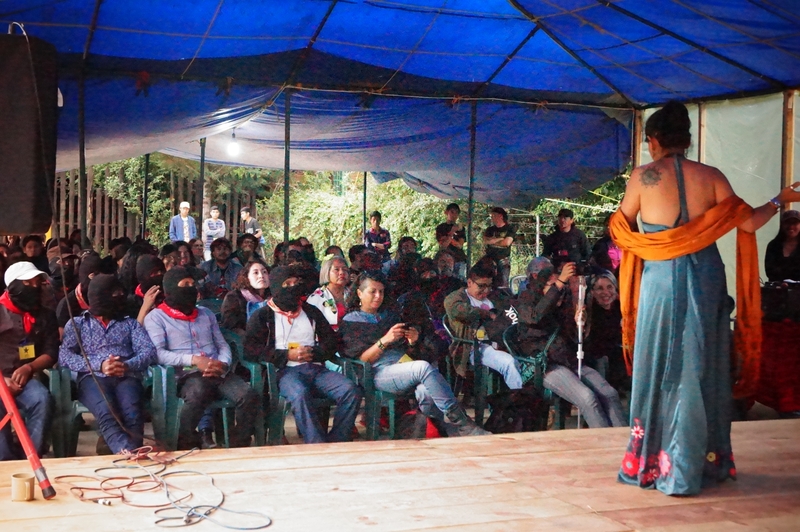
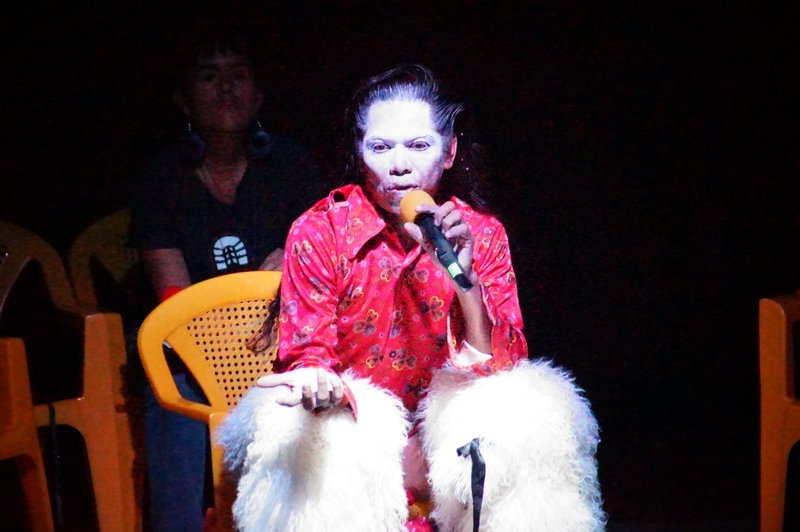
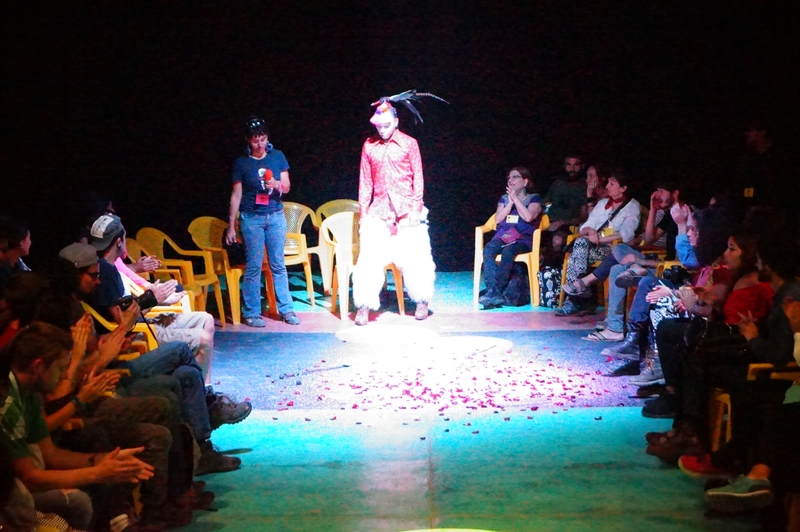
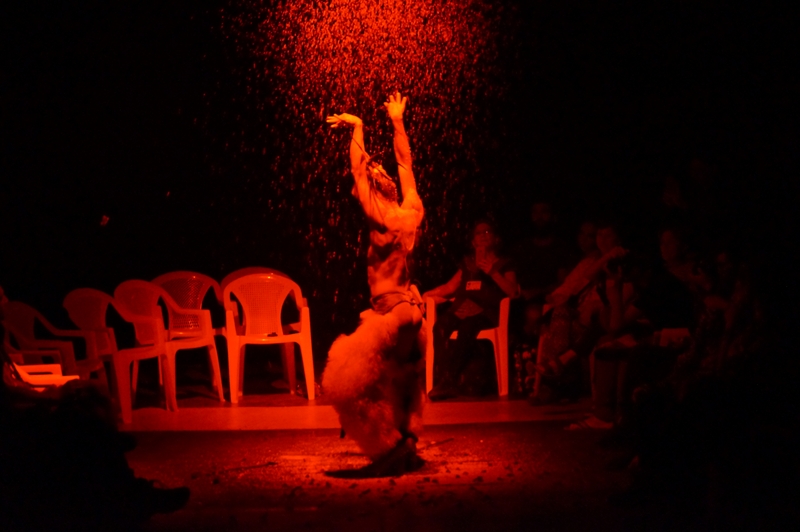
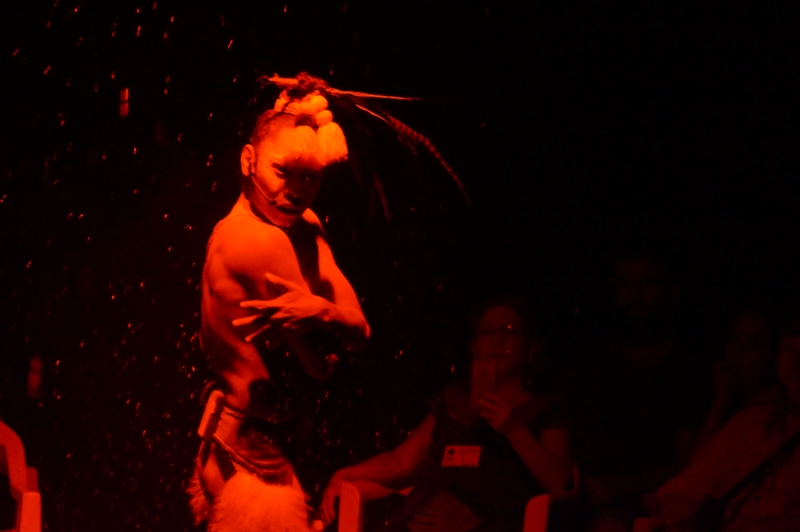
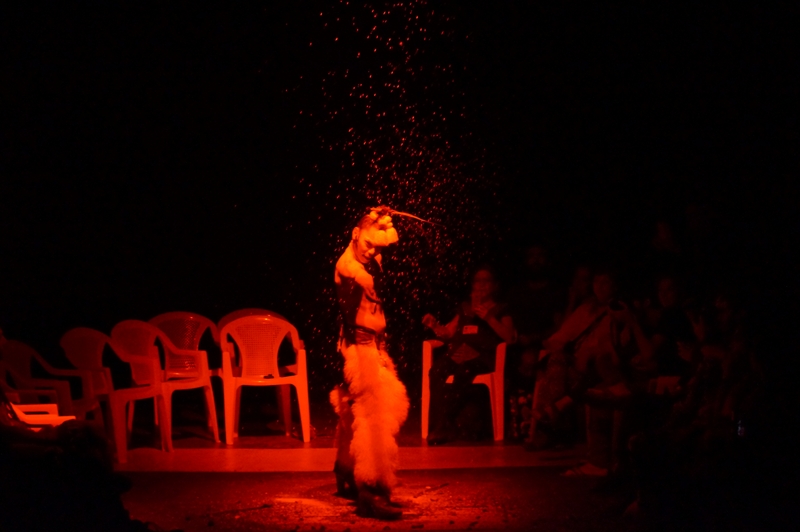
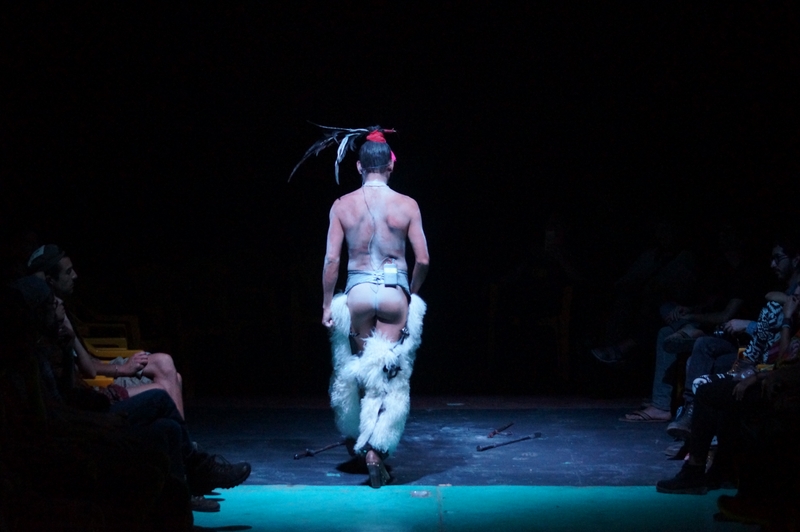
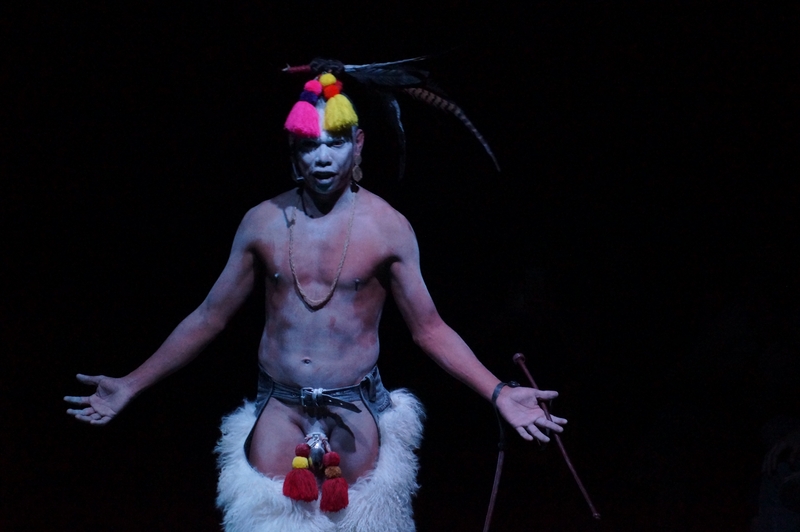
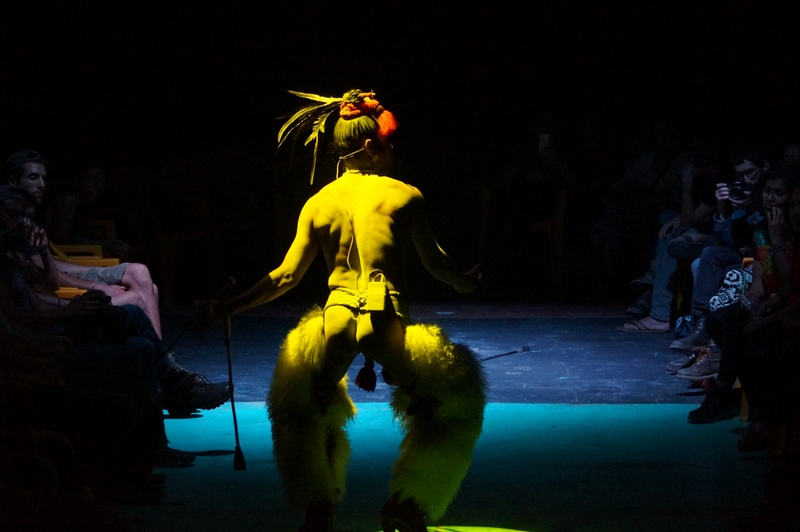
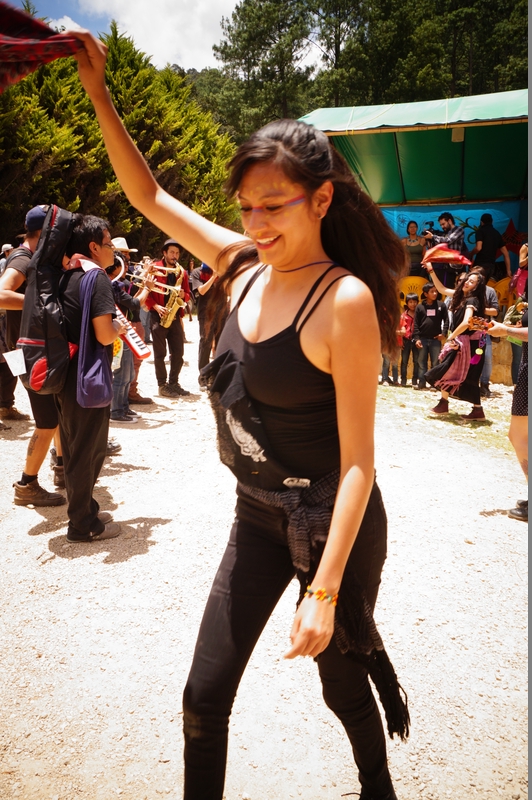
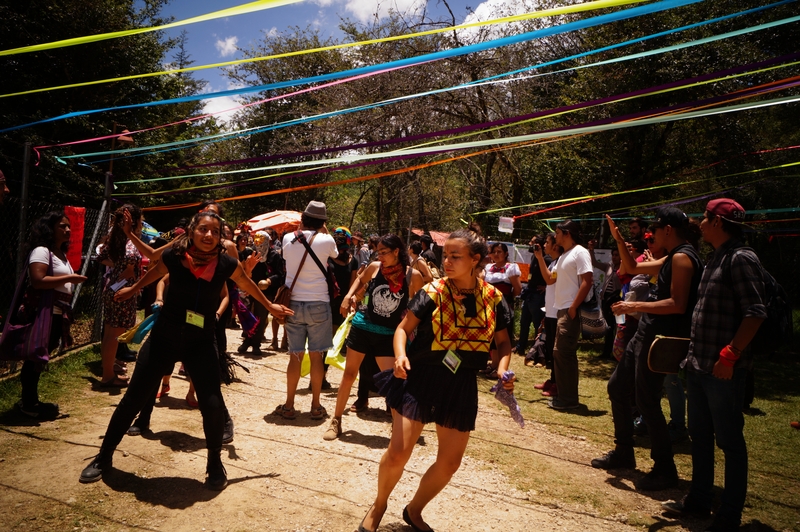
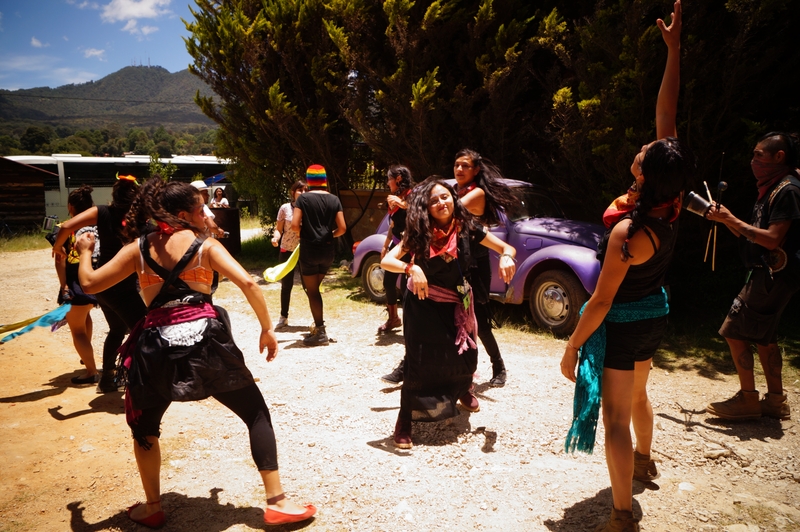
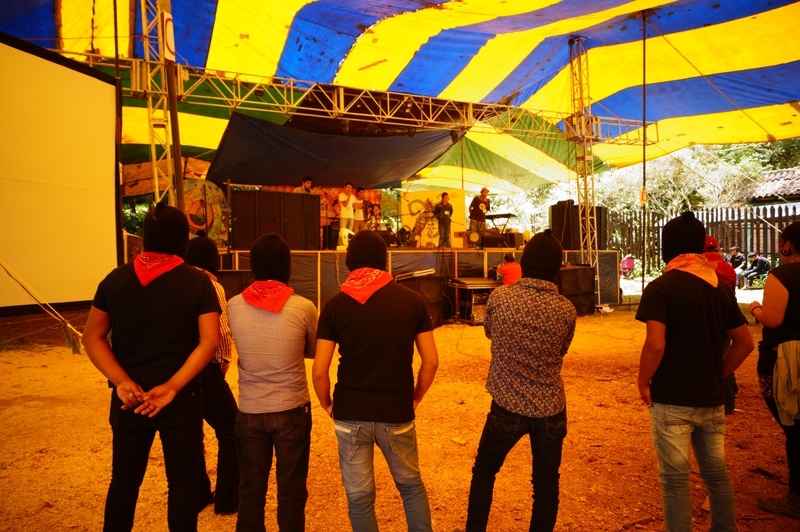
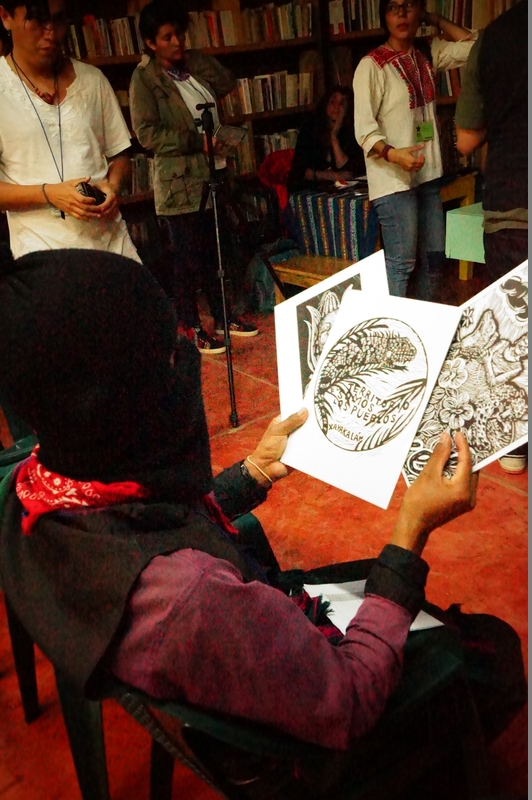
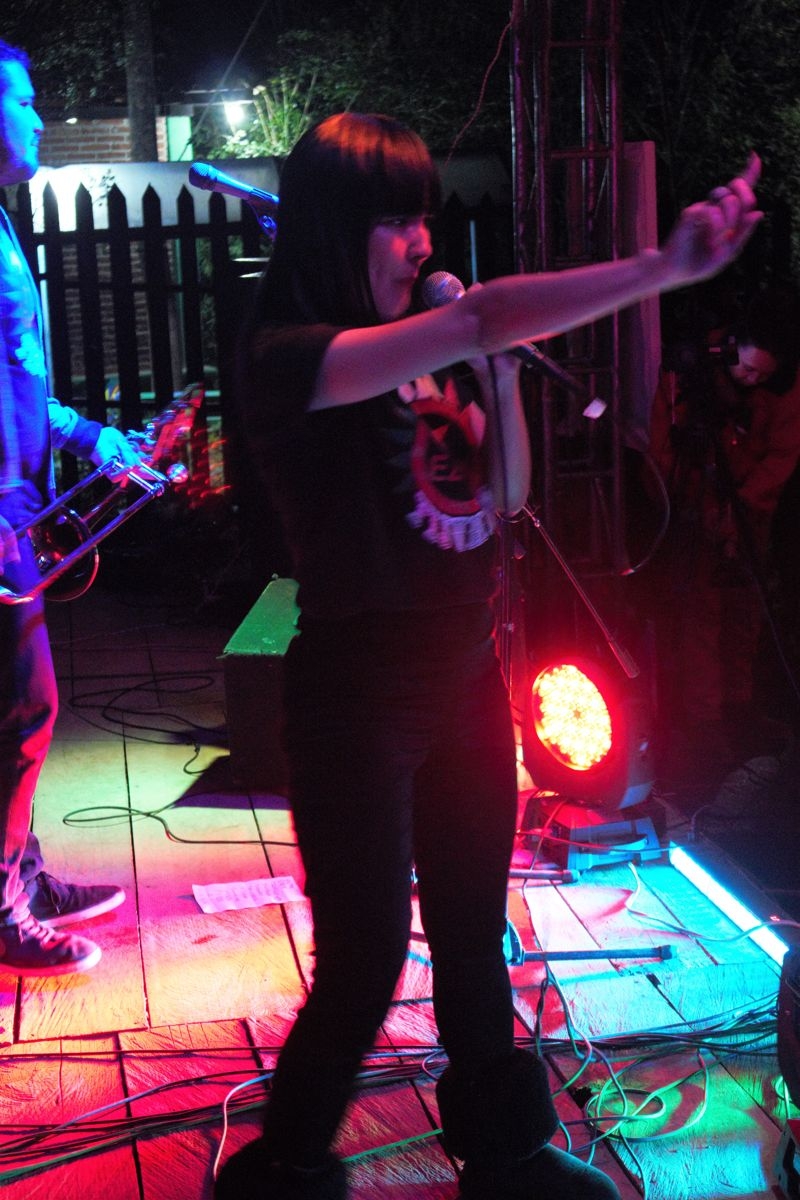
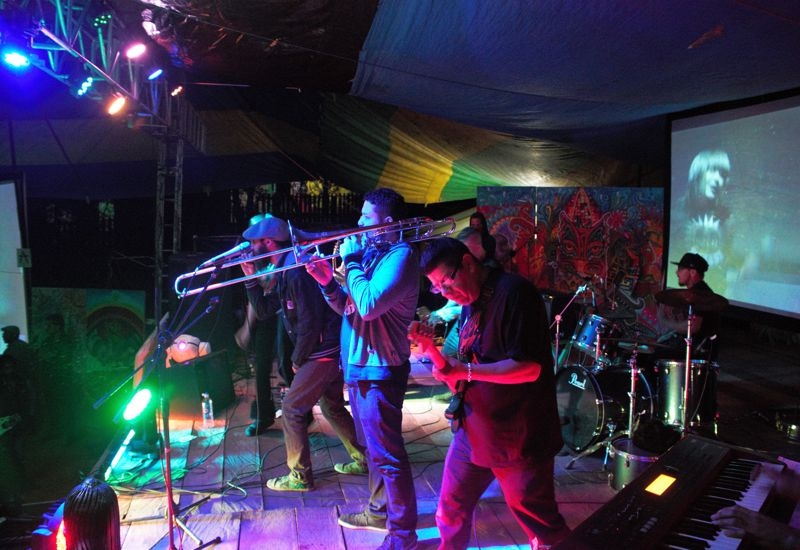
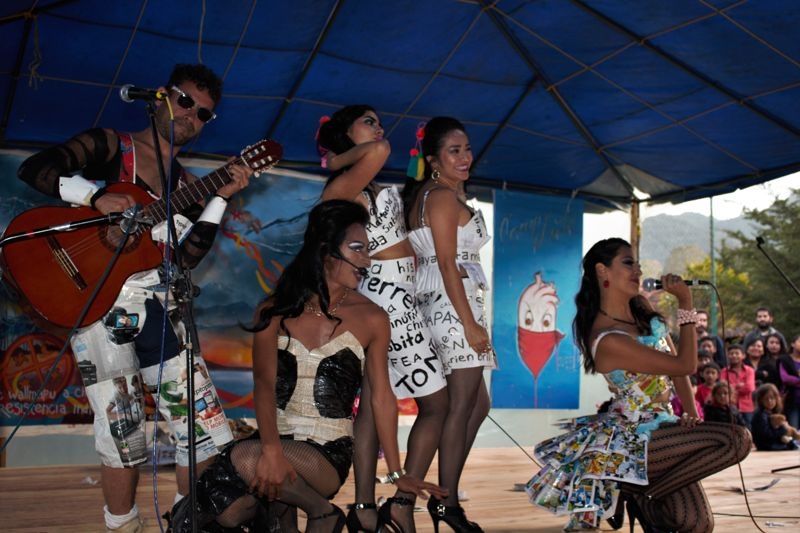
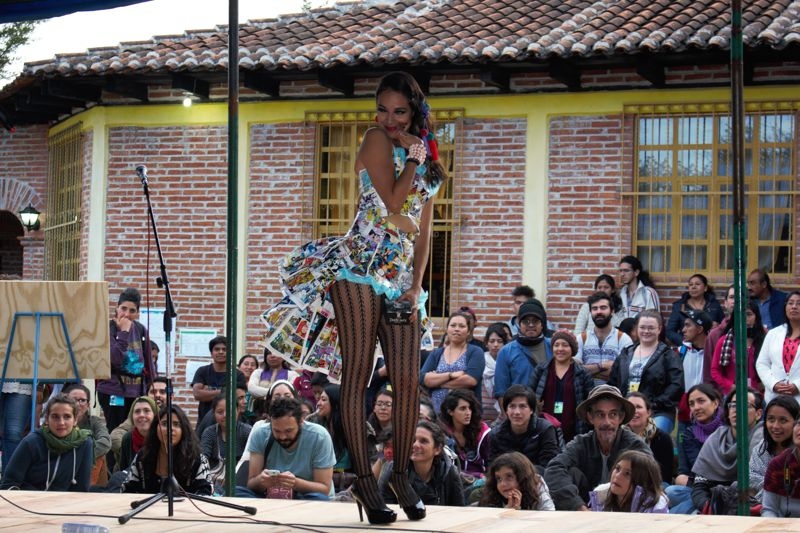
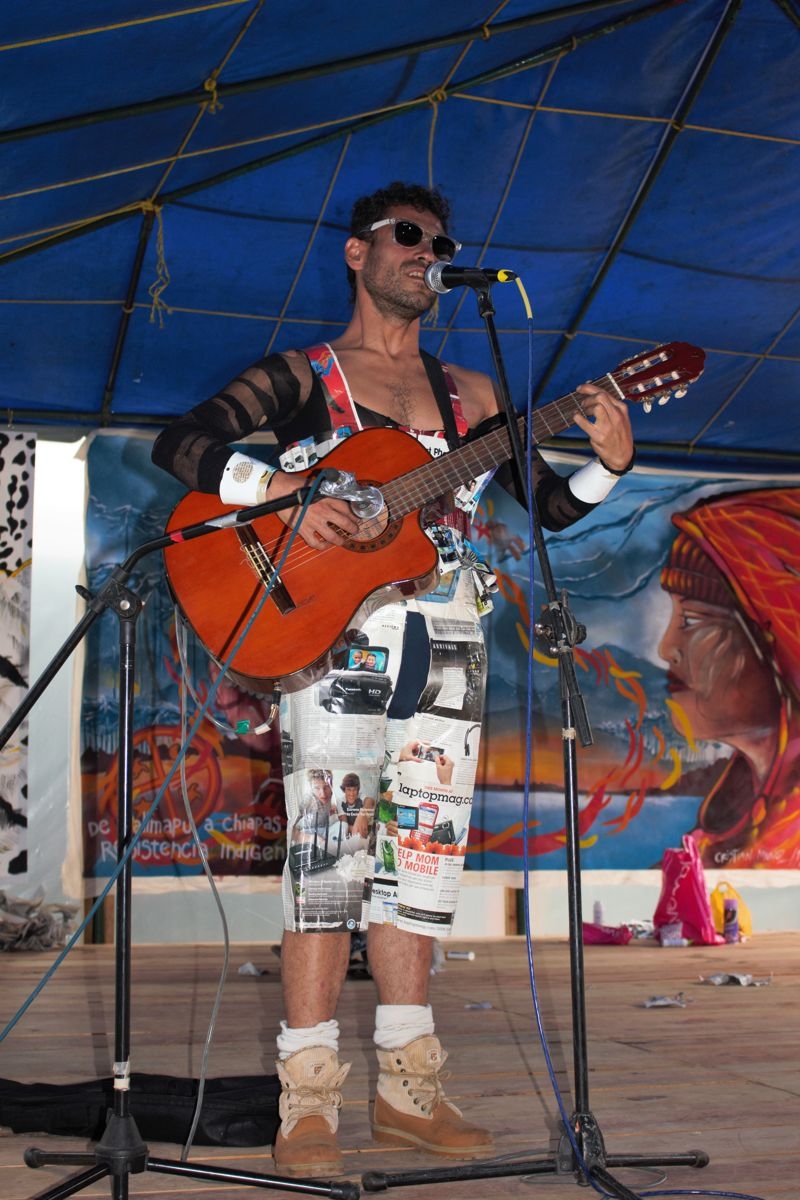
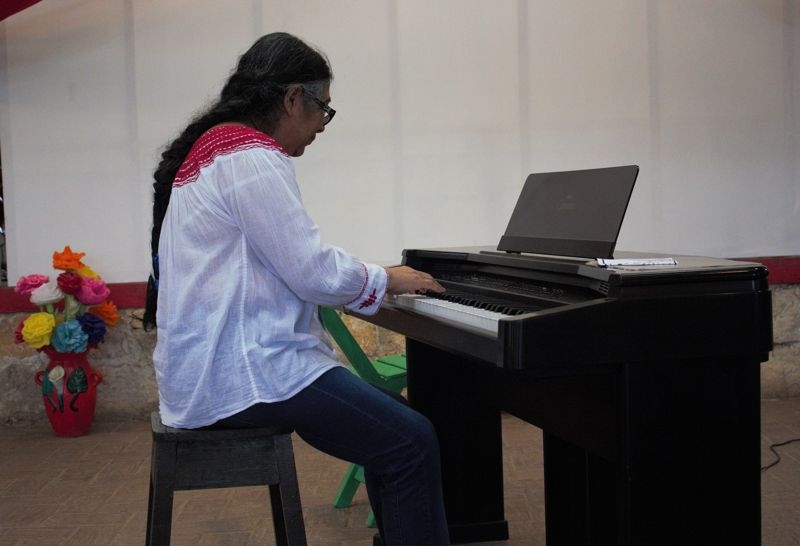
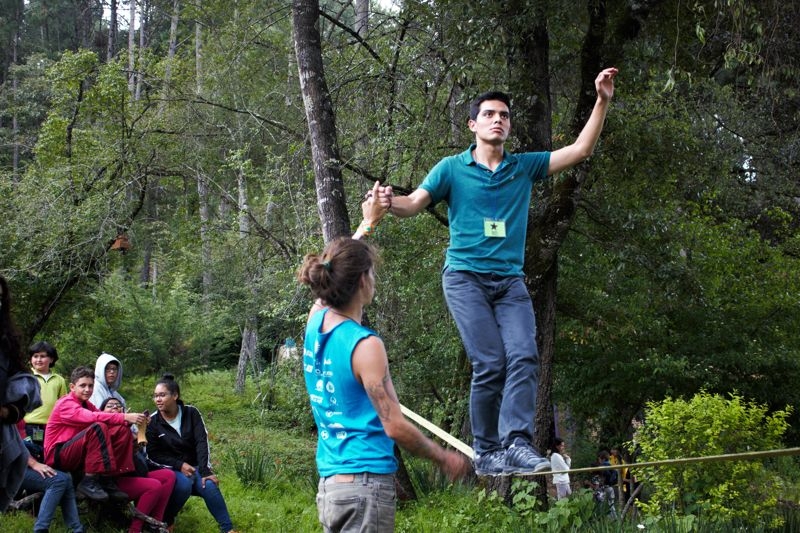
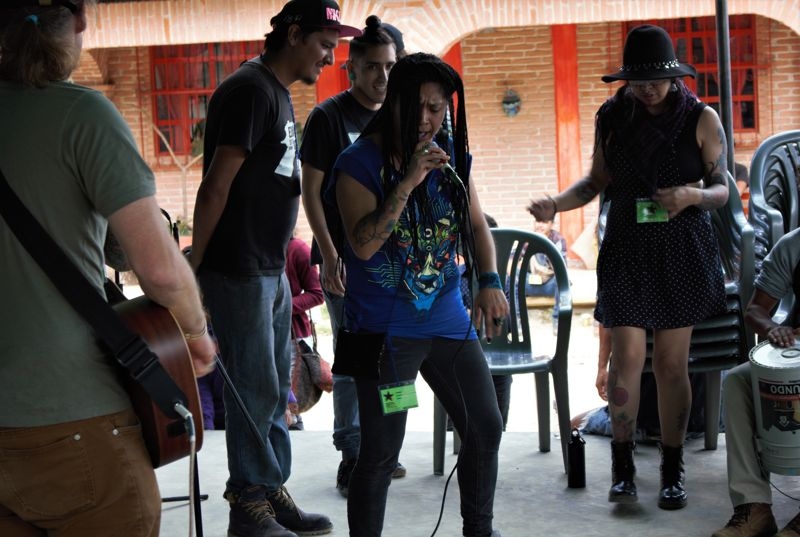
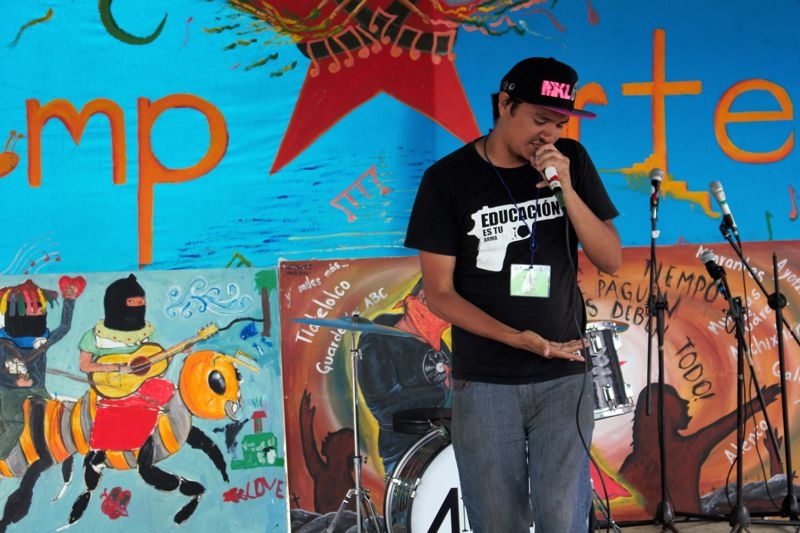
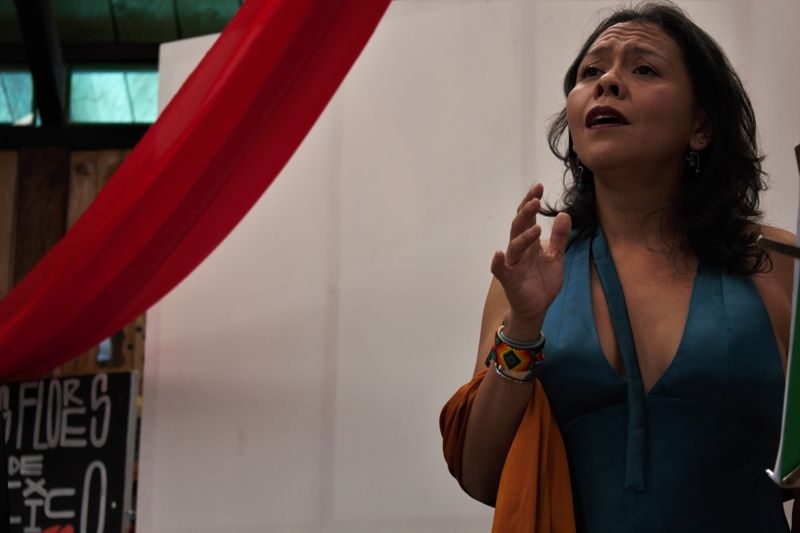
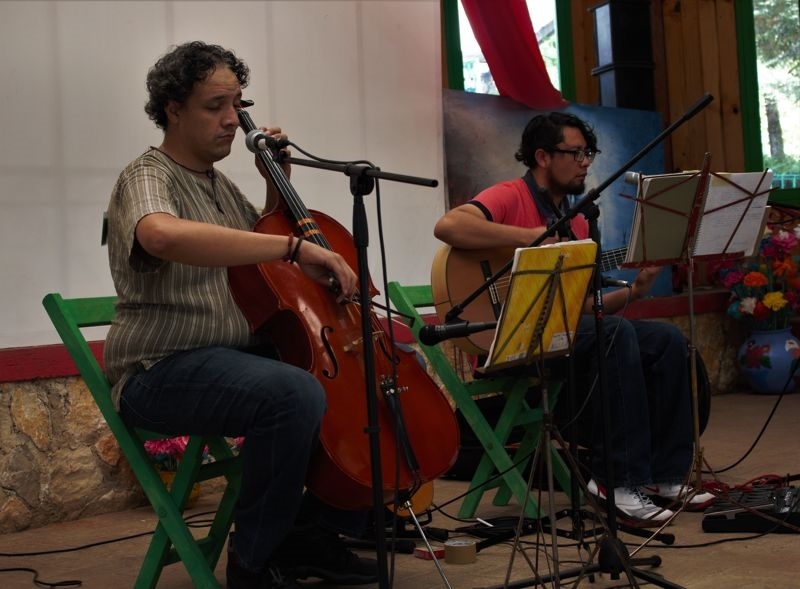
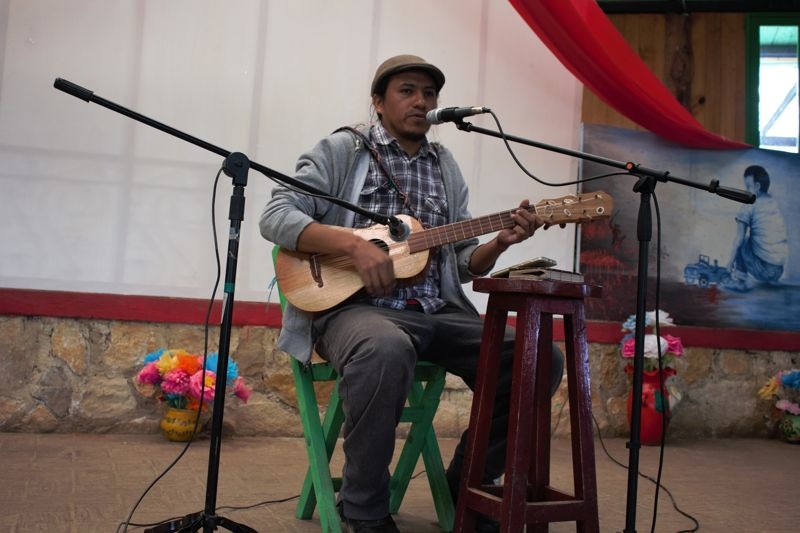
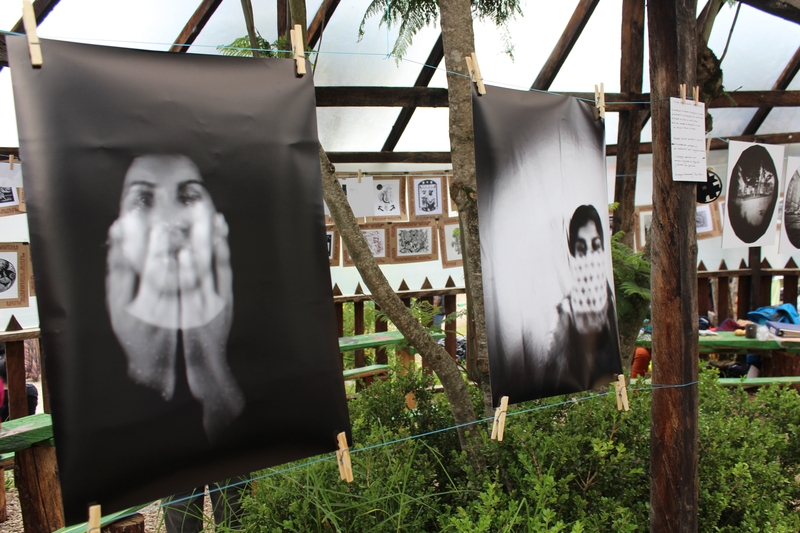
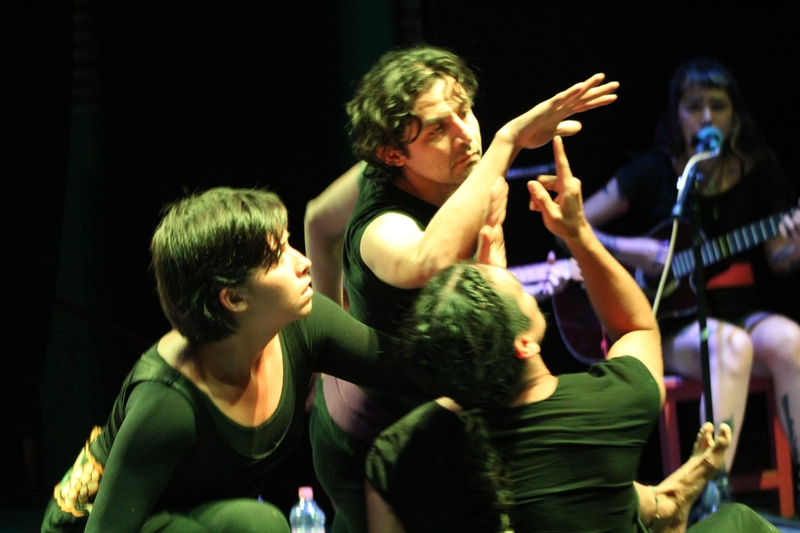
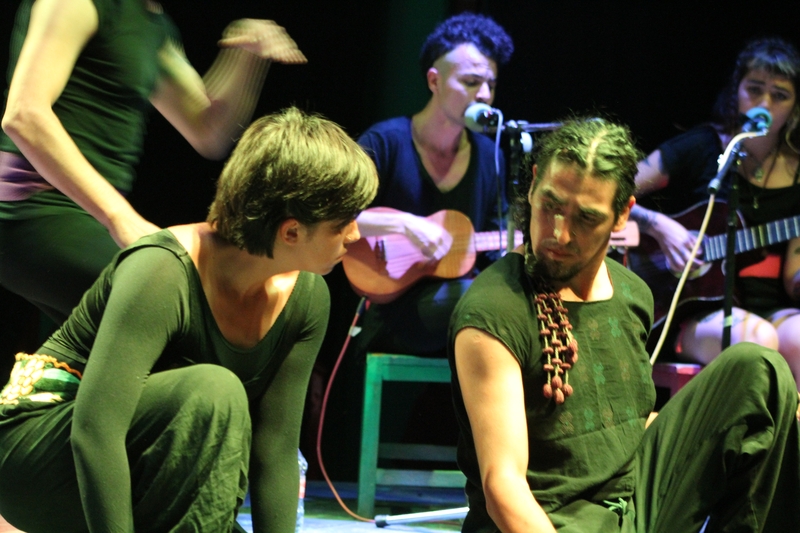
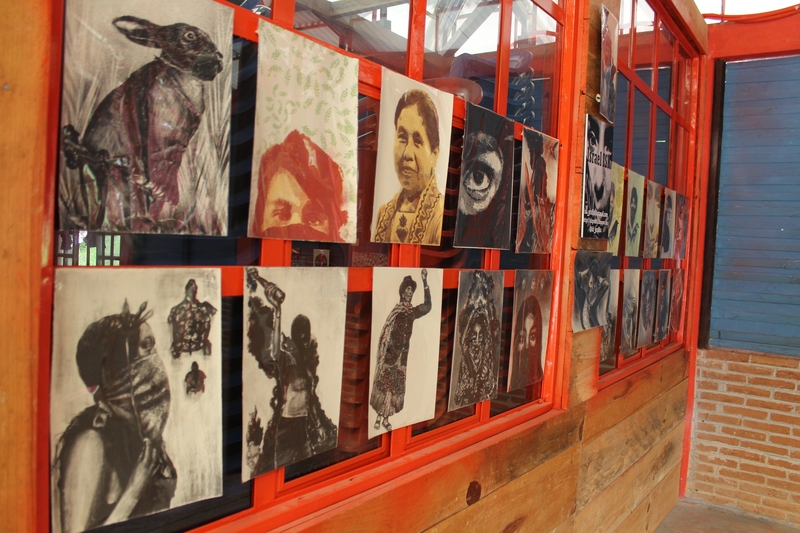
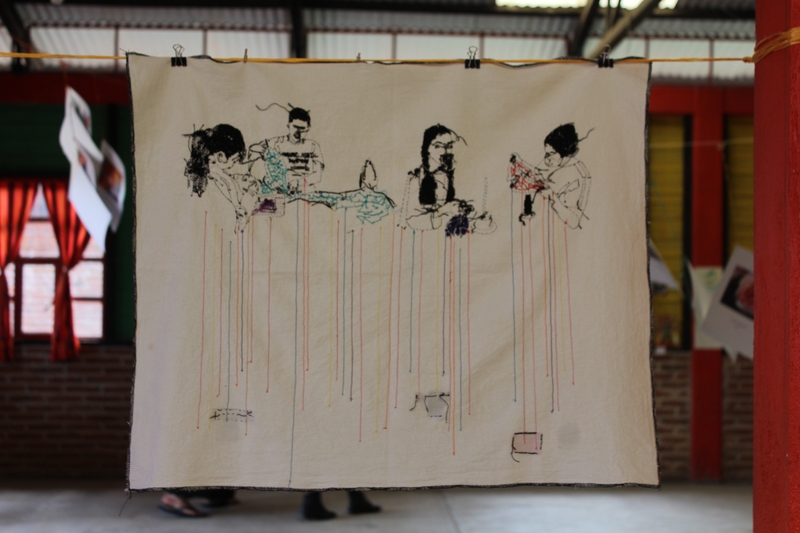
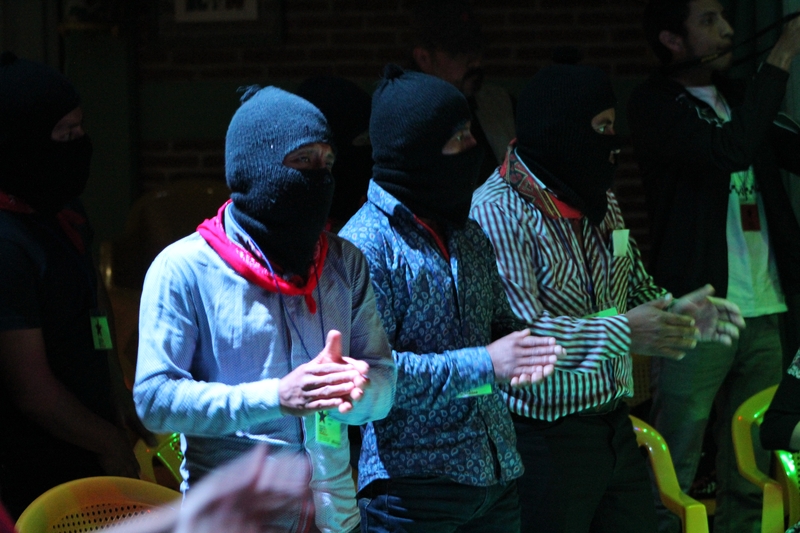
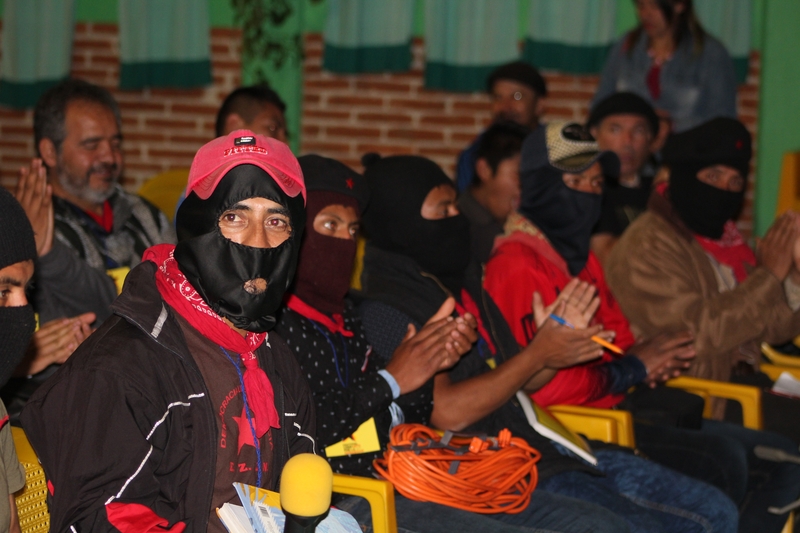
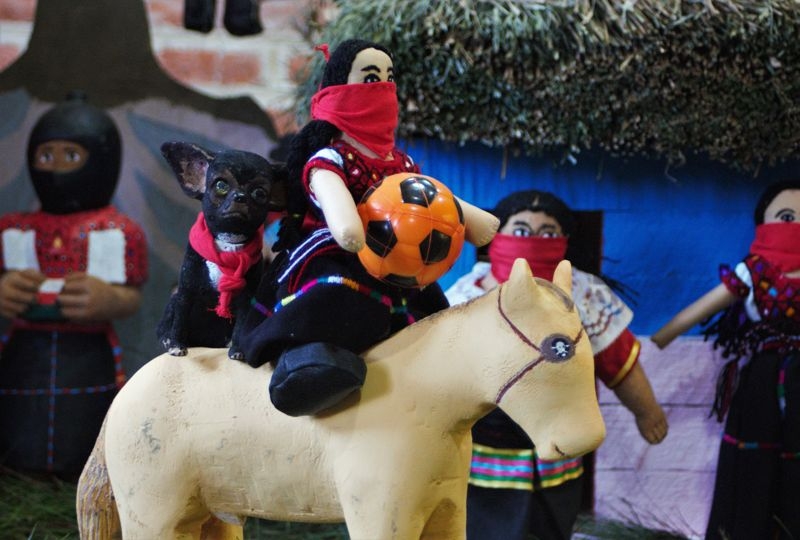
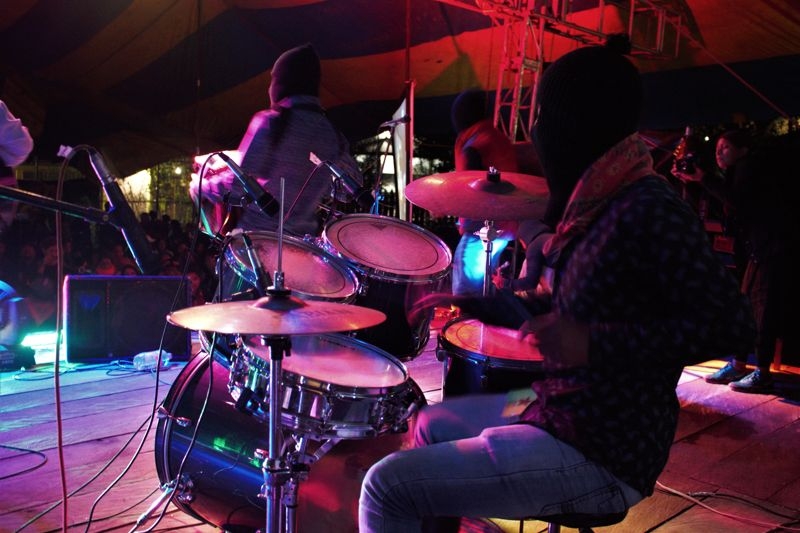
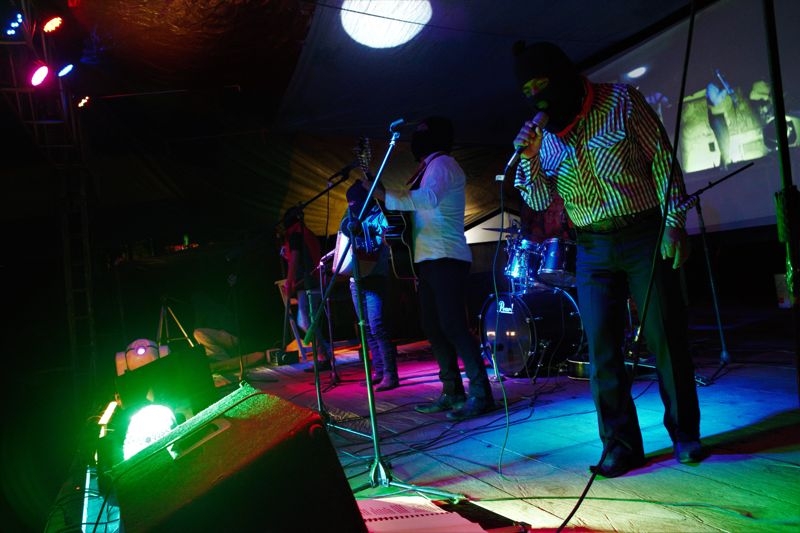
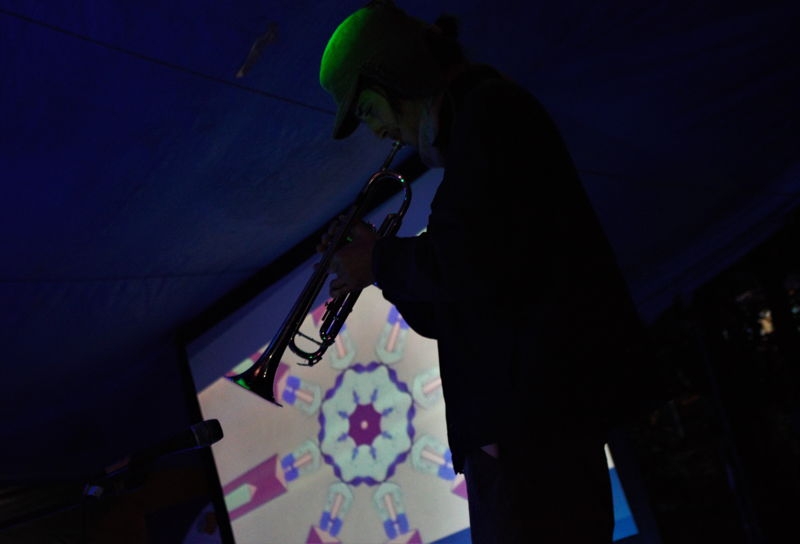
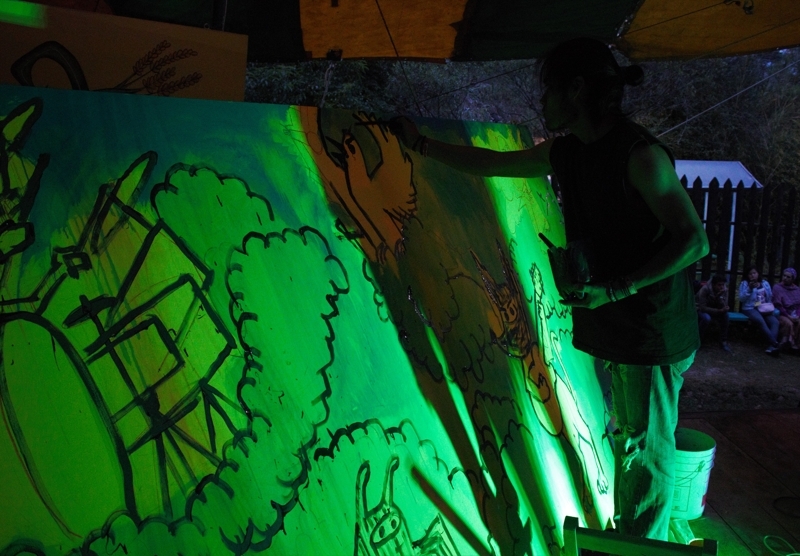
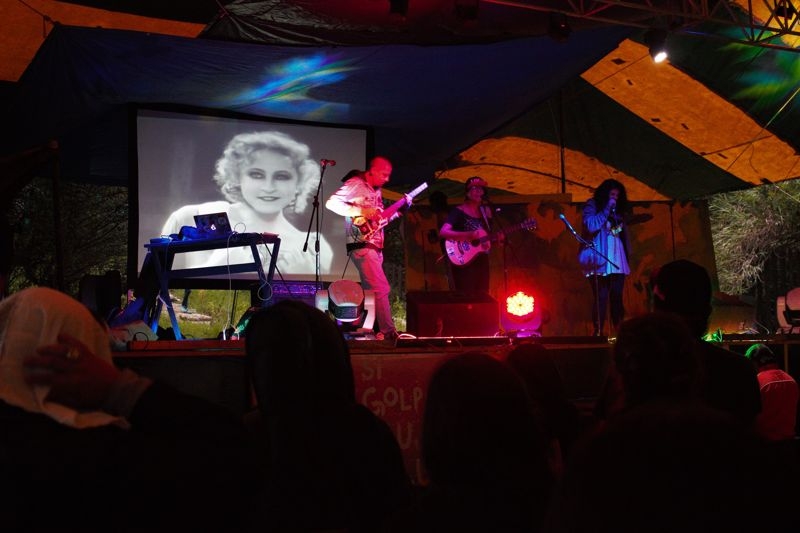
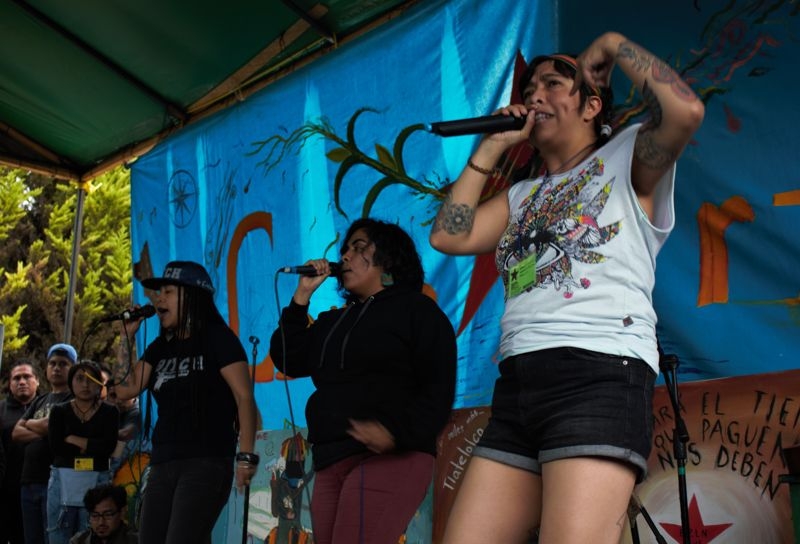
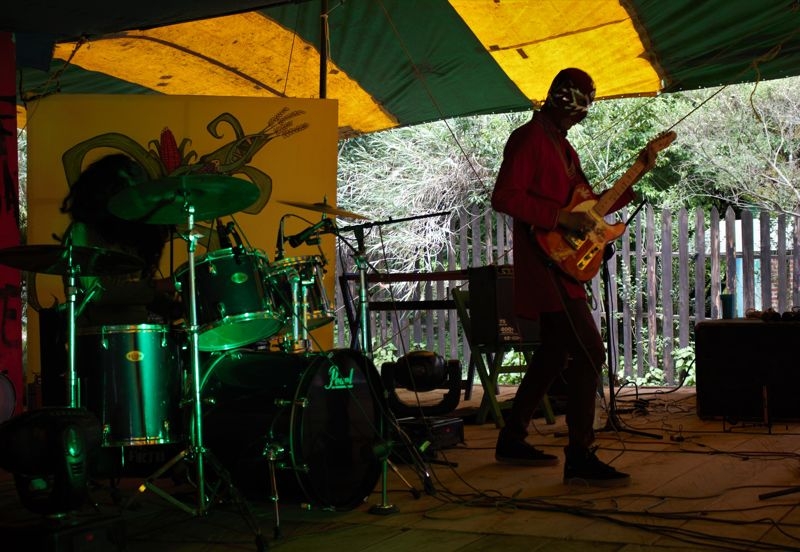
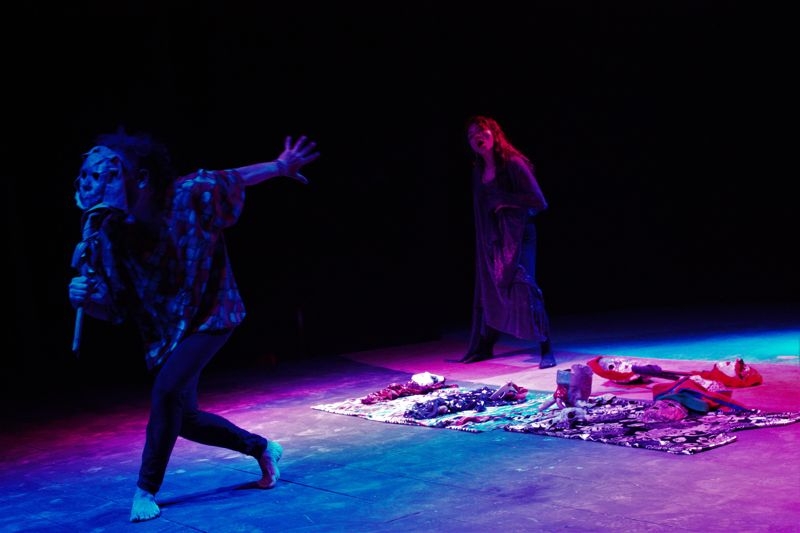
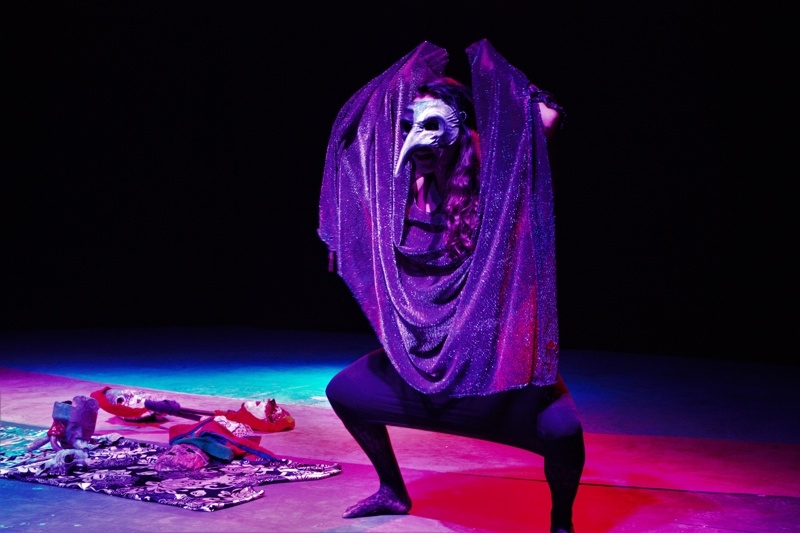
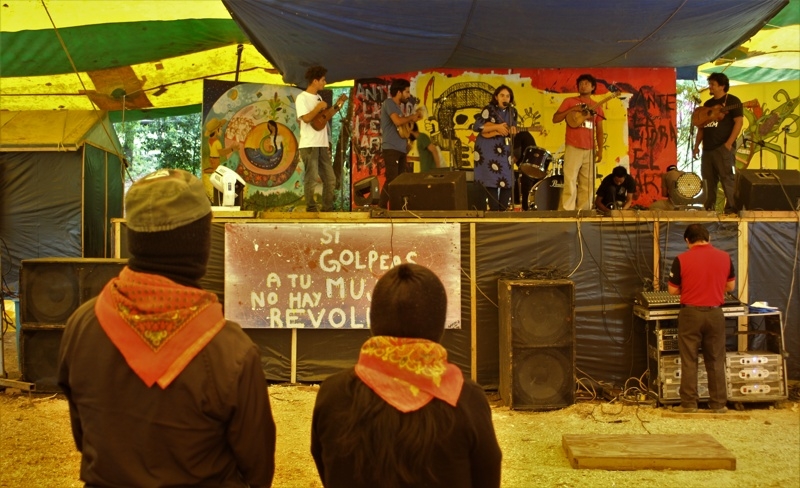
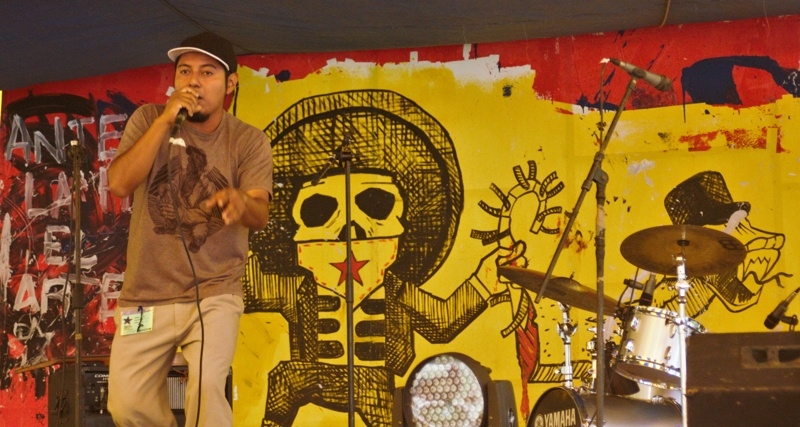
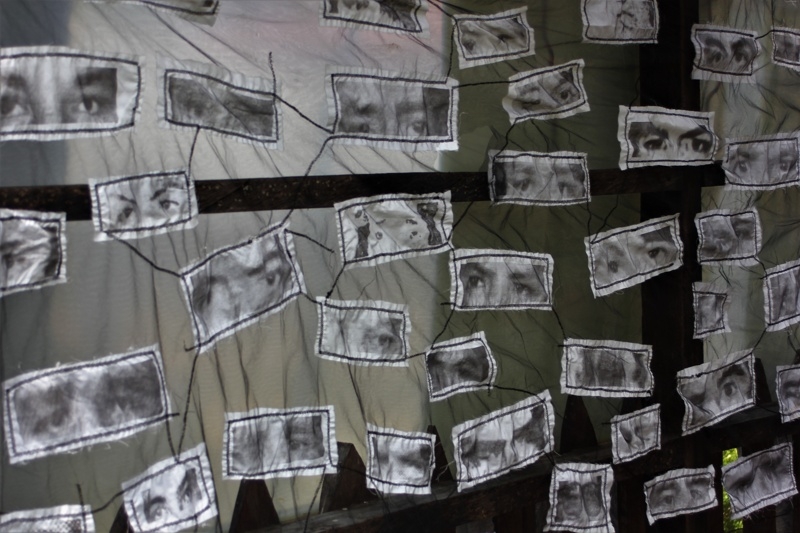
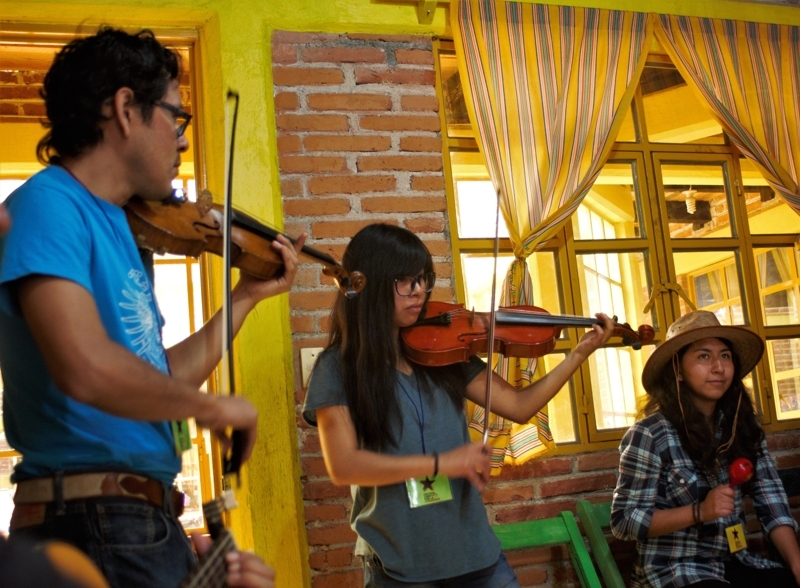
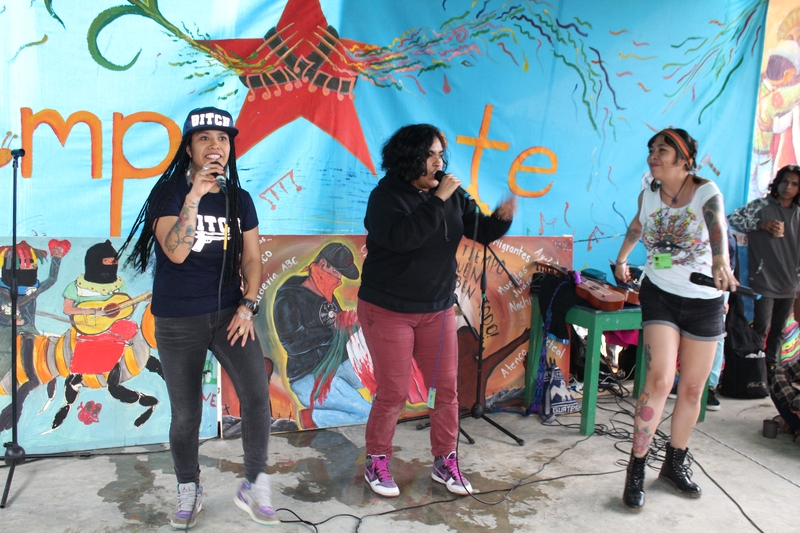
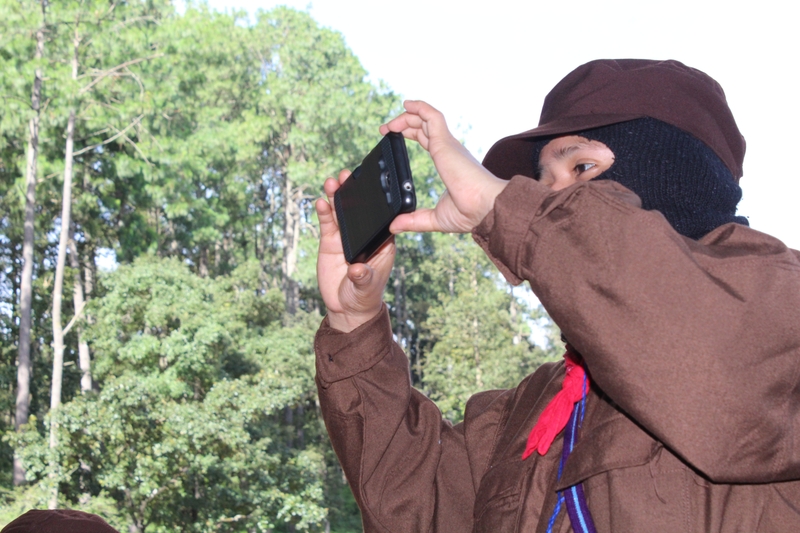
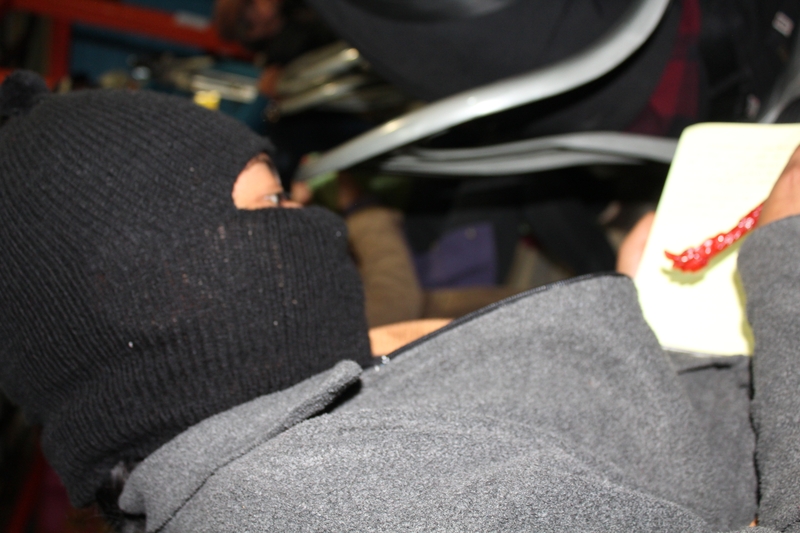
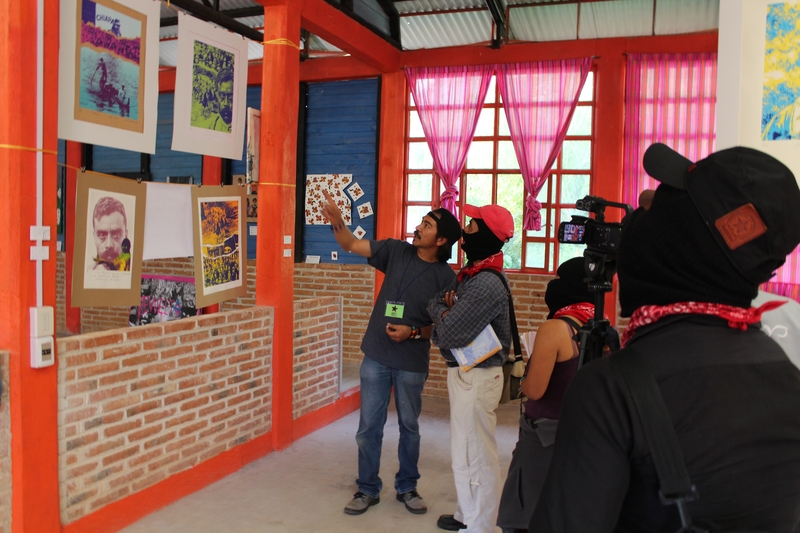
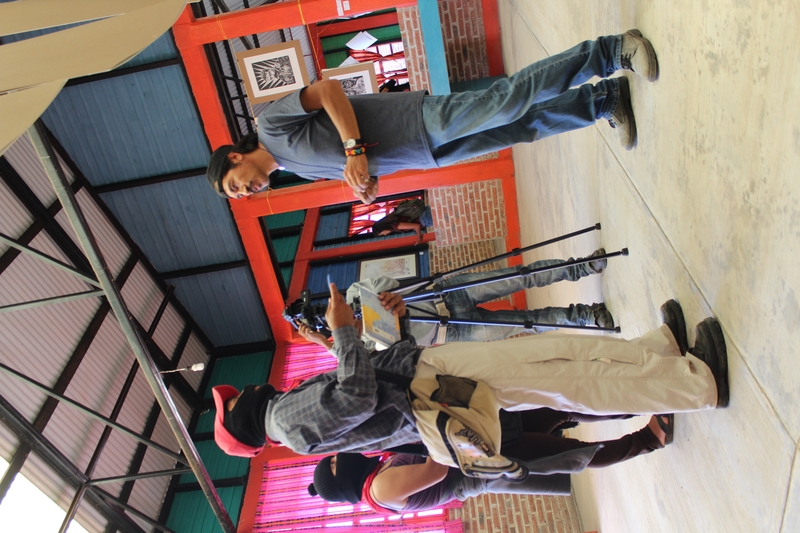
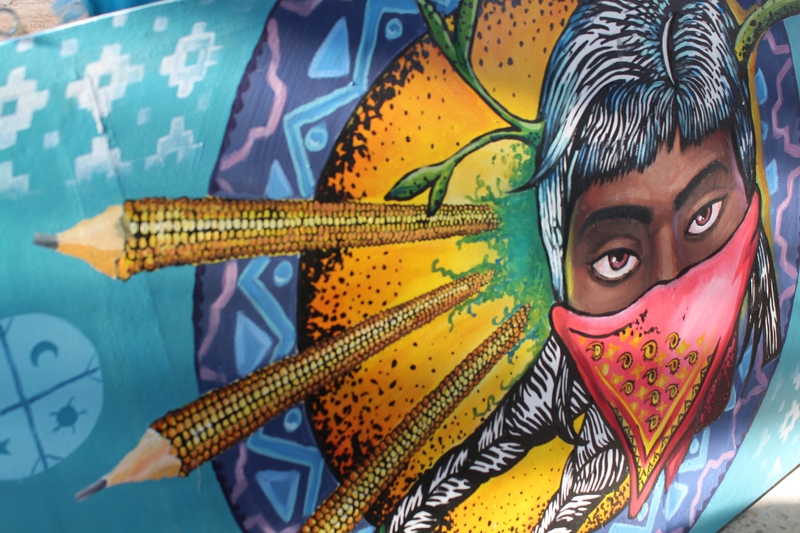
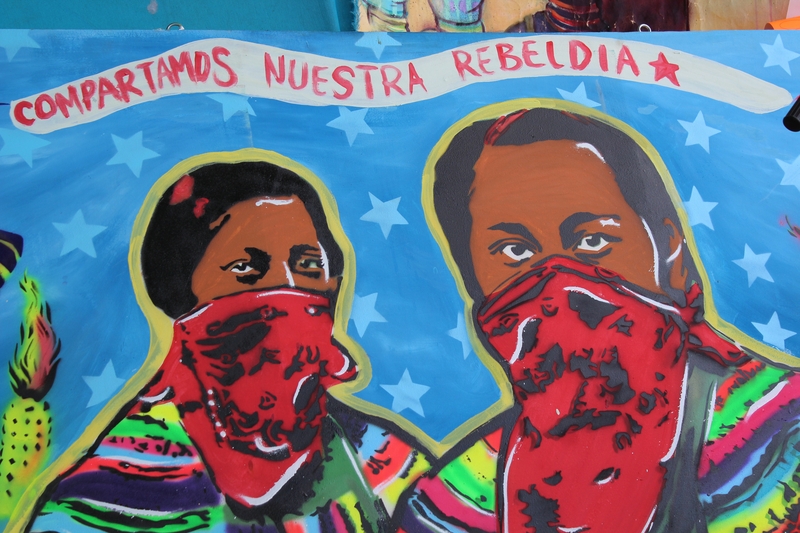
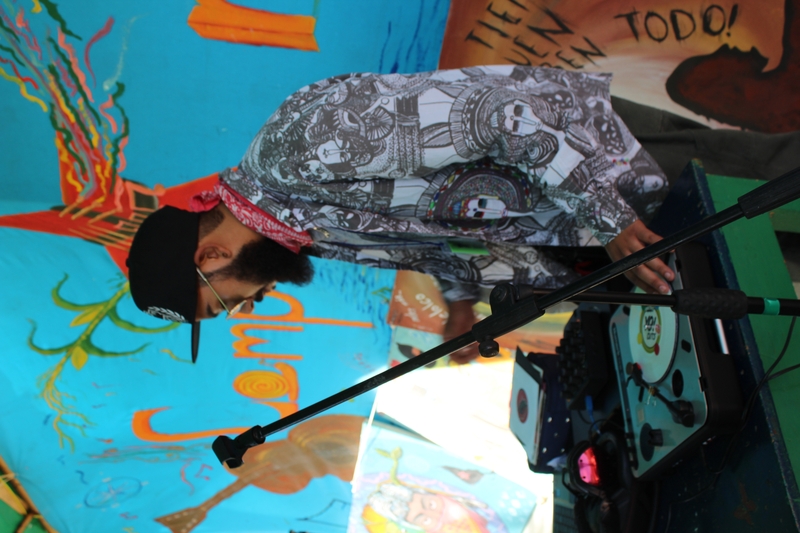
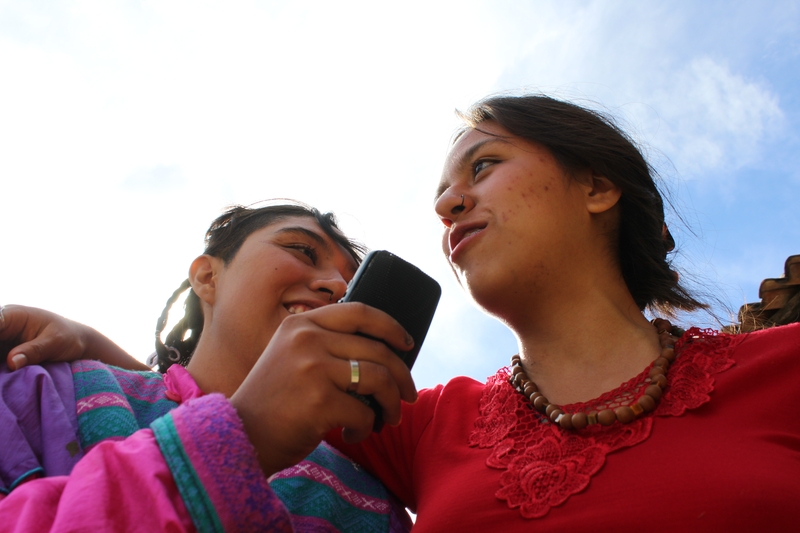
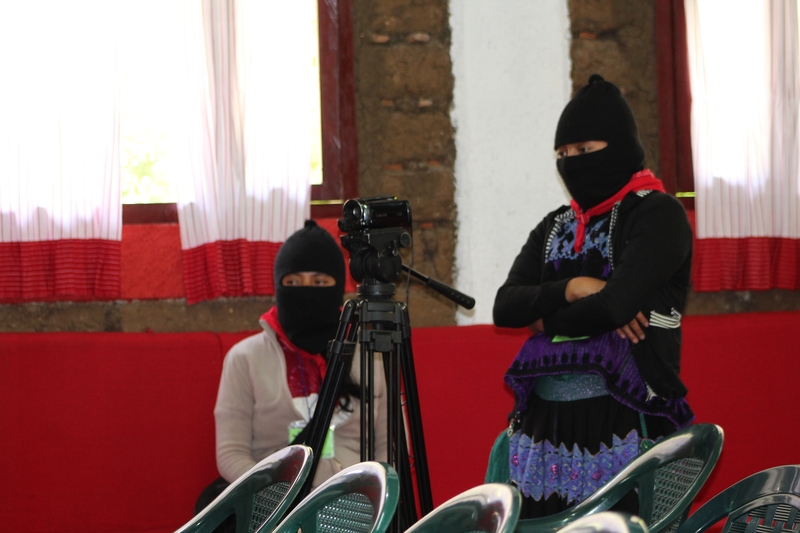
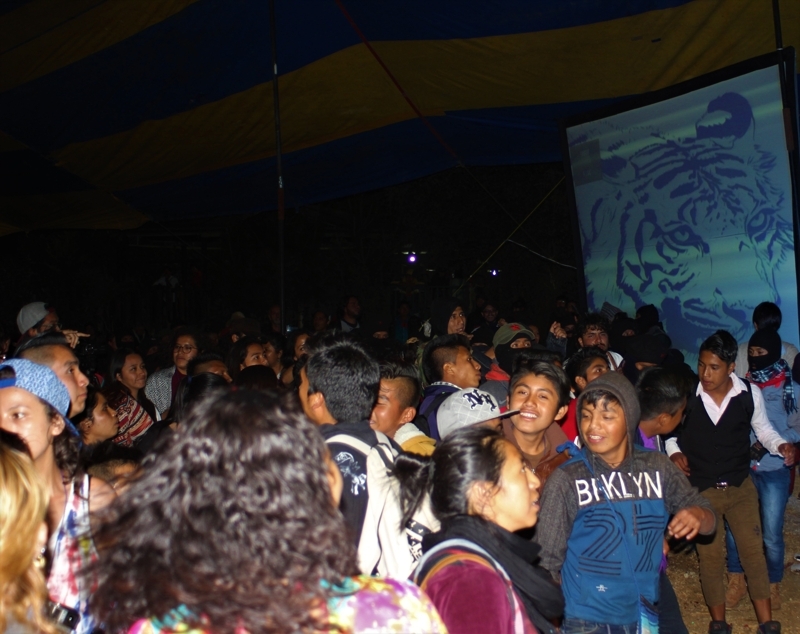
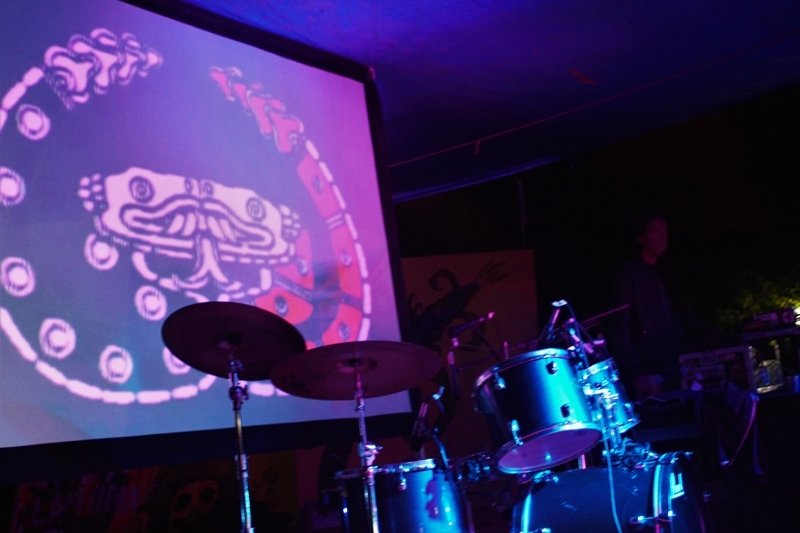
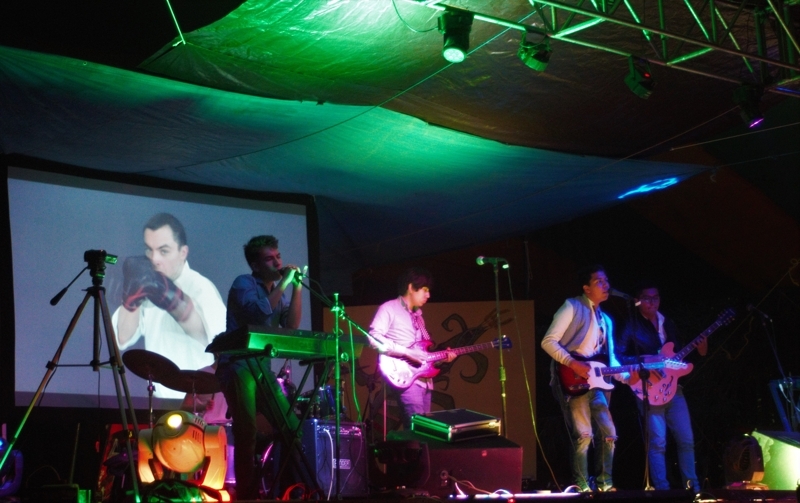
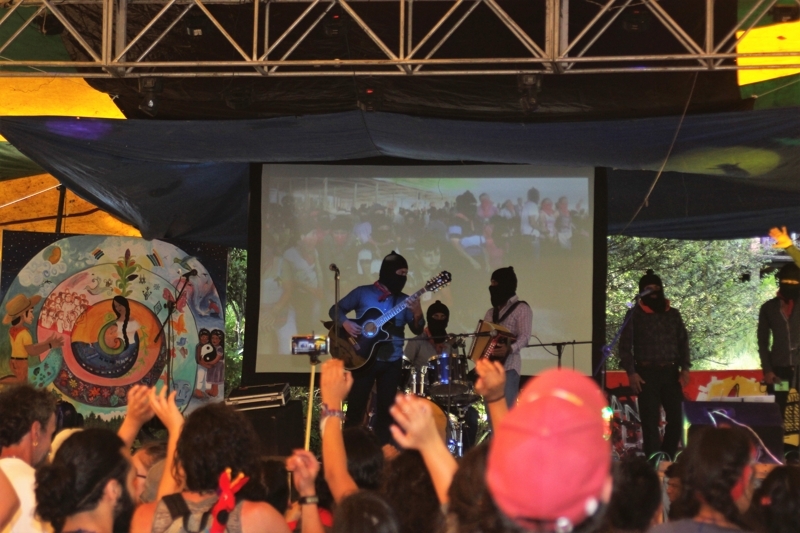
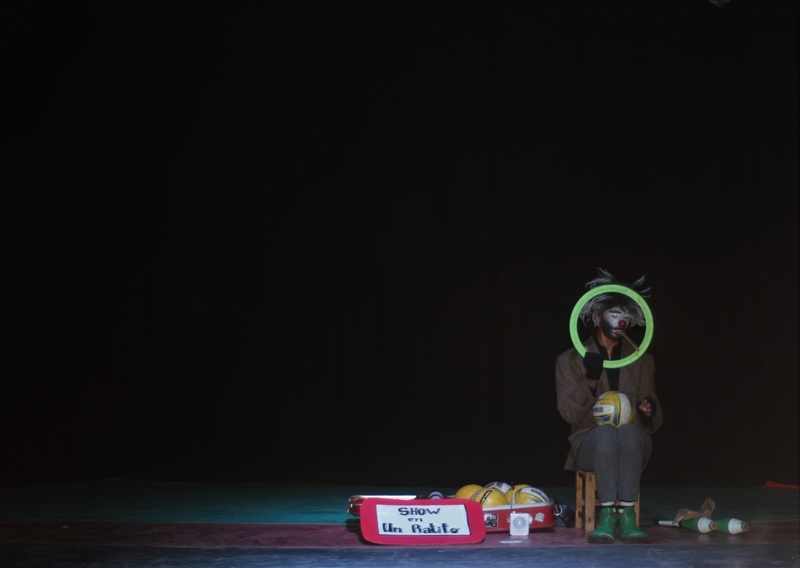
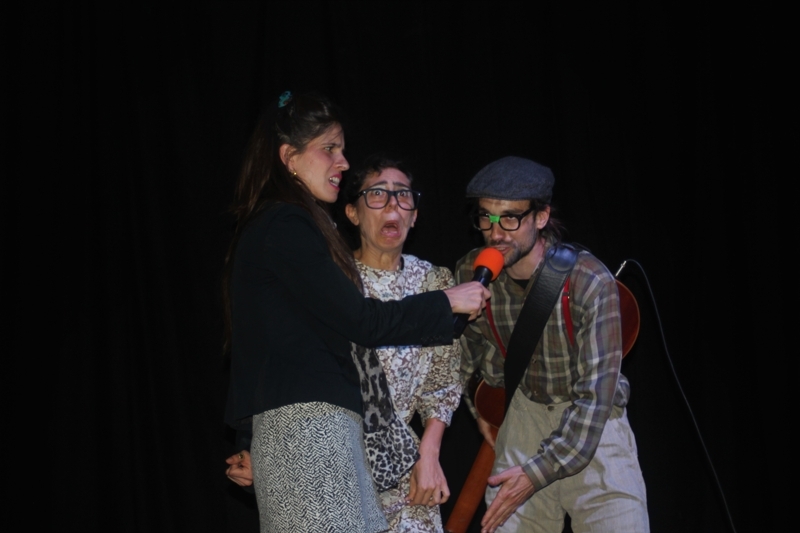
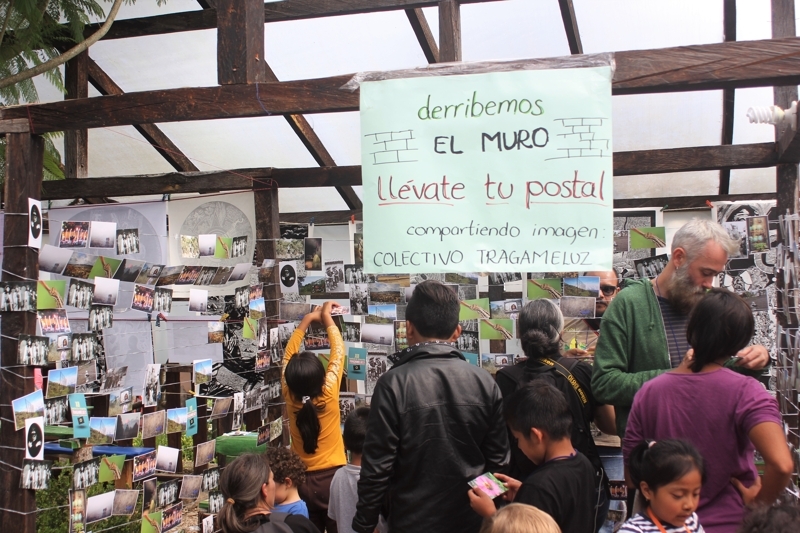
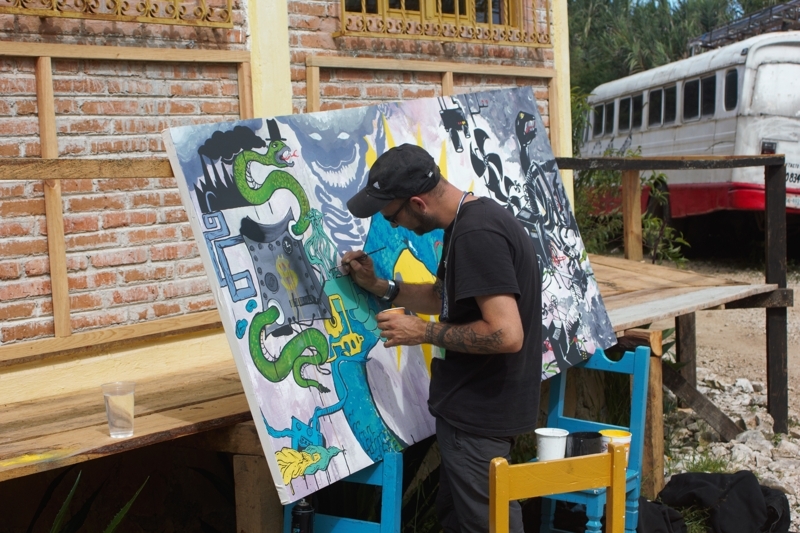
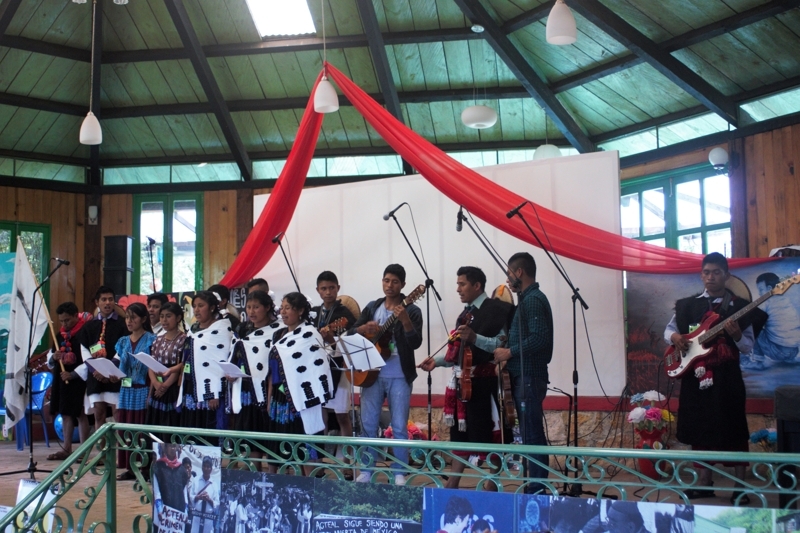
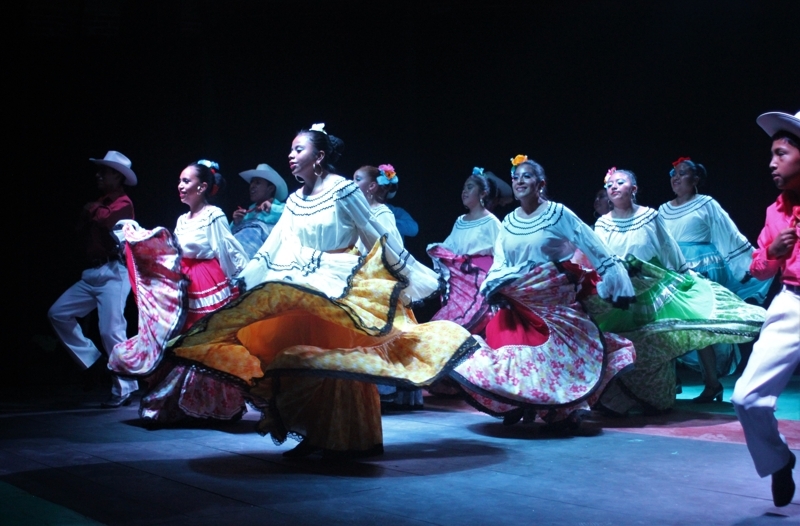
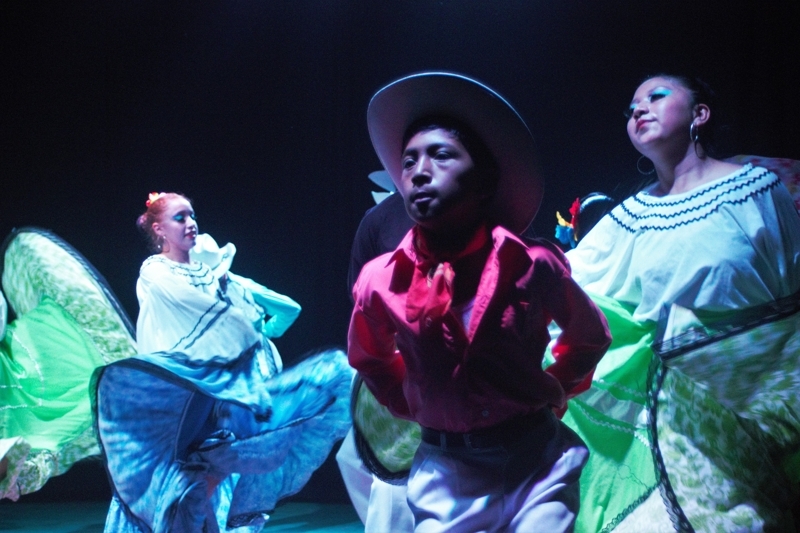
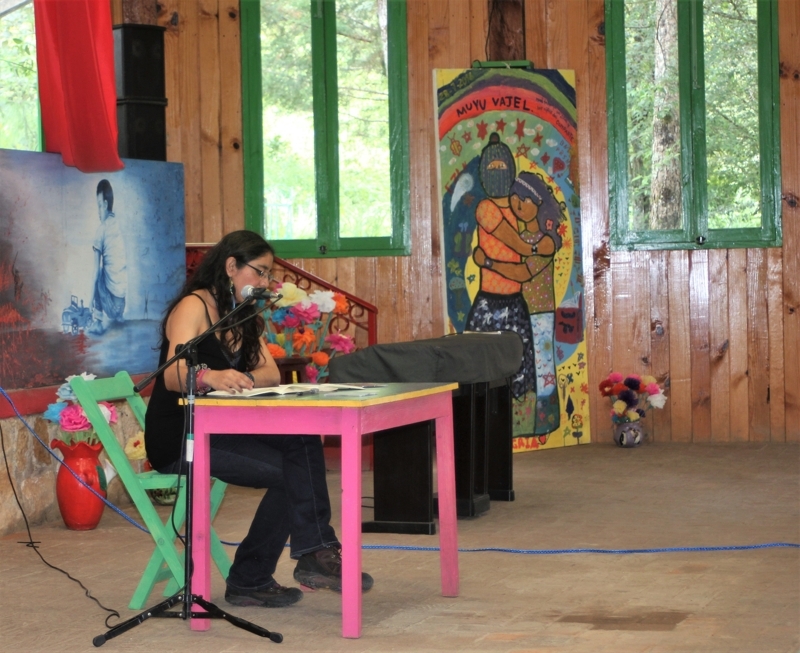
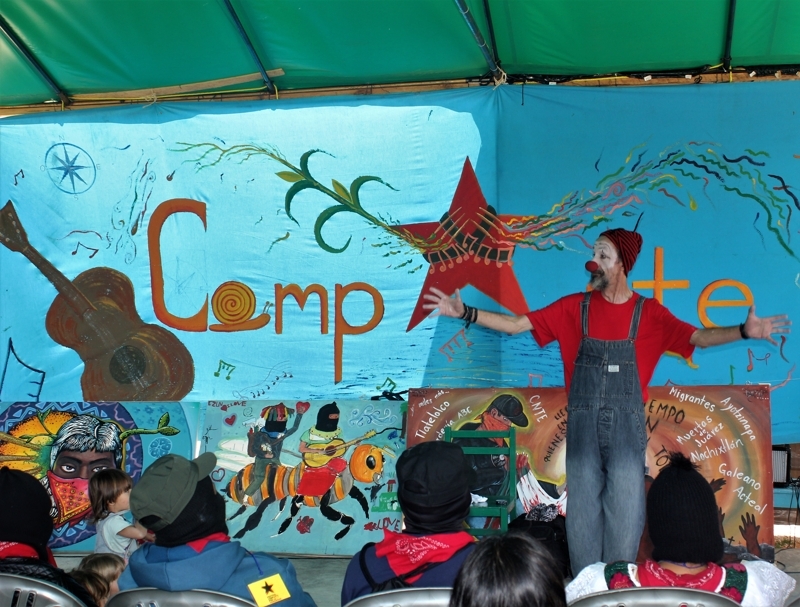
(Texto de Radio Pozol) Oventic, Chiapas. Con una mirada de orgullo, l@s abuel@s zapatistas observaban a las nuevas generaciones participar en el Festival CompArte por la Humanidad, convocado por las Bases de Apoyo del Ejército Zapatista de Liberación Nacional (BAEZLN), que llegó a su fin este 29 de julio. La resistencia y rebeldía de los indígenas chiapanecos se dijo cantando, bailando y actuando desde el Caracol zapatista de Oventic. Las diferentes representaciones artísticas efectuadas tocaron temas de denuncia, históricos, sociales, políticos, culturales, así como futuristas. “Que retiemble en su centro la tierra, con nuestras ciencias y artes de resistencias”, expresaron l@s rebeldes chiapanecos.
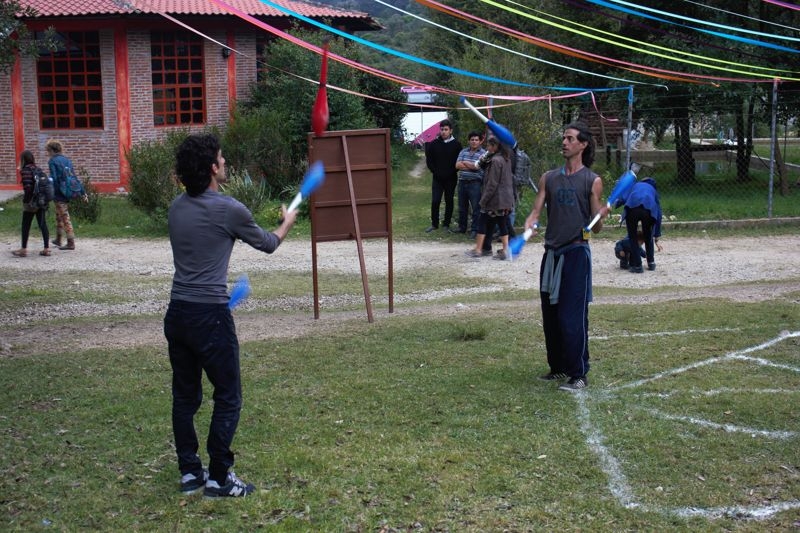
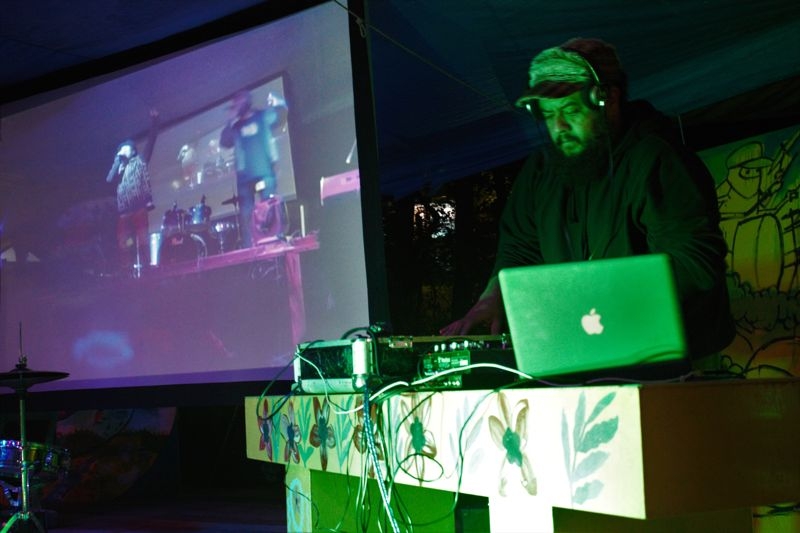
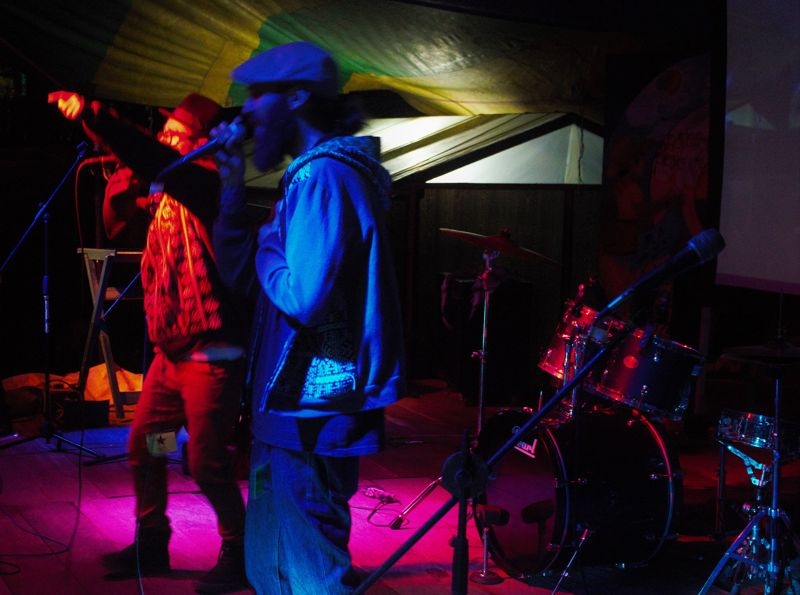
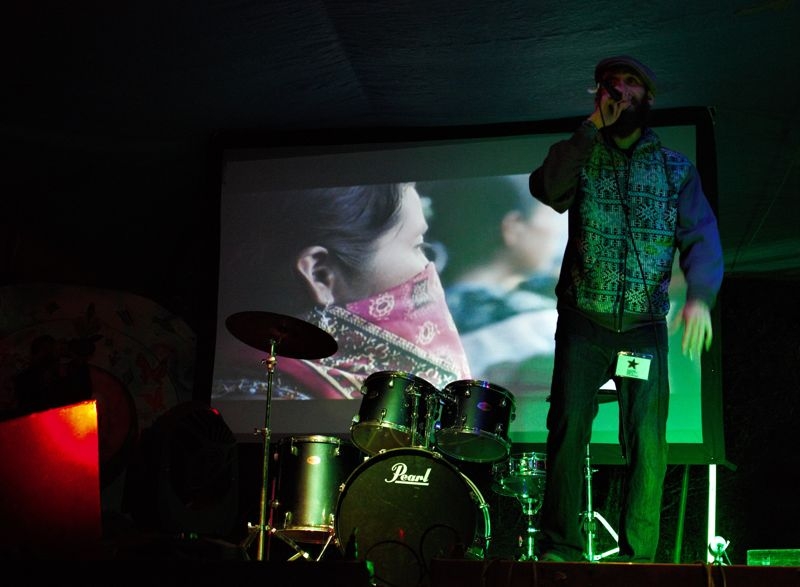
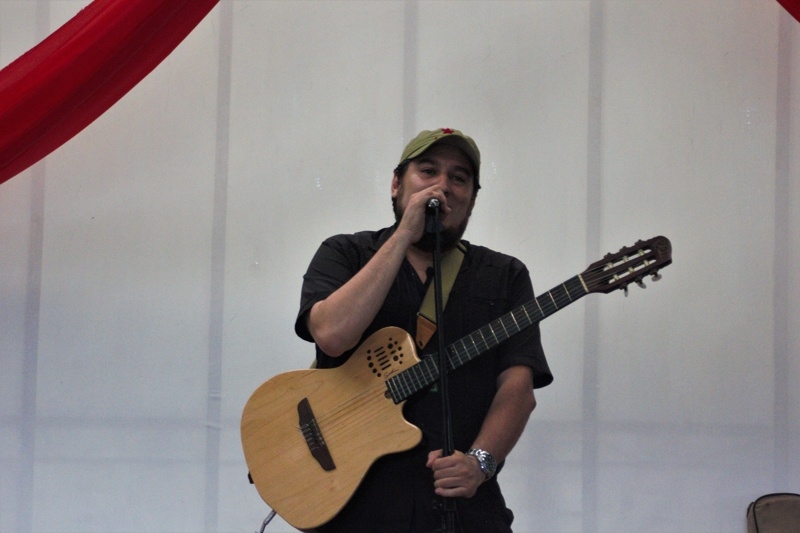
Miles de BAEZLN, se movilizaron para participar los días 28 y 29 de julio, en la segunda edición del CompArte, en los Altos de Chiapas, lo que significó un enorme esfuerzo en materia de logística y recursos materiales. Con ello el EZLN demuestra nuevamente que la resistencia y la rebeldía se pueden expresar por medio de las artes; las artes como denuncia, como memoria histórica, como posición política, como generadoras de alegría, reflexión y cambios.
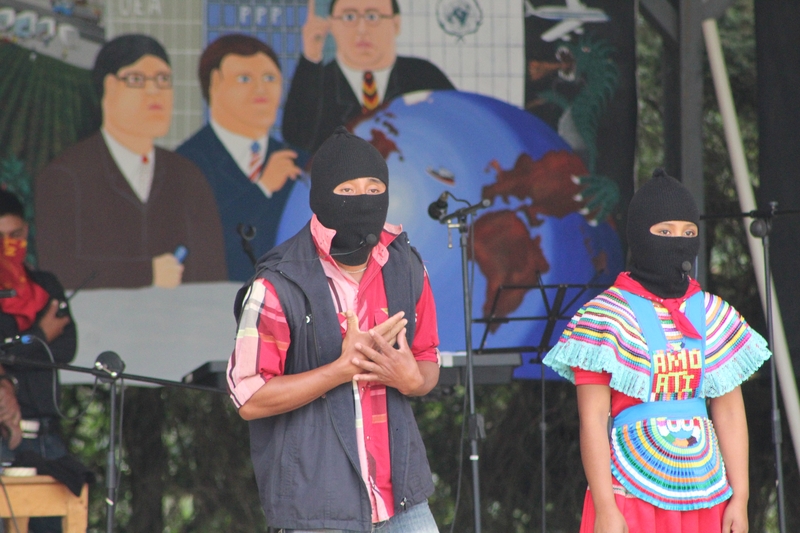
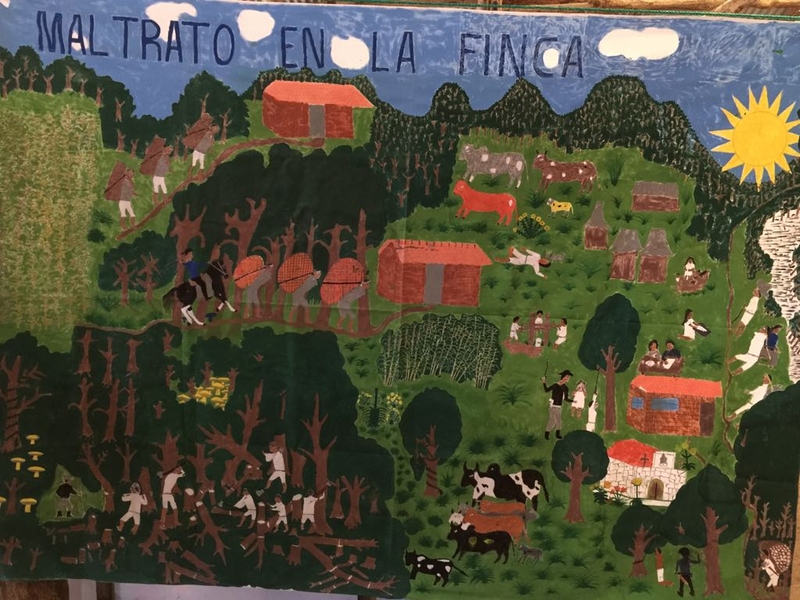
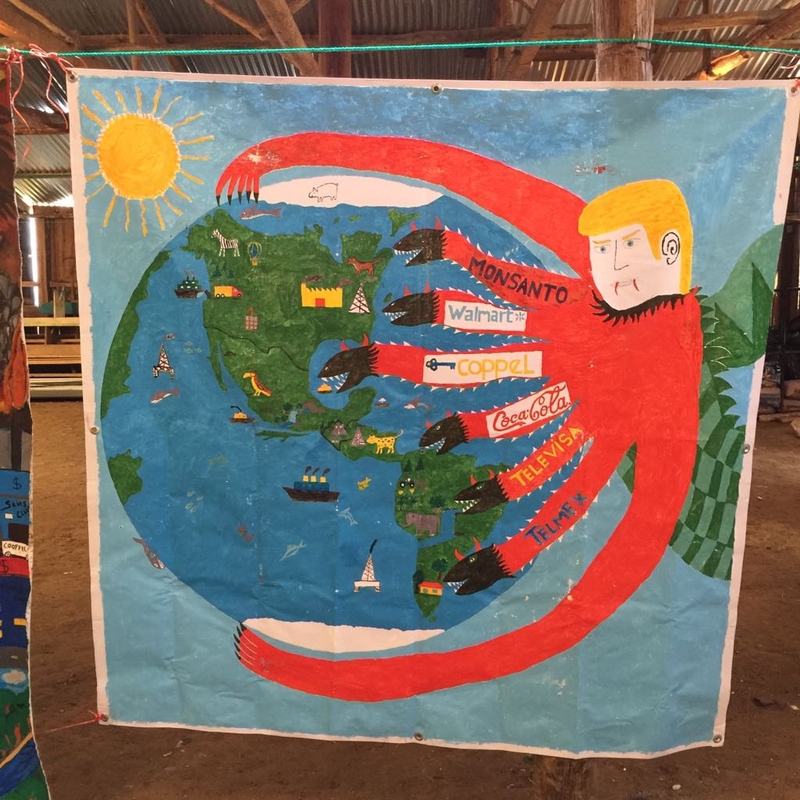
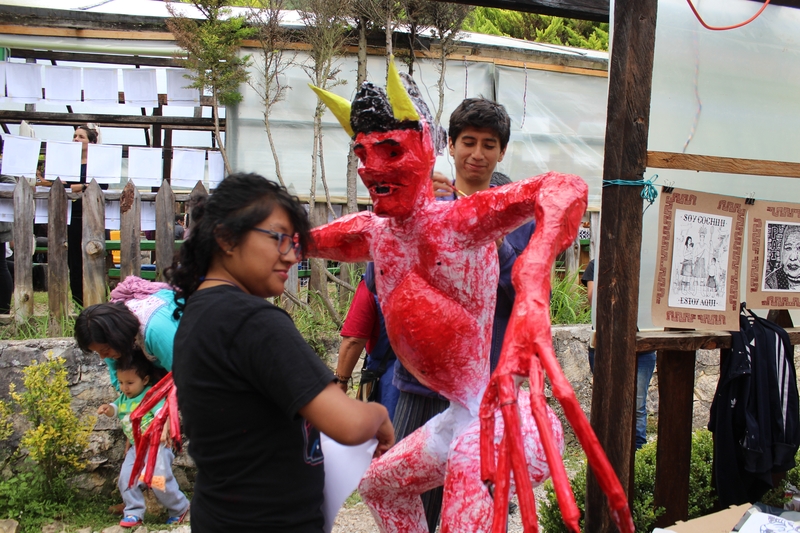
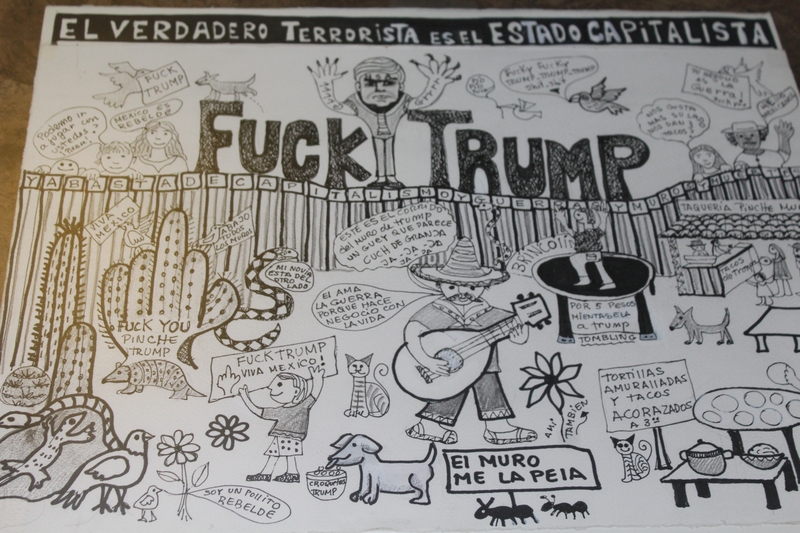
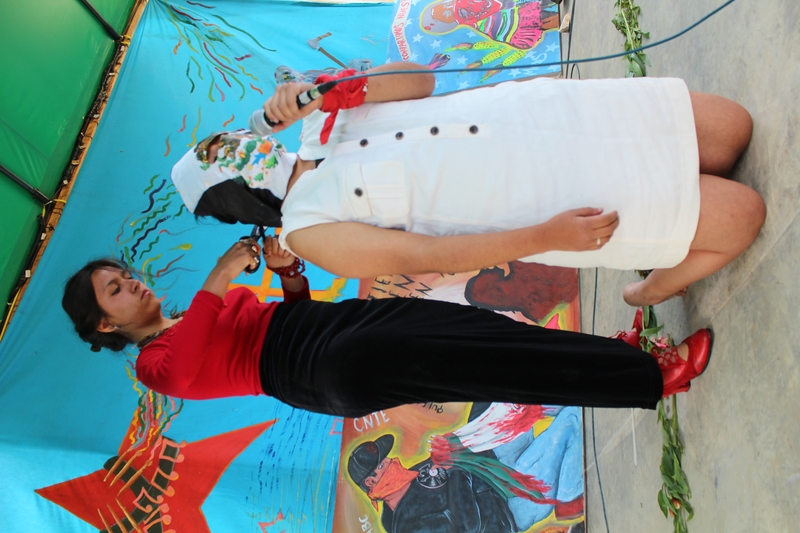
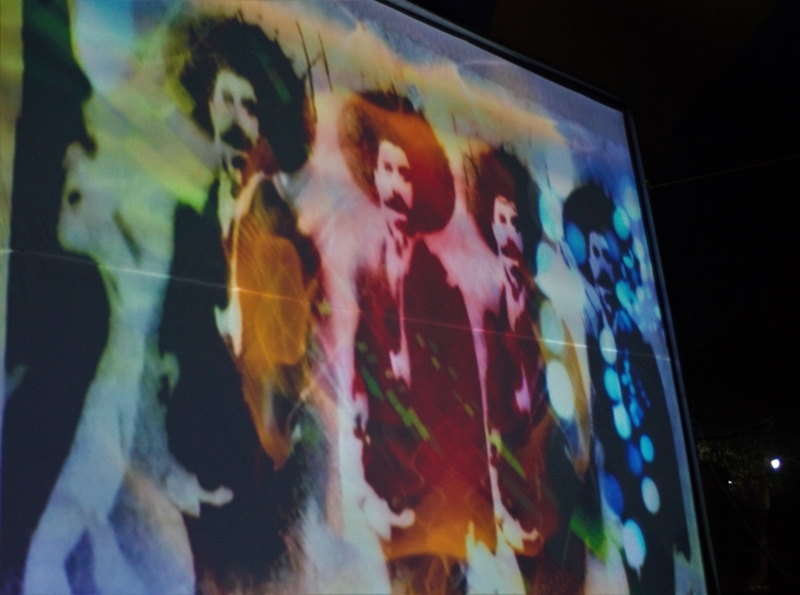
Las y los zapatistas compartieron su historia cantando, bailando, actuando, para que las nuevas generaciones no olviden lo que vivieron sus antepasados en las fincas de los terratenientes. De igual forma por medio de las artes los levantados en armas en el 94, realizan una descripción de cómo ven ellxs las actuales condiciones del país. Su indignación ante un escenario social adverso, los hace retomar el sentimiento de miles de mexicanos, y expresan un enérgico: “Chinga tu madre Peña Nieto, Trump y Manuel Velasco”.
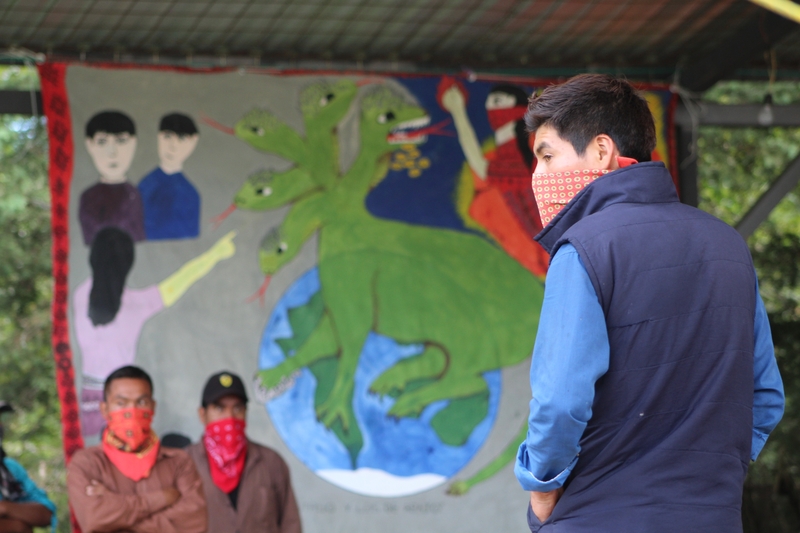
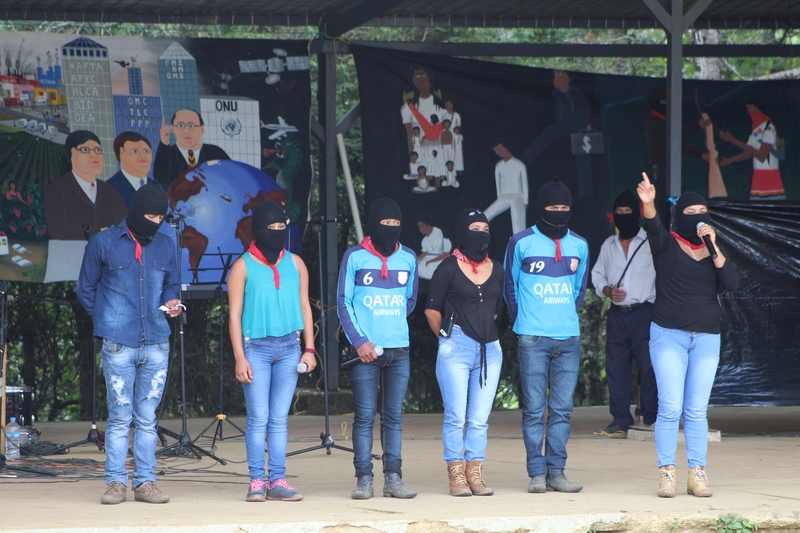
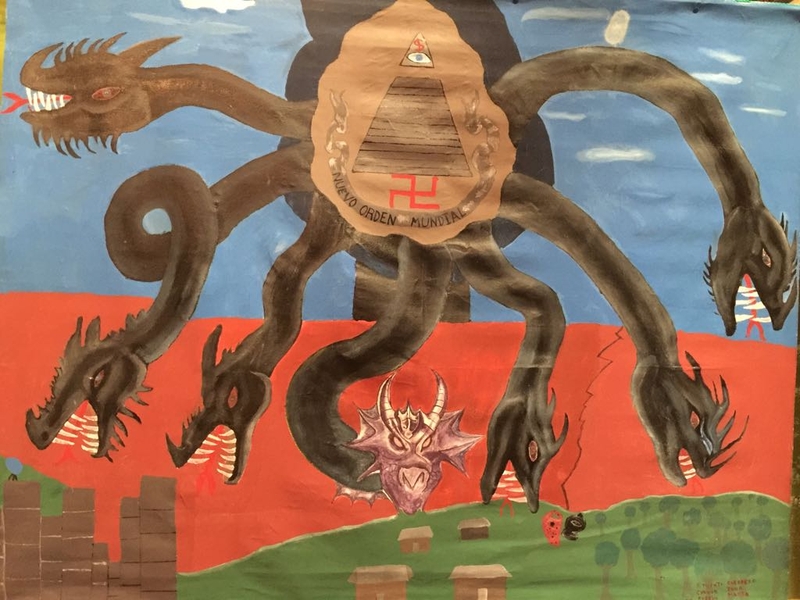
Las BAEZLN, ven más allá de la coyuntura actual y se cuestionan ¿Cómo será la nueva finca capitalista en el mundo?, por medio de una obra de teatro responden y describieron puntualmente la complicidad entre los capitales internacionales, con los gobiernos federales y locales, para permitir el despojo y la represión tanto en el campo como en la ciudad.
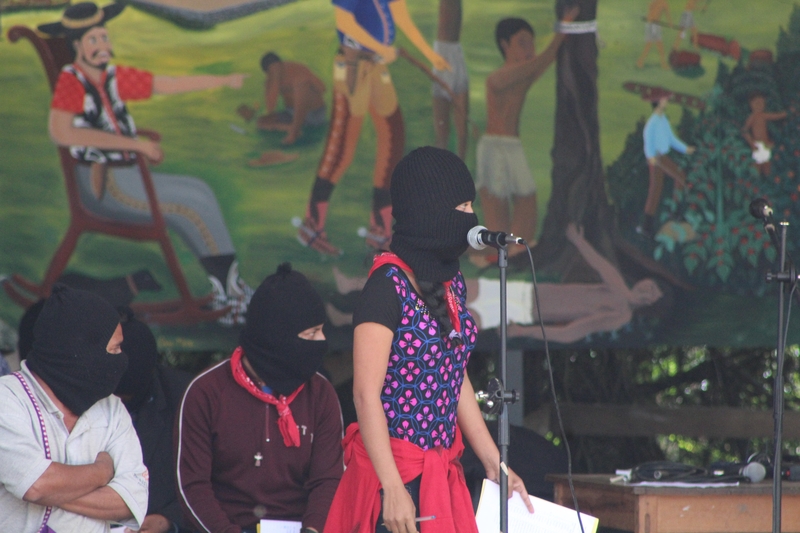
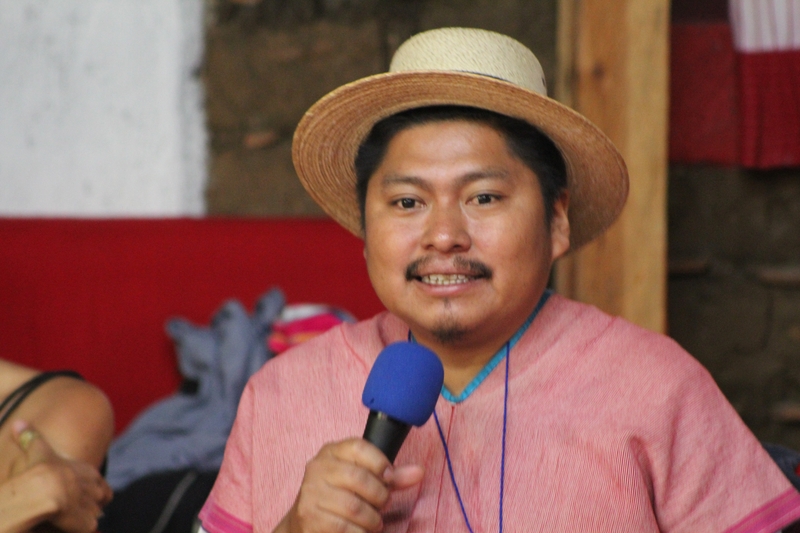
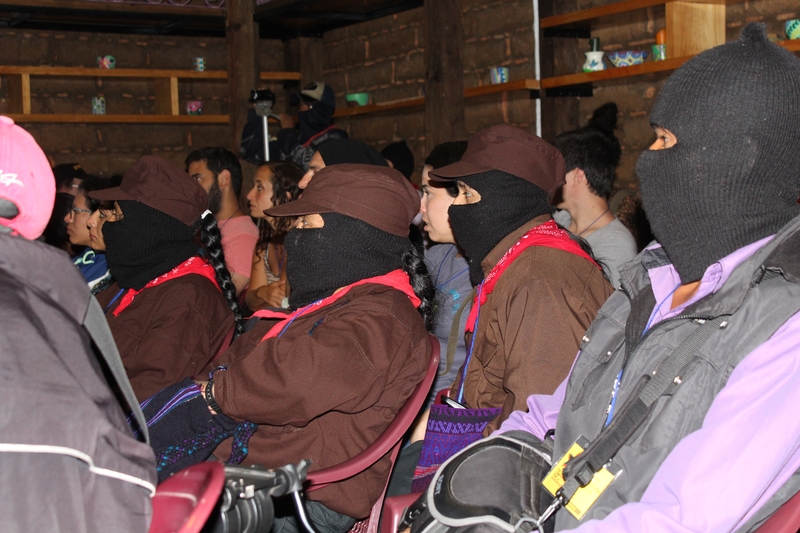
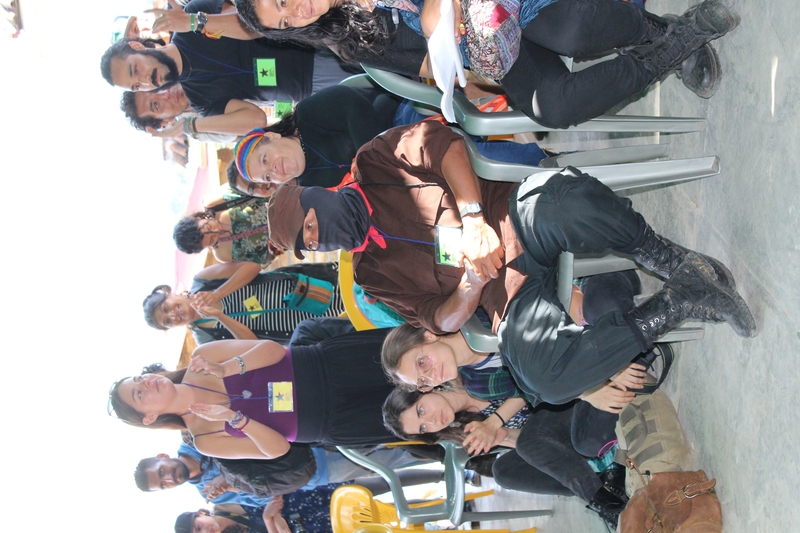
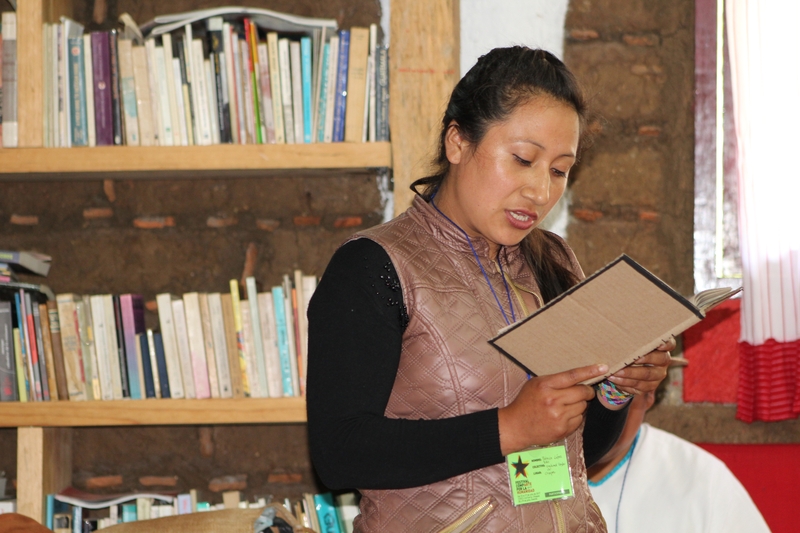
“Fue un honor haberlos recibido”, indicó por su parte Roberto, integrante de la Junta de Buen Gobierno (JBG), del Caracol zapatista de Oventic, a las y los participantes y asistentes a la clausura del festival CompArte . En la cede zapatista se representaron manifestaciones sobre cultura, política, rebeldía y autonomía, compartió el vocero de la JBG, quien invitó a seguir haciendo arte, pero no solamente, sino también a “organizarse en cada uno de sus pueblos, con resistencia y rebeldía”.
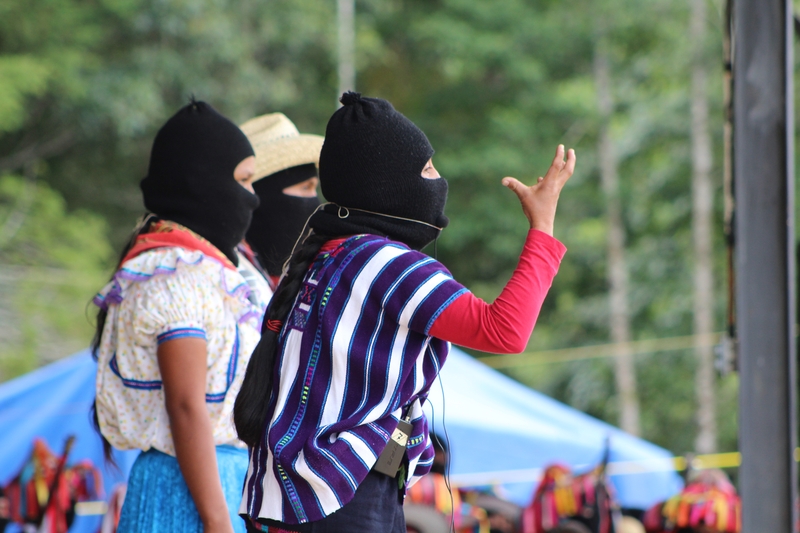
Al término del CompArte, la Comandanta Insurgente Hortensia, a nombre del Comité Clandestino Revolucionario Indígena del EZLN, agradeció a todxs lxs artistas de México, América y el mundo, su esfuerzo por participar y compartir su cultura, sentimiento, rabia, alegría y esperanza “por un mundo mejor”. “Las artes no tienen distancia. Los capataces no podrán detener nuestras luchas, porque en cada corazón rebelde se está globalizando la resistencia y la rebeldía”, aseguró la vocera zapatista, en referencia a la resistencia al sistema capitalista, que quiere convertir a los países en “fincas”, como hace un siglo. “sigamos con nuestras luchas sin venderse, rendirse ni claudicar. No les tenemos miedo, tarde o temprano los vamos a derrotar”, afirmó la insurgenta chiapaneca.
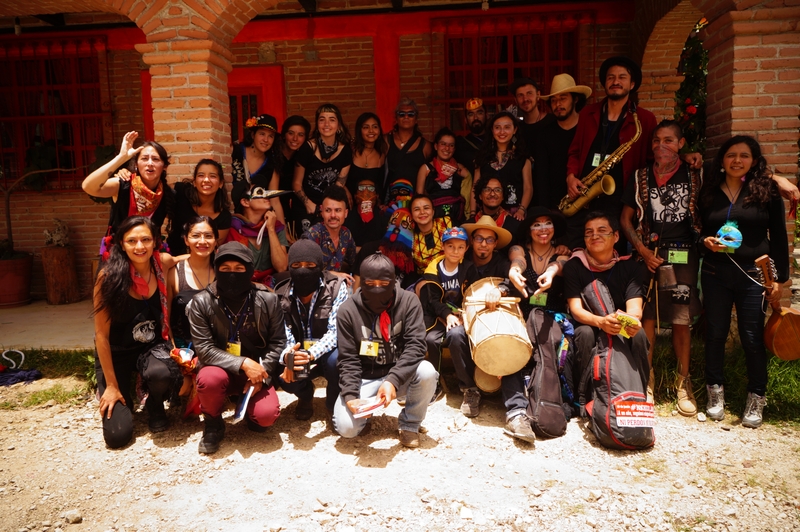
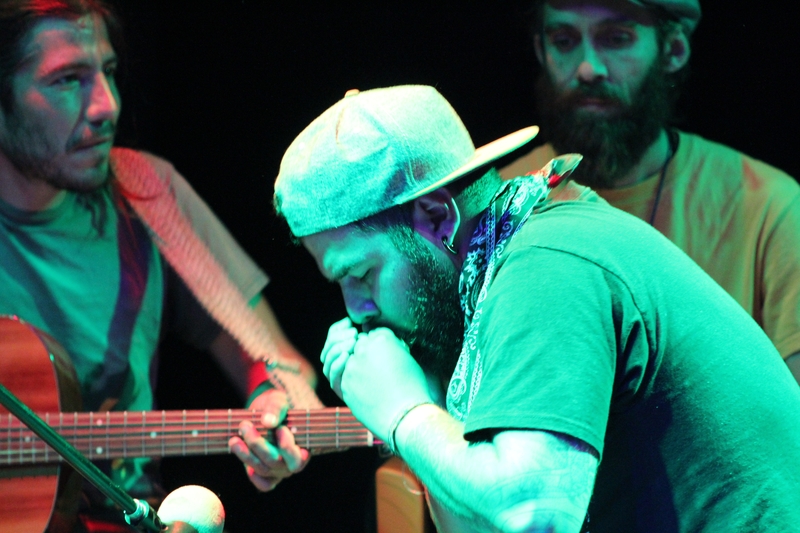
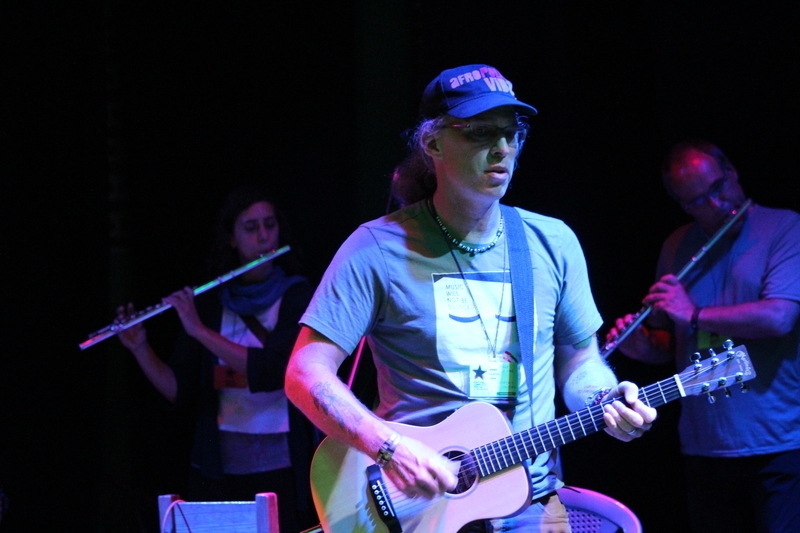
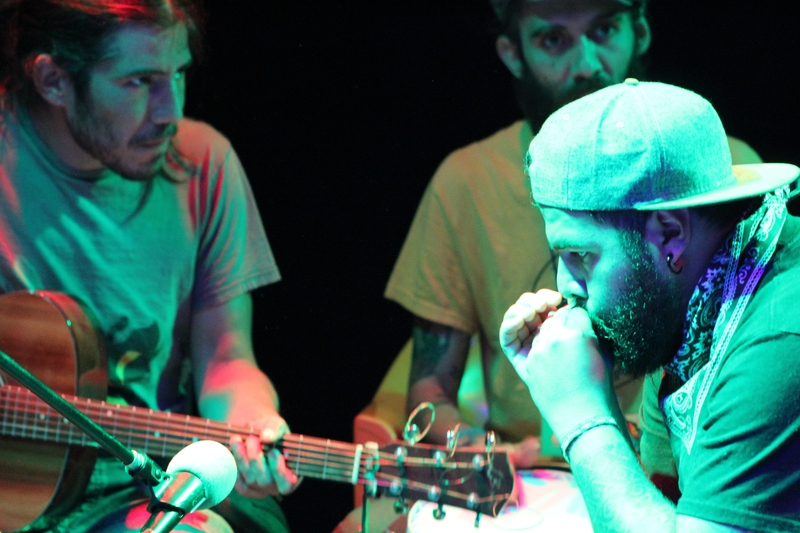
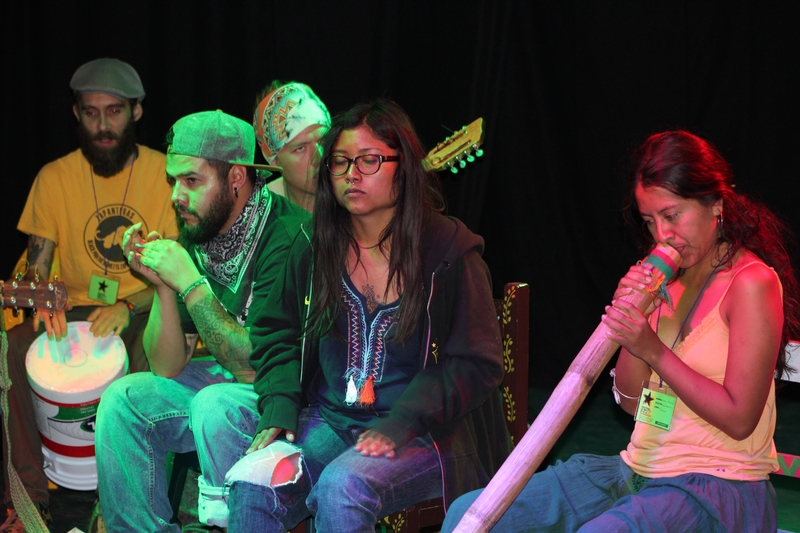
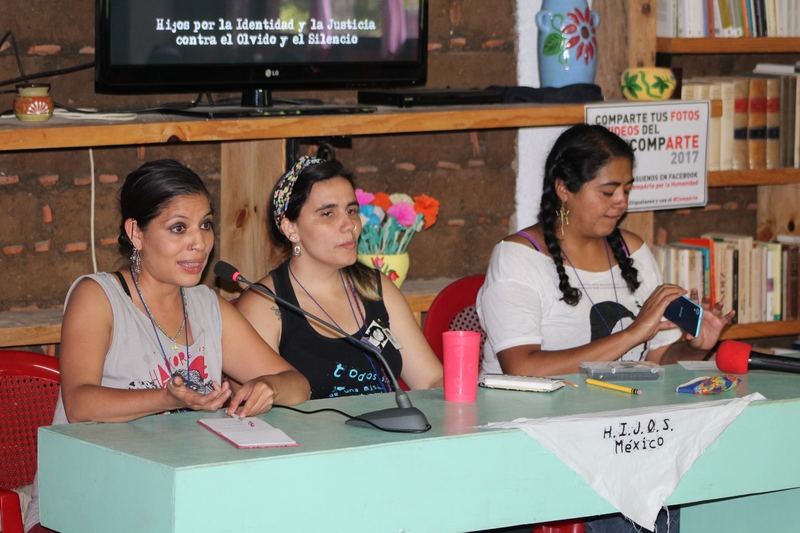
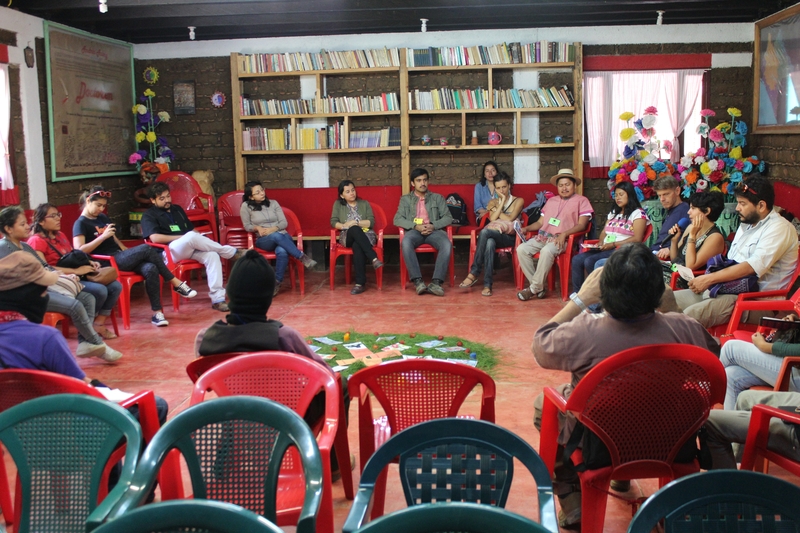
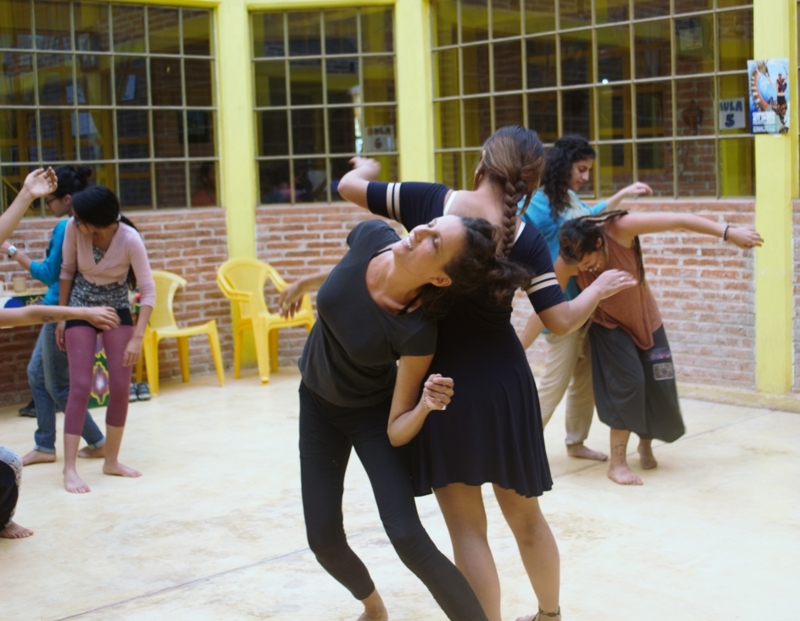
Por segundo año consecutivo se realiza el festival CompArte por la Humanidad, tanto en las instalaciones del Cideci Unitierra, en San Cristóbal de las Casas, como en Territorio Rebelde Zapatista. Miles de asistentes nacionales e internacionales, regresan a su lugar de origen con la motivación y el compromiso, de buscar caminos alternos a un sistema capitalista neoliberal, que despoja, reprime, discrimina y desprecia todo aquello que no reproduzca su lógica de la máxima ganancia, como lo han evidenciado los indígenas zapatistas.
Fotoreportajes: Espoir Chiapas
CRÓNICA POR: Regeneración Radio
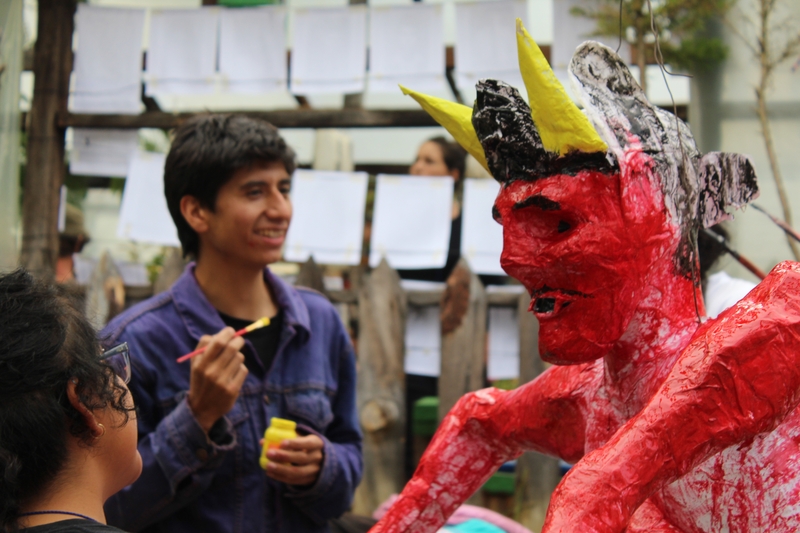
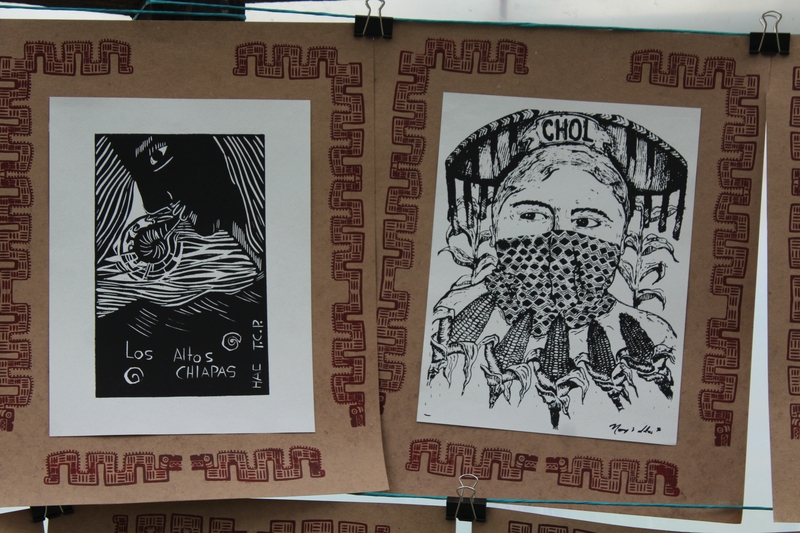
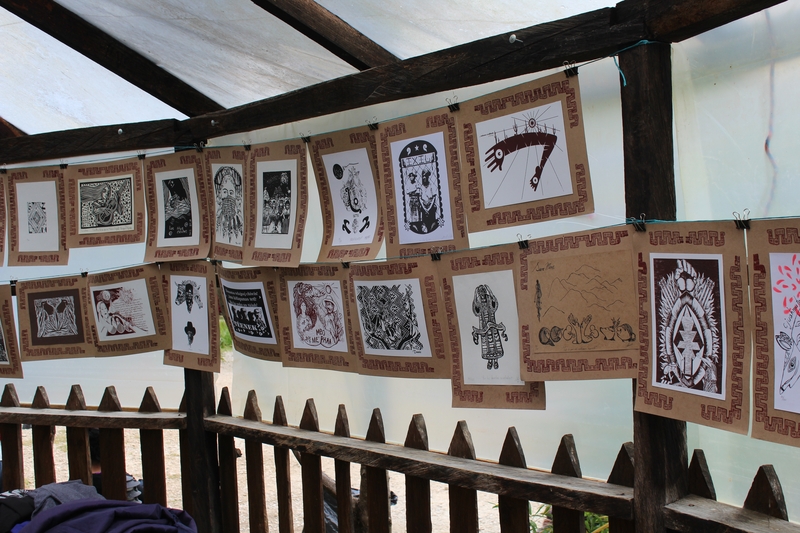
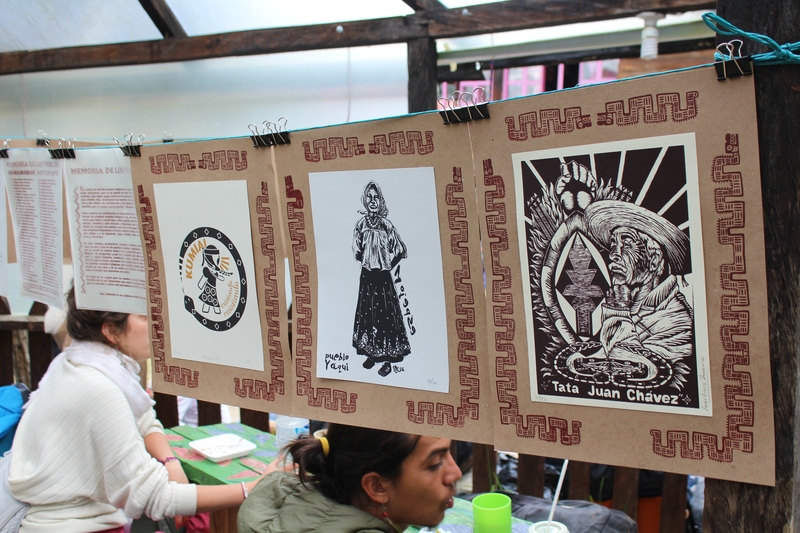
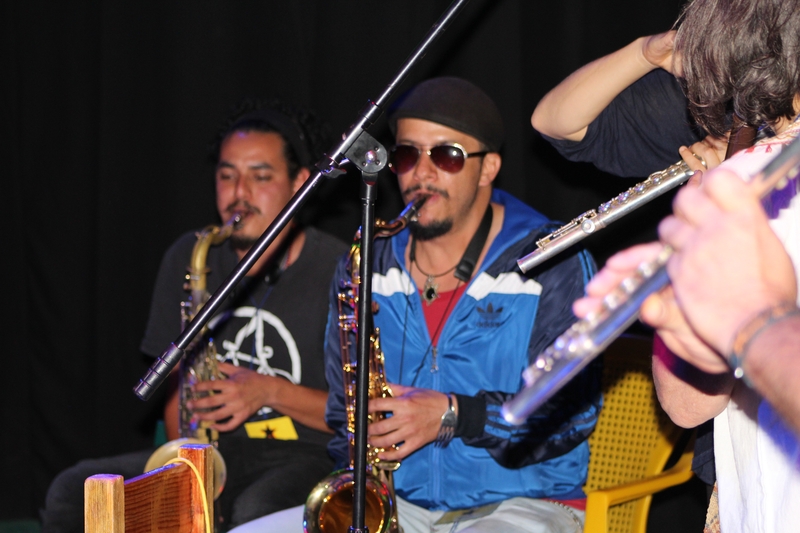
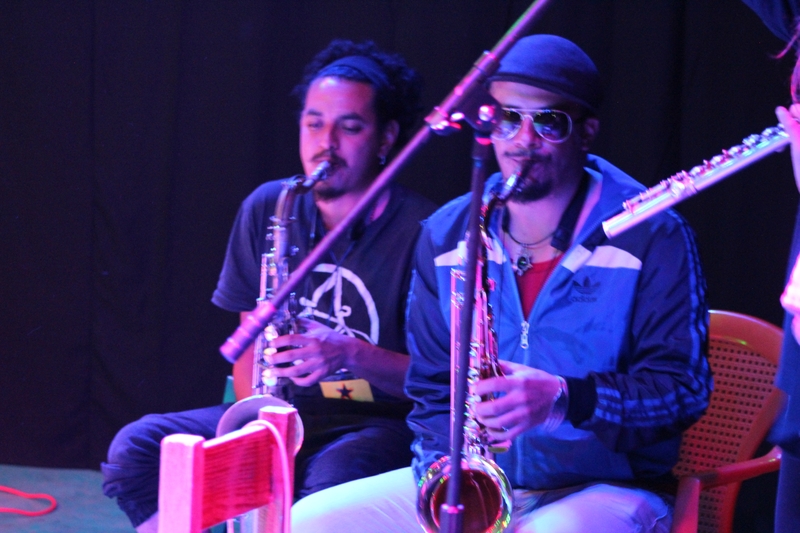
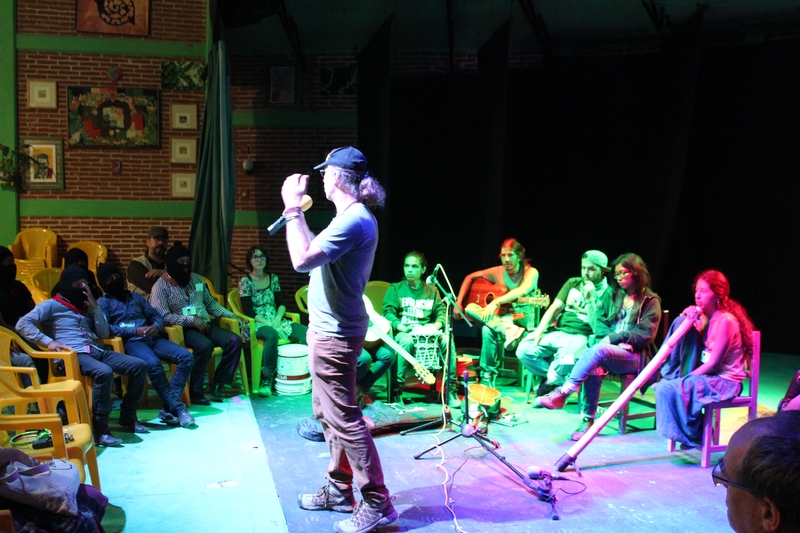
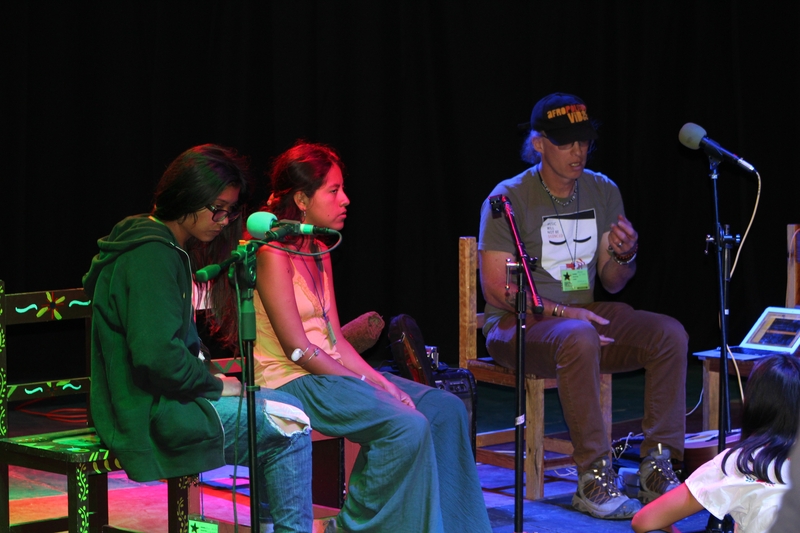
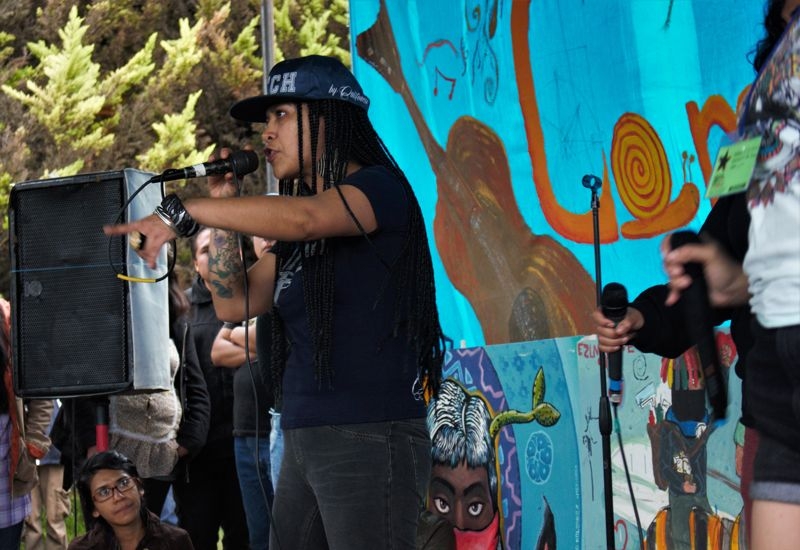
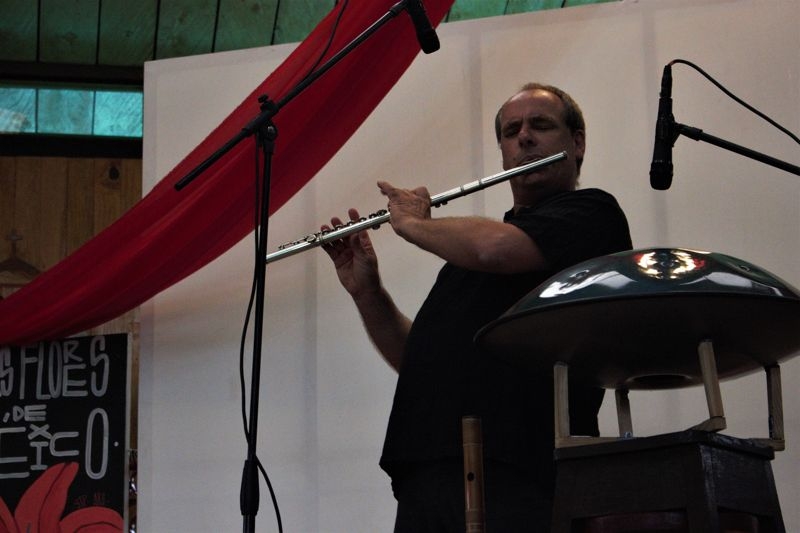
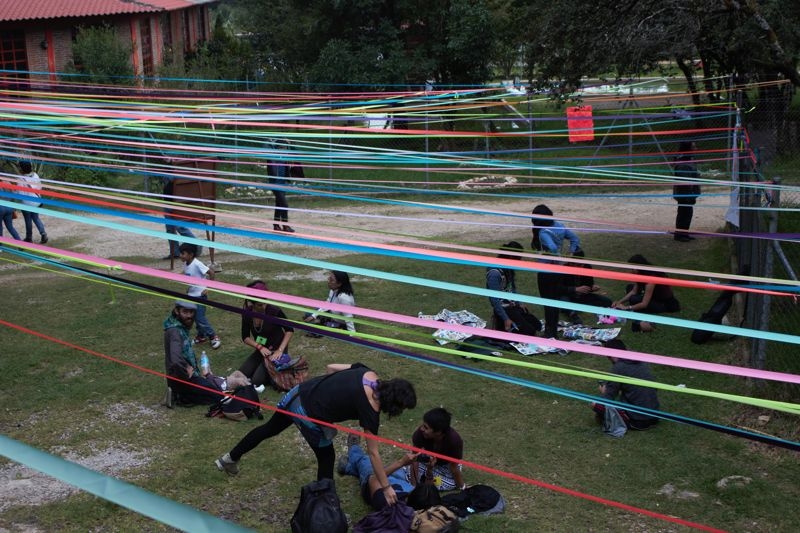
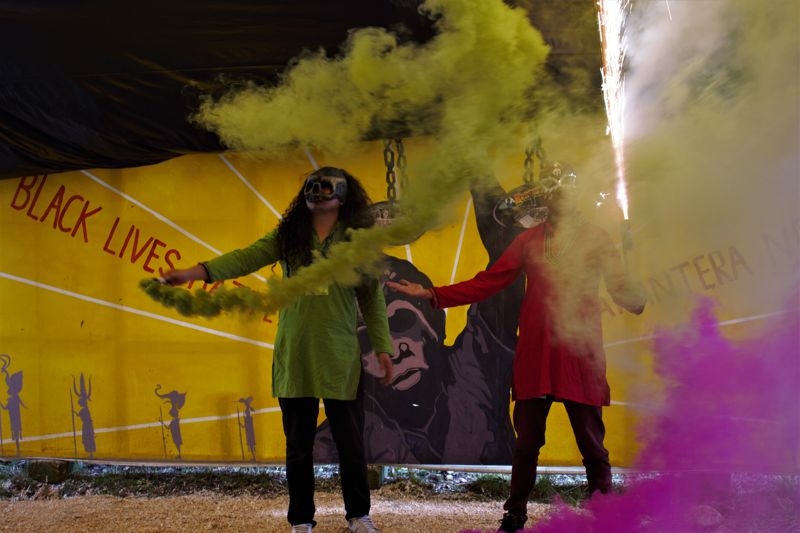
Enseguida, el registro sonoro y fotográfico del sexto día del festival CompArte por la Humanidad 2017 “Contra el capital y sus muros, todas las artes”.