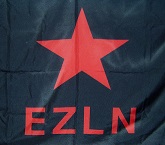
[:es]La Ruta de Ixchel[:en]The Route of Ixchel[:]
[:es]
La Ruta de Ixchel.
Abril del 2021.
Saldrá la Montaña.
De una de las casas de Ixchel, la madre del amor y la fertilidad, la abuela de las plantas y los animales, madre joven y madre anciana, la rabia en la que el dolor de la tierra se transforma cuando es herida y mancillada, saldrá la Montaña.
Cuenta una de las leyendas mayas que Ixchel se tendió sobre el mundo en forma de arcoíris. Eso hizo para así darle al planeta una lección de pluralidad e inclusión, y para recordarle que no es uno el color de la tierra, sino muchos, y que todos, sin dejar de ser lo que son, juntos iluminan la maravilla de la vida. Y ella, Ixchel, la mujer arcoíris, todos los colores abraza y los hace parte de ella.
En las montañas del sureste mexicano, en la lengua de raíz maya de los más viejos de los viejos, se narra una de las historias de Ixchel, madre-luna, madre-amor, madre-rabia, madre-vida. Hablando el Viejo Antonio así habla:
“Del oriente vino la muerte y la esclavitud. Así llegó y ni modos. Nada podemos cambiar de lo anterior. Pero así dijo Ixchel:
“Que mañana al oriente naveguen la vida y la libertad en la palabra de mis huesos y sangres, mis crías. Que no mande un color. Que no mande ninguno para que ninguno obedezca y que cada quien sea lo que es con alegría. Porque la pena y el dolor vienen de quien quiere espejos y no cristales para asomarse a todos los mundos que soy. Con rabia habrá que romper 7 mil espejos hasta que el dolor se alivie. Mucha muerte habrá de doler para que, al fin, sea la vida el camino. Que el arcoíris corone entonces la casa de mis crías, la montaña que es la tierra de mis sucesores”.
Cuando la opresión llegó en metal y fuego a suelo maya, el ts´ul, el llegado de lejos, miró muchas figuras de la diosa arcoíris y así llamó a esa tierra: Isla Mujeres.
Una mañana del mañana, cuando la cruz parlante invoque, no el pasado, sino lo por venir, navegará la montaña hasta la tierra del Ts´ul y atracará frente al viejo olivo que le da sombra al mar e identidad a quienes viven y trabajan en esas costas.”
-*-
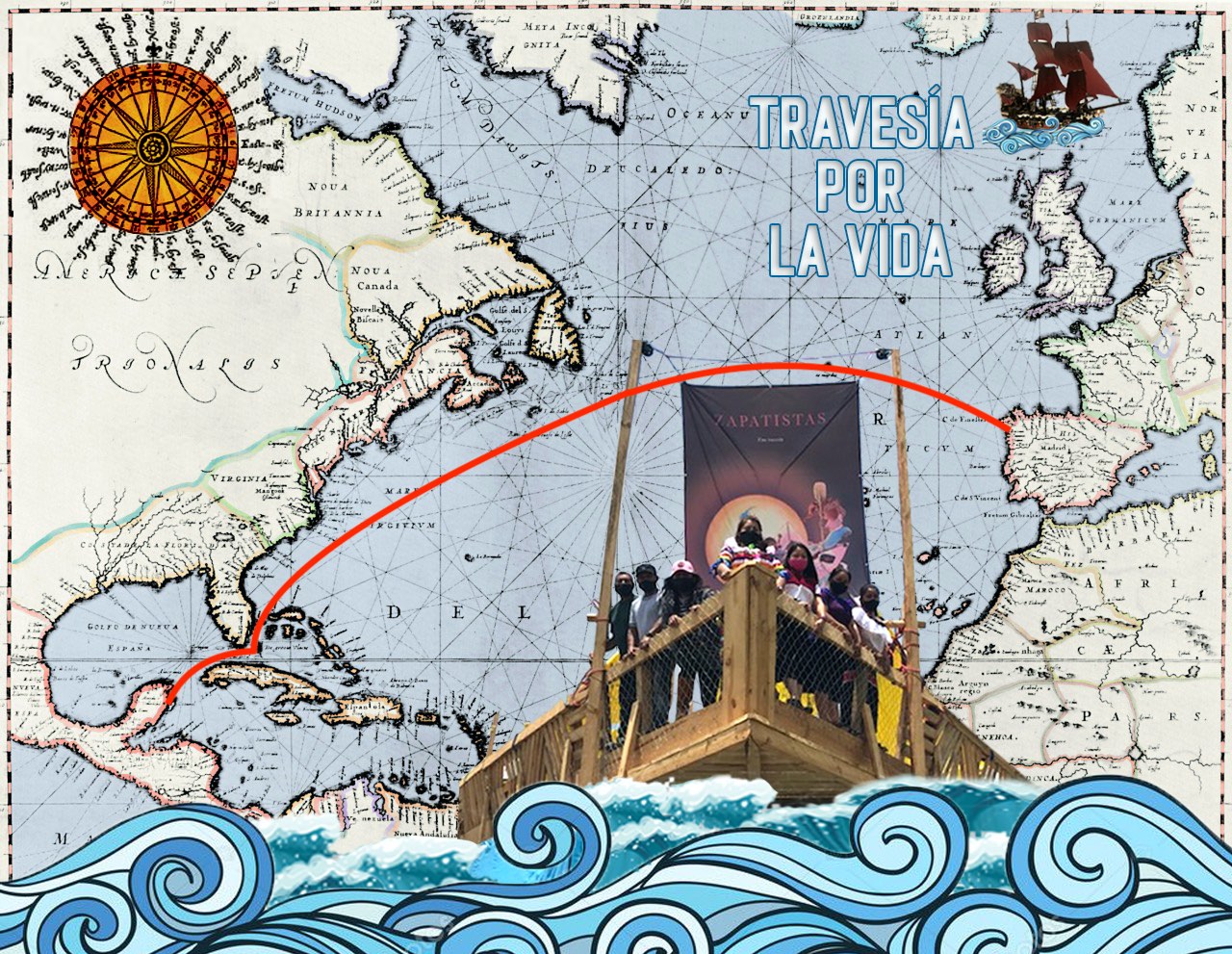
El día 3 de mayo del año 21 del siglo 21, de Isla Mujeres, Quintana Roo, México, zarpará la Montaña para cruzar el Atlántico en una travesía que mucho tiene de desafío y nada de reproche. En el sexto mes del calendario, habrá de avistar las costas del puerto de Vigo (Ciudad olívica), Pontevedra, en la Comunidad Autónoma de Galicia, Estado Español.
-*-
Si no se puede desembarcar, sea por el COVID, migración, franca discriminación, chovinismo, o que se equivocaron de puerto o la hostia, vamos preparados.
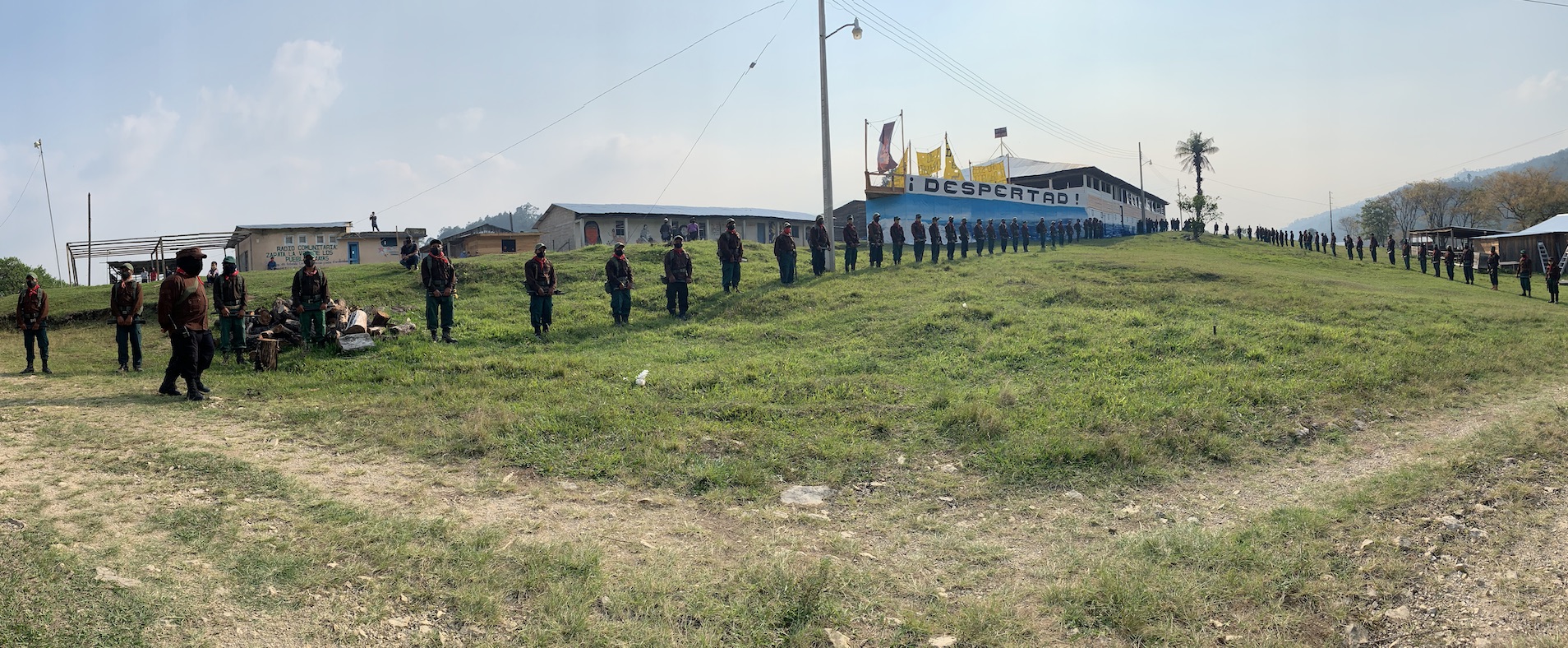
Estamos dispuestos a esperar ahí y desplegaremos, frente a las costas europeas, una gran manta que diga “¡Despertad!”. Esperaremos a ver si alguien lee el mensaje y luego otro tanto a ver si, en efecto, despierta; y otro tanto más a ver si hace algo.
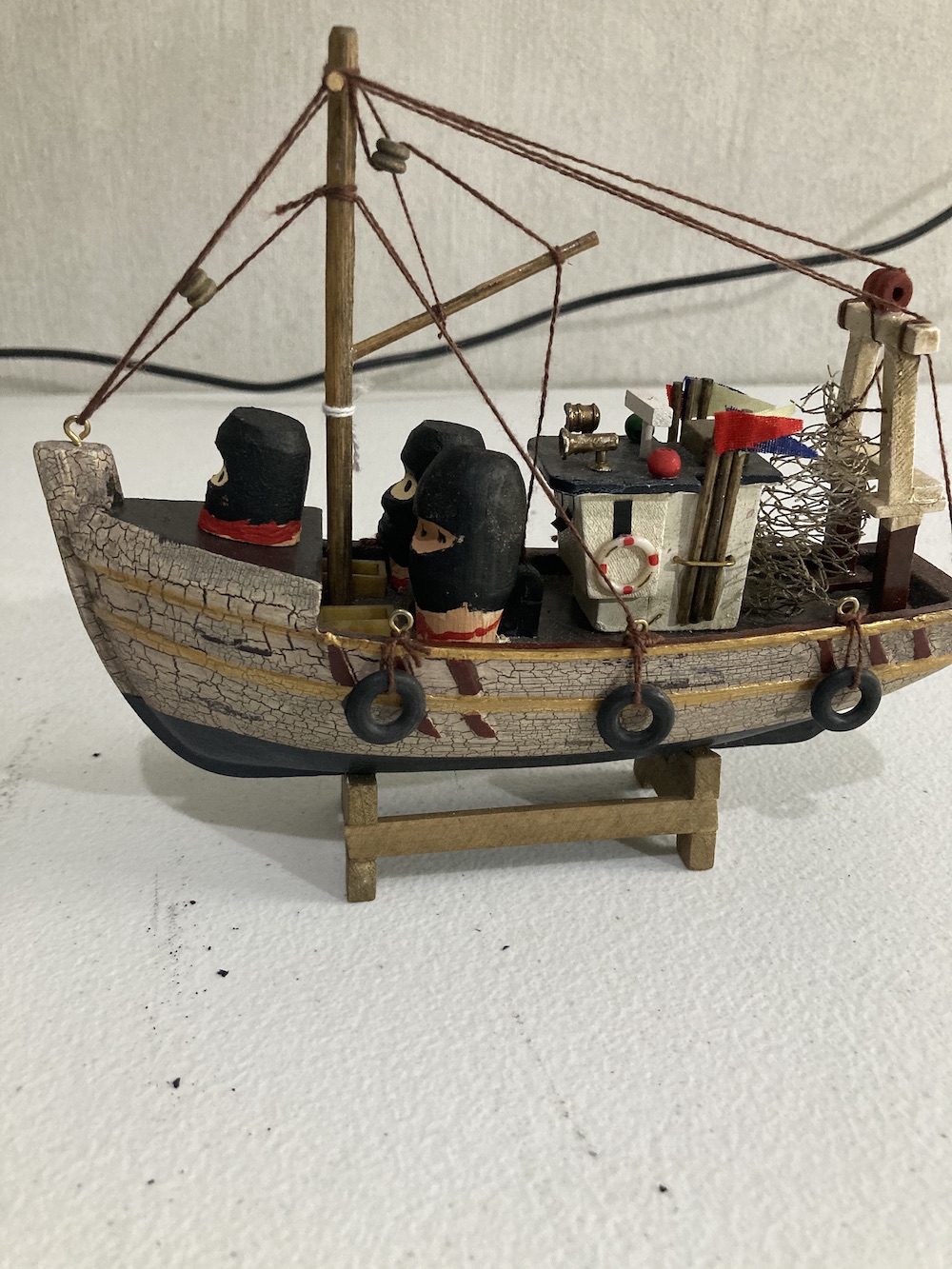
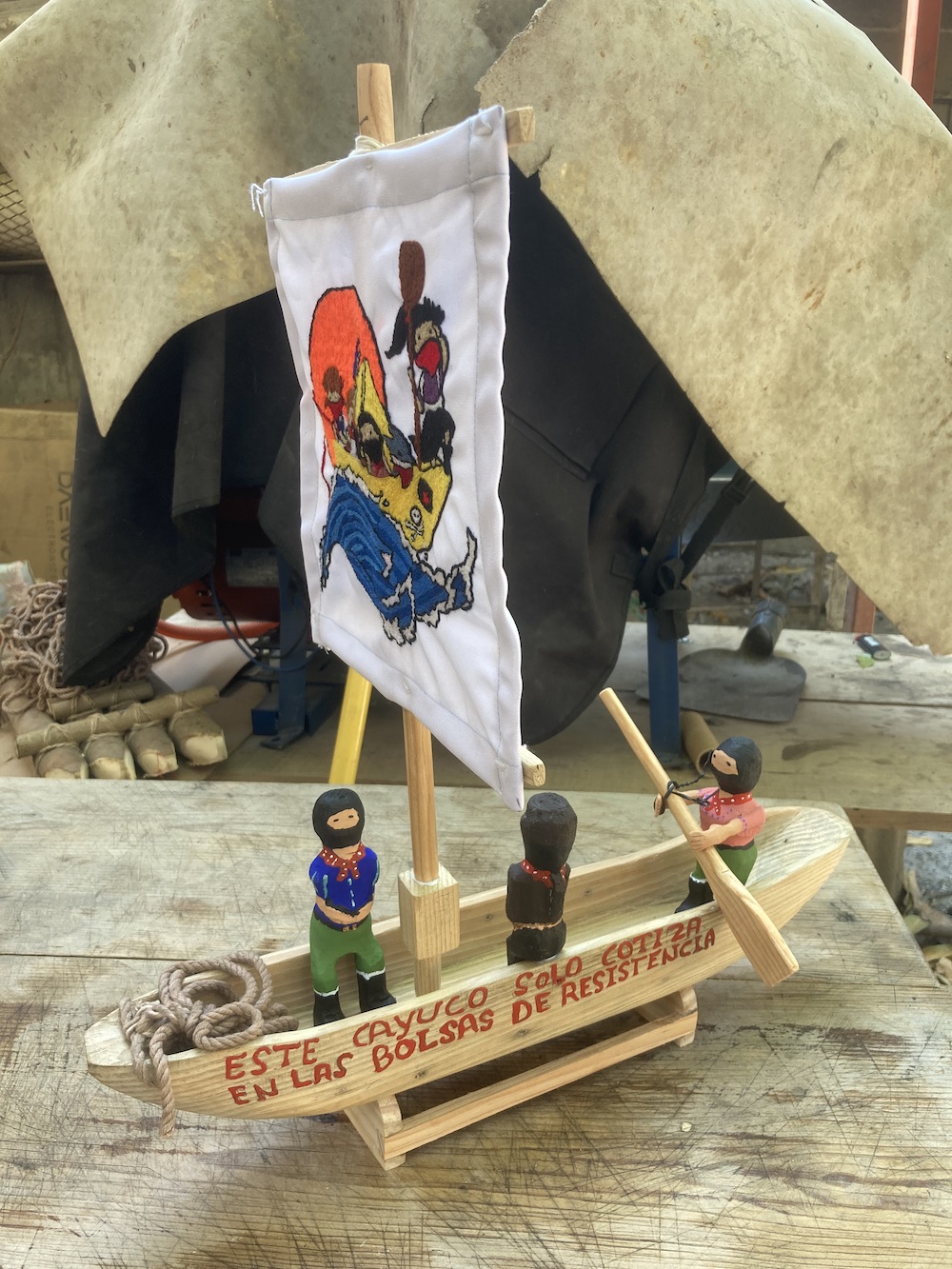
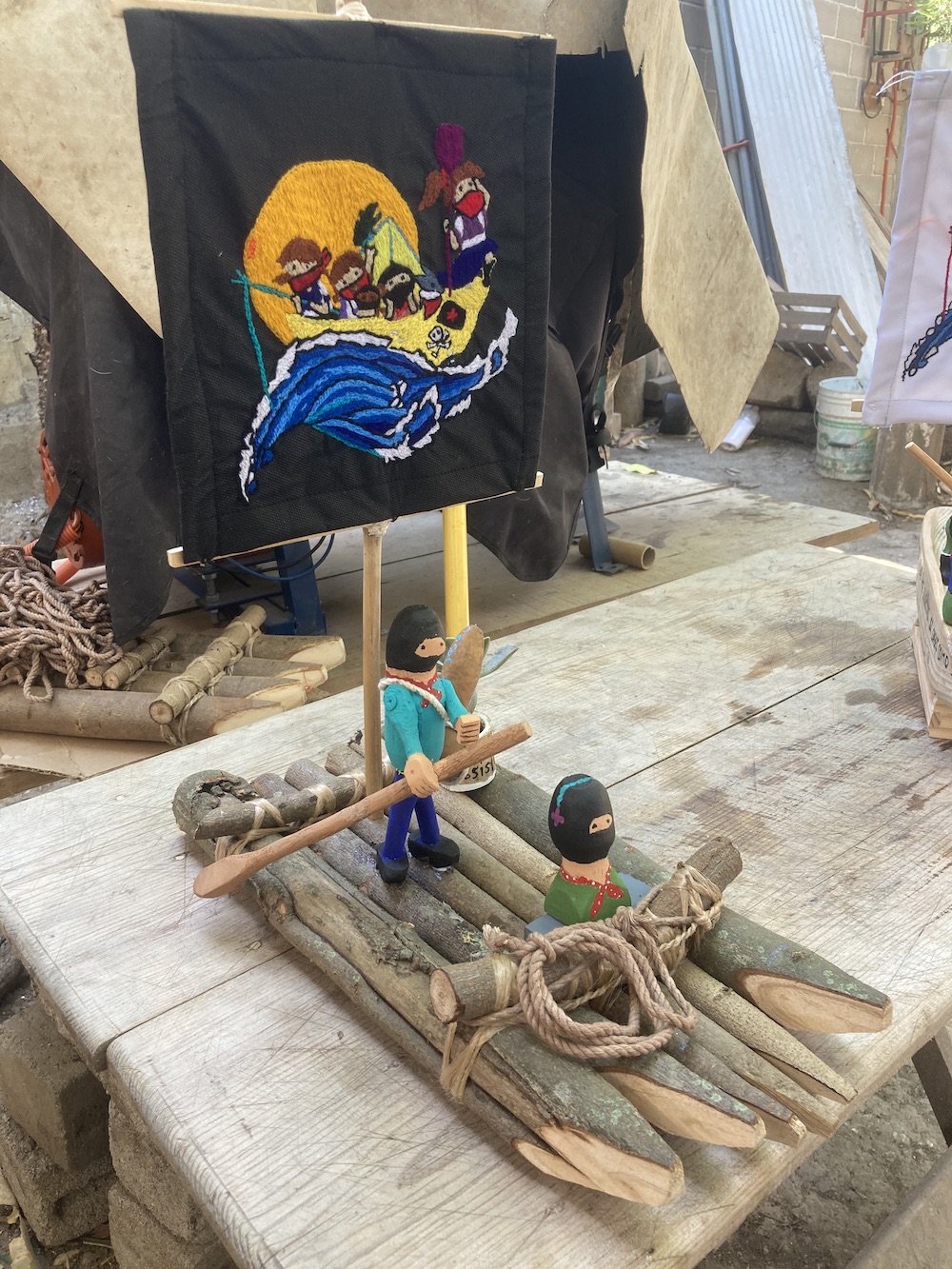
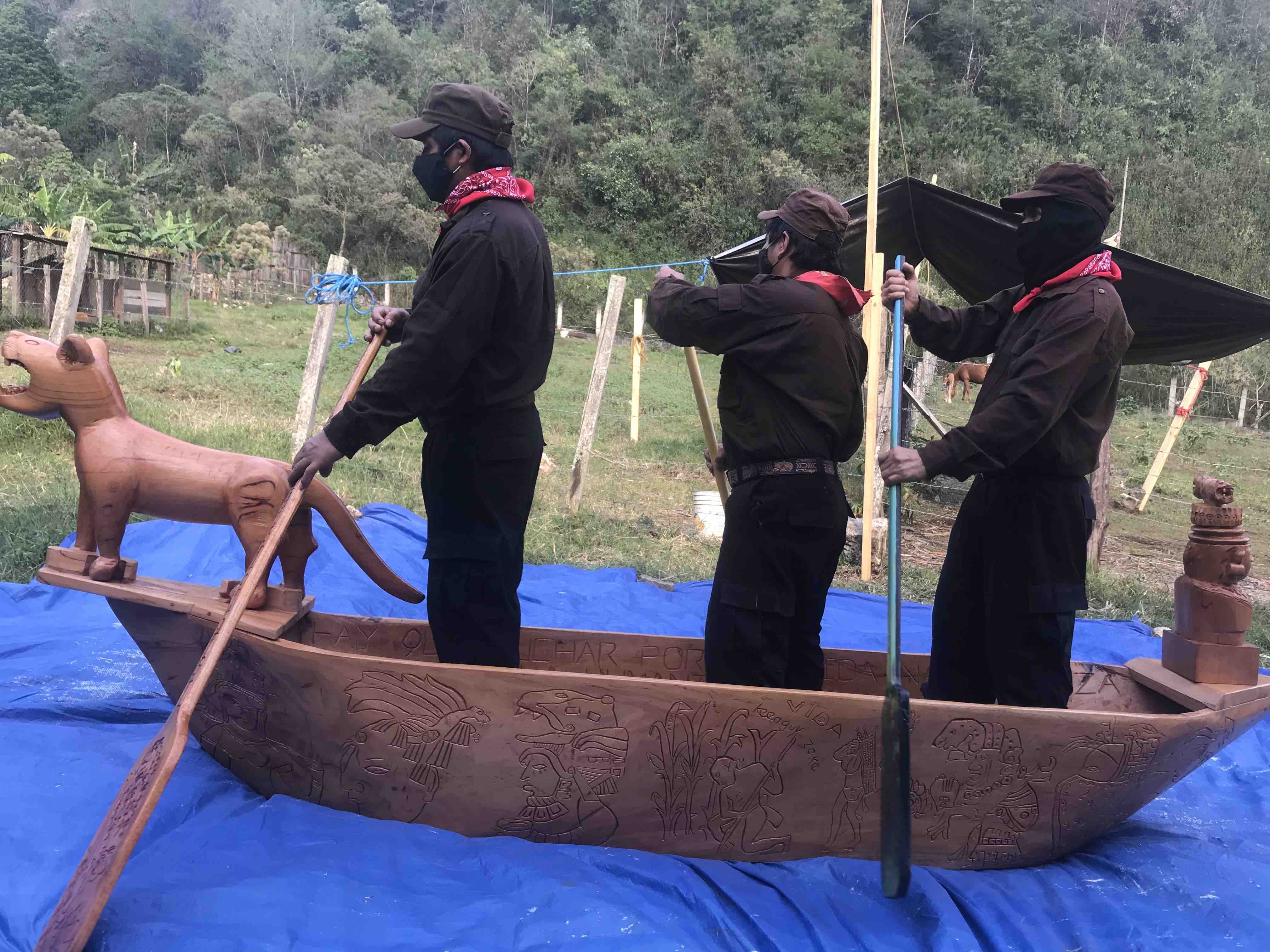
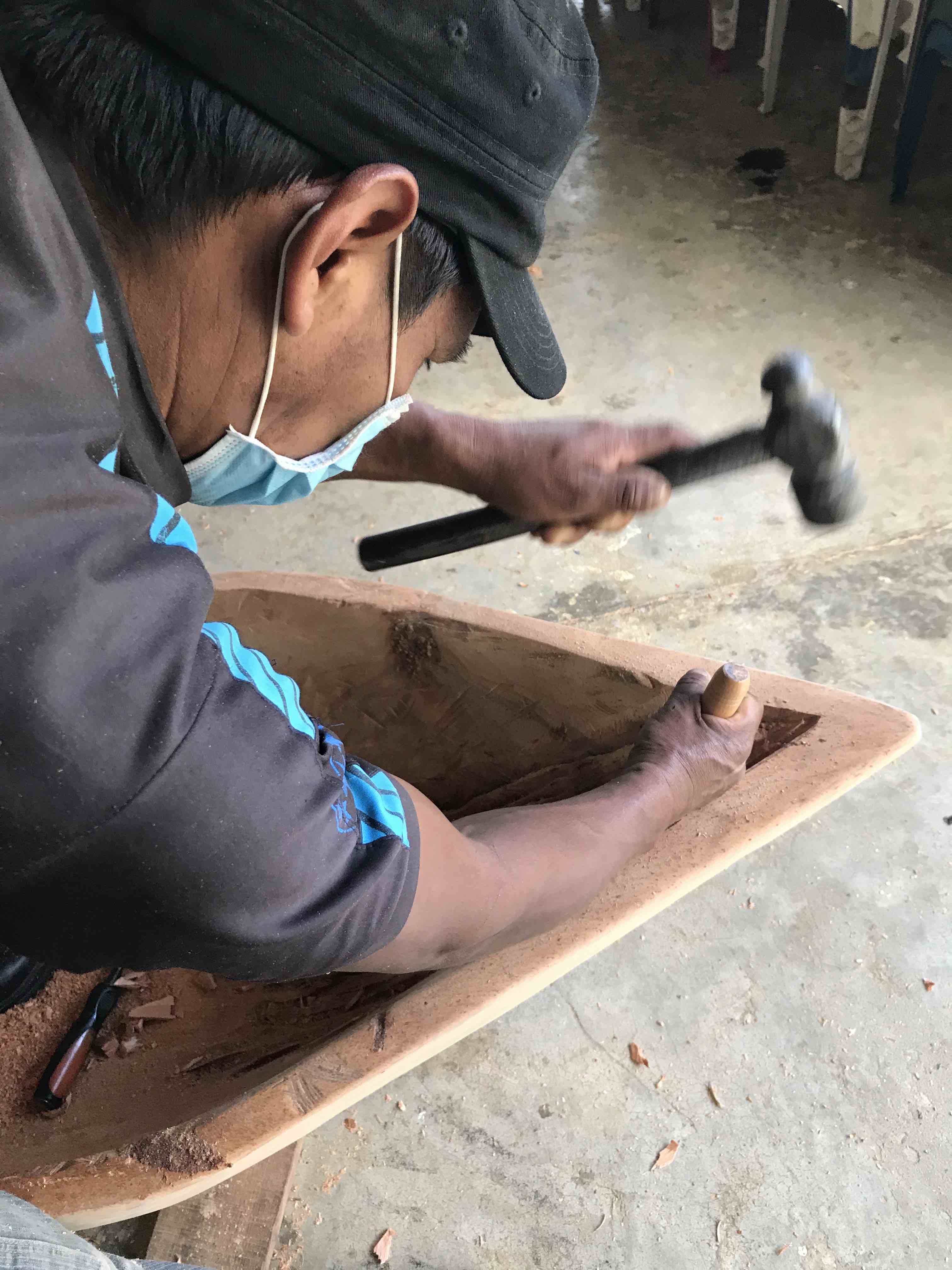
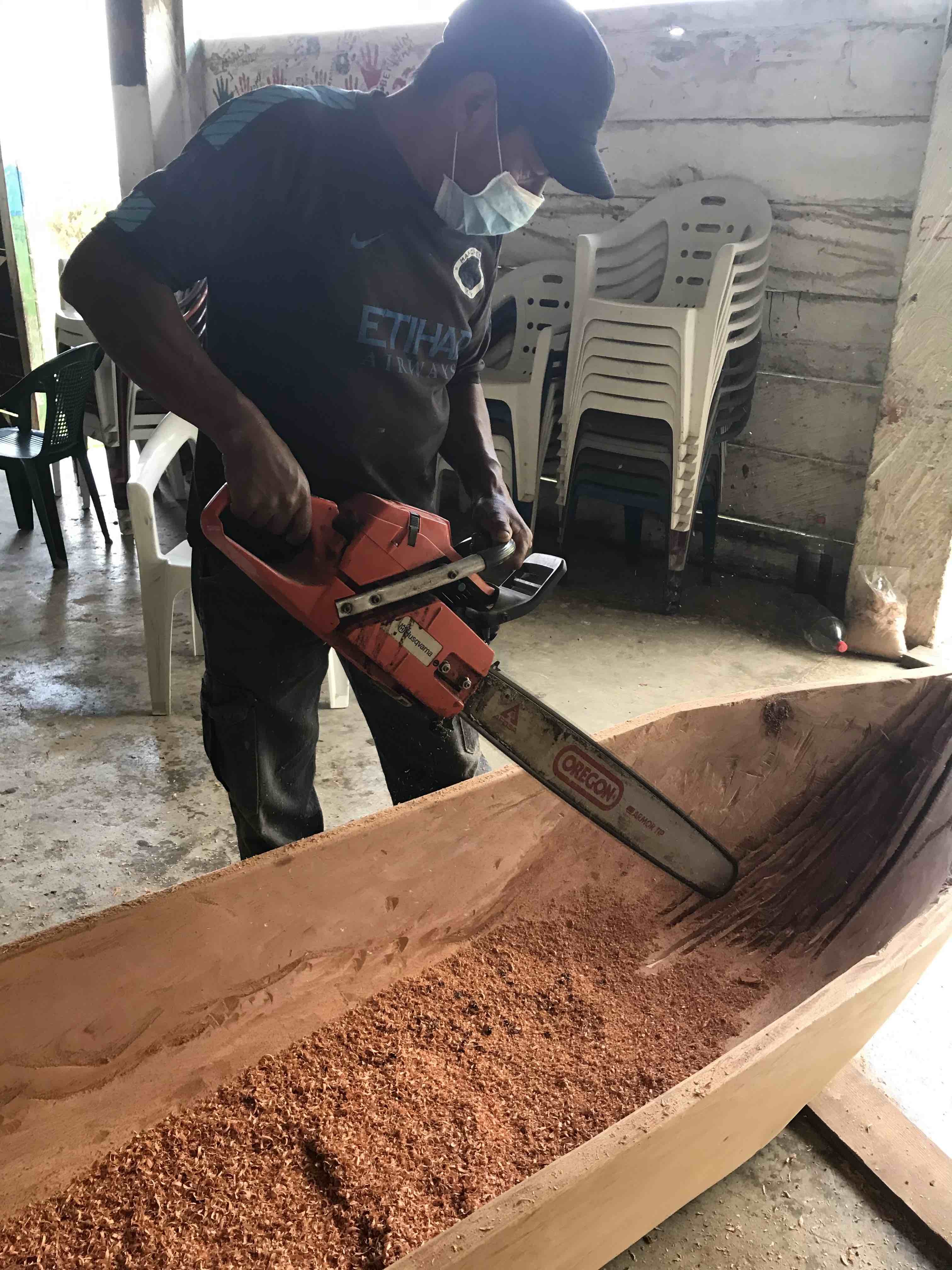
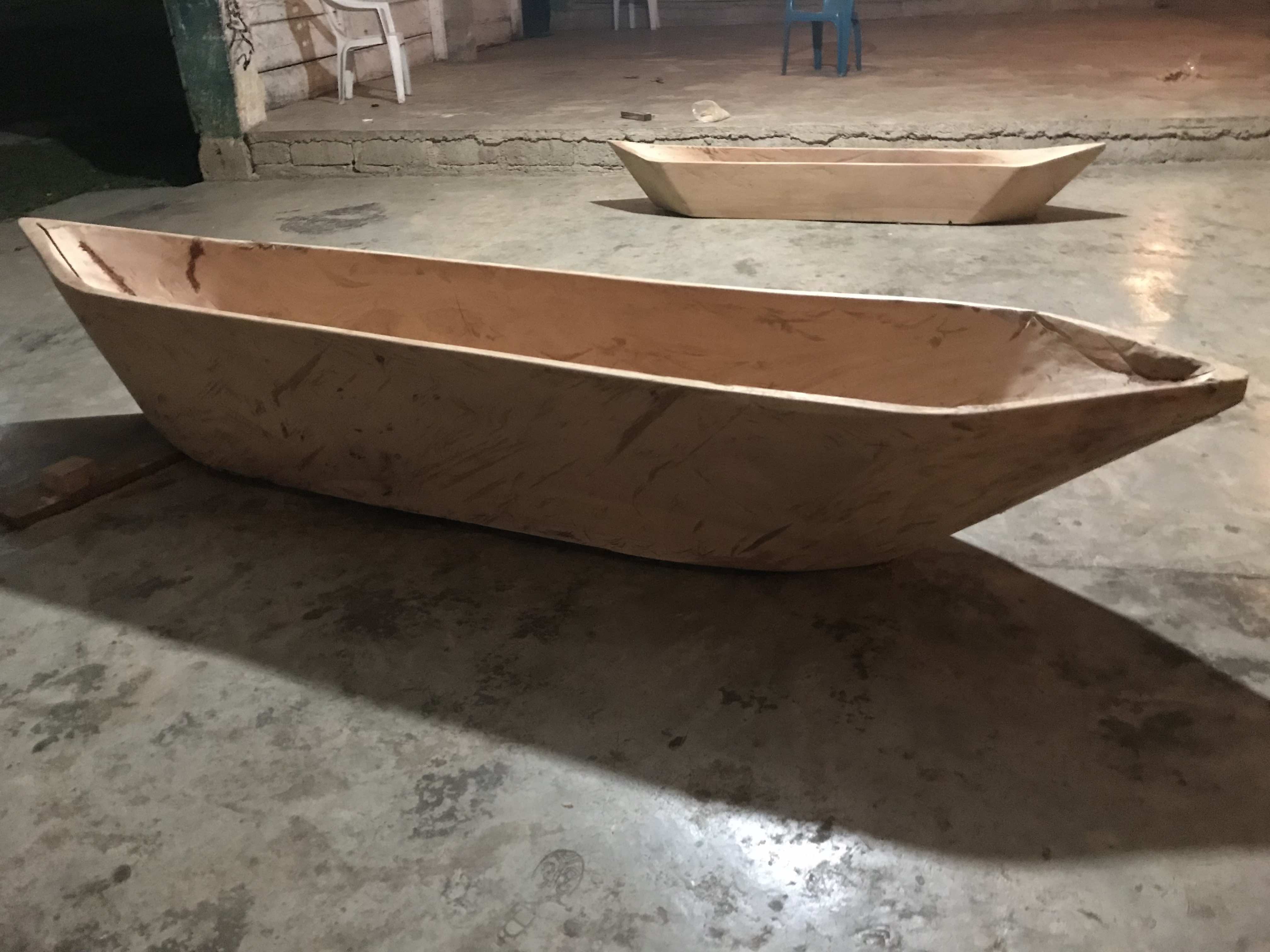
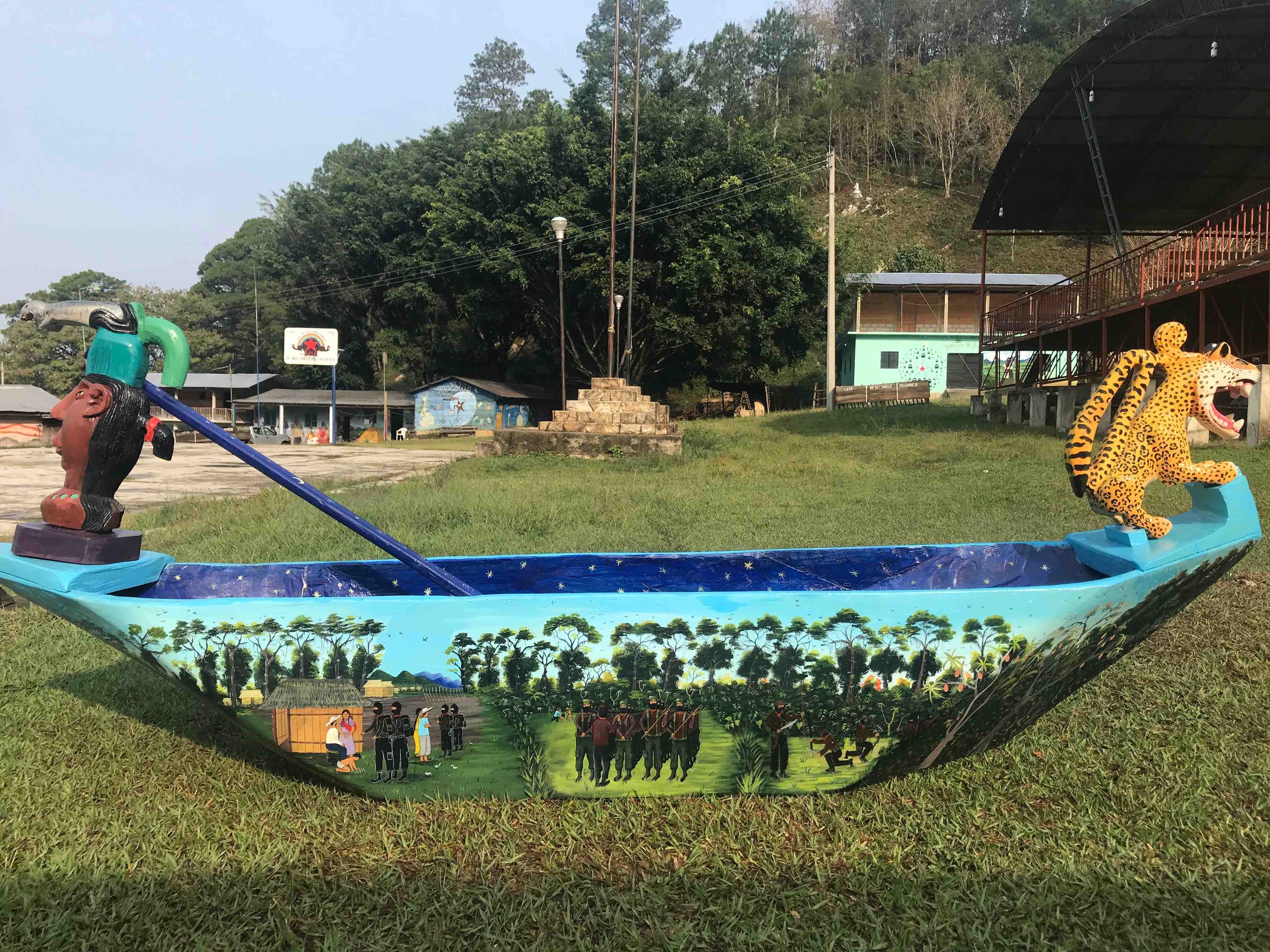
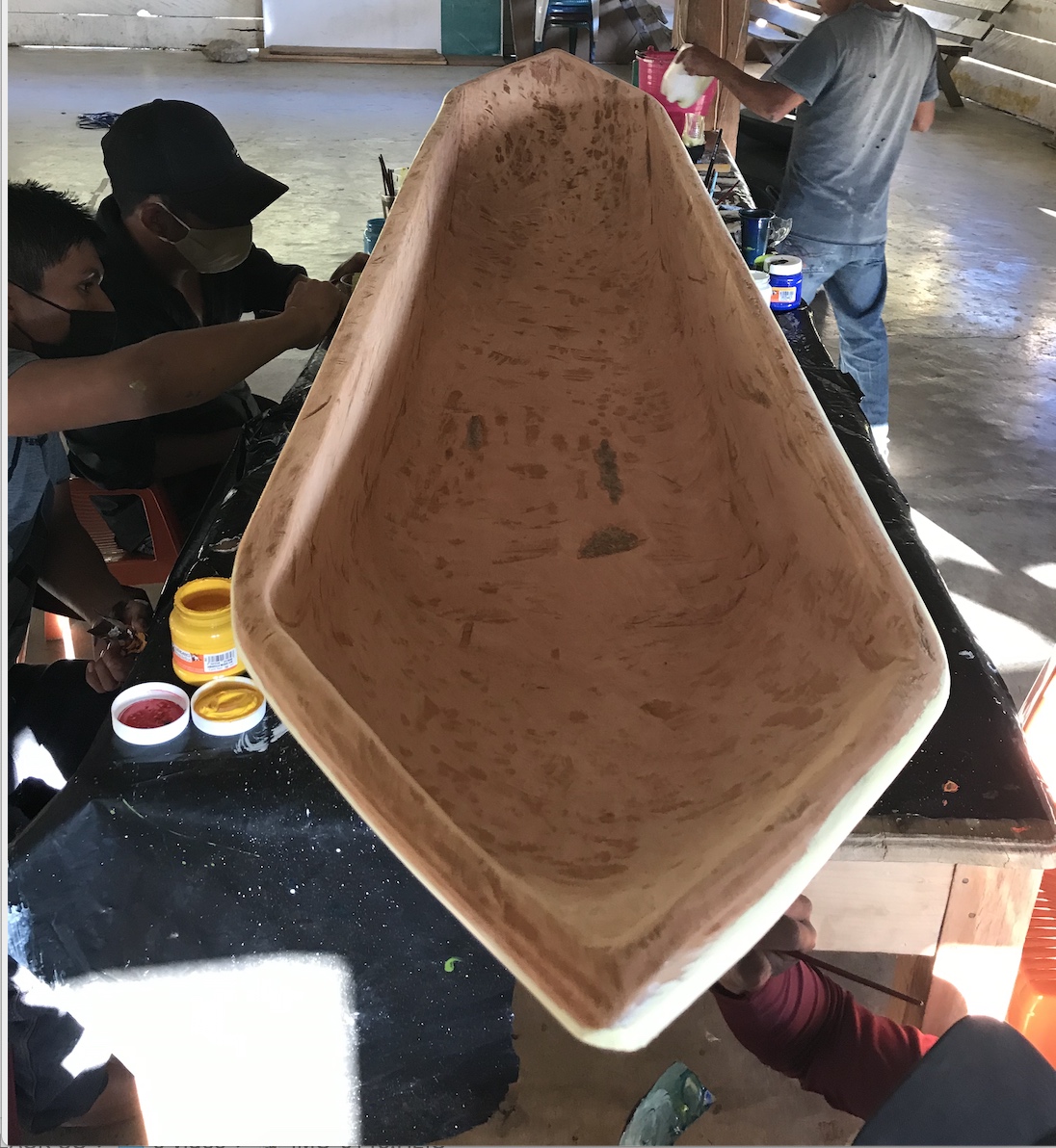
Si la Europa de abajo no quiere o no puede, entonces, previsores, llevamos 4 cayucos con sus remos respectivos y emprenderemos el regreso. Claro, demoraremos un poco hasta atisbar de nuevo las orilladas de la casa de Ixchel.
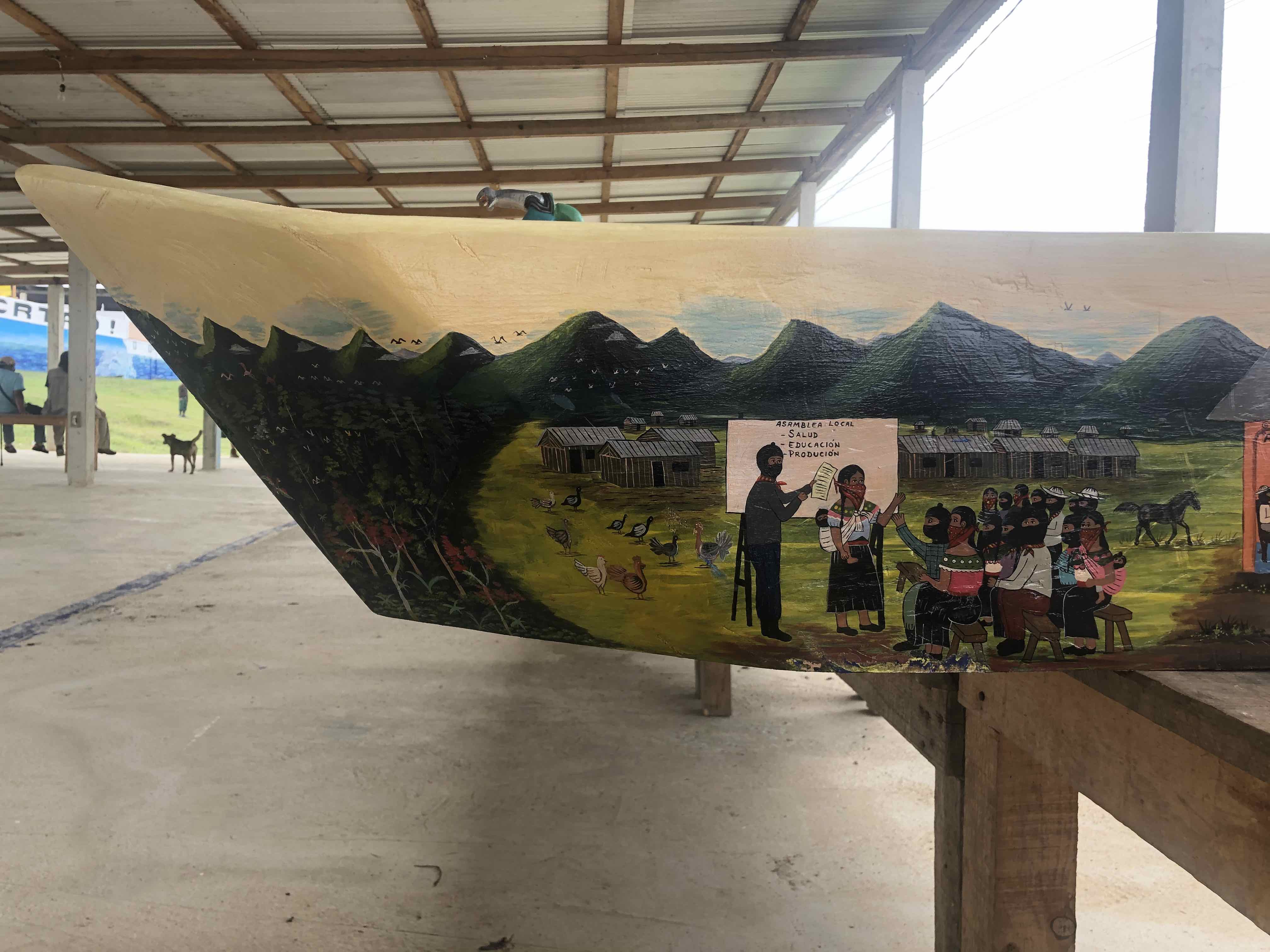
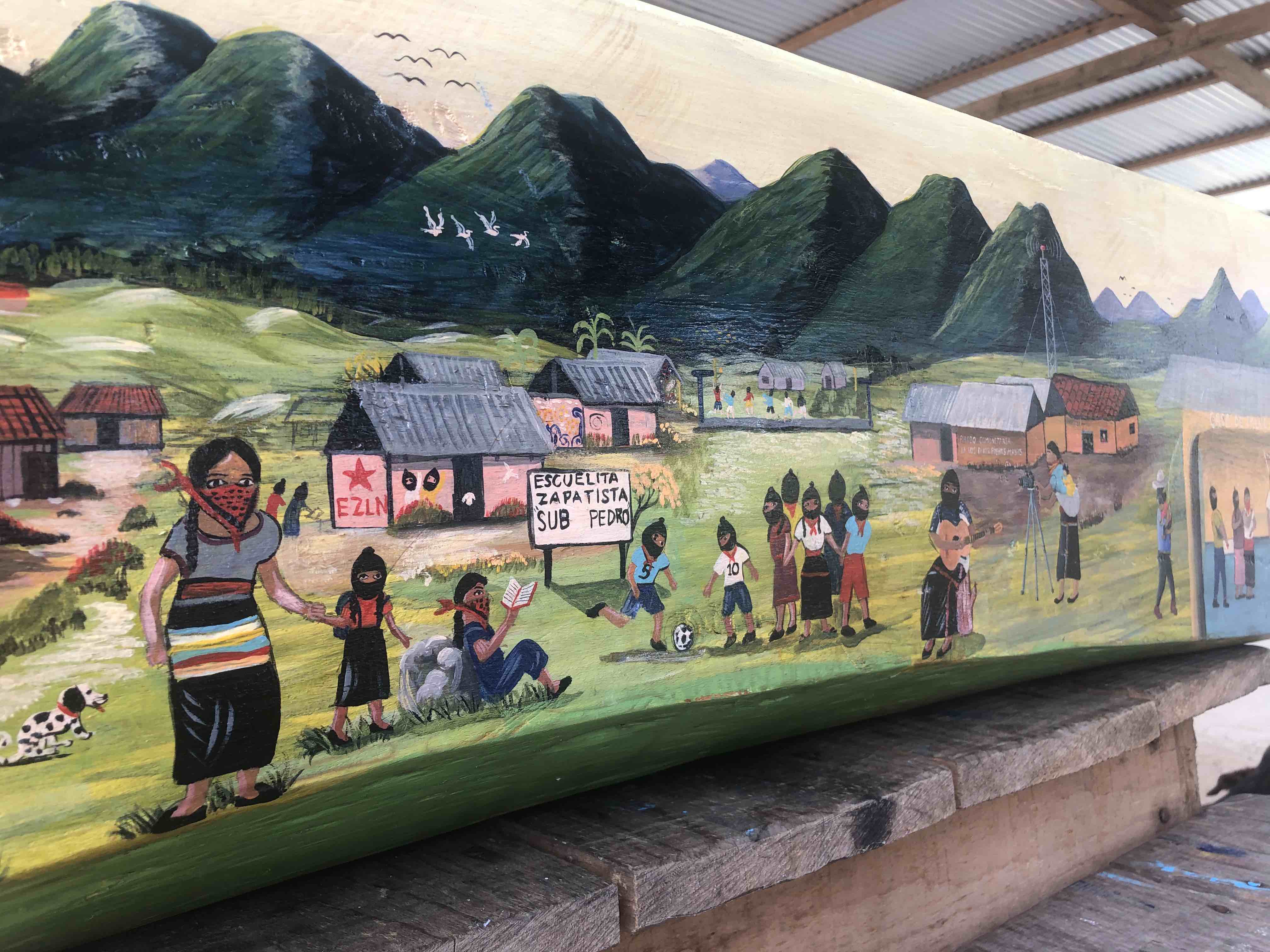
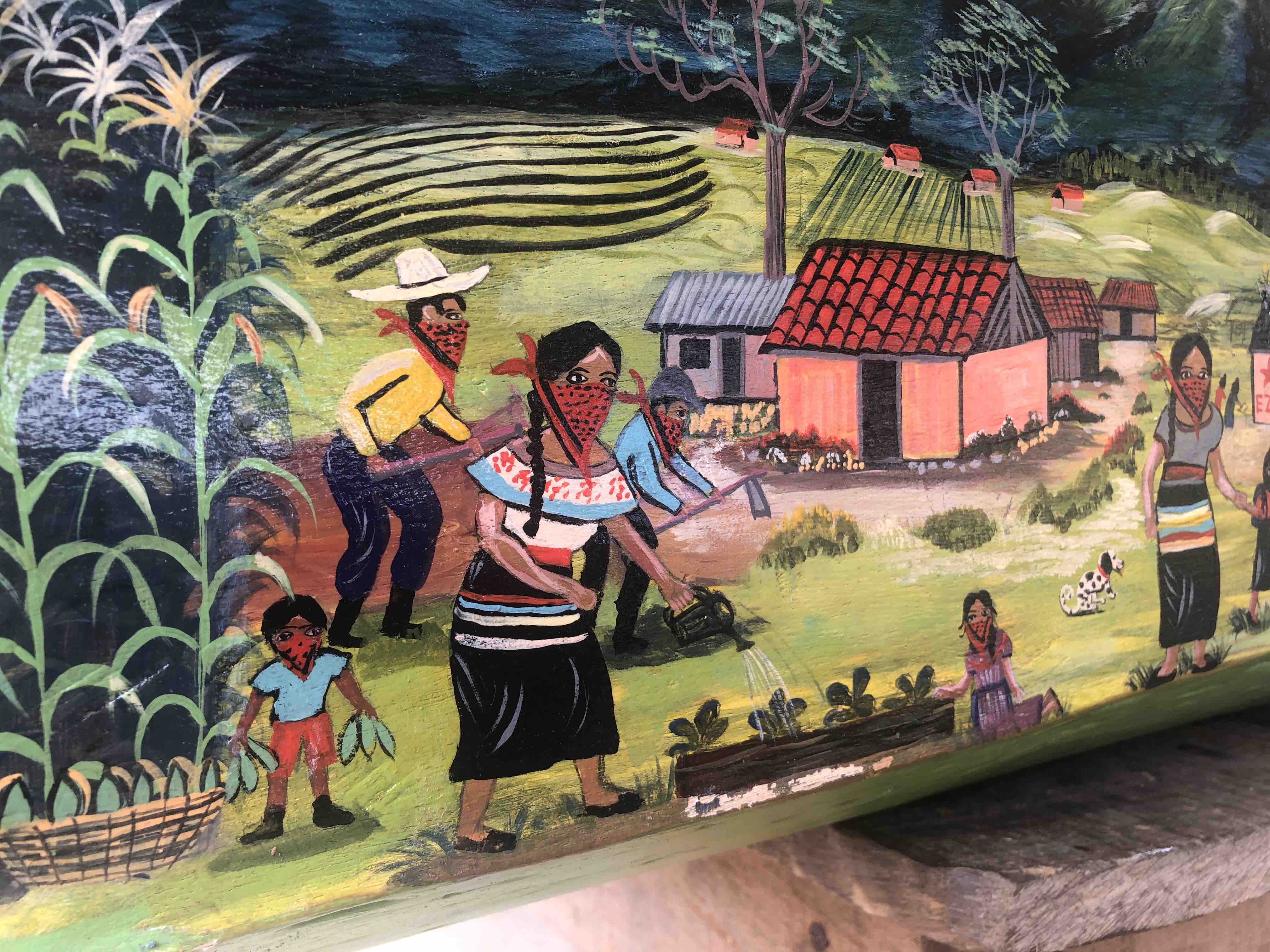
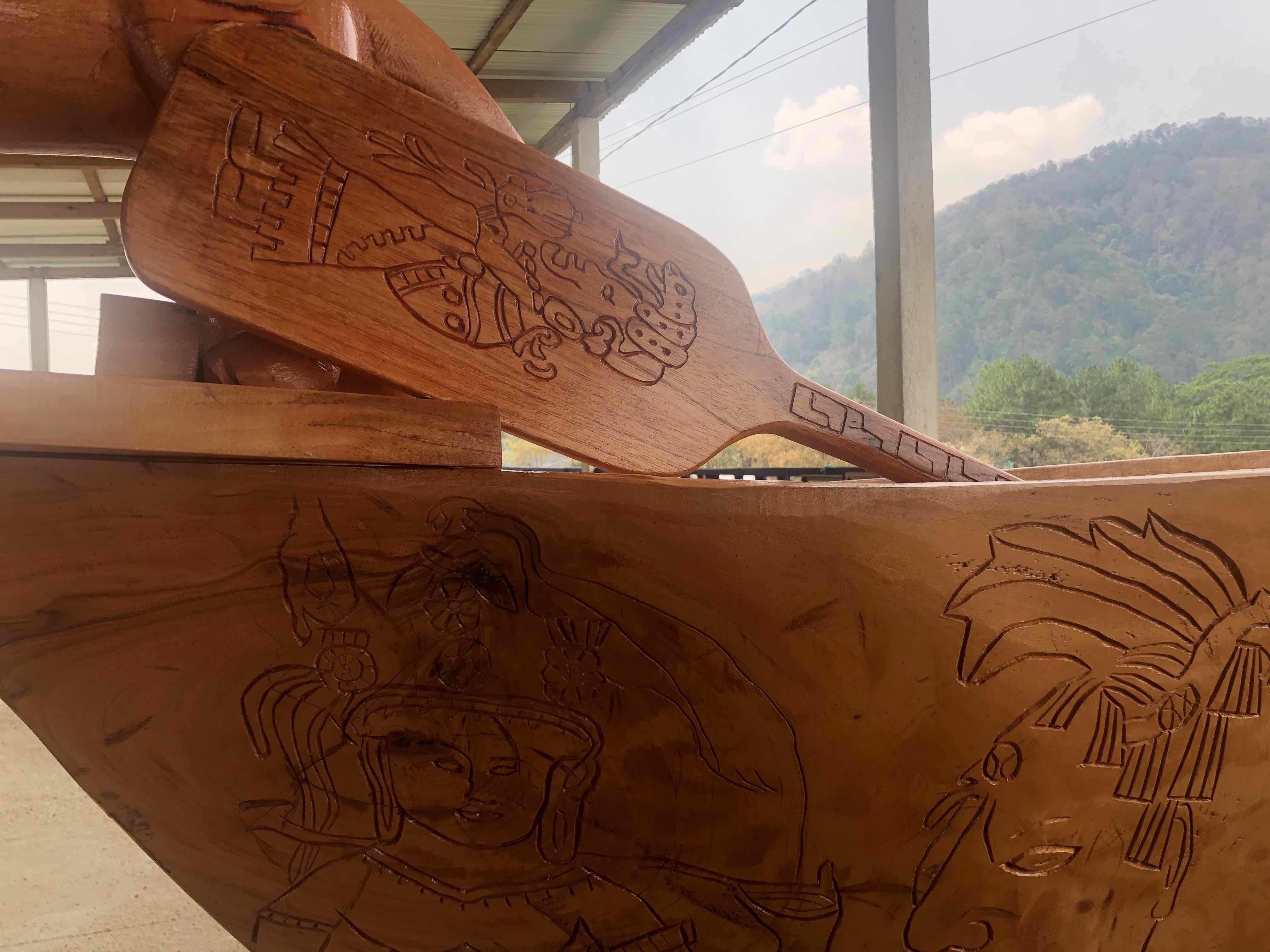
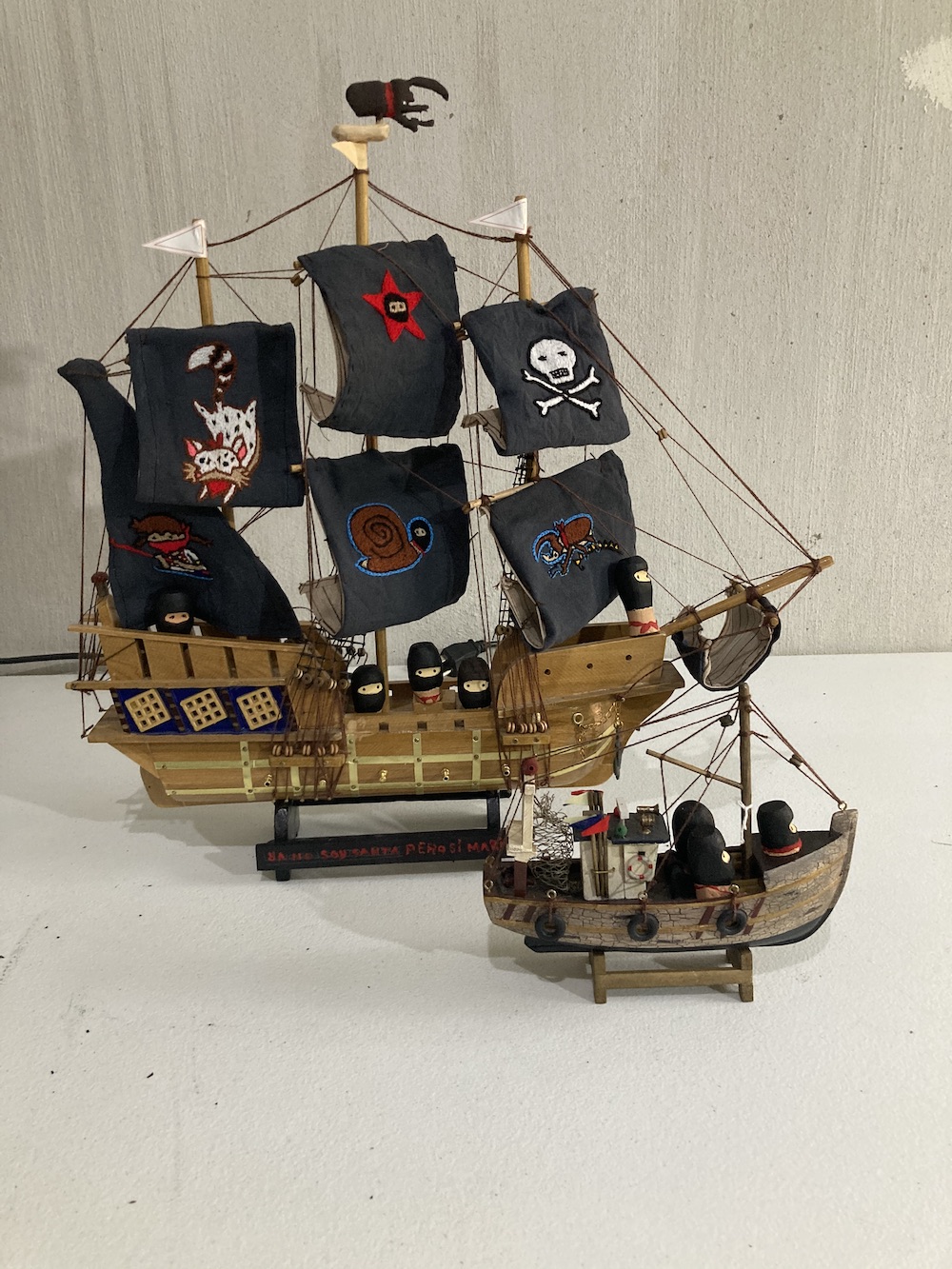
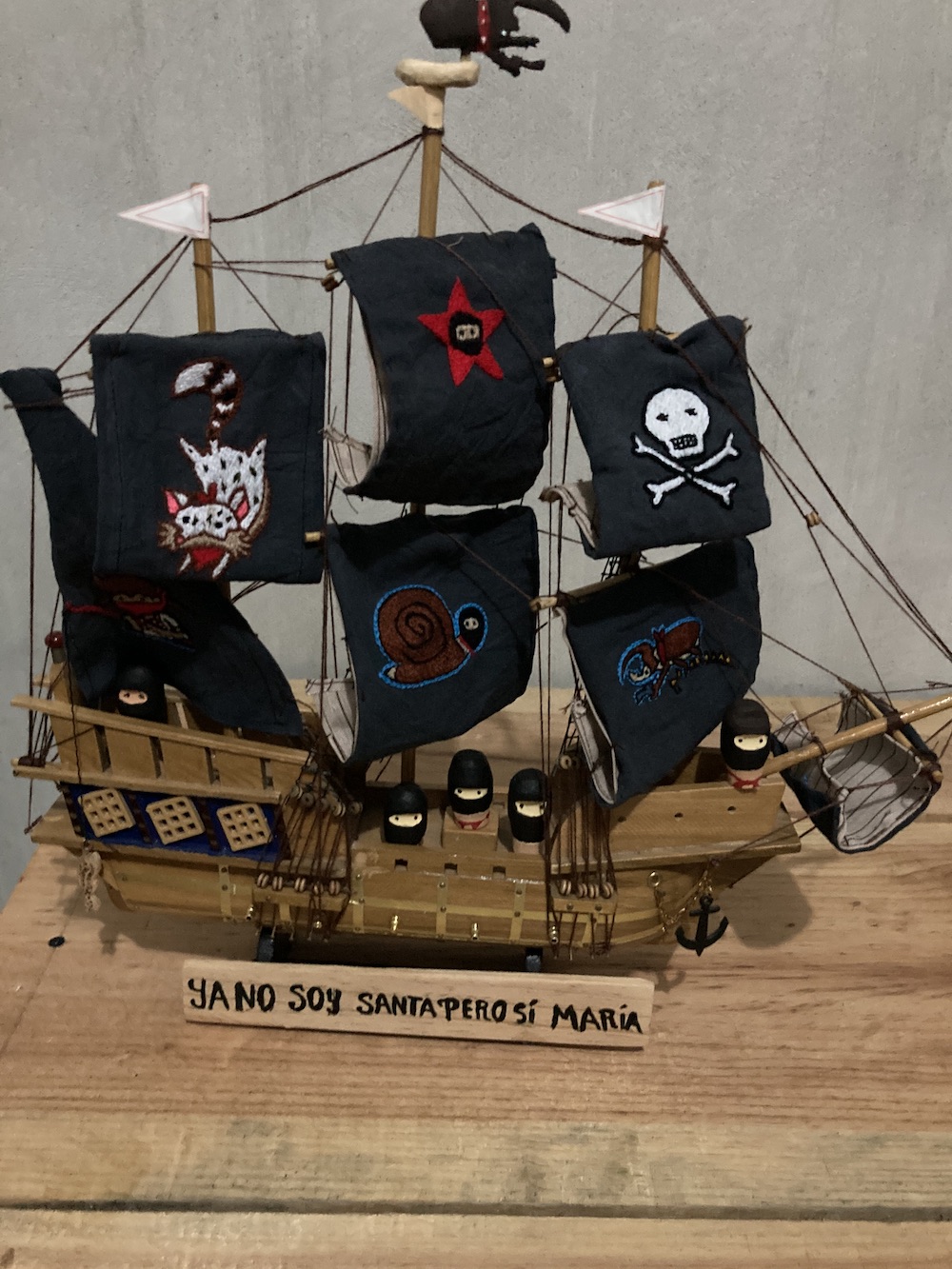
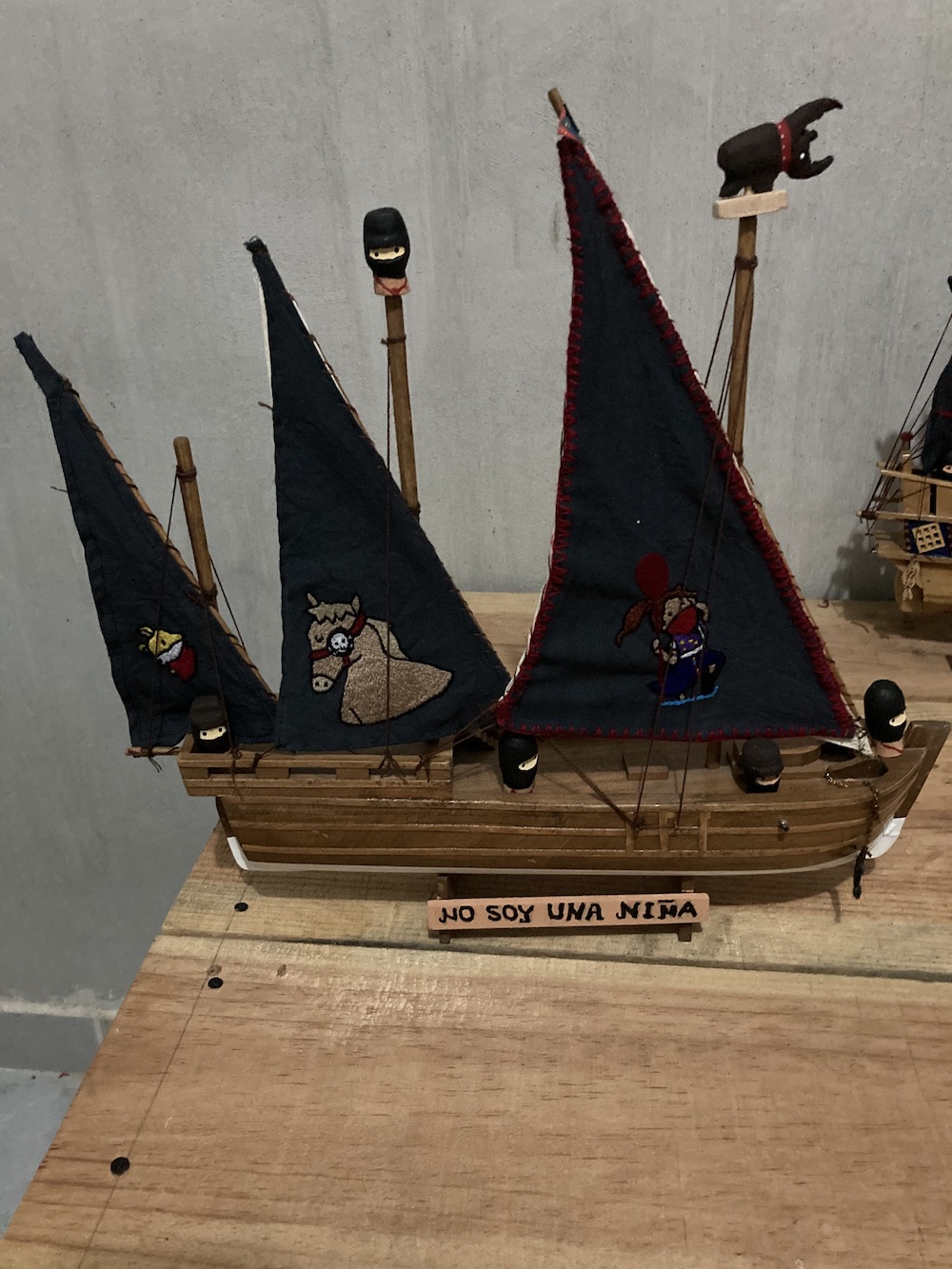
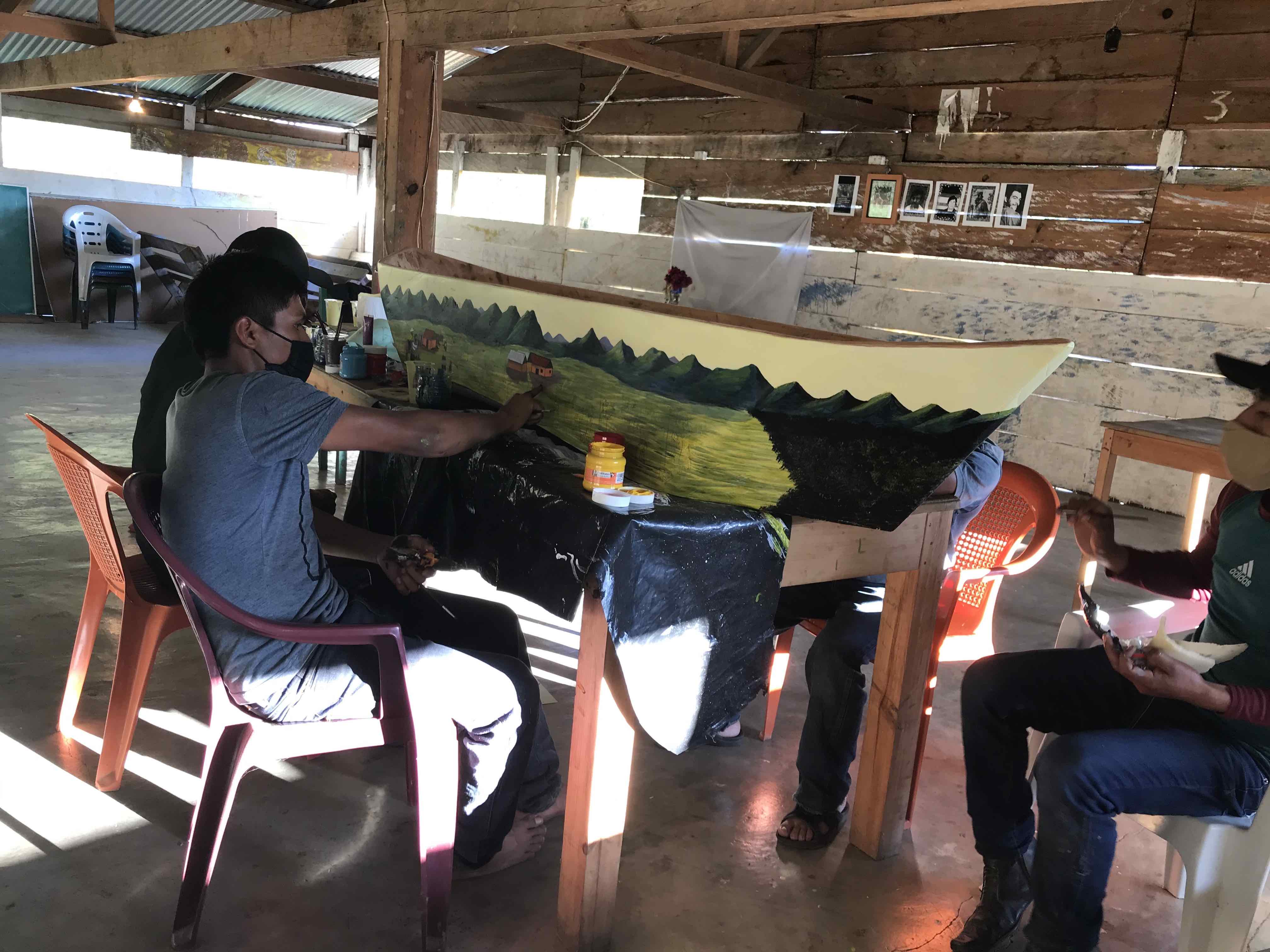
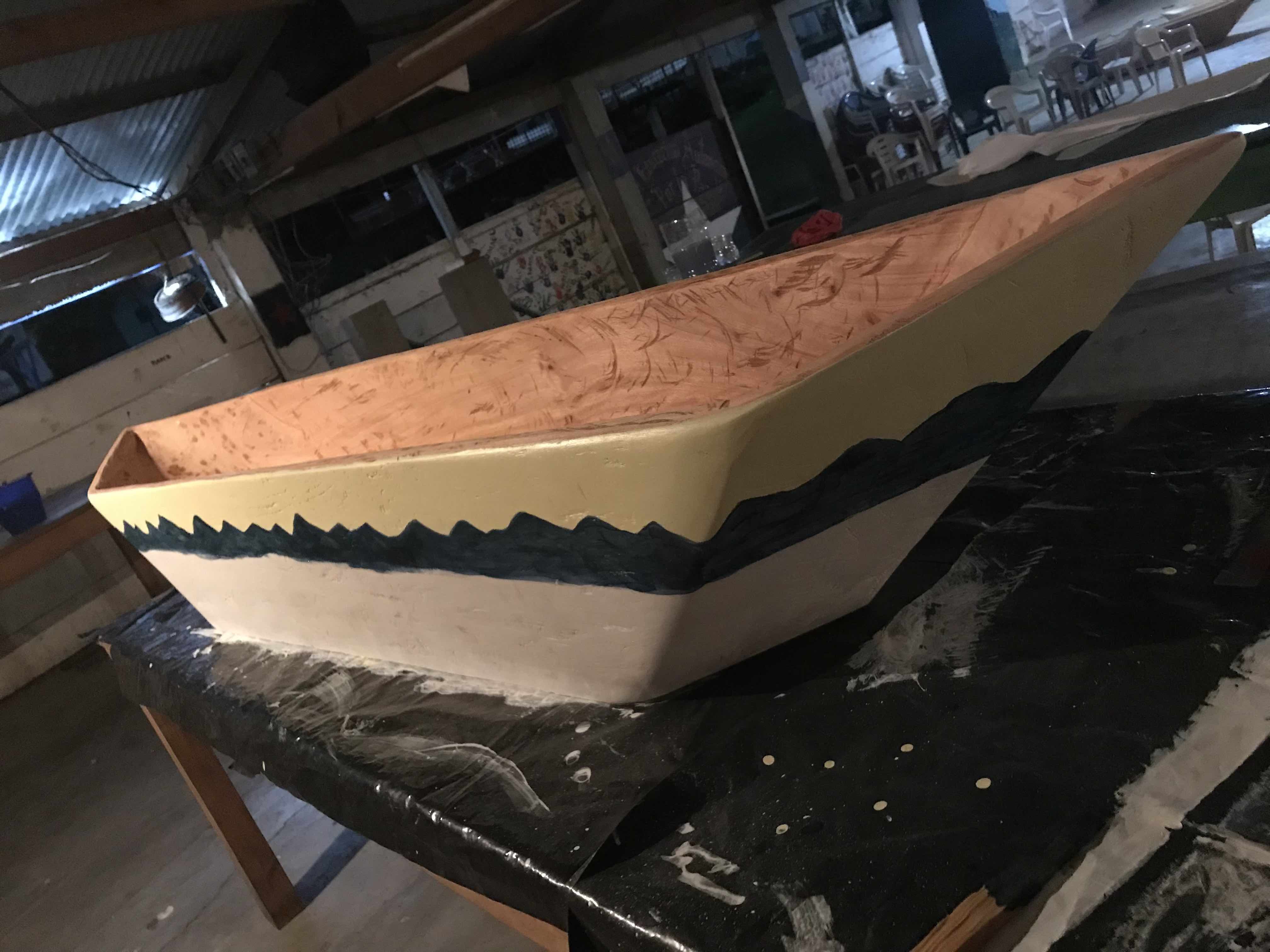
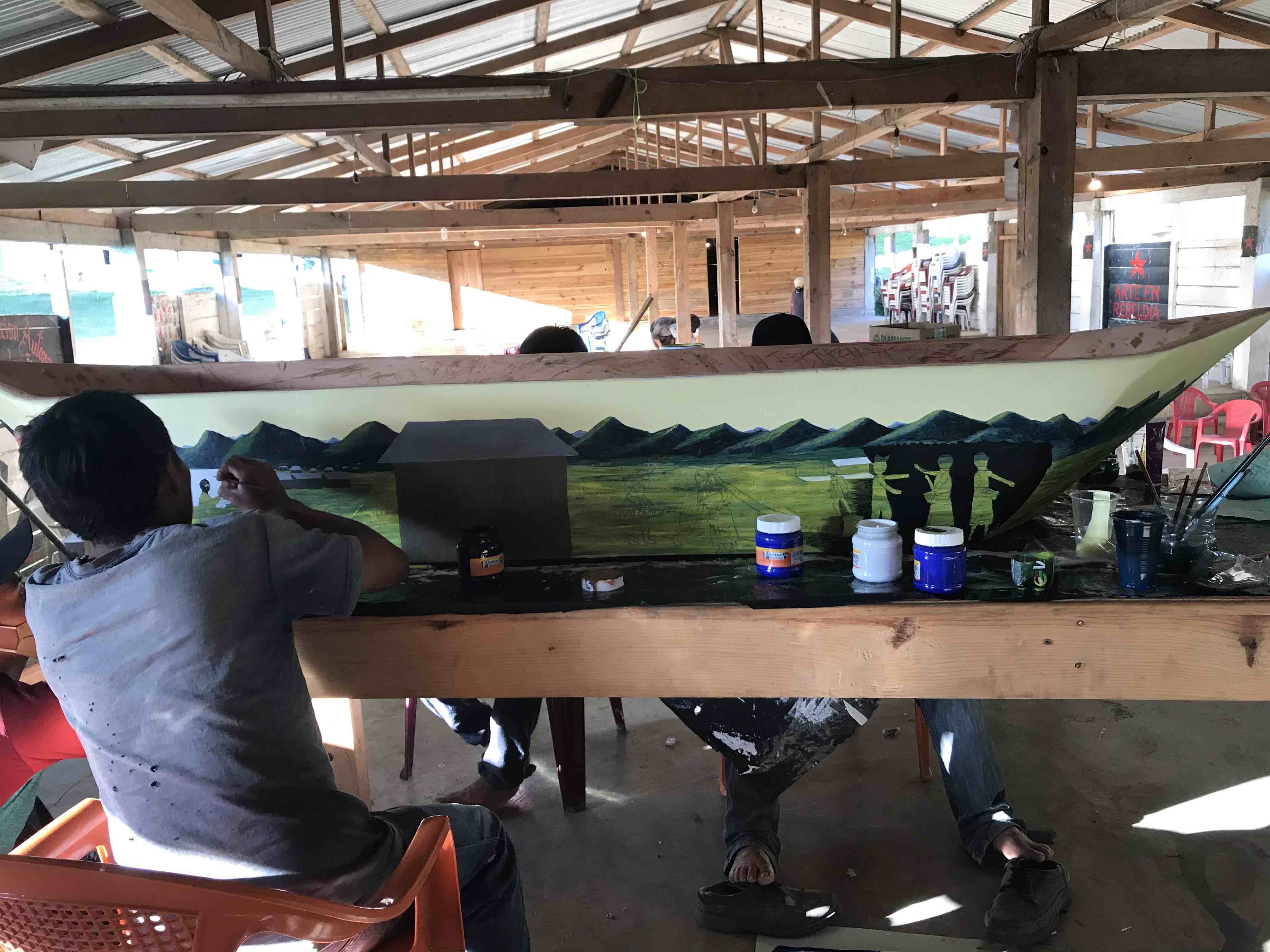
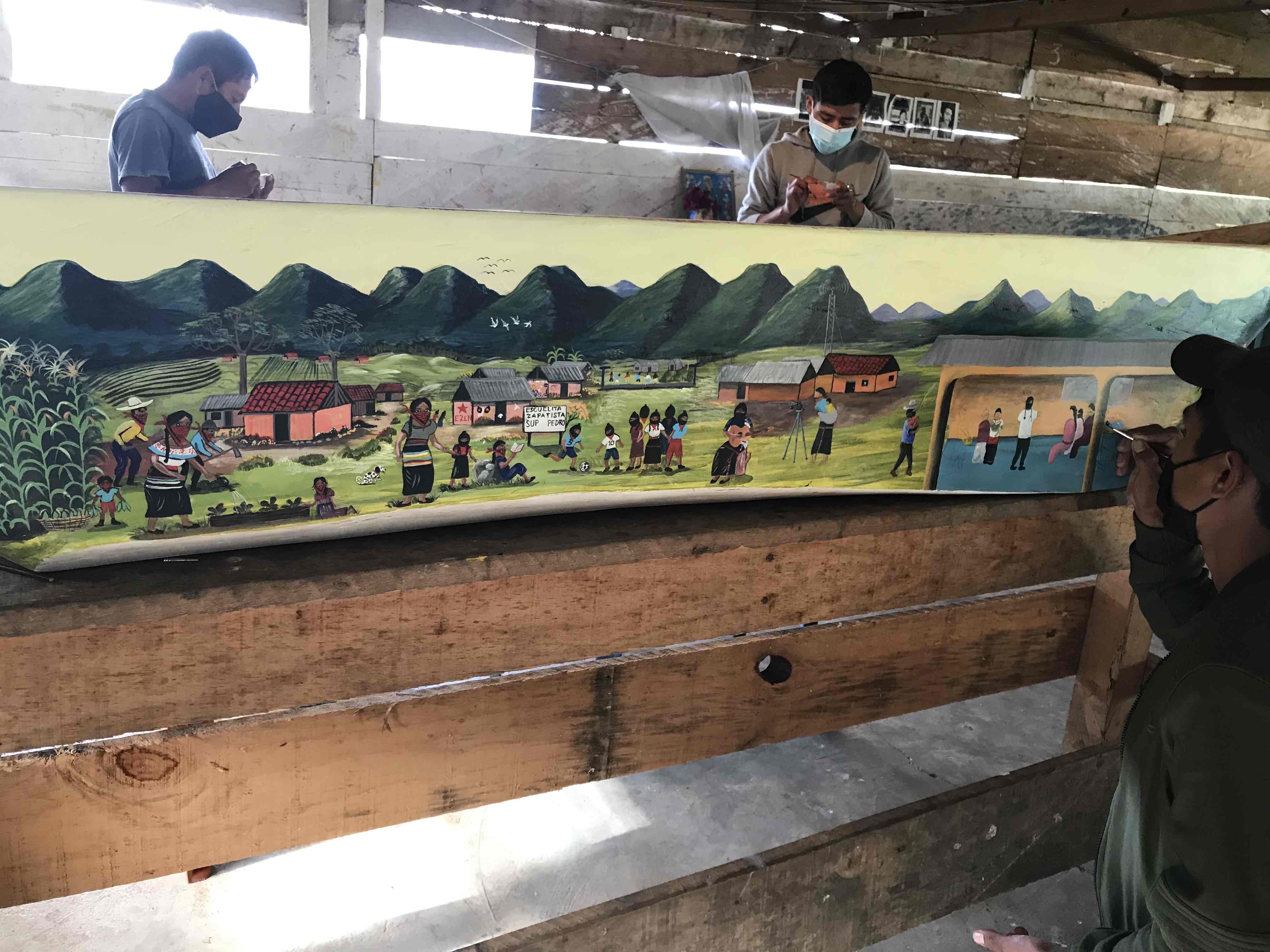
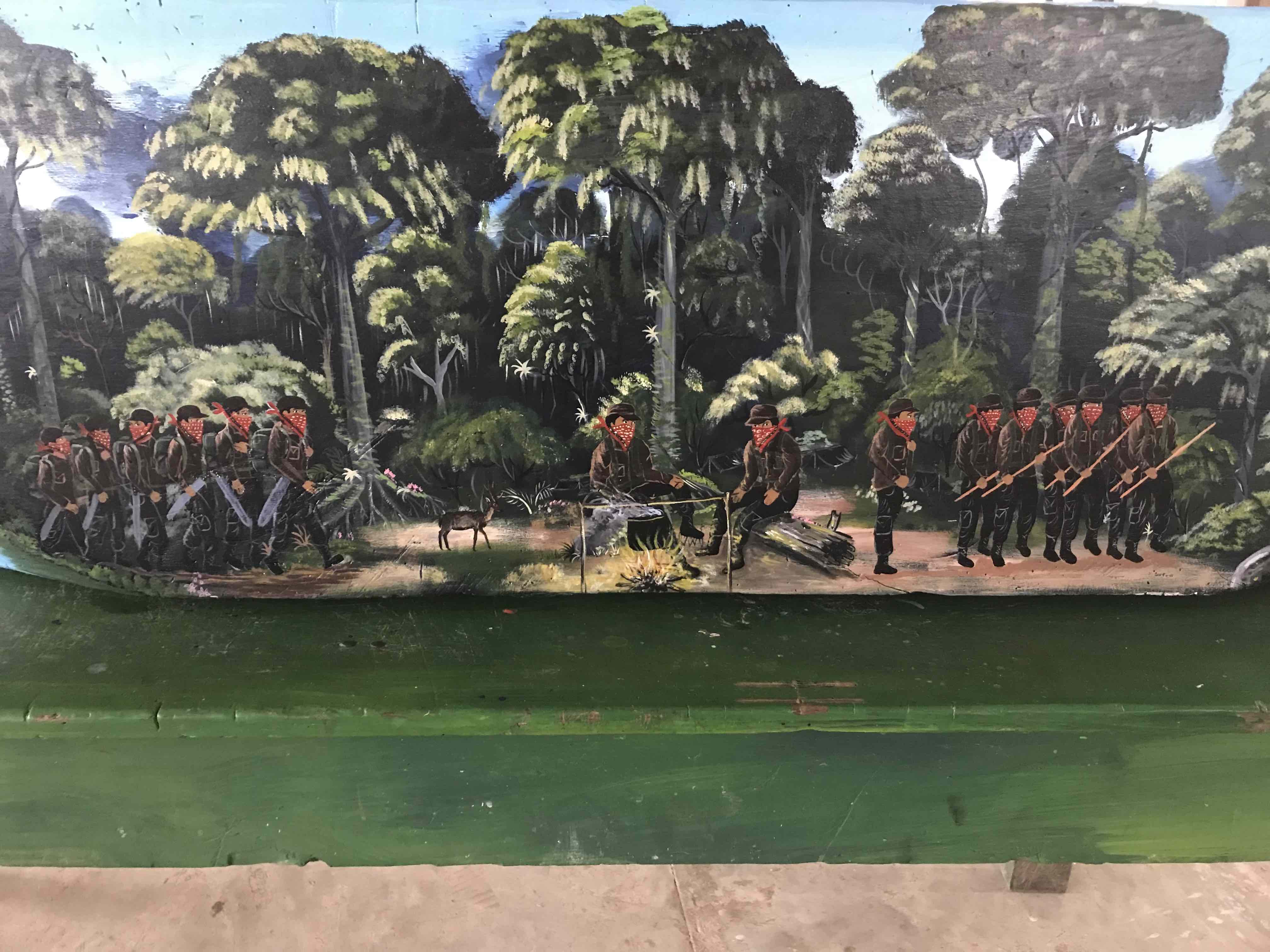
Los cayucos representan 4 etapas de nuestro ser como zapatistas que somos:
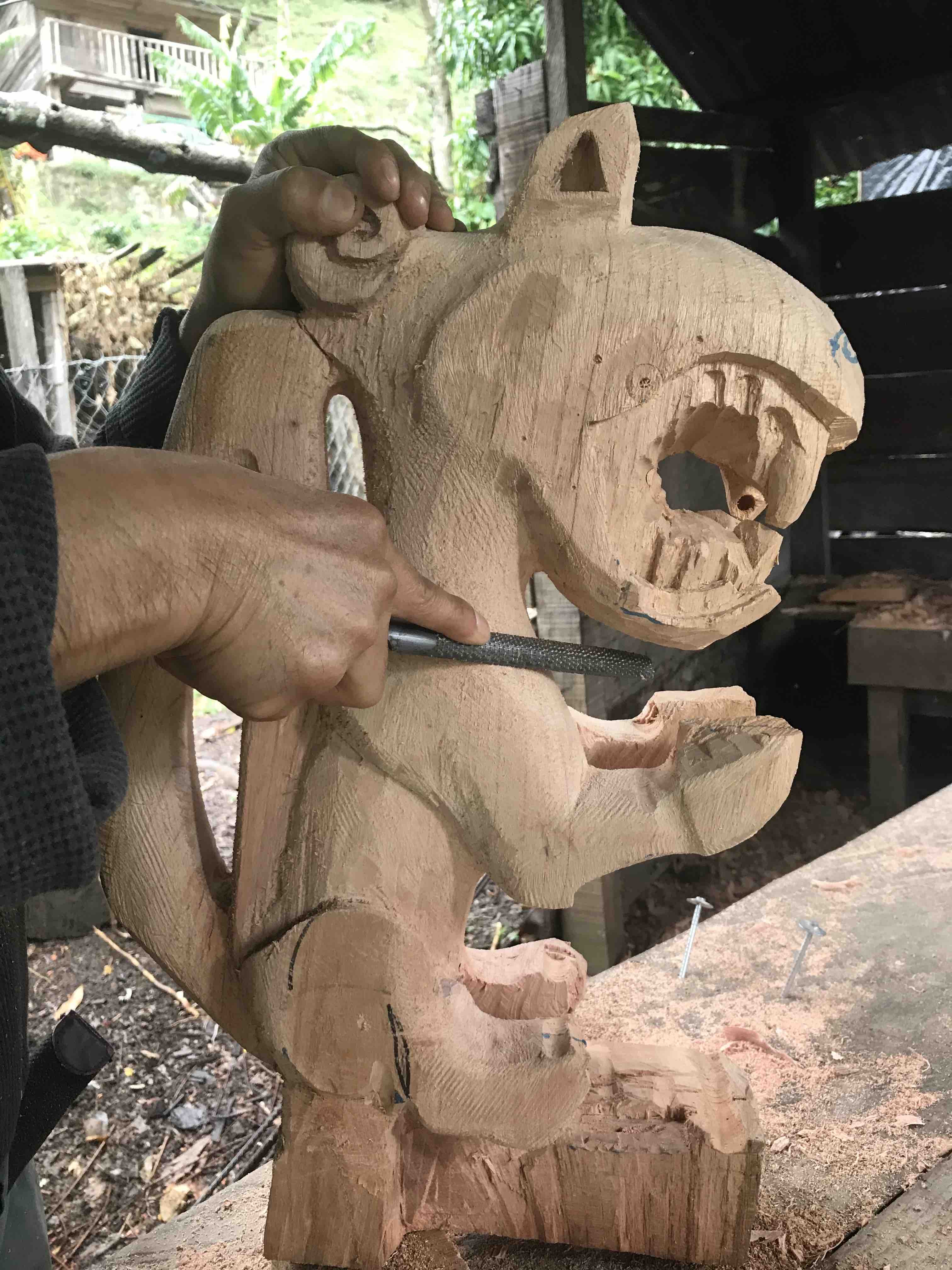
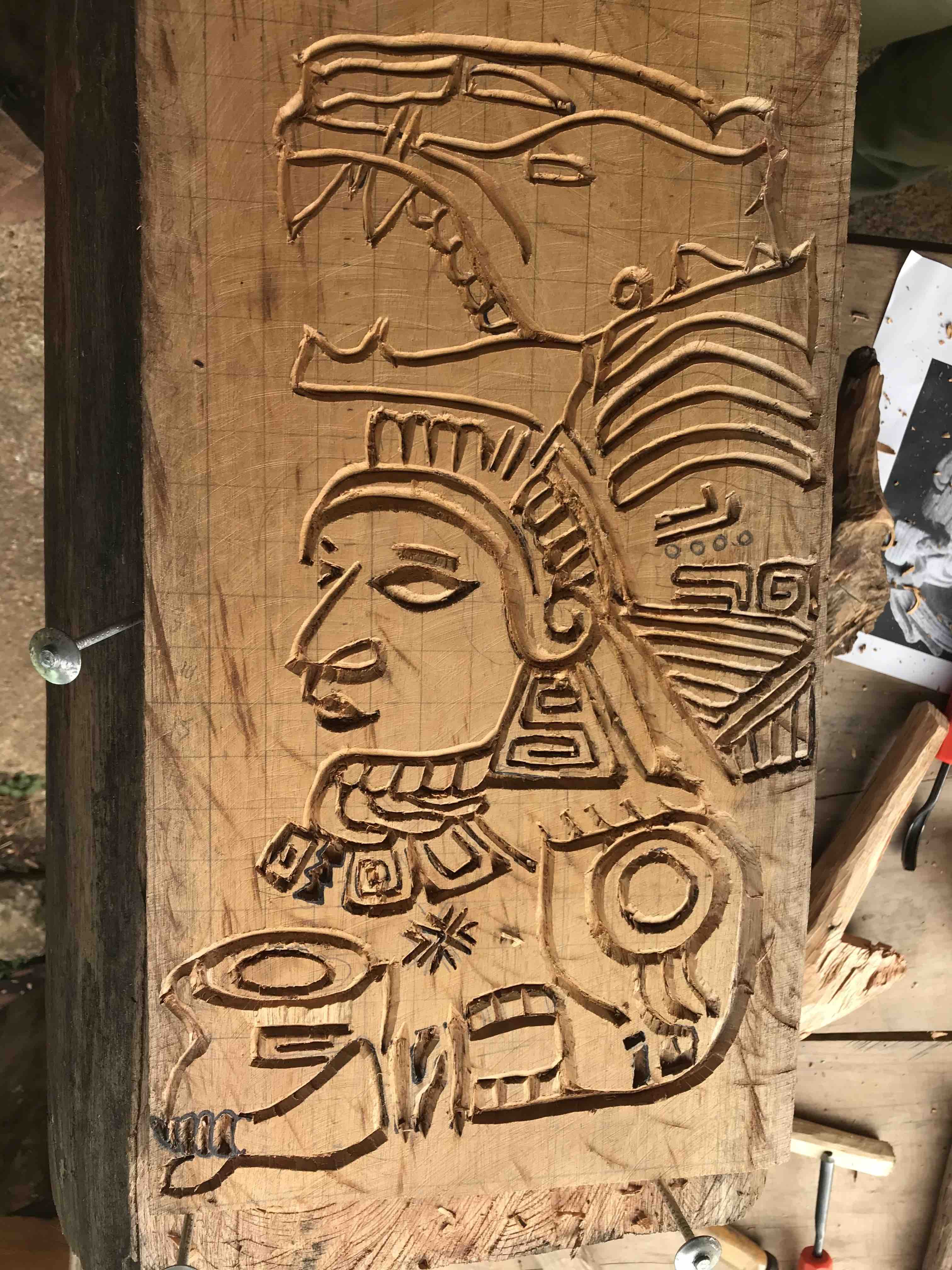
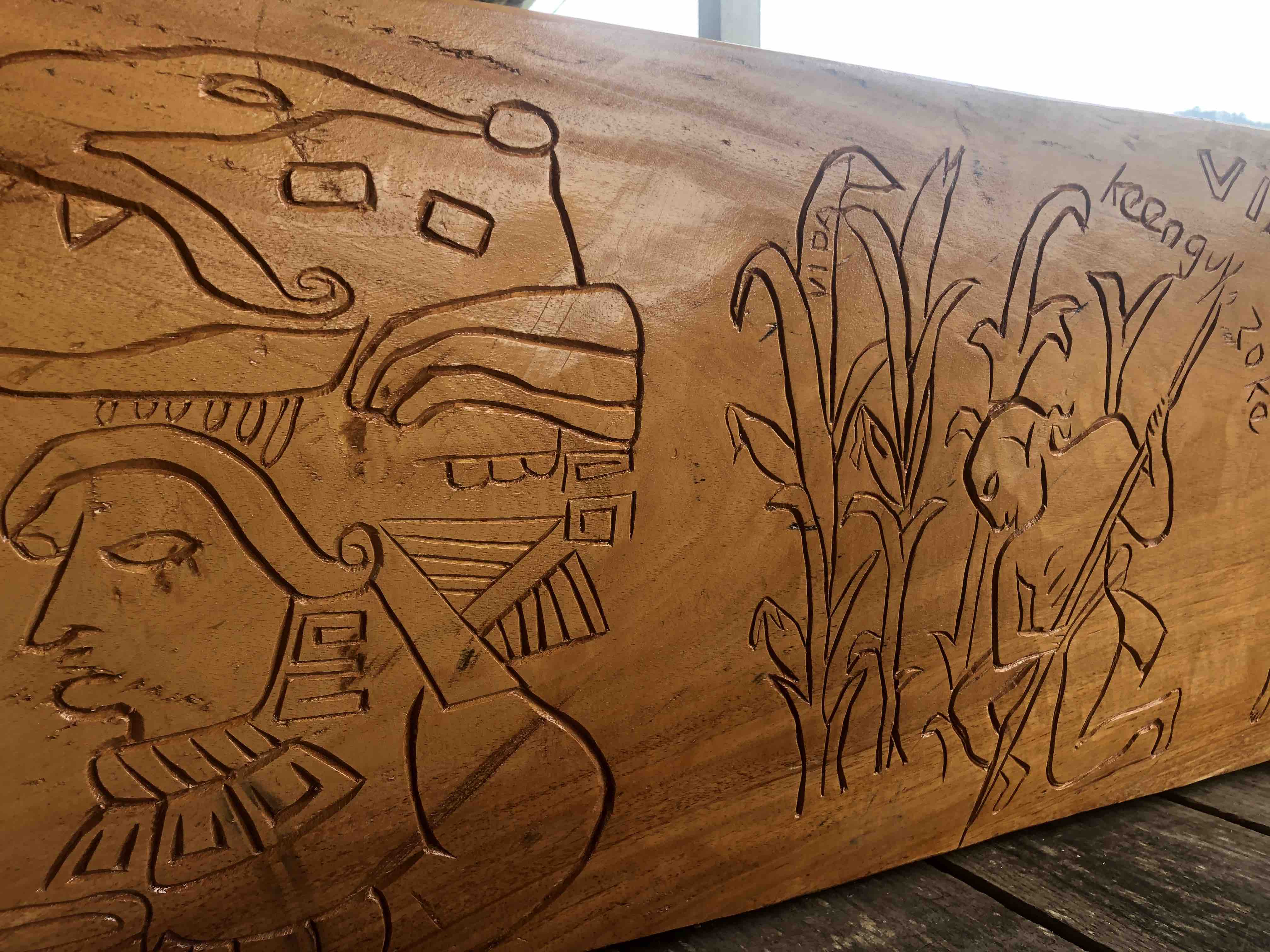
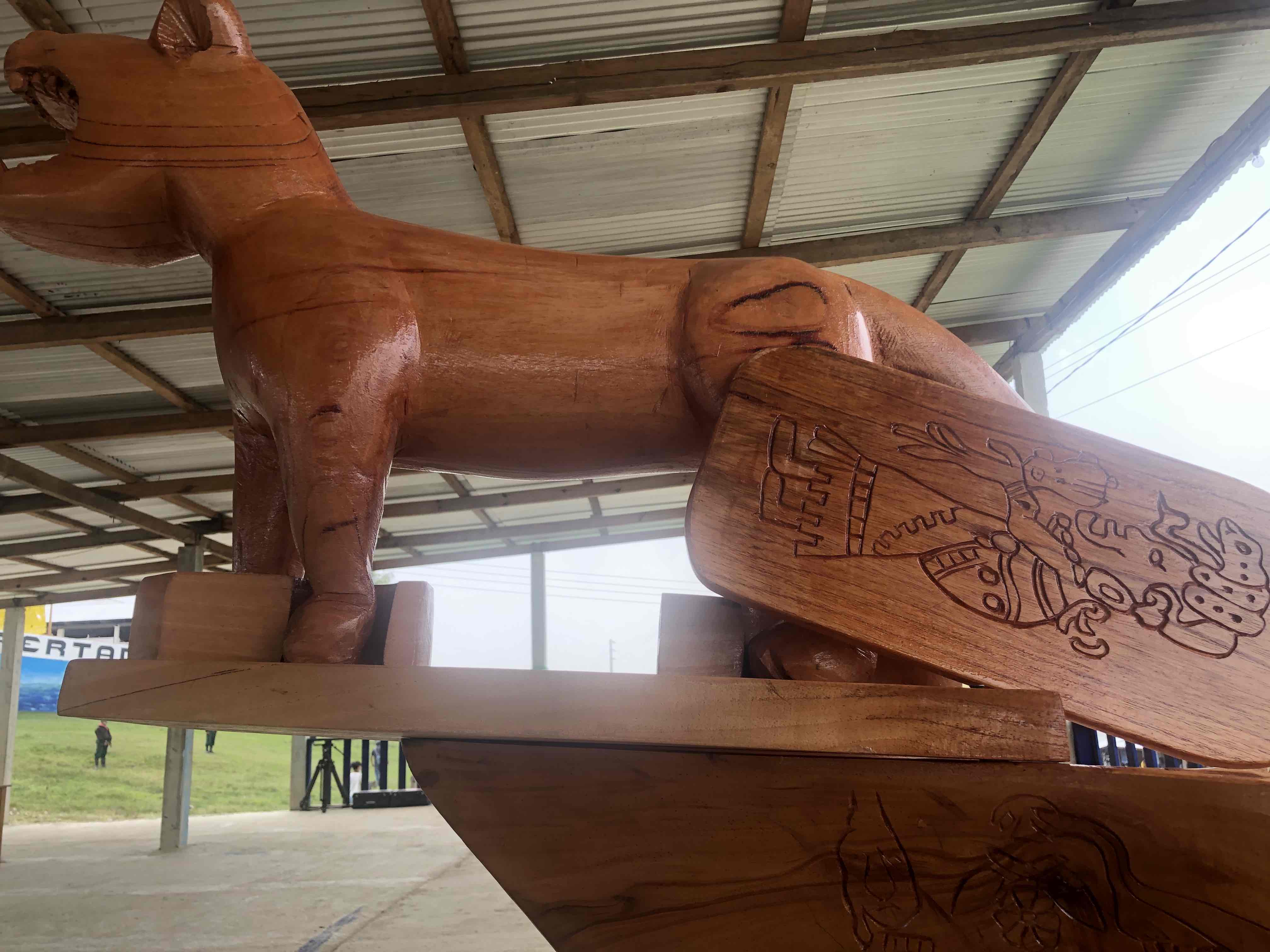
.- Nuestra cultura como pueblo originario de raíz maya. Es el cayuco más grande y dentro del cual se pueden guardar los 3 restantes. Es un homenaje a nuestros antepasados.
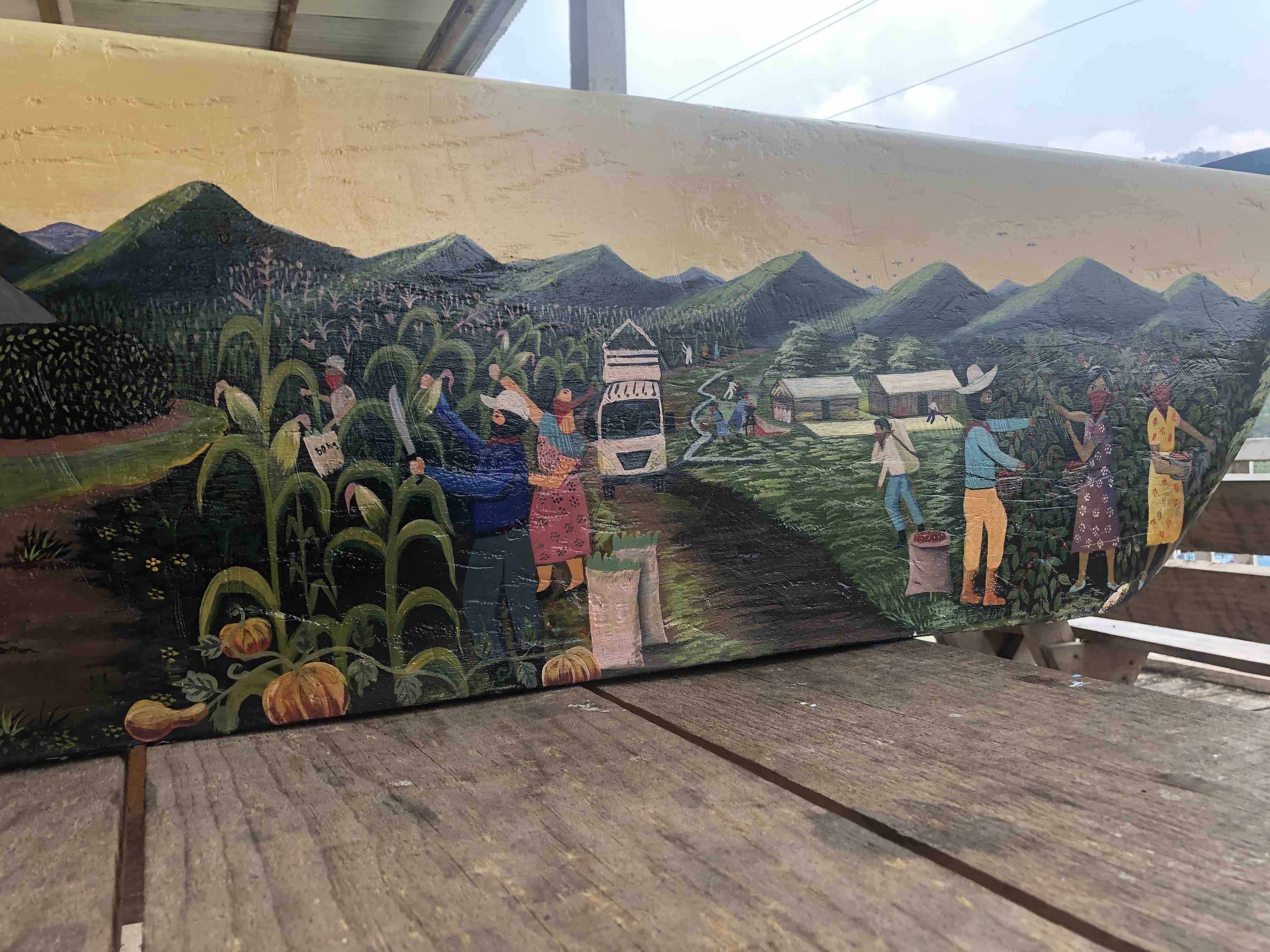
.- La etapa de la clandestinidad y el alzamiento. Es el cayuco que le sigue en tamaño al primero, y es un homenaje a quienes han caído desde el primero de enero de 1994.
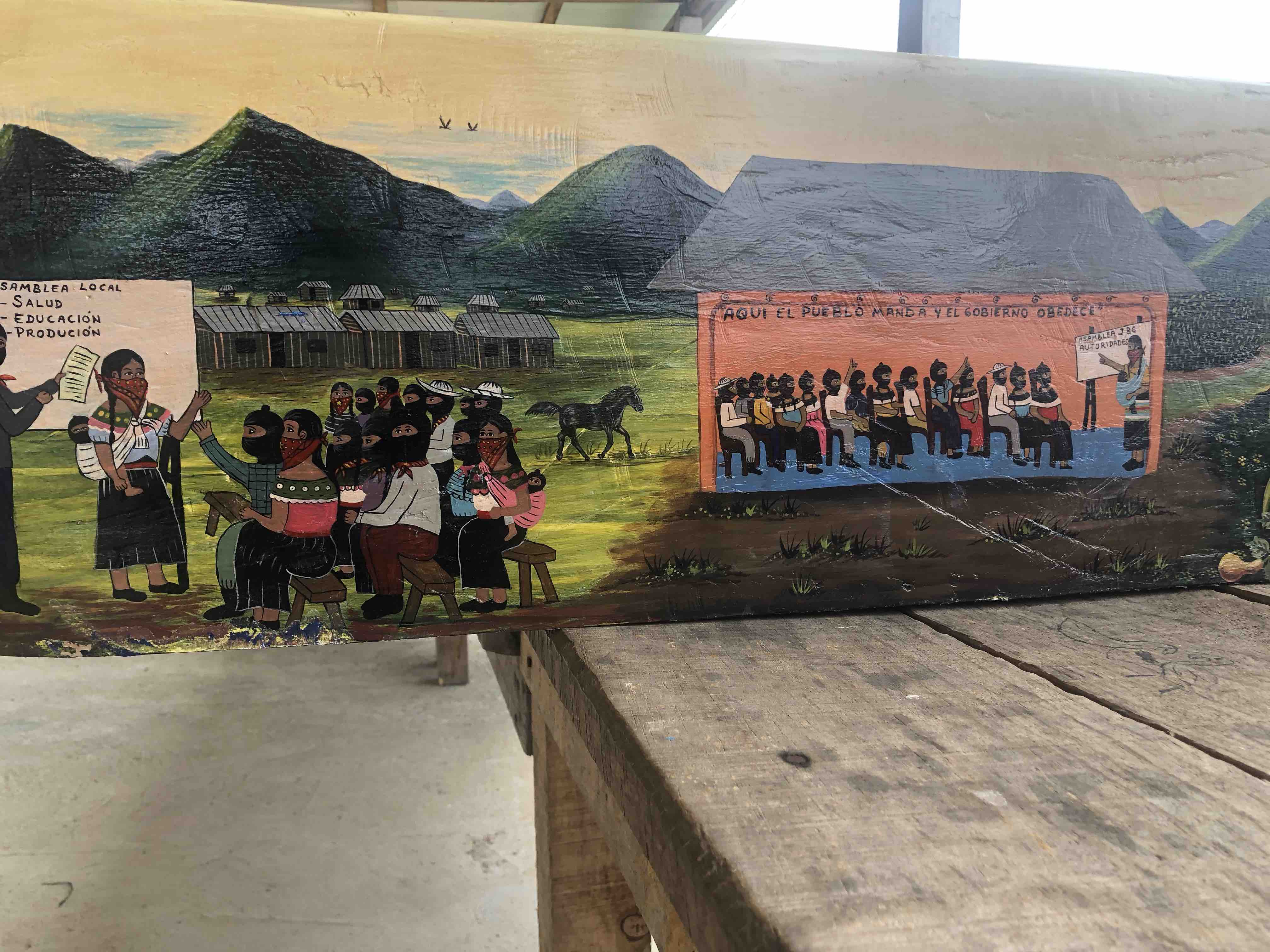
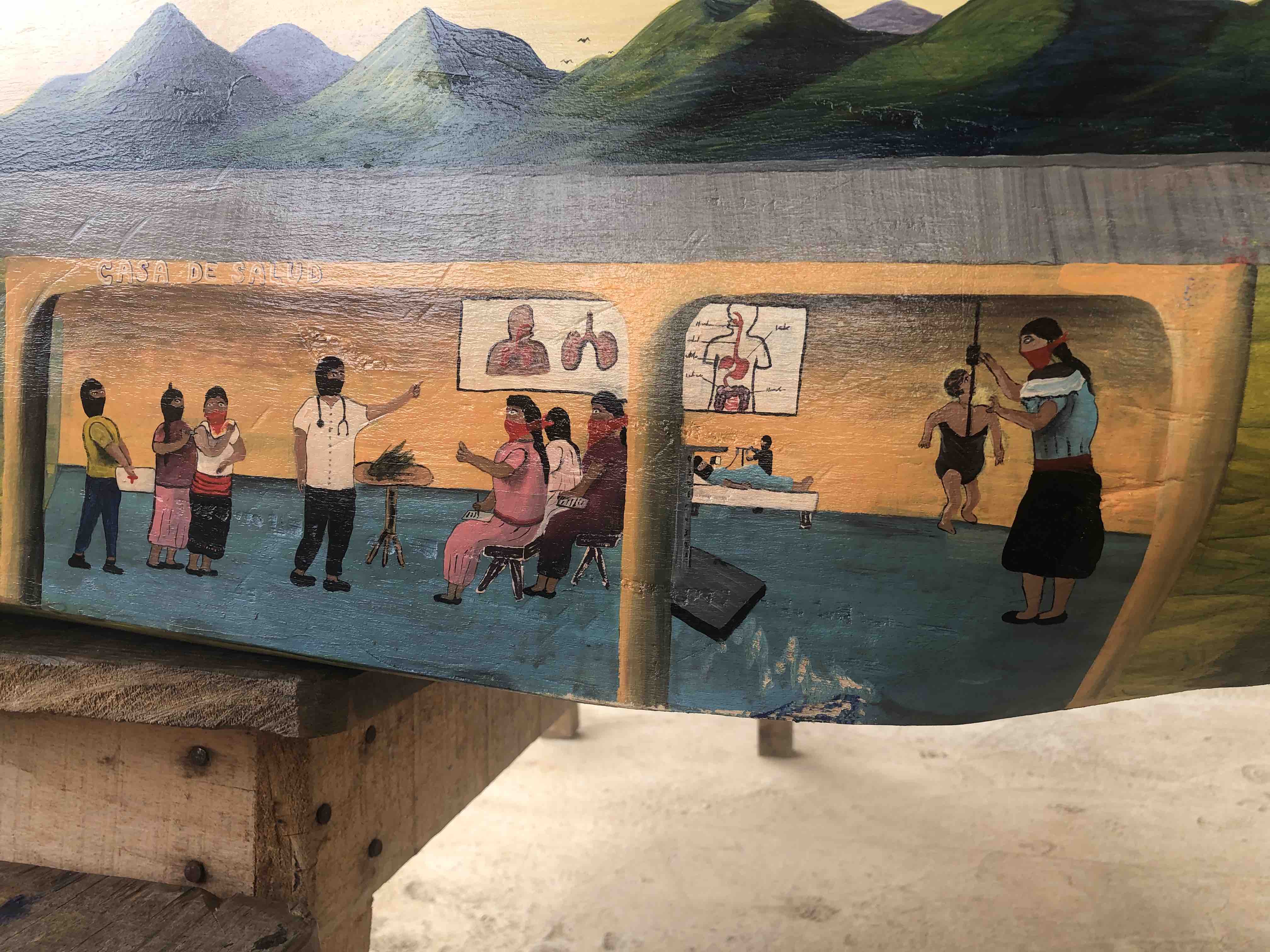
.- La etapa de la autonomía. Es el tercero en tamaño, de mayor a menor, y es un homenaje a nuestros pueblos, regiones y zonas que, en resistencia y rebeldía, han levantado y levantan la autonomía zapatista.
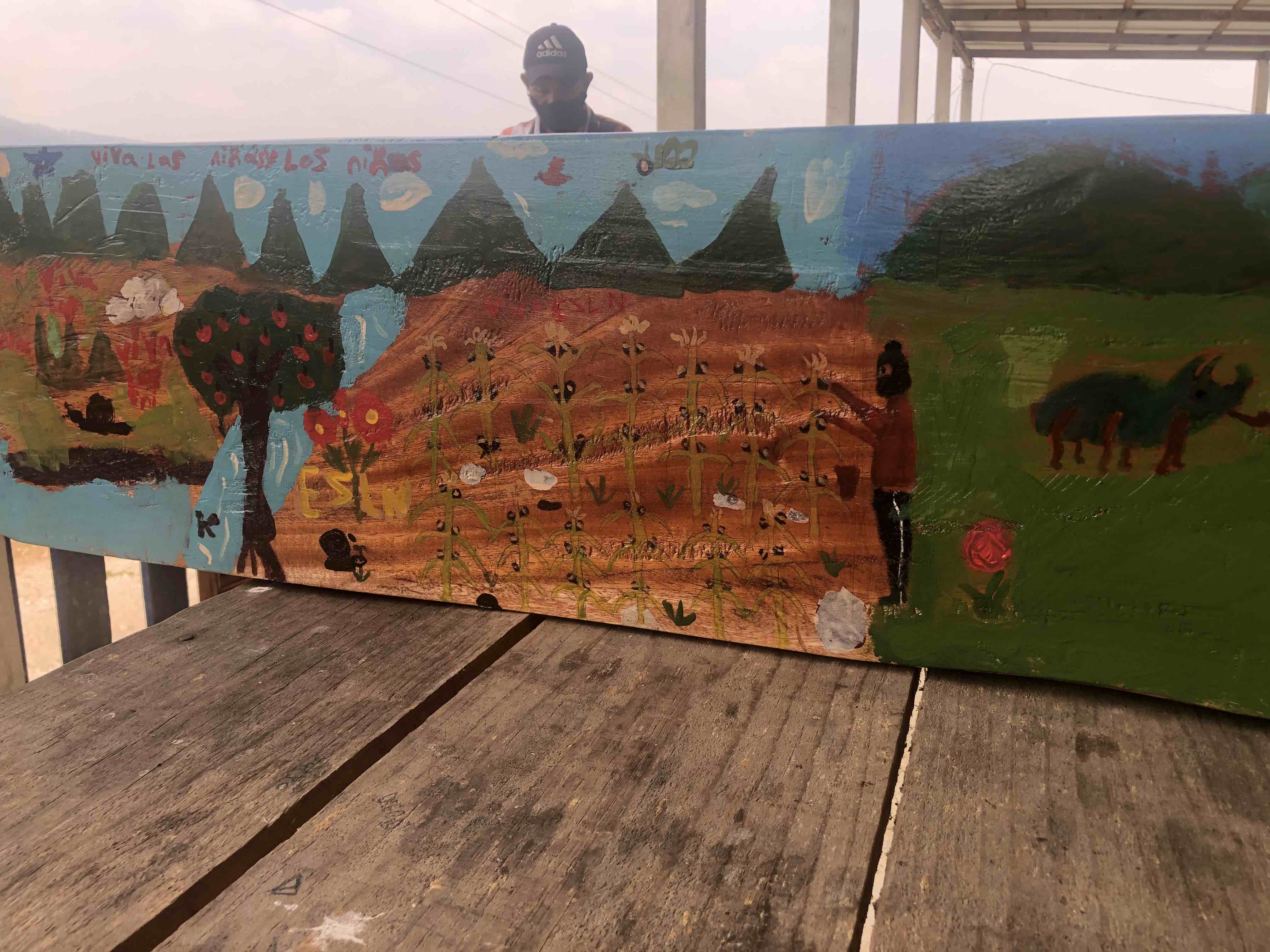
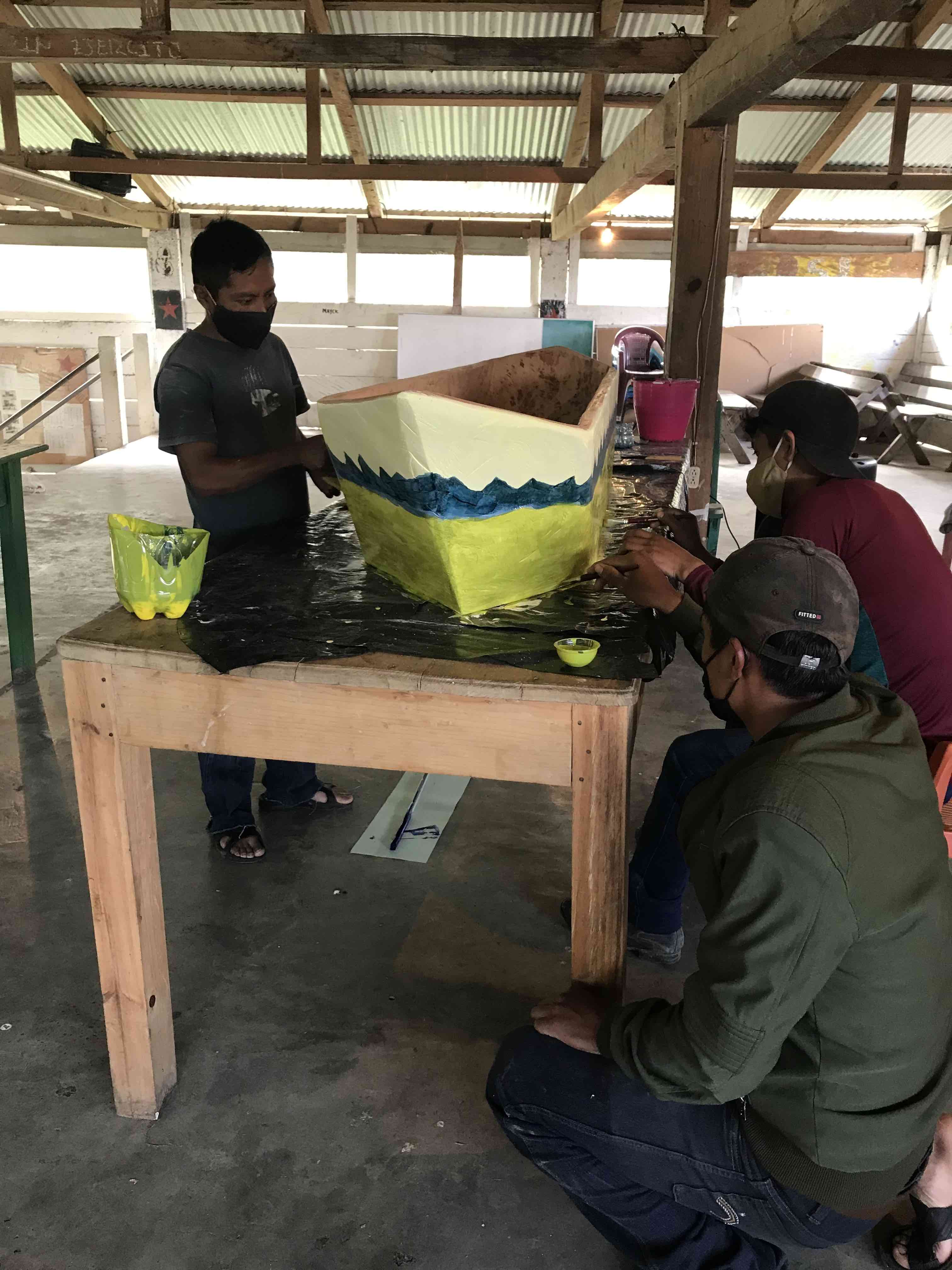
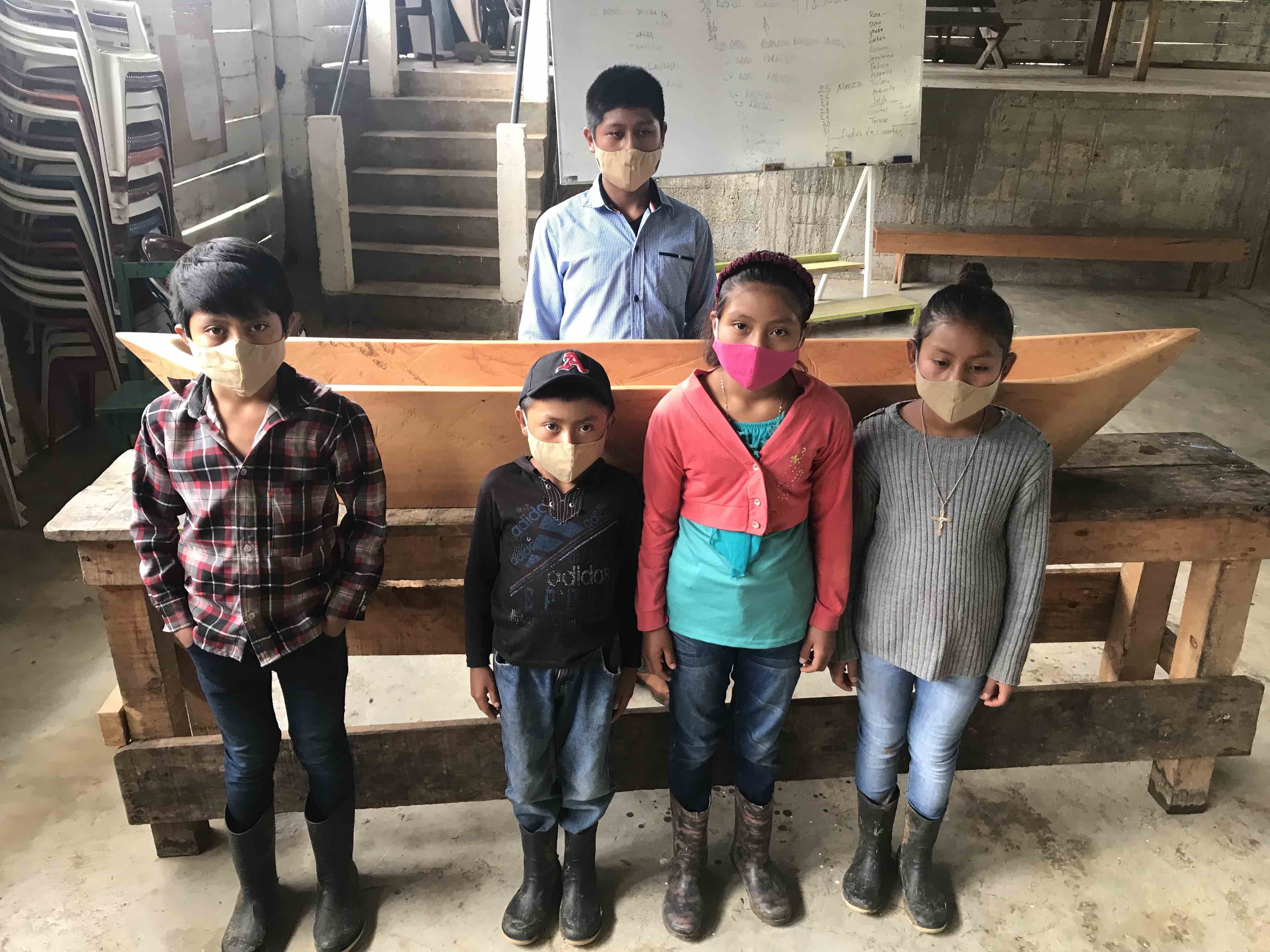
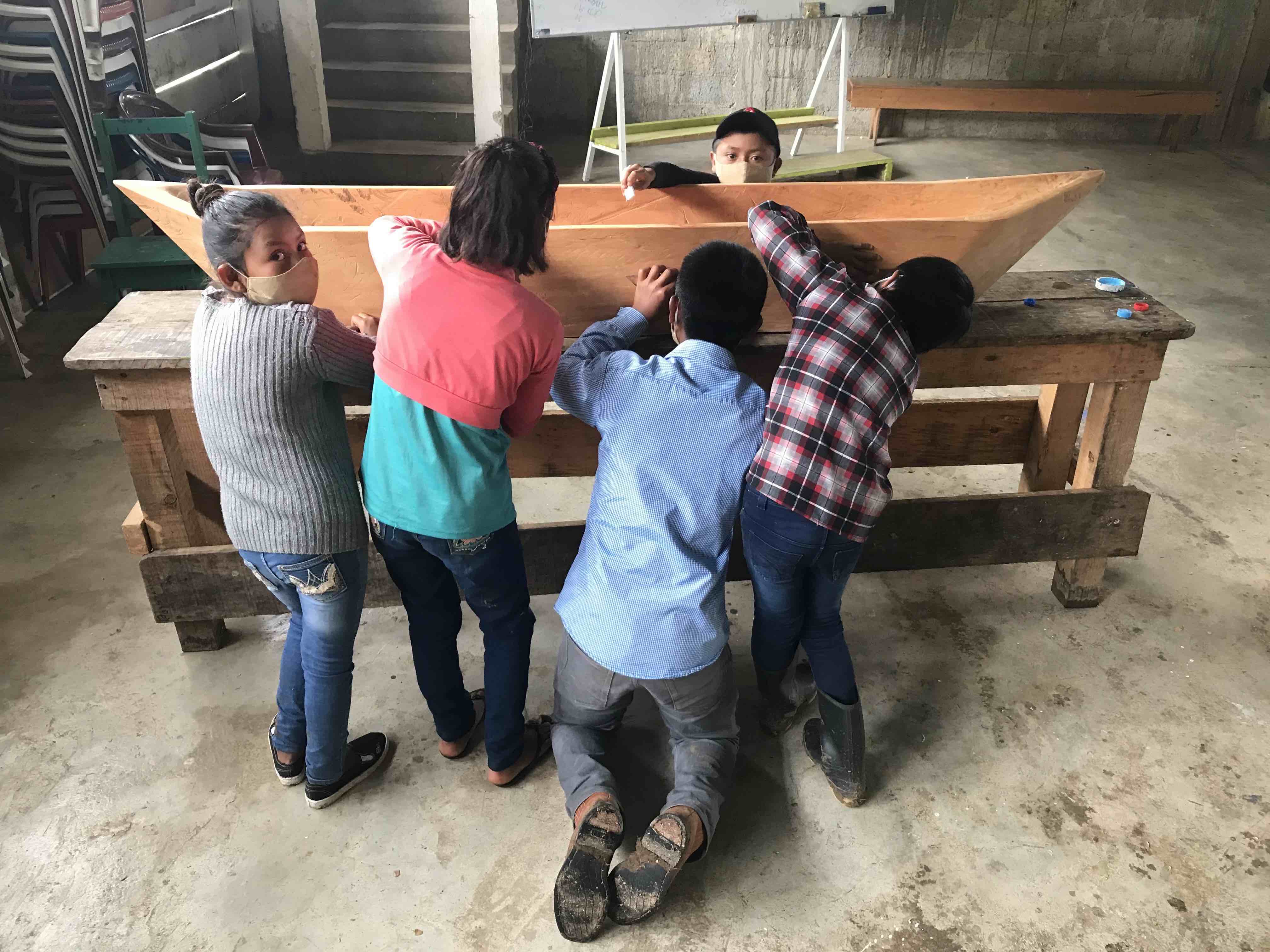
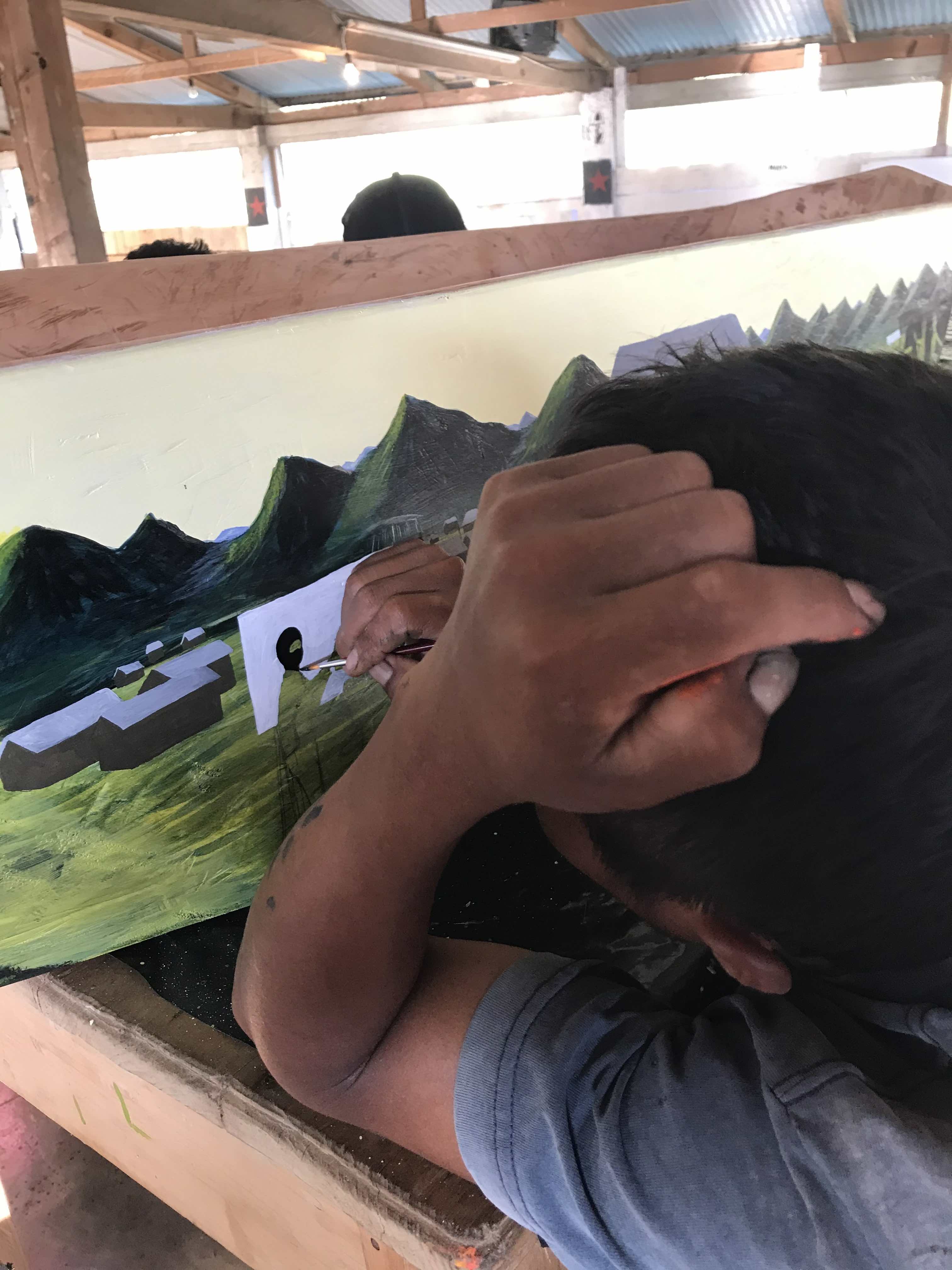
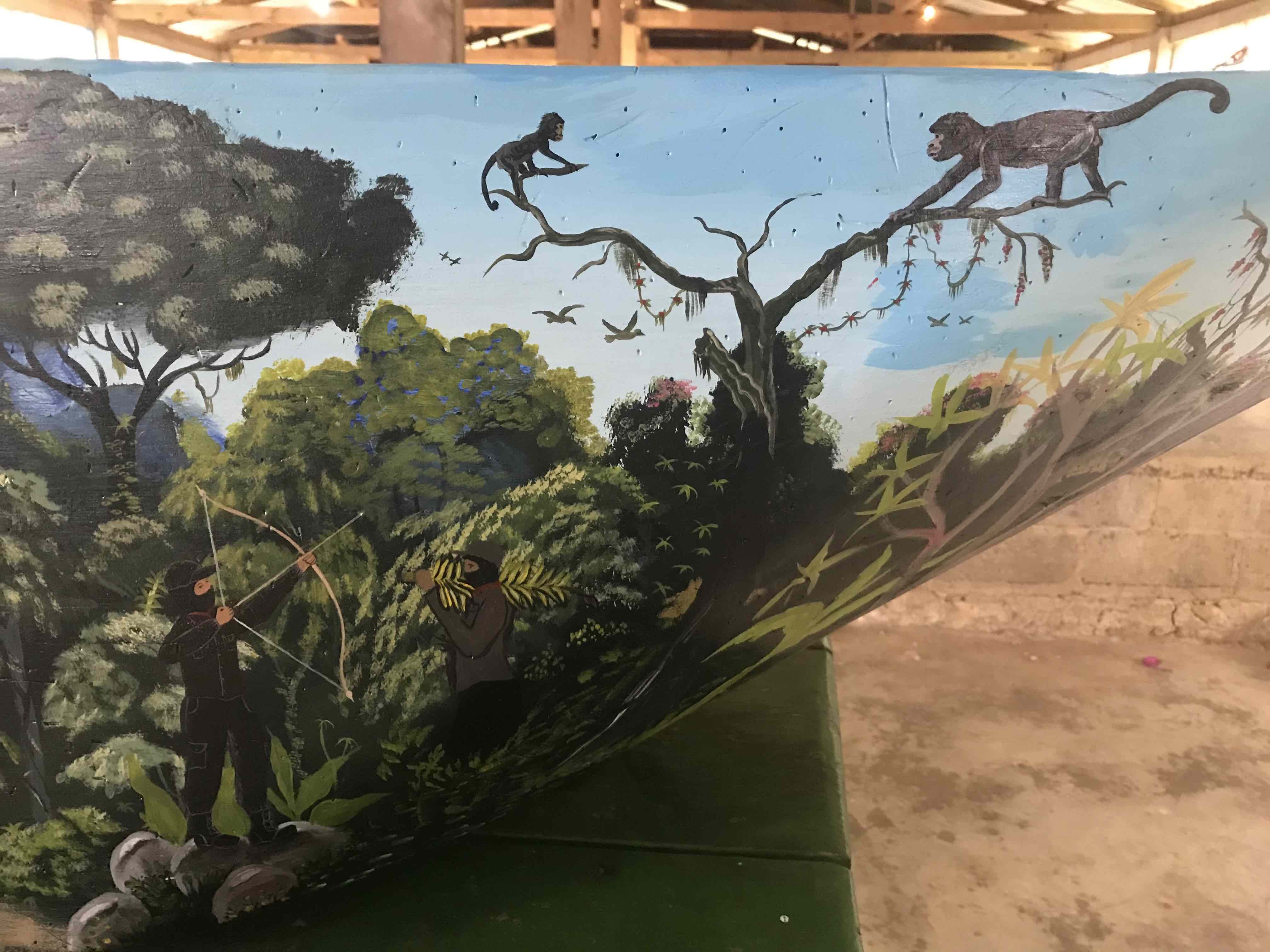
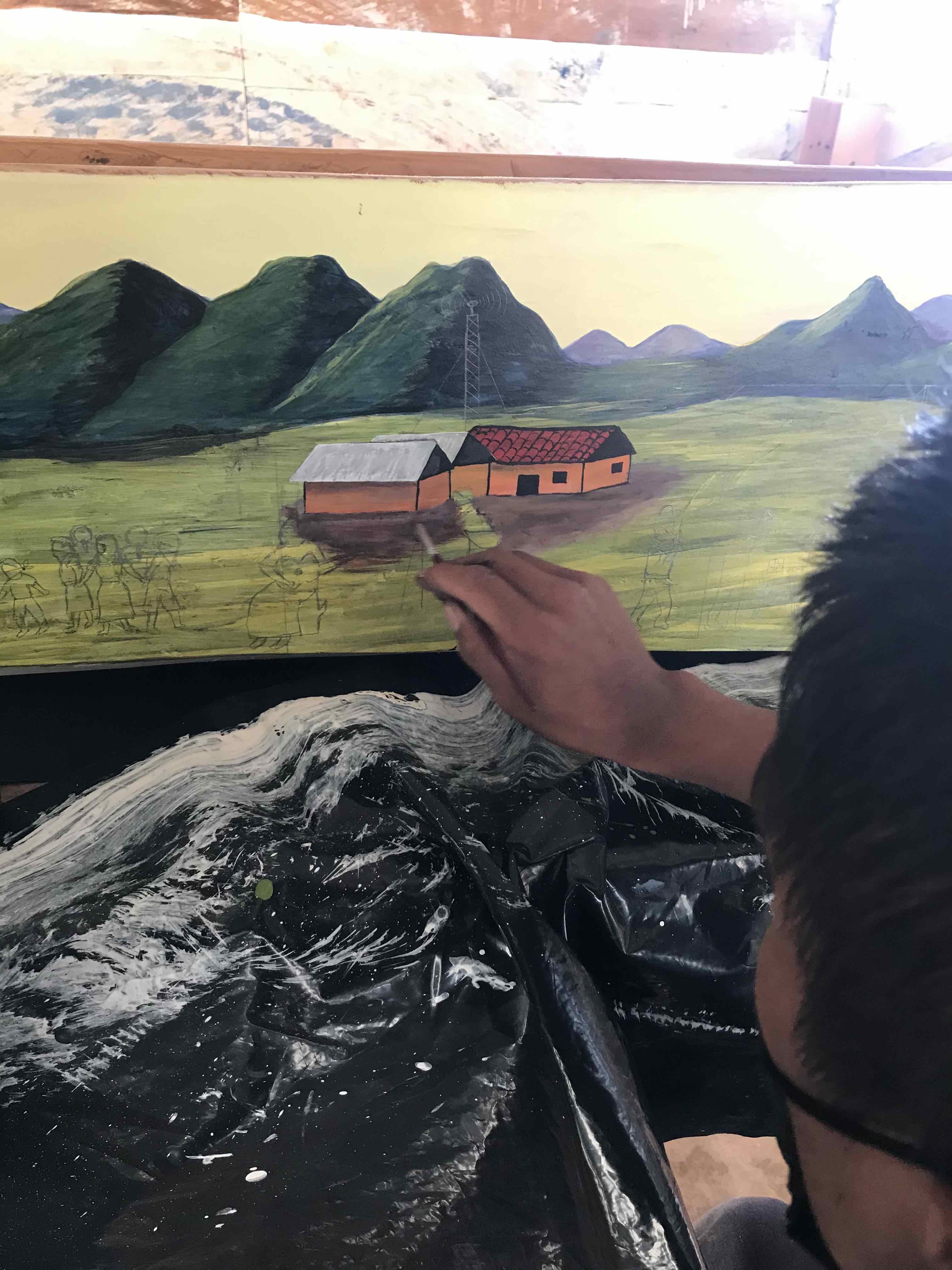
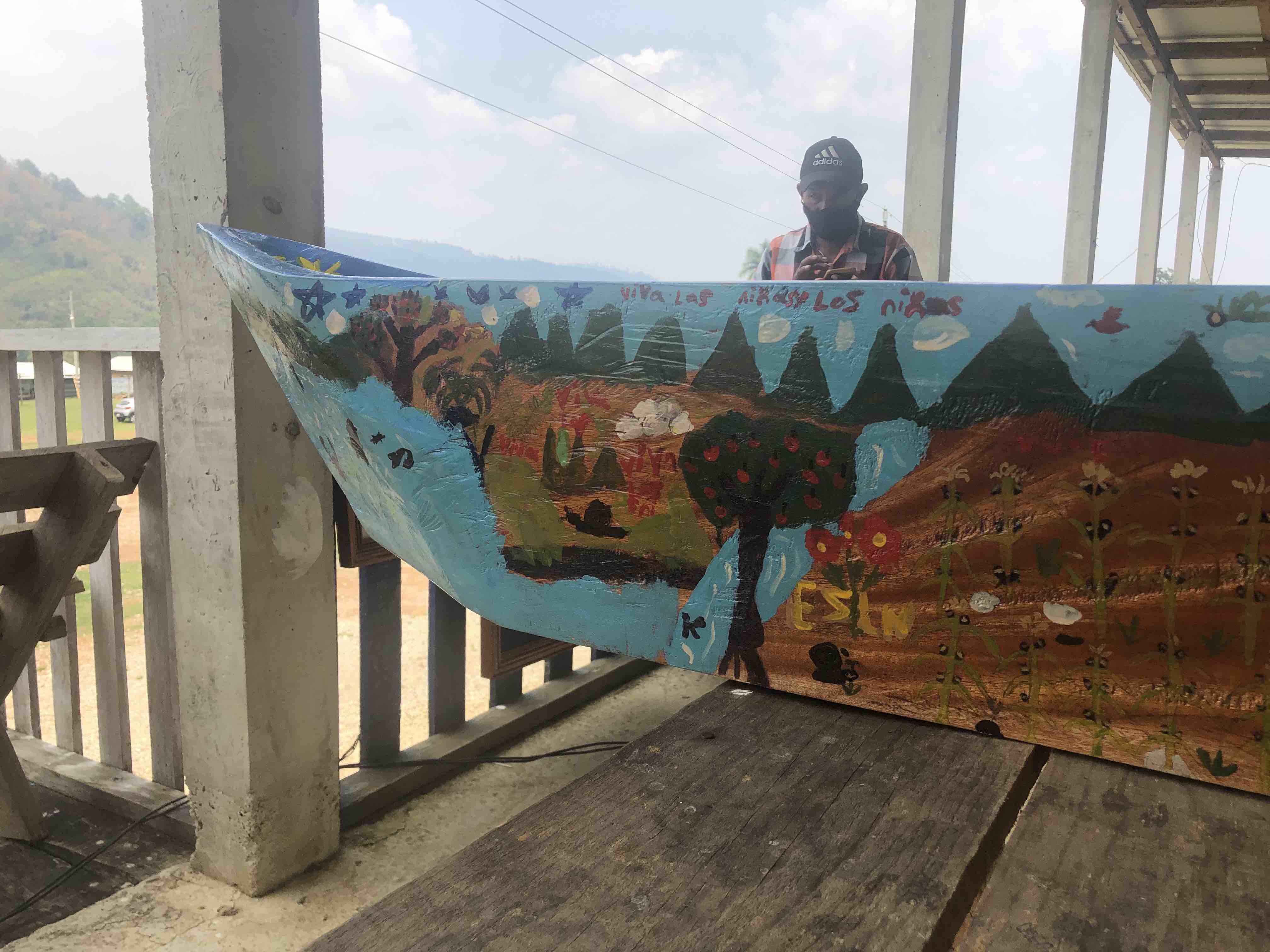
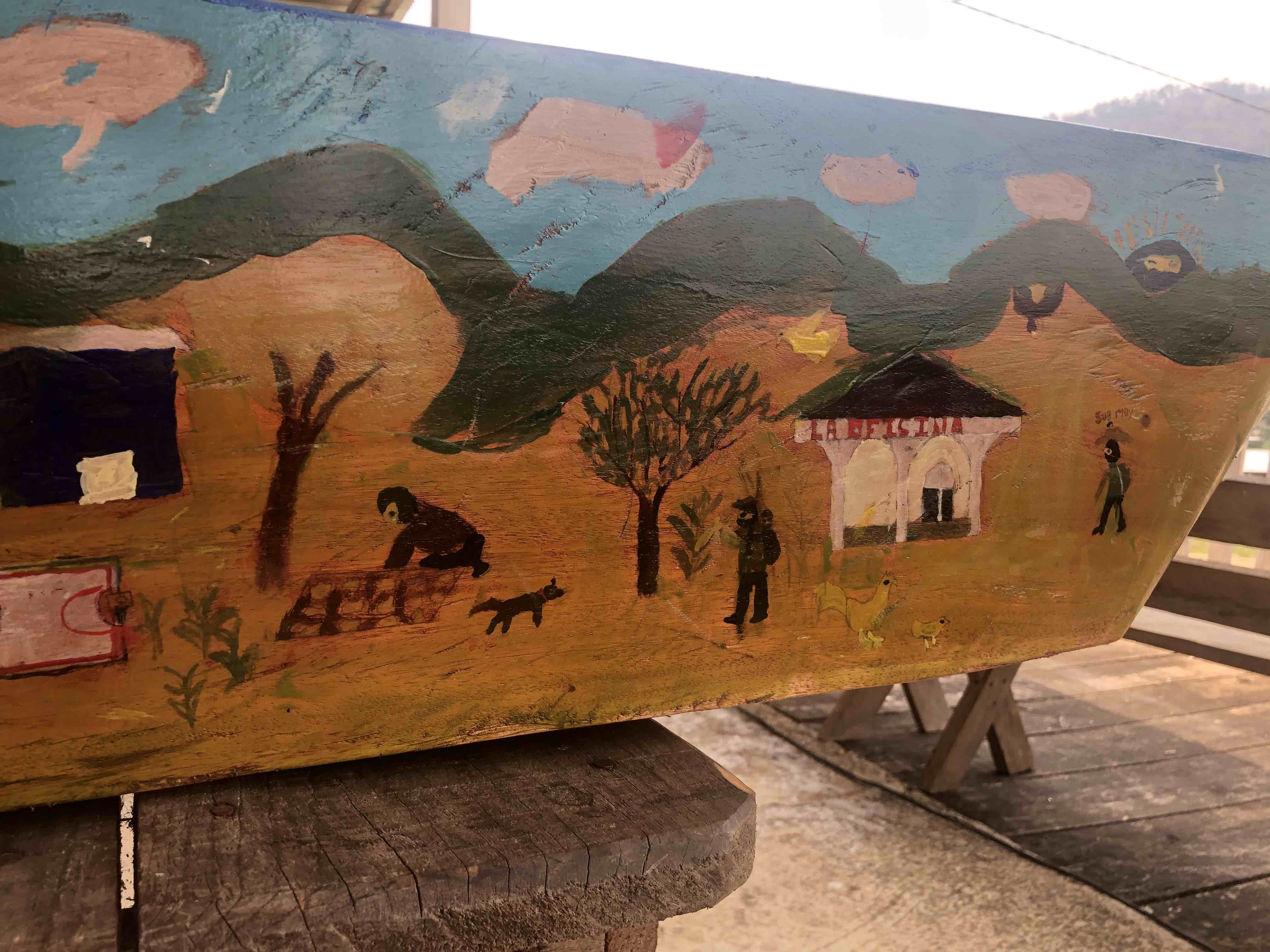
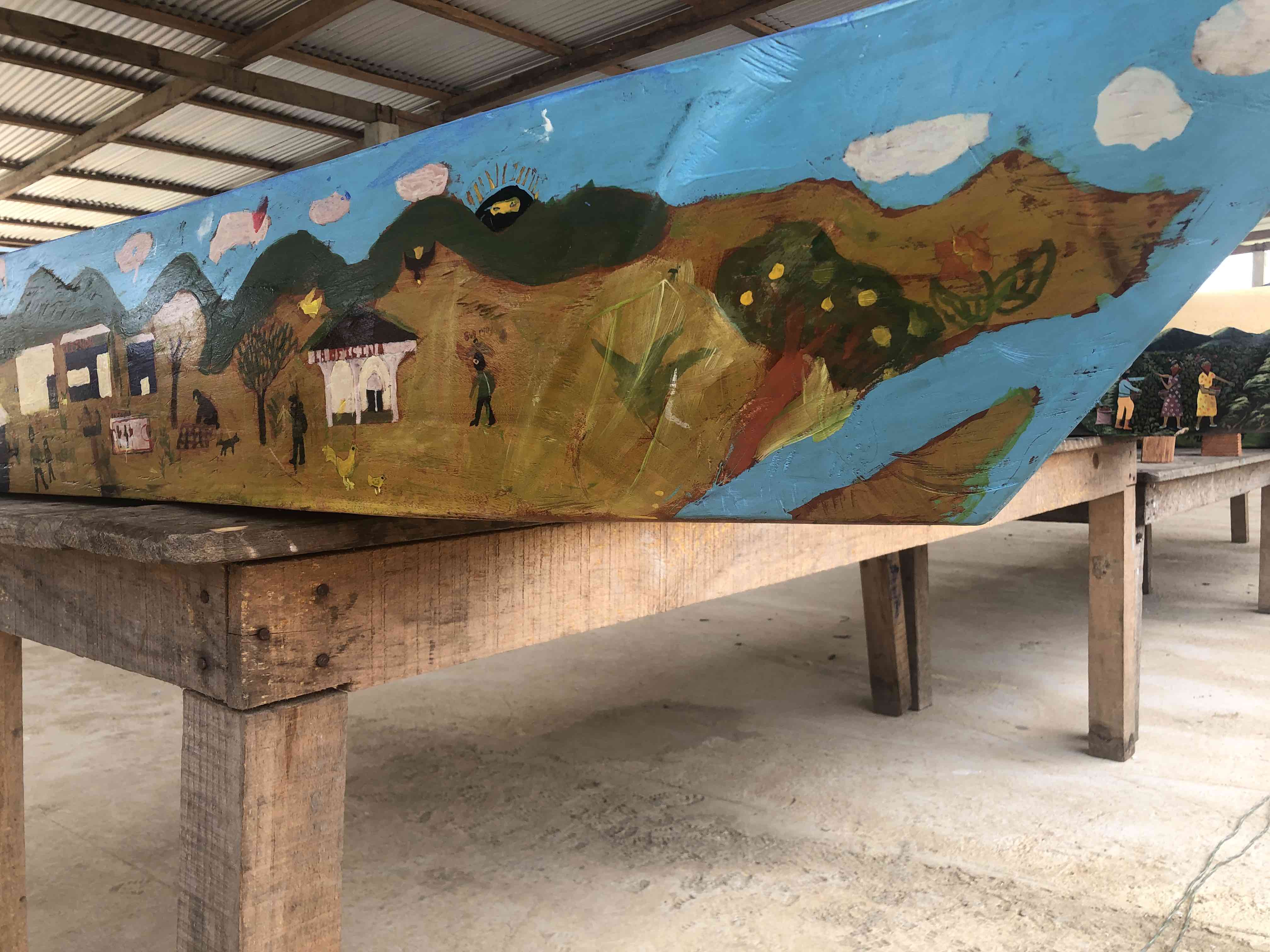
.- La etapa de la infancia zapatista. Es el cayuco más pequeño que han pintado y decorado niños y niñas zapatistas con las figuras y colores que se les dio la gana.
-*-
Pero si logramos desembarcar y abrazar con la palabra a quienes allá luchan, resisten y se rebelan, entonces habrá fiesta, baile, canciones, y cumbias y caderas estremecerán suelos y cielos distantes entre sí.
Y, en ambos lados del océano, un mensaje breve inundará todo el espectro electromagnético, el ciberespacio y eco será en los corazones:
| вторгнення почалося bosqinchilik boshlandi a invasión comezou Die Invasion hat begonnen istila başladı la invasió ha iniciat l’invasione hè principiata invazija je započela invaze začala инвазията е започнала invasionen er startet invázia sa začala invazija se je začela la invado komenciĝis the invasion has started invasioon on alanud inbasioa hasi da hyökkäys on alkanut l’invasion a commencé mae’r goresgyniad wedi cychwyn |
η εισβολή έχει ξεκινήσει tá an t-ionradh tosaithe innrásin er hafin l’invasione è iniziata بدأ الغزو êriş dest pê kiriye iebrukums ir sācies prasidėjo invazija d’Invasioun huet ugefaang започна инвазијата bdiet l-invażjoni de invasie is begonnen invasjonen har startet حمله آغاز شده است rozpoczęła się inwazja a invasão começou invazia a început вторжение началось инвазија је започела invasionen har börjat |
“La invasión ha iniciado”.
.-.. .- / .. -. …- .- … .. — -. / …. .- / .. -. .. -.-. .. .- -.. — (en clave morse)
Y tal vez, sólo tal vez, Ixchel, diosa luna, será entonces luminaria en nuestro camino y, como en esta madrugada, luz y destino.
Doy fe.
Desde el Centro de Adiestramiento Marítimo-Terrestre Zapatista
Semillero Comandanta Ramona. Zona Tzotz Choj.
El SupGaleano.
México, 26 de abril del 2021. Luna llena.
Soundtrack del video: “Te Llevaré” Lisandro Meza.

[:en]
The Route of Ixchel
April, 2021.
The mountain will set sail:
From one of the houses of Ixchel[i]—the mother of love and fertility, the grandmother of plants and animals, a young mother and an old mother, the rage that transforms the pain of the earth when it is hurt and disgraced—the mountain will sail.
According to a Mayan legend, Ixchel stretched herself over the planet as a rainbow in order to teach the world a lesson about plurality and inclusion and to remind us that the earth is many colors, not just one, and that all people, without ceasing to be what they are, together illuminate the wonder and marvel of life. She, Ixchel, the rainbow woman, embraces all colors and makes them part of her.
In the mountains of the Mexican Southeast, in the most ancient of the ancient Mayan-descended languages, one of the stories of Ixchel is told: mother-earth, mother-love, mother-rage, mother-life. Old Antonio tells it like this:
“From the East came death and slavery. That’s what came: we can’t change what happened. But Ixchel spoke thus:
‘Tomorrow let life and freedom travel East in the words of my blood and bone, my children. May no one color rule: let none rule so that none obey, so that each can be who they are in joy. Because pain and suffering come from those who seek mirrors rather than windows through which to look out onto the worlds that I am. Rage will have to break seven thousand mirrors to alleviate the pain. There will be much death until finally life becomes the path. Then, may a rainbow crown my children’s house: the mountain which is the land of my descendants.’
“When oppression arrived via metal and fire to Mayan soil, the ts’ul[ii], he who comes from far away, saw many depictions of the rainbow goddess and named this land accordingly: “Isla Mujeres.”
“One morning in the future, when the talking cross[iii] invokes not the past but the future, the mountain will sail to the land of the Ts’ul and dock in front of the old olive tree that provides shade to the ocean and to the identities of those who live and work on those shores.”
-*-
On the third day of May in the 21st year of the 21st century, la Montaña [the Mountain] will set sail from Isla Mujeres, Quintana Roo, Mexico, to cross the Atlantic Ocean on a voyage sure to be filled with challenges but free of reproach. On the sixth month of the year, these voyagers will lay eyes on the coast of the Vigo Port (City of Olívica) in Pontevedra, Autonomous Community of Galicia, Spanish State.
-*-
If we are unable to disembark, whether it be because of COVID, immigration laws, straight up discrimination, chauvinism, or because we ended up at the wrong port or with the wrong host, we have come prepared.
We’re ready to wait there in front of the European coast and unfold a large banner that reads “Wake up!” We will wait there to see if anyone reads the message, then wait a little longer to see if anyone wakes up, and then a little longer to see anyone responds.
If those from Europe from below are unwilling or unable to welcome us, then, always prepared, we have brought 4 canoes, each with their own oars, upon which we would begin our return back home. It will of course take awhile before we can see the outlines of the house of Ixchel once again.
The canoes represent 4 phases of who we are as Zapatistas:
—The first canoe represents our culture as Indigenous people of Mayan descent. This is the largest canoe into which all three of the others fit. This canoe is an homage to our ancestors.
—The second canoe represents the time when we were underground and that of our uprising. This canoe is the second largest and is an homage to who have fallen since January 1, 1994.
—The third canoe represents the phase of autonomy. This one ranks third in size (from biggest to smallest) and is an homage to our communities, regions, and zones that, through resistance and rebellion, have organized and continue to organize Zapatista autonomy.
—The last canoe represents Zapatista childhood. This one is the smallest canoe which the Zapatista boys and girls have painted and decorated with drawings and colors of their choosing.
-*-
But if we do manage to disembark and embrace with our words those who fight, resist, and rebel there, then there will be a celebration with dancing, songs, and cumbias and the movement of hips will shake heaven and earth and all that’s in between.
And on both sides of the ocean, a short message will inundate the electromagnetic spectrum and cyberspace and echo in our hearts:
| вторгнення почалося bosqinchilik boshlandi a invasión comezou Die Invasion hat begonnen istila başladı la invasió ha iniciat l’invasione hè principiata invazija je započela invaze začala инвазията е започнала invasionen er startet invázia sa začala invazija se je začela la invado komenciĝis the invasion has started invasioon on alanud inbasioa hasi da hyökkäys on alkanut l’invasion a commencé mae’r goresgyniad wedi cychwyn |
η εισβολή έχει ξεκινήσει tá an t-ionradh tosaithe innrásin er hafin l’invasione è iniziata بدأ الغزو êriş dest pê kiriye iebrukums ir sācies prasidėjo invazija d’Invasioun huet ugefaang започна инвазијата bdiet l-invażjoni de invasie is begonnen invasjonen har startet حمله آغاز شده است rozpoczęła się inwazja a invasão começou invazia a început вторжение началось инвазија је започела invasionen har börjat |
“La invasión ha iniciado”.
.-.. .- / .. -. …- .- … .. — -. / …. .- / .. -. .. -.-. .. .- -.. —(in Morse code)
And maybe, just maybe, Ixchel, the moon goddess, will then illuminate our journey and, like this very dawn, be our light and destiny.
Form the Center of Zapatista Maritime-Terrestrial Training
Semillero Comandanta Ramona in the Tzotz Choj Zone.
I give my word.
SupGaleano.
Mexico, April 26, 2021. Full moon.
Soundtrack: “Te Llevaré” Lisandro Meza.

[i] Mayan goddess of the moon, water, birth, medicine and weaving; known in some Mayan texts as rainbow-woman.
[ii] Those of Spanish descent; foreigner; outsider.
[iii] The talking cross (cruz parlante) was a religious movement of Mayans resisting dispossession of their lands starting in the 1850s, when a group of Mayan rebels together with a Spanish officer who had defected to the Mayan side, camped in front of a cross hung atop a tall tree, and the cross spoke to them encouraging them to continue the struggle. The talking cross movement continued for decades as part of the Mayan Caste War in the Yucatan Peninsula, in the area that is now the Mexican state of Quintana Roo. https://exhibits.lib.unc.edu/exhibits/show/maya/caste-war/maya-quintana-roo[:]

