EZLN
[:es]Comunidad Nahua de Santa María Ostula: Pronunciamiento en solidaridad con las Bases de Apoyo Zapatistas[:]
[:es]Pronunciamiento en solidaridad con las Bases de Apoyo Zapatistas (BAZ) por las agresiones que el compañero Gilberto López Santiz sufrió a manos de los grupos paramilitares de la ORCAO (Organización Regional de Cafeticultores de Ocosingo)
A LOS PUEBLOS DE MÉXICO Y DEL MUNDO
A LOS MEDIOS DE INFORMACIÓN NACIONALES E INTERNACIONALES
A LOS ORGANISMOS DEFENSORES DE DERECHOS HUMANOS
La comunidad nahua de Santa María Ostula expresamos nuestra solidaridad c on las comunidades Bases de Apoyo Zapatistas (BAZ), las cuales, en su caminar por la construcción y fortalecimiento de la autonomía han sido constantemente atacadas por distintos grupos armados paramilitares. En este caso se trató de la ORCAO, quienes el pasado 22 de mayo, atacaron impunemente la comunidad Moises y Gandhi, perteneciente al Municipio Autónomo Lucio Cabañas.
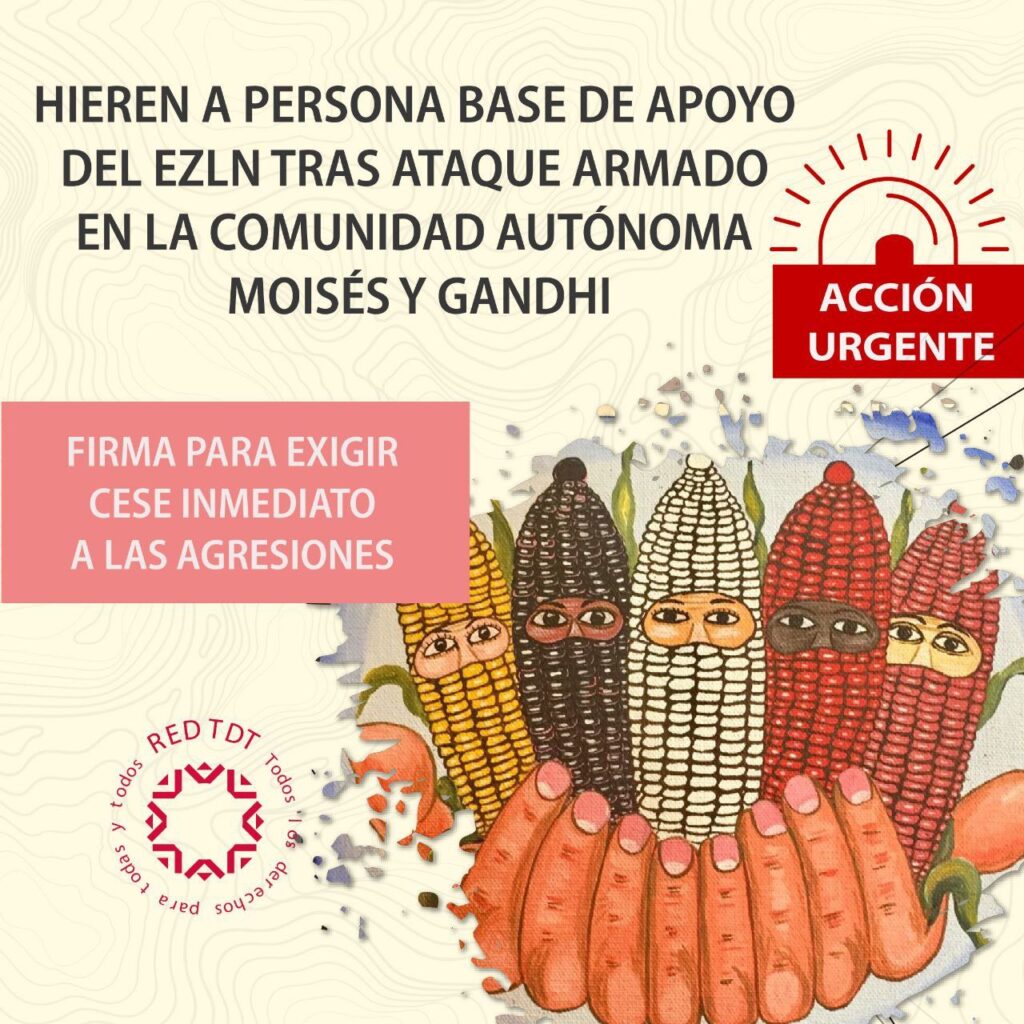
En este ataque, según los reportes hechos públicos, el compañero tseltal Gilberto López Santiz fue herido con armas de grueso calibre y su estado de salud se reporta como grave.
Expresamos también nuestra preocupación por la escalada de violencia en el territorio zapatista y en todo el estado de Chiapas. Particularmente queremos sumarnos a las denuncias en contra de la organización ORCAO, quien en los últimos años, ya bajo el control de MORENA ha hostigado y violentado a las comunidades zapatistas en total impunidad.
Por parte del gobierno federal o de otras instancias correspondientes no ha habido ninguna atención a las denuncias hechas ante esta situación de complicidad entre el gobierno estatal, el paramilitarismo y el crimen organizado.
Gracias a la historia de lucha en defensa de nuestro territorio en la sierra-costa michoacana conocemos muy bien el rostro de la guerra y cómo se presenta disfrazado de gobierno o de supuestas organizaciones legítimas. Nuestra historia de sangre nos ha enseñado a identificar bien a los enemigos y en este, entendemos muy bien todas las denuncias que las comunidades zapatistas han hecho, para frenar pacificamente esta situación.
Por eso exigimos se garantice la atención médica necesaria para el compañero Gilberto López Santiz, así como el cese total de los ataques armados y de cualquier otra forma en contra de las Bases de Apoyo Zapatistas (BAZ). Exigimos también que se hagan las investigaciones necesarias para determinar las responsabilidades necesarias y que este ataque no quede impune, para que se castiguen a los responsables y se haga justicia.
Finalmente, queremos informar que nos sumaremos a las acciones dislocadas a las que se convoque desde el Congreso Nacional Indígena (CNI), no dejaremos de alzar la voz para denunciar la violencia que viene desde el Estado y exigiremos siempre el alto a la guerra de exterminio en contra de los pueblos originarios de México.
SANTA MARIA OSTULA, A 29 DE MAYO DE 2023.
ATENTAMENTE
NUNCA MÁS UN MÉXICO SIN NOSOTROS
COMUNIDAD INDÍGENA NAHUA DE SANTA MARÍA OSTULA



[:es]Pensadores y organizaciones del mundo condenan ataque contra zapatistas por parte de la ORCAO y guerra de contrainsurgencia[:]
[:es]
Pronunciamiento
Repudiamos el último ataque perpetrado por la organización paramilitar ORCAO en contra de la comunidad Autónoma Zapatista de Moisés y Gandhi, Municipio Autónomo Lucio Cabañas, Caracol 10. Exigimos alto a la guerra prolongada de desgaste en Chiapas y a la impunidad y complicidad de todos los niveles de gobierno involucrados.
Al Estado y al Gobierno Mexicano
A la sociedad civil local, nacional e internacional
A los organismos defensores de derechos humanos
A la prensa local, nacional e internacional
A los movimientos, luchas dignas y rebeldes
Planeta Tierra, 25 de mayo de 2023
Los y las abajo firmantes nos pronunciamos desde diferentes lugares de América Latina, el Caribe, EE.UU, Europa y allende los mares, ante la terrible información que nos ha llegado sobre el ataque armado perpetrado por el grupo paramilitar de la Organización Regional de Cafeticultores de Ocosingo (ORCAO) hacia las Bases de Apoyo del Ejército Zapatista de Liberación Nacional (BAEZLN) la noche del 22 de mayo del presente año (2023). Para quienes no estén informados les compartimos lo que redes de defensoras de derechos humanos enraizadas en Chiapas nos comparten. Se trató de:
…un ataque armado de horas y desde donde se dispararon cientos de balas. Resultando herido de gravedad nuestro compañero BAEZLN [Base de Apoyo] del EZLN Gilberto López Sántiz.
[El ataque fue perpetrado por] la organización criminal de la ORCAO. Grupo armado que no ha cesado en violentar, amedrentar, hostigar, secuestrar, torturar, robar, destruir y pretender despojar de las tierras recuperadas a los pueblos del EZLN.
Como Red de Resistencias y Rebeldías AJMAQ junto con otras organizaciones, colectivxs e individuxs hemos realizado Caravanas y visitas de observación desde octubre del 2020 para documentar, comunicar, difundir y denunciar las acciones criminales de dicho grupo paramilitar. Recogiendo puntualmente los testimonios de hombres, ancianos, mujeres, jóvenxs y niñxs desde el 2019. Estas agresiones empezaron con cercos y loteos en los trabajaderos de las tierras recuperadas, así como daños y destrucción de los sembradíos colectivos.
A inicios del 2020 se sumaron a las agresiones los robos de cultivos, destrucción de alambrados y postes, presencia de gente armada y con radios portátiles en la comunidad y montando guardias, amenazas verbales y escritas, intimidaciones y agresiones físicas a compas BAEZLN, quema y fumigación de sembradíos, robo de las tiendas de las comunidades autónomas, quema de colmenas, destrozos en la Escuela Secundaria Autónoma y detonaciones de armas de fuego.
Desde agosto del 2020 se hizo pública la quema y destrucción del Comedor de las compañeras zapatistas y la Tienda Regional el Arcoiris por parte de la ORCAO en el crucero Cuxuljá. Mismo lugar que hoy está en control de este grupo paramilitar. Seguido de ataques y disparos de armas de fuego de distintos calibres al interior de las comunidades autónomas, poniendo en riesgo a hombres, mujeres, niños, niñas, abuelas y abuelos que tienen que buscar refugio de las balas, o tirarse en el lodo en plena madrugada ya que se han dado ataques durante noches y días enteros (Red de Resistencias y Rebeldías AJMAQ, tomado de https://radiozapatista.org/?p=45174).
La guerra contrainsurgente como respuesta a las demandas del movimiento zapatista acompaña la historia de los últimos 30 años de vida de Chiapas y México. La guerra no empezó ahí, venía desde un pasado lejano como apunta la Primera Declaración de la Selva Lacandona pero, en 1994, se vuelve contrainsurgente con el Plan Chiapas así como con una estrategia para combatir lo que los think tanks del Imperio norteamericano llamaron Zapatista Social Netwar (la guerra de redes sociales zapatista). Desde entonces hasta la fecha existe una amplia documentación (periodística, académica y de organismos de derechos humanos) de cómo ha operado eso que hoy nombramos “guerra prolongada de desgaste” emergente en medio de unos acuerdos de paz traicionados y una reforma constitucional de 2001 que solo reconoce una autonomía con derechos acotados en el ámbito comunitario.
Las formas de combatir y exterminar al zapatismo han sido permanentes, múltiples y diversas. En esa historia destacan las formas de cooptación económica a las organizaciones campesinas e indígenas de Chiapas. Ella se ha dado independientemente del color de partido o gobierno en el poder. Esas estrategias se han sostenido vía la administración clientelar de los programas sociales gubernamentales, la compra de votos, la compra de líderes antes independientes y autónomos. Hasta llegar a tener -luego de 30 años de esas acciones y de más que acá no mencionamos-, organizaciones campesinas e indígenas que se han merecido el título de “paramilitares”. Tal es el caso de la ORCAO, agresora sistemática de las bases de apoyo zapatistas. Lo que sucedió este 22 de mayo de 2023 es, por desgracia, resultado de una estrategia mayor, permanente y constante. Sus resultados son parte ya de una memoria colectiva de agravio en las comunidades zapatistas y nos muestra un rostro de la(s) guerra(s) vigente(s) en Chiapas. Ella(s) tiene(n) responsables concretos en el Estado mexicano y sus diferentes niveles de gobierno.
Ante lo anterior nos pronunciamos colectivamente y con contundencia de la siguiente manera:
1.- Los y las abajo firmantes estamos desde diferentes geografías siguiendo de cerca los acontecimientos, difundiendo la situación a través de nuestros medios libres y nuestros espacios híbridos de academia-otra, activismos y movimientos.
2.- Reiteramos que desde nuestras geografías estamos atentas a la grave situación de salud del compañero base de apoyo zapatista: Gilberto López Sántiz. Abonamos nuestra energía para su pronta recuperación.
3.- Reiteramos por este medio nuestra solidaridad con el EZLN y nuestro repudio total a lo acontecido y exigimos al Estado mexicano y a todos los niveles de gobierno, la intervención inmediata para poner fin y cesar las mil formas de violencia que se ejercen contra las comunidades zapatistas y las comunidades en resistencia que caminan la autonomía de facto y que vimos desplegarse en la Caravana El Sur Resiste organizada recientemente por el Congreso Nacional Indígena.
¡Exigimos alto a la guerra en Chiapas!
¡Alto total a la impunidad y complicidad de todos los niveles de gobierno involucrados!
¡Lxs zapatistas no están solxs!
¡Lxs miembros del Congreso Nacional Indígena
y de la Caravana El Sur Resiste, no están solxs!