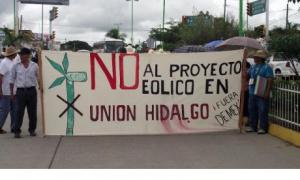
Oaxaca
Foro contra la prisión política y por la libertad de Alberto Patishtán
12 de Mayo de 2012
Cideci/Unitierra
San Cristóbal de Las Casas, Chiapas
Para más información: foroporlalibertad.noblogs.org
Mañana – Moderación: Centro de Derechos Humanos Fray Bartolomé de Las Casas (Frayba)
Presentación del foro (4:45 min)
[podcast]https://radiozapatista.org/Audios/foro_presos_12mayo2012/1_presentacion.mp3[/podcast]
Presentación de las mesas (Frayba – español y tseltal) (8:30 min)
[podcast]https://radiozapatista.org/Audios/foro_presos_12mayo2012/2_presentacionmesas.mp3[/podcast]
Lectura de la denuncia del Caracol de la Junta de Buen Gobierno de Oventic del 27 de marzo de 2012 sobre el caso de Francisco Sántiz López (16:45 min)
[podcast]https://radiozapatista.org/Audios/foro_presos_12mayo2012/3_jbg.mp3[/podcast]
Palabras de Marcelino Hernández (Frayba) sobre el caso de Alberto Patishtán (tselsal) (6:20 min)
[podcast]https://radiozapatista.org/Audios/foro_presos_12mayo2012/4_marcelino.mp3[/podcast]
Palabras de Jorge Luiz Hernández Castro (Frayba) sobre el caso de Alberto Patishtán (15:45 min)
[podcast]https://radiozapatista.org/Audios/foro_presos_12mayo2012/5_jorgeluis.mp3[/podcast]
Caso de Alberto por su hija, Grabriela Patishtán (13:50 min)
[podcast]https://radiozapatista.org/Audios/foro_presos_12mayo2012/6_gabrielapatishtan.mp3[/podcast]
Palabras de Andrés Núñez, ex compañero de Patishtán en el Cereso 5 y miembro de La Voz del Amate (13:10 min)
[podcast]https://radiozapatista.org/Audios/foro_presos_12mayo2012/7_andresnunes.mp3[/podcast]
Palabras del profesor Martín Ramírez López, de la comunidad de El Bosque (16:30 min)
[podcast]https://radiozapatista.org/Audios/foro_presos_12mayo2012/8_martinelbosque.mp3[/podcast]
Los solidarios de la Voz del Amate, Andrés y José, ex presos (audio) (3 min)
[podcast]https://radiozapatista.org/Audios/foro_presos_12mayo2012/9_solidariosvozdelamate.mp3[/podcast]
Carta de la Confederación General del Trabajo (CGT), Estado Español (4:13 min)
[podcast]https://radiozapatista.org/Audios/foro_presos_12mayo2012/10_cgt.mp3[/podcast]
Dora Julieta Hernández Gómez (Brigada Feminista) sobre la condición de las mujeres presas y el caso de Rosa López (24:40 min)
[podcast]https://radiozapatista.org/Audios/foro_presos_12mayo2012/11_dorajulieta.mp3[/podcast]
Represión en San Sebastián Bachajón (5:45 min)
[podcast]https://radiozapatista.org/Audios/foro_presos_12mayo2012/12_bachajon.mp3[/podcast]
Chalino Sandría y Blas Pérez del Consejo Autónomo Regional de la Costa sobre la situación en la Zona Costa de Chiapas (8:40 min)
[podcast]https://radiozapatista.org/Audios/foro_presos_12mayo2012/13_zonacosta.mp3[/podcast]
Tarde
Impacto de los penales de máxima seguridad – Colectivo IK
- Mario Ruiz – Serapaz (trad. tseltal) [podcast]https://radiozapatista.org/Audios/foro_presos_12mayo2012/14_ik1.mp3[/podcast]
- Guillermo Villaseñor (español) [podcast]https://radiozapatista.org/Audios/foro_presos_12mayo2012/15_ik2.mp3[/podcast]
Prisión política – Cruz Negra Anarquista
- Catalina López Gómez – Centro de Derechos de la Mujer Chiapas (trad. tseltal) [podcast]https://radiozapatista.org/Audios/foro_presos_12mayo2012/16_cruznegra1.mp3[/podcast]
- Iván Torres [podcast]https://radiozapatista.org/Audios/foro_presos_12mayo2012/17_cruznegra2.mp3[/podcast]
Campaña contra la represión política y la Tortura Sexual
- Mario Ruiz (trad. tseltal) [podcast]https://radiozapatista.org/Audios/foro_presos_12mayo2012/18_ccrpts1.mp3[/podcast]
- Norma Jiménez (español) [podcast]https://radiozapatista.org/Audios/foro_presos_12mayo2012/19_ccrpts2.mp3[/podcast]
Carta por La Pirata, articulación de colectivos de Italia, Suiza y Holanda
- Traducción en tseltal [podcast]https://radiozapatista.org/Audios/foro_presos_12mayo2012/20_pirata1.mp3[/podcast]
- Lectura en español [podcast]https://radiozapatista.org/Audios/foro_presos_12mayo2012/21_pirata2.mp3[/podcast]
Abraham Ramírez Vásquez del Codedi-Xanica (AMZ) Oaxaca
- Abraham Ramírez [podcast]https://radiozapatista.org/Audios/foro_presos_12mayo2012/22_abraham1.mp3[/podcast]
- Traducción en tseltal [podcast]https://radiozapatista.org/Audios/foro_presos_12mayo2012/23_abraham2.mp3[/podcast]
Víctor Herrera Govea, ex preso DF
- Traducción tseltal [podcast]https://radiozapatista.org/Audios/foro_presos_12mayo2012/24_victor1.mp3[/podcast]
- Palabras de Mary Herrera Govea, hermana de Víctor [podcast]https://radiozapatista.org/Audios/foro_presos_12mayo2012/25_victor2.mp3[/podcast]
Carta de la Plataforma Vasca de Solidaridad con Chiapas, Bilbao
- Lectura en español [podcast]https://radiozapatista.org/Audios/foro_presos_12mayo2012/26_plataformavasca1.mp3[/podcast]
- Traducción en tseltal [podcast]https://radiozapatista.org/Audios/foro_presos_12mayo2012/27_plataformavasca2.mp3[/podcast]
Situación de los presos de Guerrero – Tadeco
- Introducción [podcast]https://radiozapatista.org/Audios/foro_presos_12mayo2012/28_tadeco0.mp3[/podcast]
- Síntesis en tseltal [podcast]https://radiozapatista.org/Audios/foro_presos_12mayo2012/28_tadeco1.mp3[/podcast]
- Audio – saludo enviado por el preso Máximo Mujica [podcast]https://radiozapatista.org/Audios/foro_presos_12mayo2012/29_tadeco2.mp3[/podcast]
- Isabel Rosales Juárez (Tadeco) [podcast]https://radiozapatista.org/Audios/foro_presos_12mayo2012/30_tadeco3.mp3[/podcast]
Caso de Álvaro Sebastián Ramírez, preso político loxicha, Oaxaca
- Síntesis en tseltal [podcast]https://radiozapatista.org/Audios/foro_presos_12mayo2012/31_loxicha1.mp3[/podcast]
- Érica Sebastián Luiz (hija) [podcast]https://radiozapatista.org/Audios/foro_presos_12mayo2012/31_loxicha2.mp3[/podcast]
- Eric Passan Azevedo [podcast]https://radiozapatista.org/Audios/foro_presos_12mayo2012/31_loxicha3.mp3[/podcast]
Video de la campaña por la liberación de Álvaro Sebastián Ramírez:
Carta del colectivo Les Trois Passants, Francia
- Lectura en español [podcast]https://radiozapatista.org/Audios/foro_presos_12mayo2012/32_troispassants1.mp3[/podcast]
- Traducción en tseltal [podcast]https://radiozapatista.org/Audios/foro_presos_12mayo2012/32_troispassants2.mp3[/podcast]
La digna lucha de San Salvador Atenco
- Síntesis en tseltal [podcast]https://radiozapatista.org/Audios/foro_presos_12mayo2012/33_atenco1.mp3[/podcast]
- Ignacio del Valle [podcast]https://radiozapatista.org/Audios/foro_presos_12mayo2012/33_atenco2.mp3[/podcast]
Ve también la cobertura en La Jornada:
- Patishtán, condenado a morir en prisión por una venganza política (13/05/2012)
- En manos del Ejecutivo, indulto al indígena Alberto Patishtán (12/05/2012)
- Paramilitares atacan a ejidatarios de San Sebastián Bachajón; uno agoniza, dicen (11/05/2012)
- Efectuarán campaña internacional por la liberación de Alberto Patishtán y Francisco Santiz López (09/05/2012)
- Reportan ejidatarios de San Sebastián Bachajón hostigamientos constantes (04/05/2012)
- Abogan por adherente de la otra campaña preso en El Amate (30/04/2012)
- Exigen desplazadas zapatistas la presentación de su padre (29/04/2012)
- Siguen las detenciones y torturas contra indígenas adherentes de la otra campaña (28/04/2012)
- Indígenas denuncian “intensa tortura” policiaca en Chiapas (26/04/2012)
- Arrecia la campaña por la liberación del activista Alberto Patishtán (24/04/2012)
- Anuncian foro en San Cristóbal para exigir liberación de indígenas presos (23/04/2012)
- Preparan en NY semana de lucha por Patishtán y Sántiz (22/04/2012)
- Junta de Buen Gobierno corazón centrico del los Zapatistas delante del mundo (29/03/2012)
- A punto de abandonar la cárcel, nuevo cargo a Francisco Santiz (29/03/2012)
- Exigen atención médica para presos zapatistas (22/03/2012)
- Exigen en Chiapas liberar a Patishtán (19/03/2012)
- Denuncian prisión injusta de una base de apoyo del EZLN (18/03/2012)
- Retrasa el gobierno de Chiapas aplicación de amparo otorgado al maestro Patishtán (17/03/2012)
- Presentan informe sobre situación jurídica del profesor tzotzil Alberto Patishtán (16/03/2012)
- Piden Frayba y familiares la liberación inmediata del tzotzil Alberto Patishtán (13/03/2012)
Invitación al Foro en audio: [podcast]https://radiozapatista.org/Audios/ForoPatishtan_invitacion.mp3[/podcast]
12 de Mayo de 2012
Cideci/Unitierra
San Cristóbal de Las Casas, Chiapas
Para más información: foroporlalibertad.noblogs.org
Mañana – Moderación: Centro de Derechos Humanos Fray Bartolomé de Las Casas (Frayba)
Presentación del foro (4:45 min)
[podcast]https://radiozapatista.org/Audios/foro_presos_12mayo2012/1_presentacion.mp3[/podcast]
Presentación de las mesas (Frayba – español y tseltal) (8:30 min)
[podcast]https://radiozapatista.org/Audios/foro_presos_12mayo2012/2_presentacionmesas.mp3[/podcast]
Lectura de la denuncia del Caracol de la Junta de Buen Gobierno de Oventic del 27 de marzo de 2012 sobre el caso de Francisco Sántiz López (16:45 min)
[podcast]https://radiozapatista.org/Audios/foro_presos_12mayo2012/3_jbg.mp3[/podcast]
Palabras de Marcelino Hernández (Frayba) sobre el caso de Alberto Patishtán (tselsal) (6:20 min)
[podcast]https://radiozapatista.org/Audios/foro_presos_12mayo2012/4_marcelino.mp3[/podcast]
Palabras de Jorge Luiz Hernández Castro (Frayba) sobre el caso de Alberto Patishtán (15:45 min)
[podcast]https://radiozapatista.org/Audios/foro_presos_12mayo2012/5_jorgeluis.mp3[/podcast]
Caso de Alberto por su hija, Grabriela Patishtán (13:50 min)
[podcast]https://radiozapatista.org/Audios/foro_presos_12mayo2012/6_gabrielapatishtan.mp3[/podcast]
Palabras de Andrés Núñez, ex compañero de Patishtán en el Cereso 5 y miembro de La Voz del Amate (13:10 min)
[podcast]https://radiozapatista.org/Audios/foro_presos_12mayo2012/7_andresnunes.mp3[/podcast]
Palabras del profesor Martín Ramírez López, de la comunidad de El Bosque (16:30 min)
[podcast]https://radiozapatista.org/Audios/foro_presos_12mayo2012/8_martinelbosque.mp3[/podcast]
Los solidarios de la Voz del Amate, Andrés y José, ex presos (audio) (3 min)
[podcast]https://radiozapatista.org/Audios/foro_presos_12mayo2012/9_solidariosvozdelamate.mp3[/podcast]
Carta de la Confederación General del Trabajo (CGT), Estado Español (4:13 min)
[podcast]https://radiozapatista.org/Audios/foro_presos_12mayo2012/10_cgt.mp3[/podcast]
Dora Julieta Hernández Gómez (Brigada Feminista) sobre la condición de las mujeres presas y el caso de Rosa López (24:40 min)
[podcast]https://radiozapatista.org/Audios/foro_presos_12mayo2012/11_dorajulieta.mp3[/podcast]
Represión en San Sebastián Bachajón (5:45 min)
[podcast]https://radiozapatista.org/Audios/foro_presos_12mayo2012/12_bachajon.mp3[/podcast]
Chalino Sandría y Blas Pérez del Consejo Autónomo Regional de la Costa sobre la situación en la Zona Costa de Chiapas (8:40 min)
[podcast]https://radiozapatista.org/Audios/foro_presos_12mayo2012/13_zonacosta.mp3[/podcast]
Tarde
Impacto de los penales de máxima seguridad – Colectivo IK
- Mario Ruiz – Serapaz (trad. tseltal) [podcast]https://radiozapatista.org/Audios/foro_presos_12mayo2012/14_ik1.mp3[/podcast]
- Guillermo Villaseñor (español) [podcast]https://radiozapatista.org/Audios/foro_presos_12mayo2012/15_ik2.mp3[/podcast]
Prisión política – Cruz Negra Anarquista
- Catalina López Gómez – Centro de Derechos de la Mujer Chiapas (trad. tseltal) [podcast]https://radiozapatista.org/Audios/foro_presos_12mayo2012/16_cruznegra1.mp3[/podcast]
- Iván Torres [podcast]https://radiozapatista.org/Audios/foro_presos_12mayo2012/17_cruznegra2.mp3[/podcast]
Campaña contra la represión política y la Tortura Sexual
- Mario Ruiz (trad. tseltal) [podcast]https://radiozapatista.org/Audios/foro_presos_12mayo2012/18_ccrpts1.mp3[/podcast]
- Norma Jiménez (español) [podcast]https://radiozapatista.org/Audios/foro_presos_12mayo2012/19_ccrpts2.mp3[/podcast]
Carta por La Pirata, articulación de colectivos de Italia, Suiza y Holanda
- Traducción en tseltal [podcast]https://radiozapatista.org/Audios/foro_presos_12mayo2012/20_pirata1.mp3[/podcast]
- Lectura en español [podcast]https://radiozapatista.org/Audios/foro_presos_12mayo2012/21_pirata2.mp3[/podcast]
Abraham Ramírez Vásquez del Codedi-Xanica (AMZ) Oaxaca
- Abraham Ramírez [podcast]https://radiozapatista.org/Audios/foro_presos_12mayo2012/22_abraham1.mp3[/podcast]
- Traducción en tseltal [podcast]https://radiozapatista.org/Audios/foro_presos_12mayo2012/23_abraham2.mp3[/podcast]
Víctor Herrera Govea, ex preso DF
- Traducción tseltal [podcast]https://radiozapatista.org/Audios/foro_presos_12mayo2012/24_victor1.mp3[/podcast]
- Palabras de Mary Herrera Govea, hermana de Víctor [podcast]https://radiozapatista.org/Audios/foro_presos_12mayo2012/25_victor2.mp3[/podcast]
Carta de la Plataforma Vasca de Solidaridad con Chiapas, Bilbao
- Lectura en español [podcast]https://radiozapatista.org/Audios/foro_presos_12mayo2012/26_plataformavasca1.mp3[/podcast]
- Traducción en tseltal [podcast]https://radiozapatista.org/Audios/foro_presos_12mayo2012/27_plataformavasca2.mp3[/podcast]
Situación de los presos de Guerrero – Tadeco
- Introducción [podcast]https://radiozapatista.org/Audios/foro_presos_12mayo2012/28_tadeco0.mp3[/podcast]
- Síntesis en tseltal [podcast]https://radiozapatista.org/Audios/foro_presos_12mayo2012/28_tadeco1.mp3[/podcast]
- Audio – saludo enviado por el preso Máximo Mujica [podcast]https://radiozapatista.org/Audios/foro_presos_12mayo2012/29_tadeco2.mp3[/podcast]
- Isabel Rosales Juárez (Tadeco) [podcast]https://radiozapatista.org/Audios/foro_presos_12mayo2012/30_tadeco3.mp3[/podcast]
Caso de Álvaro Sebastián Ramírez, preso político loxicha, Oaxaca
- Síntesis en tseltal [podcast]https://radiozapatista.org/Audios/foro_presos_12mayo2012/31_loxicha1.mp3[/podcast]
- Érica Sebastián Luiz (hija) [podcast]https://radiozapatista.org/Audios/foro_presos_12mayo2012/31_loxicha2.mp3[/podcast]
- Eric Passan Azevedo [podcast]https://radiozapatista.org/Audios/foro_presos_12mayo2012/31_loxicha3.mp3[/podcast]
Video de la campaña por la liberación de Álvaro Sebastián Ramírez:
Carta del colectivo Les Trois Passants, Francia
- Lectura en español [podcast]https://radiozapatista.org/Audios/foro_presos_12mayo2012/32_troispassants1.mp3[/podcast]
- Traducción en tseltal [podcast]https://radiozapatista.org/Audios/foro_presos_12mayo2012/32_troispassants2.mp3[/podcast]
La digna lucha de San Salvador Atenco
- Síntesis en tseltal [podcast]https://radiozapatista.org/Audios/foro_presos_12mayo2012/33_atenco1.mp3[/podcast]
- Ignacio del Valle [podcast]https://radiozapatista.org/Audios/foro_presos_12mayo2012/33_atenco2.mp3[/podcast]
Ve también la cobertura en La Jornada:
- Patishtán, condenado a morir en prisión por una venganza política (13/05/2012)
- En manos del Ejecutivo, indulto al indígena Alberto Patishtán (12/05/2012)
- Paramilitares atacan a ejidatarios de San Sebastián Bachajón; uno agoniza, dicen (11/05/2012)
- Efectuarán campaña internacional por la liberación de Alberto Patishtán y Francisco Santiz López (09/05/2012)
- Reportan ejidatarios de San Sebastián Bachajón hostigamientos constantes (04/05/2012)
- Abogan por adherente de la otra campaña preso en El Amate (30/04/2012)
- Exigen desplazadas zapatistas la presentación de su padre (29/04/2012)
- Siguen las detenciones y torturas contra indígenas adherentes de la otra campaña (28/04/2012)
- Indígenas denuncian “intensa tortura” policiaca en Chiapas (26/04/2012)
- Arrecia la campaña por la liberación del activista Alberto Patishtán (24/04/2012)
- Anuncian foro en San Cristóbal para exigir liberación de indígenas presos (23/04/2012)
- Preparan en NY semana de lucha por Patishtán y Sántiz (22/04/2012)
- Junta de Buen Gobierno corazón centrico del los Zapatistas delante del mundo (29/03/2012)
- A punto de abandonar la cárcel, nuevo cargo a Francisco Santiz (29/03/2012)
- Exigen atención médica para presos zapatistas (22/03/2012)
- Exigen en Chiapas liberar a Patishtán (19/03/2012)
- Denuncian prisión injusta de una base de apoyo del EZLN (18/03/2012)
- Retrasa el gobierno de Chiapas aplicación de amparo otorgado al maestro Patishtán (17/03/2012)
- Presentan informe sobre situación jurídica del profesor tzotzil Alberto Patishtán (16/03/2012)
- Piden Frayba y familiares la liberación inmediata del tzotzil Alberto Patishtán (13/03/2012)
Invitación al Foro en audio: [podcast]https://radiozapatista.org/Audios/ForoPatishtan_invitacion.mp3[/podcast]

Sangre por Plata, Sangre por Oro – El asesinato de Bernardo Vázquez en la mina de Fortuna Silver en OaxacaBLOOD FOR SILVER, BLOOD FOR GOLD – THE ASSASSINATION OF BERNARDO VASQUEZ: At Fortuna Silver’s mine in Oaxaca, Mexico
Disculpas, este artículo está sólo en inglés
(Article and photos by Jonathan Treat, March 18, 2012)
“One thing is clear: this was a political hit. Bernardo was murdered because he dared to speak out.” (Dawn Paley)

(At the gravesite of Bernardo Vasquez, “Stop the Assassinations”)
In the dry and dusty town of San José del Pacifico, south of Oaxaca, Mexico, a funeral was held on March 17 for Bernardo Vasquez, a slain community leader who actively opposed a Canadian silver and gold mining project in his community. During the somber event, attended by roughly 300 members of this Zapotec community, the collective grief, solidarity and resistance was palpable. Fear also hung in the air; some people held placards proclaiming their resistance in front of their faces to avoid being photographed.
 (Bernardo’s mother and family grieving their loss)
The fear is understandable – Bernardo Vásquez was the second anti-mining activist to be shot dead in the past two months. Three others at the scene of the assassination of Vasquez were also shot and remain in serious condition.
WHY THE VIOLENCE?
Why all the bloodshed in this small Zapotec community? The common thread connecting the victims of the recent violence is that – together with a coalition of people from other nearby communities – they were all actively opposing the presence of the Canadian company, Fortuna Silver Inc.’s “Trinidad/Cuzcatlán” silver and gold mine in their community in the Ocotlán valley, about 45 minutes outside of Oaxaca City.
 (“Berna, We Will Always Rembember You. You Fought for Us”)
Bernardo Vásquez was killed on March 16 when he and two passengers were ambushed at an intersection near his community. His brother Andrés and friend Rosalinda Canseco remain hospitalized in serious condition. In an interview at the hospital, Rosalinda’s father said doctors are concerned they may have to amputate her leg.
PREVIOUS KILLING OF BERNARDO MENDEZ
Two months ago, the now dead Bernardo Vásquez was denouncing the murder of Bernardo Mendez, a friend and colleague also opposed to the Trinidad/Cuzcatán mine. During a press conference on January 23, as spokesperson for a local coalition of people opposed to Fortuna Silver’s mine, Vásquez denounced the shooting death of Méndez that had occurred several days earlier. That murder happened when a group of people confronted a work crew constructing a water pipeline in San José. The people suspected the project would divert the arid community’s scarce water resources to the mine. An argument ensued and municipal police arrived on the scene and opened fire into the crowd. Bernardo Méndez later died of 7 gunshot wounds. Abigail Vásquez, sister of Bernardo Vázquez (killed March 16), was seriously wounded in the January killing.
During the press conference, Vázquez and the Coalition of People United in the Ocotlán Valley (COPOVU) held the Vancouver-based Fortuna Silver and it’s local Trinidad/Cuzcatlán mining activities directly responsible for the murder and other related violence, and called for the suspension and removal of all the mining company’s activities in San José. The anti-mining group also called for the cancellation and removal of the mining project.
FORTUNA SILVER DENIES ANY LINKS TO ITS ACTIVITIES AND THE VIOLENCE
Mining officials dismissed allegations that the mine was diverting water from the community, and denied any links between the recent violence and their mining operation in San José del Progreso. In response to COPOVU’s accusations that the mine is responsible for the violence in San José, CEO Jorge Ganoza called the allegations “misinformation”.
“We, as a company, and our team in Oaxaca, are saddened by these senseless and continued acts of violence in the town of San José, related to a long-standing political struggle for local power”, he said in statement published by Canadian media. “It is in no way related to our activities or involves company personnel…”. Several Oaxaca state government officials in press releases repeat this version of events, but critics point out to a long history of violence in local communities since Fortuna Silver first arrived on the scene in 2006.
HISTORY OF MINE-RELATED VIOLENCE
In 2009, roughly three hundred opponents to Fortuna Silver’s mining operation participated in a blockade of the entrance to the Trinidad/Cuzcatlán. After 40 days, the blockade was brutally broken when some 700 police stormed into the community in full anti-riot gear, with automatic weapons, tear gas, attack dogs and a helicopter. People were beaten and more than 23 people were arrested; some were detained for three months.
In 2010, the mayor of San José, along with another municipal official, was killed in a confrontation between residents supporting and those opposing the mine. A local priest supporting anti-mining activists was brutally beaten and detained.
The ongoing violence has divided and created a tense, fearful atmosphere in the once peaceful community. One local activist who has been involved in resistance to the mine from the beginning estimated that the vast majority of residents were opposed to the mine when it started originally arrived to break ground in the community. The ongoing repression and intimidation – coupled with bribes to prominent members of the community – has reduced the number of residents who actively resist the mine. Nonetheless, he estimated that roughly half of the community is opposed to the mine, and many others are against the mine but fearful of openly resisting the mining project.
WHY THE OPPOSITION TO THE MINE?
In the arid Ocotlán valley of Oaxaca, as in many parts of the state, water is a scarce and precious commodity. Residents opposed to the mine argue that processing silver and gold is water-intensive puts their local aquifers at risk.
Their argument has strong precedent. Another Oaxacan community with years of painful experience with mining operations, Calpulálpam, had its water supply devastated by the Canadian “Continuum” mine there. Aquifers were disrupted and local resident report that 13 local streams completely dried up due to mining in their community. Local springs were also so polluted by chemicals used to process ore that livestock were dying from the contamination. The devastation was so flagrant that the Mexican Federal Environmental Protection Agency eventually ordered the mine to suspend all activities.
Thus the violent confrontation in January between the group of local residents and workers installing a water pipeline is understandable. The actual motives behind the project remain unclear; transparency about public works in San José is sorely lacking. While Fortuna Silver continues to flatly deny any link between purported municipal potable water project and mining activities, many local residentS remain unconvinced. And Mexico’s three leading national newspapers, including the respected daily La Jornada, all reported that the disputed water pipeline was indeed related to the mining operation and all linked the violence to tensions in the community around the mine’s activities there.
HUMAN RIGHTS AND CIVIL SOCIETY ORGANIZATIONS SPEAK OUT
In a recent statement by the Oaxacan Collective in Defense of Territories, an umbrella organization made up of prominent human rights and civil society organization, issued a statement on March 16, the day following the ambush of Vázquez and his two companions. The declaration points out that Vázquez had repeatedly alerted state and federal authorities – since 2008 – of the risk of violent confrontations due to the initiation of mining operations by Fortuna Silver without the consent of the community, as legally required by international accords signed by Mexico. The statement says that the members of the anti-mining coalition COPUVO repeatedly complained that the mining company was financing armed groups in the community with the endorsement of the municipal president of San José del Progreso, Alberto Mauro Sánchez. The collective’s statement says argues that the lack of justice and application of law by government officials has created a dangerous atmosphere of impunity in San José. The statement closes with a demand for the immediate departure of the Trinidad/Cuzcatlán mine.
EULOGY FOR BERNARDO VÁSQUEZ
In a eulogy for Bernardo Vásquez, Dawn Paley, an independent Canadian journalist, wrote:
“Bernardo Vasquez was a clear spoken Zapotec activist, a brother, son, and cousin, who dared to stand up against a mining project in the territory of his people. He was well aware that a paramilitary group was operating in San José Progreso, Oaxaca, and that it was organized to snuff out opposition to a gold mine , owned by Vancouver based Fortuna Silver. … One thing is clear: this was a political hit. Bernardo was murdered because he dared to speak out, ignoring the climate of fear imposed upon his people.” (http://vancouver.mediacoop.ca/story/another-activist-murdered-organizing-against-canadian-mine/10243)
THE STAKES ARE HIGH, BUT THE STRUGGLE CONTINUES
Fortuna Silver’s $55 million Trinidad/Cuzcatlán mine began its production in September last year and projected to produce 1.7 million ounces of silver and 15,000 ounce of gold in 2012. Future conflicts are likely as the mine expands its operations in its 58,000 hectares holdings just south of Oaxaca City in coming years, particularly in light of the ongoing impunity enjoyed by local officials and hired guns in San José.
During the funeral, many residents expressed their concerns that the lack of justice for those responsible for the recent shootings has created an atmosphere of impunity that is likely to foster more bloodshed.
 (The Funeral Procession)
But in spite of the fear and intimidation, the March 17 funeral clearly illustrated that anti-mining activists from San José together with other surrounding communities affected by the mine, will continue on in their resistance. Indignation and defiance hung in the air. Just before Vasquez’s coffin was lowered into the ground, a friend said: “They can cut a flower, but they cannot stop the Spring.”
(Jonathan Treat is a journalist, professor, activist and founding member of the non-profit organization SURCO (University Services and Knowledge Networks of Oaxaca), www.surcooaxaca.org. He works with SURCO as Academic Director and Coordinator of Delegations looking at issues related to the defense of indigenous territories in Oaxaca and Chiapas. Jonathan: jonathantreat2002@yahoo.com)
******************
WHAT TO DO – WRITE & KEEP ON WRITING
Please keep on keeping on sending copies of this information, and your own letters, to Canadian and American politicians and government officials, and to your local media. North American resource extraction companies are operating around the world with the full support of North American governments. Please send copies to pension funds across North America – like the Canada Pension Plan – that are invested in most North American resource extraction companies around the world, with no concern for environmental, health or human rights concerns.
FORTUNA SILVER
Suite 650, 200 Burrard Street
Vancouver, British Columbia, Canada V6C 3L6
T: 604.484.4085
TF: 866.719.8962
http://www.fortunasilver.com/s/ContactUs.asp
*****************