Por: Redacción / Sinembargo – enero 16 de 2014
Armando Díaz, ex paramilitar mexicano de la organización llamada Desarrollo Paz y Justicia, reconoce, a cambio de protección, los asesinatos y horrores que su comando realiza contra zapatistas y civiles en el estado sureño de Chiapas. Díaz sabe que el arrepentimiento y la posterior deserción son cuentas pendientes que solamente se saldan con la vida…
Por Marta Durán de Huerta
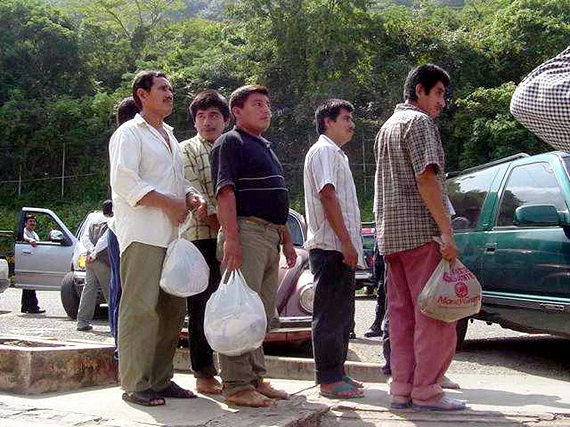
La Procuraduría de Chiapas consignó al Penal del Cerro Hueco, a 27 miembros del grupo paramilitar “Paz y Justicia”; luego del arraigo domiciliario por diversos delitos en 2002. Foto: Cuartoscuro La Procuraduría de Chiapas consignó al Penal del Cerro Hueco, a 27 miembros del grupo paramilitar “Paz y Justicia”, luego del arraigo domiciliario por diversos delitos. Foto: Cuartoscuro
Ciudad de México, 15 de enero (SinEmbargo/Radio Nederland).– Rogelio Rueda cuenta en entrevista:
“En el año 2004 me ofrecí para trabajar como voluntario en el Centro de Derechos Humanos Fray Bartolomé de las Casas, en San Cristóbal de las Casas, Chiapas. Un día llegó un hombre llamado Armando Díaz y dijo que era paramilitar, que se había arrepentido de todo lo que había hecho y que quería abandonar su organización llamada Desarrollo Paz y Justicia”.
“El paramilitar ofrecía información a cambio de protección. Los abogados del Centro Fray Bartolomé de las Casas, mejor conocido como Frayba, escucharon atentos los horripilantes relatos de aquel hombre. Yo fui el encargado de filmar las sesiones”, declaró Rogelio Rueda a los micrófonos de Radio Nederland y añadió: “Armando no dijo nada que no supiera el Frayba, sin embargo, su testimonio era muy valioso porque provenía de alguien que había participado directamente en los hechos, además corroboraba todas las denuncias, todos los horrores y estaba dispuesto a testificar ante los tribunales”.
“El paramilitar nos dijo: ‘Yo ya no quería trabajar con Paz y Justicia y fui a hablar con el padre Heriberto de la iglesia de Tila, en la zona norte de Chiapas. El sacerdote me dijo que viniera al Frayba’”. Así empezó una cadena de entrevistas en las que Armando confesó todos los crímenes en los que él había participado u organizado porque él, no era un miembro común y corriente sino un comandante, tenía grado. “Nos dio todos los nombres de los coordinadores de los paramilitares, nos especificó quiénes eran de Tila, quiénes de Sabanilla. Nos narró varios casos de salvajismo extremo”, relató Rueda que, mientras filmaba, lloraba a mares.
Continuó el relato: “Yo recuerdo en particular el plagio de una niña de 13 años llamada Minerva Guadalupe, secuestrada por un comando de 40 miembros de Paz y Justicia. La niña vivía en una comunidad, era simpatizante de los zapatistas; ella no era activista ni nada, tan solo era una niña. Se la llevaron, la tuvieron en casa de Armando Díaz donde los paramilitares la violaban sucesivamente, día y noche. Después de tres días la llevaron al campo donde la ejecutaron a balazos; después con machetes la desmembraron y la metieron en una bolsa de plástico que arrojaron al fondo de una cueva. En el Frayba se conformó un equipo para seguir el caso. Fuimos a la cueva y encontramos los restos de la niña”, narró Rogelio conteniendo dolor, rabia e impotencia. Nuestro entrevistado toma aire y no se guarda ningún dato.
“De esa magnitud son los crímenes de los paramilitares. Las comunidades indígenas no se cansan de denunciar pero nadie les hace caso. Paz y Justicia se presenta públicamente como una organización de trabajadores agrícolas lo que les permite recibir subsidios oficiales. Es decir, el gobierno les paga su trabajo y ayudas al desarrollo aunque en realidad es dinero para la contrainsurgencia, para pagar las armas, para la guerra de baja intensidad. Esos paramilitares asesinos recibieron con bombo y platillo al general Mario Renán Castillo, jefe de la Séptima Región Militar. En la prensa se pueden ver fotos en donde aparecen Renán Castillo y el entonces presidente Ernesto Zedillo otorgándoles créditos y programas sociales a los paramilitares. Esas eran las evidencias irrefutables que presentó el Centro de Derechos Humanos Fray Bartolomé de las Casas para demostrar la relación estrecha entre Paz y Justicia, el Ejército mexicano y la presidencia de la República.”
Explica Rogelio Rueda, activista por los derechos humanos desde hace 20 años y profundo conocedor de Chiapas:
“Paz y Justicia hacía el trabajo sucio de los militares: matar, acosar, sabotear, secuestrar, quemar casas de las bases de apoyo zapatistas; todo esto en un contexto de una guerra de baja intensidad para exterminar desde varios frentes a los zapatistas”.
Y agrega: “La confesión de Armando Díaz tuvo lugar en el 2004 y narra crímenes cometidos desde 1998. En su relato afirma asegura que él nunca disparó a nadie, que era consciente de lo malo que estaba haciendo y que estaba arrepentido. El Frayba lo convirtió en testigo protegido y planeó llevar a Armando Díaz a Washington para compadecer ante la Comisión Interamericana de Derechos Humanos.
El abogado Pedro Faro acompañaría a Díaz a Estados Unidos. Volaron de Tuxtla Gutiérrez a la Ciudad de México para tomar el avión a Washington. Ya en el aeropuerto de la Ciudad de México, la policía capturó al abogado Pedro Faro y se lo llevó. Perdieron el avión y Díaz nunca dio su testimonio. Oficialmente se dijo que las autoridades buscaban a un delincuente, a un narcotraficante, Pedro Faro, homónimo del abogado.”
“Durante décadas el Frayba ha recaudado testimonios, pruebas, evidencias, ha trabajado con las víctimas de los paramilitares para ventilar los casos en la Comisión Interamericana de Derechos Humanos en vista de que en México no pasa nada, hay absoluta impunidad. Las autoridades mexicanas a todos los niveles de gobierno negaron la existencia de grupos paramilitares entrenados por los militares. Hasta la fecha se refieren a ellos como civiles armados enfrentados por problemas intercomunitarios, pleitos por tierras o religiosos. El Estado mexicano negó toda participación toda asesoría así como el financiamiento a Paz y Justicia.”
Rueda conoce de cerca el caso de Paz y Justicia, no obstante no es el único, hay docenas de grupos paramilitares armados activos que operan con total impunidad en Chiapas. En la zona norte, incluso se han aliado con los Zetas. Además de las “ayuda gubernamentales”, los paramilitares despojan a sus víctimas de todos sus bienes, cosechas y tierras. Es buen negocio.
ACTEAL: IMPUNIDAD Y PARAS
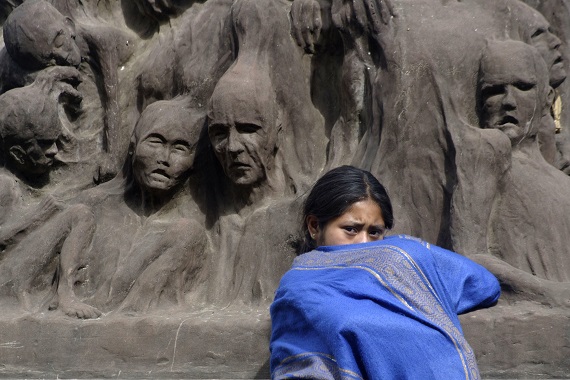
Los ataques paramilitares se centran en las poblaciones que dan apoyo moral, material y político a los zapatistas e incluso a las comunidades neutrales como Acteal, donde los católicos neutrales que rezaban por la paz fueron masacrados en 1997. Foto: Cuartoscuro
El 22 de diciembre de 1997 en Acteal, en Los Altos de Chiapas, 45 personas fueron asesinadas por un grupo paramilitar. A un kilómetro y medio había una destacamento militar que oyó las detonaciones y los gritos en el valle. No intervinieron. Tenían órdenes de dejar que los paramilitares hicieran su trabajo.
Las personas enjuiciadas por la Masacre de Acteal ya fueron liberadas debido a errores en el procedimiento judicial. Regresaron a Acteal, se convirtieron en vecinos de las víctimas, se reorganizaron y desde entonces, tienen lugar hostigamientos y ataques por, entre otras razones, luchas religiosas.
Emilio Chuayffet, quien fuera Secretario de Gobernación cuando ocurrió la masacre, es ahora Secretario de Educación Pública.
En 1994 había dos grupos paramilitares; en 1998 ya había 22 y hasta la fecha, no han dejado de multiplicarse.
Los grupos paramilitares siguen armados, intactos e impunes.
En agosto del 2009, el Departamento de Defensa Norteamericano desclasificó varios documentos que confirman que el Ejercito mexicano protegió, entrenó y financió a los grupos paramilitares en Chiapas. Los militares estacionados en territorios cercanos a los zapatistas tenían la orden de no detener a ningún civil armado. Si un militante del Partido de la Revolución Institucional era arrestado o sorprendido con armas, era puesto en libertad y sus fusiles de alto calibre les eran devueltos a pesar de que eso viola las leyes mexicanas.
AISLAR, DESGASTAR, DIVIDIR…
Desde 1994, los oficiales del Ejército mexicano de medio y alto rango fueron entrenados por militares norteamericanos en la Escuela de las Américas (Georgia) y en Fort Bragg, (Carolina del Norte) en operaciones de contrainsurgencia y guerra de baja intensidad, donde los paramilitares jugaban un papel central.
El Ejército Federal no puede actuar directamente contra el Ejército Zapatista de Liberación Nacional (EZLN) porque lo impide el Decreto Gubernamental, La ley de concordia y pacificación por una paz justa y digna en Chiapas. En este Decreto, el gobierno establece que la Procuraduría General de la República suspende las órdenes de aprehensión contra los miembros del EZLN y el Ejército se compromete a no patrullar y no ejercer ningún tipo de presión contra los zapatistas.
Sin embargo, el gobierno mexicano no cumplió con lo estipulado en el decreto, además juega sucio. Mientras había una mesa de diálogo con el EZLN, de manera secreta o a veces cínica, se armó a los paramilitares. Muchos de los proyectos productivos, de ayudas al desarrollo, créditos, en realidad son programas de guerra de baja intensidad para dividir a las comunidades zapatistas en tanto que los grupos paramilitares se encargan de las provocaciones violentas para que el EZLN responda por la vía armada; ese sería el pretexto ideal para aniquilarlos militarmente. Los zapatistas, hasta el momento, no han caído en las provocaciones y el cese al fuego, a pesar de todo, aún sigue vigente.
Tan solo a Paz y Justicia se le atribuyen más de 122 ejecuciones de miembros de las bases de apoyo del EZLN. Las decenas de miles de desplazados por los ataques paramilitares son invisibles para las autoridades mexicanas. Los ataques paramilitares se centran en las poblaciones que dan apoyo moral, material y político a los zapatistas e incluso a las comunidades neutrales como Acteal, donde los católicos neutrales que rezaban por la paz fueron masacrados en 1997.
¿Por qué matar a civiles desarmados que ni siquiera eran zapatistas? Para sembrar el terror, dar una demostración de fuerza y enviar un mensaje claro a los zapatistas:
“Somos capaces de todo y tenemos protección oficial”.