
[:es]La bomba atómica y los juegos olímpicos[:en]The Atomic Bomb and the Olympic Games[:]
[:es]
Leonardo Boff
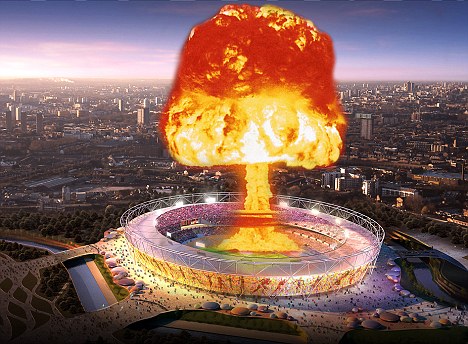
En el momento exacto en que se inauguren en Río de Janeiro los Juegos Olímpicos a las 20:00 horas del día 6 de agosto de 2016, a los 71 años de ese mismo día 6 de agosto de 1945 y a la misma hora, que corresponde a las 8:15 de la mañana, se recordará en Hiroshima (Japón) la fecha nefasta del lanzamiento de la bomba atómica sobre la ciudad. Causó 242.437 víctimas entre las que murieron en aquel momento y las que fallecieron posteriormente como consecuencia de la radiación nuclear.
El emperador Hirohito reconoció en el texto de la rendición del día 14 de agosto, que se «trataba de un arma que llevaría a la total extinción de la civilización humana». Días después, al presentar en una declaración al pueblo las razones de la rendición, la principal era que la bomba atómica «provocaría la muerte de todo el pueblo japonés». En su sabiduría ancestral tenía razón.
La humanidad se estremeció. De repente se dio cuenta de que, según el cosmólogo Carl Sagan, habíamos creado para nosotros mismos el principio de autodestrucción. No dijo otra cosa Jean-Paul Sartre: «los seres humanos se apropiarán de los instrumentos de su propia exterminación». El gran historiador inglés, Arnold Toynbee, el último en escribir 12 tomos sobre la historia de las civilizaciones, aterrado, dejó escrito en sus memorias (Experiencias 1969): «Viví para ver el fin de la historia humana volverse una posibilidad intra-histórica, capaz de ser traducida en hecho, no por un acto de Dios sino del hombre».
El gran naturalista francés Théodore Monod dijo enfáticamente: «somos capaces de una conducta insensata y demente; a partir de ahora se puede temer todo, realmente todo, inclusive la aniquilación de la raza humana» (¿Y si la aventura huma fallase? , 2000).
En efecto, de poco sirvió el horror, pues siguieron desarrollándose armas nucleares más potentes todavía, capaces de erradicar toda la vida del planeta y de poner fin a la especie humana.
Actualmente hay 9 países con armas nucleares que, conjuntamente, suman más o menos 17.000. Y sabemos que la seguridad total no existe. Los desastres de Tree Islands en USA, de Chernobyl en Ucrania y de Fukushima en Japón nos dan una prueba convincente.
Hace unos días, un presidente norteamericano, Obama, visitó por primera vez Hiroshima.
Solo lamentó el hecho y dijo: «la muerte cayó del cielo y el mundo cambió… comenzó nuestro despertar moral». Pero no tuvo el valor de pedir perdón al pueblo japonés por las escenas apocalípticas que ocurrieron allí.
Existe una vasta discusión mundial sobre cómo evaluar tal gesto bélico. Muchos pragmáticamente afirman que fue la forma que se encontró para obligar a Japón a rendirse y evitar miles de víctimas en ambos lados. Otros consideran el uso de esta arma letal, en la versión oficial japonesa, como «un acto ilegal de hostilidad de acuerdo a las reglas del derecho internacional». Otros van más lejos y afirman que se trata de un «crimen de guerra» y hasta de «un terrorismo de Estado».
Hoy nos inclinamos a decir que fue un acto criminal anti-vida, en modo alguno justificable, pues pensando en términos ecológicos, la bomba mató mucho más que personas, todas las formas de vida vegetal, animal y orgánica, además de la destrucción total de los bienes culturales. Las guerras generalmente se hacen de ejércitos contra ejércitos, de aviones contra aviones, de navíos contra navíos. Aquí no. Se trató de una totaler Krieg (guerra total) en el estilo nazi de matar todo lo que se mueve, envenenar aguas, contaminar los aires y diezmar las bases físico-químicas que sustentan la vida. Por tener conciencia de esta barbaridad Albert Einstein se negó a participar en el proyecto de la bomba atómica y la condenó, vehementemente, junto con Bertrand Russel.
Al lado de otras amenazas letales que pesan sobre el sistema-vida y el sistema-Tierra, esta nuclear continúa siendo una de las que más aterra, verdadera espada de Damocles colocada sobre la cabeza de la humanidad. ¿Quien podrá contener la irracionalidad de Corea del Norte de desencadenar un ataque nuclear avasallador?
Hay una propuesta profundamente humanitaria que nos llega de São Paulo, de la Asociación de los Supervivientes de Hiroshima y Nagasaki (llamados hibakusha, se presume que hay unos 118 en Brasil), animada por el militante contra la energía nuclear Chico Whitaker: que el día 6 de agosto, en el momento de la apertura de los Juegos Olímpicos, se haga un minuto de silencio pensando en las víctimas de Hiroshima. Pero no solo eso, sino que volvamos también nuestras mentes contra la violencia en contra de las mujeres, los refugiados, los negros y pobres que son sistemáticamente diezmados (solamente en Brasil en 2015 60 mil jóvenes negros), los indígenas, los quilombolas y los sin-tierra y sin-techo, en fin, todas las víctimas de la voracidad de nuestro sistema de acumulación.
En este sentido el alcalde de Hiroshima ya dirigió una carta al Comité Organizador de los Juegos Olímpicos. Esperamos que él se sensibilice y promueva ese grito silencioso contra las guerras de todo tipo y por la paz entre todos los pueblos.
Leonardo Boff
[:en]
Theologian-Philosopher
Earthcharter Commission
[:]

