Sorry, this entry is only available in Español. For the sake of viewer convenience, the content is shown below in the alternative language. You may click the link to switch the active language.
El valor de la palabra es algo que cuidamos mucho. Cuando nos referimos a alguien, no sólo lo nombramos, sino que también nombramos su estar con nosotras, nosotros.
Así decimos “hermano”, “hermana”; pero cuando decimos “compañera”, “compañero” hablamos de un ir y venir, de alguien que no está fuera, sino que, junto nuestro, mira y escucha el mundo y por él lucha.
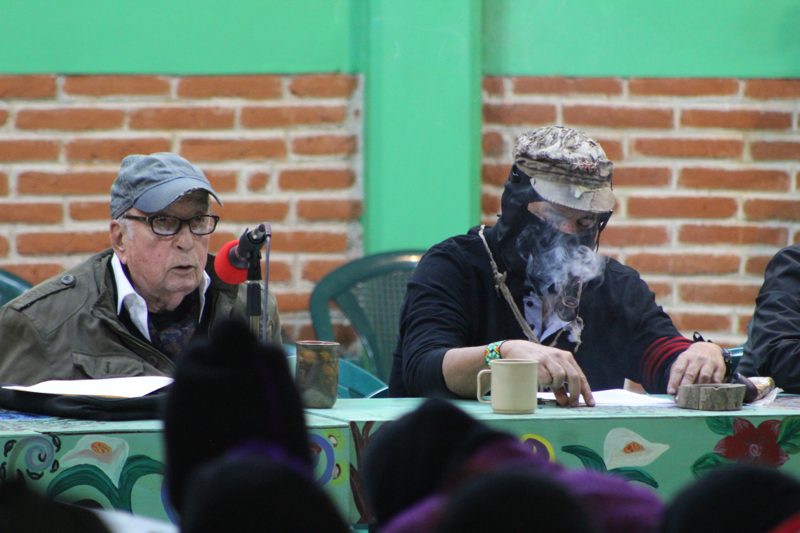
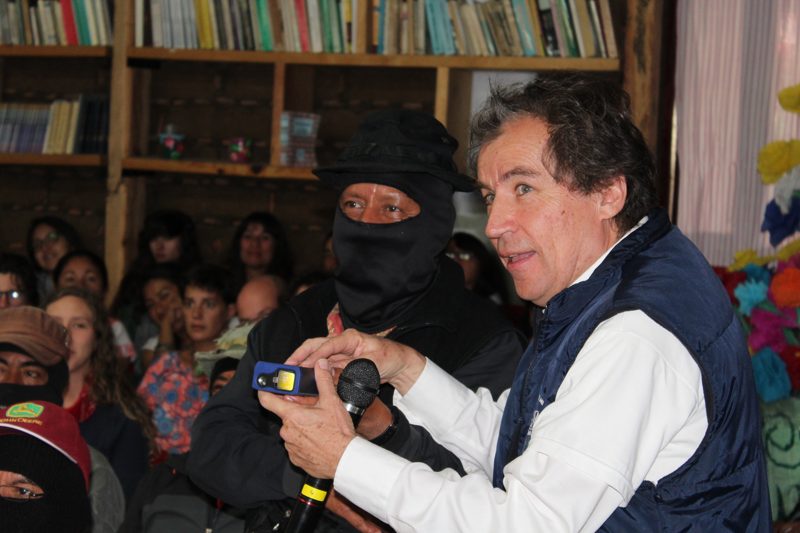
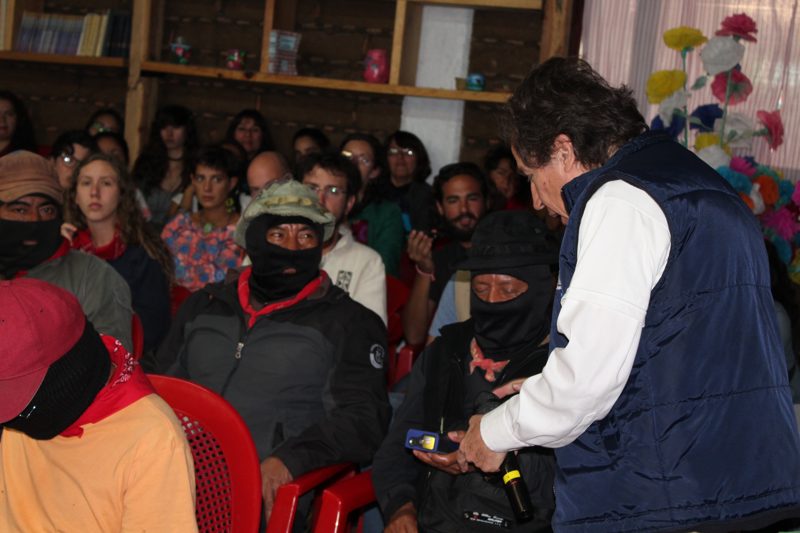
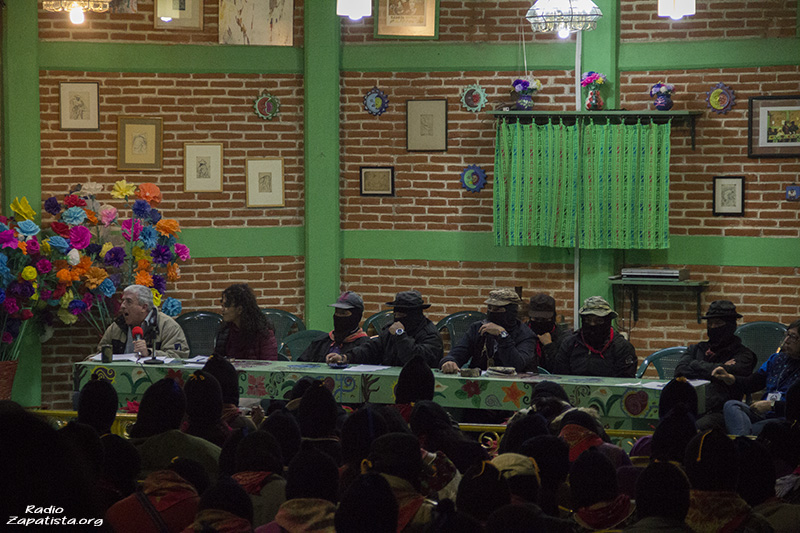
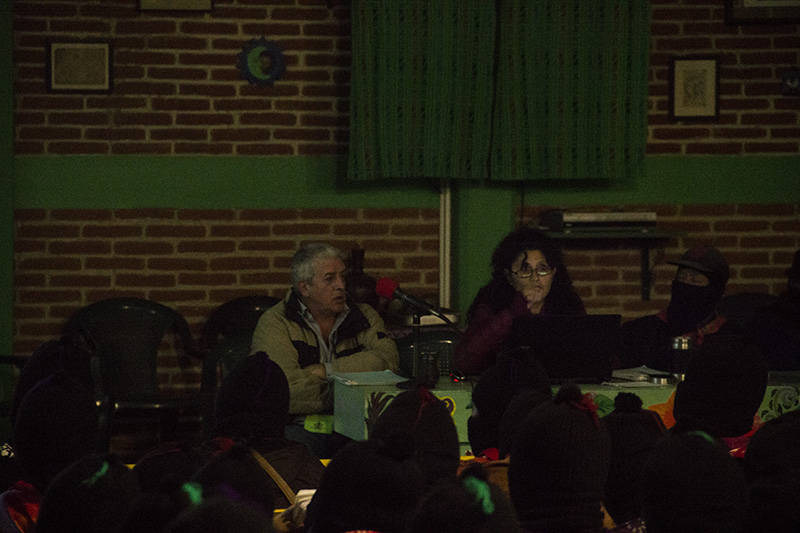
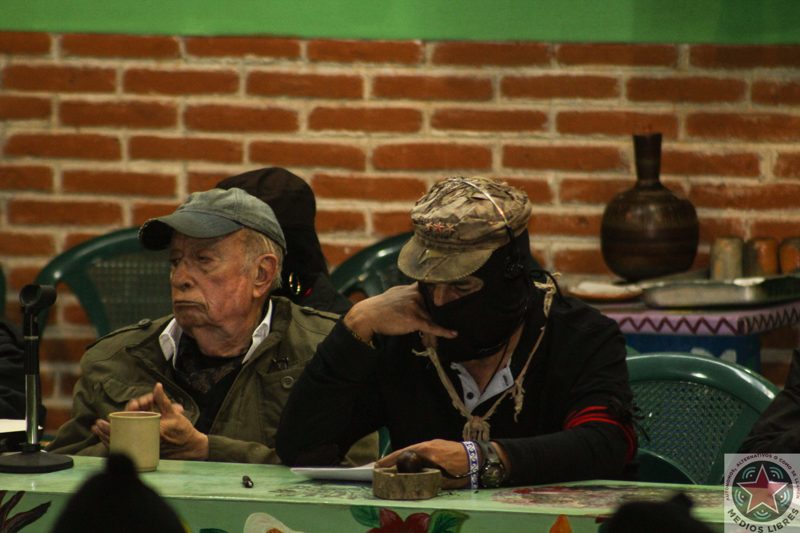
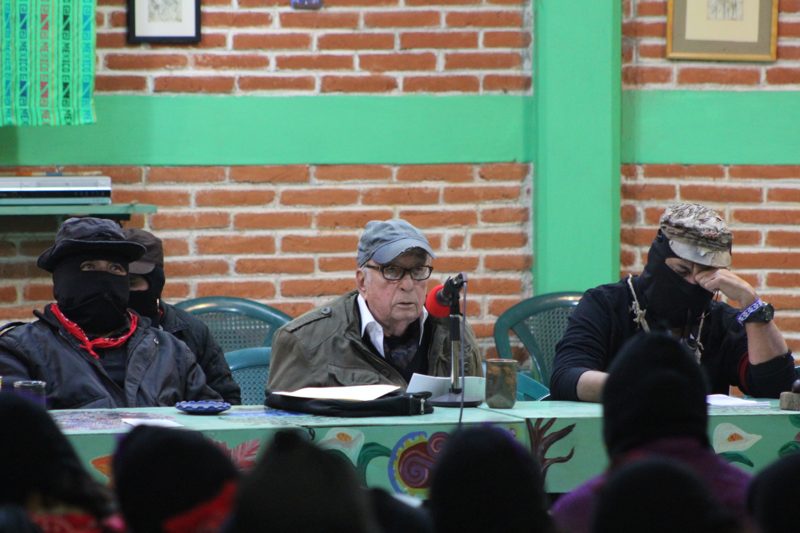
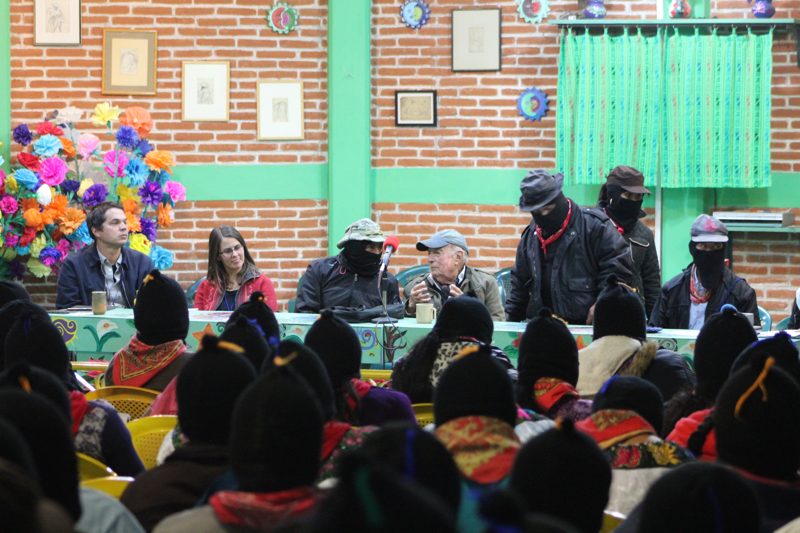
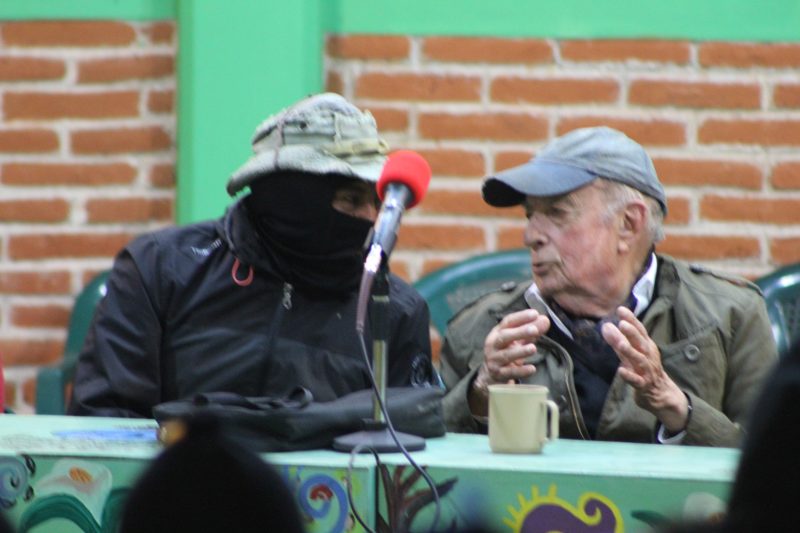
Menciono esto porque está aquí, junto nuestro, el compañero zapatista Don Pablo González Casanova, quien, como es evidente, es en sí mismo un municipio autónomo rebelde zapatista.
Como está aquí el compañero Pablo González Casanova, voy a tratar elevar el nivel y el rigor científico de mi exposición, evitando toda clase de albures (en grande o en chiquito, presten atención).
-*-
Alquimia. Antes de que agoten su saldo consultando en sus celulares y tabletas qué es “alquimia”, en “Wikipedia”, y que me abrumen con toda clase de definiciones, les aclaro que con esto nos estamos refiriendo a un antecedente, a un paso previo (si es necesario o no, ahí lo vean) a la constitución de una ciencia como tal. O como como decía el finado SupMarcos, “la alquimia es una ciencia enferma, una ciencia invadida por los parásitos de la filosofía, el “saber popular”, y las evidencias que saturan el complejo mundo de la comunicación actual”, según se puede leer en uno de los documentos que dejó a su muerte.
Sorry, this entry is only available in Español. For the sake of viewer convenience, the content is shown below in the alternative language. You may click the link to switch the active language.
Voces, cantos y testimonios de artistas, científicxs y participantxs de los encuentros CompArte (Julio-Agosto 2016), ConCiencias por la Humanidad (Dic ’16-Enero ’17) y V Congreso Nacional indígena (Oct ’16-Enero ’17). México, mero en su abajo y a la izquierda, intentando quizás uno de sus últimos chances para conservar la dignidad y lograr que ella sea el epicentro de un nuevo mundo…
Sorry, this entry is only available in Español. For the sake of viewer convenience, the content is shown below in the alternative language. You may click the link to switch the active language.
Además de la larga lista de crímenes cometidos por el gobierno federal, 2016 será recordado como el año en que el poder logró entregar la última gran riqueza natural a los capitalistas privados de México y el mundo. La venta del país adquirió un rasgo dramático al revertirse uno de los principales logros de los gobiernos posrevolucionarios: la nacionalización del petróleo. Aunque este proceso lleva varios años en curso, apenas en diciembre de 2016 se dieron a conocer los resultados de la cuarta ronda de licitaciones de campos petroleros, hasta ahora, la principal acción de la reforma energética de Peña Nieto. De acuerdo con la Comisión Nacional de Hidrocarburos fueron asignados ocho de los 10 bloques petroleros en aguas profundas del Golfo de México, en los cuales se estima que hay más de 10 mil millones de barriles de petróleo crudo. Entre las empresas ganadoras de la licitación están las grandes vampiras de la industria petrolera mundial: China Offshore Oil Corporation, de China; la francesa Total; las estadounidenses ExxonMobil, Chevron y Murphy; la noruega Statoil; la británica BP; la malaya PC Carigali; la italiana Eni México; la rusa Lukoil International Upstream Holding, entre las más importantes. A cambio de unos millones de dólares, el gobierno federal entregó la principal riqueza natural a la explotación privada. Con ello, los márgenes de maniobra frente a los poderes mundiales, de por sí pequeños, se reducen casi a nada. México queda de rodillas y ello se ilustra en la doble tragedia de las y los migrantes amenazados con ser expulsados de Estados Unidos por el gorila Trump, así como el brutal aumento del precio de los combustibles con que inicia 2017. A la militarización y la guerra de despojo en campos y ciudades del país, se agrega la debacle política de un régimen que ya no controla nada: el país entra al año nuevo deslizándose en los peligros de mayores masacres, mayor represión y una continua operación de exprimir a consumidores, trabajadores y lo que queda de la clase media.
2. La lucha por la vida se afirma contra viento y marea
La desaparición de 43 estudiantes normalistas y el asesinato de otras 6 personas el 26 de septiembre de 2014 en Iguala, Guerrero, ha marcado la lucha social en los últimos dos años. Asesinatos, desapariciones, encarcelamiento, criminalización, son las promesas reiteradas y cumplidas por gobernantes y capitalistas contra el conjunto de quienes defienden sus derechos y medios de vida. En abril de 2016 el gobierno de Peña Nieto pretendió dar un golpe mortal a la lucha encabezada por las madres, padres y familiares de nuestros compañeros ausentes, mediante la expulsión del Grupo Interdisciplinario de Expertos Independientes de la Comisión Interamericana de Derechos Humanos. Recordemos que este grupo entregó dos informes con los que demolió por completo la mentira histórica de Murillo Karam sobre la masacre de Iguala, mostrando al gobierno, al ejército y a la policía federales como partícipes en crímenes de lesa humanidad, y abriendo el camino para esclarecer el móvil del crimen cometido en 2014: las fuerzas armadas estaban protegiendo un cargamento de droga que era transportado en algunos de los autobuses que fueron tomados por los normalistas hoy desaparecidos.
Sorry, this entry is only available in Español. For the sake of viewer convenience, the content is shown below in the alternative language. You may click the link to switch the active language.
L@s Zapatistas y las ConCIENCIAS por la Humanidad
4 de enero de 2017
Cideci / Universidad de la Tierra Chiapas
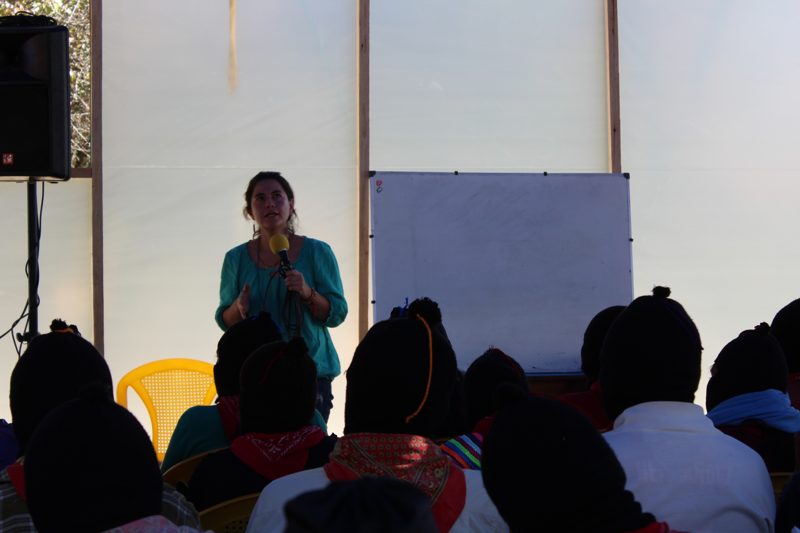
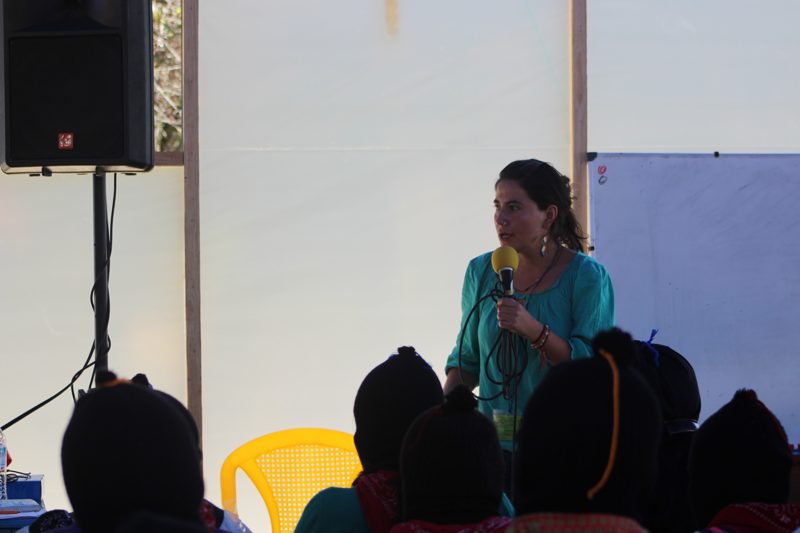
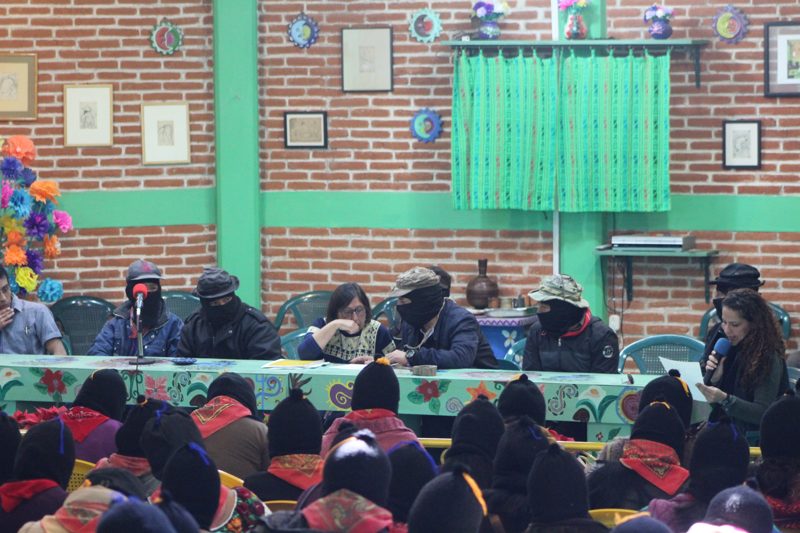
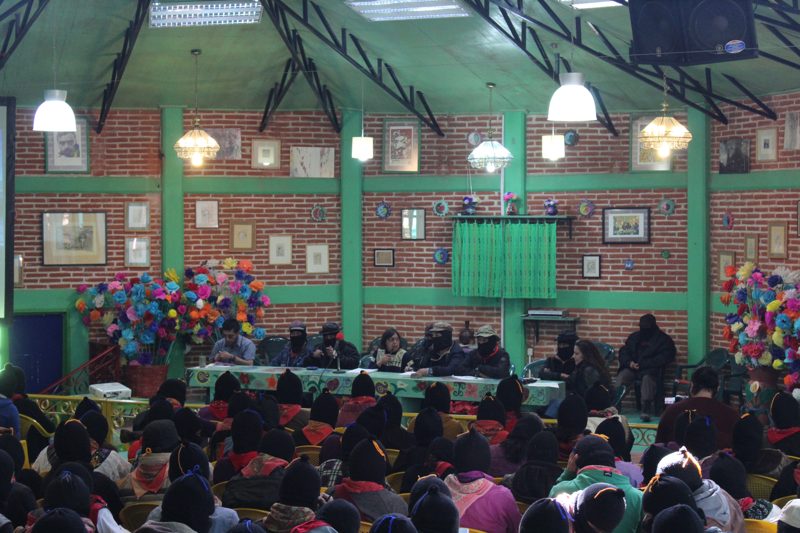
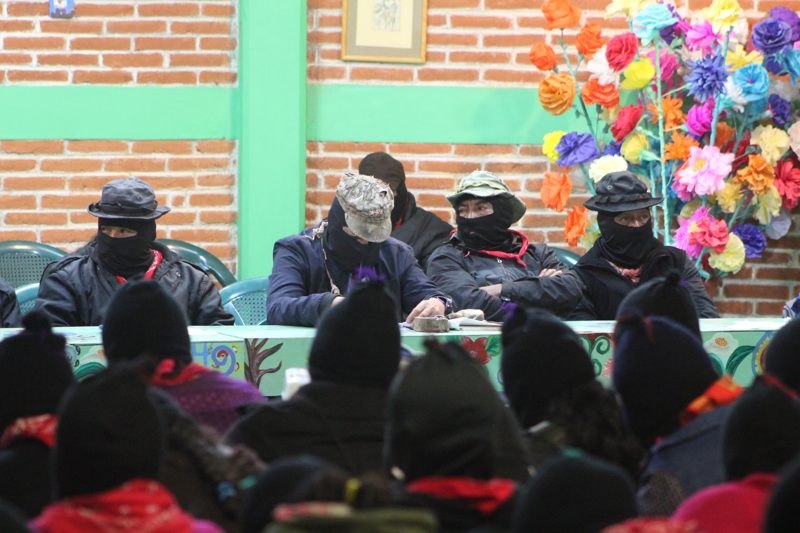
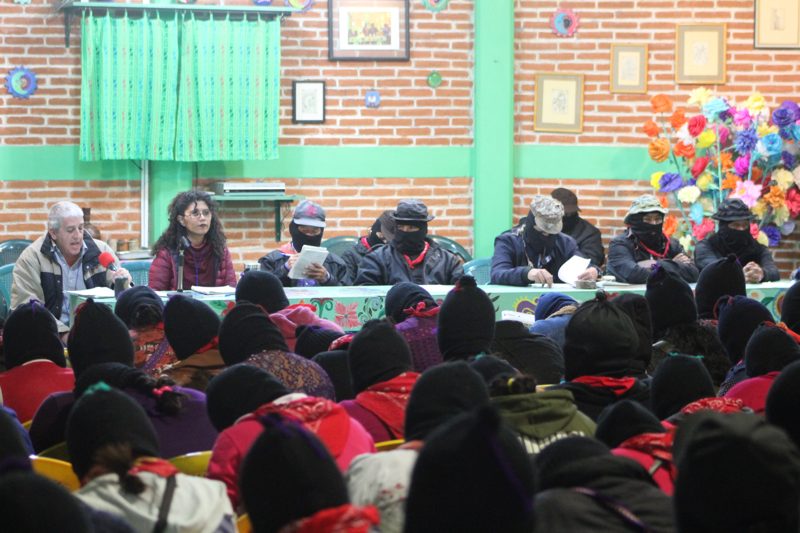
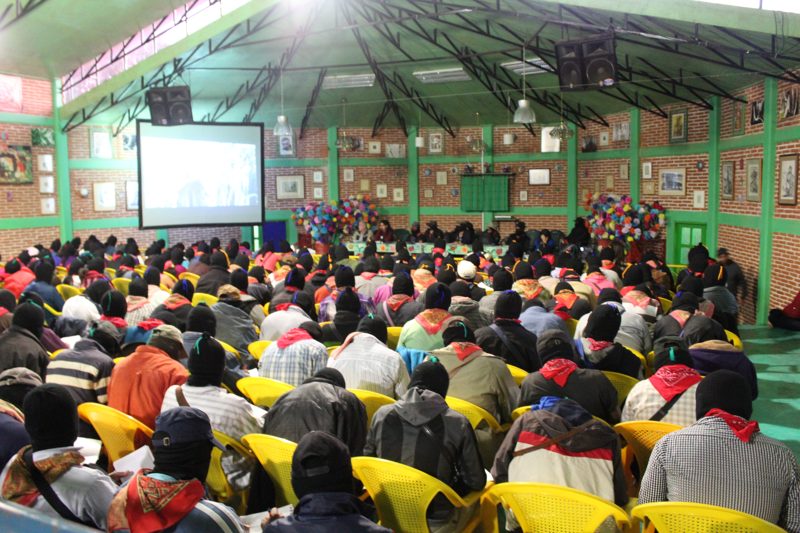
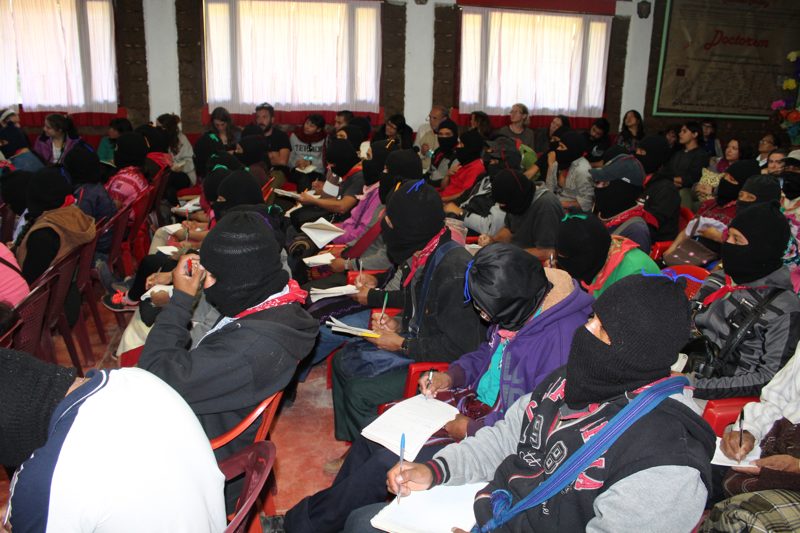
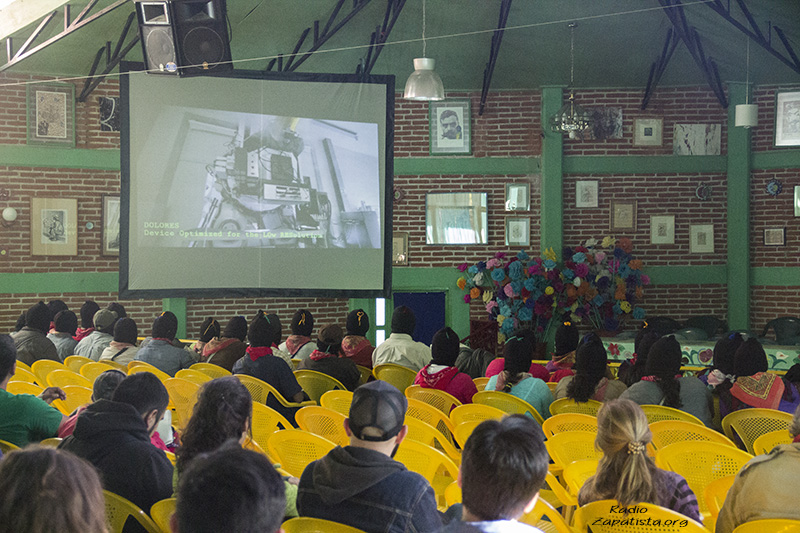
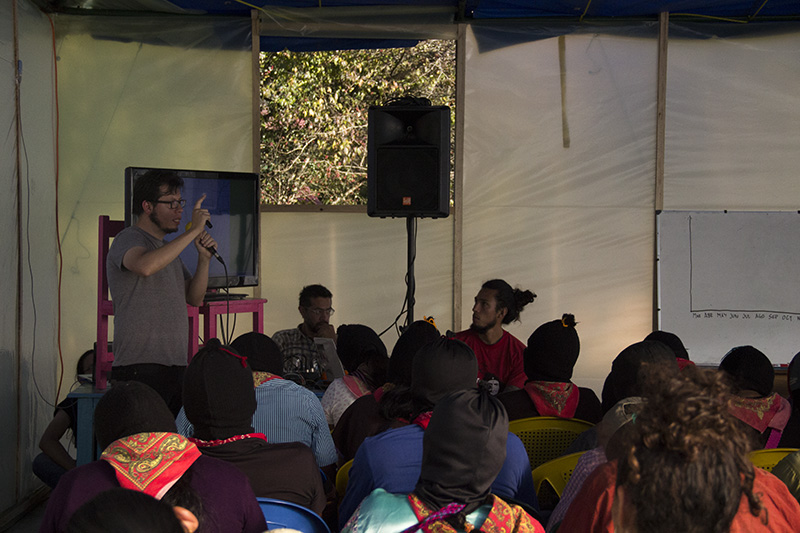
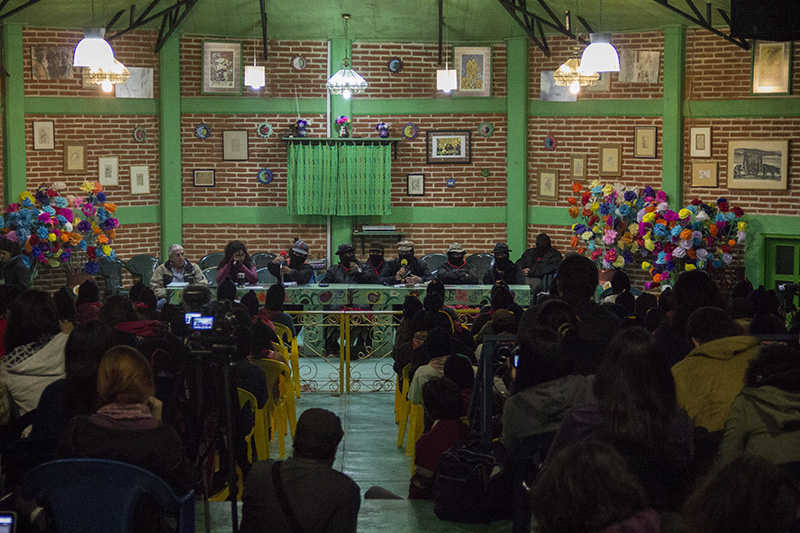
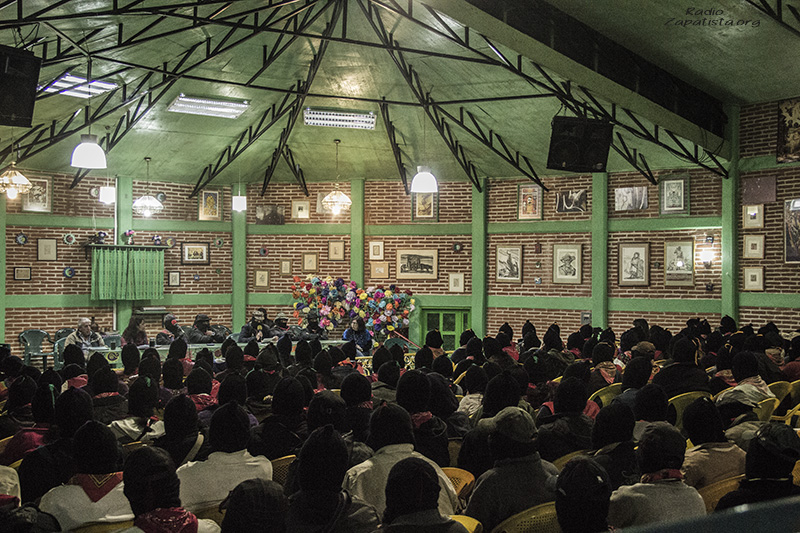
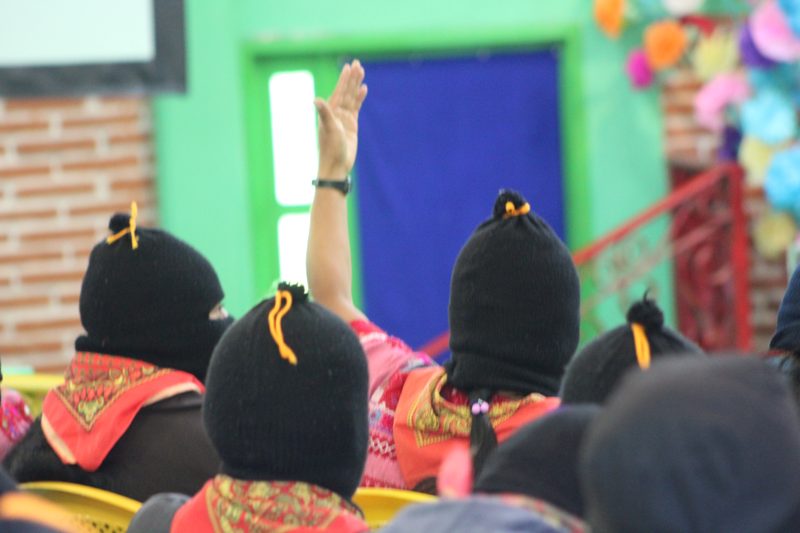
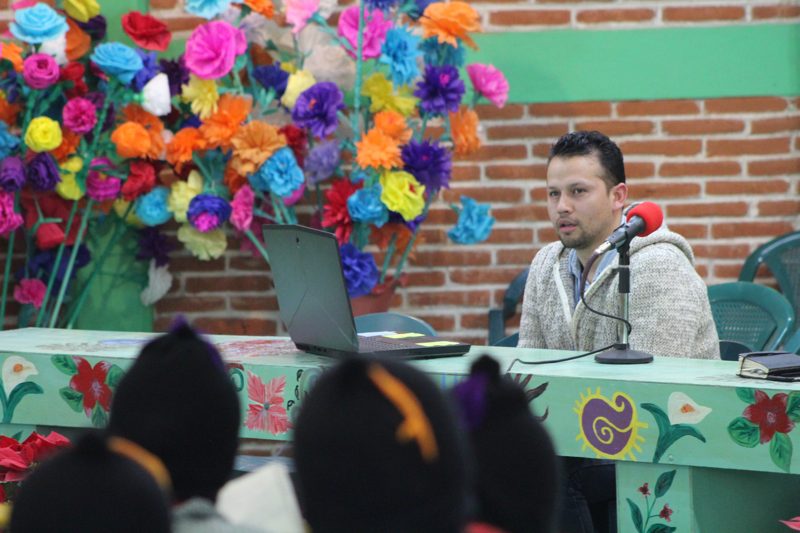
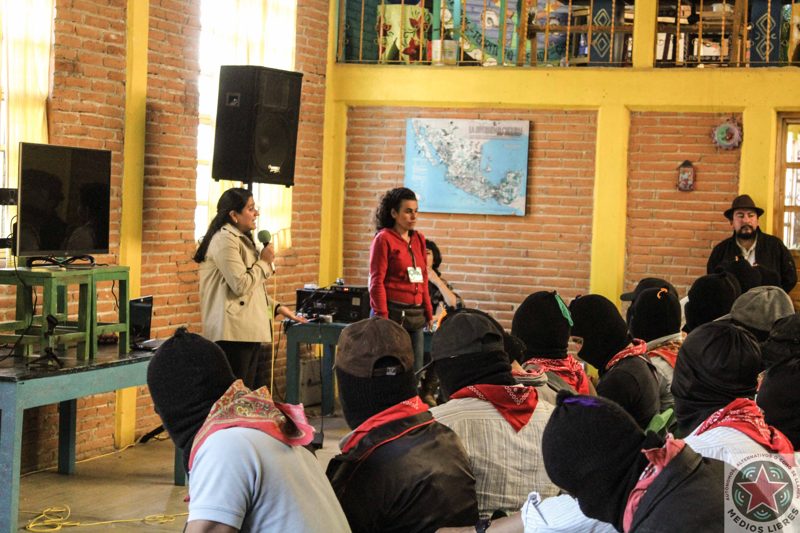
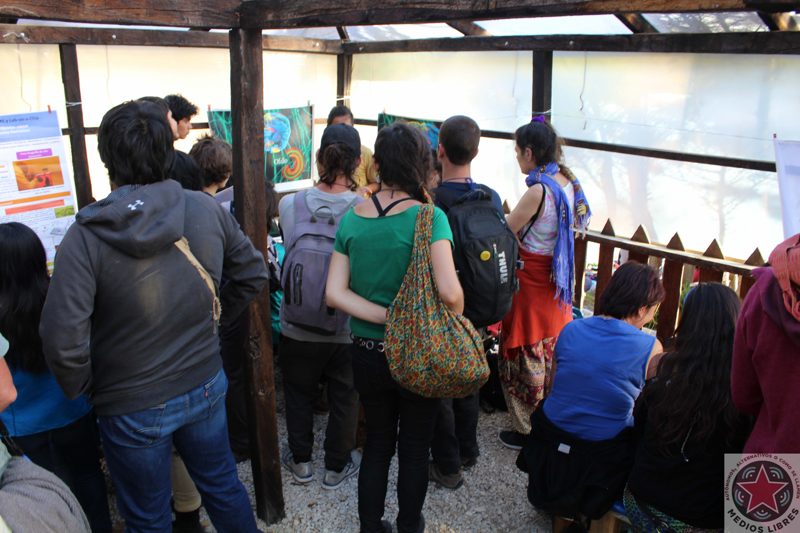
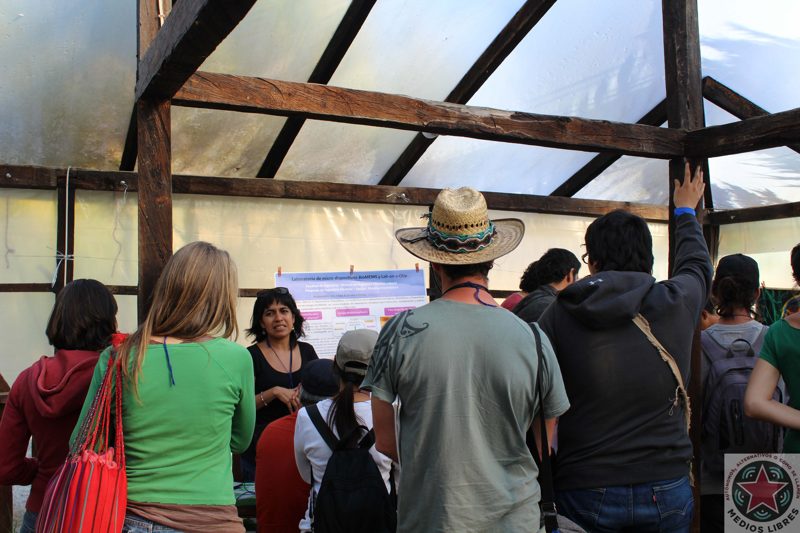
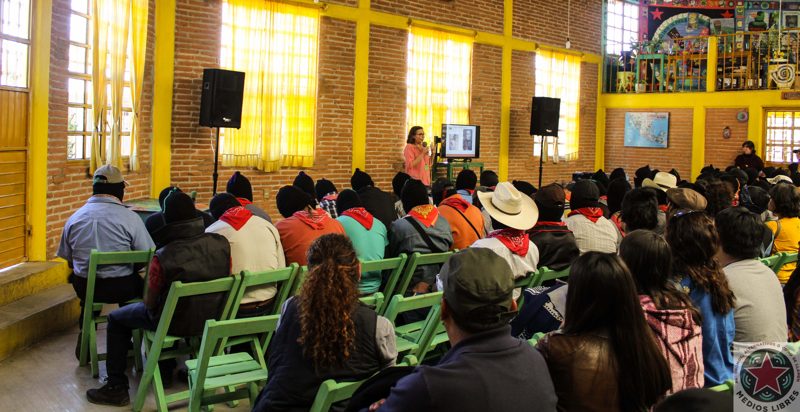
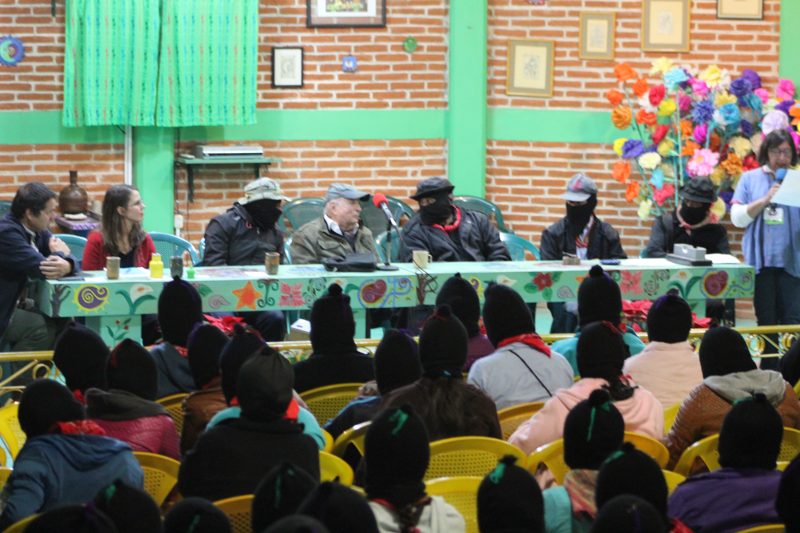
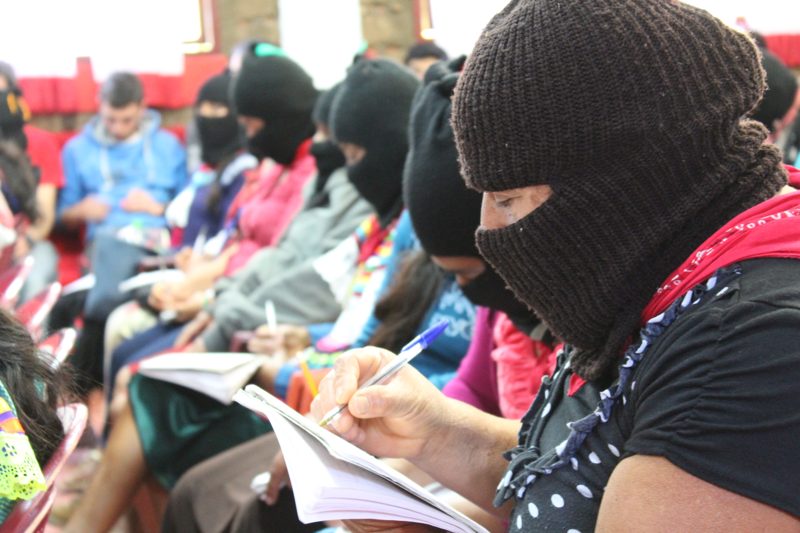
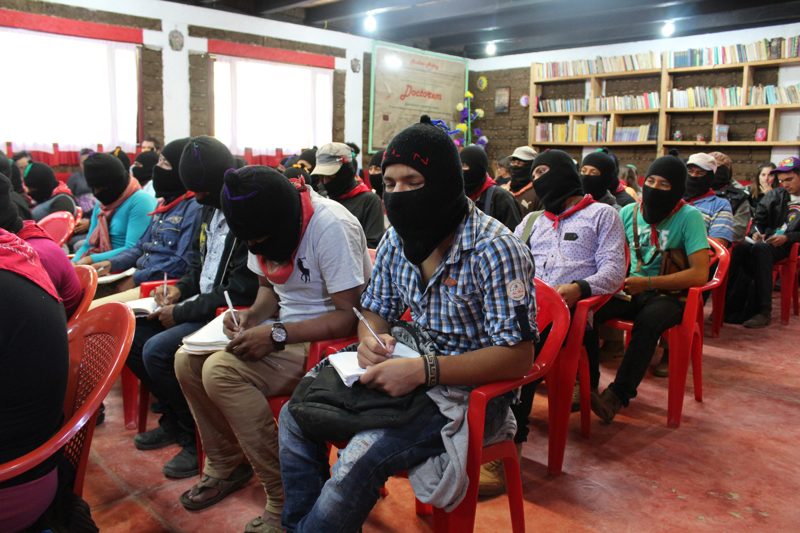
El 4 de enero de 2017 concluyó el encuentro L@s Zapatistas y las ConCIENCIAS por la Humanidad con seis ponencias que, con diferentes enfoques y desde diferentes disciplinas, reflexionaron sobre la ciencia y la conciencia: los mecanismos que con frecuencia ponen a la ciencia al servicio del poder y del capital y la posibilidad de encauzar el pensamiento científico para el bien de la humanidad. Se realizaron también las últimas tres pláticas de divulgación.
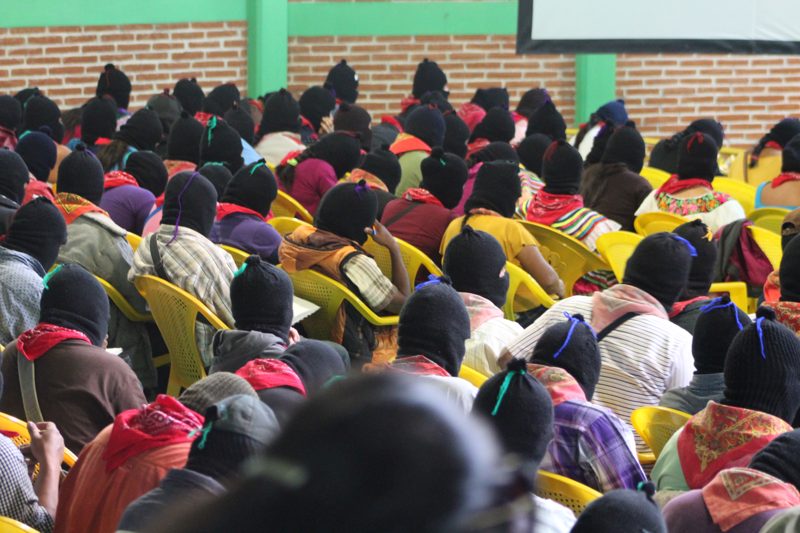
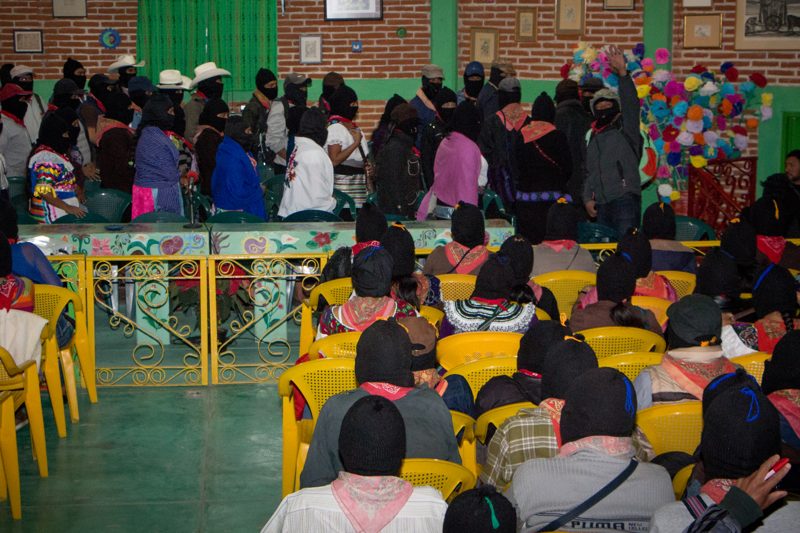
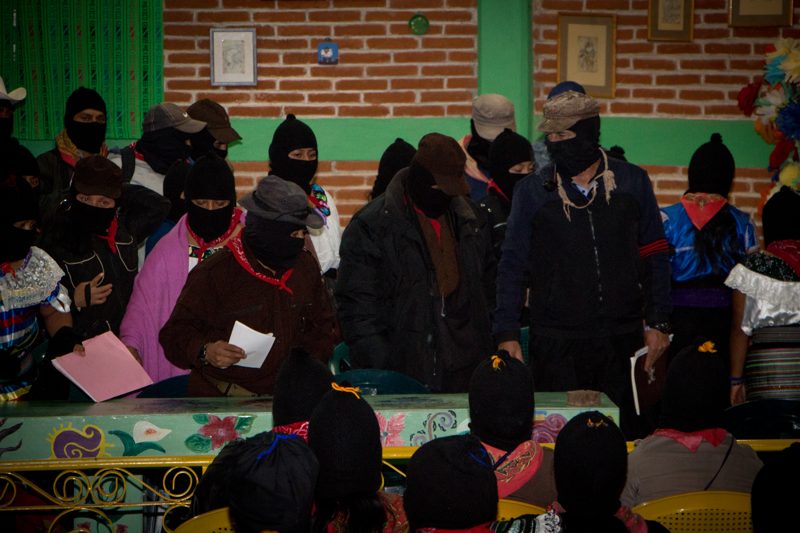
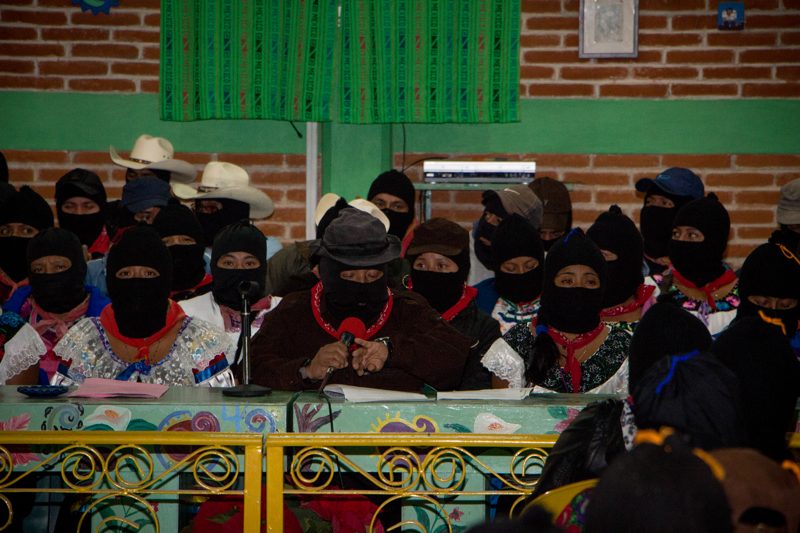
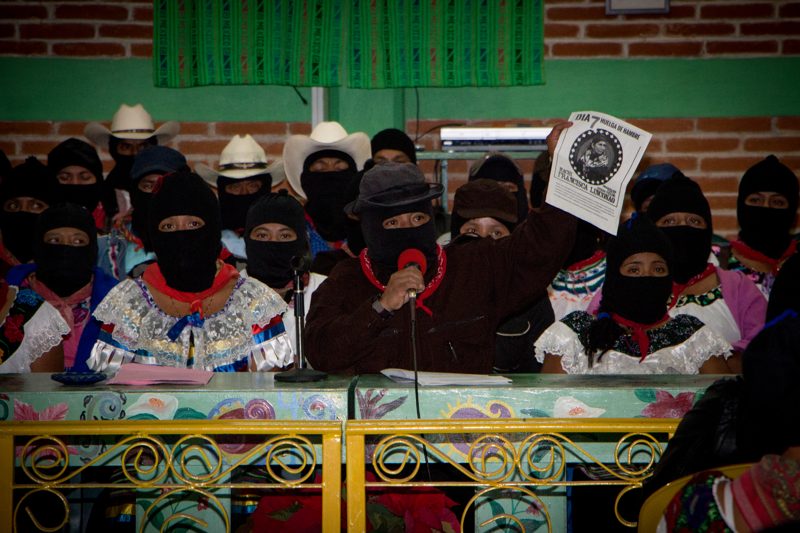
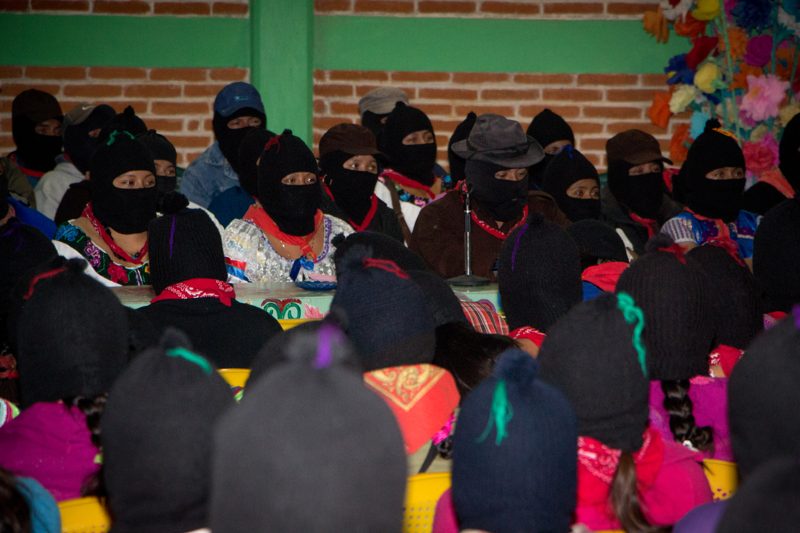
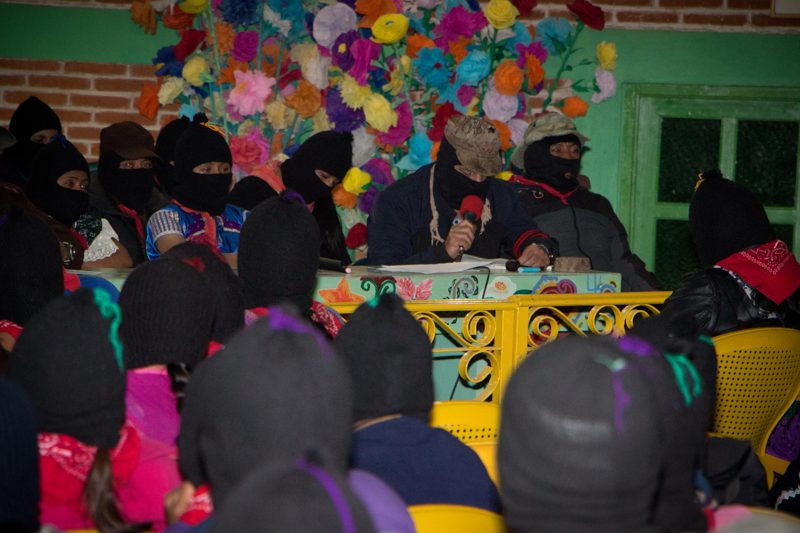
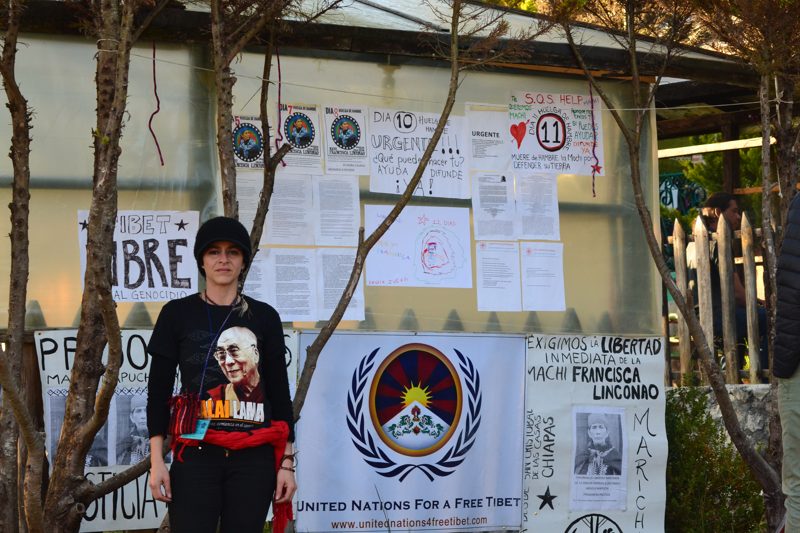
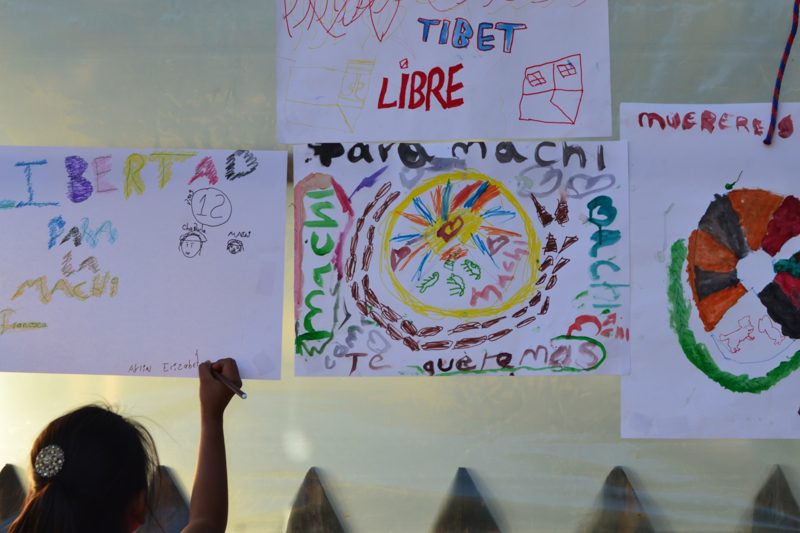
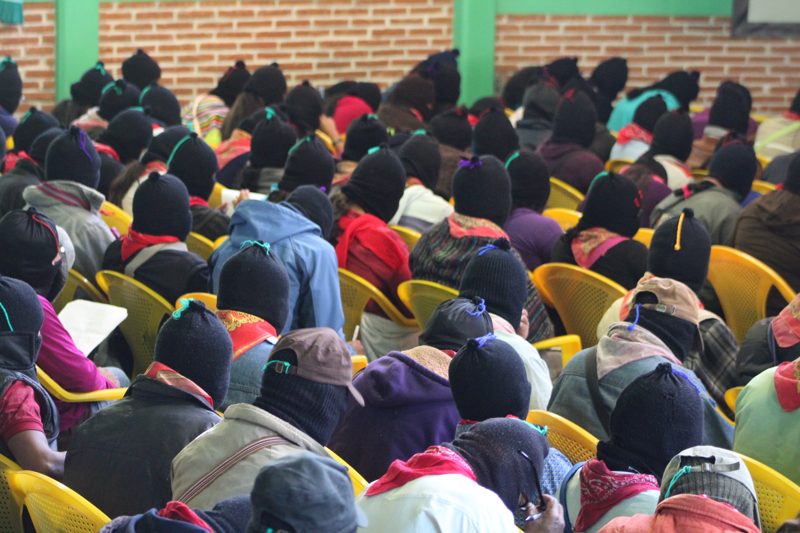
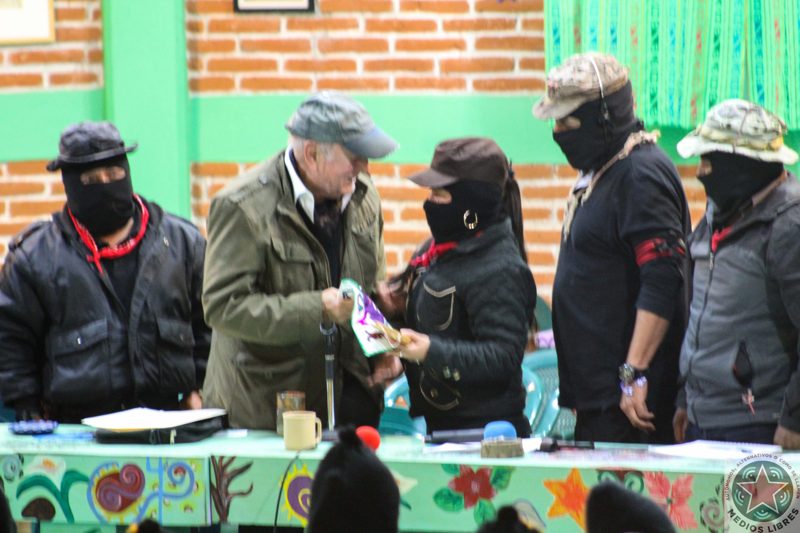
Al final del encuentro, las y los alumnoas zapatistas se presentaron e hicieron una evaluación colectiva del encuentro y de las palabras de lxs científicxs, los Subcomandantes Insurgentes Moisés y Galeano dieron sus palabras finales, y el Subcomandante Moisés leyó un pronunciamiento conjunto del CNI y el EZLN por la libertad de la hermana mapuche Machi Francisca Linconao Huircapan.
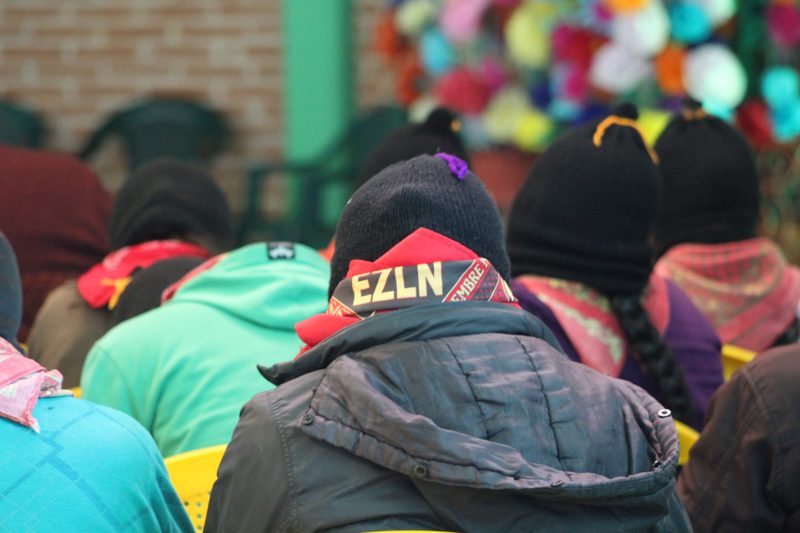
El encuentro termina en la Universidad de la Tierra Chiapas, pero, como dicen las y los zapatistas, falta lo que falta. Las y los alumnxs zapatistas regresan ahora a sus comunidades para transmitir la palabra de lxs científicxs a los miles de jóvenas y jóvenes, mujeres y hombres de los pueblos rebeldes. Queda sólo imaginarnos ese proceso: las reuniones, las asambleas, el pensamiento colectivo entregado a la tarea de hacer propio por lo menos parte de las palabras de lxs 76 científicos que, a lo largo de estos ocho días, compartieron su conocimiento.
Al mismo tiempo, lxs científicos regresan a sus lugares de origen con la inmensa responsabilidad de reflexionar sobre la pregunta zapatista que se destaca sobre todas las otras: ¿Y ustedes qué? Y queda la invitación zapatista. Por un lado, la propuesta de un encuentro dentro de un año, en diciembre de 2017 y/o enero de 2018, para un debate entre científicxs, para pensar colectivamente sobre propuestas para encaminar el quehacer científico para beneficio de las comunidades y la humanidad. Por otro lado, la invitación abierta a acercarse en cualquier momento a las comunidades y compartir sus saberes con los pueblos zapatistas.
Y para las y los demás, para todas nosotras, la inquietud y la responsabilidad de unir ciencia y conciencia ante el colapso mundial en el que vivimos y la pregunta insistente, dura y esperanzadora a la vez, de lxs zapatistas: ¿Y ustedes qué?
Dra. Celia Oliver y Dr. César Abarca – “Reflexiones bioéticas sobre la inversión de recursos especializados en ciencia, arte y humanidades, el empleo, y espacios educativos”: (Descarga aquí)
M. en C. Hugo I. Cruz Rosas – “Un posible lugar para la ciencia básica en el proceso de transformación social”: (Descarga aquí)
M. en C. Ma. del Pilar Martínez Téllez – “Las ciencias y la hidra capitalista”: (Descarga aquí)
Dra. Martha Patricia Mora Flores – “Dos formas de mirar a la Naturaleza: La del patriarcado con su lente capitalista y la mirada muy otra de los pueblos”: (Descarga aquí)
Fis. Nelson Ravelo – “¿Cómo los movimientos sociales pueden apropiarse de la construcción de una ciencia y una tecnología acorde a la transformación social?”: (Descarga aquí)
Dr. Steven Rose – “Science for oppression or science for liberation?”: (Descarga aquí)
Pláticas de divulgación:
M. en C. José Manuel Serrano Serrano – “¿Qué cantan las hembras en ambientes donde predominan los machos? El caso de las ranas y sapos”: (Descarga aquí)
Sorry, this entry is only available in Español. For the sake of viewer convenience, the content is shown below in the alternative language. You may click the link to switch the active language.
Por: Eugenia Gutiérrez, colectivo Radio Zapatista.
México, 4 de enero de 2017.
¿Cómo se explica científicamente cómo se forma el arco iris, por qué se dice que tiene 7 colores y cuál es la función que tiene?
Quienes se dedican a las ciencias naturales y a las ciencias exactas pueden responder las dos primeras partes de esta pregunta, planteada por el zapatismo hace unos días. Seguramente ya lo hicieron. Saben del fenómeno asociado al encuentro entre la lluvia y el sol, de la luz que se descompone en colores al contacto con el agua en esa lluvia, en una cascada, en una fuente, de porqué lo vemos como un arco, de los colores que distinguimos en el espectro del rojo al violeta, de qué perspectiva visual se necesita para verlo, de cómo puede aparecer incluso durante una tormenta. Ya lo habrán respondido con claridad y detalle. Pero las comunidades zapatistas, además, preguntaron cuál es la función del arco iris. Y como los fenómenos naturales no cumplen ninguna función, no tienen ningún propósito, eso ninguna ciencia lo puede responder. Los fenómenos naturales tienen un “por qué”, no un “para qué”, sabe la ciencia.
Sorry, this entry is only available in Español. For the sake of viewer convenience, the content is shown below in the alternative language. You may click the link to switch the active language.
L@s Zapatistas y las ConCIENCIAS por la Humanidad
3 de enero de 2017
Cideci / Universidad de la Tierra Chiapas
El penúltimo día de “L@s Zapatistas y las ConCIENCIAS por la Humanidad” continuó con ponencias y pláticas de divulgación desde la biología, la neurobiología, la genética, la ecología, la epistemología, la física, la geoingeniería, la medicina, la óptica, la fisiología.
La neurobióloga Alejandra Arafat Angulo Perkins reflexionó sobre el camino y el quehacer de la ciencia en México. Inició discutiendo los vicios del mundo científico, desde la formación, el trabajo académico, la regulación del financiamiento, la burocracia científica, los métodos de generación de conocimiento. Después examinó la situación en México, en particular el rezago educativo y en la ciencia, haciendo un recorrido desde la Colonia hasta nuestros días. Finalmente, presentó algunas propuestas para una ciencia al servicio de la sociedad.
El Dr. Stuart Newman, en su plática sobre los usos sociales de la ciencia, examinó cómo el concepto de gene ha sido utilizado en las últimas décadas para dividir a las personas y arrebatarles sus recursos naturales. Para tal, hizo un recorrido por la historia del conocimiento, sobre todo en la agricultura, así como tendencias como el eugenismo, hasta llegar a la ingeniería genética. La reflexión se encaminó a pensar qué se puede hacer para detener este mal uso de la genética.
El maestro Ernesto Hernández Daumas discutió la relación entre la producción de alimentos y la salud pública. La discusión partió del estudio de dos animales emblemáticos, de suma importancia para la riqueza medioambiental, que están en proceso de desaparición: las abejas y las mariposas. Las causas principales de su declinio posiblemente tengan que ver con el uso masivo de agriquímicos, los campos electromagnéticos de las telecomunicaciones, que interfieren con sus sistemas de orientación, y el surgimiento de nuevos virus y hongos debido al uso de pesticidas. Problematizó también los subsidios a la agricultura, el potencial nutricional de policultivos vs. monocultivos, y reflexionó sobre lo que se puede hacer frente a las condiciones actuales.
El ingeniero Christian Abraham Enríquez Olguín, del Colectivo Alterius, discutió en su charla “Las transiciones entre puntos de equilibrio epistémicos” nuestro entendimiento de la ciencia y las interacciones entre los diferentes agentes sociales, desde 2 perspectivas: los espacios académicos institucionales y lo colectivo. El Colectivo Alterius propone la generación de conocimiento y el estudio multidisciplinario de casos de forma libre y colectiva. Discutió “las transiciones entre puntos de equilibrio epistémicos” por medio de la reapropiación de conceptos de sistemas dinámicos complejos para describir relaciones y desenvolver una crítica de las formas de relacionarse como agentes en la ciencia.
El Dr. Juan Manuel Malda Barrera hizo un recorrido de la trayectoria de las ciencias y el conocimiento, desde Grecia, pasando por la Edad Media, la Ilustración, hasta nuestros días. Discutió el surgimiento de la física, de la economía y su relación con la física, la biología, las teorías de Darwin. Expuso el caso del naturalista ruso Kropotkin, quien en el libro “La ayuda mutua” propone que los animales tienen más posibilidad de sobrevivir si se ayudan mutuamente, como contrapunto a la idea de la competencia. Discutió también el gradual camino de la ciencia hacia su dimensión aplicada, de manera que muchas veces se asocia la ciencia directamente a la tecnología. Ante esto, contrapone a la ciencia como “desocultamiento” (tal como lo entendían los griegos), que entiende el sentido de la existencia como una “vida buena”, que expresa el potencial.
El físico Carlos Rodrigo Martínez Prieto hizo un recorrido por el desarrollo del ser humano y del conocimiento, desde la creación de mitologías para entender el mundo hasta llegar a la ciencia occidental y su trayectoria en la historia. A partir de eso, se pregunta si la física y las ciencias naturales son una genuina herramienta de liberación de los pueblos.
La Dra. Fabiola Méndez Arriaga habló de la destrucción del medioambiente en nombre de la salud capitalista, examinando las raíces de la ciencia, de los fármacos y de la geoingeniería”, e planteó la propuesta de una ciencia a favor de la humanidad: una ciencia artesanal, colectiva, crítica y libre.
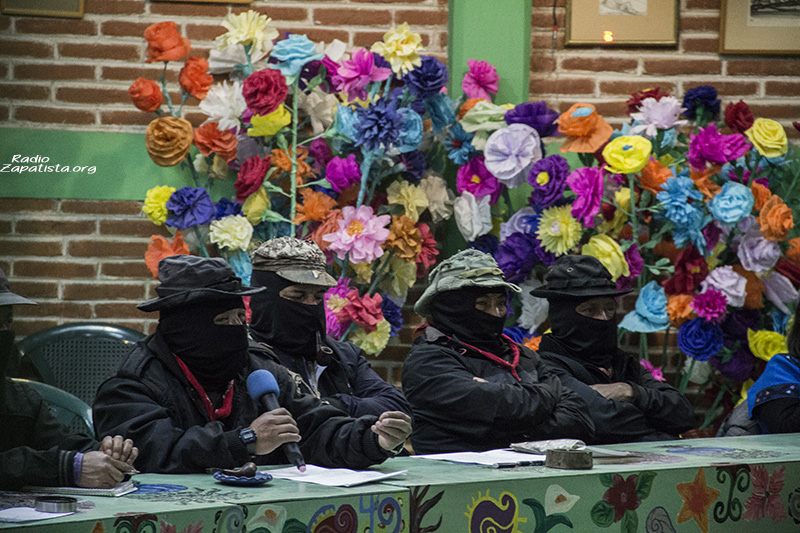
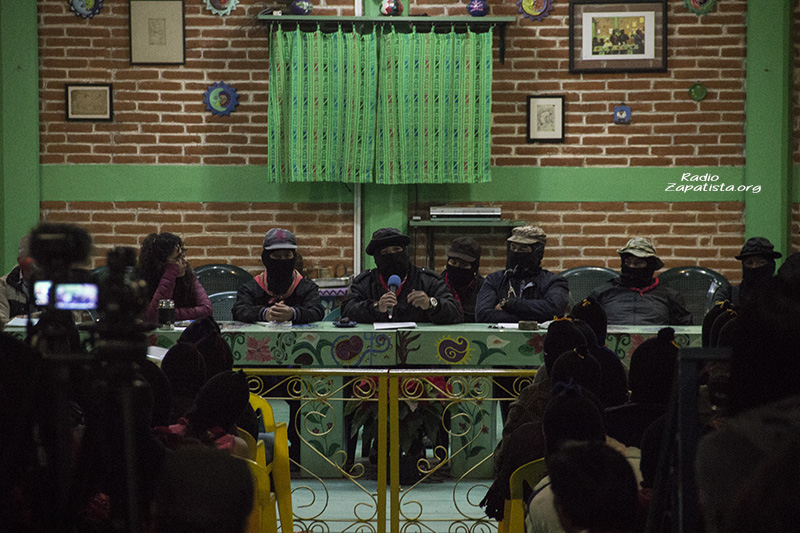
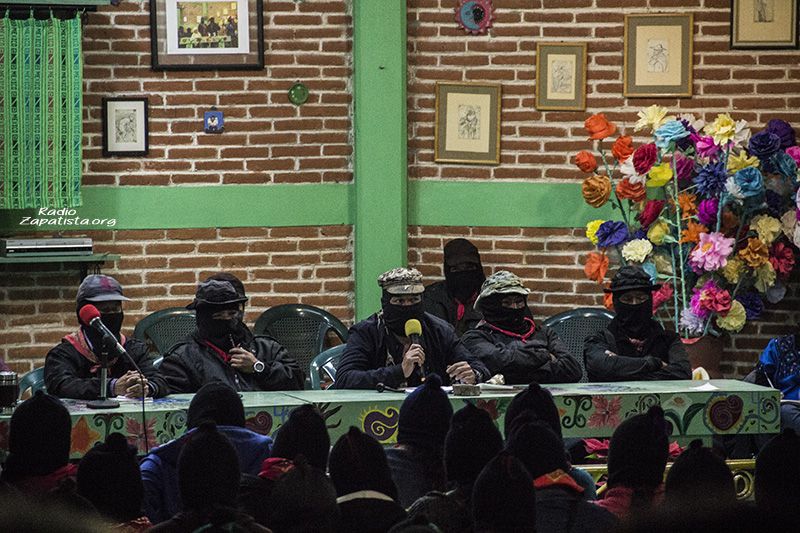
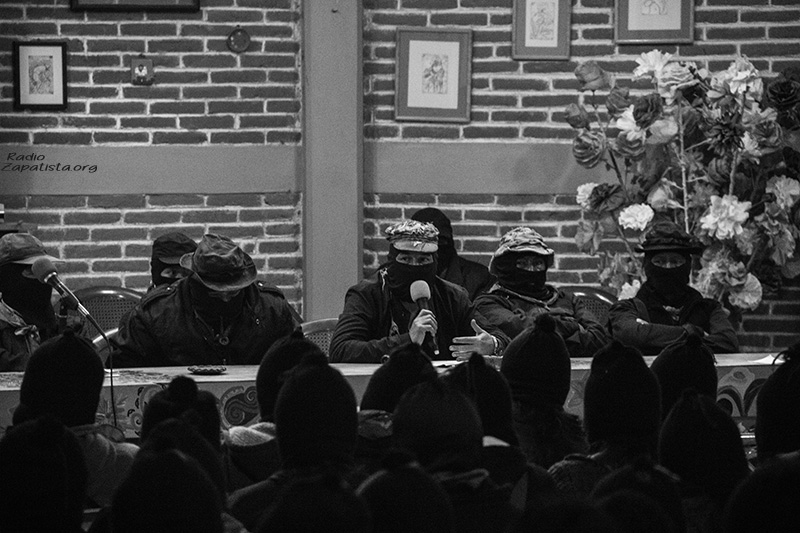
El Subcomandante Insurgente Moisés describió los cambios en el zapatismo desde la clandestinidad hasta el momento actual, y cómo entre los jóvenes de los pueblos ha surgido la necesidad de entender la ciencia para aplicarla para resolver los problemas que enfrentan. El zapatismo del Viejo Antonio, dijo, es algo del pasado, porque la realidad ha cambiado. Ante ese cambio, surgen nuevas necesidades, entre ellas el dominio de las ciencias. Propuso finalmente realizar otro encuentro en diciembre de 2017, en el que los y las científicas puedan plantear propuestas y discutirlas entre sí, de manera que los y las zapatistas puedan observar el proceso de llegar a acuerdos.
El Subcomandante Insurgente Galeano reiteró la invitación y explicó que el interés de los pueblos por la ciencia no proviene de los mandos, sino de los propios pueblos. La mayoría de las presentaciones, dijo, han sido brillantes y dan pie para debates profundos. Pero también criticó duramente a algunos científicos que presentaron temas que no eran científicos, sino pseudocientíficos o peor aún, charlatanería. Finalmente, presentó “El Apocalipsis según Defensa Zapatista”.
Ponencias:
Dra. Alejandra Arafat Angulo Perkins – “El camino y el quehacer de la Ciencia en México”: (Descarga aquí)
Dr. Stuart Newman – “Social uses of science” (“Usos sociales de la ciencia”): (Descarga aquí)
Maestro Ernesto Hernández Daumas: “Producción de alimentos y salud pública”: (Descarga aquí)
Ing. Christian Abraham Enríquez Olguín – “Las transiciones entre puntos de equilibrio epistémicos” (Descarga aquí)
Dr. Juan Manuel Malda Barrera – “Ciencia y diálogo entre culturas”: (Descarga aquí)
Dr. Carlos Rodrigo Martínez Prieto – “¿Es la Física y las Ciencias Naturales una genuina herramienta de liberación de los pueblos y personas?”: (Descarga aquí)
Dra. Fabiola Méndez Arriaga – “La destrucción del medioambiente en nombre de la salud capitalista: raíces de la ciencia, de fármacos y de geoingeniería”: (Descarga aquí)
Biol. Felipe Gómez Noguez – “Pteridium, un helecho capitalista”: (Descarga aquí)
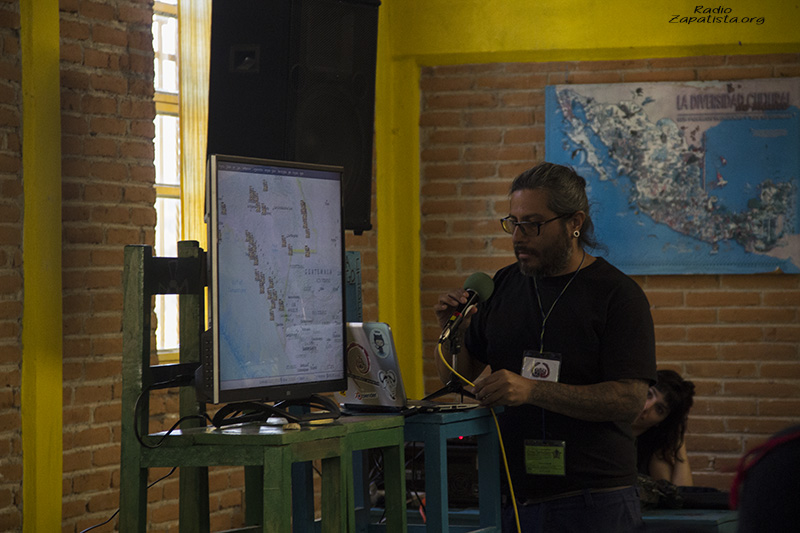
Fís. Gustavo Magallanes Guijón – “De ballenas, jaguares, y microbios. Visualización geocomputacional de especies biológicas desde el techo de la casa del tamaño del mundo”: (Descarga aquí)
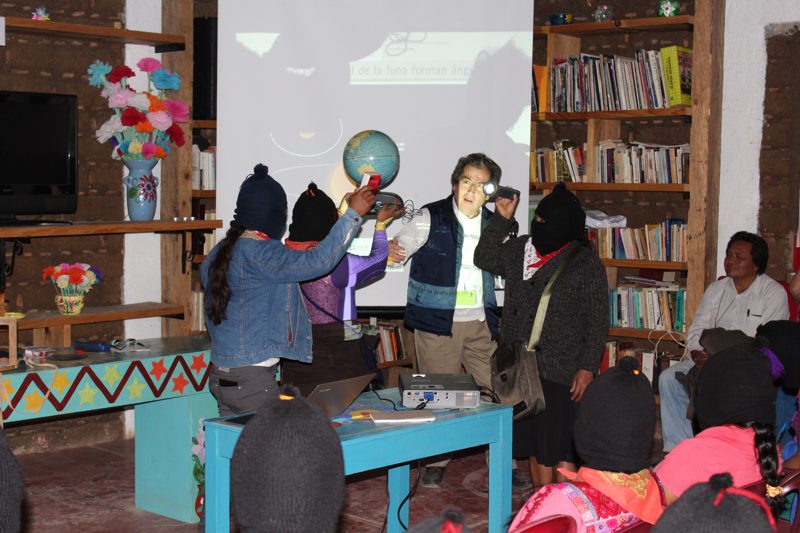
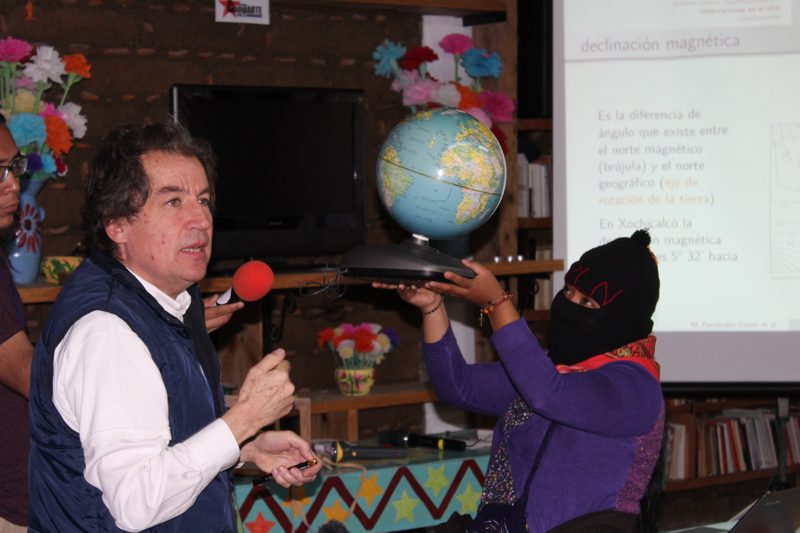
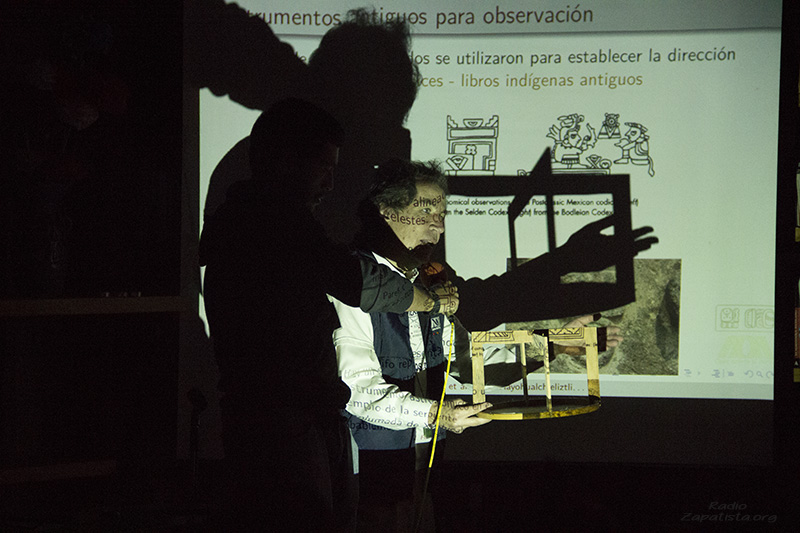
Dr. Manuel Fernández Guasti – “Tlayohualchieliztli y los saberes indígenas”: (Descarga aquí)
Preguntas a Manuel Fernández Guasti: (Descarga aquí)
(El Dr. Manuel Fernández está respondiendo también a las preguntas de los zapatistas expresadas por el Subcomandante Galeano, y las respuestas están disponibles en: https://luz.izt.uam.mx/drupal/es/ciencia/conciencia)
Sisters and brothers of the National Indigenous Congress:
Compañeras, compañeros and compañeroas of the national and international Sixth:
Peoples of Mexico and the world:
Twenty-three years ago we rose up in arms against oblivion.
Our indignation and desperation compelled us to be willing to die in order to live.
To live the only way that’s worth living: with freedom, justice, and democracy.
The Mexican people saw us and spoke to us: they told us that our struggle and our demands are just, but that they are opposed to violence.
As the inhumane conditions of our life and death became known, people agreed that the causes of our uprising were just, but they questioned our way of enacting our dissent.
Today, the conditions of the Mexican people in the countryside and in the city are worse than they were 23 years ago.
Sorry, this entry is only available in Español. For the sake of viewer convenience, the content is shown below in the alternative language. You may click the link to switch the active language.
L@s Zapatistas y las ConCIENCIAS por la Humanidad
2 de enero de 2017
Cideci / Universidad de la Tierra Chiapas
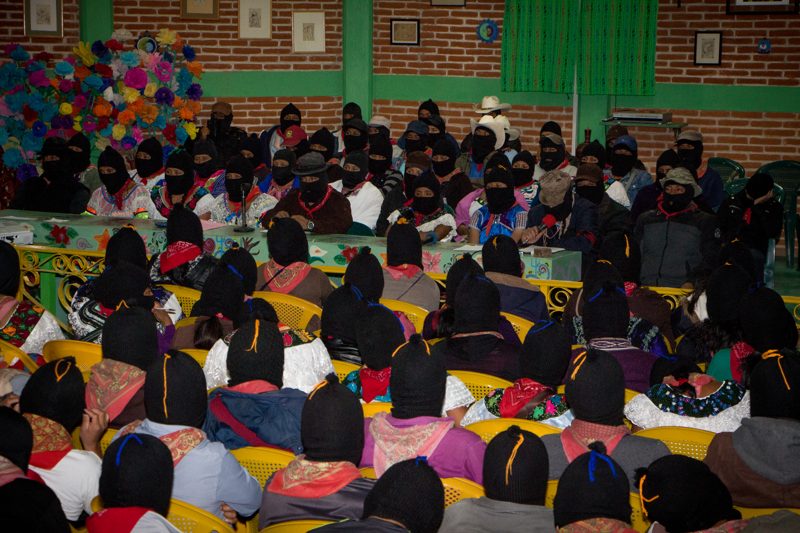
El encuentro “L@s Zapatistas y las ConCIENCIAS por la Humanidad” se realizó en este inicio del 2017 ya sin la presencia de los y las delegadas del Congreso Nacional Indígena, que el 1 de enero dieron a conocer la decisión de conformar un Concejo Indígena de Gobierno, cuya voz será la de una mujer indígena que se presentará como candidata independiente a las elecciones presidenciales de 2018.
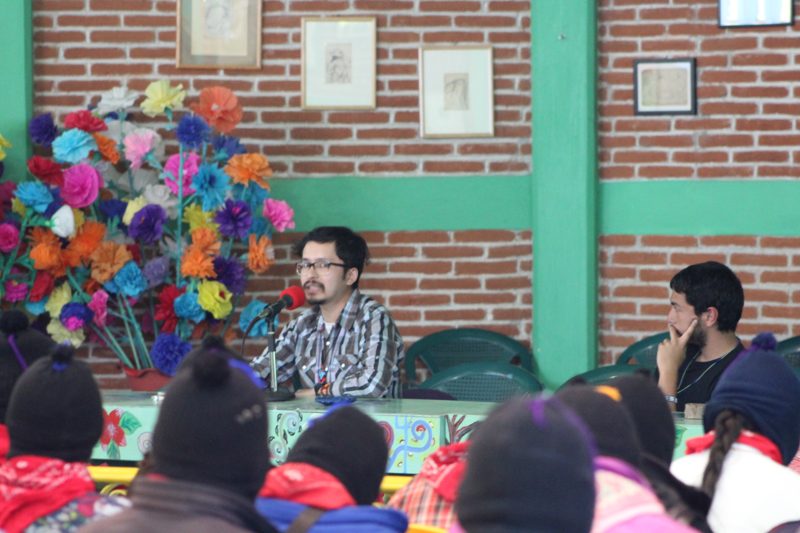
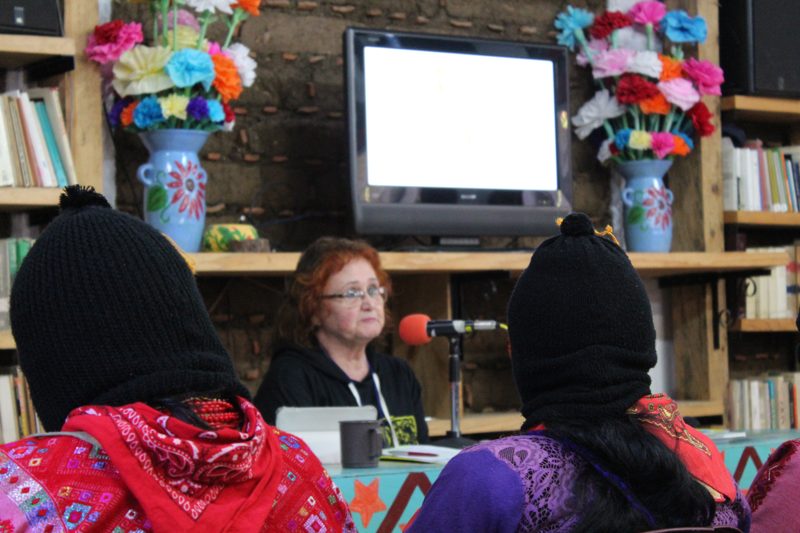
La Dra. Gertrudis Hortensia González Gómez, biofísica de sistemas excitables, insistió en que la ciencia es sólo una forma de entender el mundo y que no debe imponerse como la única. Describió el método científico, en particular el método experimental; presentó un recorrido por la historia de las ciencias e hizo una crítica a los intereses económicos y políticos que llevan muchas veces a las ciencias a estar al servicio del poder; e hizo una reflexión sobre cómo se puede encauzar la ciencia de manera alternativa a la hegemónica.
Alejandro Muñoz, originario de la comuidad de García, en el área metropolitana de Monterrey, Nuevo León, e ingeniero de fusión nuclear en Alemania, hizo una crítica a los modelos de “desarrollo” que mantienen a las comunidades marginadas, detallando el ejemplo de García, y presentó los proyectos que se están creando en esa comunidad en búsqueda de alternativas hacia una “visión libre-científica-tecnológica para el siglo XXI”.
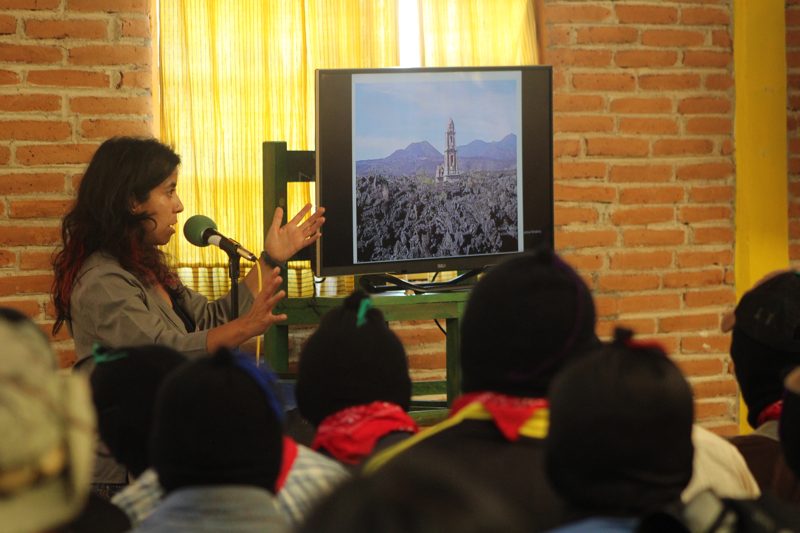
La Dra. Valeria Souza Saldívar y el Dr. Luis Eguiarte Fruns, del Instituto de Ecología de la UNAM, hablaron de su trabajo en la comunidad de Cuatro Ciénegas, en el desierto de Coahuila, que es quizás el sitio más diverso del planeta. Para entender el porqué de dicha diversidad, hicieron un recorrido por la historia desde el inicio del universo, la formación de la Tierra, el desarrollo de la vida y el papel del agua y del fósforo en la vida. Describieron el esfuerzo colectivo de científicos de diversas universidades junto con la comunidad y, en especial, con los jóvenes científicos locales del Colegio de Bachilleres que, con su laboratorio de biología molecular, están buscando soluciones sustentables ante los intereses empresariales que buscan aprovecharse de la biodiversidad de Cuatro Ciénegas para el desarrollo de fármacos para la industria.
La Dra. Krsitin Mercer reflexionó sobre “reflexiones sobre la ciencia, la economía política capitalista y el zapatismo”. Describió cómo la ciencia en la universidad moderna ha sido moldeada por el Estado y el capitalismo en tres eras, concentrándose en la agronomía y la agroecología en las universidades de educación agrícola en los Estados Unidos, y plantearon una serie de reflexiones sobre la ciencia y la transformación política, por ejemplo, en las comunidades zapatistas.
El Dr. Gabriel Ramos Fernández, estudioso de la ecología, ek comportamiento animal y la conservación de la diversidad en el Instituto Politécnico Nacional, planteó una postura crítica por parte de lxs científicxs en relación con la incertidumbre en sus investigaciones, e hizo un llamado a la transparencia por parte de quienes participan en la toma de decisiones, incluyendo a lxs científicxs. Los sistemas complejos son impredecibles, explicó, y esta incertidumbre puede ser manipulada para proponer supuestas evidencias científicas a favor de tesis motivadas por intereses económicos o políticos. como los transgénicos y el cambio climático, entre otros.
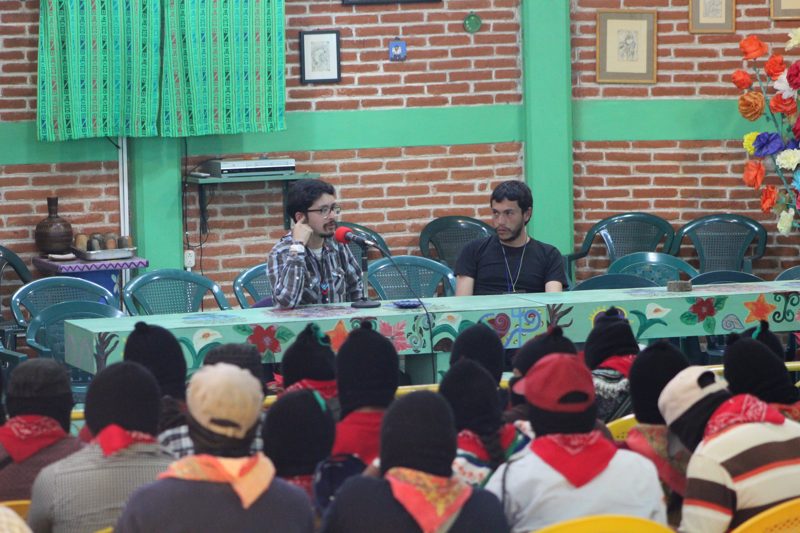
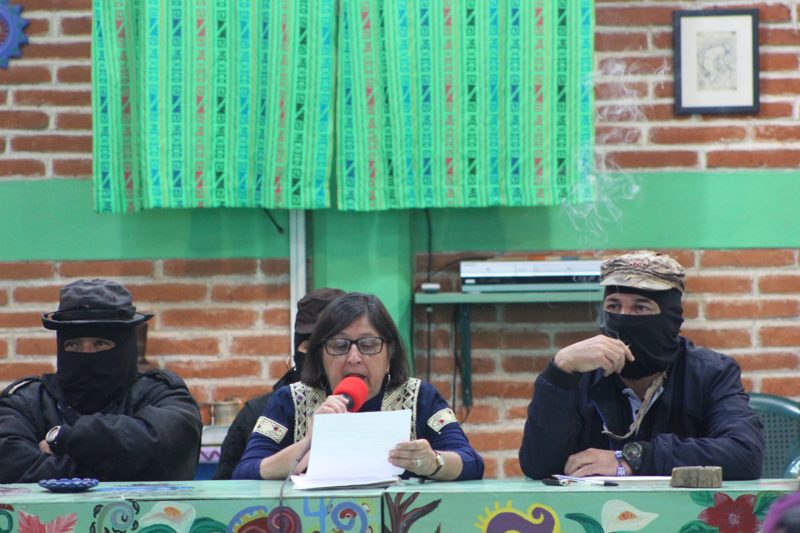
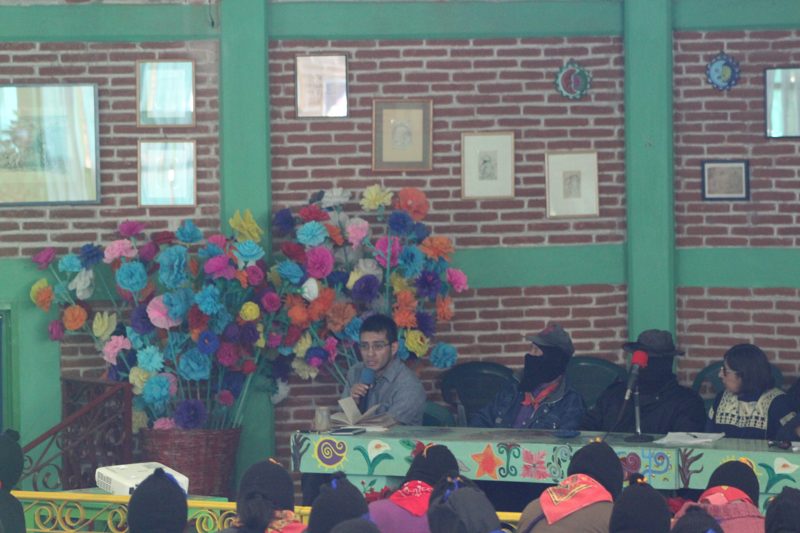
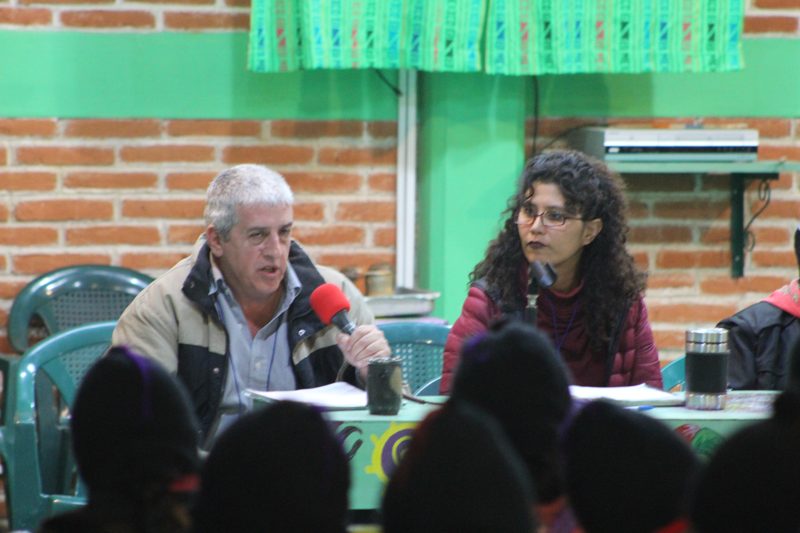
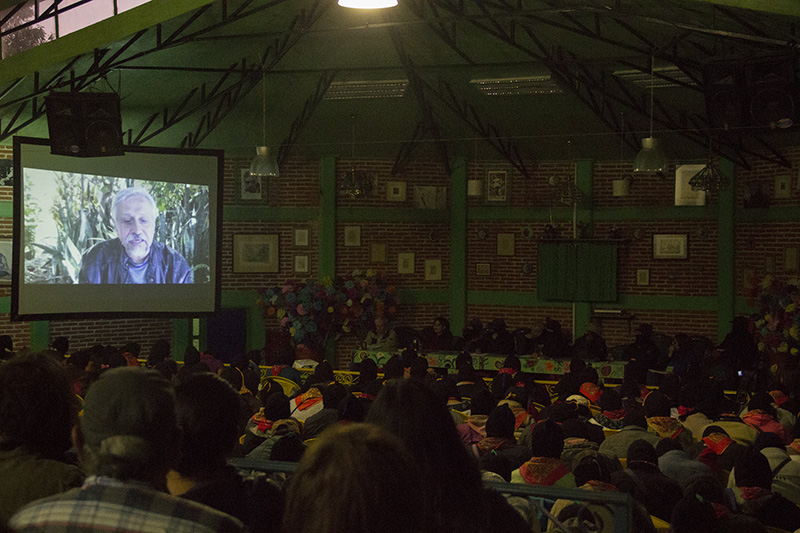
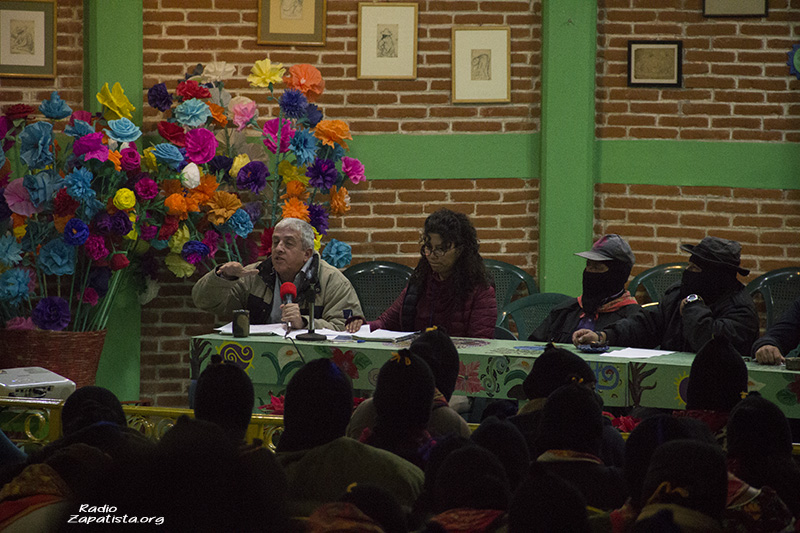
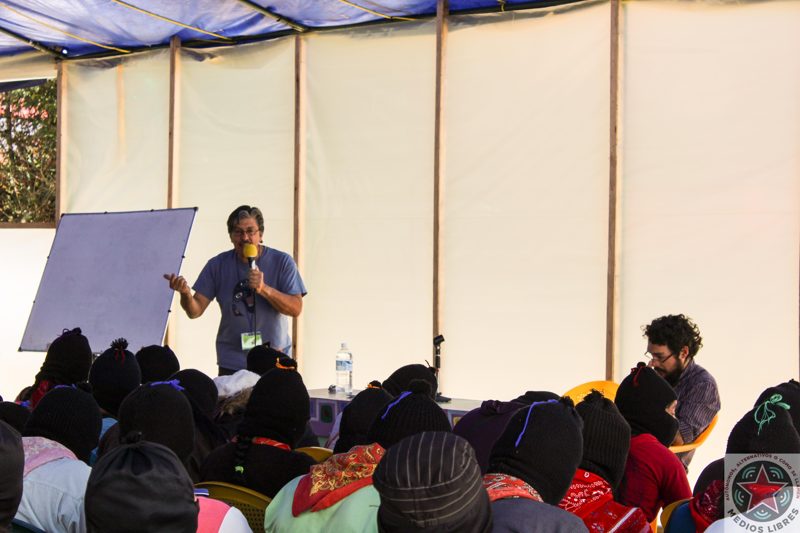
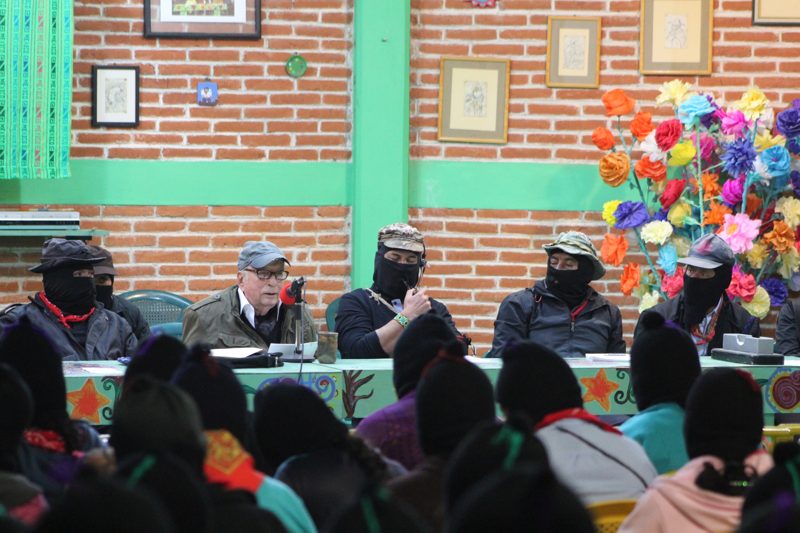
El Dr. Pablo González Casanova, ex rector de la UNAM y “en sí mismo un Municipio Autónomo Rebelde Zapatista”, según dijo el Subcomandante Insurgente Galenano, explicó que el capitalismo es un fenómeno moderno y, como todo fenómeno, nace, crece y muere. Sin embargo, “las ciencias hegemónicas tienen prohibido pensar que el capitalismo ha llegado a su fin”. Don Pablo desarrolló un análisis de la crisis del capitalismo, hizo una crítica al sistema de dominación e invitó a la práctica de una cultura emancipatoria, tal como se lleva a cabo en las comunidades zapatistas.
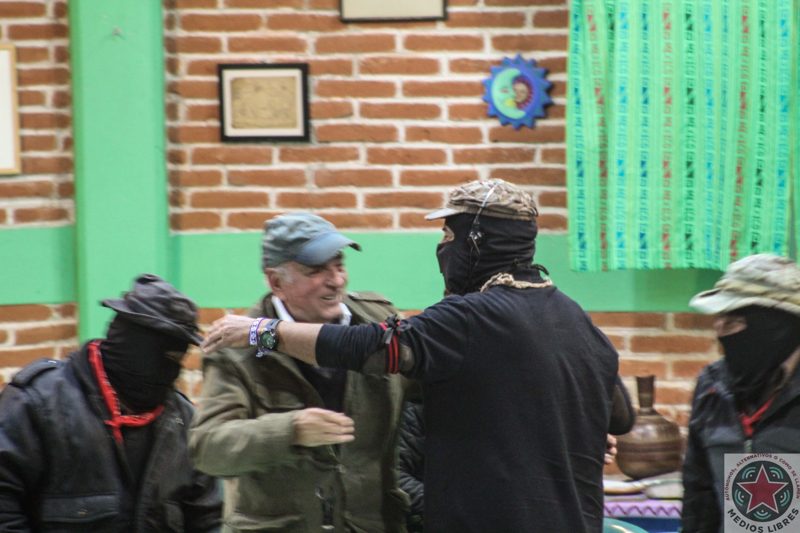
El Alquimista SupGaleano, después de hacer un reconocimiento por parte del EZLN al zapatista Don Pablo González Casanova, explicó el interés de las comunidades zapatistas por la ciencia y reiteró la invitación a que las y los científicos hagan ciencia junto con los zapatistas, haciendo al mismo tiempo una crítica irónica y mordaz a las pseudociencias. Finalmente, reveló que el último día del encuentro cerraría con una evaluación, por parte de lxs 200 estudiantes zapatistas, del encuentro con los y las científicas y la posibilidad de que dichos encuentros se multipliquen cuantitativa y cualitativamente.
Ponencias:
Dra. Gertrudis Hortensia González Gómez: “Algunas promesas de la ciencia, o cómo cuidar nuestra salud” (Descarga aquí)
Alejandro Muñoz: “García en Nuevo León y la visión libre-científica-tecnológica para el Siglo XXI” (Descarga aquí)
Dra. Valeria Souza Saldívar y Dr. Luis Eguiarte Fruns: “El paradigma del agua” (Descarga aquí)
Dra. Kristin Mercer: “El efecto del dinero en investigaciones académicas” (Descarga aquí)
Dr. Gabriel Ramos Fernández: “Complejidad e incertidumbre: los científicos y la toma de decisiones” (Descarga aquí)
Dr. Pablo González Casanova. “El Capitalismo: Crisis y alternativas”: (Descarga aquí)
Sorry, this entry is only available in Español. For the sake of viewer convenience, the content is shown below in the alternative language. You may click the link to switch the active language.
Por Red de Solidaridad con Chiapas de Buenos Aires para Resumen Latinoamericano, 1 enero 2017
Kʼakʼal 4. (Día 4, en Tzotzil) – ConCIENCIAS por la Humanidad
El cuarto día del ConCiencias comparte la llegada y registros de compas de distintos pueblos originarios de México que participarán de las segunda etapa del V Congreso Nacional Indígena que dará inicio el día 30 de Diciembre, con acceso restringido y en paralelo al ConCiencias. Aquí podrán escuchar/descargar los audios de las siguientes sesiones y divulgaciones: https://radiozapatista.org/?p=19542
Video resumen del día 3 realizado por el colectivo italiano 20ZLN
Sorry, this entry is only available in Español. For the sake of viewer convenience, the content is shown below in the alternative language. You may click the link to switch the active language.
Por Romeo LopCam – SubVersiones
Fotografías por Elis Monroy, María González, Regina López y Dante A. Saucedo
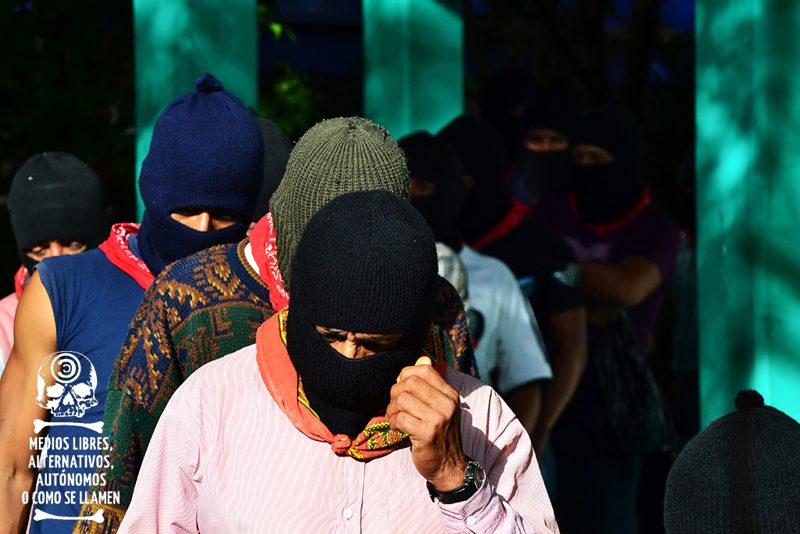
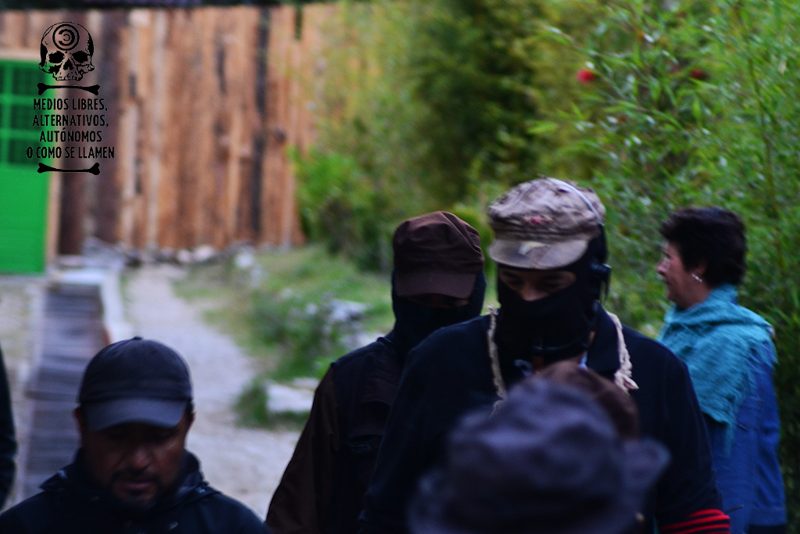
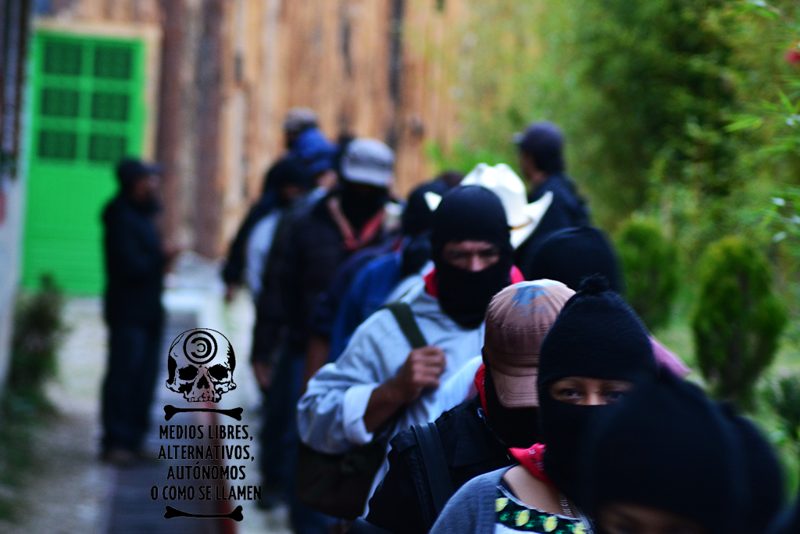
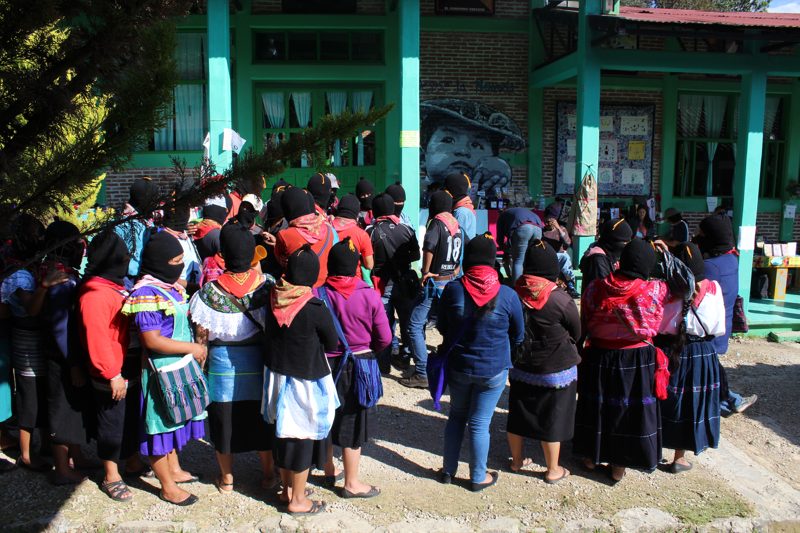
Este 1° de enero el Congreso Nacional Indígena (CNI) anunció los resultados de la consulta que se llevó a cabo entre los pueblos, tribus y comunidades en donde tiene presencia, sobre la posibilidad de formar un Concejo Indígena de Gobierno, cuya voz sea materializada por una mujer indígena que participe como candidata independiente en las elecciones presidenciales de 2018. Luego de dos días de discusión y deliberación, delegados y delegadas reunidos en el Centro Indígena de Capacitación Integral – Universidad de la Tierra (CIDECI-UniTierra) de San Cristóbal de las Casas, Chiapas, decidieron que la propuesta va.
Originalmente planteada en octubre pasado por los representantes del Ejército Zapatista de Liberación Nacional (EZLN), durante la primera etapa del V Congreso Nacional Indígena (V CNI), la iniciativa fue llevada por las y los representantes hasta sus lugares de origen, mediante asambleas informativas y deliberativas en las que la gente pudo conocerla, criticarla y por supuesto, enriquecerla. Así, la organización indígena la hizo suya con el objetivo de reagruparse y pasar a la ofensiva en la lucha por mantener la integridad de sus territorios, su lengua y su cultura.