represión
Conmemoración del décimo aniversario de la Defensa del Territorio Yaqui y los hechos del 21 de octubre de 2016, vinculados a la lucha de No al Gasoducto
PROGRAMACIÓN DEL EVENTO DEL 21 AL 22 DE OCTUBRE DE 2026
Miércoles, 21 de octubre
12:00 hrs. Misa oficial en la 2da. Santa Iglesia (Guardia).
15:00 hrs. Ritual religioso en la Iglesia y Ramada de danzas tradicionales
Jueves, 22 de octubre
14:00 hrs. Conversatorio. El proceso jurídico del No al Gasoducto.
16:00 hrs. Actividades culturales: Cabalgata Bacum Bataconcica Loma de Bácum.
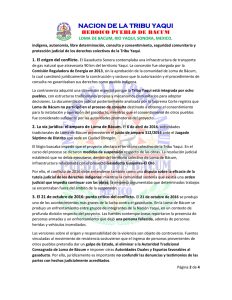
La defensa del territorio ancestral de la Tribu Yaqui, particularmente desde el H. Pueblo de Loma de Bácum, constituye un proceso de resistencia jurídica, étnica, comunitaria y social frente a la construcción del denominado Gasoducto Sonora en su tramo Guaymas–El Oro, proyecto desarrollado por Gasoducto de Aguaprieta, filial de IEnova/Sempra Energy. El conflicto no se limitó a la oposición a una infraestructura energética: involucró cuestiones relativas al territorio indígena, autonomía, libre determinación, consulta y consentimiento, seguridad comunitaria y protección judicial de los derechos colectivos de la Tribu Yaqui.
1. El origen del conflicto. El Gasoducto Sonora contemplaba una infraestructura de transporte de gas natural que atravesaría 90 km del territorio Yaqui. La concesión fue otorgada por la Comisión Reguladora de Energía en 2013, sin la aprobación de la comunidad de Loma de Bácum, la cual cuestionó jurídicamente la construcción y sostuvo que la autorización y el procedimiento de consulta no garantizaban sus derechos como pueblo indígena.
La controversia adquirió una dimensión especial porque la Tribu Yaqui está integrada por ocho pueblos, con estructuras tradicionales propias y mecanismos comunitarios para adoptar decisiones. La documentación judicial posteriormente analizada por la Suprema Corte registra que Loma de Bácum no participó en el proceso de consulta destinado a obtener el consentimiento para la instalación y operación del gasoducto, mientras que el consentimiento de otros pueblos
fue considerado suficiente por las autoridades promotoras del proyecto.
2. La vía jurídica: el amparo de Loma de Bácum. El 6 de abril de 2016, autoridades
tradicionales de Loma de Bácum promovieron el juicio de amparo 312/2016 ante el Juzgado Séptimo de Distrito con sede en Ciudad Obregón.
El litigio buscaba impedir que el proyecto afectara el territorio colectivo de la Tribu Yaqui. En el curso del proceso se dictaron medidas de suspensión respecto de las obras. La resolución judicial estableció que no debía ejecutarse, dentro del territorio colectivo de Loma de Bácum, infraestructura relacionada con el proyecto Gasoducto Guaymas–El Oro.
Por ello, el conflicto de 2016 debe entenderse también como una disputa sobre la eficacia de la tutela judicial de los derechos indígenas: mientras la comunidad sostenía que existía una orden judicial que impedía continuar con las obras, la empresa argumentaba que determinados trabajos se encontraban fuera del ámbito de la suspensión.
3. El 21 de octubre de 2016: punto crítico del conflicto. El 21 de octubre de 2016 se produjo
uno de los acontecimientos más graves de la lucha contra el gasoducto. En la Loma de Bácum se produjo un enfrentamiento entre grupos de integrantes de la Nación Yaqui, en un contexto de profunda división respecto del proyecto. Las fuentes contemporáneas reportaron la presencia de personas armadas y un enfrentamiento que dejó una persona fallecida, además de personas heridas y vehículos incendiados.
Las versiones sobre el origen y responsabilidad de la violencia son objeto de controversia. Fuentes vinculadas al movimiento de resistencia sostuvieron que el ingreso de personas provenientes de otros pueblos pretendía dar un golpe de Estado, al eliminar a la Autoridad Tradicional Consagrada de Loma de Bácum e imponer otras Autoridades Duales y Espurias favorables al gasoducto. Por ello, jurídicamente es importante no confundir las denuncias y testimonios de las partes con hechos judicialmente acreditados.
El acontecimiento creó una consecuencia objetiva: la violencia se convirtió en una extensión del conflicto territorial y jurídico generado alrededor del gasoducto, profundizando la fractura interna de la comunidad y aumentando la intervención de autoridades de seguridad.
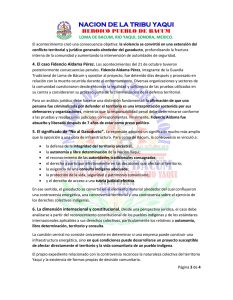
4. El caso Fidencio Aldama Pérez. Los acontecimientos del 21 de octubre tuvieron
posteriormente consecuencias penales. Fidencio Aldama Pérez, integrante de la Guardia
Tradicional de Loma de Bácum y opositor al proyecto, fue detenido días después y procesado en relación con la muerte ocurrida durante el enfrentamiento. Diversas organizaciones y sectores de la comunidad cuestionaron desde entonces la legalidad y suficiencia de las pruebas utilizadas en su contra y consideraron su proceso parte de la criminalización de la defensa territorial.
Para un análisis jurídico debe hacerse una distinción fundamental: la afirmación de que una persona fue criminalizada por defender el territorio es una interpretación sostenida por sus defensores y organizaciones, mientras que la responsabilidad penal debe determinarse conforme a las pruebas y resoluciones judiciales correspondientes. Finalmente, Fidencio Aldama fue absuelto y liberado después de 7 años de estar como preso político.
5. El significado de “No al Gasoducto”. La expresión adquirió un significado mucho más amplio que la oposición a una obra de infraestructura. Para Loma de Bácum, la controversia se vinculó a:
- la defensa de la integridad del territorio ancestral;
- la autonomía y libre determinación de la Nación Yaqui;
- el reconocimiento de las autoridades tradicionales consagradas;
- el derecho a participar efectivamente en las decisiones que afectan al territorio;
- la exigencia de una consulta indígena adecuada;
- la protección de la vida, seguridad y patrimonio comunitario;
- y el derecho de acceso a una tutela judicial efectiva.
En ese sentido, el gasoducto se convirtió en el elemento material alrededor del cual confluyeron una controversia energética, una controversia territorial y una controversia sobre el ejercicio de los derechos colectivos indígenas.
6. La dimensión internacional y constitucional. Desde una perspectiva jurídica, el caso debe analizarse a partir del reconocimiento constitucional de los pueblos indígenas y de los estándares internacionales aplicables a sus derechos colectivos, particularmente los relativos a autonomía, libre determinación, territorio y consulta.
La cuestión central no consiste únicamente en determinar si una empresa puede construir una infraestructura energética, sino en qué condiciones puede desarrollarse un proyecto susceptible de afectar directamente el territorio y la vida comunitaria de un pueblo indígena.
El propio expediente relacionado con la controversia reconoce la naturaleza colectiva del territorio Yaqui y la existencia de formas propias de decisión comunitaria.
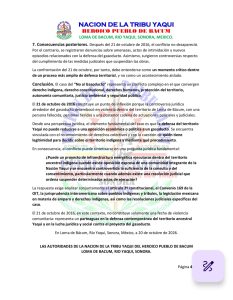
7. Consecuencias posteriores. Después del 21 de octubre de 2016, el conflicto no desapareció.
Por el contrario, se registraron denuncias sobre amenazas, actos de intimidación y nuevos
episodios relacionados con la defensa del gasoducto. Asimismo, surgieron controversias respecto del cumplimiento de las medidas judiciales que suspendían las obras.
La confrontación del 21 de octubre, por tanto, debe entenderse como un momento crítico dentro de un proceso más amplio de defensa territorial, y no como un acontecimiento aislado.
Conclusión. El caso del “No al Gasoducto” representa un conflicto complejo en el que convergen derecho indígena, derecho constitucional, derechos humanos, protección del territorio, autonomía comunitaria, justicia ambiental y seguridad pública.
El 21 de octubre de 2016 constituye un punto de inflexión porque la controversia jurídica
alrededor del gasoducto desembocó en violencia dentro del territorio de Loma de Bácum, con una
persona fallecida, personas heridas y una posterior cadena de actuaciones policiales y judiciales.
Desde una perspectiva jurídica, el elemento fundamental del caso es que la defensa del territorio
Yaqui no puede reducirse a una oposición económica o política a un gasoducto. Se encuentra
vinculada con el reconocimiento de derechos colectivos y con la cuestión de quién tiene
legitimidad para decidir sobre el territorio indígena y mediante qué procedimiento.
En consecuencia, el conflicto puede sintetizarse en una pregunta jurídica fundamental:
¿Puede un proyecto de infraestructura energética ejecutarse dentro del territorio
ancestral indígena cuando existe oposición expresa de una comunidad integrante de la
Nación Yaqui y se encuentra controvertida la suficiencia de la consulta y del
consentimiento, particularmente cuando además existe una resolución judicial que
ordena suspender determinados actos de ejecución?
La respuesta exige analizar conjuntamente el artículo 2º constitucional, el Convenio 169 de la OIT, la jurisprudencia interamericana sobre pueblos indígenas y tribales, la legislación mexicana en materia de amparo y derechos indígenas, así como las resoluciones judiciales específicas del caso.
El 21 de octubre de 2016, en este contexto, no constituye solamente una fecha de violencia comunitaria: representa un parteaguas en la defensa contemporánea del territorio ancestral Yaqui y en la lucha jurídica y social contra el proyecto del gasoducto.
En Loma de Bácum, Río Yaqui, Sonora, México, a 20 de octubre de 2026.
LAS AUTORIDADES DE LA NACION DE LA TRIBU YAQUI DEL HEROICO PUEBLO DE BACUM, LOMA DE BACUM, RIO YAQUI, SONORA.
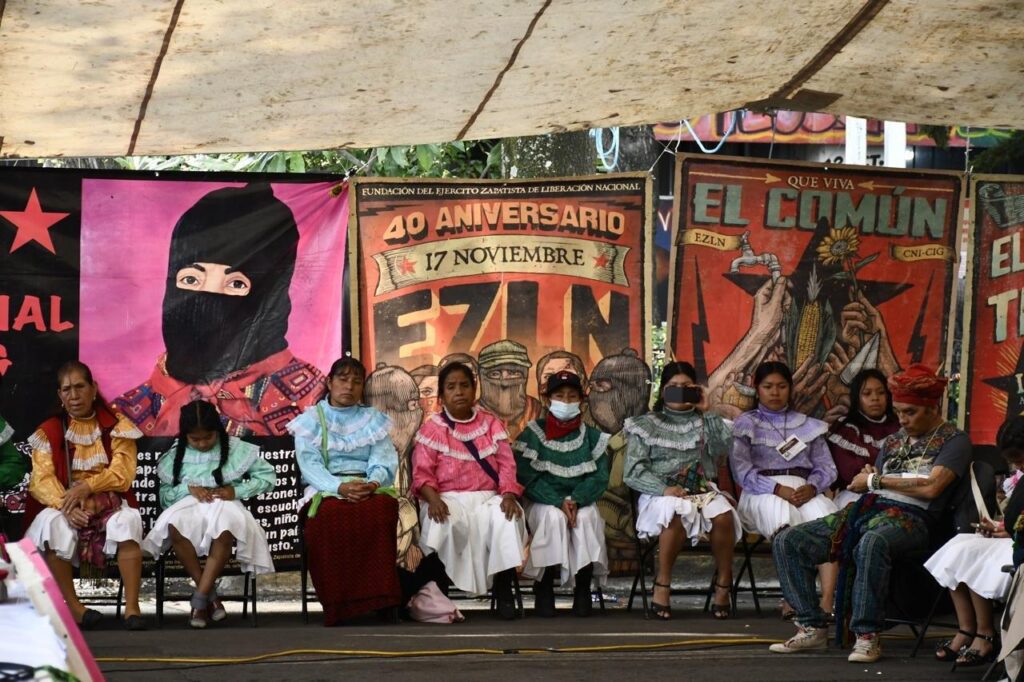
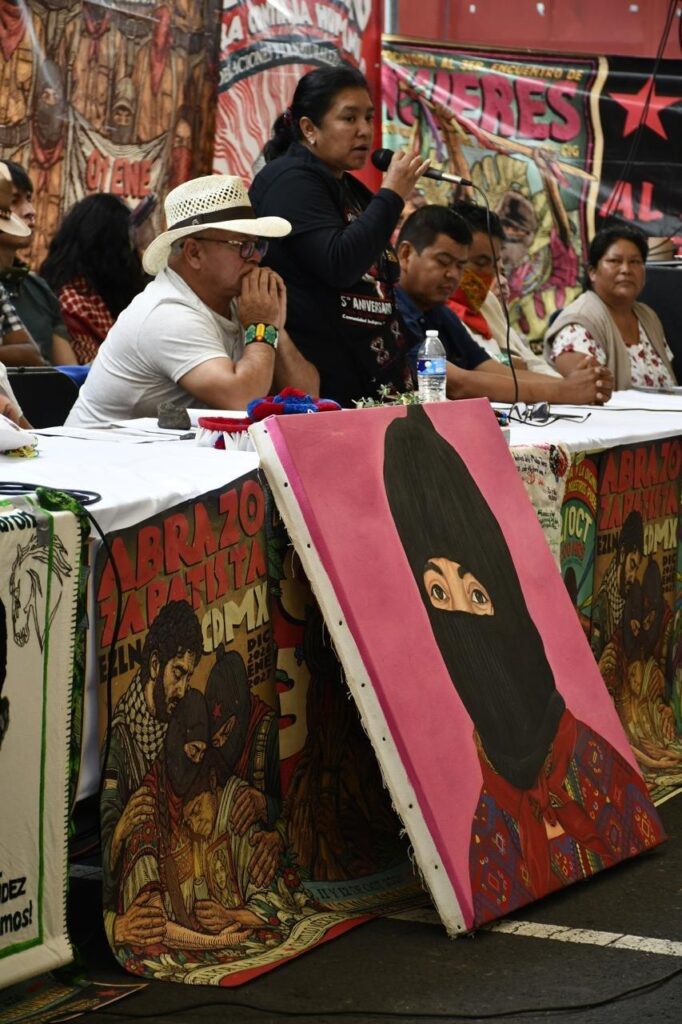
Comunicado de la Comunidad otomí residente en la ciudad de México en el marco del sexto aniversario de la toma del INPI
Al Comité Clandestino Revolucionario Indígena-Comandancia General del EZLN
Al Ejército Zapatista de Liberación Nacional, EZLN
A la Nueva Estructura de la Autonomía Zapatista
A la Comisión Sexta del EZLN
A l@s Delegad@s de la Gira por la Vida-Capítulo México
Al Congreso Nacional Indígena, CNI
Al Concejo Indígena de Gobierno, CIG
A Ma. de Jesús Patricio Martínez, Vocera del CNI-CIG
A los Pueblos, Tribus, Naciones, Comunidades y Barrios Originarios
que nunca fueron conquistados
A la Sexta Nacional e Internacional
A la Europa Insumisa, Digna y Rebelde
A Quienes firmaron la Declaración por la Vida
A los medios libres, independientes, alternativos o como se llamen…
Al Pueblo de México y del mundo.
“Hermanos y hermanas:
Por mi voz habla la voz del Ejército Zapatista de Liberación Nacional.
Hoy hemos venido hasta aquí, hasta el centro de este país que se llama México, para decirle a todos los mexicanos y mexicanas unas cuantas palabras que tenemos nosotros los zapatistas.
De por sí es muy pequeña nuestra palabra de los zapatistas, pero su paso es muy grande y camina muy lejos y se entra en muchos corazones.”
…
Comandante Ramona
México, octubre de 1996
Comité Clandestino Revolucionario Indígena-Comandancia General del Ejército Zapatista de Liberación Nacional, EZLN.
Hermanas, hermanos, todas, todos, todoas.
HOY QUEREMOS ANUNCIAR QUE POR DECRETO DE LOS PUEBLOS LA TOMA DEL INPI, ES DECIR, LA CASA DE LOS PUEBLOS Y COMUNIDADES INDÍGENAS “SAMIR FLORES SOBERANES PARA A SER PATRIMONIO DEL CONGRESO NACIONAL INDÍGENA Y DEL EJÉRCITO ZAPATISTA DE LIBERACIÓN NACIONAL”.
Si nos quieren sacar, pues hay lo vean…!!!
Hoy 12 de octubre, mientras arriba celebran el “Encuentro de dos mundos”, nosotros, acá abajo, celebramos el “Día de la Resistencia, la Rebeldía y la Dignidad Indígena de nuestros Pueblos”.
Herman@s.
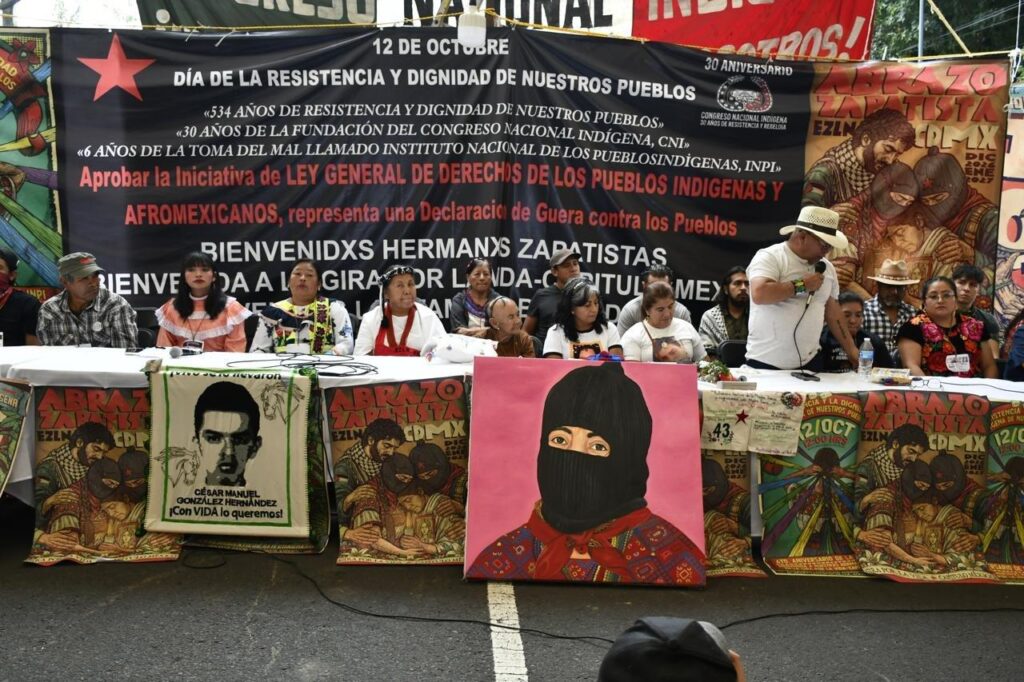
Los días 10, 11 y 12 de octubre, tuvimos el honor de recibir en la Casa de los Pueblos, a nuestros herman@s de las comunidades, tribus, naciones y comunidades que integran el Congreso nacional Indígena, CNI, con quienes celebramos el 30 Aniversario de Resistencia y Rebeldía, pero sobre todo, 30 años de lucha contra el Sistema Capitalista y Patriarcal.
En este contesto de resistencia y dignidad de nuestros pueblos, no tenemos nada que celebrar que no sean:
«534 AÑOS DE RESISTENCIA y REBELDÍA DE NUESTROS PUEBLOS»
«30 AÑOS DE LA FUNDACIÓN DEL CONGRESO NACIONAL INDÍGENA, CNI»
«6 AÑOS DE LA TOMA DEL MAL LLAMADO INSTITUTO NACIONAL
DE LOS PUEBLOS INDÍGENAS, INPI»
Es por ello que en este contexto, de guerra contra los pueblos originarios, no queremos iniciar esta tripe celebración de resistencia y rebeldía, sin antes recordar la lucha ejemplar de nuestra querida y entrañable Comandanta Ramona, que hoy en día, está presente en la lucha y resistencia del Congreso Nacional Indígena, CNI; esta presente en la lucha y resistencia de los pueblos originarios y comunidades indígenas del México debastado por la guerra y el saqueo; esta presente en la resistencia y rebeldía, pero sobretodo, en la digna rabia de nuetr@s herman@s del Ejército Zapatista de Liberación Nacional, EZLN y, esta presente, en la lucha y resistencia de la Comunidad Indígena Otomí residente en la CDMX. La Comandanta Ramona seguirá siendo ejemplo de una mujer digna y rebelde que hoy, hizo posible, cumplir 6 años en la Toma las instalaciones de lo que fue el mal llamado Instituto Nacional de los Pueblos Indígenas, INPI.
Hoy también celebramos, que hace 6 años, los traidores del pueblo, Adelfo Regino Montes y Hugo Aguilar Ortíz, no despachan más en estas oficina y, les aseguramos, NUNCA MÁS volverán a este lugar, para seguir engañando y mintiendo a los pueblos originarios y comunidades indígenas.
La Comandanta Ramona dijo: “Queremos un México que nos tome en cuenta como seres humanos, que nos respete y reconozca nuestra dignidad”. “Por eso queremos unir nuestra pequeña voz de zapatistas a la voz grande de todos los que luchan por un México nuevo”. “Llegamos hasta aquí para gritar, junto con todos, los ya no, que nunca más un México sin nosotros”.
Estas palabras pequeñas pero dignas, son historia, memoria, dignidad y autonomía para nuestros pueblos; pero, sobre todo, son Resistencia y Rebeldía contra este Sistema Capiatalista y Patriarcal que sólo impone muerte y destrucción.
En mediode esta guerra de exterminio contra nuestros pueblos y frente a la imposición de la Iniciativa de Ley General de Derechos de los Pueblos Indígenas y Afromexicanos, y después de la “consulta” simulada, este 12 de octubre, anunciaron la presentarían a la Cámara de Diputados, es por ello que….,
Desde la Casa de los Pueblos y Comunidades Indígenas Samir Flores Soberanes, le decimos a la Clase Política en el poder, a la mal llamada 4ª Tranformación, a los partidos políticos en turno y también le deciumos a los traidosres del Pueblo Adelfo Regino y Hugo Aguilar, pero especualemnte le decimos a Claudia Seinbaum, que aprobar la ilegítima Iniciativa de Ley General de Derechos de los Pueblos Indígenas y Afromexicanos, no solo representa nuevamente una traición a los pueblos, represeta una Declaración de Guera contra los Pueblos Oroginarios y Comunidades Indígena, para eso nos preparamos.
En contraste con la tormenta que se impoene sobre nuetros pueblo, anunciamos que ya nos estamos preparados con toda la logística y todo lo que sea necesario para decibir a nuestr@s herman@s del Ejército Zapatista de Liberación Nacional, EZLN, quienes aceptaron nuestra invitación para venir ala CDMX, y anunciaron lo que ya conocemo, como la “Gira por la Vida-Capítulo México”.
Hermanos Zapatistas, son bienvenidos a su Casa, la Casa de los Pueblos y Comunidades Indígenas “Samir Flores Soberanes”. Los recibimos con los brazos abiertos y con mucha resistencia y rebeldía, para hacer posible el ABRAZO ZAPATISTA, como el objetivo principal de la Gira por la Vida.
Saludamos también el Encuentro con las Familias Buscadoras y, desde aquí también les decimos, que también son buenvenidas las familias buscadoras a esta su casa, la Casa de los Pueblos y Comunidades Indígenas.
Finalmente, agradecemos a todas las colectividades, pueblos, comunidades, redes e individu@s que ha desidido acompañar la lucha y resistencia de nuestra comunidad. Sin su paso compañero, apoyo y brazo solidario no hubieramos llegado a este 6º Aniversario de la Toma del INPI. Es decir, a este 6º Aniversario de Resistencia y Rebeldía
ATENTAMENTE
Por la Reconstitución Integral de nuestros Pueblos
Nunca más un México sin nosotros
Que viva “El Común”
Que viva la nueva Estructura de la Autonomía Zapatista
Alto a la Guerra en contra de los Pueblos Zapatistas
Viva nuestra Comandanta Ramona
Zapata Vive, la Lucha Sigue
Samir Vive la Lucha Sigue
Galeano Vive, la Lucha Sigue
Viva la Gira por la Vida-Capítulo México
Hasta que la Dignidad y la Justicia se hagan costumbre
Vivos los Llevaron, Vivos los Queremos
¿Porque los buscamos?, ¡Porque los Amamos!
Viva el CNI, Viva el CIG, Viva el EZLN
Comunidad Indígena Otomí residente en la CDMX, integrante del Congreso Nacional Indígena, CNI
Ciudad de México, 12 de octubre de 2026