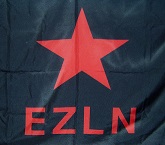
Encuentros de Arte y de Resistencia y Rebeldía. ResignArte u OrganizArte Fechas y Sedes.
Junio del 2026.
Les informamos de las fechas para el Encuentro de Artes y el Encuentro de Resistencias y Rebeldías para este mes de agosto del 2026.
Ambos encuentros serán simultáneos en fechas y sedes. Dependiendo del número de participantes, se acomodarán las fechas y horarios para que puedan asistir a ambos eventos. Aunque los Encuentros son abiertos, recomendamos que se registren, señalen el carácter de su participación y los días en los que estarán presentes.
El sábado 1 de agosto será la Inauguración en el Semillero Comandanta Ramona, anexo al Caracol de Morelia (mismo lugar donde se realizó el Primer Encuentro de Resistencias y Rebeldías, así como el Primer Encuentro de Mujeres que Luchan).
Del domingo 2 de agosto al domingo 16 de agosto: participaciones de asistentes y presentaciones de artes.
Lunes 17 de agosto: traslados a San Cristóbal de Las Casas, Chiapas.
Martes 18, miércoles 19 y jueves 20 de agosto, mesas redondas “Las Artes bajo Acoso (Danza, Cine y Teatro)”. Con la participación, entre otros, de Luis de Tavira, Dolores Heredia, Marina de Tavira, Natalia Beristain, David Gaytán, Argelia Guerrero e Iván Prado. En el CIDECI.
Viernes 21 al sábado 29. Continúan encuentros de Artes, y de Resistencias y Rebeldías en el Caracol de Jacinto Canek (donde se realizó el encuentro de Artes de abril del 2025).
Domingo 30 de agosto. Clausura.
Participantes, escuchas y videntes pueden acudir en las fechas que más les convengan.
-*-
Aprovechamos para recordarles del semillero del 20 al 25 de julio inclusive, con el tema “Guerra contra la Humanidad.(Las Poblaciones, la Naturaleza y las Diferencias bajo asedio)”
Junto con la Teia dos Povos (Tejido de los Pueblos) de Brasil, Radio Zapatista acaba de publicar en el Estado Español el libro
Soñar otro mundo es posible Zapatismo, autonomía y el Tejido de los Pueblos
En el contexto de la crisis civilizatoria global, y como forma de imaginar y estimular la construcción de alternativas de vida, el libro recorre las diferentes áreas de la autonomía zapatista.
¿Cómo funciona el autogobierno, la justicia propia, la educación y la salud autónomas, la soberanía económica, la autodefensa, la comunicación? ¿Qué papel desempeñan las mujeres en la construcción de otros mundos posibles? ¿Y las artes y las ciencias? ¿En qué consisten los grandes cambios en curso en las estructuras de gobierno autónomo y en la propuesta del Común?
La intención del libro es aproximar al lector a la experiencia viva de la autonomía en territorio zapatista hoy.
Al mismo tiempo, el libro conecta la experiencia zapatista con la de la Teia dos Povos (Tejido de los Pueblos), esa gran articulación de movimientos indígenas, negros y populares del campo y la ciudad en Brasil, que comparte la visión de la autonomía radical como alternativa para la crisis global.
Alejado del estilo periodístico o académico, este libro es una poderosa crónica de combates contemporáneos y, al mismo tiempo, una valiosa herramienta de formación intelectual y militante.
Con una prosa lúcida y vibrante, el libro nos ofrece un recorrido por las diferentes áreas de la autonomía zapatista en Chiapas. Por primera vez, un libro escudriña la construcción del Común desde los nuevos mecanismos de gobierno autónomo, contemplando tanto la educación como la salud autónomas, la soberanía económica, la autodefensa, el papel de la mujer y la función de las ciencias y las artes en el zapatismo. Al mismo tiempo, enriquece la mirada al conectar la construcción zapatista con la experiencia de esa gran red de comunidades, pueblos y organizaciones autonomistas llamada Teia dos Povos en Brasil.
Lo que el libro deja claro es que, en el contexto de la crisis civilizatoria global que vivimos, estas prácticas de autonomía integral resuenan mucho más allá de América Latina. A través del prisma de dos movimientos emblemáticos de México y Brasil, esta obra de referencia interpela nuestra capacidad de pensar y construir un mundo nuevo, aquí y ahora, mediante una articulación popular y radical de las luchas por la vida.
El libro, distribuido por la editorial Traficantes, está disponible en librerías en todo el Estado Español, y en línea en Traficantes.net.
Junto com a Teia dos Povos, a Rádio Zapatista acaba de publicar no Estado Espanhol a versão ampliada, em espanhol, do livro Sonhando a Terra do Bem Virá, publicado originalmente no Brasil em 2025:
Soñar otro mundo es posible Zapatismo, autonomía y el Tejido de los Pueblos
No contexto da crise civilizatória global, e como forma de imaginar e estimular a construção de alternativas de vida, o livro percorre as diferentes áreas da autonomia zapatista.
Como funcionam o autogoverno, a justiça própria, a educação e a saúde autônomas, a soberania econômica, a autodefesa e a comunicação? Qual é o papel das mulheres na construção de outros mundos possíveis? E das artes e das ciências? Em que consistem as grandes mudanças em curso nas estruturas de governo autônomo e na proposta do Comum?
A intenção do livro é aproximar o leitor da experiência viva da autonomia no território zapatista hoje.
Ao mesmo tempo, o livro conecta a experiência zapatista à da Teia dos Povos, essa grande articulação de movimentos indígenas, negros e populares do campo e da cidade no Brasil, que compartilha a visão da autonomia radical como alternativa para a crise global.
Distante do estilo jornalístico ou acadêmico, este livro é uma poderosa crônica dos combates contemporâneos e, ao mesmo tempo, uma valiosa ferramenta de formação intelectual e militante.
Com uma prosa lúcida e vibrante, o livro nos oferece um percurso pelas diferentes áreas da autonomia zapatista em Chiapas. Pela primeira vez, uma obra examina a construção do Comum a partir dos novos mecanismos de governo autônomo, contemplando tanto a educação quanto a saúde autônomas, a soberania econômica, a autodefesa, o papel das mulheres e a função das ciências e das artes no zapatismo. Ao mesmo tempo, enriquece o olhar ao conectar a construção zapatista com a experiência dessa grande rede de comunidades, povos e organizações autonomistas chamada Teia dos Povos, no Brasil.
O que o livro deixa claro é que, no contexto da crise civilizatória global que vivemos, essas práticas de autonomia integral ressoam muito além da América Latina. Através do prisma de dois movimentos emblemáticos do México e do Brasil, esta obra de referência interpela nossa capacidade de pensar e construir um mundo novo, aqui e agora, por meio de uma articulação popular e radical das lutas pela vida.
O livro, distribuído pela editora Traficantes, está disponível em livrarias de todo o Estado Espanhol e também online em Traficantes.net.
Un Tractor en Común y el Caso del Perico Loco. IX. y último
El Extraño y Singular Caso del Perico Loco y los Superhéroes Olvidados.
Debo aclarar, de entrada, que el perico no está ni estuvo loco. Todo se trató de un malentendido. Pero antes de seguir, les cuento las dificultades que se han tenido para poder narrarles esta historia. La primera y, a mi juicio, más importante es el respeto a la identidad secreta de los superhéroes. Sé que les parecerá extraño que, tratándose de una historia de un perico, ahora no loco, salga el tema de los superhéroes y sus identidades secretas.
Verá usted, aunque no lo crea, los superhéroes sufrimos. Sí, en primera persona del plural. Y es que, aunque no tengo super poderes ni soy estrella de Marvel, DC comics o lo que sea, durante mis tiempos libres, soy el portero encargado del acceso al poblado donde llegan a habitar temporalmente los superhéroes olvidados.
Sí, ustedes ya deben saber que todos los superhéroes tienen un lugar secreto donde se refugian para poder andar sin máscara, ni calzones encima de los pantalones bien trincados, ni las falditas y esos trajes untados que suelen usar las superheroínas que de una vez no se puede creer, y así pueden andar en modo “fodonga”. Está, por ejemplo, la Fortaleza de la Soledad, donde Superman anda sin calzones y comparte con su perro Krypto las croquetas. Está la Baticueva, donde Batman, Robin, Alfred, Batichica y Gatúbela juegan Rayuela, o “Tú-la-traes” (también conocido como “El Escondite Inglés”), y que es el juego que aparece en el video próximo pasado, con la Verónica “tacleando” a su víctima. Claro, está la casa de la tía May, donde el Hombre Araña se atasca de mantecadas. Ironman tiene su mansión tecnificada (el sueño húmedo de Elon Musk).
Están también los lugares donde se reúnen los superhéroes para, según ellos, “salvar al mundo”, como el Salón de la Justicia, y en realidad sólo se juntan para presumirse entre ellos. La Liga de la Justicia es como un consejo de accionistas y ahí se hacen cuentas de las ganancias de Marvel, DC y maleantes que les acompañan.
Usted estará de acuerdo que la adquisición de super poderes de esas personas suele ser ridícula: Superman no es más que un migrante, separado de sus padres por el malvado Lex Luthor enfundado en uniforme de ICE. Y sí, al verlo con los calzones entallados encima de sus pantalones ajustados, uno se pregunta si, en la Fortaleza de la Soledad, hay un closet del que por fin habrá de salir el originario de Krypton, aunque su debilidad sean las redes sociales. ¿Batman e Ironman? Millonarios aburridos, cansados de explotar trabajadores y pretendiendo combatir a los maleantes que ellos mismos propiciaron. A Peter Parker lo picó una araña. ¿A quién no le ha picado una araña? Y, sin embargo, usted no ve a nadie enamorando a una pelirroja con el viejo truco de “hola, me picó una araña”. Hulk es sólo un conductor, enfurecido y con problemas de hígado, y lo puede encontrar usted en cualquier embotellamiento vehicular citadino. El Capitán América es producto de experimentos, como el SIDA, el Ébola y el COVID 19, y salió bastante maltratado de Vietnam y de Playa Girón.
Ellas y ellos – además de usar atuendos ridículos y provocadores (esos calzones de colores, las falditas, los trajes que parecen “body paint”, las estorbosas capas que son superadas por cualquier paliacate bien anudado), y demás parafernalia -, suelen tener una identidad secreta. Esto es, una identidad que les hace parecer “normales”.
Pero no es de esos superhéroes aburridos de los que trata esta historia, sino de otros, de los olvidados. Estos superhéroes pasan desapercibidos la mayor parte del tiempo porque se manifiestan sólo en ocasiones especiales. Usted sólo ve personas comunes y corrientes: la cajera de un supermercado y el anciano que embolsa los productos; el chofer de transporte colectivo; el barrendero anónimo; la profesora de primaria; el maestro de la CNTE; la madre buscadora; la migrante que debe cruzar la extendida frontera (cortesía de la 4T) que va del Suchiate al Río Bravo; el niño que trama cambiarse el nombre, a pesar de la oposición de sus padres, a “Goku”; la doctora hábil con el bisturí para resolver problemas de próstata y matriz; la indígena zapatista que reza porque al otro día llueva muy fiero y no tenga que ir a rozar espinas; loa otroa que elige con cuidado las luces que le vestirán el día del Orgullo. En fin, gente normal que realiza hazañas tan a menudo que ni siquiera es consciente de ello.
Bueno, pues estas personas a veces se hacen conscientes de sus poderes y ven la necesidad de tener una identidad secreta. Saben que, si no lo hacen, llegan los periodistas y camarógrafos a importunar, se hacen comics y trends topics, son presas de los servicios de streaming, y de todas esas cosas que simulan modernidad donde sólo hay frivolidad. Entonces resulta que esas personas decidieron hacer un poblado en común, donde pueden ser lo que son sin que nadie les moleste. Ahí trabajo yo, cuidando el portón.
Y, claro, también están los lugares donde los supervillanos se reúnen. Y no es en Washington, Tel Aviv, Moscú, el eje París-Roma-Londres o Pekín donde residen. No, los que habitan ahí son sólo empleados de los verdaderos malos: los banqueros. Bueno, pero eso es otro tema.
Yo les cuento esto para que ubiquen a un niño con un superpoder poco común. Tengo que proteger su identidad secreta por razones obvias, además de que hube de sacar permiso de sus progenitores para contar lo que ahora les refiero. Como hay que poner un nombre para que usted lo identifique en esta narración, le pondremos “Ernesto”. Y no para homenajear a ese brillante otroa que fue y es Oscar Wilde, sino porque, si le hubiera puesto de nombre “Marcos”, sería demasiada vanidad. Entonces que quede “Ernesto”.
Bueno, de ahí que el superpoder de Ernesto es algo increíble: ¡inventa juegos sin necesidad de la Inteligencia Artificial! ¡Y sin ningún dispositivo electrónico! Con ese asombro frente al mundo que sólo un infante puede gozar, juega con lo que sea.
Yo lo conocí en uno de los semilleros pasados. Fue en uno de los recesos, y mientras exponía al equipo de página la hipótesis de que la final del mundial sería entre México y Estados Unidos. Estaba yo explicando cómo, en la final, todo estaba planeado para que fuera el equipo norteamericano el que sostuviera la copa (mientras le pasaban una feria a Infantino y secuaces en turno). El Trump había invitado a la Sheinbaum a la final. Nunca se sabrá si asistió o no porque pasaba lo siguiente: la CIA y el ICE se presentaron en el vestidor del equipo tricolor con el clásico “Ya se la saben”, y amenazaron a los jugadores con retirarles la visa gringa y que Malu Campos sería la madrina del equipo, si no perdían. Como era de esperar, eso preocupó al Vasco y demás. ¿Surtieron efecto las amenazas del imperio de las barras y las turbias estrellas? No lo sabremos. Lo que sí es que ya no se hizo pública la carta donde jugadores y cuerpo técnico se solidarizaban con las madres buscadoras.
Porque resulta que, en mi hipótesis, toda la banda latina cercaba y daba portazo en el estadio “Nueva York”, pasaba encima del ICE y la armada gringa, y arrojaba una lluvia de tacos y tamales crudos a la cancha, justo cuando se iniciaba el partido. El Trump fue derribado por una niña migrante y, al querer levantarse con el puño levantado y gritar “¡Fight! ¡Fight!”, una cascada de salsa picante estilo Eje Central (no sé si todavía se llama así) le cubrió el rostro y, al querer limpiarle la cara, le despintaron el color naranja y quedó color salsa verde con harrrto chile. Rápidamente la Air Force, como pudo, rescató al magnate y lo trasladó a la Isla Epstein, con la esperanza de que la nostalgia le mejorara el ánimo. El partido, sin embargo, no se suspendió. Al contrario, como los jugadores habían huido para salvar sus comerciales, se armó una cascarita con las madres buscadoras. La copa la llenaron de pozol y circuló entre la muchedumbre. Aunque, hay que decirlo, más de uno, una, unoa, no supo paladear el sabor celestial del pozol agrio. Al final, todos, todas y todoas se congregaron en el centro del campo y le dedicaron un sonoro “culeeeeeero” a Gmail por bloquear los correos de registro.
Justo cuando llegaba yo al final de mi brillante hipótesis y, haciendo caso omiso de las miradas escépticas del Club de Tobi del equipo de página, – iniciando con la exposición de mi “plan B”, donde la final era entre Japón y Corea del Sur (una batalla épica entre el K-Pop y el Anime) -, detecté a un niño – yo calculo de unos 3 ó 4 años de edad- que correteaba junto a… ¡unas niñas del Comando Palomitas! En ese preciso momento, el infante cayó en la grava. Todos los machines quedamos expectantes, suponiendo que seguiría el chillido de rigor y las lágrimas que cuestionarían la sagrada ley de “los hombres no lloran”. Un silencio sepulcral se adueñó del mundo… ok, ok, de la explanada del CIDECI. Pero no, el niño se levantó, se sacudió la ropa y siguió corriendo sin dirección precisa.
Poco después lo vi arrojando lo que yo suponía era un trapo. Lo aventaba hacia arriba, lo más alto que su corta estatura le permitía. Una y otra vez lo intentaba. El trapo se elevaba y caía de nuevo. Me acerqué con precaución, intuyendo que algo serio y trascendental estaba ocurriendo. Aventuré un “¿qué haces?”. El niño, sin dejar de aventar el trapo que no era trapo, ahora lo sé, sino un muñeco con la imagen de un perico, sin dejar de hacer lo que hacía, me dijo “es que no vola”. Quise explicarle lo de la ley de gravedad y esas cosas absurdas, pero era claro que a él eso no lo detendría. Le arrimé una silla y le sugerí: “prueba subiéndote a la silla”. El niño lo hizo y lo intentó de nuevo, pero el muñeco volvía a aterrizar aparatosamente en tierra. Le dije entonces: “es que tienes que convencerlo de que puede volar”. El niño se detuvo a tomar aire (eso de desafiar la ley de gravedad puede ser agotador, créanme) y me preguntó: “¿cómo?”. Yo, en un arranque de sinceridad que a mí mismo me sorprendió, le respondí: “Ni idea”. Entonces el SubMoy me llamó para preparar uno de los temas para el semillero.
Días después me enteré de lo que había ocurrido: en el lugar donde pernoctaba el condenado chamaco del demonio… ah no, eso es de otro cuento. Bueno, donde dormía el niño con su madre, habita también un perico. Pero no es un perico cualquiera, es multilingüe. Habla idioma perruno, gatuno y una castilla aceptable. El pequeño Ernesto pensó que era una buena idea preguntarle al perico cómo es que se vola.
Pero he aquí que, quién lo pensaría, los pericos tienen su propio servicio de inteligencia eficiente (y no como el del gobierno mexicano que, declara con seriedad, hasta ahora se da cuenta de que la FIFA está haciendo un negocio multimillonario), y se había enterado de que un semejante era arrojado al suelo sin importar su condición.
Claro, se puso furioso y atacó a la madre que ni sabía de qué iba la cosa. El niño Ernesto declaró: “No temas Jefa, yo doy la cara por ti”. Y tal cual: una tarascada del perico furioso le alcanzó en una mejilla al infante y le provocó no pocas lesiones a la madre en los brazos. Se hizo un relajo. Aparecieron abogados, fiscales y hasta un jurado formado por unos perritos chihuahueños y varios gatitos.
Refugiado en el Poblado Común de Superhéroes Olvidados (PCSO, por sus siglas en castilla), Ernesto me contó lo ocurrido y me pidió dos cosas: una, la más importante, era que su madre, y todos los implicados, olvidaran el incidente porque, si no era así, ella y los demás sabrían que el pequeño era un superhéroe. Esto es, debía recuperar su identidad secreta. La otra petición era que yo lo representara en el juicio donde se decidiría quién era culpable.
Reuní toda la información posible, incluyendo los videos que ustedes podrán apreciar al final de este escrito. Supe también que el fiscal era un escarabajo con ínfulas de senador de shopping en USA -antes de que le cancelen la visa y JC Penney pierda a uno de sus clientes más fieles-. Sí, al igual que ustedes, sospeché que no era otro sino Durito. La situación lucía complicada, así que le sugerí al pequeño Ernesto que tratáramos de llegar a un acuerdo extrajudicial. El niño dudó, pero se opuso. La verdad y la justicia (eso que esperan las Madres Buscadoras y los Ausentes de Ayotzinapa), debían prevalecer. Así que me presenté al juicio mientras el condenado escarabajo del demonio me miraba y sonreía burlón.
Durito presentó fotos y videos del niño arrojando el muñeco al aire y, con malicia, en cámara lenta el momento en que caía en el suelo. Hubo exclamaciones de indignación. Tenía un caso complicado y todas las apuestas nos eran desfavorables -en Las Vegas iban 77 a 1 a que perdíamos-.
Empecé mi exposición citando al finado SupMarcos, que diosito lo tenga en su santa gloria y la virgen santísima lo colme de bendiciones. El difunto explicaba que el cielo y el infierno sí existían, pero no como los presentaban las distintas religiones. El Sup señalaba que estaban ambos, cielo e infierno, en un mismo lugar y que no había ángeles ni cortes celestiales ni San Pedros y demás, sino una multitud de animalitos de todos los tamaños. Que la persona presuntamente condenada o salvada comparecía ante ellos y que ellos le decían: “Así como nos trataste en vida, así serás tratado aquí”. O sea que, si maltratabas a los animales, los pateabas, los matabas, los vestías con trajes ridículos en navidad, Halloween y fiestas patrias, o los obligabas a hacer toda clase de suertes y participar en competencias, entonces eso te pasaba. Así que debías pensar cómo sería que te agarraran a patadas, o que te arrastraran, o que te vistieran con un disfraz de calabaza, de chucky, o de Trump, o de Salinas Pliego… por toda la eternidad.
Expuse que el pequeño Ernesto no sólo no había lastimado a animal vivo alguno, también que su interés, como superhéroe que es, era liberar al perico de trapo de la esclavitud de la injusta ley de gravedad, y que no quería causarle daño sino ayudarlo a que “vola”.
Y por eso es por lo que acudió, con el más puro interés científico, al perico vivo. Aunque el perico pensó, dados los antecedentes, que sería arrojado una y otra vez hacia arriba para caer al suelo estropeando su magnífico plumaje.
El perico pidió la palabra y se dirigió al jurado formado, ya lo dije, por perritos y gatitos. Contra lo que se pudiera pensar, el perico no habló en contra de nuestro superhéroe. Al contrario, explicó cómo sufría cada vez que le recortaban las plumas. Que volar es la aspiración de todo perico que se respete, por muy multilingüe o de trapo que sea. Que comprendía a Ernesto y que no había más culpable que el pinche sistema capitalista. Y se siguió con una explicación que ya quisieran poder dar los cabezas grandes que dicen que estudian… pero no aprenden.
El jurado deliberó. Yo deseché las solicitudes de arresto domiciliario o, al menos, una orden de restricción. Durito hizo caras de gorsodomo pues se sabía perdido. Y. al fin, se dictó sentencia: perritos y gatitos, además de otro perico que pasaba por ahí, decidieron que no había delito que sancionar, que todo había sido un malentendido y que, en todo caso, había que juzgar y sentenciar al sistema que permite el maltrato animal.
El Perico y el Ernesto se abrazaron y pude notar que el ave le explicaba algo al oído al pequeño. Claro, sin morderlo. Ernesto asentía a lo que le decían y su cara se iba iluminando. ¿Le reveló el perico el secreto para que el muñeco pudiera volar? Eso sólo lo sabe el niño. Y debe ser algo genial, porque ahora intenta hacer que una piedra “vola”.
La moraleja de esta historia es clara: es mejor checar si el tamale está crudo o no, antes de zampártelo. El sistema de drenaje y la letrina se los agradecerán. Y, claro, explorar la posibilidad de migrar a yahoo… o a Hotmail. Oh, oh, ¿ya no existe Hotmail? Mh, eso explica que ya nadie chatee conmigo. Suspiro.
Por lo demás, ya lo dijo el SubMoy, se hacen las cosas con lo que hay y con la cabeza. De nada, Vasco (si quieres una sugerencia de alineación para la final, eso se cobra aparte). Si te quitan los comerciales de colchones, siempre quedan las “Hamacas La Migaja” (próximamente cotizarán en la bolsa de valores -tiembla Musk-).
Tan-tan. (ya no continuará)
El Capitán. México, junio del 2026.
P.D.- Bueno, sigue la parte de convocatorias al encuentro de Resistencias y Rebeldías, y al encuentro de Artes. Ambos en agosto del 2026.
¿Quién es el dueño de esa ave? Si lo hay, ¿posee también los giros de su vuelo, su espaciado canto para convocar a la pareja? Su angustia al intuir la sombra del depredador, ¿es parte del inventario de la empresa propietaria?
El árbol viejo y seco, ¿revive en otro tiempo en las llamas del fogón que dan alimento, calor, convocatoria a calendarios y geografías? ¿En las manos que le dan forma de cuchara, mango de hacha (verdugo futuro de otros árboles viejos y secos), guitarra, tecla sonora en pianos y marimbas? ¿Cambia de propietario al cambiar de forma, camino y destino?
¿Quién es el propietario de esa nube? ¿El ave que se adentra en ella, el aeroplano que la atraviesa impertinente con su carga mortal, la lluvia en que se cosechará, el destino de su viaje en el viento? El navío de guerra, ¿intimida al mar con su armamento?
Quienes trabajan la tierra, ¿son propietarios de ella como el pescador lo es de las olas sobre las que vuela? El río que serpentea ocre y oscuro, ¿posee la rivera erosionada por sus bofetadas? ¿El puente colgante une las orillas, los pasos, las propiedades?
-*-
El pasado, el presente y el futuro, ¿tienen propietario? ¿Quién es el dueño del calendario y la geografía? ¿Quién de la piel, la palabra, el modo, la estatura, la historia?
¿La anciana dice “yo tuve” cuando relata su pasado? ¿El adulto insiste en el “yo tengo” cuando describe su presente? ¿El joven dibuja su futuro con “yo tendré”? La niñez, ¿lo es porque ignora aún el verbo “poseer”?
¿El viejo exige que el mundo envejezca con él… y con sus categorías? ¿El joven demanda que camine a su ritmo, innovando bajo la esclavitud de la tecnología? ¿El infante sólo lo mira con asombro y descubre, en la mirada, el asombro del placer?
La niñez que juega corriendo sin destino, ¿reclama la posesión del juego? ¿Administra ingresos, egresos, aduanas y extradiciones? ¿Es propietaria de la risa, del llanto en la caída, de la indignación frente a la trampa? ¿Es una parte del calendario o un estadio previo a la conciencia de propiedad?
El pichito en el vientre y luego en el pecho de su madre, ¿se sabe en casa? ¿Hereda un montón de escombros, angustias, soledades multiplicadas? ¿Encuentra su mañana en las estadísticas de no natos, desplazados, desaparecidos, comprados y vendidos, explotados, despreciados? ¿Es parte del catálogo de pesadillas futuras?
Si decimos “Palestina”, ¿nombramos la muerte y la destrucción? ¿O señalamos una lucha por la vida? ¿Resumimos al mundo entero en esa palabra? ¿Es otra forma de decir “seremos”?
-*-
Quien ama, ¿posee o es poseído?
Los enamorados con miradas esquivas, ¿se miran con las manos y los pasos en el baile? El hueco que en su pecho duele ¿es señal de posesión?
Si una joven miliciana dice: “El amor es cuando el viento refresca, temprano, en la milpa, y el desamor es el sol fiero del mediodía”, ¿tomó esa definición de la Inteligencia Artificial? ¿Es un contrato de compra-venta? ¿Dónde se archiva el título de esta propiedad?
Cuando la joven insurgenta aclara que a ella lo único que la desvela son los piquetes de los zancudos, ¿está estableciendo una jerarquía de intereses en su calendario? Cuando otra insurgenta se queja de que faltan canciones para cuando apenas se está conociendo con el muchacho, ¿señala una grave falta en las baladas románticas?
-*-
Esa música, ese vuelo de la danza, ese color anclado en lienzos y muros, esas letras que aspiran a caminar lejos, esos sueños labrados en piedra, metal, madera; esa mujer que al memorizar el parlamento entiende que debe vivirlo, esa secuencia cinematográfica que crea su propia realidad, ¿son manifiestos de propiedad?
Las artes, ¿se resignan o se revelan/rebelan?
-*-
¿Es este texto un pretexto para señalar nuevos correos o estas direcciones electrónicas son la coartada?
En el marco de las jornadas “Resignarse u Organizarse”, la Comisión Sexta Zapatista invita a la Sexta Nacional e Internacional, a quienes han firmado la Declaración por la Vida, y a las personas honestas de México y el Mundo, al semillero:
Guerra contra la Humanidad. (Las poblaciones y la naturaleza bajo asedio)
A realizarse en el CIDECI los días 20, 21, 22, 23 y 24 de julio del 2026.
Temas generales: La guerra contra la gente, contra la naturaleza y el aparato de guerra.
Temas particulares: Guerras y Contrainsurgencia, Militarización, Corporaciones criminales, Campamentos de Esclavitud, Reclutamiento Forzado, Fracking, Acaparamiento del Agua, Colapso, Extractivismos, Megaproyectos Energéticos, Ciudad Neoliberal, Migración, Trabajo, Despojo de Pueblos Originarios, Disputas por la Historia, Palestina Siempre, Desaparición de Personas, Las Diferencias en la Mira.
Participan:
Vica Rule. Brenda Nava Galindo. Alejandra Guillén González. Andrea Horcasitas Martínez. Iracema Gavilán. Margarita Núñez Chaim. Bruno Felipe De Souza e Miranda. Carlos Alberto Ríos Gordillo. David Barrios Rodríguez. Gilberto López y Rivas. Mateo Crossa Niell. Mauricio González González. Vicente Moctezuma Mendoza. Wilfrido A. Gómez-Arias. Ilán Semo. Carlos Tornel. Pablo Montaño. Raúl Romero. Shadi Rohan. Iván Prado. Titze Malambé. Comisión Sexta Zapatista.
Y una mesa especial con personas del “supremacismo” que tanto aterra al sistema y a las derechas viejas, nuevas, recicladas y remasterizadas. Esto es: Transgénero, Afrodescendientes, Otroas, Ecologistas, Pueblos Originarios, Mujeres.
Las distintas mesas, sus ponentes, días y horarios serán dadas a conocer en su oportunidad.
“… no hay que quejarse, a nadie importa que no comas, que estés desnutrido, que comas tierra, que siempre estés atarantado por el hambre, ni que no tengas donde enterrar a tus hijos, muertos o abortados, por el hambre, debajo del lago quedaron los restos entre arañas, hormigas, moscas, charales.
José Cueli.
Una Derecha ¿Ilustrada?
¿La Ayuso y la Cayetana? ¿En serio? ¿No hay ninguna mujer de derechas en México medianamente inteligente y que tenga un discurso articulado? Vaya, al menos que sepa sacar fotocopias, Margarita. ¿Eh? ¿Malu? Ya de plano, de una vez no se puede creer. ¿O es que ya hay pocas mujeres que se dejen manejar por los varones de horca y cuchillo? Vamos chicos, demuestren que, en sus filas, la equidad de género no es sólo en la ignorancia, la estupidez y el cinismo. Los herederos del “señor” Diego Fernández de Cevallos debieran salir a la palestra mediática. ¡Ánimo!
Los Alito, Fox (quien, siguiendo a sus patrocinadores hispanos, debería apellidarse “Foj”), Calderón y caga tintas que les acompañan, encuentran campo fértil en la ignorancia, y están en su elemento natural. La bendición llega desde la España de arriba, con Vox (“Voj”, si son consecuentes), entre salmos y grititos histéricos. Pero la derecha, en México y en el mundo, sufre. Y es que no se ponen de acuerdo en quién sube al templete.
En la revista Proceso, Ximena Arochi presentó (5-VIII-2025) una entrevista con Raúl Tortolero, panista y “líder” del “Consejo Nacional de Nueva Derecha”. Preocupado por la fragmentación de las derechas en México declara que los “enemigos” de la ultraderecha están bien definidos: “Tienen que ver con el supremacismo LGBT, el supremacismo feminista, el supremacismo negro —sobre todo en Estados Unidos—, el supremacismo indigenista y el supremacismo ecoanimalista o ecologista y animalista”. ¡Uh!, eso es más de la mitad de la población en México. Y parece que tiene razón: los asesinatos, desapariciones, encarcelamientos y golpes, tienen mucha demanda entre otroas, defensores del medio ambiente, indígenas, quienes tienen tez oscura… y mujeres. El “Consejo Nacional de Nueva Derecha” incluye a miembros de Movimiento Ciudadano.
Aunque reman a contracorriente. Antonio Salgado Borge, en un artículo de hace dos años (18-VI-2024), en la revista Proceso, señala que la ultraderecha en México está ninguneada porque la 4T, el lopezobradorismo pues, le ha “arrebatado” su base social natural, algunos de sus argumentos y coartadas, y… la historia. Lo de la base social natural puede entenderse por los programas sociales (que, en realidad, son clientelares y que son una bomba de tiempo, social y financiera); también una supuesta oposición y crítica a “las instituciones” (AMLO se presentó, como un “outsider”, aunque ha militado en al menos 3 partidos políticos -PRI, PRD y MORENA-); el lenguaje “populachero”; y la negación de los hechos y los argumentos racionales (los “otros datos”). Estos elementos, señala el analista, son comunes a los gobiernos y políticos “populistas” de ultraderecha en el mundo: Jair Bolsonaro, Donald Trump, Marine Le Pen y Giorgia Meloni.
Yo agregaría el odio a las organizaciones no gubernamentales defensoras de los derechos humanos, a los activistas del medio ambiente, a los originarios que no bajan la cabeza, a las mujeres que resisten y se rebelan, a todo aquel que no se someta y obedezca, … y a la inteligencia no artificial.
El autor señala que, al igual que las derechas europeas, se ofrece aquí una época dorada a la que hay que regresar: la segunda mitad del siglo XX (“cuando dios nuestro señor era omnipotente y Miguel Alemán el presidente”, decía mi abuela con sarcasmo). Y los priístas nostálgicos (dentro y fuera de Morena) decían y dicen: “en esa época, los perros se amarraban con chorizo… y no se lo comían” (claro, cambiando a “mis perros”). Pero el partido Morena, en su actual etapa, ha ido más allá: hasta la época prehispánica. La época “dorada” de México es cuando México no era México, y en el territorio el opresor era… el Imperio Azteca.
-*-
Los Herederos del Imperio Azteca.
Gracias a la “inteligente” estrategia del lopezobradorismo de aliarse con el PRI que nunca se fue (estrategia tan alabada por quienes ahora la critican como “un error”), lo que fue su fortaleza (já), ahora es su debilidad. Durante décadas, el PRI, digamos “secundario” o mesozoico (el priísmo terciario o paleozoico fue con el PAN), se convirtió en el promotor y gerente del crimen en municipios y estados. El crimen evolucionó, el PRI no, sólo se trasmutó, primero en PAN, luego en PRD, PVEM y PT (el PRI Cuaternario-pleistoceno), y ahora en Morena (el PRI Cuaternario- Holoceno).
Alito Moreno, presidente actual del PRI mexicano, cuando acusa al Partido oficialista de ligas con el crimen organizado, en realidad lo acusa de plagio. Los gobiernos corruptos tienen derechos de autor. El “copyright” viene desde el período Primario o Cenozoico: el Partido Nacional Revolucionario y el Partido de la Revolución Mexicana.
El lopezobradorismo ilustrado, sin pudor alguno, reivindica el pasado del Imperio Azteca. Así dicen: “el imperio” azteca, … y se dicen “antimperialistas”. Tal vez porque hacen igual que sus guías históricos espirituales: despojar, despreciar, explotar y reprimir a otros pueblos originarios. El dilema ético: o las convicciones o el sueldo, se resuelve en favor de la defensa de un lugar en el presupuesto.
Eso de envolverse en el lábaro patrio mientras, al mismo tiempo, se entona el masiosare de rigor, es tan Díaz Ordaz, tan Echeverría, tan López Portillo, tan… sinvergüenza. Pero, para efectos prácticos, para la 4T, la soberanía reside en la visa norteamericana para ir al shopping. “Sí, está mal lo de la CIA y lo de Rocha Moya, pero lo de retirar visas, eso sí calienta joven. Por eso vamos a modificar el artículo 39 de la Constitución y deberá decir: “La soberanía nacional reside esencial y originariamente en la visa americana”. Por el bien de todos, primero las visas.
-*-
Fracciones.
En las guerras “modernas” o actuales, se busca el control del territorio, ya sea controlando a quien controla, ya sea controlando partes esenciales del todo.
El modelo que está siguiendo el Departamento de Estado norteamericano para México es el de fraccionar el territorio. Ha marcado ya los estados que le interesan (por ahora): Tamaulipas, Nuevo León (desde hace tiempo sigue el modo frívolo de USA), Coahuila (ya está en el sartén), Chihuahua (filial de la CIA), Sonora, Sinaloa (aunque no es frontera, interesa por su lugar estratégico en el Golfo de California) y Baja California. Oh, eso es casi todo el norte fronterizo. Oh, oh, ¿Texas en el futuro? Dense cuenta amigues.
“Quien controla las partes importantes controla el todo”, esta sentencia de teoría político-militar fue entendida (y aplicada) por los distintos cárteles. Ahora es Trump… bueno, el cártel de Trump. Para esto cuenta con la entusiasta y abierta complicidad del Partido Acción Nacional y el Partido Revolucionario Institucional (versión remasterizada del PRI mesozoico). ¿Eh? Sí, y de la 4T.
-*-
Realidad Virtual y Realidad Real.
Si el gran capital está ahora interesado en el “combate al crimen organizado”, no es porque le interese el bienestar de la gente. Es porque considera que ya han hecho su trabajo (destruir y despoblar), y es hora de pasar a la siguiente etapa: el reordenamiento.
La SEMARNAT en boca de su titular Alicia Bárcenas, dice a los pobladores y defensores del medio ambiente en Mahahual, Quintana Roo, que no necesitan vida, sino turismo. Y que el supremo gobierno (de eficacia y honestidad comprobadas, já) cuidará que se dé una “Prosperidad Compartida”. Es decir, que prosperen empresarios invasores y pobladores despojados.
El modelo turístico de la 4T es ofrecer al Poder otras islas “Epstein” para sus “pequeñas” desviaciones criminales (o sea, las que se pueden ver). Como el rebelde caimán del Caribe no parece dispuesto a volver al pasado, entonces, pues “Dear gringo, tenemos agua, árboles, fauna silvestre, playas, oxígeno, artesanías, niñas y niños (al gusto de cada perversión), mano de obra barata o, si usted lo prefiere, eliminamos a los aborígenes y puede traer su propia cuadrilla de peones”.
Eso de “prosperidad compartida” es, además de muy priísta del siglo pasado, una mentira y un embute añejo. Se basa en el cuento del pastel: un pastel más grande se traduce en pedazos más grandes para compartir. Pero el Capital no comparte (eso se los puede explicar cualquier economista decente), arrebata, despoja, roba. Si prospera el Capital, es a costa de poblaciones y territorios.
Mahahual podría verse en el espejo que se le ofrece a casi 3 mil kilómetros de distancia:
En la costa oeste de México, en Topolobambo, Ahome, Sinaloa, pobladores y activistas se han movilizado para protestar por la instalación de una planta de amoníaco. El megaproyecto promete arruinar Bahía de Ohuira y a la población originaria mayo-yoreme.
Siguiendo el modo de “llueva, truene o relampaguee”, con el que AMLO dictaminó el mal llamado “Tren Maya”, el gobierno federal impone el proyecto en contra de estudios técnicos, de las protestas de la población originaria y defensores de la naturaleza (“¡Aquí No!”) y las advertencias sobre el impacto ambiental (es decir, en contra de la realidad). La SEMARNAT declara, mientras se instala la planta, que “continuará dando seguimiento personal”. No se sabe si se refería a la destrucción en curso, o a los 860 millones de dólares de “inversión” de capital extranjero. El banco KfW IPEX-Bank, con sede en Alemania, es quien financia a Gas y Petroquímica de Occidente (GPO), filial de la compañía suizo-alemana Proman AG (nota de la periodista Itzallana López Castillo. Infobae. 4-VI-2026). Un resumen de la situación se puede consultar en la nota de la periodista Rubi Martínez, en Milenio Diario (3-VI-206)
-*-
¿Una visión conservadora? ¿Los extremos se juntan?
Ilán Semo (Microfísica de lo ominoso, La Jornada 4-06-26), reflexionando en base al compendio (Jairo Antonio López Pacheco y Libertad Argüello Cabrera, compiladores) Desplazamiento forzado interno y violencias en México: Causas, trayectorias y efectos (UNAM, 2026), en el que un grupo interdisciplinario de estudiosos analiza 3 sexenios (Calderón, Peña Nieto y AMLO), advierte: “la colusión entre el capital trasnacional y nacional, el crimen organizado, las fuerzas del orden (la policía, el Ejército, la Guardia Nacional…) e incontables miembros y funcionarios de la Federación y los gobiernos locales para convertir a una parte del país en el territorio de una necroeconomía, es decir, una forma de capitalismo hipersalvaje, que basa el despliegue de sus dispositivos en el despojo, el asesinato, las desapariciones y los desplazamientos forzados sin ley, ni estado de derecho, ni autoridad que lo contenga.” (…) “… no es otra cosa más que la erradicación no de la resistencia de comunidades ante este proceso, sino de las comunidades mismas.”
El investigador le pone nombre a esto: holocausto. ¿Las muestras? En todo el territorio nacional.
-*-
La Guerra Moderna.
Destruir y despoblar, primer paso de la nueva guerra de conquista. En el mundo actual en guerra no está en juego la supervivencia de “civilizaciones”, sino de modelos de explotación, represión, despojo y desprecio.
La guerra no es sólo destrucción, también permite el ocultamiento de otras guerras en las geografías agredidas. La guerra en Ucrania esconde las resistencias y rebeldías en esa geografía y en la Rusia neozarista de Putin; en el Irán islámico aplasta la lucha de “como mujeres que somos”. Y en esos 3 casos, es el nacionalismo más rancio el que se enarbola para encubrir lo fundamental: las luchas de abajo.
El Capital ha entrado ya, de lleno, a una etapa tan brutal como estúpida, no exenta de nostalgia por los siglos XVI, XVII y XVIII. Pero, en lugar de Ilustración, la Inteligencia Artificial. No hay un Newton, sino un Musk. En lugar del ascenso de la razón, el dominio del algoritmo. En lugar de libertad, el neoliberalismo. En lugar de Estados Nacionales, globalización financiera. En lugar de gobiernos, juntas de accionistas. Y en las autodenominadas “izquierdas”, en lugar de consecuencia, cinismo.
La acusación de “terrorismo”, con la que el Gran Capital, busca justificar sus guerras, es recurrente no sólo en Trump. Sus jefes en el gobierno de Israel ahora acusan, sin prueba alguna, a las ONG´s españolas de ayuda humanitaria… ¡de financiar a Hamás! Las organizaciones señaladas son Paz con Dignidad; Rumbo a Gaza -iniciativa parte de la Flotilla Global Sumud-; la asociación malagueña Al Quds de Solidaridad con los Pueblos del Mundo Árabe y la sucursal española de la ONG islámica británica Human Appeal (con información de la agencia EFE). Para el Capital, apoyar para mejorar las condiciones de vida de la población vulnerable, la lucha por la vida pues, es “terrorismo”.
-*-
Pero hay la resistencia, hay la rebeldía, y la resignación será superada por la organización. Porque falta lo que falta.
(Continuará…)
Desde las montañas del Sureste Mexicano.
El Capitán. México, junio del 2026.
Imágenes tomadas de la red, edición de video: Terci@s Compas Zapatistas Música: Guillermo Velázquez y Los Leones de la Sierra de Xichú, Óscar Chávez, «El pueblo y el mal gobierno»
Sufrimos como mujeres… hombres… mujeres… hombres… que somos (oh pues). (7 imágenes dispersas)
La parte privada.
Hay curso de plantas medicinales. La mayoría del alumnado son mujeres, aunque no faltan hombres (pocos). En el descanso, como son mayoría, las mujeres son las que marcan el tema de la conversación, y su enfoque. Ahora están checando “las noticias” que les mandan de sus pueblos. En Los Altos de Chiapas, una mujer indígena, hermana partidista, fue tomada presa por haber matado a su marido. “Va a salir”, dice una compañera, “porque fue en defensa propia”. Como hay de diferentes lenguas, es la castilla el idioma puente entre ellas. “Sí”, dice otra, “la apoyaron los colectivos de mujeres ciudadanas”. Una más detalla lo ocurrido: “a ella la maltrataba un su marido, bien que la golpeaba y la insultaba, de una vez que no se puede creer. Y la mujer aguantaba, no decía nada. Un día lo sigue a su marido a dónde es que se va, y lo descubre que tiene otra mujer y que con ella se emborracha. La hermana partidista se decide de dejarlo ya de una vez. El maldito marido regresa a la casa todo bolo, que con trabajos se puede estar de pie. La quiere golpear, pero la hermana se defiende y le corta su “yat” de una vez, y pues muere desangrado.”
El ambiente es festivo, como de “como mujeres que somos”; no hay lástima o pena por el muerto. La compañera ha usado su lengua madre para referirse al lugar donde fue herido. Todas ríen cómplices. Un varón joven, de otra lengua de raíz maya, pregunta qué quiere decir eso de “yat”. Todas se ruborizan y sonríen. Una de ellas: “así se dice en mi lengua la parte privada de los hombres. Su “ése-cómo-se-llama”, que dice el Capitán”. “Su pene, pues, con sus testículos, o sea que de una vez le cortó todo”, concreta la mayor, quien sostiene que hay que usar nombres científicos. El joven, pálido, pregunta: “¿Cómo se llama el pueblo?, para no buscar mi mujer ahí”. Otra compañera dice, agarrando su celular, “ahorita le voy a llamar a mi marido, viera que no me contesta, ya sabe lo que le puede pasar”. Ríen.
De regreso al cuartel (el joven es insurgente), comenta con la insurgenta que le acompaña: “Urrr, esa compañera acaso tiene pena. Claro lo dijo de esa parte que le cortaron al pobre hombre”. La insurgenta se embravece: “¿Por qué “pobre”? si bien que lo pegaba a su mujer y una vez casi la mata. Yo digo que hasta se tardó”.
Al otro día, siempre en lengua, las demás mujeres le llaman la atención a la compañera que usó el nombre de “la parte privada” de los hombres. Le dicen que no diga así delante de hombres. Empiezan a discutir: si es que se tienen que apartar para hablar como mujeres que somos, si se tienen que esconder. Al final concluyen que sí se hable con libertad, haya o no haya hombres presentes. “Más mejor con hombres”, dice una, “así van aprendiendo”. “O al menos se andan con tiento en sus pendejadas”, apuntala otra.
El tema de ese día fue “Plantas medicinales para el cólico menstrual”. El joven varón tomó apunte detallado de toda la clase.
-*-
La leña.
Uno de los varones se queja, delante de puros hombres, de que su mujer le pide “leña maciza”. “Me embravecí”, dice, “ya le dije que eso es lo que hay y que se aguante”. “¿Qué leña pues es que llevas?”, le preguntan. Hay una serie de traducciones hasta en 5 lenguas mayas antes de llegar a la castilla: es la que llaman “corcho” o “madera balsa”.
Otro de los varones interviene: “Pues, sin agraviar compa, pero estás bien pendejo y la compañera tiene razón. Porque esa madera suelta mucho humo y la pobre mujer no tarda en enfermarse de los pulmones, además de que no podrá ni ver por la humareda. Si tiene un su pichito, pues peor también para el pichito. No seas huevos de oro y búscalo la leña que te dice. Va en su bien de ella, y en bien tuyo porque no van a gastar en medicina luego. Y en bien de todos nosotros porque así no tenemos que escuchar tus pendejadas. Sin agraviar, compa”.
Un silencio sepulcral da por terminada la reunión de “como machitos que somos”. El SubMoy los llama para ver lo de la medición de los sitios.
-*-
El Baile.
Una jóvena se lastima la mano con el machete, cuando estaba rozando. No quiere decir nada porque le da pena que sepan que ella misma se hirió. Se amarra su paliacate para detener el sangrado, pero su compañera de “línea” (se han colocado “en línea desplegada” para rozar un tupidero de monte) se da cuenta y avisa a la Comité que es su guardiana. Rápido consiguen carro para llevar a la compañera al servicio de sanidad del puy cercano. Llega: signos vitales, la recuestan, la monitorean. El promotor de salud batalla para desanudar el paliacate. “¿Pues cómo lo amarraste, compañera?, está bien trincado”. Está por acudir a las tijeras, cuando la promotora de salud interviene y ¡zas!, en un movimiento lo desata. Luego la limpieza, desinfectar, algo de anestésico local, y a remendar. “Le pusimos 4 puntos. Va a estar bien, sólo que no use esa mano unos días”, sentencia el promotor. “¿Pero puedo bailar?”, pregunta la paciente. El promotor no dice nada, sólo mueve la cabeza y pone cara de “de una vez no se puede creer”. La promotora de salud le pregunta a la paciente: “¿Cuándo va a haber baile?” y empiezan las dos a cuchichear en lengua. Sólo se entiende “promotor”, “miliciano”, “insurgente”. El promotor de salud guarda los equipos.
Le mostraron el video al Capitán. Sólo comentó “pues le hicieron unas puntadas modelo Frankenstein – Bad Ass, pero va a tener una cicatriz para presumir… y amenazar”. Luego le dijo a la compañera herida: “Tú di que peleaste con un cabrón que te quería agarrar a la fuerza, sacaron los machetes y se armó el combate. Tú saliste con esa herida en la mano, pero el machito ya no es machito y no va a tener crías nunca más”. Queda pensando el Capitán, valorando el impacto de la historia, y luego añade “pero no le digas a todos, porque si le dices al muchacho que te gusta pues, ¿cómo te diré?, va a correr como nunca en su vida”.
-*-
Las espinas.
“La miré a la compañera que está cojeando, camina como renca. Rápido le pregunté y dijo que espina”, informa el Monarca. El mando: “¿Pero fue a la clínica?”. “No, que ahí nomás sus otros compañeros le quitaron”. “Ve y la llevas tú personalmente a la clínica y que la revisen. Y dile que no ande con chanclas en la rozada”. Regresa el Monarca a informar: “Que sí le habían quitado una espina, pero le dejaron otra, o sea que tenía dos espinas. Ya le quitaron y le hicieron curación. Y que llevaba bota de hule, pero esa espina es muy fiera. De por sí conozco, es así, grande (el Monarca hace la seña de una cuarta, unos 20-25 centímetros de largo), hasta la bota que usamos atraviesa, es como clavo, te sangra, y si se infecta, pues hasta ahí nomás llegaste”. “¿Y cómo está la compañera?” “Está un poco triste, que porque no va a poder bailar cumbias”.
-*-
Las Matemáticas y el amor.
Checan las medidas en el plano. “Ya hay un buen tanto, limpio, sin raíces, ni espinas, ni avispas. Creo que ya hay que ver cuántos sitios entran en cada lado, para ir marcando”. El SubMoy decreta: “pues jálate a los jóvenes de secundaria para que hagan números”. Llegan los promotores de educación. Les explican. Los jóvenes: “pero necesitamos calculadora”. Los burlan. “O cuaderno”. Más burlas. “En la cabeza”, les dicen, “si no de balde estudiaron”. Les dan un lapicero. Van a tratar de hacer los números en la mano, pero las tienen llenas de ampollas. Las risas se oyen hasta el pueblo vecino. Una jóvena, sonriendo con coquetería e ignorando a todos los demás, se acerca y le dice a uno de los promotores de educación: “mi celular tiene calculadora”. “Trae pues”, le dicen los comités. Va corriendo la jóvena y regresa con el celular. Todas las manos de los Comités se quedan tendidas en el aire. Como si no hubiera nadie más, ella le entrega el celular al promotor, que parece semáforo porque todos los colores le iluminan la cara. La jóvena sólo dice “ahí me lo regresas luego”, y, con un brillo en la mirada, agrega “ahí tengo mis fotos”. Al pobre promotor de educación los Comités le dijeron de todo, creo hasta lo aconsejaron. Por supuesto, hizo mal los cálculos. Ni modos, de por sí sufrimos como hombres que somos.
-*-
El pedazo faltante.
A pesar del sol fiero e implacable, las tardes y noches se refrescan ahora con la lluvia. Como si el cielo se hiciera cómplice de la tierra y le diera fuerzas para soportar el calor del día siguiente, aquí… en el trabajadero del común.
En la explanada donde se amontonan lonas y champas dispersas, se duerme o se desvela, pero no en silencio. Se escucha música saliendo de varias casitas y lonas habilitadas como techos para algo proteger del sol en el día, y de la lluvia en la noche. Las guardias se relevan con apenas algunas señas. Y sonríen al escuchar la “playlist” que choca con la necia persistencia de grillos y, poco a poco, de sapos y ranas a quienes los primeros charcos convocan.
Bajo techo, los de edad, los de juicio, roncan sin recato alguno. Los niños se apretujan al cuerpo de las madres y hermanas. Algún pichito llora apenas unos segundos gracias al consuelo presto de sus mamaces.
Pero en los techos de las jóvenas y los jóvenes, no hay silencio ni se duerme. El recuerdo de quien falta es culpable. Alguien, una luz corpórea – mujer, varón u otroa-, está lejos de aquí. Ese alguien se ha quedado en algún poblado, en una champa, con un pedazo de quien le recuerda y padece un corazón incompleto, una mirada sin destino, una palabra trunca susurrada. Cada canción, de amor –o desamor-, que reproducen los celulares y bocinas bluetooth, cada intento, vano, de conciliar el sueño, es un pequeño homenaje a la parte faltante, a su caricia ausente y a la herida que el amor o el desamor festejan.
Porque hay abrazos que nunca terminan y hay luces que ni de noche se apagan.
-*-
Lo que no se mira.
Una chamaquita, de unos 12 años, platica con el SubMoy:
“Tú estás trabajando aquí con nosotros”, le dice.
“Estoy”, le dice el SubMoy.
“Yo tenía entendido que los Subs no trabajan”, insiste la niña.
El SubMoy: “El trabajo no siempre se ve. Y no es sólo trabajar la tierra. Es más, el trabajo más importante no se nota, no es así como que todos te miran que estás trabajando. Entonces, si no ves a alguien a tu lado trabajando, no quiere decir que no trabaje o que no haya trabajado. Sólo que no lo ves, pero ves y sientes su trabajo, aunque no le lleve la cuenta nadie. ¿Lo conociste al SubPedro? ¿Verdad que no? Bueno, si recuperamos la tierra, si estamos aquí, si tú estás aquí, si ahora luchamos por la vida, es porque él lo hizo su trabajo, que es luchar por los pueblos. Tú trabaja, aunque no te vean. Lucha, aunque nadie te lleve la cuenta”.
(Continuará…)
Desde las montañas del Sureste Mexicano.
El Capitán. México, mayo-junio del 2026.
Imágenes: Terci@s Compas Zapatistas Música: “Te quiero tanto” de Alejandro Filio
V.- MUCHOS MODOS, VARIAS GENERACIONES Y UN TRABAJADERO. (Donde se reflexiona sobre el ejemplo y eso de Pasado, Presente y Futuro)
“Éstos son mis tractores”, dice el Chompiras original, padre o abuelo, no recuerdo, del Chompiras que ya conocemos de otras historias. También le dicen “Chompirón” o “Chompas”, para diferenciarlo de su hijo o nieto. En aras del ahorro de ancho de banda, aquí le diremos “Chompas”.
Chompas es cholero, tzeltalero, tsotsilero, zoque y tojolabalero (y castellano a la fuerza -“tienes que aprender la lengua del enemigo para poder mentarle la madre y que te entienda”-, explica así el por qué aprendió la castilla). De sangre de raíz maya, a fuerza de andar los caminos, aprendió y puede entender y hablar todas esas lenguas.
“Mis tractores”, al decirlo, Chompas ha levantado sus brazos y manos primero, y luego, alternadamente, una y otra pierna.
El Chompas es Comité y bien puede llamarse de otra forma, según su humor. Cierta vez que se encontró con el Capitán y se saludaron, éste le dijo: “¿Pero no te llamabas Ruperto?”. El compañero lo miró sonriendo y le dijo: “Tú te mueres cada tanto, así que yo me cambio igual de nombre. Cada quien su modo”. Rieron los dos.
Bueno, resulta que Chompas -o como se llame ahora-, llegó al Puy para una jornada de trabajo Común. Había visto ya el video del tractor que se publicó en la página de Enlace Zapatista, y se fue directo a donde estaba el Monarca revisando las llantas del vehículo. Chompas lo miró el tractor, estacionado debajo del cobertizo, lo revisó por todos lados y, después de varios “mh”, preguntó “¿entonces sin gasolina no jala?”. “Diesel, usa diésel”, le aclara el Monarca, metido ya bajo el chasis. Y le completa, “y aceite, y refrigerante, y hay que darle mantenimiento cada tanto, y revisarlo antes y después de cada que se usa”.
“Uh”, protesta el compa, “ni a mi novia le pongo tanta atención”. El Chompas debe andar por los 70 años y su compañera igual. Tienen ya nietos y, creo, bisnietos, pero se siguen llamando “novios” entre sí. Ella suele decir “mi novio”, y él sonríe al decirle “mi novia”. Y sí, si los mira juntos, riendo, bromeando y tomados de la mano, puede usted afirmar: “parecen novios”.
Pero el compa está ahora en el trabajadero de “los comités”. Ahí se escuchan risas, maldiciones y burlas en 5 lenguas distintas, 6 con la castilla. El trabajadero no sólo convoca lenguas diferentes, también, y sobre todo, modos distintos.
La actitud ante la tierra, por ejemplo, varía: quienes vienen de zonas donde se trabaja por hectárea, no hacen caso de las ramitas; pero quienes vienen de zonas donde hay poco espacio (“tarea”, le dicen, y suelen medir unos 25 m²), juntan “chibirico” (así le decíamos en la época de la guerrilla) -“Wuacht” en tzeltal, “Vach´il” en tzotzil, “Yajlem Kab tié” en cho´ol, “Wach” en tojolabal-, un buen tanto, y logran acomodar alteros de “leña”. Pilas de “trincheras”, así les llaman, de varitas de las ramas de monte bajo. Ese “modo” de quienes son de Los Altos de Chiapas, llama la atención y la curiosidad de quienes son de la selva. Lo que para unos es basura que hay que limpiar para poder fincar (limpiar un sitio para hacer la champa), para otros es algo valioso que dará calor en las heladas y servirá para cocer el maíz, las tortillas, el café, y entibiar las pláticas antes de ir a descansar… o a hacer cositas.
Por otro lado, a la hora de tapiscar (cosechar) el maíz, los de algunas zonas cargan un su costal y van arrojando ahí las mazorcas. Esto porque son terrenos pequeños, de pocos metros cuadrados. Pero en otras zonas, como aquí, se va cortando el maíz y se avienta formando grupos de pequeños montecitos. Eso desconcierta a los de bolsa porque sienten que no avanzan. Porque no es lo mismo trabajar el maíz en “tareas”, que en hectáreas. Y aquí estamos en tierra recuperada. Donde antes los finqueros criaban ganado para la mesa de los poderosos, ahora se siembra maíz para los pequeños… en Común.
Pero ahora en el cobertizo sigue la discusión. El Monarca defiende los vehículos automotores. Sirven para llevar y traer gente y mercancías. Hay reuniones de varios pueblos, regiones y zonas que se trasladan en esos vehículos. Hay tiendas cooperativas que se surten. Y, en emergencias médicas, la ambulancia del Común suena su sirena para que todos sepan que lleva enferma o herido, sin importar si es zapatista o hermano partidista.
El Monarca es “choferólogo”, así que tiene ese “espíritu de cuerpo” y ese “amor a la camiseta” que no tienen los “seleccionados” del balompié de los distintos países. Fue maestro instructor de las choferólogas y, al darles clase política a la hora del pozol, disfrutaba poniéndolas en aprietos. “A ver, ¿qué vas a hacer si ya no queda nadie de zapatista?, ya a todos los mató el enemigo, sólo quedas tú. ¿Te vas a rendir?”. “No”, dice la compañera, “voy a seguir peleando”. Él: “pero ya no tienes arma”. Ella: “peleo con machete”. Él: “no tienes machete”. Ella: “entonces con palo y piedras”. Él: “no hay palo ni piedras, estás en el desierto”. Ella: “a mordidas y con las uñas”. Él: “no tienes dientes y tienes las manos rotas”. Ella queda pensando y, después de unos segundos, replica: “agarro la móvil y atropello al enemigo. Porque si no, de balde que estoy aprendiendo de choferóloga”. El Monarca valoró la respuesta y dijo: “muy bien, ahora vamos a ver cómo se cambian las bujías”.
Por su parte el Chompas ya tiene muchos kilómetros recorridos y no habla por hablar. De los fundadores del zapatismo, ha pasado por todas las etapas. Desde la clandestinidad y el alzamiento hasta la autonomía y el Común, un camino que no ha estado exento de caídas… y levantadas. Así que el Chompas recuerda bien cuando, en la clandestinidad, debía caminar toda la noche (8 horas de jornada) para llevar la plática a otros compas. “El Mal”, explicaba, “puede tener todos los colores y todas las lenguas, a veces tiene nuestro mismo color y habla nuestra lengua, pero su palabra lleva al mal y al malo, al que explota, golpea, viola, encarcela, se burla y nos mata. Y nos engaña, nos hace creer que nuestra resistencia y nuestra rebeldía son una guerra perdida”. La noche refresca primero y, ya de madrugada, levanta el frío como sombra hiriente. No hay fuego ni luz alguna, sólo algunas luciérnagas y el titilar nervioso del focador (lámpara de mano) de un compa que se exalta con cada palabra del Chompas joven. “Un día”, susurra el Chompa, “nuestra palabra llegará lejos, atravesará mares, subirá montañas y correrá por los ríos y valles. Por eso ahora es pequeña nuestra palabra, como que no cuenta, como que poco vale. Y tenemos que cuidar esa palabra. Nuestra lucha es como la milpa. Cuesta trabajo hacer, pero un día hay la tortilla, y en la fiesta hay tamales. ¿Por qué? Pues porque se cuidó y se trabajó. Así como la tierra, hay que cuidar y trabajar la lucha.” El silencio estridente de la montaña asiente.
En los informes de seguridad, las sombras convocadas por la palabra del Chompas dan detalles de movimientos detectados. Uno dice que lo miró a un grupo de gente, caminando de noche. Un mestizo entre ellos. “Se veía que el ciudadano ya iba a morir ya, de una vez, de cansado que se miraba. Le pregunté a dónde va. Con trabajos puede respirar, pero me dijo que no sabe. Le dije “creo vas a morir de una vez”. “Ah”, dijo, “entonces voy al infierno”. Muy otro ese hermano”. Chompas sabe quién es el ciudadano, pero nada dice. Siguen los informes. Terminan y se retiran. El woyo, con sus ojos saltones y su canto empecinado, les despide.
Meses después, de visita en un campamento guerrillero en la selva Lacandona, Chompas lo mira al ciudadano, pero ahora con uniforme y el arma terciada a la espalda, sentado en torno a la fogata. No cruzan saludo alguno. El compa le dice: “entonces te moriste, pero aquí estás”. El ciudadano le responde “sí, es mi modo que cada tanto me da por morirme para confundir al enemigo”. El Chompas sonríe y decide entonces cambiarse de nombre cada tanto “para destantear al enemigo”, aunque los únicos confundidos son los demás compas.
-*-
En el cobertizo sigue el intercambio de argumentos. El Chompas: “Si no hay todo eso que dices, ¿qué vas a hacer? Olvídate de la tormenta y el día después, ahorita mismo: si no tienes paga para la gasolina o eso que dices, si no hay la refacción, si se descompone, si no hay aceite, o si el pinche tractor nomás no y no te dice por qué ya no, como las mulas. Sin agraviar, compa”.
“Mis tractores usan sólo pozol, y si me descompongo, en la clínica me dan medicina y anda vete. La tierra te da lo que le das. Si la respetas y la tratas bien, te da tu alimento. Si la tratas mal, pues ahí lo veas, porque vas a tener que comprar el maíz y todo para que te toque crudo el tamale. Y si no puedo trabajar, pues rápido digo y lo informo, no como las mulas. Sin agraviar, compa”.
“Pero la medicina la trajo un vehículo”, se defiende el Monarca.
“No, porque es planta medicinal. Mi novia sabe de eso porque le enseñó su abuela, y a su abuela le enseñó su abuela, y ahí ve haciendo la cuenta, porque es de siglos. Y mi novia le está enseñando a la nieta, y así por siempre jamás.”
Siguen y ya casi es la hora de la comida. Llega el SubMoy, escucha un rato en silencio, e interviene: “Las cosas se hacen con lo que hay, pero siempre con la cabeza, pensando nuevas ideas. Si hay tractor, con tractor. Si no hay, pues ni modos, sin tractor. Y si no tenemos ya cabeza pues…” el SubMoy duda y luego remata: “pues ahí lo vamos a pensar qué hacemos si no tenemos cabeza”.
En la comida, mientras lavan los platos, el Chompas: “Lo que pasa es que el Capitán tiene mala suerte con los tamales. Con mi novia hacemos unos tamales que, te comes uno y la panza te dura una semana. Por eso el tamale se hace sólo en las fiestas, porque si haces diario, olvídate que te vas a poder mover, quedas como con panza de 7 meses”. Su novia le da un zape de cariño y completa: “Yo creo que el tamale crudo es una muestra de desamor, es como decir “hasta aquí nomás y ojalá te dé diarrea, desgraciado”. Así le recomendé a una mi hija, que ahora es mamá soltera: “No necesitas discursos para despachar a ese ingrato, dale su tamale crudo y vas a ver que no vuelve ni aunque lo traigan amarrado”.
“Pero yo creo que lo del Capitán no es por desamor, sino es por nerviosidá. Porque a las compañeras que les tocaba hacer el tamale, la coordinadora les dijo: “tienen que quedar bien, porque si salen mal, el capitán las va a poner en un cuento y van a poner su foto y video en la página de zapatista y todo el mundo va a saber que hacen mal los tamales”. Imagínate la presión. Di tú que antes no los quemaron.”
Se va el Chompas a decirle al SubMoy que, si no pone horario, no se va a completar el trabajadero. “Si no hay horario pues lo pone su horario el haragán, que se hace pato, o pata, según, y ahí queda nomás, mirando el cielo y los pájaros. El otro día, lo encontré a mi compadre así, tirado de una vez, mirando a las nubes. Pensé que está privado y rápido corrí, y no, está así nomás botado, como viejito bolo en la seca. Le pregunté que qué hace y me dice: “aquí nomás, mirando esos pajaritos volar”. Me embravecí y le dije “qué pajaritos ni qué nada, son zopilotes que se lo van a almorzar, compadre”. Se levantó rápido y se fue corriendo a la reunión. Al llegar dijo que como no hay horario, no sabía a qué hora. Lo quedé mirando al SubMoy con cara de “te lo dije”. Pero ya hay horario y ya quedé tranquilo. Como quiera bien que los critiqué a todos porque, de plano, de una vez no se puede creer”.
-*-
El Subcomandante Insurgente Moisés resume la plática de ese día: “Para entender el Común hay que practicarlo. Nuestro trabajadero es también nuestro luchadero. Cada quien, según su modo, su calendario y su geografía, es en su práctica diaria donde lo conoce al Mal y conoce sus mañas. Entonces llega el día en que entiende… y, en lugar de resignarse, de rendirse, pues se organiza”.
La Verónica está a su lado y le pide que le explique eso de pasado, presente y futuro. “Es como la lucha”, dice el SubMoy, “en el pasado tus papás lucharon para derrotar al Mal, en el presente, tú estás en la escuela autónoma -es hoy, por ejemplo-, y te enseñan a leer y escribir porque tal vez un día lo vas a necesitar para trabajar, o sea para luchar. Eso es el futuro”.
La Verónica queda pensando y dice: “Ah, es que con ejemplos sí entiendo. Pero en la escuela no me dan ejemplos, sólo me dicen que pasado, presente y futuro, y si no entiendes, anda vete, va en tu cuenta”.
Al día siguiente, la Verónica le dice al formador de educación que lo quite a la maestra y lo ponga al SubMoy. El formador la mira desconcertado. La Verónica completa: “es como lo del Común, si no pones ejemplo no te van a entender”.
(Continuará…)
Desde las montañas del Sureste Mexicano.
El Capitán. Todavía mayo del 2026.
Imágenes: Tercios Compas Zapatistas Música: “Coincidir” de Raúl Rodríguez con letra de Alberto Escobar, interpreta Mexicanto; “Venideros” de Fernando Delgadillo, interpretan Fernando Delgadillo y Mexicanto; “Por algo estamos” de Alejandro Filio, interpreta el autor.
Un Tractor en Común y el Caso del Perico Loco IV.- El Amor y el Desamor según el futbol.
(Nota: yo sé que el texto es extenso, pero al final viene el link para una aplicación de Inteligencia Artificial -IA en adelante- que, por una módica cuota, le hace un resumen. Si da el “upgrade” a Premium, la IA es tan inteligente que el resumen parecerá que no fue hecho con IA, sino por un feisbuquero humano. Bara, bara, todo legal, oiga).
El finado SupMarcos solía contar que una vez metió un gol en el equipo del colegio, cuando cursaba la preparatoria. Pero rápidamente cambiaba de tema, tal vez para no tener que detallar que se había resbalado en el área chica y que le pegó al balón sin proponérselo. La caída fue tan aparatosa que el portero contrario se moría de la risa, y ya no pudo hacer nada cuando la pelota, con esa parsimonia con que se presentan las grandes desgracias y las epopeyas, rodó hasta el fondo de las redes.
Antes de ese momento épico, el entrenador, al ver que se lesionaba el jugador estrella y constatar que no tenía a nadie más en la banca, se dirigió a un finado SupMarcos, que no era finado ni era SupMarcos todavía, y le dijo: “Entra pues. Y no hagas pendejadas”, y luego agregó, resignado, “bueno, no hagas muchas”. Fue así como un gallardo joven, no finado y no Sup, saltó a la cancha con un estilo coqueto, vivaracho y retozón que ya quisieran las estrellas actuales. Pero, después del tanto logrado (que, además, no modificaba en nada el resultado porque iban perdiendo 7-0), el susodicho no corrió hacia las gradas para dedicarle la proeza a las caderas de su desvelo. Porque resulta que, en la caída, se habían roto sus pantaloncillos deportivos y sus partes privadas no eran algo para presumir entonces. Ok, ok, ok, tampoco ahora. Oh, pues. ¿No le digo? De una vez, no se puede creer.
Ahora, puesto que Inteligencia Artificial y el rodar de un balón, vamos al futbol, con esto del mundial y toda la parafernalia (impuesta por la FIFA en alianza con todo el comercio que gira en torno al balompié, dicho sea de paso); el desastre urbano que provoca para “agradar a los turistas” y que cobra víctimas entre la población urbana, sin importar su clase social; la gentrificación; la limpieza estética (y étnica) de remover o “esconder” vendedores de artesanías (como en Chichén Itzá) y recuerdos del Mundial, y de otros seres que dan mal aspecto a la “Patria” (como maestros, madres buscadoras, campesinos, estudiantes del Poli, transportistas); y los esfuerzos, inútiles, por maquillar la realidad.
¿Hay clases sociales en el rodar de una pelota (ojo: marca Adidas)? ¿Es lo mismo el futbol de barrio, llanero, que el profesional en canchas sintéticas? ¿Es el “opio de los pueblos”?
Una de las pesadillas del anticomunismo es que, en ese horrible sistema, la población no tendría libre tránsito y sería requerida su identificación y controlados sus movimientos. Bueno, los vecinos y trabajadores de las zonas cercanas a los estadios sede en México, deberán identificarse en los retenes… con un código QR. Ya antes se ha implementado la CURP biométrica, cuya justificación principal es que, puesto que no pueden detener la violencia y las desapariciones, servirá para identificar cadáveres y restos humanos.
Ah, pero la realidad no puede esconderse detrás del K-Pop, U2 y los próceres (los López, los Monreal, los Yunes, los del apellido en turno) envueltos en la bandera tricolor.
Ahí están las madres buscadoras, allá el magisterio democrático, más acá las comunidades indígenas desplazadas por el crimen organizado, es decir, por los megaproyectos; en aquellas calles los estudiantes del Poli; y en todas partes, las víctimas en el campo del “bienestar”.
Pero no se distraiga y cheque usted la siguiente nota periodística: “Arrestan a ocho vecinos de Naucalpan por defender cancha de fut” (Silvia Chávez González. Corresponsal. La Jornada. 29 de abril de 2026). La nota describe la oposición de los vecinos a la destrucción de un campo de futbol llanero, la llegada de la policía y el argumento de “la mayoría” que los llevó a la cárcel. Defender un espacio de juego, esparcimiento y convivencia es un delito penado con prisión. Esto en un municipio, de un estado, de un país… gobernados por el progresismo.
-*-
Sí, el futbol puede tratar de ocultar crímenes, como en Argentina en 1978. Pero también es donde, por ejemplo, el alemán Paul Breitner se niega a jugar como muestra de repudio a la Junta Militar de Videla. Y, recientemente, el catalán Lamine Yamal, del equipo de Barcelona, celebró un triunfo ondeando la bandera de Palestina. Antes, el Bofo Bautista se puso un pasamontaña al anotar un gol con chivas, en 2004, en Tuxtla Gutiérrez, Chiapas. Y, en marzo del 2006, el “frente rojinegro”, de la porra del Atlas, se presentó a una reunión como adherente a la Sexta Declaración con una manta que rezaba “Atacando desde la Izqkierda”. Se dice que el artista plástico Banksy pintó un mural en una comunidad zapatista, con un futbolista con pasamontaña haciendo una “chilena”, sobre una estrella roja de cinco puntas, y la frase “A la libertad por el futbol”. Obdulio Varela, capitán de la selección uruguaya de futbol en el mundial de 1950, dictó, en el estadio de Maracaná, una clase magistral de táctica y estrategia, de resistencia y rebeldía, y enseñó más que todos los manuales políticos.
Y colectivos de Madres Buscadoras imponen ahora una realidad cruel a la impostura de un mundial de futbol patrocinado por refrescos de cola, botanas y bebidas alcohólicas, y por la trumpista FIFA -que pretende dar clases de moral y buenas costumbres-. Sobre anuncios y fotos de jugadores, las buscadoras acusan con las fotos de sus ausentes, justo como la realidad se impone al mundo virtual de la bebida de cola que patrocina la mañanera.
El colectivo de la Sexta, “La Afición Consciente, también está presente”, si logra colarse a las gradas (está difícil: los precios están más allá de cualquier presupuesto medio, ya no se diga del de quienes viven al día), desplegará una manta con una pregunta que es todo un diagnóstico social: “¿DÓNDE ESTÁN?”; que lo mismo sirve para preguntar por los desaparecidos, que para cuestionar a autoridades y medios de comunicación, además de cuestionar sobre el paradero de palabras antiguas como “vergüenza”, “dignidad”, “verdad”, “justicia”.
El futbol, como casi todo, se debate entre el crimen y la resistencia, entre el autoritarismo y la rebeldía, entre el negocio y el juego, entre la barbarie y la nobleza.
-*-
Juan Villoro, que podría ser referido también como un bardo del balompié y un hereje de todas las religiones que no sean la del fútbol – y que tiene no pocas líneas con reflexiones sobre ese sistema de ideas, dudas y certezas-, señala, palabras más, palabras menos, que un partido de futbol siempre es varios partidos: el que transcurre en la cancha -en un calendario y geografía específicos-; el que narran los locutores y comentaristas; el que sufre el aficionado espectador; y el que contarán luego las crónicas, días, semanas, años y hasta décadas después. En realidad, no sé si así lo dijo Juan, pero algo así sería.
“El futbol es un misterio insondable, como la existencia de Dios, la vastedad del universo y la alquimia de los tamales crudos de guajolote”, parece decirnos Juan Villoro, cuyo defecto principal (irle al Necaxa, en lugar de irle a los Jaguares de Chiapas -que llevan ya 10 años sin perder ni un solo partido-), se le perdona porque entre familiares, así sean bajo protesta, se perdonan las faltas, manque sean flagrantes y dentro del área.
Y aunque todas las partes sean hasta contradictorias entre sí, juntas forman el todo, el Aleph del balompié. Es en ese multiverso que el jugador, pero sobre todo el aficionado, sufren y se desviven, y padecen así un tormento que ni la Santa Inquisición hispana imaginaría.
-*-
Antes, en algunos lugares era frecuente (no sé si todavía), que alguien llevara un pequeño radio de transistores al estadio y escuchara la transmisión del partido al mismo tiempo que veía el juego. Si el equipo local iba perdiendo y de plano no daba una, no era de extrañar que los de alrededor le gritaran al portador del aparato: “¡Súbele el volumen al radio, ahí vamos ganando!”
Y no sólo eso: si antes las discusiones, burlas, festejos y lamentos se circunscribían a amistades, vecinos y conocidos (y, si había paga, con los comensales en el antro, la cantina o el restaurante), en la era de las redes sociales y la IA ,debes pelear y defender los “colores de la camiseta” contra granjas de bots de todo tipo. Es decir, contra “la mayoría”.
Pero, si usted le pregunta a la IA qué es el futbol, leerá lo siguiente: “El fútbol es un deporte de equipo jugado entre dos conjuntos de 11 jugadores cada uno, cuyo objetivo es introducir un balón en la portería contraria para anotar un gol. El equipo que logre más goles al final del tiempo reglamentario gana el partido.”
Así sea usted un villamelón, un panbolero irremediable o un especialista con datos y estadísticas, concluirá que la IA no tiene ni la más remota idea de lo que es el futbol.
Y si checa cuál es la fuente de información de la IA, descubrirá que es… ¡el Comité Olímpico Dominicano! Si quiere conocer más de ese deporte, la IA le recomienda acudir a la FIFA.
Sí, la culera de la FIFA, que de seguro también prohibirá una de las manifestaciones más sonadas de repudio, por lo regular dedicada al árbitro, aunque también a jugadores propios o contrarios.
No puedo repetir el vocablo puesto que estará prohibido, y podrían multar al equipo femenil zapatista de futbol (que tiene el buen gusto de llamarse “Las Perdedoras”, y que no juegan para ganar, sino porque, a veces, es mejor patear un balón que la cabeza del desgraciado que llegó a decir, con desamor, “hasta aquí nomás” y anda vete, olvídate de “mi amorcititillo”), pero no es homofóbico, sino que hace referencia a una actitud en el campo. Y también es como, en el sureste mexicano, se le llama a los pañales de tela donde se cagan los bebés. Pero la FIFA pretenderá que la afición grite “¡Pusilánime!”, y si no, multa.
El gran Roberto Fontanarrosa dijo alguna vez que “hay palabras de las denominadas malas palabras, que son irremplazables: por sonoridad, por fuerza y por contextura física”. Y, perdonen, pero “pusilánime” no tiene nada de eso, más bien suena a enfermedad de trasmisión sexual o a político progresista. Entonces, sin pena alguna, decretemos que la FIFA es culera, y punto. Y, como le dieron un premio al Trump, entonces 3 veces culera.
-*-
En un partido de futbol se marcan las brechas generacionales: las personas ya de juicio ven con escepticismo el juego y no pierden la oportunidad de señalar que, en sus tiempos, los jugadores no eran de cristal fino y se necesitaba un hacha para derribarlos; los adultos se piensan como directores técnicos y presienten que la ausencia o presencia de tal jugador da mala espina y, claro, es un error estratégico; los jóvenes declaran que mejor esperan a que el partido llegue a Netflix; los niños y niñas ya tienen el balón en las manos y esperan, con ansiedad, el silbatazo final para correr afuera y recrear, no el partido, sino la versión que su imaginación produce.
Aunque sucedan cosas desconcertantes: el héroe de la Dení zapatista (ya de 9 años, -entonces de 5-) era ¡Memo Ochoa!, “porque se avienta bien bonito, parece que vola” (sí, “vola”, y no “vuela”, eso es otra cosa). Siguiendo ese instinto reporteril, hoy algo olvidado en el gremio, entrevisté a la acusada para conocer su versión. La Dení estaba atenta al clima de linchamiento que la rodeaba y aclaró: “No me acuerdo, en ese entonces yo era una niña” (en abril de este año cumplió 9 años). Una compañera la quiso ayudar e intervino: “pero está guapo el Memo”. El abucheo fue unánime.
La brecha generacional se puede detectar, también, monitoreando la salida de una tienda de abarrotes o miscelánea (o “tienda de conveniencia”, creo se dice): los infantes salen con dulces y caramelos; los jóvenes con “smartdrinks”; los adultos con latas de cerveza; y las personas ya de edad (o “de juicio”) … con una rica variedad de antiácidos.
Si a usted no le atrae el balompié (“de todo hay en la viña del Señor”, diría mi abuela), y prevé que le esperan unas semanas de estridente soledad, no se desanime. Debe haber aplicaciones que le ahorren la vergüenza de no tener nada qué decir cuando todos opinan. Mi recomendación es que, sin importar el partido, hable usted mal del arbitraje. Eso no falla y convoca al consenso.
No haga caso de quienes critican al fútbol. Se critica a los árbitros (todos, sin distinción de género, “están vendidos” a la televisora rival), al director técnico (siempre necesitará la ayuda del aficionado espectador para decidir una estrategia), al jugador o jugadora (“¡¿quién dijo que ese tipo (o tipa, no olvidar la paridad de género) sabe jugar?!”).
Pero nunca, lea bien, nunca, nunca se debe criticar ese misterio aterrador que provoca que una multitud de seres absurdos (a veces hasta son jugadores), corra detrás de una pelota durante 90 minutos, más el tiempo de compensación, más los tiempos extras, más el juicio final de los penales.
-*-
Y es aquí donde la IA llueve sobre mojado. Junto con la FIFA y las federaciones “nacionales”, son el anti – futbol. Y han provocado que se convierta en un espectáculo decadente que sólo sirve como pretexto para emborracharse, causar destrozos, y mentarle la madre al mundo entero, especialmente al árbitro central -comprado con 30 monedas-, al entrenador que presentó una alineación para llorar, a los jugadores que parecían ignorar que en sus pies estaba la supervivencia de la especie humana, y al pinche VAR que parece crear videos con IA y está tan ciego como el silbante, porque, todos lo sabemos, eso fue un “clavado”, una actuación (mala por cierto), y, además, estaba fuera del área chica.
-*-
El sistema ha convertido la definición de clase en el futbol, en algo mortal: si en los partidos “profesionales” la disputa es entre cadenas televisoras, marcas de botanas y de bebidas embriagantes; en el futbol llanero o de barrio, las canchas de grava y lodo se han convertido en el espacio de lucha entre cárteles del crimen organizado y desorganizado (es decir, entre gobiernos de distintos partidos políticos y sus policías).
Del fútbol se privilegia lo frívolo y superficial: la belleza o no de las parejas de las estrellas, los autos que usan, dónde vacacionan, cuánto ganan. Abajo y a la izquierda, la niñez soñará no con la riqueza monetaria de Messi, sino con su habilidad gambetera; no con la ropa fina de Ronaldo, sino con su precisión en los tiros libres. Mientras, arriba a la derecha, tal vez se sueñe con ser de la FIFA -ese equipo nunca pierde-, y convertirse en el equivalente al capital financiero en el futbol, es decir, en ser el dueño del balón.
Es de esperar que lo más importante de este mundial de futbol, ocurra fuera de los estadios, en las calles y en los campos, en las costas y en las montañas, donde se celebrará no el espectáculo, sino la memoria y la lucha, la resistencia y la rebeldía.
-*-
Pero si realmente quiere saber qué es el fútbol, deje la IA y lea el cuento “El Viejo con Árbol”, de Roberto Fontanarrosa, y descubra así lo que la IA siempre ignorará: la magia de las artes. O ahorre un poco y consiga los libros de ese recogedor de gotas de lluvia que se llama Eduardo Galeano, y redescubra que los pequeños lo son hasta cuando son grandes.
No sé qué será el amor en el futbol, pero sí sé que el desamor tiene que ver con un marcador adverso, con el alejarse, con amarga frustración, del mítico quinto partido en un Mundial, y con la marcación de esa falta, que hasta la idiota de la IA sabría que no era penal. Pero, sobre todo, con constatar que allá arriba reinan el cinismo, la simulación y la maldad.
Conclusión: la IA no es nada inteligente, no sólo le engañará, además le manipulará y le irá imponiendo códigos culturales “mayoritarios”. También le ofrecerá un vestido de sabiduría y conocimiento, cuando, en realidad, lo único que le cubre sus partes privadas es un “smartphone” acorde con sus posibilidades económicas.
Porque hay de calzones a calzones, raza. Cada quien con su modo, moda y estilo. pero, oiga, como que esos calzones con estampado de piel de leopardo… mh… no sé… como que no van, oiga. “Y uno se cree” que son sexys, pero son la expresión minimalista de los calzones mata-pasiones.
Y, como sea, no evitará la pregunta existencial que no se hizo, pero debió hacerse, el Hamlet de Shakespeare:
“¿A cuál equipo le vas?”
(continuará…)
Desde las gradas del campo zapatista de futbol “Si te he visto, no me acuerdo”.
(Mirando a las milicianas dar patadas al aire, el balón sin enterarse, con la portera buscando la mínima franja de sombra del travesaño -hay 40 grados con sensación térmica de 45-, y redactando mentalmente, sin recurrir a la IA, su crónica “Las Perdedoras, la coherencia en la cancha” o “Nunca hemos perdido un partido, nos ha faltado tiempo para ganarlo”).
El Capitán. (Guapo él, lo que sea de cada quien, con su camiseta de color naranja-chetos, pero con pantalón largo para no mostrar sus hermosas y bien torneadas piernas. ¡Arrrrroz! Ojo: no sexualizar). México, mayo del 2026.
P.D.- ¿Y el link para la aplicación con Inteligencia Artificial? Está todavía en proceso de ajuste. No desesperar, calculo que estará lista antes que lo estén las obras de “infraestructura turística” en la Ciudad de México. O sea que va a tardar, oiga.
P.D. Audiovisual. – Cheque usted el video que sigue: ahí aparecen las milicianas cuando se preparaban, hace 5 años, para la Gira por la Vida, y un fragmento de un partido con compañeras de la Europa insumisa. El audio es de la barra o porra de un equipo de Marruecos, el Raja Casa Blanca, con un cántico en honor de Palestina, en la misma fecha en que La Montaña, ese delirio contreras -es decir, zapatista-, cruzaba el Atlántico para invadir Europa. Varias de esas milicianas ya tienen un su marido. Es probable que, al mirar esas imágenes, recuerden, volteen a mirar, con amor o con desamor, a sus respectivas parejas y murmuren: “¡Que Shakira ni que nada! Las mujeres ya no lloran, luchan… y meten goles.”
Amén.
Imágenes: Tercios Compas Zapatistas Música: Rajawi Falastini – La Voce Della Magana/Afición del Raja Casablanca