encuentros
(Español) Un bordado de lo que somos, hacemos y por qué luchamos
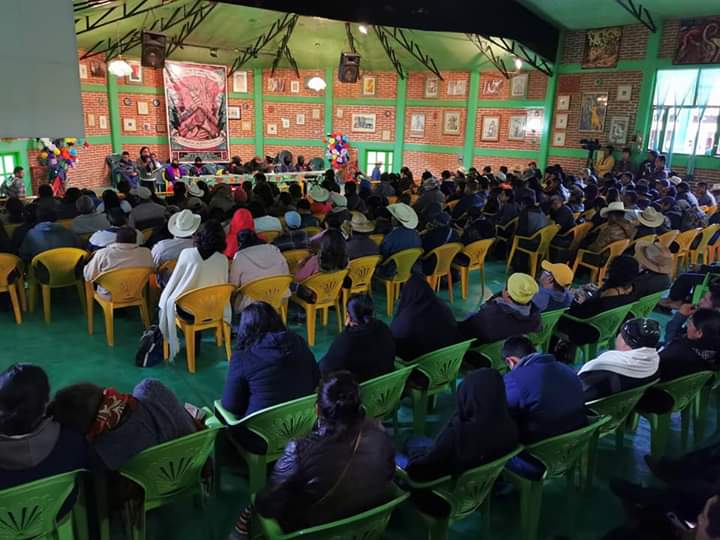
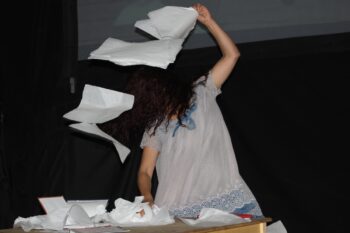
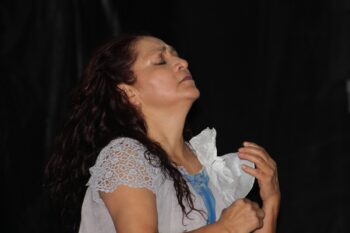
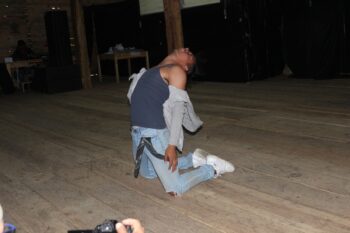
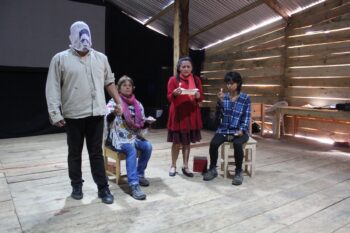
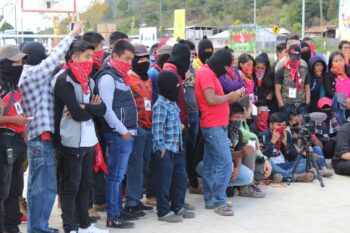
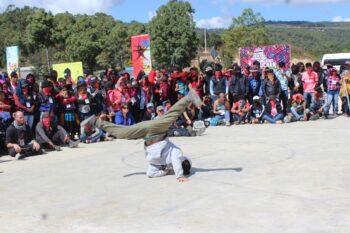
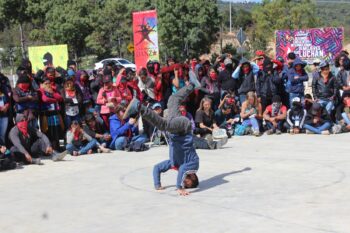
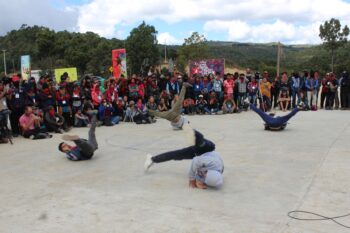
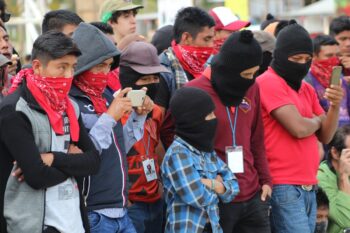
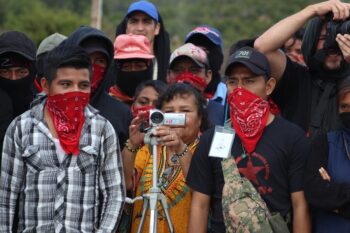
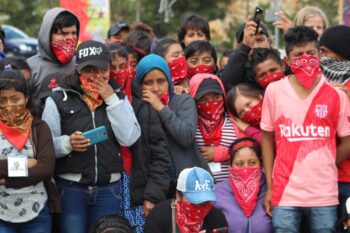
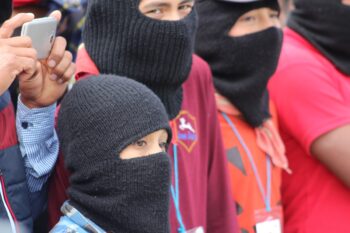
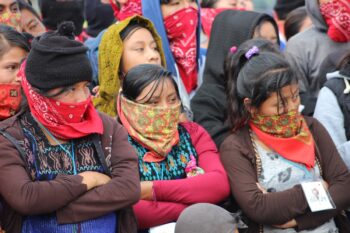
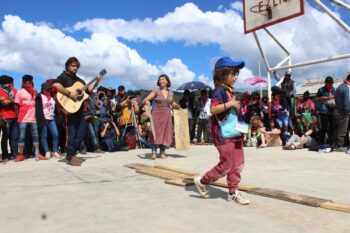
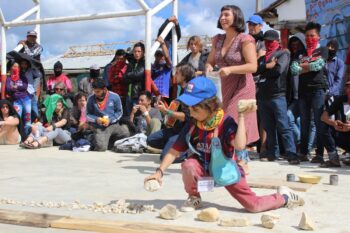
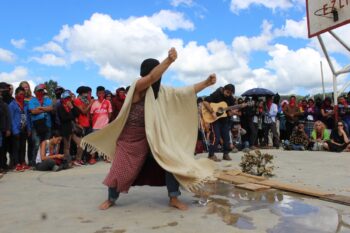
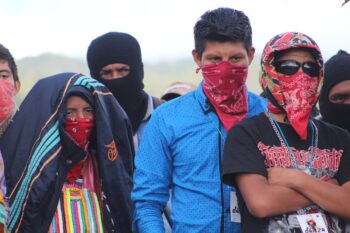
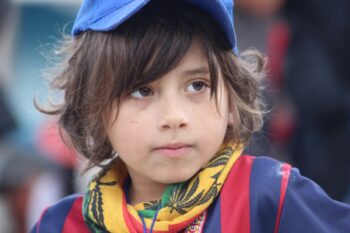
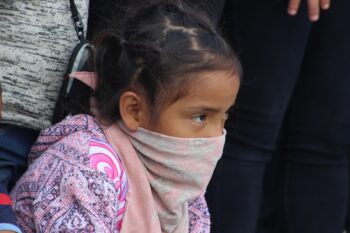
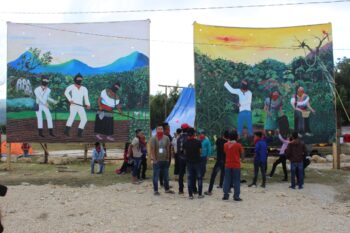
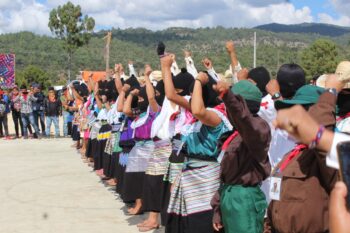
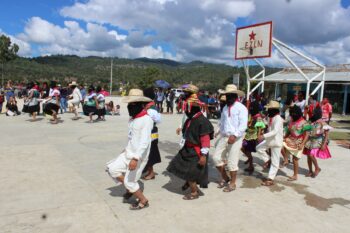
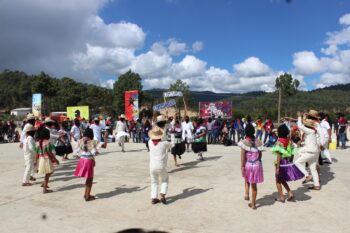
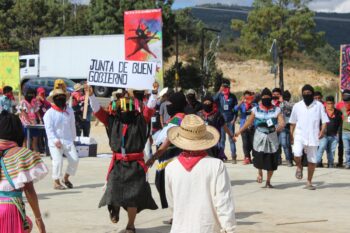
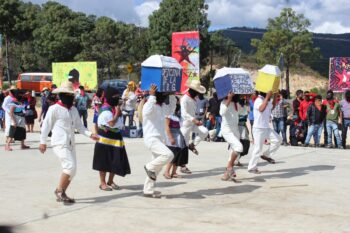
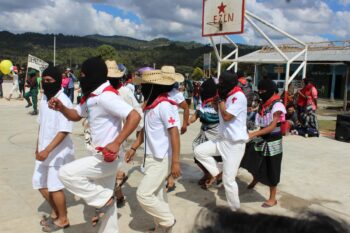
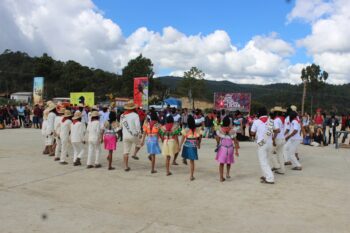
Dialogamos con algunas mujeres que asistieron al Primer Encuentro Internacional, Político, Artístico, Deportivo y Cultural de Mujeres que Luchan que se realizó en Morelia, Chiapas, México entre el 8 y 10 de marzo del presente año. Mujeres provenientes de diversas luchas a las que les preguntamos: ¿quiénes somos?, ¿qué nos convocó a estar aquí?, ¿por qué luchamos las mujeres?, ¿cómo te sentiste en el encuentro? Aquí recogemos esas múltiples voces en un collage que entrelaza los sentires de “un chingo” de mujeres. Mujeres que se nombran, que luchan y que resisten sin miedo.
Producción colaborativa de Radio Zapatista, Subversiones y La tinta
Somos y hacemos
Fuimos miles. Como no somos buenas para las matemáticas ni tampoco en eso de exagerar o contar multiplicando, con humildad arrojamos un tímido y poco certero número ante la pregunta ¿cuántas mujeres había? Entre 5 mil y 10 mil, dijimos. Luego, las zapatistas serían mucho más precisas que nosotras: “A saber cuántas mujeres que luchan llegamos en estos días, pero creemos que podemos estar de acuerdo en que somos un chingo”.
Fuimos venidas de diversos rincones del planeta. Hablantes de español, tzeltal, tzotzil, mapudungun, aymara, francés, italiano, inglés, tojolabal, portugués, zapoteco, entre tantas otras lenguas. Muchas latinoamericanas, venidas desde el sur de nuestro continente. Otras que cruzaron el charco y atravesaron tempestades. Miles desde los distintos estados de México. Algunas con larga experiencia en esto de “estar organizadas” y luchando. Otras autoconvocadas llegaron porque andaban viajando por allí, y se enteraron de un encuentro de mujeres y de unas luchadoras llamadas zapatistas que las invitaban a su territorio.
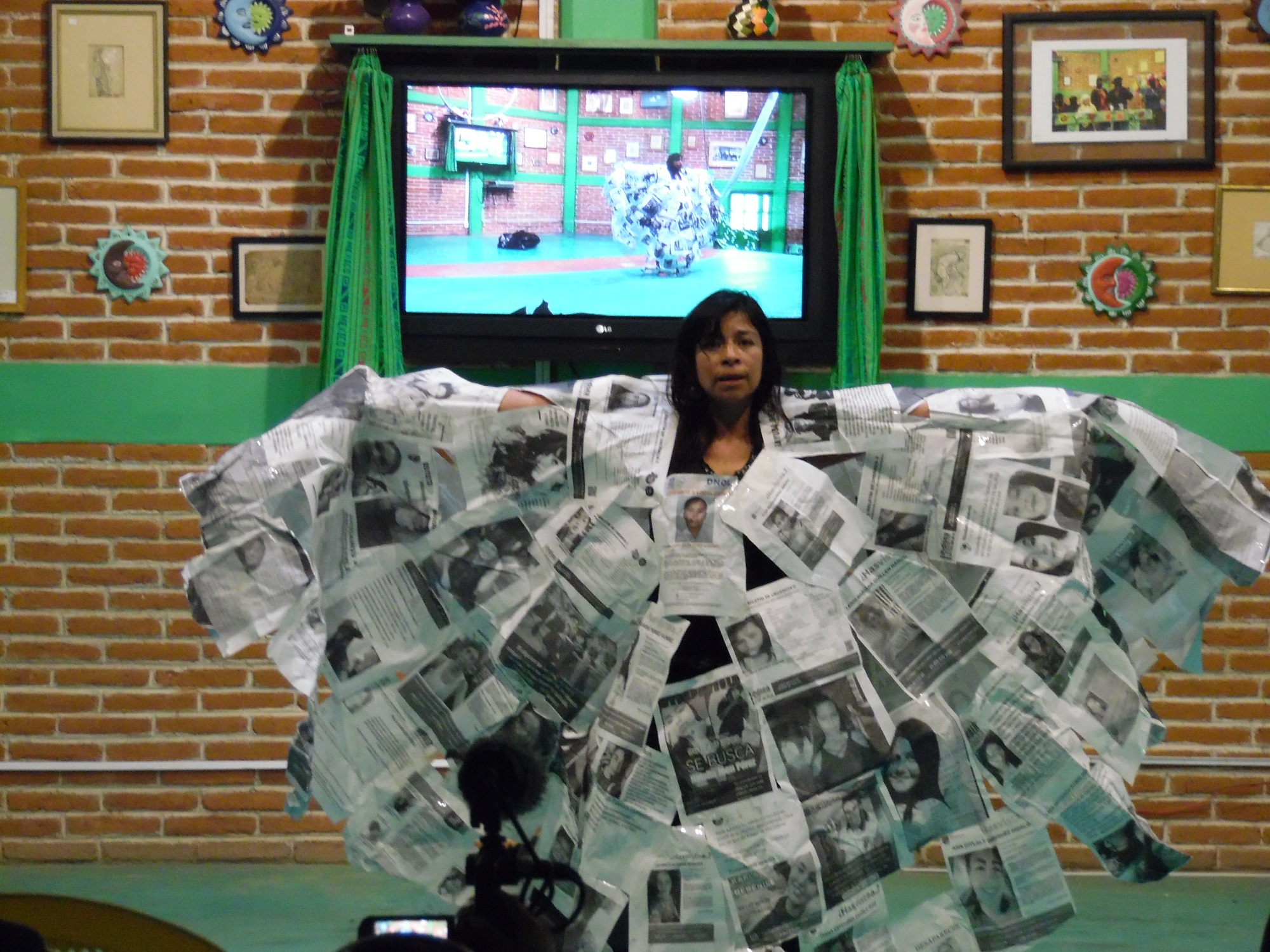
Paula de Argentina, quien desde el Encuentro de Organizaciones propone la lucha para una vida libre y digna; Heydi que desde la música y la fotografía hace arte para resistir y para sanar desde Guatemala; Helena de Cuba que con su sonrisa nos invita a descolonizar nuestras caderas bailando y conectándonos con nuestras ancestras; Laura proveniente de pueblos originarios de México en lucha contra los megaproyectos mineros y eólicos, organizada como mujer campesina e indígena; Juana, Marta y Norma, que llegaron desde Ciudad Juárez, México, para denunciar el asesinato y desaparición de sus hijas; Rosemary de raíces yaki, apache y mexicana proveniente de la frontera con Estados Unidos, trabajadora agrícola; Vanesa y Sirsey que llevan adelante el activismo lésbico desde la Ciudad de México; Laura de Francia, que pinta mujeres desaparecidas y rastrea sus historias para sacarlas del anonimato.
Doña Herminia de Venustiano Carranza, delegada del Congreso Nacional Indígena, lucha en defensa de la tierra y el territorio desde hace muchos años y llegó junto con otras compañeras del Centro de Derechos de la Mujer de Chiapas; asimismo, Guadalupe, Aurelia, María y Teresa, de Ejido Tila, luchan por la tierra y por ser escuchadas como indígenas. Carolina, del colectivo Bondi Fotográfico de Argentina; Susana del Movimiento por Unidad Latinoamericana y Cambio Social con una lucha sindical desde Argentina; Sylke y Ada Luisa de Nicaragua, jóvenes mujeres de la Asociación de Trabajadores del Campo que llegaron a aprender y compartir sus experiencias muy emocionadas por estar en territorio zapatista. Deolinda de Argentina que llega a participar como delegada del Movimiento Campesino de Santiago del Estero; Carol de Costa Rica que hace canciones y llega con otras amigas del Colectivo Mujeres Libres Riendo; Juliana de Brasil que platicó sobre los medios de comunicación libres y comunitarios y Jéssica de la Unión Nacional Campesina y Frente Revolucionario Mujeres de Lucha de Brasil.
Río, de la Ciudad de México, presentó Qué Vulvaridad, exposición fotográfica que muestra una diversidad inmensa de cuerpos, tantos como hay mujeres en el mundo; Xochiquetzal de Cuernavaca quien participó como académica y poeta del colectivo de mujeres Lunámbula; Reyna y Araceli, mujeres indígenas mazahuas del Estado de México; Laura de La Sandía Digital; Yasna, periodista y Dafne de Radio Placeres, ambas de Chile; Carol de California que quiere llevar todo el aprendizaje de regreso a su tierra; y Gemma y Ana del Estado Español que ven muy importante tomar el ejemplo de lucha de las mujeres zapatistas y consideran este encuentro como una oportunidad de encontrarse con mujeres de otras realidades.

Convocadas
Venimos a encontrarnos con mujeres que luchan en todo el mundo, contactarnos y tejer redes para desarrollar conjuntamente las herramientas que necesitamos para la libertad y para confrontar la violencia del patriarcado. Somos curiosas, buscamos tanto preguntas como respuestas. Venimos a compartir experiencias, hacer propuestas, aprender de otras mujeres, crear enlaces y solidaridad entre nosotras. Venimos a conocer la problemática de las zapatistas y cómo se organizan, a conocer personas de tantos estados, de tantas ciudades con el mismo problema que nosotras: desapariciones, feminicidios, acoso sexual.
(Descarga aquí)Venimos a reflexionar acerca de qué formas organizativas y políticas tenemos para poder hacer una revolución que contenga todos los derechos y necesidades de las mujeres del mundo. Venimos para ser escuchadas como indígenas ante la represión, el despojo de tierras y el abandono. Porque sólo luchando se hace la fuerza. Porque a ellos no les conviene que nosotras andemos en estos lugares, visibilizando lo que está pasando en Ciudad Juárez y en otras partes del mundo. Venimos para seguir en la lucha de justicia por nuestras hijas asesinadas, para nuestras hijas desaparecidas. Nosotras como madres de hijas desaparecidas tenemos que seguir visibilizando todo lo que está pasando. Venimos porque no nos podemos quedar calladas.

Luchamos
Estamos luchando por sobrevivir porque nos están matando y salir a la calle todos los días es un peligro. Esa violencia hacia nosotras se extiende a los que nos rodean, a nuestras hermanas, a nuestras amigas, a nuestros hijos e hijas. Personas que son asesinadas y quedan en el olvido. Algunas ni siquiera están en un archivo. ¿Cómo preservar su memoria, cómo recordarlas, cómo pedir justicia?
Luchamos por proteger nuestros cuerpos, nuestras tierras y a nuestros seres queridos; por un mundo mejor, por el ser humano y por la vida entendida como dignidad. Luchamos por el sufrimiento que tenemos y tenían nuestras mamás y nuestras abuelas. En contra de un sistema patriarcal que nos oprime en todas dimensiones, que tanto en el trabajo como en el hogar y en los espacios sociales, cada día, tenemos que librar una batalla por defender nuestras libertades y sobre todo por demostrar que somos autónomas, dueñas de nuestros cuerpos, de lo que pensamos y de quiénes queremos ser. Por ser la mujer que queremos ser sin ningún estigma ni regla impuesta. Luchamos por autonomía, por tener un lugar, por nuestros propios espacios. Espacios llenos de mujeres. Por eso es importante encontrarnos y organizarnos, voltear a vernos y hacer un compromiso con nosotras y con las otras para mejorar este mundo que pareciera no es para nosotras.
(Descarga aquí)Luchamos porque vivimos injusticias en distintos niveles. Luchamos contra los distintos sistemas de opresión: el racismo, el capitalismo, el machismo y el patriarcado. Entendemos que toda la estructura debe transformarse, no solamente en términos del sistema económico. Luchamos por deconstruir y descolonizar los saberes, los sentires, los deseos. Por romper esa idea de que el cuerpo de la mujer sólo debe ser para el consumo de los hombres o para un consumo sexual. Por llevar esa fiesta de la revolución externa a una fiesta de la revolución interna. Luchamos por más arte para nosotras. Porque tenemos un corazón lindo, porque somos muy creativas, porque escribimos, porque brindamos apoyo, porque podemos hacer cosas juntas aunque no nos conozcamos, porque nos enamoramos del viento, del sol, de la abuela luna y la diosa del mar, de la naturaleza toda.
Luchamos para que nadie más pase lo que nosotras hemos pasado. Porque antes éramos sumisas a lo que el hombre dijera pero a través de reconocer nuestros derechos como mujeres, empezamos a salir. Luchamos para desarmar el patriarcado como una estructura de dominación que nos meten en la cabeza y en nuestras organizaciones. Somos las más afectadas y no podemos quedarnos con las manos cruzadas mientras el patriarcado está acabando con nosotras y el mundo. Luchamos por tener paz y dignidad. Por un lugar en este mundo. Luchamos por la tierra y porque nosotras estamos buscando a nuestras hijas. Porque vivas se las llevaron, vivas las queremos. Luchamos todos los días por causas que nos unen todo el tiempo.

Resistimos
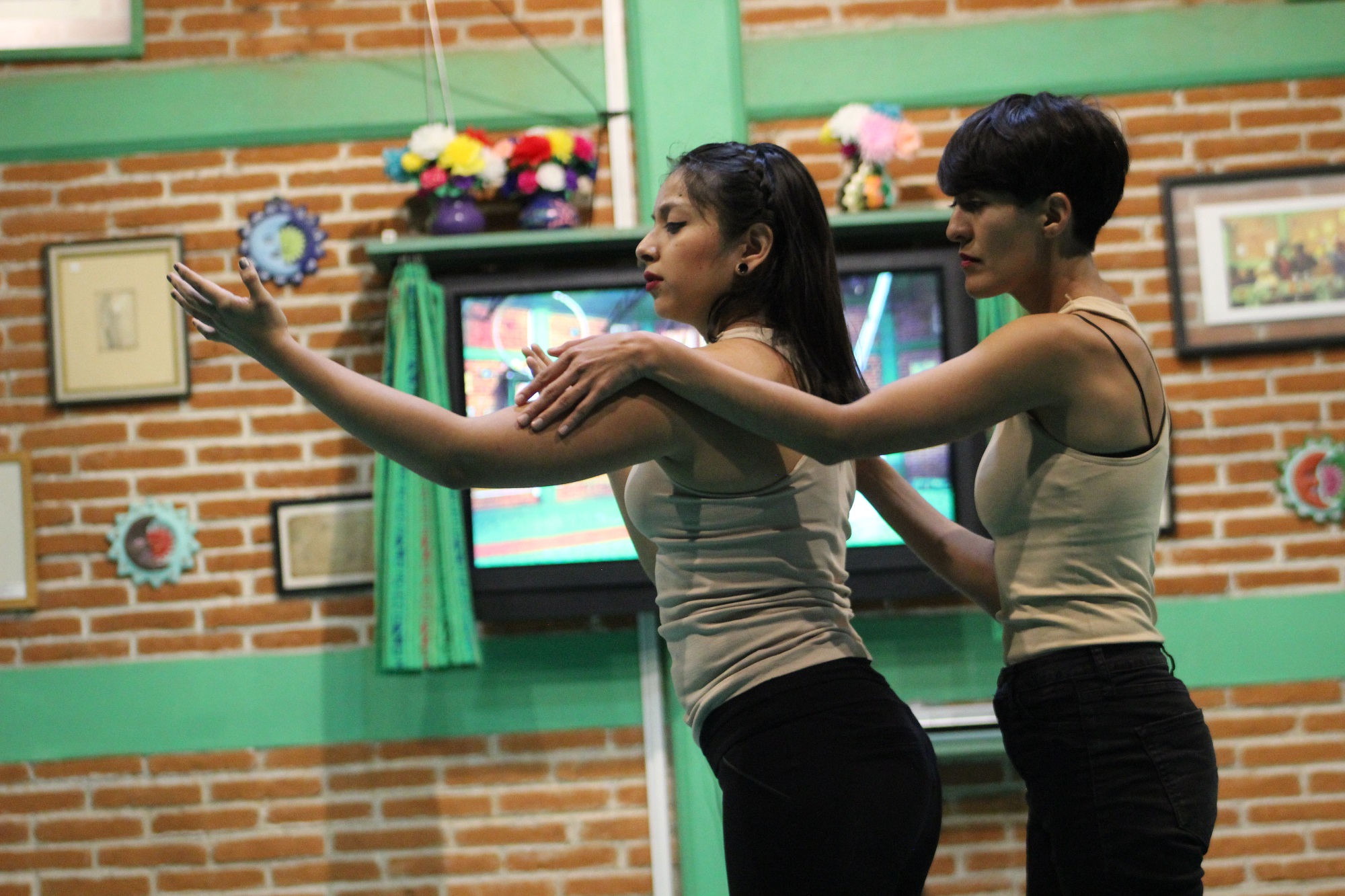
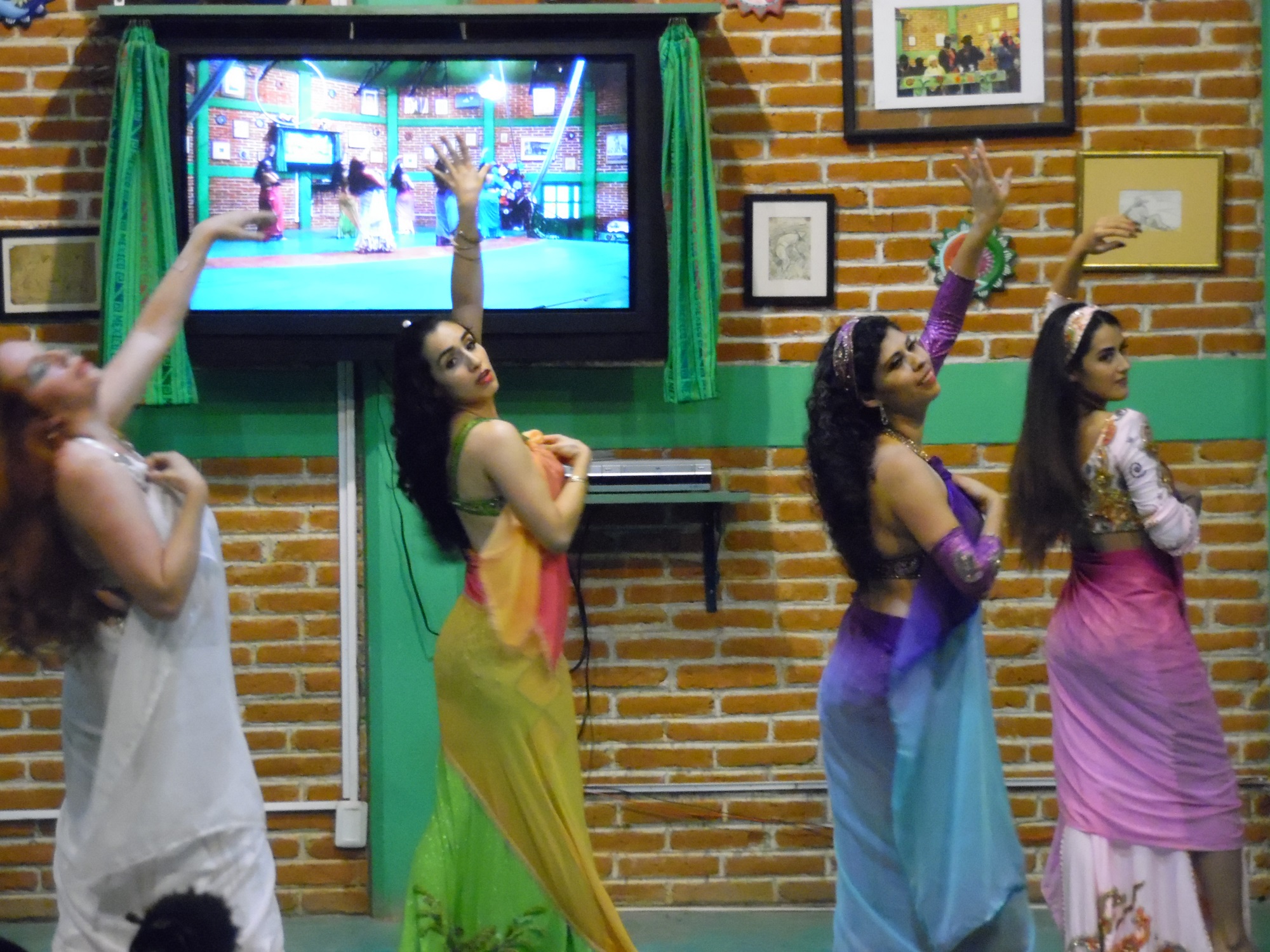
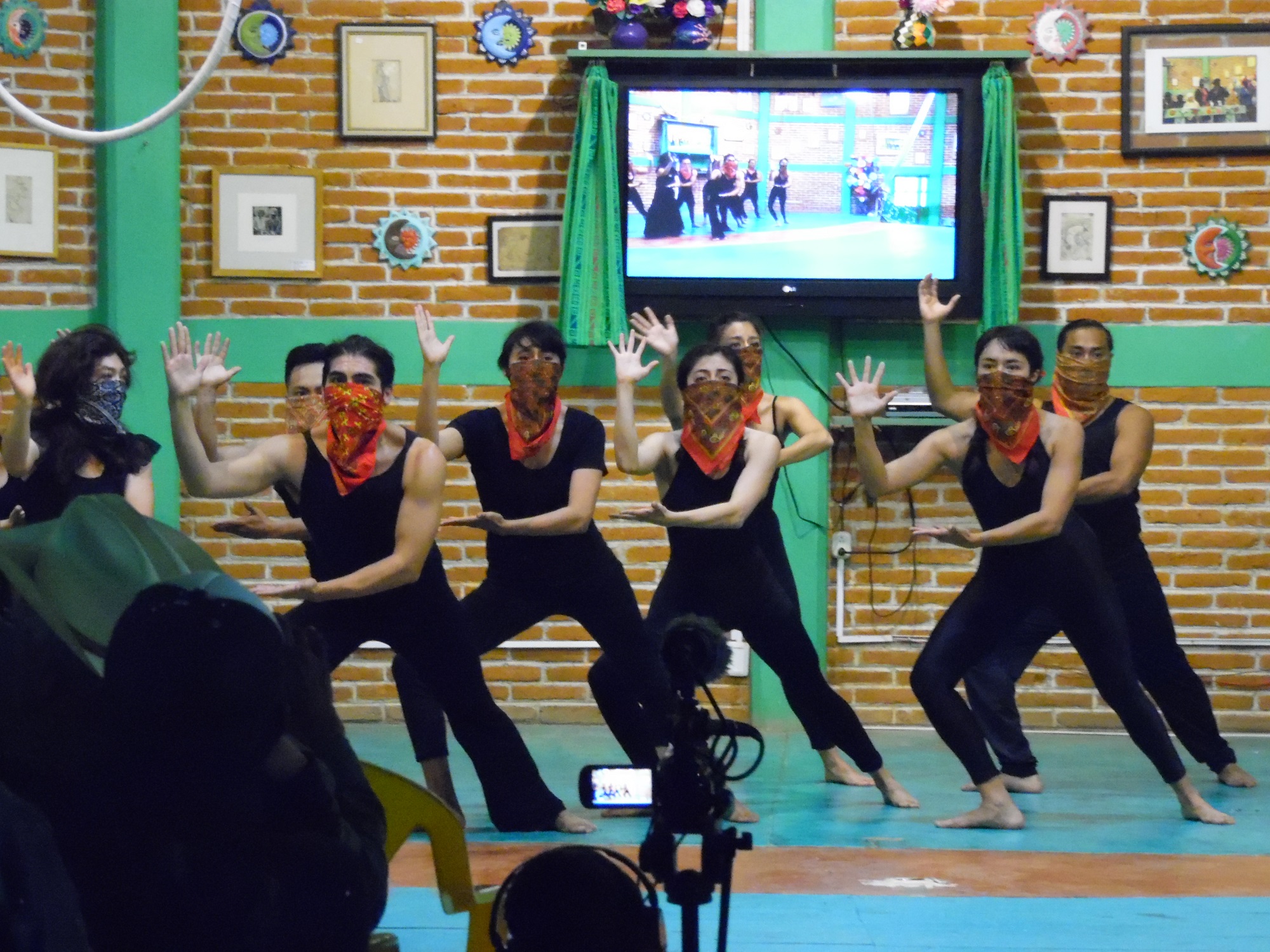
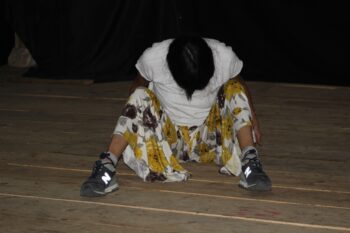
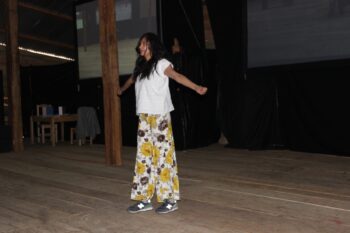
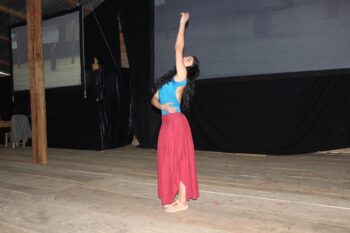
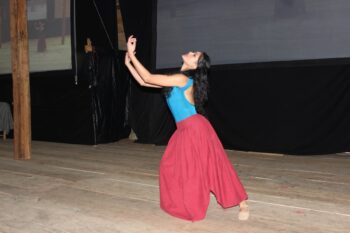
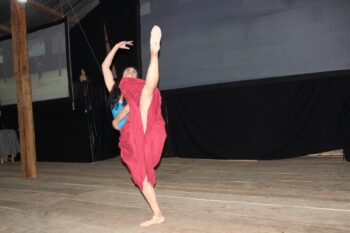
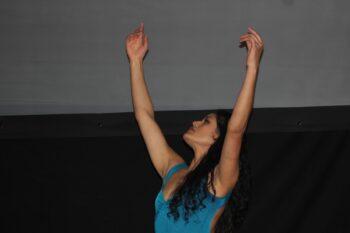
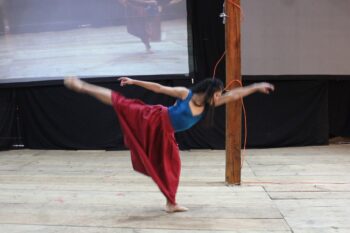
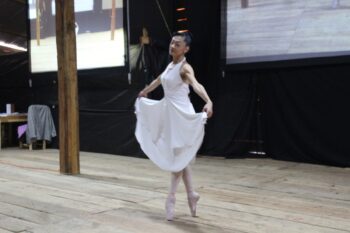
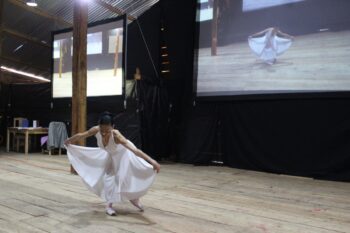
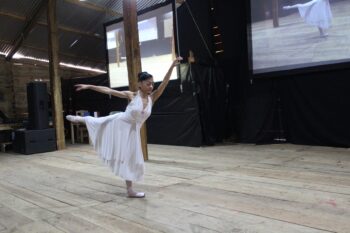
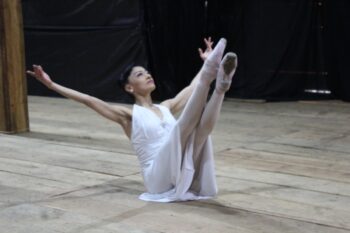
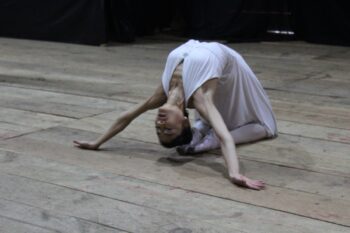
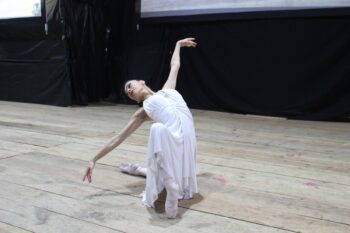
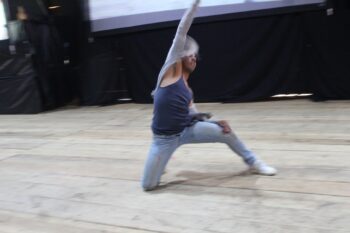
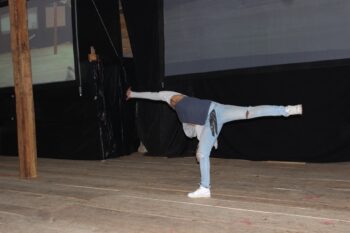
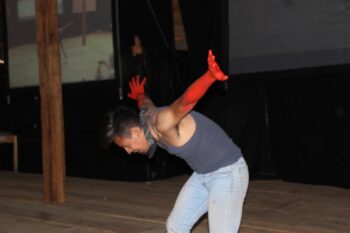
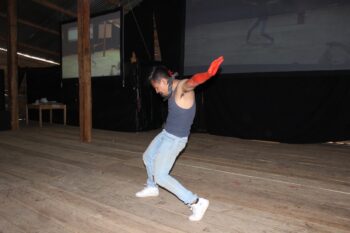
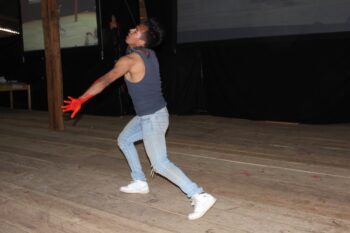
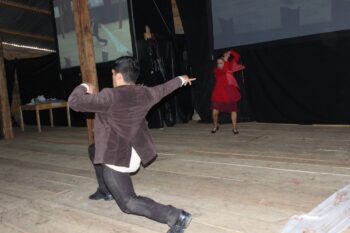
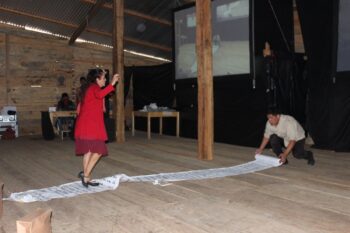
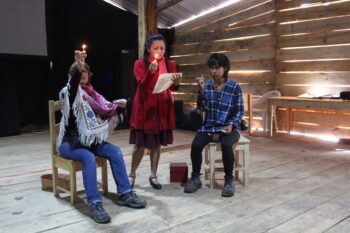
Nuestra resistencia es nombrarnos juntas, aprender juntas y salir a las calles, tomar el espacio público. Identificar que si el mundo sigue caminando es gracias a que las mujeres nos organizamos en todos los espacios, en todos los tiempos. Bordamos como una forma de unirnos y luchar para lograr que las voces de las compañeras que fueron asesinadas no queden apagadas, que difundamos lo que está sucediendo en nuestro país. Que escuchen nuestra voz de una vez por todas, que podemos hablar por nosotras mismas, que la lucha es nuestra, que no necesitamos a nadie para eso. Utilizamos la danza y la espiritualidad como un mecanismo de resistencia y empoderamiento, el erotismo como poder. Nos reconectamos con nuestras ancestras y esto es un momento especial de lucha y de resistencia.
Sin miedo
En el encuentro convocado por las zapatistas no sentimos miedo. Compartimos cuatro días sin violencia, sin agresiones, sin acoso. Sin miedo a ser agredidas por nadie, sin miedo a estar vestida de alguna forma en la que te sientas incómoda, sin miedo a decir lo que tengas que decir. Caminamos sin pensar en que si estábamos peinadas o no, o cómo estábamos vestidas. Sin pensar en nada de eso, simplemente vivir, respirar y saber que haga lo que haga no voy a ser juzgada y que si me caigo estoy segura que alguna compañera me hubiera levantado. Por un momento en el tiempo que estuvimos aquí no tuvimos miedo. Fuimos libres. Expresamos nuestros sentimientos. Seguras y tranquilas. Cerca de otras. Encontradas en nuestros cuerpos.

Aprendimos
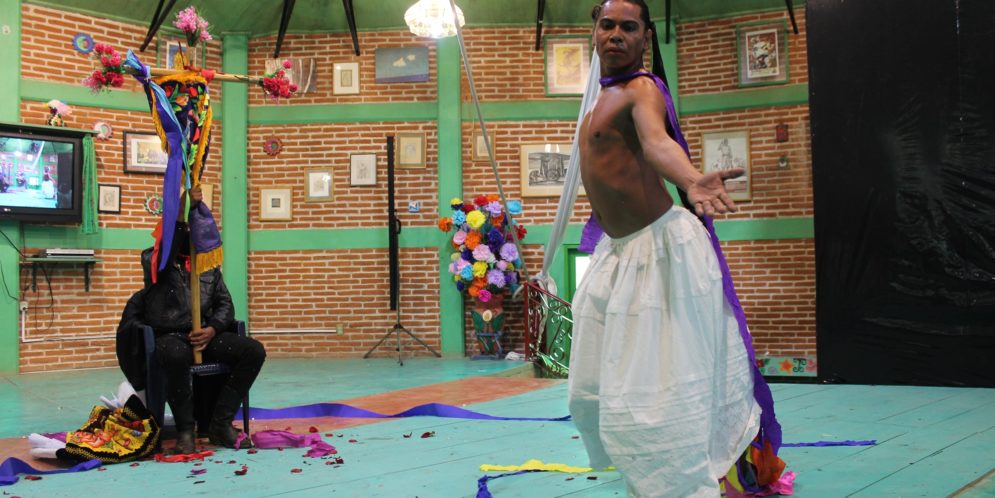
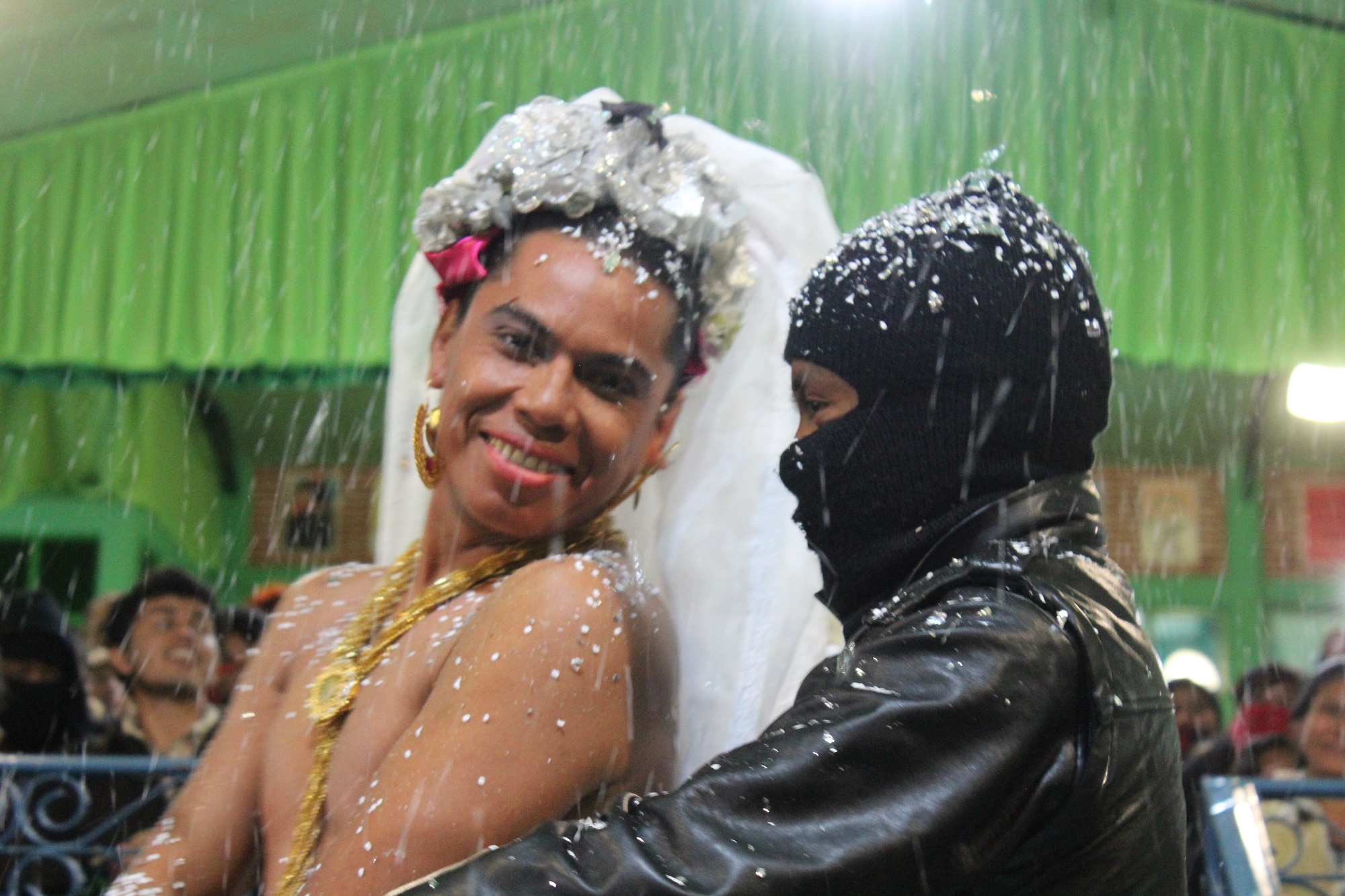
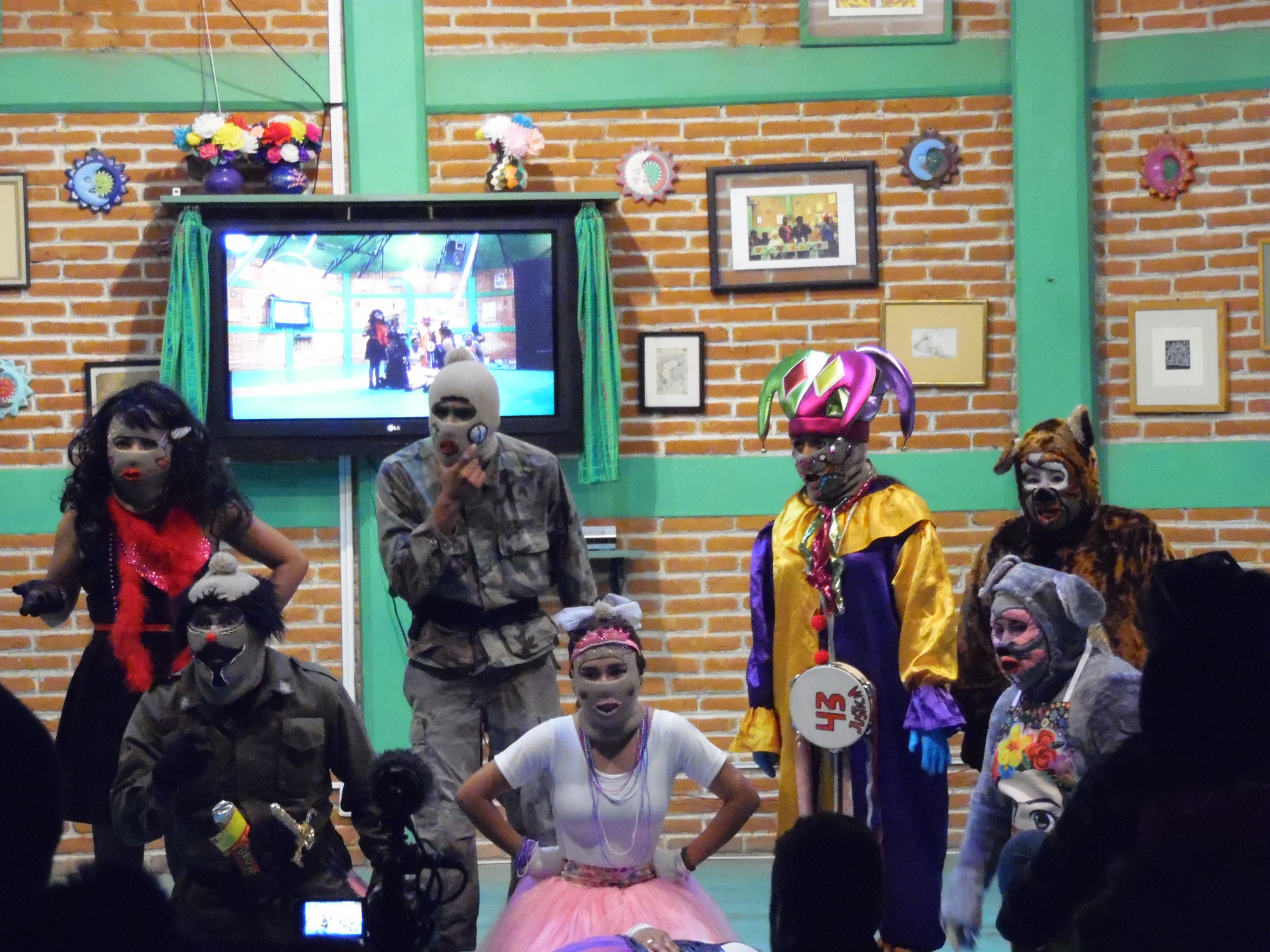
De las compañeras zapatistas aprendimos mucho. Estar aquí es estar en el corazón de ellas, estar en el corazón de la lucha. Verlas, escucharlas, esa es la mayor inspiración, la mayor motivación para seguir resistiendo. Ellas nos han abierto su espacio, su territorio, para recibirnos a mujeres tan diversas, con diversas luchas, experiencias, geografías. Y con mucho respeto estamos aquí compartiendo y escuchándolas, el primer día fue verlas desde su lenguaje y los otros días, estar conversando con ellas. Han sido muy generosas de compartir su espacio, de compartir sus conocimientos, de facilitar todo para este encuentro. Pudimos ver todos los avances, todos los logros que están haciendo desde el arte, la pintura, la danza, el teatro, la música. Nos están poniendo el ejemplo de que, pese a las dificultades y situaciones de discriminación y violencia que enfrentamos en nuestras comunidades, podemos salir adelante organizándonos.
Insistieron en que es necesario estar organizadas. Nos transmitieron mensajes llenos de aprendizaje. Aprendimos que podemos construir desde la diversidad no sólo cultural, de edad y creencia, sino de las distintas maneras de entender el feminismo y cuestionar esta especie de superioridad con la que algunos movimientos feministas creen tener la razón y enseñarnos. Tomamos una lección de humildad. Un camino tan correcto para nosotras, correcto en el sentido de que no es el hombre, no es el gobierno, no son ellos quienes van a cambiar la historia de desigualdad existente, somos nosotras, en colectivo, solas no. Y este colectivo es tan latinoamericano, es tan internacional que motiva, llena de fuerza y de energía.
(Descarga aquí)Es un hecho histórico, venimos de diferentes partes del mundo, de diferentes realidades, diferentes clases sociales, diferentes maneras de luchar y tenemos que aprender mucho unas de otras, mujeres muy afectuosas, muy valientes,mujeres brillantes, de mucha fuerza y mucha sabiduría. Nuestras luchas están conectadas de una manera mundial. Compartir experiencias y saber que somos más de las que pensamos y que no estamos solas es muy potente y muy necesario. Apostamos a los feminismos descoloniales. Las compañeras que vienen desde Cuba con todo un posicionamiento crítico, compañeras aymaras con el feminismo comunitario, compañeras lesbianas que tienen también sus propias propuestas y las compañeras indígenas desde otras geografías del país, compañeras urbanas, argentinas, españolas. Conversamos y aprendimos en esta complejidad. Tendimos redes para seguir haciendo esta conversación. Son nuestras luchas las que vamos a continuar alimentando.
EZLN invites to the dialogue (or seedbed) “To Watch, to Listen, to Speak: No Thinking Allowed?” 15-25 Apr 2018
The Sixth Commission of the Zapatista Army for National Liberation convokes a ROUNDTABLE DISCUSSION (or seedbed, depending on who you ask): “To Watch, to Listen, to Speak: No Thinking Allowed?”
ZAPATISTA ARMY FOR NATIONAL LIBERATION
Sixth commission of the EZLN.
Mexico.
March, 2018.
To the persons, groups, collectives and organizations throughout the world who understood and took on as their own the initiative of the Indigenous Governing Council and its spokeswoman:
To the national and international Sixth:
To everyone who contributed their signature in support of the Indigenous Governing Council’s spokeswoman:
CONSIDERING:
First and only:
The Happy Family.
A town, or a city, or whatever it’s called. A place in the world. A wall. Hung on the rough surface of the huge wall is a flyer, a poster, or whatever you call it. In the image, a man and woman smile in front of a table brimming with a wide variety of food. To the couple’s right, a smiling girl; to their left, a boy grinning to display gleaming teeth. Above them in large and intimidating letters reads “THE HAPPY FAMILY”. The poster is old by now, time’s march forward having muted the colors that, we assume, were once bright and, yes, happy. Anonymous hands have added small paper signs to the wall: “The happy family is happy only with God’s blessing”; “No to gay parenting! Death to faggots and dykes!”; “Motherhood is what defines a happy woman”; “We unclog pipes: no-obligation estimates”; “Happy home available for rent to a happy family. Unhappy families need not apply”.
Along the sidewalk that runs in front of the wall, people hurry from one place to another without paying any attention to the opaque image. Occasionally, someone is crushed to death under a huge chunk that falls off the decrepit wall. In fact, these partial rockslides are becoming more and more frequent. Loose pieces of the wall break off and crush sometimes one person, sometimes a small group, sometimes whole communities. The crowd is thrown into commotion only for an instant before resuming its trajectory under the pale gaze of the happy family.
Catastrophes big or small, these should not distract us from what is most important now: every so often, the supreme maker of “happy families” announces the free and democratic election of who will preside over the poster.[i] And precisely at this moment, you are just now noticing, a happy calendar that can be seen behind the happy family indicates that it’s election season. Around this time, a feverish activity runs through the crowd that, without stopping, discusses, offers opinions and argues about the different options presenting themselves as potential stewards of the enormous poster.
There are those who point out the danger posed to the image on the already battered poster—the symbolic identity of the city or town or whatever—by their opponents’ obvious inexperience. One person offers to renovate the poster and return to it the brightness and color it once had (in reality, nobody remembers that time, so we can’t be sure that it actually existed—if, of course, we can in fact attribute existence to time). Someone else says that previous administrations have neglected the image, and that this is what has caused its visible deterioration.
The different proposals ignite arguments among passers-by: accusations, insults, fallacies, arguments of a purely ephemeral base, condemnations and apocalyptic predictions fly back and forth. People reflect on the importance and transcendence of this moment, on the necessity of conscious participation. It wasn’t for nothing that they struggled for so many years to be able to choose who presides over the happy image of the happy family.
Factions are formed: on one side are those who insist on a sensible renovation; on the other are those who insist on the scientific postulate, “better the devil you know than the devil you don’t”; another faction consists of those calling for proper behavior, good taste and modernity. A few here and there shout, “Don’t think! Vote!”. A giant placard obstructs the flow of people; it reads “Any call to think rationally about voting is a call to abstention. This is not a time to think, it is time to take sides”.
The discussions are not always level-headed. The selection of the steward of the image is so important that many times the competing groups resort to violence.
Some talk of the boundless happiness that accrues to whomever ends up the victor, but, far from mundane worldly interests, the severe faces of the contenders belie the seriousness of the matter: it’s an historic task; the future is in the trembling hands of those who must choose; this most serious responsibility weighs heavily on the shoulders of the people. Happily, though, this weight will be lifted once the winner is known and sets him or herself to the task of procuring happiness for the happy image of the happy family.
The frenzy is such that everyone forgets entirely about the image portrayed. But on the lonely wall, the happy family still displays its perennial and useless smile.
t the foot of the long, high wall, a little girl raises her hand, asking to speak. The factions barely take notice, but someone finally says, “Poor little thing, she wants to talk, we should let her.” “No,” says another faction, “it’s a trick from the opposition group, an attempt to divide the vote, a distraction designed to stop us from reflecting on the gravity of the moment, a clear call to abstention.” Another faction objects: “What capacity could a little girl have to even opine about the poster? She needs to study, grow, and mature.” And from another wing: “We’re not going to waste time listening to a little girl. We should concentrate on what’s important: deciding who is best suited to take care of the poster.”
The “Commission on Transparency and Legitimacy for the Election of the Person in Charge of Stewarding the Image of the Happy Family” (abbreviated CTLEPCSIHF) released a brief and serious memo, in accordance with the gravity of the times: “The rules are clear: NO LITTLE GIRLS ALLOWED.”
Specialized analysts publish new reflections: “The only thing the little girl achieved was the legitimization of the CTLEPCSIHF. In asking for the floor, the girl entered the game and lost; the rest is consolation.”; “The failure of the girl is symptomatic of the failure of the renovation process, the institutions should let the girl talk”; “It was very moving, the little girl with her little hand raised, asking for attention, poor little thing”; “It was an adverse outcome, the product of an erroneous analysis of the conjuncture, the context and the correlation of forces. This signals the absence of a revolutionary vanguard to direct the masses”; “Etcetera”.
But the discussions lasted only a few minutes before the coming and going of footsteps and injustices continued its course. No one listened to the girl speak as she pointed, not to the image, but to the wall upon which the happy family shone its by now deteriorated tranquility.
Standing on a pile of rubble, surrounded by the cadavers of little girls and broken stones, she stated, flatly, the obvious:
“It’s going to fall.”
But no one listened…
Just a minute…no one?
(To be continued?)
-*-
Based on the above statement, the Sixth Commission of the EZLN convokes:
A ROUNDTABLE DISCUSSION (or seedbed, depending on who you ask):
“To Watch, to Listen, to Speak: No Thinking Allowed?”
In which various participants from the National Indigenous Congress, the Indigenous Governing Council, the arts, the sciences, political activism, journalism and culture will share with us what they are seeing and hearing.
The roundtable will take place from April 15-25, 2018, at the CIDECI-Unitierra in San Cristóbal de las Casas, Chiapas, Mexico.
The following, among others, have confirmed their participation:
Marichuy (spokeswoman for the Indigenous Governing Council).
Lupita Vázquez Luna (councilwoman of the Indigenous Governing Council).
Luis de Tavira Noriega (theater director).
Mardonio Carballo (writer).
Juan Carlos Rulfo (filmmaker).
Paul Leduc (filmmaker).
Cristina Rivera-Garza (writer).
Abraham Cruzvillegas (visual artist).
Néstor García Canclini (anthropologist).
Emilio Lezama (writer and political analyst).
Irene Tello Arista (columnist and activist).
Erika Bárcena Arévalo (lawyer and anthropologist).
Ximena Antillón Najlis (psychologist specializing in victims of violence).
Jacobo Dayán (academic and human rights activist).
Marcela Turati (investigative journalist).
Daniela Rea Gómez (journalist).
Carlos Mendoza Álvarez (philosopher).
John Gibler (journalist).
Javier Risco (journalist).
Alejandro Grimson (anthropologist).
Enrique Serna (novelist).
Paul Theroux (writer).
Juan Villoro (writer).
Pablo González Casanova (sociologist and Zapatista, not necessarily in that order).
Gilberto López y Rivas (anthropologist).
Alicia Castellanos Guerrero (anthropologist).
Magdalena Gómez Rivera (lawyer).
Bárbara Zamora (lawyer).
Margara Millán Moncayo (feminist sociologist).
Sylvia Marcos (psychologist and feminist sociologist).
Jorge Alonso Sánchez (anthropologist).
Fernanda Navarro y Solares (philosopher).
Néstor Quiñones (graphic artist).
Raúl Romero (sociologist).
Rafael Castañeda (political militant).
Luis Hernández Navarro (journalist).
Carlos Aguirre Rojas (sociologist and economist).
Sergio Rodríguez Lascano (political militant).
Carlos González (lawyer and activist for the struggles of originary peoples).
Adolfo Gilly (political militant, historian and analyst).
Carolina Coppel (video artist).
Mercedes Olivera Bustamante (feminist anthropologist).
María Eugenia Sánchez Díaz de Rivera (sociologist).
“Lengua Alerta” (musician).
“Panteón Rococó” (musicians).
“El Mastuerzo” (guacarocker[ii]).
“Batallones femeninos” (feminist musicians).
“Los Originales de San Andrés” (Zapatista musicians).
“La Dignidad y la Resistencia” (Zapatista musicians).
As the rest of those invited confirm their attendance (and whose names are not listed here so as to protect the innocent) the complete list will be made public, as well as the dates and times of each participant’s contribution.
The email address to register as a listener-observer, or member of the free or paid press, is:
asistentesemillero@enlacezapatista.org.mx
Please include your name, city, state or country, and whether you are attending as an individual or member of a collective.
That said, don’t miss it… or do miss it, the point is that you watch, listen, and think.
From the mountains of the Mexican Southeast.
For the Sixth Commission of the EZLN (Department of “Invitations and Stating the Obvious”).
SupGaleano.
Mexico, March, 2018.
[i] The original Spanish used here is “cartel,” which can mean a poster or sign, but also literally means cartel, as in, for example, a drug cartel.
[ii] “Guacarock” was coined by Mexican rock band “Botellita de Jerez” (of which “El Mastuerzo” was a member) to describe their unique style of fusing Mexican popular rhythms with the sounds of rock’n’roll. The term combines the Mexican word for avocado (aguacate) with rock.