


Por R. Aída Hernández Castillo
Fotos: Cecilia Lobato, Colectivo Regresando a Casa Morelos.
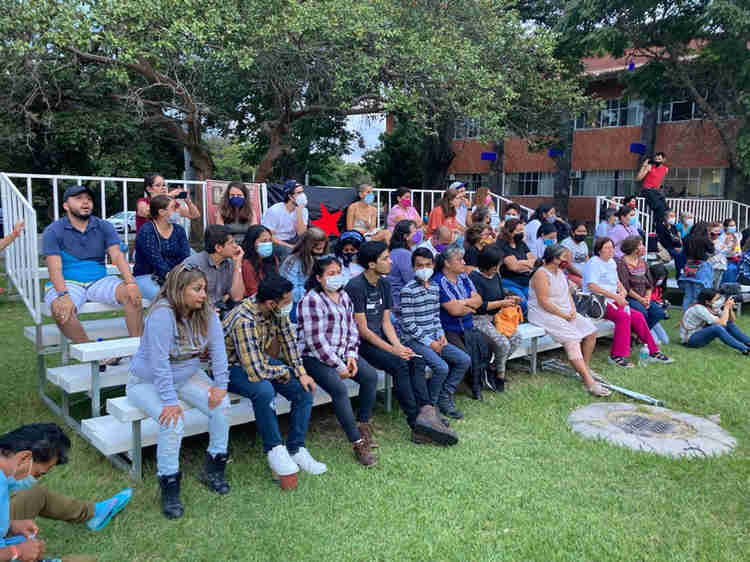

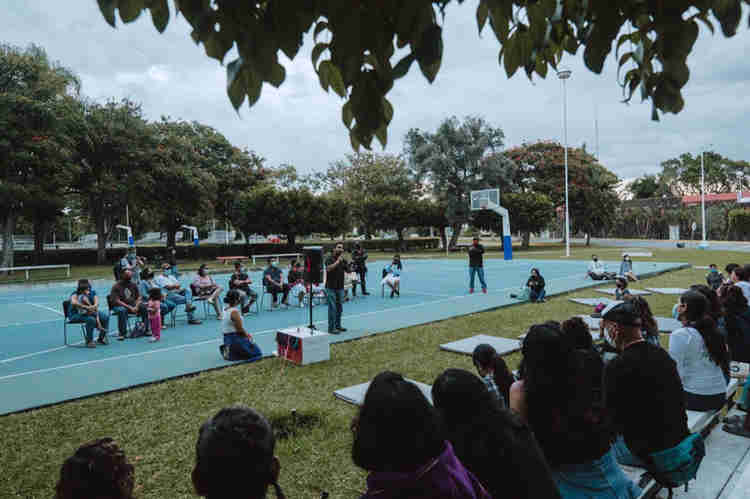
El domingo 17 de octubre tuvo lugar en Oaxtepec Morelos, un encuentro histórico entre los colectivos de familiares de desaparecidos articulados en la Brigada Nacional de Búsqueda (BNB) y el Congreso Nacional Indígena (CNI). Se trata de dos de los movimientos sociales más importantes del país, en defensa de la vida. Desde distintas estrategias y espacios de resistencia, estos hombres y mujeres se han convertido en el principal contrapeso a las violencias múltiples que están destruyendo el tejido social de nuestras comunidades.
Haciendo eco a la iniciativa lanzada en julio pasado por el Ejército Zapatista de Liberación Nacional (EZLN) de promover una Campaña Nacional por la Verdad y la Justicia, el CNI se acercó a los colectivos de familiares de desaparecidos que se encuentran en Morelos en el marco de la VI Brigada Nacional de Búsqueda. El 31 de julio pasado 756 comunidades zapatistas se pronunciaron por el SI, como respuesta a la pregunta de si “estaban o no de acuerdo en que se haga lo necesario para apoyar a que se cumplan los derechos de las víctimas y sus familiares, de verdad y justicia”. Este llamado nos planteó el reto de imaginar y promover dicha campaña, desde movimientos que no siempre comparten sus perspectivas políticas, ni estrategias de lucha, pero que coinciden en denunciar los entramados de violencias y las complicidades estatales con las mismas, así como en apostarle al trabajo de reconstrucción y fortalecimiento de los tejidos comunitarios.
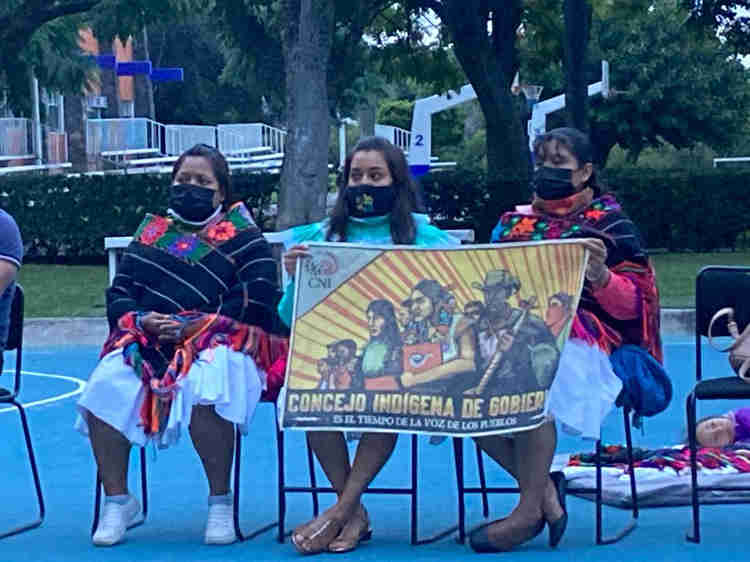

Si bien en varios espacios de encuentro organizados por los zapatistas habían participado familiares de personas desaparecidas –como fue el caso del Segundo Encuentro Internacional de Mujeres que Luchan, en diciembre del 2019– se trata de la primera vez que el EZLN hace un llamado a una campaña nacional de apoyo a las luchas de estos colectivos.
Por su parte del Congreso Nacional Indígena, ha venido denunciando la desaparición y asesinato de varios de sus líderes en distintas regiones del país, como fue el caso del dirigente yaqui Tomás Rojo, desaparecido el 27 de mayo de mayo de este año, y cuyo cuerpo fue encontrado en una fosa clandestina en Vicam, Sonora, unos días después. Así como los asesinatos de los activistas yaquis Luis Urbano y Agustín Valdez durante ese mismo mes. También se movilizaron en torno a la desaparición en septiembre pasado de José Antonio Sánchez Juárez y Sebastián Núñez Pérez, bases de apoyo zapatistas e integrantes de una Junta de Buen Gobierno, quienes aparecieron con vida después de haber sido secuestrados por grupos paramilitares vinculados a la Organización Regional de Cafeticultores de Ocosingo (Orcao). Sin embargo, existen cientos o miles de desaparecidos indígenas en el país, que no tienen militancias políticas ni vínculos con el CNI, cuyas familias no han contado con las redes de apoyo para denunciar ampliamente estas violencias. Sus nombres y casos se han perdido en el anonimato, y hasta ahora el movimiento indígena en el país no ha logrado documentar, ni denunciar los nombres de los miles de desaparecidos y desaparecidas, cuyas vidas han sido truncadas por las violencias extremas, muchas veces perpetradas por actores estatales que deberían de protegerlos.



Por el lado de los colectivos de familiares de desaparecidxs en el país, tampoco se ha visibilizado la identidad étnico-cultural de las personas cuyos cuerpos han sido encontrados en fosas clandestinas, ni de los familiares que buscan a sus hijos e hijas en regiones indígenas. Es decir que la desaparición de personas, se ha diluido en los múltiples agravios denunciados por el CNI, a la vez que la identidad indígena, tampoco ha sido considerada ni en las bases de datos oficiales, ni en las de los colectivos de familiares. Es por esto que el encuentro entre el CNI y la Brigada Nacional de Búsqueda, no solo representa un momento histórico en la articulación de dos luchas que resultan fundamentales para el país, sino que también abre la posibilidad de visibilizar las múltiples ausencias de los indígenas desaparecidxs.(Las múltiples ausencias de los indígenas desaparecidos en México – A dónde van los desaparecidos (adondevanlosdesaparecidos.org)
El encuentro
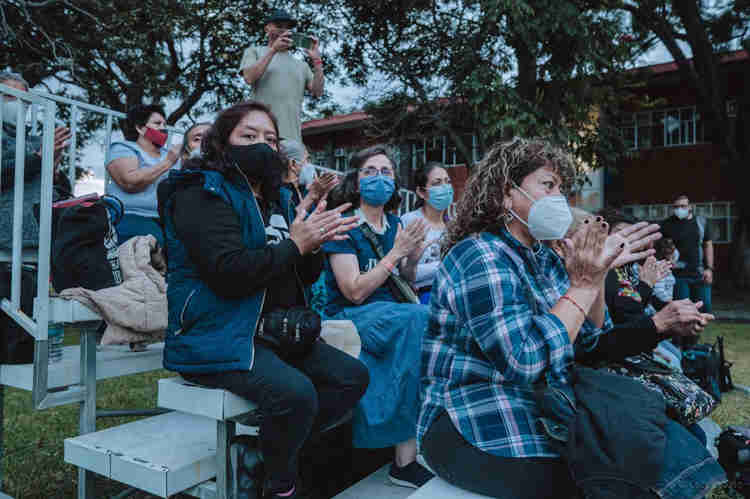
En una hermosa noche de luna llena, representantes del CNI de distintas regiones del país levantaron sus voces con consignas de apoyo a los familiares de desaparecidos. Integrantes del CNI de Morelos dieron la bienvenida y hablaron de sus luchas contra el Proyecto Integral Morelos, recordándonos que la muerte del activista indígena Samir Flores continúa impune. Las mujeres otomíes de la comunidad migrante a la ciudad de México, que han convertido las antiguas instalaciones del Instituto Nacional de Pueblos Indígenas (INPI), en la Casa de los Pueblos y las Comunidades Indígenas Samir Flores Soberanes, hablaron con la fuerza verbal que las caracteriza haciendo suyo el dolor de las madres, esposas, hermanas de personas desaparecidas. Las Organización de Pueblos Unidos por la Vida de Puebla, que desde marzo pasado mantienen cerrada la embotelladora de agua Bonafont, hablaron del vínculo que existe entre la defensa del agua y la defensa de la vida. Los compañeros de la región totonaca de Veracruz, compartieron los impactos que la desaparición de personas y la violencia del crimen organizado han tenido en sus comunidades. Las presentaciones fueron acompañadas por consignas que hermanaban sus luchas.


Por parte de la Brigada Nacional de Búsqueda se aprovechó para presentar el informe de la Quinta Brigada que se realizó en los municipios de Poza Rica y Papantla en febrero del 2020. Después se les explicó a los representantes del CNI en que consiste esta estrategia de lucha que combina la búsqueda de los y las desaparecidas, con la información y sensibilización de la sociedad civil. Se trata de un movimiento de familiares de personas desaparecidas que desde el 2016 ha realizado seis brigadas en los estados de Veracruz, Sinaloa, Guerrero, con el acompañamiento de activistas solidarios que han hecho suyo su dolor y sus luchas. Vino después una ronda de presentaciones en la que representantes de distintos estados dieron testimonio de los agravios cometidos contra ellas, sus familias y sus comunidades. No fue posible que hablaran representantes de los 160 organizaciones que participan en esta ocasión, pero quienes hablaron lo hicieron desde una voz colectiva, pues los y las desaparecidas son ahora hijos e hijas de todas.
Se explicó la estrategia de trabajo, a través de distintos ejes que han llevado sus voces a catorce municipios morelenses. Unas visitan escuelas y con la fuerza de su testimonio contribuyen a la construcción de una cultura de paz con las nuevas generaciones; otras trabajan desde el eje de Iglesias que articula a una comunidad ecuménica, que se propone re-educar y sensibilizar a sus propias autoridades eclesiásticas y comunidades de fe, que en la mayoría de los casos no han estado a la altura de la crisis de derechos humanos que enfrentamos; Sin perder la esperanza de que sus familiares puedan estar vivos, se realizan búsquedas en penales, en donde también se llama a los y las internas a compartir cualquier información que pudiera ayudar a encontrarlos. “No se buscan culpables, solo buscamos a nuestros tesoros” repiten una y otra vez, tratando de apelar a la conciencia de quienes pudieran tener información.
Otras más han tomado picos y palas, para hacer lo que han venido haciendo a todo lo largo y ancho del país: buscar a “sus tesoros” en cañadas, arroyos, terrenos baldíos. Han sido ellas, quienes sin ninguna certificación, se han convertido en expertas forenses y han encontrado muchas de las 4 mil 806 fosas clandestinas con 8 mil 202 cuerpos, que reportó recientemente la Comisión Nacional de Búsqueda. Otro grupo ha concentrado su trabajo en fiscalizar los procesos de identificación humana, que en este estado han sido un ejemplo nacional de ineficiencia y complicidad con las fosas de Jojutla y Tetelcingo. https://www.jornada.com.mx/2020/08/09/opinion/015a1pol.
Los representantes del CNI también compartieron la historia de 25 años de lucha, durante los cuales han enfrentado los discursos y prácticas que en nombre de un supuesto “progreso y desarrollo” pretenden despojarlos de sus tierras y recursos naturales. Era evidente que en ambas luchas se ha enfrentado una necropolítica que ha tenido continuidad, sin importar el color de los partidos que nos gobiernan. Cerrar la primera semana de trabajo de la Brigada Nacional de Búsqueda, con un diálogo con el CNI, visibilizó la estrecha relación que hay entre las políticas de muerte que se apropian de los territorios y recursos de los pueblos indígenas y las que han convertido el país en una gran fosa clandestina. Los pueblos indígenas articulados en el CNI y las familias de la Brigada están tejiendo una red de resistencias en defensa de la vida que confronta silenciamientos y complicidades estatales.
Como Colectivo por el Florecimiento de los Pueblos, nos hemos unido también al llamado del EZLN a articular esfuerzos en una Campaña Nacional por la Verdad y la Justicia, creando espacios de encuentro entre distintos movimientos que luchan por la defensa de la vida a través de la Serie Diálogos de Resistencias, que co-organizamos con Mujeres y Sexta. En este espacio han participado también familiares de personas desaparecidas, representantes del CNI, defensoras de migrantes, familiares de víctimas de feminicidio, defensoras del territorio (https://www.facebook.com/ColectivoCaminoalandar/videos/255793346431186/). Sabemos que hay aún mucho camino por andar, pero estamos seguras de que estos primeros diálogos son ya la semilla de las comunidades de resistencia que nos urge construir para confrontar las políticas de muerte que atentan contra nuestros cuerpos y territorios.