megaproyectos
[:es]Comisión de coordinación y seguimiento del CNI-CIG denuncia acciones de desacreditación y criminalización contra MAIZ[:]
[:es]
A los medios de comunicación
A la opinión pública nacional e internacional
Al espacio de coordinación nacional contra la guerra,
A los organismos y colectivos defensores de derechos humanos,
A las redes de resistencia y rebeldía,
A la sexta nacional e internacional,
A los pueblos indígenas de México y del mundo,
A quienes enfrentan la guerra contra el narco estado capitalista y resisten,
Nosotros, los pueblos originarios que conformamos el Congreso Nacional Indígena, nuestra casa común que constituimos el 12 de octubre 1996, hace 27 años, para fortalecer nuestras luchas de resistencias y rebeldías mediante la solidaridad, denunciamos enérgicamente, con mucha preocupación y mucho dolor, la terrible situación de guerra que viven nuestras hermanas y nuestros hermanos de Chiapas, zapatistas y no zapatistas, hemos manifestados reiteradamente, que nuestro mundo hoy está en grave riesgo; la guerra para despojarnos de nuestras formas de vida, que nace desde la voluntad Servil al capital mundial en Palacio Nacional, es hoy el verdadero rostro paramilitar que opera con carteles de la droga y del crimen, para llevar acabo la guerra contra los pueblos Zapatistas en Chiapas y en México, con la manipulación mediática para continuar con la criminalización del EZLN y la autonomía indígena, que desde el levantamiento en 1994 hasta hoy
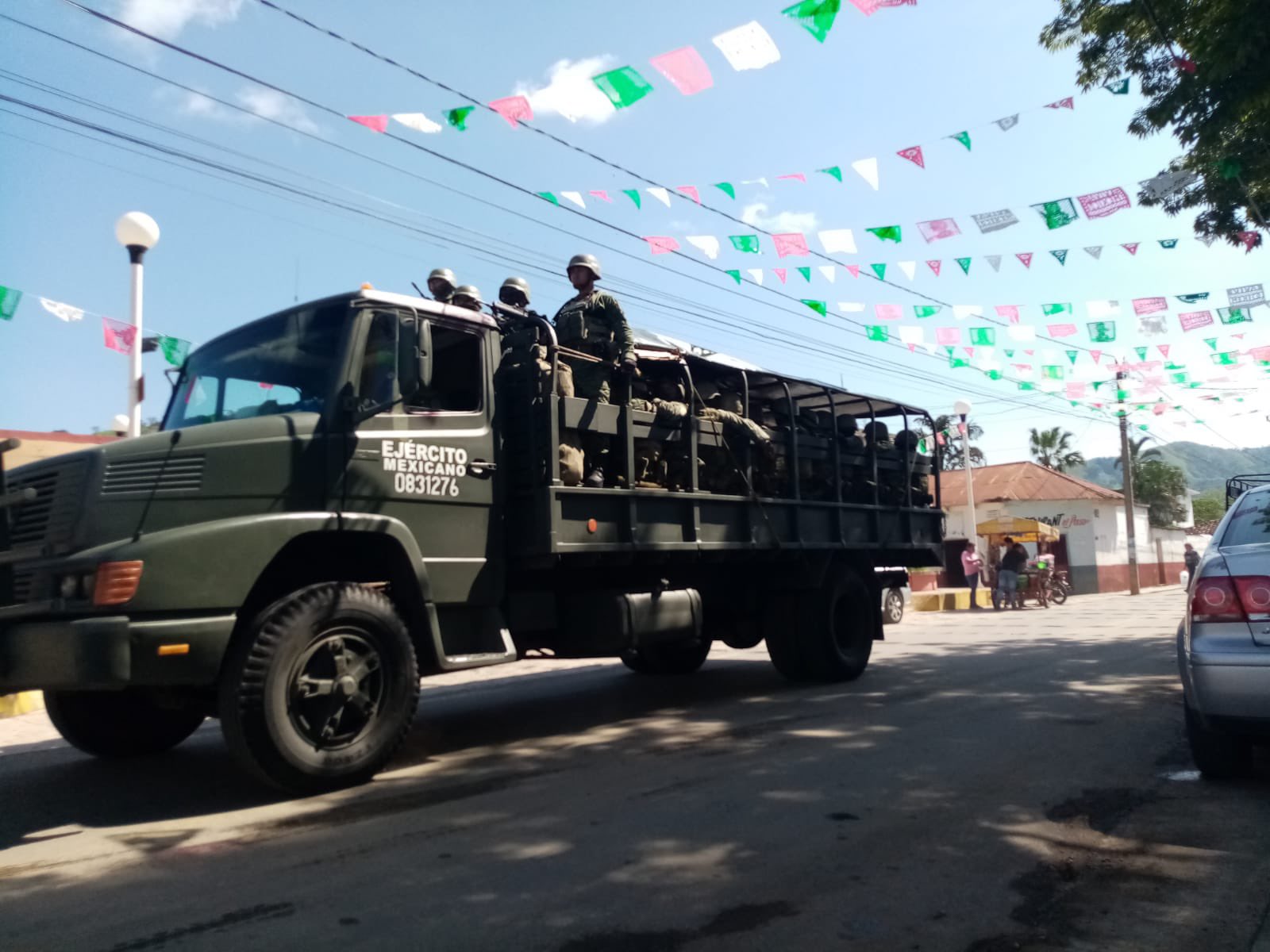
Desde hace años, pero más acusadamente desde hace meses el estado mexicano ha abandonado regiones enteras de Chiapas en manos de la narco delincuencia. La disputa entre los carteles de Sinaloa y Jalisco Nueva Generación para el control de la plaza deja a cientos de miles de habitantes en situación de total indefensión, sitiados y atrapados bajo el yugo de esta ola de violencia y terror en Chiapas, utilizándolos como escudos civiles, obligándolos a afiliarse a uno y otro de los carteles, a manifestarse en las carreteras para dar apoyo e incluso a hacerse sicarios, y matando y torturando a las familias que no se prestan. Las escuelas e instituciones de gobierno están cerradas, el comercio paralizado. Un caos total bajo la ola de terror de las ultimas semanas. Llevando a un contexto alarmante y de alto riesgo en la vida de las poblaciones afectadas, más de 280 mil habitantes de esta región están sitiados, atrapados entre la disputa por el territorio, bajo la venia de este Narco Estado que permite esta situación y deja en total indefensión y bajo el yugo de esta ola de violencia y terror a Chiapas. Y frente a esta terrible guerra que esta impulsando el narcoestado, ha comenzado una campaña de desprestigio contra el EZLN en medios de comunicación, queriéndolos implicar dentro del crimen organizado, cuando son y somos los pueblos originarios los que sufrimos y enfrentamos esta política de muerte y es, en zona zapatista donde los pueblos organizados no permiten la incursión en sus comunidades del crimen organizado, pero que cada vez están mas asediados por ellos.
Advertimos que el despojo y la guerra de exterminio que se está profundizando mediante los planes de contra insurgencia, no solo contra nuestras hermanas y hermanos zapatistas sino también contra compañeros de organizaciones que conformamos el CNI, buscando vincular al Movimiento Agrario Indígena Zapatista con un grupo paramilitar que se denomina Mano Izquierda, que es parte de estos grupos del crimen organizado y nada tiene que ver con la lucha del zapatismo.
Todo esto, como una estrategia para reordenar el territorio a nivel nacional y en especial ahora, en la región sur del país con el mal llamado Tren Maya, el Corredor Interoceánico, el Proyecto Integral Morelos y cientos de proyectos extractivistas en el resto del país. En todos los estados del país, los pueblos enfrentan proyectos mineros, hidroeléctricos, carreteros, polos de desarrollo, entre otros, lo que ha costando la vida a decenas de compañer@s miembros de CNI y de otros pueblos en rebeldía, por oponerse a la destrucción de la casa común, como lo hemos demostrado y denunciado públicamente, señalando que la voluntad de esta administración federal es la de pisotear y recrudecer la violencia contra los pueblos que estamos defendiendo la vida y nuestros territorios, que la mentira de ser un “gobierno para el pueblo” que se repite todas las mañanas desde Palacio Nacional se desploma, porque cada vez es mas claro que su gobierno es un servil de los cárteles y las políticas económicas internacionales a través de la violencia y el despojo.
Manifestamos que el Movimiento Agrario Indígena Zapatista (MAIZ) forma parte del Congreso Nacional Indígena, teniendo presencia en varias regiones del país, con trabajo y compromiso que durante 24 años ha realizado a favor de los pueblos originarios. Y que estas acciones de desacreditación y criminalización son parte de la guerra contra los pueblos y organizaciones, al poner en riesgo la integridad de sus miembros y el trabajo comunitario que realizan. Nuestros compañeros, como muchos pueblos y organizaciones que conformamos el CNI, han vivido la criminalización del estado, el asesinato de compañeras y compañeros en varios momentos de su historia, como es el caso de nuestra hermana Bety Cariño asesinada por grupos paramilitares de la región triqui de Oaxaca, que hoy desde las filas de Morena ocupan cargos en el Gobierno del Salomón Jara o diputaciones federales; así como el caso de Sergio Rivera Hernández defensor del territorio de la Sierra Negra de Puebla, desaparecido por oponerse al proyecto hidroeléctrico Coyolapa-Atzalan que pretendía imponer minería Autlán, y que mediante el Instituto Poblano se los Pueblos Indígenas protejan a sus captores, los cuales son premiados con cargos en sus consejos indigenistas para que operen a favor del crimen organizado, replicado la misma metodología que se generaliza en todos los territorios, donde existe resistencia indígena contra sus megaproyectos neoliberales del Capital mundial.
A casi 30 años del levantamiento zapatista y de la construcción, desde sus raíces culturales, de un sistema de vida autónomo con paz y dignidad en su territorio liberado de los grandes terratenientes, verdaderos hacendados del siglo XX, afirmamos que nuestras hermanas y hermanos mayores han sido los garantes de la defensa de su territorio contra los intereses del gran capital mundial y han sido nuestr@s maestr@s en nuestras luchas de resistencia en todo el país, única esperanza de salvaguardía de la humanidad frente a la locura capitalista de destrucción de la naturaleza que provoca la actual crisis climática planetaria.
Manifestamos que como pueblos originarios, zapatistas y no zapatistas, seguimos y seguiremos resistiendo contra la represión que el estado ejerce a través de las fuerzas armadas, la guardia nacional y los cuerpos policiacos y ahora contra la ola de terror sembrada por los carteles y los paramilitares respaldados por los gobiernos federal y estatales. Y seguiremos reconstruyendo sistemas de vida autónoma sin capitalismo, ni patriarcado que garantice una vida digna para las futuras generaciones.
Por ello, hacemos un llamado urgente a todas las organizaciones, colectiv@s y personas de buen corazón a denunciar esta guerra contra los pueblos, a solidarizarse, organizarse y levantarse en una lucha civil y pacífica por la vida. Otra vida es posible, otro mundo es posible. No dejemos que la triada Estado, empresas mundiales y narco delincuencia nos acabe.
Por lo que reiteramos el llamamiento de urgencia de participar en la acción global convocada para el próximo 12 de octubre donde se cumplen 531 años de resistencia indígena: ¡Alto a la guerra contra los pueblos indígenas!
¡LA GUERRA CONTRA LOS PUEBLOS EN MEXICO SE LLAMA NARCOESTADO CAPITALISTA!
COMISIÓN DE COORDINACIÓN DEL CONGRESO NACIONAL INDÍGENA-CONSEJO INDIGENA DE GOBIERNO
¡NUNCA MAS UN MEXICO SIN NOSOTROS!
[:]
[:es]Noticias de abajo 27 de septiembre 2023[:]
[:es][podcast]https://ia801708.us.archive.org/8/items/noticiasdeabajo_27septiembre2023/noticiasdeabajo_27septiembre2023.MP3[/podcast]
ROMPIENDO FRONTERAS
- PANAMÁ: Perspectiva del extractivismo minero en el sector laboral. Por Radio Temblor.
- WALLMAPU CHILE: Juzgado de Garantía de Temuco rechaza cambio de prisión preventiva para el werken Héctor Llaitul. Por Radio kurruf.
- CHILE: INFORMATIVO SEMANA 9 y 10 JUICIO MONICA Y FRANCISCO
Compartimos contexto que acompañó las semanas 9 y 10 de juicio oral contra lxs compañerxs anarquistas Mónica Caballero y Francisco Solar, enmarcadas en el Septiembre Negro y Antiespecista.
https://www.youtube.com/watch?v=QW57-8nTvao
https://archive.org/details/informativo-semana-9y-10-juiciomonicayfrancisco
DESDE EL OMBLIGO DEL MONSTRUO
- CHIAPAS: NotiFrayba: Chiapas; la memoria, la lucha por la justicia y libertad. Por Cdh Frayba.
- MÉXICO: Conferencia de prensa de la Asamblea Nacional por el Agua y la Vida. Por Noticias de Abajo
- MÉXICO: Ayotzinapa 9 años de un crimen de Estado. La herida sigue abierta. Desilusionados de la 4t ante demanda de verdad y justicia. Por Noticias de Abajo
[:]