
-
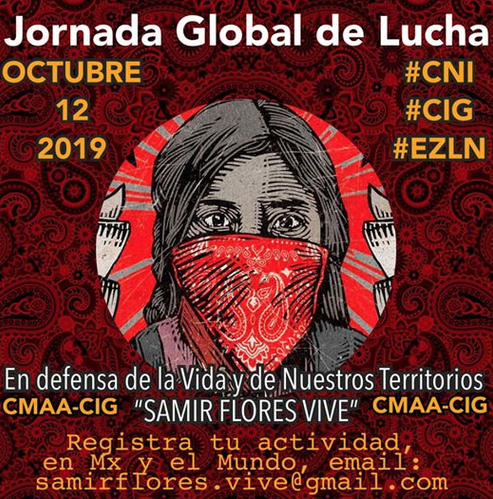 [:es]CONVOCATORIA A LA JORNADA GLOBAL DE LUCHA EN DEFENSA DE LA VIDA Y DE NUESTROS TERRITORIOS “SAMIR FLORES VIVE”[:]
-
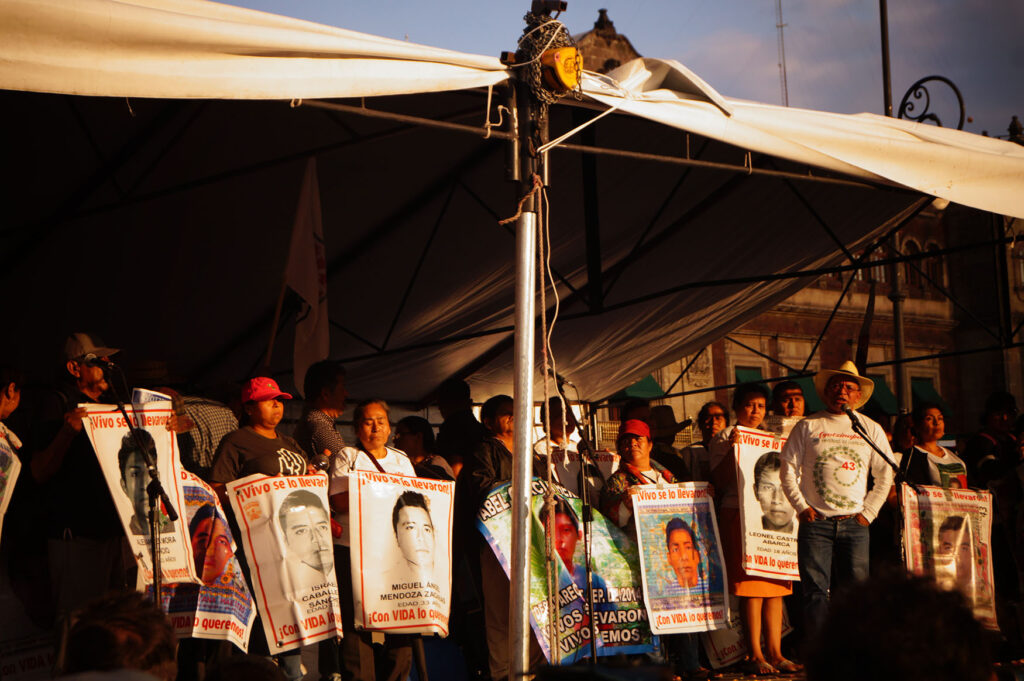 [:es]“No bastan las palabras ni los discursos, sino cumplir”. Ayotzinapa a 5 años sin verdad ni justicia.[:]
-
 [:es]Migrar, resistir y nunca dejar de bailar[:]
-
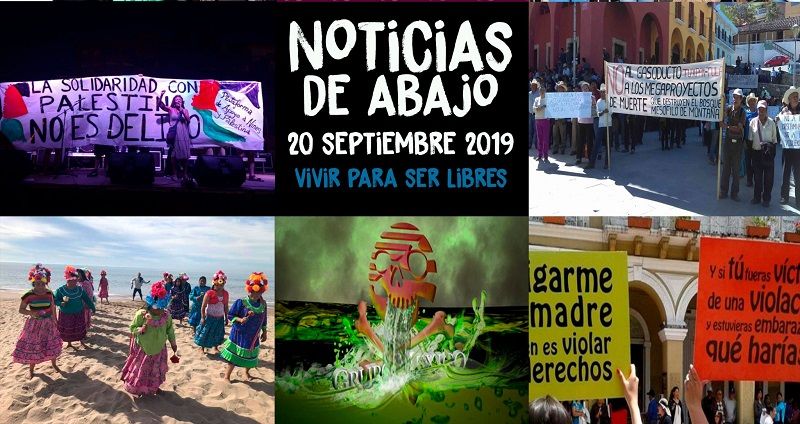 [:es]Noticias de abajo 20 de septiembre 2019[:]
-
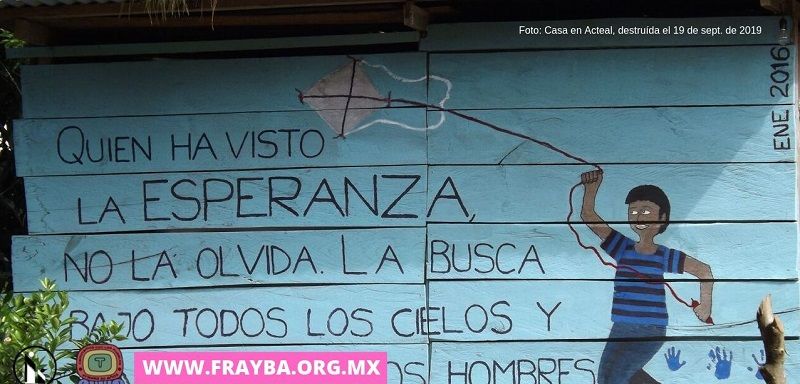 [:es]Allanamiento, despojo y robo en Acteal, Casa de la Memoria y la Esperanza[:]
-
 [:es]Documentales – A 5 años de Ayotzinapa[:]
-
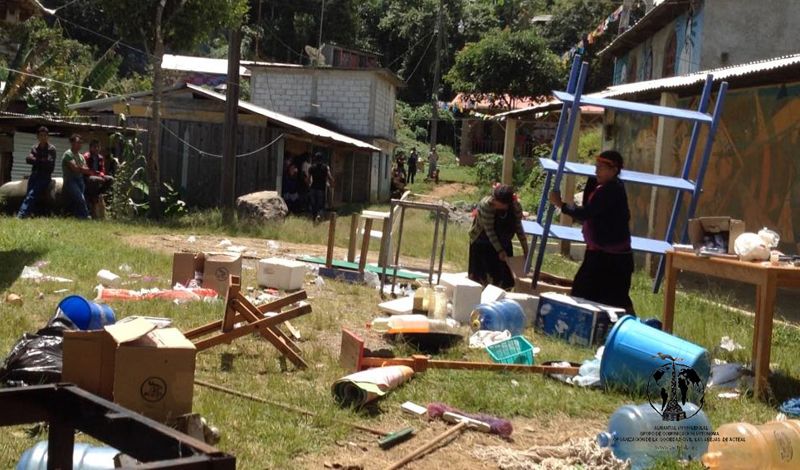 [:es]Las Abejas de Acteal denuncian allanamiento de Clínica de Salud y destrucción de casas[:]
-
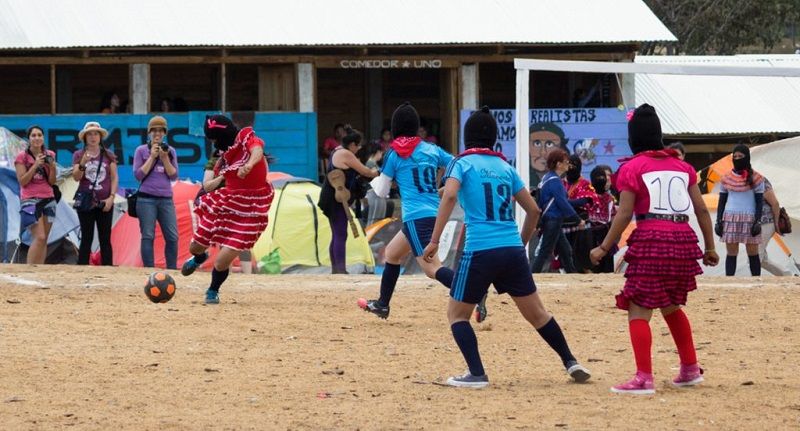 [:es]Convocatoria al Segundo Encuentro Internacional de Mujeres que Luchan[:en]Invitation to the Second International Gathering of Women Who Struggle[:]
-
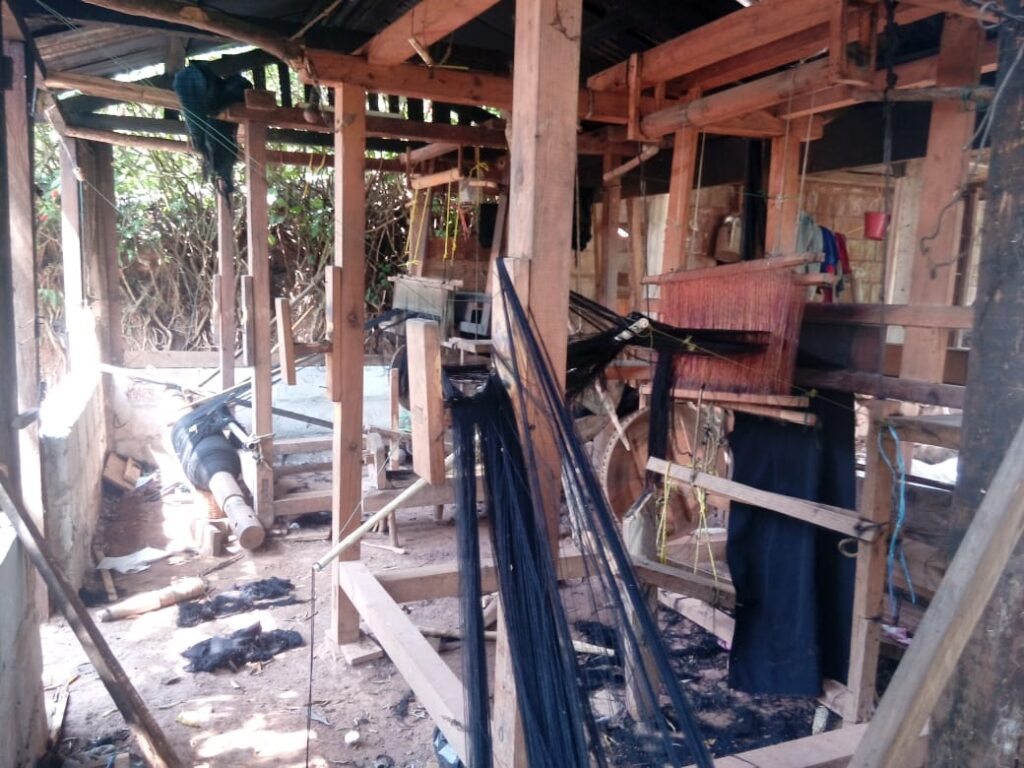 [:es]NotiFrayba: Justicia y retorno para desplazados de Acteal[:]
[:es]CONVOCATORIA A LA JORNADA GLOBAL DE LUCHA EN DEFENSA DE LA VIDA Y DE NUESTROS TERRITORIOS “SAMIR FLORES VIVE”[:]
[:es]CONVOCATORIA A LA JORNADA GLOBAL DE LUCHA EN DEFENSA DE LA VIDA Y DE NUESTROS TERRITORIOS “SAMIR FLORES VIVE”
A 527 años del inicio de la resistencia y rebeldía de los pueblos originarios contra la invasión colonial, la guerra del sistema capitalista patriarcal y sus megaproyectos siguen trayendo muerte y destrucción en todo el mundo y ponen en riesgo a todas las formas de vida en el planeta tierra.
Particularmente en México, con la mentira de querer erradicar la pobreza del sur del país, el gobierno de López Obrador en pleno contubernio con las mafias empresariales, la delincuencia organizada y los partidos políticos de todos los colores, retoma el viejo sueño de Porfirio Díaz y los planes de todos los gobiernos neoliberales desde Salinas de Gortari, ofreciendo el territorio nacional al capital global.
Frente al desastre nacional y mundial, La Asamblea Nacional e Internacional del Congreso Nacional Indígena / Concejo Indígena de Gobierno y adherentes a la Sexta, Redes de Resistencia y Rebeldía, organizaciones y colectiv@s “El Istmo es Nuestro”, reunida en Juchitán, Istmo de Tehuantepec, Oaxaca, los días 6, 7 y 8 de septiembre del 2019
CONVOCAMOS a los pueblos, organizaciones y personas de México y del Mundo a que, de acuerdo con los modos y tiempos de cada organización, A REALIZAR ACCIONES COORDINADAS en el marco de la
Jornada global de lucha
En defensa de la Vida y de Nuestros Territorios
“SAMIR FLORES VIVE”
el 12 de octubre de 2019.
Les invitamos a que sea una movilización dislocada y contundente, en todo el país, contra los megaproyectos de muerte, de carácter anticapitalista y antipatriarcal, buscando que todos los sectores participen, haciendo del paliacate un símbolo común y que en todos los espacios mostremos el arte, la música, la creatividad de abajo.
Denunciemos que con la implementación de los megaproyectos como el mal llamado Tren Maya, la Refinería Dos Bocas, el Corredor Inter-Oceánico del Istmo, el proyecto Integral Morelos, el Nuevo Aeropuerto y sus obras asociadas como la Autopista México-Tuxpan, así como un monstruoso conjunto de proyectos de depredación ambiental, territorial y social con minería, hidroeléctricas, agroindustriales, corredores industriales, gasoductos, oleoductos, fracking, parques eólicos, paneles solares empresariales a gran escala, etc. que forman parte de la infraestructura que se pretende imponer para el saqueo de los bienes naturales (petróleo, minerales, bosques, selvas, viento, ríos, lagos y mares) y la sobreexplotación de mano de obra de nuestros pueblos de México y Latinoamérica para entregar nuestros territorios al gran capital transnacional, destruyendo la biodiversidad y agudizando la catástrofe del calentamiento global”, quedando claro que esta propuesta del estado de carácter desarrollista neoliberal no abonará de ninguna manera a la solución de los problemas de las mexicanas y los mexicanos que son el desempleo, la pobreza y la violencia, entre otros.
Las actividades que cada organización defina deberán registrarse a más tardar el 1 de octubre en el correo samirflores.vive@gmail.com.
Todas las acciones que se registren serán difundidas en las distintas redes sociales y pagina web del Congreso Nacional Indígena/ Concejo Indígena de Gobierno.
A T E N T A M E N T E
Asamblea Nacional e Internacional del Congreso Nacional Indígena / Concejo Indígena de Gobierno y adherentes a la Sexta, Redes de Resistencia y Rebeldía, organizaciones y colectiv@s “El Istmo es Nuestro”

[:]

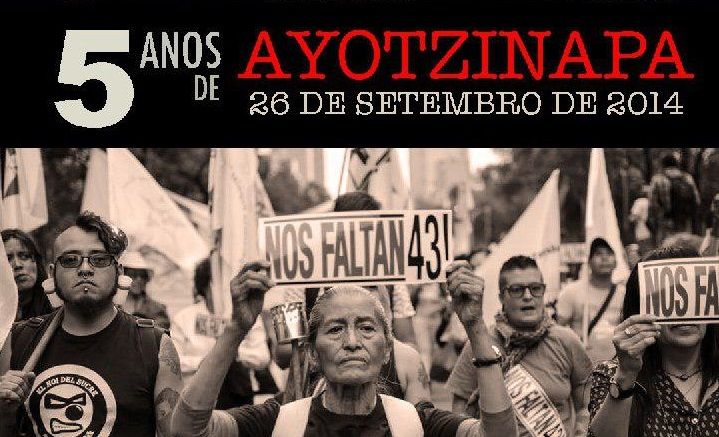
[:es]“No bastan las palabras ni los discursos, sino cumplir”. Ayotzinapa a 5 años sin verdad ni justicia.[:]
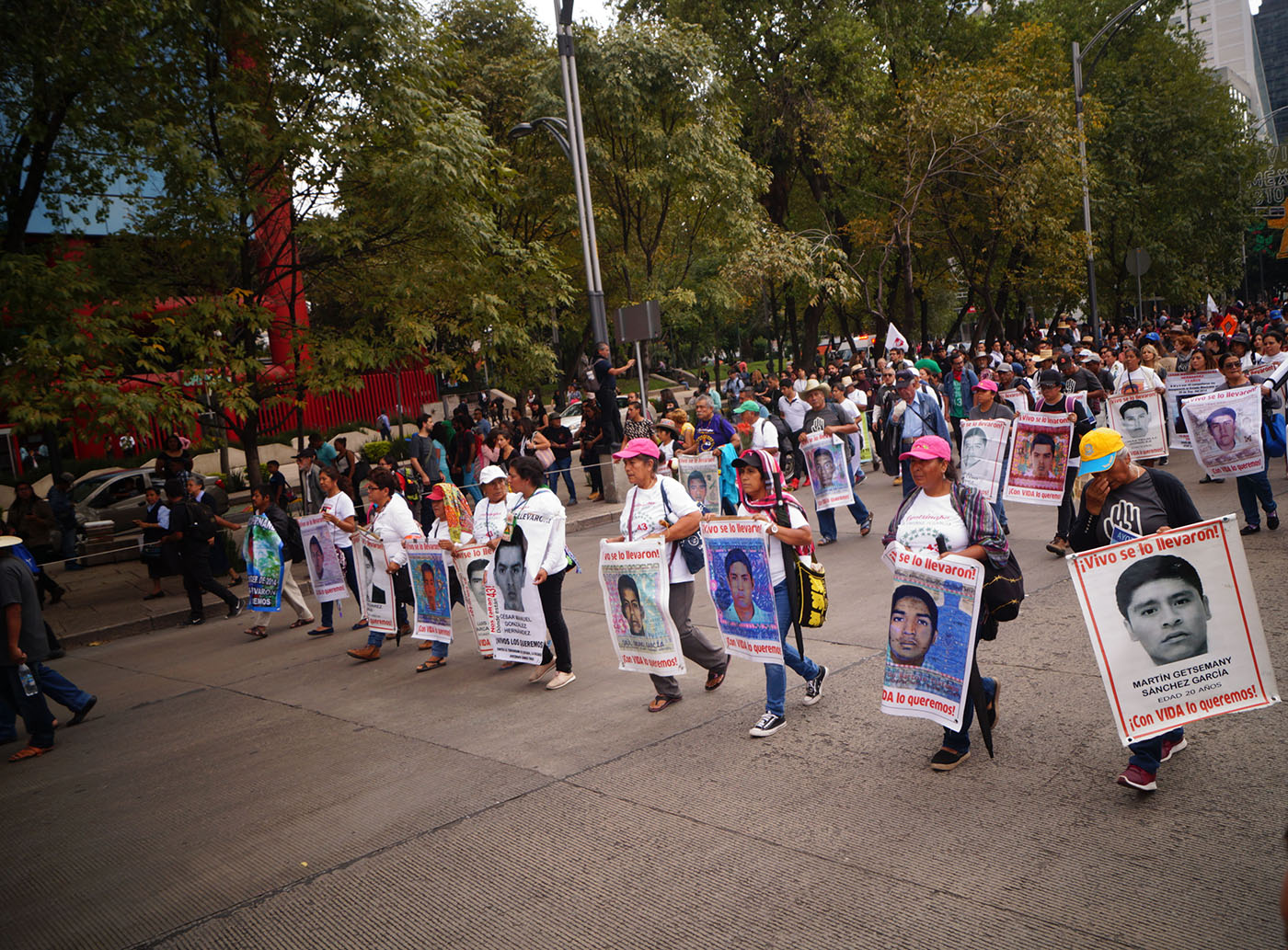
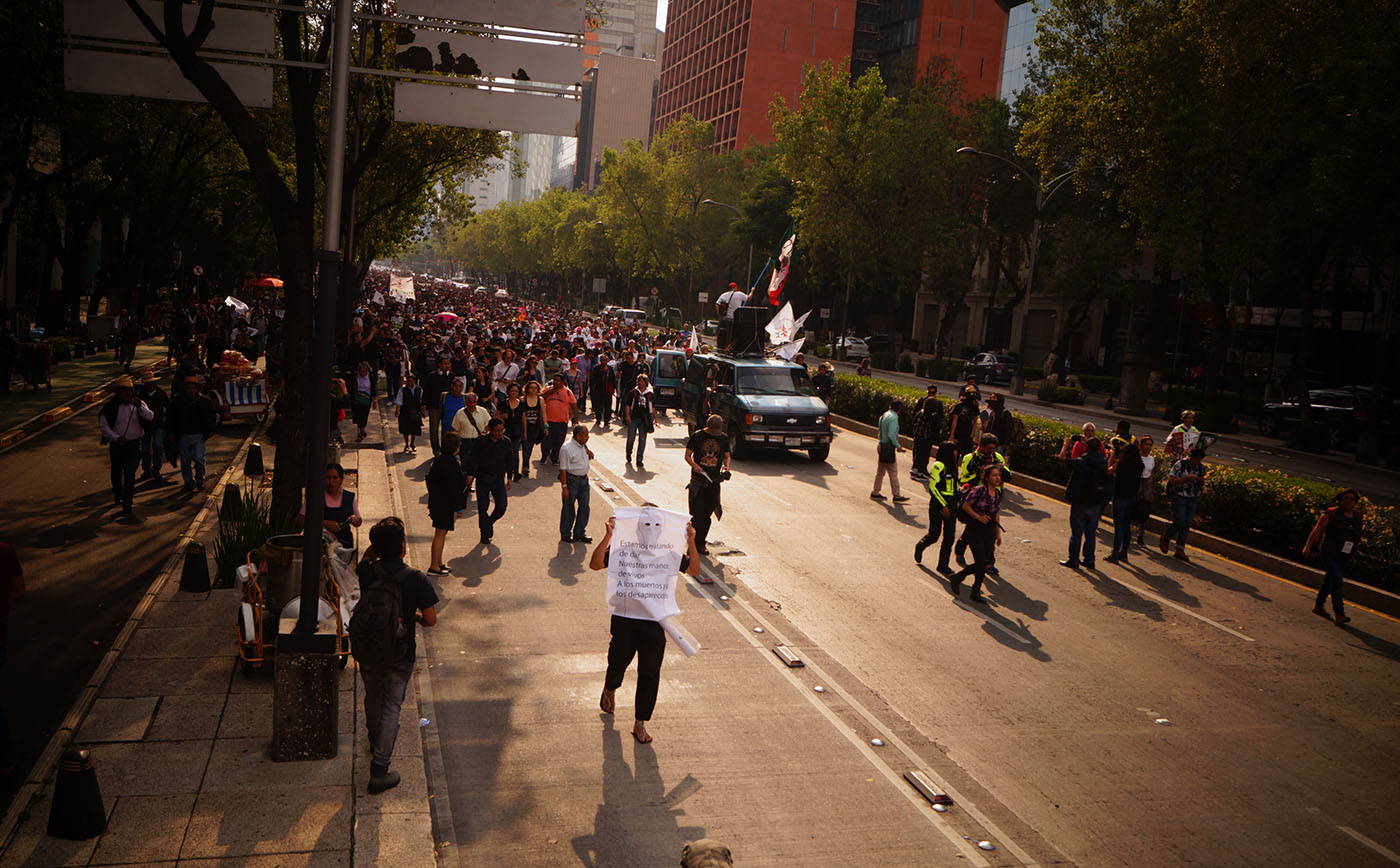
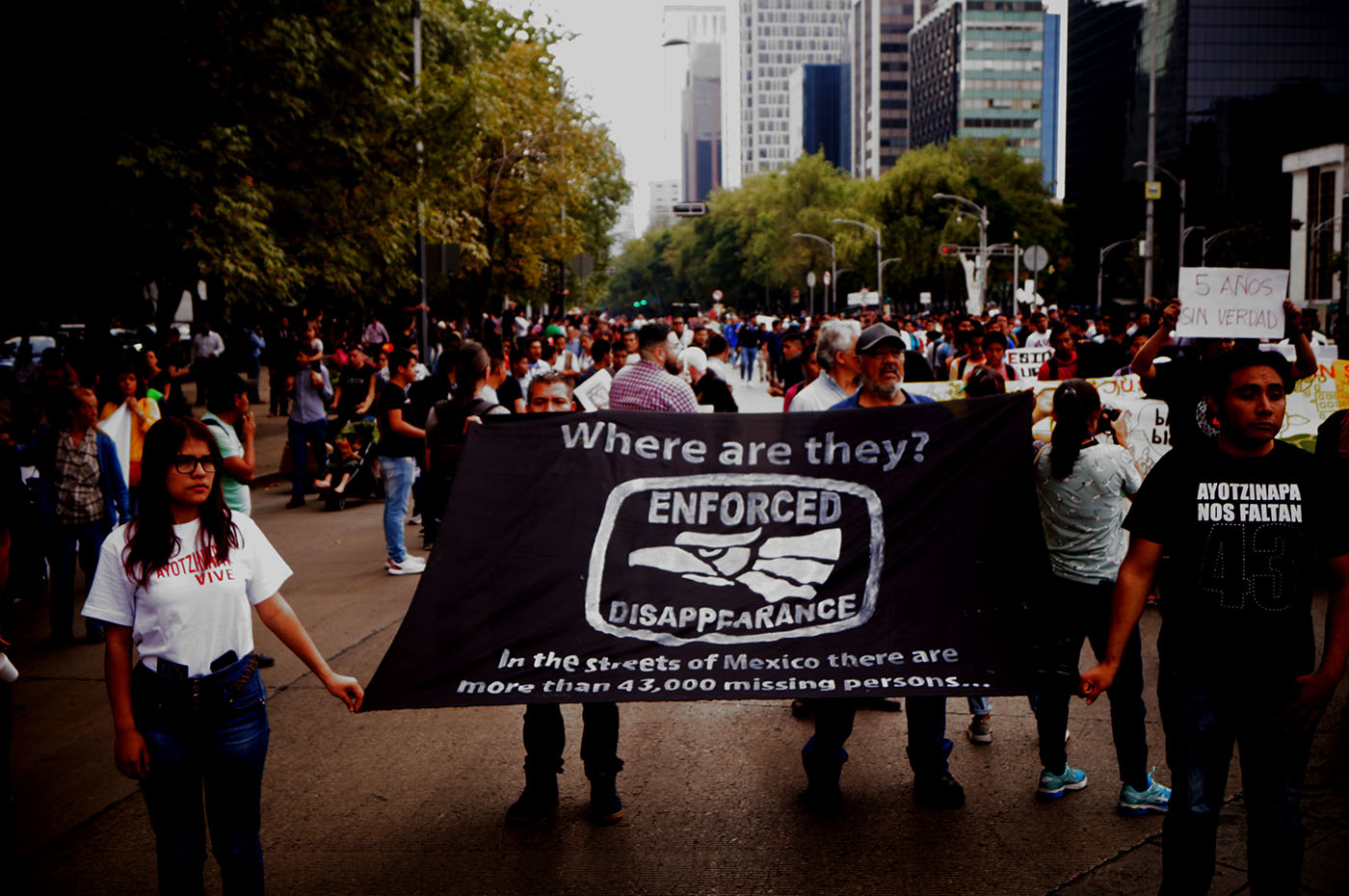
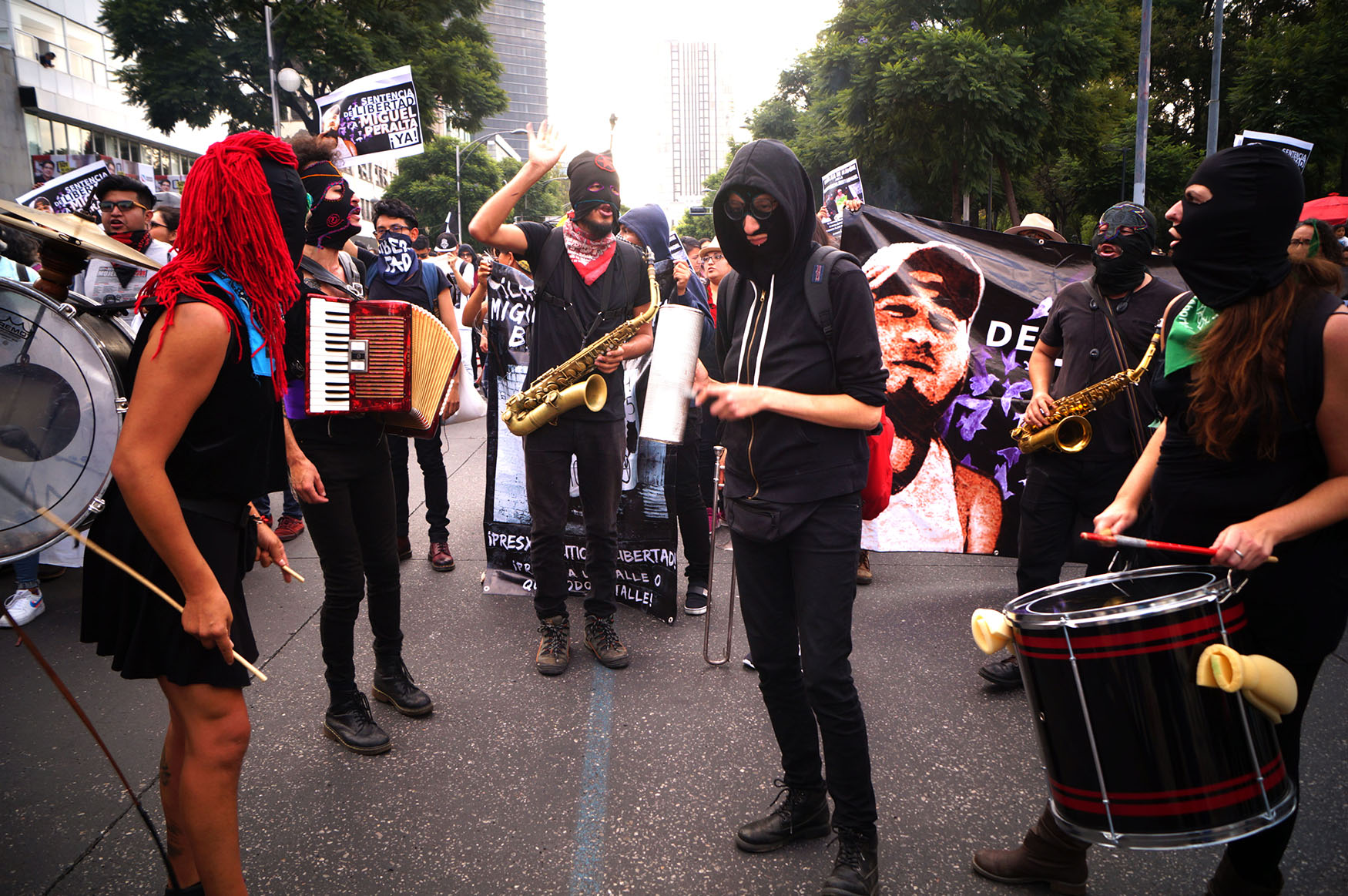
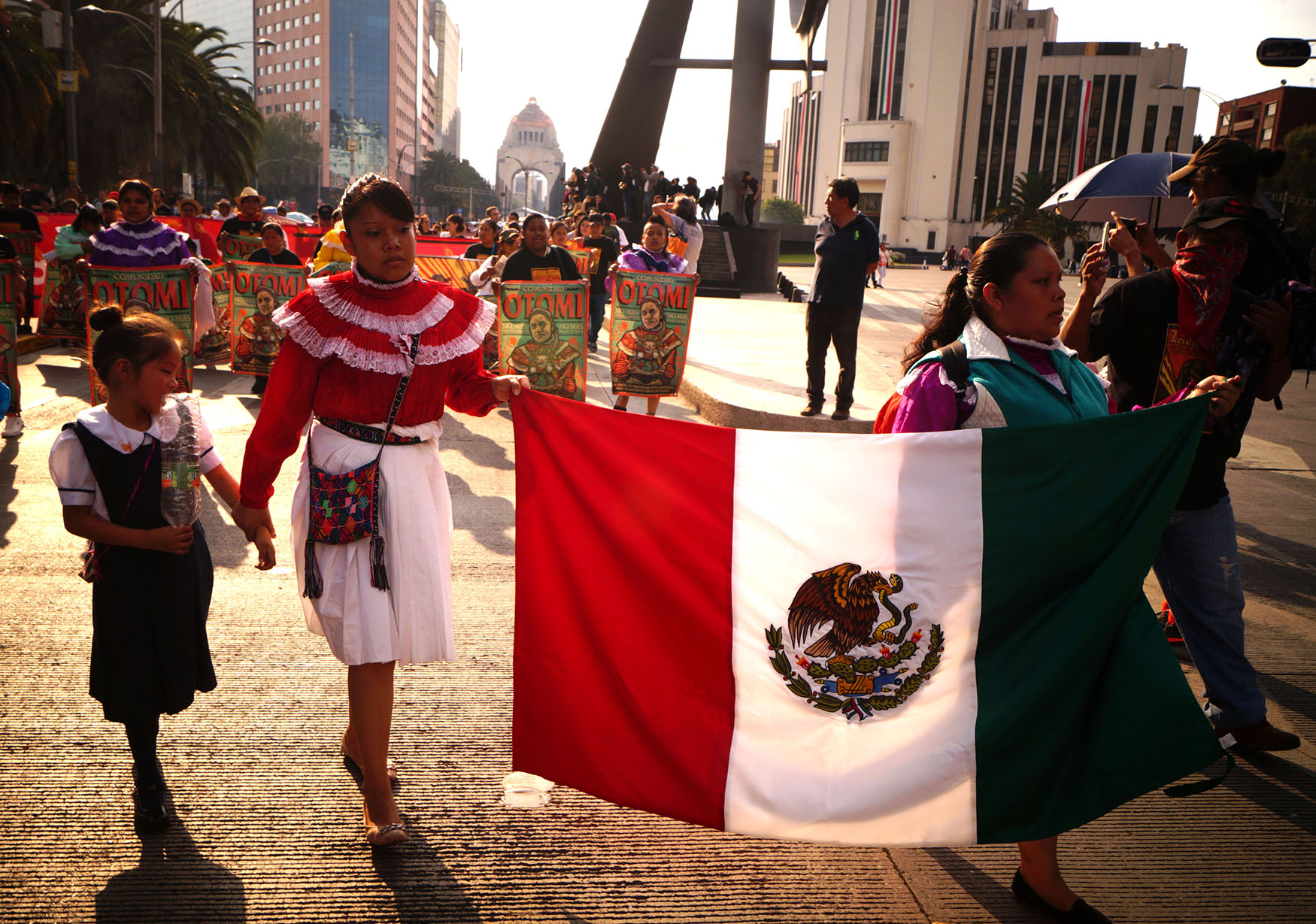
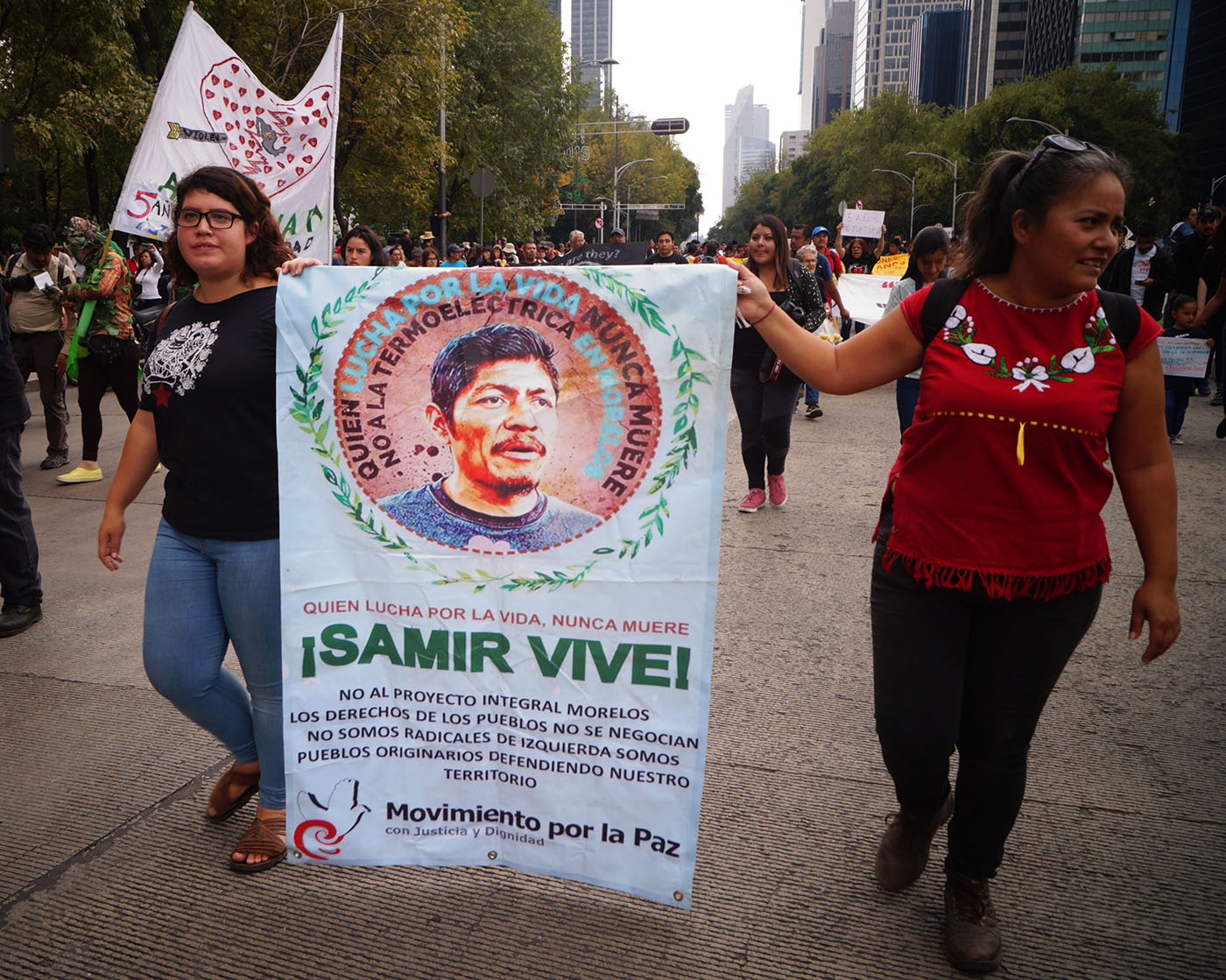
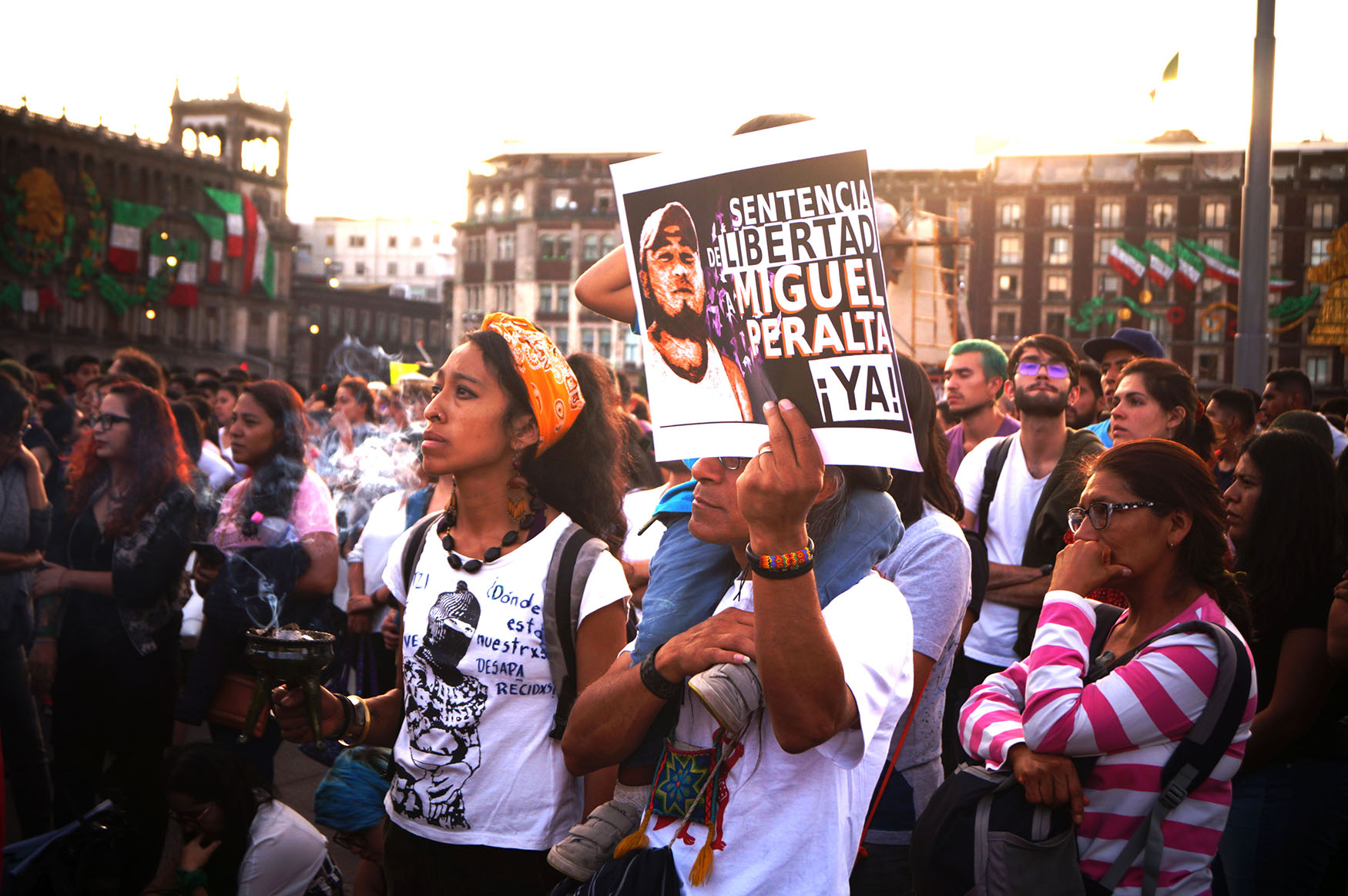
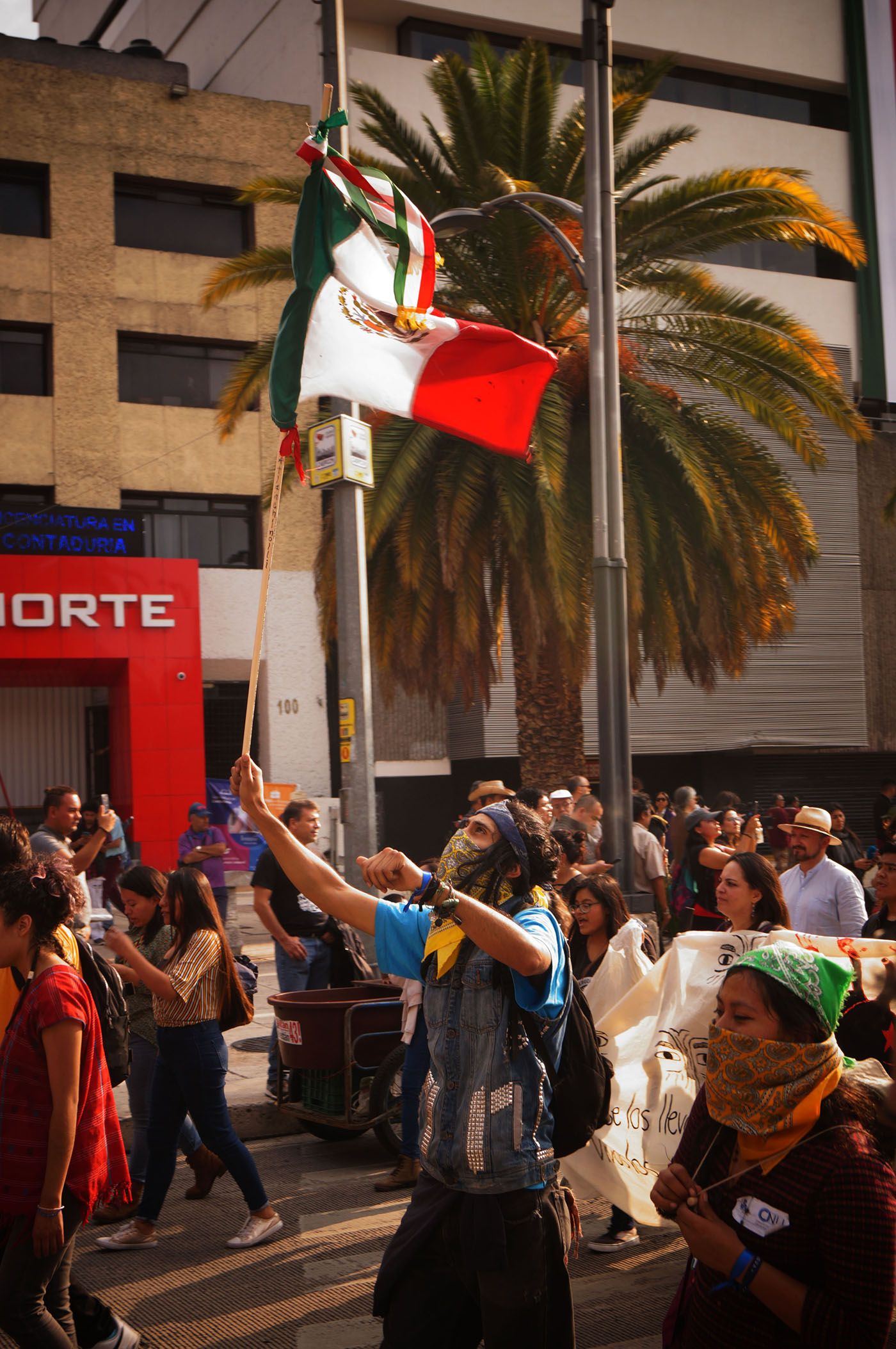
[:es]El pasado 26 de septiembre del 2019 se cumplieron 5 años de la desaparición forzada de 43 estudiantes normalistas en el estado de Guerrero. Como cada 26 de mes, a las 4 de la tarde en el ángel de la independencia sobre avenida Reforma, se dieron cita “los padres de Ayotzinapa” acompañados de miles más, para marchar rumbo al zócalo de la Ciudad de México y exigir la presentación con vida de los 43 y justicia para los asesinados la noche del 26.
En esta 60 jornada global por Ayotzinapa, los padres de los estudiantes normalistas reconocieron al gobierno actual el apoyo para conformar una comisión y fiscalía encargada del caso, sin embargo, también en este quinto aniversario reconocen que “Tenemos empeñada la palabra del señor presidente, pero no bastan las palabras ni los discursos, sino cumplir”.
La jornada global concluyó con los padres y madres de los estudiantes manifestando a los asistentes el dolor que les han causado estos 5 años de ausencia de sus hijos. También agradecieron a los que cada 26 de mes caminan junto a ellos, y reiteraron que aunque hay confianza en la nueva administración, “vamos a ver si cumple con su palabra”.
En este 5 aniversario, para los padres y madres de Ayotzinapa de nuevo la espera y la esperanza.
Mientras tanto. “Nos siguen faltando 43 y miles más”.
Registro visual:





Audios mitin: