
EZLN
[:es]Presentación de la iniciativa Al Faro Zapatista – UNAM 9 junio 2022[:]
[:es]
En el marco del 9no Congreso de CLACSO
Presentación de la Colección, Homenaje, Iniciativa
Al Faro Zapatista
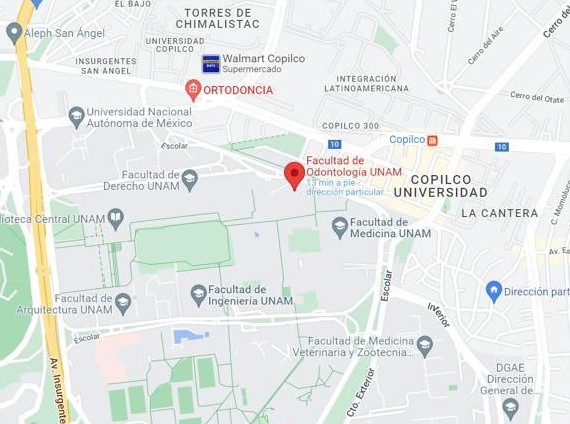
Aula 1, Facultad de Odontología, UNAM
Jueves 9 de junio de 2022
De 10:30 a 11:30 AM
Transmisión en vivo en
Fb: @LaComunaMex
Youtube: La Comuna
¡Nos faltes, te esperamos¡

 [:]
[:]

[:es]Actualización. Continúan las acciones de violencia contra la comunidad zapatista de Nuevo San Gregorio[:]
[:es]
San Cristóbal de Las Casas, Chiapas, México
20 de mayo de 2022
Acción urgente No. 06
Actualización
Se arrecian los ataques a la autonomía contra el pueblo zapatista de Nuevo San Gregorio, por parte del grupo agresor tolerado por los tres niveles de gobierno.
- Se profundizan las amenazas contra la autonomía zapatista, cercan las tierras de la Escuela Secundaria Autónoma.
- Estado mexicano responsable y cómplice ante las acciones que atentan la autonomía zapatista.
El día de ayer las Brigadas Civiles de Observación (BriCO) instaladas en el pueblo de Nuevo San Gregorio del municipio Autónomo Rebelde Zapatista Lucio Cabañas en Chiapas, México (municipio oficial de Huixtán) y la Junta de Buen Gobierno “Nuevo Amanecer en Resistencia por la Vida y la Humanidad”, Caracol 10 “Floreciendo la Semilla Rebelde”; han documentado nuevos ataques que ponen en riesgo la vida, seguridad e integridad personal de 6 familias Bases de Apoyo del Ejército Zapatista de Liberación Nacional (BAEZLN).
A las 8:29 hrs., el grupo agresor nuevamente removió el alambre de púas que se encuentra al lado de la Escuela Secundaria Autónoma la cual se encuentra cerrada desde hace aproximadamente dos años y medio por las agresiones constantes. Las BAEZLN están en resistencia y defensa del territorio recuperado, por las circunstancias hay un gran riesgo a la vida, seguridad e integridad debido a que el grupo agresor ha lanzado la amenaza de desplazar de manera forzada y entrar a cerrar las casas donde viven, lo que ocasionaría daños hacia las BAEZLN y a observadores de derechos humanos solidarios.
Las BAEZLN realizan la defensa de su tierra y territorio en un contexto de constante violencia, amenazas y asesinatos por la acción de grupos armados sobre sus tierras y bienes naturales. En el pueblo de Nuevo San Gregorio se ha dificultado la siembra de cultivos provocado por el despojo territorial, ocasionando la falta de alimentos básicos para las personas. Estos hechos siguen sucediendo bajo la observación de los gobiernos de: Andrés Manuel López Obrador en lo federal y de Rutilio Escandón Cadenas en lo estatal; el Estado mexicano es indiferente y omiso en implementar una acción efectiva para desactivar la violencia contra las BAEZLN, quienes son defensores y cuidadores de su territorio, lo anterior puede generar una situación de mayor alcance en violaciones graves a los derechos humanos.