resistencia
[:es]Mujeres organizadas de la FFyL continúan paro en la UNAM[:]
[:es]
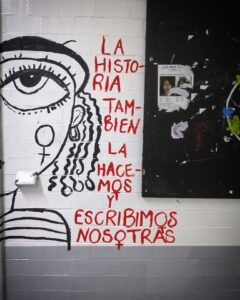
Ciudad de México, 19 de enero, 2020. Texto: RZ. Foto: Restauradoras con Glitter.
Tras dos meses en paro de labores como acto organizado de protesta frente a la violencia misógina, alumnas de la Facultad de Filosofía y Letras de la UNAM tuvieron un encuentro con personal de la dirección de la Facultad y de la Rectoría el miércoles 15 de enero en la Ciudad Universitaria de la Ciudad de México. En su página Mujeres Organizadas de la FFyL, las alumnas publicaron una tabla con los once “compromisos y límites que la dirección de la Facultad y la Rectoría tienen que cumplir para la entrega de las instalaciones”. Reproducimos el contenido completo de dicha tabla.
DEMANDA
1.- Modificación de los artículos 95, 98 y 99 del Estatuto General de la UNAM para reconocer la violencia de género como una falta grave.
RESPUESTA
Se comprometieron a subir la propuesta al Consejo Universitario para que el pleno del Consejo modifique los artículos y que hará pública la propuesta.
¿QUÉ IMPLICA?
1.- Ya hubo una junta de Consejo Técnico donde se supone que se terminó la propuesta.
2.- Falta convocar a una sesión de C.T. para aprobarla y mandarla al Consejo Universitario.
COMPROMISOS A LARGO PLAZO Y LÍMITES PARA LA ENTREGA DE LA FAC
Límites:
– Sesionar y aprobar la propuesta de la Unidad de Género para la reforma de los artículos.
– Que el Consejo Universitario apruebe la modificación de los artículos 95, 98 y 99 del Estatuto General.
[:es]Nuestra fuerza junta. Crónica del Segundo Encuentro Internacional de Mujeres que Luchan.[:]
[:es]
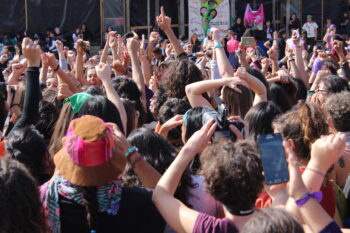
Texto: Iris Monroy (RRR Antipatriarcal y Anticolonial “La Caracola”).
Foto: RZ.
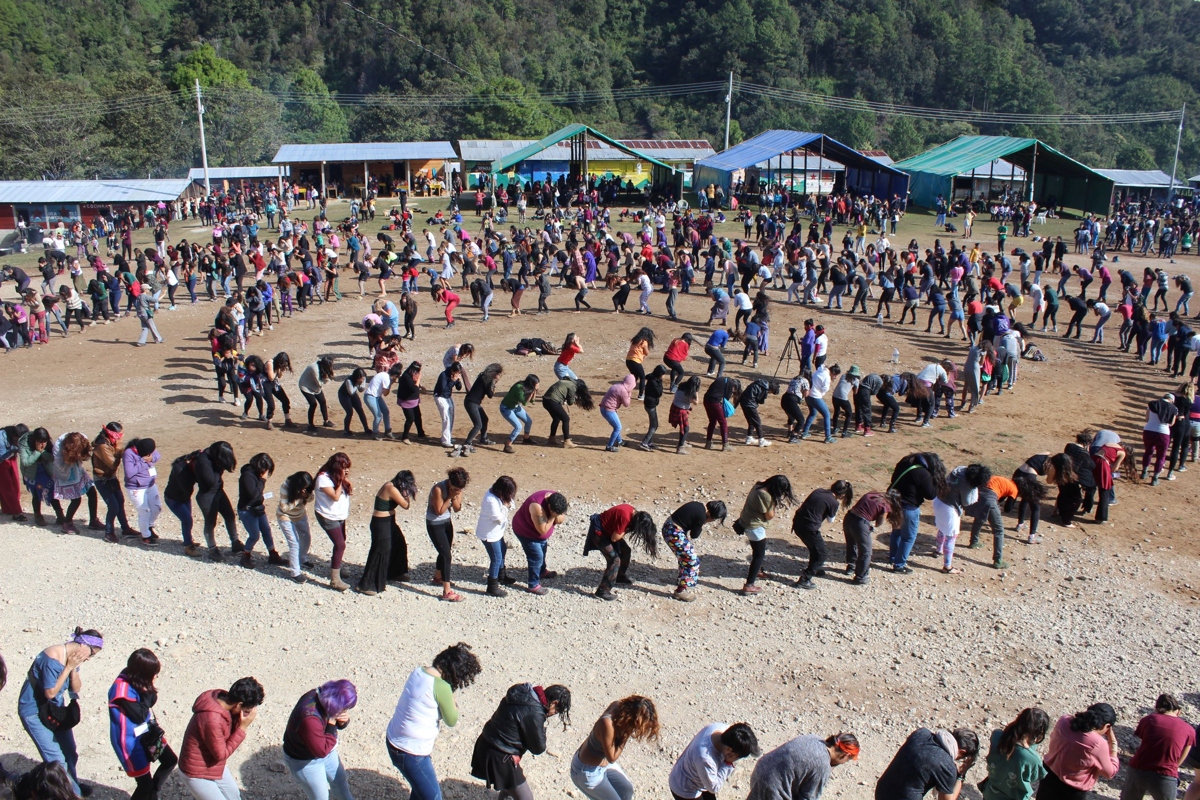
En septiembre del 2019, recibimos la invitación de las compañeras zapatistas: “Queremos que vengas y que digas claro tu denuncia. No para que la escuche un juez, o un policía o un periodista, sino para que la escuche otra mujer, varias mujeres, muchas mujeres que luchan. Y así compañera, hermana y así tu dolor no esté solo y se una con otros dolores y se vuelva como una semilla. Y si ese dolor y rabia se crece en organización, pues se hacen rebeldía y resistencia…”
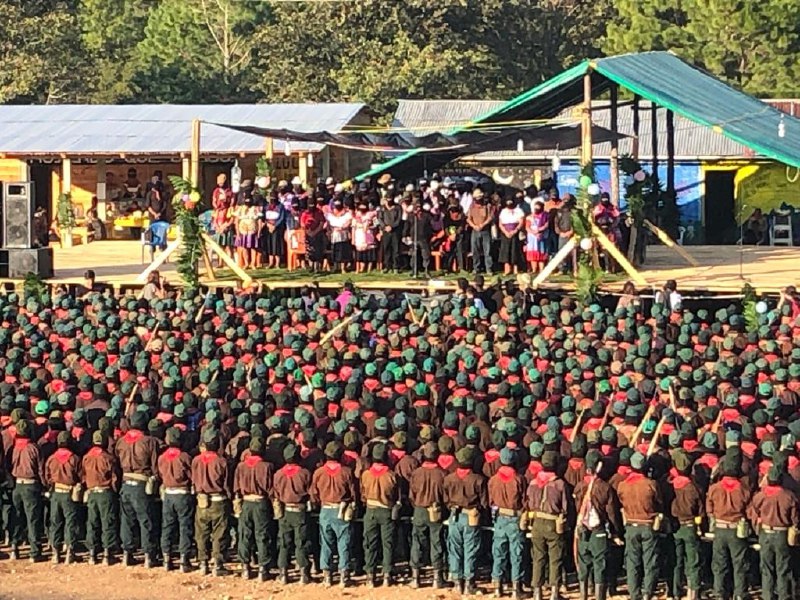
Un espacio entre neblina, montañas y miradas dignas fue preparado con el esfuerzo y trabajo colectivo de comandantas, choferas, cocineras, tercias compas y milicianas para juntarnos en un lugar seguro, donde poder comer, descansar y encontrarnos. Esos ojos que nos reciben con cariño pero que también nos miran interrogantes ¿Qué has hecho tú en tu geografía para todas nos mantengamos vivas?
La comandanta Amada hizo la inauguración cargando a su hija que dormía envuelta en un rebozo…El corazón se zangolotea. Otra vez el sur inquietante, provocador. Las milicianas entran formando un espiral alrededor de una niña. Suena la cumbia “17 años” y es difícil juntar la imagen con la música de fondo (claro que quitaron la parte misógino-pedófila de la canción, solo había música). Cuando acabó, la niña estaba totalmente protegida por sus compañeras.
El primer día fue para escucharnos. Increíble oír tantos dolores. Como si fuera la condición natural femenina ser acosada, violada, asesinada. Podríamos haber hablado durante un mes y no habría sido suficiente. Estábamos ahí escuchando lo que muchas nunca se habían atrevido a decir o que lo dijeron y no les creyeron, o que contaron para luego ser culpadas, culpadas por ser mujeres. Increíble también pensar esta violencia sistémica en los 5 continentes, del tercer al primer mundo, no de la misma manera, ni con la misma intensidad, pero existiendo. Porque la violencia machista es parte esencial del neoliberalismo. Cada vez que habló una, nos miramos en ella, y la carga y la culpa se fueron diluyendo porque nos supimos comprendidas y acompañadas.
En el segundo día hubo propuestas, se reunieron las artistas, las comunicadoras, las maestras, las mujeres que pertenecen a Redes, las trabajadoras sexuales, las mujeres del Estado de México, las viajeras, las mujeres que acompañan a víctimas de feminicidio a pensar juntas cómo le podemos hacer para terminar con la violencia hacia las mujeres. En estos círculos se compartió de manera más específica cómo atraviesa el patriarcado nuestros cuerpos en las diferentes trincheras y geografías. Muchas compartieron cosas que ya hacen en sus colectivos, y otras ofrecieron su ayuda para generar nuevas alternativas. Aquí hubo mucho para pensar, incluso en los desencuentros que, paradójicamente, ocurrieron. Habremos de habilitarnos para la escucha. Habremos, después de esta experiencia, de desaprender lo que no nos deja crear un mundo donde quepan muchos mundos.
Al tercer día, a modo de resurrección femenina, hubo arte. Danzantes, brujas, clowns, teatreras y cantantes nos hicieron llorar, reír, mirarnos en sus personajes, danzar sin miedo mientras algunas muralistas dieron rienda suelta a las pinceladas.
Fueron tres días llenos de muchísima energía que se fueron rápido pero que irán alumbrando lo que la hidra capitalista no deja que miremos y quemando lo que tenga que quemarse allá donde llevemos la lucecita que nos ayudaron a avivar las compas.
Qué duro escuchar tanta realidad tan de golpe pero qué necesario oír nuestros dolores para que el dolor deje de ser el de otra mujer en otro lugar y sea nuestra fuerza junta lo que nos cure. Como dicen las compañeras Zapatistas “…Nadie nos va a conseguir la paz, la libertad, la justicia. Tenemos que luchar, hermana, compañera, luchar y arrebatárselas al mandón”.
Agradecimiento infinito a las compañeras hermanas zapatistas por hacer que sucediera este Segundo Encuentro de Mujeres que Luchan.
Escucha el audio de la entrevista sobre el Segundo Encuentro Internacional de Mujeres que Luchan transmitido por Radio UNAM, 14-ene-2020. Programa “Primer Movimiento”. Participan: Sofía García León (RRR “La Caracola”), Luz María León Contreras (Rompeviento TV) y Eugenia Gutiérrez (RRR “La Caracola” y Colectivo RZ). Conducen: Berenice Camacho y Miguel Ángel Quemain (Duración, 30 min, de 2:14:14 a 2:45:22): Radio UNAM, Primer Movimiento, 14-ene-2020
[:]