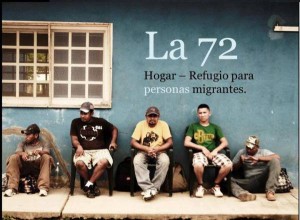
Tenosique, Tabasco, 5 de noviembre de 2014.
EL INM PERSIGUE PENALMENTE A FRAY TOMÁS GONZÁLEZ DIRECTOR DEL HOGAR REFUGIO PARA PERSONAS MIGRANTES LA 72 DE TENOSIQUE TABASCO.
A la sociedad civil nacional e internacional,
A las autoridades mexicanas,
A los medios de comunicación:
Hoy ante la Agencia del Ministerio Público de la Federación ubicada en la Delegación de la PGR en Tenosique Tabasco, Fray Tomás González Castillo rindió declaración ministerial ante el licenciado José Armando Morena, dentro del expediente PGR/TAB/TEN/460/D/2014 denunciado por el delito de lesiones.
El 30 de septiembre Santiago Castro Rodríguez delegado en Tenosique del Instituto Nacional de Migración, hizo llegar la denuncia del agente Marvin Agustín Tapia Nava quien refiere que el 29 de septiembre de este año “al saludar cordialmente a Fray Tomás González que se encontraba en su camioneta este le sujetó la mano, y arrancó la camioneta, arrastrándolo por más de 100 metros” causándole seria lesiones.
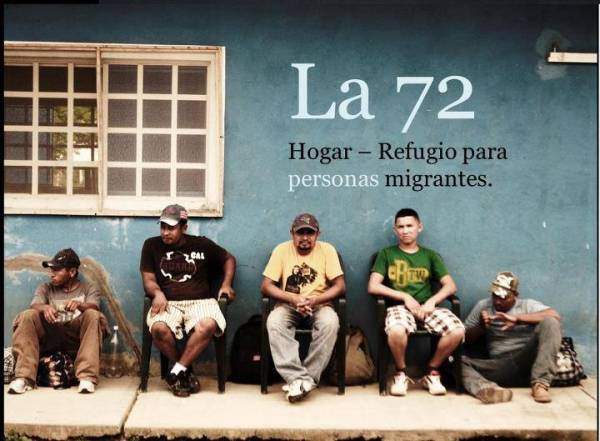
Esta denuncia inverosímil y falsa, es parte del alarmante incremento de la persecución y violenta criminalización del INM hacia las personas migrantes y a quienes desde La 72, Hogar -Refugio para Personas Migrantes, les asistimos humanitariamente. Estas agresiones iniciaron el año 2011 con la fundación de La 72 y hoy llegan al extremo de hacer uso del sistema penal en contra del director de este centro, criminalizando la labor de defensa de los derechos humanos.
Desde hace 10 años se ha documentado ampliamente la participación sistemática de agentes del INM en hechos delictivos, entre otros, extorsión, robos, lesiones y otros delitos contra personas migrantes cometidos por los propios funcionario en acciones que han puesto en grave riesgo la vida e integridad de quienes atraviesan este país. Estas acciones se han recrudecido en el marco de la implementación del Plan Frontera Sur por parte del gobierno federal.
Tomás González Castillo y quienes colaboran en La 72, desde 2012 cuentan con medidas cautelares de la Comisión Interamericana de Derechos Humanos las que obligan al estado mexicano a proteger su vida e integridad de los defensores, que derivaron en la adopción de medidas de protección en favor de los defensores por parte de la Junta de Gobierno del Mecanismo para la Protección de Personas Defensoras de Derechos Humanos y Periodistas, encargado de implementar y vigilar el cumplimiento.
En estos días, en el marco de las audiencias en la Comisión Interamericana de Derechos Humanos, se ha denunciado el uso del sistema penal contra defensores y los gobiernos, incluidos el mexicano, adoptaron compromisos para su protección que esta denuncia abiertamente desafía.
A continuación un recuentos de los actos de agresión de autoridades a La 72 en 2014.
• 29 de enero. La Policía Federal encargada de la custodia de La 72, por mandato del CIDH y acuerdo del Mecanismo para Defensores, Defensoras y Periodistas, detiene, golpea y amenaza de muerte a dos personas migrantes hospedas en La 72. El expediente de la denuncia ante la PGR por estos hechos es A.P. PGR/TAB/TEN/69/D/2014
• 10 de abril. Agentes del INM secuestran a dos personas migrantes que habían estado en La 72. Después de torturarlos psicológicamente y robarles $3,000.00 los dejaron en libertad. No se presentó ninguna denuncia; pero una vez hecho público el hecho mediante un comunicado las autoridades migratorias aceptaron el hecho e indicaron que harían todo por sancionar a los culpables.
• 30 de abril. Después de monitorear una caravana de personas migrantes que salió de Tenosique, el equipo de La 72 fue testigo del violento operativo armado por más de 150 personas pertenecientes a las siguientes corporaciones: Ejército mexicano, INM, Policía Federal, Policía Estatal, Policías municipales de Emiliano Zapata y Tenosique, Grupo Beta. Fueron detenidas más de 300 personas, golpeadas y agrededidas verbalmente; además de que Rubén Figueroa, Aurelio Montero y Tomás González resultaron lesionados.
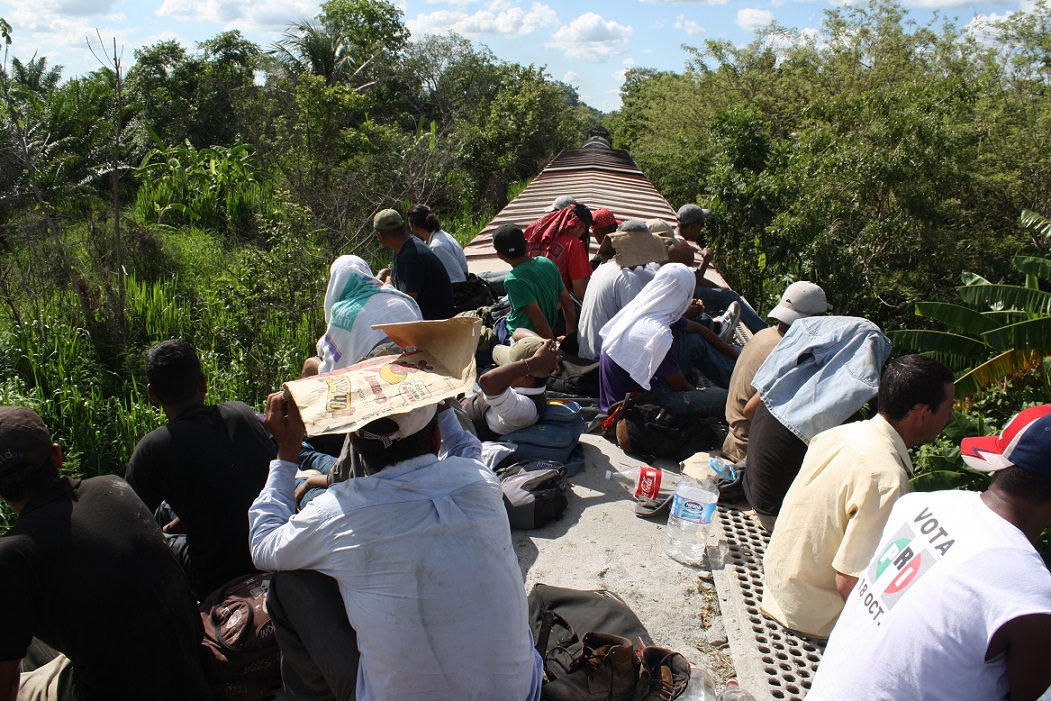
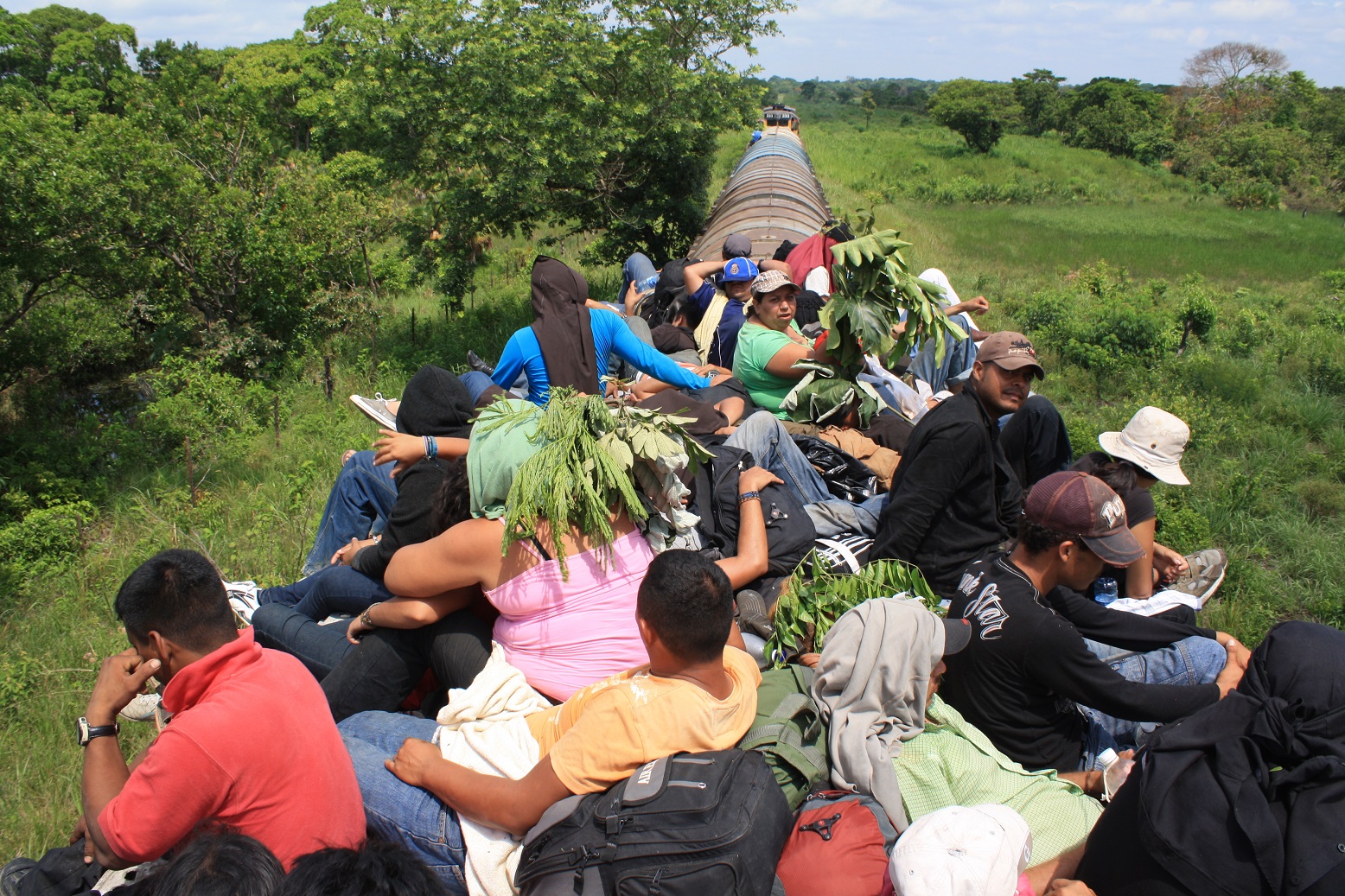
• 13 de agosto de 2014. Comienzan los operativos con los que el INM junto con la PF y la Policía estatal, impedirán a las personas migrantes subirse al tren. Este operativo y los siguientes tendrán como denominador común una extrema violencia verbal y física.
• 14 de agosto de 2014. El Grupo Beta participa de un aparatoso operativo en el que participan agentes federales de migración, Policía federal y estatal. Al darse cuenta el coordinador de dicho grupo que lo estaban filmando, hostiga, intimida e intenta obstaculizar la labor de documentación del equipo de La 72.
Por lo anterior demandamos a las autoridades:
1. Que dicha indagatoria sea concluida, que se investigue la probable comisión de los delitos de falso testimonio ante la autoridad ministerial y abuso de autoridad.
2. A las autoridades federales del Mecanismo de Protección que cumplan las medidas cautelares de la CIDH y que más allá de discursos, hagan valer las propias medidas que dictó su Junta de Gobierno.
Finalmente denunciamos enérgicamente que, en el contexto que vive el país, la sociedad civil nacional e internacional no tolerará una agresión de ningún tipo de personas que se dedican a defender los derechos humanos.
La 72, Hogar – Refugio para Personas Migrantes
Ccp Comisión Interamericana de Derechos Humanos
Ccp Comisión Nacional de los Derechos Humanos
Ccp Comisión Estatal de Derechos Humanos de Tabasco
Ccp Movimiento Migrante Mesoamericano
Ccp Indignación, Promoción y Defensa de los Derechos Humanos
Ccp Centro de Derechos Humanos Miguel Agustín Pro Juárez, AC
Ccp SMR Scalabrinianas, Misión para Migrantes y Refugiados
Ccp Propuesta Cívica AC
Ccp Casa del Migrante de Saltillo


 Indígenas chiapanecos que se niegan a abandonar sus casas para dar paso a megaobras terminan muertos, según ONGs. Foro: Cuartoscuro (Continuar leyendo…)