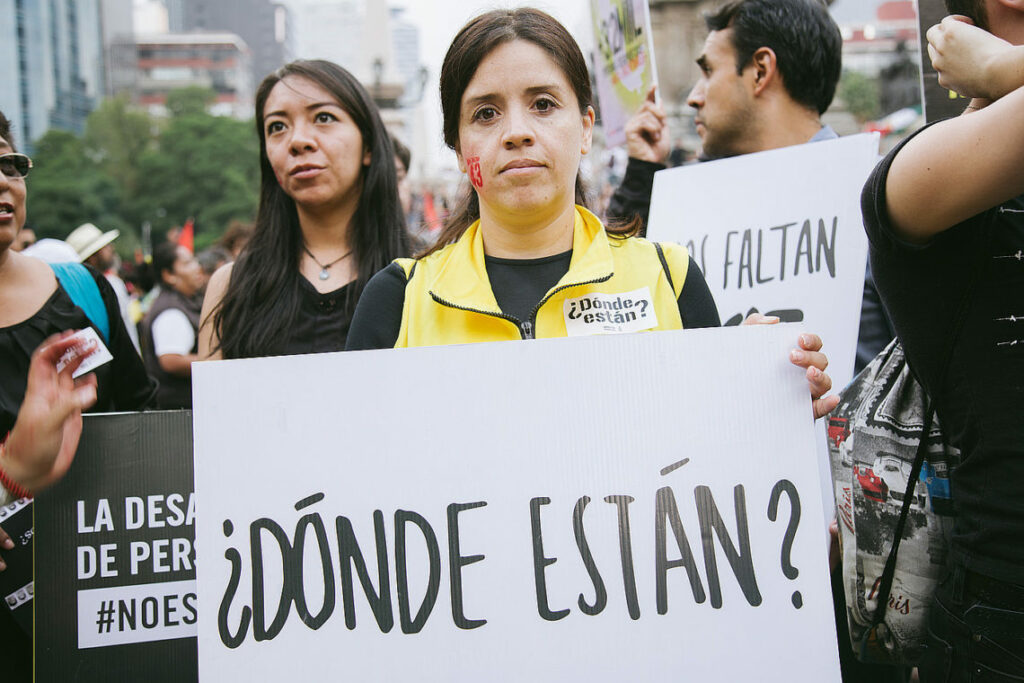
En portada: Integrantes de la XVI Caravana de Movimiento Migrante Mesoamericano rindieron homenaje por los 56 migrantes fallecidos en Chiapas durante volcadura de trailer y protestaron contra las políticas migratorias en México.
Lilian Korina Ramos Mata desapareció hace cinco años. Tomó una mochila y partió de El Salvador rumbo a Estados Unidos para ganar dinero y mejorar la vida de su hijo y de su madre Rosa Edith Mata, quien ahora integra la XVI Caravana de Movimiento Migrante Mesoamericano en busca de migrantes desaparecidos en territorio mexicano.
Es el segundo año que Rosa participa. En 2019 también hizo el recorrido, pero después se suspendieron las actividades presenciales por la alerta sanitaria del Covid-19 y el cierre de las fronteras en varios países de América. (Continuar leyendo…)
En portada: Pobladores del norte de Chiapas participaron de una movilización para manifestarse en contra de las operaciones del cuartel de la Guardia Nacional en su territorio. Foto de CDH Frayba
“Se requiere Guardia Nacional (GN) en ciudades o donde hay grupos paramilitares, nosotros somos un ejido y no necesitamos. El presidente quiere la GN por algo, le está sirviendo a él no a nosotros”, dijo Juana Hernández Morales, Concejala del Gobierno Comunitario en Bachajón, municipio de Chilón.
La edificación del cuartel de la Guardia Nacional en este municipio, al norte de Chiapas, comenzó como un rumor. A mediados de 2020 iniciaron la obra y con ella se levantó la resistencia de los pueblos contra una nueva militarización de sus territorios. (Continuar leyendo…)
Organización Vineketik en resistencia. Adherente a la Sexta declaración de la Selva Lacandona E.Z.L.N.
Al Ejército Zapatista de Liberación Nacional.
A los y las defensoras de derechos humanos.
A la sexta nacional e internacional.
Al Congreso Nacional Indígena.
Al Consejo Indígena de Gobierno.
A los medios de comunicación.
Al Pueblo Creyente.
A la sociedad civil organizada.
Al pueblo de México y al mundo.
Como presos indígenas en lucha y defensores de los derechos humanos dentro de esta cárcel, manifestamos nuestro repudio y nos indignamos profundamente ante lo ocurrido en la CDMX el pasado 25 de abril, ante la violencia y la persecución que sufrieron y siguen sufriendo nuestras hermanas y compañeras triquis. Sabemos que han sido agredidas por los criminales disfrazados de policías y del mal gobierno represor. Condenamos enfáticamente tales acciones de los abusos de las autoridades de los atropellos que cometen ante los pueblos indígenas, exigimos al gobierno un alto a la violencia y la discriminación.
Exigimos justicia a nuestrxs hermanxs y compañerxs desplazadxs y exigimos un retorno pacifico, así también exigimos al gobierno justicia y su inmediata libertad a nuestrxs compañerxs presxs políticxs, presxs injustamente.
Al miso tiempo queremos exponerle nuestro cariño y solidaridad en lo más profundo de nuestro corazón, enviarles un abrazo cada unx, decirles que no están solxs ya que somos muchxs lxs que luchamos y resistimos los atropellos del mal gobierno.
¡Libertad a lxs presxs triquis!
¡Libertad a lxs presxs políticxs!
¡Libertad a los presos de Eloxochitlán de Flores Magón!
En portada: Mujeres buscadoras participan de las movilizaciones en el Día Internacional de las Víctimas de Desapariciones Forzadas. Agosto, 2020. Foto: Centro Prodh
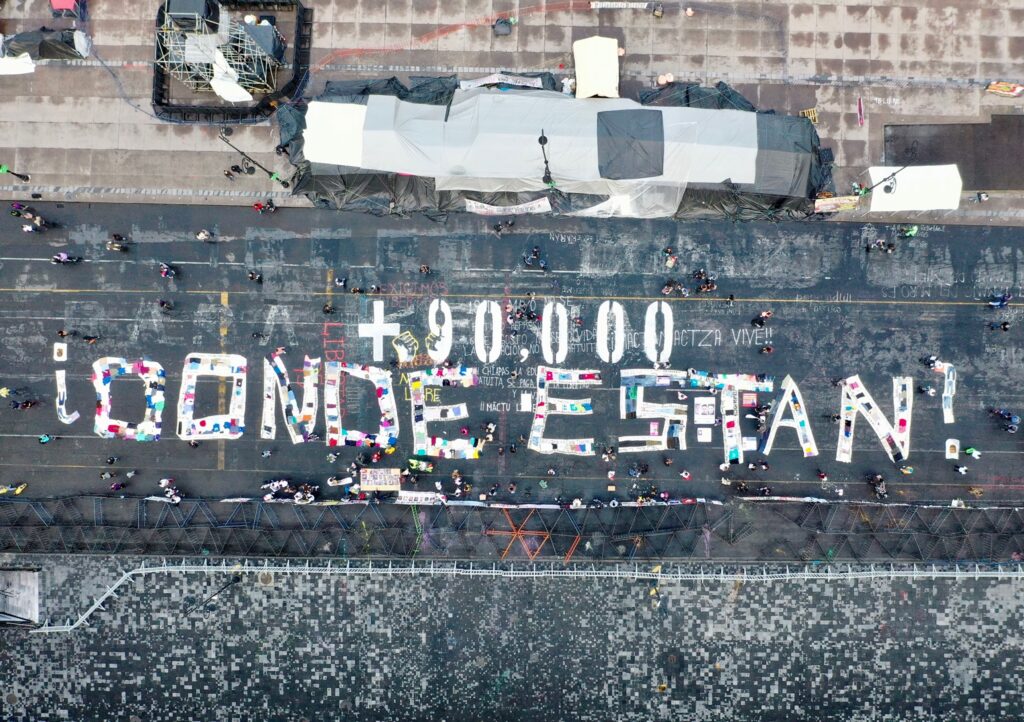
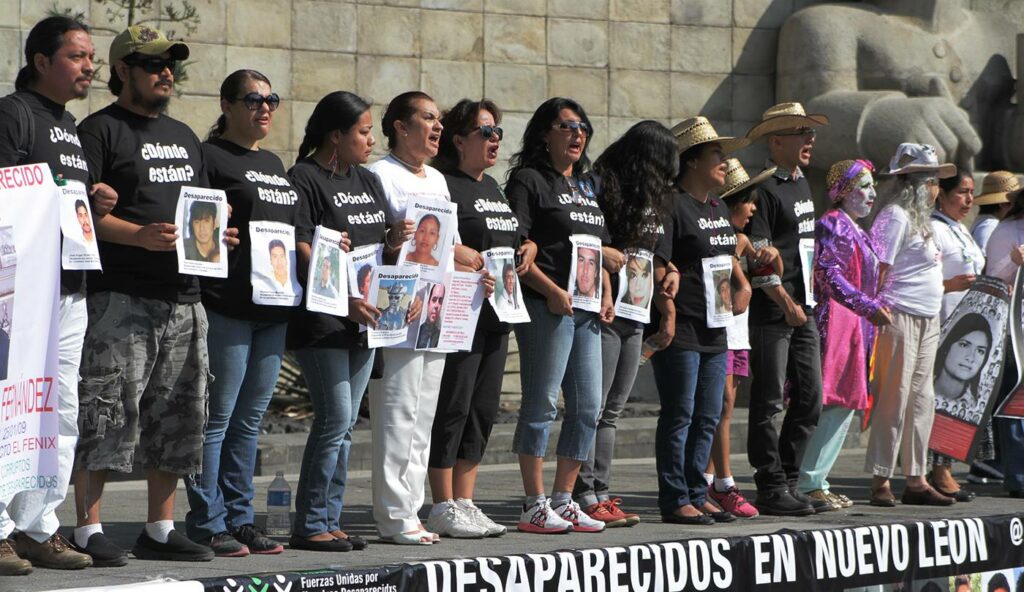
Es urgente que el Estado mexicano adopte una política pública integral de prevención a las desapariciones, de búsqueda en vida y forense, y el reconocimiento de la responsabilidad directa e indirecta en los casos en el país, coincidieron organizaciones de madres buscadoras y de la sociedad civil que esperan una respuesta del ejecutivo federal en los siguientes días.
El Movimiento por Nuestros Desaparecidos en México, conformado por 80 organizaciones, dijo que la grave situación de desapariciones es reiterada en el reciente informe del Comité de la ONU para la Desaparición Forzada, resultado de la primera visita que hizo a México desde su conformación.
Los grupos de familiares de víctimas de desaparición se reunieron con el Comité e hicieron propuestas que fueron retomadas por la ONU en la emisión de las recomendaciones para el Estado mexicano.
“Exigimos al gobierno adoptarlas e implementarlas de manera urgente y contundente”, enfatizó el Movimiento respecto a la actitud pasiva del gobierno frente a un patrón de desapariciones que permanecen en la impunidad, contexto que, de acuerdo a la ONU, debe ser reconocido y atendido con una Política Nacional de Prevención y Erradicación de las Desapariciones Forzadas.
“Para la cual se deben cumplir ciertas condiciones mínimas que garanticen su efectividad”, como el abandono del enfoque de militarización y hacer visible la información sobre los casi 100,000 desaparecidos.
Una década sin acciones
En este tenor, las organizaciones coinciden en la relevancia de implementar debidamente el marco normativo, jurídico y jurisprudencial en todo el país. Sobre la petición de aplicar el artículo 34 de la Convención Internacional para la protección de todas las Personas contra las Desapariciones Forzadas, el Comité priorizó valorar antes las observaciones del gobierno de México.
Humberto Guerrero, del Centro Fundar y parte del Movimiento, dijo que se puede reevaluar y de ser necesario solicitarán la revisión de esa decisión del Comité de la ONU.
Grace Fernández, directora de Buscando Desaparecidos México, pidió congruencia al gobierno de México, “porque en teoría los desaparecidos son prioridad y no estamos dispuestas a esperar otros 10 años para que haya un cambio”. Parafraseando al presidente, recordó que la historia también los juzgará.
Hace una década, en la visita de otro grupo de la ONU, el organismo también alertó sobre el inicio de una crisis de desapariciones. Entonces no hubo respuesta del gobierno en turno y ahora 95 mil 121 personas están desaparecidas y 52,000 cuerpos sin identificar en las morgues del país.
Para Adela Alvarado de la Fundación Mónica Alejandrina es preocupante porque hasta los periodistas dejaron de informar sobre estos temas porque existe temor. Además, recordó un caso de desaparición en un reclusorio.
La mujer acudió a visitar a su pareja, su madre la acompañó y esperó afuera del penal. La madre de la mujer dice que nunca la vio salir y cuando preguntó con los encargados dijeron que no había registro de la entrada de su hija.
“Son situaciones verdaderamente alarmantes porque tenemos desapariciones en diferentes formas, de diferentes grupos, incluso podemos ver que hay en las desapariciones los migrantes, aquí se desaparecen en grupos bastantes grandes y no hay información ni una búsqueda ni nada”. Alvarado mencionó que, en el caso de las personas migrantes, las familias se enteran años después de la desaparición a pesar de que las Fiscalías tienen información.
Son responsables las autoridades si no buscan y no localizan a las personas desaparecidas y en caso de muerte si no se devuelven los cuerpos a los familiares y allegados de forma digna y más general, cuando incumplen con sus obligaciones con las víctimas, añadió Grace Fernández.
En la actualidad, está en discusión en la Cámara de Diputados la iniciativa de la reforma constitucional para establecer el derecho de toda persona a ser buscada sin importar la fecha de su desaparición.
Resguardo genético
Las dilaciones injustificadas para iniciar las búsquedas y la falta de presupuesto se suman a las recomendaciones que hizo la ONU. Las comisiones estatales solo cuentan con el presupuesto federal y la Comisión Nacional de Búsqueda tuvo una reducción del presupuesto de 2020-2021: el 29% destinado para gastos operativos en el 2021 se redujo al 12%.
En este contexto, existe preocupación del Comité por el manejo y resguardo del material genético que las familias entregan a las autoridades, es decir, no sólo las donaciones de sangre para los perfiles genéticos sino también los indicios recuperados en las búsquedas de los colectivos y familias en campo.
“México debe cerrar la brecha que hay entre la Ley y los hechos, porque el problema no es de leyes si no de prácticas”, dijo Humberto Guerrero de Fundar.
Hace unos días, la Cámara de Diputados aprobó la iniciativa de creación del Centro Nacional de Identificación Humana para atender la crisis forense, “exhortamos al Senado de la República a que apruebe el dictamen en el presente periodo de sesiones a efecto de que la ley se promulgue y el Centro Nacional de Identificación Humana entre en funcionamiento a la brevedad posible”, publicó el Movimiento por Nuestros Desaparecidos en redes sociales.
La niñez
A estas exigencias se unió la Red por los Derechos de la Infancia en México (Redim), pues dijo que se debe combatir la impunidad y prevenir, sin militarización, la desaparición de niñas, niños y adolescentes.
Desde que empezó el sexenio de López Obrador, 19,445 niñas, niños y adolescentes fueron registrados como desaparecidos; de éstos, 5,102 continúan desaparecidos a la fecha (24.30%), siendo 2,232 de ellas mujeres y 1,797 hombres.
Los números proporcionados por Redim muestran que las mujeres representan 55.2% de estos casos. Las restantes 65,950 personas de 0 a 17 años fueron localizadas, aunque 1% de estas desapariciones (710 casos) fueron halladas sin vida.
Los estados donde se han reportado más niñas, niños y adolescentes desaparecidas son el Estado de México con 3,740 casos, Tamaulipas con 1,704 y Jalisco con 1,231 casos. En estas tres entidades se concentra 40.8% de las desapariciones de personas de 0 a 17 años, según cifras de la Comisión Nacional de Búsqueda y del Registro Nacional de Personas Desaparecidas y No Localizadas, hasta el 11 de abril de 2022.
De acuerdo con el informe del Comité de la ONU contra la Desaparición Forzada, esta tendencia se agudizó durante la pandemia del COVID-19 y señala que la delincuencia organizada se convirtió en el perpetrador central.
Protesta de integrantes del Movimiento por Nuestros Desaparecidos
La desaparición de mujeres en algunas entidades de México supera ampliamente el promedio nacional de 25%. En Chiapas, por ejemplo, el número de fichas de la Fiscalía General del Estado sobre la desaparición de niñas, niños y adolescentes es 12 veces mayor que en el Registro Nacional; de acuerdo a organizaciones esta ausencia de información dificulta el combate y la atención a las causas.
En 2021, la Fiscalía de Chiapas subió a su plataforma 625 fichas de menores con reporte de desaparición, pero en el registro nacional sólo aparecieron 51 casos, “y esto seguramente se repite en otros estados del país”.
En la participación de Jennifer Haza, de la organización Melel Xojobal con sede en San Cristóbal de Las Casas, destacó que la tendencia en la geografía chiapaneca va al alza desde el año pasado con un registro de 625 menores desaparecidos; tres veces más que en 2019 cuando se documentaron 183 casos.
En términos de estrategias de prevención, dijo que no se tiene información pública de qué pasa con las niñas, niños y adolescentes que desaparecen, “si son reclutados por el crimen, si son víctimas de trata, si están muertos o si están vivos.
Esta información nos tendría que permitir estrategias eficientes de búsqueda, investigación, atención y construir estrategias de prevención”, dijo Haza, pero con los factores preexistentes de desigualdad y de exclusión social la tarea se vuelve más compleja.
La entidad tampoco cuenta un registro electrónico de las huellas dactilares a partir de las actas, inclusive cuatro de cada 10 menores no tienen acta de nacimiento antes de cumplir el año de edad, “entonces necesitamos valorar todos los hechos, estos factores existentes en torno a la desaparición”.
En este contexto, Haza destacó también los casos de los huérfanos de los hijos de las personas desaparecidas y parafraseando a los familiares de las víctimas, dijo “son los olvidados del sistema”.
“No tienen ningún programa social destinado de forma específica y aquí hemos identificado casos que pueden resultar anecdóticos pero que si llevaran registros podríamos tener más información”, además de menores que quedaron a cargo de otros familiares cuando su padre o madre desaparecieron.
De enero al 13 de marzo de 2022 tienen documentada la desaparición de 112 menores en Chiapas, el 52 por ciento fueron localizados: ocho sin vida, entre ellos dos de Honduras, uno de Guatemala y uno de Haití. Del total, el 75% son mujeres, “de todos esos datos que tenemos de las propias fichas no están en el registro nacional”, dijo Jennifer Haza y se unió a la exigencia de la atención a las recomendaciones de la ONU.
El Estado mexicano tiene cuatro meses para emitir las observaciones sobre las recomendaciones que hizo el Comité de la ONU que, a partir de entonces, deberá realizar el seguimiento. Pero las madres buscadoras esperan que el presidente Andrés Manuel López Obrador de respuestas el próximo 10 de mayo cuando se realice la “Marcha por la Dignidad Nacional. Madres que buscan a sus hijas e hijos desaparecidos”.
Las 80 organizaciones que integran el Movimiento por Nuestros Desaparecidos esperan la aceptación del Estado en conjunto y una propuesta de egresos de la federación que refleje la importancia a las recomendaciones que hizo el Comité.
Asimismo, la presentación de un plan de trabajo de la Fiscalía General de la República sobre cómo cumplirá con el Banco Nacional de Datos Forense y la base genética, pues incluso el Centro de Derechos Humanos Miguel Agustín Pro Juárez tiene un litigio sobre el tema.
Durante casi una semana, diversos medios comunitarios, alternativos e independientes han compartido reflexiones sobre el quehacer periodístico en la actualidad. Han resaltado las condiciones adversas de cada país, que van desde agresiones y amenazas directas, robo de equipo, persecución y hasta el asesinato. Una labor que se realiza, en la mayoría de los casos, con recursos mínimos, pero destaca el ejercicio de una autonomía en las líneas editoriales y formatos que se usan.
Bajo estas condiciones, la vulnerabilidad de lxs periodistas es más drástica cuando se es mujer, trans, lesbiana, disidente sexual. Durante el encuentro continental “Mujeres, territorios y libertad de expresión”, realizado entre los días 25 al 29 de abril, en Guatemala, han participado periodistas indígenas y urbanos de estas disidencias que han compartido su palabra con colegas de diferentes partes de América Latina.
En este evento ha participado delegaciones de 11 países: Brasil, Colombia, Bolivia, México, El Salvador, Honduras, Guatemala, Estados Unidos, Argentina, Bolivia y el País Vasco. A continuación, presentamos algunas voces recogidas de las disidencias sexuales en este evento.
Encuentro continental “mujeres, territorio y libertad de expresión”, realizado en Guatemala los días 25 al 29 de abril.
“Nos están matando, violando, mutilando, torturando, empalando, embolsando, desapareciendo, ‘suicidando’, enterrando vivas, vendiendo, y que la Justicia no llega, que la Justicia no se ve, que la Justicia no existe”.
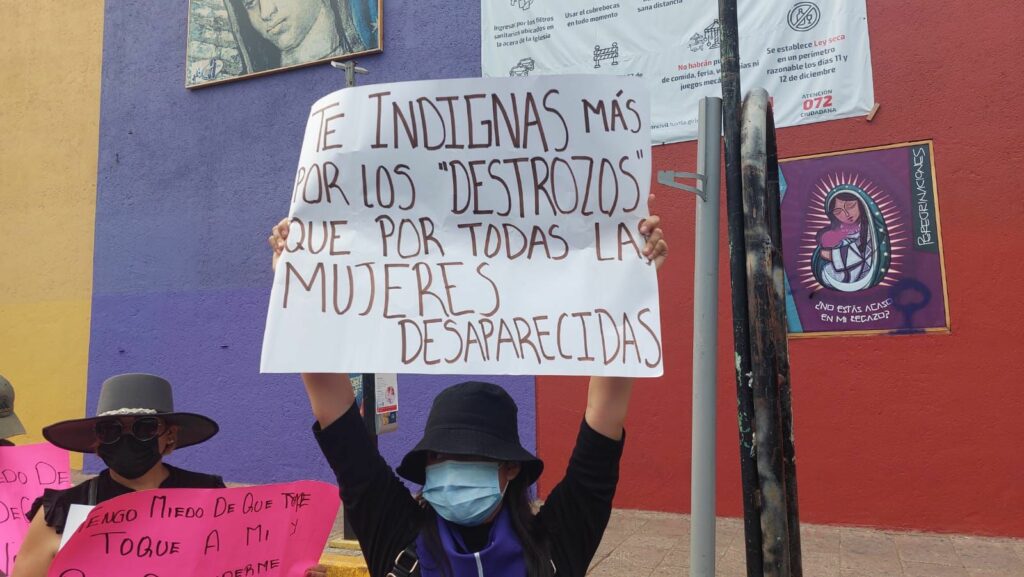
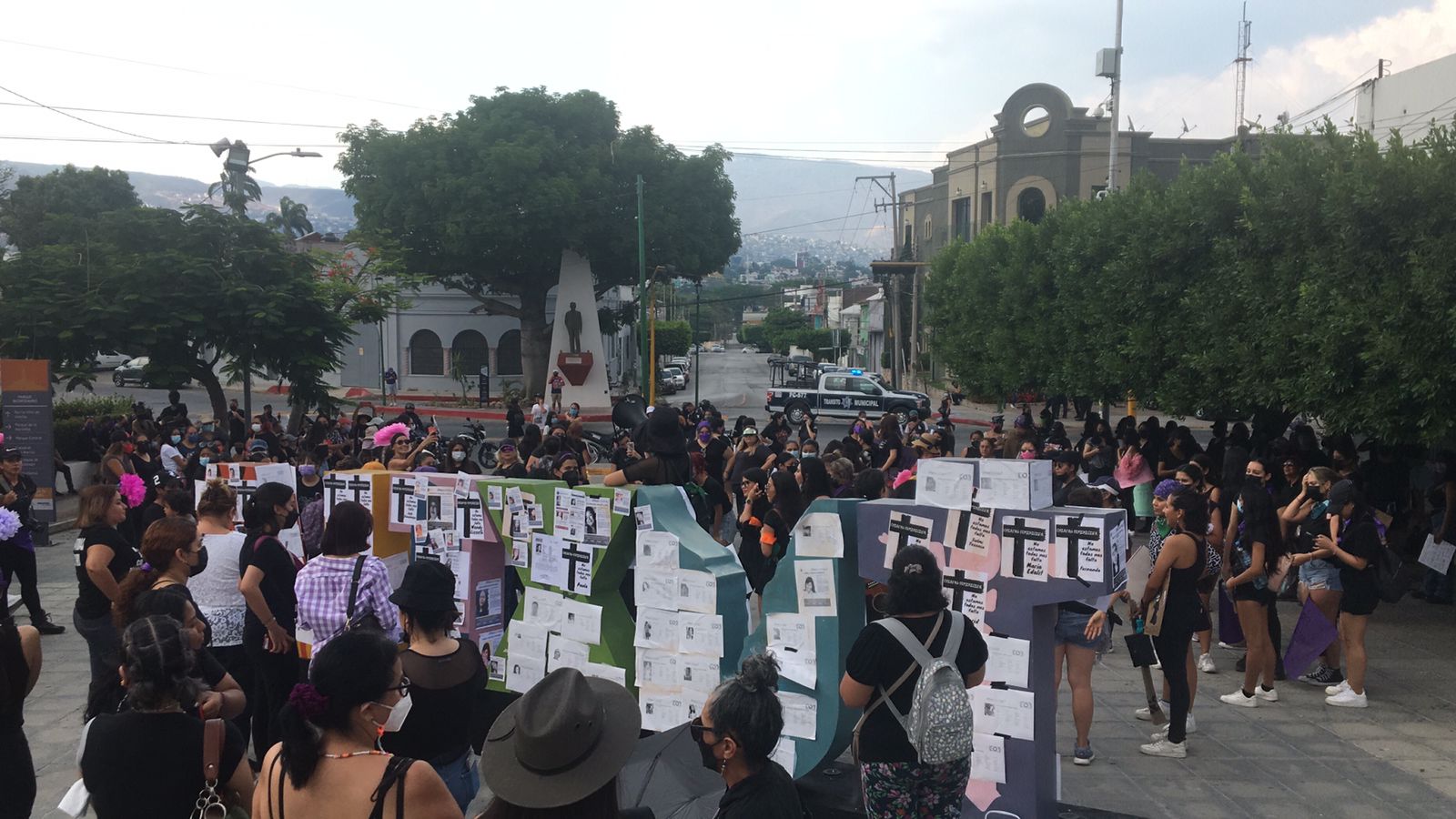
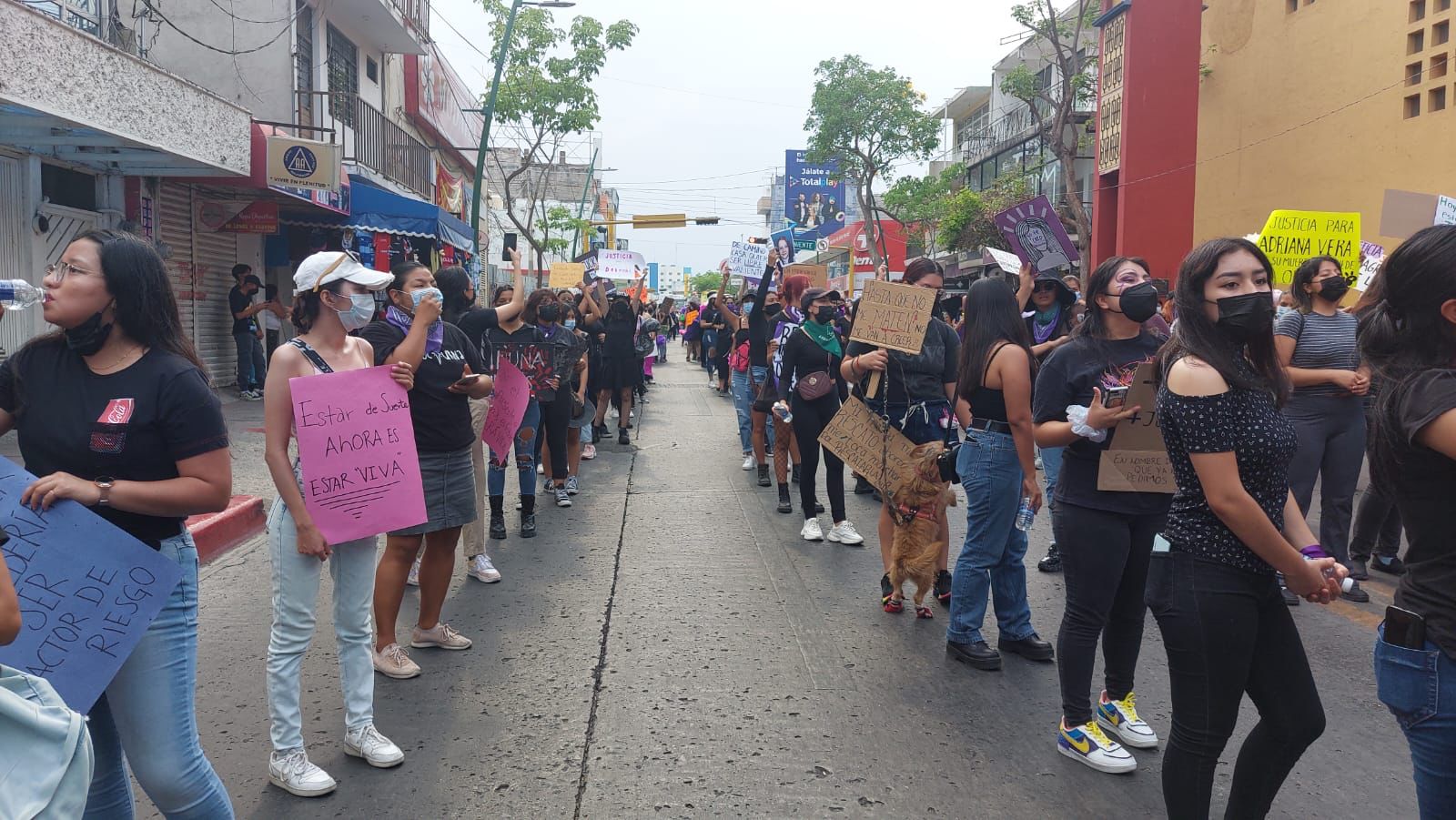
Lo anterior es parte de un comunicado difundido por las redes, colectivas y organizaciones que el domingo (24) salieron a las calles de diferentes entidades para alertar sobre la imparable violencia feminicida que enfrentan en las mujeres en México.
En las protestas de Yucatán, Oaxaca, Guerrero, Chiapas, Ciudad de México, Veracruz, Baja California, Nuevo León, por mencionar solo algunos estados, las cartulinas y lonas mostraron nuevamente los nombres y rostros de mujeres víctimas de feminicidio y desaparición. Miles de casos que permanecen en la impunidad.
La movilización fue convocada a nivel nacional por la indignación derivada del caso de Debanhi y el hallazgo de más víctimas de feminicidio en Nuevo Léon, al norte del país. “La desolación, inseguridad y violencia va en aumento”, reclamaron las mujeres.
“El panorama es desolador”
De enero a marzo de 2022, el Sistema Nacional de Seguridad Pública tiene el registro de 229 casos de feminicidios: 78 en enero, 81 en febrero y 70 en marzo. Según la dependencia federal estos números reflejan una disminución de 34%.
La lista la encabeza el Estado de México con 39 feminicidios, Nuevo León con 21 y Veracruz 21; le siguen la Ciudad de México, Oaxaca, Chihuahua, Jalisco, Morelos, Chiapas y Tabasco. El riesgo feminicida en el Estado de México es tan grave que Amnistía Internacional mantiene una petición en su plataforma por cuatro feminicidios, “la mayoría de los asesinatos quedan impunes”, recalca.
En cada demarcación la petición es una sola: justicia. Las mujeres solicitaron a las Fiscalías del país, así como al Poder Judicial atender la situación jurídica de las mujeres, incluso las que están privadas de su libertad injustamente.
En las pancartas demandaron que feminicidas, golpeadores, violadores, acosadores, pedófilos y hostigadores sexuales dejen de pisar las calles y se les dicte auto de formal prisión.
Nadie volvió a pronunciar su nombre
“La Fiscalía de Chiapas no hace su trabajo”, dijo Margarita Zenteno, mamá de Paulina Gómez Zenteno, asesinada en Tuxtla Gutiérrez, al tomar el micrófono en el mítin frente a Palacio de Gobierno de Chiapas. Desde entonces, la búsqueda de justicia de Margarita se convirtió en un calvario por la falta de perspectiva de género en las Fiscalías y discriminación por parte de derechos humanos.
“Hace seis años mataron a mi hermana Yuri Lisseth Méndez Trejo, enfermera de 21 años. Necesitamos que el Estado haga su trabajo, hoy la Alerta de Género nos sigue debiendo”, dijo Itzel Molina Trejo.
El 24 de noviembre de 2016, Yuri fue hallada sin vida en el interior de una bolsa negra. Uno de los feminicidas fue detenido por la lucha incansable de la familia que acompaña todas las marchas contra la violencia hacia las mujeres que se realizan en la capital de Chiapas.
El 27 de agosto de 2021, la activista animalista Adriana Vera, fue asesinada a golpes por su pareja en Chiapa de Corzo. Compañeras activistas de Adriana señalaron que la Fiscalía General de Chiapas dio carpetazo a la investigación por posible “suicidio”.
“Nadie volvió a pronunciar su nombre. Exigimos que la recuerden porque ese tipo (el feminicida de Adriana) está con su nueva novia por ahí y ella puede ser la siguiente”.
La movilización a nivel nacional se dio a partir de los seis hallazgos en Nuevo León y la presentación del informe del Comité de la ONU Contra las Desapariciones Forzadas. El estudio dice que uno de cada cuatro desaparecidos en México es mujer.
La media nacional de 25% de desaparición de mujeres es superada por Campeche con 67 % y más del 60 % en Chiapas, Tabasco y Yucatán; en su mayoría, casos de niñas y adolescentes de entre 10 a 19 años.
Hasta noviembre de 2021, entre el 2% y el 6% de casos de desaparición de personas en México fueron judicializados y sólo se emitieron 36 sentencias a nivel nacional. De acuerdo al Informe del Comité contra la Desaparición Forzada de la ONU, funcionarios públicos y la delincuencia organizada son los responsables de las desapariciones.
El informe se basa en la documentación realizada por la representación que visitó México en el último trimestre de 2021, pues la situación generalizada de desapariciones en gran parte del territorio nacional impera en la impunidad casi absoluta y la revictimización.
Las desapariciones tuvieron un aumento en el 2006, cuando Felipe Calderón ocupaba presidencia de México. Afectaron mayoritariamente a hombres de entre 15 y 40 años, aunque también existe un alza en desapariciones de niñez de 12 años, así como de adolescentes y mujeres, tendencia que se agudizó durante la pandemia por la Covid-19.
En algunas entidades la desaparición de mujeres supera ampliamente el promedio nacional de 25%. En Campeche alcanza el 67 % y más del 60 % en Chiapas, Tabasco y Yucatán; en su mayoría, casos de niñas y adolescentes de entre 10 a 19 años.
En el caso de las desapariciones forzadas, aún son cometidas directamente por agentes públicos del ámbito federal, estatal y municipal y la delincuencia organizada se considera perpetradora central de estos crímenes.
La impunidad es un rasgo estructural que favorece la reproducción y el encubrimiento; pone en peligro y causa zozobra a las víctimas, dice la ONU. Pero el presidente de México, Andrés Manuel López Obrador enfatizó, tras la presentación del informe, que ningún organismo internacional “va ponernos en el banquillo de los acusados” y aseguró que su gobierno trabaja con humanismo en esos casos, “ellos no tienen toda la información y no están actuando con apego con la verdad”, respondió negando los datos de Naciones Unidas.
Sectores
Durante su visita en noviembre del año pasado, los representantes de la ONU encabezaron reuniones con organizaciones, grupos, familiares de víctimas y autoridades de 31 entidades en el recorrido que hicieron por Chihuahua, Ciudad de México, Coahuila, Estado de México, Guanajuato, Guerrero, Jalisco, Morelos, Nayarit, Nuevo León, Sinaloa, Tamaulipas y Veracruz.
Ahora, en el estudio, el Comité menciona las desapariciones por la labor de defensores de los derechos humanos, las ocurridas en el contexto carcelario, así como las detenciones de personas migrantes en estaciones migratorias que son difundidas como “rescates humanitarios”, en los que reconocen la falta de información, lo que constituye desaparición forzada en virtud del artículo 2 de la Convención.
Desde 2016 se han interpuesto 124 denuncias por desaparición de personas migrantes, a través de los consulados de México en Guatemala, El Salvador y Honduras. Al 21 de octubre de 2021, el Registro Nacional de Personas Desaparecidas y No Localizadas incluía a 2,522 personas extranjeras, pero “no refleja de manera fidedigna los casos”, pues las personas en contexto de movilidad por lo general no reportan las desapariciones por temor a ser detenidas.
En cuanto a las comunidades indígenas también se han visto afectadas por desapariciones, principalmente en el contexto de conflictos sociales y territoriales vinculados con el desarrollo de megaproyectos de índole minera o energética o tras el despojo o acaparamiento de tierras para explotación económica por parte de grupos del crimen organizado u otros actores privados.
En el reporte, se señala que las desapariciones de personas LGBTIQ+ fueron cometidas por fuerzas de seguridad, o por la delincuencia organizada con distintos niveles de connivencia de las autoridades.
En algunas entidades federativas existen patrones de desaparición, independientemente del perfil de las víctimas. Por mencionar los casos de feminicidios de Nuevo León y un importante número de desapariciones relacionadas con el tráfico de combustibles en el norte del país.
Crisis forense
“No se han creado un banco nacional de datos forenses, un registro nacional de personas fallecidas no identificadas y no reclamadas, ni un registro nacional de fosas, y que tampoco se haya emitido el Programa Nacional de Exhumaciones”, detalla el informe de la ONU.
Para el Comité, la crisis forense es una realidad de profunda preocupación por las más de 52,000 personas fallecidas sin identificar que yacen actualmente en fosas comunes, instalaciones de los servicios forenses, universidades y centros de resguardo forense.
“Esta cifra, a pesar de su magnitud, no incluye los cuerpos todavía no localizados, ni los miles de fragmentos de restos humanos que las familias y comisiones de búsqueda recogen semanalmente en las fosas clandestinas”, contextualiza sobre las estadísticas.
Según varios expertos entrevistados por el Comité de la ONU, en las actuales condiciones serían necesarios 120 años para identificarlos, sin contar los nuevos cuerpos que se van sumando cada día.
Integrantes de la Caravana Internacional de Búsqueda de Desaparecidos AC y familiares de víctimas de los estados de Jalisco, Guanajuato, Coahuila y estado de México, durante una marcha en Guadalajara
Baja California, Ciudad de México, Estado de México, Jalisco, Chihuahua, Tamaulipas y Nuevo León concentran el 71,73% de los cuerpos no identificados; y los servicios forenses son insuficientes.
Esta crisis fue reconocida por el Estado debido al alza de los niveles de violencia desde el año de 2020, cuando se registraron 27,8 homicidios por cada 100,000 habitantes y en el gran número de personas desaparecidas. En fosas comunes en los panteones de la Ciudad de México, Puebla, Sonora y Veracruz, el 47,2% de las personas inhumadas son no identificadas.
Por ello, insiste la ONU en la necesidad de una Política Nacional de Prevención y Erradicación de las Desapariciones Forzadas que aborde el conjunto de las observaciones y recomendaciones presentadas. Debe ser integral, atender y combatir las causas de las desapariciones forzadas y apuntar a su no repetición.
“Tomando en cuenta el carácter continuo de las desapariciones, su fecha de inicio no precluye las responsabilidades actuales del Estado parte conforme a la Convención”. Para lo que cita algunos criterios a valorar como la responsabilidad de servidores públicos y erradicar la impunidad.
Abandonar la militarización
Naciones Unidas se remonta a los noventa para recordar el enfoque de seguridad pública adoptado por el Estado, fomentado por la reforma legislativa del 2006 y caracterizado por la militarización.
Entre 2006 y 2021 se produce un crecimiento exponencial con el 98% de las desapariciones en el país, que evidencian la estrecha relación entre el incremento de las desapariciones y el inicio de la llamada “guerra contra el narcotráfico” durante el sexenio de Felipe Calderón Hinojosa.
Pero el informe expone, al igual, la adopción de recientes reformas normativas y operacionales al respecto como el Decreto de 26 marzo de 2019, que reforma el artículo 21 de la Constitución y crea la Guardia Nacional; el Acuerdo Presidencial publicado en mayo de 2020, que ordena a la Fuerza Armada permanecer en las funciones de seguridad pública; la Ley de la Guardia Nacional, Ley Nacional de Uso de la Fuerza y Ley Nacional del Registro de Detenciones, adoptadas en 2019.
La Guardia Nacional se integra por 101,182 elementos, el 58% provienen de la Secretaría de la Defensa Nacional (Sedena), 26% de la ex Policía Federal y 16% de la Secretaría de Marina (Semar).
Entre 2007 y 2021, la Comisión Nacional de los Derechos Humanos emitió un total de 162 recomendaciones a la Sedena y la Semar por violaciones graves a los derechos humanos, 15 de ellas relacionadas con casos de desaparición forzada.
En 2021, la Sedena y la Guardia Nacional se colocaron entre las diez autoridades más mencionadas en expedientes de presuntas violaciones a los derechos humanos registrados por la Comisión Nacional de los Derechos Humanos (CNDH). La Sedena y la Semar también están entre las cinco con mayor número de recomendaciones en trámite.
Registro
El Comité señala que recibió información, tanto de autoridades como de víctimas, sobre la existencia de diversos patrones en la comisión de desapariciones forzadas que afectan a la gran mayoría de las entidades federativas.
Por ello, señala la urgencia de implementar los puntos tratados en el informe, tanto para los casos que se iniciaron en el pasado, como para los perpetrados recientemente, debido a los reportes preocupantes de las personas entrevistadas por la ONU en cuanto a las duplicaciones, errores en los datos registrados o información incompleta y las dificultades existentes para solicitar correcciones o actualizaciones.
El Registro Nacional de Personas Desaparecidas y No Localizadas, por otro lado, no permite una visión clara sobre la proporción de casos registrados que podrían corresponder a desapariciones forzadas, por lo que recomendó la actualizado constante.
En esto, el Comité resalta la riqueza de las herramientas existentes en México para abordar las desapariciones, pero lamenta las graves deficiencias encontradas en su implementación. Después de cuatro años de la entrada en vigor de la Ley General en Materia de Desaparición Forzada de personas, Desaparición Cometida por Particulares y del Sistema Nacional de Búsqueda, su reglamento todavía no ha sido publicado.
La mayoría de entidades mexicanas carecen de política pública en materia de desaparición de personas. Solo Coahuila, Guerrero y Estado de México, Nayarit, San Luis Potosí, Tamaulipas, Veracruz, cuentan con Fiscalías especializadas.
Según las cifras oficiales disponibles al 26 de noviembre de 2021 se encontraban registradas 95,121 personas desaparecidas, de las cuales 112 desaparecieron durante la visita del Comité. El Registro Nacional, administrado por la Comisión Nacional de Búsqueda de la Secretaría de Gobernación (Segob), es el único en funcionamiento de los previstos por la Ley General.
Y son las propias autoridades las que siguen señaladas, además, por dilaciones injustificables en la ejecución de diligencias, exigiendo que hayan pasado 72 horas después de una desaparición para recibir una denuncia, “impidiendo así que se busque a la persona desaparecida de forma inmediata”, dice la ONU.
La Comisión Nacional de Búsqueda carece frecuentemente de los recursos necesarios para su funcionamiento y las comisiones tienen que anular las actividades programadas o buscar formas alternativas de financiamiento.
El Comité asegura que los registros de huellas dactilares constituyen una herramienta esencial para la búsqueda e identificación de las personas desaparecidas, pero dicho sistema no es aplicable a los menores de edad, por lo que las recomendaciones son valoradas por las diferentes organizaciones de la sociedad civil que documentan casos de desaparición en México.
A 432 kilómetros de la capital de Chiapas se encuentra Benemérito de las Américas, un territorio fronterizo avasallado por los megaproyectos, el crimen organizado, los feminicidios y el olvido institucional que afecta la vida de la mitad de la población: las mujeres.
El 49.9% de los 23 mil 603 habitantes son mujeres que enfrentan diferentes violencias, una de las más graves viene del personal del Hospital Rural del Instituto Mexicano del Seguro Social-Bienestar (IMSS-Bienestar), en Benemérito, que ofrece servicios de salud a otros seis municipios – Márques de Comillas, Ocosingo, Palenque, Chilón, Salto de Agua y Tumbalá -, donde están los pueblos chol, tzeltal, maya, lacandón y zoque.
En 2019 el presidente Andrés Manuel López Obrador llegó al municipio con el director del IMSS, Zoé Robledo, que se comprometió a brindar atención de calidad. En esta misma visita, los directivos dijeron que en los primeros seis meses de 2019 habían atendido 400 partos.
En 2020, después de un embarazo mal atendido y una cesárea llena de negligencias, Gabina Mar Pérez, de 37 años, dedicó un año a buscar las causas de constantes y fuertes dolencias, también, mal diagnosticadas por el médico Marco “M”.
En agosto de 2020, Gabina acudió al servicio médico del IMSS-Bienestar con síntomas de parto. Primero le dijeron que su hija nacería en parto normal y después que sería cesárea. “Me pusieron anestesia general, cuando desperté me sentía débil y miraba manchas de colores”, dijo a Avispa Midia.
Desde el primer momento Gabina sintió una anormalidad en su cuerpo. “Le dije a las enfermeras”, y cuenta que el médico le puso una inyección, “nadie se quería hacer cargo de mí”, a pesar del cambio de turno del personal médico.
Los malestares incrementaron tras el efecto de los medicamentos. Los médicos de guardia la obligaron a caminar soportando los dolores, aun cuando no tenía fuerza en las piernas.
“El doctor me decía: ‘es que tienes que caminar, eso es normal, es la anestesia que está trabajando; apenas se está quitando’. Le dije, no doctor, lo que yo siento no es normal. Sí, me dice él, ‘así son todas las mujeres’”.
Gabina fue dada de alta tres días después de la cesárea. Aunque estaba en casa, no tenía fuerzas ni para cargar a su bebé, a quien tampoco pudo amamantar, “mi esposo se hizo cargo porque me sentía muy mal”. Para entonces la tuvieron que regresar al hospital donde el mismo doctor la recibió. “‘¿Y ahora qué le pasó?’, me preguntó”, y al escuchar los reclamos del esposo de Yesica agregó el médico, según relato de Yesica: “‘no les puse una pistola para que aceptaran la cesárea’”.
Estuvo internada por varios días sin un diagnóstico certero. Le dijeron que tenía una infección en el estómago, retención de líquidos, perforación de intestinos y luego la programaron para otra operación que no aceptaron por falta de argumentos médicos.
Gabina entró y salió varias veces del mismo hospital. Le sacaron innumerables estudios, incluso fue atendida en Palenque y Villahermosa, Tabasco. Tras un año de calvario para la familia, en agosto de 2021 descubrieron que en la cesárea olvidaron sacar una compresa del cuerpo de Gabina.
“‘Es una compresa’. ¡Cómo que una compresa! ‘La bola estaba así’, me dijo una enfermera. ‘Estaba enorme’, dice”, pero el objeto que sacaron del cuerpo de Gabina no le fue entregado.
Acudió a Derechos Humanos municipal para ser atendida a cabalidad en la institución de salud pública responsable de su condición médica. La Fiscalía tomó el registró de atención 0042-114-0903-2021, pero a la fecha no hay respuestas.
Gabina y su esposo dejaron de trabajar como comerciantes, “él me acompañaba a mis estudios y cuando estuve internada”, vendieron la mayoría de sus bienes materiales y animales de traspatio.
Ahora pide al Instituto Mexicano del Seguro Social que haga responsable al médico Marco “M” y le regresen el dinero que gastó por un año de atención médica por su negligencia.
“El tiempo con mi bebé no me lo pueden devolver, pero sí un poco de tranquilidad porque esa situación nos dejó sin nada”.
Denuncias
El caso de Gabina se suma a otros casos de negligencia médica en Benemérito, como de otra mujer, cuya identidad se reserva por seguridad, que tuvo su parto en la jardinera del mismo IMSS, además de cobros por servicios que los médicos no deberían cobrar.
Las autoridades ejidales de Benemérito enviaron varios escritos al presidente Andrés Manuel López Obrador para denunciar la situación, pero hasta hoy no tienen respuestas diferentes al discurso de ‘no pasa nada’.
“Actualmente sufrimos un déficit de atención médica y negligencias”, señalan autoridades ejidales de Benemérito, en entrevista a Avispa Midia.
En la inauguración del IMSS en Benemérito representantes del Estado se comprometieron a crear el Centro Médico de la Selva Lacandona, con equipos modernos, personal capacitado y especialistas de forma permanente. Pero nunca se concretó.
Las autoridades agregan que, al igual que el crimen organizado en la zona, la mafia del personal médico no permite la renovación de trabajadores que señalan, incluso, de sustraer el equipo del hospital.
En un acta de acuerdos firmada por los Comisariados Ejidales que componen el municipio de Benemérito, “porque el Ayuntamiento no está con el pueblo”, dicen las autoridades ejidales, exigieron el cambio inmediato del personal involucrado en actos negligentes.
Denunciaron instalaciones insalubres, mala atención de algunos trabajadores, seguridad incompetente e irresponsable, cobros extras y excesivos por servicios que deberían ser gratuitos.
“Exigimos que los médicos, que tengan farmacias o laboratorios, no trabajen en el hospital IMSS Bienestar porque elevan los precios de los medicamentos que no encontramos en la derechohabiencia [los derechos a los servicios de la institución de salud]”, sostienen las autoridades.
La violencia obstétrica puede darse de manera psicológica por medio de burlas, humillaciones, discriminación, mal información o comentarios alusivos a la sexualidad de las mujeres; y de manera física cuando se realizan prácticas invasivas, se suministran medicamentos injustificadamente, se niega la atención, se maltrata físicamente o se realizan esterilizaciones forzadas.
La Fiscalía General de Chiapas sólo tiene registro de tres casos de violencia obstétrica denunciados desde el 2019, a pesar de ser una violencia recurrente que no solo deja secuelas físicas, también emocionales.
Más allá
En el 2012, en el Hospital Zona 2 del IMSS, ubicado en la capital de Chiapas, Diana acudió el 6 de diciembre con dolores de parto. El médico de la guardia nocturna la mandó a caminar y a que regresara al siguiente día.
Diana regresó el viernes y tampoco la ingresaron hasta las 23 horas con dolores insoportables que se prolongaron hasta el amanecer del sábado 8 de diciembre. Antes del cambio de guardia llegó el médico a inducir la salida del líquido amniótico y se fue.
La enfermera del siguiente turno le preguntó si el médico avisó del contenido del líquido, “respondí que no”. Había meconio (la primera evacuación de un bebé) y nadie se hizo responsable, “el médico de guardia se fue sin decirme nada aun cuando sabe lo que podía pasarle a mi hijo”.
Ese mismo día, Diana recuerda que los médicos internos se quedaron a cargo de las mujeres en labor de parto, “a una señora que tenía 8 centímetros de dilatación, de tanto que un joven le hizo el tacto, sacó el cordón umbilical de su bebé, a ella también la tuvieron que operar”.
En el informe de actividades de la Comisión Nacional de los Derechos Humanos, 44 recomendaciones fueron dirigidas al IMSS en 2021. La institución también encabeza la lista de 132 recomendaciones en trámite.
En las 217 quejas en expedientes relacionados con violencia de género, la CNDH sólo tiene el registro de seis que corresponden a violencia obstétrica a nivel nacional.
La Comisión Estatal de los Derechos Humanos, en Chiapas, no proporcionó información y respondió que por ahora atienden el informe de actividades y no pueden atender solicitudes de medios de comunicación.
El pasado 17 de marzo, la Cámara de Diputados aprobó reformas a las leyes generales de Salud y de Acceso de las Mujeres a una Vida Libre de Violencia, con el objeto de reconocer a la violencia obstétrica como un tipo de violencia contra las mujeres. Ahora se esperan sus efectos constitucionales.
Organización Sociedad Civil Las Abejas de Acteal
Tierra Sagrada de los Mártires de Acteal
Municipio de Chenalhó, Chiapas, México.
8 de marzo de 2022
Al Congreso Nacional Indígena
Al Concejo Indígena de Gobierno
A la Comisión Interamericana de Derechos Humanos
Al Pueblo Creyente de la Diócesis de San Cristóbal de las Casas
A las y los defensores de los derechos humanos
A los medios libres y alternativos
A los medios de comunicación nacional e internacional
A la Sociedad Civil Nacional e Internacional
A todas las mujeres que luchan por la vida
“Dichosa mujer, la que sabe ser fiel al quehacer de implantar la justicia y la paz. Bendita será, la mujer que hace opción, por la causa de Dios, por la ley del amor”
“Rosa Martha Zárate”
Hermanas y hermanos:
Hoy 8 de marzo las mujeres de la Organización Sociedad Civil Las Abejas de Acteal junto con todas y todos los creyentes de la Parroquia de San Pedro Apóstol de Chenalhó, nos unimos para conmemorar juntas a las 129 costureras, que murieron en Nueva York, Estados Unidos, en 1908, encerradas por su patrón y quemadas en su centro de trabajo, cuando realizaban una huelga de hambre, por horarios justos de trabajo, de salario en igualdad de condiciones con los hombres y el derecho a organizarse. Han pasado 114 años que quisieron callarlas. Ellas reviven hoy en cada una de nosotras, que nos organizamos para proteger nuestra vida y la de nuestra Madre tierra luchando por un futuro mejor.
También unimos nuestra Solidaridad a todas las mujeres víctimas de la violencia armada, por la guerra, el crimen organizado, grupos armados, robos y vicios como el alcoholismo y la drogadicción, que también sufrimos en nuestras comunidades, por falta de voluntad política, responsabilidad y flojera de las autoridades.
[:es]#8M las mujeres indígenas nos alzamos por la Madre Tierra. Ante la violencia patriarcal y extractiva, defendemos nuestros territorios cuerpos y espíritus. Hacemos de la lucha melodía. En los pueblos, barrios y ciudades somos #CuraDaTerra
Este manifiesto fue resultado del Encuentro #CuraDaTerra 2021-2022. Conoce más en curadaterra.org[:]