-
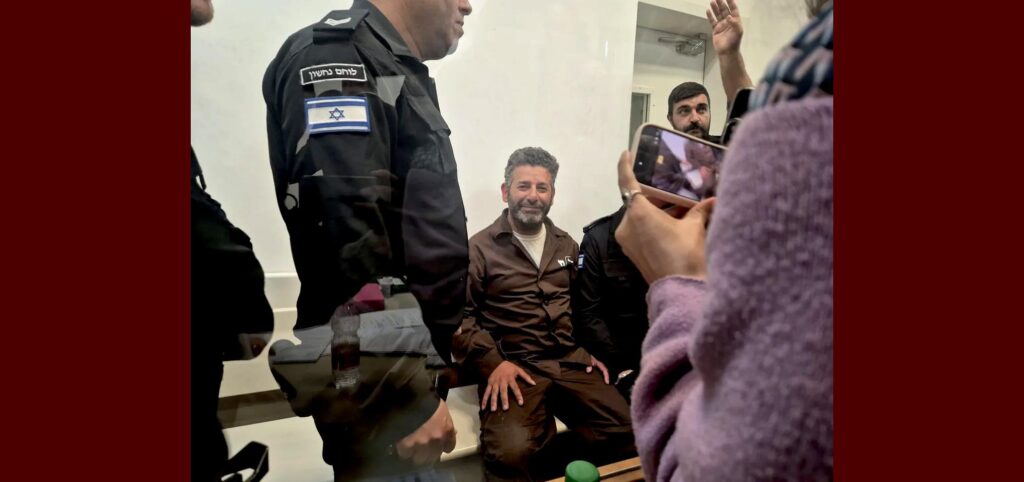 La Global Sumud Flotilla exige la liberación inmediata del preso político Saif Abukeshek, mientras un funcionario consular sueco revela amenazas, malos tratos y el deterioro de su salud durante su detención en Israel
-
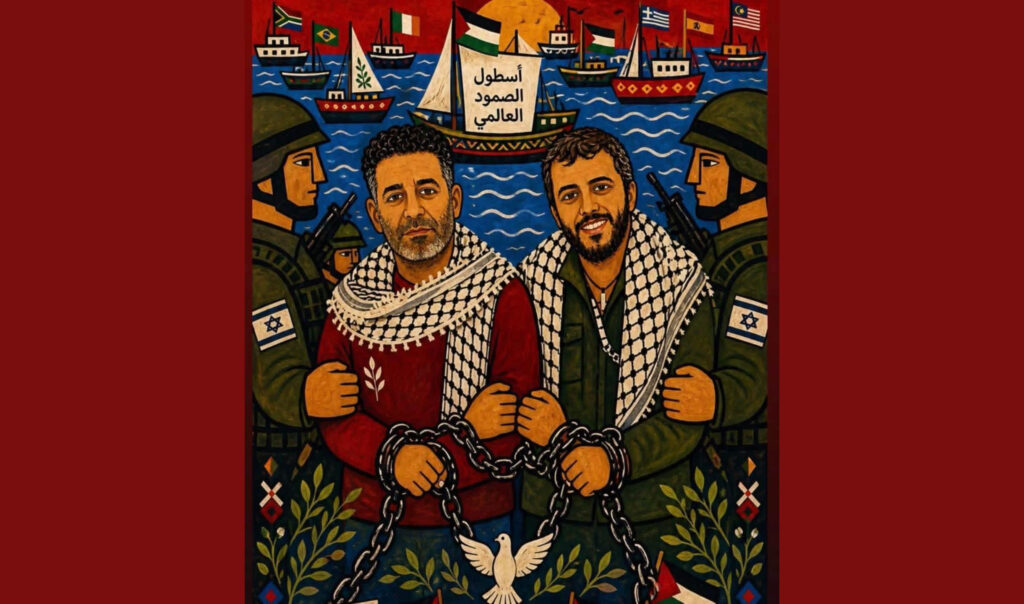 Se unen más de treinta embarcaciones a la Flotila Global Sumud por la libertad de Saif y Thiago en asamblea en Marmaris, Turquía
-
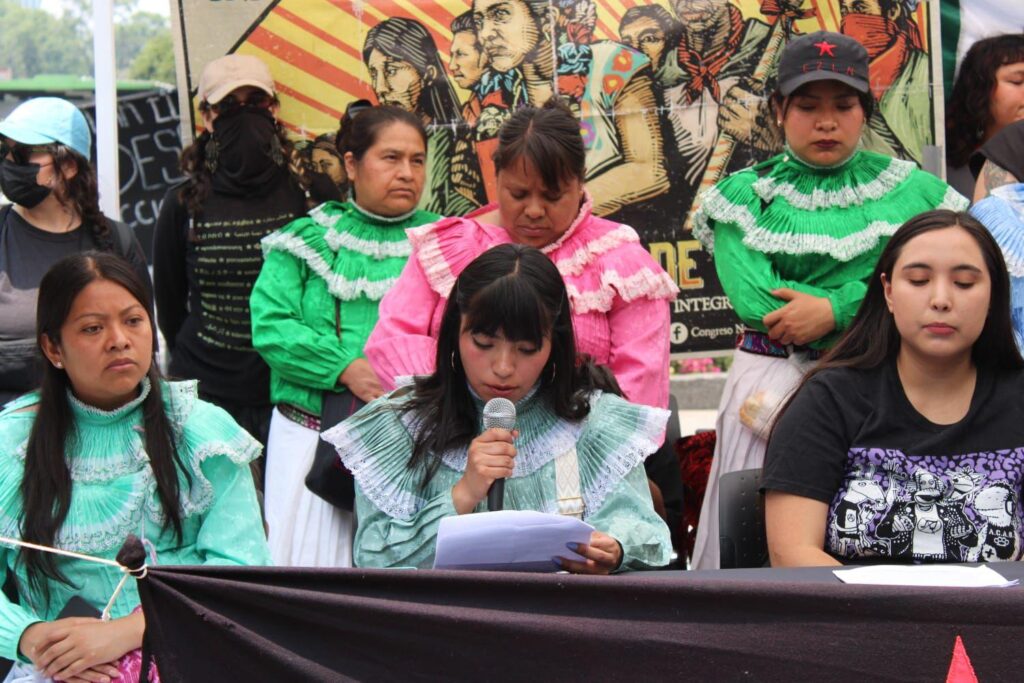
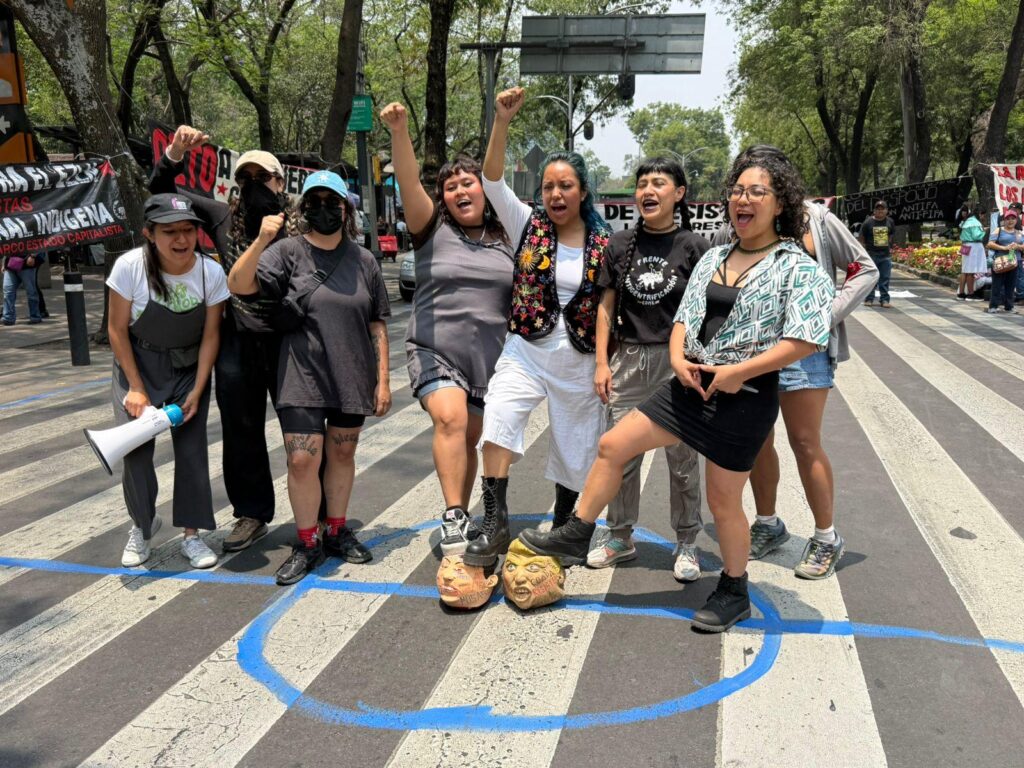
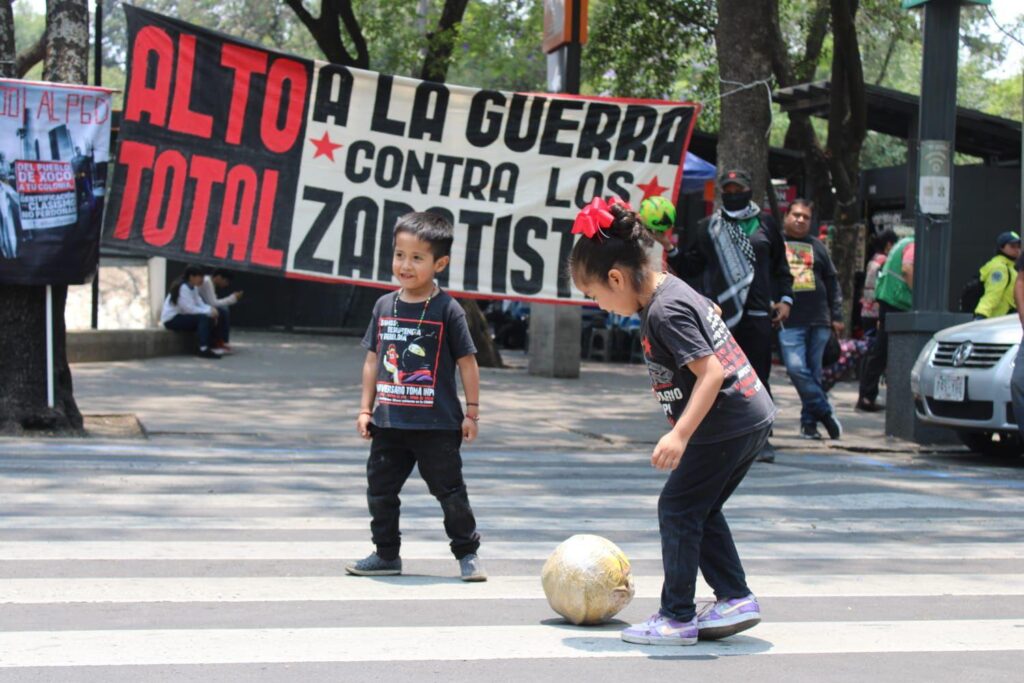
 ASAMBLEA POR EL COMÚN Y CONTRA LA GUERRA: Jornada Antimundialista
-
 El CED de la ONU emite una Acción Urgente por la desaparición forzada de Ángel Jiménez López, indígena maya tseltal del municipio de Nicolás Ruiz, Chiapas
-
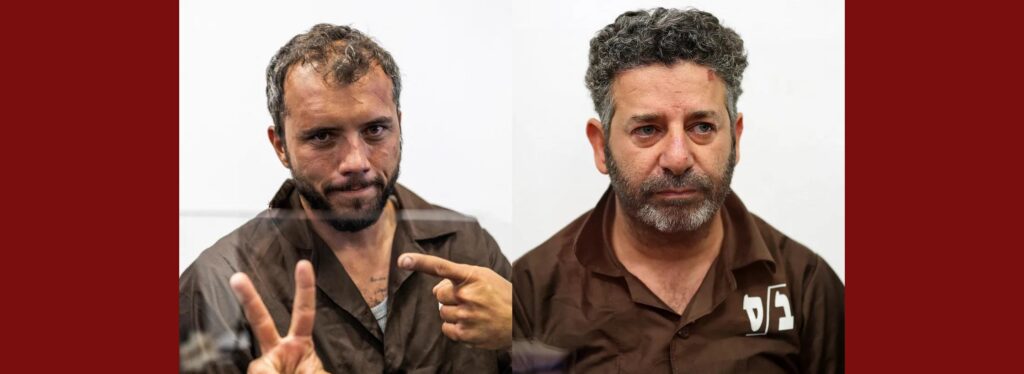 Israel ha secuestrado a dos de nuestros activistas pro-palestinos más importantes
-
 JORNADA ANTI MUNDIALISTA: CONFERENCIA DE PRENSA
-
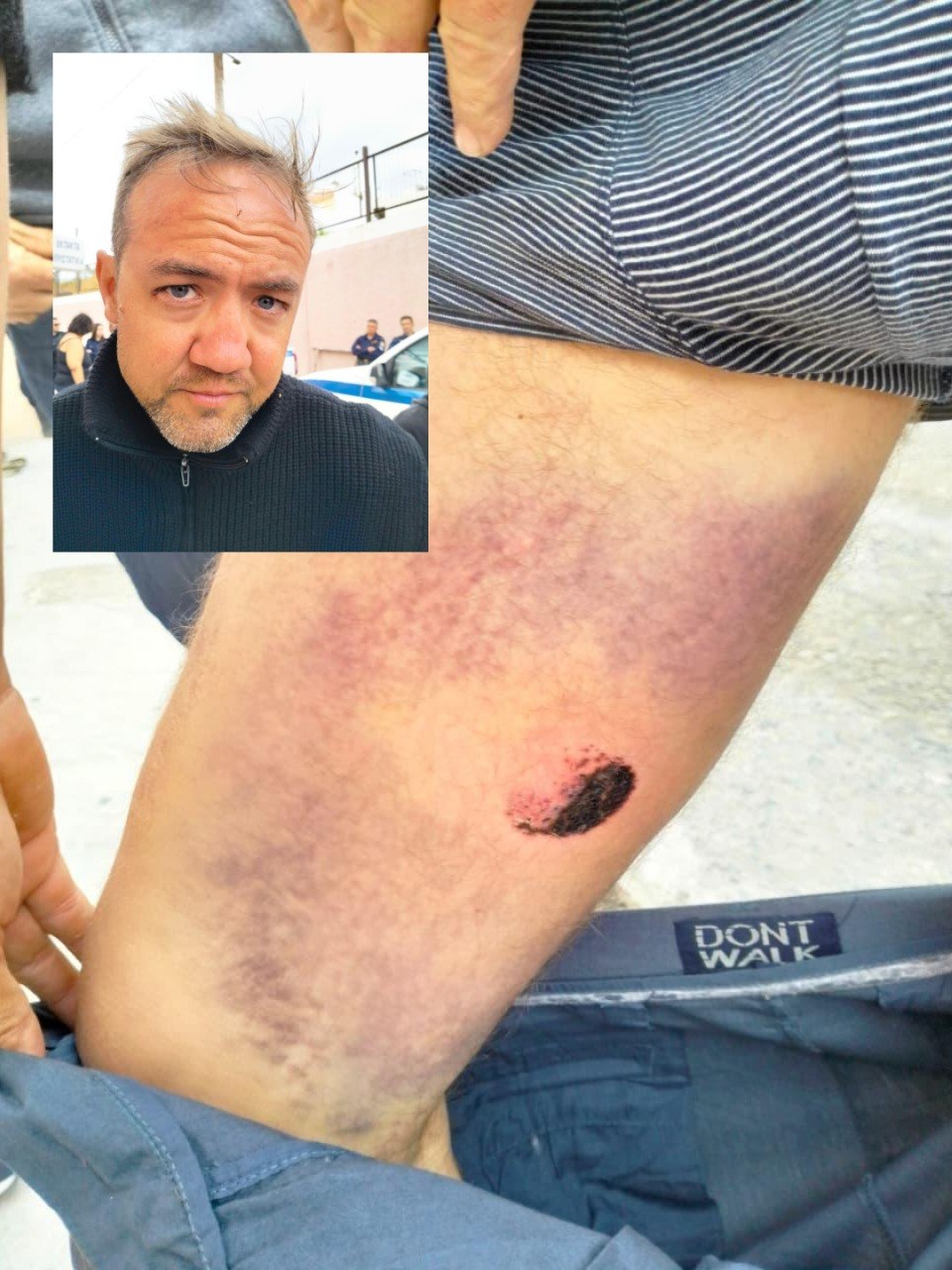
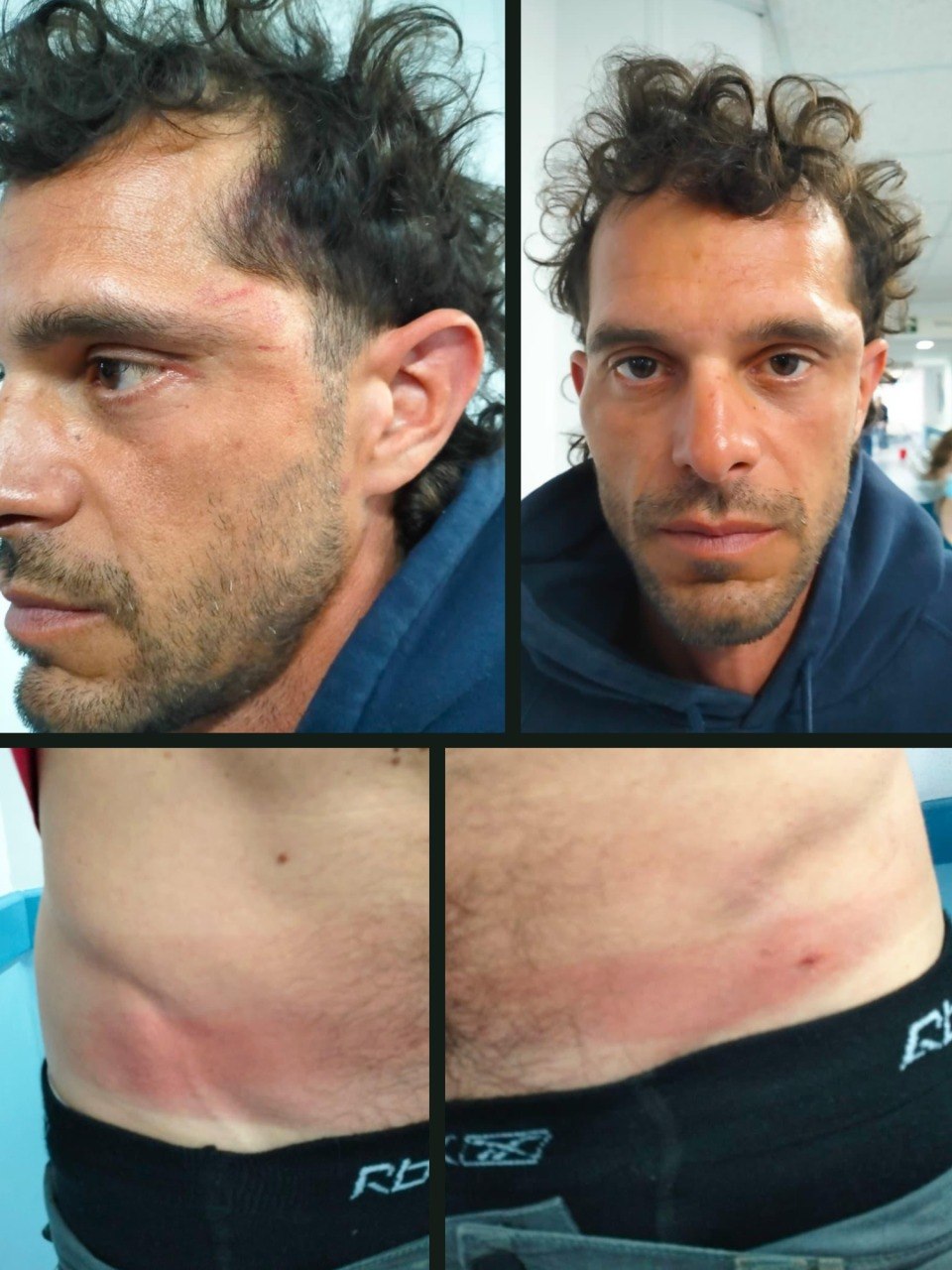
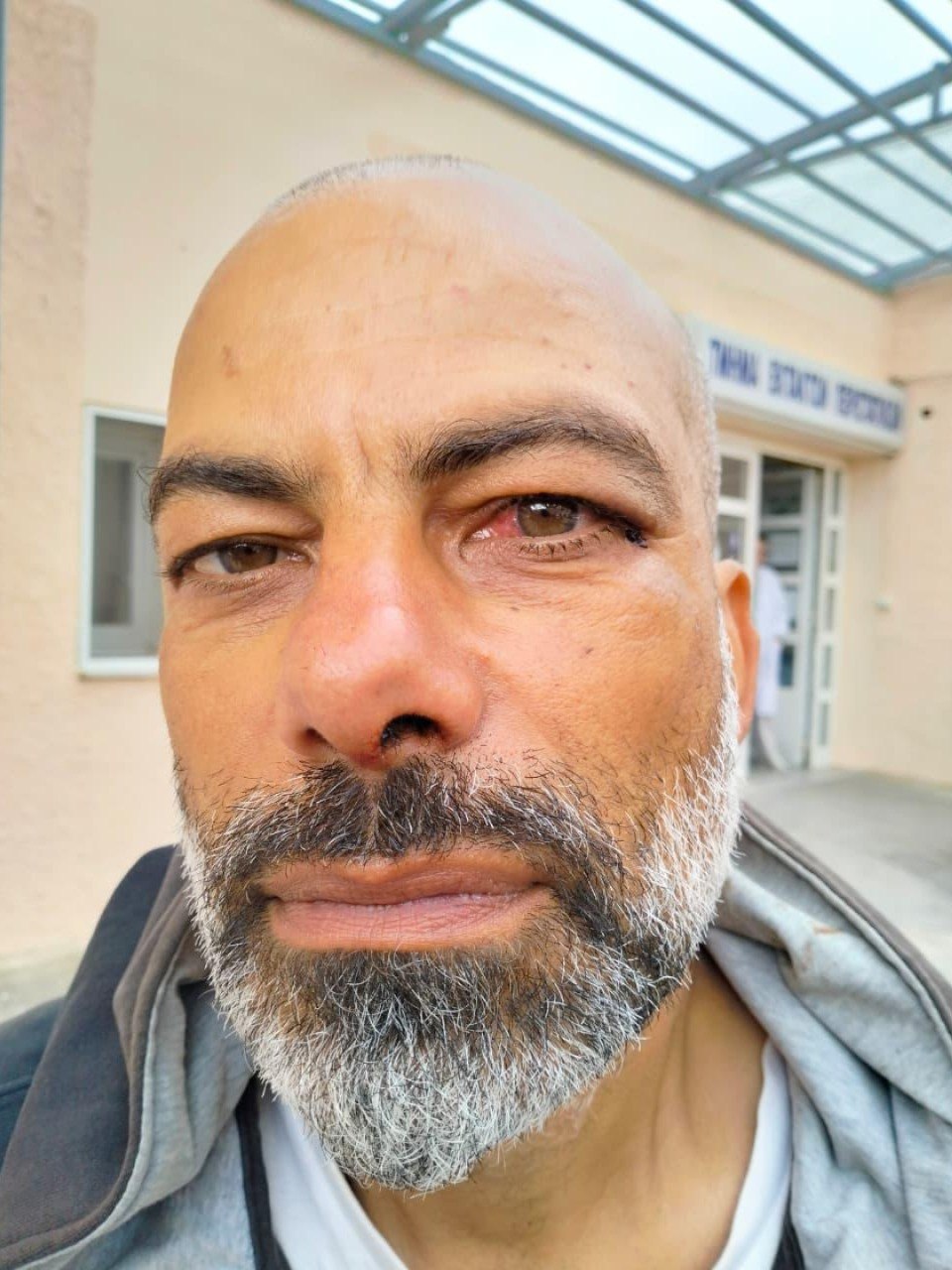
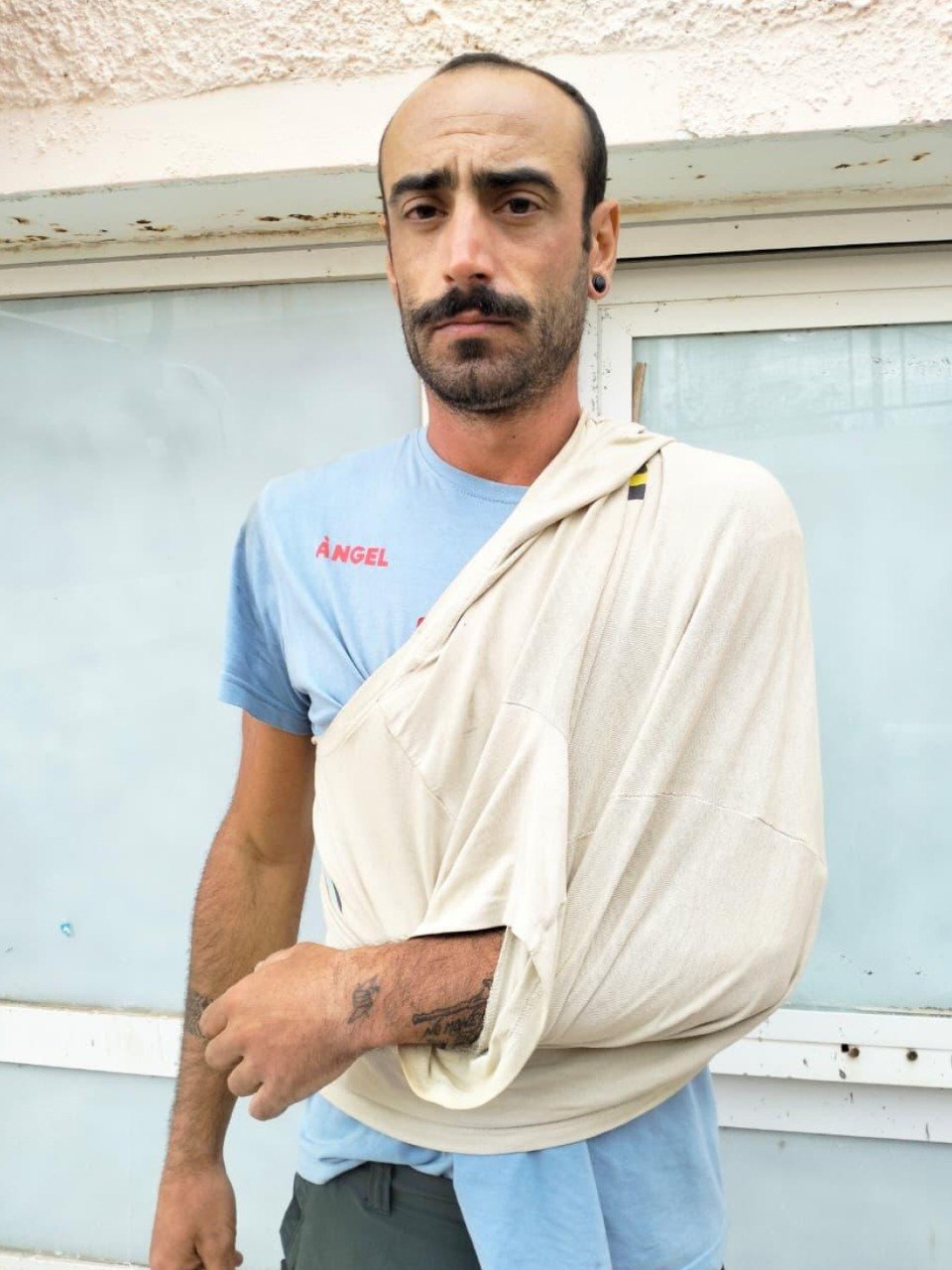
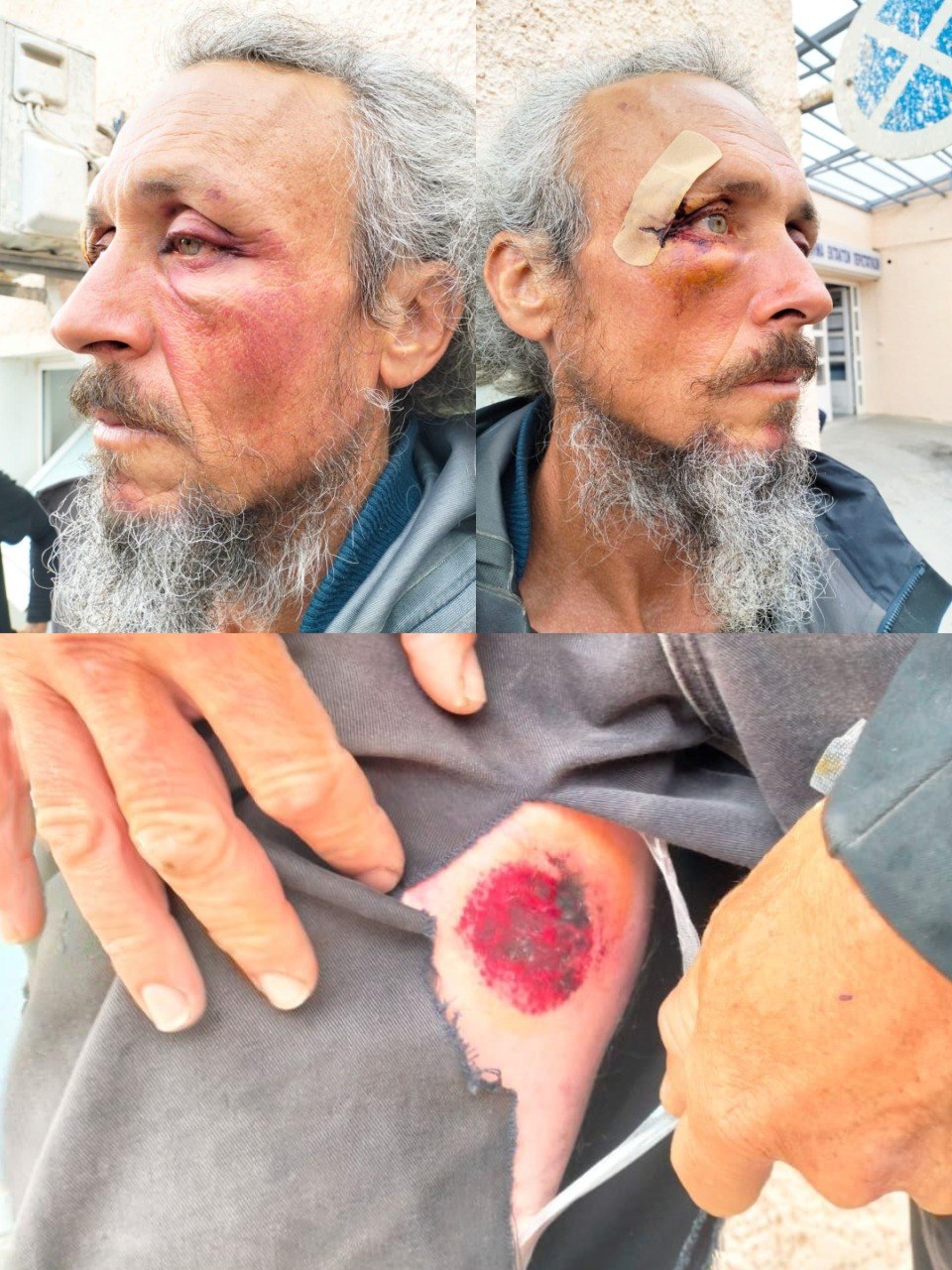
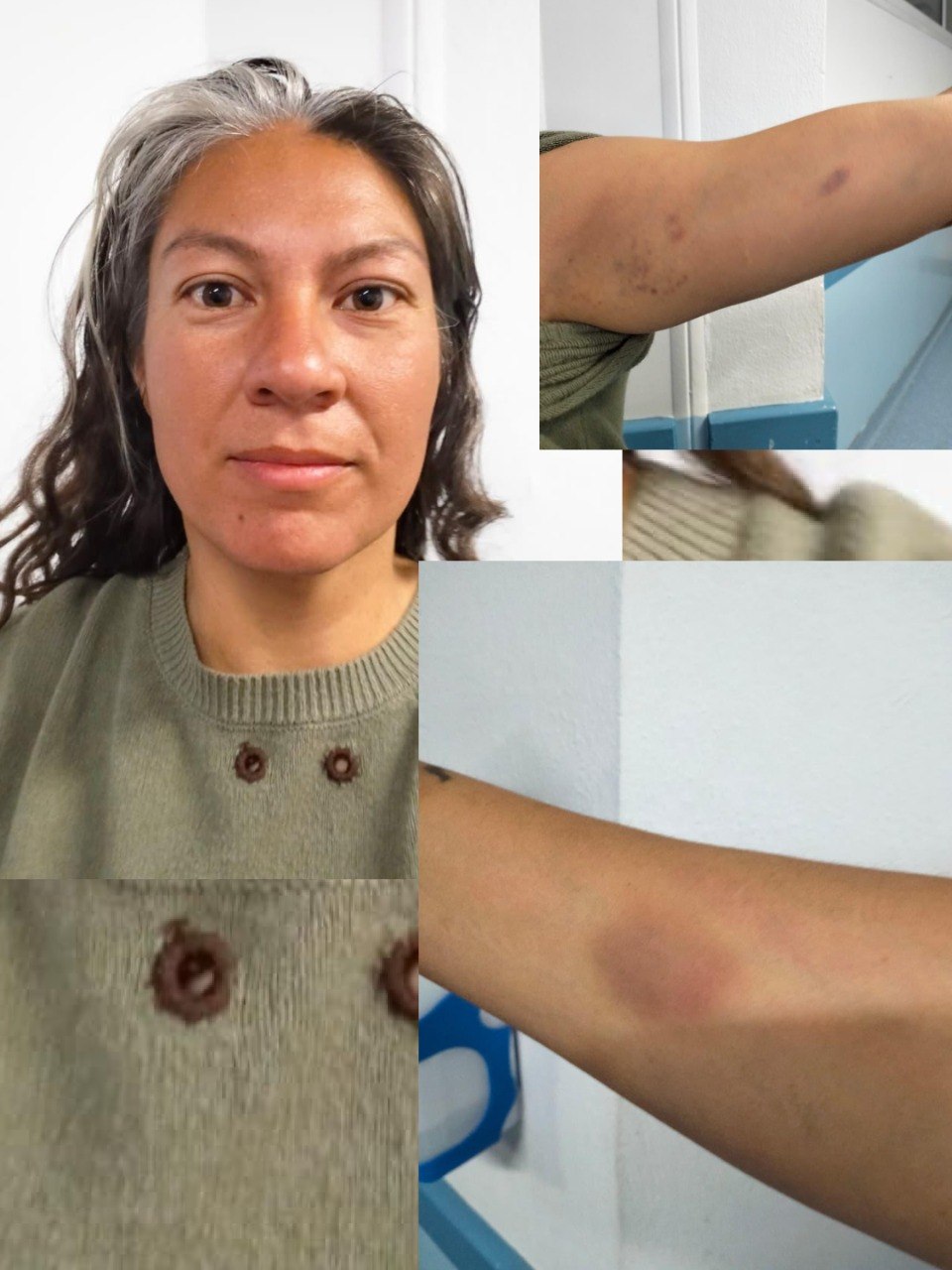
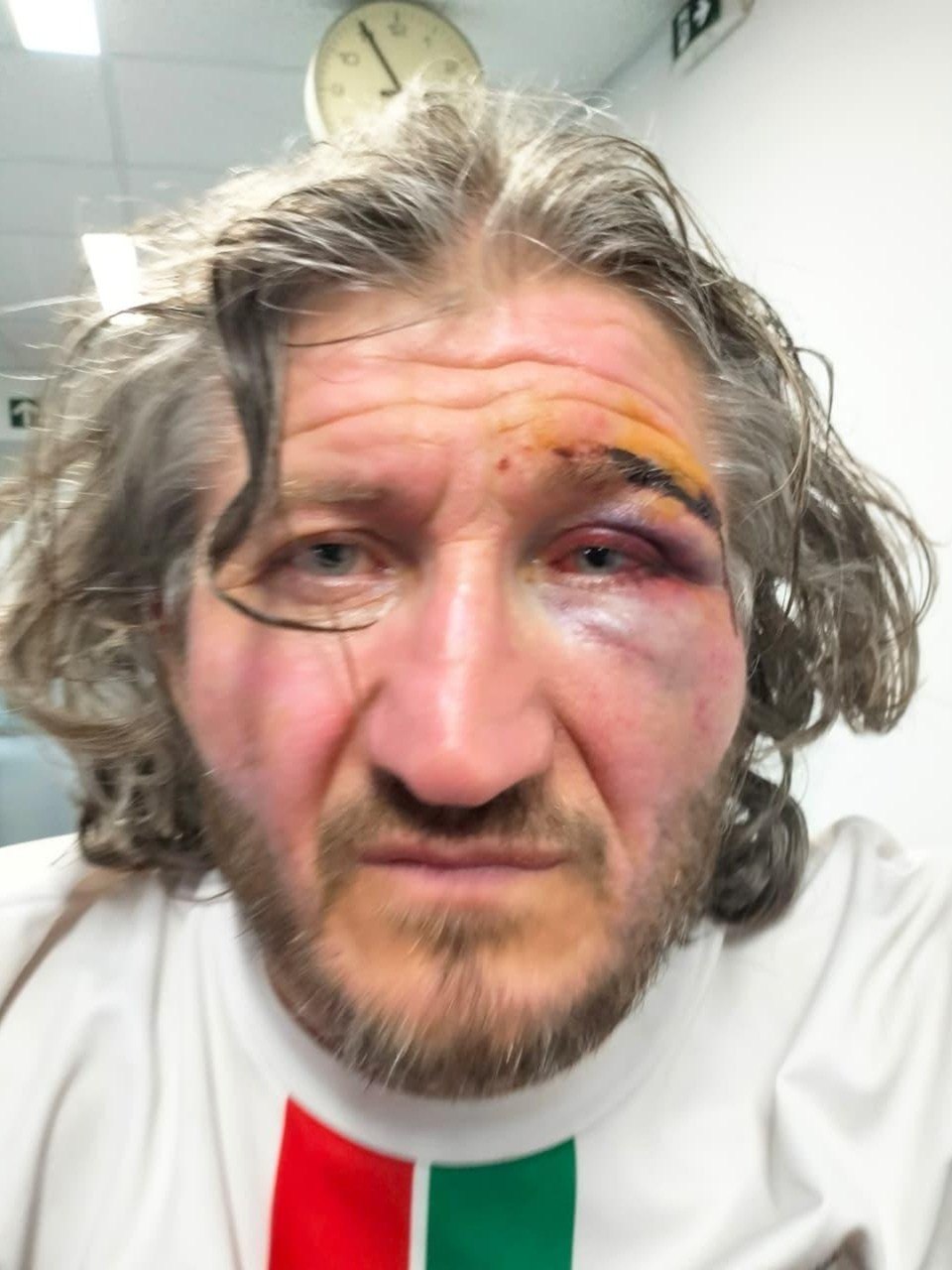
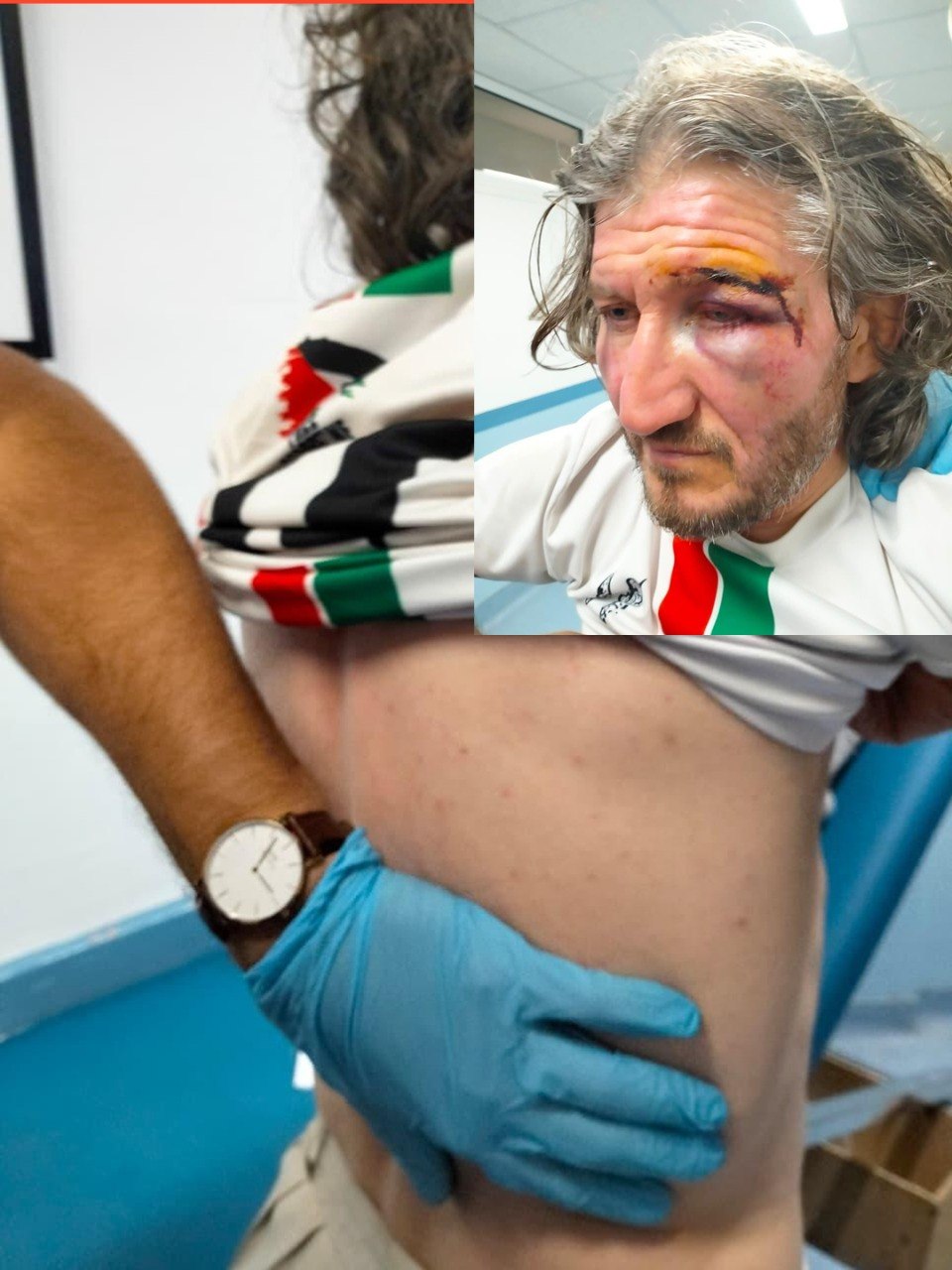
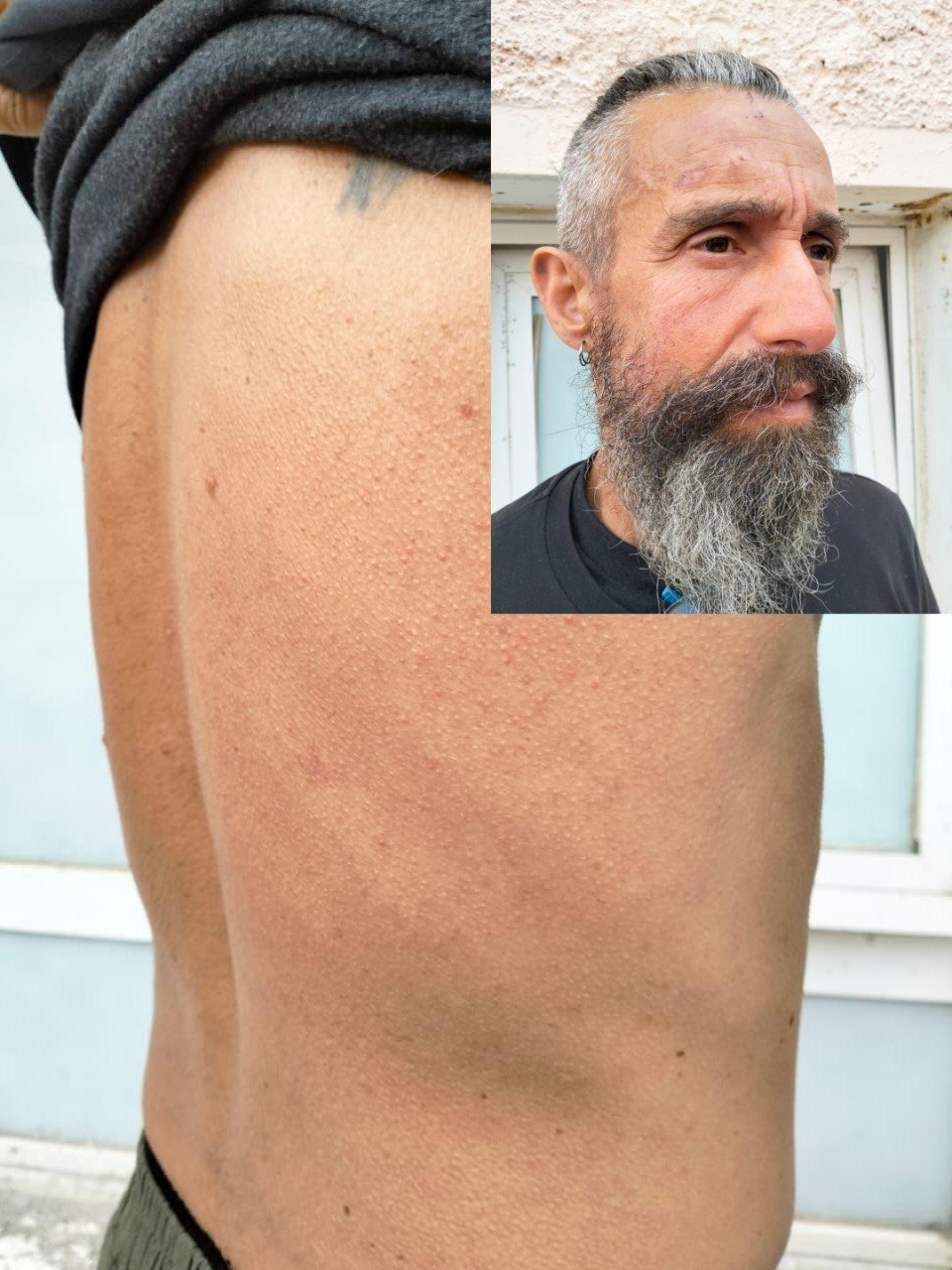
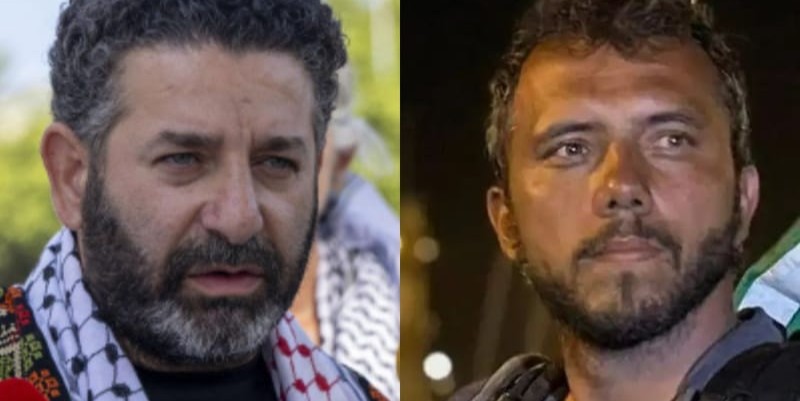 Embajada confirma tortura a ciudadano brasileño y testimonios de primera mano confirman tortura a ciudadano español mientras activistas de la Flotilla Global Sumud son transferidos forzosamente a Askalan en Palestina ocupada
-
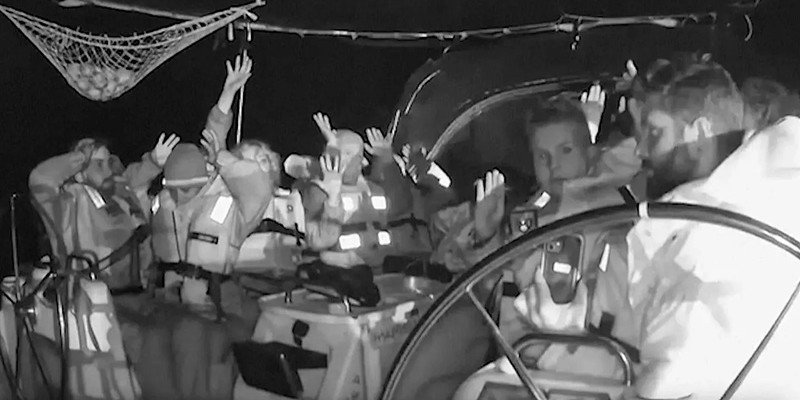 La Flotilla Global Sumud confirma informes de tortura; exige una intervención global inmediata mientras una embarcación israelí traslada a civiles secuestrados hacia Palestina ocupada
-
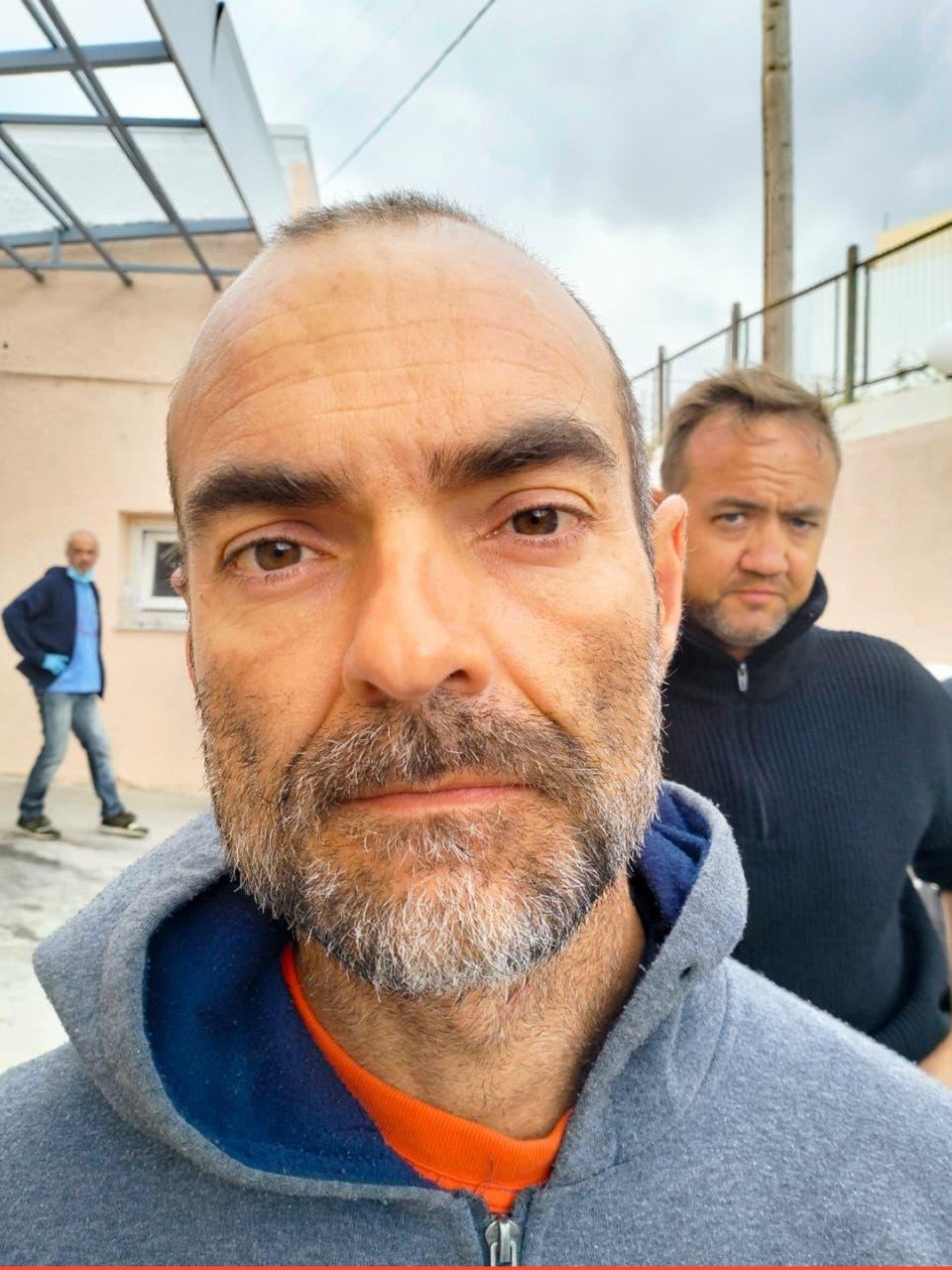
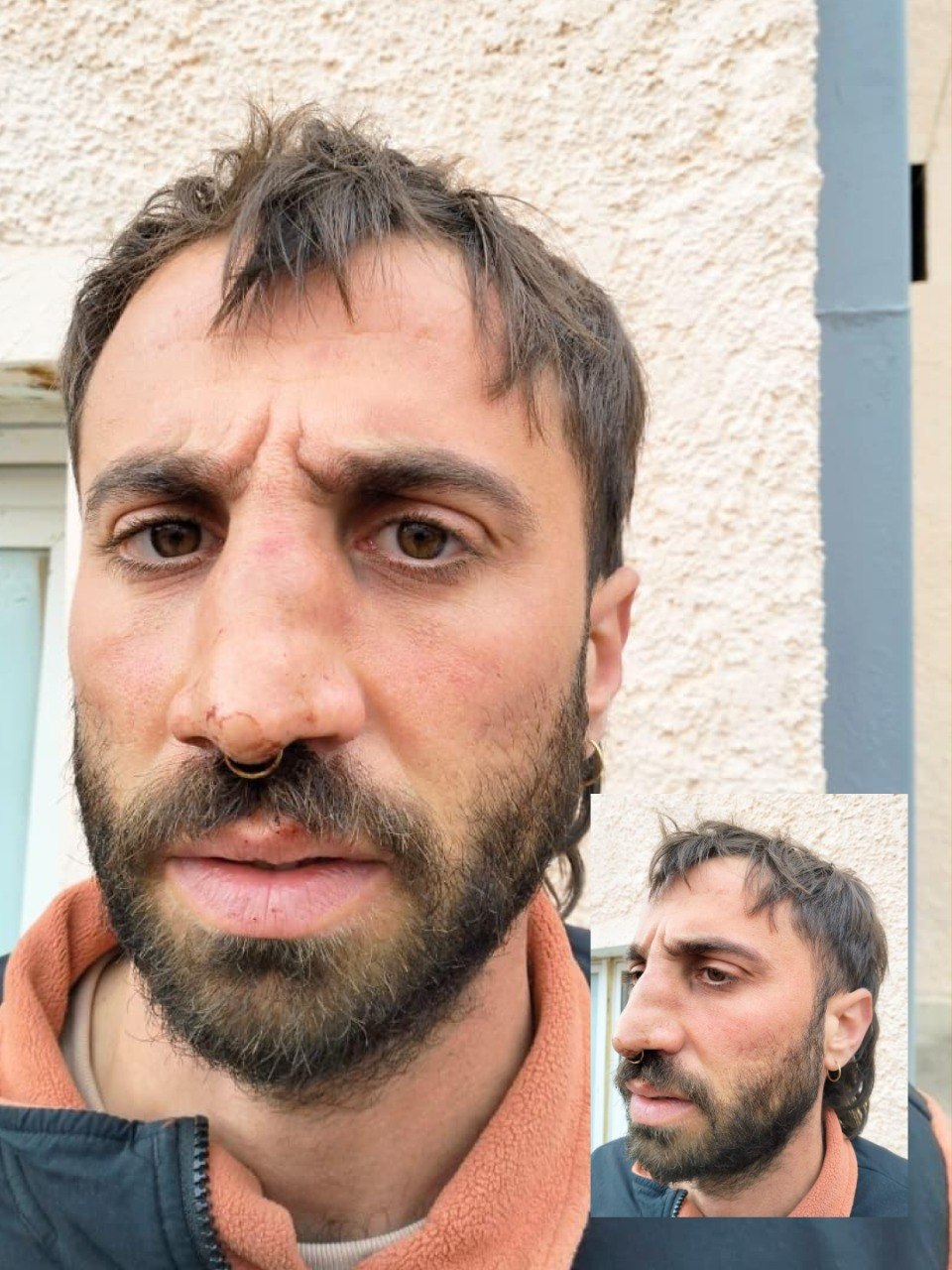
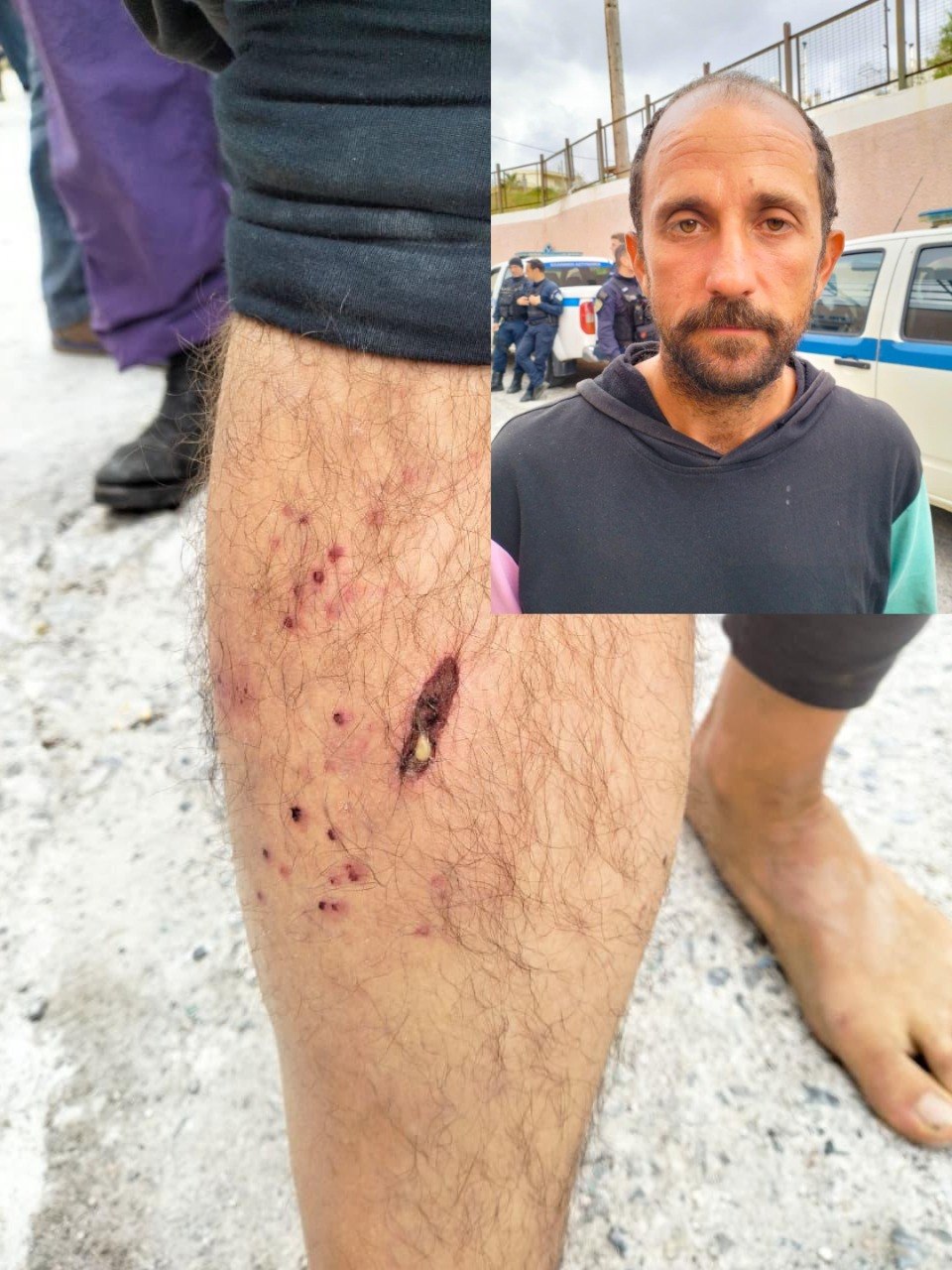
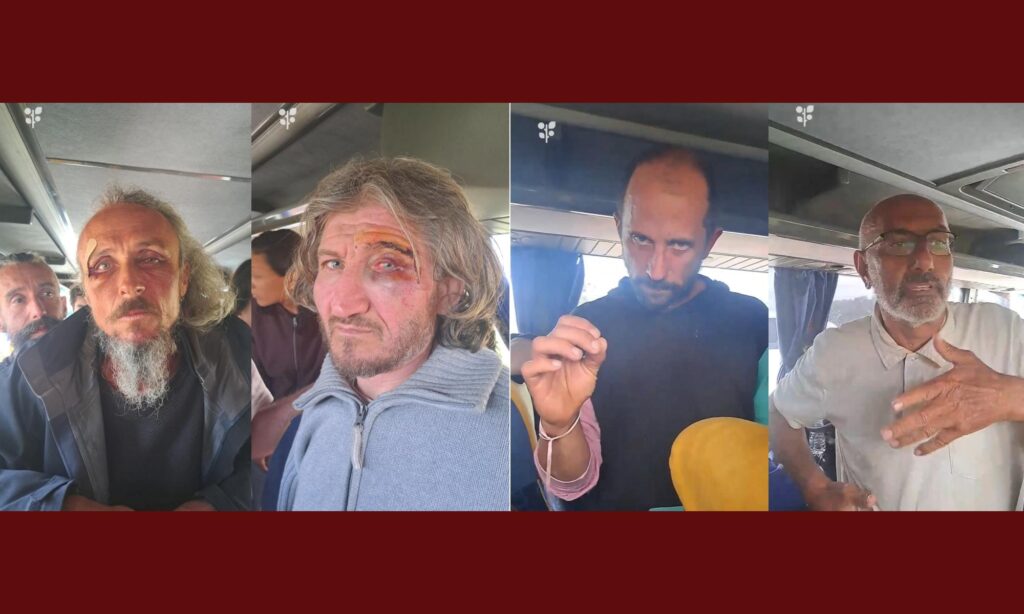 URGENTE | Participantes de la Flotilla Global Sumud son brutalizados por el ejército israelí tras 40 horas en el mar
-
 La niñez indígena: entre la pobreza, la exclusión y la discriminación, oficialmente nada que celebrar #CSIM
La Global Sumud Flotilla exige la liberación inmediata del preso político Saif Abukeshek, mientras un funcionario consular sueco revela amenazas, malos tratos y el deterioro de su salud durante su detención en Israel
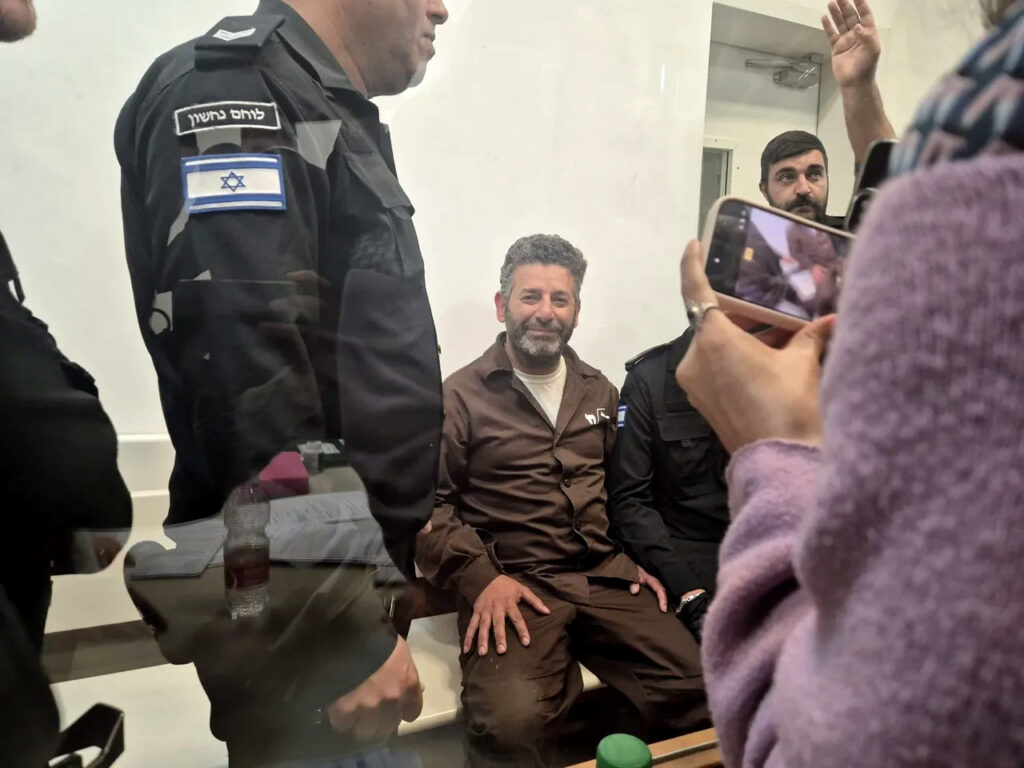
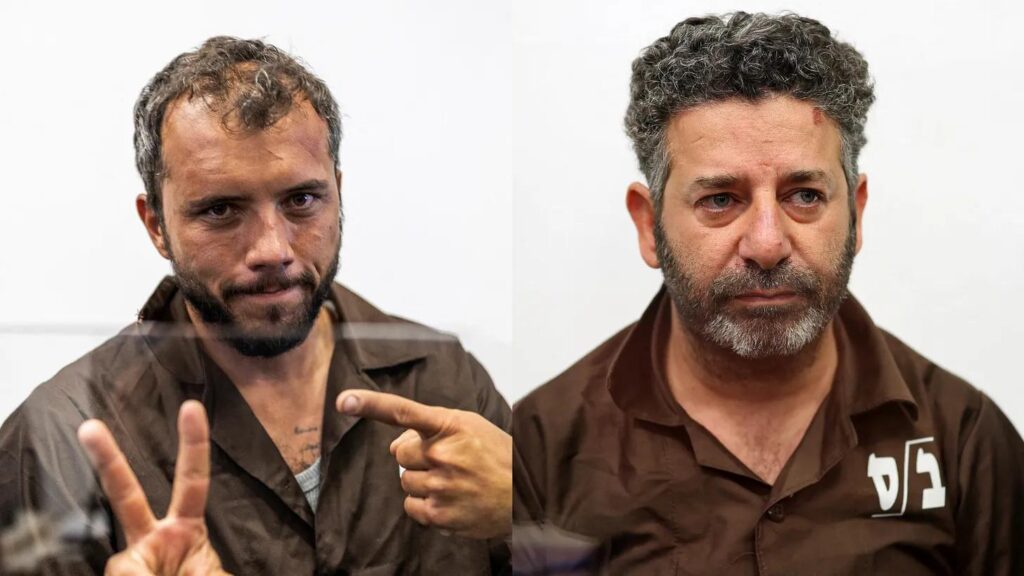
7 de mayo de 2026, ASKALAN, PALESTINA OCUPADA – La Flotilla Global Sumud da la voz de alarma ante la escalada de abusos, tortura psicológica y trato que pone en peligro la vida a la que está siendo sometido el activista palestino-español-sueco Saif Abukeshek en el centro de detención israelí de Shikma.
Un informe recientemente dado a conocer por funcionarios consulares suecos confirma lo que hemos venido advirtiendo desde el principio: tanto Saif como Thiago Ávila están siendo objeto de una detención ilegal y con motivaciones políticas, caracterizada por amenazas, trato violento, intimidación y condiciones que ponen en peligro sus vidas.
Amenazas, intimidación y abuso psicológico
Según el relato de la embajada, los interrogadores israelíes amenazaron a Saif en repetidas ocasiones durante interminables horas de interrogatorios, diciéndole que «se pasaría la vida pudriéndose en la cárcel», amenazando a su familia y diciéndole: «La vida de tu hijo ha terminado». Le repitieron una y otra vez que nunca volvería a ver a su familia.
Según los informes, los interrogatorios incluyeron gritos incesantes, acusaciones repetidas, intimidación y abuso psicológico destinados a quebrarlo.
Saif también describió el trato violento que recibió por parte de los guardias durante los traslados entre el centro de detención y las comparecencias ante el tribunal. Denunció que le vendaban los ojos cada vez que salía de su celda, que lo trataban con violencia durante los traslados y que fue objeto de insultos degradantes en todo momento.
Secuestrado en aguas internacionales
Saif fue secuestrado por las Fuerzas de Defensa de Israel (IDF) en aguas internacionales cerca de Grecia mientras participaba en una flotilla humanitaria no violenta que desafiaba el bloqueo ilegal de Israel sobre Gaza. Aunque la mayoría de los más de 170 activistas detenidos fueron puestos en libertad, Saif Abukeshek y el activista brasileño Thiago Ávila siguen encarcelados sin cargos, bajo acusaciones ampliamente condenadas por defensores de los derechos humanos y observadores internacionales. España y Brasil ya han declarado públicamente que las detenciones son ilegales.
Estas detenciones no son excepcionales. Son una extensión del mismo sistema de encarcelamiento, detención administrativa, tortura e impunidad impuesto a los palestinos durante décadas, que ahora se ha expandido más allá de las fronteras de Palestina hacia aguas internacionales.
Deterioro de la salud durante la detención
Lo más urgente es que los funcionarios suecos expresaron su preocupación después de que Saif intensificara su huelga de hambre y pasara a una huelga de hambre seca, negándose a ingerir tanto comida como agua en protesta por el trato que recibe y su detención. Los funcionarios de la embajada advirtieron a las autoridades israelíes de la urgente necesidad de un seguimiento médico continuo. Según los informes, Saif sufre de hipoglucemia, hipertensión, agotamiento y debilidad.
El informe de la embajada confirma además que Saif fue sometido anteriormente a dolorosas posturas de estrés mientras estaba atado, hasta el punto de que necesitó oxígeno, antes de ser obligado a volver a la misma postura. También denunció que le mantuvieron los ojos vendados durante largos períodos, lo aislaron, lo trasladaron de forma violenta y lo sometieron a vigilancia constante mediante cámaras las 24 horas del día.
Llamado a la acción inmediata
La comunidad internacional debe comprender la gravedad de este momento. Israel mantiene detenido sin cargos a un activista palestino capturado en aguas internacionales, amenaza a sus hijos y a su familia, lo somete a tormentos psicológicos durante los interrogatorios y permite que su salud se deteriore durante una huelga de hambre seca.
La Flotilla Global Sumud hace un llamado a:
- El gobierno sueco para que exija de inmediato la liberación de Saif y condene públicamente el trato que está recibiendo;
- A las organizaciones internacionales de derechos humanos y a los organismos jurídicos que intervengan antes de que se produzca un daño irreversible;
- A los medios de comunicación de todo el mundo que den a conocer la realidad de lo que está sucediendo dentro del centro de detención de Shikma desde hace décadas;
- A las personas de conciencia de todo el mundo a que ejerzan presión pública urgente para la liberación de Saif, de Thiago y de todos los rehenes y presos políticos palestinos;
- Que se exijan responsabilidades a todos los implicados en estos continuos abusos y crímenes de lesa humanidad contra Saif, Thiago y todos los palestinos.
Parte de un sistema más amplio
Lo que le está sucediendo a Saif Abukeshek no es una anomalía, sino que forma parte de la misma maquinaria de encarcelamiento y persecución política impuesta a decenas de miles de palestinos desde hace generaciones. Israel quiere que Saif desaparezca silenciosamente en esa maquinaria de cautiverio.
CONTACTO PARA LOS MEDIOS DE COMUNICACIÓN
Correo electrónico: media@globalsumudflotilla.org
Tel.: +44 1414 620 950
Sitio web: globalsumudflotilla.org
Redes sociales: @globalsumudflotilla @wavesofsumud
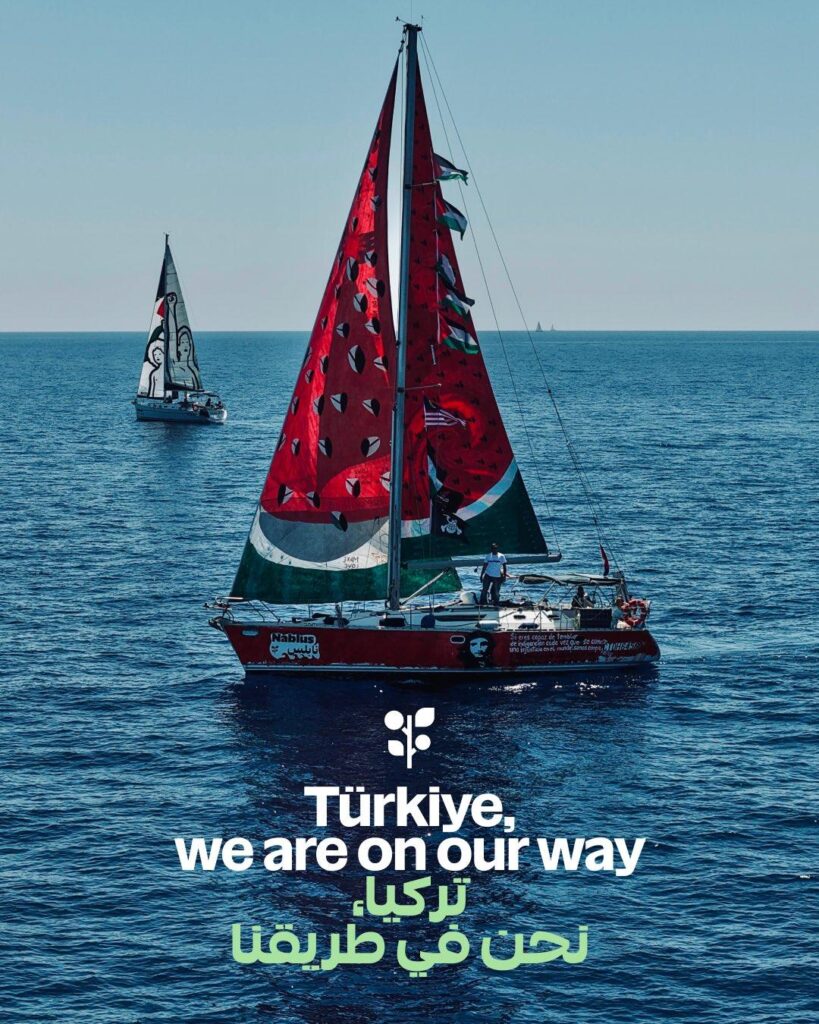
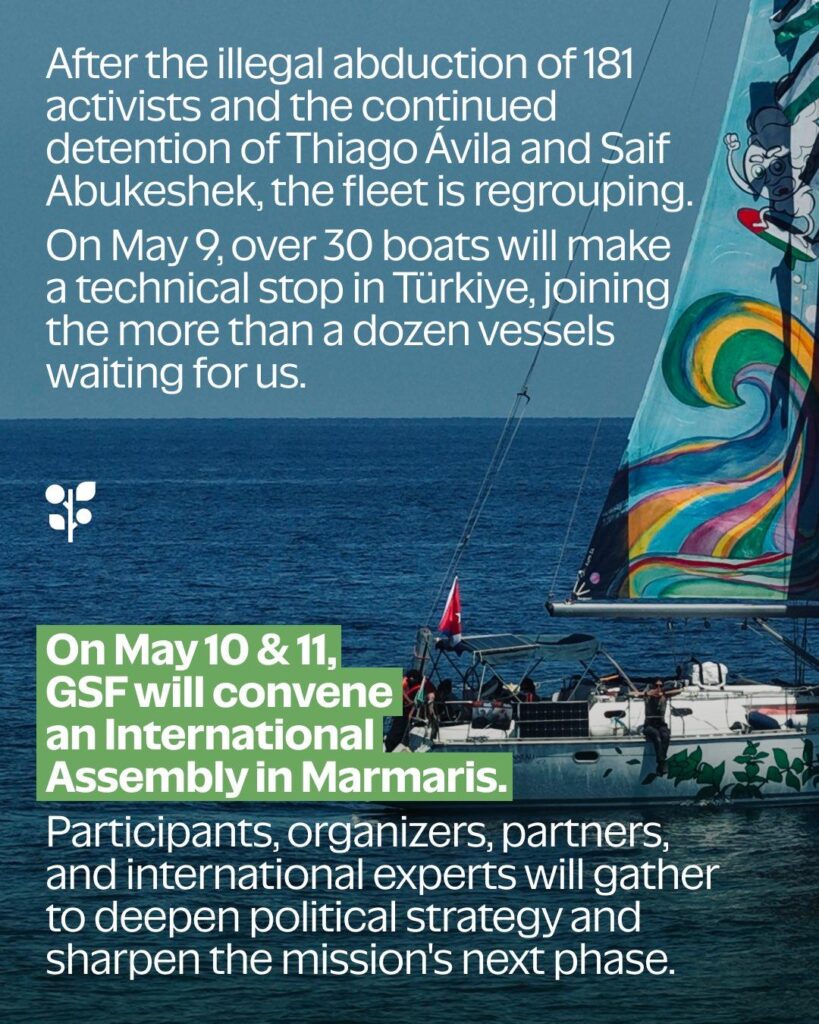
Se unen más de treinta embarcaciones a la Flotila Global Sumud por la libertad de Saif y Thiago en asamblea en Marmaris, Turquía
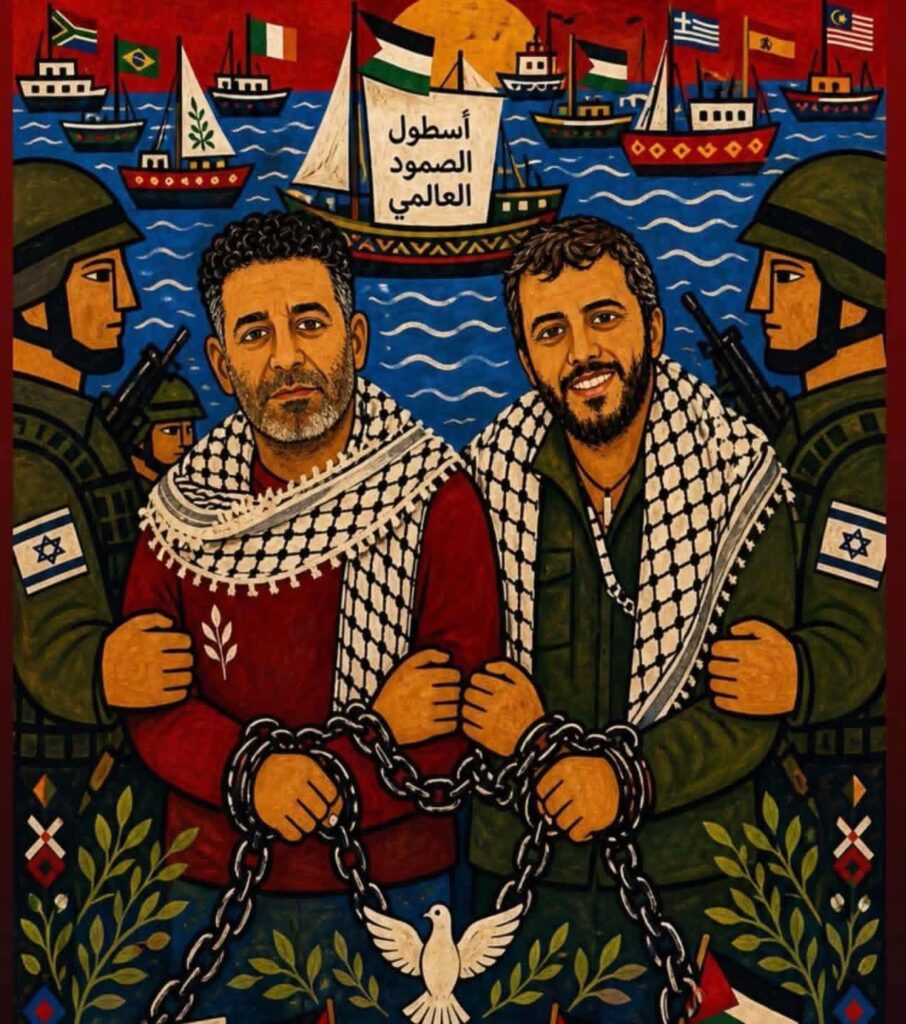
¡Turquía, allá vamos!
Mañana, viernes 8, nuestra flota partirá de Grecia hacia Turquía, donde más de 30 embarcaciones se unirán a los barcos que ya nos esperan para reunirnos en nuestra Asamblea Internacional en Marmaris, con el fin de profundizar en nuestra estrategia política y definir con mayor precisión las próximas fases de nuestra misión.
El 12 de mayo, daremos una conferencia de prensa para presentar la siguiente fase de la misión y el movimiento, anunciando nuestros compromisos desde la sociedad civil y los socios políticos para salvaguardar futuras misiones y la solidaridad con Palestina en todo el mundo. Presentaremos planes para hacer que el régimen israelí rinda cuentas por sus actos de piratería, secuestro en aguas internacionales y abusos perpetrados en aguas europeas.
¡Liberen a Saif y Thiago!
¡Liberen a todos!
¡Nos vemos en Marmaris!