[:es]
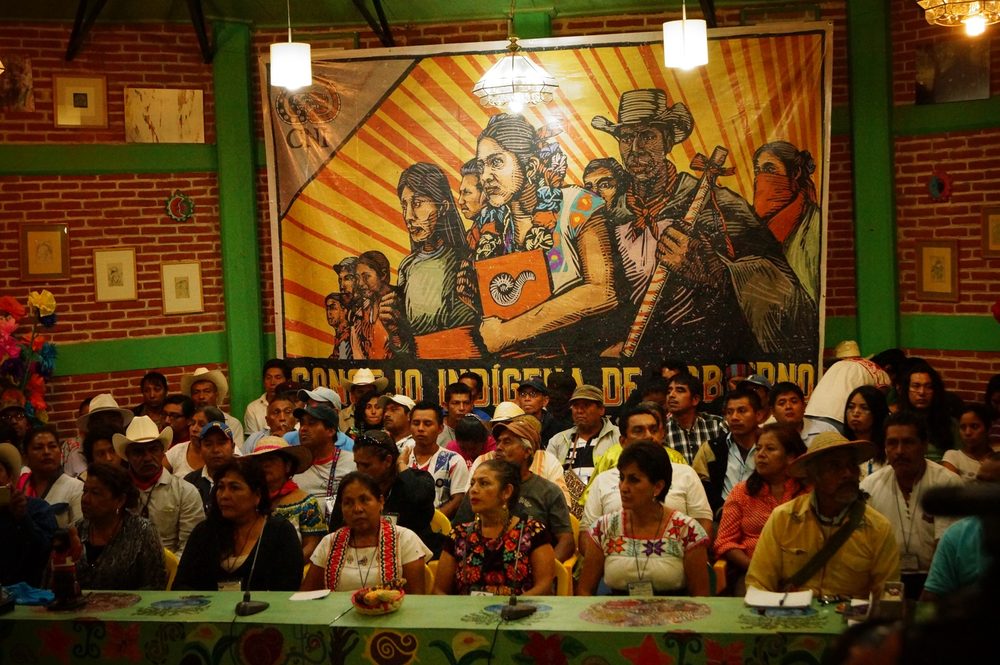
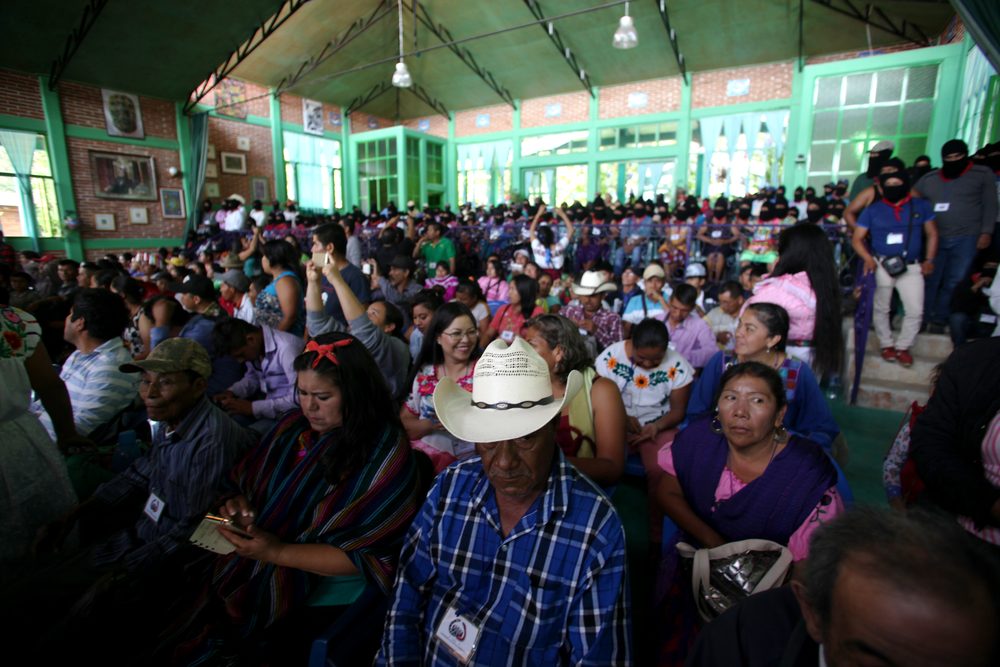
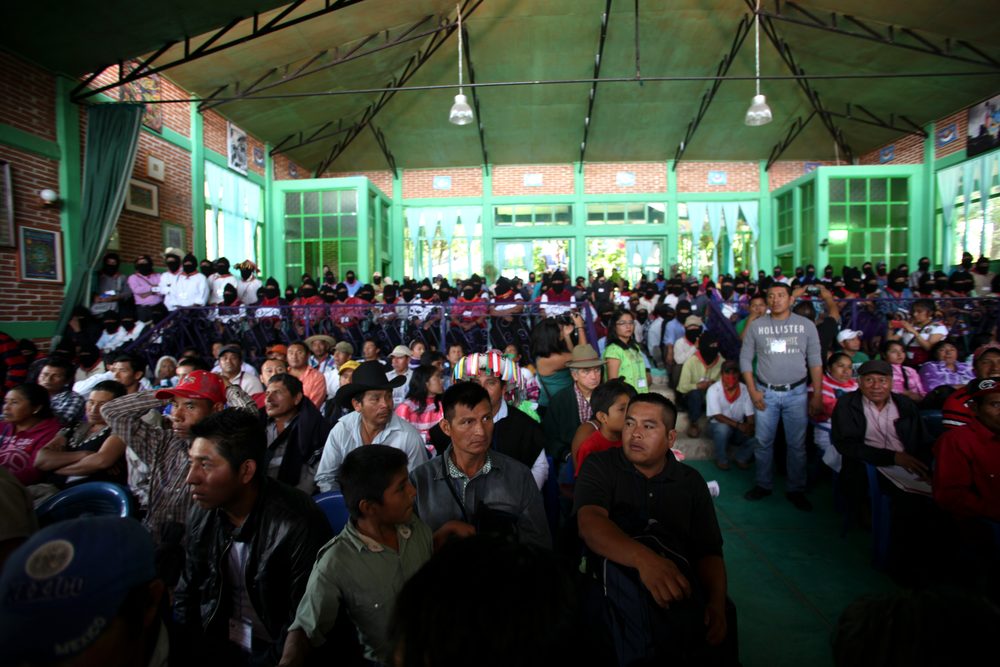
A lo largo del viernes, 26 de mayo, cientos de delegados de pueblos originarios de todos los estados de la república fueron llegando al Cideci/Universidad de la Tierra en San Cristóbal de Las Casas, Chiapas. En un ambiente festivo y esperanzador, para el sábado en la mañana se podían escuchar 58 lenguas originarias de los 32 estados de la república, además del español y las varias lenguas de los otros países presentes.
El propósito de la cita: nada menos que constituir un Concejo Indígena de Gobierno para el país, conformado por una mujer y un hombre de todos los pueblos, naciones y tribus originarias de la república y cuya voz y rostro será los de una mujer indígena del CNI, que se postulará como candidata independiente a las elecciones presidenciales de 2018.
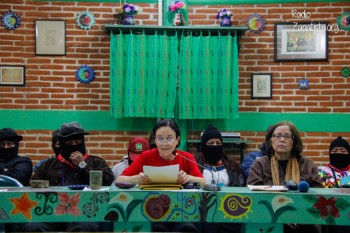
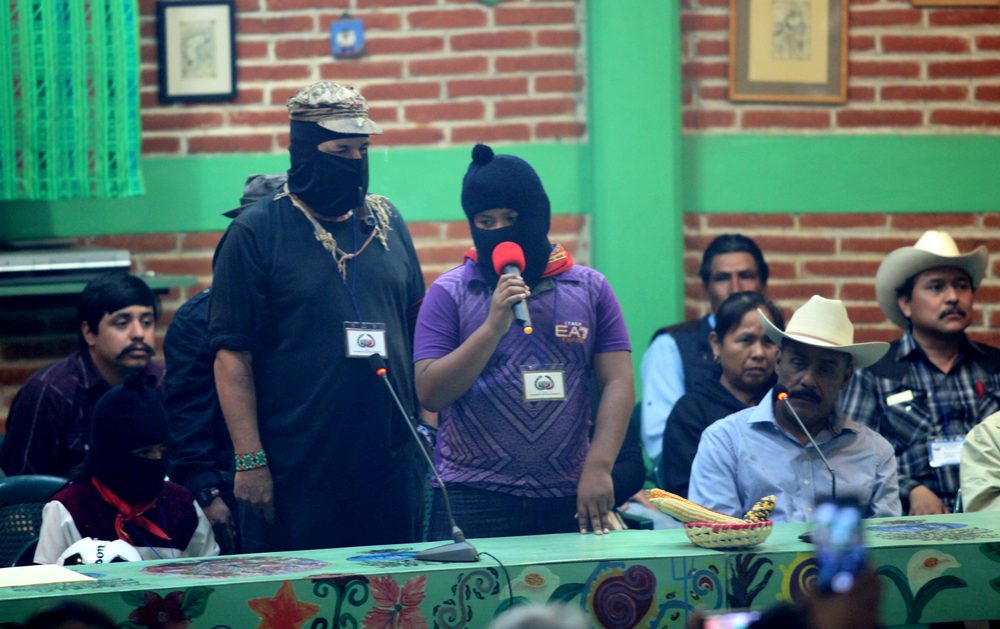
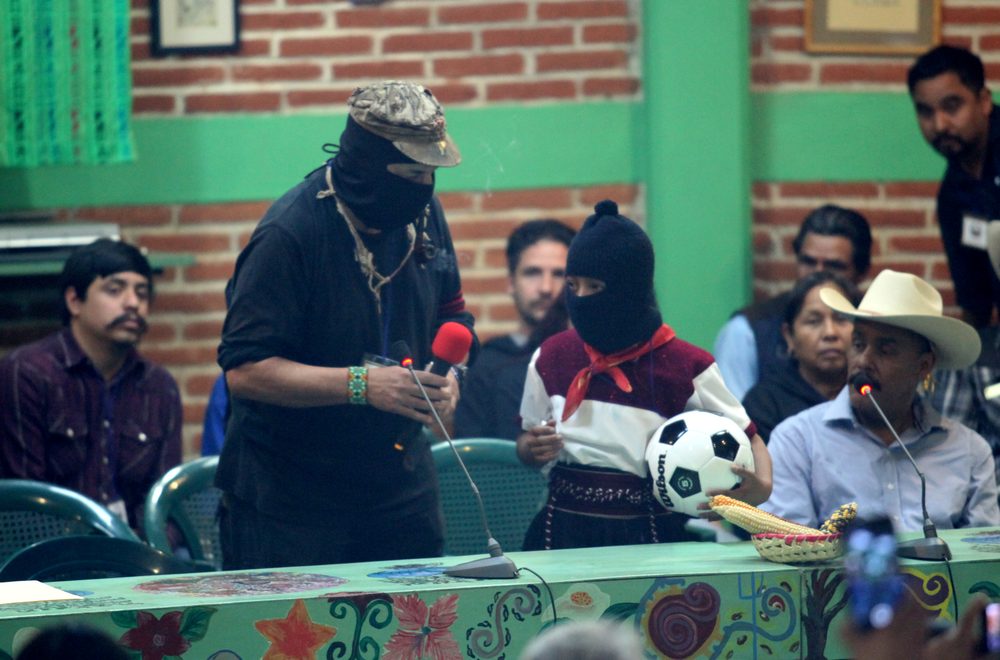
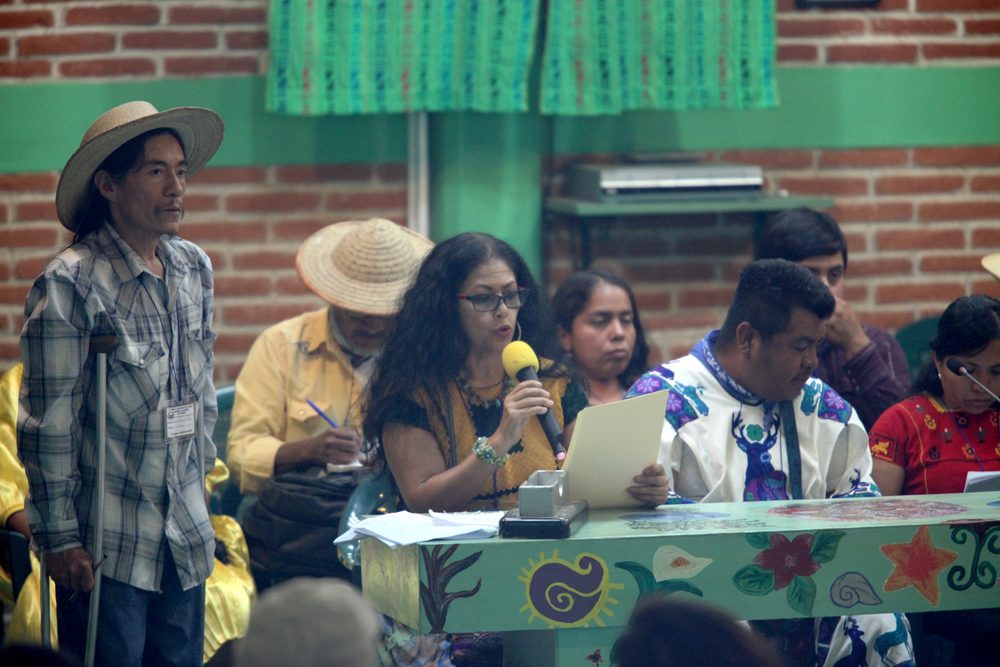
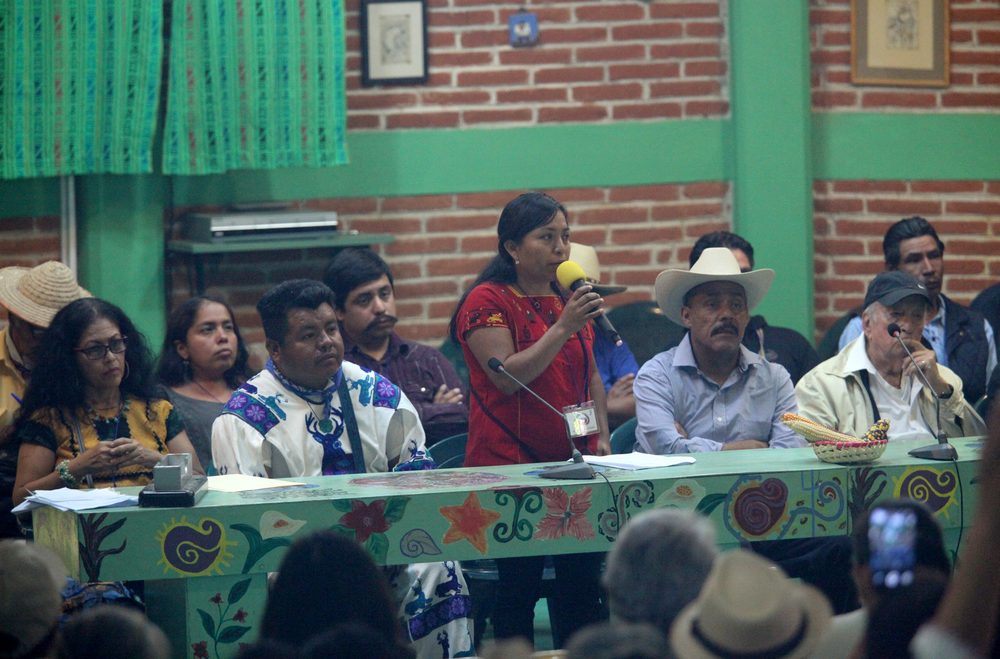
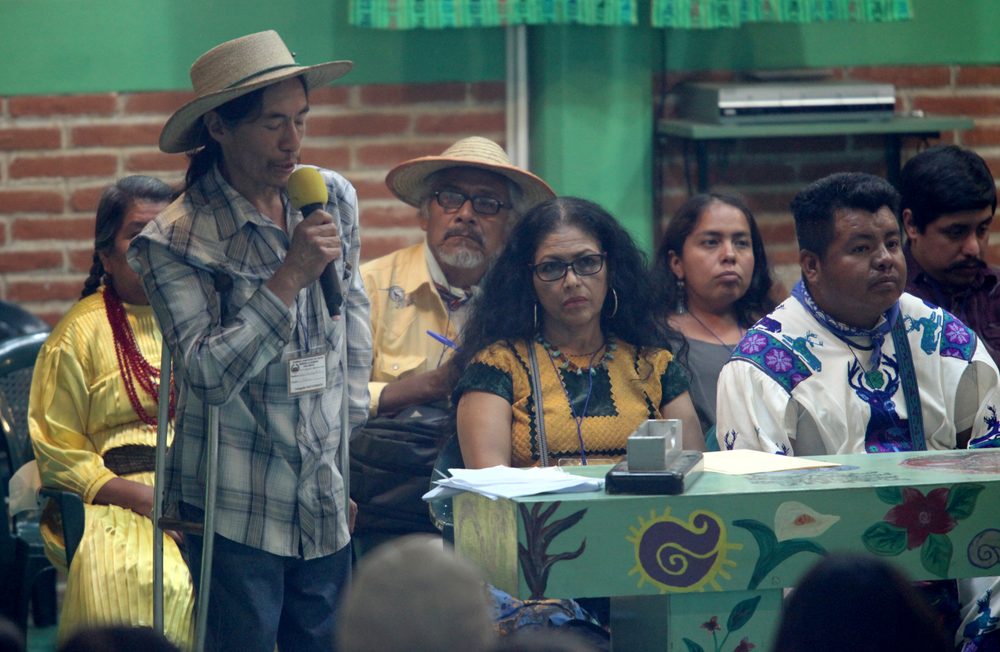
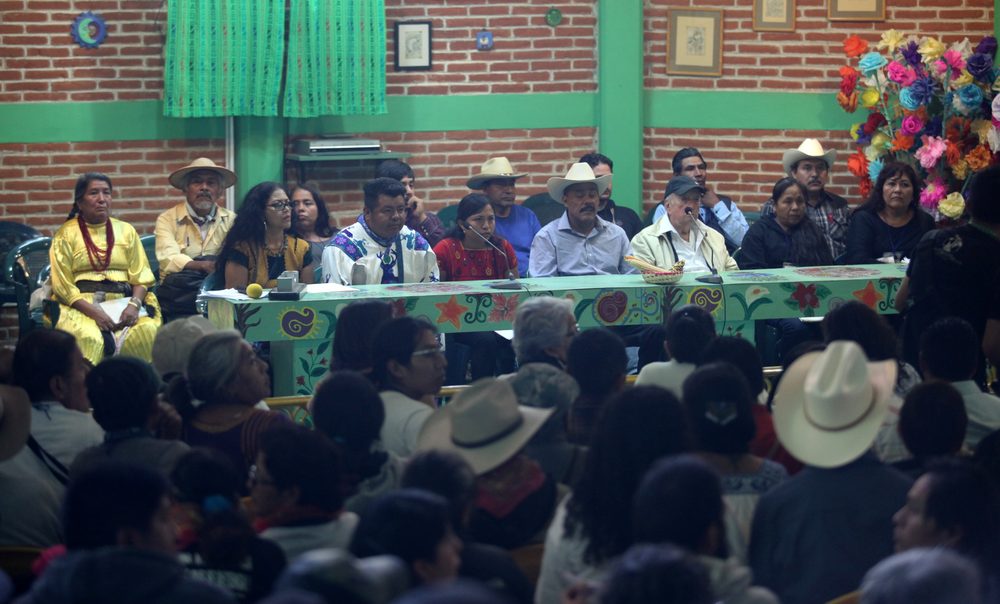
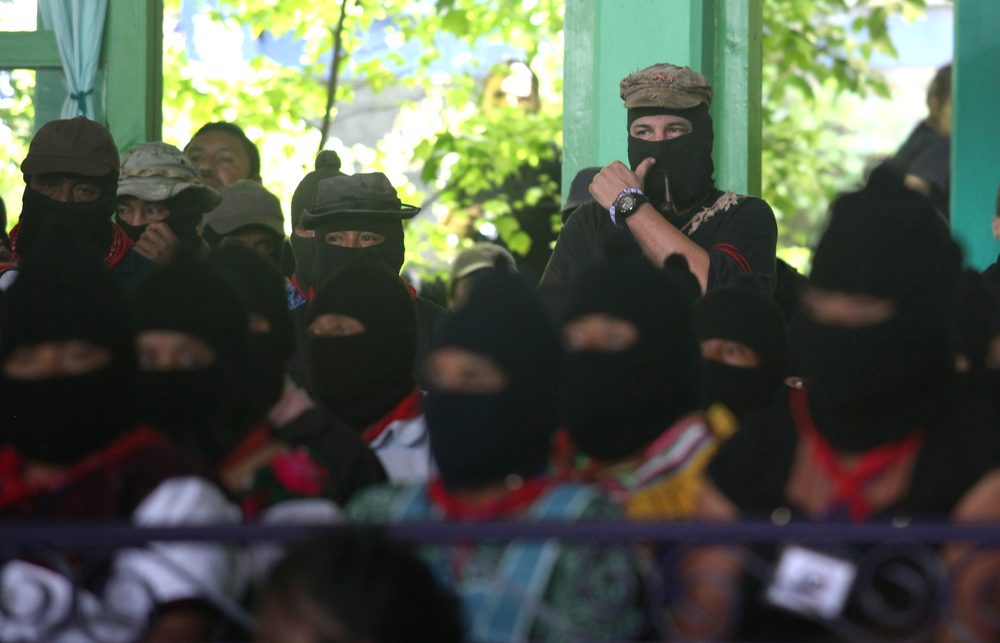
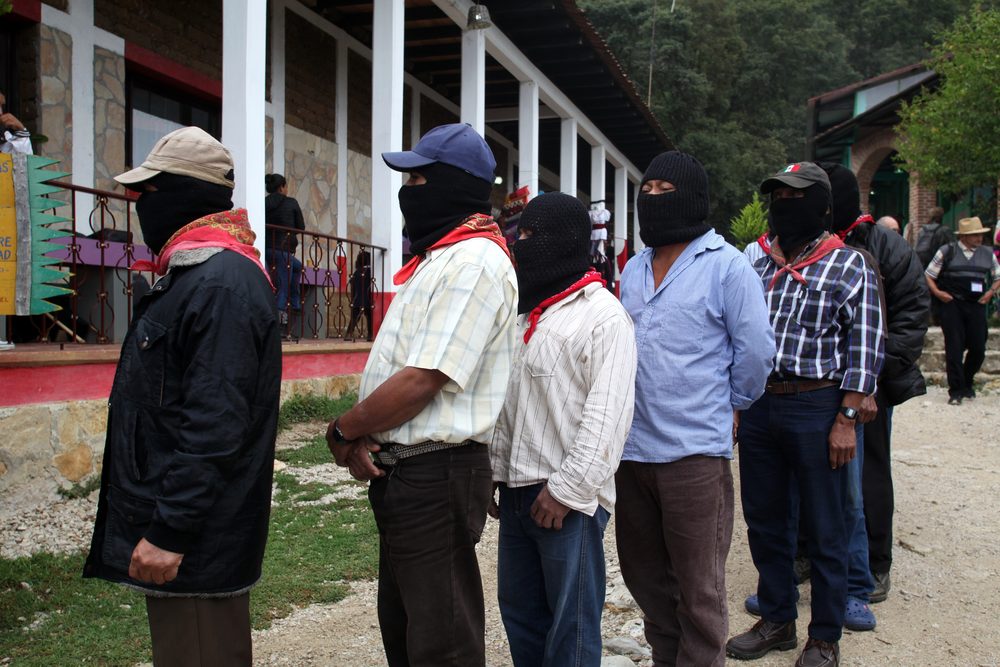
En la mañana de hoy, sábado 27 de mayo, en un auditorio atiborrado de delegados y delegadas del Congreso Nacional Indígena; pueblos invitados; concejales y concejalas; comandantes, comandantas y bases de apoyo del EZLN; adherentes a la Sexta nacional e internacional; y miembros de los medios libres y medios de paga, se llevó a cabo la inauguración de la Asamblea Constitutiva del Concejo Indígena de Gobierno, con la participación de representantes del CNI y la Comandancia General del EZLN, así como Emilia Aurora Sosa Marín, viuda de Don Félix Serán. Después, los delegados del CNI y pueblos invitados se dividieron en tres grupos para mesas de trabajo que durarán el resto del día y parte del domingo, con los siguientes temas:
- Propósitos y estrategias del CIG
- Funcionamiento y org del CIG
- Vinculación del CIG con otros sectores de la sociedad civil
- Nombramiento de la vocera del CIG
La iniciativa nació durante la primera sesión del Quinto Congreso Nacional Indígena, que se realizó en la Universidad de la Tierra Chiapas en octubre de 2016. En esa ocasión, delegados de 33 pueblos, naciones y tribus originarias organizadas en el CNI hicieron un balance de la violencia, despojo y destrucción que sufren los pueblos indígenas del país. A partir de ese análisis, el EZLN propuso pasar a la ofensiva con la creación de un Concejo Indígena de Gobierno y el nombramiento de una mujer indígena que fuera su vocera y que se presentara como candidata independiente a las elecciones de 2018. Se decidió entonces que los delegados del CNI iniciarían una consulta en todas las comunidades del CNI en el país, para aprobar o rechazar la propuesta. En esa asamblea se aclaró también que la lucha no es por el poder, sino por la organización de los pueblos originarios y la sociedad civil para detener la destrucción que se vive en el país y “construir la paz y la justicia rehilándonos desde abajo, desde donde somos lo que somos”. (Ve el comunicado conjunto CNI y EZLN: Que retiemble en sus centros la tierra del 14 de octubre de 2016.)
El mero anuncio de la propuesta, que aún necesitaría ser aprobada por los pueblos, provocó un torrente de reacciones profundamente racistas, sobre todo por parte de la izquierda institucional, así como la perplejidad de individuos y organizaciones de diversas maneras cercanas al zapatismo, que cuestionaron la participación del CNI en las elecciones presidenciales. Pero también provocó el entusiasmo de mucha gente que vio en la propuesta una luz de esperanza ante la destrucción y muerte que se viven en el país, basada en la experiencia de autonomía y autogobierno radicalmente democrático y horizontal de las comunidades zapatistas y de muchos pueblos del CNI.
Dichas reacciones motivaron una serie de comunicados del EZLN, que aclaraban la propuesta: Preguntas sin respuestas, respuestas sin preguntas, concejos y consejos (Subcomandante Galeano), No es decisión de una sola persona (Subcomandante Moisés) y Una historia para tratar de entender (Subcomandantes Moisés y Galeano).
De mediados de octubre a finales de diciembre se llevó a cabo un proceso intensivo de consulta en 525 comunidades de 43 pueblos en 25 estados, con otras 80 consultas en proceso y la posibilidad de otras más, con pueblos indígenas, afrodescendientes y migrantes que lo solicitaran.
Del 29 al 31 de diciembre el Congreso Nacional Indígena se volvió a reunir en la Universidad de la Tierra Chiapas, donde lxs delegadxs discutieron los resultados de las consultas y los próximos pasos a seguir. El 1 de enero de 2017, en el Caracol de Oventic, Chiapas, se dio el anuncio histórico: la gran mayoría de las comunidades consultadas aprobaron la propuesta y el CNI decidió avanzar. En esa ocasión, los principales acuerdos fueron:
- Conformar un Concejo Indígena de Gobierno con representantes hombres y mujeres de los pueblos, tribus y naciones originarias que integran al CNI.
- Este Concejo será colectivo, o sea, “que no uno manda”, y se regirá por los siete principios de gobierno del EZLN y el CNI: obedecer y no mandar; representar y no suplantar; bajar y no subir; servir y no servirse; convencer y no vencer; construir y no destruir; proponer y no imponer.
- Que la voz de este Concejo sea la de una mujer indígena perteneciente al CNI.
- Que esa mujer indígena sea postulada como candidata independiente a las elecciones presidenciales del 2018.
Así, se decidió que ahora, en mayo de 2017, se constituiría el Concejo Indígena de Gobierno por medio de esta Asamblea Constitutiva. Hoy y mañana, con la asistencia de alrededor de mil delegados, concejales y pueblos invitados, se tomarán decisiones que abrirán un nuevo capítulo en nuestra historia. Como dijo el Subcomandante Insurgente Moisés el 1 de enero de 2017, “Ahora, el Congreso Nacional Indígena nos llama a una lucha en que podemos participar todos, todas; sin importar la edad, el color, el tamaño, la raza, la religión, la lengua, la paga, el conocimiento, la fuerza física, la cultura, la preferencia sexual. La lucha a la que nos llama y nos invita el Congreso Nacional Indígena es una lucha por la vida con libertad, con justicia, con democracia, con dignidad. Es la hora de que todo el pueblo trabajador, junto con los pueblos originarios, cobijados por la bandera del Congreso Nacional Indígena”.
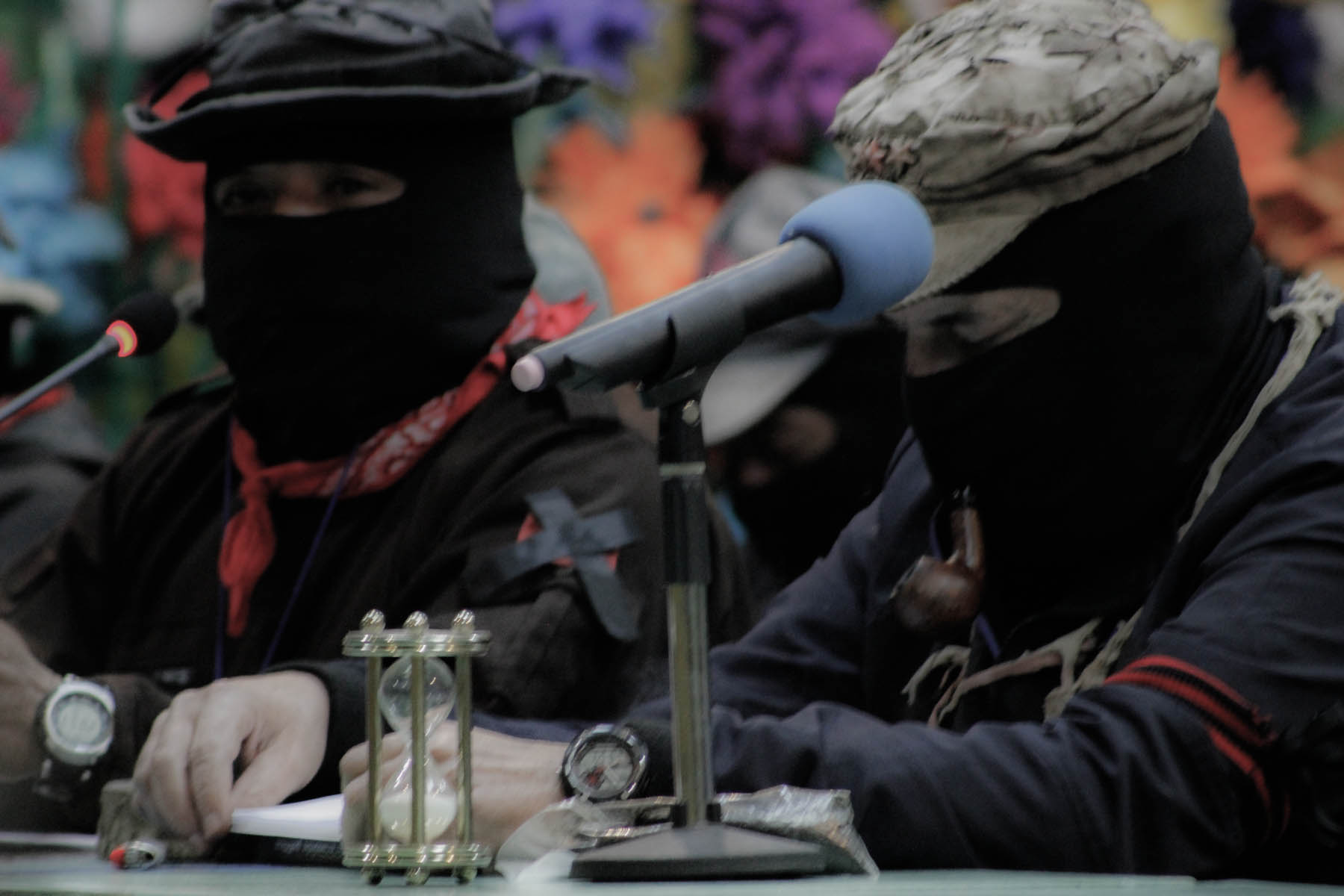
En la inauguración de la Asamblea Constitutiva la Comisión Provisional del CNI dio sus palabras de bienvenida, seguidas por la lectura una carta de Emilia Aurora Sosa Marín, viuda de Don Félix Serdán, quien no pudo asistir por razones de salud. Asimismo, el Subcomandante Insurgente Moisés, la niña Defensa Zapatista y el niño Pedrito, a nombre del EZLN, dieron sus palabras de bienvenida.
Escucha/descarga los audios:
Presentación: [podcast]https://radiozapatista.org/Audios/CIG_AsambleaConstitutiva_01_present.mp3[/podcast]
Palabras de bienvenida – Comisión Provisional del CNI: [podcast]https://radiozapatista.org/Audios/CIG_AsambleaConstitutiva_02_cni.mp3[/podcast]
Carta de Emilia Aurora Sosa Marín, viuda de Don Félix Serán, Morelos: [podcast]https://radiozapatista.org/Audios/CIG_AsambleaConstitutiva_03_emiliasosamarin.mp3[/podcast]
Palabras de la Comandancia General del EZLN – Subcomandante Insurgente Moisés, Defensa Zapatista, Pedro: [podcast]https://radiozapatista.org/Audios/CIG_AsambleaConstitutiva_04_ezln.mp3[/podcast]
Información general: [podcast]https://radiozapatista.org/Audios/CIG_AsambleaConstitutiva_05_info.mp3[/podcast]
[:]