Radio Zapatista
[:es]“Ven, mírale, organízate, resiste” [:]
[:es]
Cobertura Colaborativa del Primer Ecuentro Internacional, Político, Artístico, Deportivo y Cultural de Mujeres que Luchan. Chiapas, México, Marzo 2018
Por Radio Zapatista, Subversiones y La Tinta
El fuego de la palabra que nos incendia
Las luces de nuestras ancestras que nos guían
El latir de tambores que resuenan en los huesos
Y la danza de mujeres-bosque,
Mujeres-monte
Un solo cuerpo hecho abrazo que
construye un mundo hecho de muchos mundos
(diferentes espacios-tiempos-modos bailan)
El sol bendice rituales de sanación
Y las carcajadas colectivas
Resuenan entre las montañas
Arte en palabra, en color, en sonido,
en movimiento, en miradas
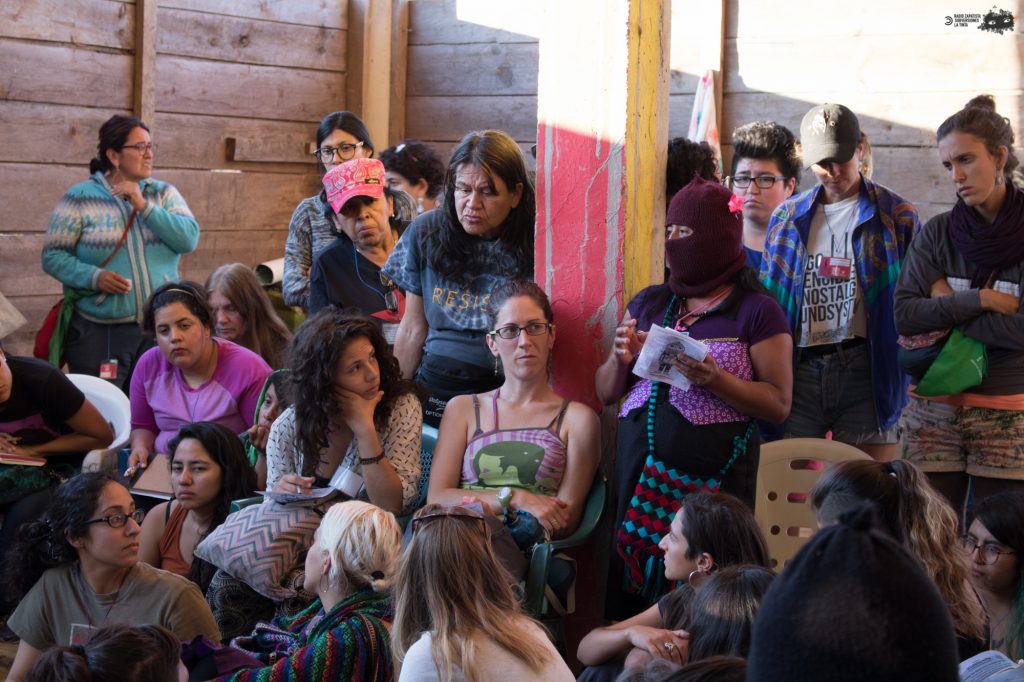
Un espacio seguro, donde hay libertad y dignidad
Presencia honesta de muchas voces originarias y guerreras
Agitándose y en sincronía
Un niño dice que parece una película
Y una obra representa nuestras opresiones
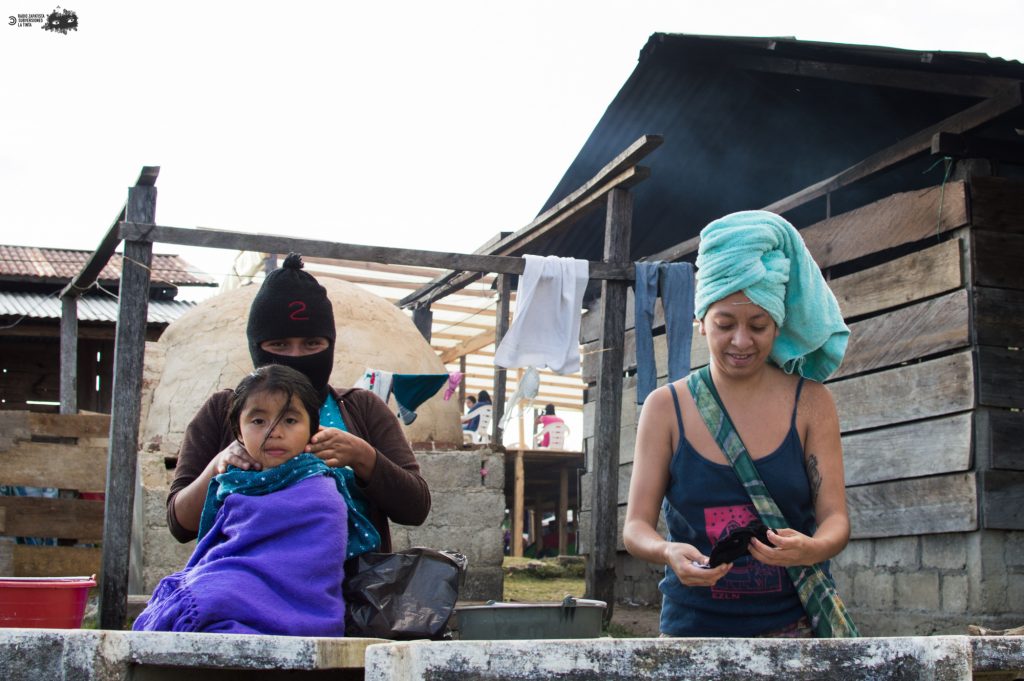
Una niña duerme al cuidado colectivo,
mientras su madre busca café zapatista
Y el maíz nativo como alimento,
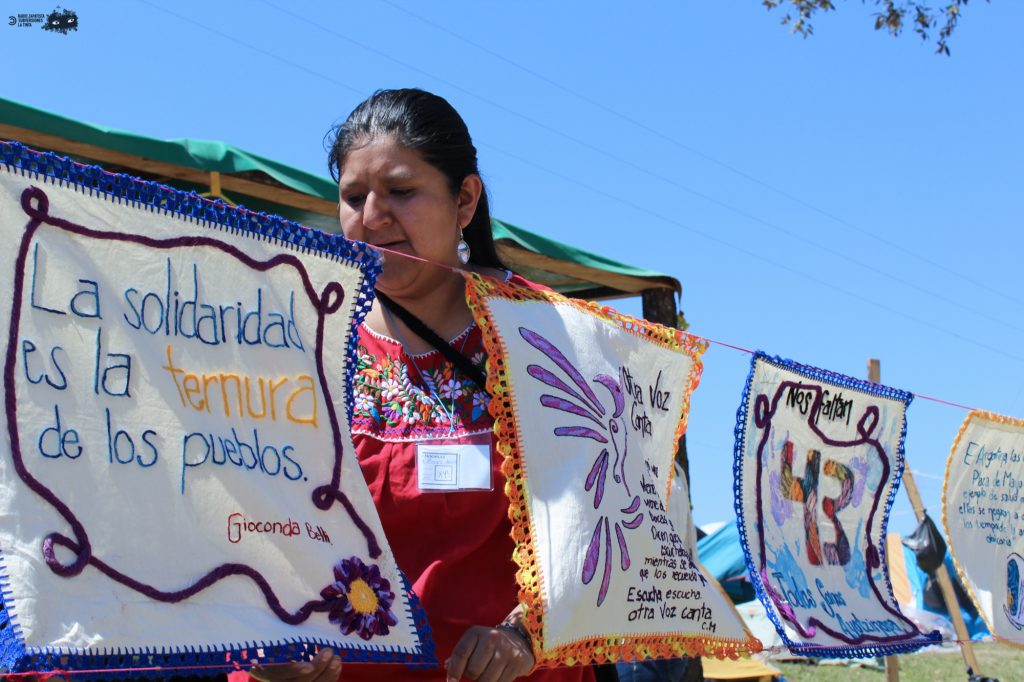
Identidad
Historia
Resistencia
Territorio
Raíz de nuestros saberes
Y una mujer diciendo: “Acá podríamos vivir todas”
Un sello en la unidad de nuestras rebeldías,
un acuerdo por vivir, y un grito colectivo
“No tenemos miedo”
[:]
[:es]Una constelación de luchas en tierras zapatistas[:]
[:es]
Una constelación de luchas en tierras zapatistas
Crónica y reflexiones tras el “Primer Encuentro Internacional, Político, Artístico, Deportivo y Cultural de Mujeres que luchan”.
(…) tal vez, cuando ya acabe el encuentro, cuando regresen a sus mundos, a sus tiempos, a sus modos, alguien les pregunte si sacaron algún acuerdo. Porque eran muchos pensamientos diferentes los que llegaron en estas tierras zapatistas. Tal vez entonces ustedes responden que no. O tal vez responden que sí, que sí hicimos un acuerdo. Y tal vez, cuando les pregunten cuál fue el acuerdo, ustedes digan acordamos vivir, y como para nosotras vivir es luchar, pues acordamos luchar cada quien según su modo, su lugar y su tiempo.
(Discurso de apertura. Compañera Érika)
Cobertura colaborativa realizada por Radio Zapatista, Subversiones y La Tinta
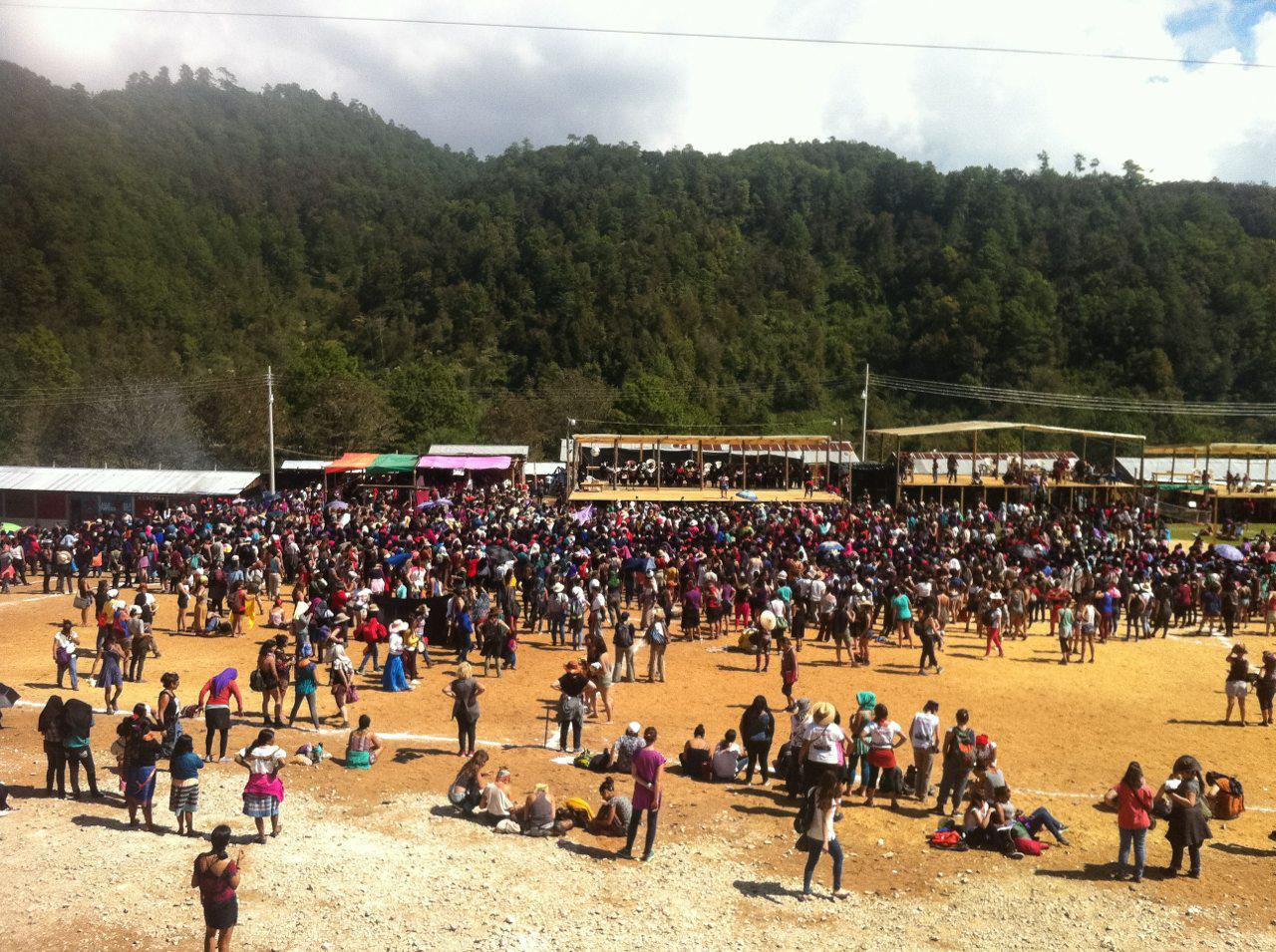
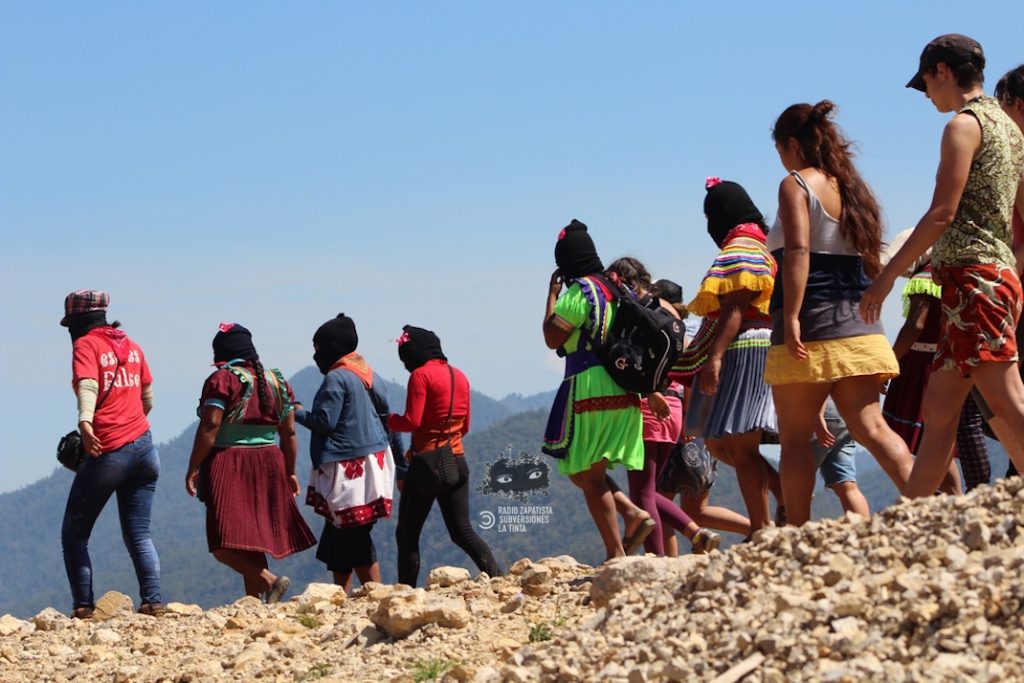
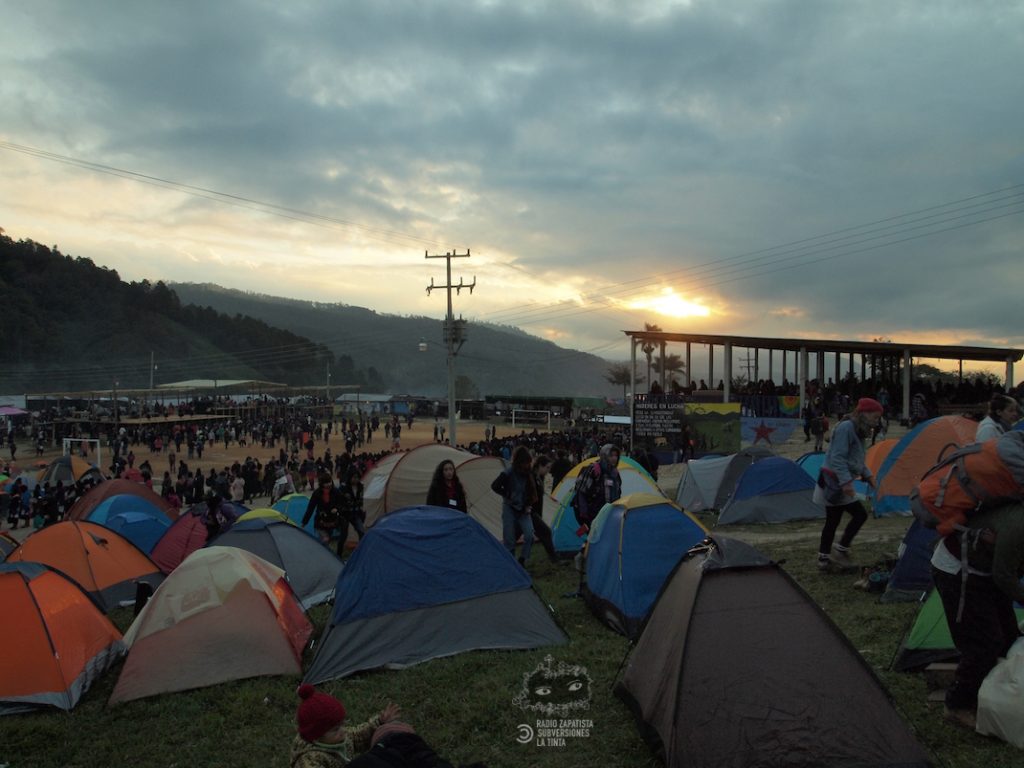
Caracol IV, Torbellino de Nuestras Palabras. Morelia, Chiapas. Allí donde las estrellas brillan más, allí donde el territorio es más libre, allí donde las mujeres zapatistas abrieron su casa para recibir a miles de mujeres de todas partes del mundo. Algunas tardamos horas en llegar, otras días. Muchas conocíamos la historia del zapatismo y la rebeldía de sus mujeres, algunas sabíamos de la importancia de la Ley Revolucionaria de Mujeres para las comunidades indígenas y otras apenas habíamos escuchado hablar de un Ejército Zapatista de Liberación Nacional en el sureste mexicano.
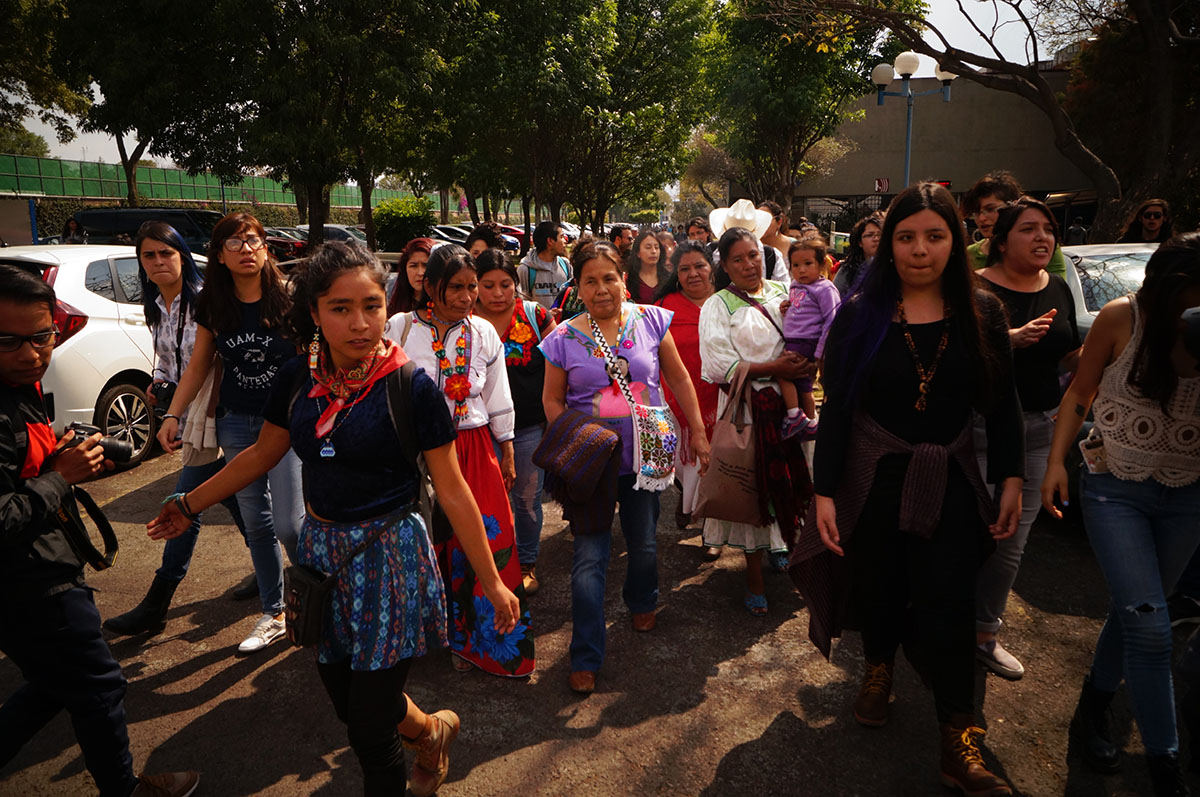
Mientras el Paro Internacional de Mujeres hacía que miles de compañeras alrededor del mundo suspendieran sus tareas y salieran a marchar por las calles de sus ciudades, otras miles asistíamos al llamado de las zapatistas. Llegar no fue fácil. Muchas no pudieron estar. Todas convocadas por una misma consigna: ser mujeres que luchamos.
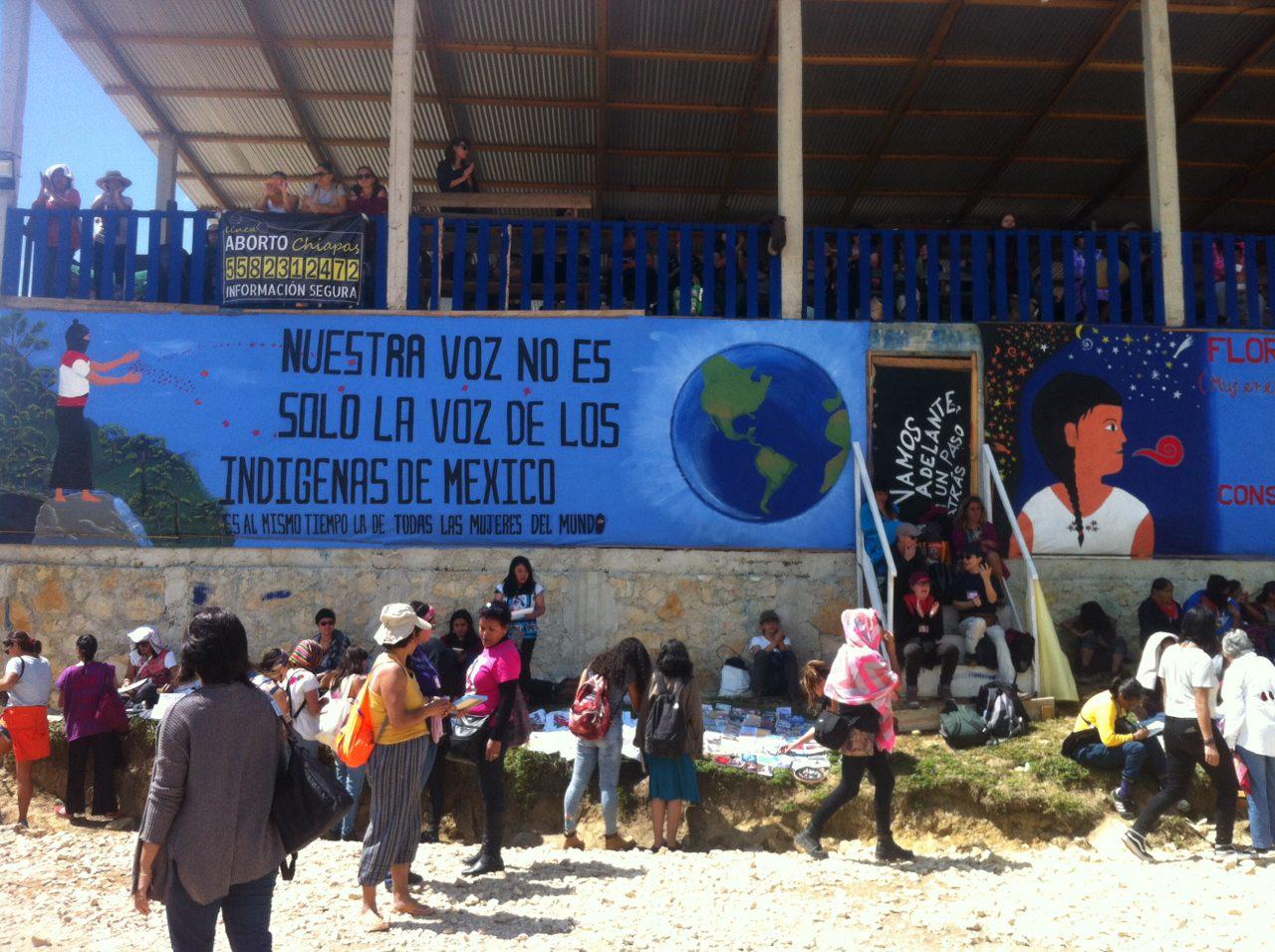
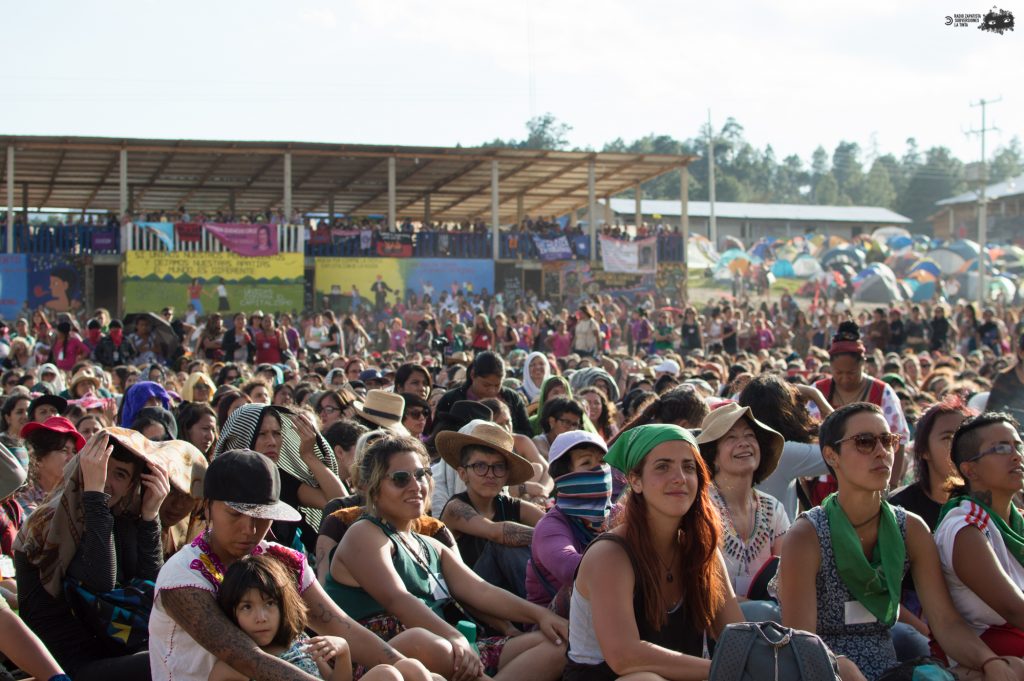
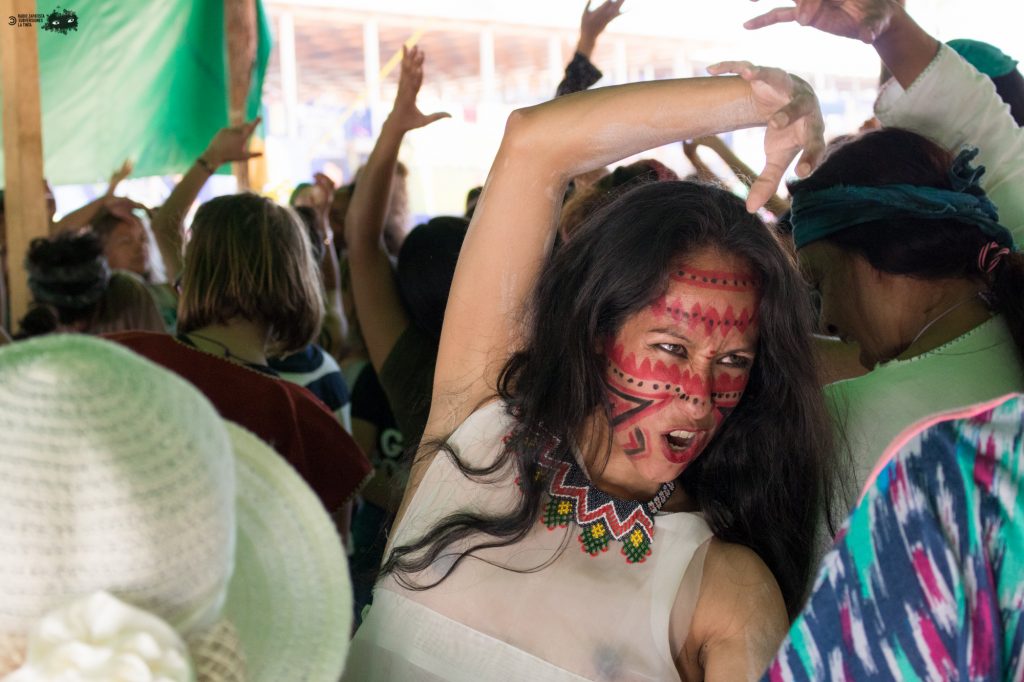
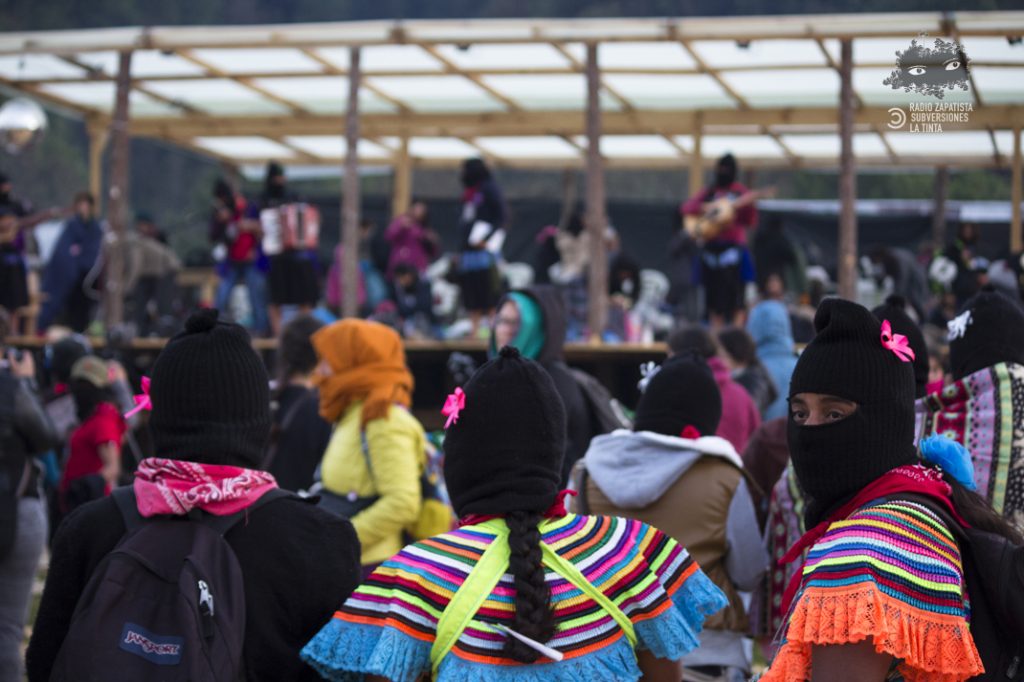
Fueron tres días, del 8 al 10 de marzo, en que nos regalamos alegrías, miradas, palabras, bailes, poesías, pinturas y “cosas raras”, dirían las mujeres zapatistas. Un fragmento de tiempo nos condensó en una misma latitud. Cada una con sus sentires y sus luchas viajó hasta allí y entregó sus dolores, sus sonrisas, su fuerza de ser mujer en cánticos y consignas que retumbaban en los corazones de quienes estábamos. Y se replicaban por el bosque que nos rodeaba hasta insospechados rincones del planeta. Tuvimos una certeza: desde distintas latitudes, todas juntas esos días, hicimos temblar el mundo.
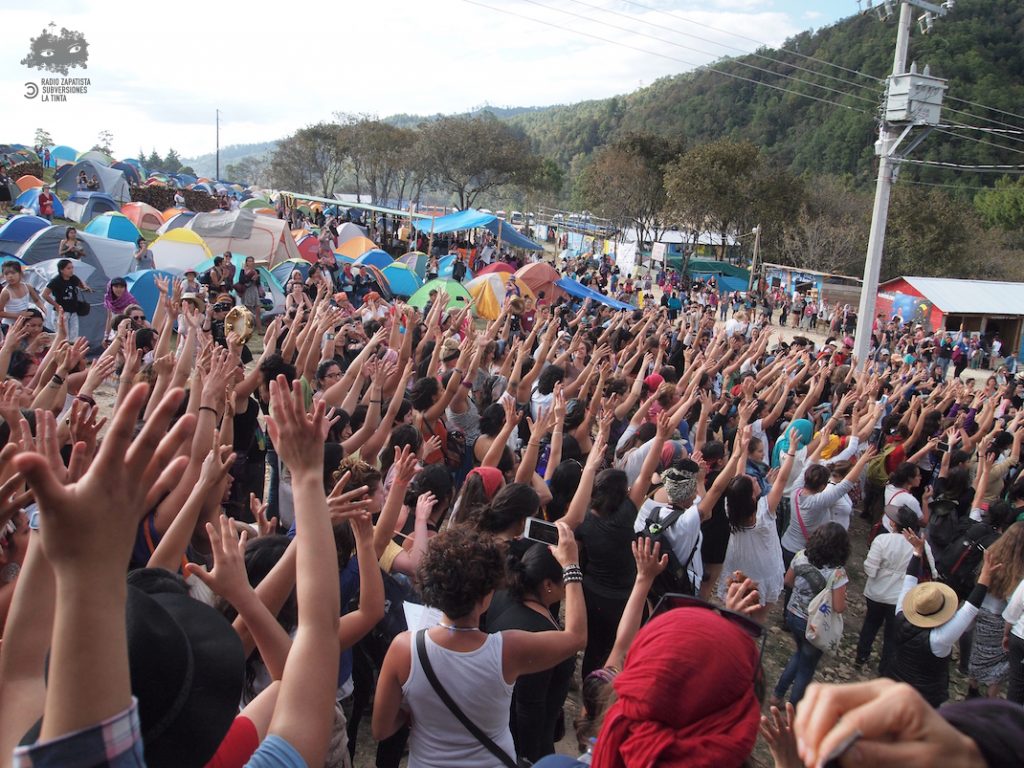
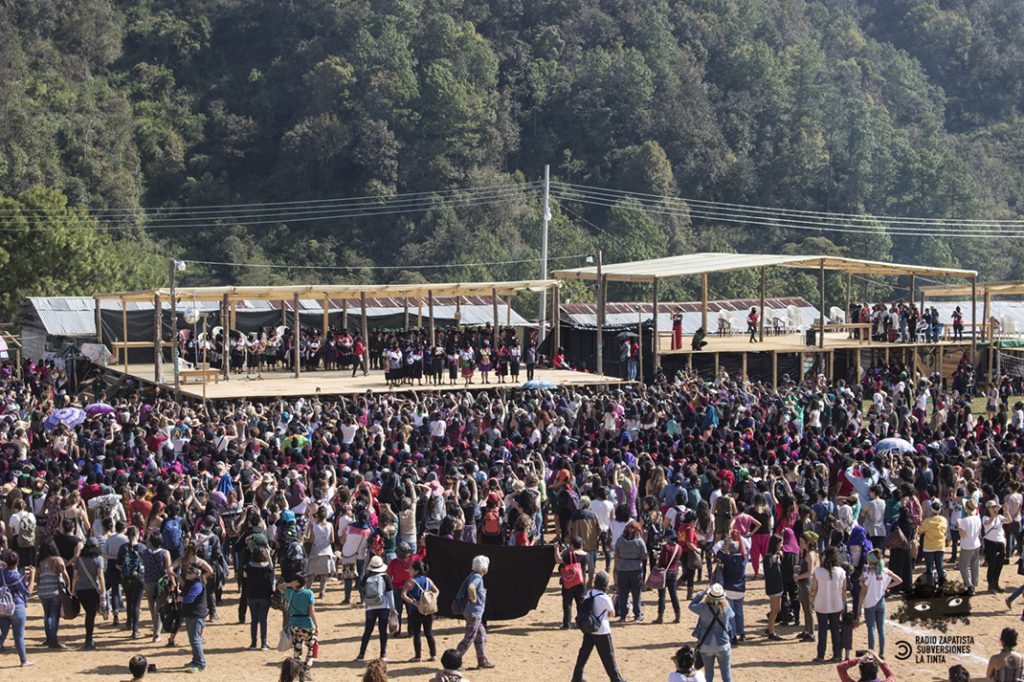
Las zapatistas eligieron el Día Internacional de la Mujer que lucha para inaugurar el Primer Encuentro Internacional, Político, Artístico, Deportivo y Cultural de Mujeres que Luchan, en “17 de Noviembre”, uno de los tres Municipios Autónomos Rebeldes Zapatistas del Caracol IV “Torbellino de Nuestras Palabras” de la localidad de Morelia (que coexiste con la demarcación oficial correspondiente a Altamirano) y sede de la Junta de Buen Gobierno “Corazón del Arcoíris de la Esperanza”. Región a la que también denominan “zona Tzotz-Choj” (murciélago-jaguar), en referencia a un antiguo gobernante de la ciudad de Toniná y en la que continúan habitando los pueblos mayas tseltal, tsotsil y tojolabal.
Esta región, al igual que muchas otras de Chiapas y de México, ha sido y es escenario de luchas campesinas y por la defensa de los territorios. En el caso zapatista trascendió la creación de un gobierno propio y la construcción de la autonomía por la vía de los hechos en la que la participación de las mujeres sigue siendo crucial.
El lugar en donde se realizó este encuentro internacional, uno de los más grandes hasta ahora, fue parte de una finca ganadera tomada por bases zapatistas. Este municipio autónomo fue escenario de una de las mayores tomas de tierras tras el levantamiento armado en 1994.
Actualmente, y como pudimos observar tanto en el viaje de ida como de vuelta, el paso de camiones cargados de madera es constante. Los grandes aserraderos en manos de grupos de poder local del Partido Verde Ecologista son una de las tantas expresiones del saqueo y despojo de bienes comunes naturales en ésta y otras regiones; son parte de los megaproyectos de infraestructura y desarrollo de los grandes capitales nacionales e internacionales.
¿Será que salió un poco bien?
(…) que dónde duermen, que dónde comen, que dónde se bañan, que dónde van al baño, que el sonido, que la luz, que el agua, que si se enferman, que qué les vamos a decir, que cómo les hablamos, que cómo las escuchamos y miramos.
(Discurso de clausura. Compañera Alejandra)
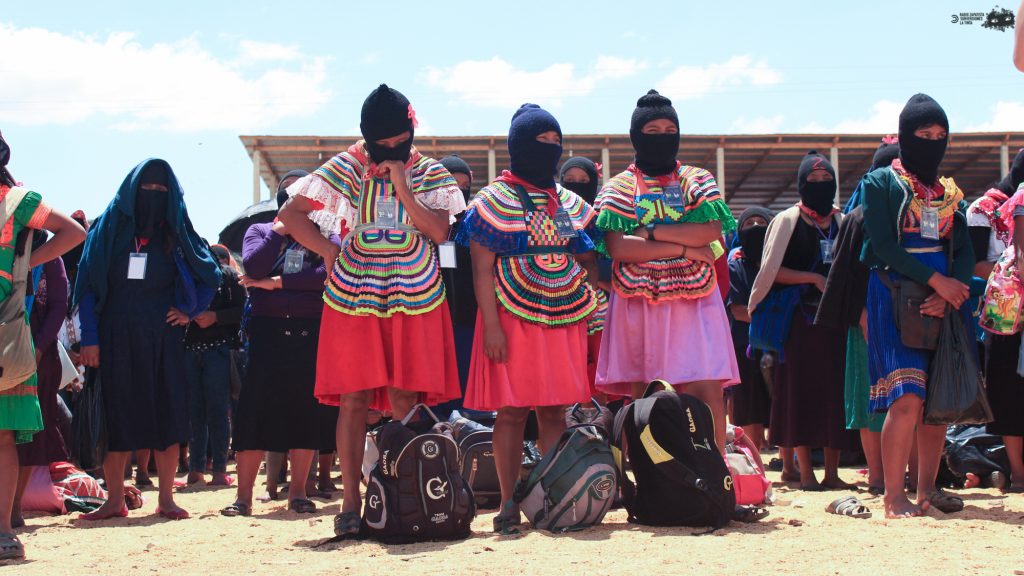
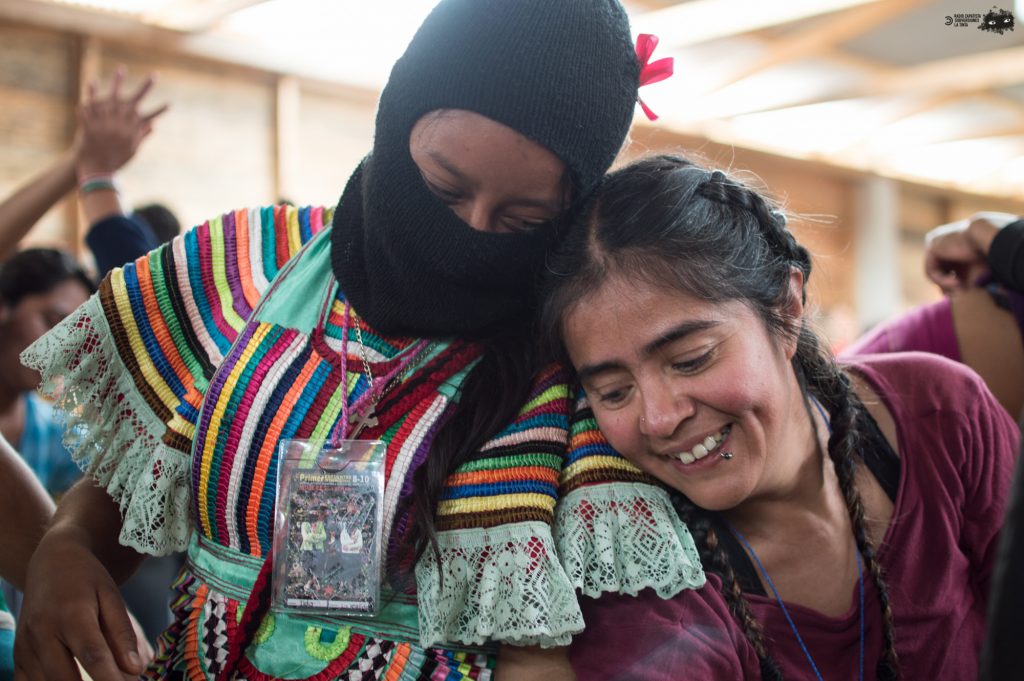
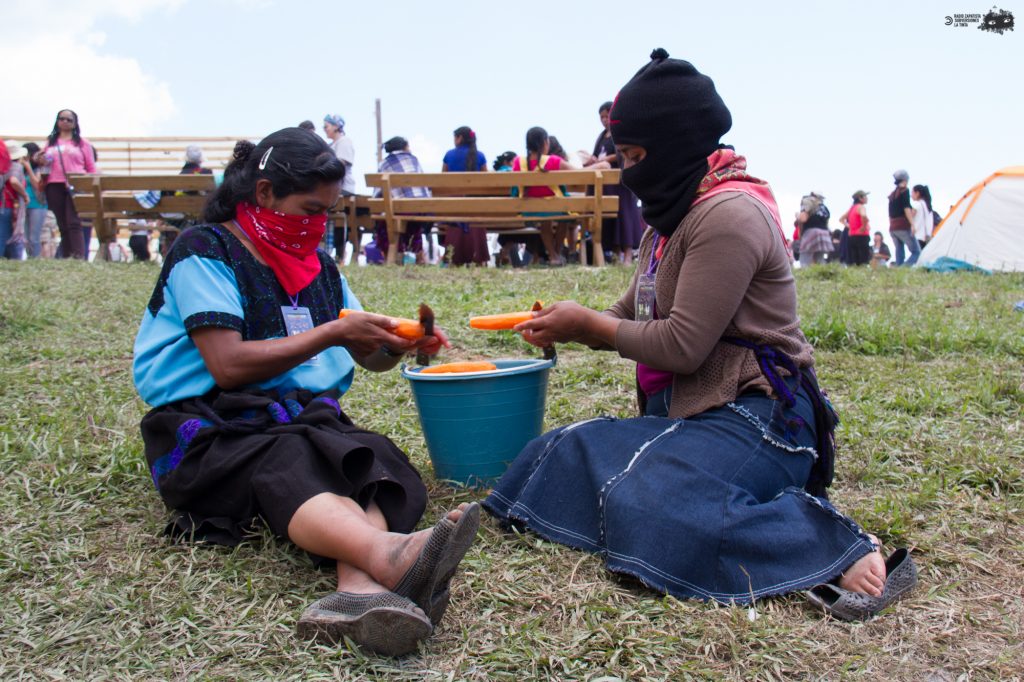
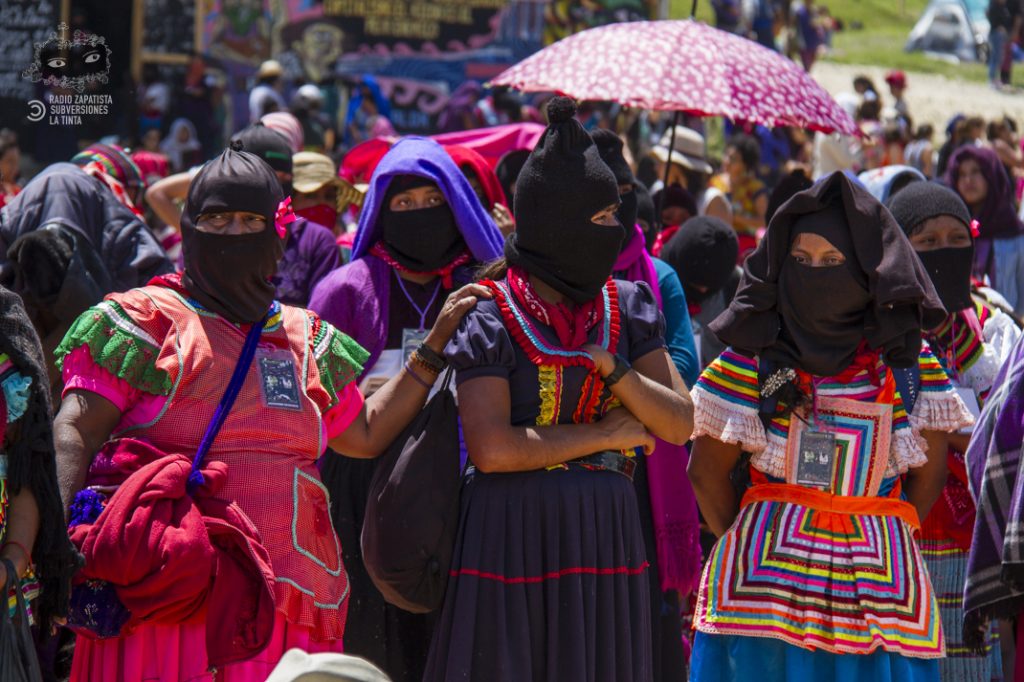
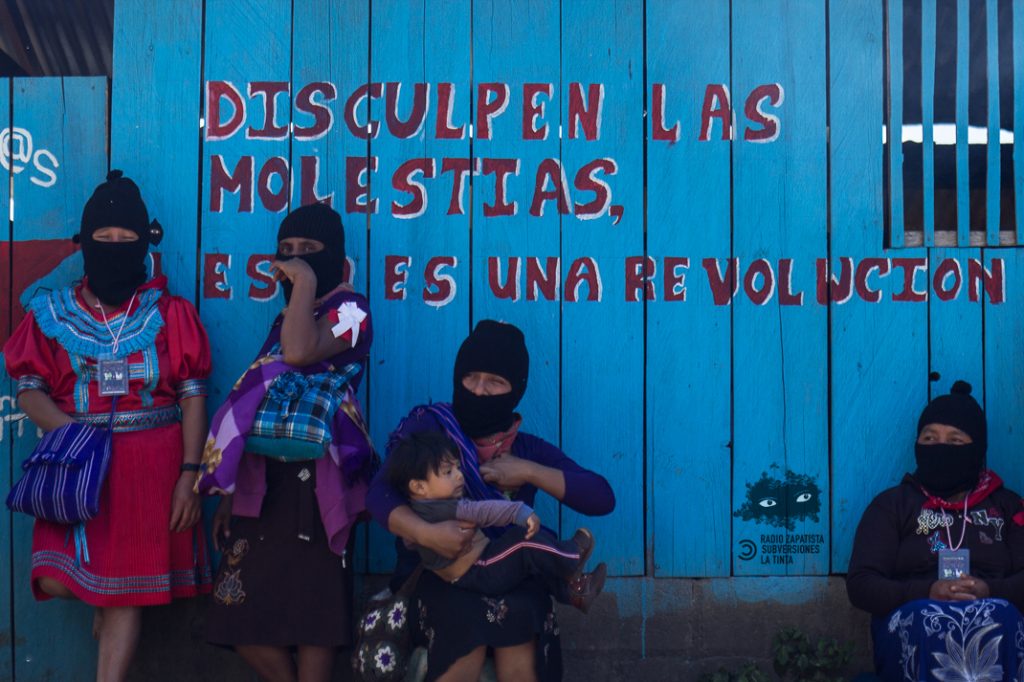
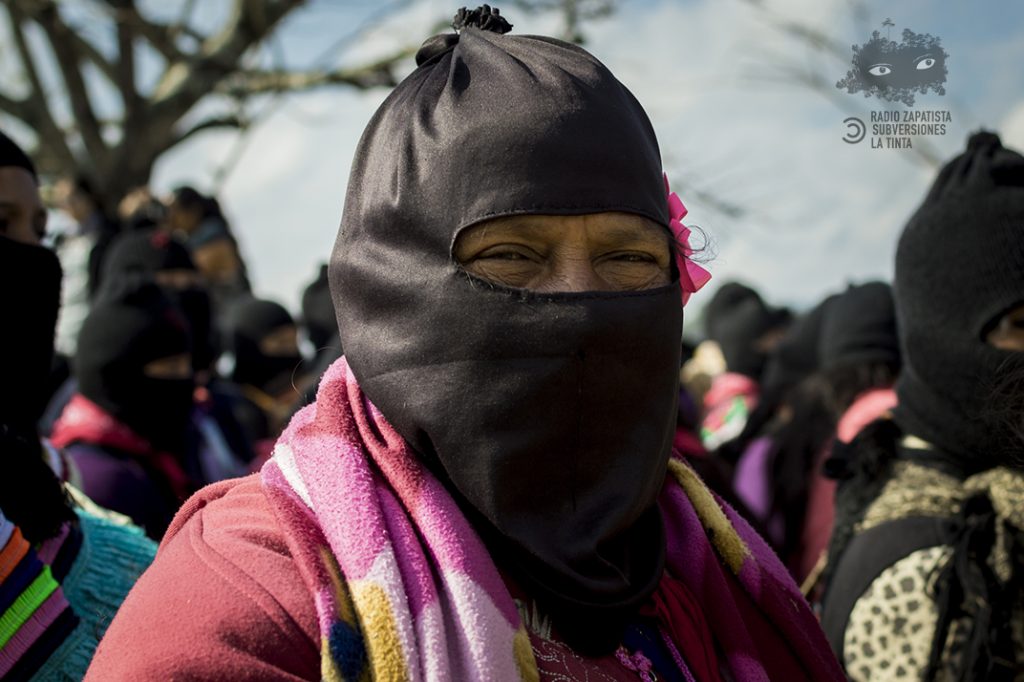
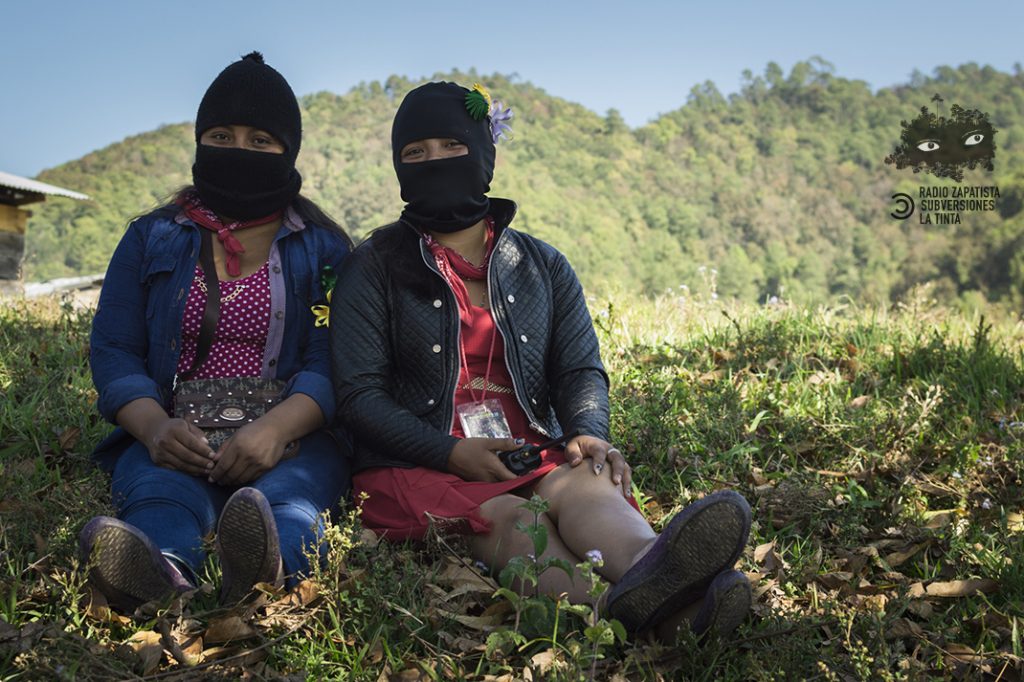
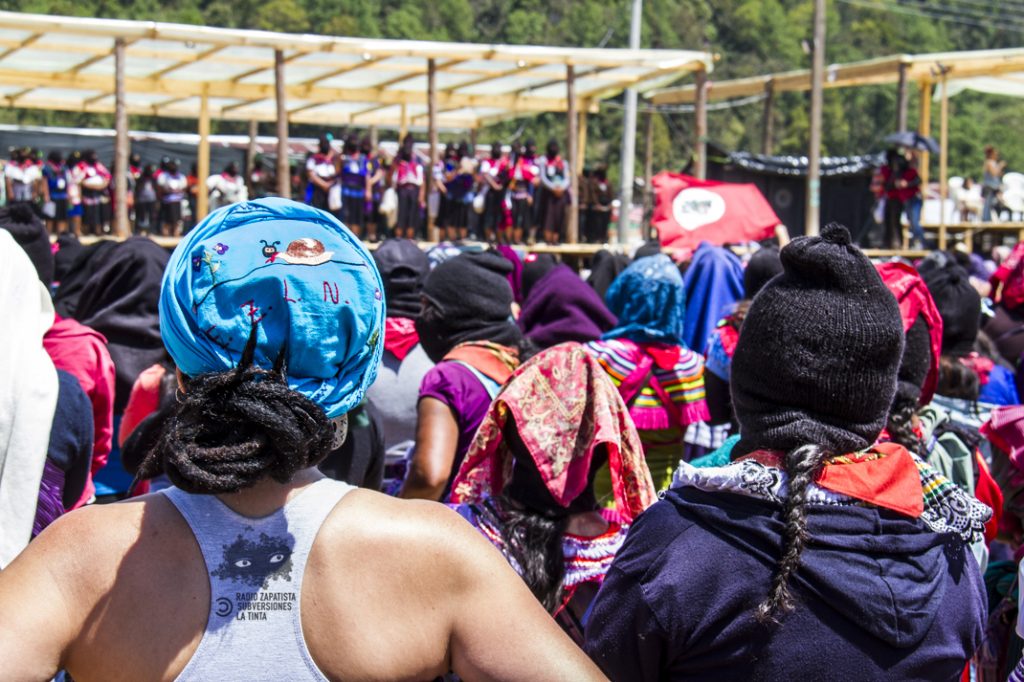
Las preguntas que se hicieron las compañeras zapatistas durante los meses que tardaron en organizar el encuentro, las tuvieron desveladas y sin hambre durante mucho tiempo, según nos contaron. Organizadas desde abajo y a la izquierda, buscando el acuerdo de las zapatistas de cada una de las comunidades: no fue una tarea fácil, pero lo lograron. Ante esto, las consignas “gracias” y “vivan las zapatistas” fueron de las más coreadas en las cientos de actividades que se realizaron. Gracias a las zapatistas por recibirnos en su territorio. Gracias por procurarnos comida para tres días a más de cinco mil mujeres. Gracias por proveernos agua para beber, para ir al baño, para darnos una ducha. Gracias por las palabras, cada una de las que nos dijeron y cada una de las que escucharon de nuestros decires. Y sobre todo, gracias por esas miradas en las que nos reconocimos a través de paliacates y pasamontañas, rímeles y lentes, pañuelos y sombreros cubriéndonos del sol.
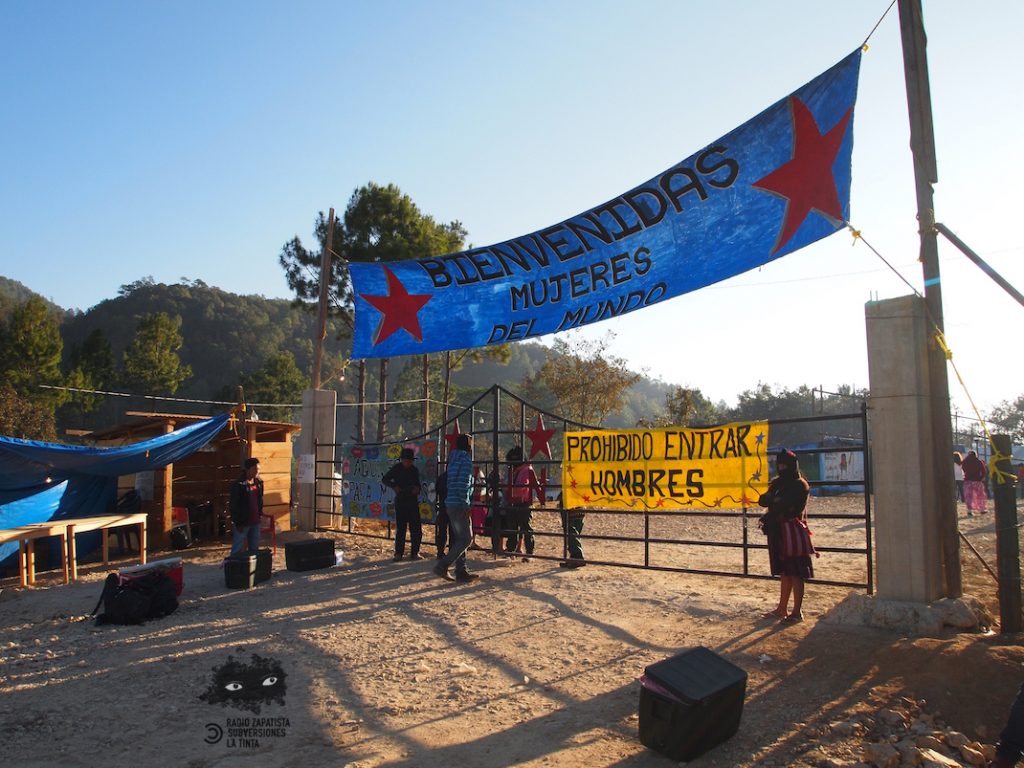
Carolina y Marina son mujeres zapatistas que llegaron desde el Caracol III La Garrucha. Su rol fue el de coordinación en la organización de este evento junto con otras 60 compañeras provenientes de los otros caracoles zapatistas. En una entrevista que les realizamos, nos contaron que se sentían orgullosas, al igual que sus compañeras, de haber podido organizar este Encuentro sin antecedentes en la historia del zapatismo: “es el primero que es sólo para mujeres, se han hecho otros, pero nunca como éste que no se permiten entrar hombres porque este encuentro lo organizan sólo mujeres”.
Nos contaron también que el evento está en marcha desde el mes de julio de 2017, cuando se propusieron realizarlo: “entonces tuvimos muchas reuniones para planearlo. Nos costó trabajo hacerlo, porque nunca habíamos hecho, sí con la ayuda de los hombres, pero en este caso somos puras mujeres quienes organizamos y quienes vimos cómo le hacemos para recibirlas a ustedes”.
Después de la primera reunión en julio, las delegadas llevaron la propuesta de realizar el Encuentro a sus comunidades, donde fueron sólo las mujeres (y cada una de ellas) las que decidieron convocarnos: “se fue hasta los pueblos donde están las compañeras zapatistas. A cada pueblo a preguntar si es que va a haber este encuentro. Entonces dijeron que sí y fue ahí donde se empezó a planear todo —nos cuentan Carolina y Marina— para organizar este evento que hoy fue muy difícil para nosotras. Nunca antes lo habíamos hecho. Nos costó mucho trabajo porque empezamos a ver que se necesitan muchas cosas y entonces nos tuvimos que preparar para poder hacerlo”.
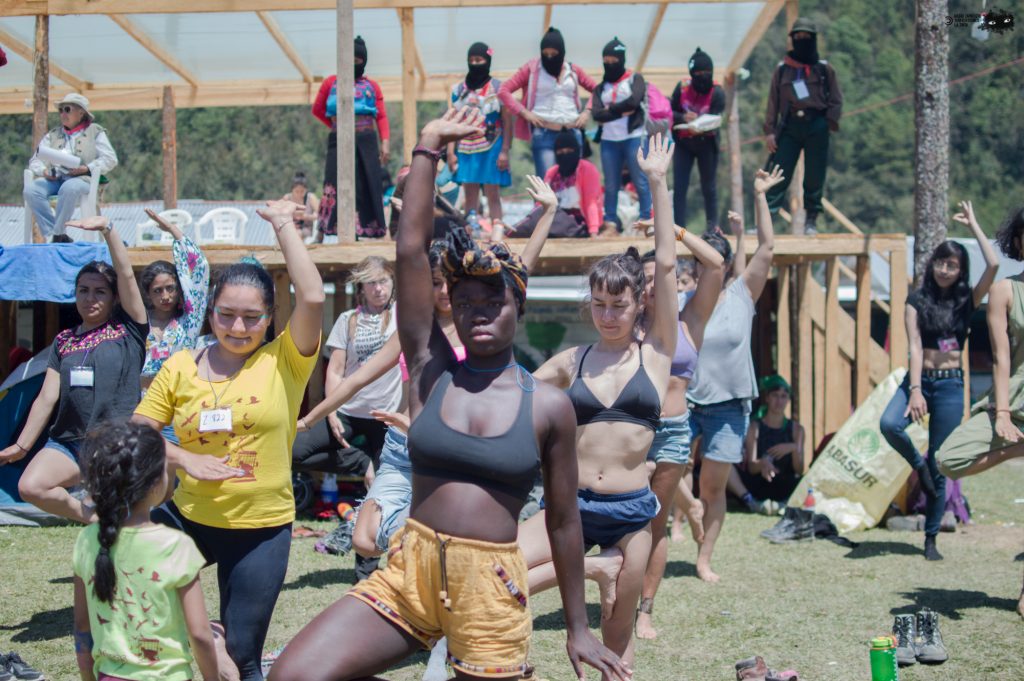
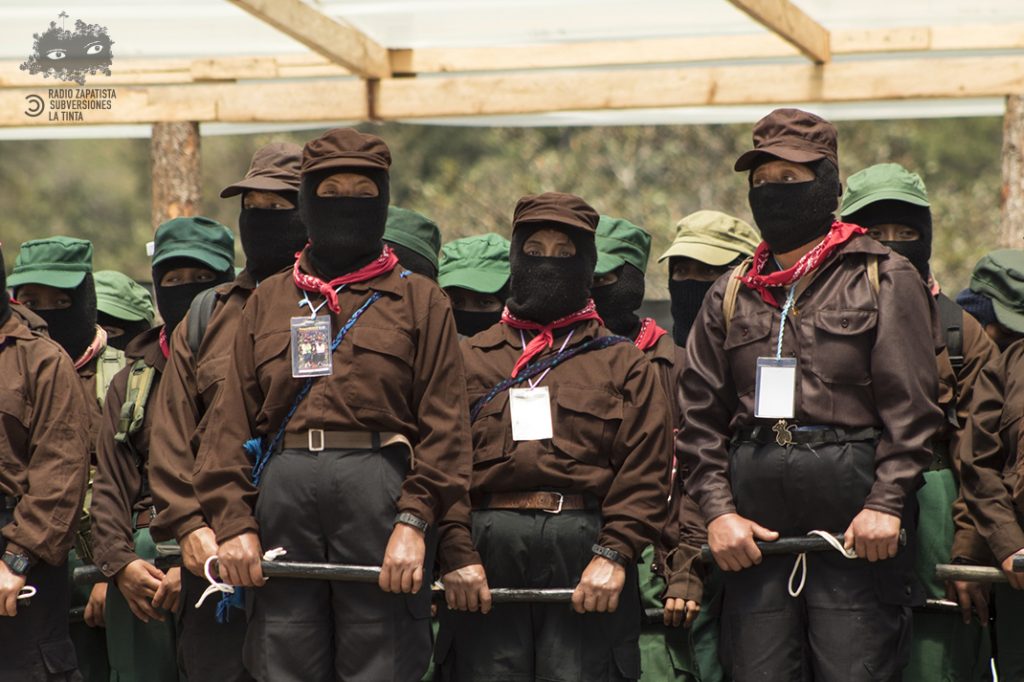
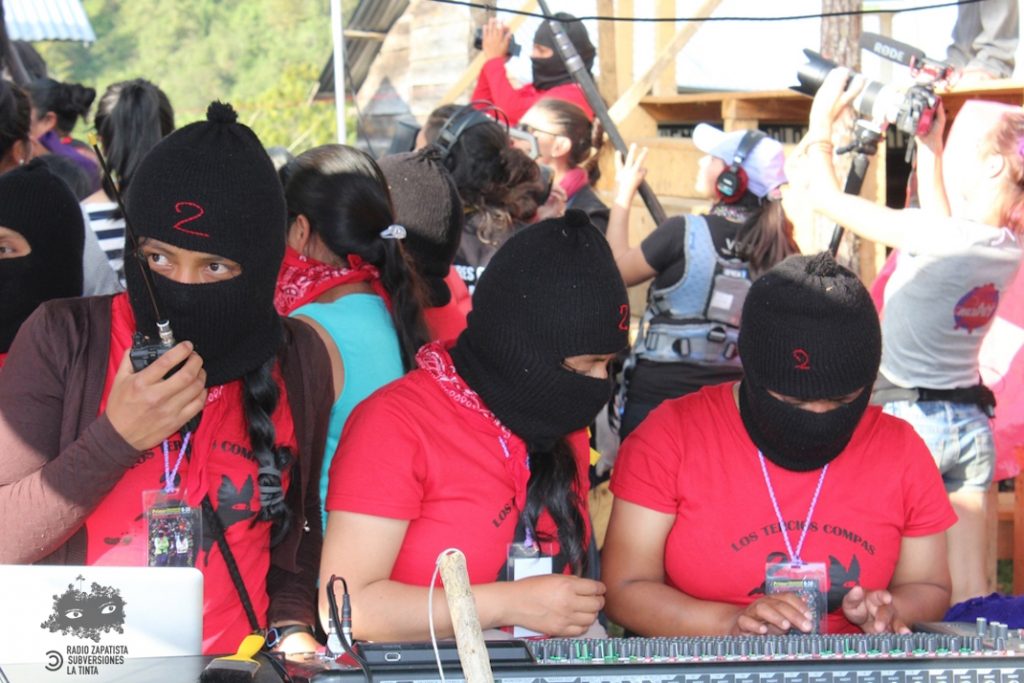
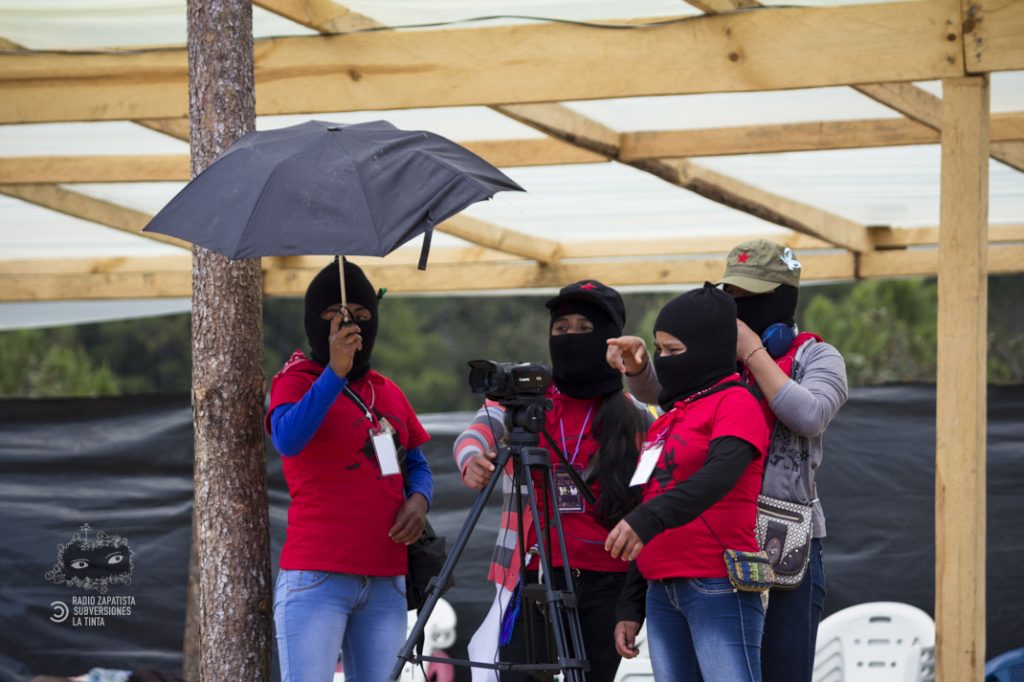
No sólo las coordinadoras tuvieron tareas antes y durante el Encuentro. Cada una de las mujeres zapatistas que asistió participó activamente de alguna manera en los diferentes trabajos. Así, las insurgentas y milicianas fueron las encargadas de cuidar el lugar para que no ingresaran los hombres. Otras compañeras se ocuparon de la higiene del lugar, otras de conducir los camiones que entraban y salían del predio del Encuentro, ya sea con alimento, o bien, con basura. También hubo médicas y promotoras de salud. Las Tercias Compas ocuparon roles técnicos en el sonido y la luz, también estuvieron encargadas de la comunicación y el registro completo del evento.
El 8 de marzo las zapatistas presentaron sus participaciones, mientras que los días 9 y 10 se realizaron las actividades de las mujeres que veníamos de distintas partes del mundo. Más de dos mil compañeras bases de apoyo zapatistas estuvieron presentes en cada una de las actividades. Al respecto, Carolina y Marina nos explican el trabajo de las bases de apoyo: “verlas a ustedes y también estar en cada actividad que ustedes hacen para que vayan a los pueblos para explicarles qué son las cosas que vieron de ustedes, qué fue lo que presentaron. Porque así somos nosotras, tomamos en cuenta todo lo que vemos y tiene que llegar hasta los pueblos”.
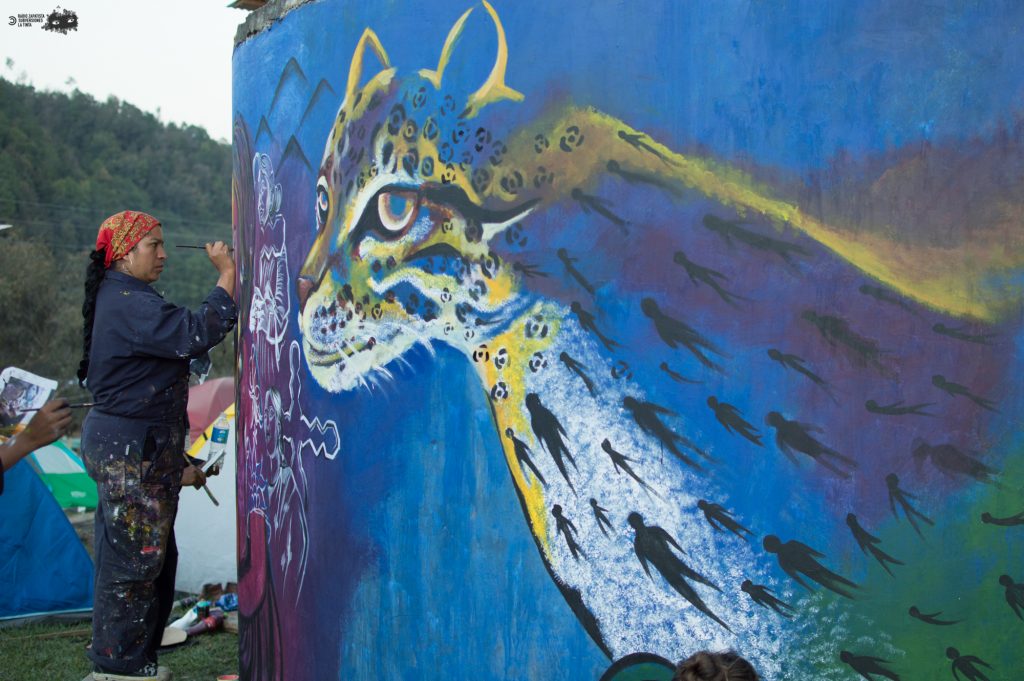
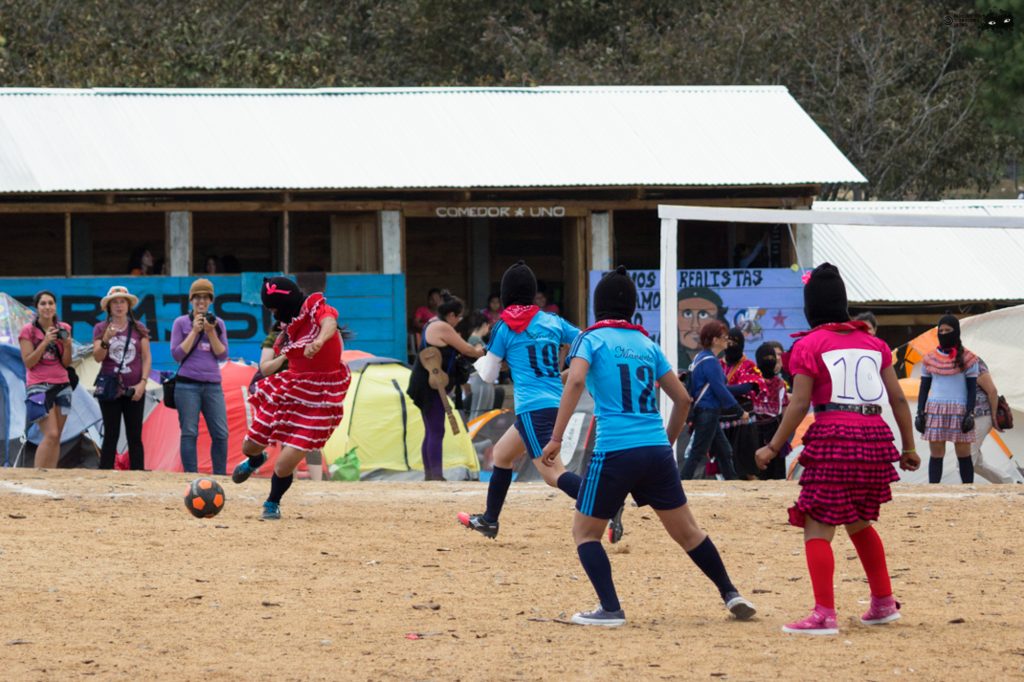
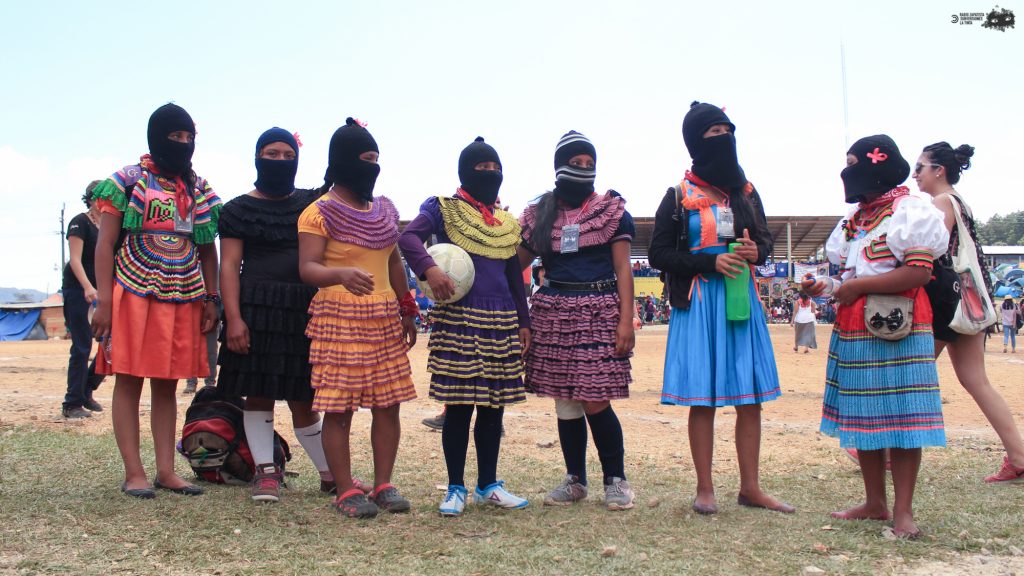
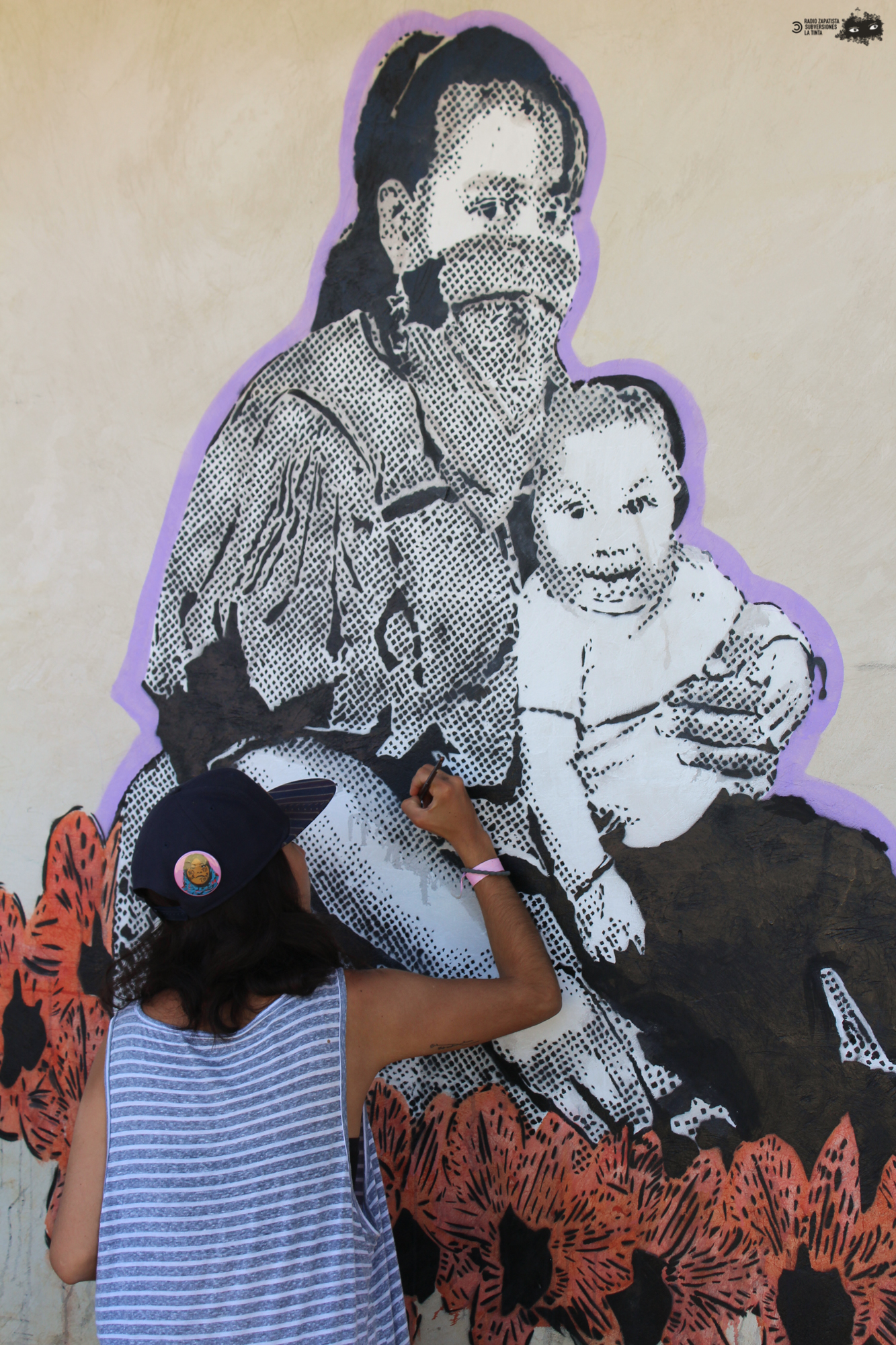
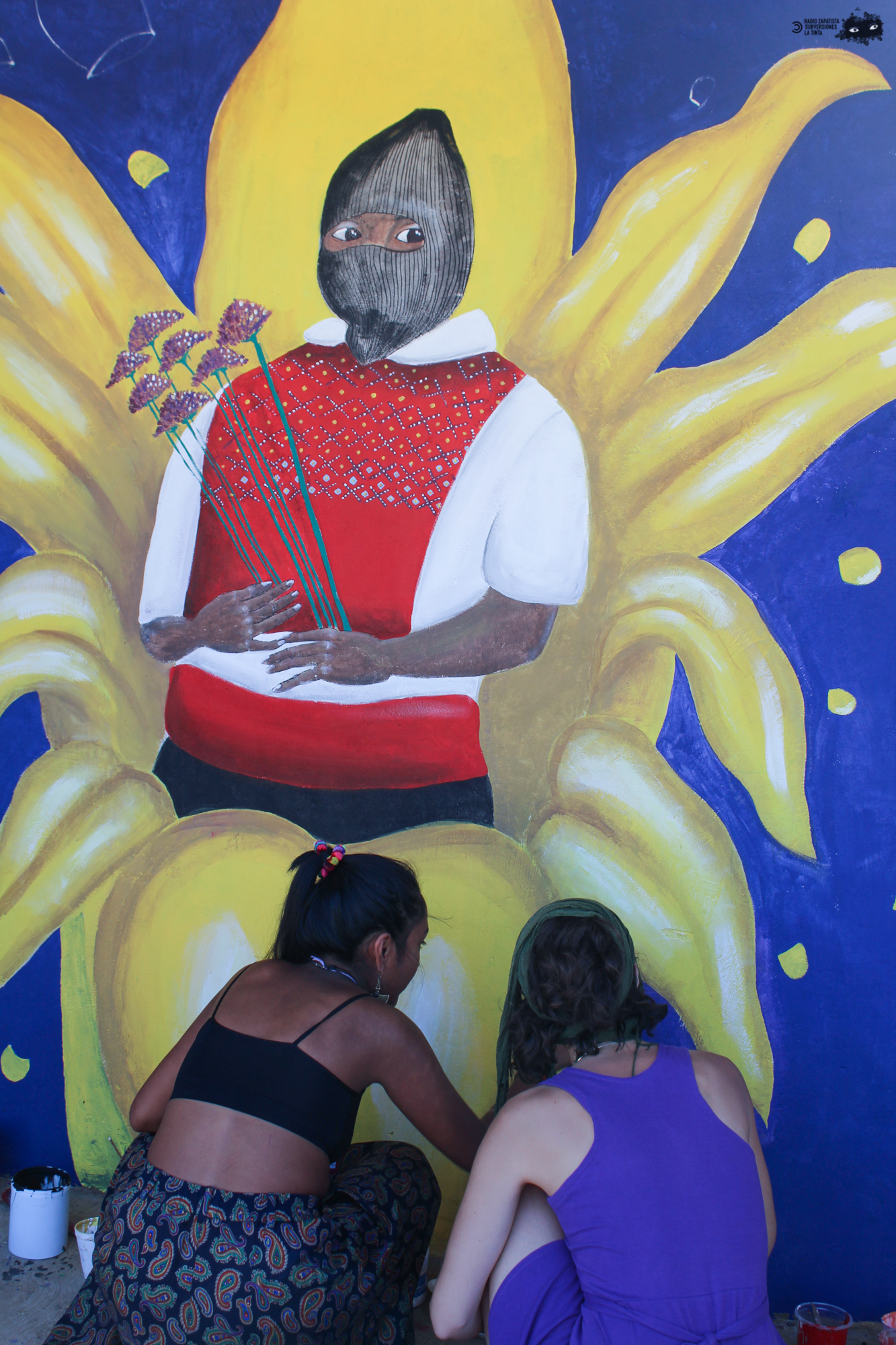
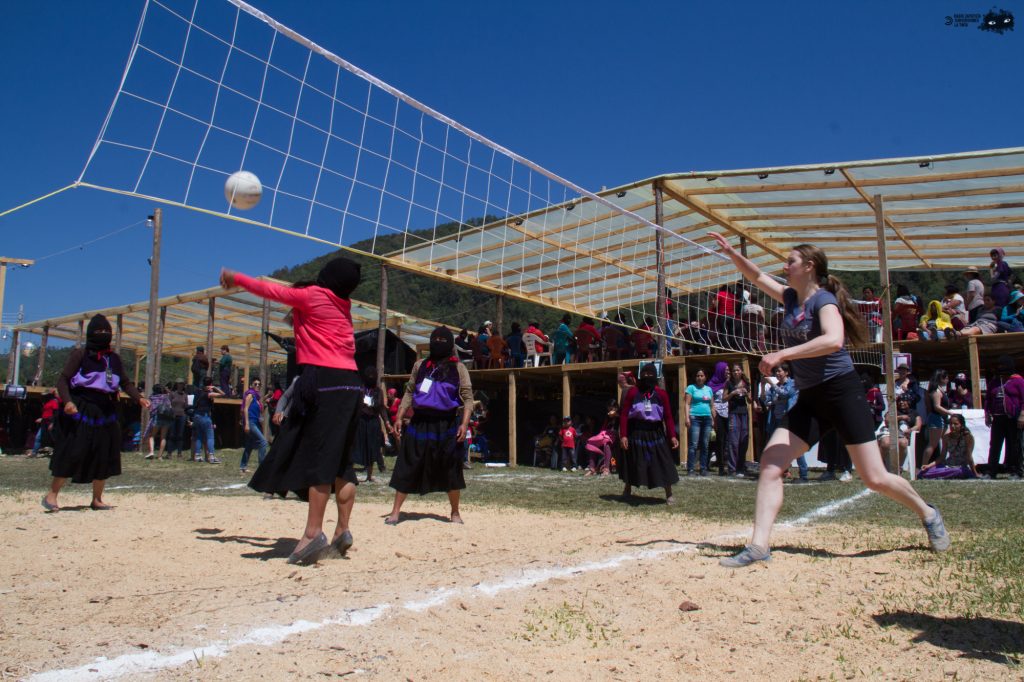
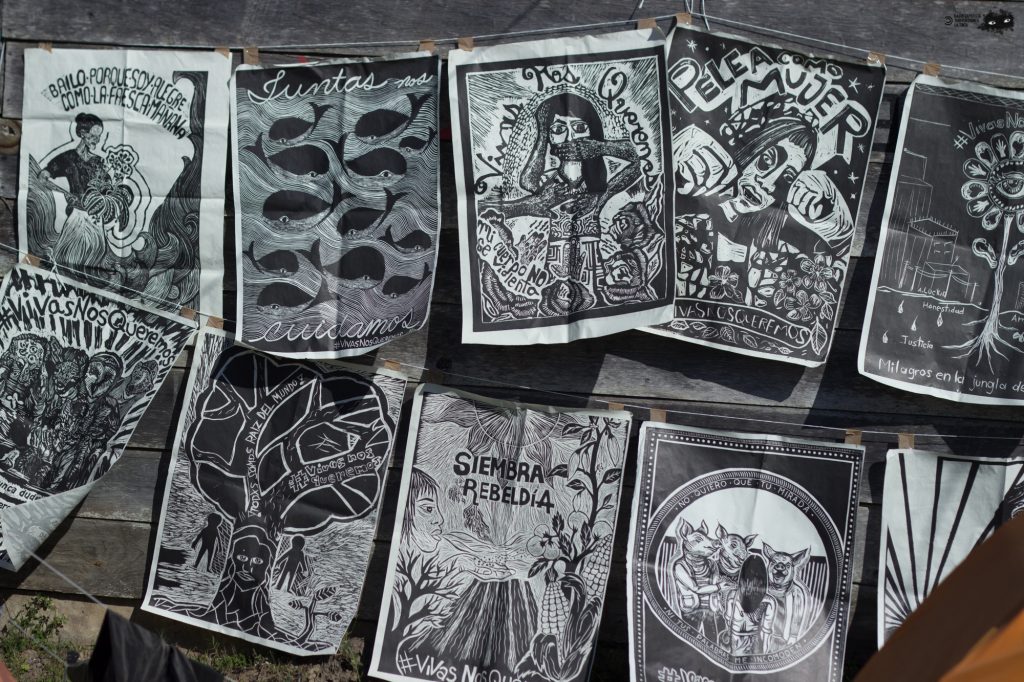
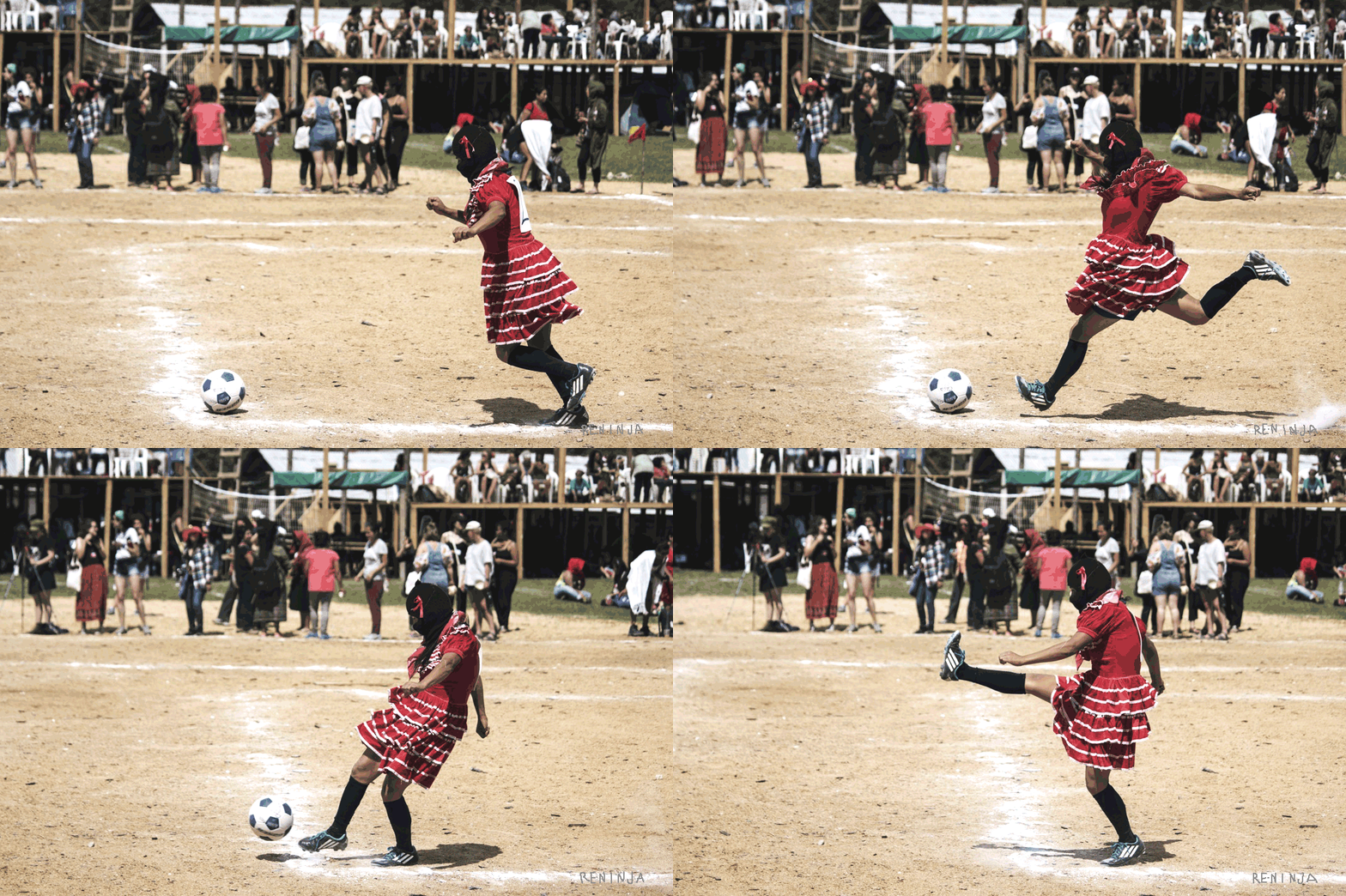
Muchas mujeres zapatistas pusieron el cuerpo en este encuentro durante meses y eso se notó en la gran organización que hubo: cinco comedores, decenas de talleres, conversatorios y proyecciones, partidos de fútbol, voleibol y basquetbol. Cada actividad era multitudinaria y ocurría de manera simultánea con otras: mientras algunas formaban parte de un ritual de sanación alrededor del fuego, otras compañeras miraban una obra de teatro, conversaban sobre las violencias en nuestros cuerpos y nuestros territorios o participaba de un mural colectivo.
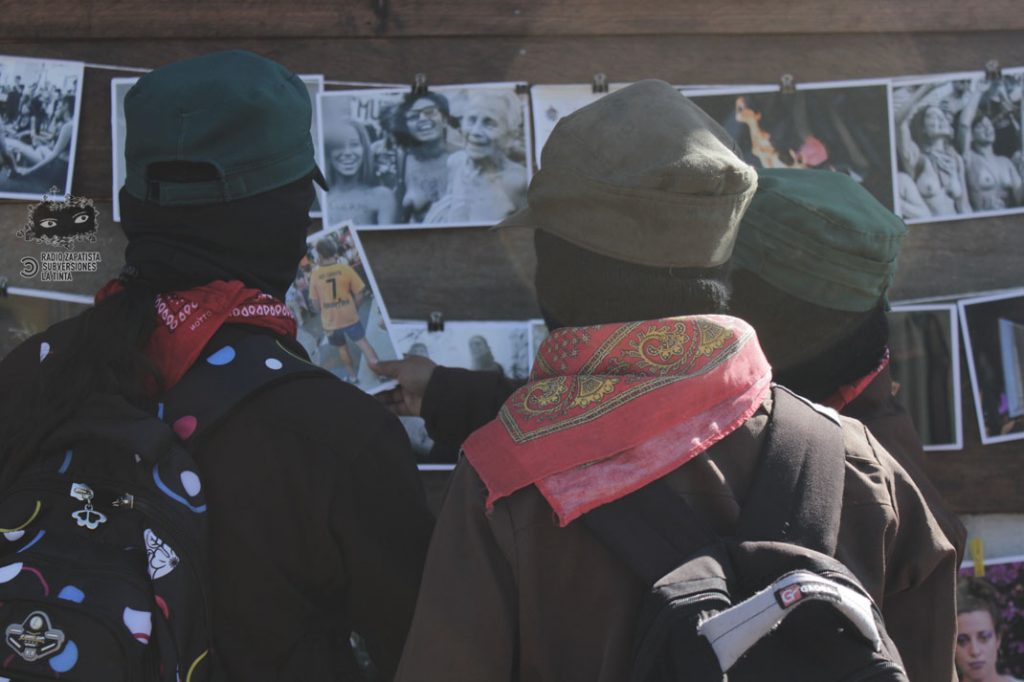
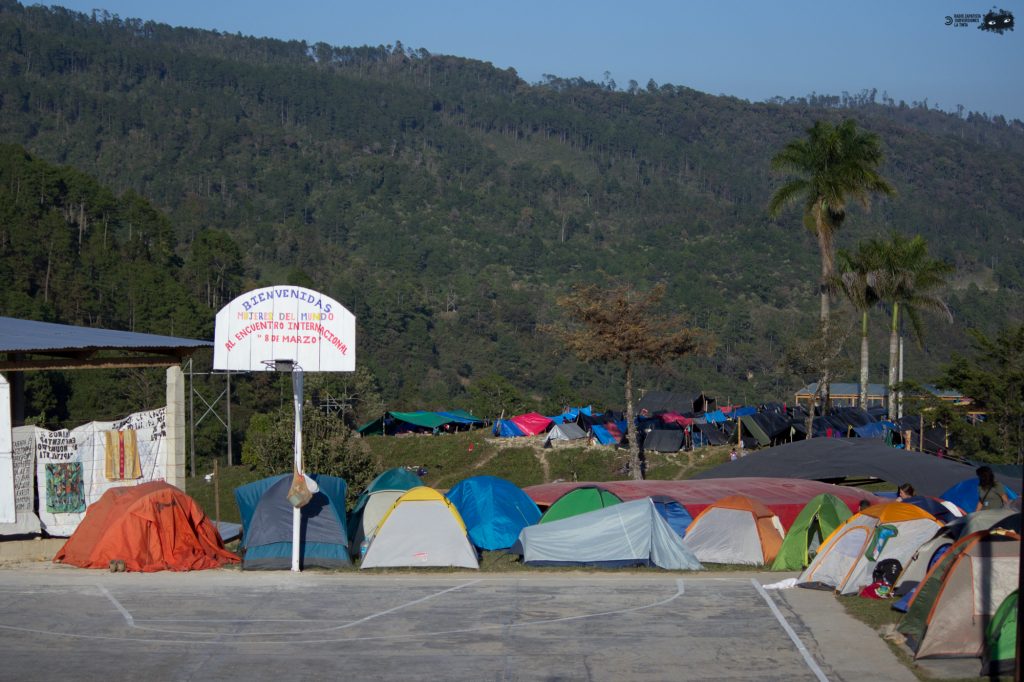
Un campamento enorme, dos habitaciones y diversos espacios habitables abrigaron a miles de mujeres del frío húmedo de la noche moreliana. Las compañeras zapatistas contaron con el apoyo de un equipo de mujeres encargadas de responder los correos, realizar los registros, organizar el transporte, los horarios y las actividades previas al encuentro y durante el mismo. En las palabras de clausura, agradecieron su apoyo, así como también el de los compañeros que se quedaron en las comunidades cuidando a las familias, a los animales, las casas, los cuarteles, los campos, pendientes de que “los malos gobiernos” no hicieran nada contra el Encuentro.
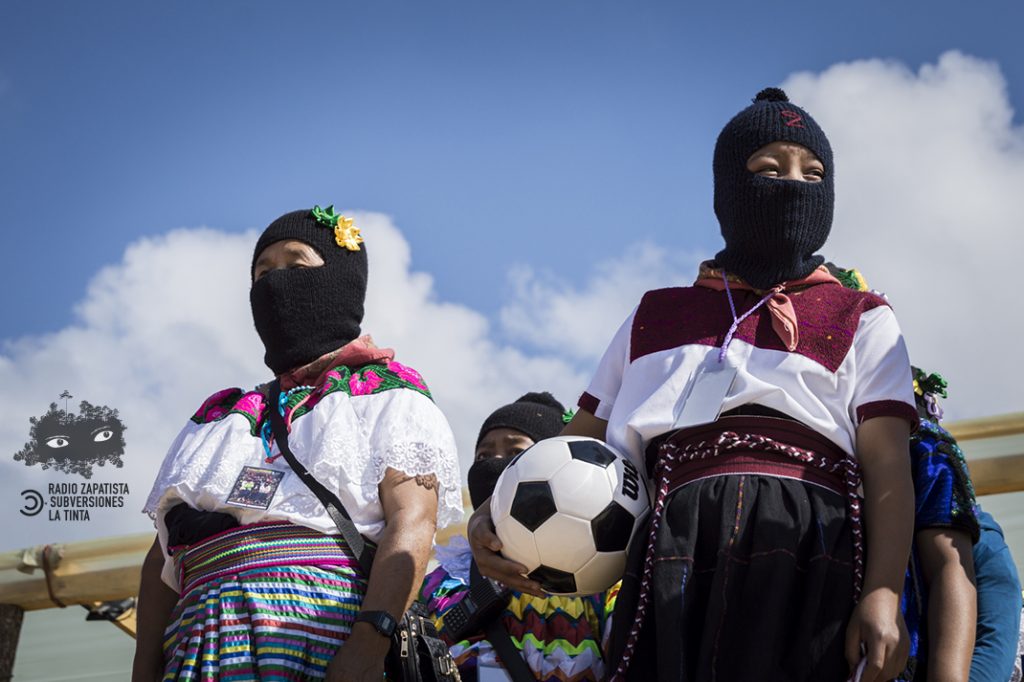
Palabras revueltas
(…) vendríamos seis mujeres zapatistas para cada una de ustedes: una pichita (que así les decimos a las que acaban de nacer), una niña, una jóvena, una adulta, una anciana y una finada. Todas mujeres, todas indígenas, todas pobres, todas zapatistas que te abracen fuerte, porque es el único regalo que podemos darte de vuelta.
(Discurso de clausura. Compañera Alejandra)
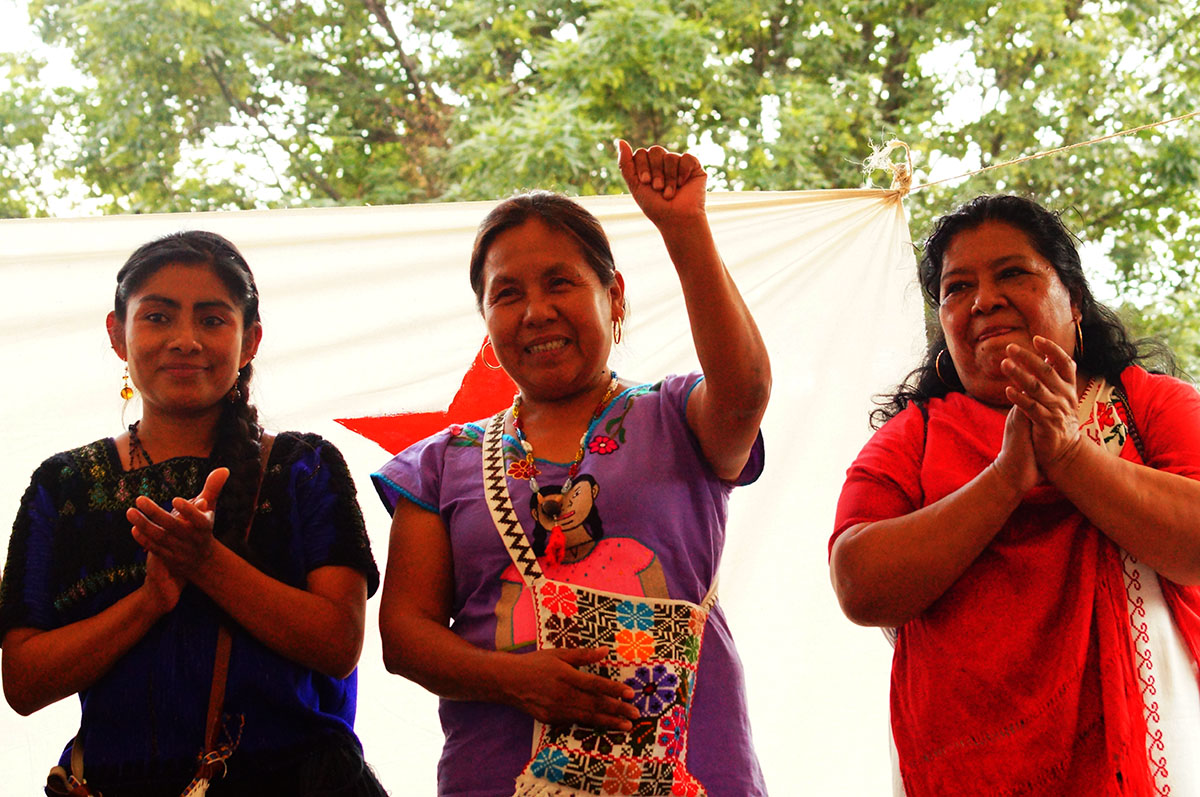
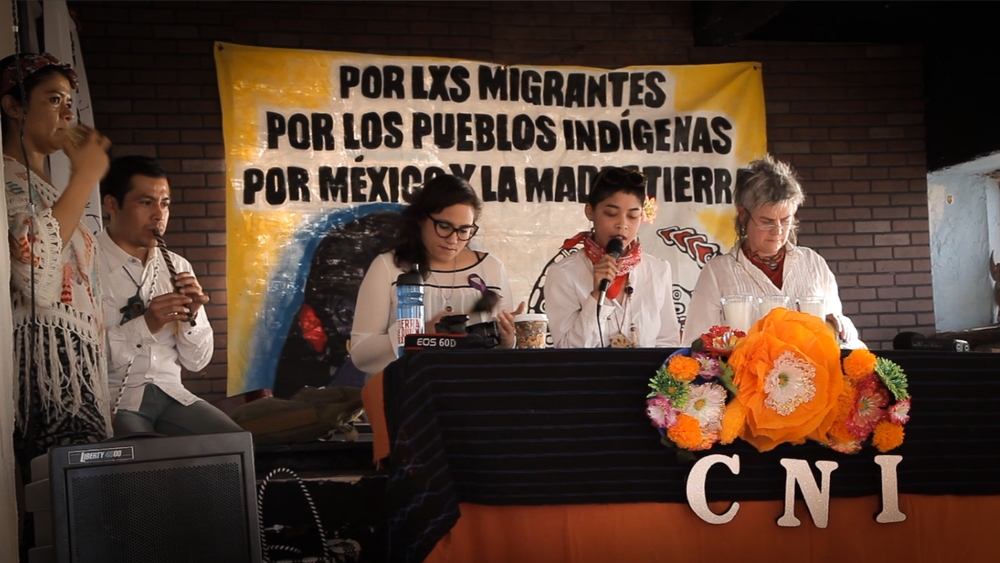
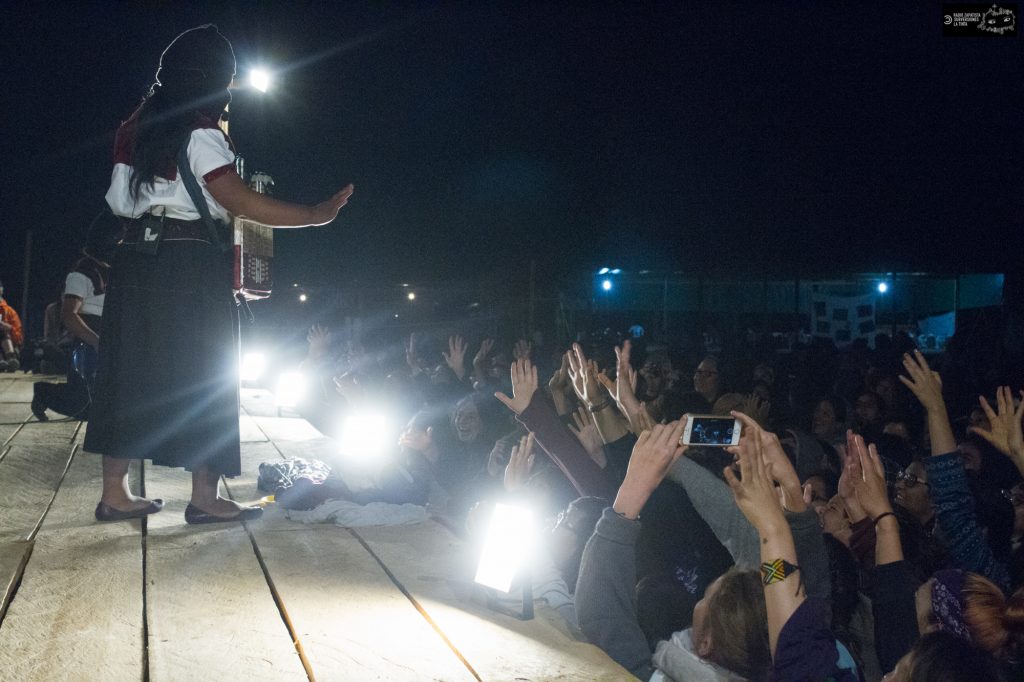
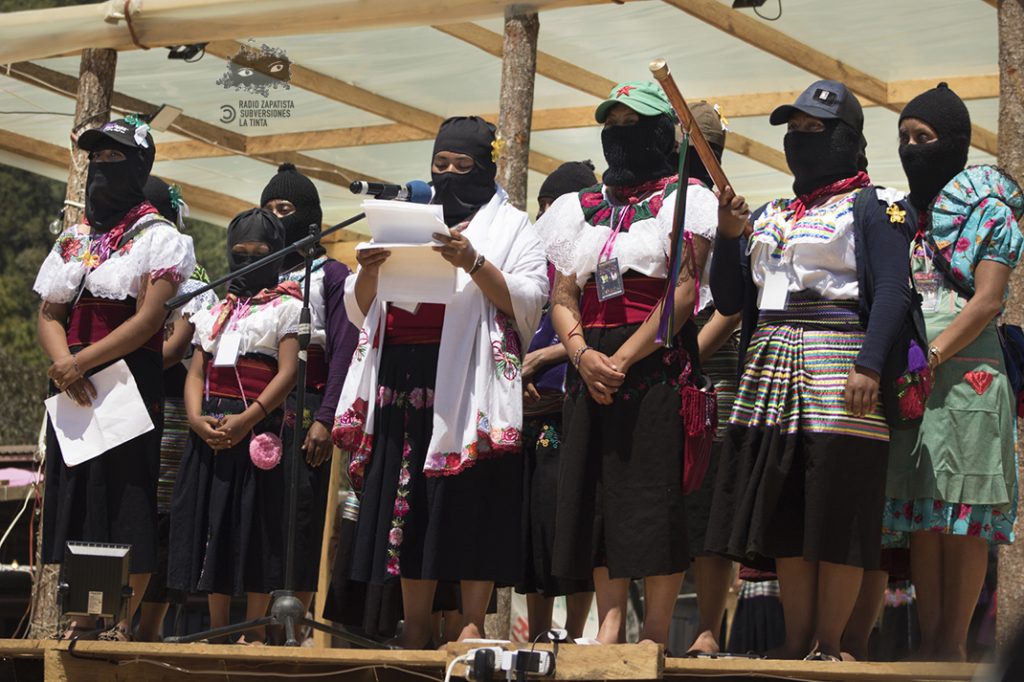
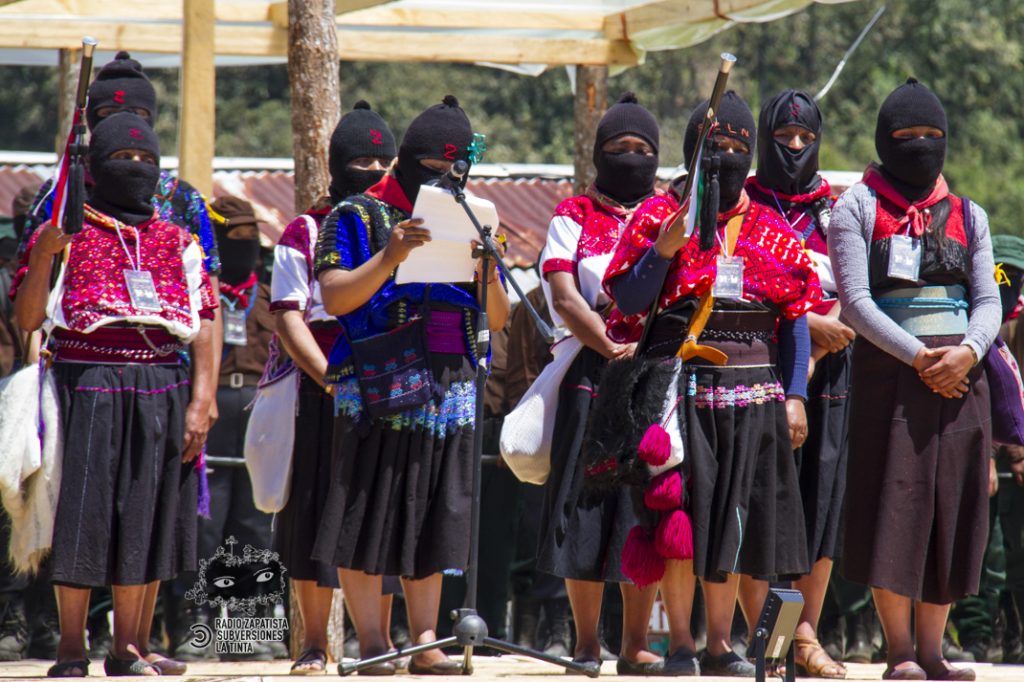
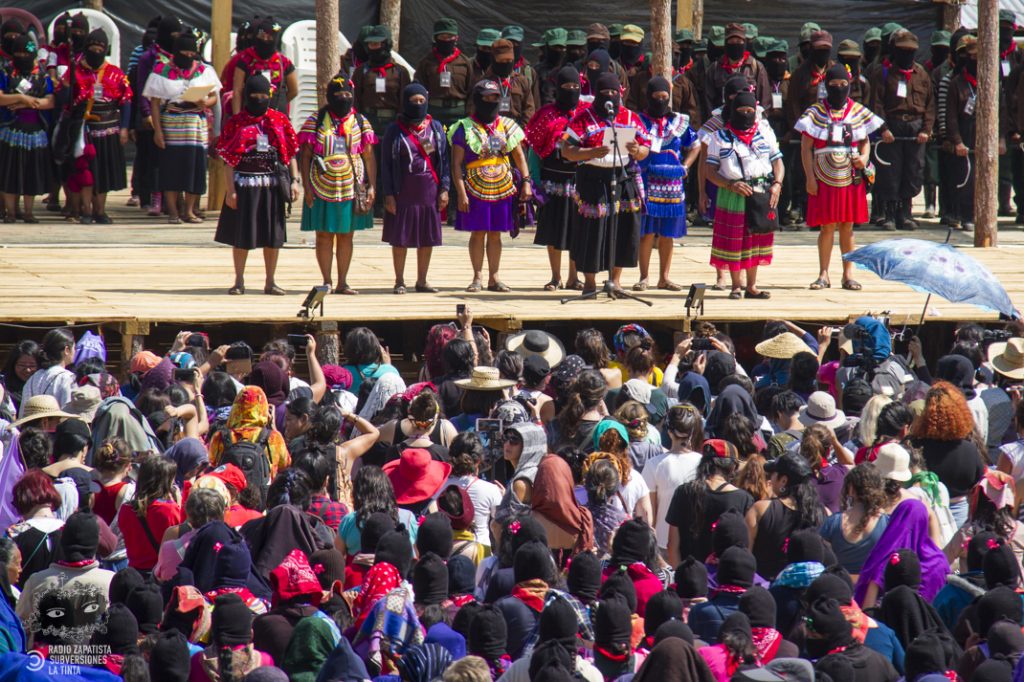
La insurgenta Érika fue quien leyó el discurso de apertura. Acompañada en el escenario por otras compañeras insurgentas, milicianas y juntas de buen gobierno, comenzó enviándole un abrazo a Eloisa Vega Castro, de las redes de apoyo al Concejo Indígena de Gobierno (CIG), quien murió cuando acompañaba a la delegación del CIG el pasado 14 de febrero.
Nos plantearon que su trabajo iba a ser el de cuidar el lugar para que no ingresaran los hombres: “porque lo sabemos, son mañosos”. Una risa cómplice (como muchas que sucederían durante todo el evento) se soltó entre todas las mujeres que estábamos allí escuchando atentamente las palabras de inauguración.
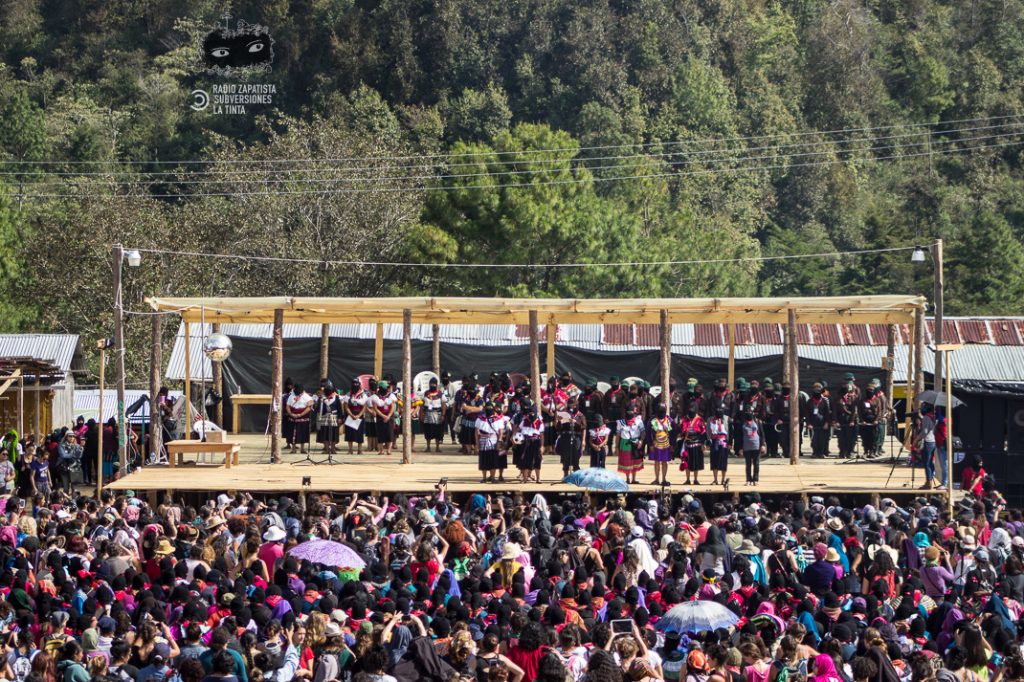
Las zapatistas no dudaron en dejarnos claro que su palabra es colectiva y que necesariamente lleva impregnada edades, historias y lenguas distintas. A través de la voz de Érika, hablaron muchas. Ella nos narró cómo su vida estuvo marcada por haber crecido en la resistencia y rebeldía zapatista de sus abuelas, sus mamás y sus hermanas mayores. Nos contó de su trabajo sin salario como sirvienta en una casa, donde no sabía hablar español; de cómo supo que había una organización que luchaba y empezó a participar como base de apoyo y a estudiar siendo parte de los trabajos colectivos junto a otras mujeres. En sus reuniones y en sus estudios políticos en la clandestinidad fue creciendo la rabia y el coraje para enfrentar a las patrullas militares que rondaban sus comunidades y, sin miedo, tomar las armas.
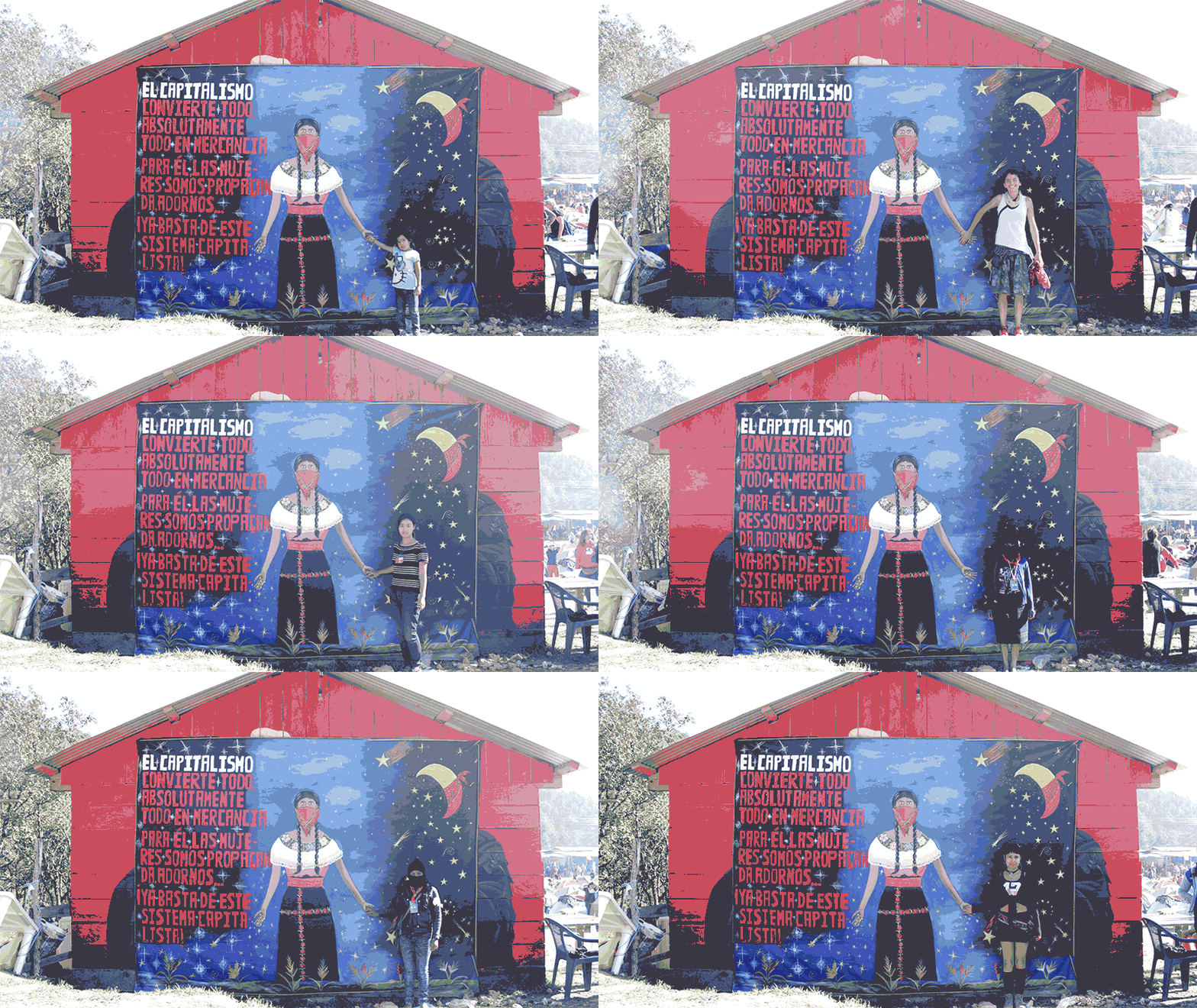
Las compañeras zapatistas nos recuerdan que no sólo el capitalismo es el que nos quiere destruir, sino que también tenemos que luchar contra el patriarcado, ese sistema que “les hace creer y pensar a los hombres que las mujeres somos menos y no servimos”. Pero no sólo a los hombres, nos aclaran las zapatistas, “también hay mujeres de las ciudades que nos desprecian que porque no sabemos de la lucha de mujeres, porque no hemos leído libros donde las feministas explican cómo debe ser y tantas cosas que dicen y critican sin saber cómo es nuestra lucha”.
Un bosque de mujeres
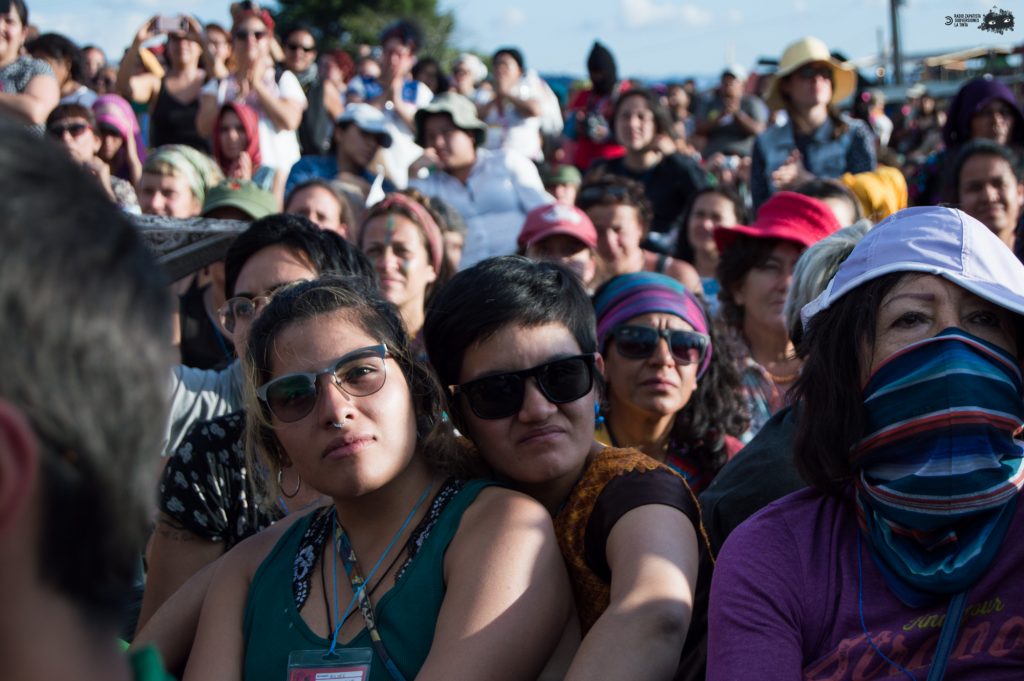
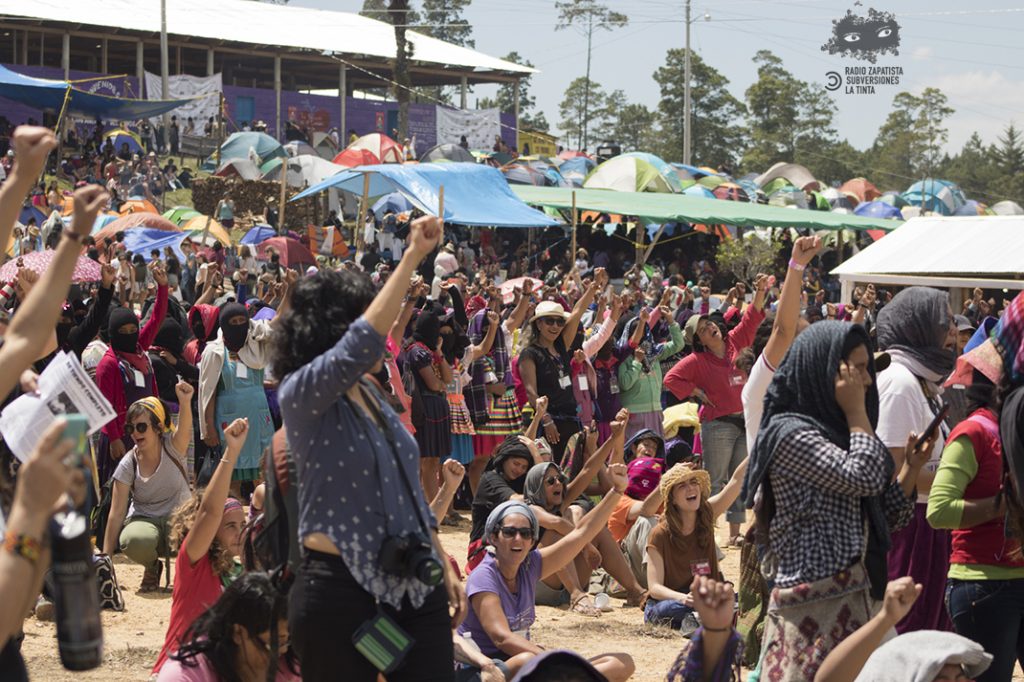
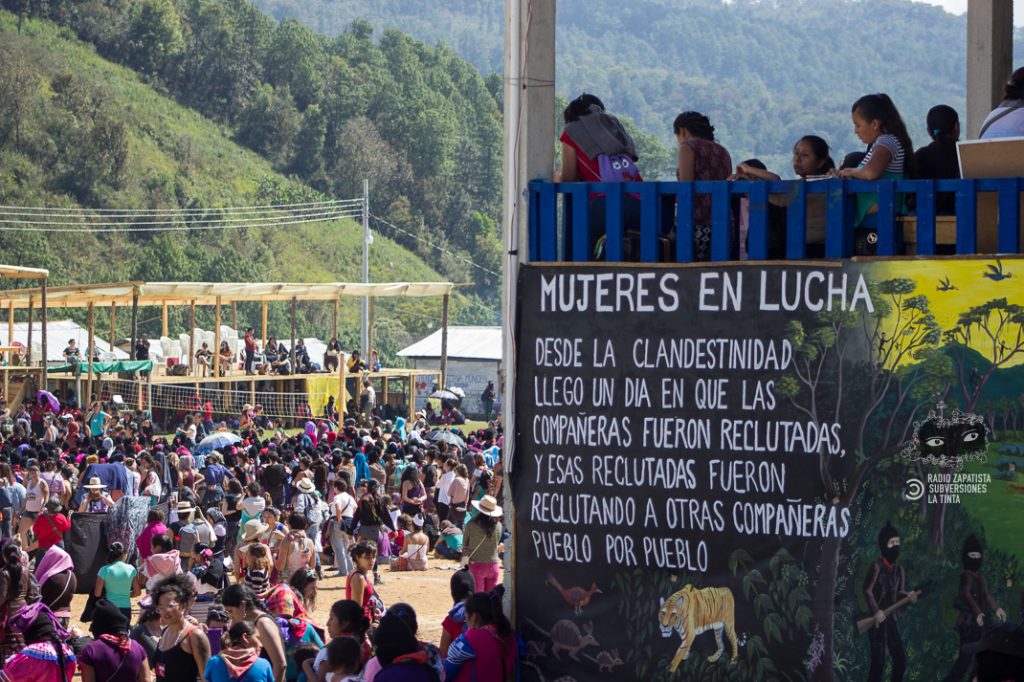
Entonces pues no basta un colectivo para organizar todo eso. Por eso llegamos aquí más de dos mil mujeres zapatistas de los cinco caracoles. Y tal vez no bastó, porque ustedes son como cinco mil, aunque algunas dicen que ocho mil y otras dicen que nueve mil. A saber cuántas mujeres que luchan llegamos en estos días, pero creemos que podemos estar de acuerdo en que somos un chingo.
(Discurso de clausura. Compañera Alejandra)
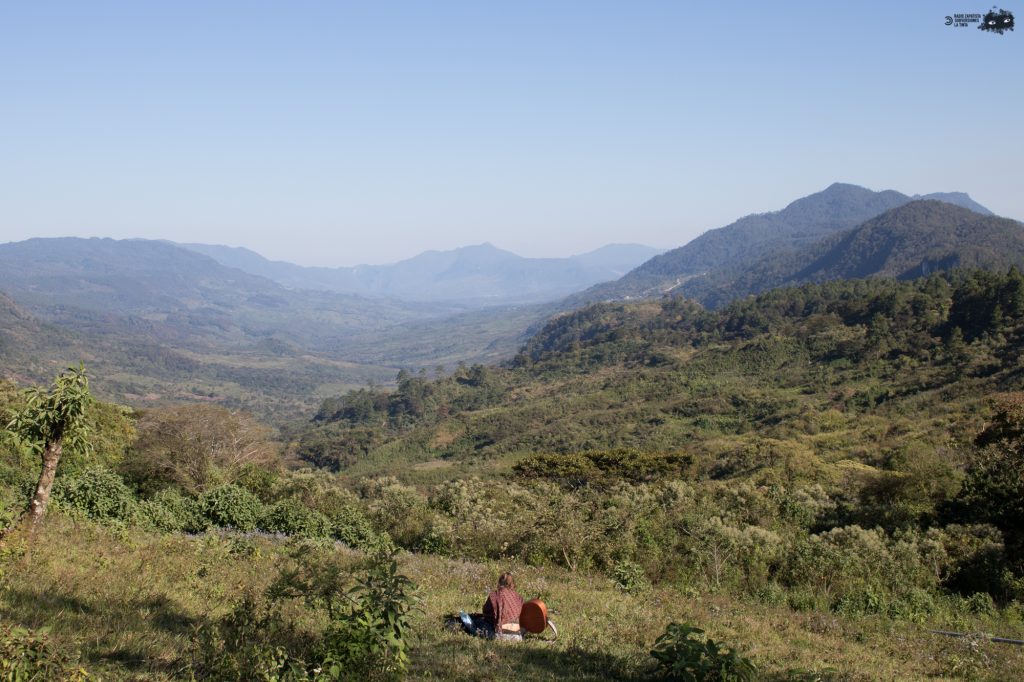
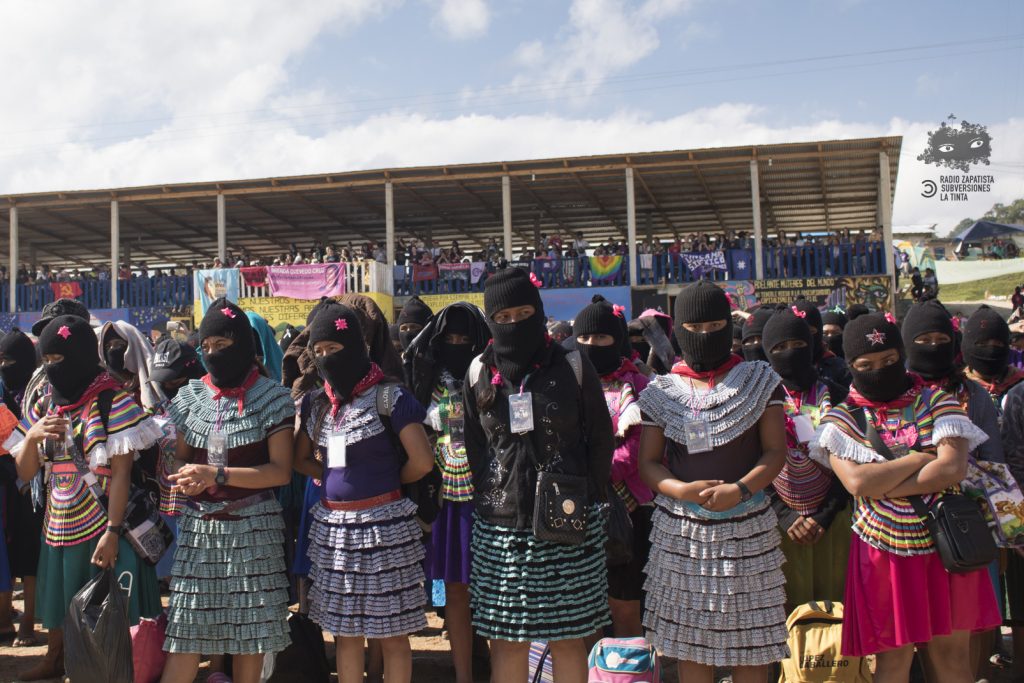
Las zapatistas saben que las formas de nombrar esa cantidad de árboles que rodean el lugar donde se realizó el Encuentro son distintas, y que cada árbol que es parte de ese bosque o monte, es diferente. Como sea que le llamemos a ese conjunto de árboles, nos permite pensarnos a nosotras, las mujeres, “diferentes e iguales” a la vez. Partir de que nuestros colores, tamaños, lenguas, culturas, profesiones, oficios, pensamientos y formas de lucha, son diferentes.
En la puerta había un gran cartel que decía “Prohibido entrar hombres”. El llamado fue claro. La convocatoria era para nosotras.
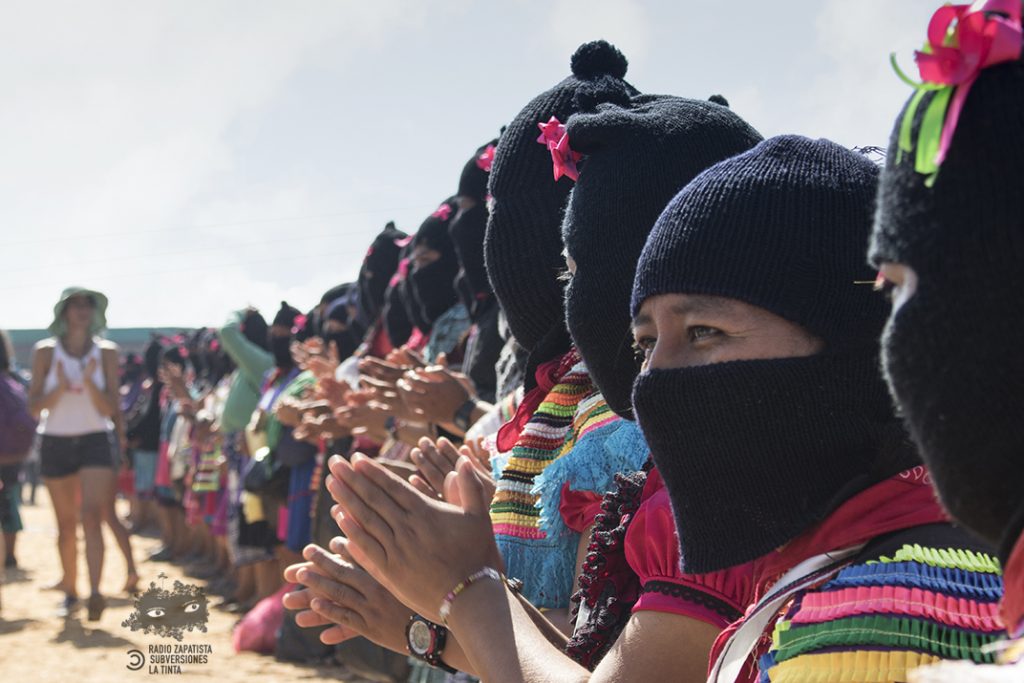
Ellas nos dijeron que podíamos elegir entre competir o escuchar y hablar y que sea lo que sea que eligiéramos, iba a ser nuestra decisión. Si decidíamos competir, de cualquier manera, no habría hombres que nos dijeran “quién gana y quién pierde”. Si elegíamos regalarnos baile, música, cine, video, pintura, poesía, teatro, escultura, diversión, conocimiento, tampoco sería bajo la mirada de los hombres. La elección fue clara: acordamos no competir y respetar nuestras diversidades. Mirarnos y abrazarnos en rondas de cuerpos incontables, mientras gritábamos “¡luchar, resistir, nuestro acuerdo es vivir!”. El acuerdo por vivir, se hizo entre mujeres del campo y de la ciudad, indígenas, autoconvocadas, artistas, feministas, luchadoras provenientes de los cinco continentes.
Carolina y Marina, las coordinadoras entrevistadas nos dijeron: “Vemos que la situación que hay es que muchas mujeres están siendo asesinadas. Qué culpa tenemos nosotras como mujeres que a cada día nos anden matando. Entonces pues, por eso mejor hacemos este encuentro para ver qué podemos hacer o si estamos de acuerdo que nos sigan matando cada día o qué debemos de hacer como mujeres. Por eso es que se hizo esto para ver si queremos seguir vivas, pues hay que hacer algo”. Lo primero, en palabras de las compañeras, es “no vendernos, no rendirnos, no claudicar”.
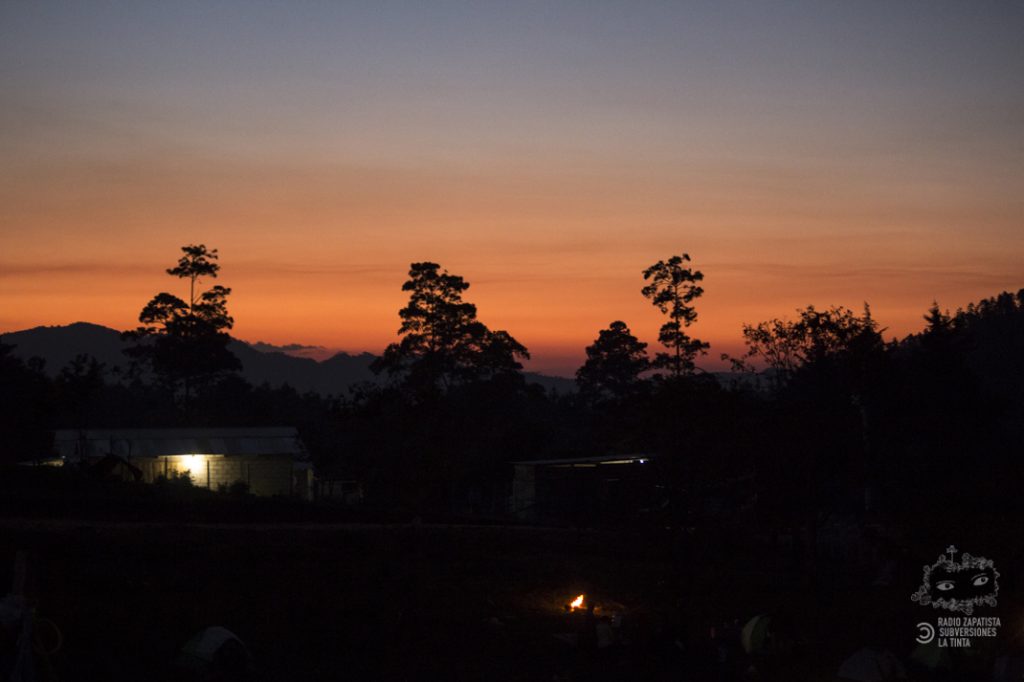
Luces encendidas en el cielo de Morelia
Llévala a las desaparecidas. Llévala a las asesinadas. Llévala a las presas. Llévala a las violadas. Llévala a las golpeadas. Llévala a las acosadas. Llévala a las violentadas de todas las formas. Llévala a las migrantes. Llévala a las explotadas. Llévala a las muertas. Llévala y dile a todas y cada una de ellas que no está sola, que vas a luchar por ella. Que vas a luchar por la verdad y la justicia que merece su dolor. Que vas a luchar porque el dolor que carga no se vuelva a repetir en otra mujer en cualquier mundo.
(Discurso de clausura. Compañera Alejandra)
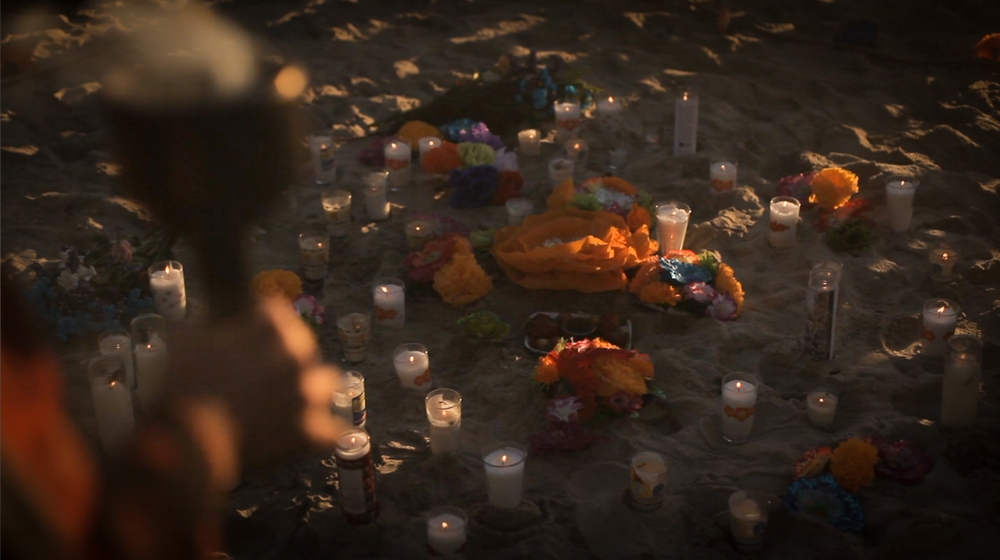
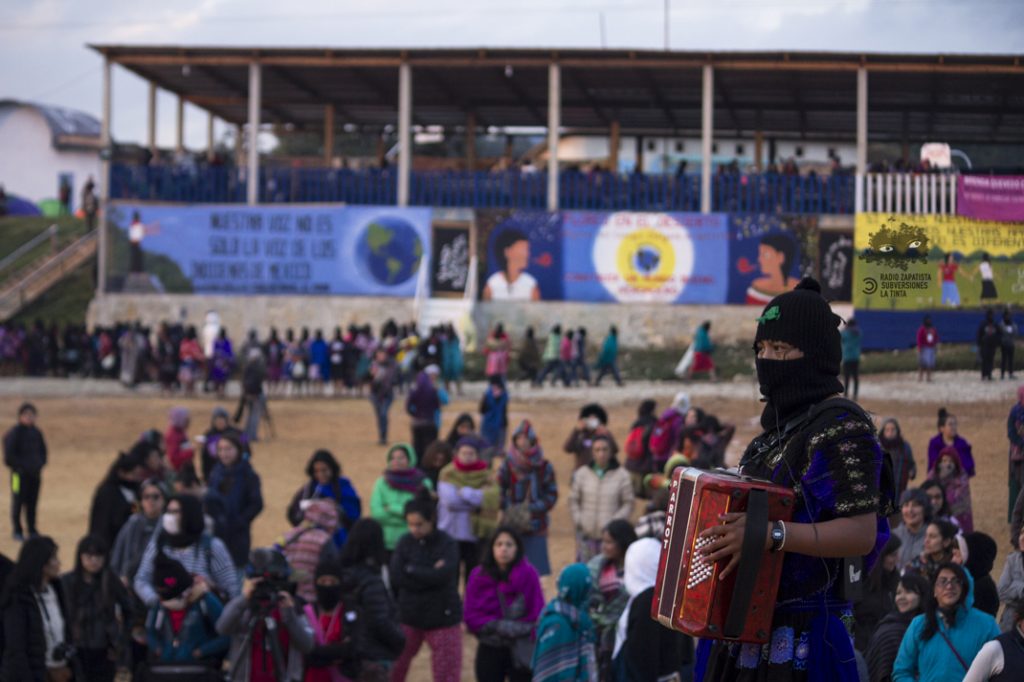
La noche del 8 de marzo el Caracol quedó completamente a oscuras. En uno de los auditorios de dos pisos y a lo largo de la cancha de fútbol, las compañeras zapatistas encendieron simultáneamente más de dos mil velas. Una pequeña luz para que, finalizado el Encuentro, la llevemos a nuestras tierras. Para volver a encenderla en nuestros corazones, en nuestros pensamientos y en nuestras tripas.
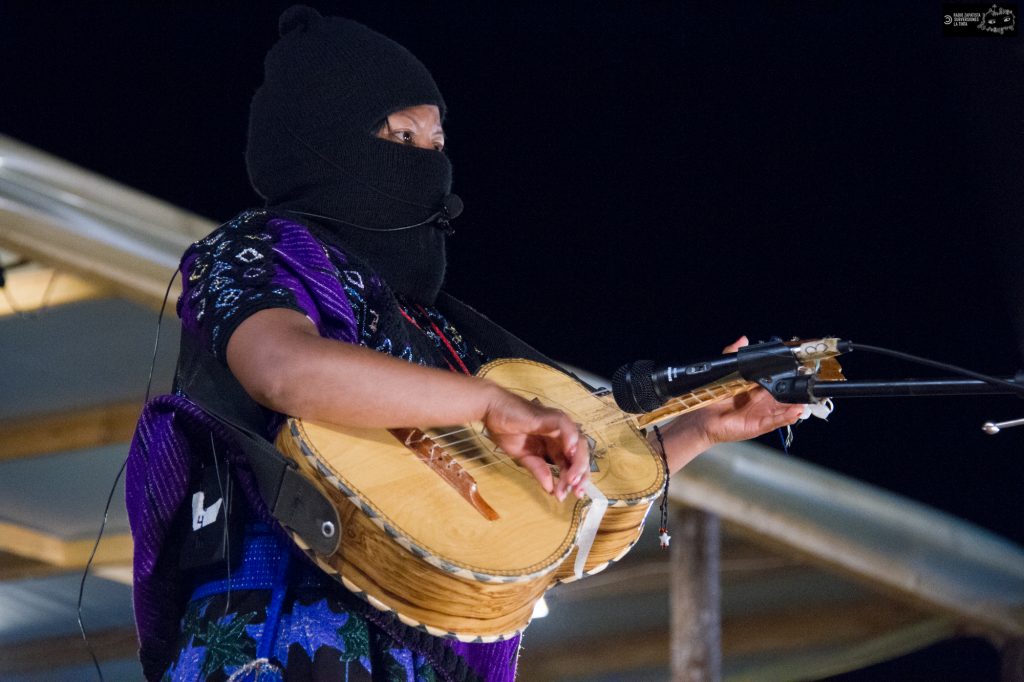
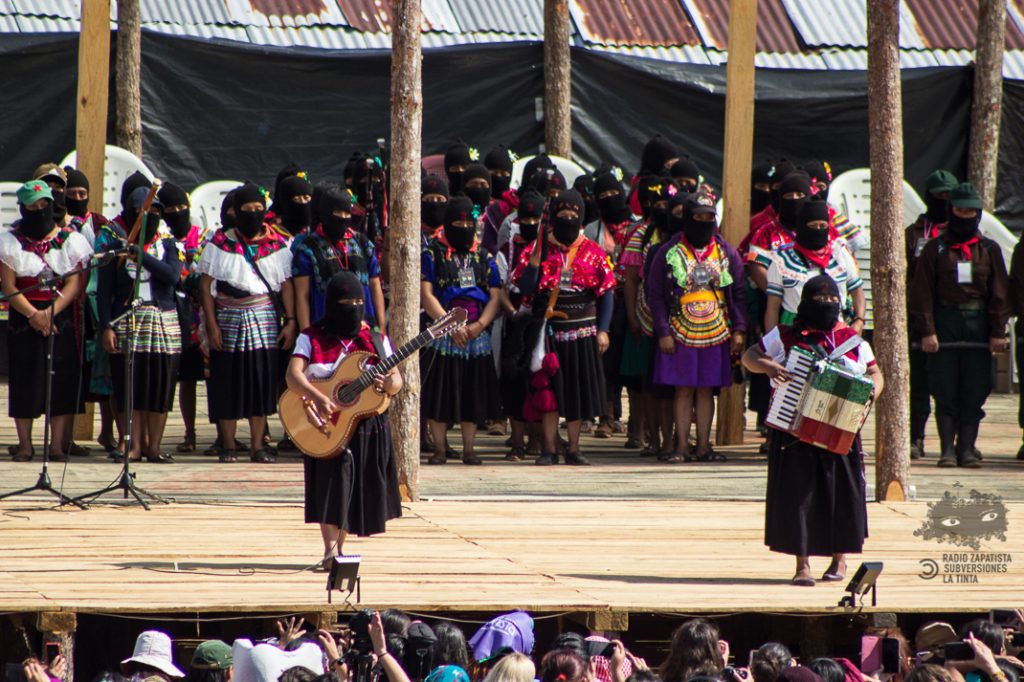
Anteriormente habíamos escuchado los discursos de inauguración y la historia de las compañeras de cada Caracol, expresadas también artísticamente en obras de teatro y en las voces de las mujeres de “Dignidad y la Resistencia”, banda musical de Oventic.
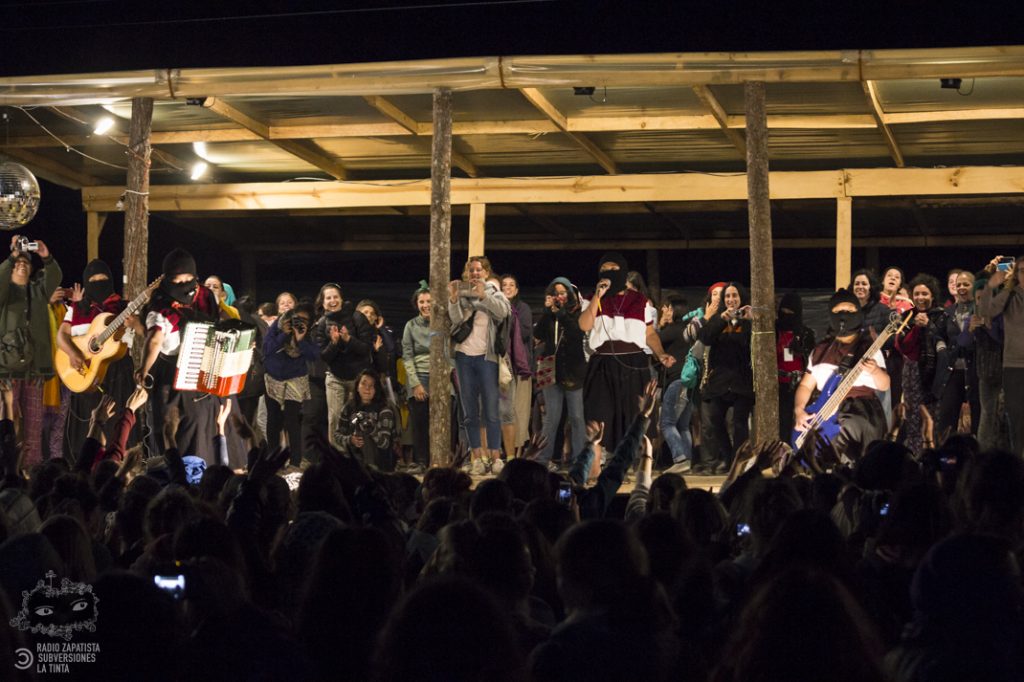
También nos hicieron varias propuestas, a todas dijimos que ¡sí! Acordamos “seguir vivas y seguir luchando, cada quien según su modo, su tiempo y su mundo”. Acordamos estudiar, analizar, discutir en nuestros colectivos el sistema patriarcal, para, si se puede, “nombrar quién o quiénes son los responsables de nuestros dolores que tenemos”. Y acordamos también, volver a reunirnos en un segundo encuentro el próximo año “pero no nada más aquí en tierras zapatistas, sino que también en sus mundos de cada quien, de acuerdo a sus tiempos y modos”.
Queda la urgencia de iluminarnos entre nosotras, compartir esas luces y llevarlas a otras mujeres: “llévala y, tal vez, luego llegue en tu pensamiento que no habrá ni verdad, ni justicia, ni libertad en el sistema capitalista patriarcal. Entonces tal vez nos vamos a volver a ver para prenderle fuego al sistema. Y tal vez vas a estar junto a nosotras cuidando que nadie apague ese fuego hasta que no queden más que cenizas”. Mientras eso ocurre, mientras “ese día que será de noche” llegue, seguiremos practicando, entrenando para estar sabedoras de lo más importante que se necesita. “Y eso que se necesita es que nunca más ninguna mujer, del mundo que sea, del color que sea, del tamaño que sea, de la edad que sea, de la lengua que sea, de la cultura que sea, tenga miedo. Porque acá sabemos bien que cuando se dice ‘¡Ya basta!’ es que apenas empieza el camino y que siempre falta lo que falta”.
Escucha y descarga las palabras de inauguración y clausura del Encuentro:
(Para descargar, haz clic con el botón derecho sobre el título del audio.)
[:]