Archivo por autor:
A Whale in the Mountains of Southeastern Mexico
Sixth Commission of the EZLN
Mexico
December 2019.
To the National Indigenous Congress – Indigenous Governing Council:
To the individuals, groups, collectives and organizations of the Sixth in Mexico and internationally:
To the Networks of Resistance and Rebellion:
To film-lovers everywhere:
Considering, first and only, that:
A WHALE IN THE MOUNTAINS OF SOUTHEASTERN MEXICO
(Creatures and their Creators)
You have no idea how you ended up here in this place, though it seems it’s becoming something of a habit… “The traditions and customs of cityfolk,” you remember the late SupMarcos saying. You also remember how annoying he found those sarcastic comments…well, not just those comments. The afternoon has given way to evening. You stop, noticing in the distance a red, five-pointed star at the top of a mountain, with an enormous sign with so many letters that you can’t make out its message. Even more distant, you can make out the blue-gray silhouette of a braying horse with huge, illuminated letters that state, laconically: “TULAN KAW ZAPATISTA.”
At the entrance, the girl who guided you through that first impossible movie theater and her gang of kids approach you. You’re not sure whether to run, pretend not to know them, or freeze and see what happens. Any semblance of a strategy collapses because the girl takes you by the hand and chastises you: “Late again.”
You all cross through a wide flat space that appears to be set up like a county fair. You take a winding route through dozens of different “stations,” each booth with its own light-and-sound show, people dressed up as monsters, circus performers, and trapeze artists; over here there’s someone teaching art, and over there you can hear music, singing and dancing. People crowd together at their favorite “station”, laughing and shouting with delight and surprise, and, of course, taking selfies. At the edge of the path through the stations there’s a huge screen. You’re about to say, “Looks like a drive-in theater,” but a nearby sign reads: “Walk-In Theater. Tonight: Cantinflas and Manuel Medel in Águila o Sol[i]. Tomorrow: Piporro and Pedro Infante in Ahí viene Martín Corona[ii].”
The girl leads you through the zigzagging path. Up ahead, a strange being, like a cat or a dog, is flanked on both sides by other girls and boys all talking at the same time.
You try to make out what they’re saying, but just then you see a huge banner with the face of…Boris Karloff?[iii] made up like the monster from Frankenstein, with a coffee cup in one hand and a half-eaten sweet bun in the other. The banner’s text repeats an ancient truism: “Nothing like coffee and a snack to bring you back to life.” Farther on another sign reads: “Maxillofacial Surgery. Get your best face and an irresistible smile!” with images of the monster from Alien from the series’ various prequels and sequels. You instinctively evaluate the cheeks from each version and shudder.
Amidst lots of brightly-colored lights there is a long mess hall (you can make out signs reading “ZAPATISTAS” and “WELCOME”). You’re about to say that it’s a bit chilly and that a hot coffee and a snack wouldn’t hurt when you see on one of the walls another banner with Edward James Olmos’ face announcing, “Soft-boiled sushi. Origami classes. Pest control. Bow ties. Gaff & Company.” Higher up, as if suspended from the ceiling, there’s an animated image of the geisha from Blade Runner. You pause for a moment trying to guess how such a novelty is possible, but the crowd behind you pushes you forward.
Almost at the end of the winding route of “stations,” there’s a table with a large model of what appears to be a future construction and a sign reading “Theater Project” with a collection box labeled “Anonymous Donations.” Behind an artisan shop nearby you see an image of a Facehugger advertising scarves and sleep eye-masks for sale.
Before you lies a path studded with lights and the silhouette of a large red star, and amidst some rubble, apparently placed there on purpose, flash images of a dystopian backdrop. The flickering lights barely illuminate the forest around you and the mountain above. Instead of individual trees, it’s as if the Zapatistas had strung the entire mountaintop with lights and the trees were merely branches on that great, hulking pine.
You decide that it would be best to turn around; nothing normal happens in Zapatista territory… at least, not to you. Every time you’ve come you’re left feeling somewhat discontent with and skeptical of yourself, and it takes you several days of your regular routine in the city to feel normal again. So you take a few steps back, looking for an opportunity to turn around without the boys and girls seeing you…
But then you see it, and stop dead in your tracks.
You tell yourself you’ve seen everything – that’s what the internet and its bandwidth are for – but what you’re seeing now is so illogical that… Well, you grab your cell phone and try to take a panoramic photo but you realize immediately that it’s impossible. You would need a satellite to capture the whole scene, because it’s clear that all of it is part of a puzzle and that to put it together you’d have to walk… and close your eyes.
But when you open your eyes, it’s still there. An enormous structure. A sort of huge hangar which, in seeming defiance of the laws of physics, extends back until it gets lost in the trees and the moist mountain surface. It’s like a galley whose figurehead is a red, five-pointed star. You wouldn’t be surprised if, in your peripheral vision, tons of small windows opened and dozens, hundreds, thousands of oars came out… and if inside, “writing in the sea[iv],” was the one-armed man of Lepanto.[v] It looks like a galleon, or a whaling ship… No, more like a lost whale who, trying to swim against the current, up the mountainside, has taken a rest among the trees and people—a lot of people, of all sizes and all colors. Even though most of them have their faces covered, their clothes are like a kaleidoscope moving around the great whale, absurd here in its stopover halfway up the mountain, just as everything that happens here is absurd.
No, it didn’t occur to you that this might be the “Pequod,”[vi] but rather the legendary whale from Moby Dick with which Gregory Peck[vii] and Herman Melville were obsessed.
You’ve seen several signs that say “Film Festival,” but you haven’t seen any references to John Huston’s film or Melville’s novel. Then you remember something the Zapatistas once said: “We are speaking for another time. Our words will be understood in other calendars and geographies.” Even so, you are willing to respond with “Call me Ishmael”[viii] if anyone asks your name, but then you notice three large banners covering one side of the structure. On the middle banner, embroidered with images of rope and spears, you read:
Trempülkalwe
“That’s the Mapuche language, Mapudungun,” you hear someone explain to someone else. A little above that line the banner reads “MARICHEWEU! Ten, one hundred, one thousand times we will win.” As if to ratify that statement, ten, one hundred, one thousand masked people swarm around you, Zapatista young people, men, women, and otroas—the rowers on this paradoxical and good-spirited old galley—whose very existence, whose lives, seem to point to a triumph over a past that promised them nothing but death and oblivion.
You encounter this Mapuche cry of resistance and rebellion here in the mountains of the Mexican Southeast. Why does Zapatismo greet that originary people in this manner in these lands? Why the effort to take an ancestral history of resistance and rebellion from the continent’s southern tip and plant it here in these mountains—a place called “Tulan Kaw” (“strong horse” in Tojolabal and Tzeltal)—creating an irrational and anachronistic link between two resistances and rebellions with the same objective, the defense of mother earth?
You’re trying to decipher that puzzle when the kid gang pushes you into the belly of the whale…okay, fine, the auditorium. Inside there are lots of wood benches arranged in tiers following the slope of the mountain, and a stage with tables, three screens (the Zapatista version of 3D), speakers, and a bunch of cables spilling out like entrails.
“Wait for us here. We’re going to go get some popcorn,” the little girl tells you. You start to say that you didn’t see any popcorn vendors but the kid gang has disappeared, exiting the belly of the whale…okay, okay, the auditorium. While you wait you look around the inside of the building. There are beings of all sorts on the benches, and on stage are people who, you assume, make films. They are talking about film as if responding to questions that, as far as you can tell, nobody has asked… at least, nobody you can see. Or maybe they’re just talking to themselves.
The little girl and her gang come running back in, all carrying bags of popcorn. The little girl gives you a bag and explains, “I only put a little bit of salsa on them so you wouldn’t get a stomach ache.” The entrance of the kid gang serves like a signal and the rest of the crowd leaves en masse. The people on stage heave a sigh of relief. One confesses, “Phew! Now I remember why I chose to work in film!” Another says, “This is like a horror film mixed with a thriller and a science fiction flick. I fear the screenplay holds nothing good in store for me.” And another adds, “To be honest, I didn’t know how to answer her, she just had too many questions.” “True,” says still another, “it’s like being on trial but without a defense attorney… and knowing you’re guilty.”
The little girl whispers in your ear, “If SupGaleano comes looking for us, you tell him that we’ve been here the whole time, that you brought the popcorn yourself from the city and shared it with us. Even if he’s angry, don’t give in, remain firm! Resistance and rebellion, you know.” Just then you hear over the loudspeaker: “Please report any information or tips on the location of one cat-dog, wanted for theft of strategic material from the office of the General Command. The suspect tends to travel in the company of a gang of kids who… okay fine, forget the kids, but the cat-dog is unmistakable.” The aforementioned, with what you could swear is a mischievous smile, burrows into the little girl’s lap.
You are weighing the wisdom of lying to a Subcomandante when everyone comes back in with fragrant bags of popcorn and takes their seats. From the stage, someone says, “Nobody has any frivolous questions? I mean, to get back to normalcy and make everyone believe that this is a film festival like any other.”
“Would you look at that,” you say to yourself, “a film festival where explanations, reason, and reflection are expected. As if a great big question mark had appeared on the screen and everyone (todas, todos, todoas) was expecting…what are they expecting? The little girl responds with a confession, “See, the thing is, we’re all kind of happy that these people who make film came here, because what if they are sad or their hearts anxious because they don’t know where these things they created ended up? It’s a good point, right? So we invited them to come and tell us if they are okay, or not okay, or depends. Maybe they’ll even start to dance and eat popcorn and their hearts will be glad,” the little girl says with her mouth full and her cheeks stained bright with salsa.
It seems like there’s an intermission, so everyone, including you, leaves the building. To your surprise, there is now a mobile popcorn vendor outside followed by a long curving line of kids waiting their turn, like a comet with a trail of lights. It looks like there’s another vendor a little ways off, and you can make out another still further away. You get in line and once you have your bag of popcorn you stare in wonder at the absurd movie theater with its rebellious inclinations, challenging all logic and the law of gravity itself…
The mythical Mapuche whale, Mocha Dick, swimming up the mountain, with all these people in its wake… “and mid most of them all, one grand hooded phantom, like a snow hill in the air,” (Moby Dick. Herman Melville, 1851).
The irreverent cetacean as part of the jigsaw puzzle.
Film as something more, much more, than a movie.
As if all this were just part of a bigger jigsaw puzzle, you see a giant poster announcing a dance festival, another about the defense of territory and mother earth, another about an international gathering of women who struggle, another about a birthday, and signs, lots of them, signaling bathrooms, showers, internet, supplies, “a world where many worlds fit,” the Junta de Buen Gobierno (Good Government Council), the Zapatista Autonomous Municipality in Rebellion, the Information and Vigilance Commission… at this point you wouldn’t be surprised to run into Elías Contreras, sitting and smoking outside a hut with “Investigation Commission” inscribed over the doorway.
You detect a lot of loose pieces. There are some people who can only be differentiated from the locals because they have a nametag that reads “National Indigenous Congress” and, of course, they don’t have their faces covered. There are also “citizens” or “cityfolk,” which is what Zapatismo calls those who live or at least survive in the city. You’re exasperated to realize there are and will be many more pieces. It’s as if Zapatismo has set out to challenge humanity with enigmas…or with the silhouette of a world, another world.
It’s as if your life mattered to someone you don’t even know. Someone for whom you may have done much, or a little, or nothing, but who takes you into account in any case. It’s as if only now do you realize that this “Caracol of Our Lives” includes you and yours…ten, one hundred, one thousand times over.
This piece of the puzzle, film, like life, takes place inside a whale injured on both sides, swimming upstream in the mountains of the Mexican Southeast…
But that’s impossible… isn’t it?
-*-
Given the above, the EZLN’s Sixth Commission invites the men, women, otroas, children, and elders of the Sexta, the CNI, and the Networks of Resistance and Rebellion around the world, as well as those film fanatics who can and want to come, to the Film Festival:
“PUY TA CUXLEJALTIC”
(“Caracol of Our Lives”)
The second edition of which will be held in the Zapatista Caracol of Tulan Kaw, in the mountains of the Mexican Southeast, December 7-15, 2019.
The film schedule and festival activities will be posted at the Festival.
From the mountains of the Mexican Southeast,
SupGaleano,
Chasing after the most terrible mutation of Xenomorph: the Cat-Dog.
What? Well, because he stole my popcorn. And film without popcorn is like… how can I explain it?
Like tacos without salsa, like Messi without a ball, like a donkey without a rope, like a penguin without a tux, like Sherlock without Watson, like Donald Trump without Twitter (or vice versa)…
wha? Okay, that was another bad example.
Mexico, December 2019
[i] Águila o Sol (1937): One of the first films starring Mexican comic Cantinflas.
[ii] Here Comes Martin Corona (1952): Mexican comedy Western starring Pedro Infante.
[iii] Stage name for William Henry Pratt [1887-1969], a British actor who played Frankenstein’s monster in the original 1931 film.
[iv] To row.
[v] Miguel de Cervantes, whose lost use of his left arm after a suffering a gunshot wound in the naval Battle of Lepanto against the Ottoman fleet.
[vi] The fictional 19th-century whaling ship that appears in the 1851 novel, Moby Dick.
[vii] Peck starred in John Huston’s 1956 film Moby Dick as Captain Ahab.
[viii] Chapter One of Moby Dick begins with the words «Call me Ishmael,» as narrated by the only surviving crewmember of the Pequod.

(Español) En Brasil se teje la resistencia y rebeldía indígena, negra y popular
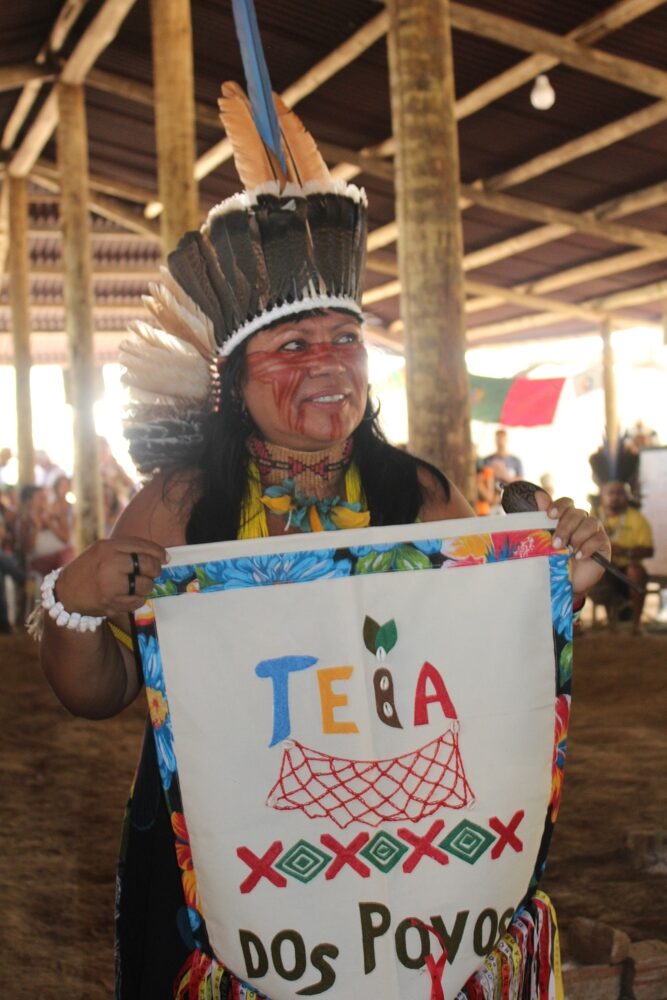
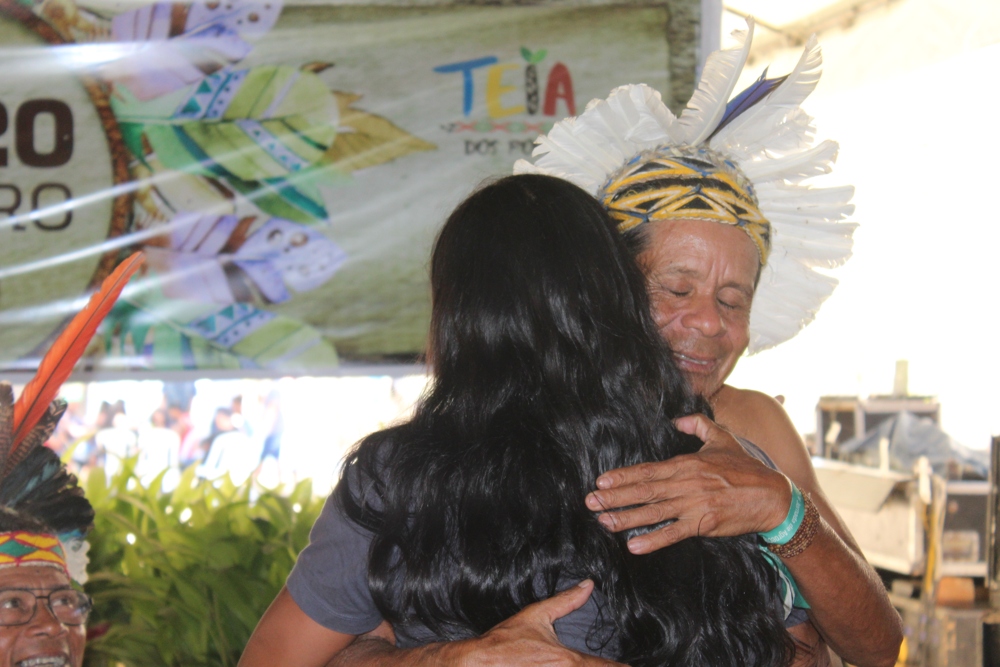
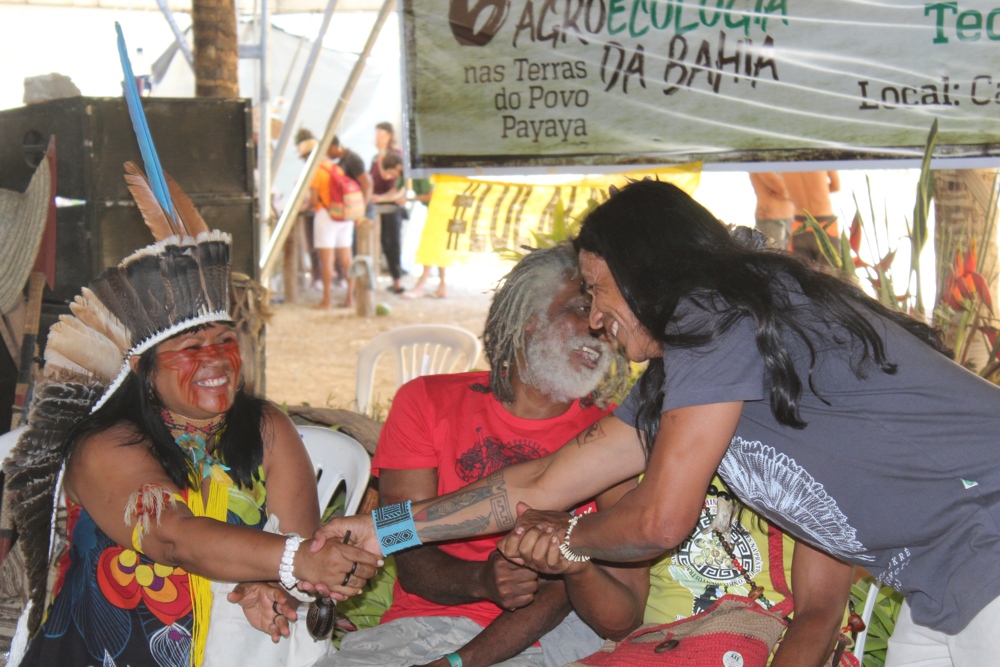
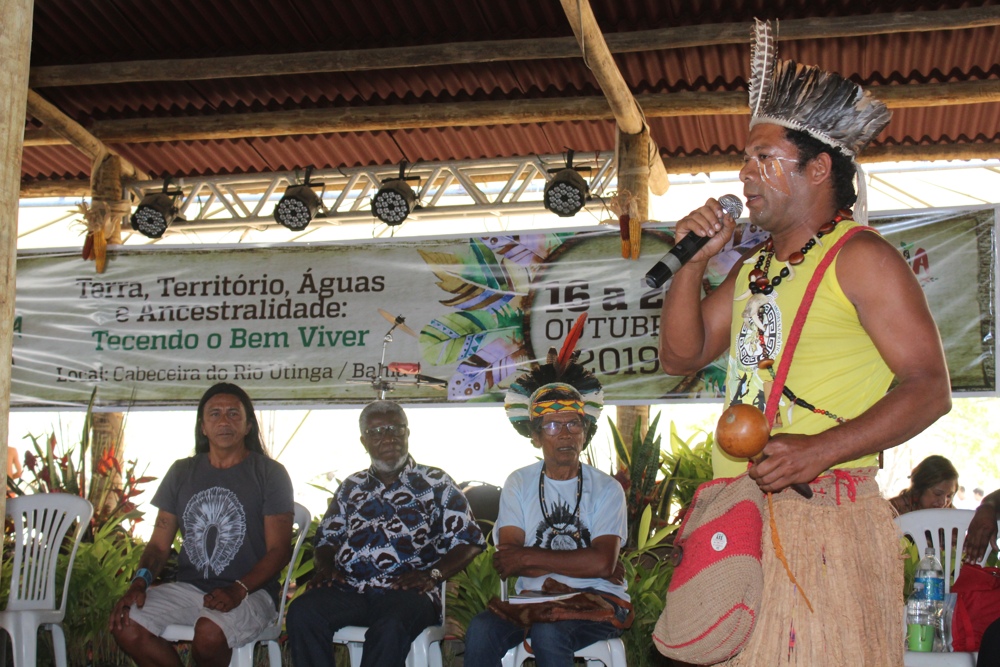
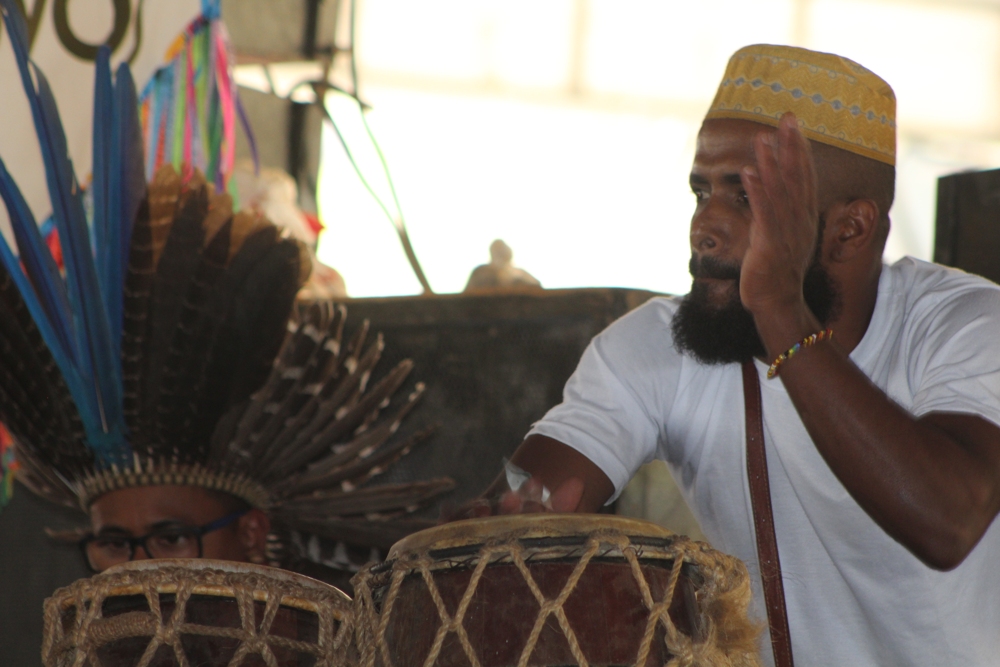
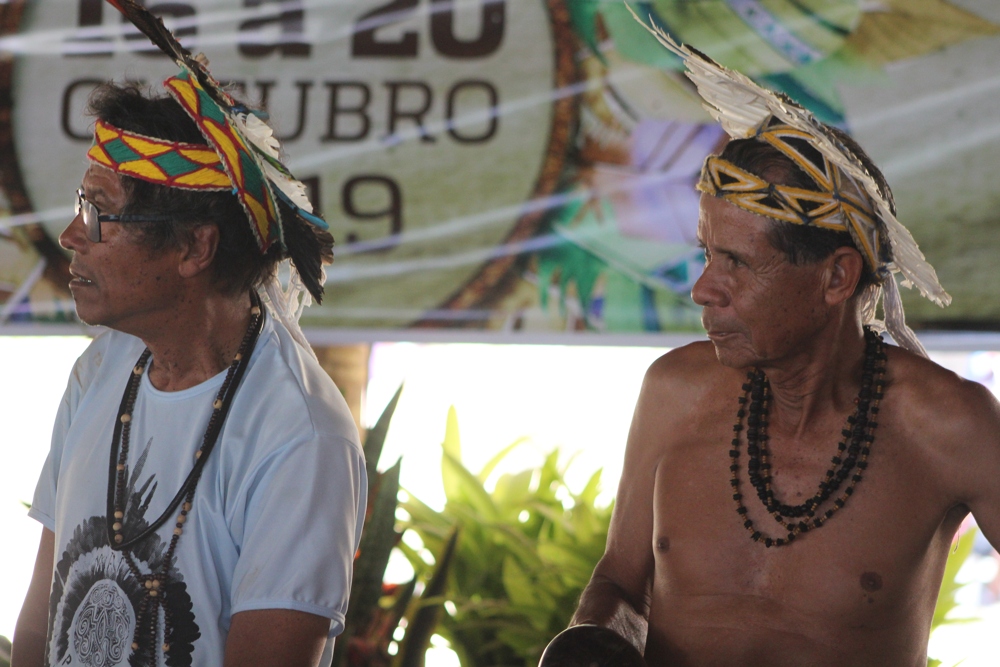
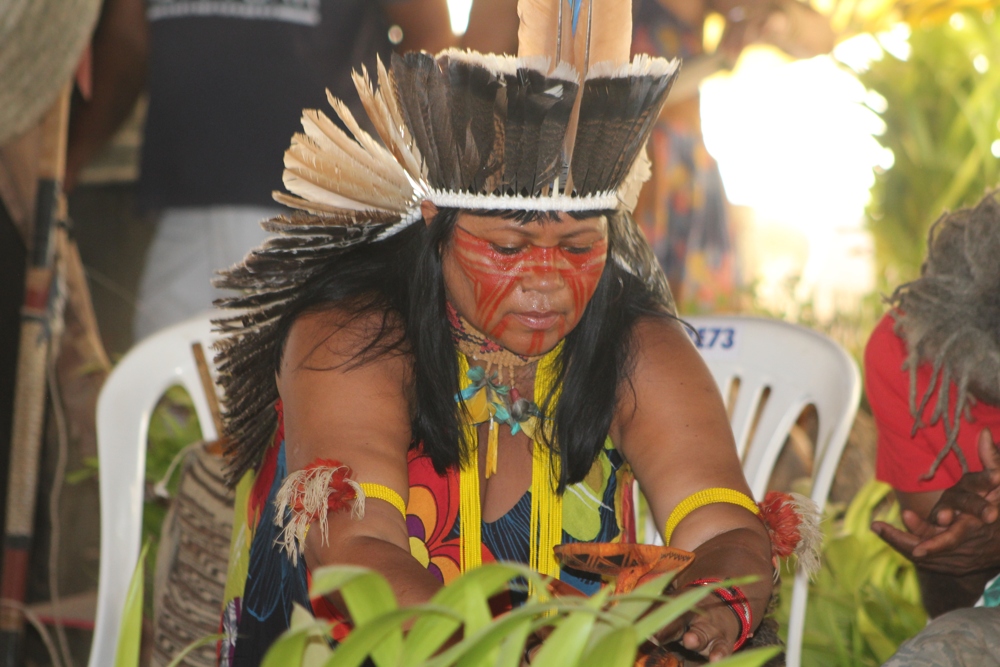
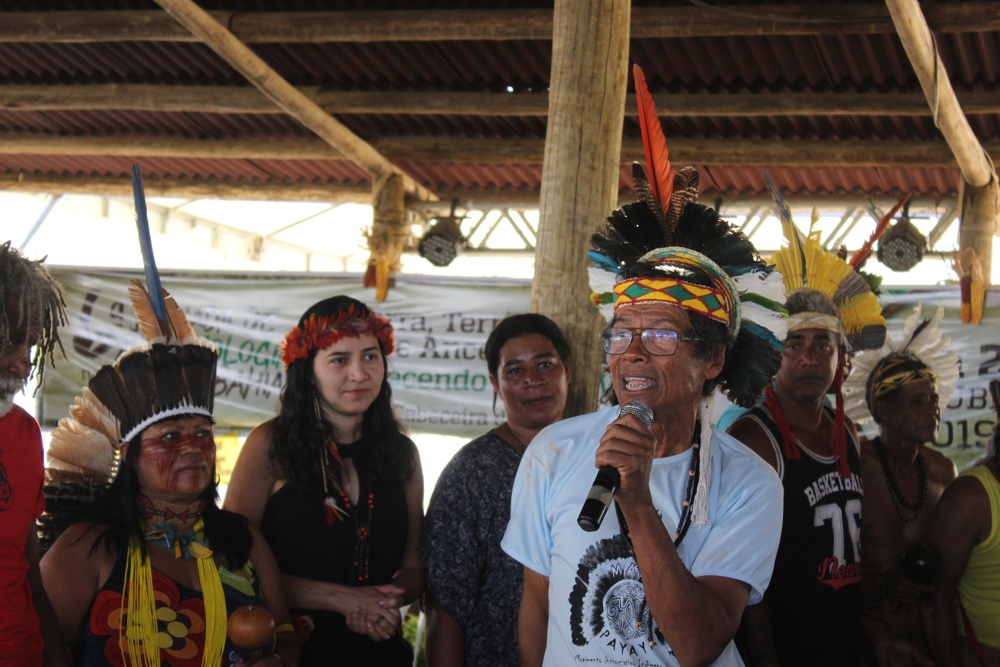
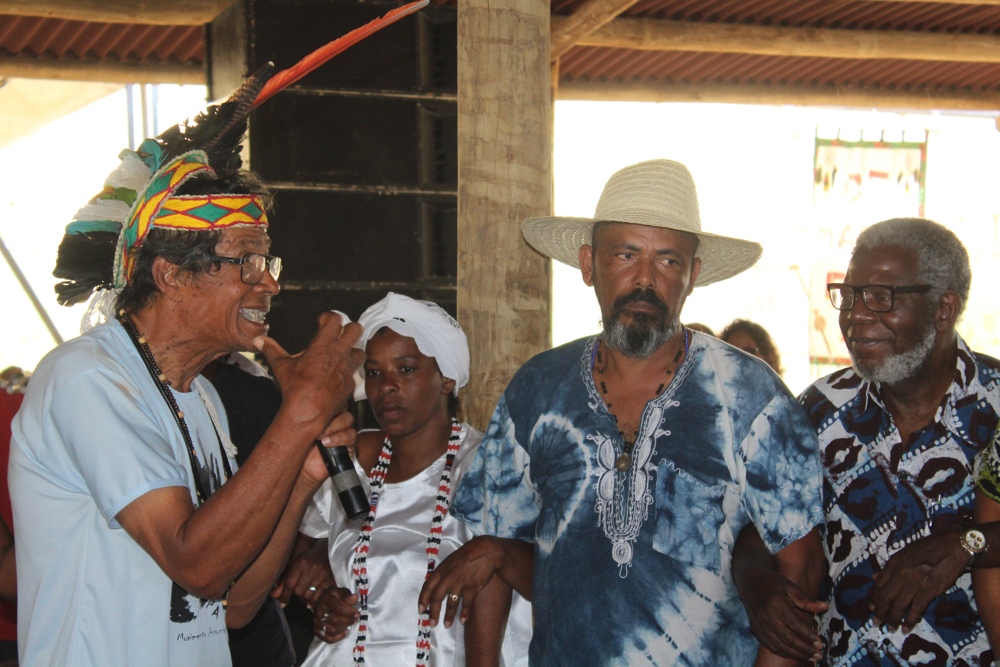
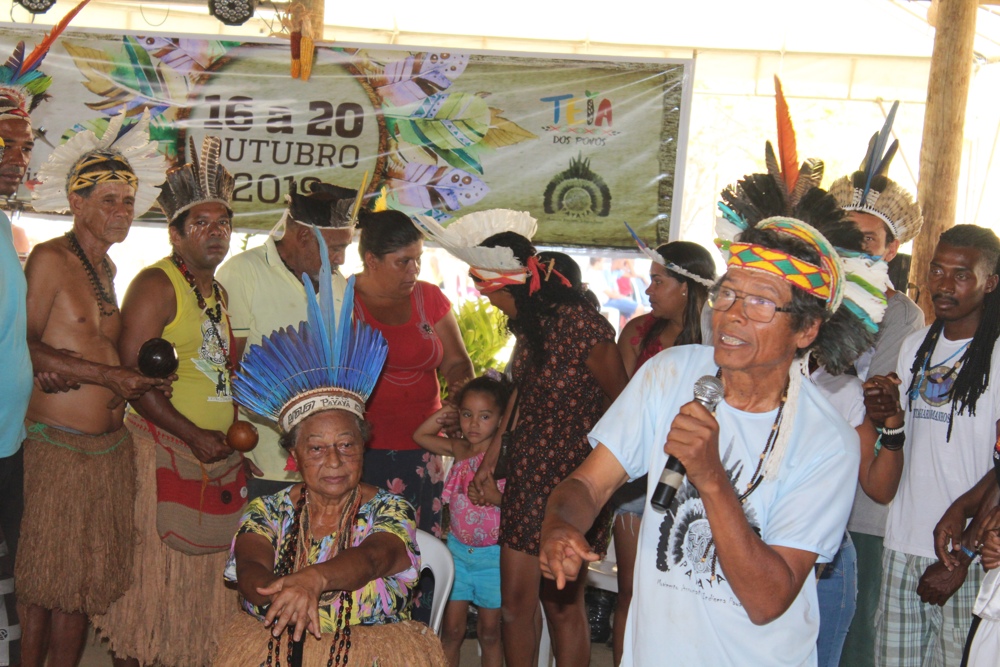
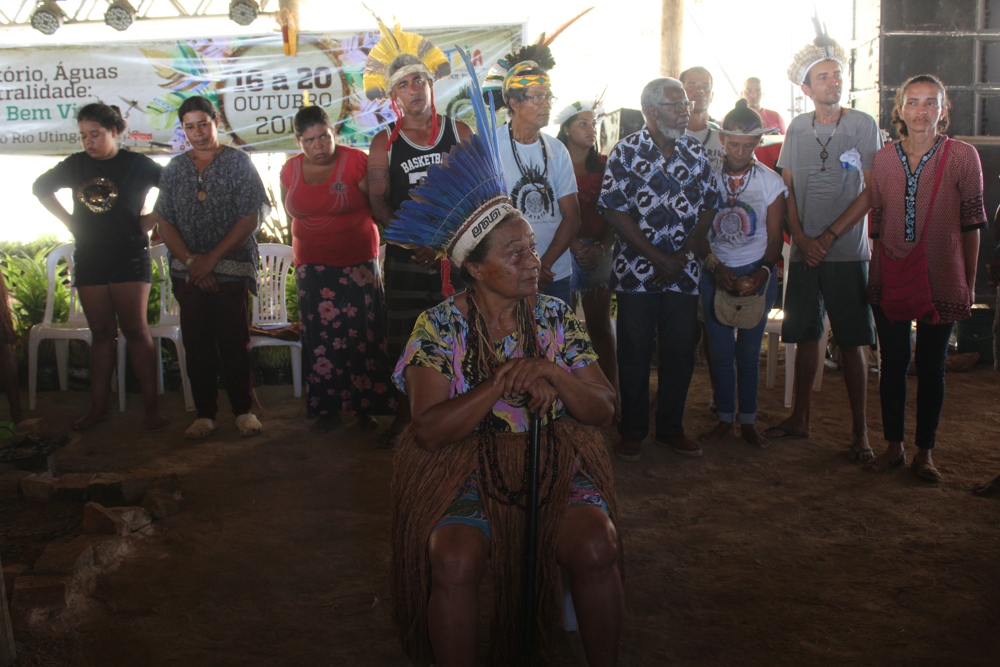
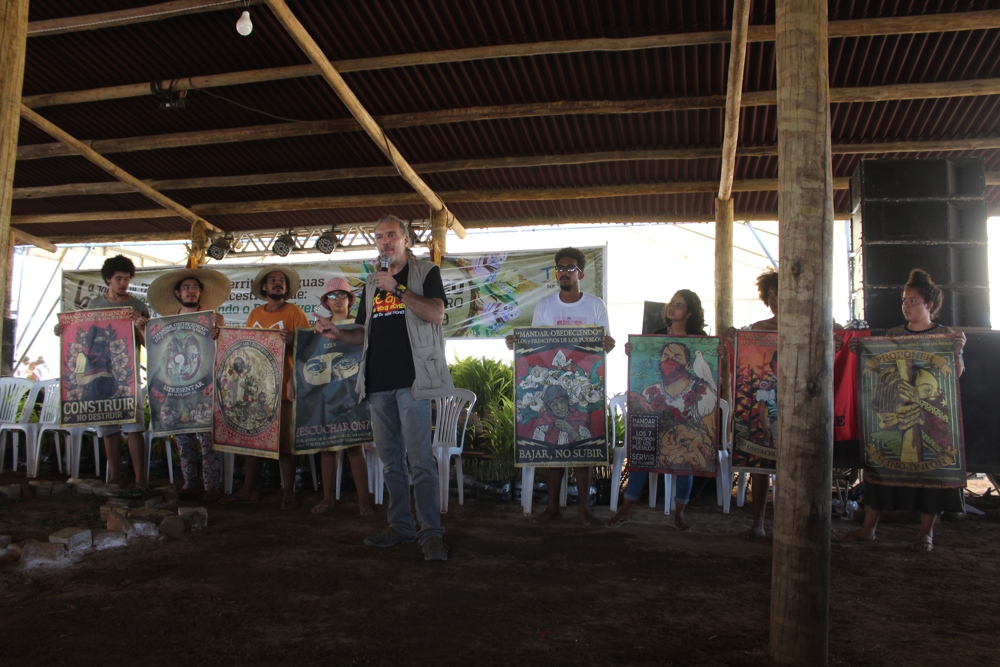
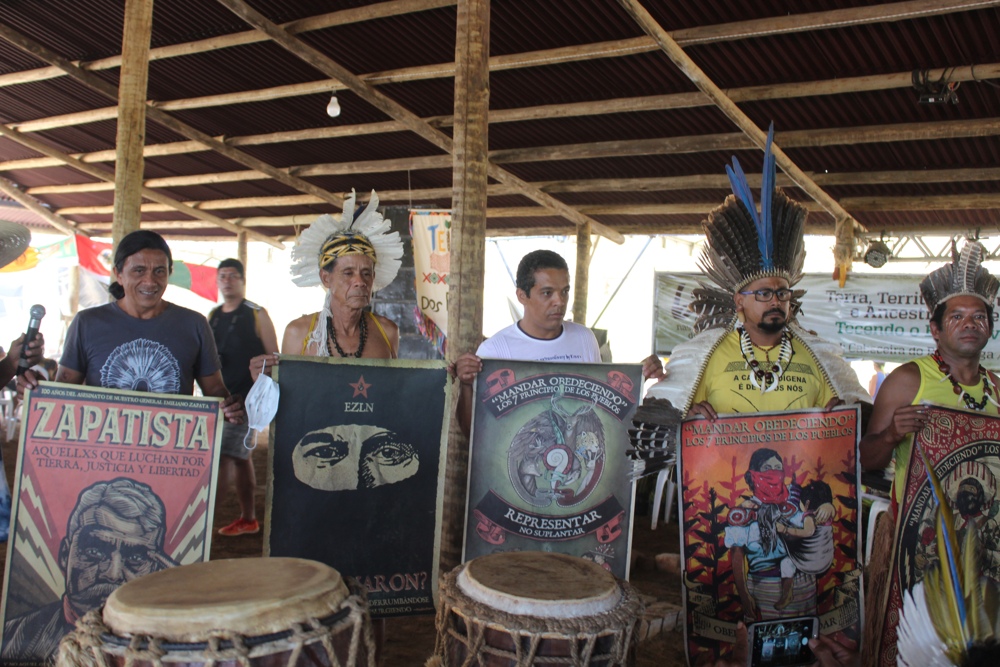
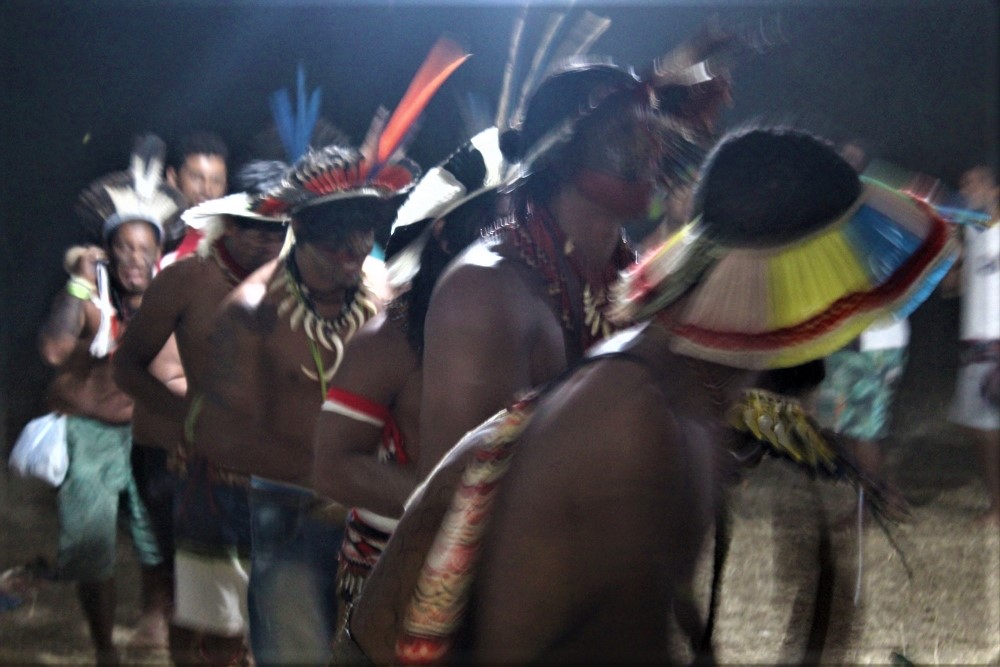
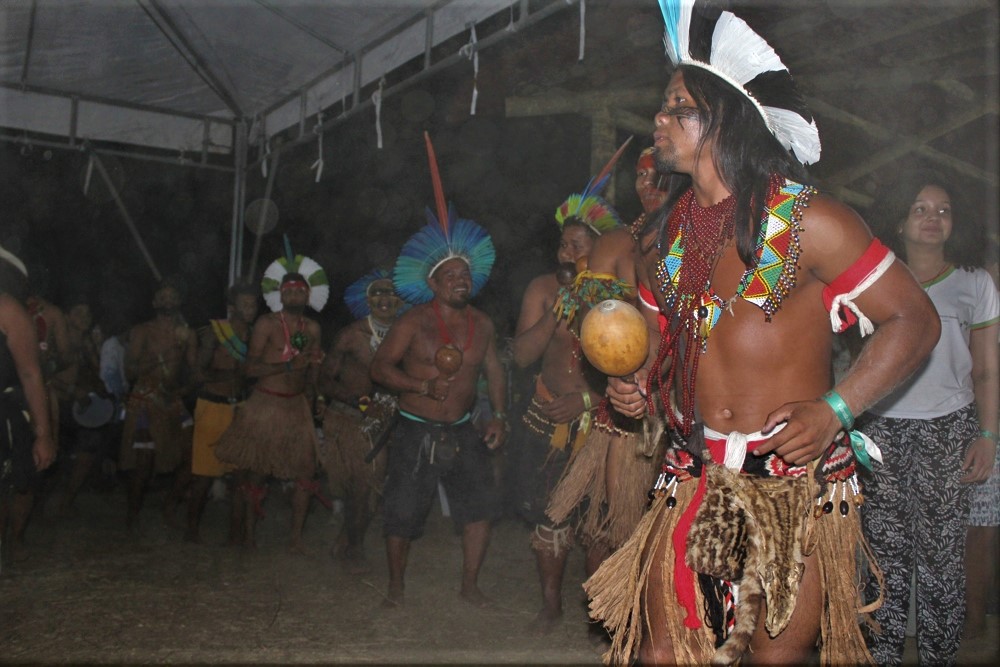
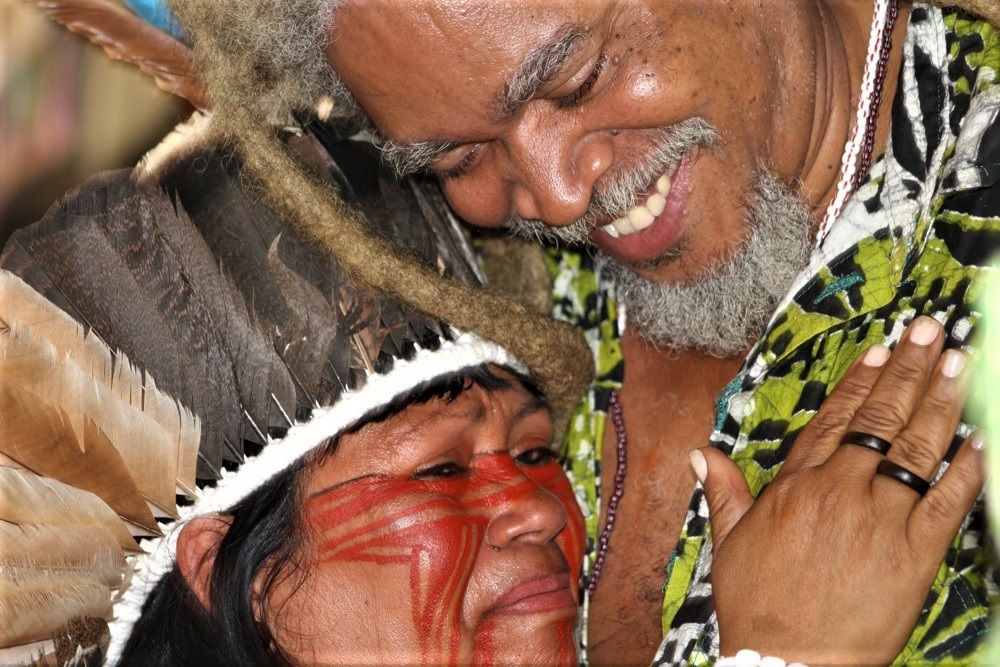
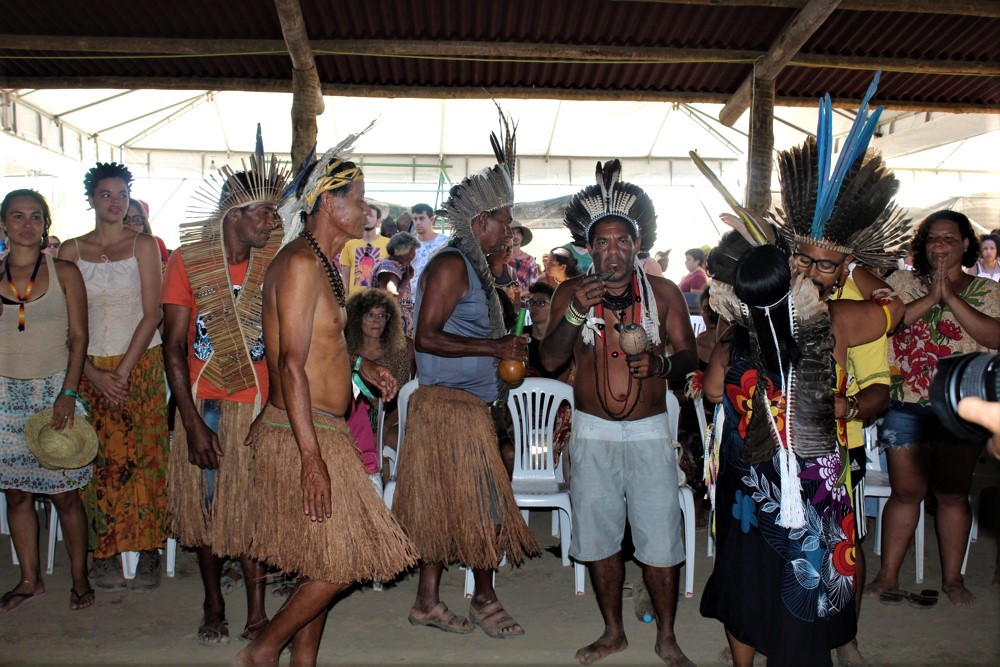
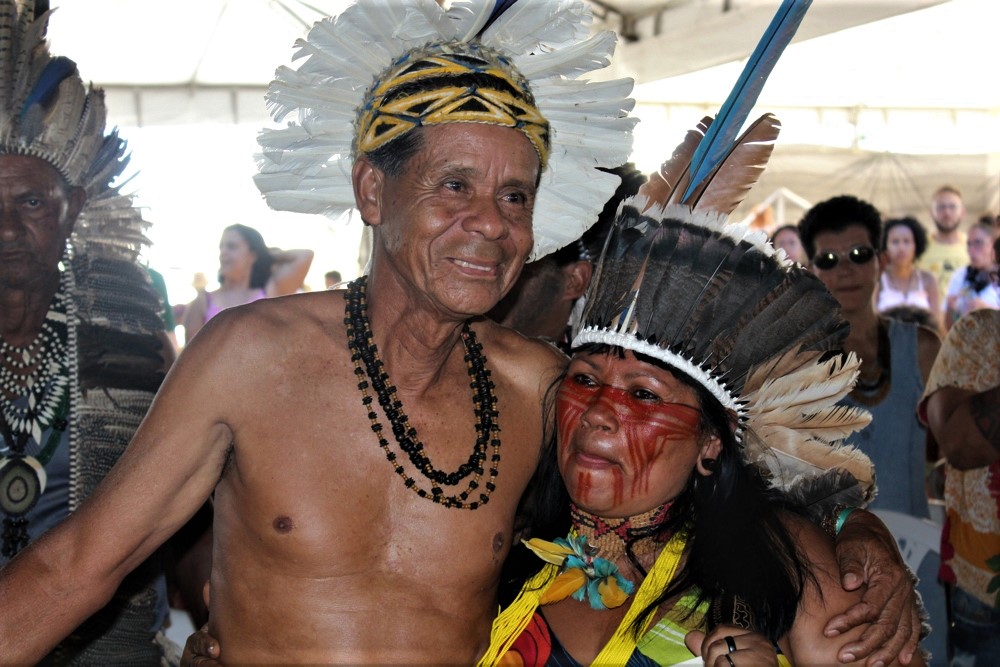
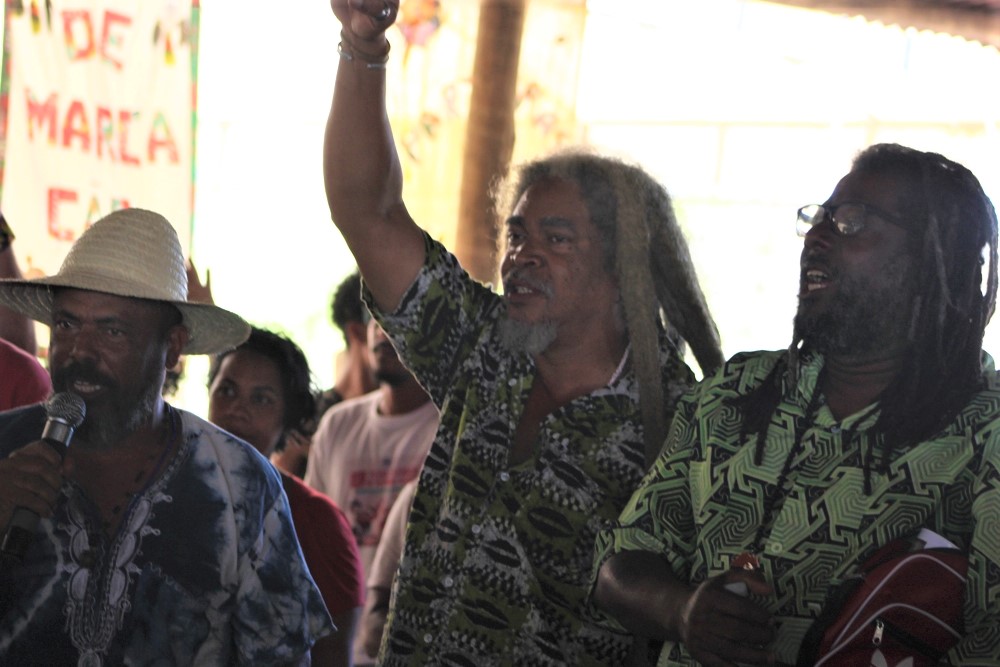
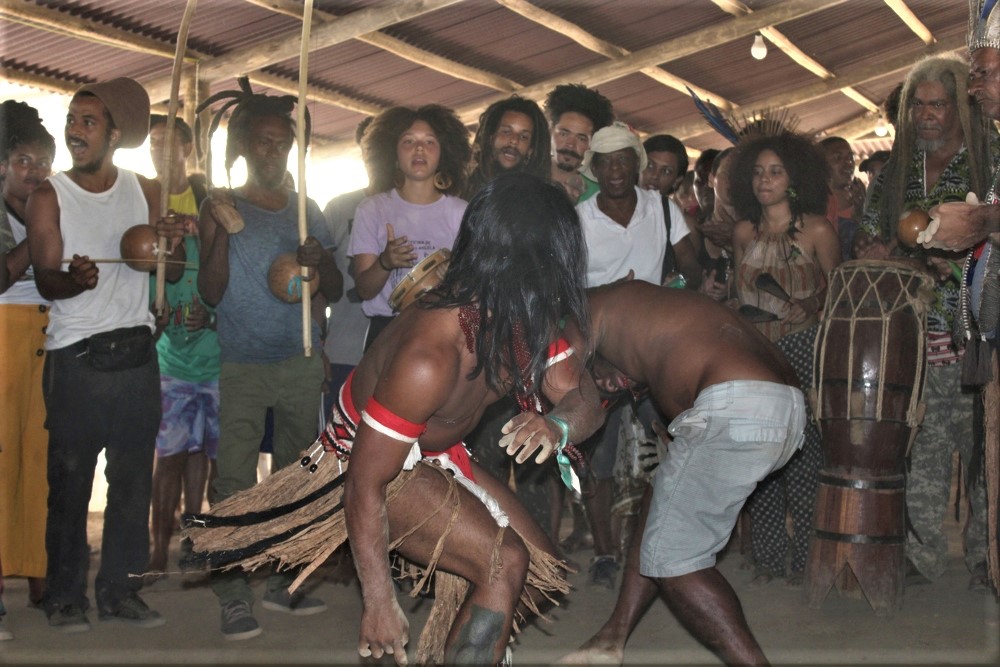
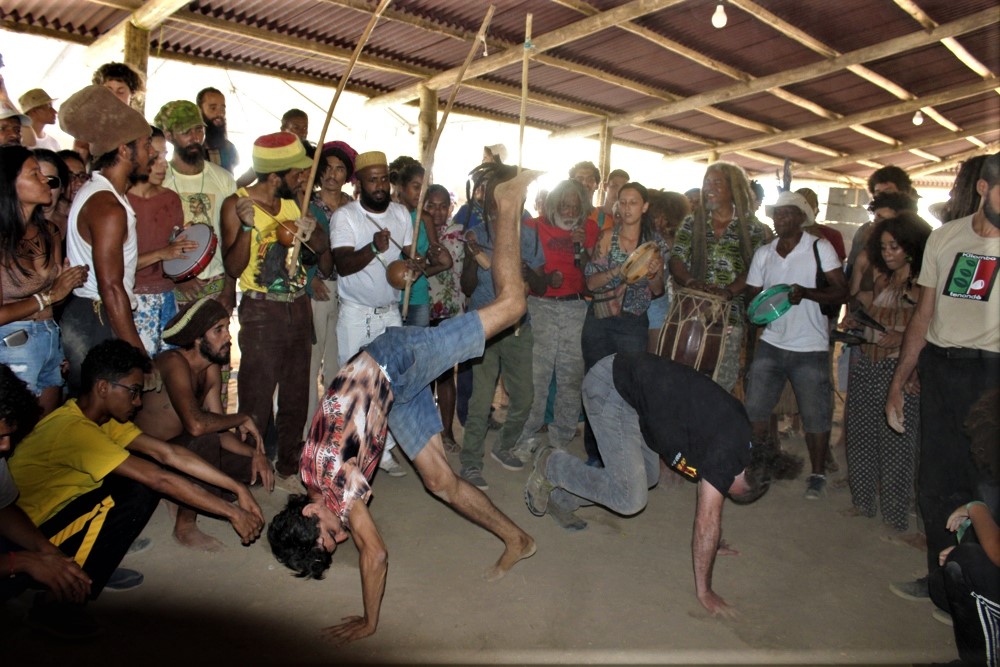
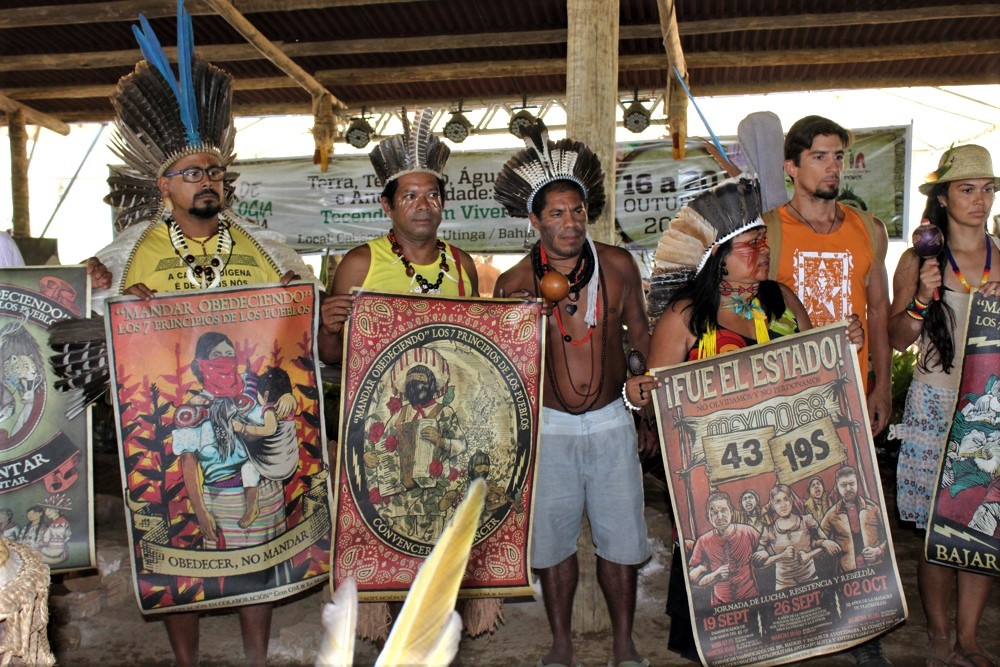
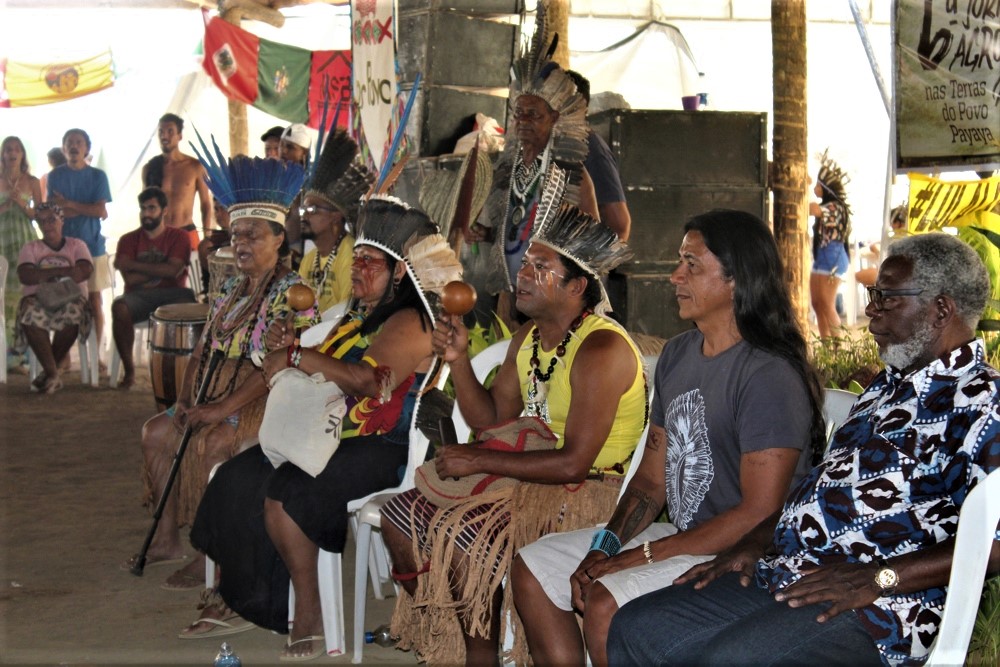
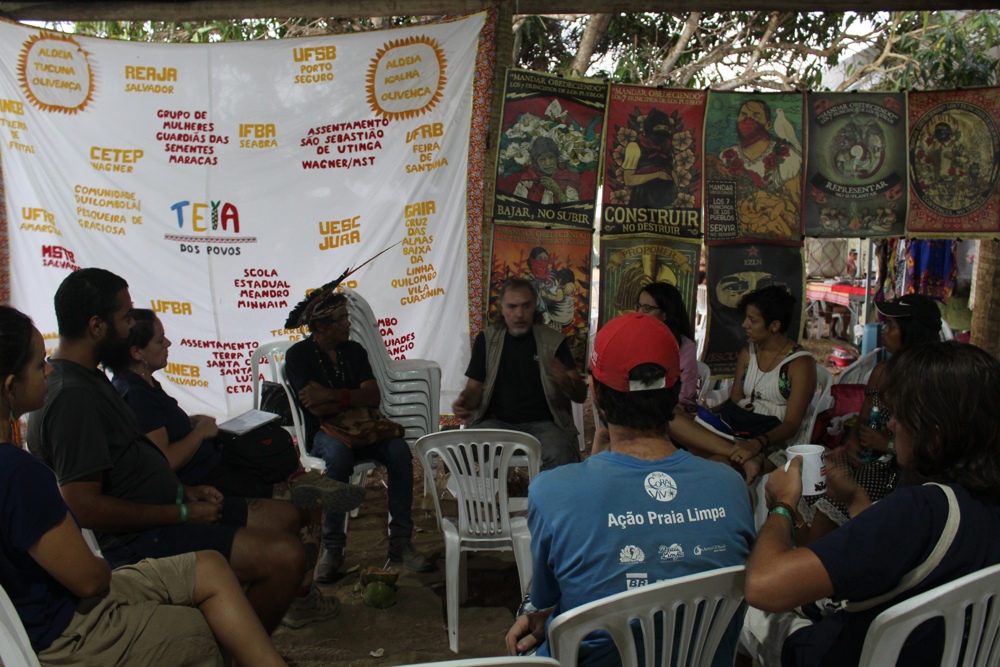
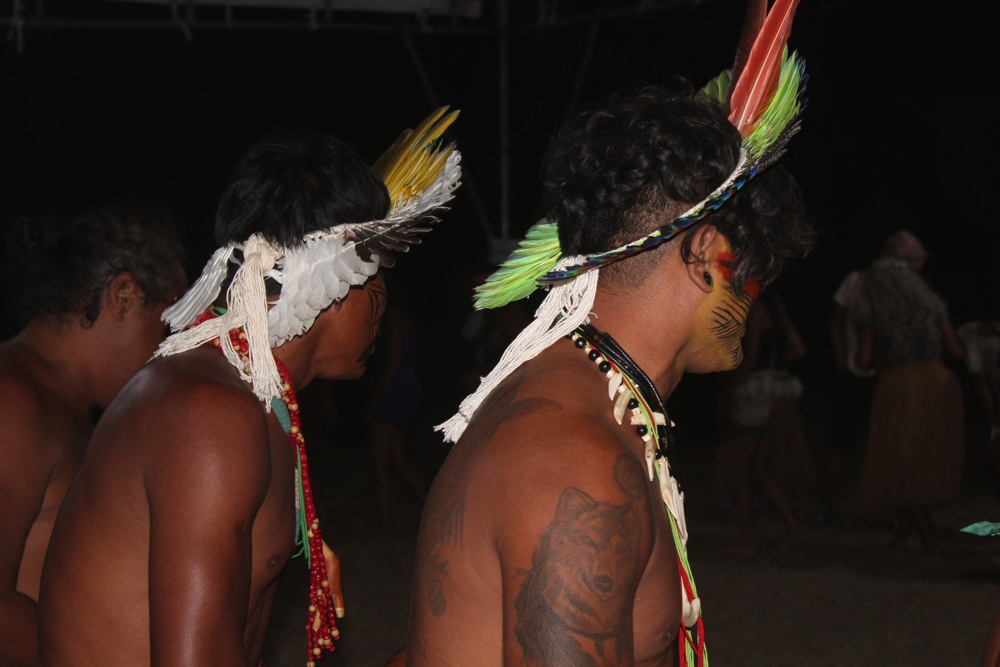
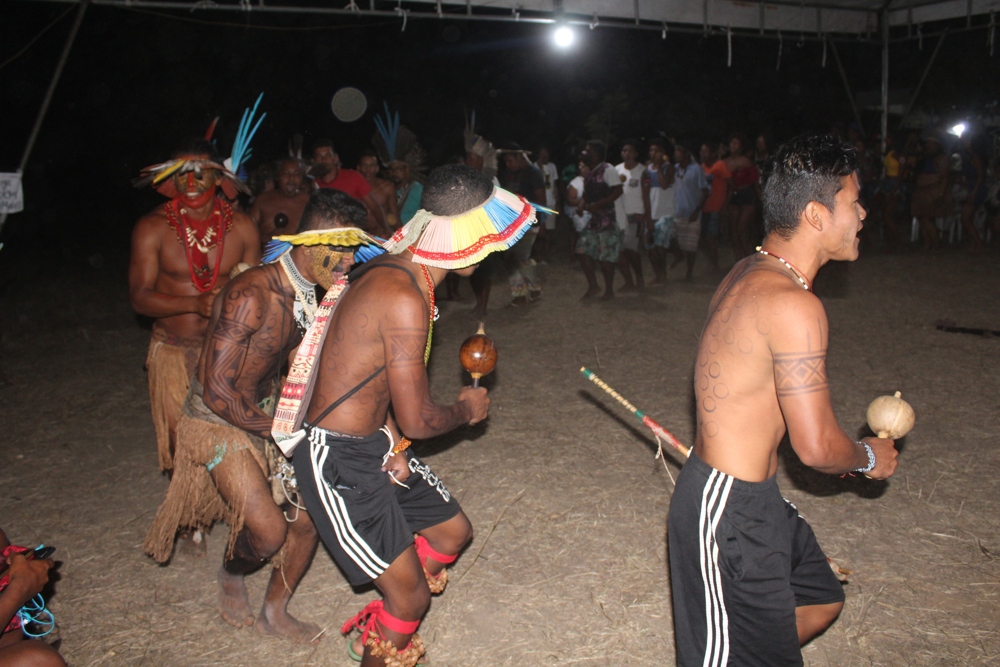
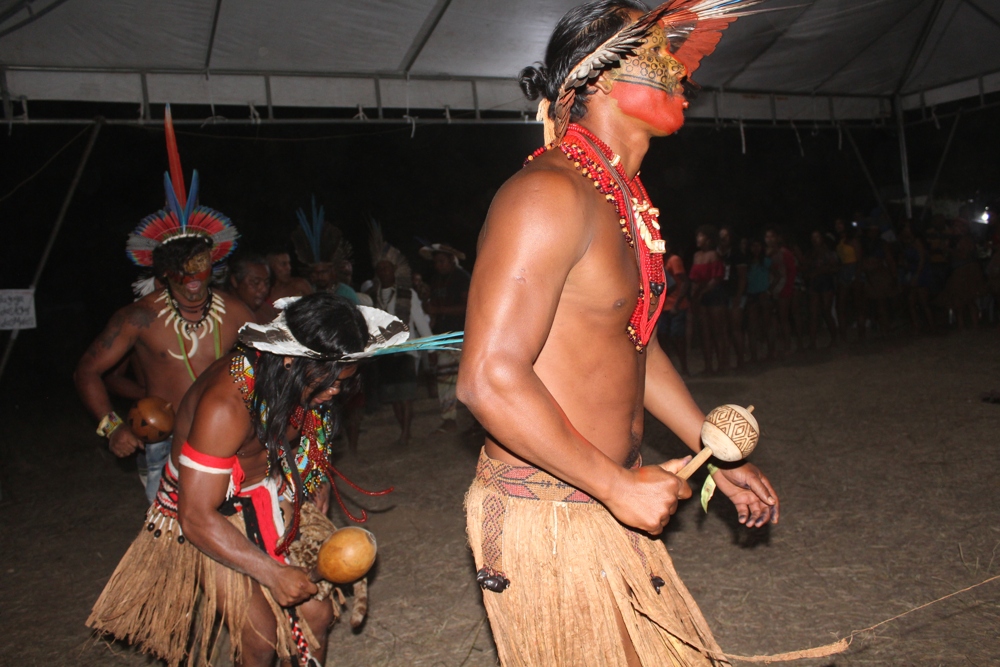
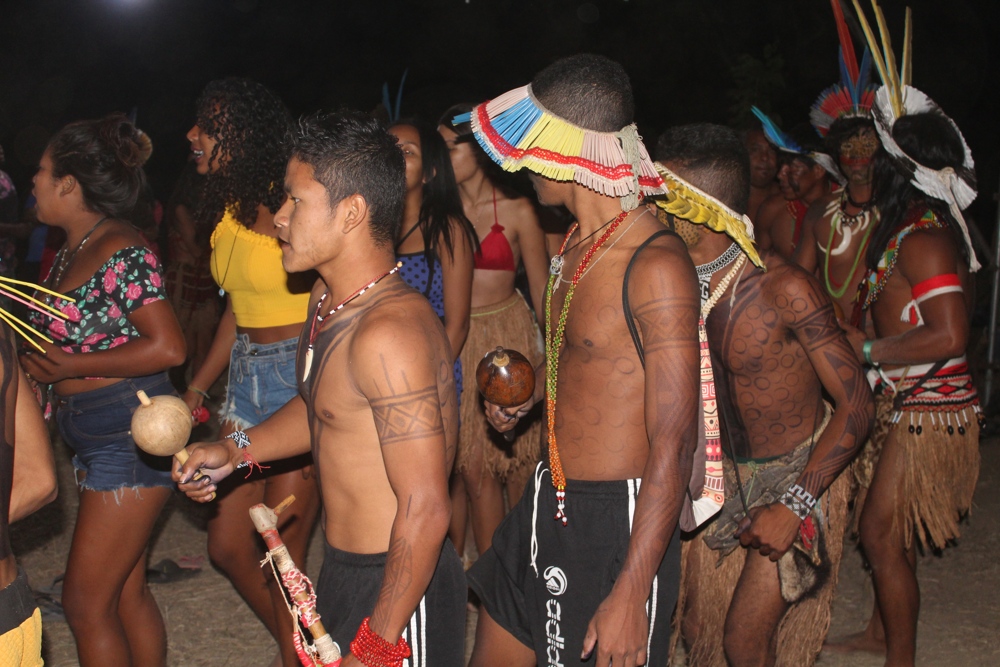
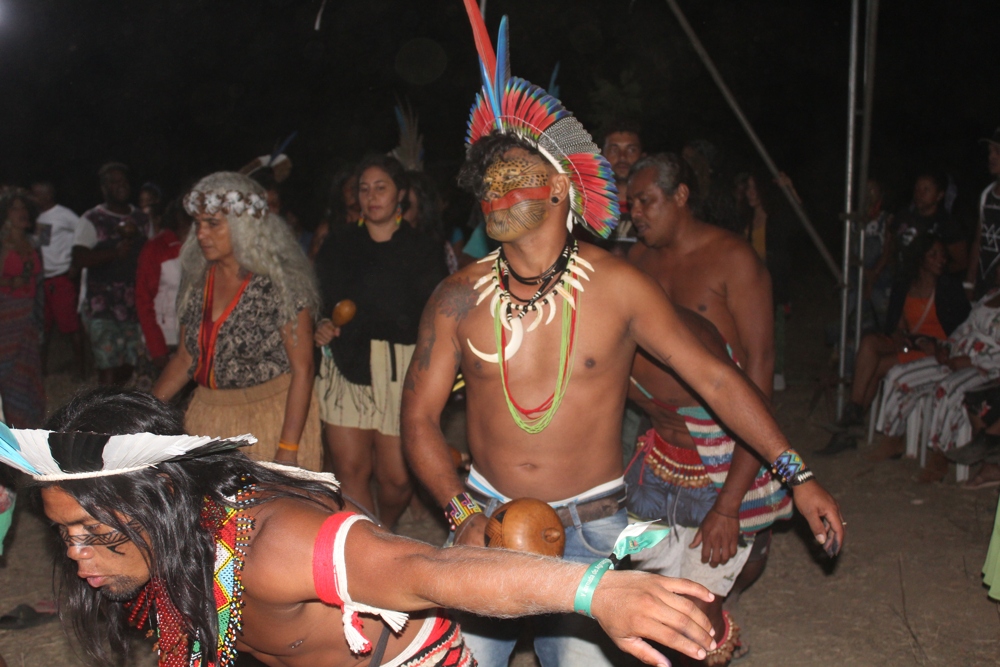
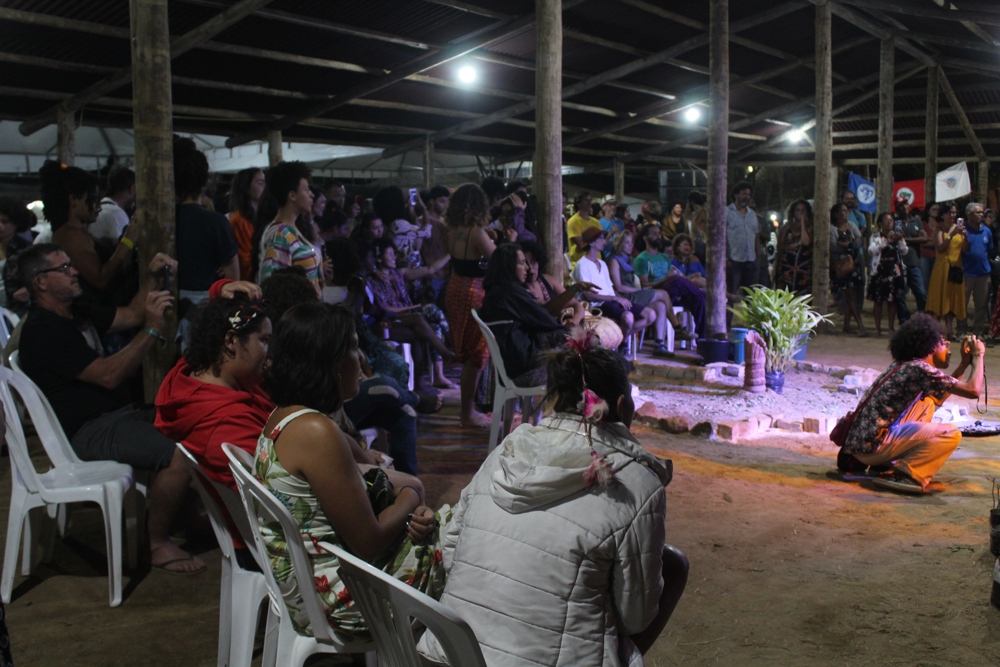
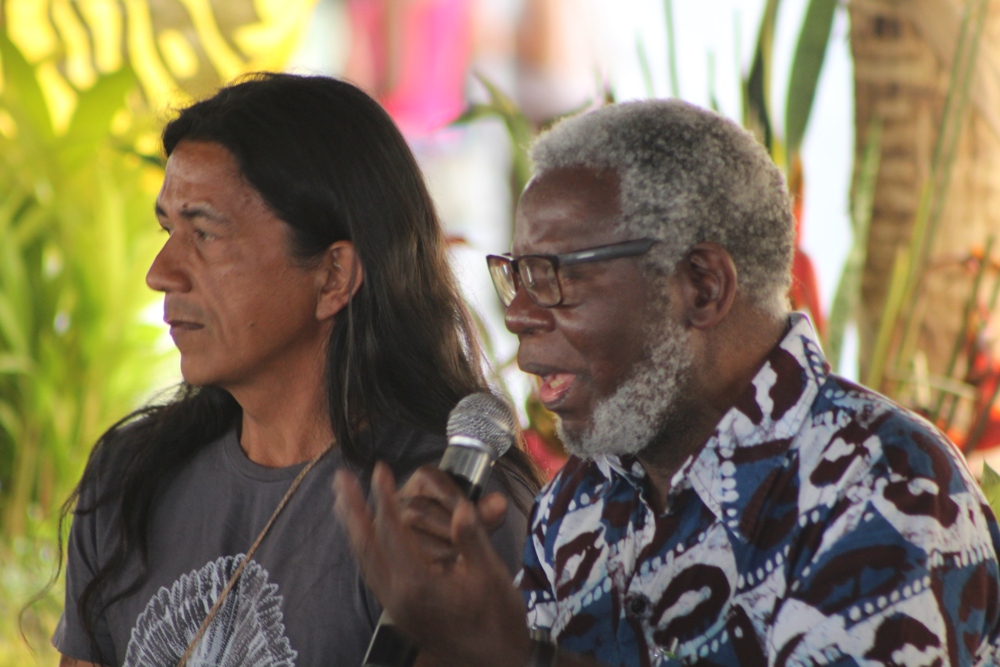
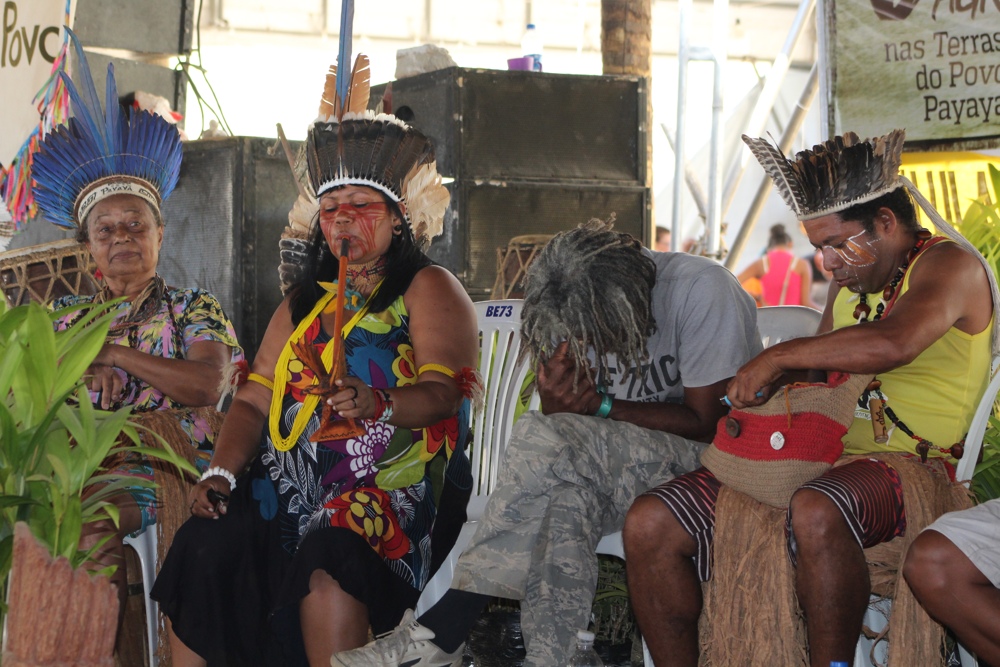
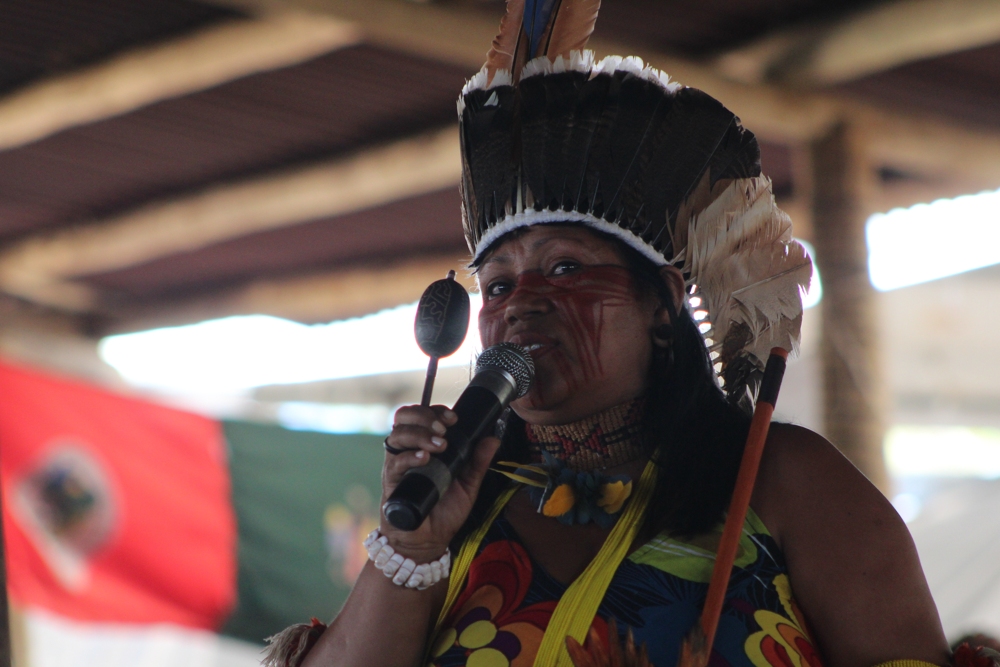
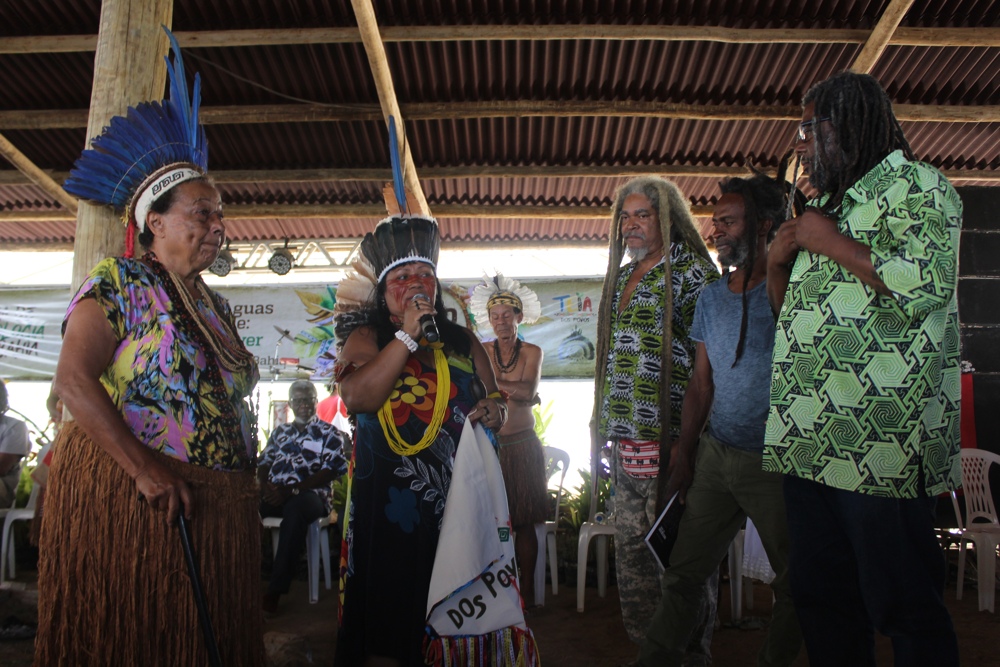
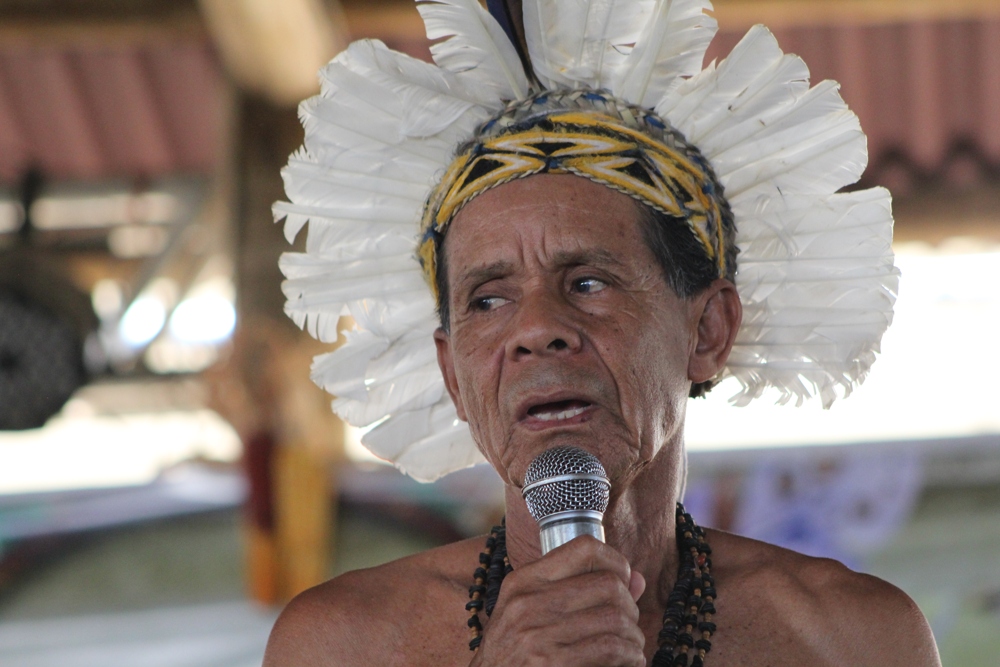
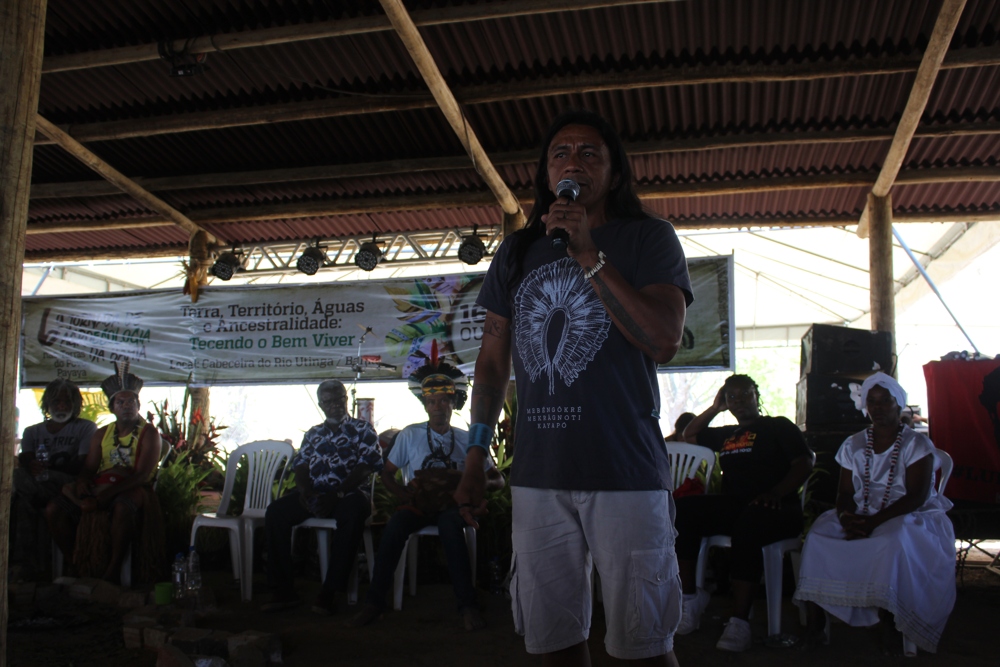
Del 16 al 20 de octubre se reunieron más de 2 mil personas en la cabecera del río Utinga, interior del estado Bahía, Brasil, en territorio sagrado del pueblo Payayá, para una jornada agroecológica organizada por la Teia dos Povos. Teia dos Povos (Red de los Pueblos) es una organización que impulsa la articulación de luchas antisistémicas y anticapitalistas de los pueblos indígenas, negros y populares, enfocándose sobre todo en la soberanía alimentaria y en la educación, con una visión autonomista fundamentada en la tierra y el territorio.
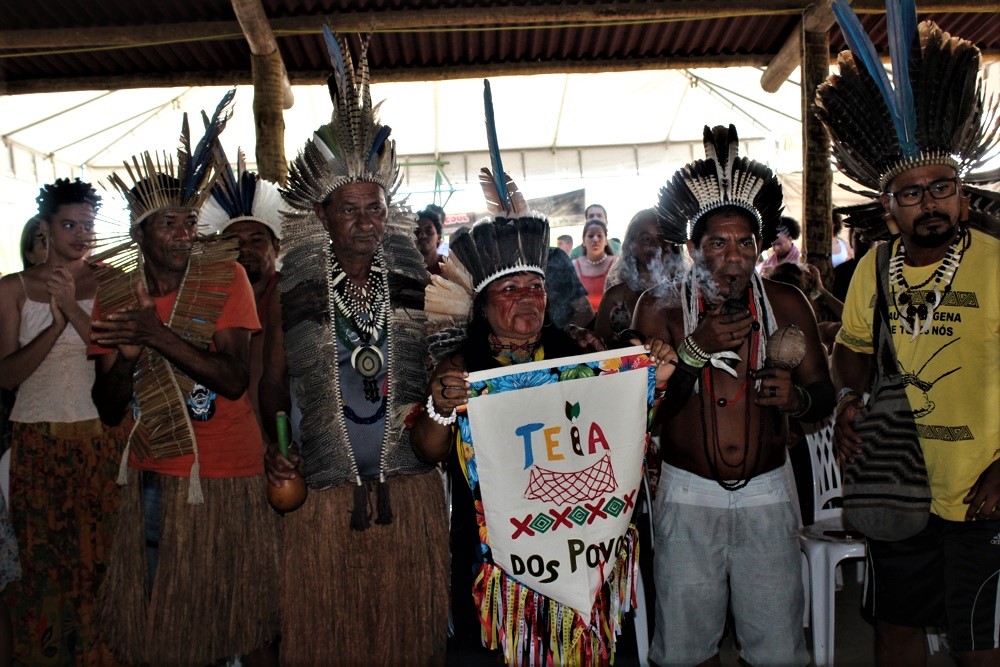
El encuentro fue histórico por el contexto en el que se desarrolla y por las respuestas de los pueblos a dicho contexto. Por un lado, la guerra de exterminio contra los pueblos originarios, no muy diferente de la que se lleva a cabo en el resto del continente: destrucción y despojo de tierras y territorios por medio de los proyectos de muerte del capital; cooptación o asesinato de líderes y luchadores que se oponen a dichos proyectos. Por otro lado, la guerra de exterminio contra el pueblo negro por medio de la criminalización y la violencia policiaca, en un país con un promedio de 60 mil asesinados y 70 mil desaparecidos por año, la gran mayoría negros y pobres de las periferias y favelas del país, la gran mayoría a manos de la policía. Y finalmente, la guerra de exterminio contra los de abajo en general por medio de la precarización laboral, la criminalización de la pobreza y la violencia generalizada. Todo esto, ahora, con la venia abierta y descarada de un gobierno de ultraderecha y sus seguidores.
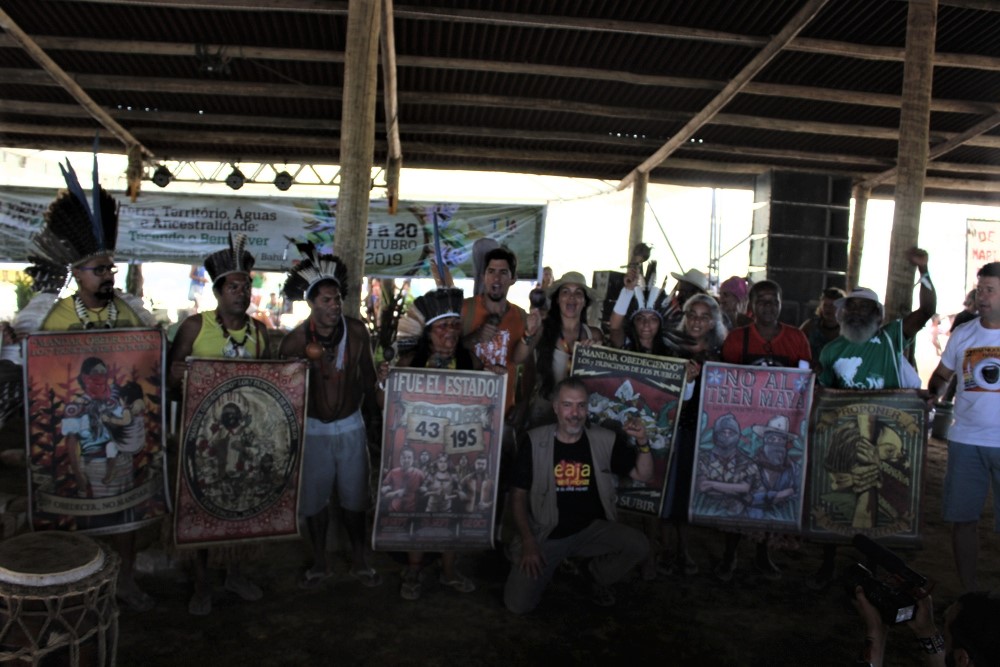
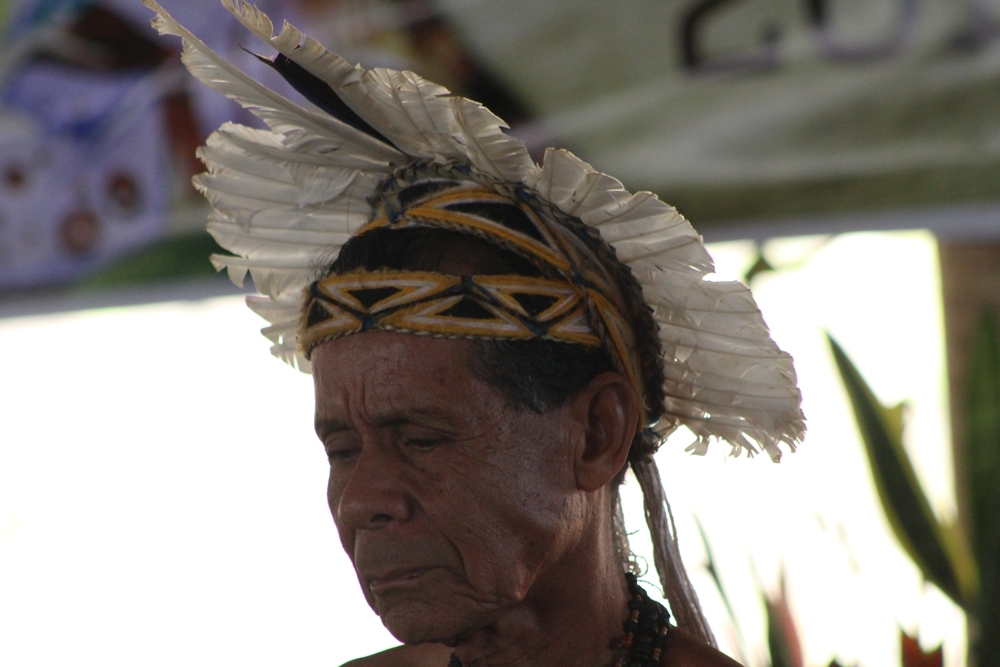
Ante este panorama, se reunieron en Utinga autoridades de muchos pueblos indígenas: Pataxó, Pataxó Hã-Hã-Hãe, Tupinambá, Payayá, Pankaruru, Fulni-ô, Kiriri-Xocó, entre otros; la mayoría de los movimientos de base de Bahía y de otros estados, como el MST (Movimiento de los trabajadores rurales sin tierra), MSTB (Movimiento de los sin techo de Bahía), MPA (Movimiento de pequeños agricultores), MPP (Movimiento de pescadoras), CETA (Movimiento de trabajadores asentados, acampados y quilombolas), URC (Unión de resistencia campesina), Reaja ou Será Morta, Reaja ou Será Morto (organización de base del movimiento negro), así como miembros de diversos quilombos (comunidades cimarronas en resistencia desde los tiempos de la esclavitud).
A lo largo de esos días se realizaron mesas de debate donde se analizaron diversos aspectos de la coyuntura actual con el propósito de impulsar los objetivos de esa articulación de luchas: caminar en la construcción de la unidad indígena, negra y popular; promover las luchas locales; entender los contextos particulares; unir las luchas, cada una según su modo; organizar la lucha en defensa de los bosques, la biodiversidad y las aguas; articularse con movimientos existentes que luchan contra las empresas extractivas; desarrollar mecanismos efectivos de comunicación; fundamentar la articulación de las luchas en la defensa de la tierra y el territorio; promover la celebración, la cultura, la ciencia, las tradiciones y la ancestralidad rumbo al buen vivir.
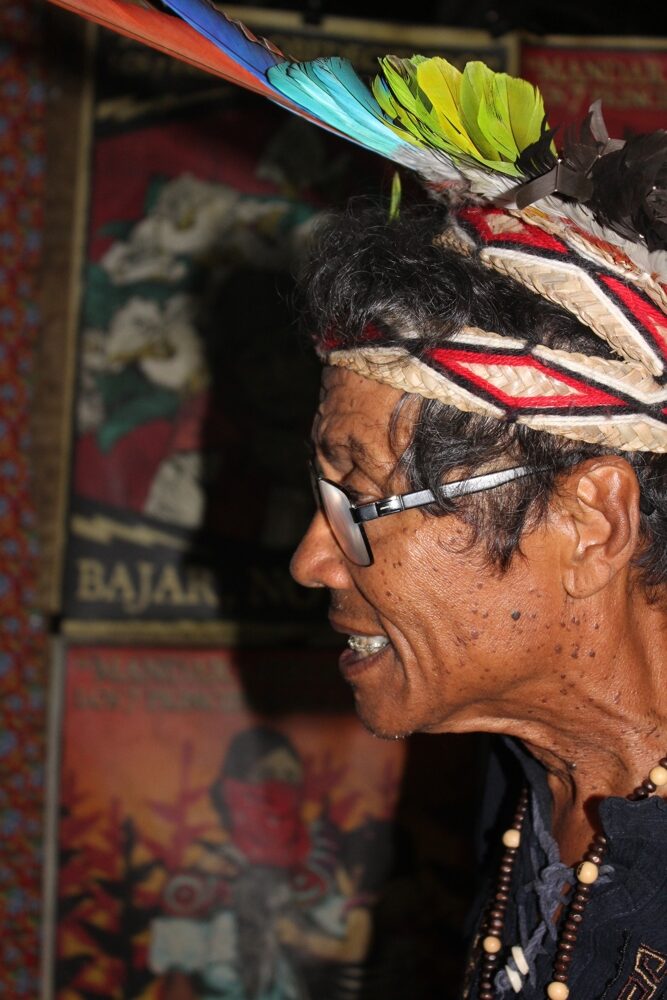
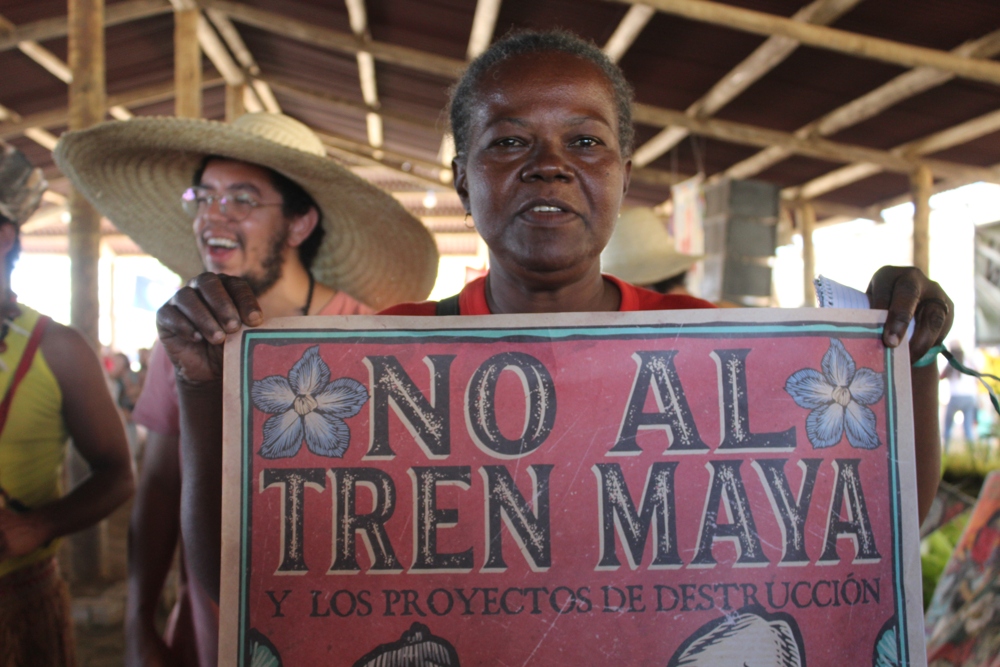
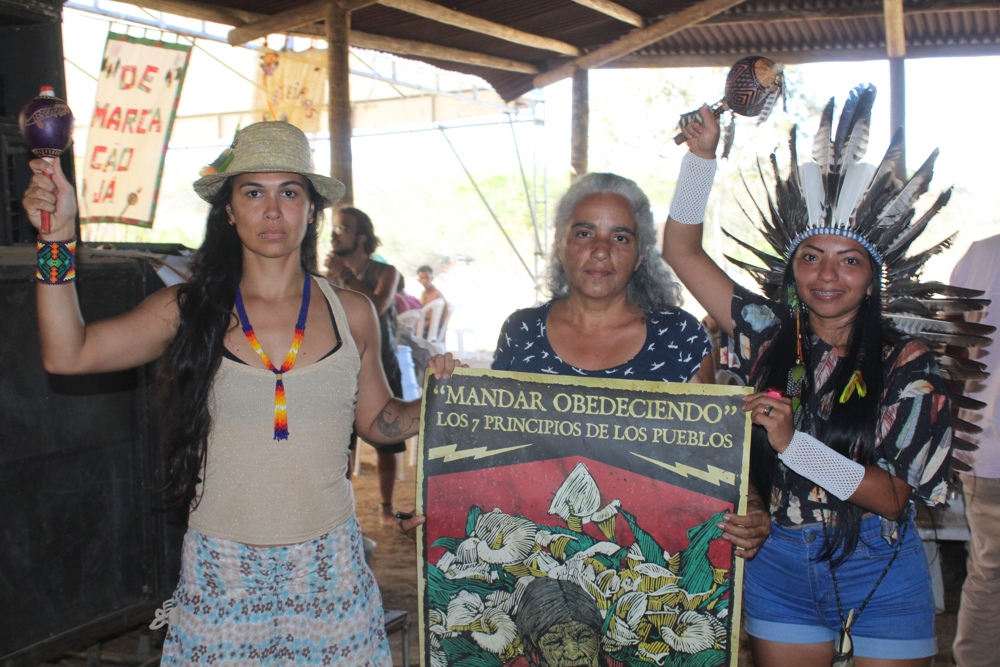
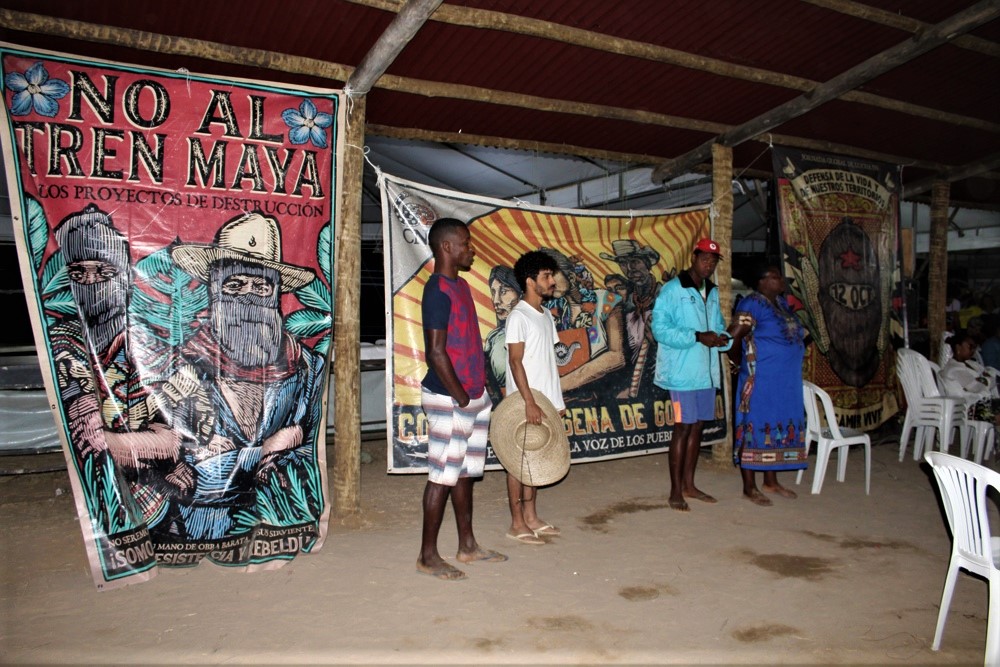
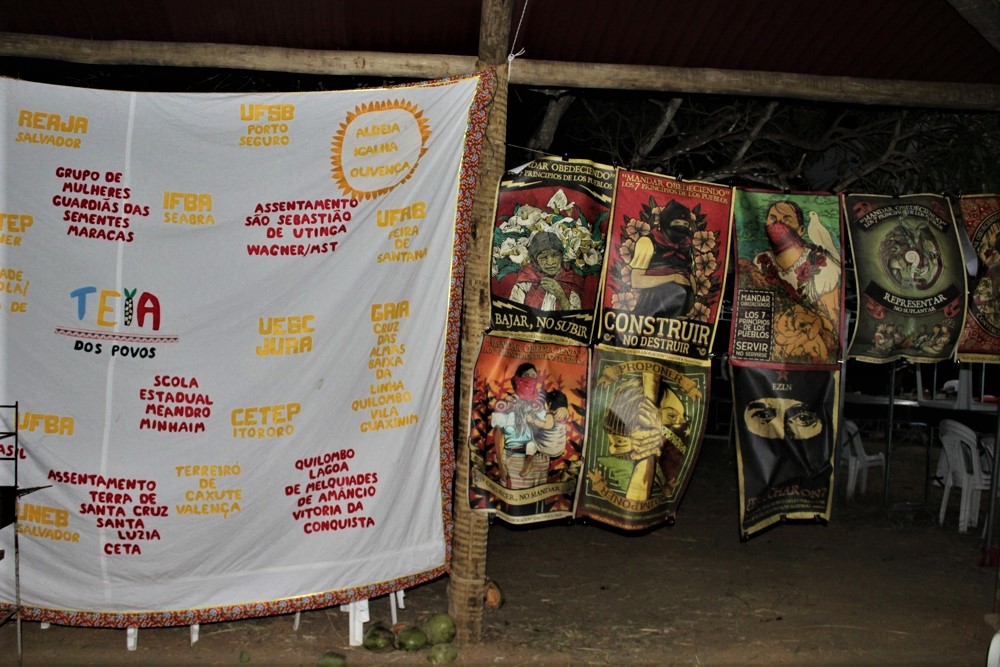
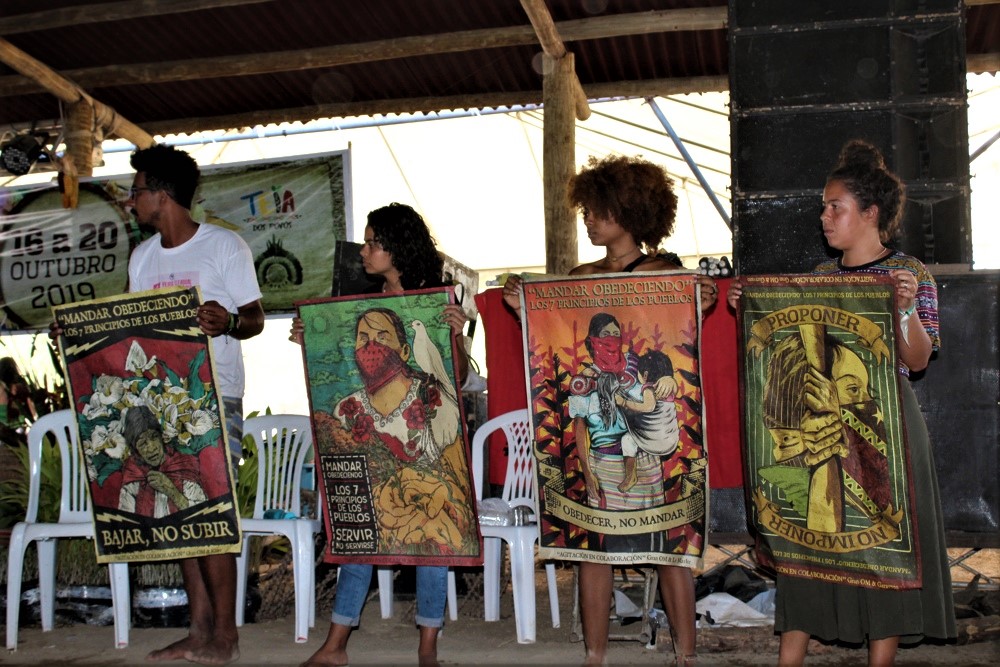
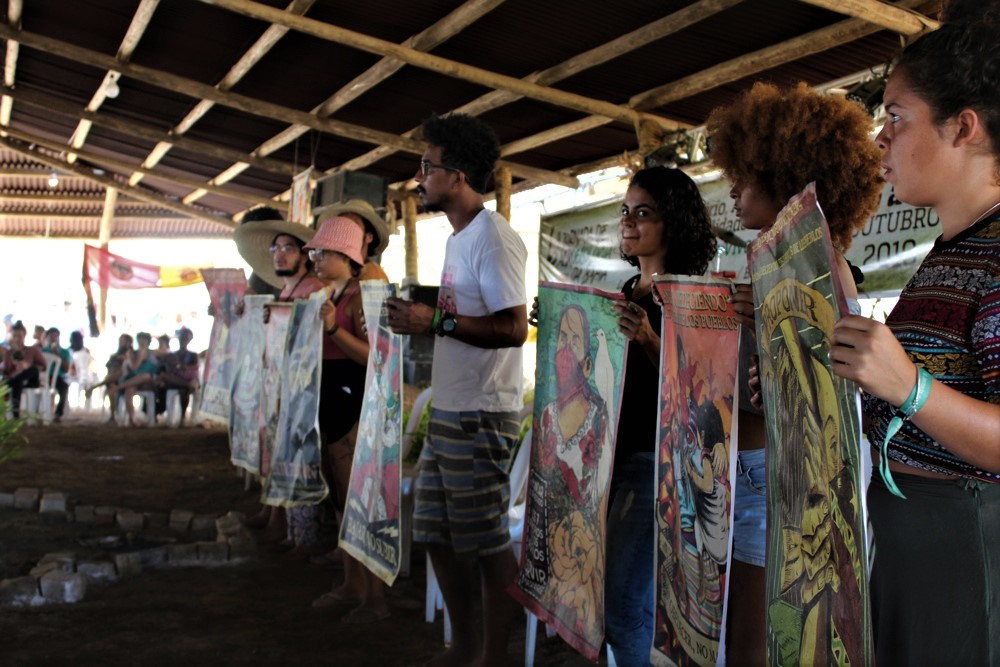
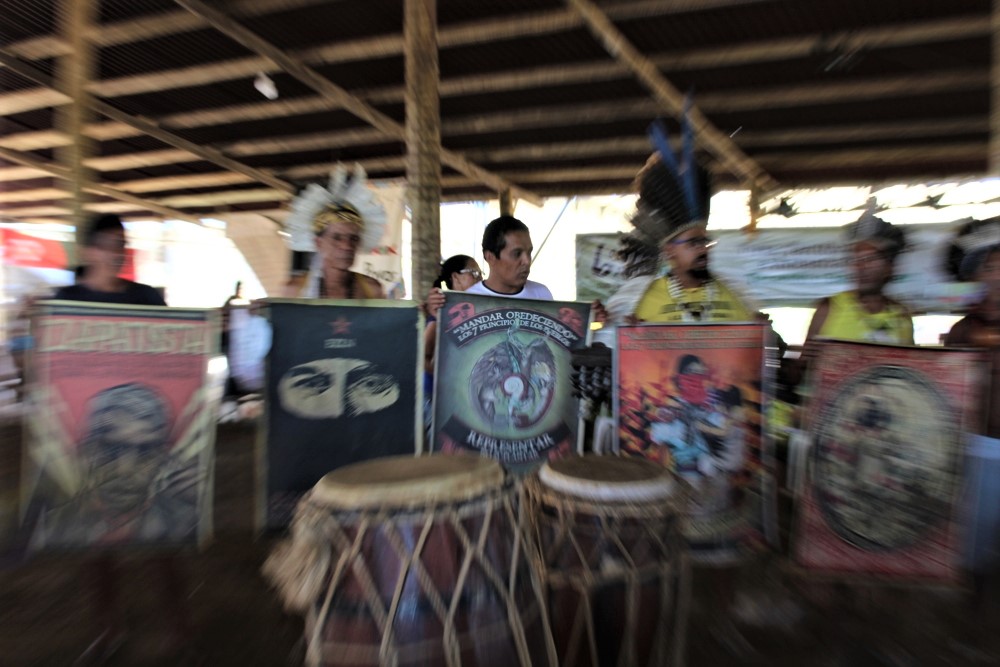
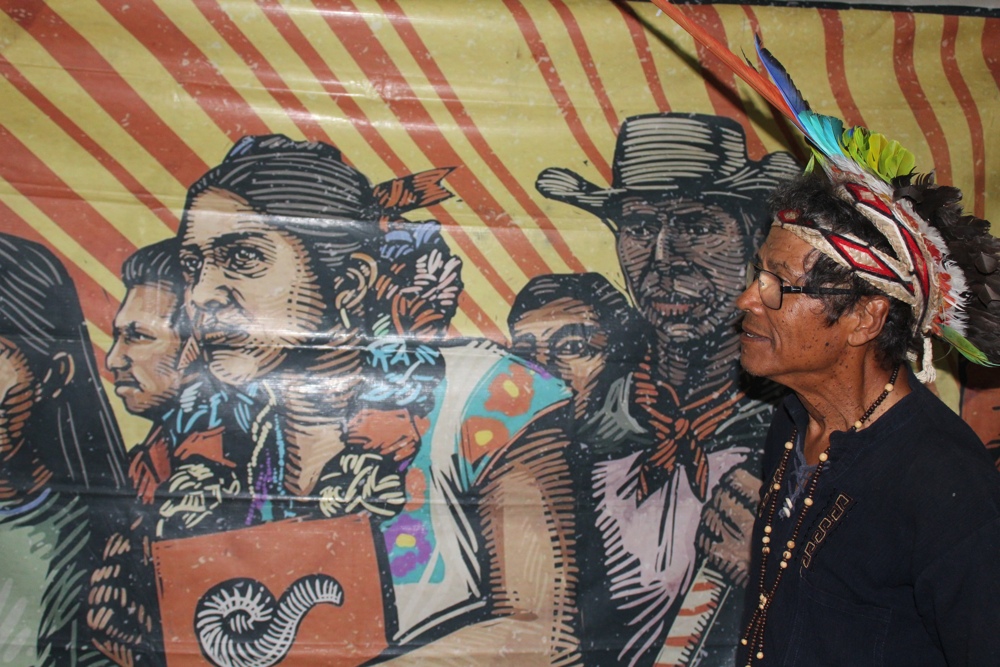
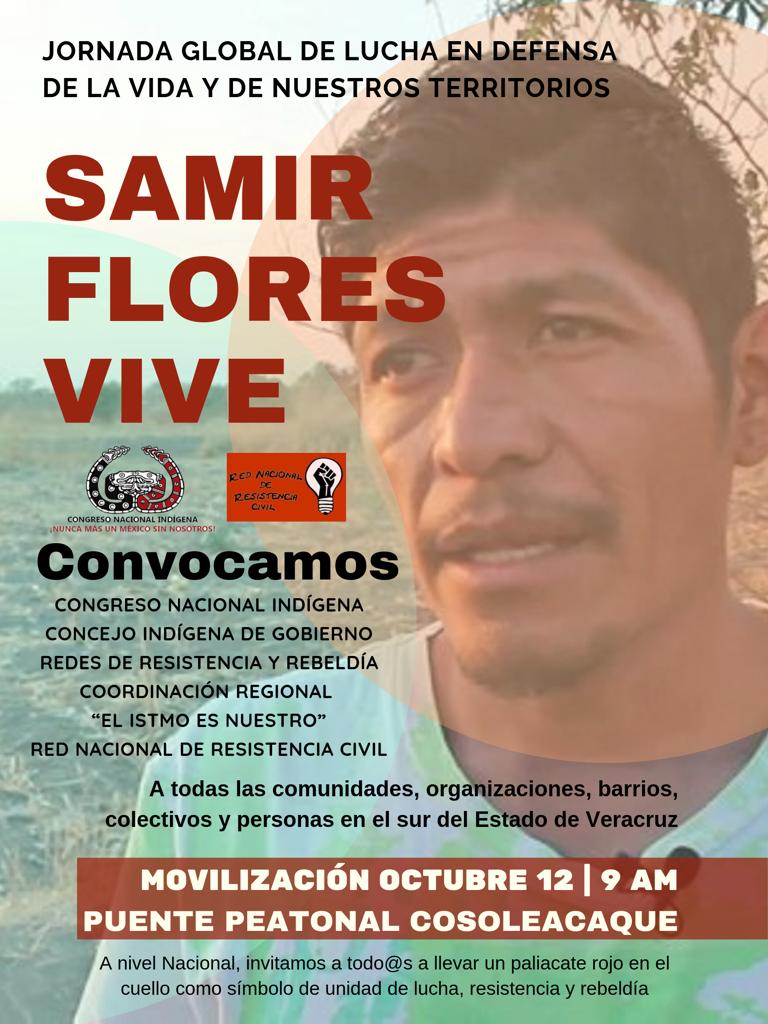
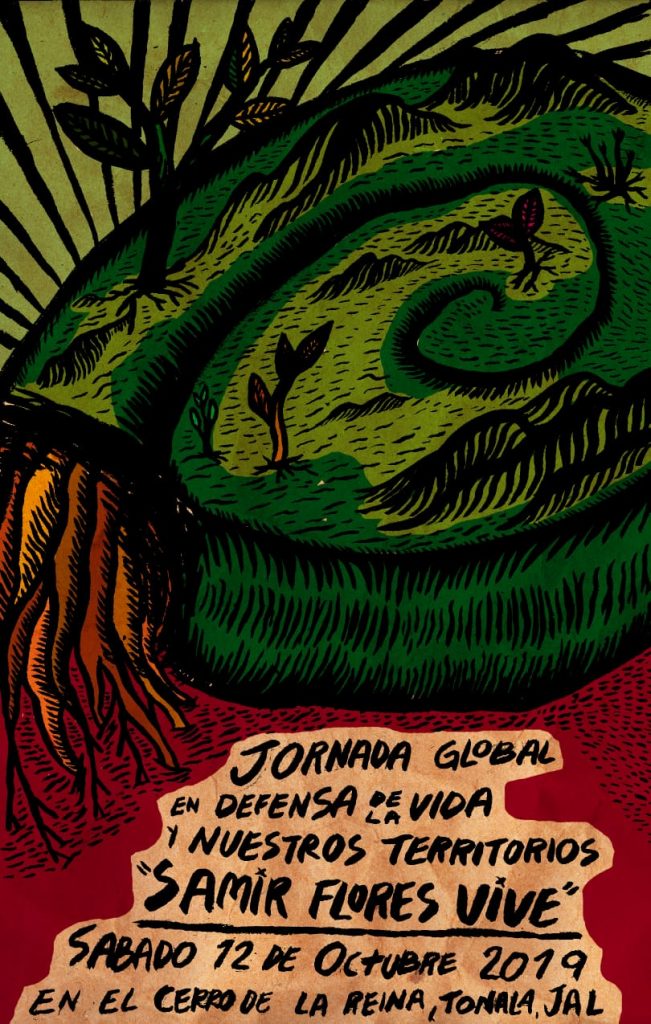
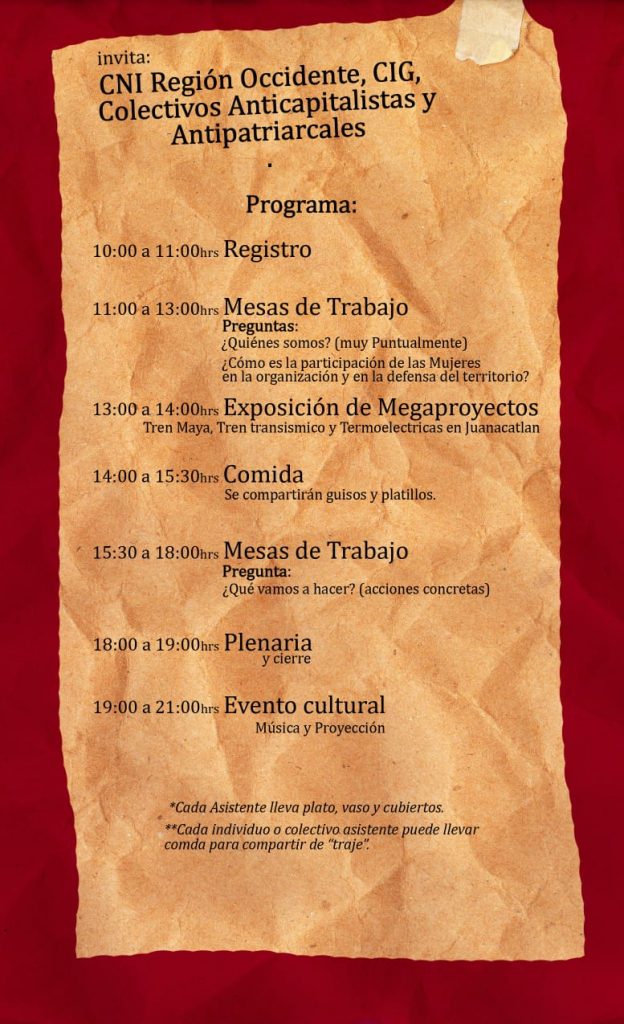
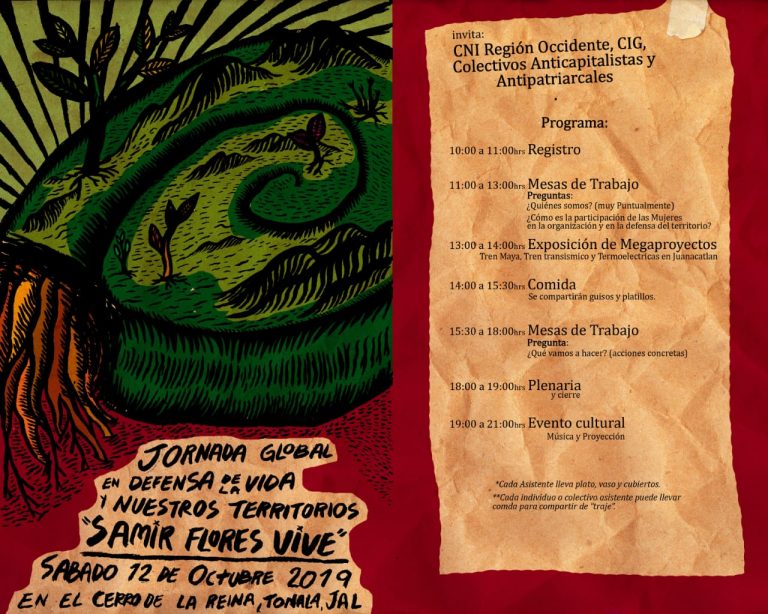
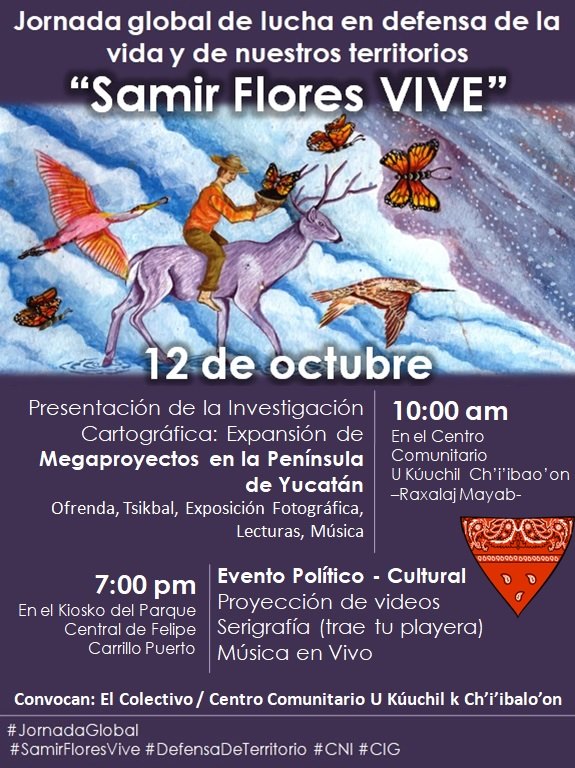
La historia de lucha y construcción de la autonomía zapatista estuvo también presente por medio del colectivo Urucum Artes Colaborativas, quien llevó una exposición de mantas y carteles creados por el Gran OM, generosamente donados por el Café Zapata de la Ciudad de México, y una plática sobre el caminar zapatista, la construcción de la autonomía radical y el camino del Congreso Nacional Indígena y el Concejo Indígena de Gobierno. La Jornada Global en defensa de la tierra y el territorio Samir Flores Vive “en el marco del Día de la Resistencia Indígena, Negra y Popular” resonó en las porpuestas por la unión de las luchas y la autonomía que confluyeron esos cinco días, como expresó Joelson Ferreira del MST, quien propuso seguir el ejemplo zapatista y abandonar la ilusión de que la democracia burguesa será capaz de transformar el escenario de muerte que se vive en el país.
Carta de la VI Jornada de Agroecología de Bahía 2019 en español.
Carta da VI Jornada de Agroecologia da Bahia 2019 em português.
Statement from the 6th Bahian Agroecology Meeting 2019 in English.