Audio
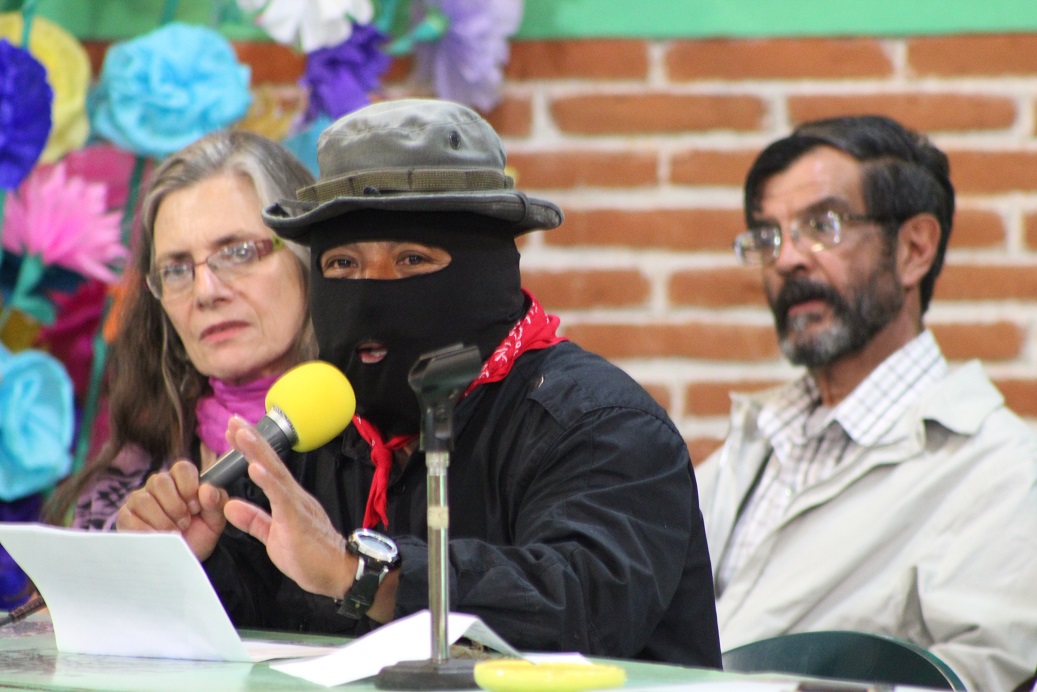
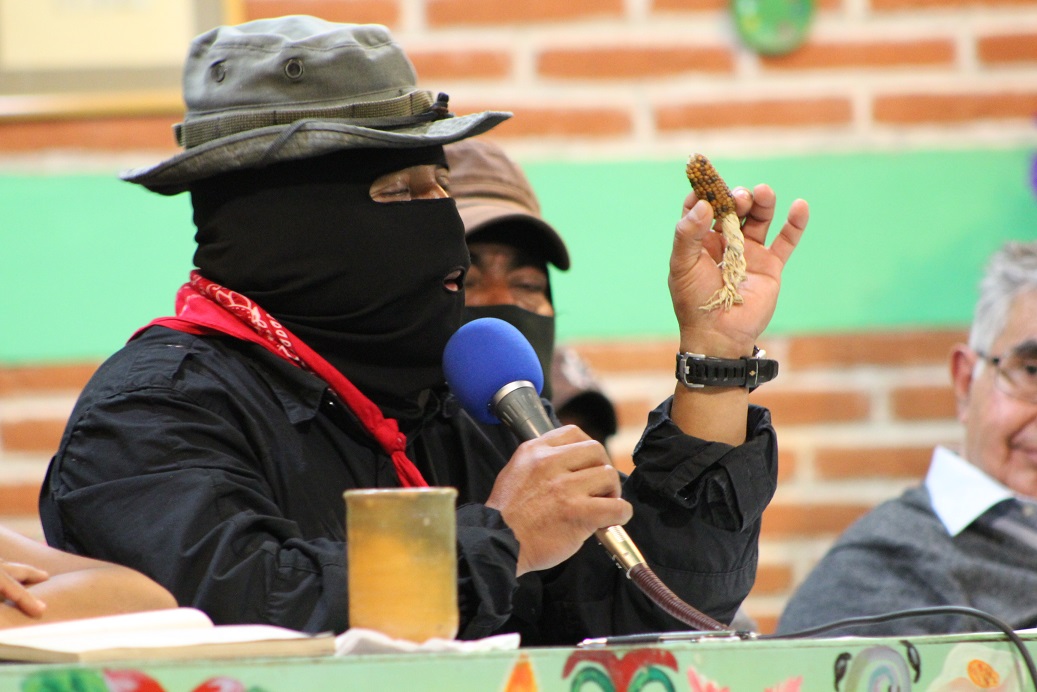
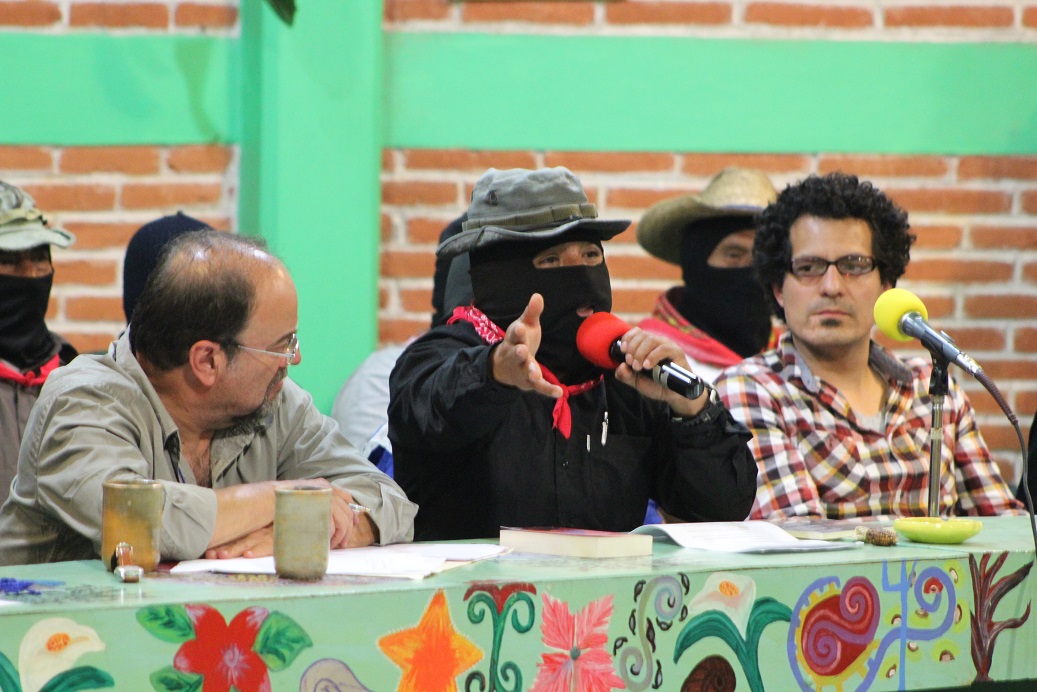
Resistencia y Rebeldía II. Subcomandante Insurgente Moisés. 7 de mayoResistance and Rebellion II. Words of Subcomandante Insurgente Moises. May 7, 2015
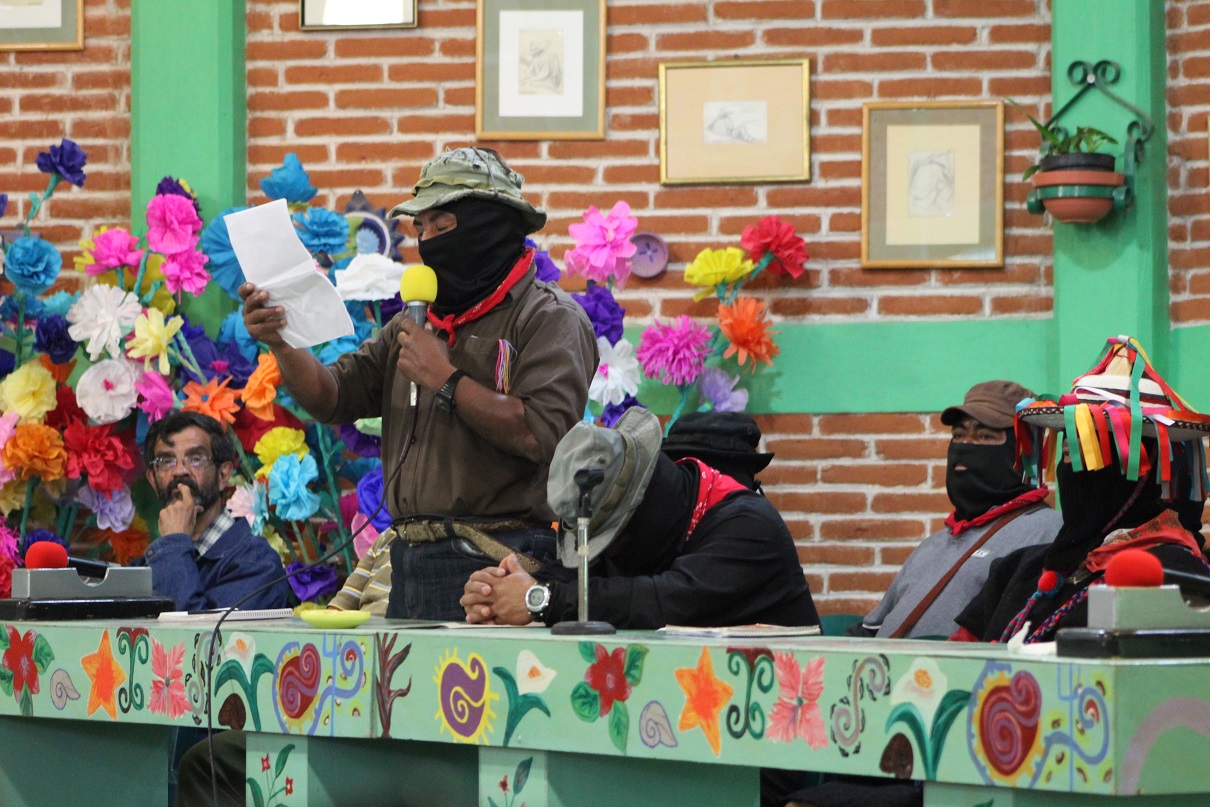
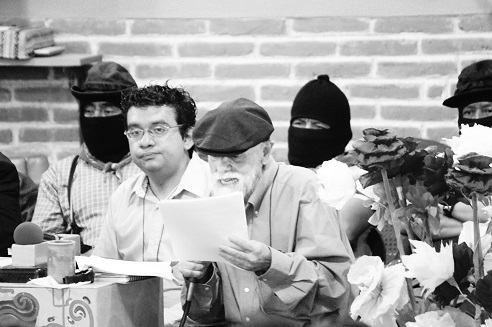
Palabras del Subcomandante Insurgente Moisés
[podcast]https://radiozapatista.org/Audios/pensamiento/7mayo_sup-moises2.mp3[/podcast]
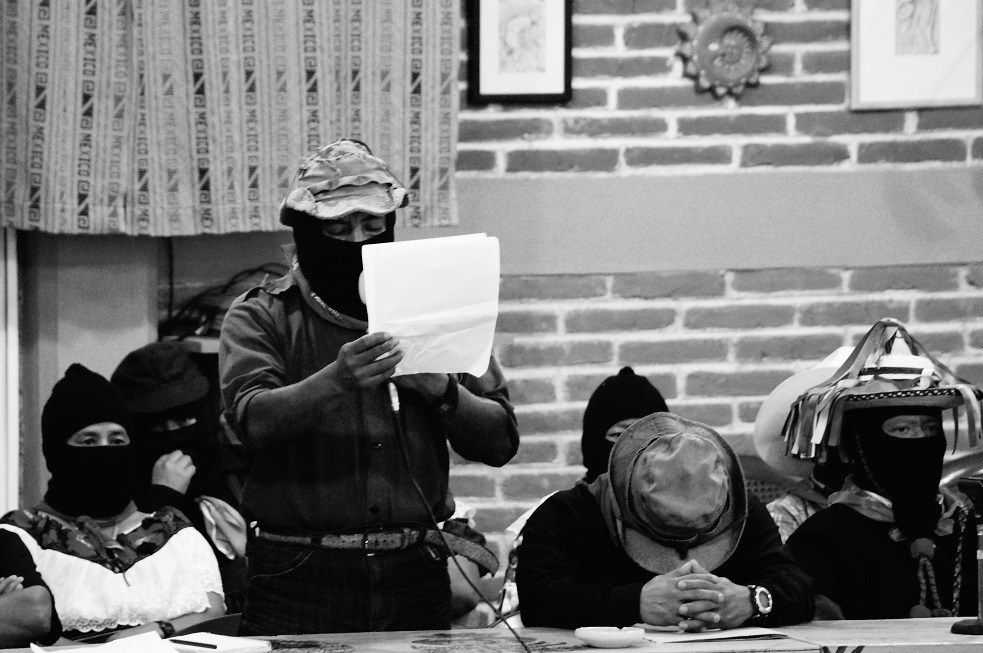
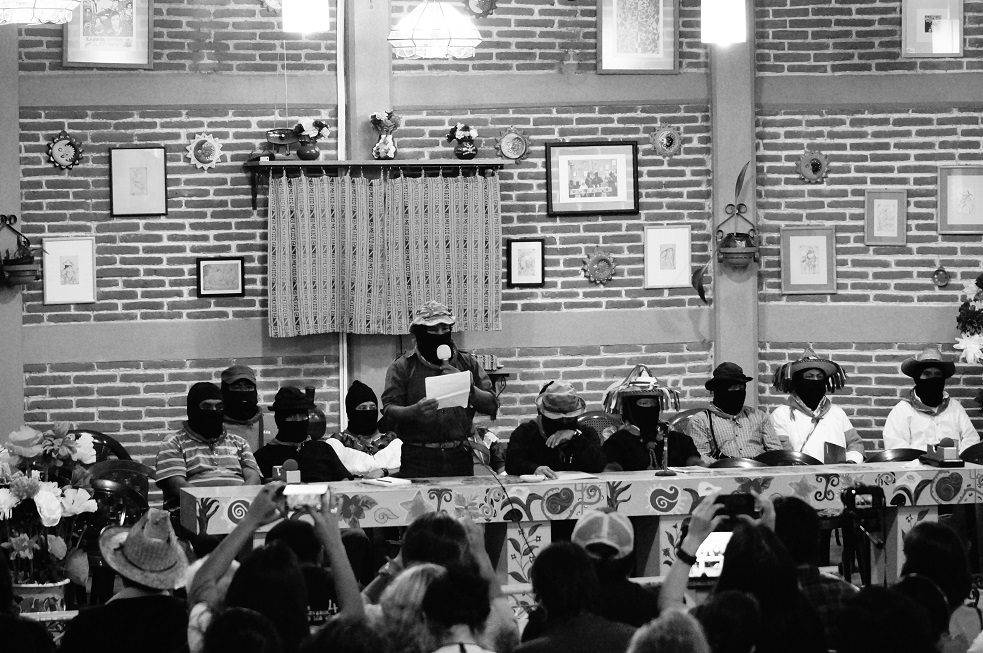
7 de mayo de 2015 (sesión vespertina).
Buenas noches, compañeros, compañeras, hermanos y hermanas.
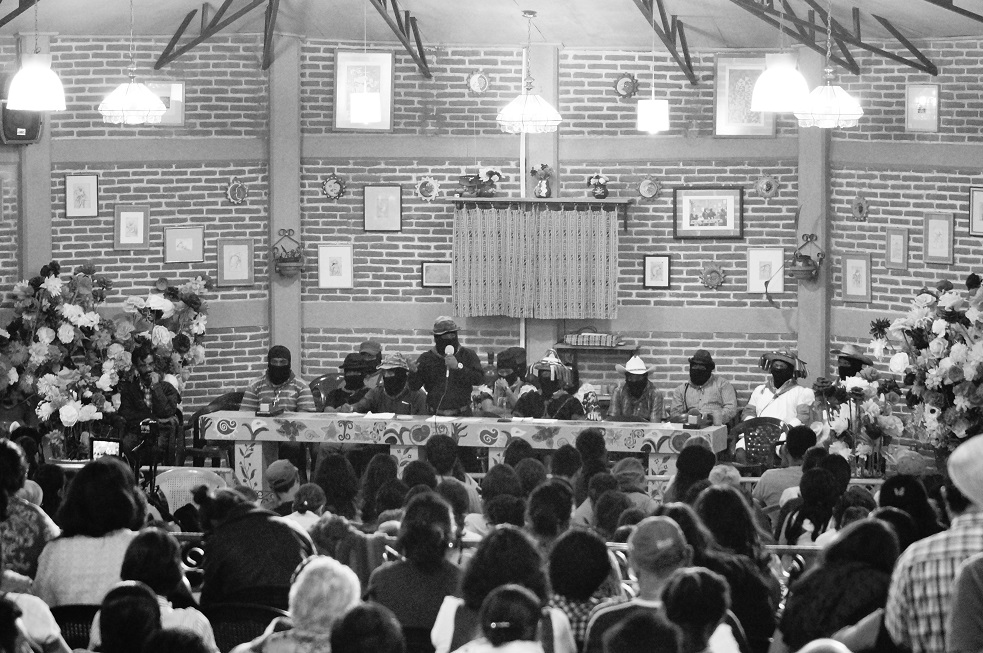
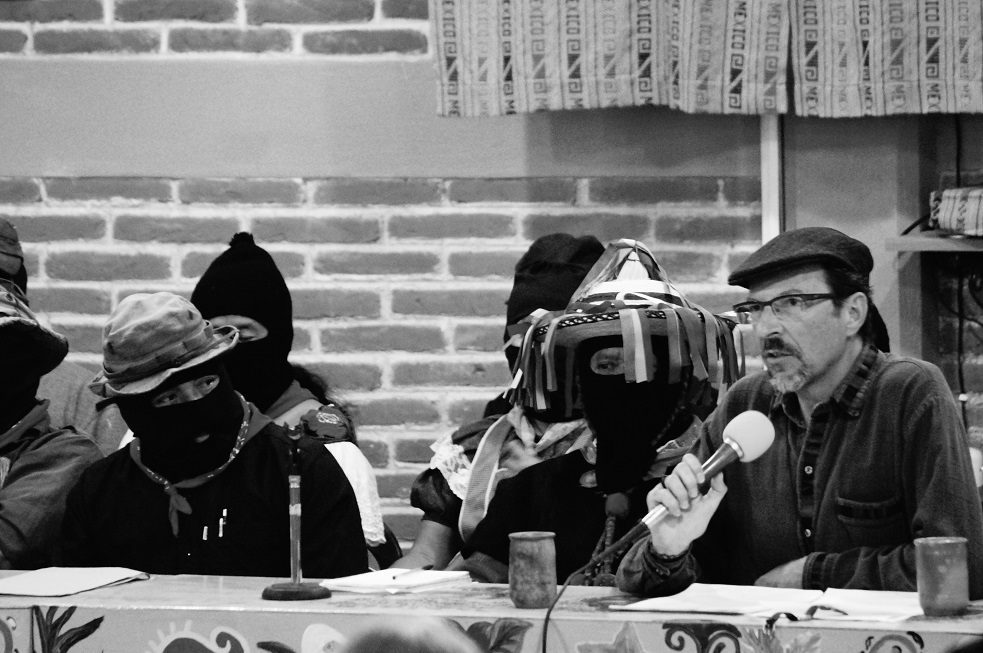
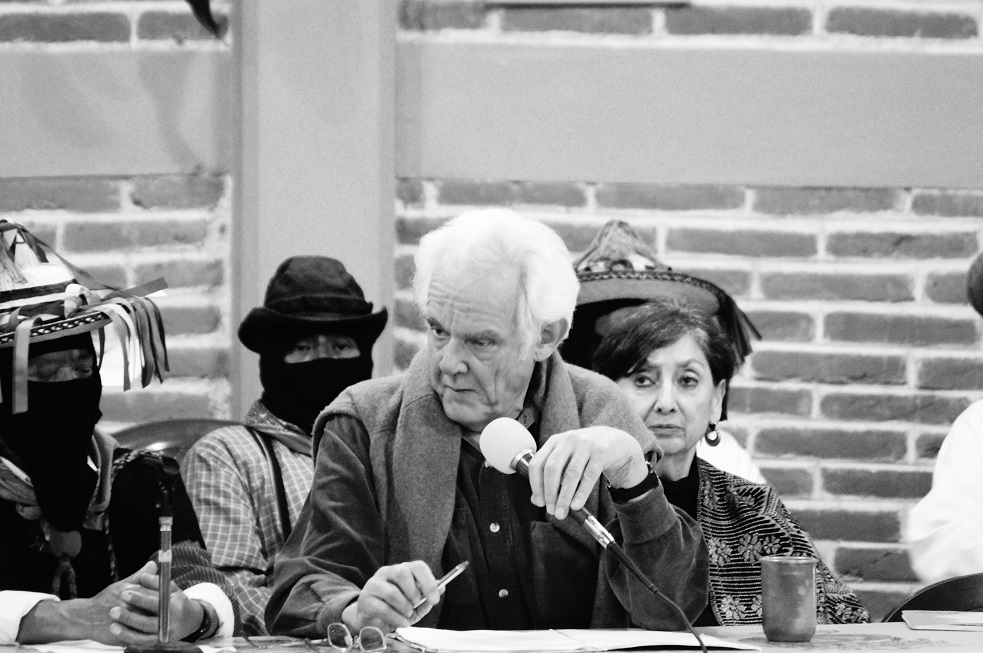
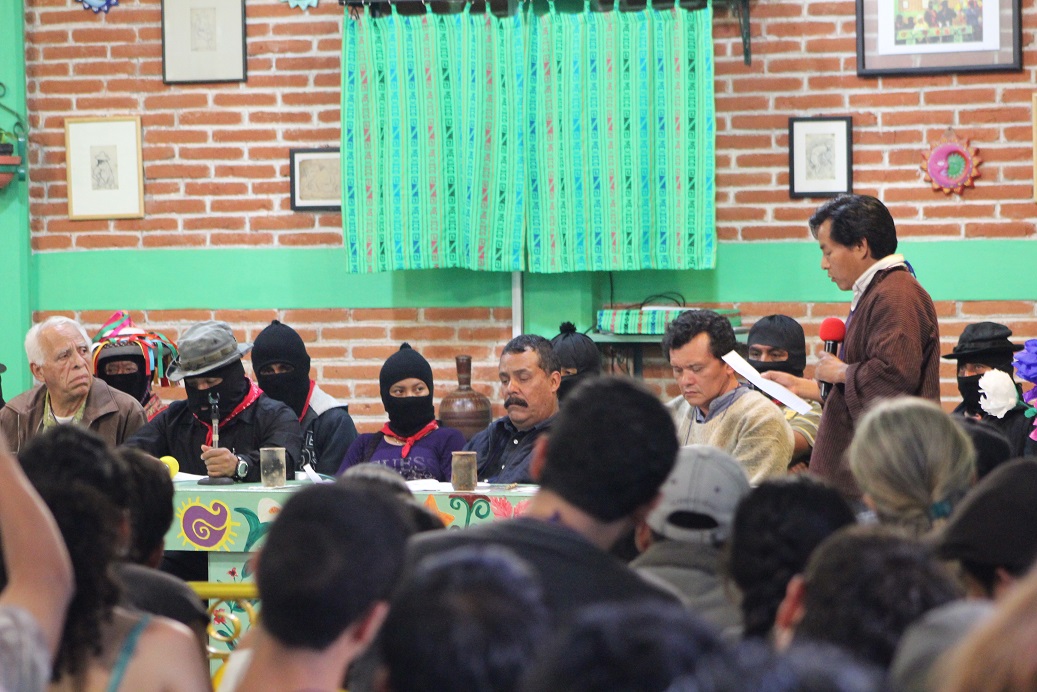
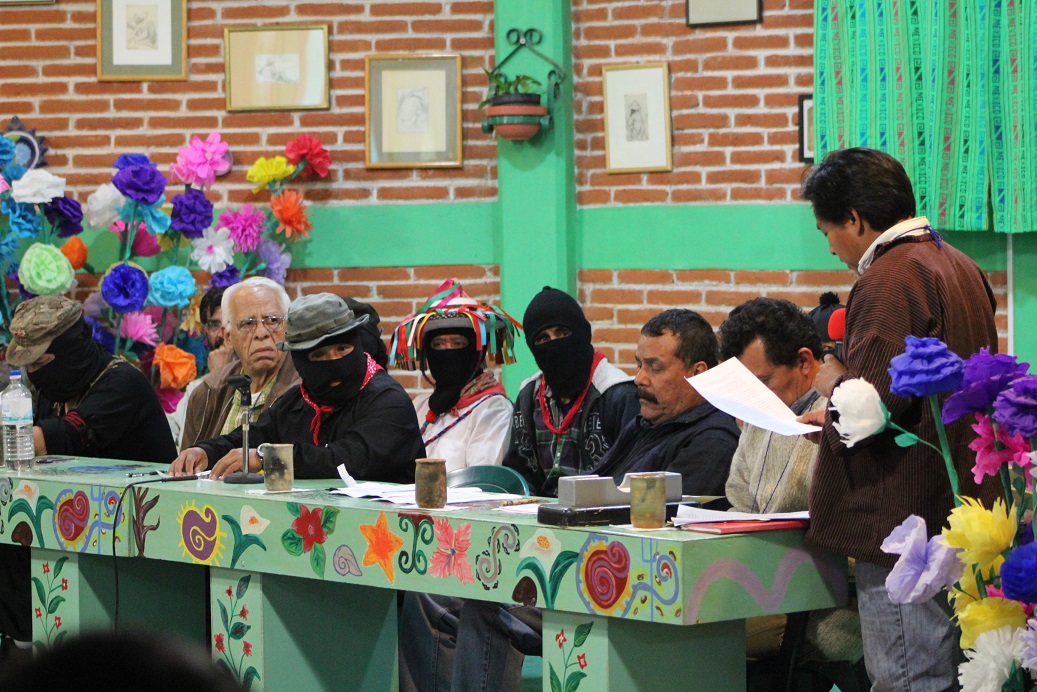
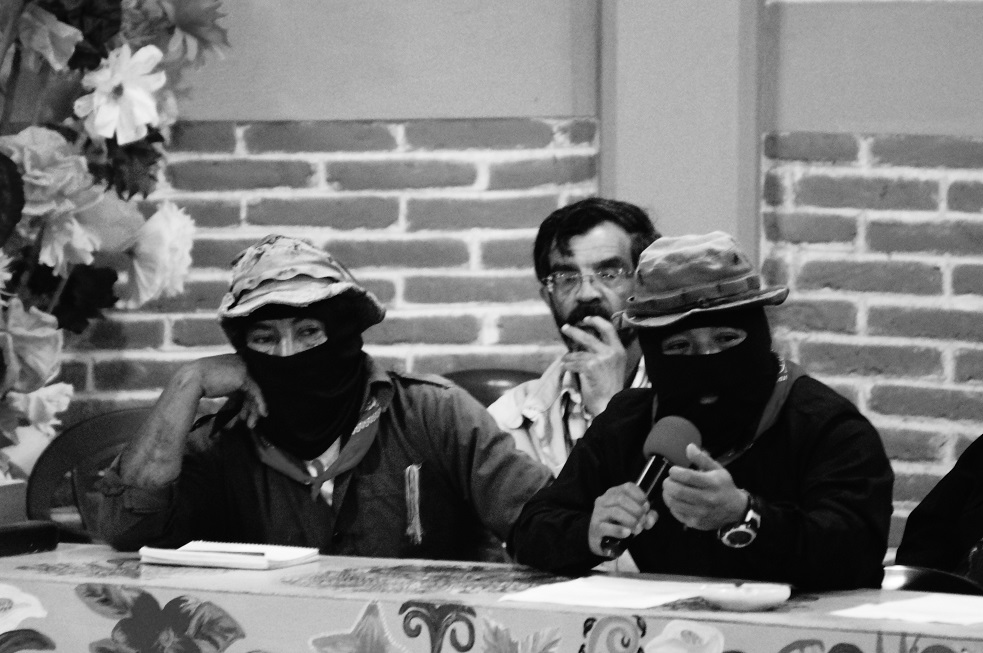
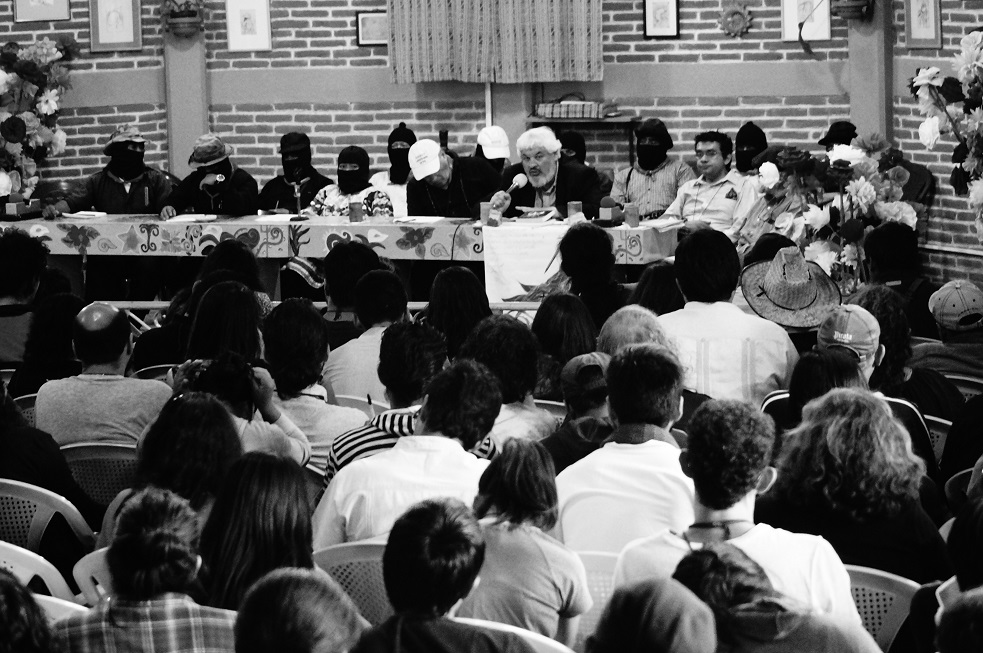
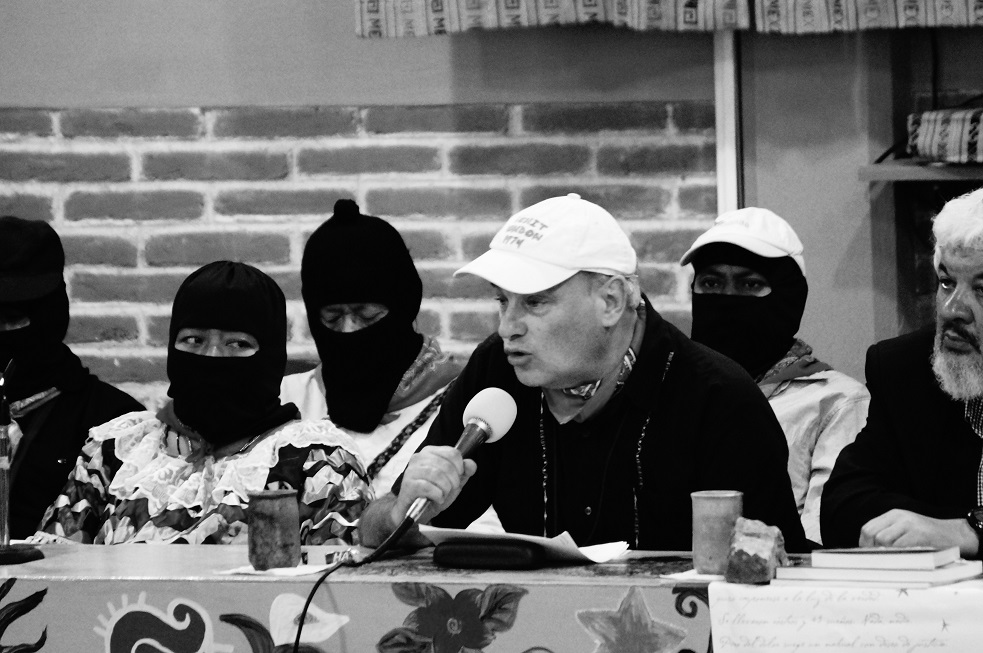
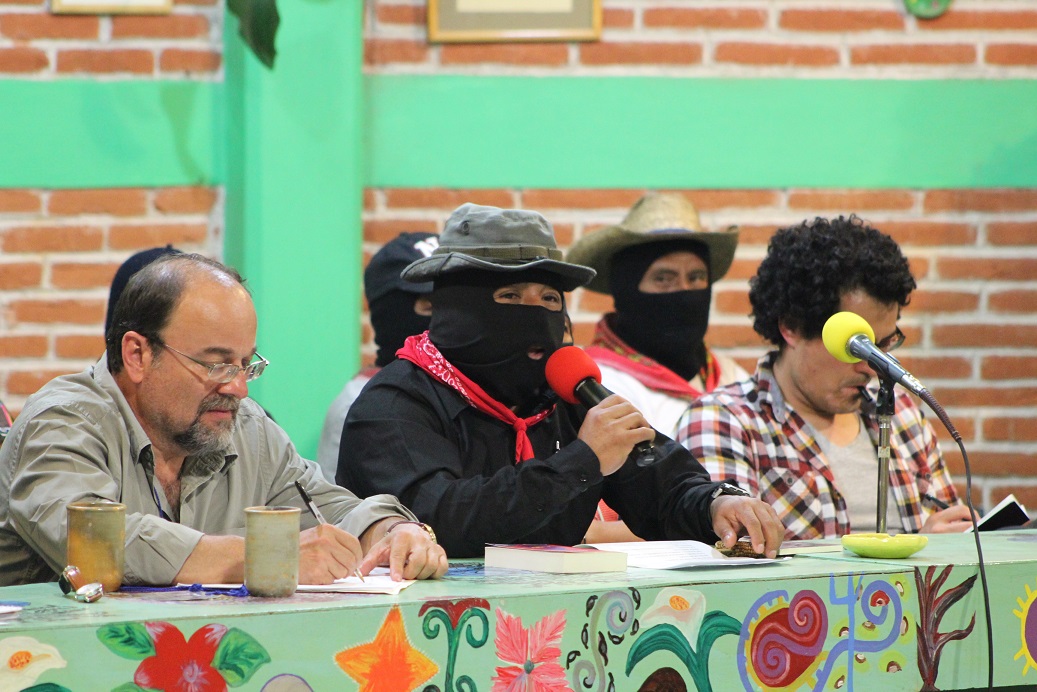
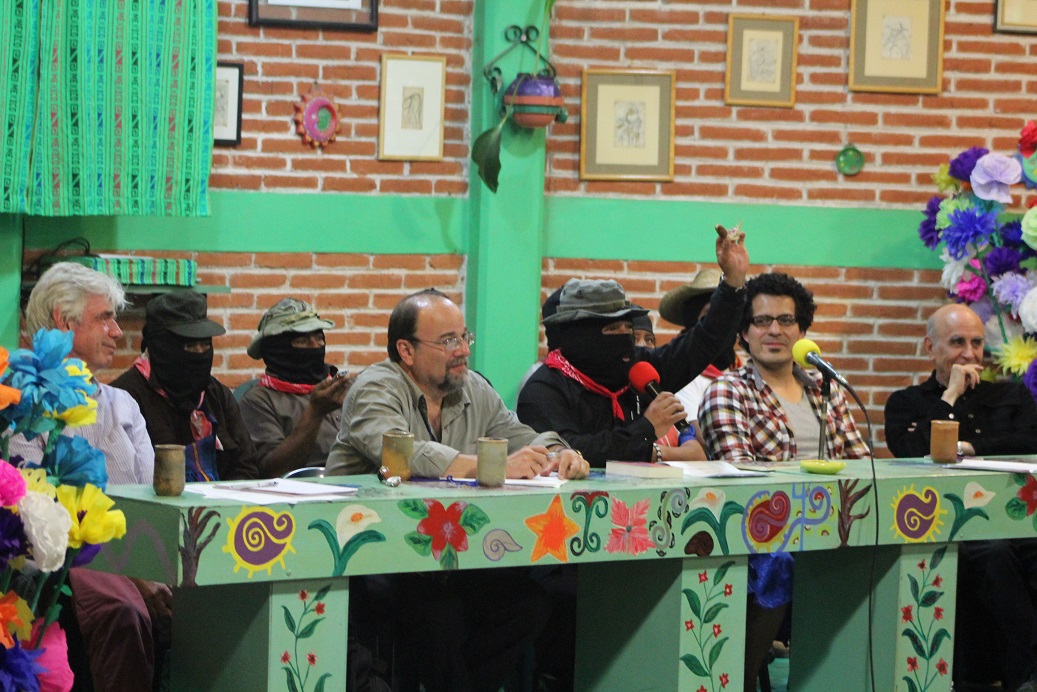
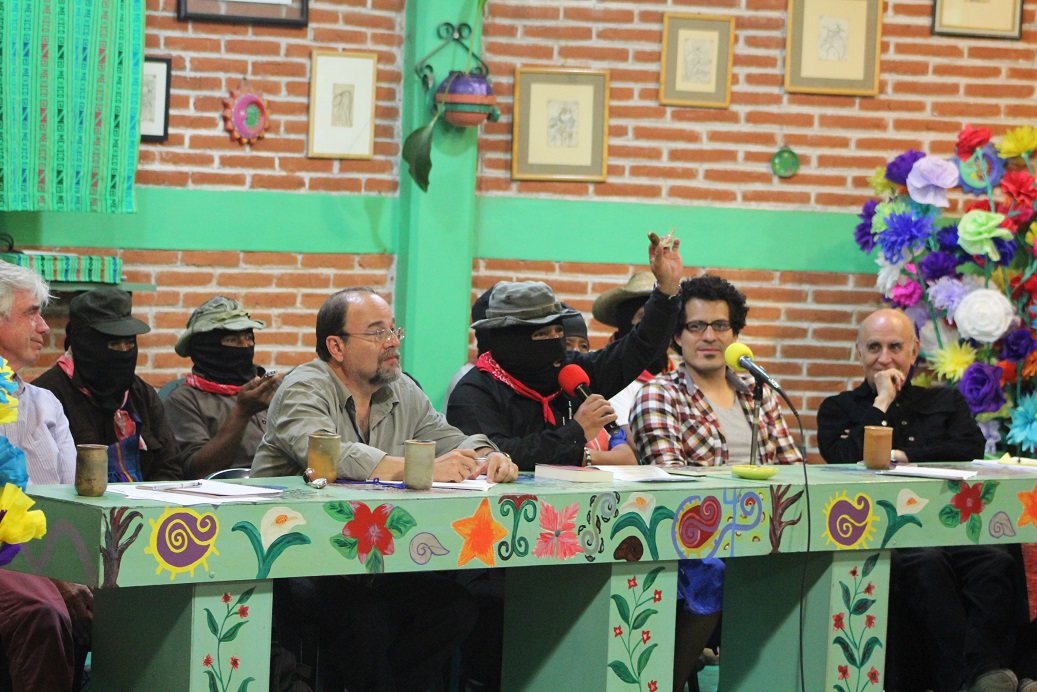
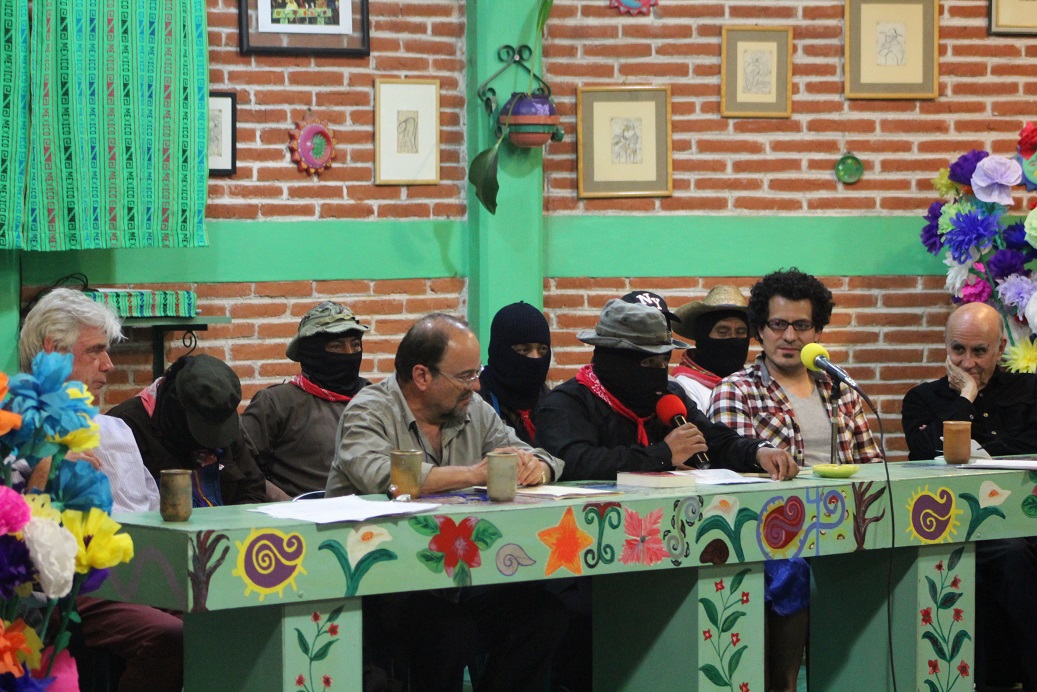
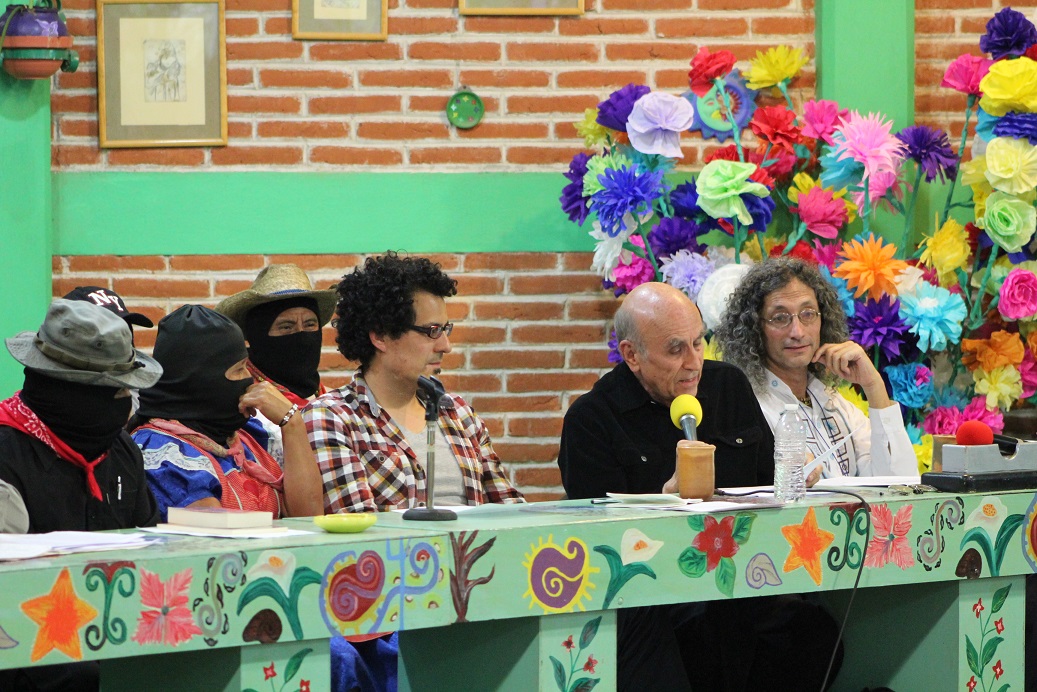
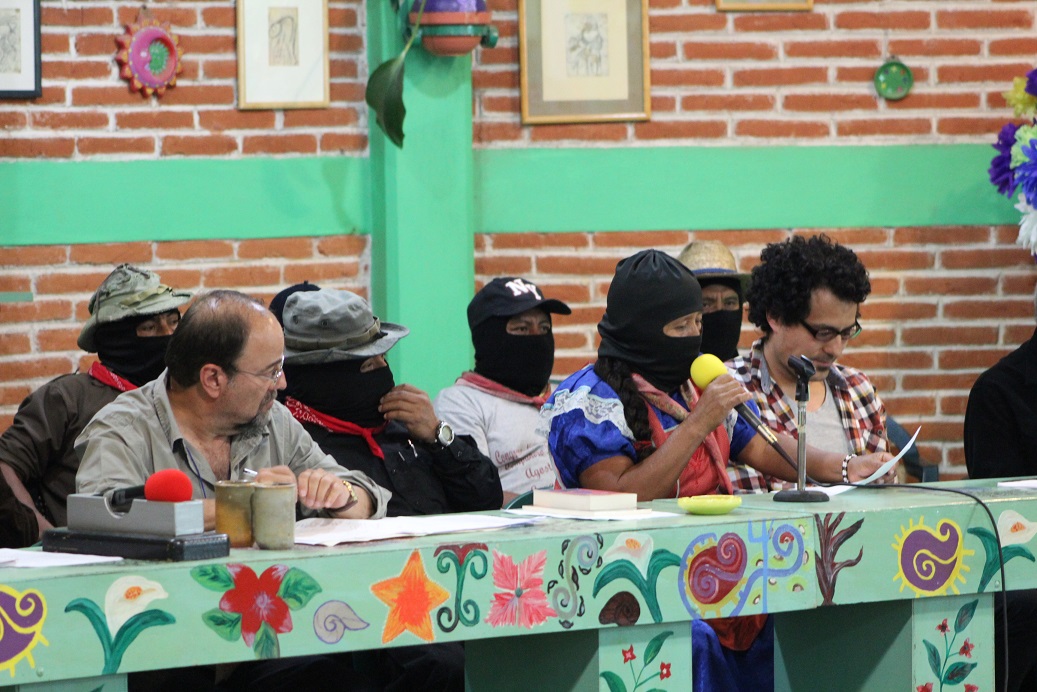
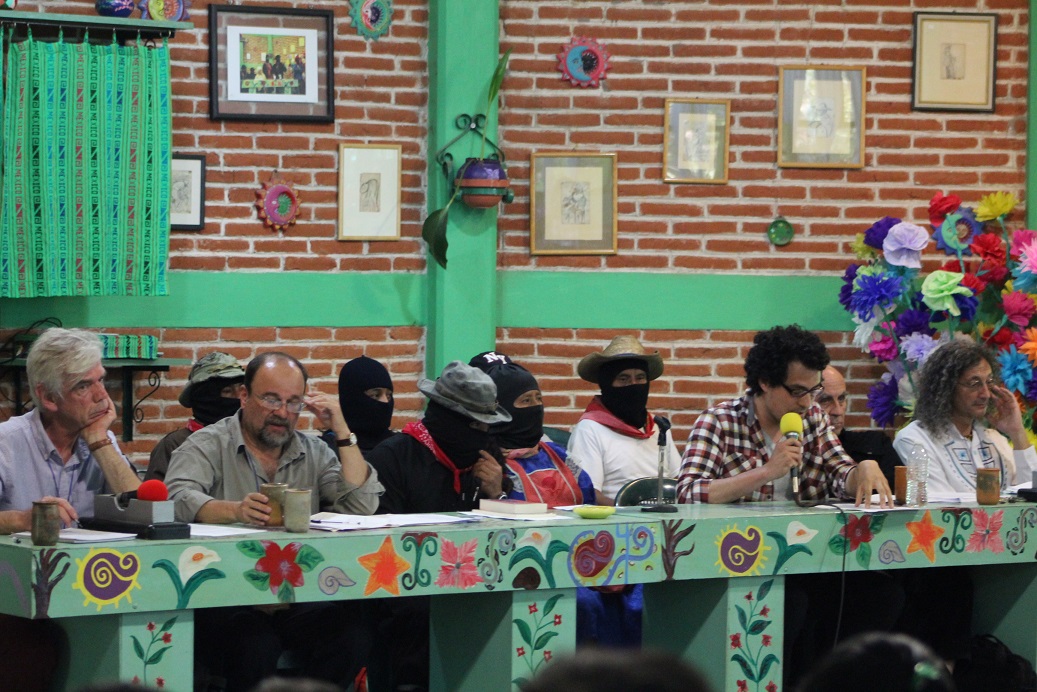
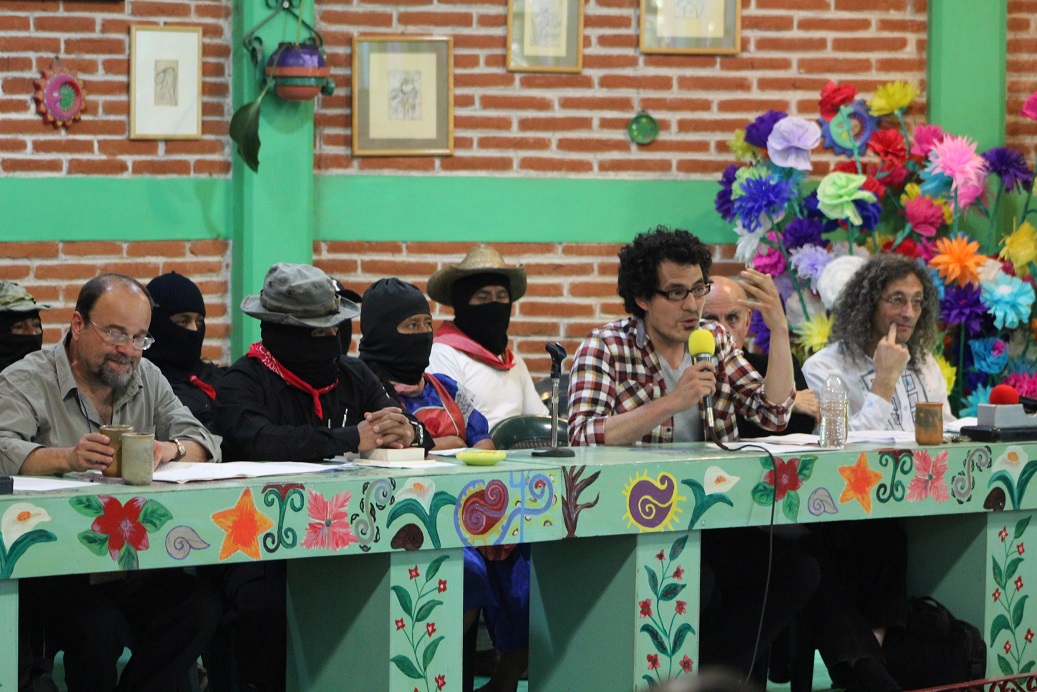
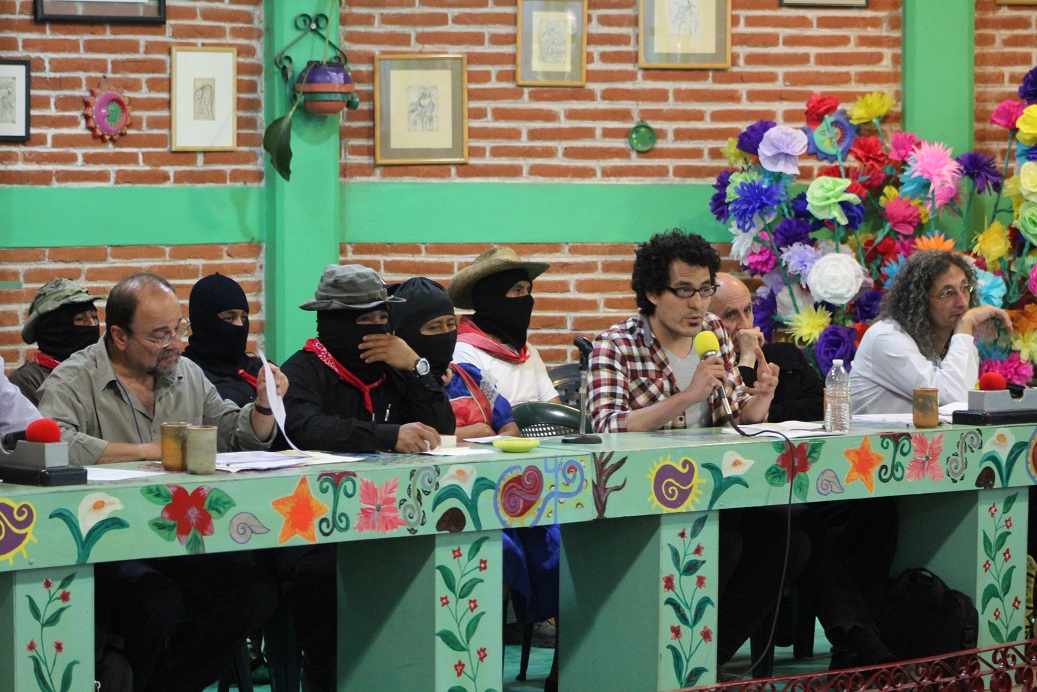
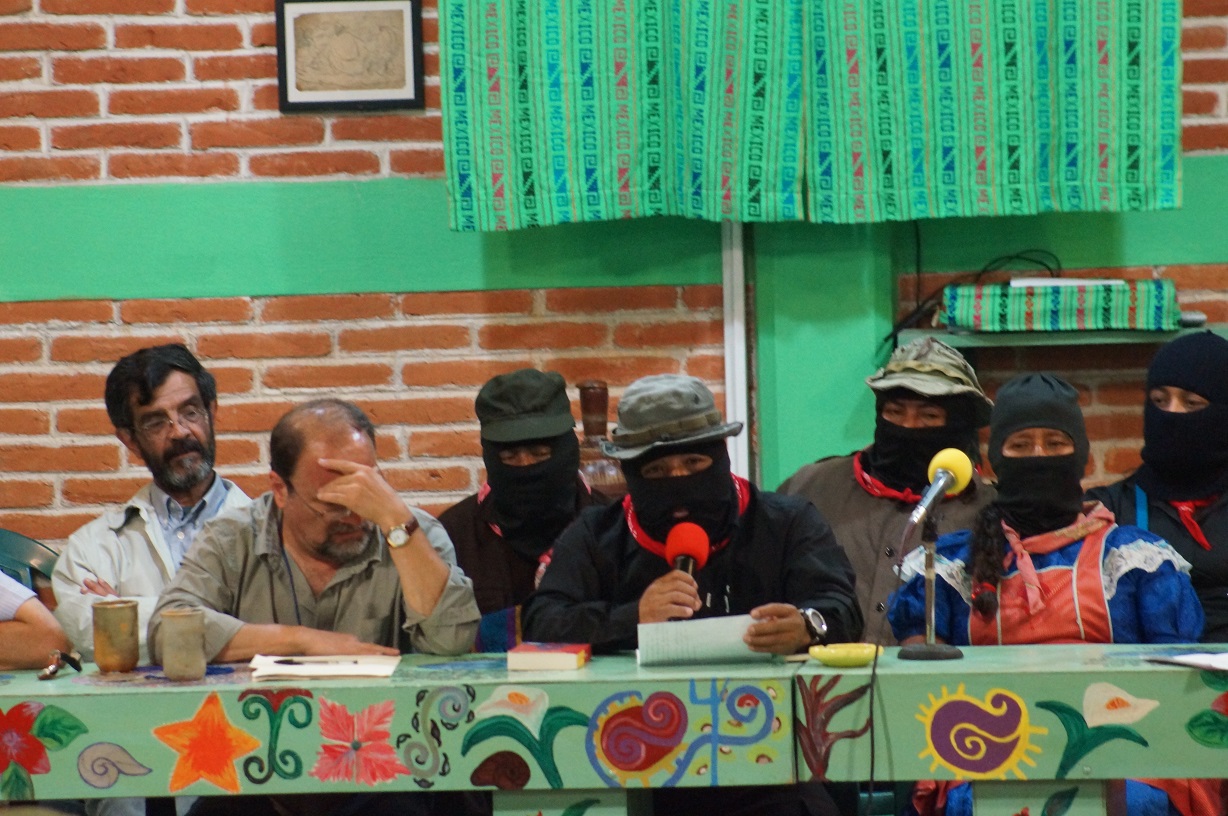
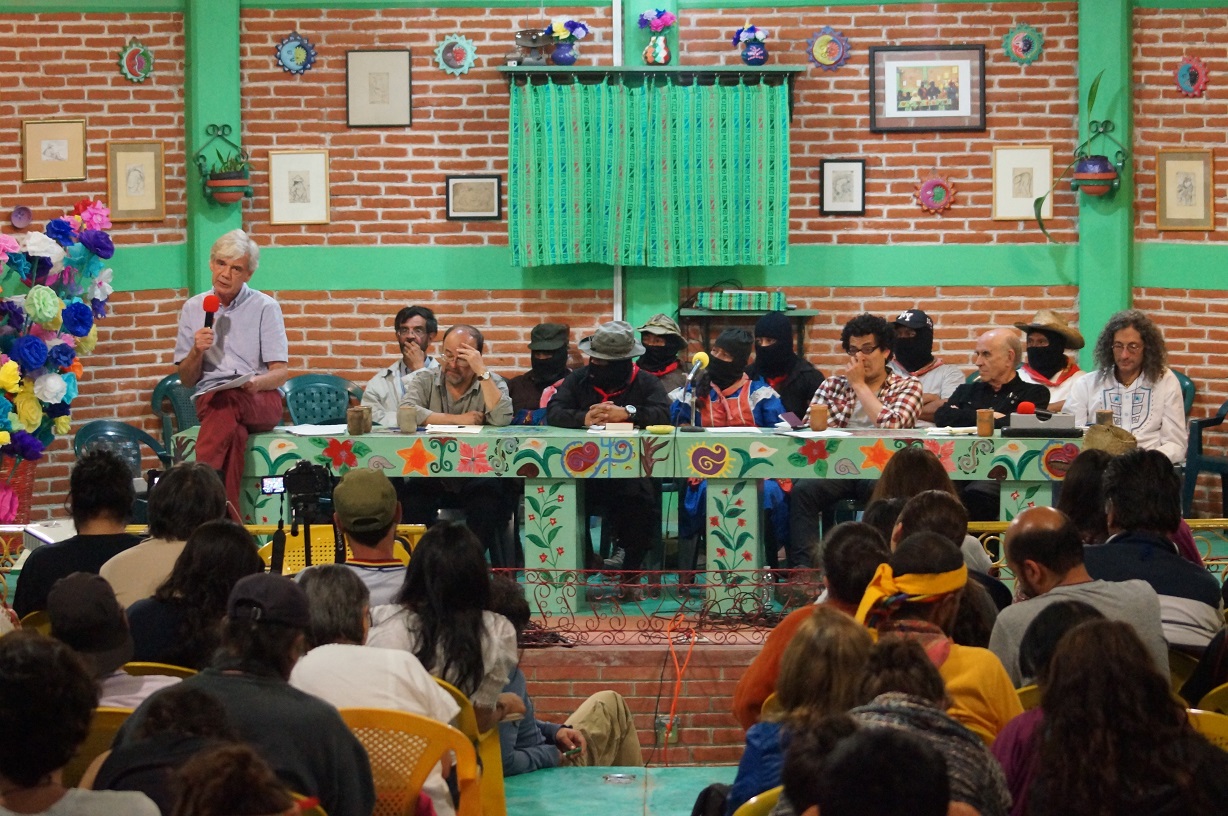
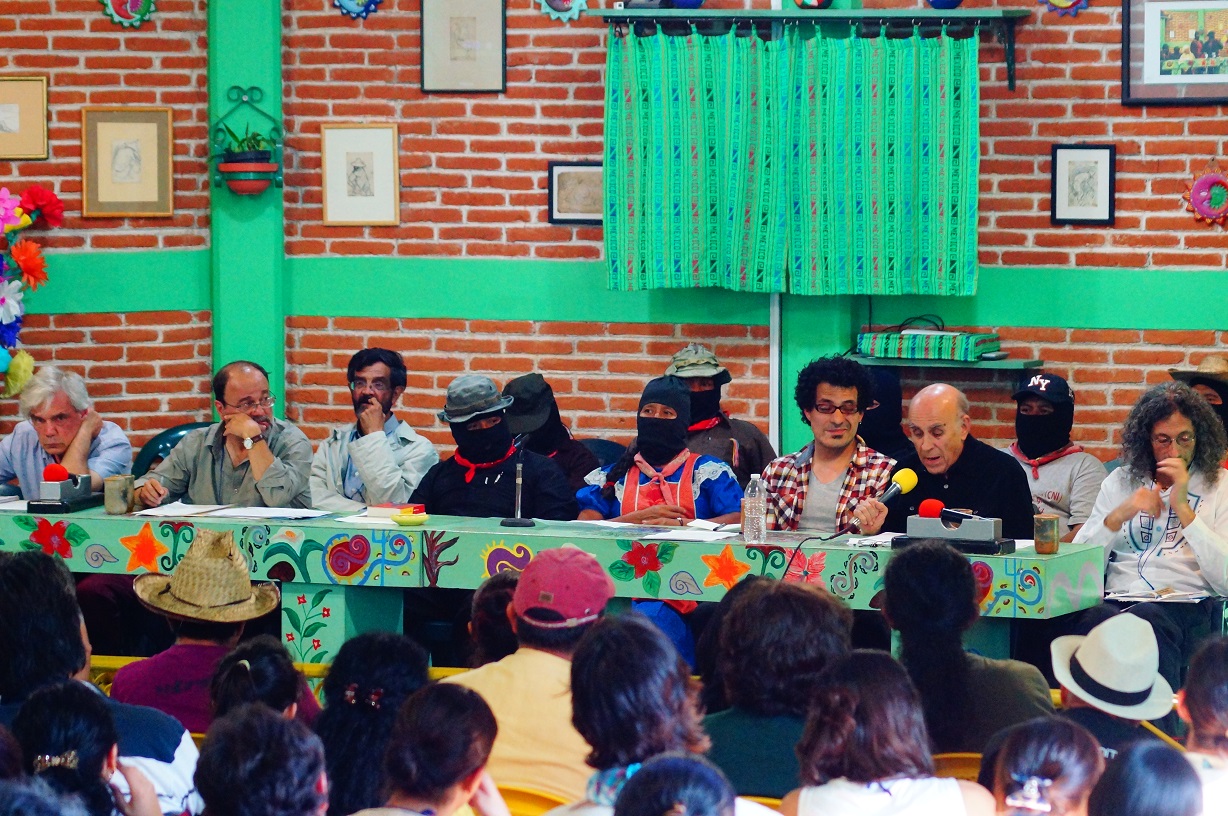
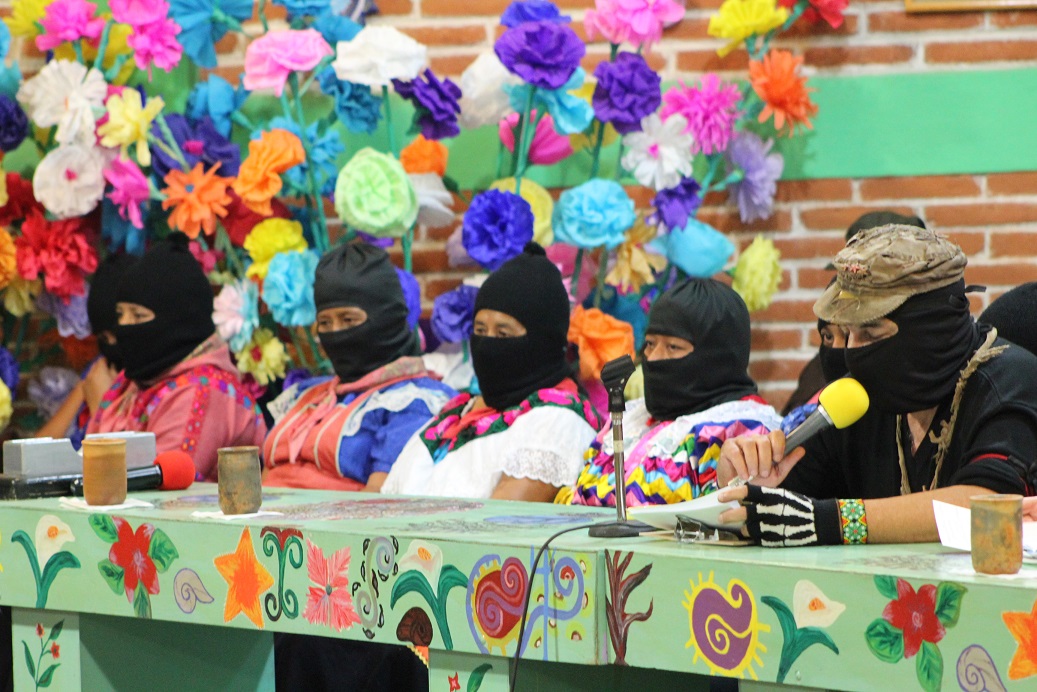
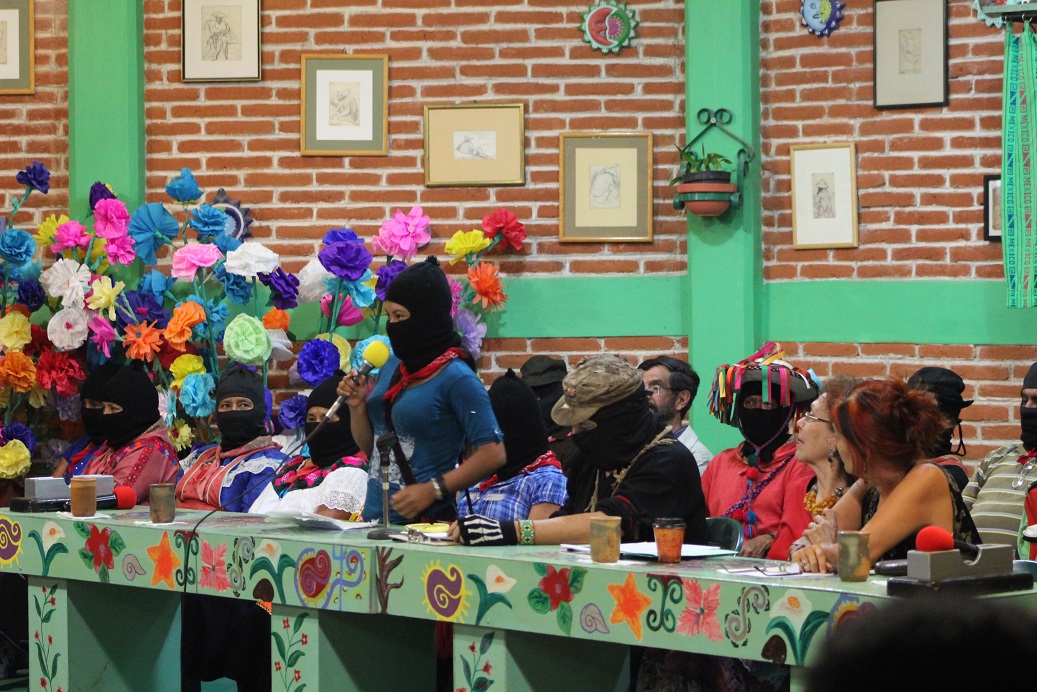
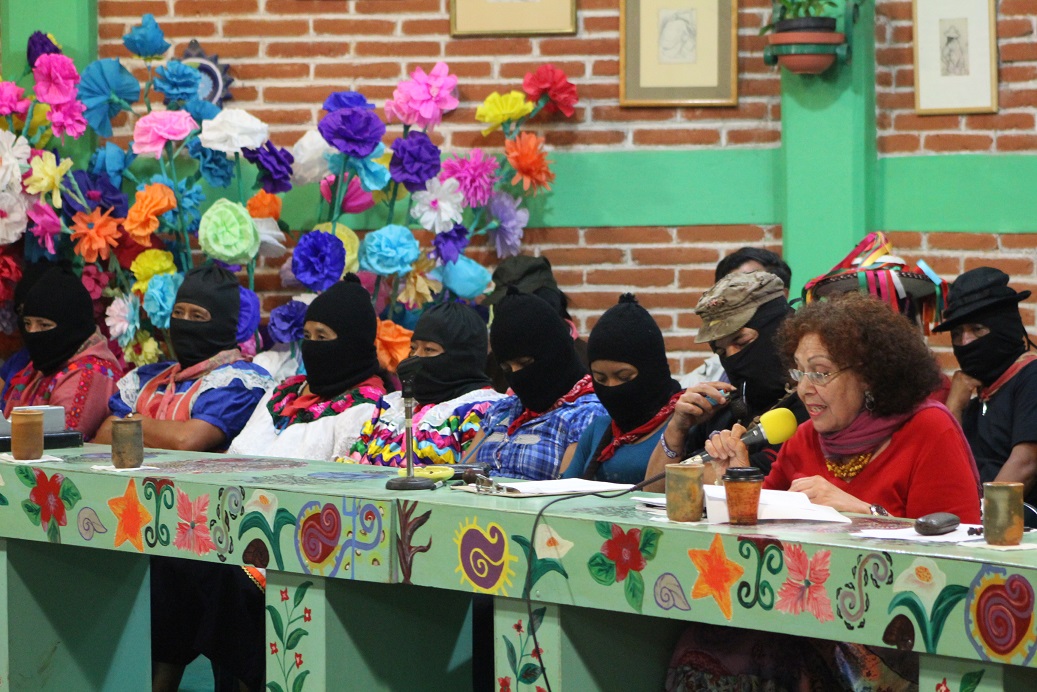
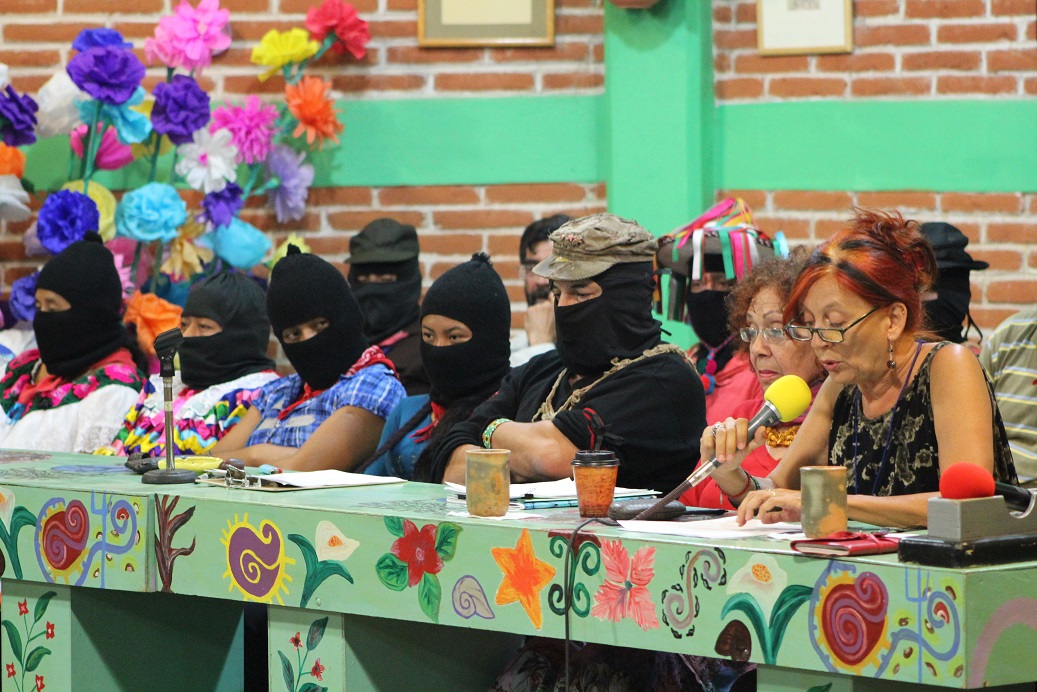
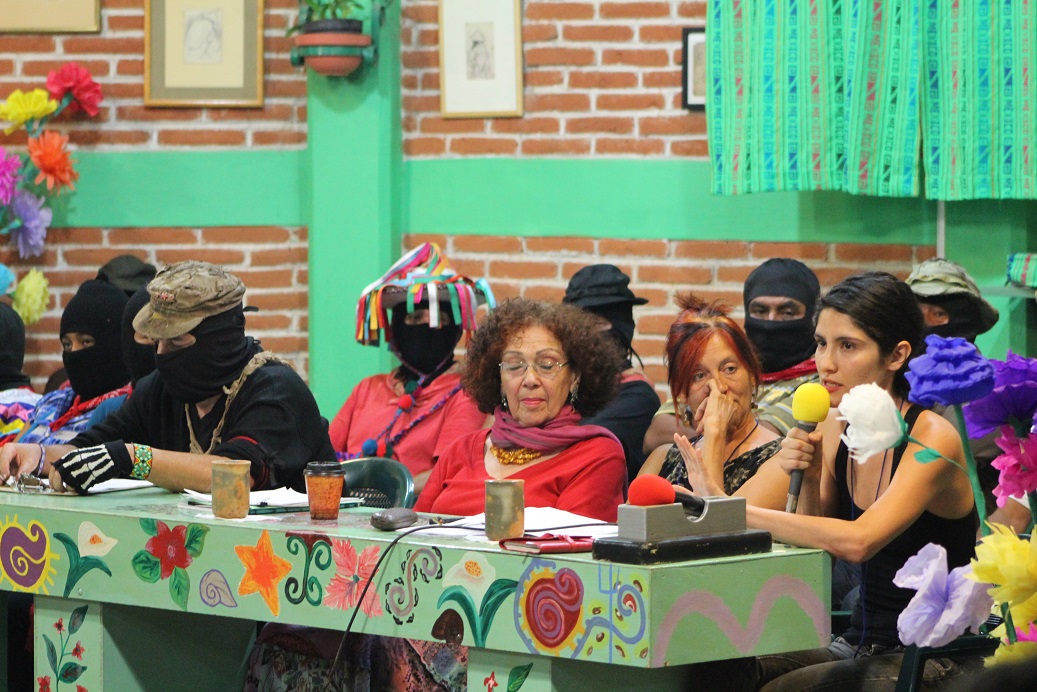
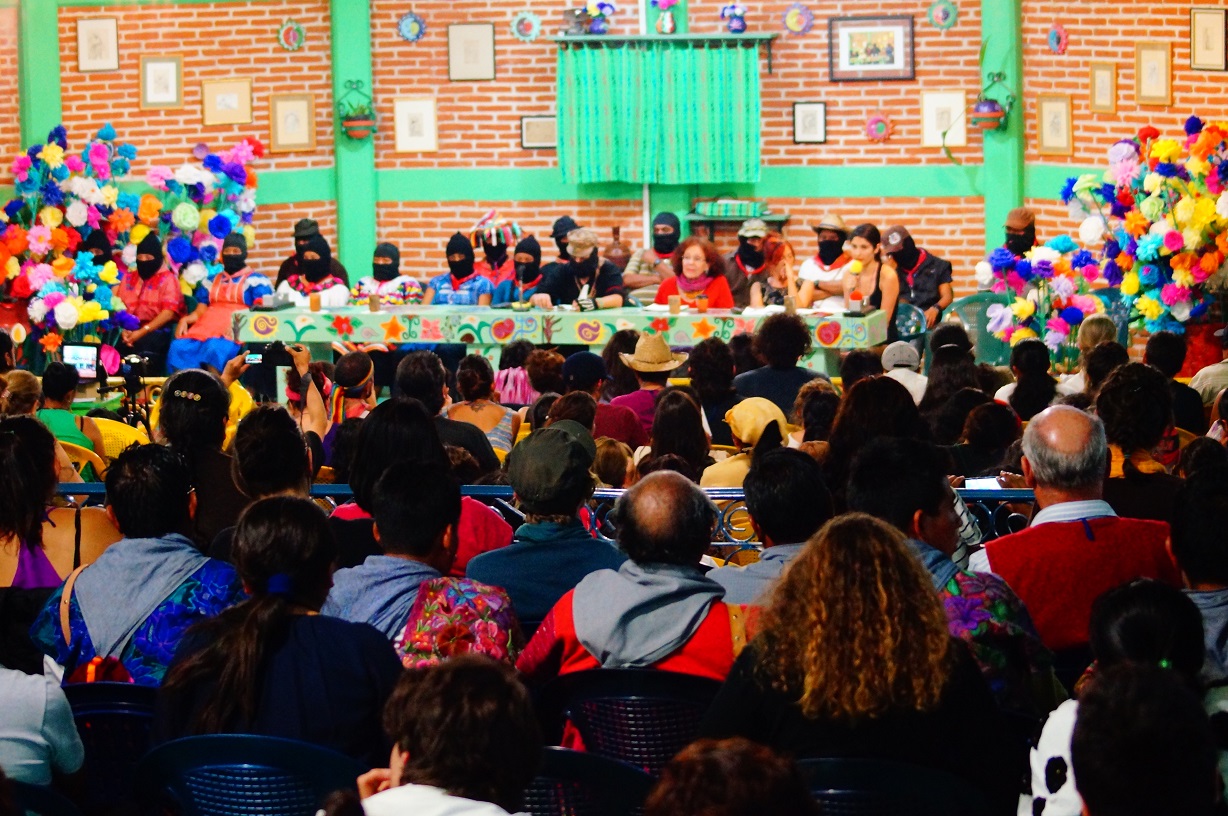
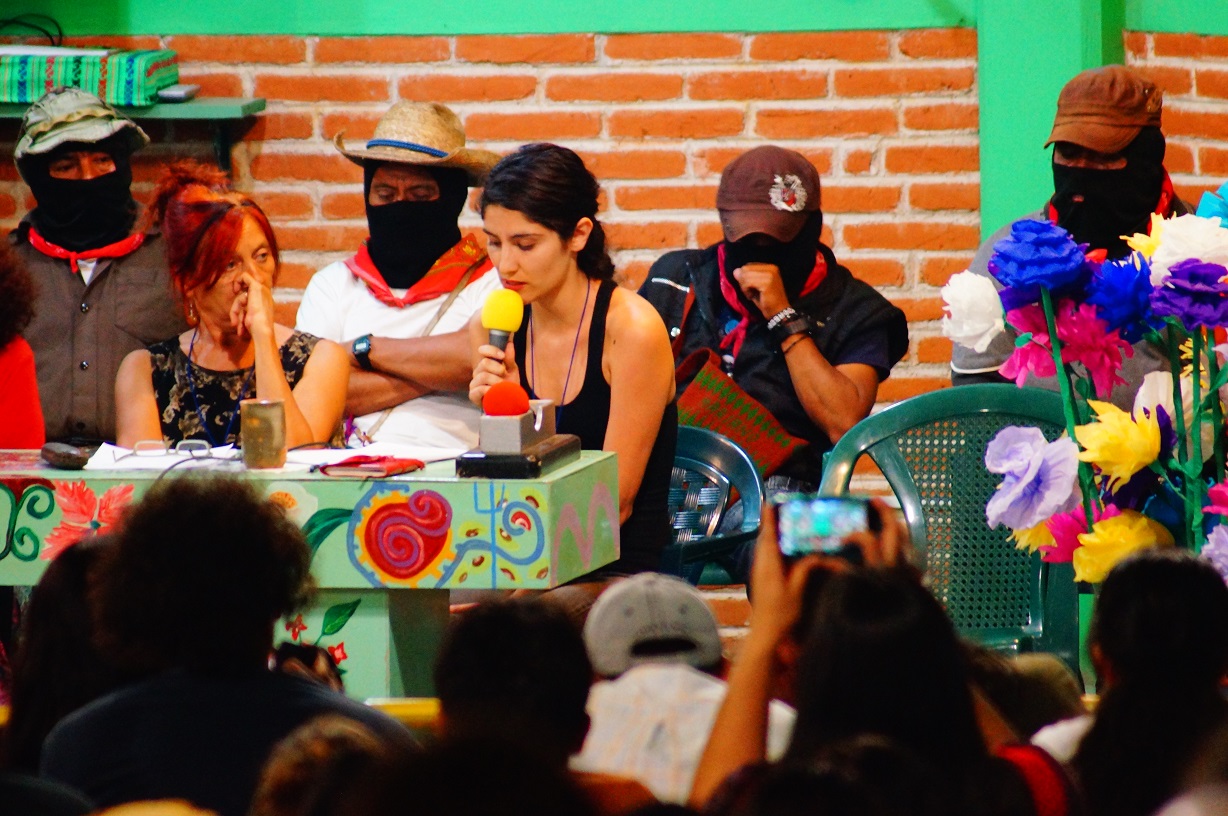
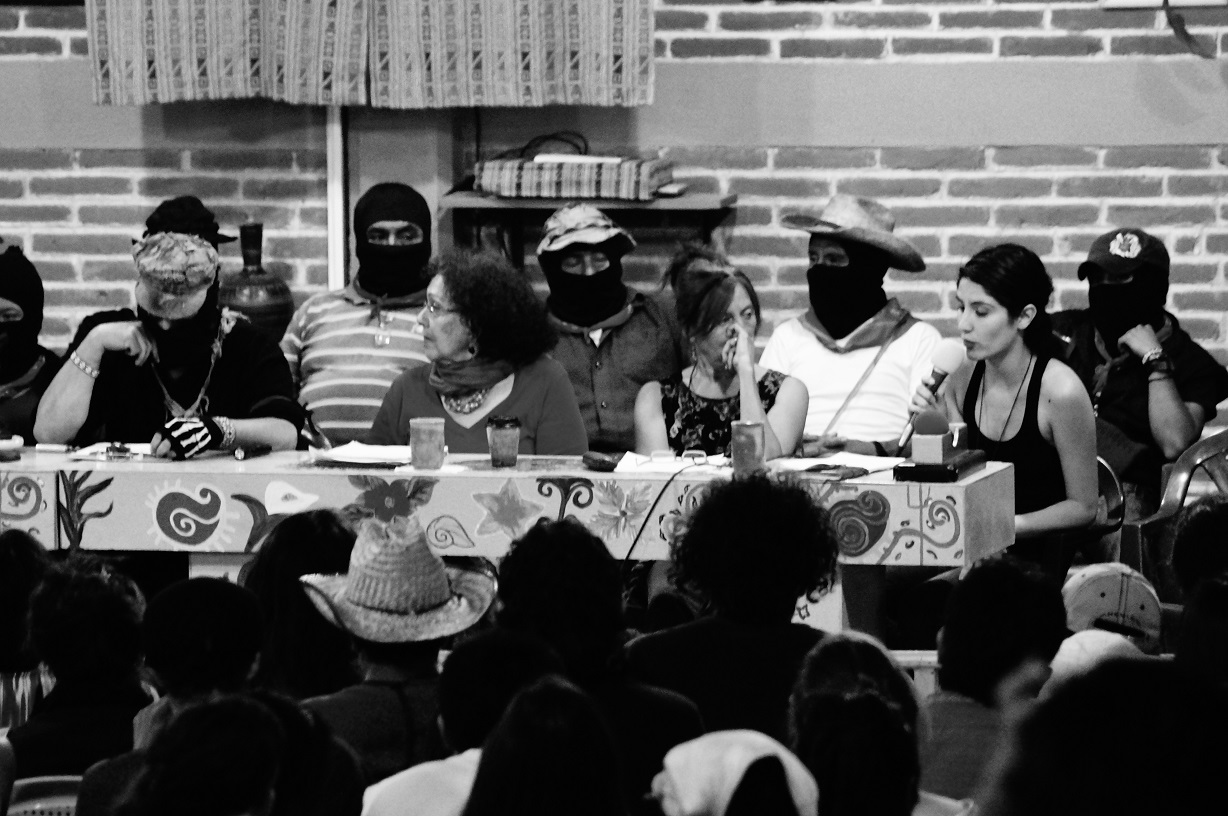
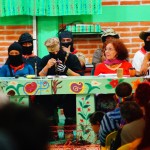
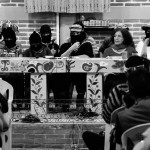
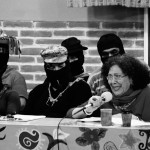
Parece que quería de por sí un agua fría porque sí realmente se está haciendo la provocación. Entonces nosotros tenemos que ir a pasarlo de castilla a tzeltal, tojolabal, tzotzil, chol, entonces va a venir la respuesta común, porque sí hay cosas que sí nos interesa discutirla de cómo plantearon los compañeros en esta mesa que estamos ahorita.
Seguimos con nuestras palabras de la explicación, plática, sobre lo que es nuestra resistencia y rebeldía para nosotros como zapatistas.
Para nosotros como organización que resistimos y hacemos la lucha pues de la rebeldía, es que primero eso tenemos que tener claridad por qué vas a hacer la resistencia y su rebeldía. Si no tenemos claridad ¿por qué?, ¿para qué?, ¿de qué?, simplemente uno no camina.
Words by Subcomandante Insurgente Moisés
[podcast]https://radiozapatista.org/Audios/pensamiento/7mayo_sup-moises2.mp3[/podcast]
May 7, 2015 (evening session)
Good evening, compañeros, compañeras, brothers and sisters.
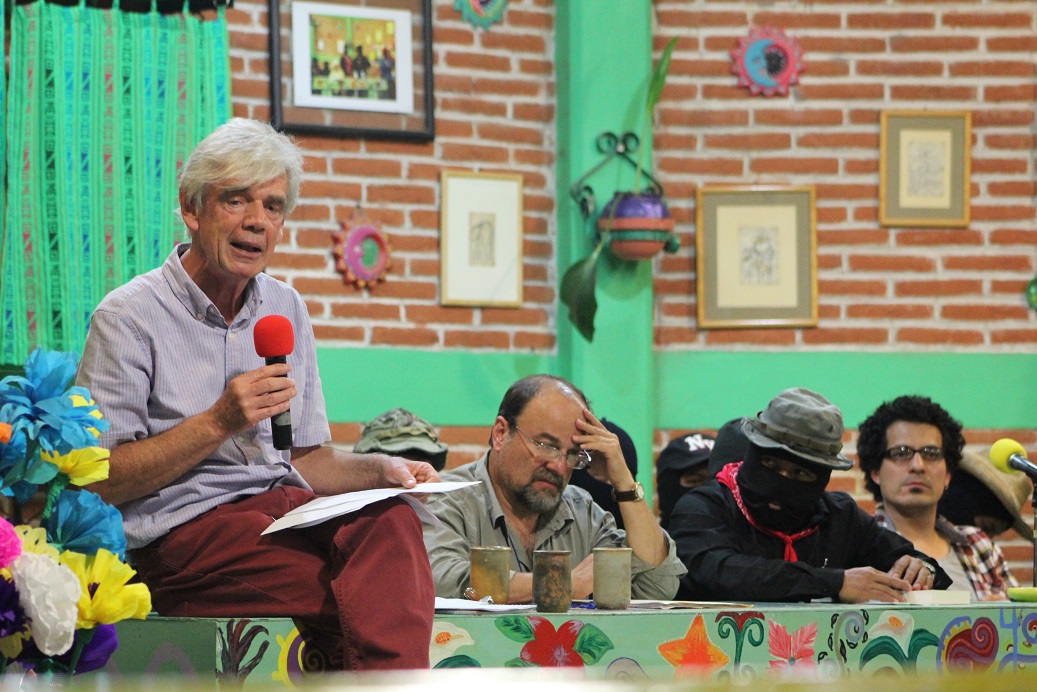
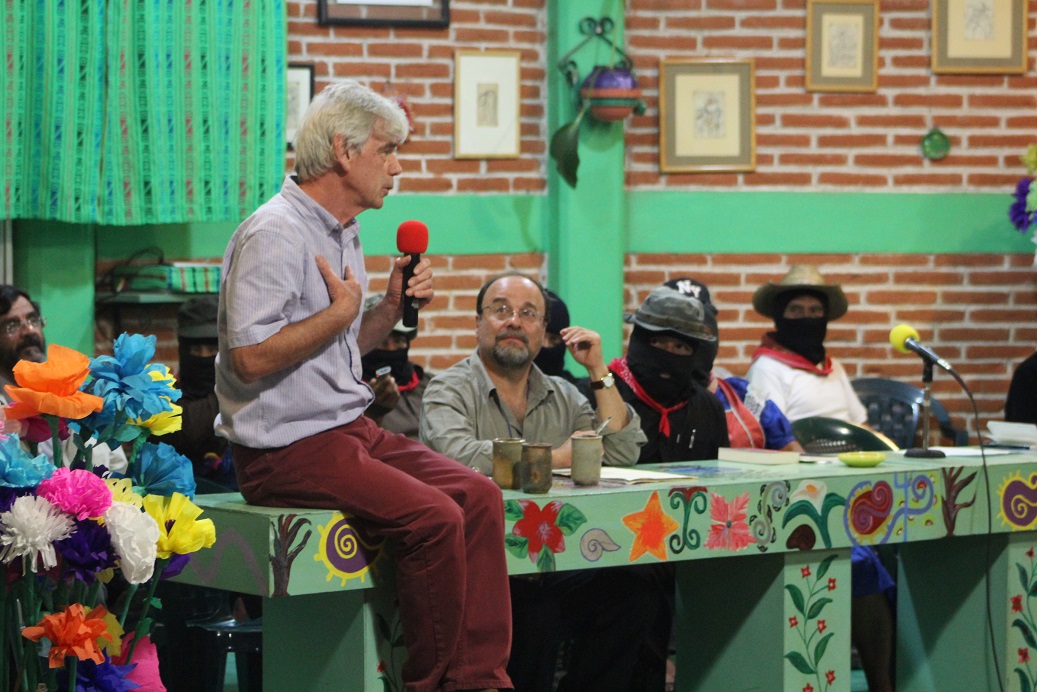
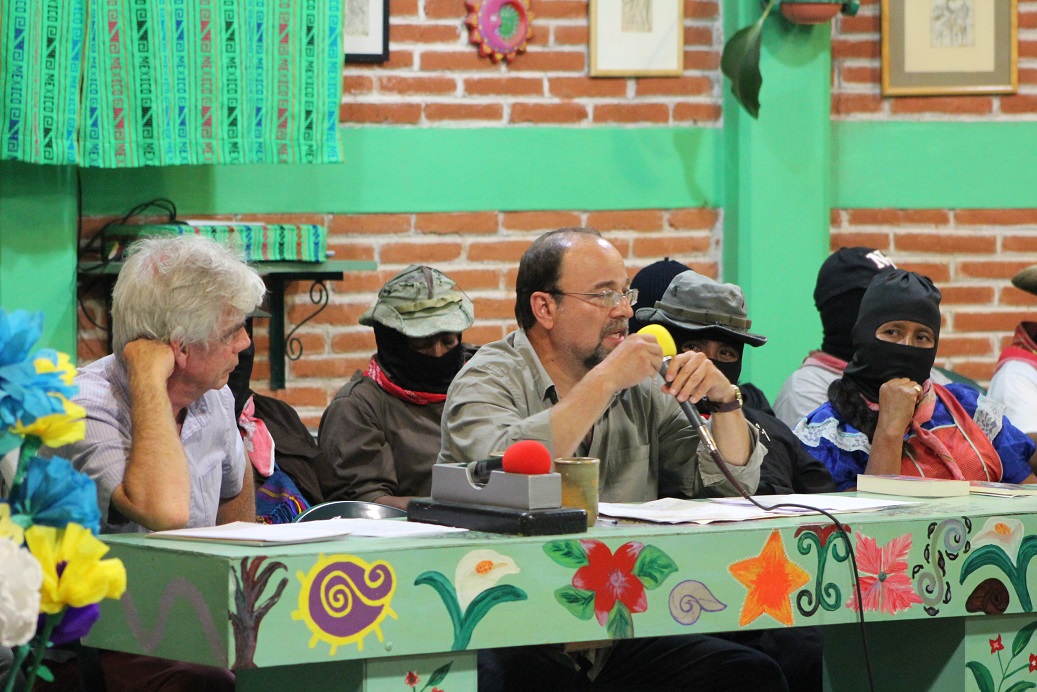
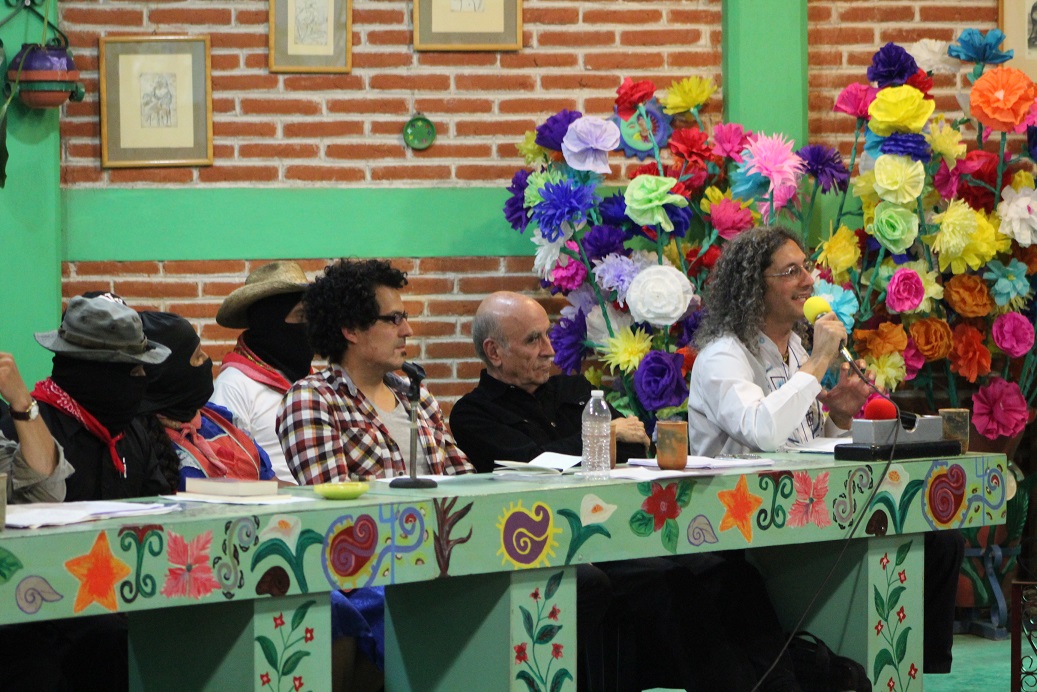
It seems like a splash of cold water on our faces was indeed what we needed, because now we are definitely getting some thought-provoking ideas.
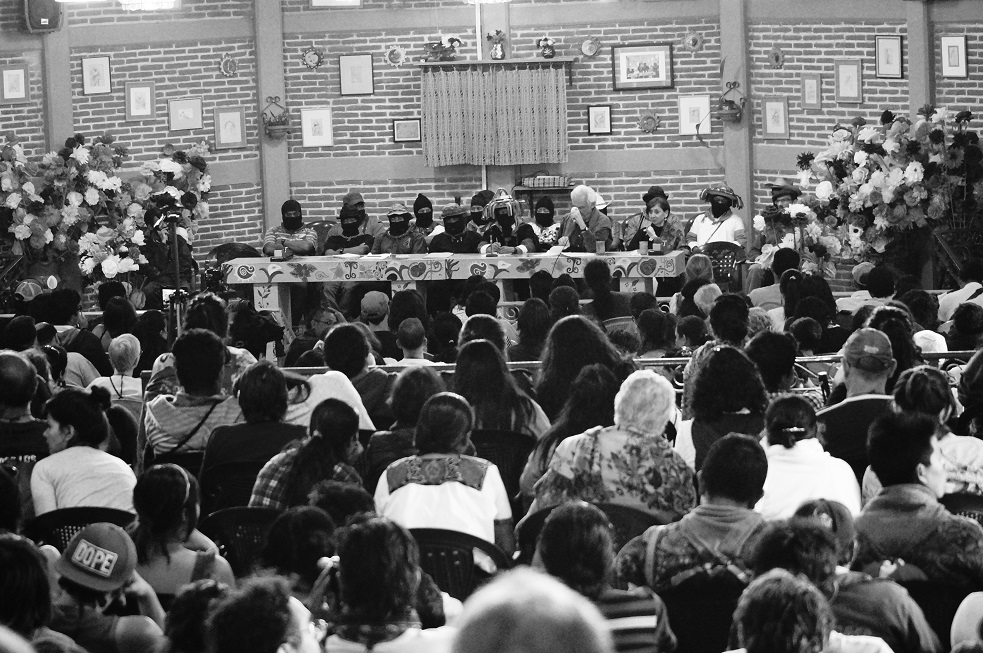
So we will need to translate this from Spanish to Tzeltal, Tojolabal, Tzotzil, and Chol, and from there a joint response will arise, because there are some things proposed by the compañeros at this table that we are interested in discussing.
We continue with our words of explanation and discussion on what resistance and rebellion mean to us as Zapatistas.
For us, as an organization that resists and struggles in rebellion, we first need to be clear on why one would resist and rebel. If we are not clear on the “Why?” the “For what?” and the “From what?” we simply cannot go forward.
Palabras del Subcomandante Insurgente Moisés. Seminario “El Pensamiento Crítico frente a la Hidra Capitalista”, 6 de mayo de 2015Resistance and Rebellion I. Subcomandante Insurgente Moisés. May 6, 2015
Palabras del Subcomandante Insurgente Moisés
Escucha aquí: [podcast]https://radiozapatista.org/Audios/pensamiento/6mayo_sup-moises.mp3[/podcast]
6 de mayo de 2015
Buenas tardes, compañeros, compañeras, hermanos y hermanas.
Les voy a compartir sobre el cómo es que nosotros, nosotras, la tenemos como nuestras armas la resistencia y la rebeldía.
Antes de empezar eso, el cómo es que hacemos la resistencia y la rebeldía, les quiero recordarles que nosotros somos armados. Ahí tenemos nuestras armas, como una herramienta más en la lucha, así lo decimos ahora. Nuestras armas es una herramienta de lucha, es como machete, hacha, martillo, pico, pala, azadones, esas cosas; porque cada herramienta tiene su función, pero el arma, su función es, si las usas, es que matas.
Listen here: [podcast]https://radiozapatista.org/Audios/pensamiento/6mayo_sup-moises.mp3[/podcast]
Words of Subcomandante Insurgente Moisés
May 6, 2015
Good afternoon, compañeros, compañeras, brothers and sisters.
I am going to talk to you about how our resistance and rebellion are our weapons.
Before we begin talking about resistance and rebellion, I want to remind you that we are an armed group. We have our weapons, as one more tool in the struggle, that’s how we explain it now. Our weapons are a tool of struggle, just like the machete, axe, hammer, pick, shovel, hoe, and other such things. Each of these tools has its function, but the function of a weapon, well, if you use it, you kill.
So in the beginning, when we rose up at the dawn of the year 1994, a movement of thousands of Mexicans from all over the country emerged, grew to millions, and pressured the government, the baldy—that’s what we call him, Salinas the baldy—to sit down and dialogue with us, and at the same time urged us to sit down to dialogue and negotiate.
We understood the call of the people of Mexico. So we gave the order to retreat from violent struggle. It was then that we discovered, through the compañeras—because in combat our people died—but the compañeras were developing what we might call another way to struggle. Because the government, a month later, a year, two years later, wanted to buy us off, as we put it, they wanted us to accept aid and forget about struggle.